SERP Forge
AI tool that crafts SEO content clusters and long-tail articles, offering in-depth analytics and automated topic suggestions for organic growth.
SERP Forge is positioned as a next-generation AI-driven platform that crafts SEO content clusters and long-tail articles, delivering actionable analytics and automated topic suggestions for organic growth. If you’re researching the market need, product vision, or technical and business approaches for an AI SEO cluster generator like SERP Forge, this in-depth expert guide addresses your queries from multiple angles—whether you’re validating the idea, exploring implementation, or seeking actionable competitive insights. We’ll incorporate the primary keyword “AI SEO cluster generator” and related semantic keywords naturally throughout.
Understanding user intent for an AI SEO cluster generator
Before diving into feature sets or technical architectures, it’s crucial to recognize why someone searches for tools like "SERP Forge" or an “AI SEO cluster generator.” Typical user intent includes:
- Discovering how AI can automate complex SEO tasks, especially topic clustering and long-tail targeting.
- Evaluating a platform’s in-depth analytics capabilities to gauge its impact on organic growth.
- Seeking implementation strategies for large-scale, data-driven content production.
- Comparing AI-powered SEO tools for content ideation, automation, and competitive differentiation.
- Learning about current industry trends in AI-driven SEO workflows.
By addressing these angles, SERP Forge can directly meet the end-user needs and demonstrate real E-E-A-T.
Deep dive: Target audience analysis
Knowing who needs an AI-driven content cluster platform is core to market-fit and sustained growth.
Key audience segments
- Content marketing agencies: Seeking scalable, efficient, and analytics-rich tools for client deliverables.
- SEO specialists and consultants: Looking for competitive advantages in topical authority building and keyword mapping.
- In-house marketing teams (SaaS, e-commerce, publishers): Desire automation for high-volume, data-backed content production.
- Freelance content strategists: Need quick-win topic suggestions and cluster maps to attract clients with data-driven pitches.
Pain points addressed
- Manual research is time-consuming and error-prone.
- Difficulty identifying long-tail gaps and mapping content clusters for topical authority.
- Traditional analytics require labor to interpret—decision latency slows execution.
- Existing SEO tools lack integrated, AI-powered topic suggestion engines.
Scalability
Automate content cluster generation for 10x more topical coverage with less manual work.
Precision Analytics
Actionable reports pinpoint winning keywords, under-served topics, and content gaps.
Faster Results
Accelerate time-to-rank for high-intent, long-tail searches by streamlining research and writing.
Identifying the market opportunity and competitive gaps
The SEO software landscape is crowded but fragmented. Most major tools—like SEMrush, Ahrefs, or Moz—offer powerful keyword analytics and some topical suggestions, but they do not fully automate the cluster generation process or deliver AI-written, ready-to-post long-tail articles in proactive suggestions.
Distinct pain points in the current market
- Fragmentation of workflows: Users switch between multiple tools for keyword research, topic mapping, and content writing.
- Manual mapping: Building SEO content clusters still involves spreadsheets, intuition, and trial/error.
- Shallow analytics: Many tools offer only surface-level metrics on cluster effectiveness or content gaps.
- Lack of AI-driven suggestions: While some tools suggest keywords, few use adaptive AI to recommend entire clusters and supporting topics tailored to evolving SERP competition.
Market trends and demand drivers
- AI adoption in content production is booming: According to Statista, AI in marketing is projected to surpass $100B in value by 2030, with SEO automation being a major segment (suggest referencing Statista or Gartner).
- Google’s continued emphasis on topical authority: The Helpful Content and EEAT updates prioritize comprehensive, well-structured sites.
- Increased competition for long-tail niches: Publishers and e-commerce stores chase more specific queries for cost-effective growth.
Core features of an AI SEO cluster generator
SERP Forge stands out by advancing automation, insight, and actionability in ways that manual and legacy keyword research tools cannot.
Feature set breakdown
- Automated topic clustering: Crawl top SERPs for a root query, analyze intent, and group related keywords and queries into actionable clusters.
- AI-generated content briefs & outlines: Transform clusters into optimized content outlines and even full-length, SEO-friendly draft articles.
- Long-tail opportunity discovery: Real-time suggestions for high-potential, low-competition keywords with search volume and SERP analysis.
- In-depth analytics dashboard:
- Track organic performance
- Identify ranking gaps
- Visualize content coverage across clusters
- SERP volatility tracking: Monitor how cluster rankings shift with each Google algorithm update.
- Competitor mapping: See competing content clusters—where they’re winning and where gaps exist.
| Feature | Manual Tools | Legacy SEO SaaS | SERP Forge | Custom AI Workflows |
|---|---|---|---|---|
| Automated clustering | ❌ | ❌ | ✅ | ❌ |
| AI article generation | ❌ | ❌ | ✅ | ✅ |
| In-depth analytics | ❌ | ✅ | ✅ | ❌ |
| Competitor gap analysis | ❌ | ❌ | ✅ | ❌ |
How SERP Forge works: Workflow example
Let’s illustrate a typical use case for an SEO agency leveraging an AI-driven content cluster generator:
This workflow empowers agencies to pitch richer strategies, create more content in less time, and deliver visible organic growth.
Tech stack recommendations for building an AI SEO cluster generator
The recommended tech stack should balance scalability, accuracy, developer velocity, and cost efficiency. Here are best-in-class choices for each layer:
Frontend
- React:
- Robust ecosystem, mature state management, and excellent for interactive analytics dashboards.
- TailwindCSS:
- Utility-first CSS framework for rapid UI development with consistency.
Backend & AI
- Node.js: Fast, async JavaScript environment suitable for API orchestration, crawling tasks, and integrating ML pipelines.
- Python + FastAPI: Great for serving AI models (NLP clustering, topic modeling, content generation).
- Cloud AI Services:
- OpenAI for advanced GPT-based content drafting.
- Google Natural Language API for entity extraction and sentiment scoring.
- Custom ML models:
- Consider training topic modeling and SERP analysis algorithms on SEO datasets for proprietary accuracy.
Datastores & Infrastructure
- PostgreSQL: Robust, scalable relational database for analytics and user data.
- Redis: For fast, in-memory caching of SERP results and pre-processing.
- Cloud Compute: AWS or GCP—balance cost, scalability, and AI support.
Tech stack tip
While a Python backend enables more powerful AI integrations, using Node.js enables simpler end-to-end JavaScript development. Evaluate your team's strengths.
Architecture trade-offs
- Serverless vs. containerized: Serverless scales on demand but may incur cold start latency for large scrapes or model runs. Containerized (Docker/Kubernetes) gives more control for AI batch processing.
- Third-party APIs vs. custom ML: Off-the-shelf NLP is quick but lacks SEO nuance; custom training requires data but unlocks unique IP and accuracy.
Monetization strategies for an AI-driven SEO SaaS
SERP Forge’s business model needs to balance recurring income with usage-based flexibility. Here are proven SaaS monetization models and their trade-offs:
1. Subscription-based pricing
- Tiered plans (e.g., Starter, Pro, Agency): Limit number of clusters, monthly article generations, or analytics depth.
- Add-on modules: Advanced analytics or competitor monitoring as premium features.
2. Pay-per-use
- Ideal for agencies and freelancers with fluctuating workloads.
- Credits for on-demand article generation, advanced analytics runs, or SERP refreshes.
3. Enterprise licensing
- Dedicated instance, SSO, team management, custom integrations for large in-house teams.
4. Affiliate/partner marketplace
- Allow third-party content agencies or freelance writers to surface services inside the SaaS tool. Charge commission or listing fees.
Offer exclusive features like cluster heatmaps, priority SERP data refresh, or custom topic modeling to entice users to upgrade or stick around post-trial.
A 7-day free trial or limited free tier lowers signup friction and showcases time savings. Limit export/API access or cluster depth to drive upgrade.
Risks and mitigation strategies
Any forward-thinking SaaS faces both technical and business risks. Here’s how SERP Forge can address the key ones:
Technical risks
- SERP scraping may hit rate limits or anti-bot defenses.
- Mitigation: Use rotating proxies, distributed crawling, and compliant API integrations.
- AI-generated content may risk quality or accuracy.
- Mitigation: Integrate human review in the loop for premium plans. Flag low-confidence outputs for editing.
- Google algorithm volatility may alter cluster performance.
- Mitigation: Provide volatility alerts and timely recommendations when rank drops are detected in tracked clusters.
Business risks
- Market entry by incumbents: Established tools may launch competing features.
- Mitigation: Emphasize proprietary AI models, custom insights, or vertical-specific datasets.
- Changing SEO best practices:
- Mitigation: Stay agile and update algorithms in response to new Google core updates.
What makes SERP Forge unique? (Competitive advantage analysis)
SERP Forge’s true USP lies at the intersection of full workflow automation, cutting-edge AI, and actionable analytics explicitly tailored for topical authority at scale.
Key competitive differentiators
- Full-stack automation: Go from one keyword to dozens of long-tail, supporting SEO articles – briefed and drafted, not just suggested.
- Proprietary clustering algorithms: Not reliant on generic LSI, but fine-tuned to real SERPs and intent mapping.
- Rich, actionable analytics: Visualize and act on cluster coverage, performance, and competitive gaps.
- Connects to content workflow: One-click integration with popular CMSs and project management tools.
- Adaptive learning: Over time, the system improves suggestions based on past SERP outcomes and user selections.
Competitor comparison at a glance
Many keyword research and AI content tools exist, but few bridge the gap:
| Automation | Analytics Depth | Custom AI | CMS Integration | User-Driven Workflow |
|---|---|---|---|---|
| ✅ | ❌ | ❌ | ✅ | ❌ |
| ✅ | ❌ | ✅ | ✅ | ❌ |
Why choose SERP Forge?
Most tools only surface keywords. SERP Forge organizes, automates, writes, and analyzes – all in one.
Implementation roadmap: How to launch your AI SEO cluster generator
A product like SERP Forge benefits from a phased approach, proving value at each stage and enabling feedback-driven iteration.
Sample code snippet: Keyword clustering function using Python
from sklearn.feature_extraction.text import TfidfVectorizer
from sklearn.cluster import KMeans

def generate_clusters(keywords, n_clusters=5):
    vectorizer = TfidfVectorizer(stop_words='english')
    X = vectorizer.fit_transform(keywords)
    kmeans = KMeans(n_clusters=n_clusters, random_state=42)
    kmeans.fit(X)
    grouped = {}
    for idx, label in enumerate(kmeans.labels_):
        grouped.setdefault(label, []).append(keywords[idx])
    return grouped

keywords = ["seo automation", "keyword clustering", "long-tail seo", "content briefs", "ranking analytics"]
clusters = generate_clusters(keywords, n_clusters=2)
print(clusters)
Actionable next steps for founders and teams
Bringing an AI SEO cluster generator like SERP Forge to life requires clarity, technical agility, and commitment to the latest in AI and SEO.
- Validate with target users: Begin with deep interviews of agency and in-house SEO leads to refine must-have features.
- Prototype & MVP: Start small—automate cluster mapping for narrow niches to prove time savings and organic lift.
- Leverage platforms for faster SaaS launch: Consider platforms like TurboStarter to accelerate product scaffolding, handling billing, roles, and integrations out of the box.
- Continual learning loop: Integrate user feedback and performance analytics to drive product-led growth.
- Focus on thought leadership: Publish cluster-driven case studies to showcase E-E-A-T and attract advanced SEO users.
Final thoughts: The future of AI SEO cluster generators
SERP Forge isn’t just another AI content tool—it represents a leap toward smarter, more strategic organic growth. By automating what used to take entire teams, delivering deeper insights than legacy SaaS, and consistently adapting to SERP shifts, it meets the evolving needs of SEOs and content marketers in 2024 and beyond.
Whether you’re seeking inspiration, validating market appetite, or planning technical development, embracing the power of an AI SEO cluster generator like SERP Forge (see TurboStarter for rapid SaaS deployment) is a future-proof move—one rooted in expertise, innovation, and real business impact.
Get started with AI-powered content clusters
Identify your first cluster, validate with real analytics, and iterate—organic growth doesn’t have to wait for tomorrow.
More 🤖 AI Startup SaaS ideas
Discover more innovative ai startup SaaS ideas that are trending in 2026. Each idea is AI-generated with market validation and growth potential to help you find your next profitable venture faster than competitors.
Your competitors are building with TurboStarter
Below are some of the SaaS ideas that have been generated and built with our starter kit.
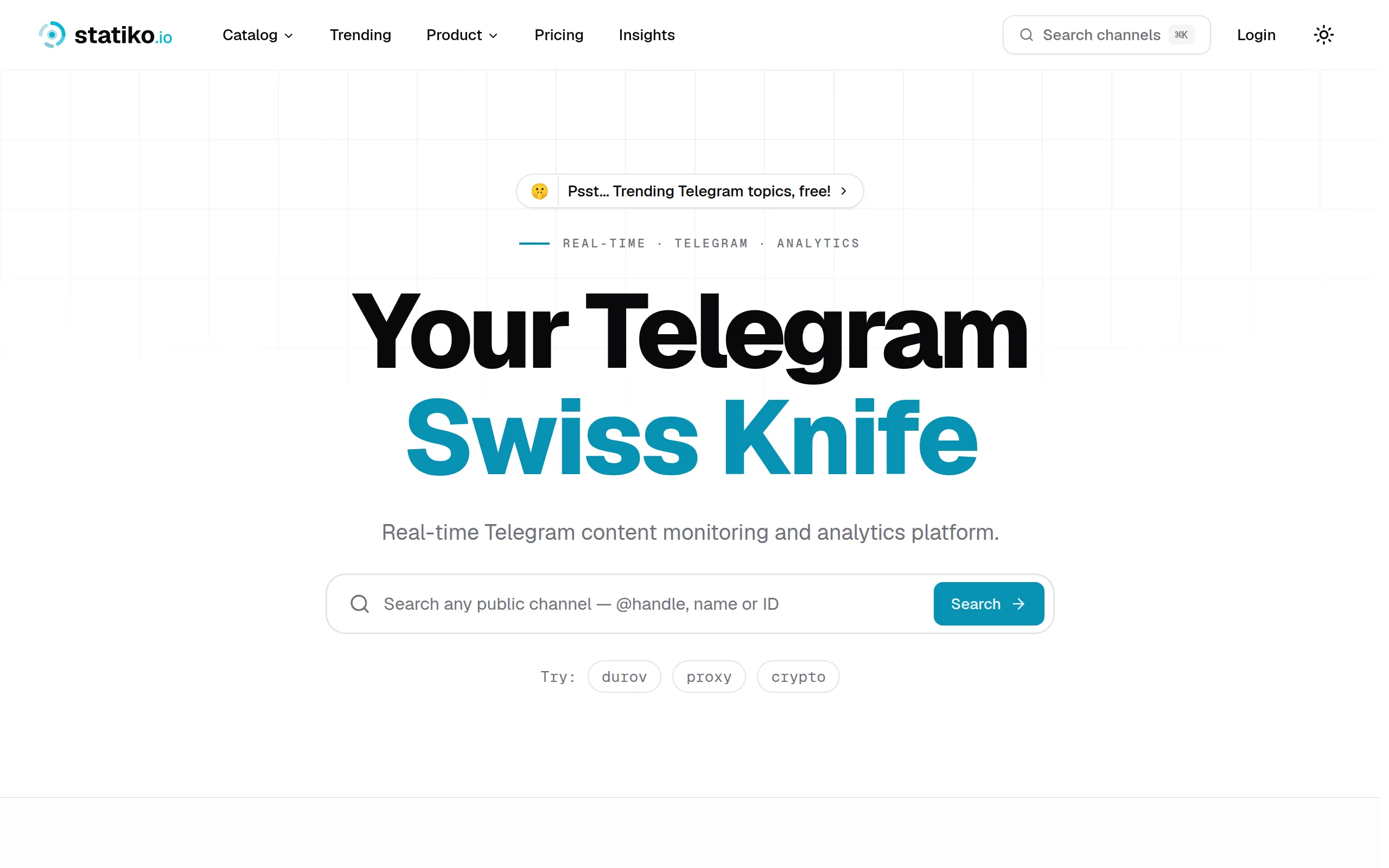
Statiko
Monitor any Telegram channel in real time - track posts, edits, deletions, and growth with AI recaps 📡

Shibui
AI website builder - describe your business, pick a niche template, edit by chatting, and publish instantly ✨

Pro Service
Find verified home service professionals, compare quotes, and pay securely through escrow - built for Brazilians across the US 🏠
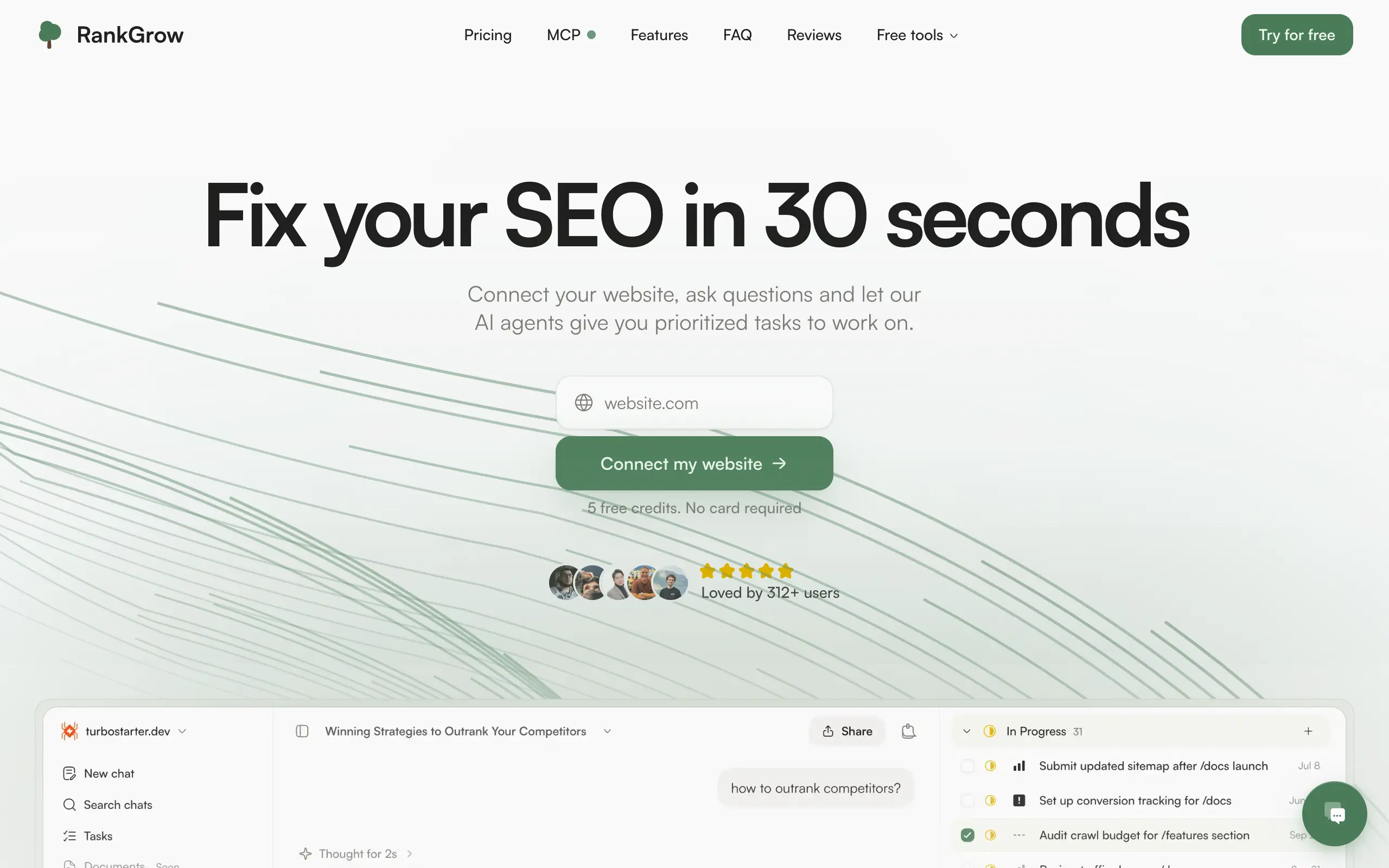
RankGrow
Fix your SEO with AI agents - connect Search Console, get prioritized tasks, and grow organic traffic 📈
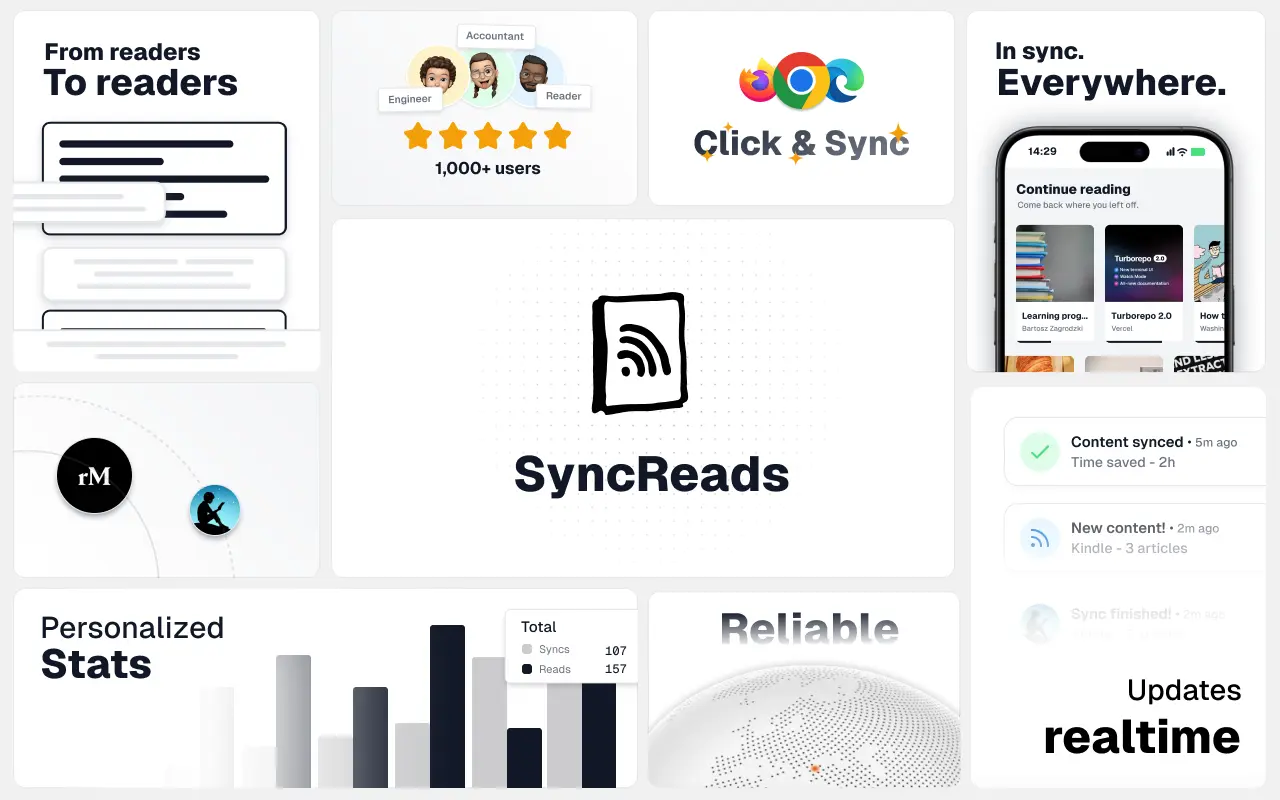
SyncReads
Sync your favorite content for distraction-free reading, save time and replace multiple apps. Anytime, anywhere 🔄
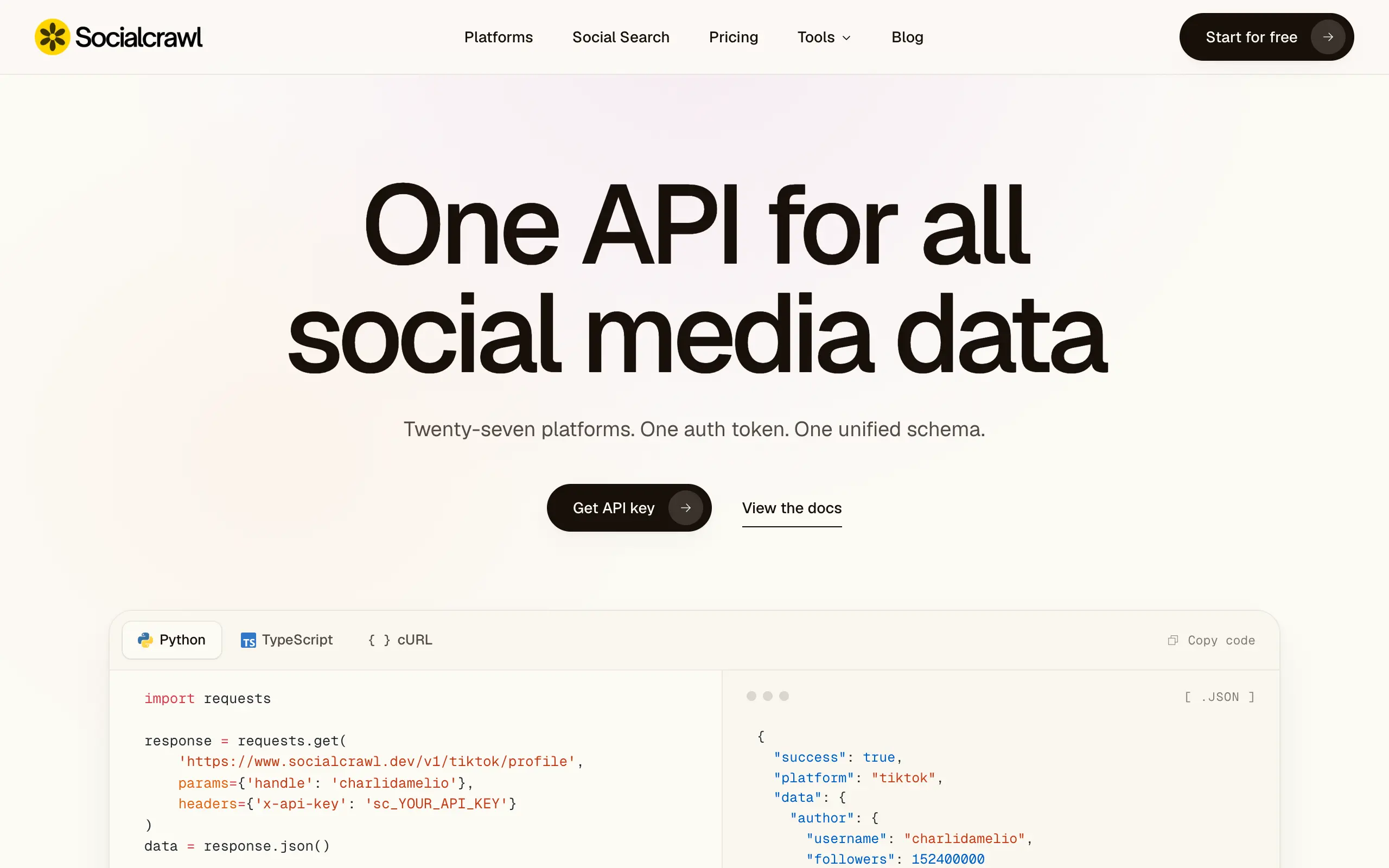
Socialcrawl
Get clean, structured data from 21 platforms like TikTok, Instagram, and YouTube with a single request 📊
Statiko
Monitor any Telegram channel in real time - track posts, edits, deletions, and growth with AI recaps 📡
Shibui
AI website builder - describe your business, pick a niche template, edit by chatting, and publish instantly ✨
Pro Service
Find verified home service professionals, compare quotes, and pay securely through escrow - built for Brazilians across the US 🏠
RankGrow
Fix your SEO with AI agents - connect Search Console, get prioritized tasks, and grow organic traffic 📈
SyncReads
Sync your favorite content for distraction-free reading, save time and replace multiple apps. Anytime, anywhere 🔄
Socialcrawl
Get clean, structured data from 21 platforms like TikTok, Instagram, and YouTube with a single request 📊
Statiko
Monitor any Telegram channel in real time - track posts, edits, deletions, and growth with AI recaps 📡
Shibui
AI website builder - describe your business, pick a niche template, edit by chatting, and publish instantly ✨
Pro Service
Find verified home service professionals, compare quotes, and pay securely through escrow - built for Brazilians across the US 🏠
RankGrow
Fix your SEO with AI agents - connect Search Console, get prioritized tasks, and grow organic traffic 📈
SyncReads
Sync your favorite content for distraction-free reading, save time and replace multiple apps. Anytime, anywhere 🔄
Socialcrawl
Get clean, structured data from 21 platforms like TikTok, Instagram, and YouTube with a single request 📊
Statiko
Monitor any Telegram channel in real time - track posts, edits, deletions, and growth with AI recaps 📡
Shibui
AI website builder - describe your business, pick a niche template, edit by chatting, and publish instantly ✨
Pro Service
Find verified home service professionals, compare quotes, and pay securely through escrow - built for Brazilians across the US 🏠
RankGrow
Fix your SEO with AI agents - connect Search Console, get prioritized tasks, and grow organic traffic 📈
SyncReads
Sync your favorite content for distraction-free reading, save time and replace multiple apps. Anytime, anywhere 🔄
Socialcrawl
Get clean, structured data from 21 platforms like TikTok, Instagram, and YouTube with a single request 📊
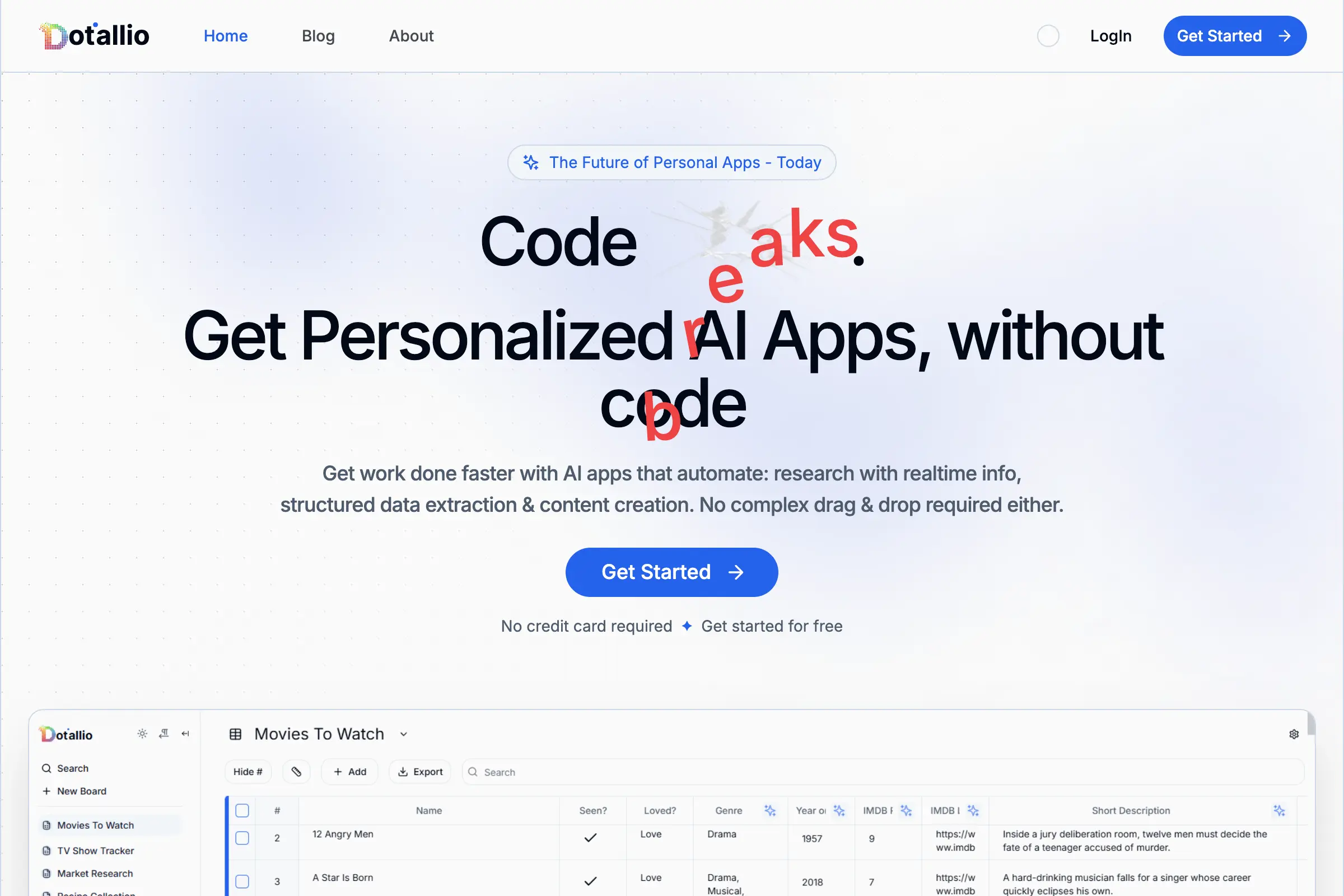
Dotallio
Personalized AI apps that automate research, data extraction, and content creation without code 🤖

Talk to Santa
Enjoy a magical live video chat or receive a unique AI-generated video greeting from Santa Claus 🎅

pozywka.pl
Scalable blog for food journalist, focused on performance and user experience 🌭
zagrodzki.me
Personal blog and portfolio of Bart Zagrodzki, where he shares his knowledge and work 💼
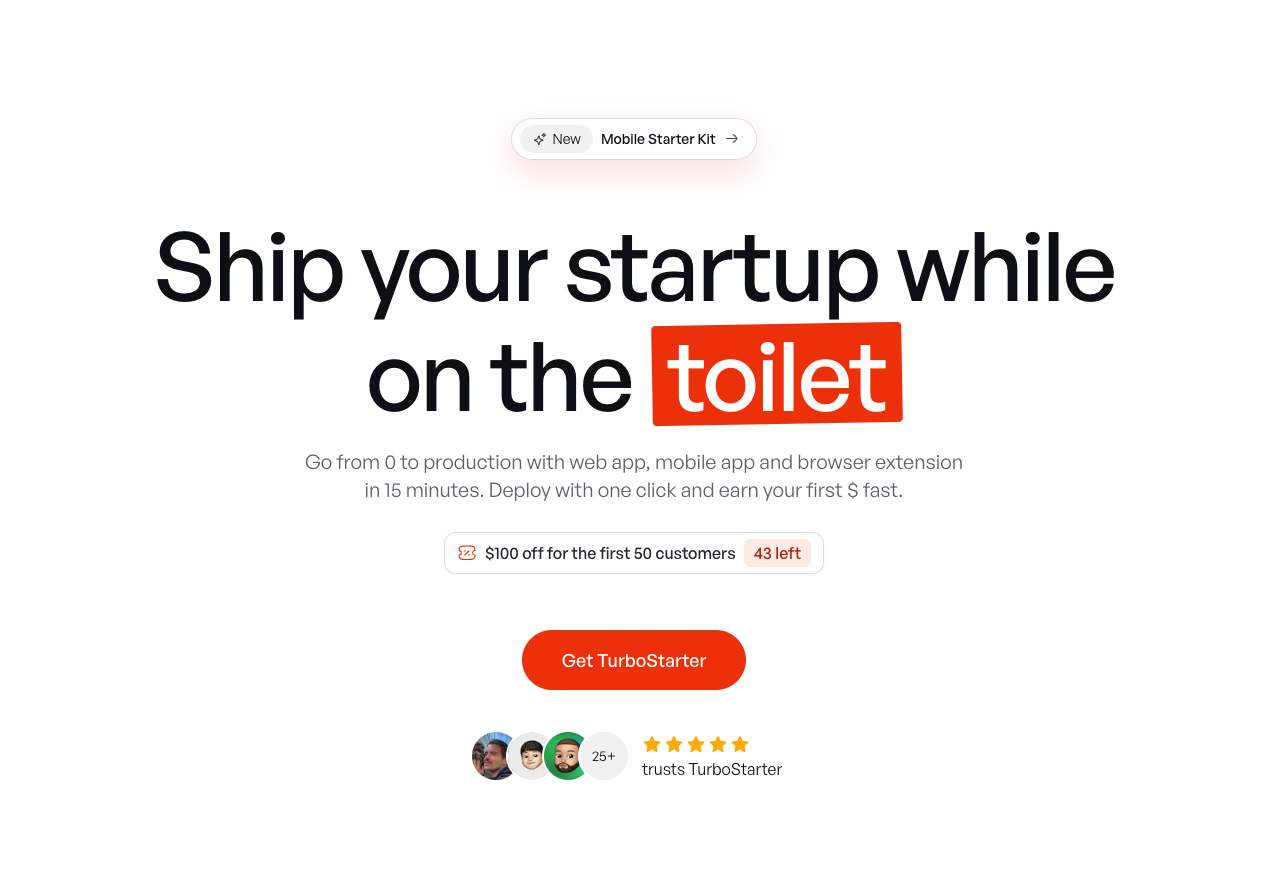
TurboStarter
Ship your startup everywhere. In minutes.
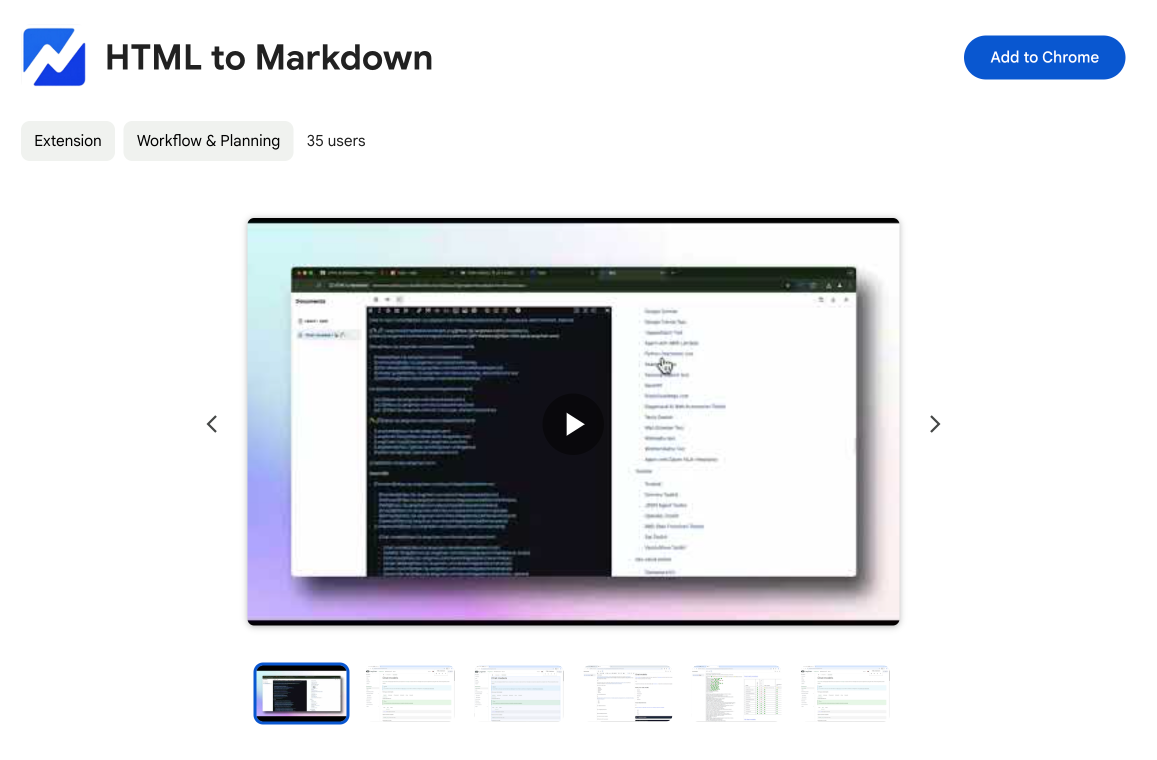
HTML to Markdown
Convert HTML to Markdown with ease, directly in your browser 📄
Dotallio
Personalized AI apps that automate research, data extraction, and content creation without code 🤖
Talk to Santa
Enjoy a magical live video chat or receive a unique AI-generated video greeting from Santa Claus 🎅
pozywka.pl
Scalable blog for food journalist, focused on performance and user experience 🌭
zagrodzki.me
Personal blog and portfolio of Bart Zagrodzki, where he shares his knowledge and work 💼
TurboStarter
Ship your startup everywhere. In minutes.
HTML to Markdown
Convert HTML to Markdown with ease, directly in your browser 📄
Dotallio
Personalized AI apps that automate research, data extraction, and content creation without code 🤖
Talk to Santa
Enjoy a magical live video chat or receive a unique AI-generated video greeting from Santa Claus 🎅
pozywka.pl
Scalable blog for food journalist, focused on performance and user experience 🌭
zagrodzki.me
Personal blog and portfolio of Bart Zagrodzki, where he shares his knowledge and work 💼
TurboStarter
Ship your startup everywhere. In minutes.
HTML to Markdown
Convert HTML to Markdown with ease, directly in your browser 📄
Dotallio
Personalized AI apps that automate research, data extraction, and content creation without code 🤖
Talk to Santa
Enjoy a magical live video chat or receive a unique AI-generated video greeting from Santa Claus 🎅
pozywka.pl
Scalable blog for food journalist, focused on performance and user experience 🌭
zagrodzki.me
Personal blog and portfolio of Bart Zagrodzki, where he shares his knowledge and work 💼
TurboStarter
Ship your startup everywhere. In minutes.
HTML to Markdown
Convert HTML to Markdown with ease, directly in your browser 📄
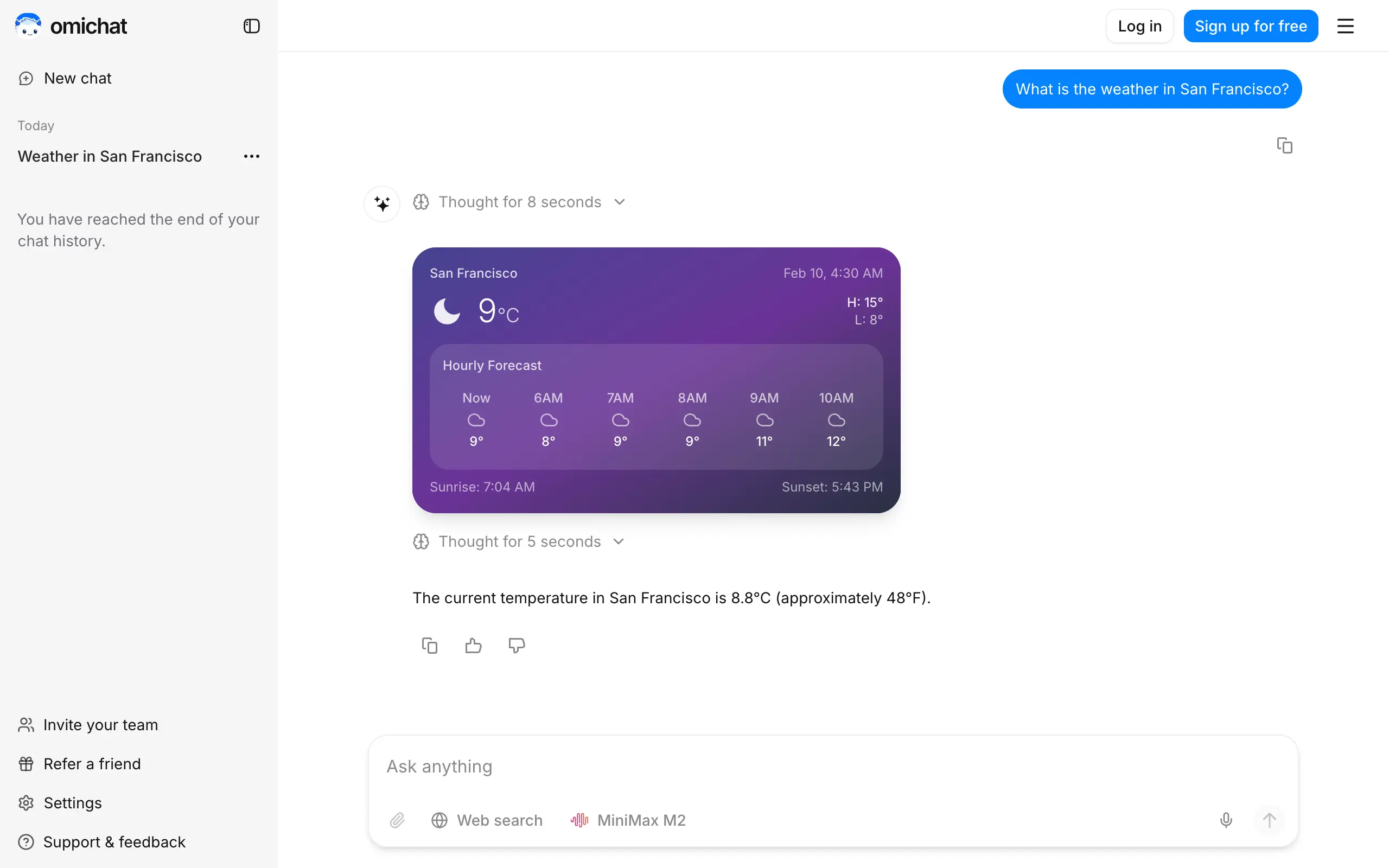
Omichat
Chat with 50+ AI models, including ChatGPT and Claude, in one place - switch models anytime without losing context 🤖
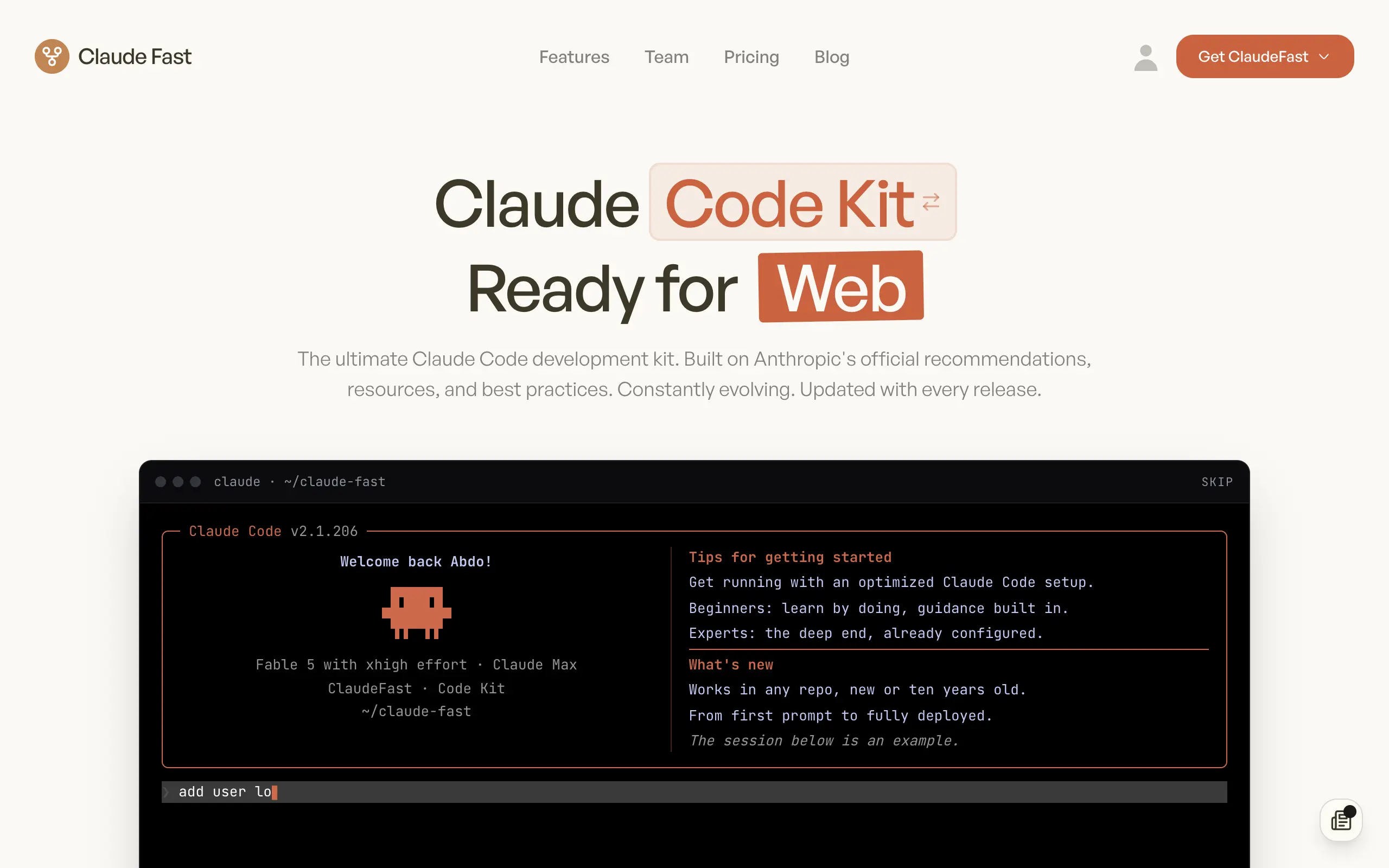
Claude Fast
Supercharge your Claude Code with 6x effective context window and specialized AI agents 🤖
EmojAI
AI-powered emoji picker with smart, context-aware suggestions 🤖
Solohacker
Autonomous company launcher - AI agents work 24/7, escalate what matters, and you stay in control 🤖
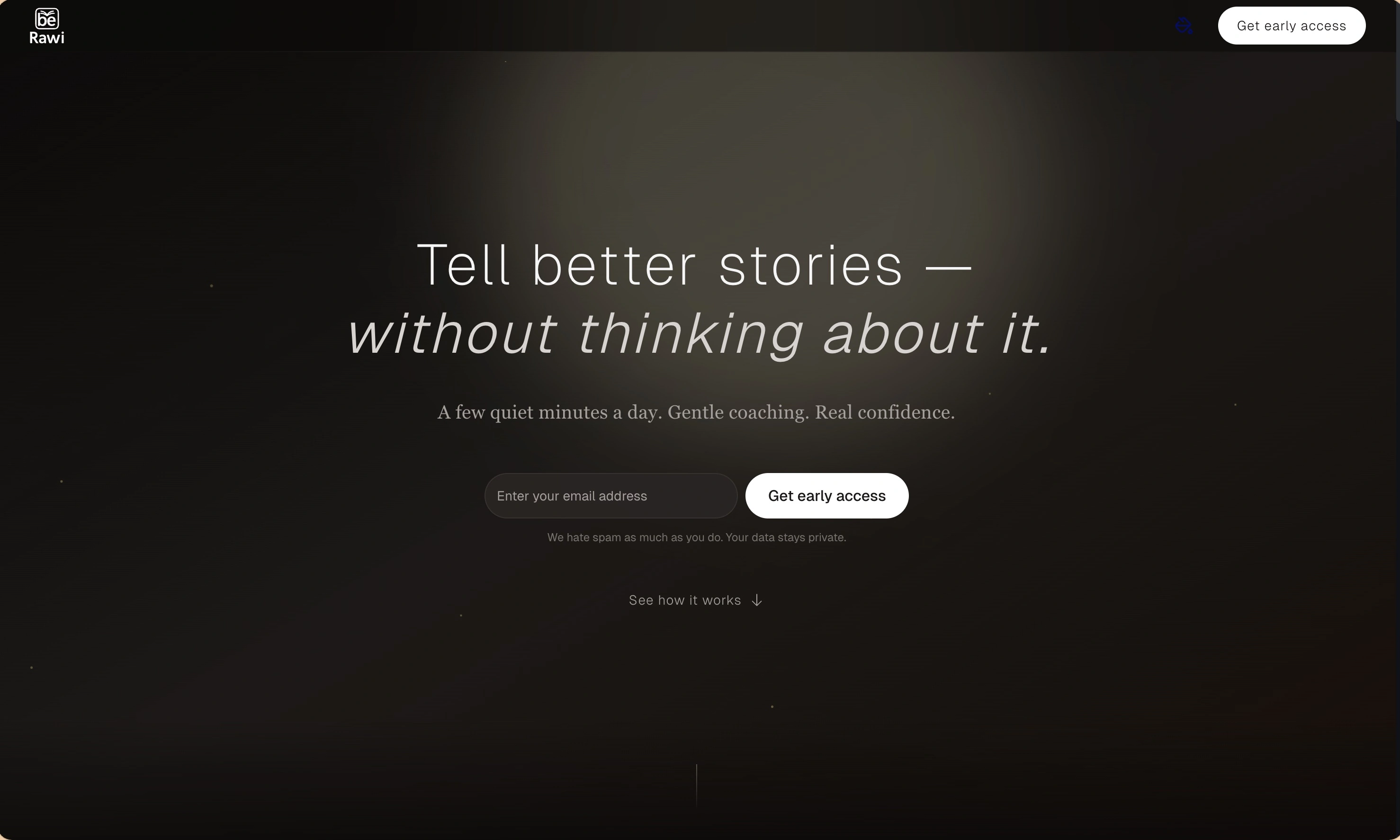
BeRawi: Storytelling Coach
Practice storytelling daily with instant feedback to sound clearer, more engaging, and confident 🎤
Omichat
Chat with 50+ AI models, including ChatGPT and Claude, in one place - switch models anytime without losing context 🤖
Claude Fast
Supercharge your Claude Code with 6x effective context window and specialized AI agents 🤖
EmojAI
AI-powered emoji picker with smart, context-aware suggestions 🤖
Solohacker
Autonomous company launcher - AI agents work 24/7, escalate what matters, and you stay in control 🤖
BeRawi: Storytelling Coach
Practice storytelling daily with instant feedback to sound clearer, more engaging, and confident 🎤
Omichat
Chat with 50+ AI models, including ChatGPT and Claude, in one place - switch models anytime without losing context 🤖
Claude Fast
Supercharge your Claude Code with 6x effective context window and specialized AI agents 🤖
EmojAI
AI-powered emoji picker with smart, context-aware suggestions 🤖
Solohacker
Autonomous company launcher - AI agents work 24/7, escalate what matters, and you stay in control 🤖
BeRawi: Storytelling Coach
Practice storytelling daily with instant feedback to sound clearer, more engaging, and confident 🎤
Omichat
Chat with 50+ AI models, including ChatGPT and Claude, in one place - switch models anytime without losing context 🤖
Claude Fast
Supercharge your Claude Code with 6x effective context window and specialized AI agents 🤖
EmojAI
AI-powered emoji picker with smart, context-aware suggestions 🤖
Solohacker
Autonomous company launcher - AI agents work 24/7, escalate what matters, and you stay in control 🤖
BeRawi: Storytelling Coach
Practice storytelling daily with instant feedback to sound clearer, more engaging, and confident 🎤

Connect with like-minded people
Join our community to get feedback, support, and grow together with 1,000+ builders on board, let's ship it!
Join usShip your startup everywhere. In minutes.
Don't burn tokens on setup and start building features on day one.