SERP Gap Radar
Find low-competition Google queries where search results are outdated, thin, or mismatched. AI scores gaps and drafts content briefs built to win.
Search visibility is becoming harder to win with generic keyword lists alone. Most SEO platforms can show volume, difficulty, and rankings, but they often fail to answer the higher-value question: where is Google already dissatisfied with the available results?
That is the opportunity behind SERP Gap Radar, an AI-powered SERP gap analysis tool designed to identify low-competition search queries where ranking pages are outdated, thin, incomplete, poorly aligned with search intent, or visibly vulnerable. Instead of treating every keyword as a blank-slate content opportunity, the product evaluates the current search engine results page and helps teams prioritize queries they can realistically win.
For content marketers, niche publishers, SEO consultants, and SaaS growth teams, this shifts keyword research from “What can we write about?” to “Where can we produce a clearly better answer than what Google currently ranks?”
The core thesis
SERP Gap Radar should not compete as another broad keyword database. Its defensible position is an evidence-based content opportunity engine that detects weaknesses in live search results and converts them into actionable, search-intent-aware content briefs.
What is a SERP gap analysis tool?
A SERP gap analysis tool evaluates the top-ranking pages for a Google query to find weaknesses that create an opportunity for a new or improved piece of content. A gap can appear when the existing results are old, shallow, inaccurate, missing important subtopics, aimed at the wrong audience, or dominated by pages that do not fully match the query’s likely intent.
A conventional SEO workflow generally looks like this:
- Export thousands of keywords.
- Filter by search volume and keyword difficulty.
- Manually review promising SERPs.
- Guess whether a new article has a chance to outperform existing pages.
- Write a brief and hope the opportunity was correctly assessed.
This process has two major problems. First, keyword difficulty scores are often opaque estimates that do not explain why a query is difficult. Second, manual SERP review does not scale, especially for small teams managing many sites, client accounts, or content clusters.
SERP Gap Radar can streamline that work by doing the first-pass analysis automatically. It can examine search results, classify page quality and intent alignment, identify missing coverage, assign a transparent opportunity score, and generate a content brief based on observable weaknesses.
The product is especially compelling because it aligns with how experienced SEO practitioners actually make editorial decisions. Experts do not choose keywords based only on volume. They inspect what ranks, assess the quality of the content, identify whether users are being well served, and decide whether their site has a credible angle to add.
Why SERP gap analysis matters more than raw keyword difficulty
Keyword difficulty remains useful as a directional metric, but it is insufficient on its own. A query with a high difficulty score may still be vulnerable if the ranking pages are stale, generic, or mismatched to the searcher’s needs. Conversely, a low-difficulty keyword may not be worth targeting if the search intent is unclear, the query has no commercial value, or Google’s results are already highly satisfying.
The real objective is not simply to locate low-competition keywords. It is to find under-served search demand.
For example, consider a query such as “best project management software for small construction companies.” A traditional SEO tool might classify it as competitive because major software review sites rank for it. But a closer SERP analysis may reveal that:
- The ranking comparisons have not been updated for the current year.
- Results recommend enterprise tools with poor small-business fit.
- Articles do not discuss construction-specific workflows.
- No page explains mobile field reporting, subcontractor access, or job-costing integrations.
- Search results lack transparent pricing comparisons.
This is not merely a keyword opportunity. It is a content-product fit opportunity. A construction-focused SaaS company, consultant, or niche publisher could create a better asset because it has a clear perspective that the existing SERP lacks.
A robust AI SERP analysis platform should quantify these types of openings rather than relying on vague “easy keyword” labels.
Target audience for SERP Gap Radar
SERP Gap Radar has broad relevance across SEO, but the first version should focus on users who already understand the value of content-led organic acquisition and feel the pain of inefficient opportunity research.
SEO consultants and agencies
Find defensible content opportunities for clients, reduce manual SERP review, and turn research into persuasive strategy deliverables.
Content-led SaaS teams
Prioritize product-led and commercial-intent topics where a focused, expert resource can outperform generic publisher content.
Niche publishers
Discover underserved informational queries and build topical authority around gaps that large media sites overlook.
SEO consultants and agencies
Agencies are likely the strongest early customer segment because they repeatedly perform the same research task across multiple client accounts. A consultant may spend hours reviewing page titles, publication dates, headings, domain types, and intent patterns to support a content recommendation.
For this audience, the product must provide more than a score. It needs to generate client-ready evidence, such as:
- A summary of weaknesses in the current ranking results.
- A breakdown of search intent inconsistencies.
- Freshness indicators for ranking pages.
- Missing entities, questions, and subtopics.
- Recommendations for content type and format.
- An explanation of why the client has a plausible route to compete.
Agencies will pay for time savings, repeatability, white-label exports, and the ability to demonstrate strategic rigor during client conversations.
In-house SaaS marketing teams
SaaS companies often need content programs that contribute to pipeline, not just traffic. Their ideal opportunities are queries where they can bring product expertise, first-party data, workflow examples, templates, or expert commentary that generic affiliate sites cannot easily replicate.
For a SaaS team, the most useful SERP gap opportunities often include:
- Comparison queries with outdated competitor information.
- Implementation and integration queries with thin documentation.
- Workflow queries that reveal a problem before the buyer searches for software.
- Industry-specific queries poorly served by broad incumbents.
- “How to” queries where real product experience adds credibility.
This segment values integration with existing planning systems, content briefs that map to funnel stages, and scoring that accounts for business relevance rather than search volume alone.
Niche publishers and independent operators
Independent publishers have less authority than large editorial brands, so they need sharper prioritization. They cannot win every broad keyword, but they can win narrowly defined, neglected, and high-intent searches by building the most useful page for a specific audience.
These users need an affordable plan, simple onboarding, and guided recommendations. They may not understand technical SEO terminology, so the interface should explain the opportunity in plain language.
Instead of showing only “SERP volatility score 72,” the product could explain:
The top results are mostly older general guides. None address the query’s industry context, and three ranking pages omit the most commonly related question. A focused, recently updated guide could compete if your site has relevant topical coverage.
Enterprise content and SEO teams
Enterprise customers are valuable later, but they require more mature capabilities. These teams may need workspace permissions, audit logs, domain-level reporting, API access, competitive monitoring, integrations, and custom scoring models.
They also expect data reliability and clear methodology. For this audience, the platform’s score cannot feel like a black box. Transparent evidence and configurable evaluation criteria become a critical trust feature.
The market gap in keyword research software
The SEO software market is crowded with rank trackers, backlink databases, site crawlers, keyword tools, and AI writing assistants. SERP Gap Radar should avoid trying to replace all of them.
Its market gap is the space between keyword discovery and content production.
Most platforms help users answer one of these questions:
- What keywords exist?
- How much search volume does a query receive?
- Which pages rank today?
- What backlinks do competitors have?
- How is my site performing?
- Can AI write an article draft?
The missing question is more strategic:
Which search results are visibly weak enough that creating a better page is likely to be worth the investment?
This distinction is important. The product is not an AI content generator disguised as an SEO platform. It is a content opportunity intelligence system. The AI output is valuable because it is grounded in SERP evidence, not because it produces more words.
Signals that reveal a search result gap
A meaningful SERP gap score should combine multiple signals. No individual indicator is enough, but their combination can produce a useful probability estimate.
| Signal | What it measures | Why it matters | Example opportunity | Risk of false positive |
|---|---|---|---|---|
| Content freshness | Age and update recency of ranking pages | Old information can create a better-answer opportunity | Outdated product comparisons | Evergreen topics may not need updates |
| Intent alignment | How closely pages match likely user needs | Mixed results may indicate Google lacks a perfect answer | Transactional query served by informational guides | Ambiguous queries naturally have mixed intent |
| Topical completeness | Important entities, questions, and concepts omitted by results | Coverage gaps reveal room for a more complete resource | Missing industry-specific requirements | Not every missing topic is relevant |
| Authority mismatch | Whether broad domains rank without specialized expertise | Niche expertise can outperform generic coverage | General listicle ranking for a technical workflow | Large brands may still have strong ranking signals |
The platform should treat these signals as evidence, not certainty. That positioning supports trustworthiness and protects users from over-relying on AI recommendations.
The core product experience
The best product experience starts with a simple promise: import a topic, domain, competitor, or keyword list and receive a ranked backlog of opportunities with clear reasons to act.
The workflow should feel like a research assistant that has already completed the tedious first pass.
Opportunity discovery and keyword ingestion
Users should be able to start from several inputs:
- A seed topic such as “HR compliance software.”
- A competitor domain.
- Their own domain and existing content inventory.
- A CSV export from another SEO platform.
- Search Console query data, where permission is granted.
- A list of customer questions from sales, support, or community channels.
The system can expand seeds into related query clusters, then retrieve live or recently cached SERP data. Because data collection costs can grow quickly, the product should make its credit usage explicit. Users should know whether a report consumes one SERP check, one keyword credit, or a larger AI analysis credit.
Multi-factor SERP gap scoring
The central feature is a transparent SERP gap score. Rather than offering only an arbitrary 0–100 number, the interface should show the inputs behind the score.
A practical scoring model may include:
- SERP freshness weakness.
- Content depth weakness.
- Search intent inconsistency.
- Domain authority dispersion.
- Presence of user-generated content in top results.
- Presence of forums, social posts, or low-quality aggregation pages.
- Content format mismatch.
- Entity and subtopic coverage gaps.
- Query relevance to the user’s domain or business.
- Estimated likelihood that a new page can offer differentiated experience.
An illustrative formula could look like this:
const opportunityScore =
  freshnessGap * 0.15 +
  intentMismatch * 0.2 +
  topicalCoverageGap * 0.2 +
  authorityVulnerability * 0.15 +
  formatMismatch * 0.1 +
  businessRelevance * 0.2;
The exact scoring weights should be configurable over time, but early versions should prioritize clarity over model complexity. A user must be able to understand why an opportunity ranked above another one.
SERP evidence cards
Every high-scoring keyword should lead to an evidence view. This is where SERP Gap Radar becomes more actionable than a generic content idea tool.
The evidence card could include:
- The current top ten page titles and domains.
- Publication and visible update dates where available.
- A short AI assessment of each page’s likely intent.
- Word-count or page-depth estimates used cautiously.
- Recurring headings and entities covered across the SERP.
- Important questions missing from most results.
- A content-type recommendation such as guide, comparison, calculator, template, glossary, or landing page.
- A confidence level and limitations notice.
Avoid claiming that a page is “bad” simply because it is short. Some queries deserve concise answers. The model needs to distinguish between thin content and intentionally efficient content that satisfies the query.
AI-generated content briefs built to compete
The content brief is the paid outcome users care about. It should not be a generic SEO outline full of predictable headings. It should explain the specific competitive gap and show how the new page can address it.
A high-quality brief should contain:
- The primary query and clustered secondary queries.
- The likely search intent and recommended page format.
- The searcher’s underlying job to be done.
- A SERP weakness summary backed by observed evidence.
- Recommended unique angle or point of view.
- Required sections and supporting questions.
- Entities, terms, tools, and concepts worth addressing.
- Suggested first-party experience to include.
- Internal linking recommendations based on the connected site.
- A publication and update plan.
The “unique angle” section is particularly important. A brief might recommend that a B2B company include a workflow walkthrough, original data, an expert quote, a downloadable template, or a real implementation example. These are elements that demonstrate experience and help content move beyond a rewritten version of what already ranks.
Brief quality controls
AI-generated briefs need guardrails. SERP Gap Radar should give users the ability to edit recommendations, exclude irrelevant competitor pages, select an audience level, and choose the desired business outcome.
Prioritize comprehensive answers, examples, definitions, expert context, and related questions. The goal is to become the most helpful resource for an early-stage searcher.
Prioritize decision criteria, alternatives, pricing context, use cases, limitations, and transparent comparisons. The goal is to help evaluators make a confident choice.
Prioritize practical workflows, templates, integrations, implementation steps, and clear product relevance. The goal is to solve the user problem while naturally demonstrating product value.
How AI should evaluate SERP weaknesses responsibly
The AI layer is powerful, but SEO professionals will distrust a system that makes unsupported claims. SERP Gap Radar should therefore present AI as an analyst that synthesizes observable signals, not as an oracle that guarantees rankings.
A reliable workflow has three layers:
- Data retrieval collects ranking URLs, metadata, snippets, visible publication signals, and page text within legal and contractual limits.
- Deterministic analysis calculates repeatable features such as title similarity, date distribution, domain diversity, content structure, and entity overlap.
- LLM reasoning interprets patterns, classifies intent, identifies likely omissions, and writes the human-readable recommendation.
This hybrid approach is safer than asking a language model to infer everything from a few snippets. It also enables better debugging. If an opportunity score seems wrong, the team can determine whether the issue came from data quality, a feature calculation, or the reasoning layer.
E-E-A-T should be part of the opportunity model
Google’s public guidance emphasizes helpful, reliable, people-first content. While no third-party tool can directly measure how Google evaluates E-E-A-T, SERP Gap Radar can help users create content that better demonstrates experience, expertise, authoritativeness, and trustworthiness.
The brief generator can recommend evidence such as:
- Original screenshots or product walkthroughs.
- First-hand use cases and documented outcomes.
- Expert review from a qualified practitioner.
- Named authors and clear editorial ownership.
- Sources for changing claims, regulations, and statistics.
- Transparent limitations and alternative approaches.
- A visible update date when freshness matters.
For current claims about search quality guidance, users should cite the relevant official documentation from Google Search Central and preserve source dates in their editorial workflow. The platform should never imply that adding an author bio or a few citations guarantees rankings.
Avoid the AI content trap
The product should not encourage publishing large volumes of lightly edited AI articles. Its value comes from identifying where a genuinely better page can exist, then helping a qualified creator add original expertise and evidence.
Recommended tech stack for an AI SERP analysis SaaS
SERP Gap Radar needs a stack that supports authenticated workspaces, usage-based billing, data-heavy background processing, explainable AI outputs, and an efficient content team workflow.
A practical modern architecture could use Next.js for the application layer, React for interactive interfaces, and Tailwind CSS for rapid, consistent UI development. A relational database such as PostgreSQL is well suited for users, projects, keywords, SERP snapshots, scores, briefs, billing records, and audit trails.
Suggested architecture
- "Frontend and application layer" Use Next.js for server-rendered dashboards, API routes, authentication flows, and SEO-friendly marketing pages.
- "Database" Use PostgreSQL because SERP analysis data has clear relational structure and benefits from robust querying.
- "Authentication and storage" Consider Supabase when fast setup, managed Postgres, authentication, and object storage are useful.
- "Background jobs" Use a durable queue for SERP processing, content extraction, embedding generation, and batch brief creation.
- "AI provider abstraction" Build a provider layer so prompts can be routed to different models as quality, latency, and cost requirements change.
- "LLM integration" Use official APIs such as the OpenAI API while retaining model outputs, prompt versions, and evaluation data for quality assurance.
- "Billing" Use Stripe for subscriptions, metered usage, invoices, and payment recovery.
- "Observability" Track API failures, job delays, cache hit rates, prompt cost, score distribution, and user activation events.
Trade-offs to consider
Using a managed backend accelerates the MVP, but specialized data processing workloads may eventually justify a separate worker service. Running all analysis synchronously inside web requests will create poor user experiences and timeout risks. Long-running SERP analysis should always happen in background jobs with visible status updates.
LLM costs are another major trade-off. Generating a detailed brief for every keyword in a 10,000-keyword import can become expensive. A staged funnel helps control costs:
- Run low-cost deterministic filters on all candidate keywords.
- Score only the most promising subset.
- Use deeper AI analysis for high-score opportunities.
- Generate full briefs only when the user requests them or when a plan includes credits.
This design preserves quality while giving users predictable usage economics.
Monetization strategy for SERP Gap Radar
The product’s pricing should reflect recurring research needs while protecting margins from data and model costs. A hybrid subscription plus credit model is likely the best fit.
Subscription tiers
A simple initial structure could include three plans:
- "Starter" For independent creators and small sites with a monthly SERP analysis allowance and limited projects.
- "Pro" For consultants, agencies, and in-house teams that need larger keyword imports, export options, and recurring monitoring.
- "Agency" For multi-client workspaces with client folders, white-label reports, collaboration permissions, and higher-volume credits.
Brief generation can be included up to a plan limit, then sold through top-up credits. This creates a natural upgrade path without requiring users to buy an expensive enterprise plan before they see value.
Usage-based components
A fair usage model may charge based on:
- SERP snapshots analyzed.
- Keywords clustered.
- Deep AI analyses run.
- Full content briefs generated.
- Ongoing monitored queries.
- API requests or exports.
Transparency matters more than complexity. Users should see estimated credit costs before launching large jobs and receive alerts when a project approaches its allowance.
High-value premium features
Potential premium features include:
- Historical SERP gap tracking.
- Competitor content decay alerts.
- Search Console integration.
- Domain topical authority mapping.
- Content refresh recommendations for existing URLs.
- Shareable client reports.
- API and bulk exports.
- Team roles and approval workflows.
- Custom scoring rules for specific verticals.
The strongest long-term expansion is not simply more AI writing. It is a content intelligence layer that helps teams decide what to create, what to refresh, what to consolidate, and what to ignore.
Competitive advantage and unique selling proposition
The unique selling proposition for SERP Gap Radar is straightforward:
It finds search opportunities by diagnosing weaknesses in what already ranks, then turns those findings into evidence-backed content briefs designed to create a materially better result.
This differs from familiar categories of SEO software.
| Category | Primary output | Typical limitation | SERP Gap Radar advantage | Buyer value |
|---|---|---|---|---|
| Keyword database | Volume and difficulty estimates | Limited explanation of current SERP weakness | Analyzes why a result set may be vulnerable | Better prioritization |
| AI writer | Draft content | Often lacks grounded competitive context | Builds a brief from observed ranking gaps | More differentiated content |
| Rank tracker | Position monitoring | Explains what happened after publication | Finds opportunities before content investment | Proactive strategy |
| Manual SERP review | Expert opinion | Slow and hard to standardize | Automates repeatable first-pass analysis | Research at scale |
The advantage becomes stronger when the platform develops proprietary historical data. If it tracks how SERPs change over time, which gaps were later filled, and which recommendations led to ranking gains, it can build increasingly useful predictive models.
This is a meaningful data moat, but only if the product captures outcomes. Users should be encouraged to mark briefs as published, connect target URLs, and optionally track ranking or conversion results. Aggregated, privacy-respecting performance feedback can improve scoring quality over time.
Risks and mitigation strategies
A compelling SaaS concept still needs realistic risk management. SERP analysis is operationally and commercially complex.
Search data access and compliance risk
Live Google search data is expensive and subject to provider limitations. Scraping search results directly can create reliability, legal, and contractual risks depending on the method and geography.
Mitigation should include using reputable, compliant SERP data providers, caching results appropriately, documenting data sources, limiting unnecessary refreshes, and designing the platform so data provider changes do not require rebuilding the product.
AI hallucination and weak recommendations
Language models may confidently invent missing topics, misread ambiguous queries, or overstate the quality gap.
Mitigation includes grounding outputs in retrieved page content, showing evidence beside conclusions, asking the model to cite source URLs internally, recording confidence scores, and letting users flag poor analyses. The platform should use structured outputs rather than unrestricted prose wherever possible.
Overpromising ranking outcomes
Users may interpret “high opportunity” as “guaranteed rankings.” That creates churn and reputational risk.
Mitigation is clear language. Use terms such as “potential gap,” “evidence suggests,” and “recommended for review.” Explain that content quality, domain authority, technical SEO, backlinks, user satisfaction, and Google’s evolving systems all influence performance.
Crowded SEO software market
SEO buyers already have many tools and may resist another dashboard.
Mitigation is narrow positioning and fast time to value. A new user should be able to upload a list and find several well-explained opportunities within minutes. Integrations and exports matter because SERP Gap Radar should enhance an existing stack, not force users to replace it.
Data cost pressure
SERP APIs, page extraction, embeddings, and LLM requests can erode margins.
Mitigation requires usage metering, caching, staged analysis, queue efficiency, model routing, and plan limits. Measure gross margin per active workspace from the first beta cohort rather than waiting until scale.
Go-to-market strategy for the first 90 days
The first customer acquisition strategy should focus on practitioners who understand manual SERP review and can immediately validate the output quality.
Start with SEO consultants, boutique agencies, and content strategists. These users are ideal design partners because they have frequent use cases and strong opinions about whether an opportunity is real.
Build a public “gap of the week” content engine
Publish short analyses of interesting SERP gaps in specific verticals. Each post can show a query, summarize what ranks, identify the missing angle, and explain the recommended content asset.
This approach demonstrates the product’s methodology without revealing proprietary implementation details. It also attracts exactly the audience that values SERP analysis.
Examples of content themes include:
- Why outdated comparison pages create SaaS content opportunities.
- How to spot intent mismatch in B2B Google results.
- What forum-heavy SERPs can reveal about unanswered user questions.
- When a content refresh is better than publishing a new article.
- How niche expertise can beat generic ranking pages.
Offer an opinionated free tool
A free mini-audit can capture demand. Let visitors analyze one keyword or a small set of queries and receive a limited gap summary. Reserve full SERP evidence, bulk analysis, and downloadable briefs for paid accounts.
The free output must be genuinely useful. A vague teaser score will not build trust. Show at least one concrete insight, such as a freshness pattern, format mismatch, or missing subtopic.
Run a design partner beta
Invite a small group of agency and SaaS marketing teams into a paid or heavily discounted beta. Ask them to use the tool on real client work, not toy examples.
Track:
- Time saved per research project.
- Number of opportunities accepted by strategists.
- Number of briefs turned into published content.
- User agreement with intent classification.
- Brief edits required before use.
- Retention after the initial project.
- Willingness to pay at different credit levels.
These metrics will reveal whether the product is a useful novelty or an indispensable workflow tool.
Actionable implementation plan
A disciplined MVP should solve one workflow exceptionally well: turn a list of keywords into a prioritized set of evidence-backed content opportunities.
For a faster path from idea to production-ready SaaS, TurboStarter can provide a strong foundation for common product requirements such as authentication, billing, application structure, and dashboard workflows. That lets the team concentrate development time on the truly differentiated parts of SERP Gap Radar: analysis quality, evidence design, scoring logic, and content strategy outputs.
Frequently asked questions about SERP gap analysis
No. A SERP gap analysis tool can identify evidence that current results may be vulnerable, but it cannot guarantee rankings. Organic performance also depends on domain relevance, technical quality, links, user satisfaction, competition, and changes in Google’s systems.
A keyword gap usually means competitors rank for queries that a site does not target. A content gap is broader. It identifies missing information, formats, perspectives, or audience needs that existing ranking pages do not adequately serve.
It should support both. New pages are useful when a site lacks relevant coverage. Refresh opportunities are often more efficient when an existing URL already has topical relevance, backlinks, impressions, or partial rankings.
Location, language, device type, and search personalization can materially change results. The product should make these settings explicit, store them with each SERP snapshot, and avoid treating one market’s results as universal.
The clearest early metric is the percentage of analyzed opportunities that an experienced strategist accepts as worth pursuing. Pair that with time saved and the percentage of accepted briefs that become published content.
Final perspective
SERP Gap Radar addresses a real and expensive problem in modern SEO: deciding where content effort has the highest likelihood of producing a meaningful competitive advantage.
The winning version of this product will not promise effortless rankings or replace expert judgment. It will help marketers make better decisions faster by surfacing evidence that existing search results are incomplete, stale, poorly targeted, or insufficiently useful.
Its strongest differentiator is the connection between live SERP diagnosis and practical content execution. When the product can show not only that an opportunity exists, but also what a better page needs to include and why, it becomes far more valuable than a keyword list or generic AI outline.
Build the MVP around transparent scoring, credible evidence, useful briefs, and a workflow that respects human expertise. That is how SERP Gap Radar can earn trust in a crowded SEO software market and become a durable content intelligence platform.
More 🤖 AI Startup SaaS ideas
Discover more innovative ai startup SaaS ideas that are trending in 2026. Each idea is AI-generated with market validation and growth potential to help you find your next profitable venture faster than competitors.
Your competitors are building with TurboStarter
Below are some of the SaaS ideas that have been generated and built with our starter kit.
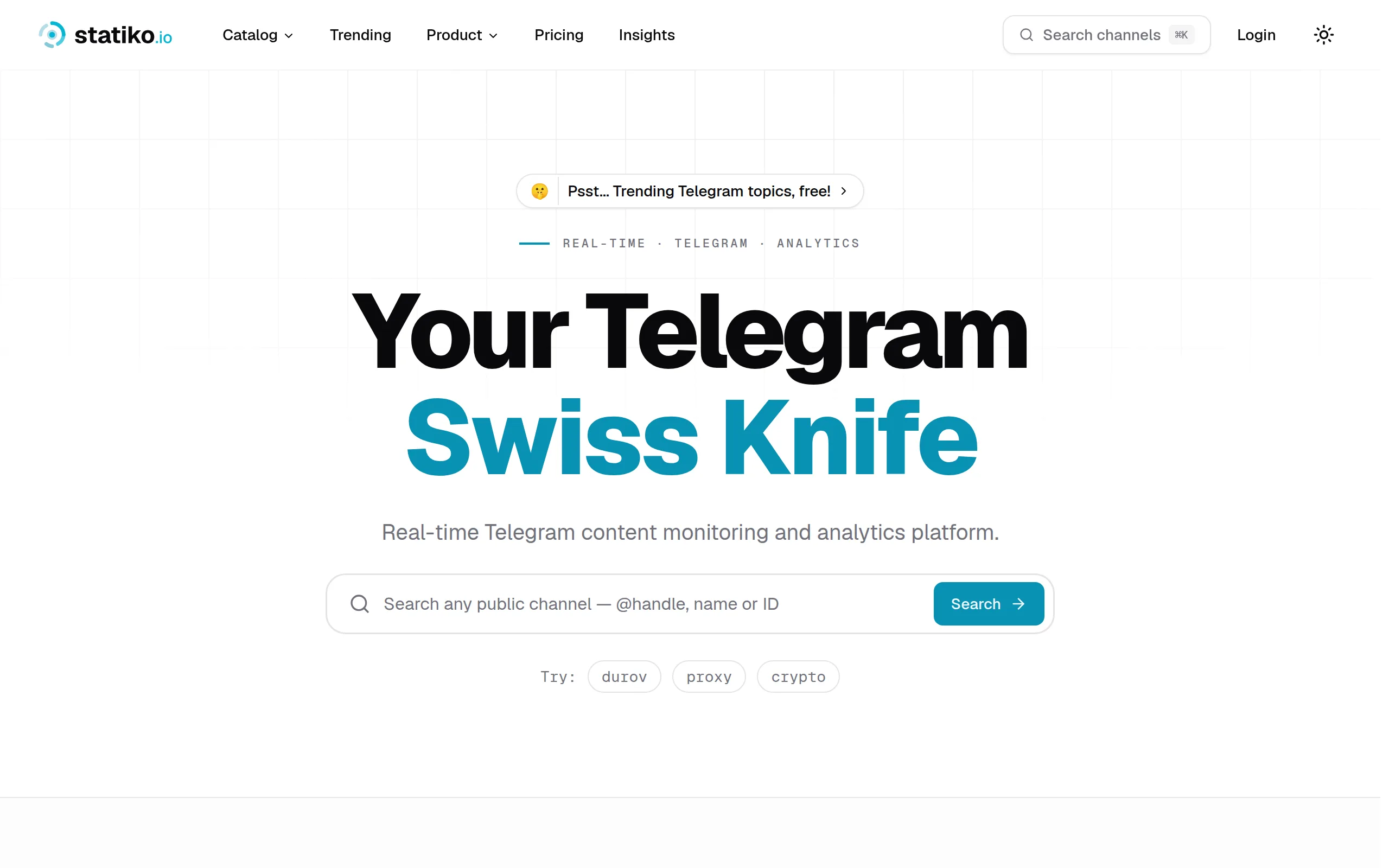
Statiko
Monitor any Telegram channel in real time - track posts, edits, deletions, and growth with AI recaps 📡

Shibui
AI website builder - describe your business, pick a niche template, edit by chatting, and publish instantly ✨

Pro Service
Find verified home service professionals, compare quotes, and pay securely through escrow - built for Brazilians across the US 🏠
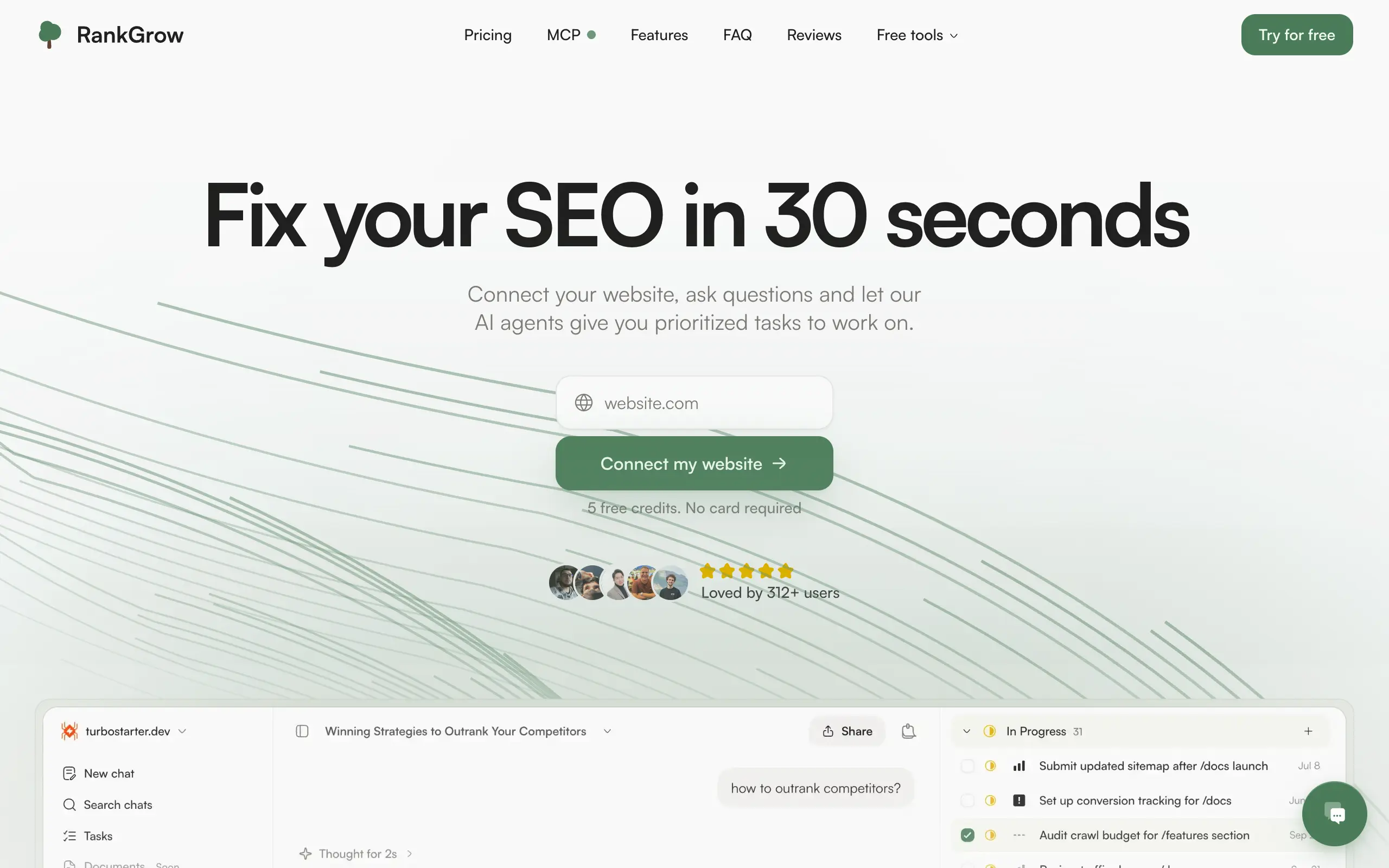
RankGrow
Fix your SEO with AI agents - connect Search Console, get prioritized tasks, and grow organic traffic 📈
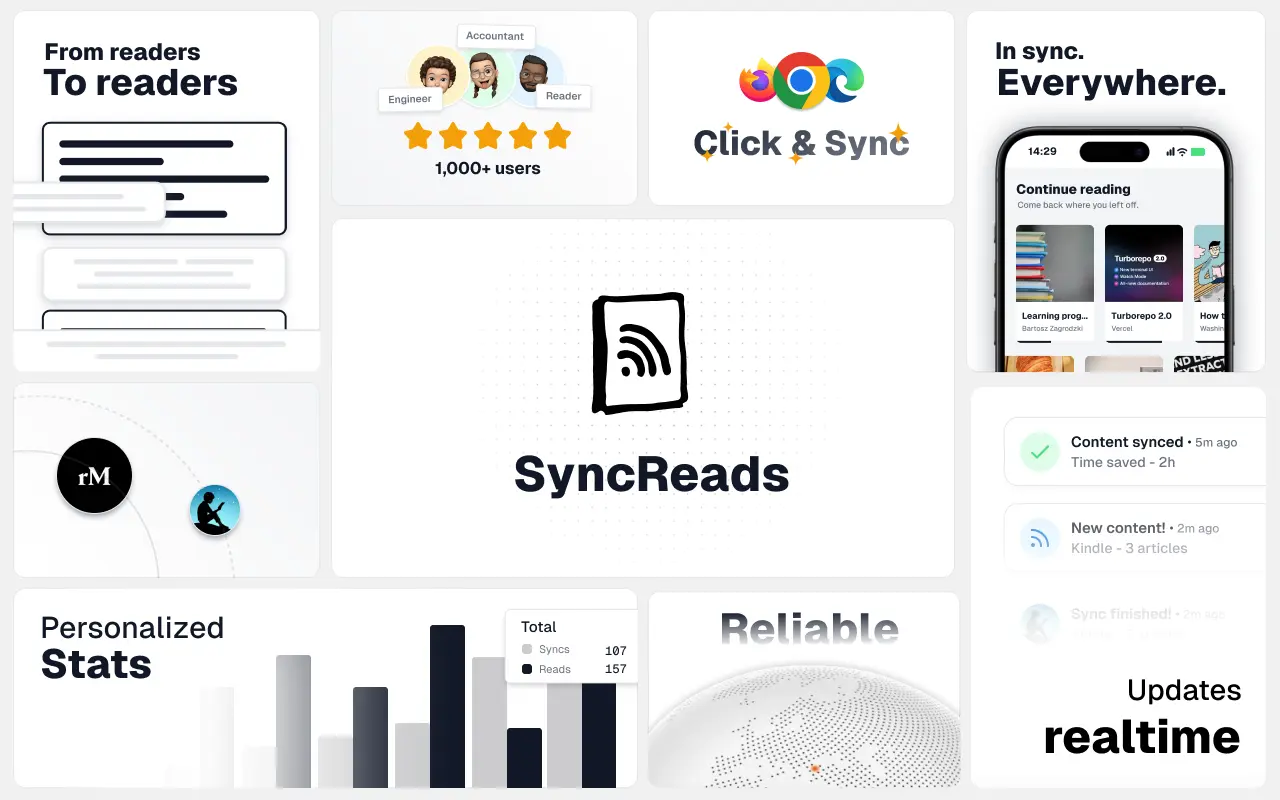
SyncReads
Sync your favorite content for distraction-free reading, save time and replace multiple apps. Anytime, anywhere 🔄
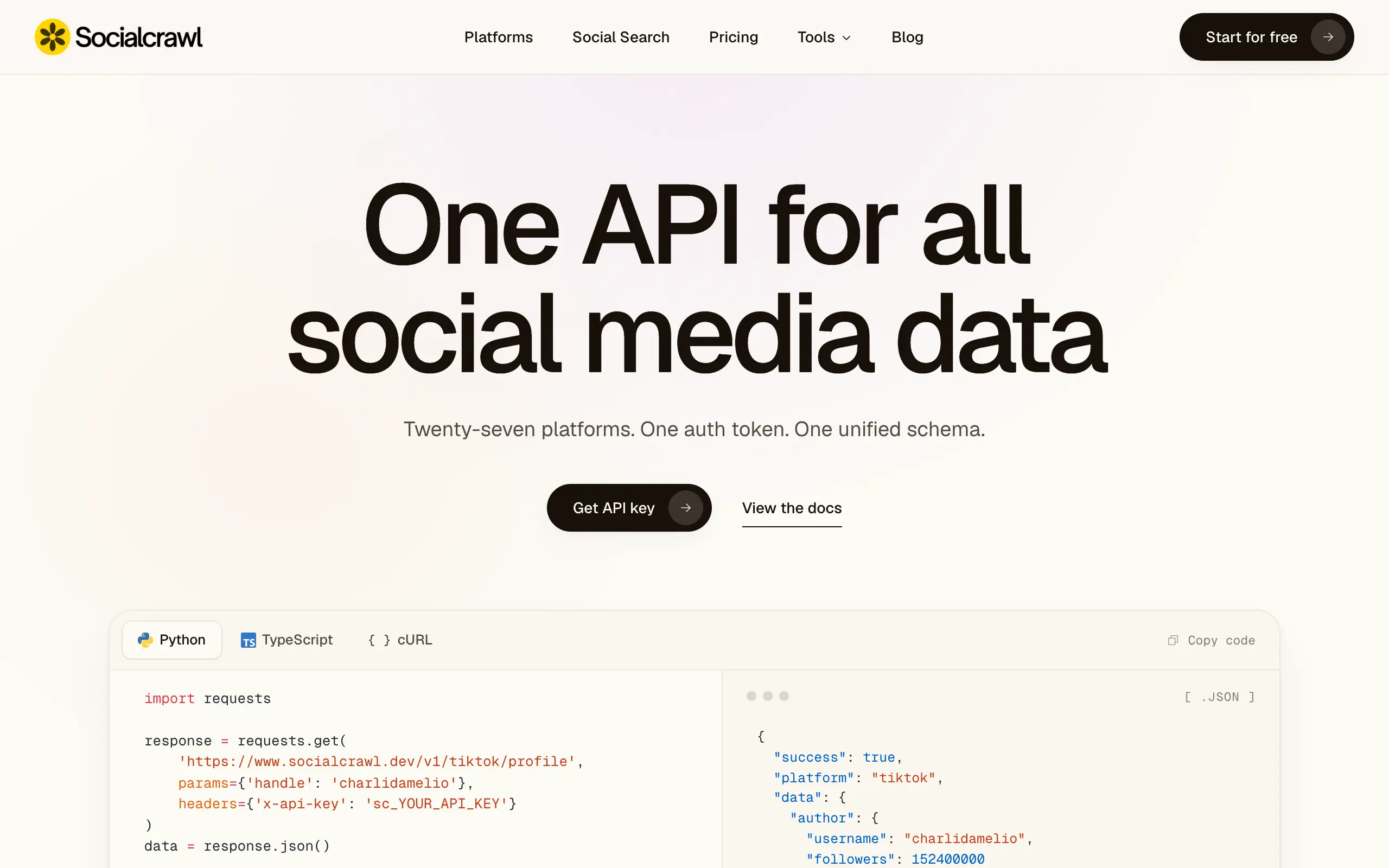
Socialcrawl
Get clean, structured data from 21 platforms like TikTok, Instagram, and YouTube with a single request 📊
Statiko
Monitor any Telegram channel in real time - track posts, edits, deletions, and growth with AI recaps 📡
Shibui
AI website builder - describe your business, pick a niche template, edit by chatting, and publish instantly ✨
Pro Service
Find verified home service professionals, compare quotes, and pay securely through escrow - built for Brazilians across the US 🏠
RankGrow
Fix your SEO with AI agents - connect Search Console, get prioritized tasks, and grow organic traffic 📈
SyncReads
Sync your favorite content for distraction-free reading, save time and replace multiple apps. Anytime, anywhere 🔄
Socialcrawl
Get clean, structured data from 21 platforms like TikTok, Instagram, and YouTube with a single request 📊
Statiko
Monitor any Telegram channel in real time - track posts, edits, deletions, and growth with AI recaps 📡
Shibui
AI website builder - describe your business, pick a niche template, edit by chatting, and publish instantly ✨
Pro Service
Find verified home service professionals, compare quotes, and pay securely through escrow - built for Brazilians across the US 🏠
RankGrow
Fix your SEO with AI agents - connect Search Console, get prioritized tasks, and grow organic traffic 📈
SyncReads
Sync your favorite content for distraction-free reading, save time and replace multiple apps. Anytime, anywhere 🔄
Socialcrawl
Get clean, structured data from 21 platforms like TikTok, Instagram, and YouTube with a single request 📊
Statiko
Monitor any Telegram channel in real time - track posts, edits, deletions, and growth with AI recaps 📡
Shibui
AI website builder - describe your business, pick a niche template, edit by chatting, and publish instantly ✨
Pro Service
Find verified home service professionals, compare quotes, and pay securely through escrow - built for Brazilians across the US 🏠
RankGrow
Fix your SEO with AI agents - connect Search Console, get prioritized tasks, and grow organic traffic 📈
SyncReads
Sync your favorite content for distraction-free reading, save time and replace multiple apps. Anytime, anywhere 🔄
Socialcrawl
Get clean, structured data from 21 platforms like TikTok, Instagram, and YouTube with a single request 📊
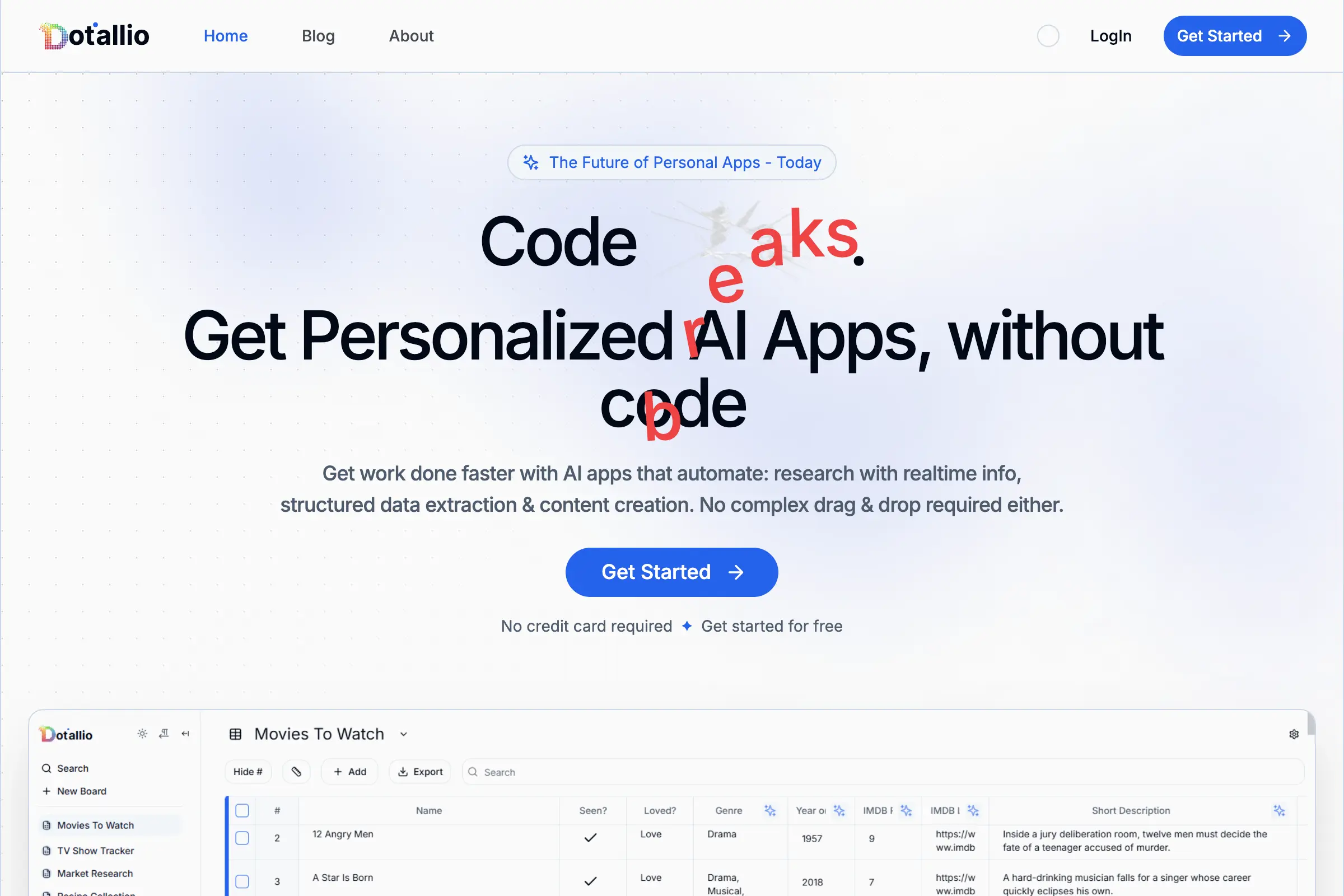
Dotallio
Personalized AI apps that automate research, data extraction, and content creation without code 🤖

Talk to Santa
Enjoy a magical live video chat or receive a unique AI-generated video greeting from Santa Claus 🎅

pozywka.pl
Scalable blog for food journalist, focused on performance and user experience 🌭
zagrodzki.me
Personal blog and portfolio of Bart Zagrodzki, where he shares his knowledge and work 💼
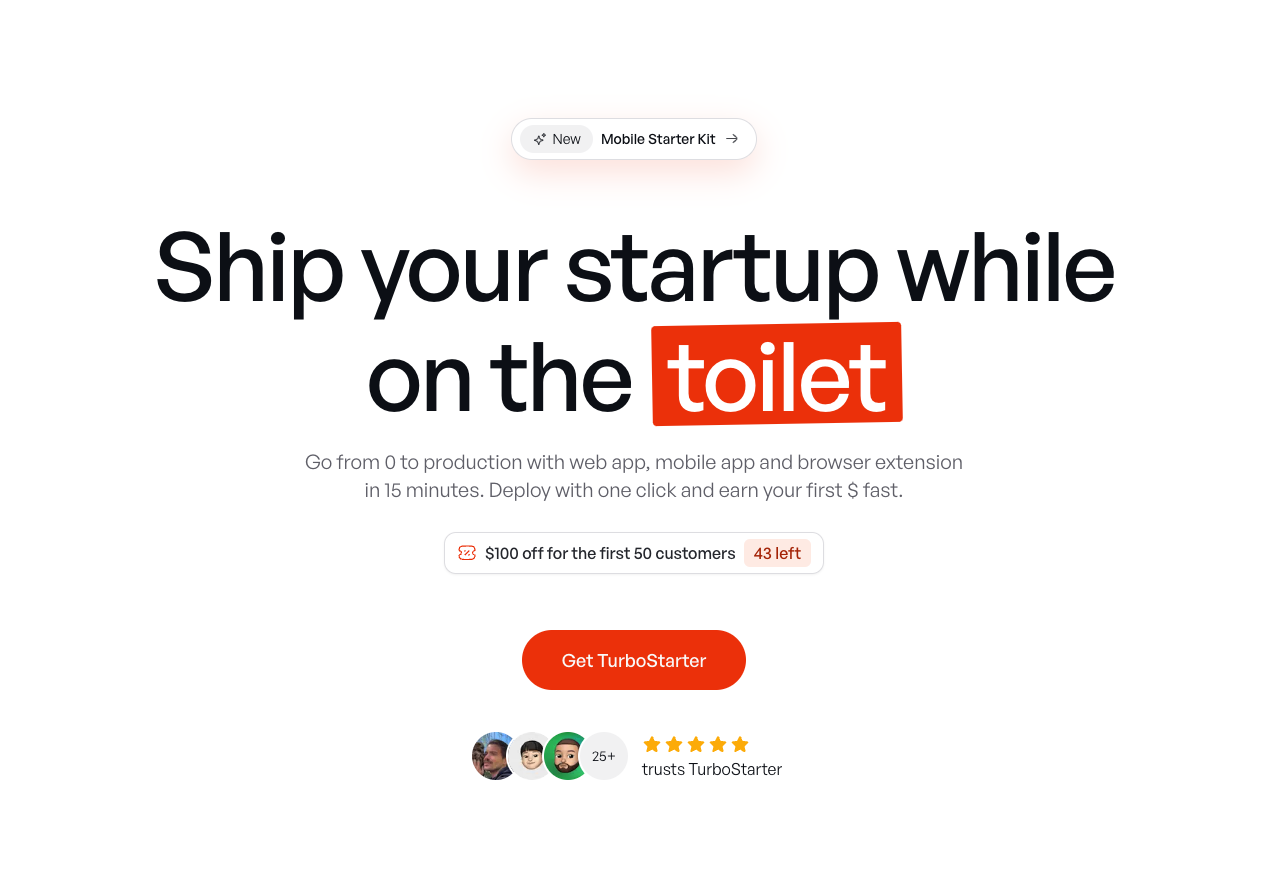
TurboStarter
Ship your startup everywhere. In minutes.
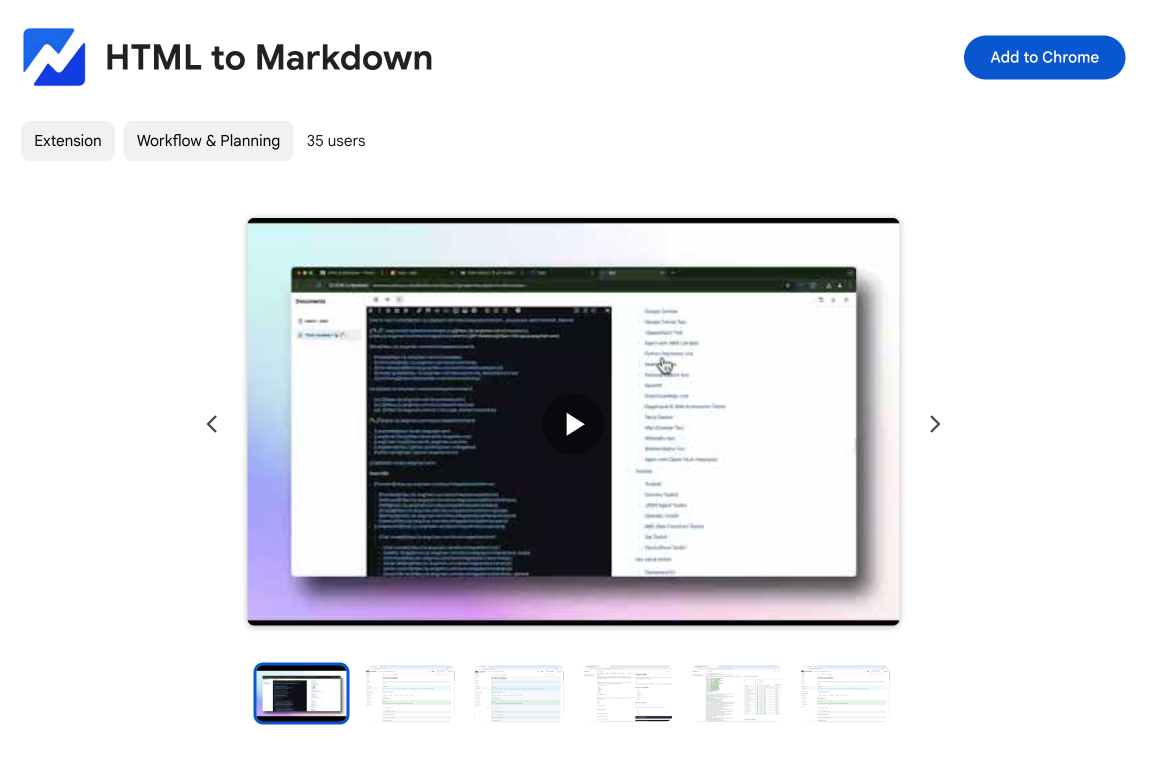
HTML to Markdown
Convert HTML to Markdown with ease, directly in your browser 📄
Dotallio
Personalized AI apps that automate research, data extraction, and content creation without code 🤖
Talk to Santa
Enjoy a magical live video chat or receive a unique AI-generated video greeting from Santa Claus 🎅
pozywka.pl
Scalable blog for food journalist, focused on performance and user experience 🌭
zagrodzki.me
Personal blog and portfolio of Bart Zagrodzki, where he shares his knowledge and work 💼
TurboStarter
Ship your startup everywhere. In minutes.
HTML to Markdown
Convert HTML to Markdown with ease, directly in your browser 📄
Dotallio
Personalized AI apps that automate research, data extraction, and content creation without code 🤖
Talk to Santa
Enjoy a magical live video chat or receive a unique AI-generated video greeting from Santa Claus 🎅
pozywka.pl
Scalable blog for food journalist, focused on performance and user experience 🌭
zagrodzki.me
Personal blog and portfolio of Bart Zagrodzki, where he shares his knowledge and work 💼
TurboStarter
Ship your startup everywhere. In minutes.
HTML to Markdown
Convert HTML to Markdown with ease, directly in your browser 📄
Dotallio
Personalized AI apps that automate research, data extraction, and content creation without code 🤖
Talk to Santa
Enjoy a magical live video chat or receive a unique AI-generated video greeting from Santa Claus 🎅
pozywka.pl
Scalable blog for food journalist, focused on performance and user experience 🌭
zagrodzki.me
Personal blog and portfolio of Bart Zagrodzki, where he shares his knowledge and work 💼
TurboStarter
Ship your startup everywhere. In minutes.
HTML to Markdown
Convert HTML to Markdown with ease, directly in your browser 📄
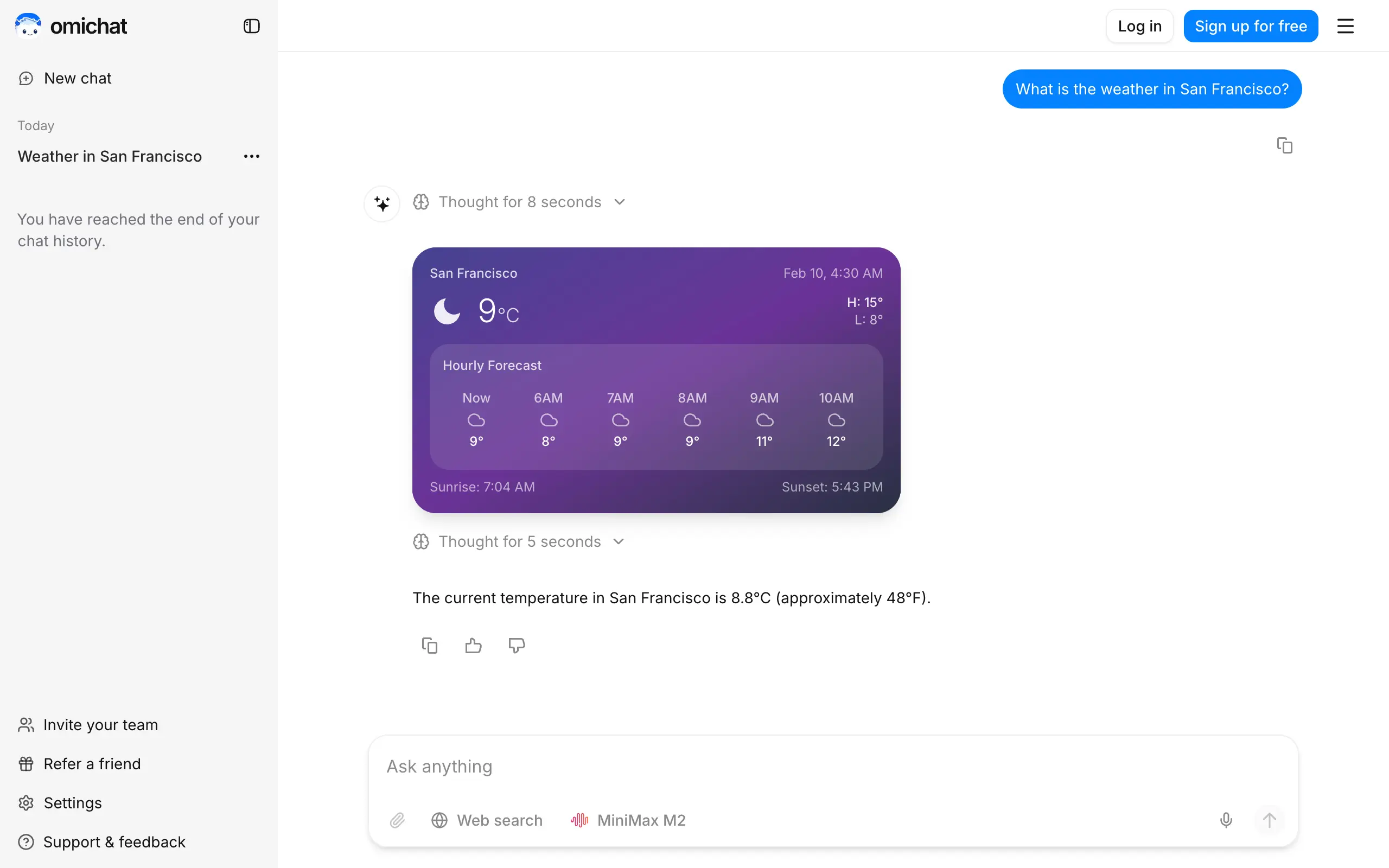
Omichat
Chat with 50+ AI models, including ChatGPT and Claude, in one place - switch models anytime without losing context 🤖
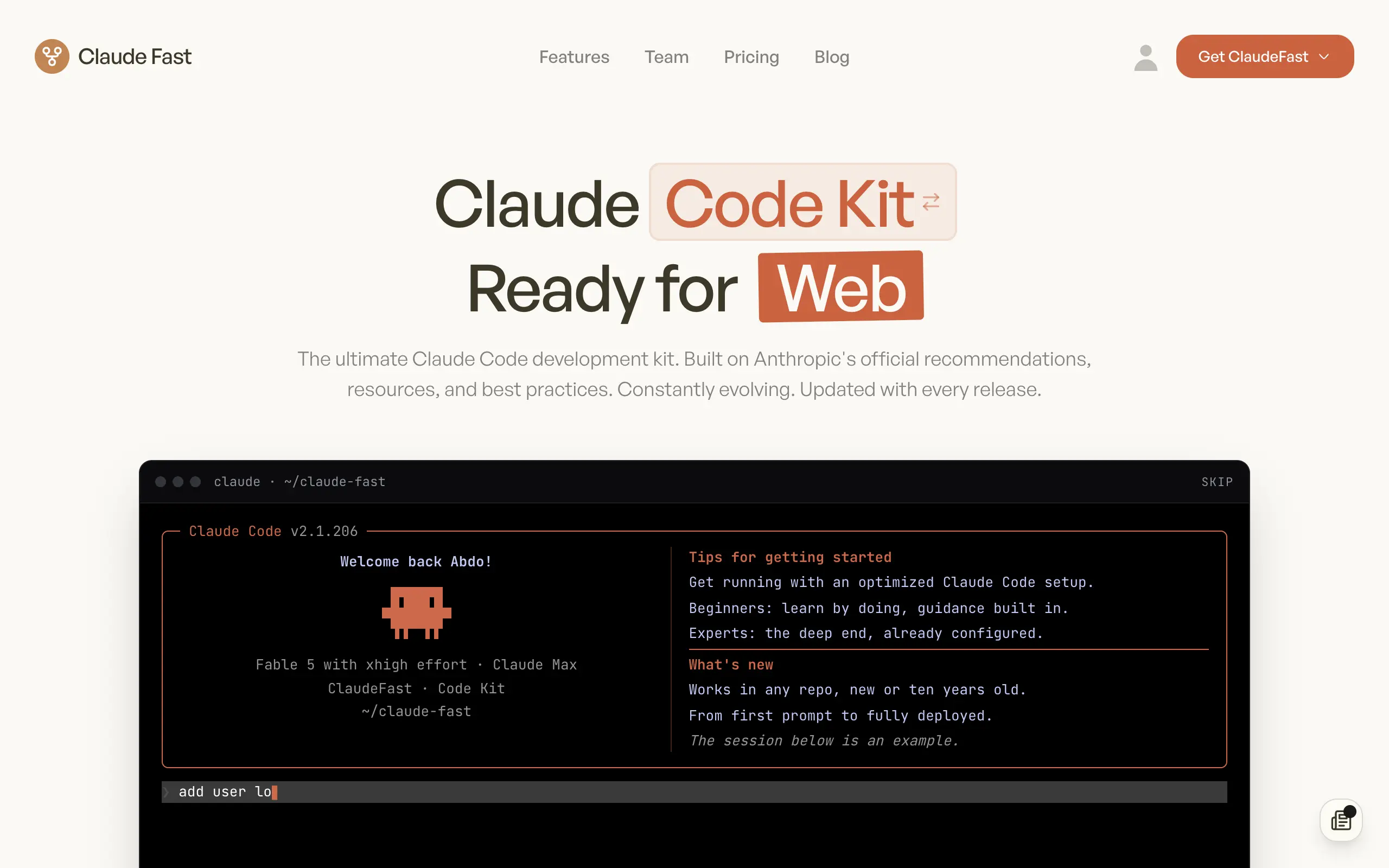
Claude Fast
Supercharge your Claude Code with 6x effective context window and specialized AI agents 🤖
EmojAI
AI-powered emoji picker with smart, context-aware suggestions 🤖
Solohacker
Autonomous company launcher - AI agents work 24/7, escalate what matters, and you stay in control 🤖

BeRawi: Storytelling Coach
Practice storytelling daily with instant feedback to sound clearer, more engaging, and confident 🎤
Omichat
Chat with 50+ AI models, including ChatGPT and Claude, in one place - switch models anytime without losing context 🤖
Claude Fast
Supercharge your Claude Code with 6x effective context window and specialized AI agents 🤖
EmojAI
AI-powered emoji picker with smart, context-aware suggestions 🤖
Solohacker
Autonomous company launcher - AI agents work 24/7, escalate what matters, and you stay in control 🤖
BeRawi: Storytelling Coach
Practice storytelling daily with instant feedback to sound clearer, more engaging, and confident 🎤
Omichat
Chat with 50+ AI models, including ChatGPT and Claude, in one place - switch models anytime without losing context 🤖
Claude Fast
Supercharge your Claude Code with 6x effective context window and specialized AI agents 🤖
EmojAI
AI-powered emoji picker with smart, context-aware suggestions 🤖
Solohacker
Autonomous company launcher - AI agents work 24/7, escalate what matters, and you stay in control 🤖
BeRawi: Storytelling Coach
Practice storytelling daily with instant feedback to sound clearer, more engaging, and confident 🎤
Omichat
Chat with 50+ AI models, including ChatGPT and Claude, in one place - switch models anytime without losing context 🤖
Claude Fast
Supercharge your Claude Code with 6x effective context window and specialized AI agents 🤖
EmojAI
AI-powered emoji picker with smart, context-aware suggestions 🤖
Solohacker
Autonomous company launcher - AI agents work 24/7, escalate what matters, and you stay in control 🤖
BeRawi: Storytelling Coach
Practice storytelling daily with instant feedback to sound clearer, more engaging, and confident 🎤

Connect with like-minded people
Join our community to get feedback, support, and grow together with 1,000+ builders on board, let's ship it!
Join usShip your startup everywhere. In minutes.
Don't burn tokens on setup and start building features on day one.