SERPShift
AI-driven SEO strategy engine that predicts ranking opportunities, clusters content gaps, and generates data-backed briefs to outrank competitors.
Why the market needs an AI-driven SEO strategy engine
Search engine optimization has evolved from keyword stuffing and backlink chasing into a complex, data-intensive discipline. Today, ranking on Google requires:
- Deep search intent analysis
- Topical authority across clusters
- Technical performance
- Competitive gap analysis
- Consistent, high-quality content
Yet most SEO teams still rely on fragmented workflows:
- Keyword tools for search volume
- Spreadsheets for clustering
- Manual SERP analysis
- Separate AI writers for drafts
- Gut feeling for prioritization
This creates a strategy bottleneck. Teams don’t struggle to write content — they struggle to decide what to write, why it matters, and how to beat competitors.
That’s where an AI-driven SEO strategy engine like SERPShift fits in: a system that predicts ranking opportunities, clusters content gaps, and generates data-backed briefs designed to outrank competitors.
This article breaks down:
- The target audience and pain points
- Market opportunity and competitive gap
- Core features and technical architecture
- Monetization strategies
- Risks and mitigation
- Clear implementation steps
If you're validating or building a SaaS SEO product, this is your blueprint.
Understanding user search intent for AI SEO strategy tools
People searching for tools like “AI SEO tool,” “content gap analysis software,” or “SEO strategy automation” typically fall into three intent categories:
1. SEO professionals seeking leverage
They want:
- Faster research
- Smarter prioritization
- Competitive edge
- Automation without losing strategic control
2. Content teams & marketing managers
They want:
- Clear briefs for writers
- Predictable rankings
- Reduced dependency on expensive consultants
- ROI justification
3. Founders & indie hackers
They want:
- Traffic growth
- Low-cost experimentation
- Keyword discovery without enterprise tools
- Scalable content strategy
SERPShift must address all three with clarity, predictive insight, and actionable outputs — not just raw data.
Target audience analysis
Primary audience: SEO agencies & in-house growth teams
Pain points:
- Spending hours manually reviewing SERPs
- Difficulty proving ROI to clients
- Scaling content production while maintaining quality
- Identifying low-competition, high-impact keywords
What they value:
- Data-backed prioritization
- Competitive intelligence
- Content briefs that reduce revisions
- Automation that doesn’t oversimplify strategy
Secondary audience: SaaS startups & B2B companies
These companies often:
- Rely heavily on organic acquisition
- Have small marketing teams
- Need predictable growth
They need:
- Topic clustering
- Authority mapping
- Strategic content calendars
- Competitive content gap identification
Tertiary audience: Affiliate & niche site builders
They want:
- Ranking arbitrage
- Keyword difficulty insights
- Fast content pipeline
- SERP volatility detection
Market opportunity and gap analysis
The current SEO tool landscape
Major players include:
- Ahrefs
- SEMrush
- Moz
- Surfer SEO
- Clearscope
They provide:
- Keyword metrics
- Backlink data
- On-page optimization
- SERP analysis
But they often lack:
- Predictive ranking probability models
- Intelligent clustering based on semantic intent
- Automated prioritization across opportunity scores
- Data-driven content briefs grounded in competitor analysis
The gap: strategic intelligence
Most SEO tools are descriptive (what is happening). Few are prescriptive (what you should do next).
SERPShift’s opportunity lies in becoming:
The AI layer that converts raw SEO data into strategic, actionable decisions.
What makes SERPShift different
Instead of just providing keyword lists, SERPShift would:
- Predict ranking probability
- Identify topical authority gaps
- Cluster semantically related queries
- Generate structured briefs
- Prioritize opportunities by ROI
This is not another keyword tool. It is a strategy engine.
Core features of SERPShift
1. Predictive ranking opportunity engine
Using historical SERP volatility, domain authority, backlink profiles, and content depth signals, SERPShift could assign:
- Ranking Probability Score (0–100)
- Effort Index
- ROI Potential
This would help teams answer:
“If we publish this, what are our real chances of ranking?”
2. AI-powered content gap clustering
Rather than grouping keywords purely by similarity, SERPShift could cluster by:
- Intent stage (informational, commercial, transactional)
- SERP layout similarity
- Competitor overlap
- Entity relationships
This builds topical authority maps instead of random keyword silos.
3. Data-backed content brief generator
Each brief would include:
- Target keyword cluster
- Search intent summary
- Top competitor breakdown
- Heading structure suggestions
- Entity coverage checklist
- Suggested word count range
- Internal linking recommendations
- Content differentiation angle
This bridges SEO and content teams.
4. Competitive dominance map
A visual dashboard showing:
- Topics competitors dominate
- Weak spots in their content
- Content freshness signals
- Backlink gaps
- SERP volatility
5. Opportunity prioritization dashboard
Using weighted scoring:
- Search volume
- Keyword difficulty
- Authority gap
- Content depth gap
- Ranking probability
This helps teams decide what to publish next.
Feature comparison snapshot
| Feature | Ahrefs | SEMrush | Surfer | SERPShift | Clearscope |
|---|---|---|---|---|---|
| Predictive ranking score | ❌ | ❌ | ❌ | ✅ | ❌ |
| AI opportunity prioritization | ❌ | ❌ | ❌ | ✅ | ❌ |
Recommended tech stack for SERPShift
Building an AI SEO strategy engine requires performance, scalability, and data processing capabilities.
Frontend
- React for UI
- Next.js for SSR and SEO
- TailwindCSS for UI system
Trade-off:
Next.js improves performance and SEO but adds build complexity.
Backend
- Node.js (scalable async processing)
- Python microservices for ML models
- PostgreSQL for relational data
- Redis for caching
AI & Data Processing
- LLM APIs for content analysis
- Custom ranking prediction models
- Vector database for semantic clustering
- Scheduled SERP scraping pipelines
Infrastructure
- Vercel (frontend deployment)
- AWS/GCP for backend workloads
- Queue system for heavy tasks
How predictive SEO modeling could work
// Simplified ranking opportunity scoring logic

function calculateRankingScore({
  domainAuthorityGap,
  backlinkGap,
  contentDepthGap,
  serpVolatility,
  keywordDifficulty
}) {
  const authorityFactor = 100 - domainAuthorityGap;
  const backlinkFactor = 100 - backlinkGap;
  const volatilityBoost = serpVolatility * 1.2;

  return (
    authorityFactor * 0.25 +
    backlinkFactor * 0.25 +
    (100 - keywordDifficulty) * 0.2 +
    volatilityBoost * 0.15 +
    (100 - contentDepthGap) * 0.15
  );
}
This simplified logic demonstrates how multiple ranking signals can be combined into a single opportunity score.
Monetization strategy
1. Tiered subscription model
- Starter: Limited projects, basic clustering
- Pro: Predictive engine + briefs
- Agency: Multi-client, white-label reports
- Enterprise: API + custom models
2. Usage-based pricing
Charge based on:
- Keywords analyzed
- SERP refresh frequency
- Brief generations
3. API monetization
Allow other tools to:
- Integrate ranking probability models
- Access clustering API
- Pull content gap analysis
4. Strategic partnerships
- Content writing platforms
- SEO agencies
- SaaS growth consultancies
Competitive advantage analysis
SERPShift’s defensibility would come from:
Proprietary predictive models
Training ranking models using:
- Historical SERP shifts
- Domain strength signals
- Content depth metrics
Intelligent clustering
Moving beyond keyword similarity into:
- Entity-level clustering
- Intent mapping
- SERP behavioral analysis
Workflow integration
Instead of being “another dashboard,” SERPShift becomes:
- Strategy brain
- Content roadmap engine
- SEO decision layer
Potential risks and mitigation
Risk 1: Overreliance on AI predictions
Mitigation:
- Show transparency in scoring
- Provide explanation layers
- Allow manual overrides
Risk 2: SERP scraping legal constraints
Mitigation:
- Use compliant APIs where possible
- Rate limiting
- Distributed scraping architecture
Risk 3: Market saturation
Mitigation:
- Position as strategy engine, not keyword tool
- Focus on predictive intelligence
- Build proprietary datasets
Industry trends supporting SERPShift
- Increased adoption of AI in marketing
- Shift toward topical authority models
- Growing cost of paid acquisition
- Emphasis on data-backed content strategy
- Rapid SERP volatility due to AI-generated content
SEO is becoming more competitive — which increases demand for smarter strategic tooling.
Clear implementation roadmap
MVP feature prioritization
Must-have
Predictive opportunity score, clustering, basic content brief generation
Should-have
Competitor dominance map and prioritization dashboard
Nice-to-have
API access and white-label reporting
Go-to-market strategy
Phase 1: Niche positioning
Target:
- Indie hackers
- SEO Twitter/X community
- Growth marketers
Offer:
- Beta access
- Transparent ranking case studies
Phase 2: Agency partnerships
Provide:
- White-label exports
- ROI tracking dashboards
- Client-ready reports
Phase 3: Enterprise expansion
Focus on:
- SaaS companies
- Marketplaces
- High-content B2B brands
How to build SERPShift faster
Instead of building infrastructure from scratch, use a production-ready SaaS starter kit like TurboStarter.
It provides:
- Authentication
- Billing integration
- Scalable architecture
- Modern frontend stack
- SaaS boilerplate best practices
This accelerates time-to-market and lets you focus on the core differentiator: the predictive SEO engine.
The long-term vision
SERPShift should evolve from:
Keyword intelligence tool → Strategic decision engine → Autonomous SEO planner
Future expansion could include:
- Automatic internal linking suggestions
- Content refresh alerts
- Backlink acquisition opportunity detection
- SERP volatility alerts
- AI content scoring based on ranking probability
Final thoughts
The SEO market doesn’t need another dashboard full of keyword metrics.
It needs:
- Clarity
- Predictability
- Strategic direction
An AI-driven SEO strategy engine like SERPShift has the potential to:
- Reduce wasted content production
- Increase ranking success rates
- Provide measurable ROI
- Turn SEO from guesswork into calculated execution
If built with predictive intelligence, proprietary data, and clear prioritization logic, SERPShift could become the missing strategy layer in modern SEO workflows.
The future of SEO belongs to teams who don’t just create content — but strategically outmaneuver competitors with data-backed decisions.
More 🤖 AI Startup SaaS ideas
Discover more innovative ai startup SaaS ideas that are trending in 2026. Each idea is AI-generated with market validation and growth potential to help you find your next profitable venture faster than competitors.
Your competitors are building with TurboStarter
Below are some of the SaaS ideas that have been generated and built with our starter kit.

Statiko
Monitor any Telegram channel in real time - track posts, edits, deletions, and growth with AI recaps 📡

Shibui
AI website builder - describe your business, pick a niche template, edit by chatting, and publish instantly ✨

Pro Service
Find verified home service professionals, compare quotes, and pay securely through escrow - built for Brazilians across the US 🏠
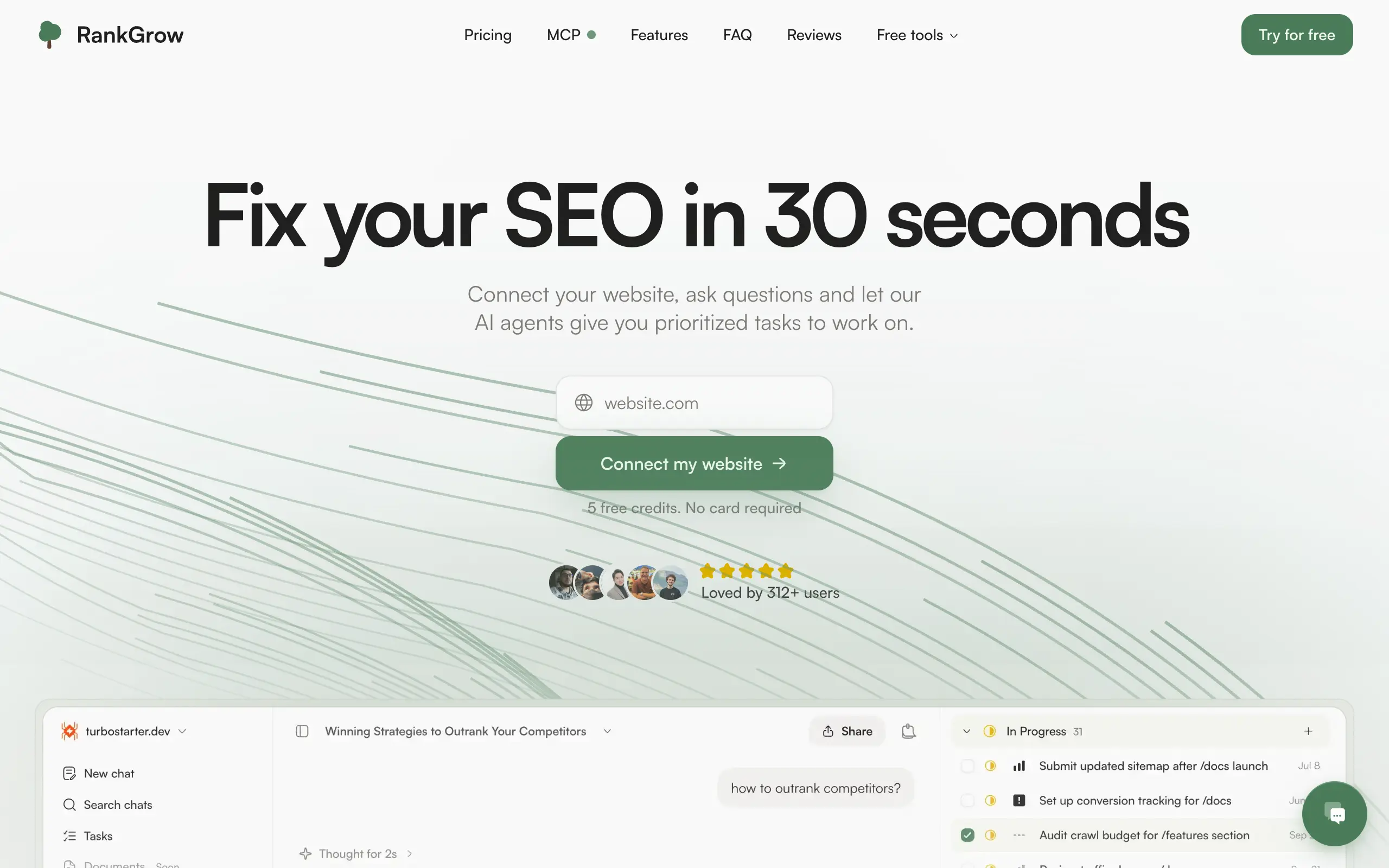
RankGrow
Fix your SEO with AI agents - connect Search Console, get prioritized tasks, and grow organic traffic 📈
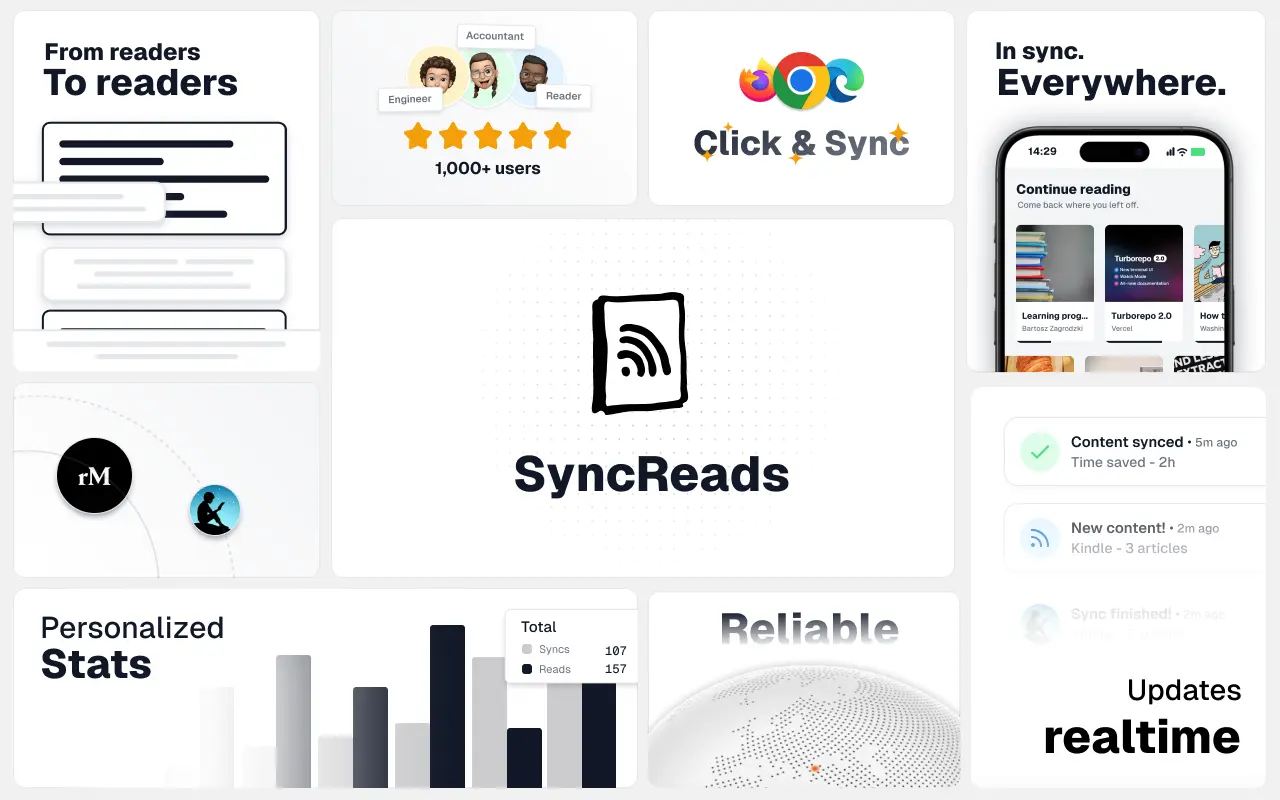
SyncReads
Sync your favorite content for distraction-free reading, save time and replace multiple apps. Anytime, anywhere 🔄
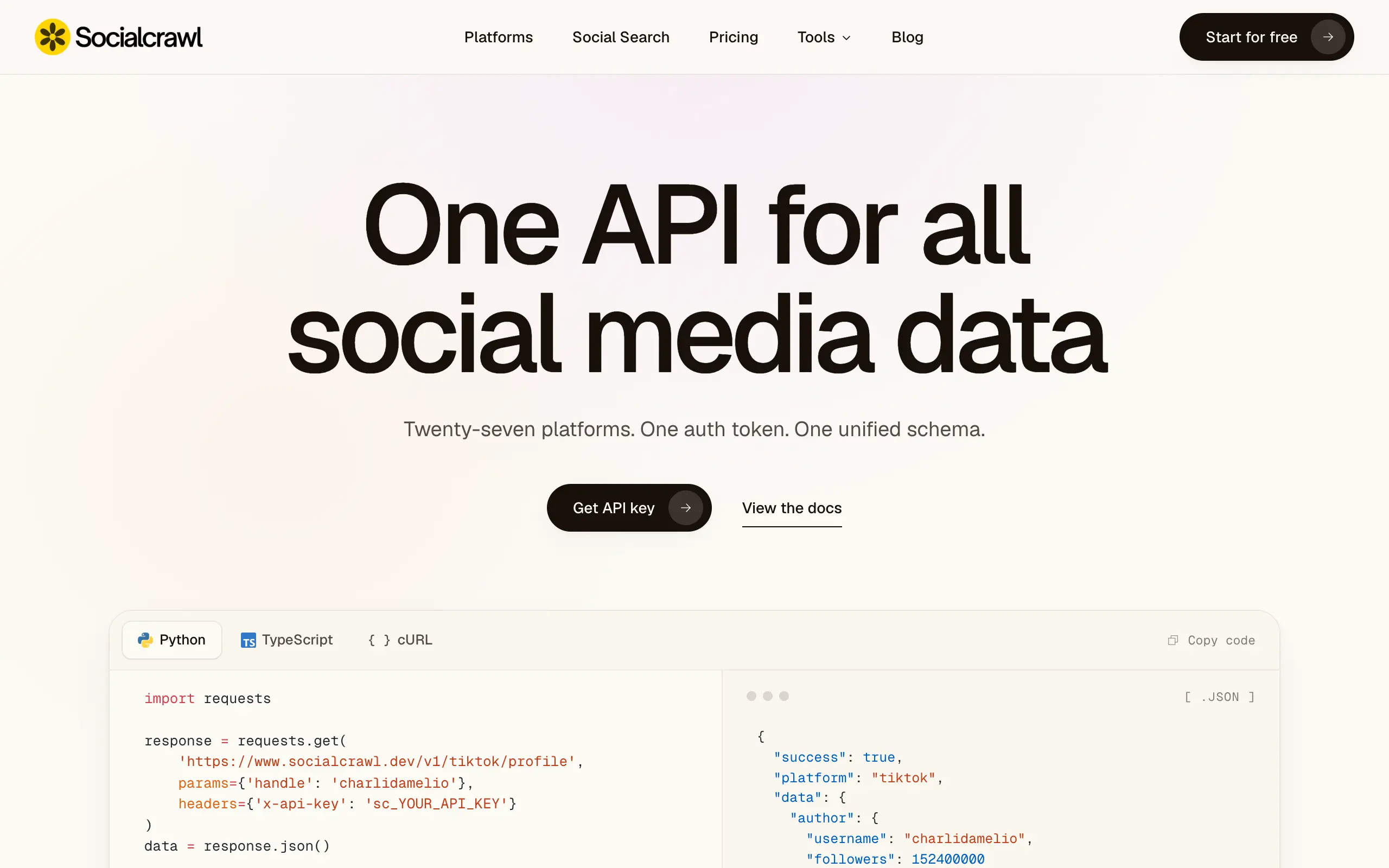
Socialcrawl
Get clean, structured data from 21 platforms like TikTok, Instagram, and YouTube with a single request 📊
Statiko
Monitor any Telegram channel in real time - track posts, edits, deletions, and growth with AI recaps 📡
Shibui
AI website builder - describe your business, pick a niche template, edit by chatting, and publish instantly ✨
Pro Service
Find verified home service professionals, compare quotes, and pay securely through escrow - built for Brazilians across the US 🏠
RankGrow
Fix your SEO with AI agents - connect Search Console, get prioritized tasks, and grow organic traffic 📈
SyncReads
Sync your favorite content for distraction-free reading, save time and replace multiple apps. Anytime, anywhere 🔄
Socialcrawl
Get clean, structured data from 21 platforms like TikTok, Instagram, and YouTube with a single request 📊
Statiko
Monitor any Telegram channel in real time - track posts, edits, deletions, and growth with AI recaps 📡
Shibui
AI website builder - describe your business, pick a niche template, edit by chatting, and publish instantly ✨
Pro Service
Find verified home service professionals, compare quotes, and pay securely through escrow - built for Brazilians across the US 🏠
RankGrow
Fix your SEO with AI agents - connect Search Console, get prioritized tasks, and grow organic traffic 📈
SyncReads
Sync your favorite content for distraction-free reading, save time and replace multiple apps. Anytime, anywhere 🔄
Socialcrawl
Get clean, structured data from 21 platforms like TikTok, Instagram, and YouTube with a single request 📊
Statiko
Monitor any Telegram channel in real time - track posts, edits, deletions, and growth with AI recaps 📡
Shibui
AI website builder - describe your business, pick a niche template, edit by chatting, and publish instantly ✨
Pro Service
Find verified home service professionals, compare quotes, and pay securely through escrow - built for Brazilians across the US 🏠
RankGrow
Fix your SEO with AI agents - connect Search Console, get prioritized tasks, and grow organic traffic 📈
SyncReads
Sync your favorite content for distraction-free reading, save time and replace multiple apps. Anytime, anywhere 🔄
Socialcrawl
Get clean, structured data from 21 platforms like TikTok, Instagram, and YouTube with a single request 📊
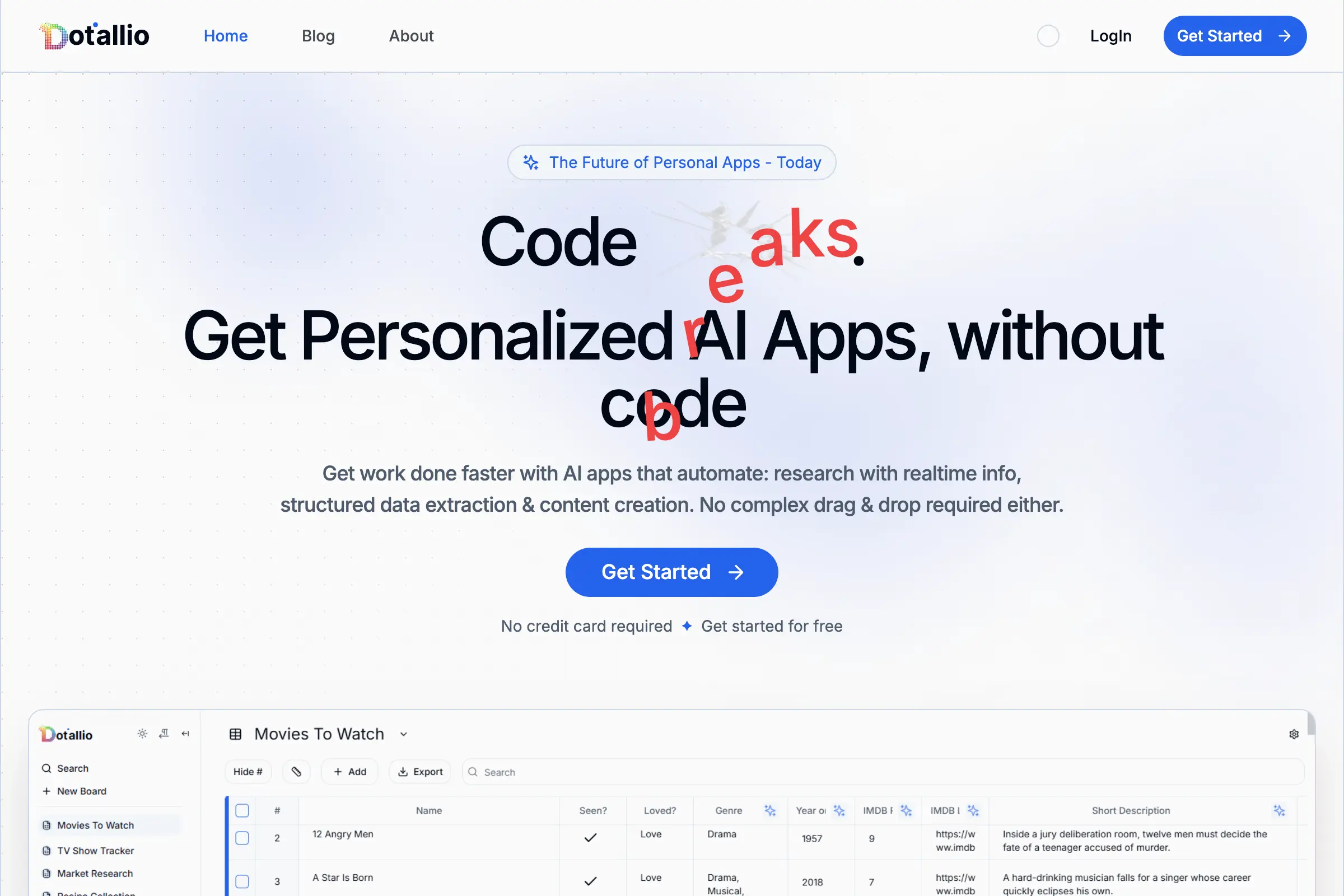
Dotallio
Personalized AI apps that automate research, data extraction, and content creation without code 🤖

Talk to Santa
Enjoy a magical live video chat or receive a unique AI-generated video greeting from Santa Claus 🎅

pozywka.pl
Scalable blog for food journalist, focused on performance and user experience 🌭
zagrodzki.me
Personal blog and portfolio of Bart Zagrodzki, where he shares his knowledge and work 💼
TurboStarter
Ship your startup everywhere. In minutes.
HTML to Markdown
Convert HTML to Markdown with ease, directly in your browser 📄
Dotallio
Personalized AI apps that automate research, data extraction, and content creation without code 🤖
Talk to Santa
Enjoy a magical live video chat or receive a unique AI-generated video greeting from Santa Claus 🎅
pozywka.pl
Scalable blog for food journalist, focused on performance and user experience 🌭
zagrodzki.me
Personal blog and portfolio of Bart Zagrodzki, where he shares his knowledge and work 💼
TurboStarter
Ship your startup everywhere. In minutes.
HTML to Markdown
Convert HTML to Markdown with ease, directly in your browser 📄
Dotallio
Personalized AI apps that automate research, data extraction, and content creation without code 🤖
Talk to Santa
Enjoy a magical live video chat or receive a unique AI-generated video greeting from Santa Claus 🎅
pozywka.pl
Scalable blog for food journalist, focused on performance and user experience 🌭
zagrodzki.me
Personal blog and portfolio of Bart Zagrodzki, where he shares his knowledge and work 💼
TurboStarter
Ship your startup everywhere. In minutes.
HTML to Markdown
Convert HTML to Markdown with ease, directly in your browser 📄
Dotallio
Personalized AI apps that automate research, data extraction, and content creation without code 🤖
Talk to Santa
Enjoy a magical live video chat or receive a unique AI-generated video greeting from Santa Claus 🎅
pozywka.pl
Scalable blog for food journalist, focused on performance and user experience 🌭
zagrodzki.me
Personal blog and portfolio of Bart Zagrodzki, where he shares his knowledge and work 💼
TurboStarter
Ship your startup everywhere. In minutes.
HTML to Markdown
Convert HTML to Markdown with ease, directly in your browser 📄
Omichat
Chat with 50+ AI models, including ChatGPT and Claude, in one place - switch models anytime without losing context 🤖
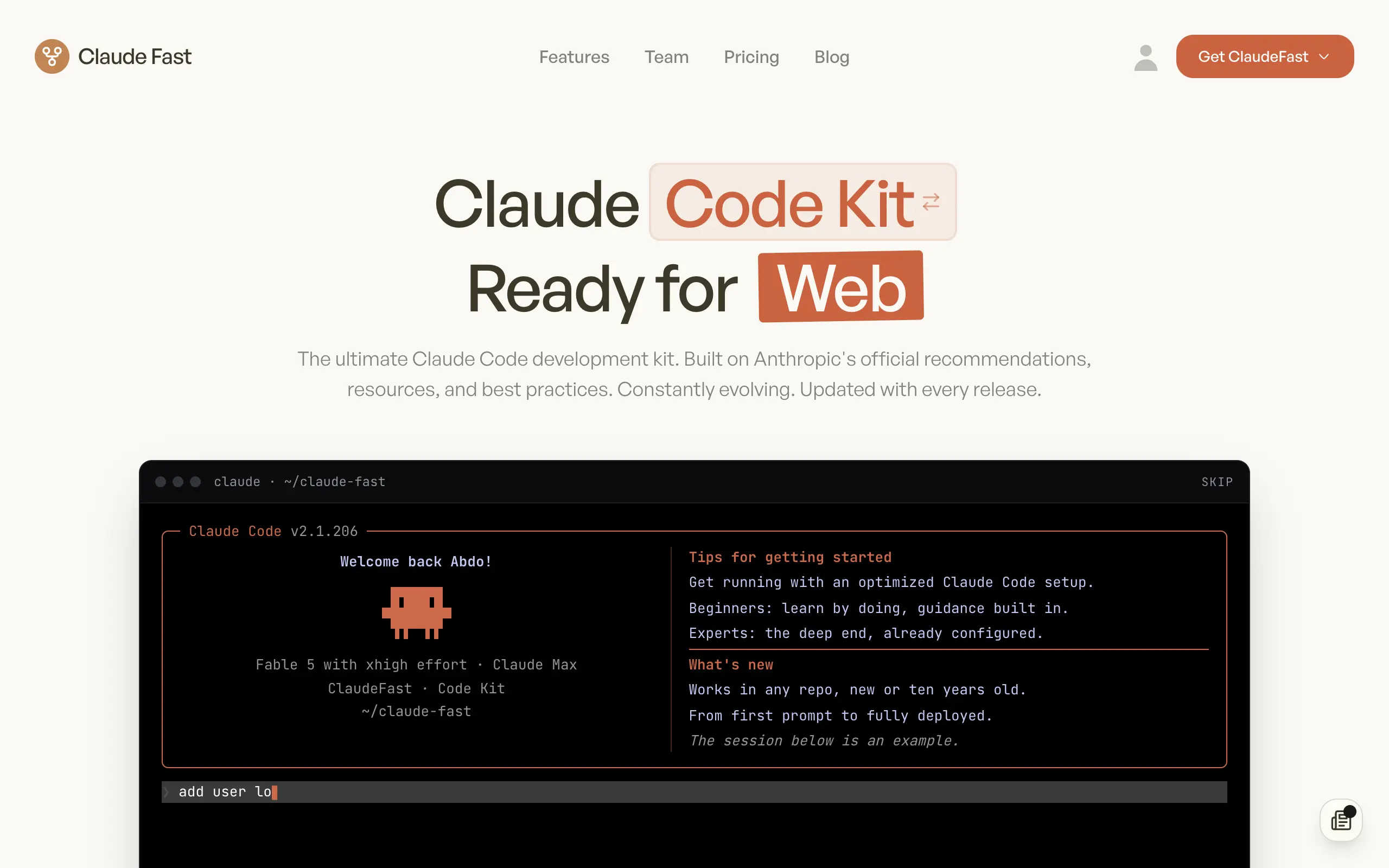
Claude Fast
Supercharge your Claude Code with 6x effective context window and specialized AI agents 🤖
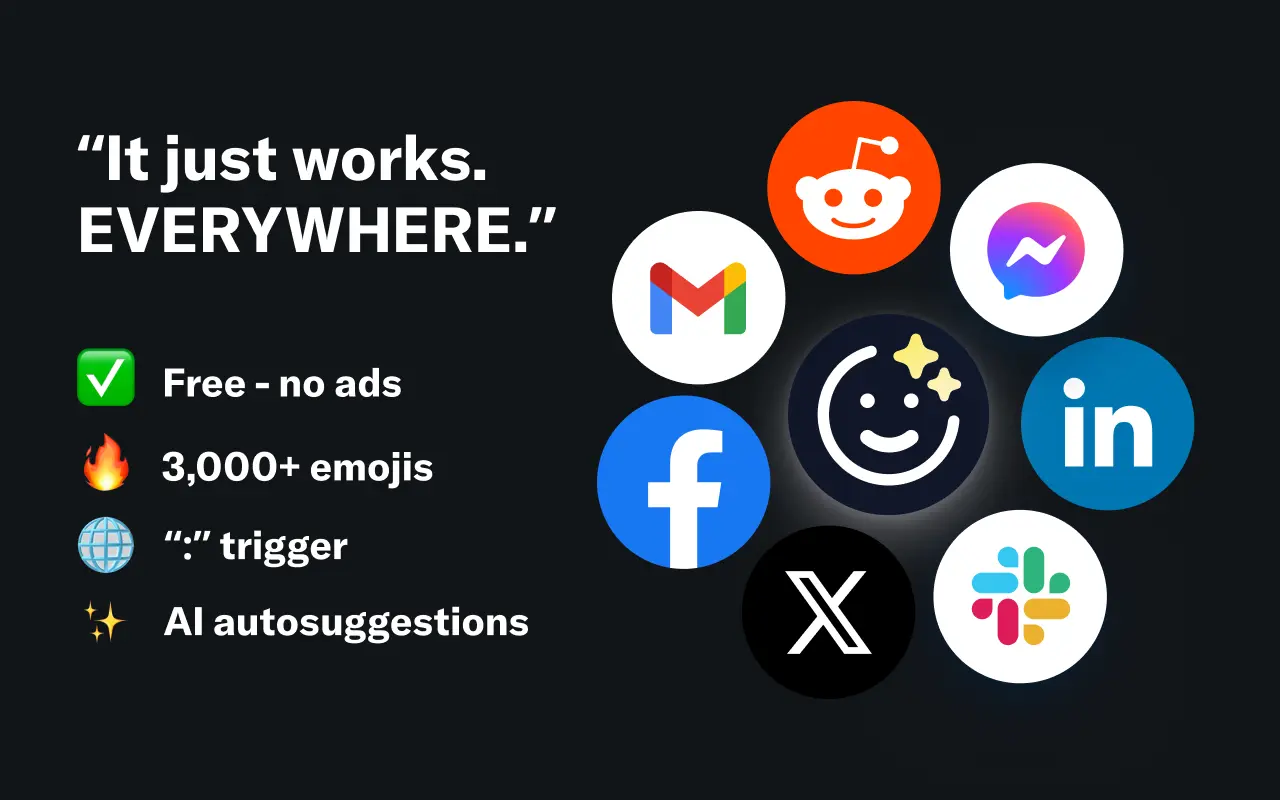
EmojAI
AI-powered emoji picker with smart, context-aware suggestions 🤖
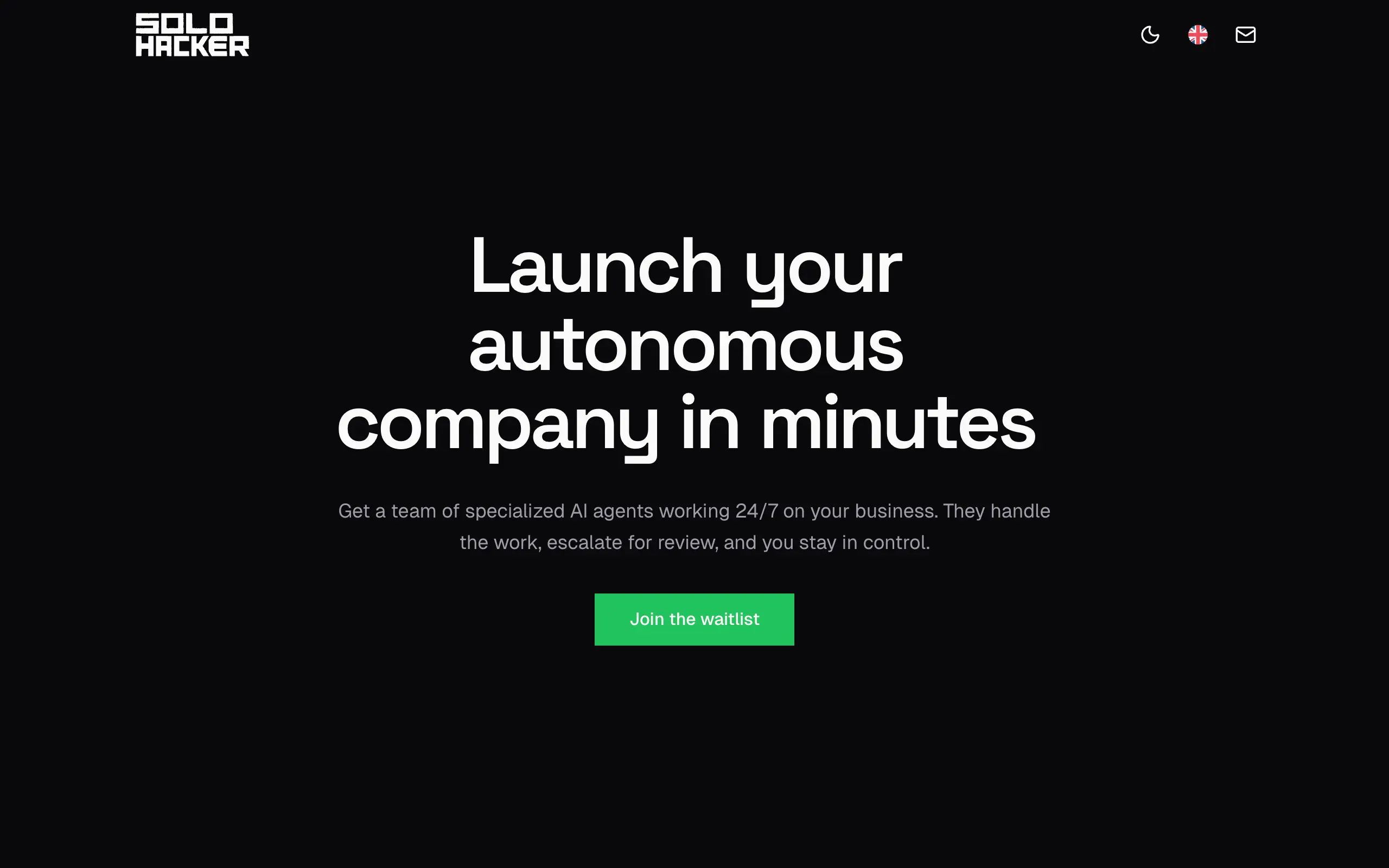
Solohacker
Autonomous company launcher - AI agents work 24/7, escalate what matters, and you stay in control 🤖

BeRawi: Storytelling Coach
Practice storytelling daily with instant feedback to sound clearer, more engaging, and confident 🎤
Omichat
Chat with 50+ AI models, including ChatGPT and Claude, in one place - switch models anytime without losing context 🤖
Claude Fast
Supercharge your Claude Code with 6x effective context window and specialized AI agents 🤖
EmojAI
AI-powered emoji picker with smart, context-aware suggestions 🤖
Solohacker
Autonomous company launcher - AI agents work 24/7, escalate what matters, and you stay in control 🤖
BeRawi: Storytelling Coach
Practice storytelling daily with instant feedback to sound clearer, more engaging, and confident 🎤
Omichat
Chat with 50+ AI models, including ChatGPT and Claude, in one place - switch models anytime without losing context 🤖
Claude Fast
Supercharge your Claude Code with 6x effective context window and specialized AI agents 🤖
EmojAI
AI-powered emoji picker with smart, context-aware suggestions 🤖
Solohacker
Autonomous company launcher - AI agents work 24/7, escalate what matters, and you stay in control 🤖
BeRawi: Storytelling Coach
Practice storytelling daily with instant feedback to sound clearer, more engaging, and confident 🎤
Omichat
Chat with 50+ AI models, including ChatGPT and Claude, in one place - switch models anytime without losing context 🤖
Claude Fast
Supercharge your Claude Code with 6x effective context window and specialized AI agents 🤖
EmojAI
AI-powered emoji picker with smart, context-aware suggestions 🤖
Solohacker
Autonomous company launcher - AI agents work 24/7, escalate what matters, and you stay in control 🤖
BeRawi: Storytelling Coach
Practice storytelling daily with instant feedback to sound clearer, more engaging, and confident 🎤

Connect with like-minded people
Join our community to get feedback, support, and grow together with 1,000+ builders on board, let's ship it!
Join usShip your startup everywhere. In minutes.
Don't burn tokens on setup and start building features on day one.