SerpWeaver
Create SERP-optimized content webs by analyzing live rankings and generating context-aware articles, FAQs, and internal links in minutes.
What is an AI-powered SERP content optimizer and why it matters
Search engines have evolved far beyond keyword matching. Today, ranking on Google requires topical authority, semantic coverage, internal linking, and alignment with search intent. This is where an AI-powered SERP content optimizer like SerpWeaver becomes essential.
SerpWeaver is designed to analyze live search engine results pages (SERPs) and automatically generate interconnected, context-aware content webs—complete with articles, FAQs, and internal links. Instead of creating isolated blog posts, it builds an ecosystem of content designed to dominate rankings.
This article explores the full strategic potential of SerpWeaver as a SaaS product—from market opportunity to implementation—while showing how it aligns with modern SEO practices and user intent.
The growing demand for SERP-optimized content systems
The SEO landscape is undergoing a major shift driven by:
- AI-generated content saturation
- Google’s focus on helpful, authoritative content
- Increasing importance of topical authority
- The rise of semantic search and entity-based ranking
Traditional content workflows are too slow and fragmented. Marketers and founders now need systems that:
- Analyze SERPs in real time
- Identify content gaps instantly
- Generate clusters of related content
- Optimize internal linking automatically
SerpWeaver addresses all of these needs by turning SEO from a manual process into a scalable system.
Key trend
Modern SEO success depends less on individual articles and more on interconnected topic clusters that demonstrate expertise and authority.
Target audience and ideal users
SerpWeaver serves multiple high-value user segments, each with distinct pain points and motivations.
1. SEO agencies
Agencies need to scale content production while maintaining quality and rankings.
Pain points:
- Time-consuming keyword research
- Manual competitor analysis
- Inefficient content briefs
- Weak internal linking strategies
What they gain:
- Faster client delivery
- Better ranking outcomes
- Scalable workflows
2. SaaS founders and startups
Early-stage companies rely heavily on SEO for organic growth.
Pain points:
- Limited resources for content teams
- Difficulty identifying content gaps
- Lack of SEO expertise
What they gain:
- Automated SEO strategy
- Faster traffic acquisition
- Lower customer acquisition cost (CAC)
3. Content marketers and teams
Marketing teams need consistent, high-quality content pipelines.
Pain points:
- Writer bottlenecks
- Lack of SERP insights
- Poor content cohesion
What they gain:
- Structured content ecosystems
- AI-assisted writing
- Better alignment with search intent
4. Niche site builders and affiliate marketers
These users depend entirely on SEO-driven revenue.
Pain points:
- Competitive niches
- Constant algorithm updates
- Difficulty scaling content
What they gain:
- Rapid site expansion
- Improved rankings
- Higher monetization potential
The market opportunity for SERP intelligence tools
The global SEO software market continues to grow rapidly, driven by demand for automation and AI integration. Industry reports (suggest citing sources like Statista or Gartner) indicate billions in annual spending on SEO tools.
Yet, most tools fall into one of these categories:
- Keyword research tools (e.g., Ahrefs, SEMrush)
- Content optimization tools (e.g., SurferSEO, Clearscope)
- AI writing tools (e.g., Jasper, Copy.ai)
The gap:
Very few tools combine live SERP analysis + content generation + internal linking strategy into a single workflow.
SerpWeaver fills this gap by acting as a content system builder, not just a writing tool.
Core features of SerpWeaver
1. Live SERP analysis engine
SerpWeaver analyzes real-time search results to extract:
- Top-ranking content structures
- Common headings and subtopics
- Keyword variations and entities
- Featured snippets and FAQs
This ensures every piece of generated content is grounded in actual ranking data.
2. AI-generated content clusters
Instead of generating one article, SerpWeaver creates:
- Pillar content
- Supporting articles
- FAQs
- Long-tail content pieces
All interconnected and aligned with a central topic.
3. Automated internal linking
Internal linking is one of the most overlooked SEO factors.
SerpWeaver automatically:
- Maps relationships between articles
- Suggests contextual anchor text
- Builds logical content hierarchies
4. Context-aware content generation
Unlike generic AI writers, SerpWeaver:
- Understands topic depth
- Maintains semantic consistency
- Avoids redundant content
5. FAQ and featured snippet optimization
The platform identifies opportunities for:
- People Also Ask (PAA) boxes
- Featured snippets
- Voice search queries
6. Content gap detection
By comparing your content to competitors, SerpWeaver highlights:
- Missing subtopics
- Underdeveloped sections
- Ranking opportunities
How SerpWeaver works (simplified workflow)
Competitive landscape and differentiation
Below is a comparison of SerpWeaver against existing tools:
| Feature | Ahrefs | SurferSEO | Jasper | SerpWeaver |
|---|---|---|---|---|
| Live SERP analysis | ✅ | ✅ | ❌ | ✅ |
| AI content generation | ❌ | ✅ | ✅ | ✅ |
| Content clustering | ❌ | ❌ | ❌ | ✅ |
| Internal linking automation | ❌ | ❌ | ❌ | ✅ |
Unique selling proposition (USP)
SerpWeaver stands out because it:
- Builds entire SEO ecosystems, not just articles
- Uses live SERP data, not static templates
- Automates internal linking at scale
- Focuses on topical authority, not just keywords
Recommended tech stack for building SerpWeaver
Building a product like SerpWeaver requires a thoughtful combination of AI, data processing, and frontend performance.
Frontend
- React for dynamic UI
- TailwindCSS for fast styling
- Next.js for SSR and SEO-friendly dashboards
Backend
- Node.js or Python (FastAPI)
- GraphQL or REST API
- Queue systems (BullMQ or Celery)
AI and NLP
- OpenAI or similar LLM APIs
- Embedding models for semantic clustering
- Retrieval-augmented generation (RAG)
Data sources
- SERP scraping APIs (or custom scrapers)
- Keyword databases
- Google Search Console integrations
Infrastructure
- AWS or Vercel
- PostgreSQL for structured data
- Redis for caching
Trade-offs to consider
- Cost vs accuracy: Real-time SERP scraping can be expensive
- Speed vs depth: Deep analysis increases latency
- AI quality vs cost: Higher-quality models cost more
Monetization strategies
SerpWeaver can adopt multiple SaaS pricing models:
1. Subscription tiers
- Starter: Limited keyword analysis
- Pro: Full content generation
- Agency: Team features + bulk processing
2. Usage-based pricing
Charge based on:
- Number of keywords analyzed
- Articles generated
- SERP queries processed
3. Add-ons
- API access
- White-label solutions
- Advanced analytics
4. Enterprise plans
Custom pricing for:
- Large agencies
- SaaS companies
- Content networks
Potential risks and mitigation strategies
1. Risk: AI content saturation
Mitigation:
- Focus on quality and uniqueness
- Integrate human editing workflows
2. Risk: Google algorithm updates
Mitigation:
- Continuously update ranking models
- Monitor SERP changes in real time
3. Risk: Data accuracy
Mitigation:
- Use multiple data sources
- Validate SERP insights
4. Risk: High infrastructure costs
Mitigation:
- Optimize API usage
- Implement caching strategies
SEO strategy for SerpWeaver itself
To grow organically, SerpWeaver should target keywords like:
- "SERP content optimization tool"
- "AI SEO content generator"
- "content clustering software"
- "topical authority SEO tools"
Content marketing approach
- Publish case studies showing ranking improvements
- Create tutorials on building content clusters
- Share real SERP analysis insights
Implementation roadmap
Example: generating a content web
const contentWeb = {
  topic: "AI SEO tools",
  pillarArticle: "Ultimate Guide to AI SEO Tools",
  clusterArticles: [
    "Best AI tools for keyword research",
    "How AI improves SERP rankings",
    "AI content vs human content"
  ],
  internalLinks: [
    { from: "pillar", to: "cluster1" },
    { from: "cluster2", to: "pillar" }
  ]
};
Future trends shaping tools like SerpWeaver
1. AI-first search engines
Search engines are increasingly integrating AI summaries, reducing clicks but increasing competition for visibility.
2. Entity-based SEO
Google focuses on entities and relationships rather than keywords alone.
3. Content ecosystems over individual pages
Winning strategies involve dominating entire topics, not just ranking one page.
Why builders should act now
The SEO tooling space is still fragmented. A unified platform like SerpWeaver has the potential to:
- Replace multiple tools
- Reduce content production costs
- Improve ranking consistency
This creates a strong opportunity for founders to build a defensible SaaS product.
Practical steps to launch SerpWeaver
Final thoughts
SerpWeaver represents a shift from content creation to content systems engineering. As SEO becomes more complex and competitive, tools that automate strategy—not just execution—will dominate the market.
The combination of live SERP analysis, AI-generated content clusters, and automated internal linking gives SerpWeaver a clear edge in the next generation of SEO tools.
If executed well, it can become an essential platform for anyone serious about organic growth.
If you're looking to build and launch a SaaS product like SerpWeaver quickly, platforms like TurboStarter can significantly accelerate development with pre-built infrastructure and scalable architecture.
More 🤖 AI Startup SaaS ideas
Discover more innovative ai startup SaaS ideas that are trending in 2026. Each idea is AI-generated with market validation and growth potential to help you find your next profitable venture faster than competitors.
Your competitors are building with TurboStarter
Below are some of the SaaS ideas that have been generated and built with our starter kit.

Statiko
Monitor any Telegram channel in real time - track posts, edits, deletions, and growth with AI recaps 📡

Shibui
AI website builder - describe your business, pick a niche template, edit by chatting, and publish instantly ✨

Pro Service
Find verified home service professionals, compare quotes, and pay securely through escrow - built for Brazilians across the US 🏠
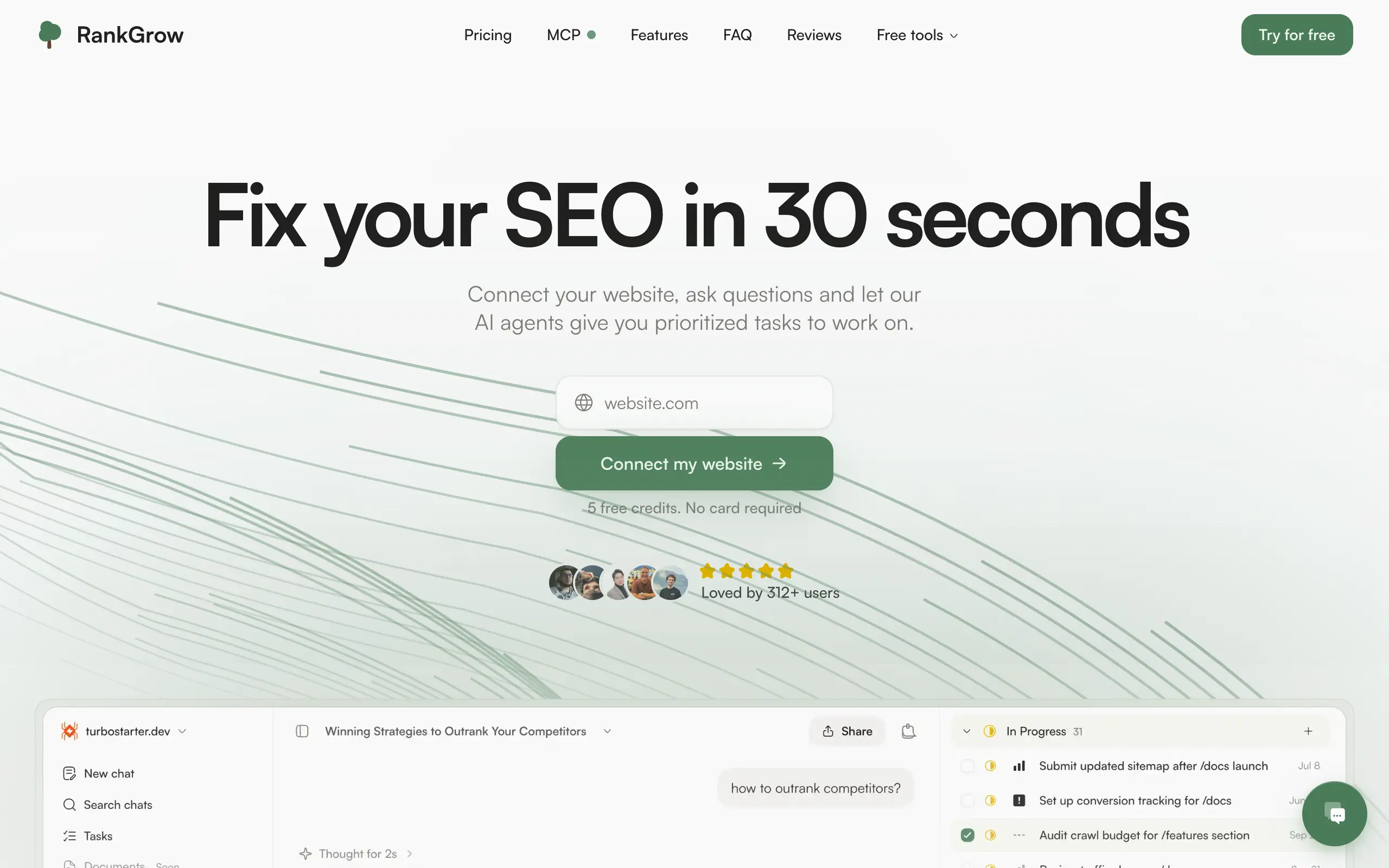
RankGrow
Fix your SEO with AI agents - connect Search Console, get prioritized tasks, and grow organic traffic 📈
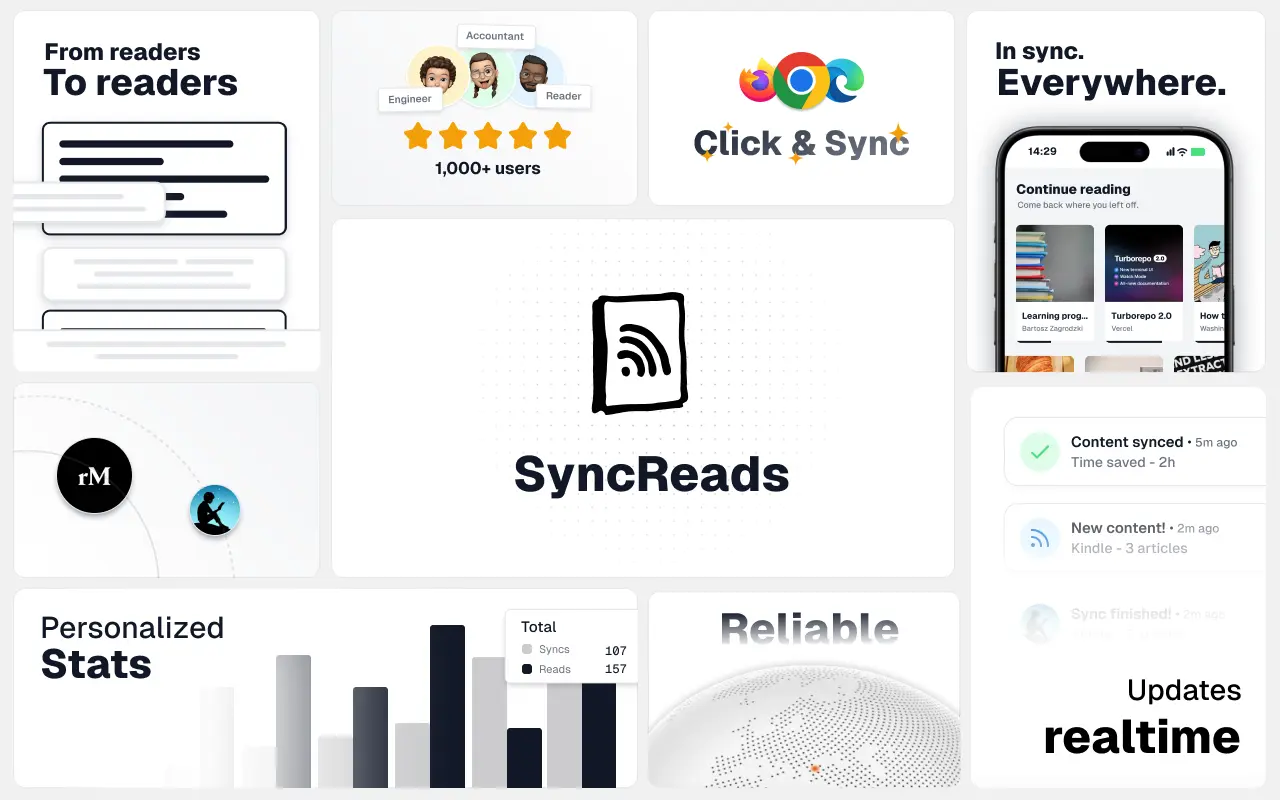
SyncReads
Sync your favorite content for distraction-free reading, save time and replace multiple apps. Anytime, anywhere 🔄
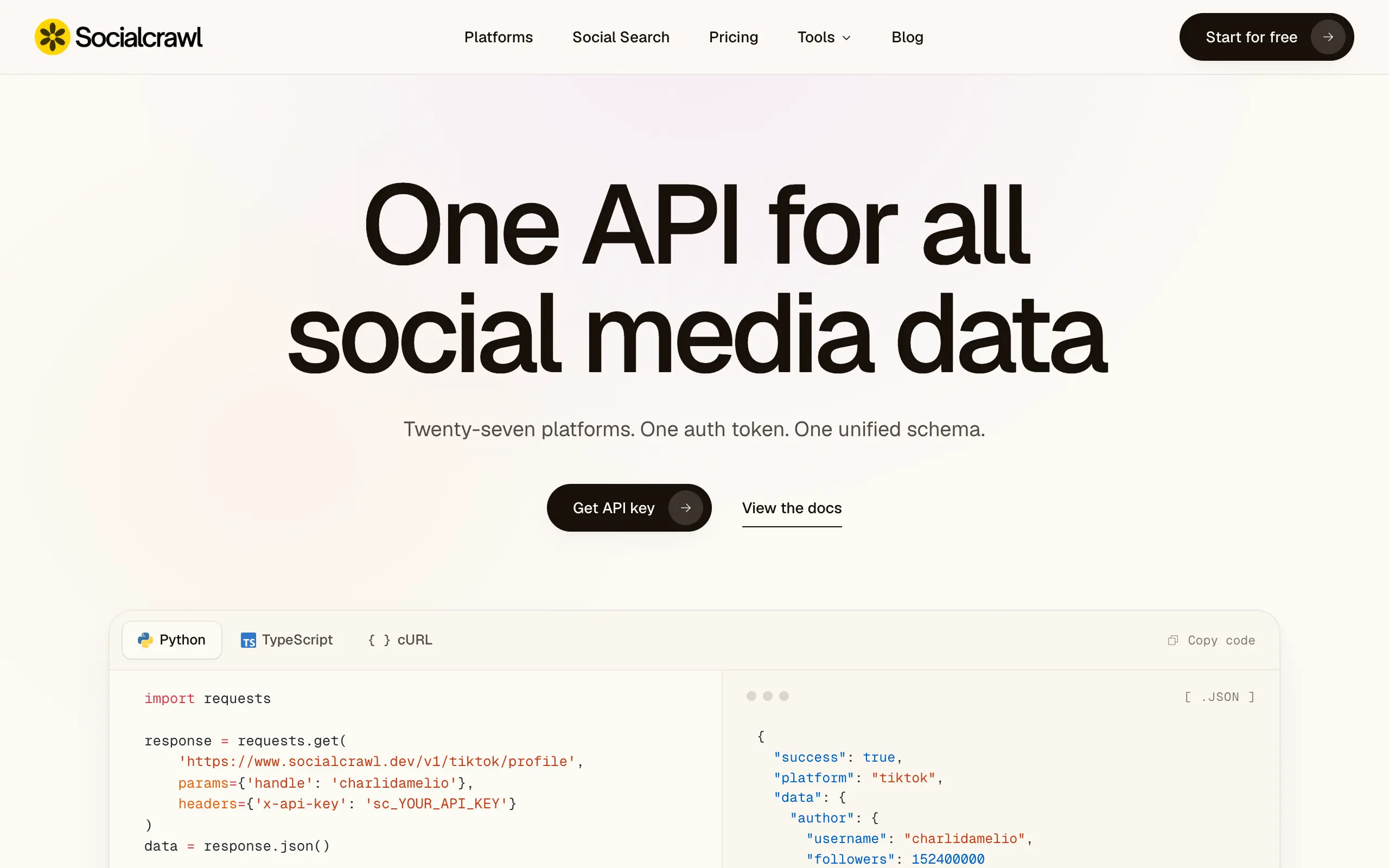
Socialcrawl
Get clean, structured data from 21 platforms like TikTok, Instagram, and YouTube with a single request 📊
Statiko
Monitor any Telegram channel in real time - track posts, edits, deletions, and growth with AI recaps 📡
Shibui
AI website builder - describe your business, pick a niche template, edit by chatting, and publish instantly ✨
Pro Service
Find verified home service professionals, compare quotes, and pay securely through escrow - built for Brazilians across the US 🏠
RankGrow
Fix your SEO with AI agents - connect Search Console, get prioritized tasks, and grow organic traffic 📈
SyncReads
Sync your favorite content for distraction-free reading, save time and replace multiple apps. Anytime, anywhere 🔄
Socialcrawl
Get clean, structured data from 21 platforms like TikTok, Instagram, and YouTube with a single request 📊
Statiko
Monitor any Telegram channel in real time - track posts, edits, deletions, and growth with AI recaps 📡
Shibui
AI website builder - describe your business, pick a niche template, edit by chatting, and publish instantly ✨
Pro Service
Find verified home service professionals, compare quotes, and pay securely through escrow - built for Brazilians across the US 🏠
RankGrow
Fix your SEO with AI agents - connect Search Console, get prioritized tasks, and grow organic traffic 📈
SyncReads
Sync your favorite content for distraction-free reading, save time and replace multiple apps. Anytime, anywhere 🔄
Socialcrawl
Get clean, structured data from 21 platforms like TikTok, Instagram, and YouTube with a single request 📊
Statiko
Monitor any Telegram channel in real time - track posts, edits, deletions, and growth with AI recaps 📡
Shibui
AI website builder - describe your business, pick a niche template, edit by chatting, and publish instantly ✨
Pro Service
Find verified home service professionals, compare quotes, and pay securely through escrow - built for Brazilians across the US 🏠
RankGrow
Fix your SEO with AI agents - connect Search Console, get prioritized tasks, and grow organic traffic 📈
SyncReads
Sync your favorite content for distraction-free reading, save time and replace multiple apps. Anytime, anywhere 🔄
Socialcrawl
Get clean, structured data from 21 platforms like TikTok, Instagram, and YouTube with a single request 📊
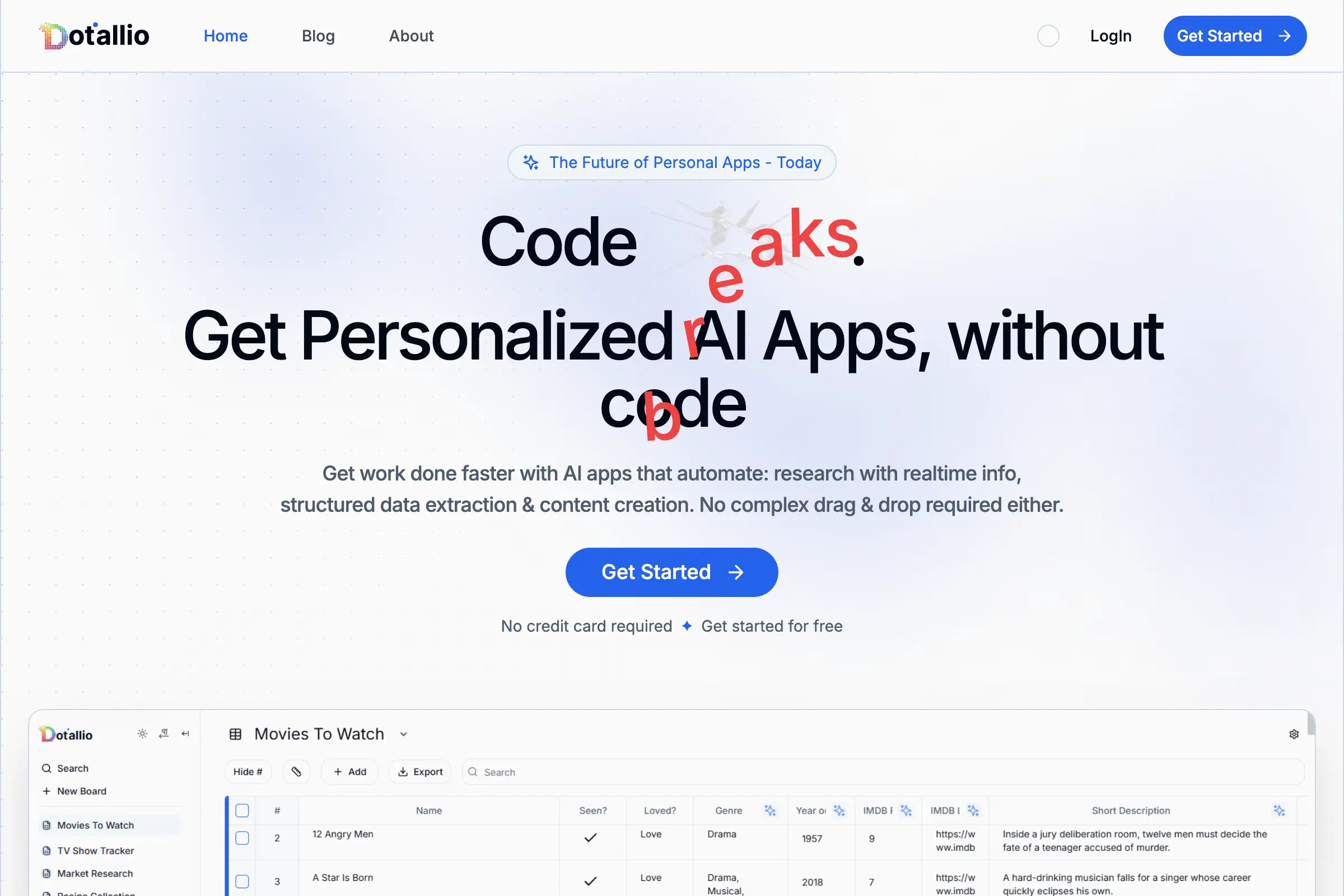
Dotallio
Personalized AI apps that automate research, data extraction, and content creation without code 🤖

Talk to Santa
Enjoy a magical live video chat or receive a unique AI-generated video greeting from Santa Claus 🎅

pozywka.pl
Scalable blog for food journalist, focused on performance and user experience 🌭
zagrodzki.me
Personal blog and portfolio of Bart Zagrodzki, where he shares his knowledge and work 💼

TurboStarter
Ship your startup everywhere. In minutes.
HTML to Markdown
Convert HTML to Markdown with ease, directly in your browser 📄
Dotallio
Personalized AI apps that automate research, data extraction, and content creation without code 🤖
Talk to Santa
Enjoy a magical live video chat or receive a unique AI-generated video greeting from Santa Claus 🎅
pozywka.pl
Scalable blog for food journalist, focused on performance and user experience 🌭
zagrodzki.me
Personal blog and portfolio of Bart Zagrodzki, where he shares his knowledge and work 💼
TurboStarter
Ship your startup everywhere. In minutes.
HTML to Markdown
Convert HTML to Markdown with ease, directly in your browser 📄
Dotallio
Personalized AI apps that automate research, data extraction, and content creation without code 🤖
Talk to Santa
Enjoy a magical live video chat or receive a unique AI-generated video greeting from Santa Claus 🎅
pozywka.pl
Scalable blog for food journalist, focused on performance and user experience 🌭
zagrodzki.me
Personal blog and portfolio of Bart Zagrodzki, where he shares his knowledge and work 💼
TurboStarter
Ship your startup everywhere. In minutes.
HTML to Markdown
Convert HTML to Markdown with ease, directly in your browser 📄
Dotallio
Personalized AI apps that automate research, data extraction, and content creation without code 🤖
Talk to Santa
Enjoy a magical live video chat or receive a unique AI-generated video greeting from Santa Claus 🎅
pozywka.pl
Scalable blog for food journalist, focused on performance and user experience 🌭
zagrodzki.me
Personal blog and portfolio of Bart Zagrodzki, where he shares his knowledge and work 💼
TurboStarter
Ship your startup everywhere. In minutes.
HTML to Markdown
Convert HTML to Markdown with ease, directly in your browser 📄
Omichat
Chat with 50+ AI models, including ChatGPT and Claude, in one place - switch models anytime without losing context 🤖
Claude Fast
Supercharge your Claude Code with 6x effective context window and specialized AI agents 🤖
EmojAI
AI-powered emoji picker with smart, context-aware suggestions 🤖

Solohacker
Autonomous company launcher - AI agents work 24/7, escalate what matters, and you stay in control 🤖

BeRawi: Storytelling Coach
Practice storytelling daily with instant feedback to sound clearer, more engaging, and confident 🎤
Omichat
Chat with 50+ AI models, including ChatGPT and Claude, in one place - switch models anytime without losing context 🤖
Claude Fast
Supercharge your Claude Code with 6x effective context window and specialized AI agents 🤖
EmojAI
AI-powered emoji picker with smart, context-aware suggestions 🤖
Solohacker
Autonomous company launcher - AI agents work 24/7, escalate what matters, and you stay in control 🤖
BeRawi: Storytelling Coach
Practice storytelling daily with instant feedback to sound clearer, more engaging, and confident 🎤
Omichat
Chat with 50+ AI models, including ChatGPT and Claude, in one place - switch models anytime without losing context 🤖
Claude Fast
Supercharge your Claude Code with 6x effective context window and specialized AI agents 🤖
EmojAI
AI-powered emoji picker with smart, context-aware suggestions 🤖
Solohacker
Autonomous company launcher - AI agents work 24/7, escalate what matters, and you stay in control 🤖
BeRawi: Storytelling Coach
Practice storytelling daily with instant feedback to sound clearer, more engaging, and confident 🎤
Omichat
Chat with 50+ AI models, including ChatGPT and Claude, in one place - switch models anytime without losing context 🤖
Claude Fast
Supercharge your Claude Code with 6x effective context window and specialized AI agents 🤖
EmojAI
AI-powered emoji picker with smart, context-aware suggestions 🤖
Solohacker
Autonomous company launcher - AI agents work 24/7, escalate what matters, and you stay in control 🤖
BeRawi: Storytelling Coach
Practice storytelling daily with instant feedback to sound clearer, more engaging, and confident 🎤

Connect with like-minded people
Join our community to get feedback, support, and grow together with 1,000+ builders on board, let's ship it!
Join usShip your startup everywhere. In minutes.
Don't burn tokens on setup and start building features on day one.