ShadowSurface
Continuous AI-driven attack surface monitoring that uncovers forgotten assets, exposed credentials, and shadow IT before attackers do.
The rising need for AI-driven attack surface monitoring
Modern organizations no longer operate within a neatly defined network perimeter. Cloud infrastructure, SaaS sprawl, remote teams, shadow IT, third-party integrations, CI/CD pipelines, and API-first architectures have dramatically expanded the external attack surface.
At the same time, attackers have become faster, more automated, and more opportunistic. They scan the internet continuously for:
- Exposed cloud storage buckets
- Forgotten subdomains
- Leaked API keys and credentials
- Misconfigured SaaS applications
- Publicly accessible dev or staging environments
- Vulnerable third-party services
This is where AI-driven attack surface monitoring like ShadowSurface becomes mission-critical.
ShadowSurface is designed to continuously discover and monitor external-facing assets, detect exposed credentials and shadow IT, and surface risks before attackers exploit them. Instead of reactive security, it enables proactive attack surface management (ASM) powered by automation and machine learning.
This article provides a deep dive into:
- Market opportunity and gaps
- Target audience analysis
- Core features and product architecture
- Recommended tech stack
- Monetization strategies
- Competitive landscape
- Risks and mitigation
- Actionable implementation roadmap
Understanding the user search intent
Anyone searching for terms like:
- “AI attack surface monitoring”
- “Continuous attack surface management”
- “Shadow IT detection tools”
- “External asset discovery SaaS”
- “Exposed credentials monitoring platform”
…is likely looking for one of the following:
- Security leaders evaluating vendors
- Founders validating a cybersecurity SaaS idea
- CTOs/CISOs assessing risk exposure
- Developers/DevSecOps engineers looking for implementation details
- Investors exploring cybersecurity market potential
This guide addresses all of those intents through a strategic and technical lens.
Market opportunity: why continuous attack surface monitoring is exploding
The attack surface is expanding faster than security teams can manage
Several macro trends are fueling demand:
- Cloud-native infrastructure (AWS, Azure, GCP)
- Multi-cloud and hybrid environments
- SaaS-first organizations
- Remote and distributed teams
- API-based integrations
- Low-code/no-code tools
- AI experimentation tools deployed without governance
According to industry reports from Gartner and Forrester (recommend referencing the latest ASM market reports), external attack surface management (EASM) is one of the fastest-growing segments in cybersecurity.
The core problem
Most organizations:
- Don’t know all their internet-facing assets.
- Don’t track newly created subdomains.
- Don’t monitor leaked credentials in real-time.
- Lack visibility into shadow IT usage.
- Rely on point-in-time audits instead of continuous monitoring.
ShadowSurface addresses this gap through continuous AI-driven discovery and risk prioritization.
Target audience analysis
1. Mid-market companies (100–2000 employees)
Pain points:
- Limited security team
- Rapid SaaS adoption
- Cloud-first infrastructure
- Compliance pressure (SOC 2, ISO 27001, HIPAA)
What they need:
- Automated discovery
- Easy-to-understand risk scoring
- Integration with existing tools (Slack, Jira, SIEM)
- Executive-friendly dashboards
2. Enterprise security teams
Pain points:
- Complex multi-cloud environments
- Hundreds of domains and subsidiaries
- M&A-driven asset sprawl
- Third-party risk exposure
What they need:
- Asset inventory at scale
- API-driven integrations
- Custom policies
- SIEM and SOAR compatibility
3. MSSPs (Managed Security Service Providers)
Pain points:
- Need multi-tenant monitoring
- Efficient alert triage
- Competitive differentiation
What they need:
- White-label options
- Role-based access
- Portfolio-level dashboards
4. Startups preparing for compliance
Pain points:
- Unknown infrastructure exposures
- Dev-first culture without security guardrails
- Fast iteration
What they need:
- Affordable monitoring
- Clear remediation guidance
- Automated reporting
Core problem ShadowSurface solves
Let’s break down the key threats:
1. Forgotten assets
- Old staging domains
- Expired but still resolvable subdomains
- Legacy apps hosted on cloud instances
- Abandoned S3 buckets
These are prime entry points for attackers.
2. Exposed credentials
- API keys in public Git repositories
- AWS keys in client-side JavaScript
- Database credentials in config files
- Tokens leaked in CI/CD logs
Credential leaks are often discovered first by attackers using automated scanning bots.
3. Shadow IT
- Unsanctioned SaaS tools
- Personal cloud accounts
- Unapproved productivity platforms
- Unauthorized OAuth integrations
Shadow IT increases risk without visibility.
ShadowSurface: core features and solution architecture
Below is a breakdown of the essential features of an AI-driven attack surface monitoring platform.
Continuous external asset discovery
Using techniques like:
- DNS enumeration
- Certificate transparency log monitoring
- WHOIS monitoring
- ASN-based IP discovery
- Cloud provider API integration
AI can cluster assets and associate them with a parent organization using pattern recognition.
Credential leak detection
ShadowSurface can:
- Monitor public Git repositories
- Scrape paste sites
- Integrate with secret scanning APIs
- Detect exposed keys in JavaScript bundles
- Scan public code artifacts
AI enhances this by:
- Classifying severity
- Identifying likely valid credentials
- Reducing false positives
Shadow IT detection
Methods include:
- DNS traffic analysis (optional integration)
- SaaS fingerprinting
- OAuth app monitoring
- Public exposure scans for SaaS login portals
Risk scoring engine
An AI-powered prioritization model should consider:
- Asset exposure level
- Sensitivity of detected data
- Exploitability
- Known CVEs
- Business context
AI advantage
AI enables contextual risk prioritization. Instead of flooding security teams with alerts, it ranks risks by real-world exploitability and business impact.
Automated alerting and integrations
ShadowSurface should integrate with:
- Slack
- Microsoft Teams
- Jira
- ServiceNow
- SIEM tools
- Webhooks
Executive dashboards
Security leaders need:
- Attack surface growth over time
- Open vs resolved risks
- Risk trends by category
- Compliance posture alignment
Feature comparison vs traditional tools
| Capability | Traditional Scanner | Pen Test | Manual Audit | ShadowSurface (AI ASM) | SIEM Only |
|---|---|---|---|---|---|
| Continuous discovery | ❌ | ❌ | ❌ | ✅ | ❌ |
| AI-based prioritization | ❌ | ❌ | ❌ | ✅ | ❌ |
Recommended tech stack for building ShadowSurface
Building an AI-powered attack surface monitoring SaaS requires careful architecture decisions.
Frontend
- React for dynamic dashboards
- TailwindCSS for scalable UI design
- Chart libraries (Recharts or similar)
Why React?
- Mature ecosystem
- Strong enterprise adoption
- Component-based scalability
Backend
- Node.js (TypeScript) or Go
- REST + GraphQL APIs
- Event-driven architecture
Go is excellent for:
- High-performance scanning
- Concurrent network operations
Node.js excels at:
- Rapid iteration
- Rich ecosystem
- Developer hiring availability
Infrastructure
- AWS (EC2, Lambda, S3, RDS)
- GCP alternative for multi-cloud strategy
- Kubernetes for orchestration
- Redis for caching
- PostgreSQL for structured data
AI layer
- Python microservices
- Machine learning models for:
- Risk classification
- Asset clustering
- Credential validation likelihood scoring
Example pseudocode:
def calculate_risk_score(exposure_level, credential_sensitivity, exploitability):
    base = exposure_level * 0.4
    cred = credential_sensitivity * 0.3
    exploit = exploitability * 0.3
    return round(base + cred + exploit, 2)
Scanning architecture
Use distributed workers:
// Example: Job queue dispatch logic
import Queue from "bull";

const scanQueue = new Queue("asset-scan");

scanQueue.process(async (job) => {
  const { domain } = job.data;
  await runDNSScan(domain);
  await runCertScan(domain);
});
Data privacy and compliance considerations
Security SaaS must handle:
- SOC 2 requirements
- GDPR
- HIPAA (if applicable)
- Data residency constraints
Key principles:
- Encrypt data at rest and in transit
- Role-based access control
- Audit logging
- Secure secret management
Monetization strategy
Tiered SaaS pricing
Starter – $99–$299/month
- Basic asset discovery
- Limited domains
- Email alerts
Growth – $499–$999/month
- AI prioritization
- Credential monitoring
- Integrations
Enterprise – Custom pricing
- Multi-tenant support
- API access
- Dedicated support
Usage-based pricing
Charge based on:
- Number of domains monitored
- Assets discovered
- API calls
- Alerts generated
MSSP licensing
Offer:
- White-label dashboards
- Portfolio monitoring
- Volume discounts
Competitive landscape
Major players in external attack surface management include:
- Palo Alto Networks (Expanse)
- Microsoft Defender EASM
- Randori (IBM)
- CyCognito
How ShadowSurface can differentiate
AI-first prioritization
Reduce alert fatigue with intelligent contextual scoring instead of static rule-based alerts.
SMB-friendly pricing
Most enterprise tools are overpriced for mid-market companies.
Shadow IT focus
Specialized detection of SaaS sprawl and OAuth risks.
Unique selling proposition (USP)
ShadowSurface is not just an asset discovery tool.
It is:
A continuous AI-driven external security intelligence engine designed for modern cloud-first organizations.
Key differentiation:
- Continuous monitoring (not snapshot-based)
- AI risk prioritization
- Shadow IT detection
- Credential leak intelligence
- Developer-friendly integrations
Potential risks and mitigation strategies
Risk 1: False positives
Mitigation:
- Machine learning refinement
- Feedback loops
- Manual verification workflow
Risk 2: Legal concerns around scanning
Mitigation:
- Scan only externally accessible assets
- Clear terms of service
- Customer authorization verification
Risk 3: High infrastructure cost
Mitigation:
- Serverless scanning bursts
- Intelligent scheduling
- Asset change detection to reduce redundant scans
Risk 4: Competition from large vendors
Mitigation:
- Focus on niche: SMB + mid-market
- Faster product iteration
- Developer-first UX
Go-to-market strategy
Phase 1: Founder-led sales
- Target compliance-driven startups
- Offer early access
- Provide white-glove onboarding
Phase 2: Content-led growth
SEO content targeting:
- “how to find exposed credentials”
- “how to monitor external attack surface”
- “shadow IT detection tools”
- “prevent leaked API keys”
Phase 3: Partnerships
- MSSPs
- DevOps consultancies
- Compliance auditors
Implementation roadmap
MVP feature prioritization
- Domain and subdomain discovery
- Certificate monitoring
- Basic credential scanning
- Risk scoring
- Slack alerts
- Multi-cloud deep integrations
- Threat intelligence feeds
- Dark web monitoring
- Automated remediation
Building faster with the right foundation
Launching a cybersecurity SaaS from scratch can take months just to build authentication, billing, and core infrastructure.
Using a production-ready SaaS boilerplate like TurboStarter can accelerate:
- Authentication
- Multi-tenant architecture
- Stripe billing
- Dashboard scaffolding
- API setup
This allows you to focus on:
- AI engine
- Scanning logic
- Risk intelligence
Final thoughts
The future of cybersecurity is proactive, continuous, and AI-driven.
Organizations can no longer rely on:
- Annual penetration tests
- Static vulnerability scans
- Manual asset inventories
ShadowSurface represents a high-potential SaaS opportunity at the intersection of:
- AI
- Cybersecurity
- Cloud infrastructure
- Compliance automation
With increasing attack surfaces and automated threat actors, the demand for continuous AI-driven attack surface monitoring will only grow.
For founders, this is a strong validation signal.
For security teams, this is quickly becoming a necessity rather than a luxury.
The opportunity lies in building a platform that is:
- Accurate
- Automated
- Actionable
- Affordable
- AI-first
That’s how ShadowSurface wins.
More 🤖 AI Startup SaaS ideas
Discover more innovative ai startup SaaS ideas that are trending in 2026. Each idea is AI-generated with market validation and growth potential to help you find your next profitable venture faster than competitors.
Your competitors are building with TurboStarter
Below are some of the SaaS ideas that have been generated and built with our starter kit.
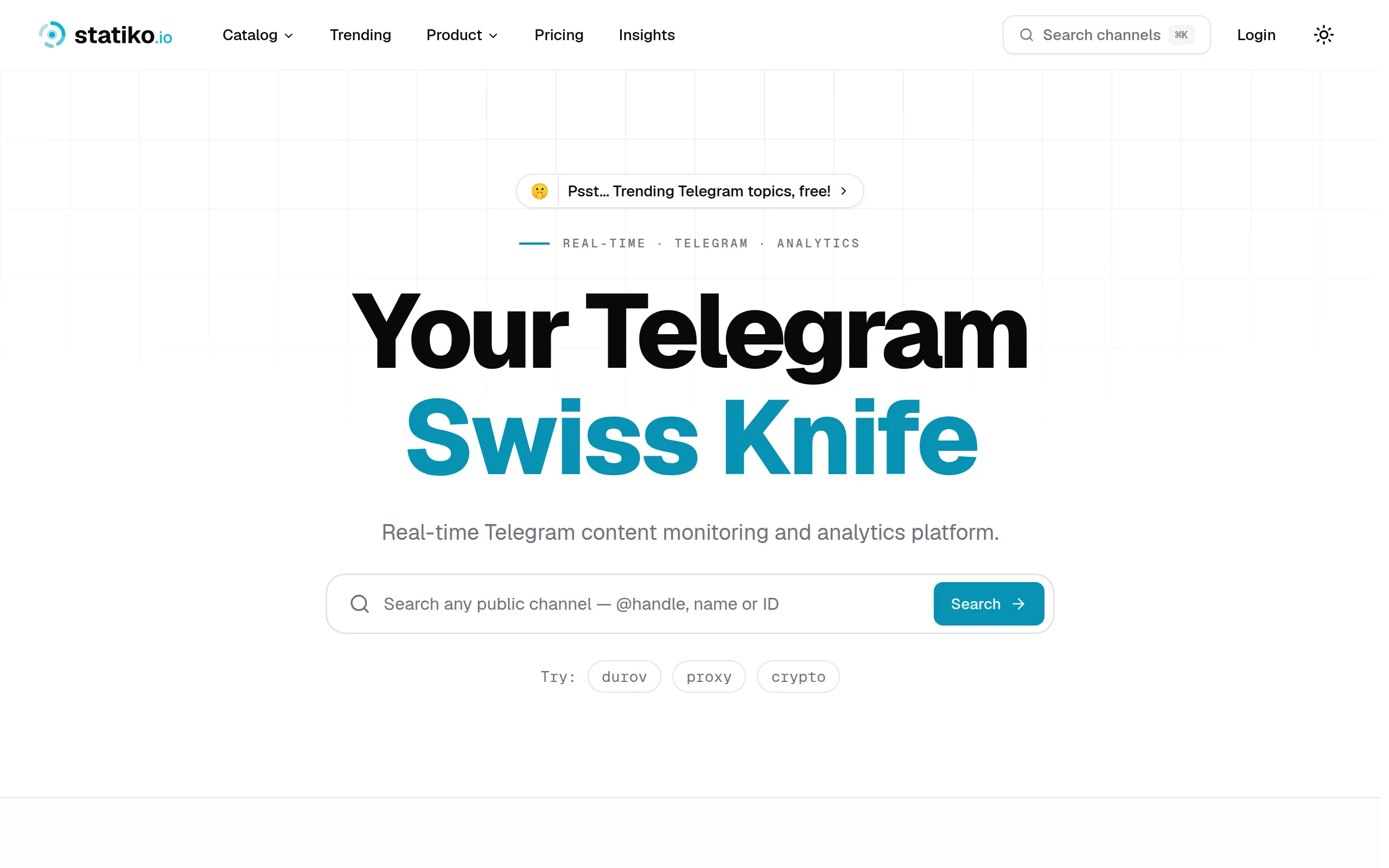
Statiko
Monitor any Telegram channel in real time - track posts, edits, deletions, and growth with AI recaps 📡

Shibui
AI website builder - describe your business, pick a niche template, edit by chatting, and publish instantly ✨

Pro Service
Find verified home service professionals, compare quotes, and pay securely through escrow - built for Brazilians across the US 🏠
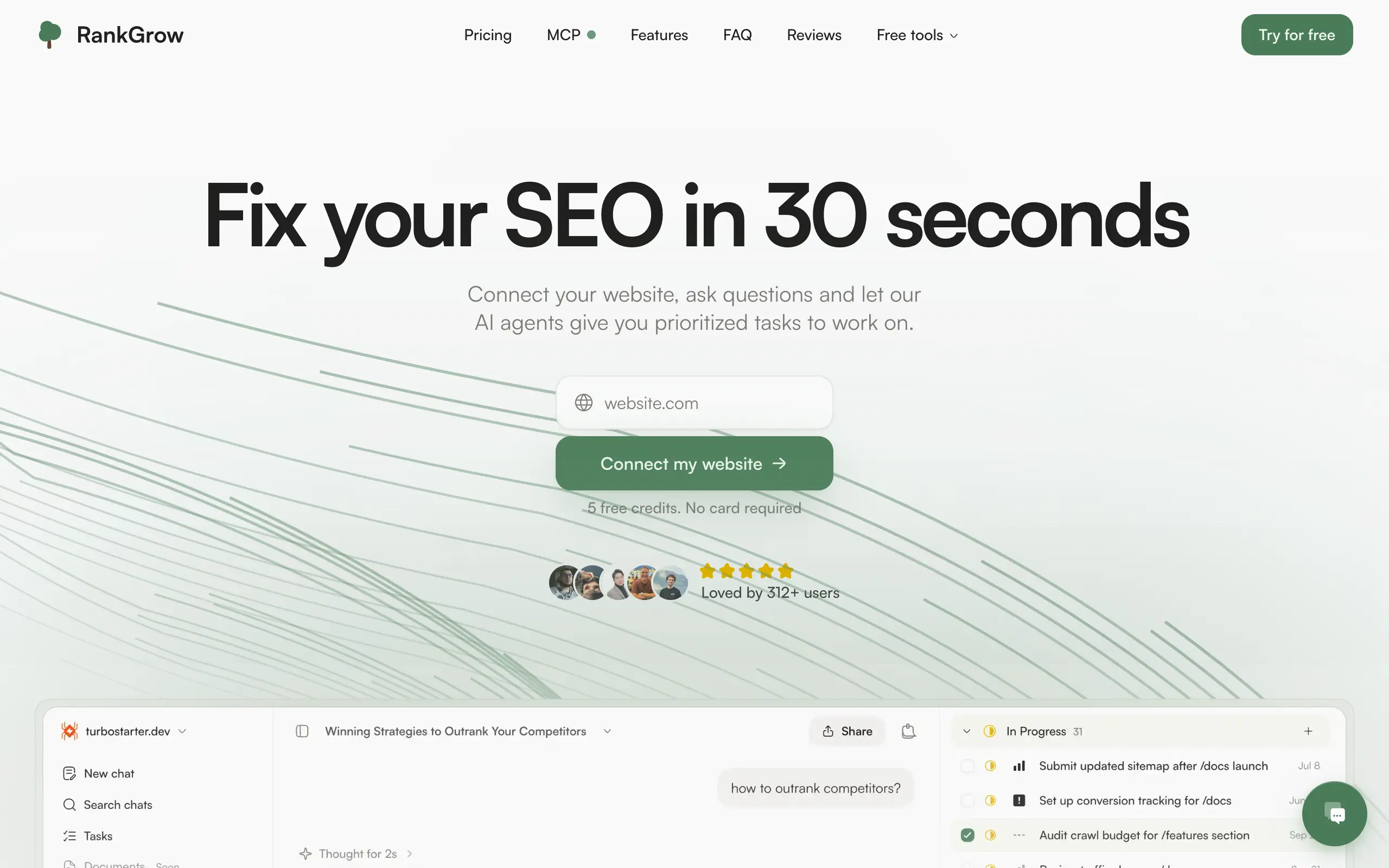
RankGrow
Fix your SEO with AI agents - connect Search Console, get prioritized tasks, and grow organic traffic 📈
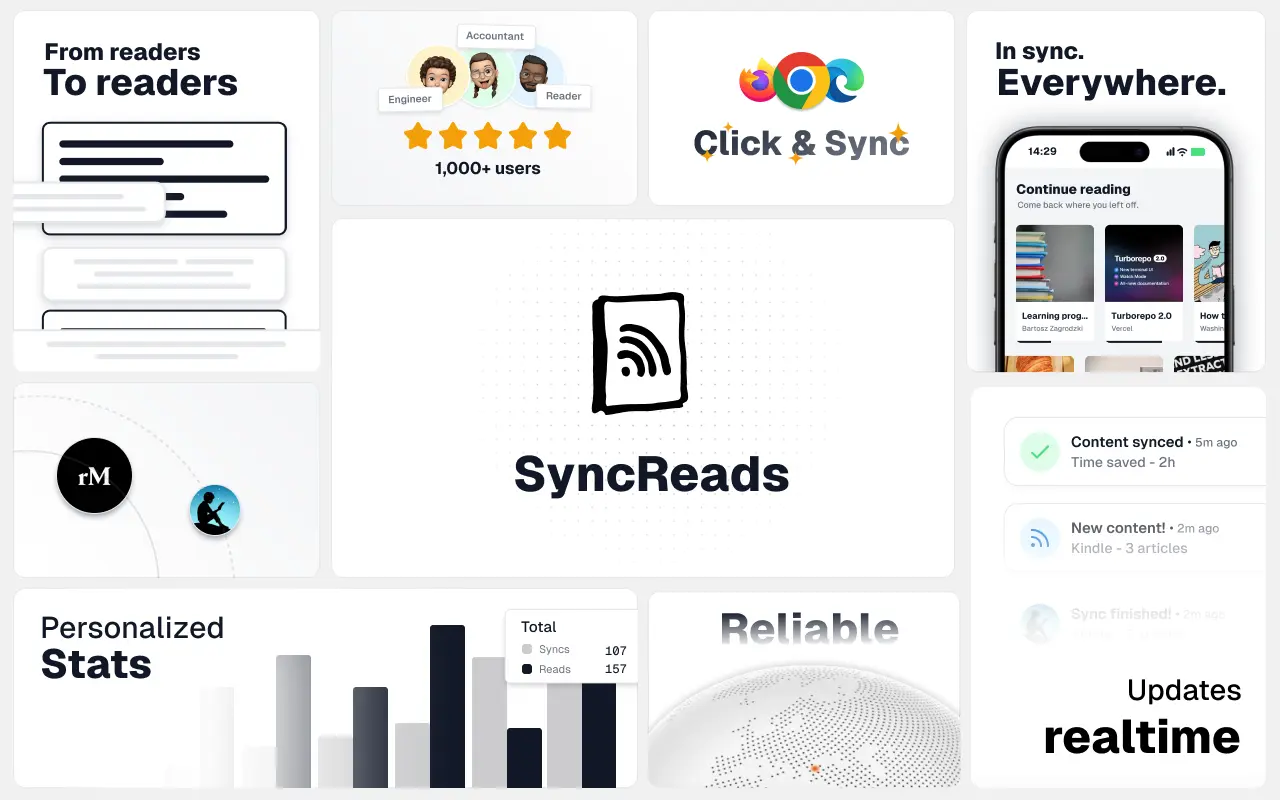
SyncReads
Sync your favorite content for distraction-free reading, save time and replace multiple apps. Anytime, anywhere 🔄
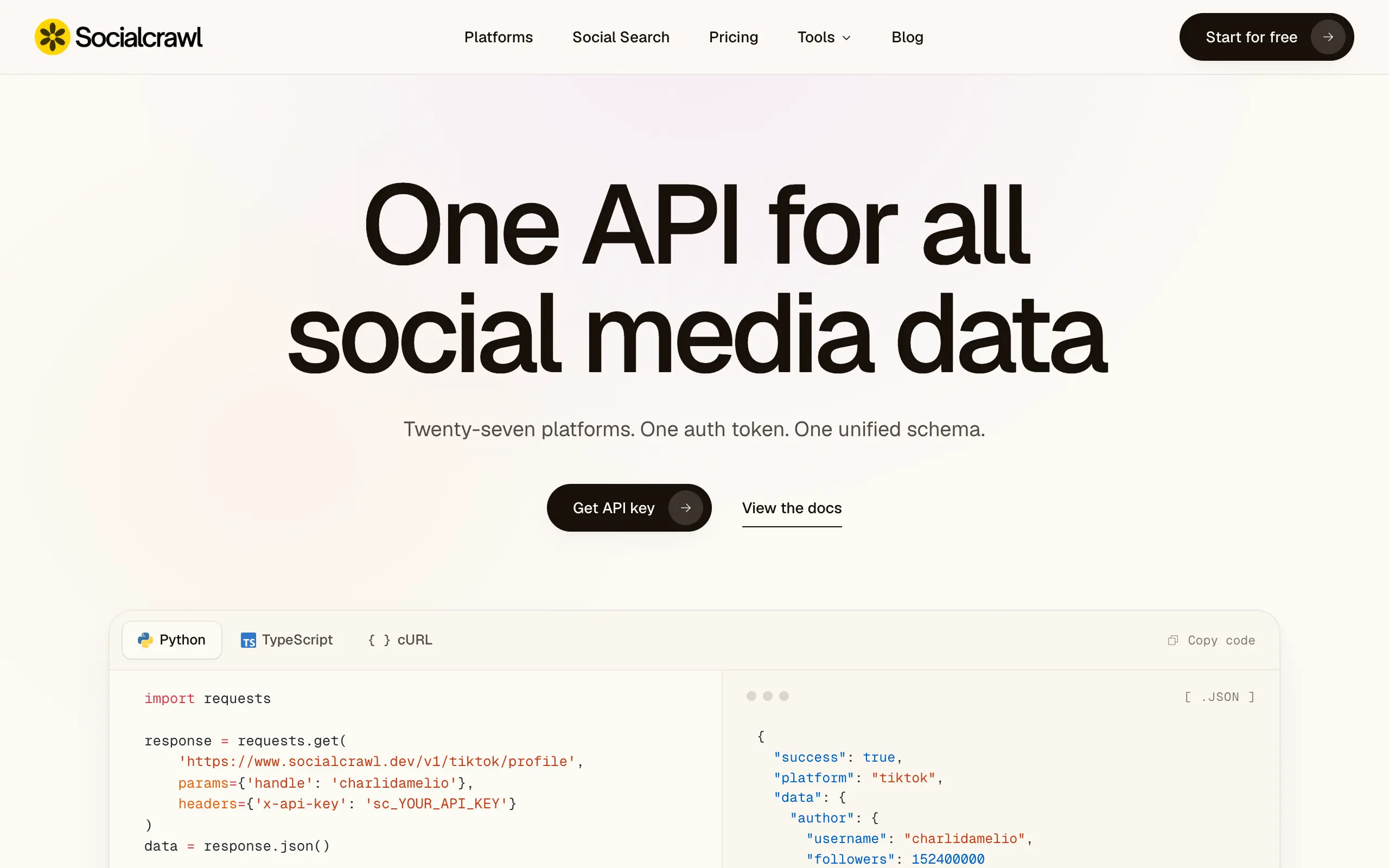
Socialcrawl
Get clean, structured data from 21 platforms like TikTok, Instagram, and YouTube with a single request 📊
Statiko
Monitor any Telegram channel in real time - track posts, edits, deletions, and growth with AI recaps 📡
Shibui
AI website builder - describe your business, pick a niche template, edit by chatting, and publish instantly ✨
Pro Service
Find verified home service professionals, compare quotes, and pay securely through escrow - built for Brazilians across the US 🏠
RankGrow
Fix your SEO with AI agents - connect Search Console, get prioritized tasks, and grow organic traffic 📈
SyncReads
Sync your favorite content for distraction-free reading, save time and replace multiple apps. Anytime, anywhere 🔄
Socialcrawl
Get clean, structured data from 21 platforms like TikTok, Instagram, and YouTube with a single request 📊
Statiko
Monitor any Telegram channel in real time - track posts, edits, deletions, and growth with AI recaps 📡
Shibui
AI website builder - describe your business, pick a niche template, edit by chatting, and publish instantly ✨
Pro Service
Find verified home service professionals, compare quotes, and pay securely through escrow - built for Brazilians across the US 🏠
RankGrow
Fix your SEO with AI agents - connect Search Console, get prioritized tasks, and grow organic traffic 📈
SyncReads
Sync your favorite content for distraction-free reading, save time and replace multiple apps. Anytime, anywhere 🔄
Socialcrawl
Get clean, structured data from 21 platforms like TikTok, Instagram, and YouTube with a single request 📊
Statiko
Monitor any Telegram channel in real time - track posts, edits, deletions, and growth with AI recaps 📡
Shibui
AI website builder - describe your business, pick a niche template, edit by chatting, and publish instantly ✨
Pro Service
Find verified home service professionals, compare quotes, and pay securely through escrow - built for Brazilians across the US 🏠
RankGrow
Fix your SEO with AI agents - connect Search Console, get prioritized tasks, and grow organic traffic 📈
SyncReads
Sync your favorite content for distraction-free reading, save time and replace multiple apps. Anytime, anywhere 🔄
Socialcrawl
Get clean, structured data from 21 platforms like TikTok, Instagram, and YouTube with a single request 📊
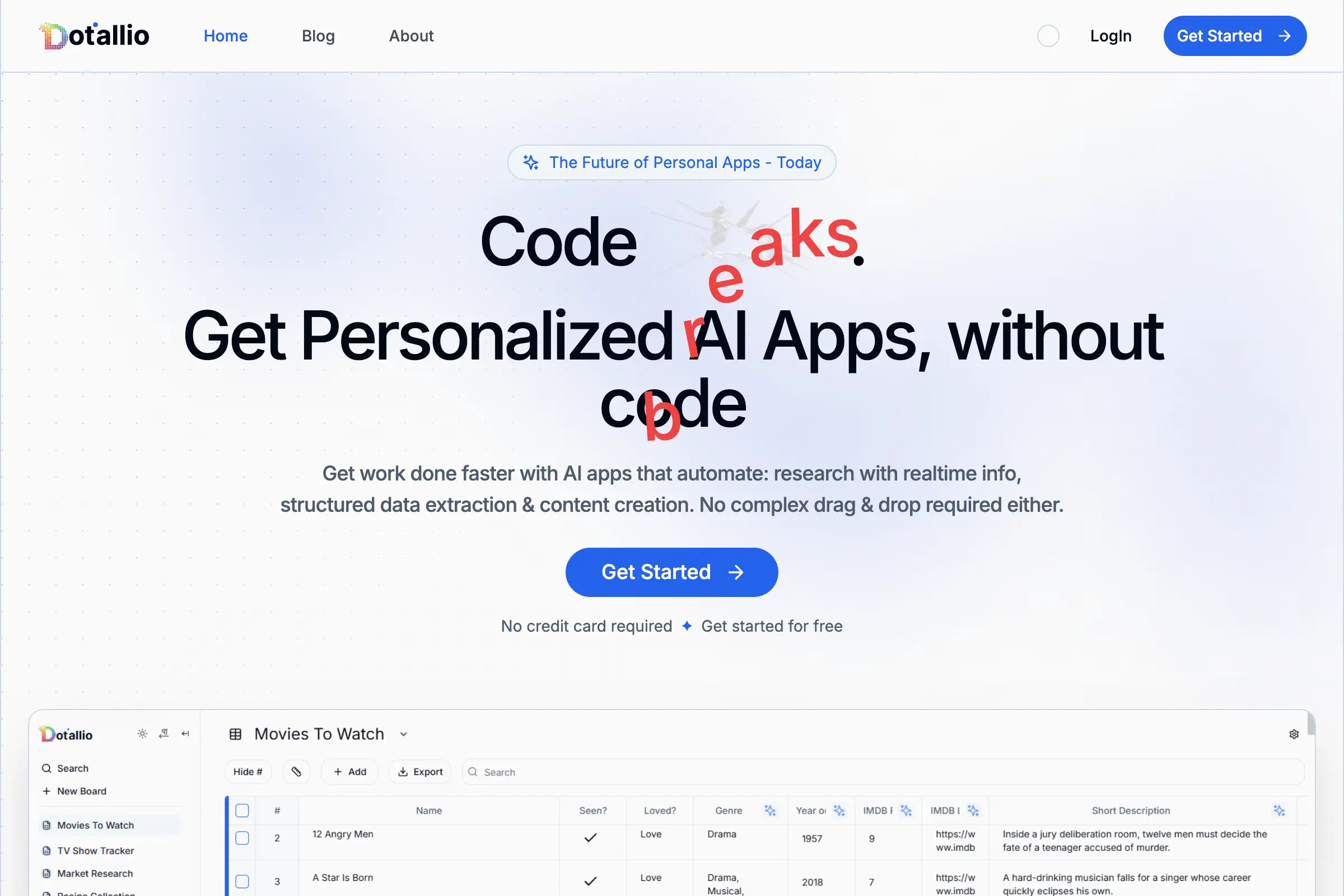
Dotallio
Personalized AI apps that automate research, data extraction, and content creation without code 🤖

Talk to Santa
Enjoy a magical live video chat or receive a unique AI-generated video greeting from Santa Claus 🎅

pozywka.pl
Scalable blog for food journalist, focused on performance and user experience 🌭
zagrodzki.me
Personal blog and portfolio of Bart Zagrodzki, where he shares his knowledge and work 💼
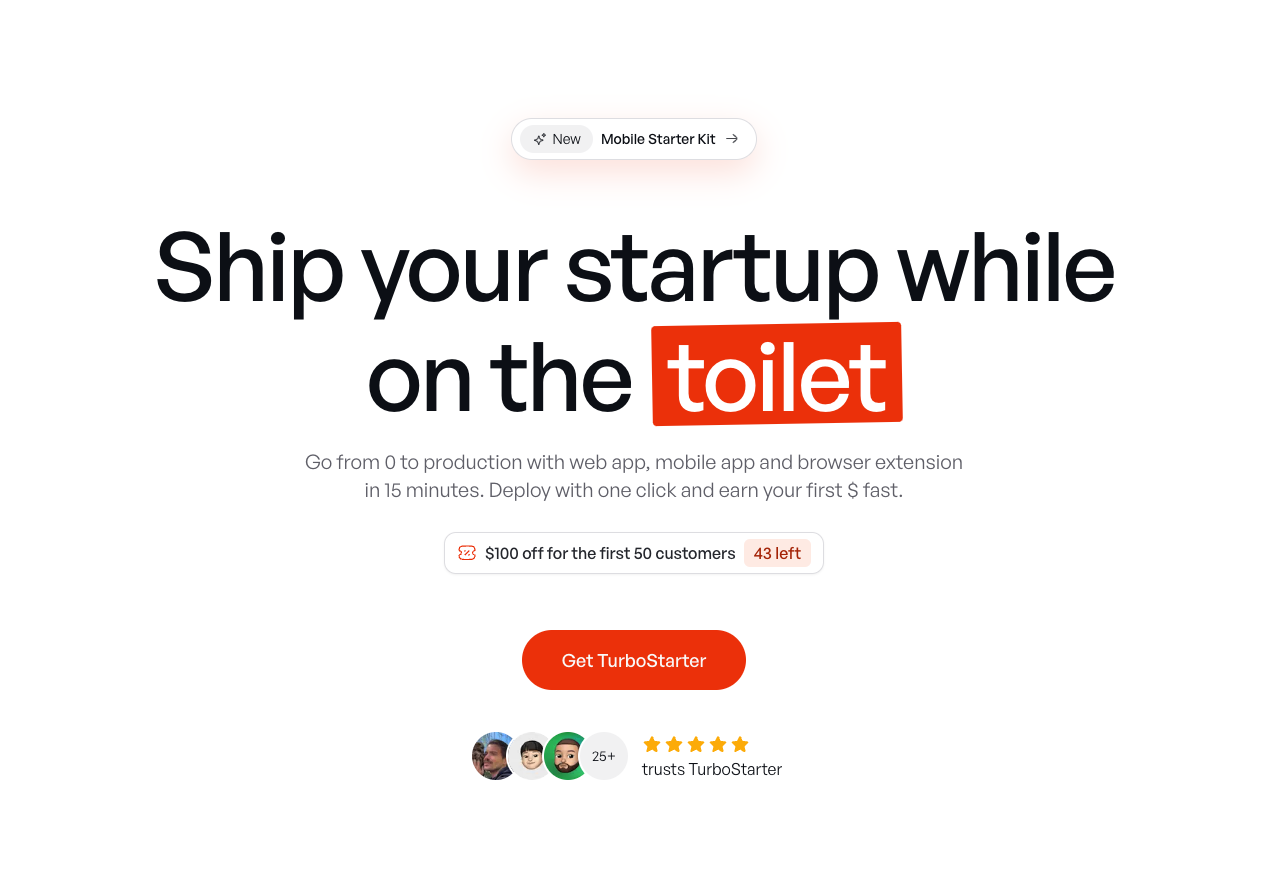
TurboStarter
Ship your startup everywhere. In minutes.
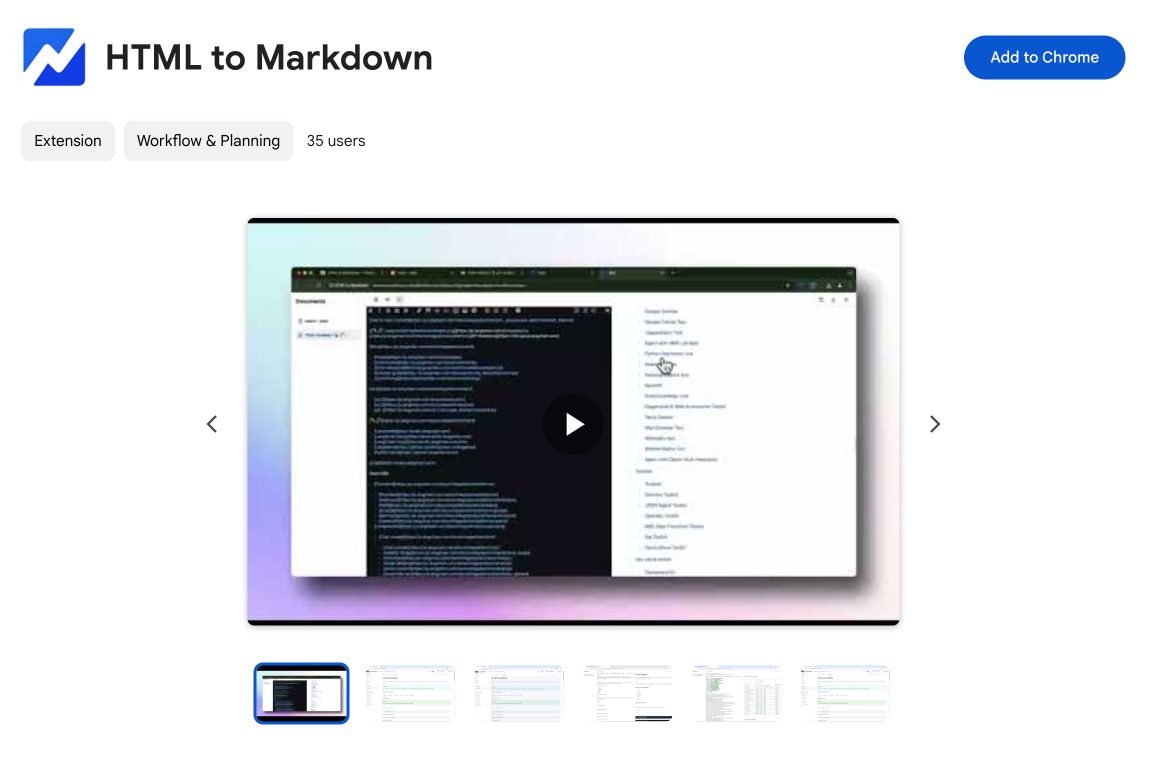
HTML to Markdown
Convert HTML to Markdown with ease, directly in your browser 📄
Dotallio
Personalized AI apps that automate research, data extraction, and content creation without code 🤖
Talk to Santa
Enjoy a magical live video chat or receive a unique AI-generated video greeting from Santa Claus 🎅
pozywka.pl
Scalable blog for food journalist, focused on performance and user experience 🌭
zagrodzki.me
Personal blog and portfolio of Bart Zagrodzki, where he shares his knowledge and work 💼
TurboStarter
Ship your startup everywhere. In minutes.
HTML to Markdown
Convert HTML to Markdown with ease, directly in your browser 📄
Dotallio
Personalized AI apps that automate research, data extraction, and content creation without code 🤖
Talk to Santa
Enjoy a magical live video chat or receive a unique AI-generated video greeting from Santa Claus 🎅
pozywka.pl
Scalable blog for food journalist, focused on performance and user experience 🌭
zagrodzki.me
Personal blog and portfolio of Bart Zagrodzki, where he shares his knowledge and work 💼
TurboStarter
Ship your startup everywhere. In minutes.
HTML to Markdown
Convert HTML to Markdown with ease, directly in your browser 📄
Dotallio
Personalized AI apps that automate research, data extraction, and content creation without code 🤖
Talk to Santa
Enjoy a magical live video chat or receive a unique AI-generated video greeting from Santa Claus 🎅
pozywka.pl
Scalable blog for food journalist, focused on performance and user experience 🌭
zagrodzki.me
Personal blog and portfolio of Bart Zagrodzki, where he shares his knowledge and work 💼
TurboStarter
Ship your startup everywhere. In minutes.
HTML to Markdown
Convert HTML to Markdown with ease, directly in your browser 📄
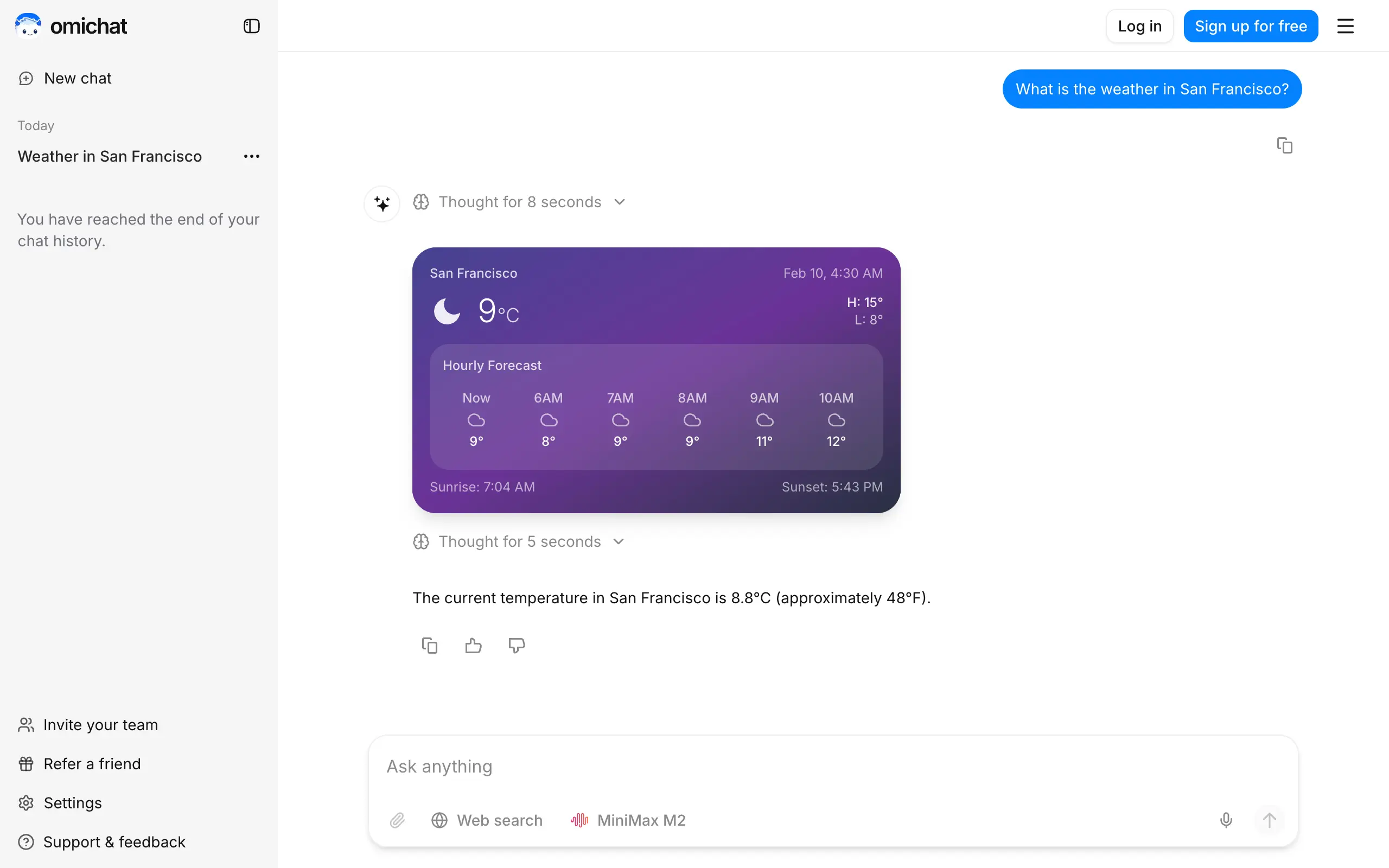
Omichat
Chat with 50+ AI models, including ChatGPT and Claude, in one place - switch models anytime without losing context 🤖
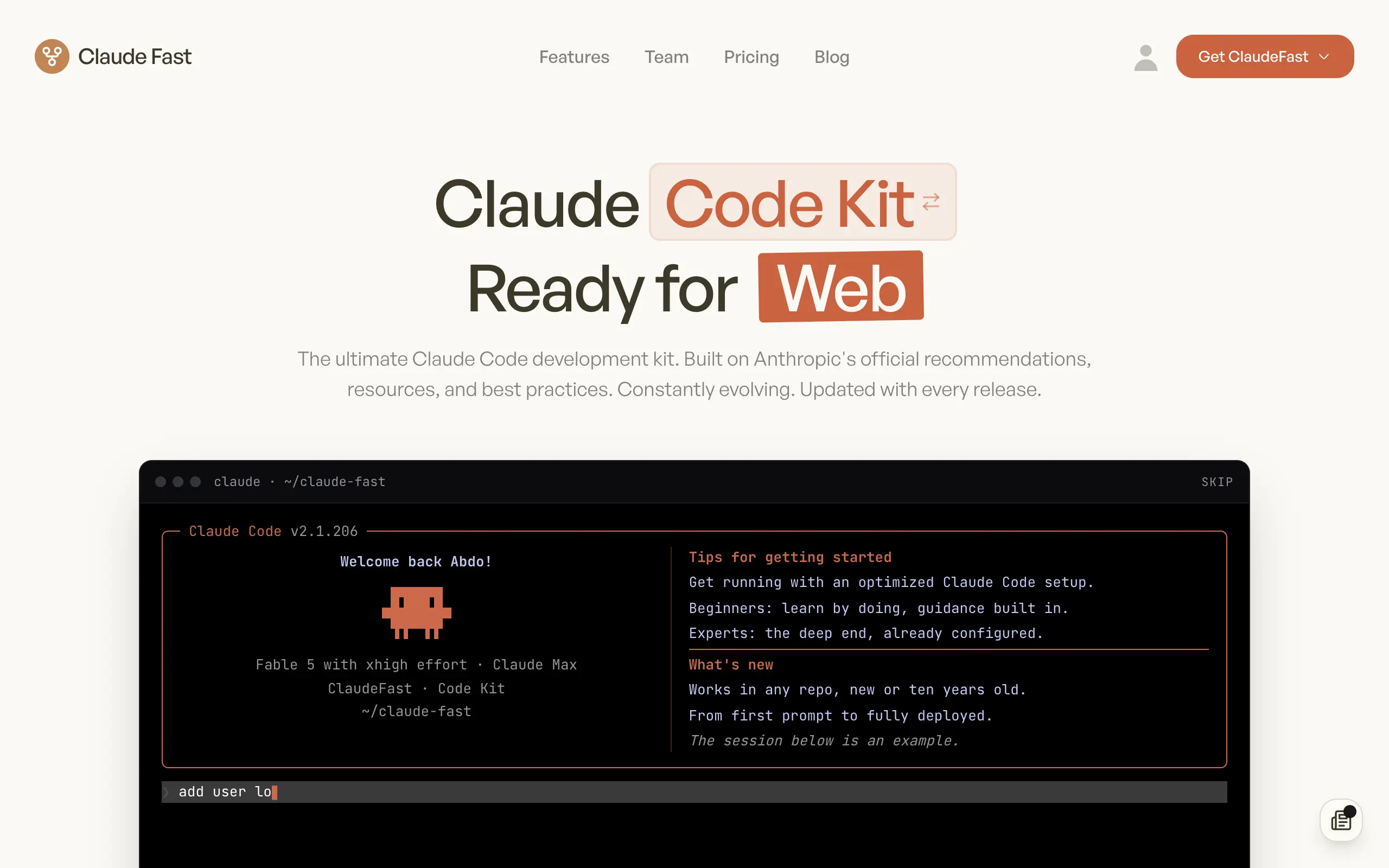
Claude Fast
Supercharge your Claude Code with 6x effective context window and specialized AI agents 🤖
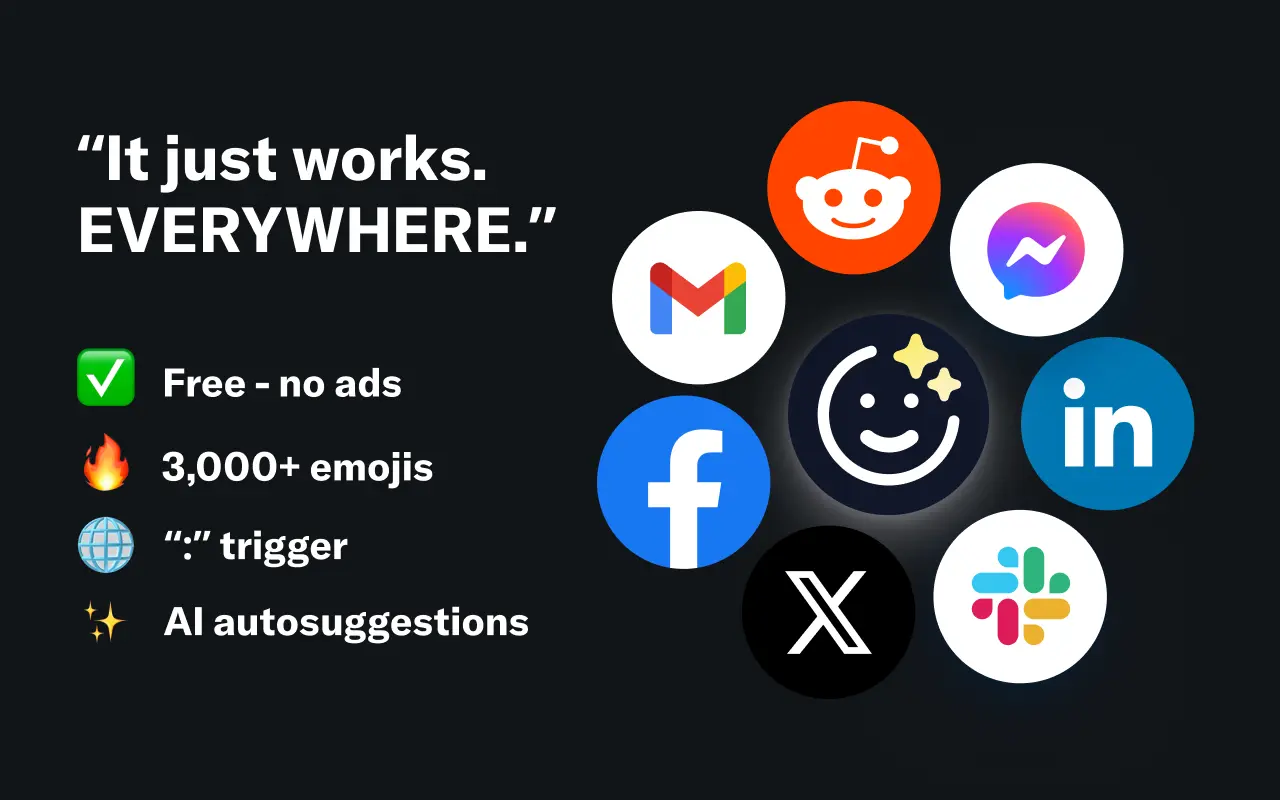
EmojAI
AI-powered emoji picker with smart, context-aware suggestions 🤖

Solohacker
Autonomous company launcher - AI agents work 24/7, escalate what matters, and you stay in control 🤖

BeRawi: Storytelling Coach
Practice storytelling daily with instant feedback to sound clearer, more engaging, and confident 🎤
Omichat
Chat with 50+ AI models, including ChatGPT and Claude, in one place - switch models anytime without losing context 🤖
Claude Fast
Supercharge your Claude Code with 6x effective context window and specialized AI agents 🤖
EmojAI
AI-powered emoji picker with smart, context-aware suggestions 🤖
Solohacker
Autonomous company launcher - AI agents work 24/7, escalate what matters, and you stay in control 🤖
BeRawi: Storytelling Coach
Practice storytelling daily with instant feedback to sound clearer, more engaging, and confident 🎤
Omichat
Chat with 50+ AI models, including ChatGPT and Claude, in one place - switch models anytime without losing context 🤖
Claude Fast
Supercharge your Claude Code with 6x effective context window and specialized AI agents 🤖
EmojAI
AI-powered emoji picker with smart, context-aware suggestions 🤖
Solohacker
Autonomous company launcher - AI agents work 24/7, escalate what matters, and you stay in control 🤖
BeRawi: Storytelling Coach
Practice storytelling daily with instant feedback to sound clearer, more engaging, and confident 🎤
Omichat
Chat with 50+ AI models, including ChatGPT and Claude, in one place - switch models anytime without losing context 🤖
Claude Fast
Supercharge your Claude Code with 6x effective context window and specialized AI agents 🤖
EmojAI
AI-powered emoji picker with smart, context-aware suggestions 🤖
Solohacker
Autonomous company launcher - AI agents work 24/7, escalate what matters, and you stay in control 🤖
BeRawi: Storytelling Coach
Practice storytelling daily with instant feedback to sound clearer, more engaging, and confident 🎤

Connect with like-minded people
Join our community to get feedback, support, and grow together with 1,000+ builders on board, let's ship it!
Join usShip your startup everywhere. In minutes.
Don't burn tokens on setup and start building features on day one.