ShelfSpark
Create distinctive, search-friendly product names for online stores and marketplaces. Tailor suggestions to product features, customer keywords, and local markets.
Product naming is a small task with outsized consequences for an online seller. A name has to explain what an item is, reflect the brand, make sense to shoppers, and fit the search and listing conventions of the store or marketplace where it will appear. Yet sellers often have to make these decisions quickly, with limited research and a blank page.
ShelfSpark is an AI product naming generator for online stores and marketplaces. It turns product details, customer language, and local-market context into distinctive name ideas sellers can review, refine, and test. The opportunity is not simply to generate more names. It is to help sellers make more informed naming decisions without losing the human judgment that makes a brand feel authentic.
What ShelfSpark could help sellers do
A general-purpose AI writing tool can produce product name ideas, but sellers still need to explain their product, provide relevant customer language, ask for suitable variations, and check that the results fit a particular channel. ShelfSpark could make that workflow more focused.
A seller might enter a product description such as “reusable insulated bottle for commuters,” choose a brand voice, identify a target market, and add phrases customers use in reviews or product searches. ShelfSpark could then return options grouped by naming approach, such as descriptive, benefit-led, premium, playful, or locally adapted.
The product should help users answer practical questions:
- Does the name communicate what the product is?
- Does it sound appropriate for this brand and audience?
- Is it distinct from the other names in this product line?
- Does it fit a marketplace title, product page, or local-language listing?
- What should the seller verify before publishing it?
That last question is important. An AI-generated suggestion is not a legal clearance, a guarantee of search performance, or proof that customers will prefer a name. ShelfSpark’s credibility will depend on making those boundaries clear.
Why an AI product naming generator has an opportunity
Online sellers have to name products across many situations. A small business may introduce seasonal items, create product variations, sell across multiple marketplaces, or adapt its catalog for a new region. Each naming decision requires a mix of creative judgment and practical constraints.
The work can become particularly difficult when a seller has limited brand resources. They may not have a naming agency, a dedicated copywriter, or a process for researching customer language. They may also be unsure how to balance a memorable brand name with a product description that shoppers can understand.
An AI product naming tool can lower the effort required to explore options. But AI generation alone is not a strong market position. Many writing assistants can brainstorm names if given a suitable prompt. ShelfSpark’s opportunity is to make the output more useful by combining several parts of the workflow:
- Product context that captures features, use cases, differentiators, and constraints.
- Customer language that reflects the words shoppers use to describe needs and benefits.
- Channel awareness that considers where a name will be displayed.
- Local-market adaptation that goes beyond literal translation.
- Review and refinement tools that help a seller compare options and make a deliberate choice.
The gap to investigate is not whether sellers can generate names with existing AI tools. They can. The more valuable question is whether sellers want a repeatable, product-specific workflow that produces better-organized, easier-to-evaluate ideas.
Treat the market gap as a hypothesis
The opportunity should be tested with sellers before it becomes a large product roadmap. Interviews and usability tests can reveal whether naming is frequent and painful enough to justify a dedicated subscription.
Useful discovery questions include:
- How do you currently name new products and variants?
- Which part takes the most time: brainstorming, researching, writing listings, or adapting names for markets?
- Where do you use AI in your product content workflow today?
- What makes a name unusable for a particular marketplace or store?
- How do you keep product names consistent with your brand?
- What checks do you perform before publishing a name?
- Would you pay for the naming workflow alone, or only as part of a broader product-content toolkit?
Look for repeated evidence rather than a single enthusiastic response. A promising signal is that sellers can describe a recent naming problem, explain its business impact, and show how they currently work around it. A weaker signal is general interest in “AI for ecommerce” without a clear use case or willingness to change an existing workflow.
Target audience for ShelfSpark
ShelfSpark should start with a focused audience instead of trying to serve every person who names anything. A narrow initial market makes it easier to build relevant templates, speak clearly in marketing, and learn which outputs users value.
Independent ecommerce sellers
Small direct-to-consumer businesses often need to name products while also managing sourcing, merchandising, customer support, and marketing. They may have a clear brand identity but lack a dedicated naming or content team.
For this audience, ShelfSpark should prioritize speed, usability, and brand consistency. A seller should be able to reuse a brand profile rather than re-explain its tone and audience for every product.
Marketplace merchants
Marketplace sellers work within listing conventions and may manage many products or variations. Their naming needs can differ from those of a standalone ecommerce brand. A product name may need to be concise, descriptive, and easy to distinguish from similar listings.
ShelfSpark could help these merchants create options that follow their own chosen rules. It should not claim that a name will improve ranking on a marketplace unless there is reliable, platform-specific evidence. Instead, it can help sellers organize relevant product terms and check whether an option communicates the item clearly.
Product and catalog teams
Retailers and growing brands may have multiple people involved in product launches. Naming decisions can become inconsistent when each contributor uses a different process or interpretation of the brand voice.
For these teams, the product could eventually support shared workspaces, approval stages, naming conventions, and reusable product-line structures. Those features should follow evidence of team demand rather than inflate the first release.
Agencies and ecommerce consultants
Agencies that manage product catalogs or launch campaigns for multiple clients may benefit from reusable client profiles and exportable results. They could be a useful distribution channel as well as a customer segment.
However, agency workflows can involve sensitive client information and more complex permissions. ShelfSpark should validate this segment separately and avoid building enterprise controls before there is clear demand.
The core ShelfSpark workflow
The best experience should guide a user from product information to a considered shortlist. It should not simply produce a long list of disconnected suggestions.
A practical workflow could look like this:
- Describe the product. Enter a short description, product features, audience, and use cases.
- Set the naming context. Choose a brand voice, market, language, channel, and any naming constraints.
- Add customer language. Provide search phrases, review excerpts, or words customers use to describe the product.
- Generate several naming directions. Explore different creative approaches rather than receiving one undifferentiated list.
- Refine and compare. Save favorites, request variations, and compare options against the original brief.
- Review before use. Check the name for clarity, brand fit, channel fit, and any external verification still required.
The result should make the reasoning behind each group of names easy to understand. For example, the tool might label a set as “clear and descriptive” or “short and brand-led.” These labels should describe the creative direction, not imply that the options have been legally cleared or validated with shoppers.
Features that could make the product valuable
Product brief builder
The quality of generated names depends on the quality of the context. ShelfSpark should make it easy to describe a product without requiring users to write a perfect prompt.
The brief builder could collect:
- Product category and key features
- Primary audience and use case
- Functional and emotional benefits
- Brand personality and preferred tone
- Market and language
- Marketplace or store channel
- Words to include, avoid, or use only with caution
- Existing product names that should inform the style
A guided form is often more reliable than a single open text box. It can prompt for missing context and help users distinguish a feature, such as “made from recycled fabric,” from a benefit, such as “a lighter everyday carry.”
Customer keyword input
ShelfSpark’s distinctive potential lies in connecting creative naming with the language customers already use. Users could add search phrases, review excerpts, frequently asked questions, or words from customer interviews.
The system should treat these inputs as evidence to consider, not terms that must be inserted mechanically. A generated name that crams several keywords together may sound unnatural and make a brand feel generic.
A useful output could identify which customer concepts influenced a suggestion. This gives the seller a way to assess relevance without presenting the AI’s explanation as objective proof.
Naming directions and variations
Instead of returning a flat list, ShelfSpark could generate names in clear creative directions:
- Descriptive names that make the product category easy to understand
- Benefit-led names that foreground the main use or outcome
- Brand-led names that are more distinctive and less literal
- Premium, playful, minimalist, or technical directions
- Localized options adapted for a chosen market
Users should be able to ask for targeted refinement, such as “shorter,” “less playful,” or “make the use clearer.” This is more useful than asking them to regenerate everything whenever one result is close but not quite right.
Brand profiles and product-family consistency
A saved brand profile can capture tone, audience, preferred vocabulary, and existing naming conventions. For a growing catalog, ShelfSpark could also let users group products into families and compare a new name with existing names.
This capability can address a common issue in catalog growth: an individual name may sound attractive while making the overall product range feel inconsistent. A naming tool should help evaluate both the single product and the wider system.
Comparison and decision support
A shortlist is easier to use when each option can be compared against the same criteria. ShelfSpark could provide a simple review panel with dimensions such as:
- Clarity about the product or benefit
- Fit with the selected brand voice
- Distinctiveness relative to the user’s existing catalog
- Fit for the chosen channel and market
- Ease of pronunciation or spelling, where appropriate
These assessments should be presented as prompts for human review, not as definitive scores. A numeric score can create false confidence if users do not know how it was produced. If ShelfSpark uses ratings, it should explain their limitations and let users adjust the importance of each criterion.
Export and collaboration
Even a strong naming tool creates friction if users have to copy results manually into their existing workflow. A first version could support straightforward exports, such as CSV or a clean copy-and-paste format.
As the product matures, users may ask for shared projects, comments, approval states, and catalog integrations. Those features can make ShelfSpark more useful for teams, but they introduce more permission, support, and integration requirements. Build them after validating that collaboration is a frequent need.
Competitive advantage and unique selling proposition
ShelfSpark’s potential USP is context-aware product naming that combines customer language, brand guidelines, and local-market needs in one ecommerce-focused workflow.
That positioning is more defensible than “AI that generates catchy names.” General writing tools can brainstorm. Brand agencies can provide deep strategic guidance. Marketplace listing tools can assist with catalog operations. ShelfSpark can stand out by focusing on the work between those categories: helping sellers move from product facts and customer vocabulary to a usable, reviewable naming shortlist.
| Capability | General AI writing assistant | Naming agency | Marketplace listing tool | ShelfSpark opportunity | Why it matters |
|---|---|---|---|---|---|
| Product-specific name ideas | Often possible with prompting | Usually available | May be limited | Core workflow | Reduces setup and prompt-writing effort |
| Reusable brand context | Varies by tool | Built through a project | Varies by tool | Brand profiles | Supports consistency across a catalog |
| Customer keyword context | User must supply it | May be part of research | Often listing-focused | Guided keyword input | Connects naming ideas to customer language |
| Local-market adaptation | Prompt-dependent | Can be part of a service | Platform-dependent | Market-aware variations | Helps users consider more than literal translation |
| Human legal verification | Not guaranteed | May provide guidance | Not necessarily included | Clear handoff and cautions | Helps prevent users from treating suggestions as clearance |
This comparison is a positioning framework, not a claim that every competitor lacks these capabilities. ShelfSpark should conduct ongoing competitor research, test alternatives with customers, and update its messaging based on what products actually offer.
Search-friendly naming without keyword stuffing
Product names and search optimization are related, but they are not interchangeable. A name should help a customer understand and remember a product. Search terms can be useful context, but forcing every keyword into the name can create awkward copy and damage trust.
ShelfSpark should help sellers distinguish between a product name and a listing title. A product name may be concise and brand-led, while the listing title may include more descriptive information according to the channel’s guidelines. The exact approach depends on the store, marketplace, product category, and customer expectations.
Useful safeguards include:
- Let users provide customer search phrases as input, without requiring every phrase to appear in the output.
- Offer a separate descriptive subtitle or listing-title suggestion when appropriate.
- Show the difference between a branded name and a search-oriented descriptor.
- Encourage users to review current channel policies before publishing.
- Avoid unsupported promises that a generated name will rank higher or increase conversions.
This distinction supports the primary value proposition: ShelfSpark helps create product names that are both more purposeful and easier to evaluate, rather than generating keyword-heavy strings.
Recommended technology stack
The technology choices should support a fast, dependable product with clear data boundaries. The first release does not need an elaborate AI platform. It needs a stable application, good prompt and output evaluation, secure account handling, and a way to learn from real usage.
Frontend and application layer
Next.js with React is a practical option for building a responsive web application with landing pages, authenticated workflows, and server-side features. It gives a small team a familiar ecosystem for a marketing site and SaaS product in one codebase.
A component library or utility-first styling approach can help maintain interface consistency. Choose based on the team’s experience and accessibility requirements rather than assuming a particular styling system is necessary.
Database and authentication
A managed PostgreSQL service can store users, brand profiles, product briefs, generated suggestions, favorites, and usage records. Relational data is a good fit for entities such as organizations, members, projects, products, and generated results.
Keep user data separated by account or workspace and enforce authorization at the database or server boundary. Do not rely on hiding interface elements as a security control. If product briefs may include confidential launch information, explain how the data is handled and avoid sending it to an AI provider without a clear, disclosed purpose.
AI generation layer
Use a model provider through a server-side integration so provider credentials stay out of the browser. Keep generation logic behind an internal service layer. This makes it easier to change models, compare output quality, and apply consistent safety and formatting rules.
The generation pipeline might include:
- Validate and normalize the user’s brief.
- Build a structured prompt from the brief and saved brand profile.
- Request categorized naming directions.
- Validate the response against a schema.
- Remove duplicates and apply basic quality checks.
- Store the result with model and prompt-version metadata.
- Present the output with clear limitations and refinement controls.
Model selection involves trade-offs. A more capable model may produce stronger, more nuanced ideas but can cost more or respond more slowly. A smaller or faster model may be suitable for simple variations, while a more capable model can handle nuanced localization or complex brand constraints. Test with representative product briefs rather than choosing based on benchmark claims alone.
Payments, analytics, and observability
A payment provider such as Stripe can support subscriptions or usage-based billing, depending on the business model. Track generation failures, latency, regeneration patterns, export actions, and paid conversion while collecting only the data needed to improve the product.
Monitoring should cover both technical health and output quality. An API that returns valid data can still produce repetitive or off-brand suggestions. Track customer feedback and conduct regular human review of sample outputs.
Build versus buy trade-offs
A managed authentication, database, and payment stack can reduce initial engineering work, but it can create dependency and migration costs. A self-managed setup offers more control but requires operational expertise. For an early-stage product, minimizing time spent on commodity infrastructure is usually sensible, provided the team has a plan for data export, backups, access controls, and provider changes.
TurboStarter can help teams accelerate the foundation of a SaaS application. Using a starter can reduce time spent on common product infrastructure, leaving more room to validate ShelfSpark’s naming workflow and output quality.
Monetization strategies for an AI product naming tool
Pricing should reflect how frequently a customer names products and how much value the workflow provides. A seller launching a few products a year may not want a high monthly subscription, while an agency or catalog team may value recurring access and collaboration.
Free tier with paid upgrades
A limited free plan can help users test the experience. It might include a small number of naming projects, basic creative directions, or limited saved results. Paid plans could add more projects, brand profiles, export options, and team features.
The free tier should demonstrate the product’s real value without giving away the entire workflow. Avoid limits that make the product frustrating before users understand what it does.
Subscription plans
A subscription can work for sellers and teams that name products regularly. Potential plan distinctions include monthly generation volume, number of brand profiles, saved projects, collaboration features, and access to advanced market or language workflows.
Plans should be understandable at a glance. If generation limits are difficult to explain, customers may worry about unexpected restrictions or unclear usage costs.
Usage-based pricing
Usage-based billing can align cost with AI consumption, particularly for infrequent users. Its downside is that variable costs can make customer bills unpredictable. If used, give users clear usage information, cost limits, and warnings before they reach a threshold.
Agency or team plans
Agencies may be willing to pay for multiple client workspaces, reusable briefs, and collaboration tools. This segment can have higher potential account value, but it also requires better access control, client separation, and support. Validate its needs before making it the default pricing model.
Risks and how to mitigate them
Trademark and naming conflicts
A generated name may already be in use or may conflict with a registered mark. AI generation cannot establish legal availability. ShelfSpark should state this clearly in the product and encourage appropriate trademark, domain, and marketplace checks before a name is adopted.
If availability-checking features are added later, label what each check actually covers. A domain search is not a trademark search, and a database result is not legal advice.
Generic or repetitive results
Language models may produce familiar patterns or repeat common naming tropes. ShelfSpark can reduce this risk by collecting richer context, offering multiple creative directions, checking for duplicate or near-duplicate suggestions, and asking users to rate results.
Quality evaluation should include real product briefs across varied categories. A demo prompt is not enough to prove consistent performance.
Misleading localization
A name that appears suitable in one language may sound awkward or have an unintended meaning in another. Literal translation is not the same as cultural adaptation. ShelfSpark should present localized suggestions as ideas for review and recommend native-speaker or local-market review for consequential decisions.
Search and platform changes
Marketplace policies and search systems can change. ShelfSpark should avoid promising rankings and should not hard-code assumptions about title rules without a process for keeping them current. Where the product offers channel-specific guidance, show when it was last reviewed and direct users to the relevant platform’s current guidance.
Data privacy and launch confidentiality
Product plans can be commercially sensitive. Collect only information needed to deliver the service, define retention and deletion policies, control access, and explain whether user data is shared with model providers. Users should be able to delete projects and understand what happens to their content when an account closes.
Unclear return on investment
A naming tool may save time, but it is difficult to claim increased sales without credible evidence. ShelfSpark should measure what it can directly observe, such as time to shortlist, repeat use, saved-name rate, and user satisfaction. Do not use generated-name acceptance as a proxy for business outcomes unless the relationship has been tested.
Metrics that show whether ShelfSpark is working
Early product metrics should test whether the workflow solves a real problem, not just whether users click “generate.”
Useful measures include:
- Activation rate: the proportion of new users who complete a product brief and review results.
- Time to shortlist: how long users take to save or export a set of candidate names.
- Refinement rate: whether users can improve results through targeted follow-up rather than restarting.
- Return usage: whether users come back to name another product or update a product line.
- Saved-result rate: the share of generated options that users save for further review.
- Conversion and retention: whether the product’s paid value matches continued usage.
- Output quality feedback: user ratings and qualitative reasons for rejecting suggestions.
These metrics need interpretation. A high generation count may signal engagement, but it may also mean the first results were poor. Pair quantitative measures with short interviews and review sessions.
Actionable implementation plan
A focused launch can test ShelfSpark’s core premise without building every possible feature. Start with a narrow audience and a clear workflow, then expand only when user behavior supports it.
Step 1: Choose an initial customer segment
Select one starting audience, such as independent direct-to-consumer sellers in a particular product category or small marketplace merchants. Write down the problem they experience, the current workaround, and what would make them switch.
Step 2: Interview users and collect real briefs
Talk to potential customers about recent naming work. Ask them to walk through the process and, where appropriate, share anonymized product briefs or examples. Look for repeated friction around context gathering, brand consistency, localization, or evaluation.
Step 3: Define the minimum useful workflow
Build the smallest version that lets a user enter product details, set a brand voice and market, generate categorized options, refine results, and save a shortlist. Avoid adding integrations, team permissions, or complex reporting until the core workflow is useful.
Step 4: Create an evaluation set
Gather representative, permissioned product briefs across the intended audience. Have people familiar with the category review output for relevance, distinctiveness, tone, clarity, and repetition. Record common failure patterns and use them to improve prompts and validation.
Step 5: Test with a small group of sellers
Observe users completing a naming task. Note where they hesitate, which fields they skip, what they consider a good result, and what they still need to verify elsewhere. Ask what they would pay for and why, but compare stated intent with actual continued use.
Step 6: Add trust and safety details
Explain that generated suggestions are not legal clearance or a guarantee of search performance. Provide clear data-handling information, practical verification reminders, and a way to report poor or inappropriate output.
Step 7: Launch a focused paid offer
Test a simple pricing model with a clearly described free experience and one or two paid plans. Watch whether the plans fit different usage patterns, such as occasional sellers and teams naming products regularly.
Step 8: Expand based on evidence
Consider additional languages, collaboration, integrations, and catalog-level features only when customers repeatedly ask for them and the team can maintain them. Use retention, customer interviews, and output-quality feedback to set priorities.
Keep the promise specific
Position ShelfSpark as a product naming and decision-support tool for ecommerce teams. Do not promise legal clearance, guaranteed rankings, or sales growth unless those outcomes can be substantiated.
Start with product names and make the distinction from listing titles clear. If users consistently need both, add a separate title workflow that follows the relevant channel’s current conventions. Keeping the jobs separate helps preserve brand quality while giving sellers room to add descriptive product information.
No. A model can suggest checks or flag obvious concerns, but generated text is not legal clearance. Users should conduct appropriate trademark and other availability checks, and consult a qualified professional when needed.
A high-quality brief-to-shortlist workflow is the best place to start. Saved brand context, useful naming directions, and targeted refinement are more important than a large number of integrations before product-market fit is established.
The long-term opportunity
ShelfSpark can become more than a name generator if it earns a place in the product-launch workflow. A future version might help teams organize naming decisions across a catalog, compare new ideas with established product families, and adapt approved names for different markets or channels.
That expansion should preserve the product’s central promise: helping sellers make better-informed naming decisions. More AI output is not automatically more value. A useful system gives people relevant options, makes trade-offs visible, and leaves final judgment with the people who know the brand and customer.
Conclusion
The strongest case for ShelfSpark is its focus on a specific ecommerce problem: turning product details, customer language, brand preferences, and market context into names sellers can evaluate and refine. Its unique selling proposition is not AI creativity by itself. It is a practical, repeatable naming workflow designed around how online businesses launch and manage products.
Start by validating the problem with a defined seller segment. Build a simple brief-to-shortlist experience, test output quality against real examples, and be transparent about legal, search, and localization limitations. If users return to name more products and are willing to pay for the workflow, expand into collaboration, catalog management, and deeper market support.
More 🤖 AI Startup SaaS ideas
Discover more innovative ai startup SaaS ideas that are trending in 2026. Each idea is AI-generated with market validation and growth potential to help you find your next profitable venture faster than competitors.
Your competitors are building with TurboStarter
Below are some of the SaaS ideas that have been generated and built with our starter kit.
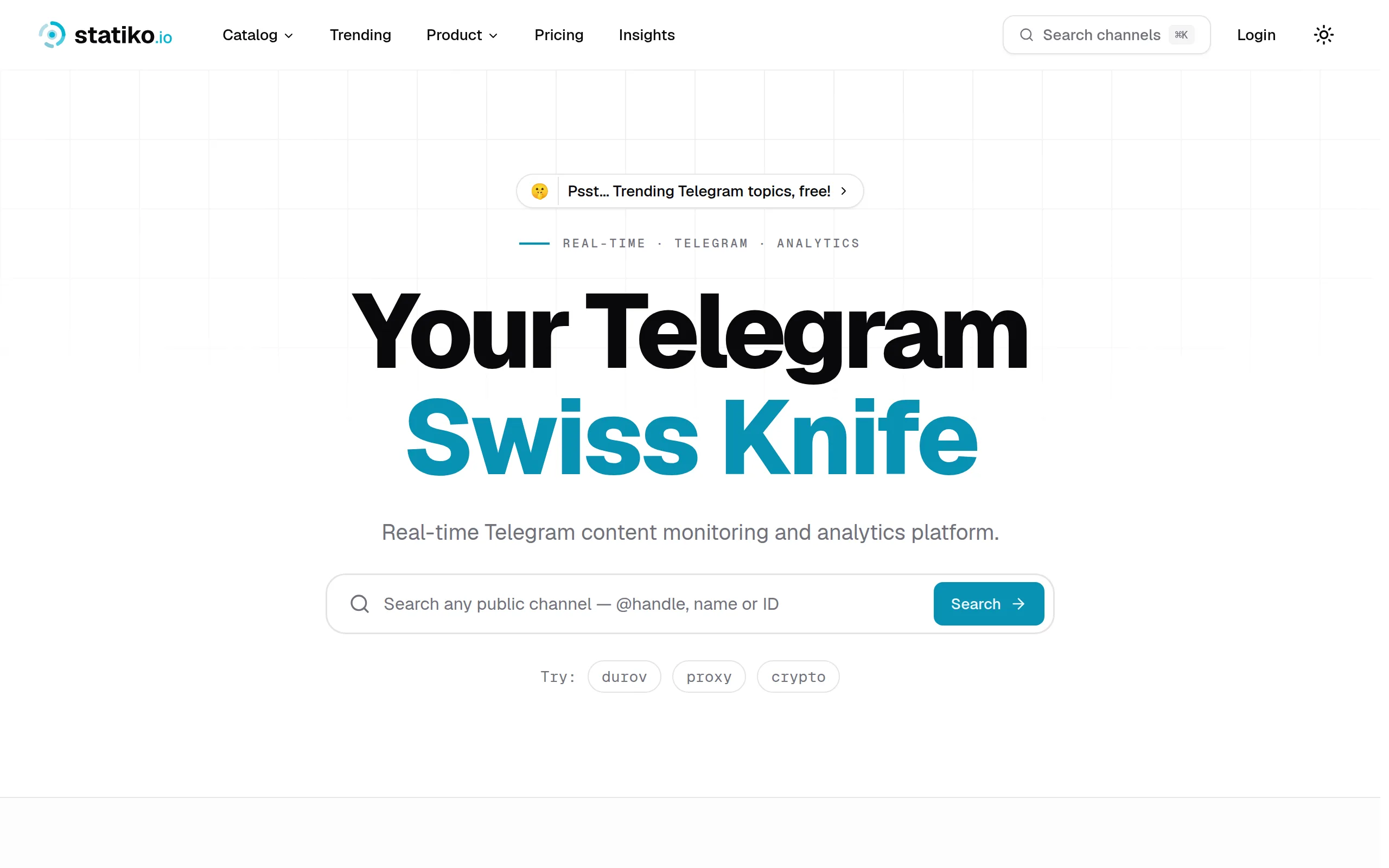
Statiko
Monitor any Telegram channel in real time - track posts, edits, deletions, and growth with AI recaps 📡

Shibui
AI website builder - describe your business, pick a niche template, edit by chatting, and publish instantly ✨

Pro Service
Find verified home service professionals, compare quotes, and pay securely through escrow - built for Brazilians across the US 🏠
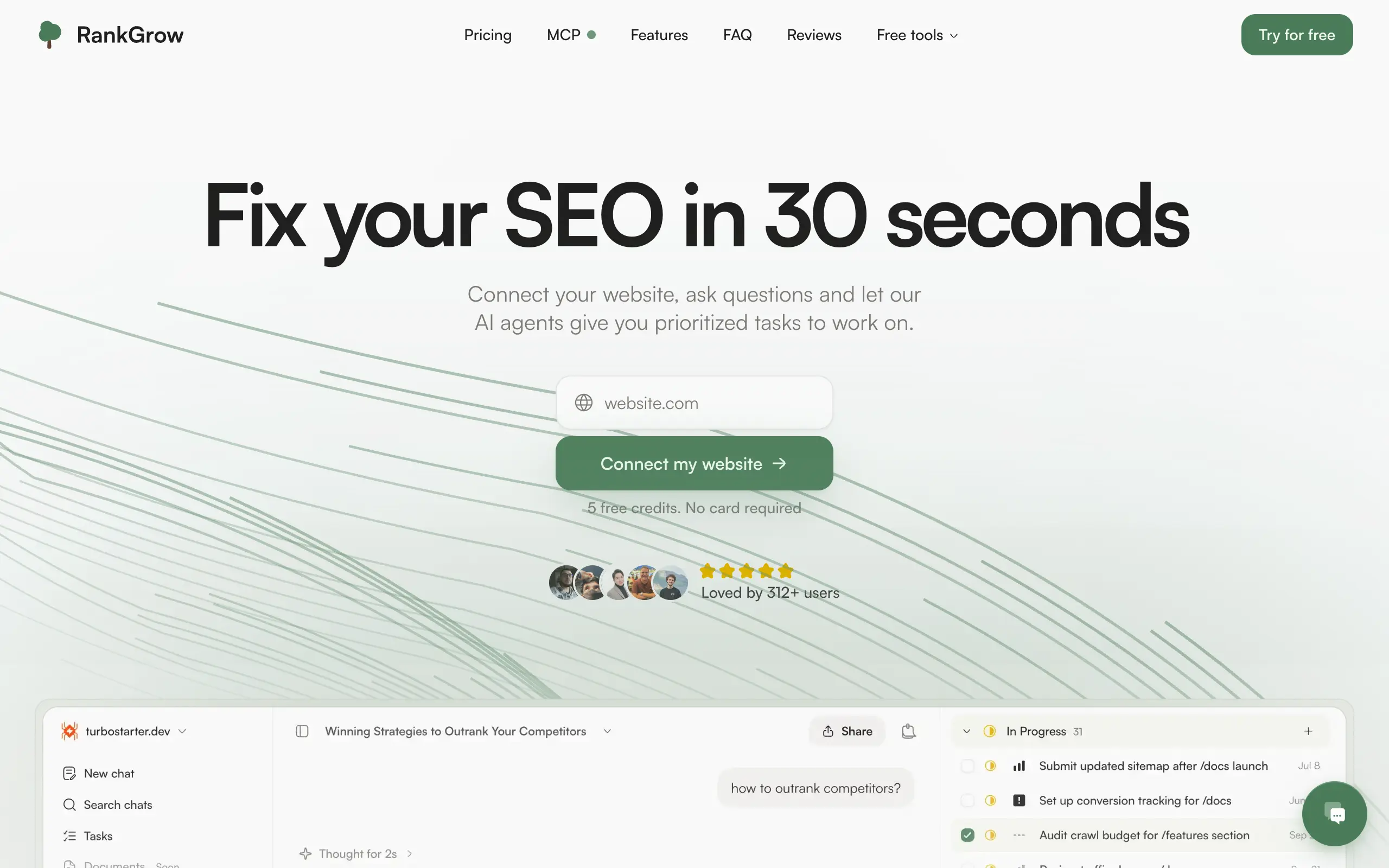
RankGrow
Fix your SEO with AI agents - connect Search Console, get prioritized tasks, and grow organic traffic 📈
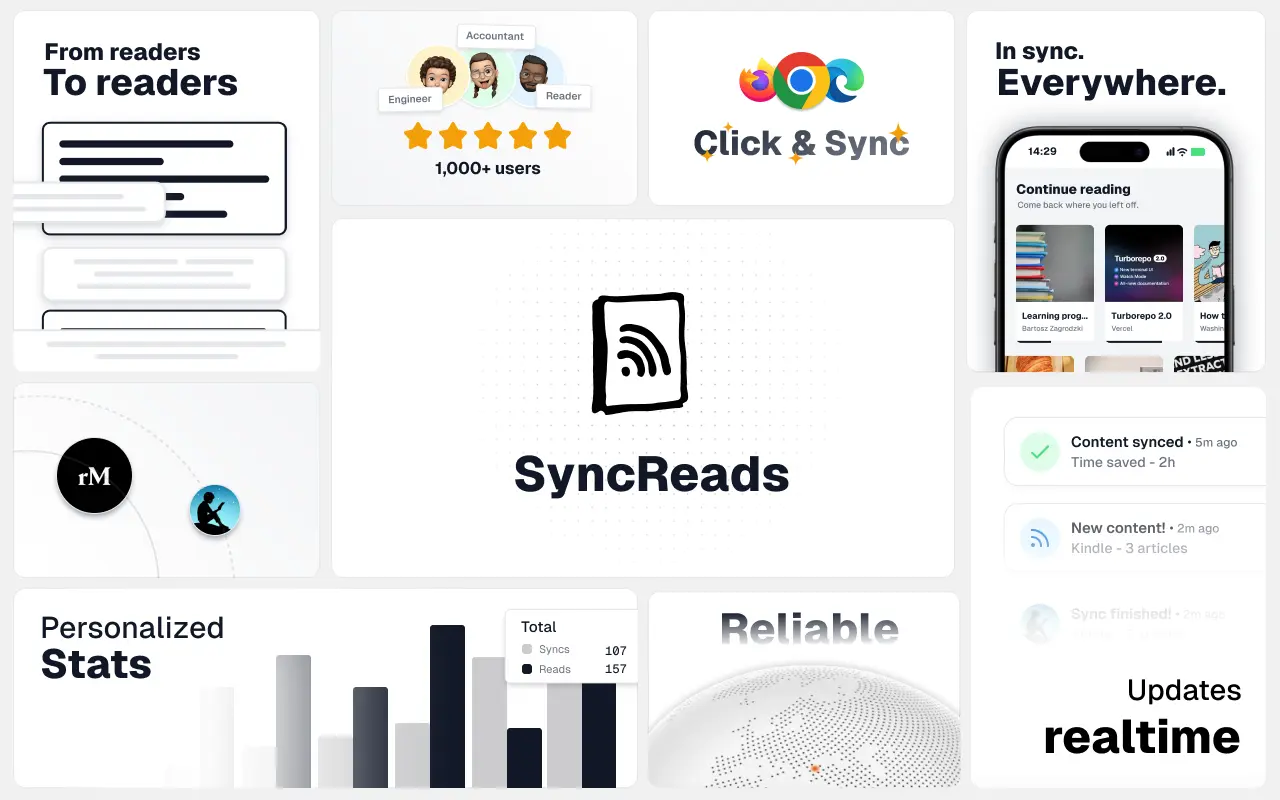
SyncReads
Sync your favorite content for distraction-free reading, save time and replace multiple apps. Anytime, anywhere 🔄
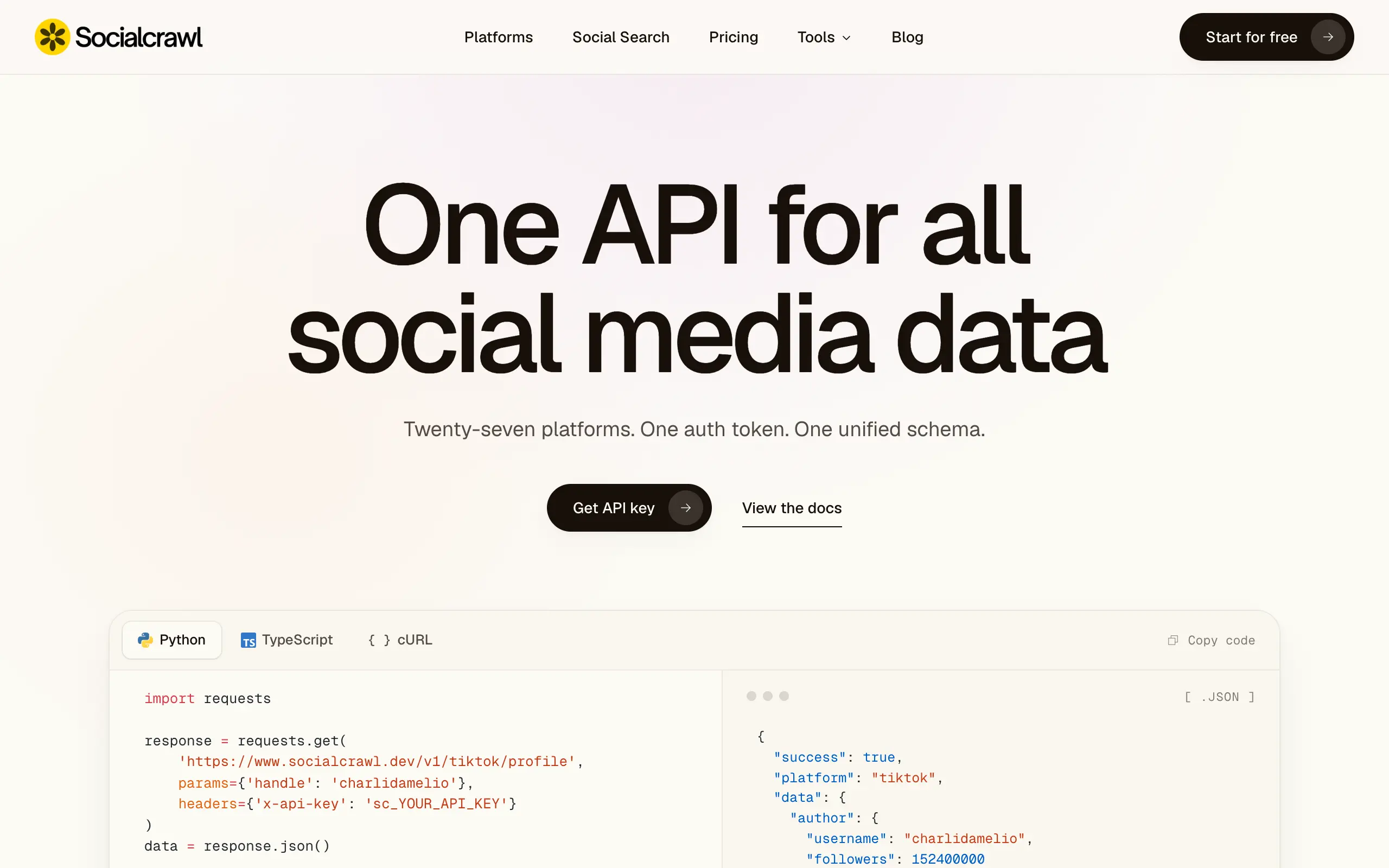
Socialcrawl
Get clean, structured data from 21 platforms like TikTok, Instagram, and YouTube with a single request 📊
Statiko
Monitor any Telegram channel in real time - track posts, edits, deletions, and growth with AI recaps 📡
Shibui
AI website builder - describe your business, pick a niche template, edit by chatting, and publish instantly ✨
Pro Service
Find verified home service professionals, compare quotes, and pay securely through escrow - built for Brazilians across the US 🏠
RankGrow
Fix your SEO with AI agents - connect Search Console, get prioritized tasks, and grow organic traffic 📈
SyncReads
Sync your favorite content for distraction-free reading, save time and replace multiple apps. Anytime, anywhere 🔄
Socialcrawl
Get clean, structured data from 21 platforms like TikTok, Instagram, and YouTube with a single request 📊
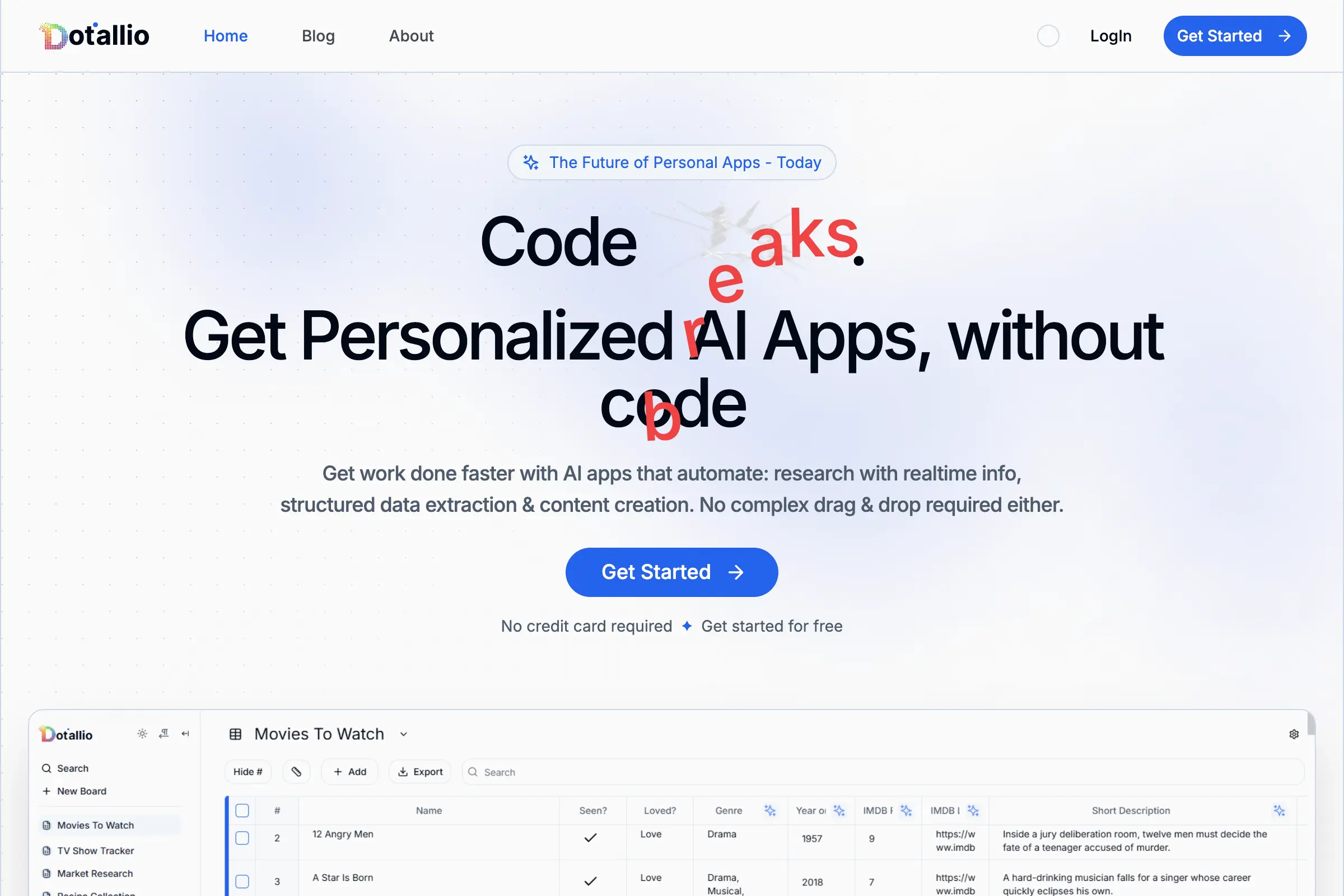
Dotallio
Personalized AI apps that automate research, data extraction, and content creation without code 🤖
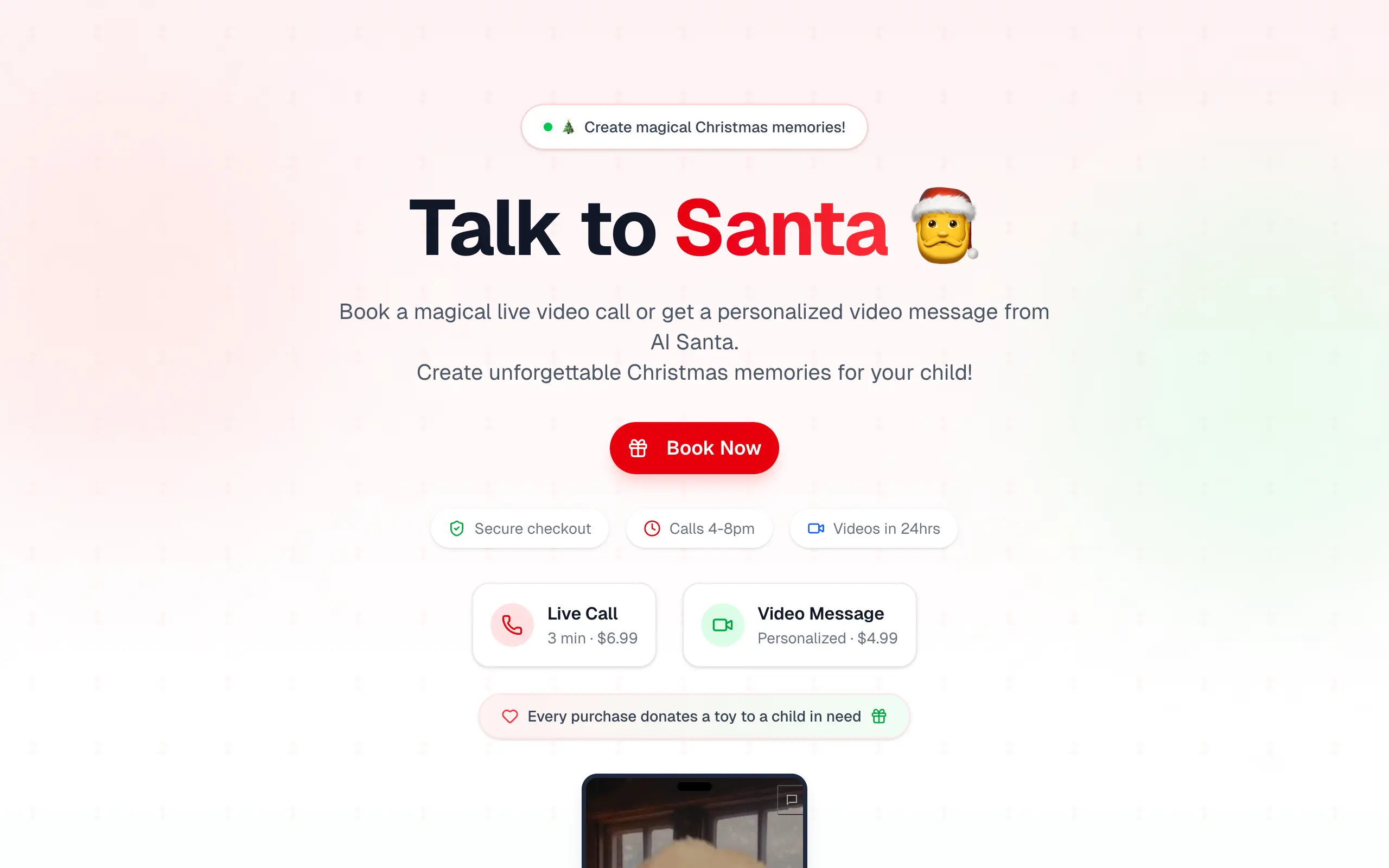
Talk to Santa
Enjoy a magical live video chat or receive a unique AI-generated video greeting from Santa Claus 🎅
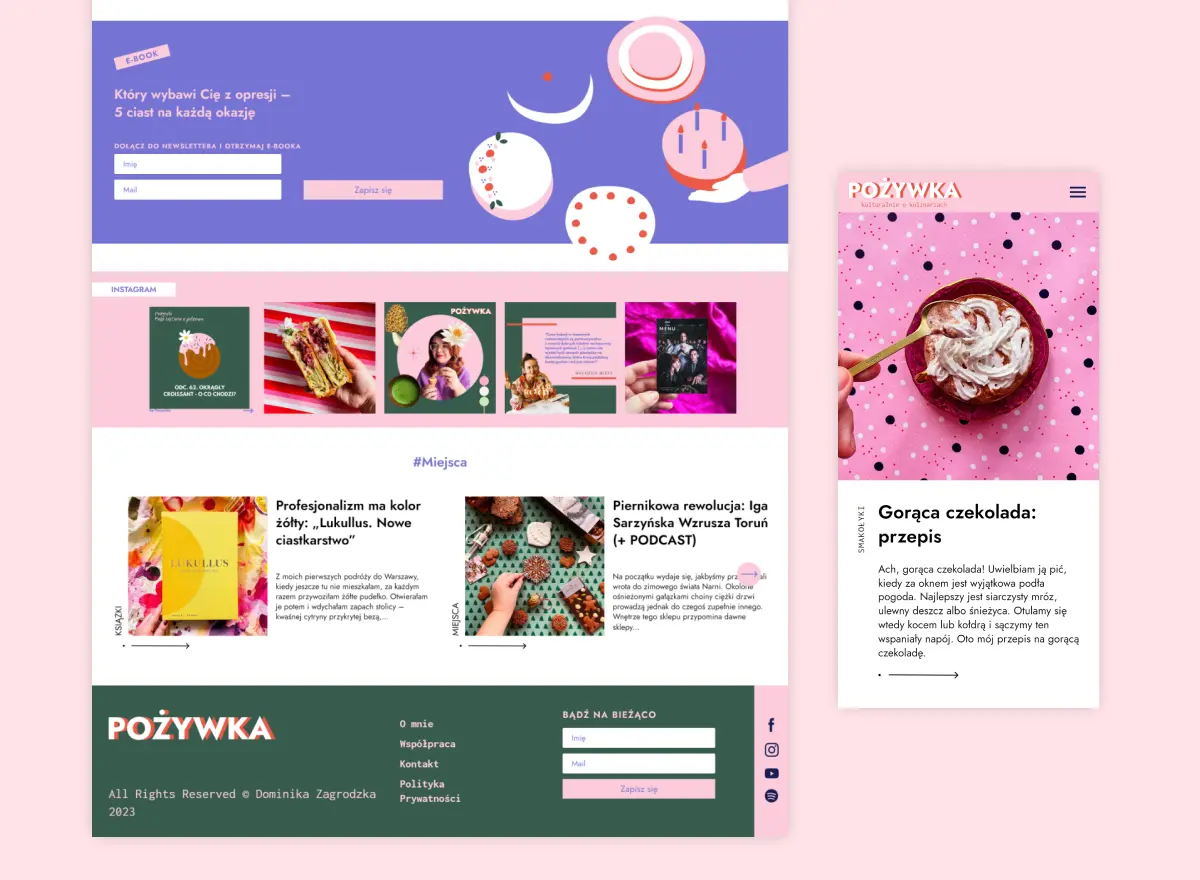
pozywka.pl
Scalable blog for food journalist, focused on performance and user experience 🌭
zagrodzki.me
Personal blog and portfolio of Bart Zagrodzki, where he shares his knowledge and work 💼
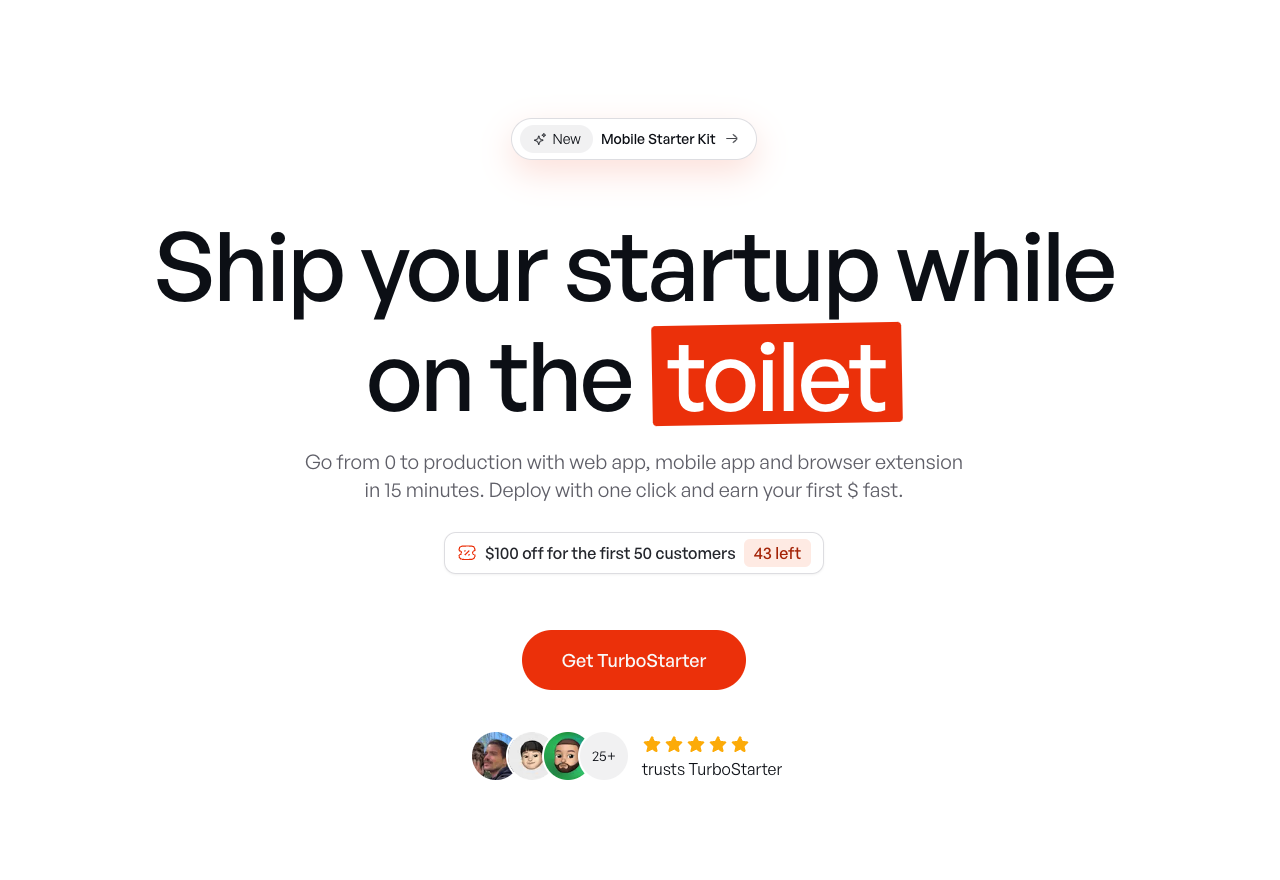
TurboStarter
Ship your startup everywhere. In minutes.
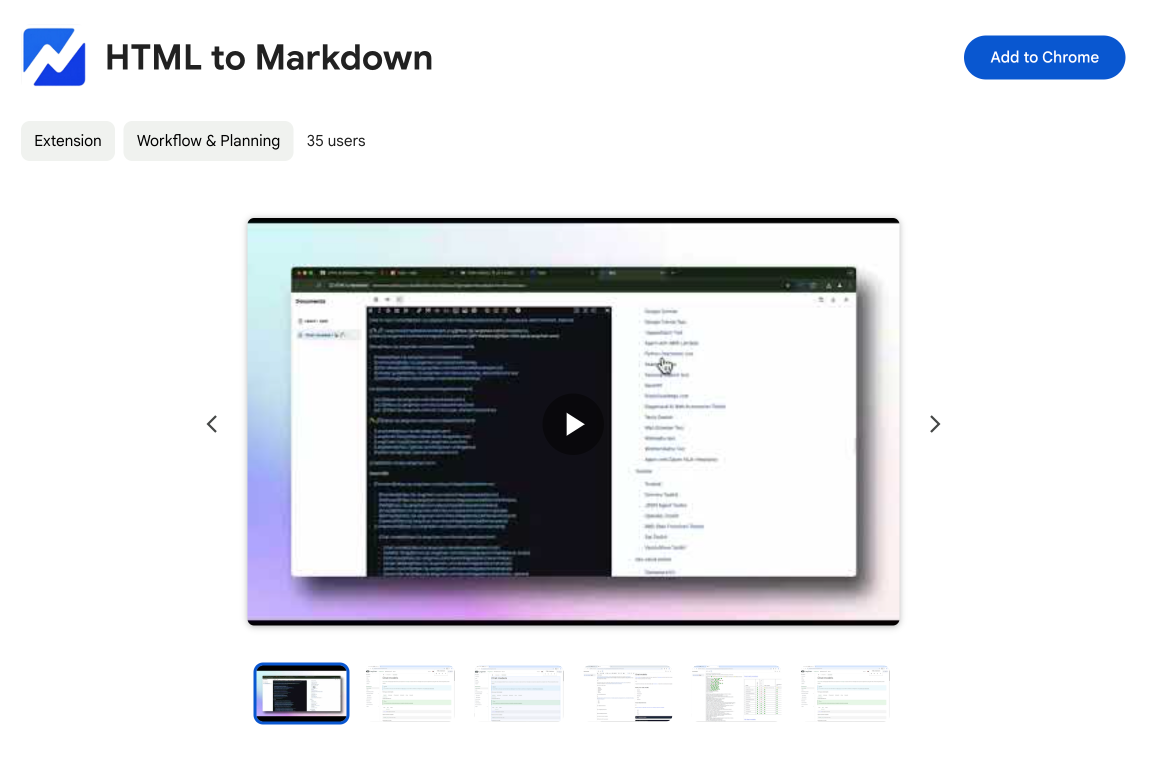
HTML to Markdown
Convert HTML to Markdown with ease, directly in your browser 📄
Dotallio
Personalized AI apps that automate research, data extraction, and content creation without code 🤖
Talk to Santa
Enjoy a magical live video chat or receive a unique AI-generated video greeting from Santa Claus 🎅
pozywka.pl
Scalable blog for food journalist, focused on performance and user experience 🌭
zagrodzki.me
Personal blog and portfolio of Bart Zagrodzki, where he shares his knowledge and work 💼
TurboStarter
Ship your startup everywhere. In minutes.
HTML to Markdown
Convert HTML to Markdown with ease, directly in your browser 📄
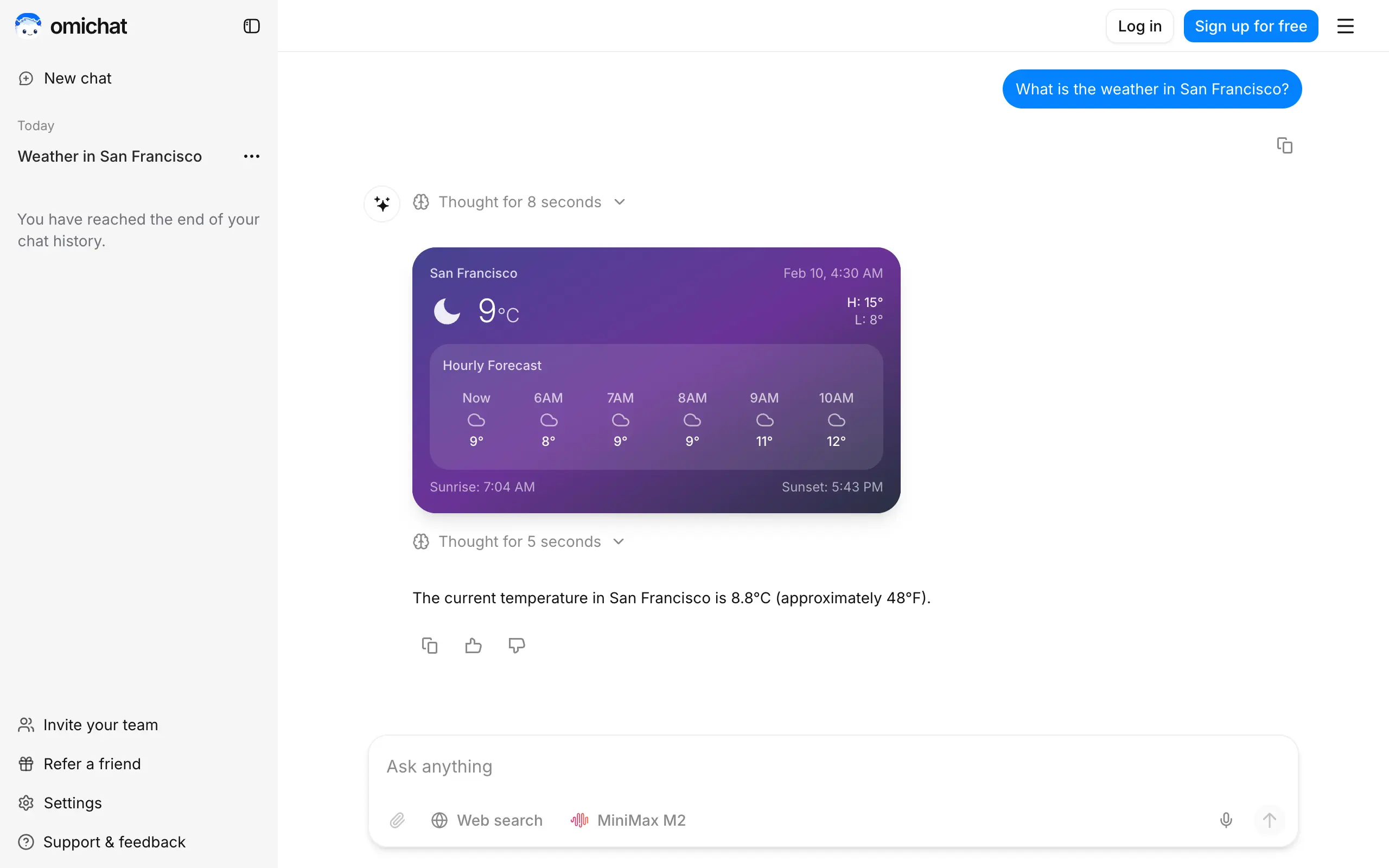
Omichat
Chat with 50+ AI models, including ChatGPT and Claude, in one place - switch models anytime without losing context 🤖
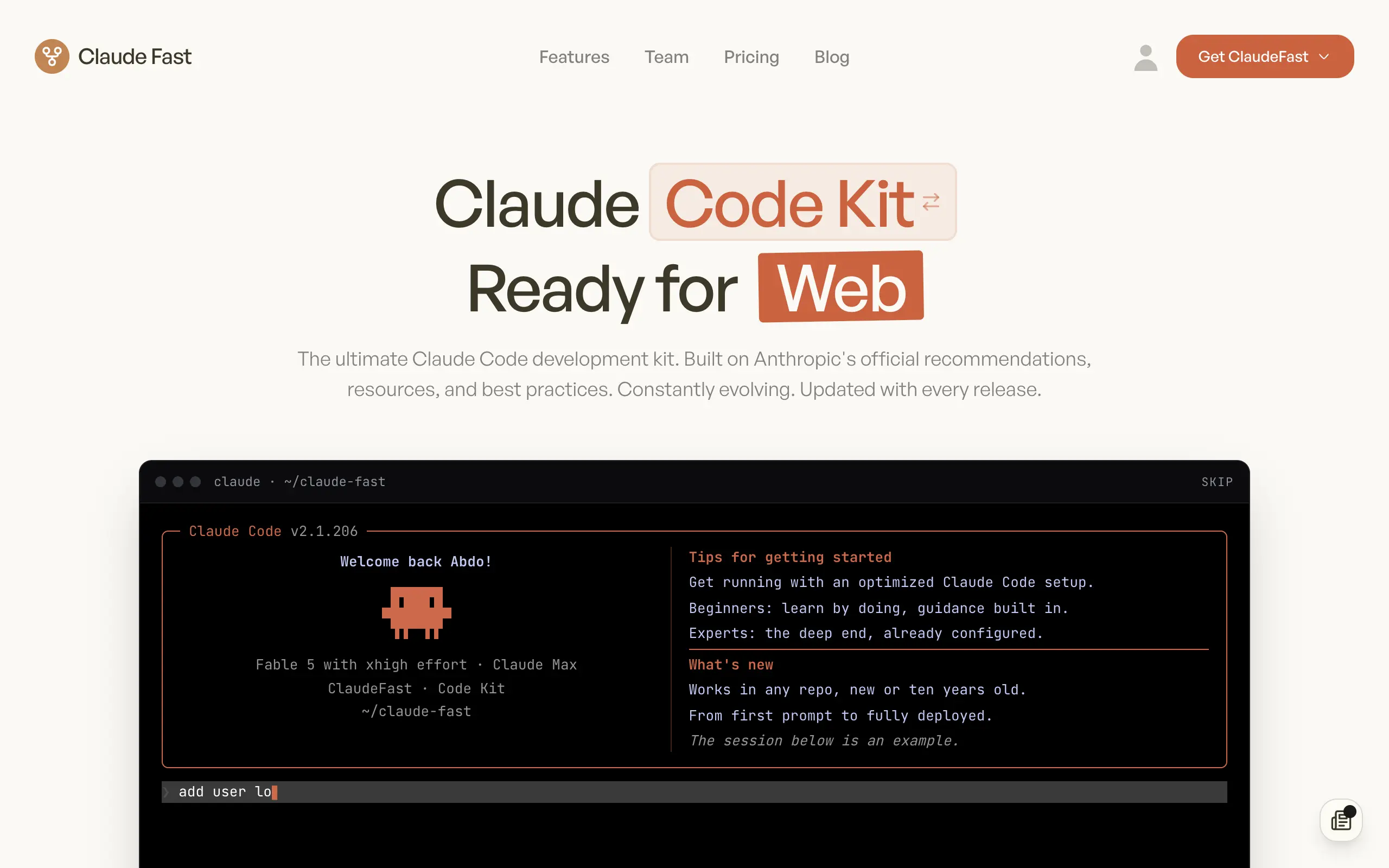
Claude Fast
Supercharge your Claude Code with 6x effective context window and specialized AI agents 🤖
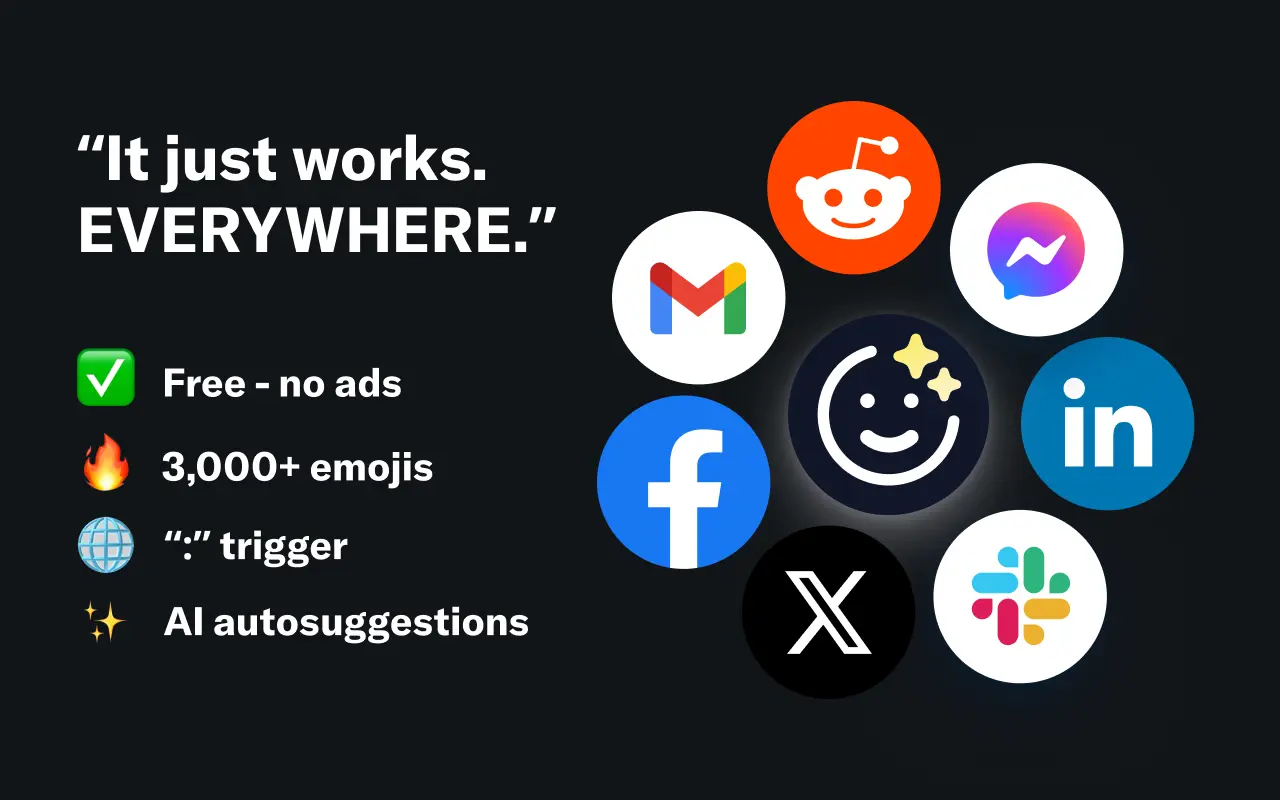
EmojAI
AI-powered emoji picker with smart, context-aware suggestions 🤖

Solohacker
Autonomous company launcher - AI agents work 24/7, escalate what matters, and you stay in control 🤖
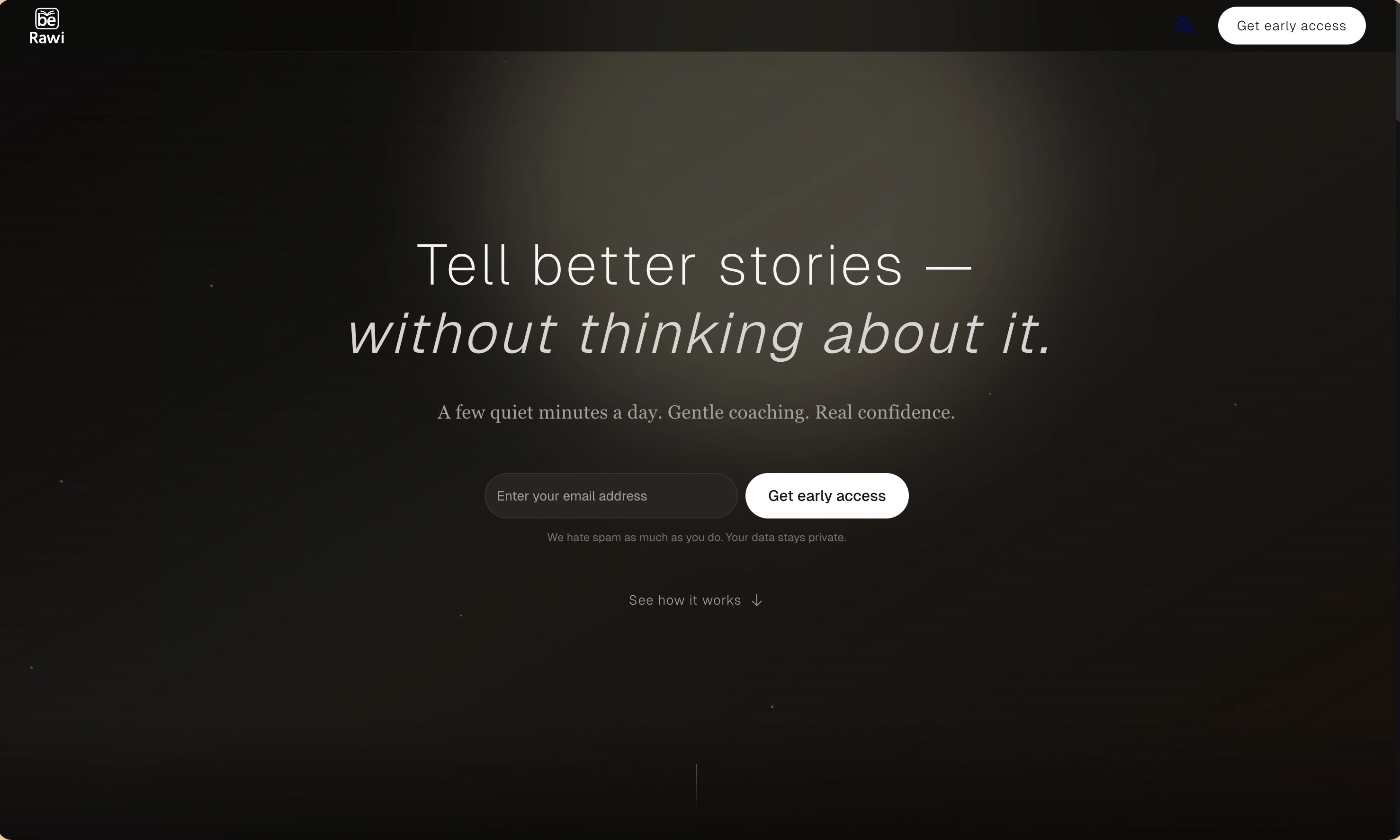
BeRawi: Storytelling Coach
Practice storytelling daily with instant feedback to sound clearer, more engaging, and confident 🎤
Omichat
Chat with 50+ AI models, including ChatGPT and Claude, in one place - switch models anytime without losing context 🤖
Claude Fast
Supercharge your Claude Code with 6x effective context window and specialized AI agents 🤖
EmojAI
AI-powered emoji picker with smart, context-aware suggestions 🤖
Solohacker
Autonomous company launcher - AI agents work 24/7, escalate what matters, and you stay in control 🤖
BeRawi: Storytelling Coach
Practice storytelling daily with instant feedback to sound clearer, more engaging, and confident 🎤

Connect with like-minded people
Join our community to get feedback, support, and grow together with 1,000+ builders on board, let's ship it!
Join usShip your startup everywhere. In minutes.
Don't burn tokens on setup and start building features on day one.