ShiftSense AI
AI-powered upselling and customer insight tool for hospitality staff to boost tips and sales using real-time scripts and guest behavior analysis.
The new frontier of AI-powered upselling in hospitality
Restaurants, hotels, bars, and cafés operate on razor-thin margins. According to public industry reports from organizations like the National Restaurant Association (U.S.), average net profit margins in restaurants often range between 3–6%. At the same time, staff turnover is high, training is inconsistent, and guest expectations are rising.
In this environment, AI-powered upselling is no longer a luxury — it’s a competitive advantage.
ShiftSense AI is an AI-powered upselling and customer insight tool for hospitality staff that delivers real-time scripts, personalized recommendations, and guest behavior analysis directly to frontline teams. Its goal is simple yet powerful: increase average check size, improve guest satisfaction, and boost tips for staff — without adding friction to service.
This guide provides a comprehensive breakdown of:
- The market opportunity for AI in hospitality upselling
- Target audience segments and their pain points
- Core product features and technical architecture
- Monetization strategies and pricing models
- Competitive landscape and unique positioning
- Risks, compliance considerations, and mitigation
- Step-by-step implementation roadmap
If you're evaluating or building an AI SaaS product in hospitality, this deep dive will help you validate and refine the opportunity.
Understanding the target audience for AI-powered upselling
Primary users: frontline hospitality staff
The core users of ShiftSense AI are:
- Servers and waitstaff
- Bartenders
- Front desk agents (hotels)
- Concierge teams
- Hosts and floor managers
Pain points:
- Inconsistent upselling skills
- Lack of product knowledge (wine pairings, menu add-ons)
- Pressure to increase tips without appearing pushy
- High turnover and limited training time
- Difficulty reading guest intent
Frontline workers often rely on instinct rather than data. An AI-powered upselling tool that provides context-aware scripts can increase confidence and earnings.
Secondary users: operators and owners
Decision-makers include:
- Restaurant owners
- Hotel general managers
- Multi-location operators
- Hospitality groups and franchises
Their goals:
- Increase average order value (AOV)
- Improve upsell conversion rates
- Standardize service quality
- Reduce training costs
- Leverage customer data more effectively
Operators are looking for measurable ROI — not just “AI for AI’s sake.”
Tertiary audience: hospitality tech ecosystem
- POS providers
- Reservation platforms
- Hotel PMS vendors
- Hospitality consultants
ShiftSense AI can integrate into existing tech stacks to create compounding value across systems.
Market opportunity: the gap in hospitality upselling
The problem with traditional upselling training
Current approaches include:
- Static scripts in employee manuals
- One-time training workshops
- Manager shadowing
- Generic “suggestive selling” tips
These methods suffer from:
- No personalization
- No real-time adaptation
- No data feedback loop
- No guest behavior analysis
In contrast, AI-powered upselling uses:
- Behavioral signals
- Past purchase history
- Real-time context
- Predictive modeling
Why now? Key trends driving demand
-
AI adoption acceleration
Generative AI and LLM-based copilots have become mainstream across industries. -
Labor shortages in hospitality
Operators need productivity tools that amplify each employee’s output. -
Digital-first guests
Guests expect personalization similar to e-commerce experiences. -
Data-rich environments
POS, reservations, loyalty apps, and ordering systems create structured data ready for AI analysis.
ShiftSense AI sits at the intersection of these trends.
Core features of ShiftSense AI
1. Real-time AI-powered upselling scripts
The system analyzes:
- Guest order patterns
- Table size and demographics
- Time of day
- Event context (birthdays, business dinners)
- Historical spending
Then generates natural, human-sounding suggestions, such as:
- Wine pairings
- Premium substitutions
- Add-on desserts
- Specialty cocktails
- Late checkout offers (hotels)
Example interface output
// Example AI-generated suggestion payload
{
  "guestProfile": "Couple, anniversary note in reservation",
  "currentOrder": ["Steak", "House red wine"],
  "suggestion": {
    "item": "Reserve Cabernet Sauvignon",
    "script": "If you're enjoying the steak, our reserve Cabernet pairs beautifully and has a smoother finish."
  },
  "confidenceScore": 0.87
}
2. Guest behavior analysis engine
ShiftSense AI can process:
- Historical POS transactions
- Loyalty data
- Repeat visit frequency
- Preferred price bands
- Dietary preferences
This creates:
- High-value guest flags
- Upsell likelihood scores
- Churn risk indicators
Why this matters
Hospitality businesses often sit on rich customer data but lack tools to operationalize it in real time. AI-powered upselling turns passive data into actionable service intelligence.
3. Staff performance analytics
For operators, dashboards can show:
- Upsell conversion rates by staff member
- Average ticket uplift per shift
- Suggestion acceptance rate
- Revenue generated from AI prompts
This supports:
- Performance coaching
- Incentive programs
- Evidence-based training
4. Adaptive learning and reinforcement
ShiftSense AI continuously learns:
- Which scripts convert best
- Which phrasing feels natural
- Which recommendations fail
Over time, the system optimizes for:
- Revenue lift
- Guest satisfaction
- Staff acceptance
How ShiftSense AI compares to traditional methods
| Capability | Static Training | Manual Coaching | Generic POS Prompts | ShiftSense AI |
|---|---|---|---|---|
| Real-time personalization | ❌ | ❌ | ❌ | ✅ |
| Behavioral analysis | ❌ | ❌ | Limited | ✅ |
| Continuous optimization | ❌ | Limited | ❌ | ✅ |
The differentiation is clear: AI-powered upselling introduces real-time intelligence where none existed.
Recommended tech stack for building ShiftSense AI
Frontend
- React – for dynamic dashboard interfaces
- TailwindCSS – for rapid UI styling
- Tablet-optimized PWA for staff usage
Backend
- Node.js (API layer)
- Python (AI/ML services)
- FastAPI for model endpoints
AI layer
- LLM APIs (OpenAI or similar)
- Fine-tuned domain models for hospitality phrasing
- Recommendation system using collaborative filtering
Data storage
- PostgreSQL (transactional data)
- Redis (real-time caching)
- Vector database for contextual embeddings
Integrations
- POS APIs
- PMS (Property Management Systems)
- Reservation platforms
Trade-offs to consider
| Decision | Trade-off |
|---|---|
| Cloud LLM vs fine-tuned model | Speed vs cost control |
| Deep POS integration vs manual input | Data richness vs integration friction |
| Staff-facing app vs manager dashboard only | Adoption complexity vs impact |
A balanced MVP should focus on one vertical (e.g., restaurants) before expanding to hotels.
Monetization strategies for ShiftSense AI
1. Per-location SaaS subscription
- $99–$299 per month per location
- Tiered by data volume or feature access
2. Performance-based pricing
- 1–3% of upsell-generated revenue
- Attractive for operators hesitant about fixed costs
3. Hybrid model
Base subscription + performance bonus.
4. Enterprise licensing
For hospitality groups with:
- 20+ locations
- Franchise operations
- Custom integration needs
Competitive landscape and differentiation
Competitors may include:
- POS-native upsell prompts
- Sales coaching software
- Generic AI chatbot tools
- Hospitality analytics dashboards
However, most solutions focus on:
- Post-service analytics
- Static prompts
- Marketing automation
ShiftSense AI’s USP:
- Real-time, guest-specific, context-aware AI-powered upselling
- Designed for frontline execution
- Improves both revenue and staff income
Risks and mitigation strategies
1. Staff resistance
Risk: Staff feel micromanaged or replaced.
Mitigation:
- Position as “AI copilot”
- Show tip increases
- Gamify usage
2. Data privacy concerns
Hospitality data includes:
- Names
- Emails
- Purchase history
Mitigation:
- GDPR/CCPA compliance
- Data minimization
- Encryption at rest and in transit
3. Over-automation hurting guest experience
Too aggressive upselling may reduce satisfaction.
Solution:
- Soft-sell scripts
- Confidence thresholds
- Feedback loops
Competitive advantage framework
Data advantage
Leverages transaction-level data competitors ignore.
Behavioral AI
Moves beyond static scripts to adaptive recommendations.
Employee empowerment
Increases staff income, driving adoption.
The most defensible moat is data + continuous learning.
Implementation roadmap
Go-to-market strategy
Phase 1: Niche focus
Start with:
- Upscale casual dining
- Wine-forward restaurants
- Boutique hotels
These segments benefit most from intelligent upselling.
Phase 2: Proof-based expansion
Publish:
- Revenue uplift percentages
- Tip increase case studies
- Staff satisfaction surveys
Authority builds adoption.
Phase 3: Partnerships
- POS vendors
- Hospitality consultants
- Restaurant groups
Why ShiftSense AI stands out in AI-powered upselling
Unlike generic recommendation engines, ShiftSense AI is purpose-built for hospitality. It understands:
- Social dynamics at a table
- Service timing
- Cultural nuances in upselling
It combines:
- Behavioral data
- AI scripting
- Revenue analytics
- Staff incentives
That combination creates a revenue engine embedded in daily operations.
Building ShiftSense AI efficiently
For founders building an AI SaaS like this, speed and execution matter. Infrastructure, authentication, billing, and dashboard scaffolding can delay launch.
Using a production-ready SaaS foundation like TurboStarter can accelerate development, letting you focus on AI models, hospitality integrations, and user experience rather than boilerplate setup.
Final actionable steps
- Define one hospitality vertical
- Secure pilot partners
- Build lightweight AI scripting MVP
- Integrate with one POS system
- Measure AOV uplift
- Iterate based on feedback
- Publish quantified results
- Expand gradually
Conclusion
AI-powered upselling is poised to transform hospitality. The industry’s margin pressure, labor challenges, and personalization demands create the perfect environment for solutions like ShiftSense AI.
By combining:
- Real-time scripts
- Guest behavior analysis
- Staff performance insights
- Continuous learning AI
ShiftSense AI can increase revenue per guest, boost staff tips, and standardize excellence across locations.
For founders and operators alike, this is more than a feature — it’s a shift in how hospitality delivers value.
More 🤖 AI Startup SaaS ideas
Discover more innovative ai startup SaaS ideas that are trending in 2026. Each idea is AI-generated with market validation and growth potential to help you find your next profitable venture faster than competitors.
Your competitors are building with TurboStarter
Below are some of the SaaS ideas that have been generated and built with our starter kit.
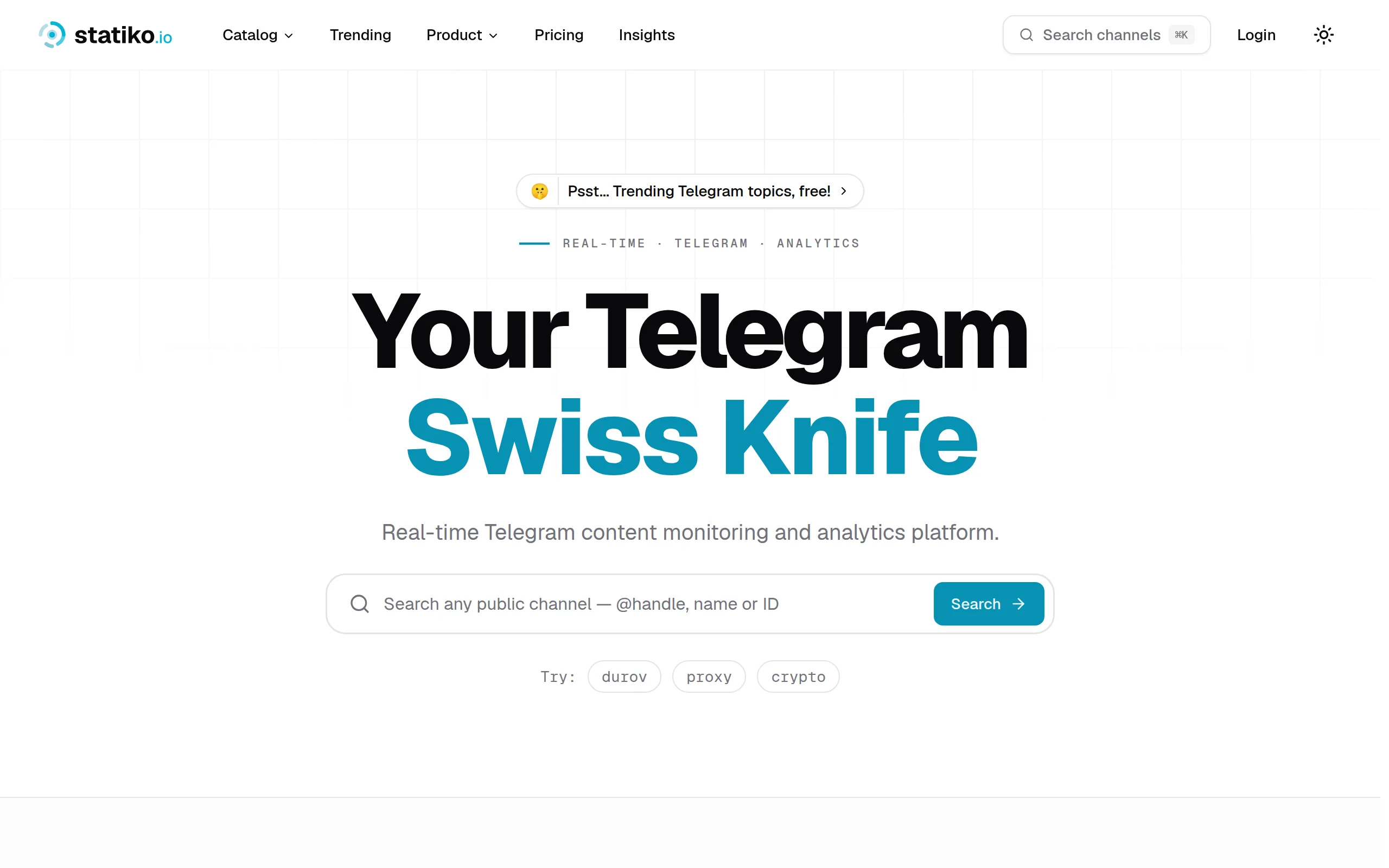
Statiko
Monitor any Telegram channel in real time - track posts, edits, deletions, and growth with AI recaps 📡
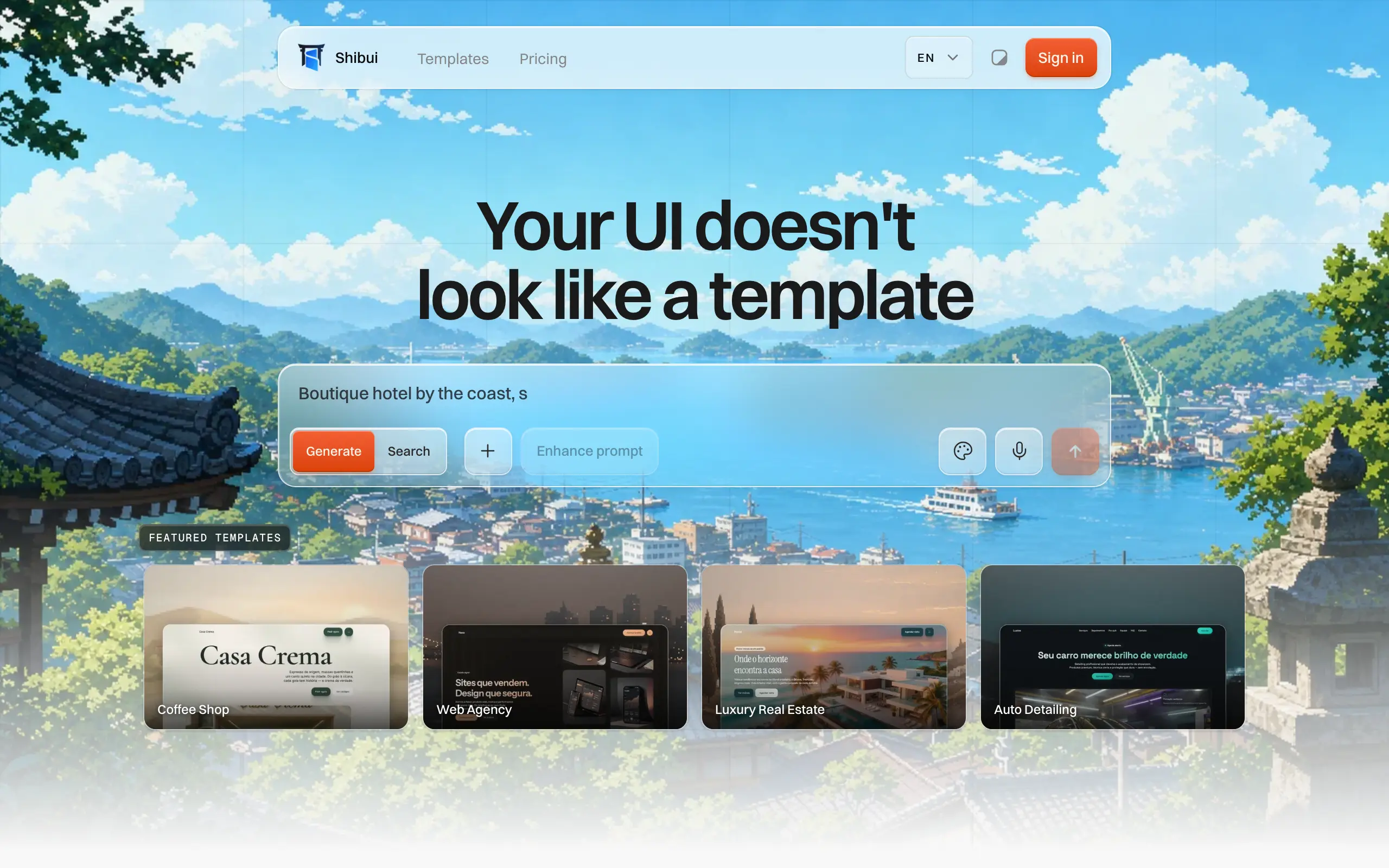
Shibui
AI website builder - describe your business, pick a niche template, edit by chatting, and publish instantly ✨
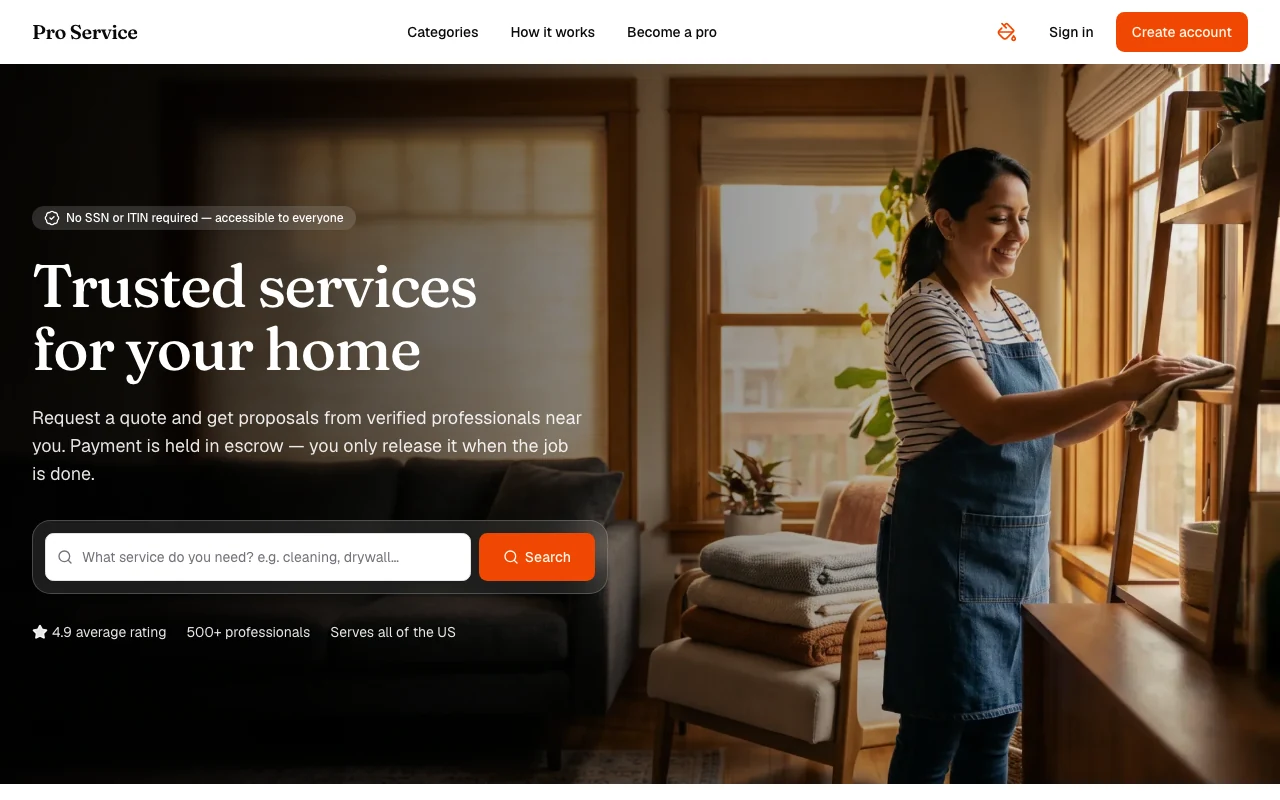
Pro Service
Find verified home service professionals, compare quotes, and pay securely through escrow - built for Brazilians across the US 🏠
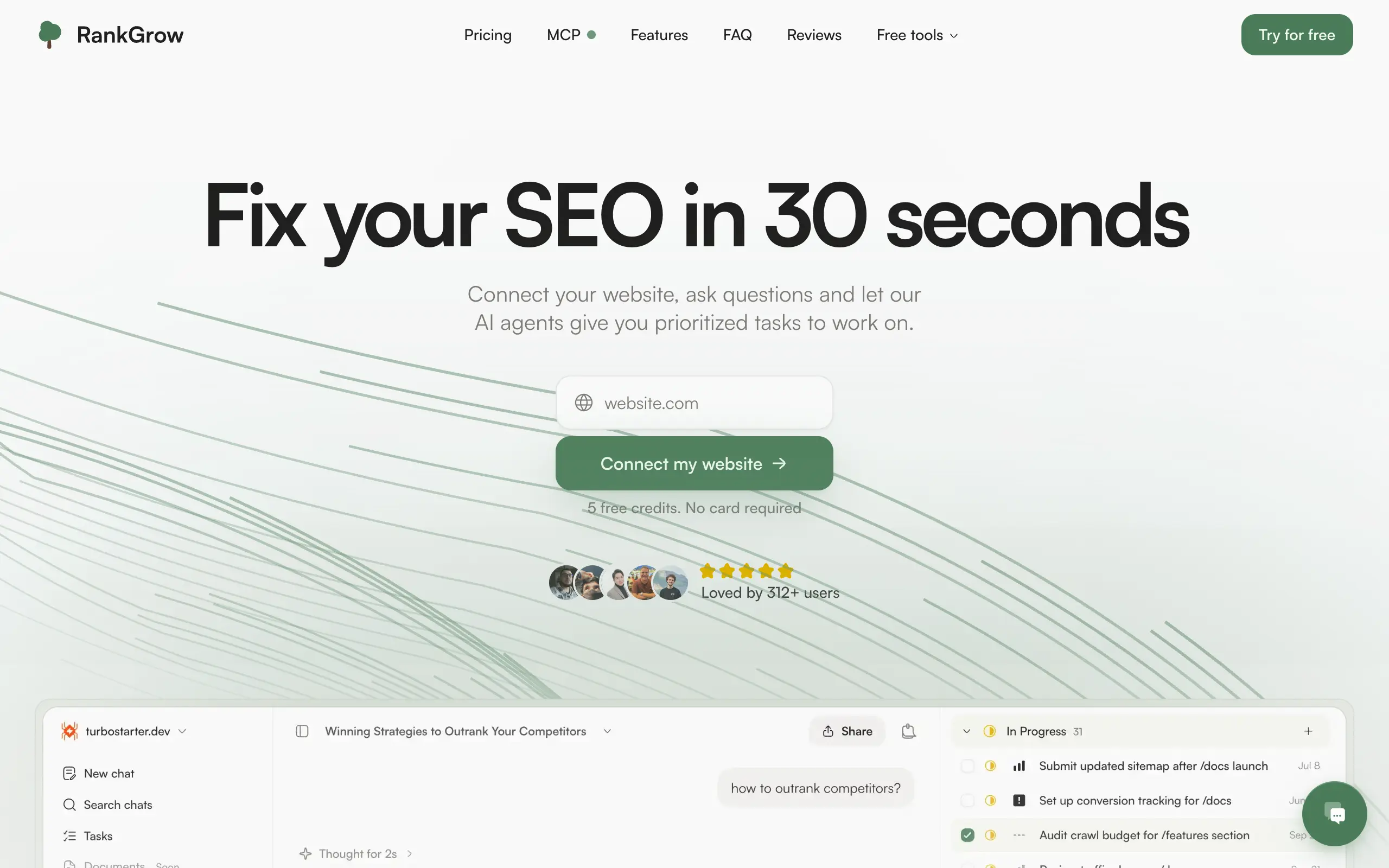
RankGrow
Fix your SEO with AI agents - connect Search Console, get prioritized tasks, and grow organic traffic 📈
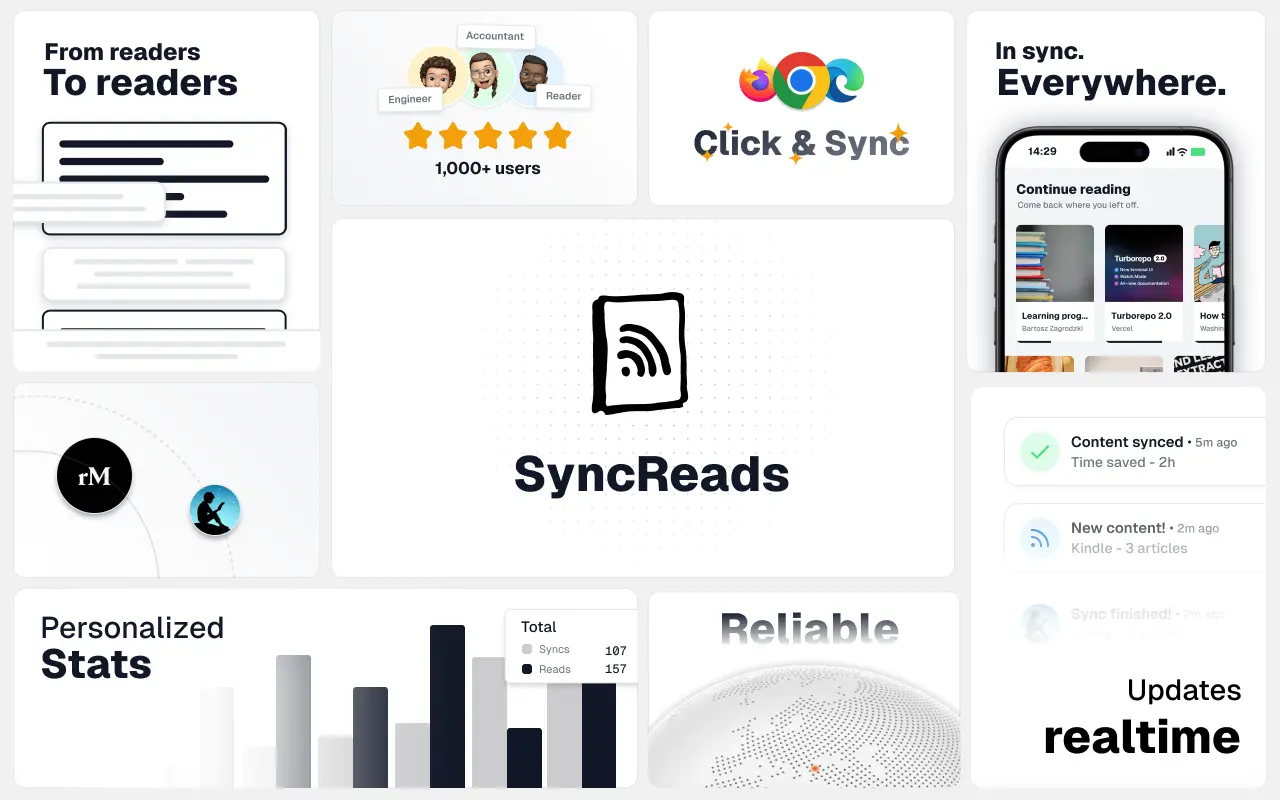
SyncReads
Sync your favorite content for distraction-free reading, save time and replace multiple apps. Anytime, anywhere 🔄
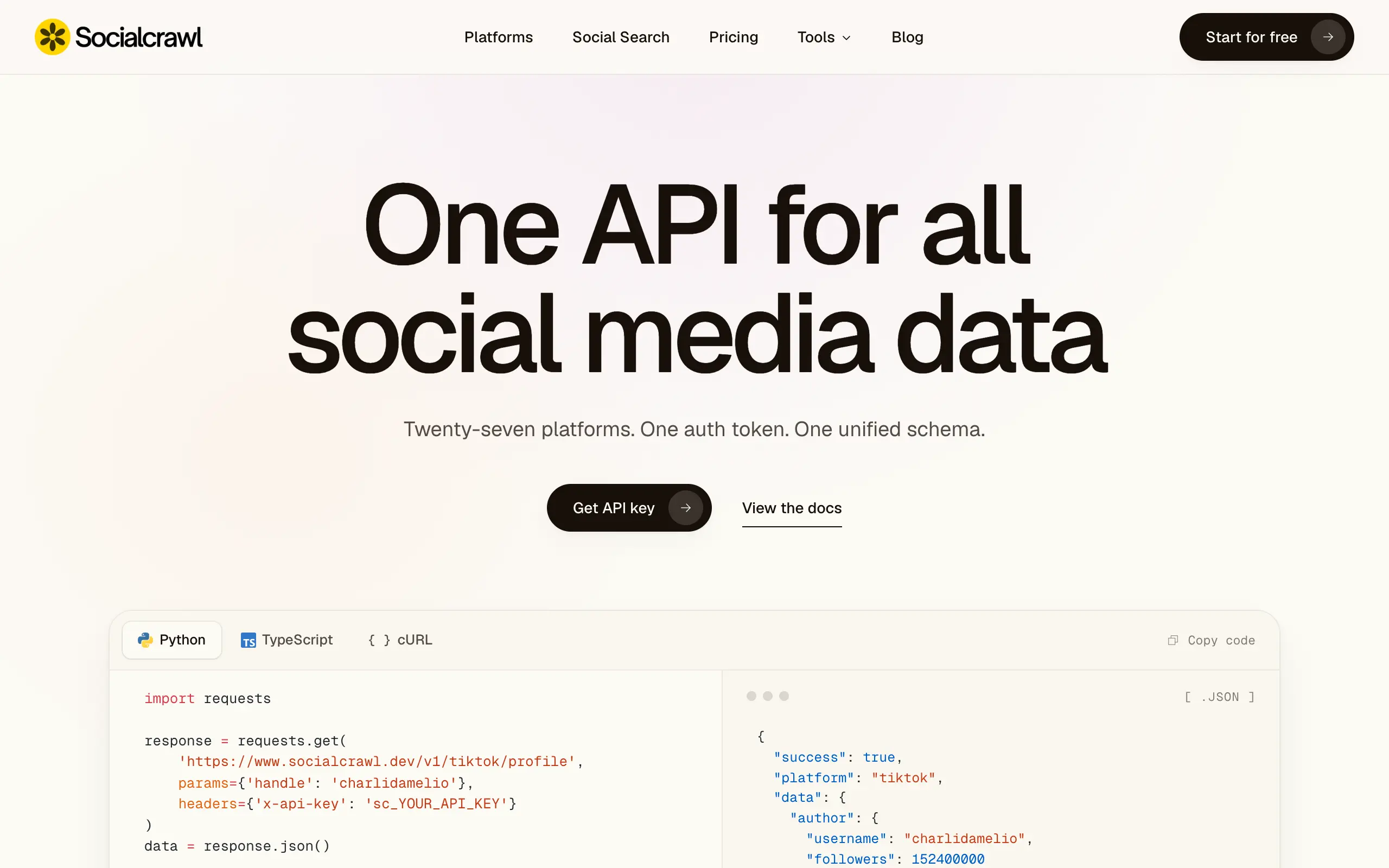
Socialcrawl
Get clean, structured data from 21 platforms like TikTok, Instagram, and YouTube with a single request 📊
Statiko
Monitor any Telegram channel in real time - track posts, edits, deletions, and growth with AI recaps 📡
Shibui
AI website builder - describe your business, pick a niche template, edit by chatting, and publish instantly ✨
Pro Service
Find verified home service professionals, compare quotes, and pay securely through escrow - built for Brazilians across the US 🏠
RankGrow
Fix your SEO with AI agents - connect Search Console, get prioritized tasks, and grow organic traffic 📈
SyncReads
Sync your favorite content for distraction-free reading, save time and replace multiple apps. Anytime, anywhere 🔄
Socialcrawl
Get clean, structured data from 21 platforms like TikTok, Instagram, and YouTube with a single request 📊
Statiko
Monitor any Telegram channel in real time - track posts, edits, deletions, and growth with AI recaps 📡
Shibui
AI website builder - describe your business, pick a niche template, edit by chatting, and publish instantly ✨
Pro Service
Find verified home service professionals, compare quotes, and pay securely through escrow - built for Brazilians across the US 🏠
RankGrow
Fix your SEO with AI agents - connect Search Console, get prioritized tasks, and grow organic traffic 📈
SyncReads
Sync your favorite content for distraction-free reading, save time and replace multiple apps. Anytime, anywhere 🔄
Socialcrawl
Get clean, structured data from 21 platforms like TikTok, Instagram, and YouTube with a single request 📊
Statiko
Monitor any Telegram channel in real time - track posts, edits, deletions, and growth with AI recaps 📡
Shibui
AI website builder - describe your business, pick a niche template, edit by chatting, and publish instantly ✨
Pro Service
Find verified home service professionals, compare quotes, and pay securely through escrow - built for Brazilians across the US 🏠
RankGrow
Fix your SEO with AI agents - connect Search Console, get prioritized tasks, and grow organic traffic 📈
SyncReads
Sync your favorite content for distraction-free reading, save time and replace multiple apps. Anytime, anywhere 🔄
Socialcrawl
Get clean, structured data from 21 platforms like TikTok, Instagram, and YouTube with a single request 📊
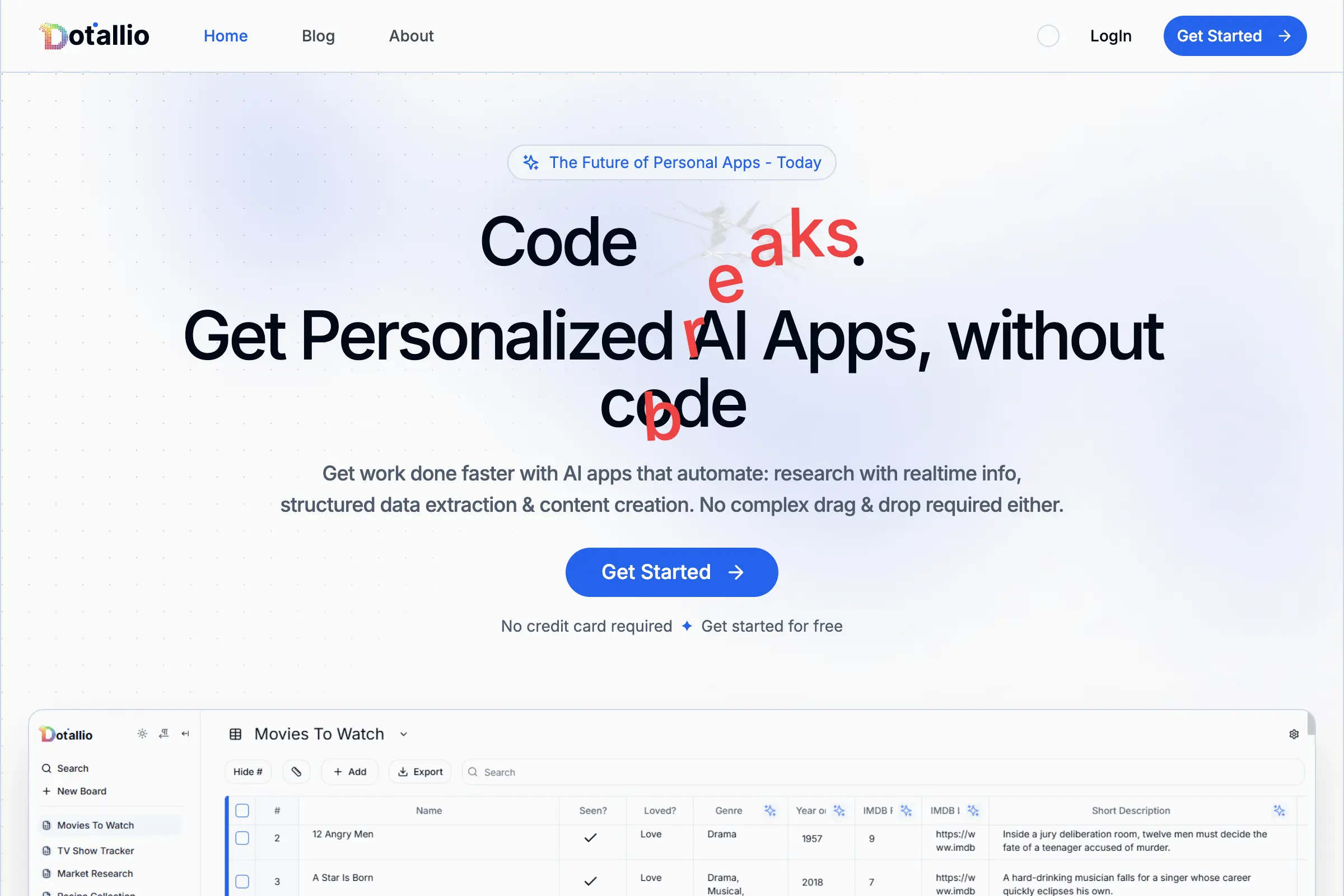
Dotallio
Personalized AI apps that automate research, data extraction, and content creation without code 🤖
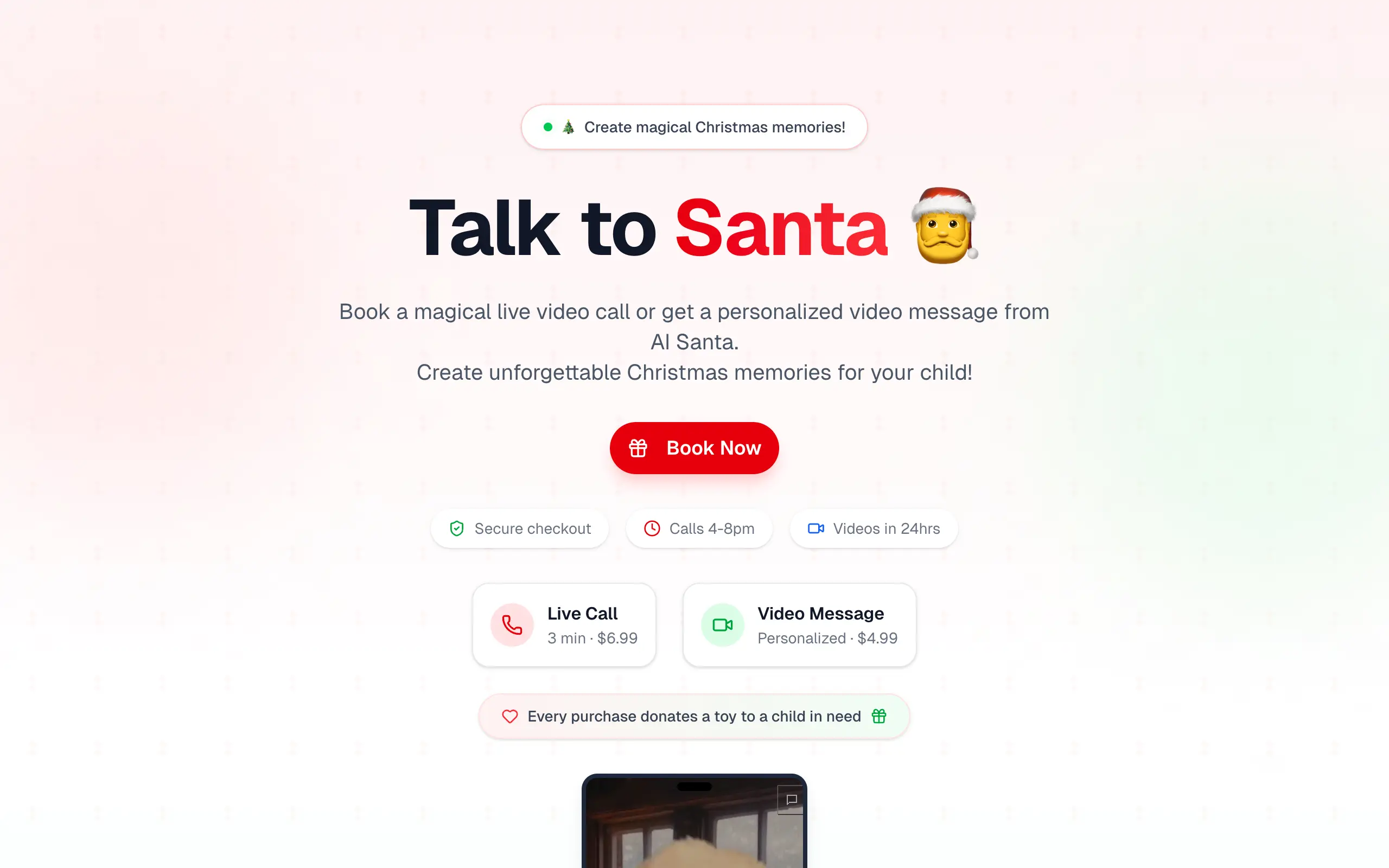
Talk to Santa
Enjoy a magical live video chat or receive a unique AI-generated video greeting from Santa Claus 🎅
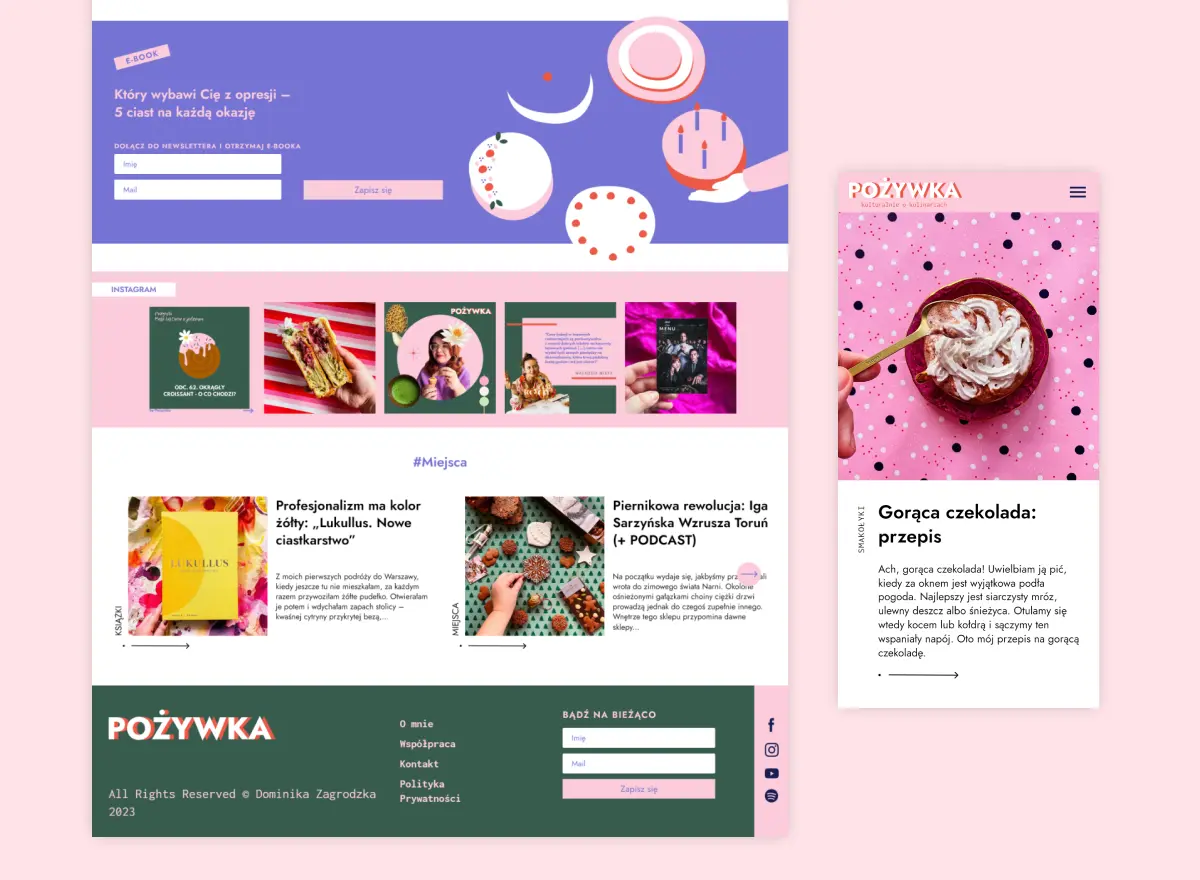
pozywka.pl
Scalable blog for food journalist, focused on performance and user experience 🌭
zagrodzki.me
Personal blog and portfolio of Bart Zagrodzki, where he shares his knowledge and work 💼
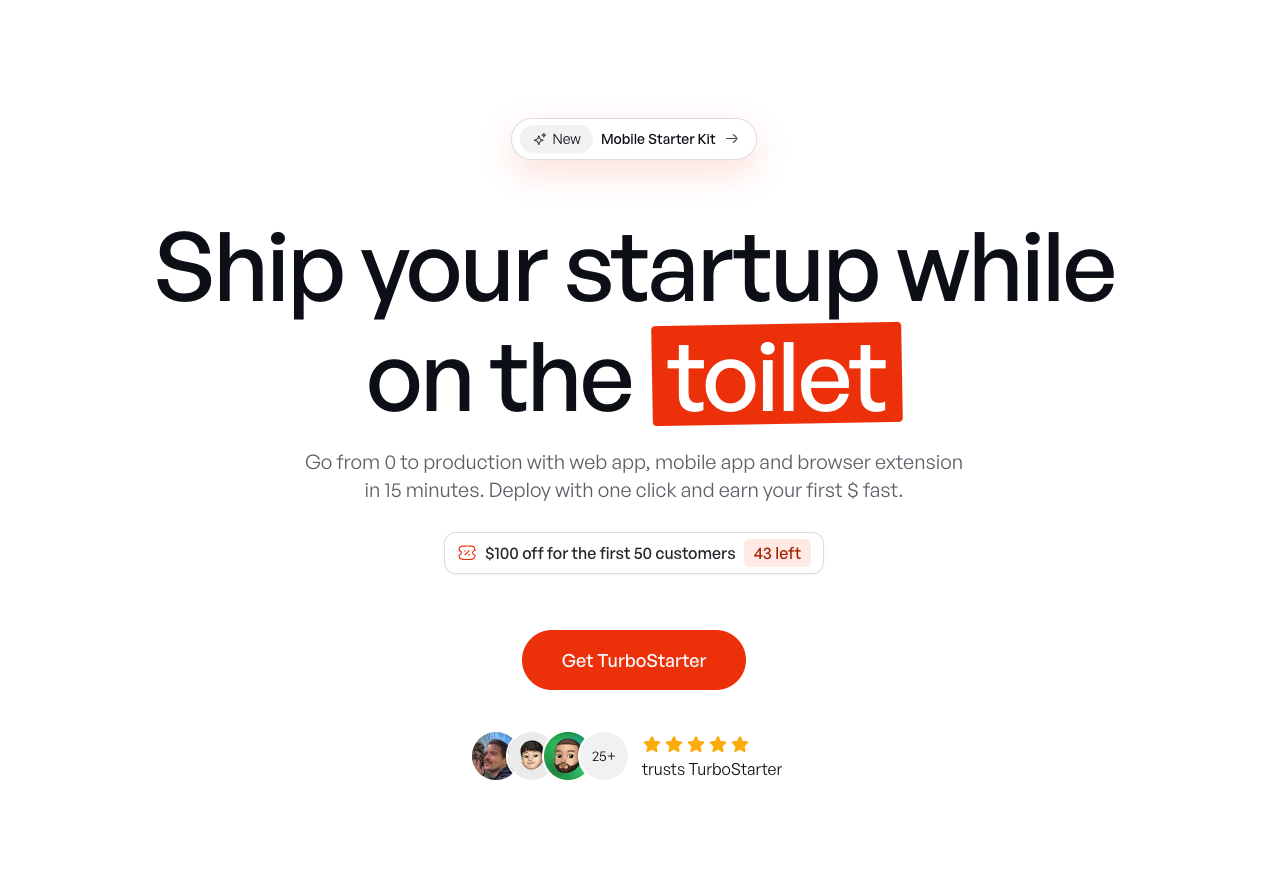
TurboStarter
Ship your startup everywhere. In minutes.
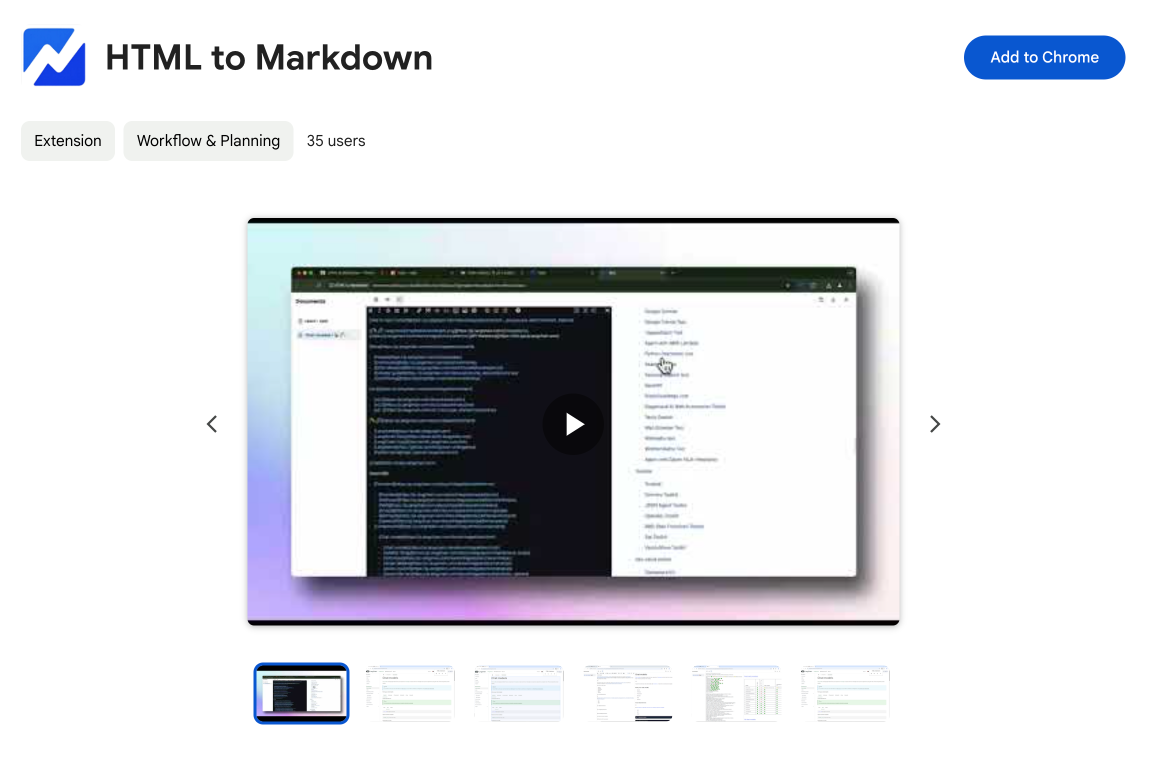
HTML to Markdown
Convert HTML to Markdown with ease, directly in your browser 📄
Dotallio
Personalized AI apps that automate research, data extraction, and content creation without code 🤖
Talk to Santa
Enjoy a magical live video chat or receive a unique AI-generated video greeting from Santa Claus 🎅
pozywka.pl
Scalable blog for food journalist, focused on performance and user experience 🌭
zagrodzki.me
Personal blog and portfolio of Bart Zagrodzki, where he shares his knowledge and work 💼
TurboStarter
Ship your startup everywhere. In minutes.
HTML to Markdown
Convert HTML to Markdown with ease, directly in your browser 📄
Dotallio
Personalized AI apps that automate research, data extraction, and content creation without code 🤖
Talk to Santa
Enjoy a magical live video chat or receive a unique AI-generated video greeting from Santa Claus 🎅
pozywka.pl
Scalable blog for food journalist, focused on performance and user experience 🌭
zagrodzki.me
Personal blog and portfolio of Bart Zagrodzki, where he shares his knowledge and work 💼
TurboStarter
Ship your startup everywhere. In minutes.
HTML to Markdown
Convert HTML to Markdown with ease, directly in your browser 📄
Dotallio
Personalized AI apps that automate research, data extraction, and content creation without code 🤖
Talk to Santa
Enjoy a magical live video chat or receive a unique AI-generated video greeting from Santa Claus 🎅
pozywka.pl
Scalable blog for food journalist, focused on performance and user experience 🌭
zagrodzki.me
Personal blog and portfolio of Bart Zagrodzki, where he shares his knowledge and work 💼
TurboStarter
Ship your startup everywhere. In minutes.
HTML to Markdown
Convert HTML to Markdown with ease, directly in your browser 📄
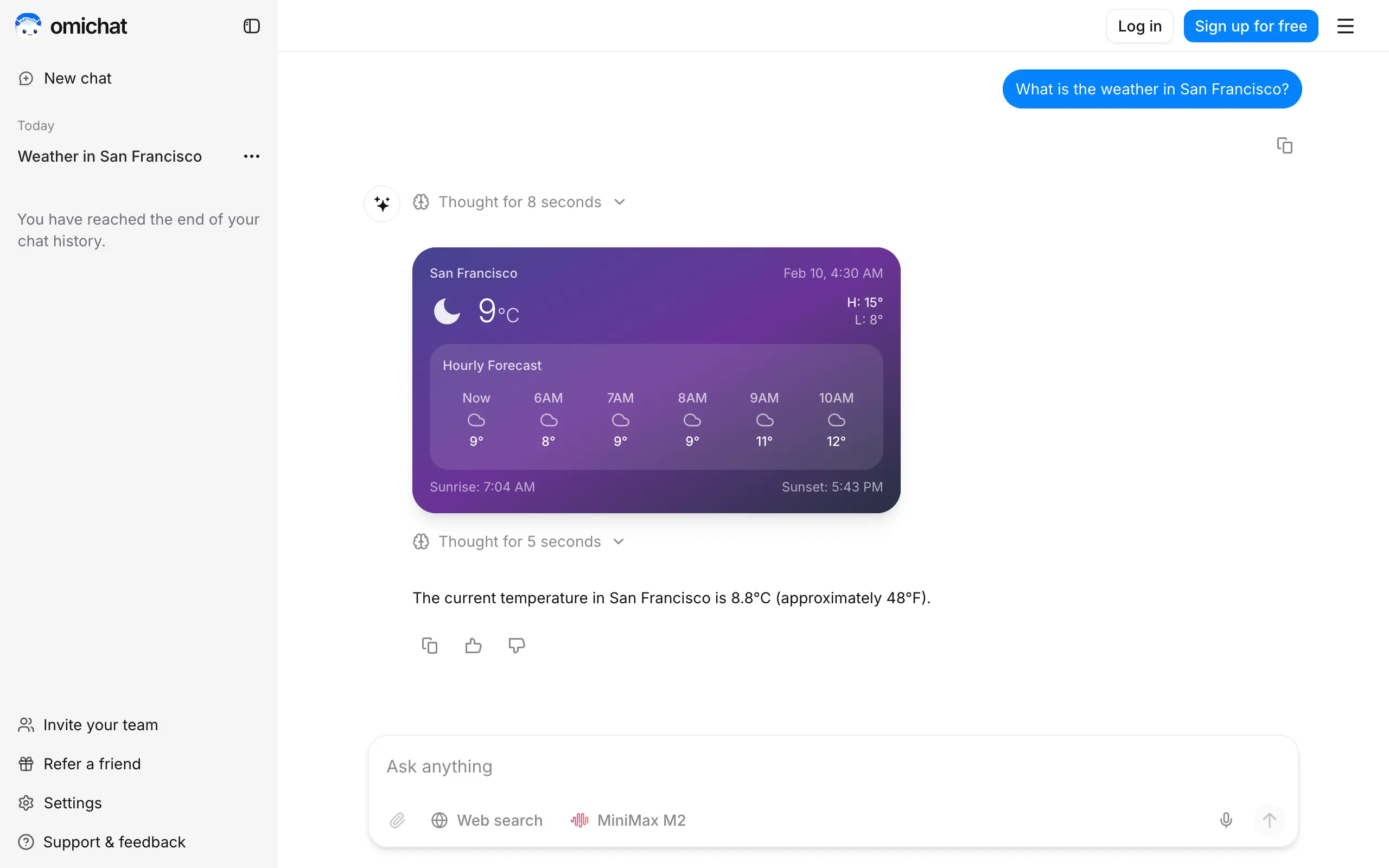
Omichat
Chat with 50+ AI models, including ChatGPT and Claude, in one place - switch models anytime without losing context 🤖
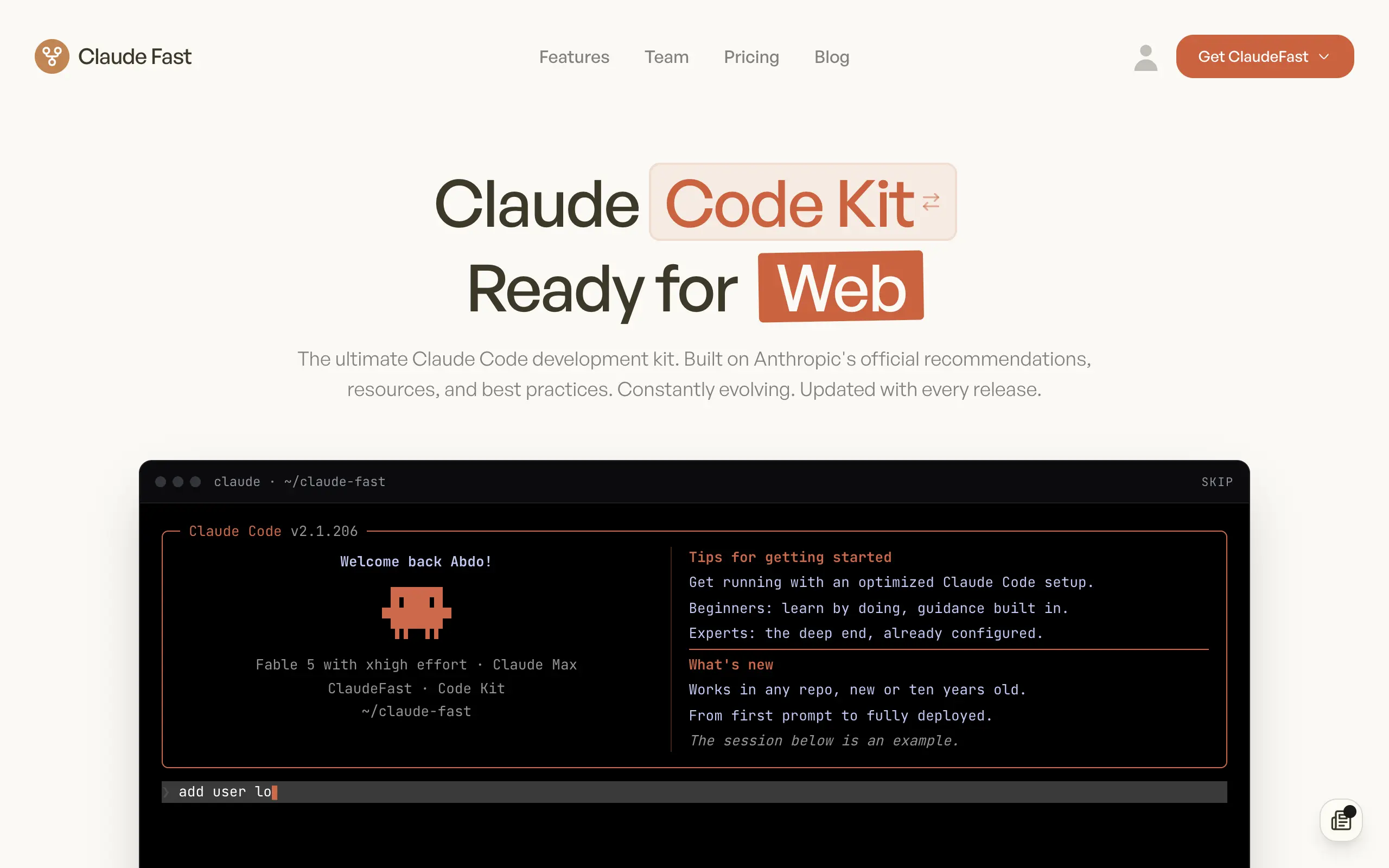
Claude Fast
Supercharge your Claude Code with 6x effective context window and specialized AI agents 🤖
EmojAI
AI-powered emoji picker with smart, context-aware suggestions 🤖
Solohacker
Autonomous company launcher - AI agents work 24/7, escalate what matters, and you stay in control 🤖
BeRawi: Storytelling Coach
Practice storytelling daily with instant feedback to sound clearer, more engaging, and confident 🎤
Omichat
Chat with 50+ AI models, including ChatGPT and Claude, in one place - switch models anytime without losing context 🤖
Claude Fast
Supercharge your Claude Code with 6x effective context window and specialized AI agents 🤖
EmojAI
AI-powered emoji picker with smart, context-aware suggestions 🤖
Solohacker
Autonomous company launcher - AI agents work 24/7, escalate what matters, and you stay in control 🤖
BeRawi: Storytelling Coach
Practice storytelling daily with instant feedback to sound clearer, more engaging, and confident 🎤
Omichat
Chat with 50+ AI models, including ChatGPT and Claude, in one place - switch models anytime without losing context 🤖
Claude Fast
Supercharge your Claude Code with 6x effective context window and specialized AI agents 🤖
EmojAI
AI-powered emoji picker with smart, context-aware suggestions 🤖
Solohacker
Autonomous company launcher - AI agents work 24/7, escalate what matters, and you stay in control 🤖
BeRawi: Storytelling Coach
Practice storytelling daily with instant feedback to sound clearer, more engaging, and confident 🎤
Omichat
Chat with 50+ AI models, including ChatGPT and Claude, in one place - switch models anytime without losing context 🤖
Claude Fast
Supercharge your Claude Code with 6x effective context window and specialized AI agents 🤖
EmojAI
AI-powered emoji picker with smart, context-aware suggestions 🤖
Solohacker
Autonomous company launcher - AI agents work 24/7, escalate what matters, and you stay in control 🤖
BeRawi: Storytelling Coach
Practice storytelling daily with instant feedback to sound clearer, more engaging, and confident 🎤

Connect with like-minded people
Join our community to get feedback, support, and grow together with 1,000+ builders on board, let's ship it!
Join usShip your startup everywhere. In minutes.
Don't burn tokens on setup and start building features on day one.