ShiftSignal
AI detects burnout and staffing risks from anonymized scheduling patterns, giving frontline managers practical intervention plans.
Modern workforce operations fail most often in the hours between a published schedule and the start of a shift. A callout arrives late, demand spikes unexpectedly, a qualified employee is unavailable, and managers must scramble through texts, spreadsheets, group chats, and outdated availability data. The result is avoidable understaffing, overtime, employee frustration, and inconsistent customer service.
ShiftSignal is an AI workforce copilot designed to solve that operational gap. It predicts likely coverage problems using schedules, skills, demand patterns, availability, and absenteeism signals. Then it recommends fair, practical shift swaps or coverage options in seconds.
This article evaluates the AI shift scheduling opportunity behind ShiftSignal, including its target market, feature set, technical architecture, pricing model, risks, differentiation, and a realistic implementation plan.
Why AI workforce management is becoming a high-value SaaS category
Workforce scheduling is a mature software category, but real-time coverage management remains inefficient in many organizations. Traditional scheduling tools help teams publish rosters, track time, and approve leave. They often do not help managers make fast, explainable staffing decisions when the schedule changes.
That is the opening for an AI workforce copilot.
Instead of acting as another calendar or employee database, ShiftSignal can become the operational intelligence layer that answers questions such as:
- Which locations are at risk of being understaffed tomorrow?
- Which shift has the highest probability of a late absence?
- Which employees are qualified, available, and fairly positioned to cover?
- Which shift swap will minimize overtime and compliance risk?
- What action should a manager take before service quality is affected?
The market need is especially strong in industries where staffing levels directly affect safety, revenue, customer experience, or regulatory compliance. These include healthcare, hospitality, retail, warehousing, food service, field services, logistics, call centers, and manufacturing.
The core opportunity
The strongest positioning for ShiftSignal is not “AI scheduling software.” It is “coverage intelligence and fair resolution for frontline teams.” This focuses the product on the expensive operational moment where existing schedules break down.
AI adoption is also shifting from generic chat interfaces to workflow-specific copilots. Buyers increasingly expect AI tools to use their real data, explain recommendations, and trigger concrete actions. For ShiftSignal, that means predicting coverage risk is useful, but automatically proposing viable next steps is what creates measurable value.
The AI shift scheduling problem ShiftSignal solves
A workforce schedule is not a static plan. It is a moving system influenced by employee availability, labor rules, staffing requirements, training certifications, local demand, weather, seasonal peaks, customer bookings, and last-minute absence patterns.
Most organizations manage this complexity with fragmented processes.
Common frontline scheduling failures
Teams with hourly or shift-based workers regularly encounter several connected problems:
- Managers discover shortages too late to resolve them cheaply.
- Employees receive coverage requests through personal messages rather than a structured process.
- Available workers may not have the correct role, license, certification, or location eligibility.
- The same reliable employees get asked to cover repeatedly.
- Overtime is approved without comparing lower-cost alternatives.
- Employees perceive shift allocation and swap approvals as unfair.
- Labor compliance rules are checked manually, inconsistently, or after a decision is made.
- Workforce managers lack a clear audit trail for why a particular employee was selected.
These are not merely administrative inconveniences. Understaffing can increase wait times, create safety incidents, reduce conversions, delay shipments, and damage employee retention. Overstaffing can be equally expensive when labor is one of the largest controllable operating costs.
The gap between scheduling and real-time operations
Traditional workforce management software typically handles a planned schedule well. However, it may treat absence management, shift swapping, staffing forecasts, and workforce fairness as separate modules or manual processes.
ShiftSignal can fill the gap between those systems by continuously evaluating whether the current schedule is likely to hold.
Its workflow could be simple:
- Ingest schedules, employee profiles, skills, availability, leave records, and demand data.
- Detect a future or current coverage risk.
- Rank potential coverage actions based on eligibility, fairness, cost, preference, and compliance.
- Present an explainable recommendation to the manager.
- Notify suitable employees and capture acceptance.
- Update the schedule and preserve an audit record.
The important distinction is that ShiftSignal should not merely tell a manager that a problem exists. It should reduce the time and uncertainty required to solve it.
Target audience for an AI workforce copilot
The best early customers for ShiftSignal are not necessarily the largest enterprises. Large organizations may have long procurement cycles, deeply customized workforce systems, and complex integration requirements. A stronger initial wedge is a multi-location business with meaningful scheduling pain but a willingness to adopt focused SaaS tools.
Primary customer segments
Multi-location retail
Store managers need fast coverage decisions during demand peaks, employee callouts, promotions, and seasonal staffing periods.
Hospitality and restaurants
Operators need qualified coverage for high-volume shifts while protecting employee preferences and controlling overtime.
Healthcare support teams
Non-clinical and clinical operations often need skill-aware coverage, credential checks, and defensible staffing decisions.
Warehousing and logistics
Distribution teams must align labor capacity with shipment volume, certifications, shifts, and location-specific requirements.
Ideal customer profile
The initial ideal customer profile should have these characteristics:
- Between 100 and 2,000 shift workers
- Multiple locations, departments, or shift patterns
- A scheduling platform already in place
- Frequent manual shift swaps or coverage outreach
- Measurable overtime, absenteeism, or understaffing costs
- A workforce operations leader who can own the buying decision
- A willingness to connect HRIS, timekeeping, and scheduling data through APIs or CSV imports
Organizations with fewer than 30 workers may not have enough scheduling complexity to justify a dedicated product. Enterprises with more than 10,000 employees can be valuable later, but should be approached after ShiftSignal has proven integrations, security controls, and implementation playbooks.
User personas and their jobs to be done
ShiftSignal should serve several users, not just one buyer.
- "Workforce operations manager" wants to reduce coverage risk across locations and measure labor efficiency.
- "Store, unit, or site manager" wants to fill a gap in minutes without calling every employee.
- "Scheduler" wants a reliable shortlist of eligible candidates instead of manually comparing spreadsheets.
- "Employee" wants shift opportunities that respect availability, preferences, commute constraints, and equitable access.
- "HR or compliance leader" wants visibility into labor rules, fairness practices, and decision history.
- "Finance leader" wants lower avoidable overtime and fewer revenue-impacting staffing shortages.
A winning product experience will provide each role with the right level of detail. Executives need trends and savings estimates. Managers need fast actions. Employees need transparent and respectful communication.
Market opportunity and the coverage intelligence gap
The workforce management market is crowded, but crowding does not eliminate opportunity. It proves that scheduling, time tracking, workforce analytics, and employee communication are persistent business needs.
The market gap exists because most products are optimized around one of these jobs:
- Building recurring schedules
- Tracking worked hours
- Managing payroll inputs
- Recording attendance
- Publishing open shifts
- Forecasting aggregate labor demand
ShiftSignal’s opportunity sits at the intersection of these jobs. It combines predictive staffing risk with actionable, fairness-aware resolution.
Why the timing is favorable
Several developments make AI workforce management more practical now:
- Workforce platforms expose more integration APIs than earlier generations of software.
- Businesses have accumulated historical schedule, attendance, and sales data.
- Modern machine learning infrastructure makes forecasting accessible to smaller SaaS teams.
- Large language models can translate complex recommendation logic into manager-friendly explanations.
- Employees increasingly expect mobile-first, self-service scheduling experiences.
- Labor shortages and rising wage costs increase the value of preventing avoidable coverage failures.
- Regulatory scrutiny of automated employment decisions is increasing, which creates demand for explainable systems rather than opaque automation.
For market sizing claims, use a current reputable source in published marketing materials. Good examples include research from recognized analyst firms, labor agencies, or audited industry reports. Do not rely on broad market-size figures without stating the geography, methodology, report date, and market definition.
The wedge strategy
ShiftSignal should enter through a narrow, painful workflow:
Predict and resolve next-day or same-day coverage gaps for multi-location shift teams.
This is more compelling than trying to replace an entire workforce management suite. It minimizes switching costs and lets customers keep their existing scheduling software.
Once customers trust ShiftSignal with coverage alerts and recommended swaps, the product can expand into:
- Demand-aware staffing recommendations
- Absence risk dashboards
- Overtime prevention workflows
- Fairness analytics
- Skill and certification coverage monitoring
- Schedule quality scoring
- Workforce planning intelligence
Core ShiftSignal features and product experience
The product should prioritize decisions and outcomes over dashboards. A manager under pressure does not need another report. They need to know what is likely to break and what to do next.
Coverage gap prediction
The first core feature is a coverage risk engine that identifies shifts likely to become understaffed before the issue becomes urgent.
Inputs can include:
- Published schedules
- Required headcount by role and location
- Employee skills and certifications
- Historical absence patterns
- Approved leave and availability changes
- Shift acceptance and decline behavior
- Demand forecasts from sales, bookings, orders, or footfall
- Local events, holidays, and seasonality
- Employee commute or travel constraints when available and appropriate
- Overtime thresholds and labor rules
The output should not be a vague risk score alone. It should identify the specific shift, role, location, expected coverage gap, confidence level, and recommended intervention window.
For example:
Thursday evening, warehouse zone B, forklift-certified coverage is likely to fall one employee below target. Risk is elevated due to historical short-notice absence patterns and a projected inbound volume increase. Start outreach before 2 PM to avoid overtime escalation.
Skill-aware shift swap recommendations
A shift swap recommendation must respect more than availability. ShiftSignal should filter candidates using hard eligibility constraints before it ranks them.
Hard constraints may include:
- Required role or job code
- Active certification or license
- Location authorization
- Minimum rest period
- Maximum weekly hours
- Union or contract rules
- Age restrictions
- Shift overlap prevention
- Employee-declared availability
- Required manager approval
After filtering, the recommendation engine can rank candidates using softer preferences:
- Employee interest in extra hours
- Prior shift coverage opportunities received
- Fair distribution of premium shifts
- Estimated overtime cost
- Distance or commute burden
- Shift preference history
- Likelihood of accepting the offer
- Team familiarity or department experience
Fairness-aware allocation
Fairness is a major differentiator for AI shift scheduling software. If the product always selects the employee most likely to accept, it may repeatedly burden the same workers. If it optimizes only for cost, it may create unequal access to desirable shifts.
ShiftSignal should explicitly define and measure fairness.
Possible fairness signals include:
- Distribution of extra hours across qualified workers
- Distribution of overtime opportunities
- Distribution of weekend, overnight, or premium shifts
- Frequency of last-minute coverage requests
- Acceptance opportunities offered to comparable employees
- Difference in schedule outcomes across relevant groups, subject to legal and privacy review
The product should be careful not to make sensitive employment decisions using protected characteristics. Fairness monitoring should be designed with legal counsel, customer policy requirements, and applicable employment laws in mind.
Explainable AI recommendations
Managers need to understand why a recommendation was generated. Explainability drives trust, improves oversight, and supports auditability.
A strong recommendation card could show:
- "Recommended employee": Jordan Lee
- "Eligibility": certified for the required role and available
- "Schedule impact": no overlap and required rest period preserved
- "Cost impact": avoids projected overtime for another employee
- "Fairness impact": has received fewer extra-shift offers than comparable qualified workers this month
- "Confidence": high, based on similar shift acceptance history
- "Alternative options": three other qualified employees with trade-offs
This approach is better than presenting a black-box “best match” score. The manager remains accountable for the final decision while the AI makes the decision process faster and more consistent.
Employee self-service and consent-based outreach
Employees should receive clear, mobile-friendly coverage offers with enough context to decide quickly.
An offer could include:
- Shift date, time, location, and role
- Expected pay or premium details when available
- Whether the offer is voluntary or part of a swap request
- Time remaining to accept
- Required skill or credential context
- A one-tap accept or decline action
- An optional reason for declining
The employee experience should avoid manipulative design. Do not imply an employee is required to accept a voluntary extra shift. Respect quiet hours, notification preferences, and local rules around off-the-clock communication.
Workforce operations dashboard
The dashboard should help operational leaders identify systemic issues rather than only manage individual alerts.
Useful dashboard views include:
- Coverage risk by location, department, and day
- Predicted versus actual staffing gaps
- Average time to resolve a gap
- Overtime avoided through recommendations
- Offer acceptance rates
- Fairness distribution indicators
- Most common reasons for coverage failures
- Skills or certifications with recurring shortages
- High-risk shifts and locations over time
What makes ShiftSignal different from standard scheduling software
ShiftSignal’s competitive advantage depends on focus. The product should not attempt to duplicate every scheduling, payroll, HR, and communication feature offered by established workforce platforms.
Its unique selling proposition is:
ShiftSignal predicts workforce coverage failures before they happen and resolves them with fair, explainable, skill-aware shift recommendations.
That positioning contains five important differentiators:
-
Proactive rather than reactive
ShiftSignal identifies future risk instead of waiting for a manager to report a callout. -
Action-oriented rather than dashboard-only
It recommends and facilitates a resolution, not merely an alert. -
Skill-aware rather than availability-only
It verifies qualifications, certifications, and role requirements before suggesting employees. -
Fairness-aware rather than acceptance-rate-only
It balances operational outcomes with equitable distribution of shift opportunities and burdens. -
Explainable rather than opaque
It provides reasons, trade-offs, and an audit trail for every recommendation.
| Capability | Basic scheduling tool | Open shift board | ShiftSignal | Manual spreadsheet process |
|---|---|---|---|---|
| Published schedules | ✅ | ✅ | ✅ | ✅ |
| Predictive coverage risk | ❌ | ❌ | ✅ | ❌ |
| Skill-aware recommendations | Limited | Limited | ✅ | Manual |
| Fairness and audit signals | Limited | ❌ | ✅ | ❌ |
| Automated resolution workflow | Limited | ✅ | ✅ | ❌ |
Recommended technology stack for ShiftSignal
The technical stack should support secure integrations, real-time alerts, explainable machine learning, and a responsive employee experience. Early architecture decisions should favor reliable delivery over premature complexity.
Frontend and application layer
A strong stack for the web application includes:
- Next.js for the application framework, server rendering, routing, and API capabilities
- React for interactive manager dashboards and employee workflows
- TypeScript for stronger type safety across scheduling and policy logic
- Tailwind CSS for fast, consistent interface development
- PostgreSQL for relational workforce, schedule, policy, and audit data
- Prisma or a comparable typed ORM for database access and migrations
A relational database is especially suitable because shifts, employees, locations, roles, skills, rules, and approvals are highly connected entities. These relationships need consistent transactions and clear data integrity.
Event processing and integrations
Coverage intelligence depends on timely data changes. ShiftSignal should treat the schedule as an event-driven system.
Relevant events include:
- Shift created, changed, or cancelled
- Employee called out
- Leave request approved
- Availability updated
- Certification expired
- Demand forecast changed
- Employee accepted or declined an offer
- Time clock event received
Use a queueing or workflow layer to process events reliably and prevent duplicate notifications. For example, a schedule update can trigger an eligibility recalculation, risk score refresh, and notification decision without blocking the main application request.
For early-stage development, scheduled background jobs may be enough. As volume grows, event queues and idempotent workers become more important.
AI and forecasting architecture
The AI system should combine deterministic rules with statistical prediction. This is essential for reliability.
- "Rules engine": handles non-negotiable constraints such as rest periods, certifications, legal limits, and shift overlaps.
- "Forecasting model": predicts expected staffing demand or workload by location, role, and shift.
- "Absence risk model": estimates the probability of a staffing shortfall based on historical and current signals.
- "Ranking model": orders eligible coverage candidates based on acceptance likelihood, fairness, cost, and operational fit.
- "Language model layer": translates recommendation factors into clear manager-facing explanations and supports natural-language queries.
Do not use a large language model as the source of truth for labor eligibility or compliance decisions. Those decisions should be driven by tested policy logic and validated data. A language model is useful for explanations, summaries, and interface assistance, but it should not be allowed to invent rules or override constraints.
Here is a simplified example of a candidate scoring function:
type Candidate = {
  eligible: boolean;
  acceptanceProbability: number;
  fairnessScore: number;
  overtimeCost: number;
  commuteBurden: number;
  preferenceMatch: number;
};

export function scoreCandidate(candidate: Candidate) {
  if (!candidate.eligible) return Number.NEGATIVE_INFINITY;

  const acceptanceWeight = 0.35;
  const fairnessWeight = 0.25;
  const preferenceWeight = 0.20;
  const costWeight = 0.10;
  const commuteWeight = 0.10;

  return (
    candidate.acceptanceProbability * acceptanceWeight +
    candidate.fairnessScore * fairnessWeight +
    candidate.preferenceMatch * preferenceWeight -
    candidate.overtimeCost * costWeight -
    candidate.commuteBurden * commuteWeight
  );
}
In production, each score should be configurable per customer policy and accompanied by an explanation of the top factors affecting the recommendation.
Build versus buy trade-offs
Build core decision logic, workforce policy models, fairness calculations, and coverage intelligence internally. These capabilities are ShiftSignal’s defensible intellectual property and should not depend entirely on a vendor.
Use specialized providers for commodity capabilities such as authentication, transactional email, SMS delivery, observability, payments, and feature flags. This reduces time to market and operational risk.
Keep the scheduling intelligence, rules engine, audit trail, and recommendation ranking in-house. Buy infrastructure services where they do not create strategic differentiation.
Security and privacy foundations
Workforce data is sensitive. ShiftSignal should be designed with security requirements from the first version rather than added after enterprise prospects request them.
Essential controls include:
- Role-based access controls by organization, location, and manager scope
- Encryption in transit and at rest
- Tenant isolation
- Audit logs for recommendations, overrides, approvals, and data changes
- Data retention controls
- Secure API token storage
- Employee data minimization
- Incident response procedures
- Vendor security reviews for subprocessors
- Clear data processing terms
If serving regulated customers or enterprise accounts, prepare for security questionnaires early. A well-documented architecture, audit logging, access controls, and data handling policy will shorten sales cycles.
Monetization strategy for AI workforce management software
ShiftSignal should use pricing that aligns with customer value while remaining easy to forecast.
Recommended pricing model
The strongest default model is a platform fee plus active worker pricing.
- "Starter": a monthly base fee for smaller multi-location teams, with a capped number of active workers.
- "Growth": a higher platform fee plus per-active-worker pricing for richer integrations, analytics, and automated outreach.
- "Enterprise": annual contract pricing for SSO, custom integrations, advanced compliance controls, dedicated support, and data residency needs.
This model works because the value of the product scales with the number of employees and the operational complexity of coordinating them.
Avoid charging per recommended swap in the core product. A usage-only model can discourage customers from using the product during the exact periods where it is most valuable. However, high-volume communication costs, premium integration work, and advanced forecasting modules can be priced separately.
Value-based pricing narrative
The sales case should be tied to measurable operational outcomes:
- Fewer unfilled shifts
- Faster coverage resolution
- Lower avoidable overtime
- Better service-level performance
- Reduced manager administrative time
- Improved employee perception of schedule fairness
- Better retention among heavily burdened workers
During pilots, measure a baseline before implementation. Compare average time to fill a gap, emergency overtime hours, uncovered shift count, and distribution of coverage requests before and after ShiftSignal adoption.
The goal is to turn the product from a “nice AI tool” into an operating margin and workforce experience investment.
Risks and how ShiftSignal can mitigate them
An AI workforce copilot operates in a sensitive decision environment. Product leaders should address risk directly in the design, messaging, contracts, and onboarding process.
Data quality risk
Prediction quality depends on accurate schedules, employee skills, availability, attendance records, and demand data. Many customers will have incomplete or inconsistent data.
Mitigation approaches include:
- Start with rules-based gap detection before deploying advanced predictions.
- Show data completeness indicators during onboarding.
- Build clear import validation and data mapping tools.
- Allow managers to correct recommendations and capture feedback.
- Use confidence levels rather than overstating certainty.
- Train models only after a customer has sufficient historical data.
Algorithmic fairness risk
An AI system can unintentionally reinforce historical patterns. For example, a model trained solely to predict acceptance may repeatedly recommend workers who have historically felt pressure to accept extra shifts.
Mitigation approaches include:
- Use fairness constraints in ranking logic.
- Track who receives opportunities and burdens over time.
- Let customers configure policy priorities.
- Provide managers with alternative recommendations.
- Make automated outreach opt-in where appropriate.
- Preserve a human approval step for high-impact decisions.
- Conduct periodic model and policy reviews.
Employment law and compliance risk
Labor rules differ by jurisdiction, union agreement, role, and employer policy. Incorrect recommendations can create legal exposure.
Mitigation approaches include:
- Treat compliance logic as configurable policy rules, not generic AI assumptions.
- Require customer validation of local rules during onboarding.
- Keep immutable decision and override logs.
- Flag uncertain policy cases for manual review.
- Avoid representing ShiftSignal as legal advice.
- Engage employment counsel when expanding into regulated industries or new regions.
Integration dependency risk
If ShiftSignal relies on external scheduling systems, API limitations or changes can affect product reliability.
Mitigation approaches include:
- Build modular connectors rather than hard-coding every integration.
- Support CSV and secure file-based imports for early customers.
- Maintain retry logic and integration health monitoring.
- Clearly communicate sync timing to customers.
- Use webhooks where supported, with polling fallbacks when necessary.
Avoid over-automation in the first release
A recommendation should be easy to approve, edit, reject, and audit. Fully automatic shift reassignment may be attractive in a demo, but it can create trust, compliance, and employee-relations problems before the system has earned customer confidence.
Go-to-market strategy for ShiftSignal
The first go-to-market motion should be consultative and outcome-based. Workforce leaders will not buy AI because it sounds innovative. They will buy it if it reduces real staffing pain without disrupting existing operations.
Positioning message
A concise positioning statement could be:
ShiftSignal helps frontline teams predict staffing gaps early and fill them fairly with explainable AI recommendations.
This message is clearer than broad phrases such as “revolutionary workforce optimization.” It explains the user, the problem, the timing, and the outcome.
Initial acquisition channels
Effective early channels may include:
- Founder-led outreach to workforce operations leaders
- Partnerships with scheduling and workforce management consultants
- Content targeting searches around shift coverage, absenteeism, overtime, and fair scheduling
- Industry webinars for retail, hospitality, logistics, and healthcare operations teams
- Integration marketplace listings once connectors are mature
- Case studies based on pilot outcomes
- Targeted LinkedIn outreach to regional operations leaders and HR technology buyers
SEO content should target specific operational intent, including topics such as:
- How to reduce last-minute shift callouts
- How to create a fair shift swap process
- How to prevent overtime caused by staffing gaps
- Workforce coverage planning for multi-location operations
- AI scheduling compliance and explainability
- How to measure shift coverage risk
Pilot design
A paid or tightly scoped pilot should focus on one operational outcome and one or two locations or departments.
A good pilot structure includes:
- Historical data assessment
- Schedule and employee data integration
- Configuration of eligibility and policy rules
- Baseline measurement
- Manager training
- Four to eight weeks of live recommendations
- Outcome review and rollout proposal
The pilot should answer a concrete business question:
Can ShiftSignal reduce the time required to resolve high-risk coverage gaps while maintaining fair access to extra shifts?
Actionable implementation plan
The fastest path is to build a narrow but trustworthy minimum viable product. Do not start with advanced forecasting across every industry. Start with high-confidence workflow automation around coverage gaps.
Define the initial vertical and buyer. Choose one segment such as multi-location retail, hospitality, or warehouses. Interview at least 15 workforce managers about callouts, swaps, overtime, employee communication, and current tooling.
Build a data model for organizations, locations, employees, roles, skills, certifications, schedules, availability, policies, coverage requirements, and audit events.
Launch rules-based coverage detection. Detect clear gaps between required and scheduled qualified employees before attempting sophisticated machine learning.
Create the eligible employee matching engine. Enforce hard constraints for skills, availability, rest periods, overtime, conflicts, and location authorization.
Add manager review and employee outreach. Let managers approve a recommended shortlist, send offers, collect responses, and update the schedule.
Introduce explainability and audit history. Every recommendation should show its primary reasons, policy checks, alternatives, manager override, and final outcome.
Use outcome data to train prediction and ranking models. Start with acceptance likelihood and recurring gap patterns, then add demand forecasting once data quality is proven.
Package pilot results into a repeatable sales motion focused on time saved, gaps resolved, overtime avoided, and employee fairness indicators.
For founders building this product quickly, TurboStarter can provide a practical starting point for SaaS foundations such as authentication, billing, application structure, and production-ready development workflows.
Final perspective on the ShiftSignal opportunity
ShiftSignal has a strong SaaS opportunity because it addresses a frequent, expensive, and emotionally difficult operational problem. Every unfilled shift is not the same, but every organization with shift workers understands the urgency of a staffing gap.
The product wins by being more than an AI schedule generator. Its value comes from combining workforce data, policy controls, predictive signals, fairness-aware matching, and explainable actions in one workflow.
The most important strategic decision is focus. Build the best system for predicting and resolving coverage gaps instead of trying to replace a full workforce management suite immediately. If ShiftSignal can reliably help managers fill qualified shifts faster, reduce unnecessary overtime, and treat employees more fairly, it can become an indispensable intelligence layer in the modern frontline workforce stack.
More 🤖 AI Startup SaaS ideas
Discover more innovative ai startup SaaS ideas that are trending in 2026. Each idea is AI-generated with market validation and growth potential to help you find your next profitable venture faster than competitors.
Your competitors are building with TurboStarter
Below are some of the SaaS ideas that have been generated and built with our starter kit.
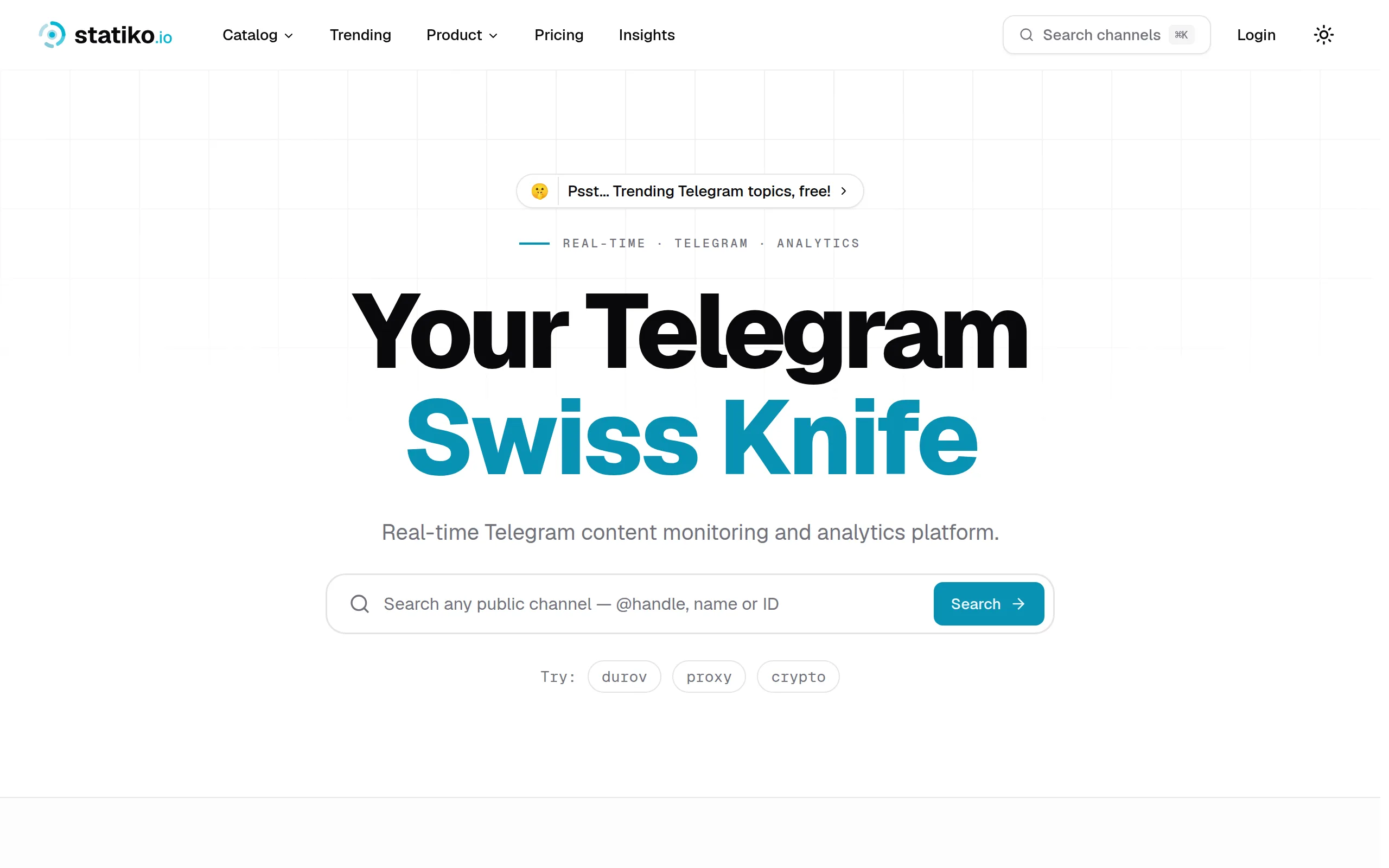
Statiko
Monitor any Telegram channel in real time - track posts, edits, deletions, and growth with AI recaps 📡

Shibui
AI website builder - describe your business, pick a niche template, edit by chatting, and publish instantly ✨

Pro Service
Find verified home service professionals, compare quotes, and pay securely through escrow - built for Brazilians across the US 🏠
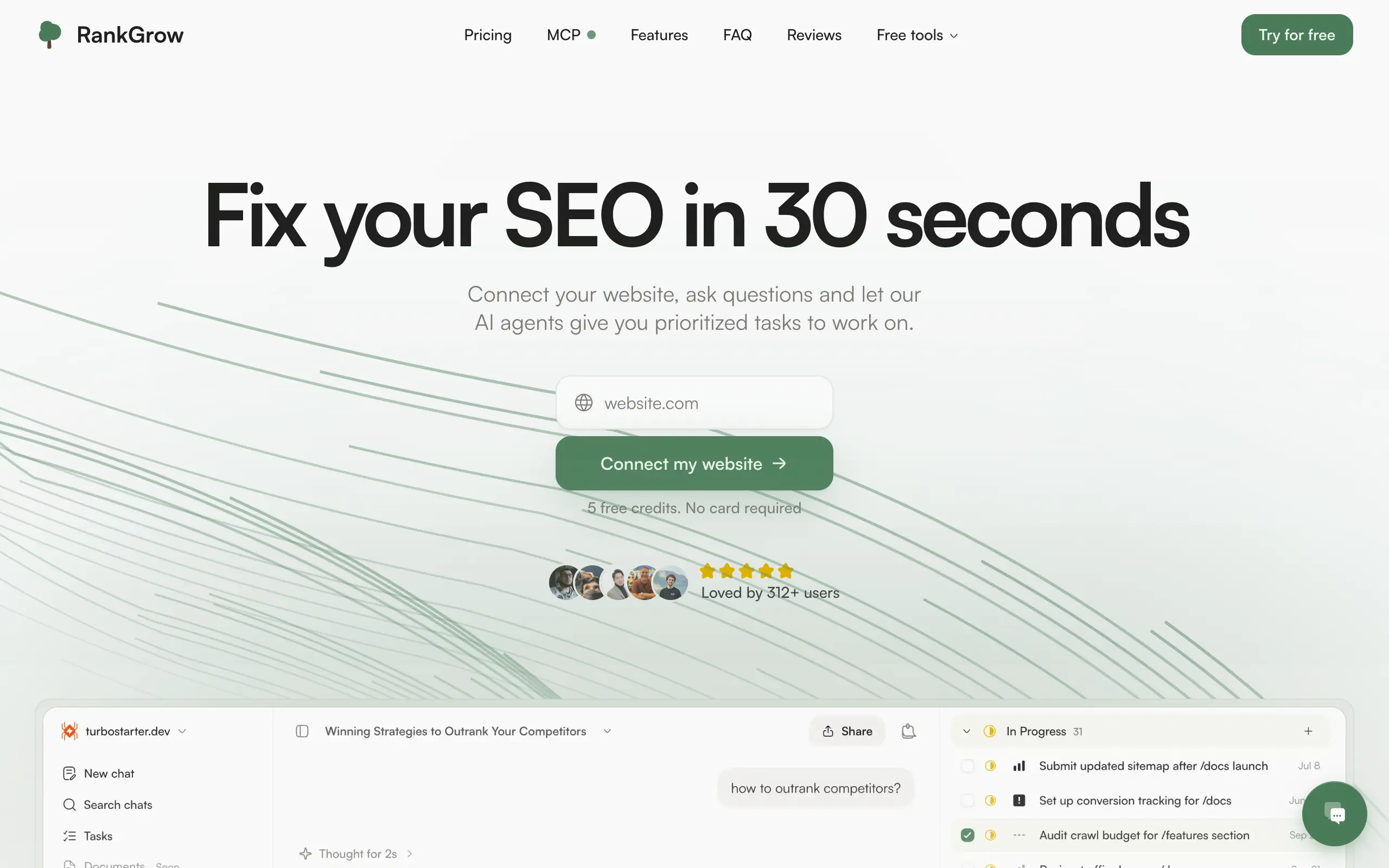
RankGrow
Fix your SEO with AI agents - connect Search Console, get prioritized tasks, and grow organic traffic 📈
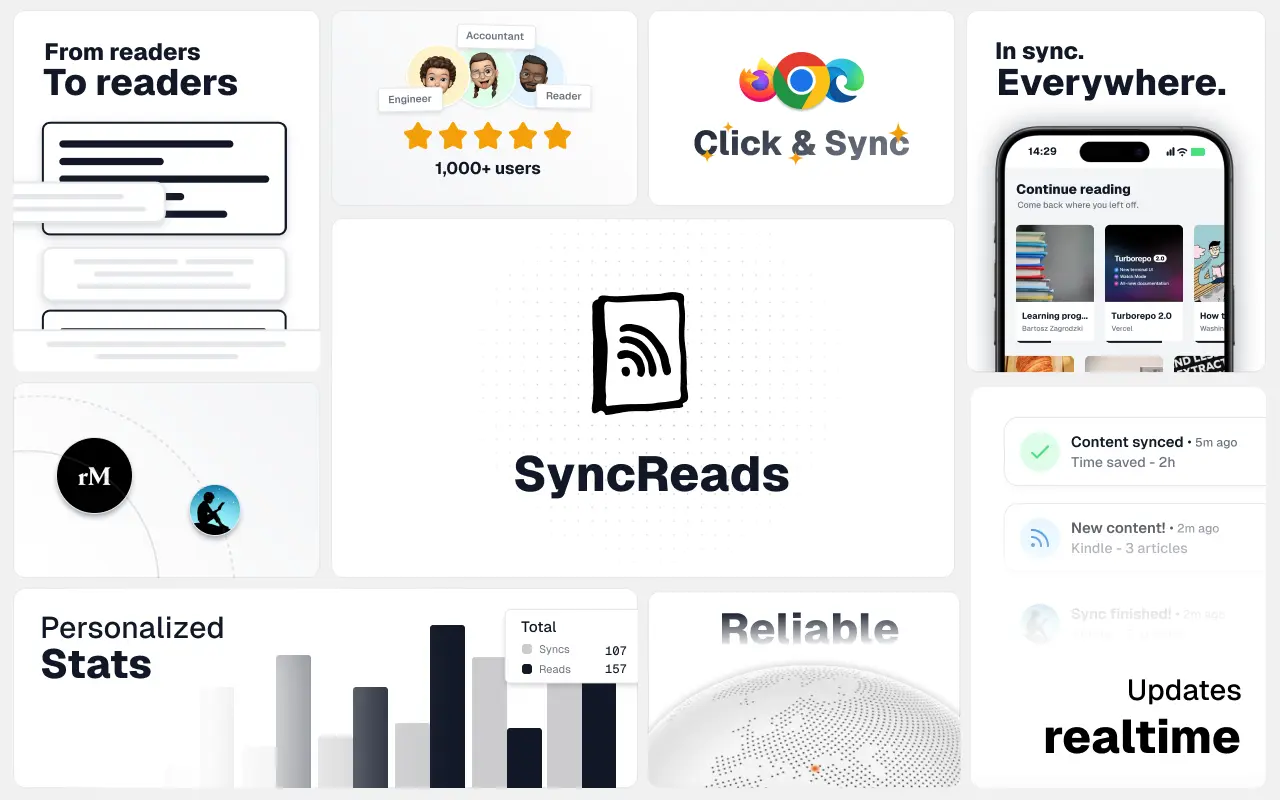
SyncReads
Sync your favorite content for distraction-free reading, save time and replace multiple apps. Anytime, anywhere 🔄
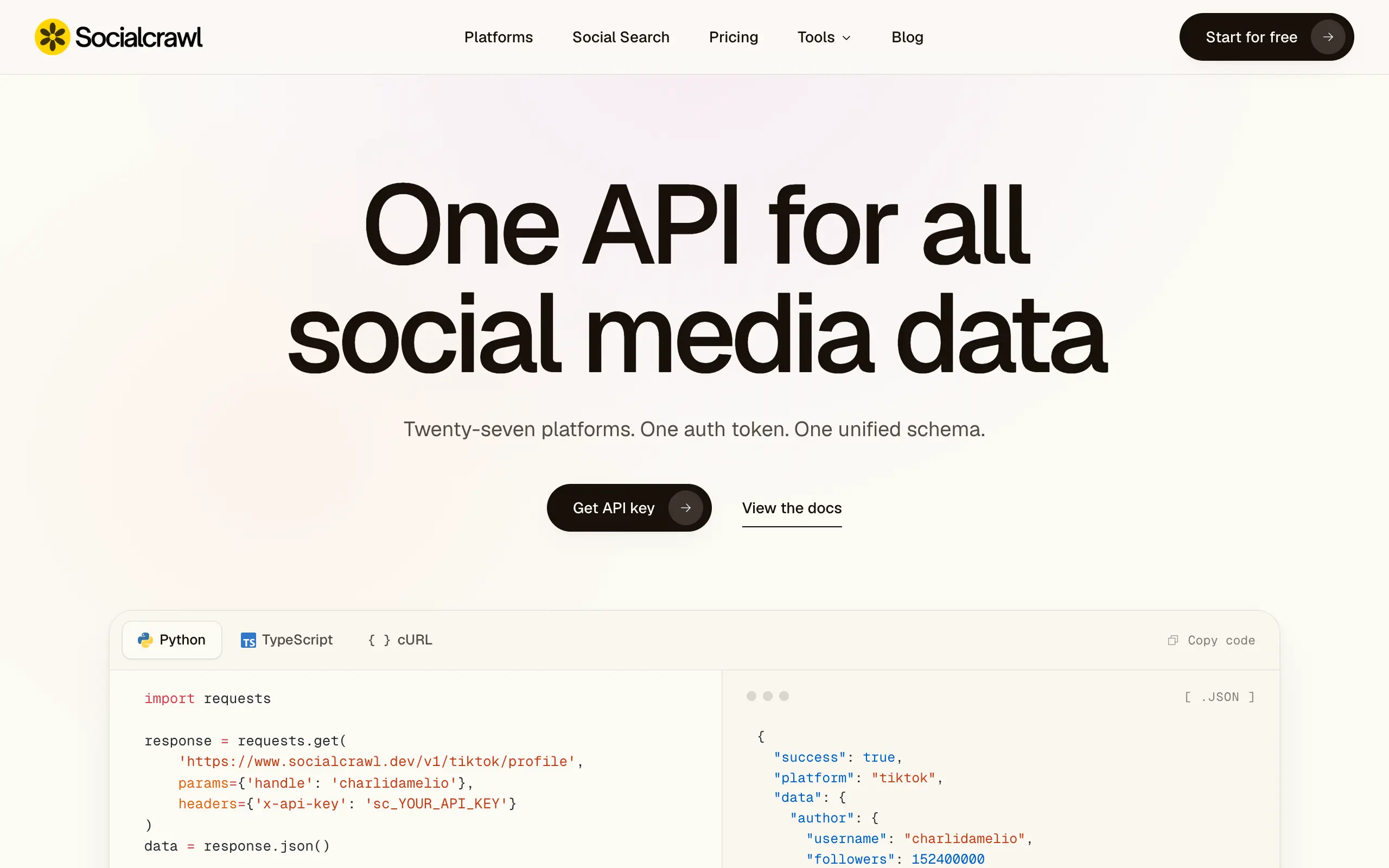
Socialcrawl
Get clean, structured data from 21 platforms like TikTok, Instagram, and YouTube with a single request 📊
Statiko
Monitor any Telegram channel in real time - track posts, edits, deletions, and growth with AI recaps 📡
Shibui
AI website builder - describe your business, pick a niche template, edit by chatting, and publish instantly ✨
Pro Service
Find verified home service professionals, compare quotes, and pay securely through escrow - built for Brazilians across the US 🏠
RankGrow
Fix your SEO with AI agents - connect Search Console, get prioritized tasks, and grow organic traffic 📈
SyncReads
Sync your favorite content for distraction-free reading, save time and replace multiple apps. Anytime, anywhere 🔄
Socialcrawl
Get clean, structured data from 21 platforms like TikTok, Instagram, and YouTube with a single request 📊
Statiko
Monitor any Telegram channel in real time - track posts, edits, deletions, and growth with AI recaps 📡
Shibui
AI website builder - describe your business, pick a niche template, edit by chatting, and publish instantly ✨
Pro Service
Find verified home service professionals, compare quotes, and pay securely through escrow - built for Brazilians across the US 🏠
RankGrow
Fix your SEO with AI agents - connect Search Console, get prioritized tasks, and grow organic traffic 📈
SyncReads
Sync your favorite content for distraction-free reading, save time and replace multiple apps. Anytime, anywhere 🔄
Socialcrawl
Get clean, structured data from 21 platforms like TikTok, Instagram, and YouTube with a single request 📊
Statiko
Monitor any Telegram channel in real time - track posts, edits, deletions, and growth with AI recaps 📡
Shibui
AI website builder - describe your business, pick a niche template, edit by chatting, and publish instantly ✨
Pro Service
Find verified home service professionals, compare quotes, and pay securely through escrow - built for Brazilians across the US 🏠
RankGrow
Fix your SEO with AI agents - connect Search Console, get prioritized tasks, and grow organic traffic 📈
SyncReads
Sync your favorite content for distraction-free reading, save time and replace multiple apps. Anytime, anywhere 🔄
Socialcrawl
Get clean, structured data from 21 platforms like TikTok, Instagram, and YouTube with a single request 📊
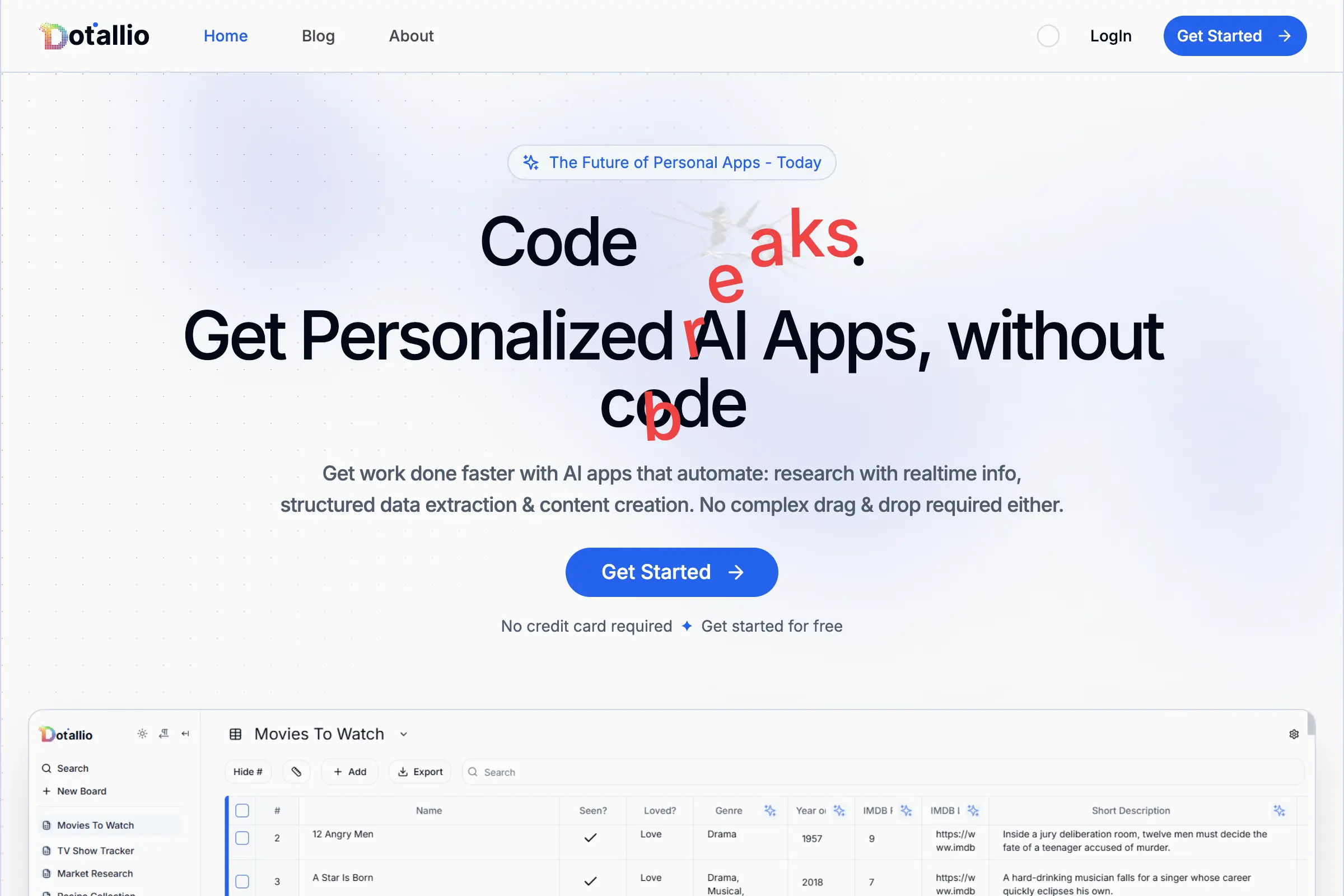
Dotallio
Personalized AI apps that automate research, data extraction, and content creation without code 🤖
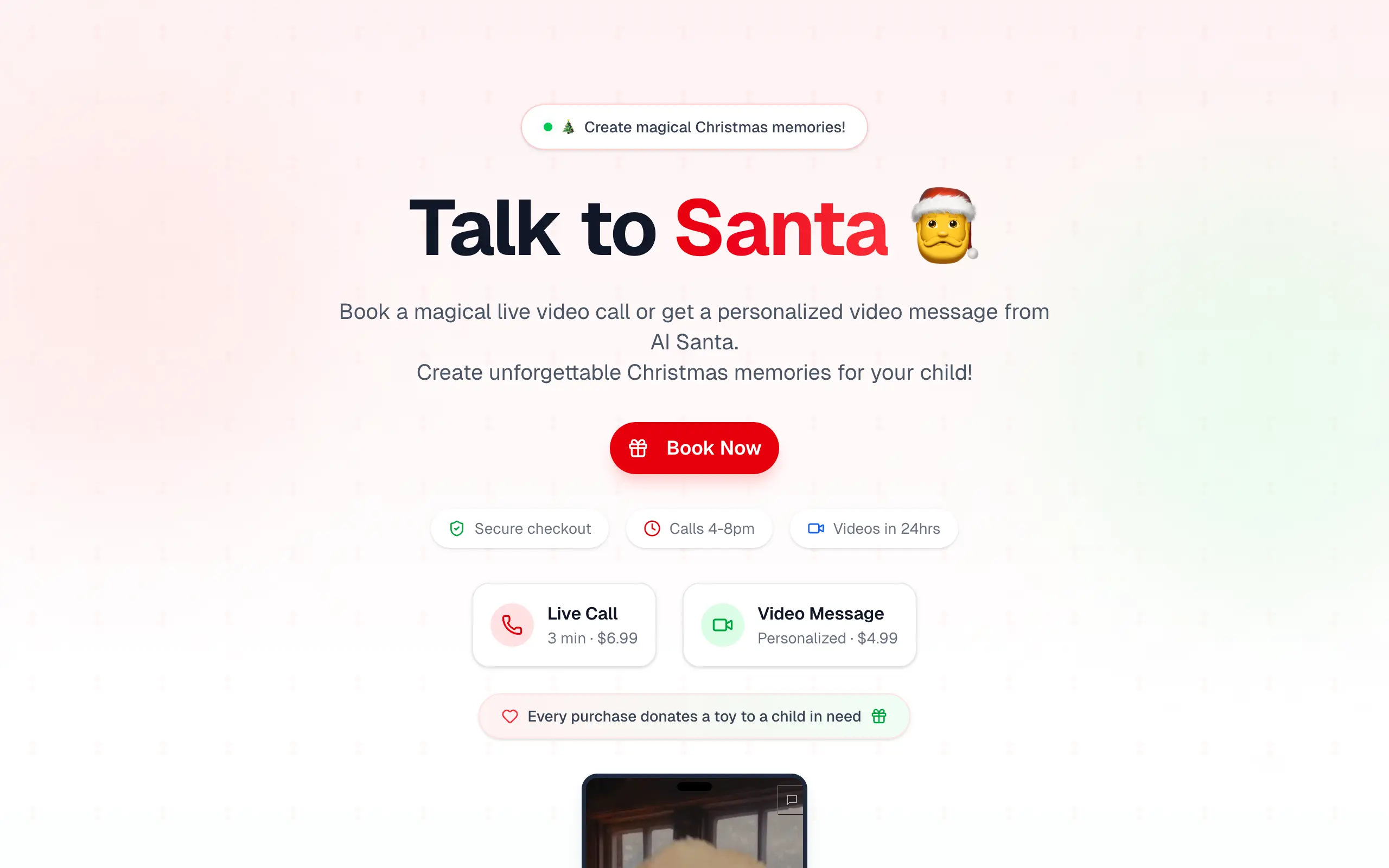
Talk to Santa
Enjoy a magical live video chat or receive a unique AI-generated video greeting from Santa Claus 🎅
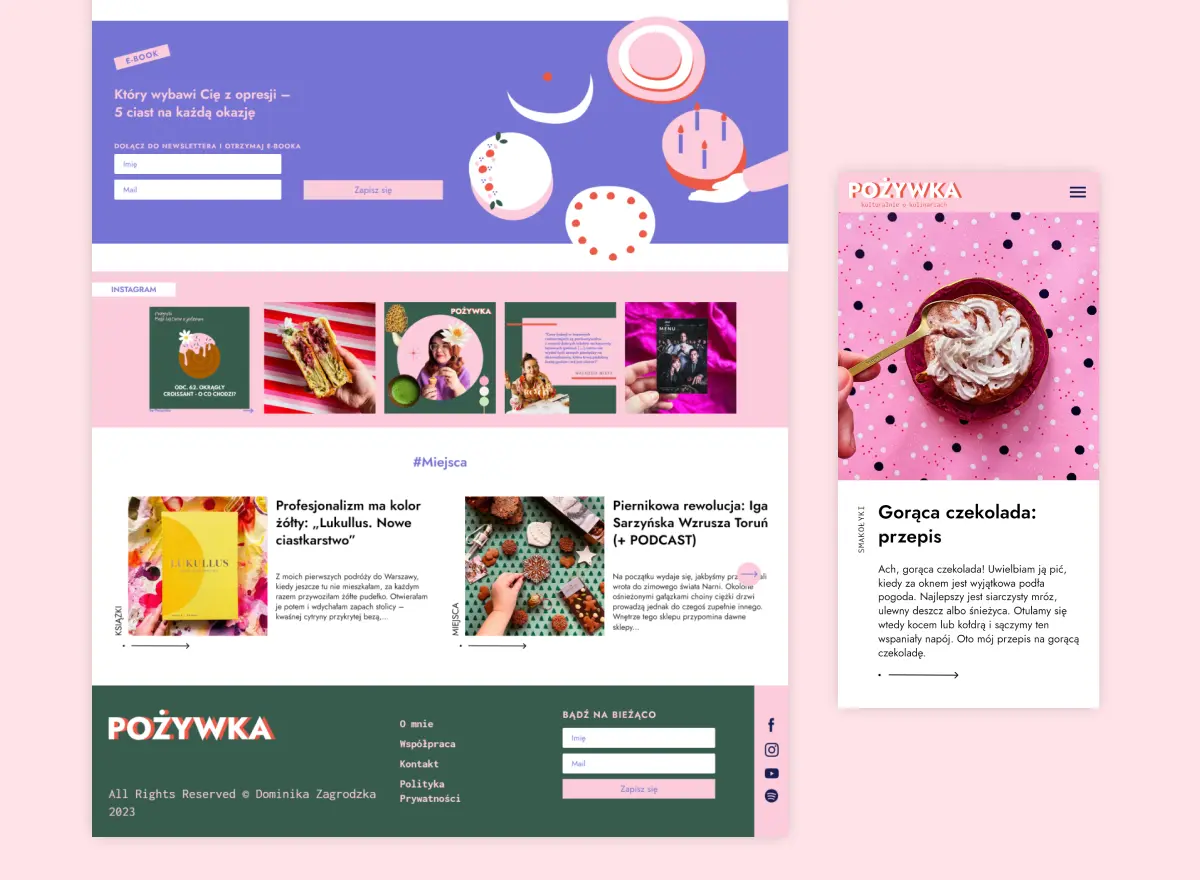
pozywka.pl
Scalable blog for food journalist, focused on performance and user experience 🌭
zagrodzki.me
Personal blog and portfolio of Bart Zagrodzki, where he shares his knowledge and work 💼
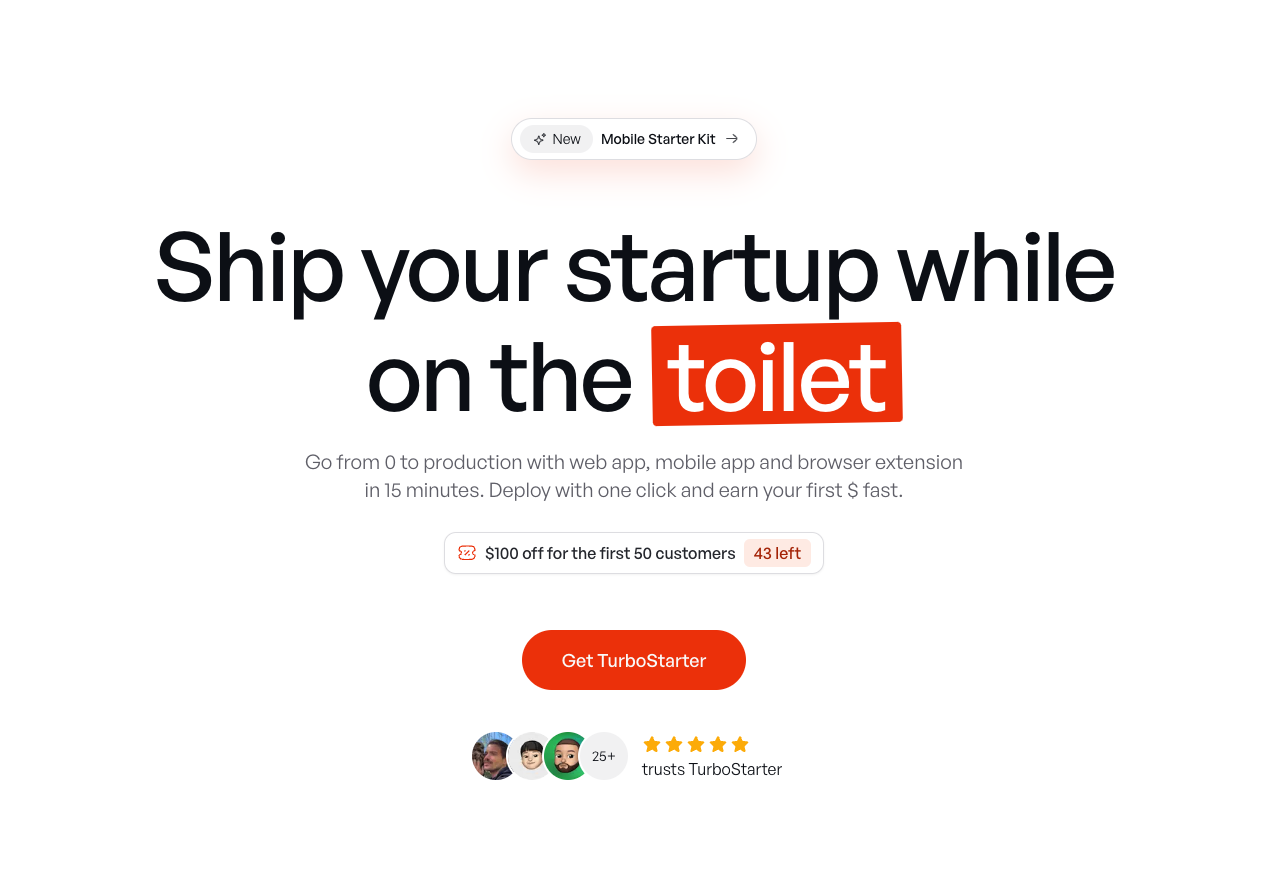
TurboStarter
Ship your startup everywhere. In minutes.
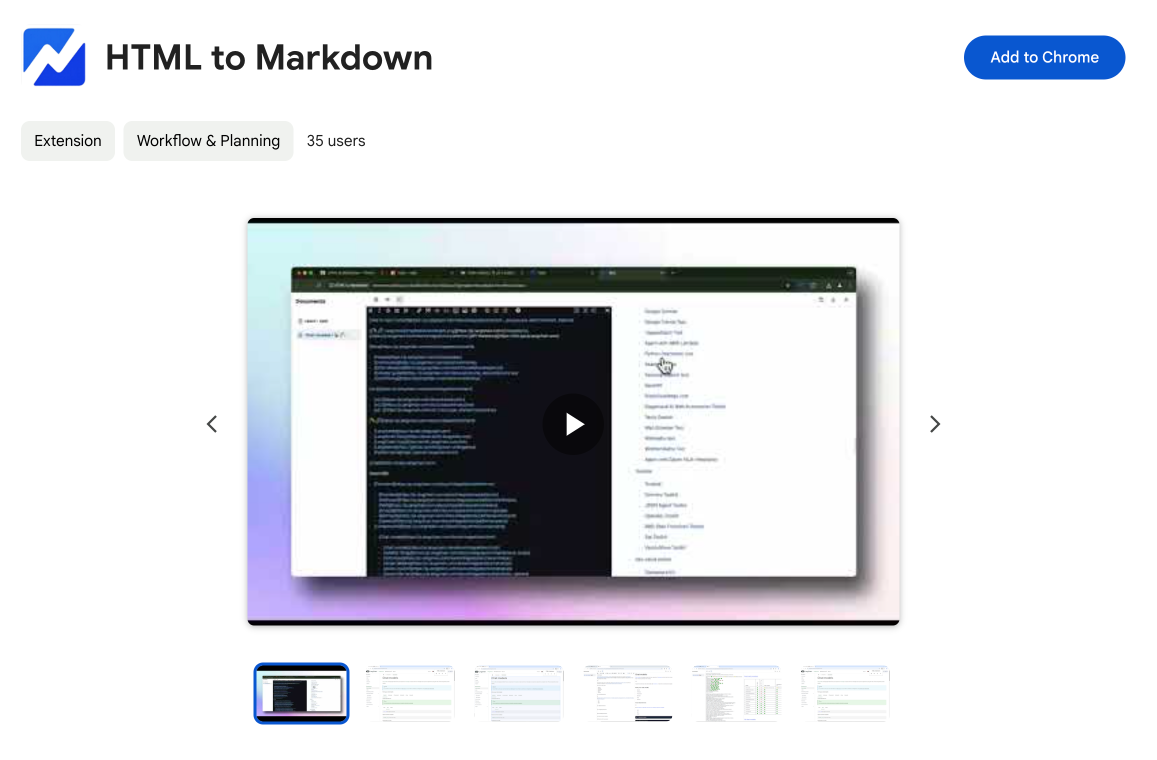
HTML to Markdown
Convert HTML to Markdown with ease, directly in your browser 📄
Dotallio
Personalized AI apps that automate research, data extraction, and content creation without code 🤖
Talk to Santa
Enjoy a magical live video chat or receive a unique AI-generated video greeting from Santa Claus 🎅
pozywka.pl
Scalable blog for food journalist, focused on performance and user experience 🌭
zagrodzki.me
Personal blog and portfolio of Bart Zagrodzki, where he shares his knowledge and work 💼
TurboStarter
Ship your startup everywhere. In minutes.
HTML to Markdown
Convert HTML to Markdown with ease, directly in your browser 📄
Dotallio
Personalized AI apps that automate research, data extraction, and content creation without code 🤖
Talk to Santa
Enjoy a magical live video chat or receive a unique AI-generated video greeting from Santa Claus 🎅
pozywka.pl
Scalable blog for food journalist, focused on performance and user experience 🌭
zagrodzki.me
Personal blog and portfolio of Bart Zagrodzki, where he shares his knowledge and work 💼
TurboStarter
Ship your startup everywhere. In minutes.
HTML to Markdown
Convert HTML to Markdown with ease, directly in your browser 📄
Dotallio
Personalized AI apps that automate research, data extraction, and content creation without code 🤖
Talk to Santa
Enjoy a magical live video chat or receive a unique AI-generated video greeting from Santa Claus 🎅
pozywka.pl
Scalable blog for food journalist, focused on performance and user experience 🌭
zagrodzki.me
Personal blog and portfolio of Bart Zagrodzki, where he shares his knowledge and work 💼
TurboStarter
Ship your startup everywhere. In minutes.
HTML to Markdown
Convert HTML to Markdown with ease, directly in your browser 📄
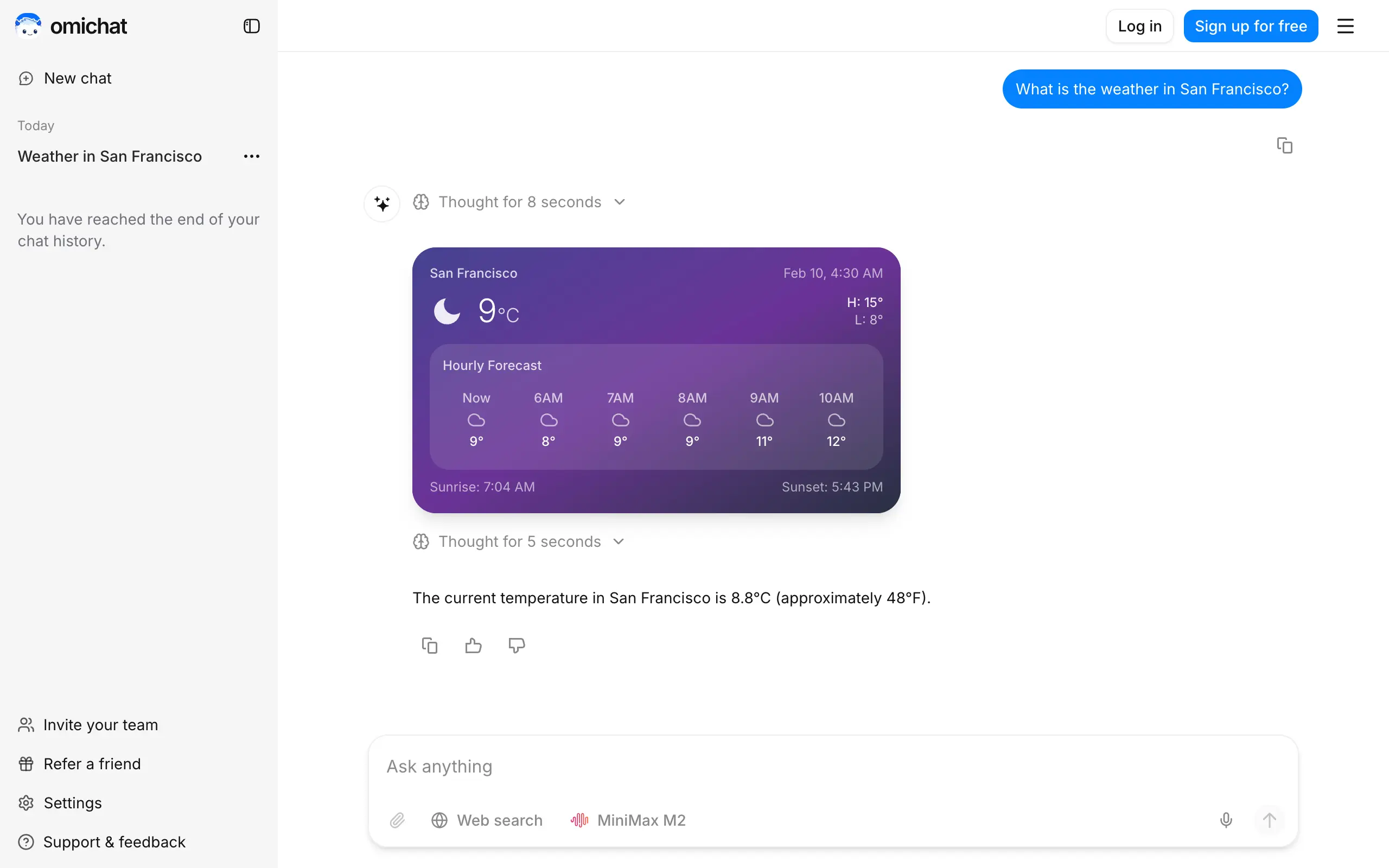
Omichat
Chat with 50+ AI models, including ChatGPT and Claude, in one place - switch models anytime without losing context 🤖
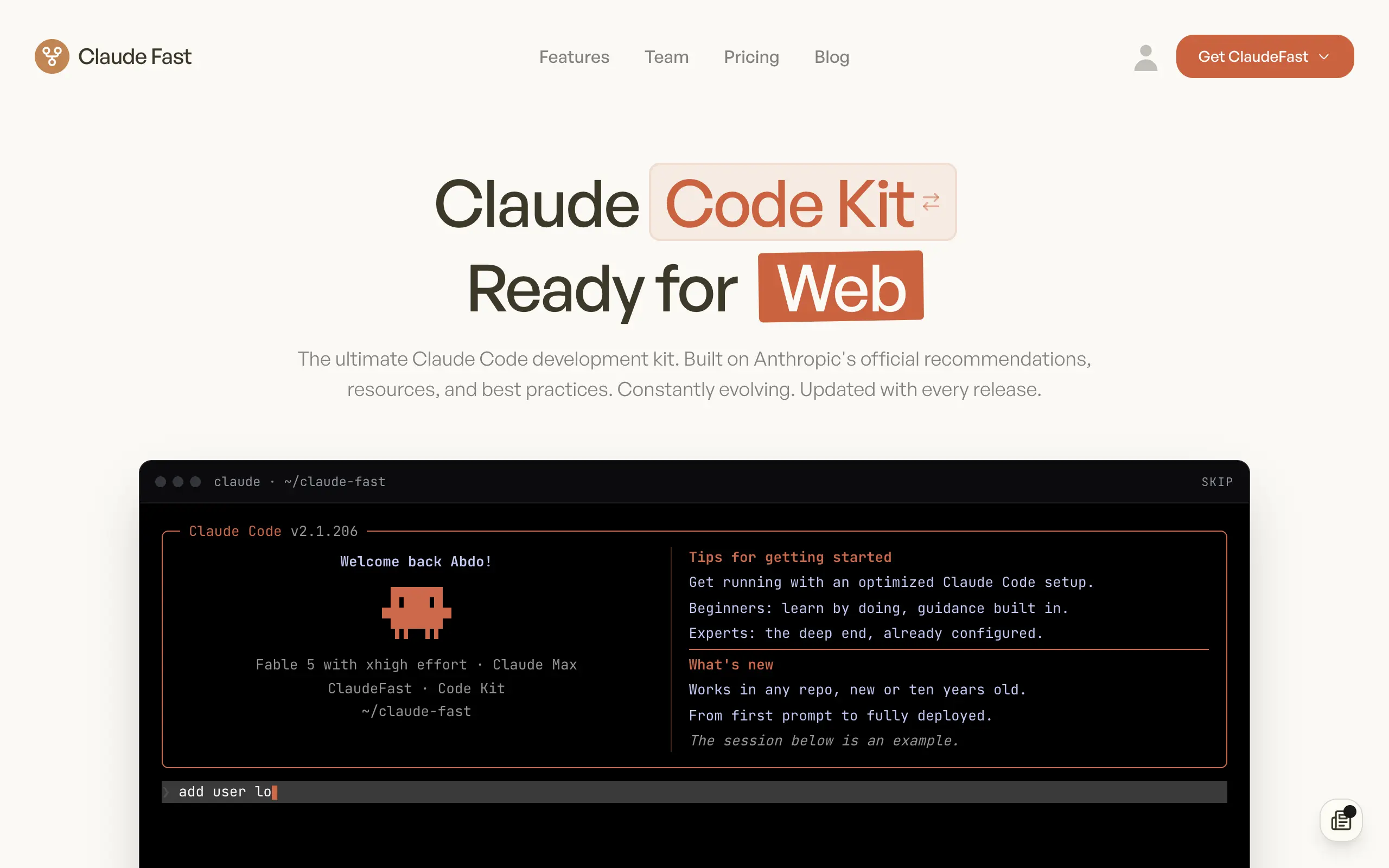
Claude Fast
Supercharge your Claude Code with 6x effective context window and specialized AI agents 🤖
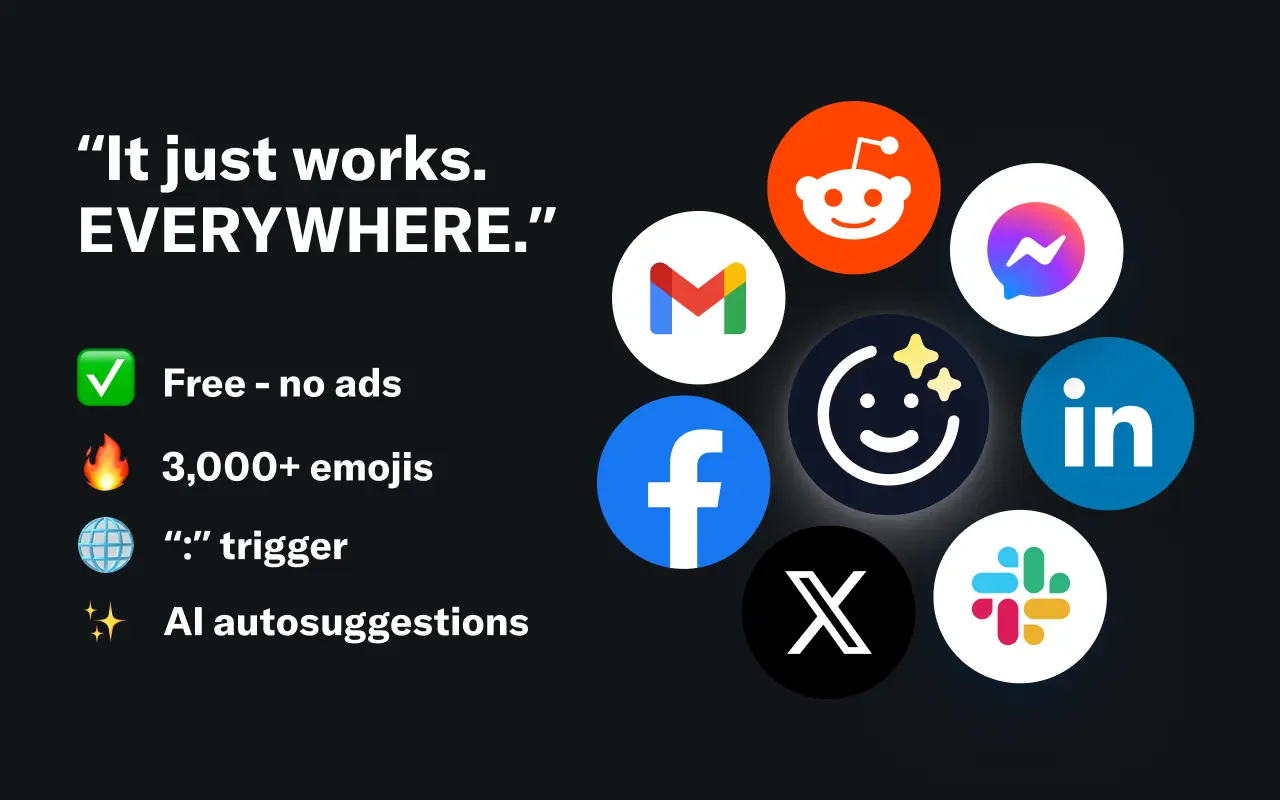
EmojAI
AI-powered emoji picker with smart, context-aware suggestions 🤖
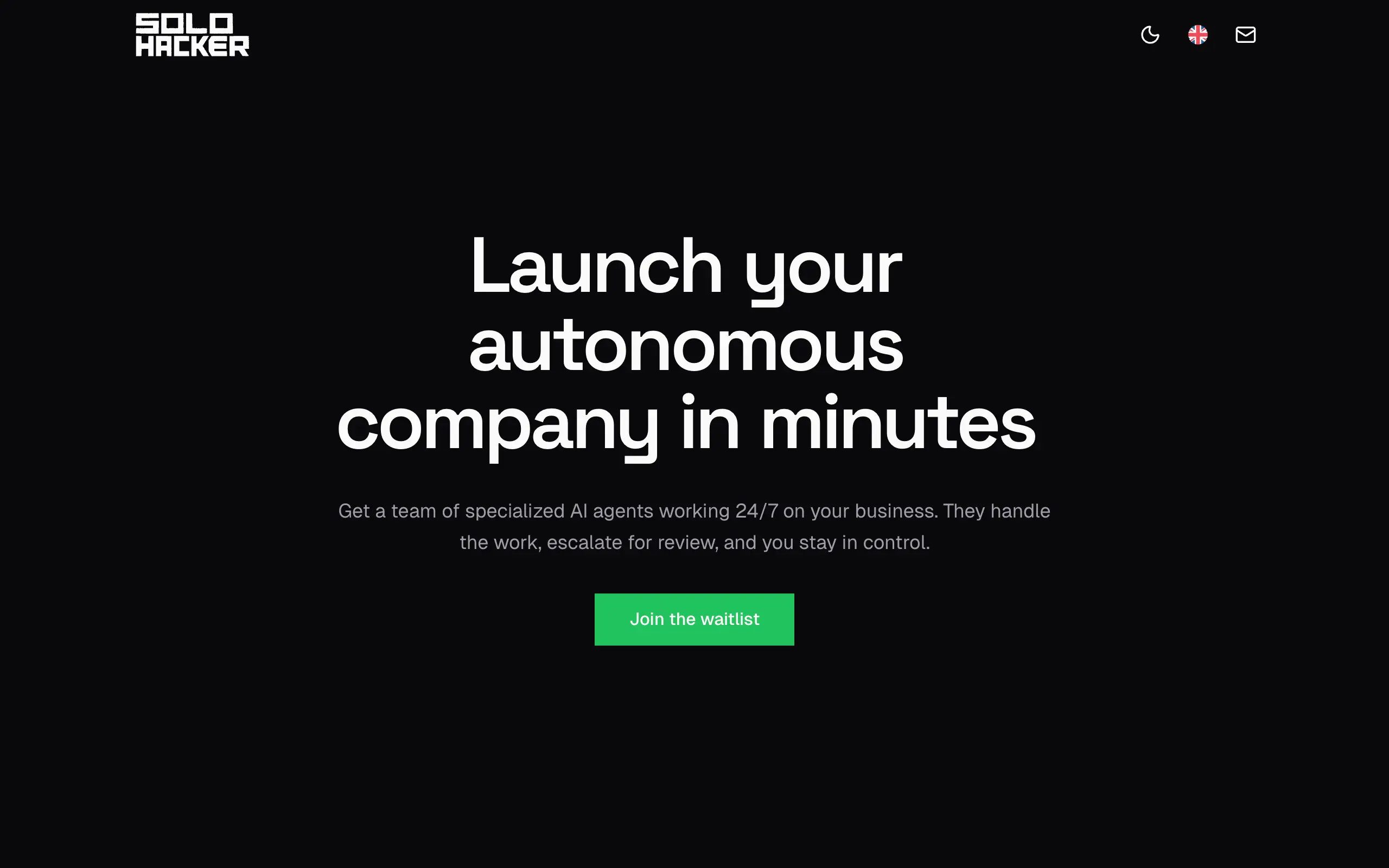
Solohacker
Autonomous company launcher - AI agents work 24/7, escalate what matters, and you stay in control 🤖
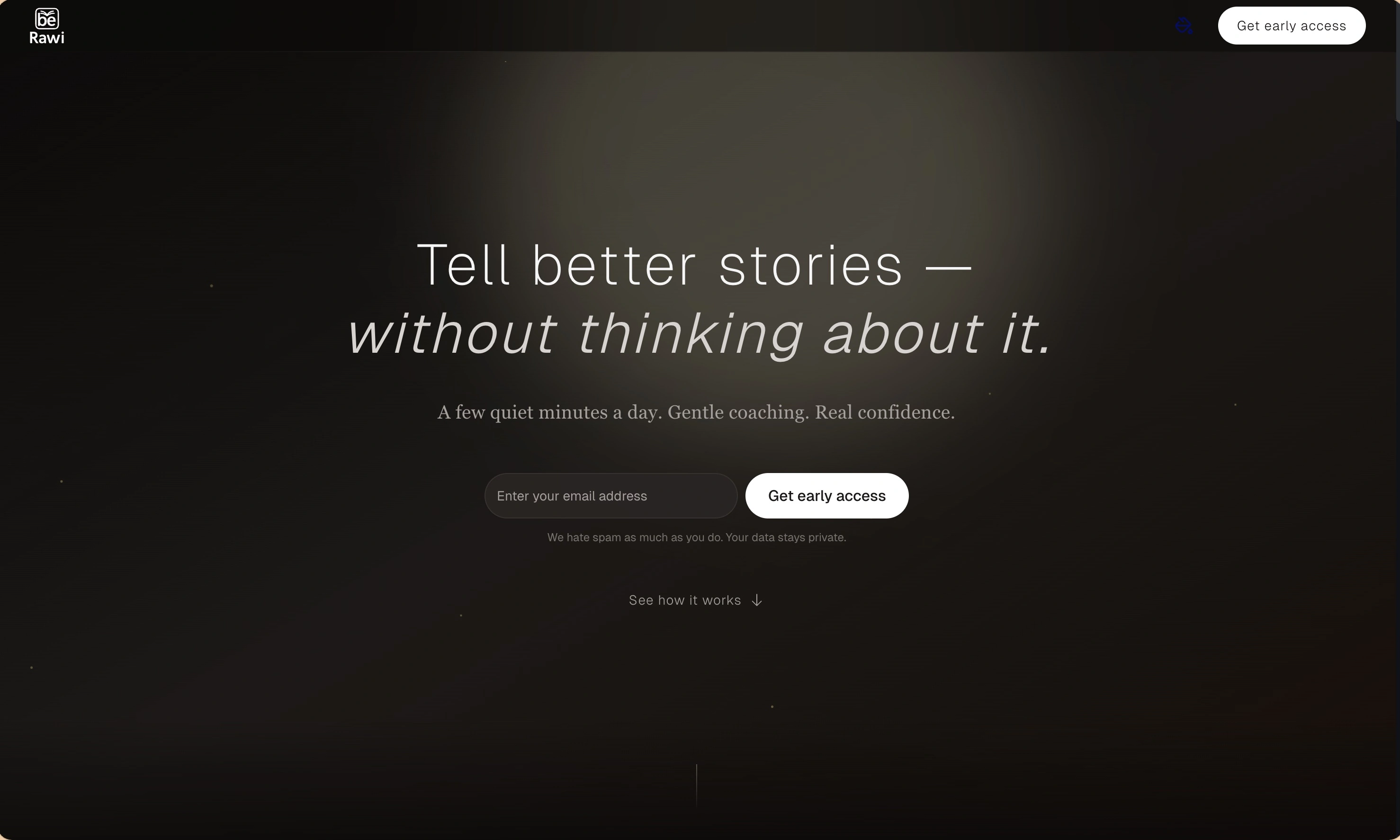
BeRawi: Storytelling Coach
Practice storytelling daily with instant feedback to sound clearer, more engaging, and confident 🎤
Omichat
Chat with 50+ AI models, including ChatGPT and Claude, in one place - switch models anytime without losing context 🤖
Claude Fast
Supercharge your Claude Code with 6x effective context window and specialized AI agents 🤖
EmojAI
AI-powered emoji picker with smart, context-aware suggestions 🤖
Solohacker
Autonomous company launcher - AI agents work 24/7, escalate what matters, and you stay in control 🤖
BeRawi: Storytelling Coach
Practice storytelling daily with instant feedback to sound clearer, more engaging, and confident 🎤
Omichat
Chat with 50+ AI models, including ChatGPT and Claude, in one place - switch models anytime without losing context 🤖
Claude Fast
Supercharge your Claude Code with 6x effective context window and specialized AI agents 🤖
EmojAI
AI-powered emoji picker with smart, context-aware suggestions 🤖
Solohacker
Autonomous company launcher - AI agents work 24/7, escalate what matters, and you stay in control 🤖
BeRawi: Storytelling Coach
Practice storytelling daily with instant feedback to sound clearer, more engaging, and confident 🎤
Omichat
Chat with 50+ AI models, including ChatGPT and Claude, in one place - switch models anytime without losing context 🤖
Claude Fast
Supercharge your Claude Code with 6x effective context window and specialized AI agents 🤖
EmojAI
AI-powered emoji picker with smart, context-aware suggestions 🤖
Solohacker
Autonomous company launcher - AI agents work 24/7, escalate what matters, and you stay in control 🤖
BeRawi: Storytelling Coach
Practice storytelling daily with instant feedback to sound clearer, more engaging, and confident 🎤

Connect with like-minded people
Join our community to get feedback, support, and grow together with 1,000+ builders on board, let's ship it!
Join usShip your startup everywhere. In minutes.
Don't burn tokens on setup and start building features on day one.