ShipMate AI
AI co-builder that helps young devs plan, code, and ship apps faster with task breakdowns, code fixes, and launch checklists in one place.
Building faster with an AI co-builder: a deep dive into ShipMate AI
Shipping software has never been easier—and yet, for many young developers, it still feels overwhelming. The gap between “I have an idea” and “I’ve launched a real product” is filled with friction: unclear roadmaps, messy codebases, endless debugging, and uncertainty about what to do next.
That’s exactly where ShipMate AI comes in—an AI co-builder designed to help developers plan, code, and ship applications faster with structured guidance, intelligent code assistance, and launch-ready workflows.
This article breaks down the full opportunity behind ShipMate AI: who it’s for, why it matters now, how it works, what makes it different, and how to build and scale it into a successful SaaS product.
understanding the core problem ShipMate AI solves
The modern dev ecosystem is paradoxical. Tools are abundant, but clarity is scarce.
Young developers—especially indie hackers, students, and early-career engineers—often struggle with:
- Translating ideas into structured product plans
- Knowing what to build first (and what to ignore)
- Debugging efficiently without losing momentum
- Navigating deployment and launch processes
- Staying consistent through long development cycles
Even with tools like GitHub Copilot, ChatGPT, and Stack Overflow, there’s a missing layer: end-to-end execution guidance.
ShipMate AI positions itself as that missing layer—a continuous co-builder, not just a code assistant.
what is ShipMate AI?
ShipMate AI is an AI-powered development companion that helps users:
- Break down app ideas into actionable tasks
- Generate and refine code
- Debug errors with context-aware suggestions
- Track development progress
- Prepare and execute launch checklists
Unlike traditional AI coding tools, ShipMate AI focuses on the entire lifecycle of building and shipping, not just writing code.
Key positioning insight
ShipMate AI is not competing directly with code generators—it's competing with confusion, fragmentation, and developer overwhelm.
target audience and user personas
Understanding the target audience is critical for both product design and SEO strategy.
primary audience: young developers
These include:
- Students learning to build real-world apps
- Bootcamp graduates
- Self-taught developers
- Indie hackers building side projects
Their key traits:
- High motivation, low structure
- Limited experience shipping production apps
- Heavy reliance on tutorials and AI tools
secondary audience: solo founders and makers
- Non-technical founders learning to code
- Technical founders moving quickly across ideas
- Freelancers building MVPs for clients
tertiary audience: dev educators
- Coding bootcamps
- Online instructors
- Developer communities
These groups can use ShipMate AI as a teaching and productivity multiplier.
market opportunity and timing
The timing for ShipMate AI is exceptionally strong due to converging trends:
1. explosion of AI-assisted development
Tools like GitHub Copilot and ChatGPT have normalized AI-assisted coding. However:
- They lack structured workflows
- They don’t track project progression
- They require users to ask the “right questions”
ShipMate AI solves this by proactively guiding development.
2. rise of indie hacking culture
More developers are building:
- Micro SaaS products
- Side projects
- Digital products
But many fail due to lack of execution discipline—not ideas.
3. demand for faster shipping cycles
“Ship fast” is no longer a philosophy—it’s a requirement.
Developers need:
- Faster iteration
- Reduced cognitive load
- Clear next steps
4. learning-by-building trend
Traditional tutorials are losing relevance. Developers now prefer:
- Project-based learning
- Real-world application
- Immediate feedback loops
ShipMate AI aligns perfectly with this shift.
core features and product architecture
ShipMate AI should deliver value across three key stages: planning, building, and shipping.
1. AI-powered project planning
This is where ShipMate AI differentiates early.
Users input:
- App idea
- Target users
- Tech preferences
The system generates:
- Feature breakdown
- Milestone roadmap
- Task prioritization
Example output:
- MVP features
- Stretch features
- Technical dependencies
- Suggested stack
2. intelligent task breakdown system
Instead of vague suggestions, ShipMate AI should provide:
- Atomic development tasks
- Estimated difficulty levels
- Suggested time allocation
This creates a clear execution path, reducing overwhelm.
3. context-aware code generation and fixes
Unlike generic AI tools, ShipMate AI should:
- Understand the current project structure
- Suggest code improvements based on context
- Debug errors with explanations
Example:
// Example: Fixing a React state issue
const [data, setData] = useState([]);

useEffect(() => {
  fetch("/api/data")
    .then(res => res.json())
    .then(setData);
}, []);
ShipMate AI could suggest:
- Error handling improvements
- Loading states
- Performance optimizations
4. integrated debugging assistant
Debugging is where most beginners lose time.
ShipMate AI can:
- Analyze error logs
- Suggest fixes
- Explain root causes
This transforms debugging from frustration into learning.
5. launch readiness checklist
This is a major differentiator.
ShipMate AI ensures users don’t forget critical steps:
- Environment variables setup
- Deployment configuration
- SEO basics
- Analytics integration
- Basic security checks
Common failure point
Many developers finish coding but never launch due to uncertainty around deployment and polish. ShipMate AI directly addresses this gap.
6. progress tracking dashboard
Users should see:
- Completed tasks
- Remaining milestones
- Estimated time to launch
Gamification elements can boost retention.
recommended tech stack for ShipMate AI
Building ShipMate AI requires a balance between scalability, performance, and rapid iteration.
frontend
- React or Next.js
- TailwindCSS for styling
Why:
- Component-driven UI
- Fast iteration
- SEO capabilities (Next.js)
backend
- Node.js with Express or Next.js API routes
- Python microservices for AI processing
AI layer
- OpenAI API or similar LLM providers
- Prompt orchestration system
- Context memory (vector database like Pinecone or Weaviate)
database
- PostgreSQL for structured data
- Redis for caching
- Vector DB for embeddings
infrastructure
- Vercel (frontend)
- AWS / GCP for backend scaling
trade-offs
- Monolith vs microservices: start monolithic for speed
- Cost vs performance: AI inference costs must be optimized early
- Flexibility vs complexity: avoid overengineering early versions
competitive analysis
ShipMate AI operates in a crowded but fragmented space.
| Feature | Copilot | ChatGPT | No-code tools | ShipMate AI |
|---|---|---|---|---|
| Code generation | ✅ | ✅ | ❌ | ✅ |
| Project planning | ❌ | ⚠️ | ✅ | ✅ |
| Task tracking | ❌ | ❌ | ✅ | ✅ |
| Launch guidance | ❌ | ❌ | ⚠️ | ✅ |
key takeaway
ShipMate AI’s advantage lies in integration across the entire lifecycle, not just isolated features.
unique selling proposition (USP)
ShipMate AI stands out because it:
- Combines planning, coding, and shipping in one tool
- Acts proactively, not reactively
- Focuses on execution, not just assistance
- Targets underserved beginner-to-intermediate developers
In short:
“From idea to launch—without getting stuck.”
monetization strategies
There are multiple viable revenue models:
1. freemium model
- Free tier: limited projects, basic AI usage
- Paid tier: advanced features, unlimited usage
2. subscription tiers
- Starter: $10–$15/month
- Pro: $25–$40/month
- Team: collaborative features
3. usage-based pricing
Charge based on:
- AI requests
- Code generation volume
4. educational partnerships
- Sell to bootcamps and universities
- Offer bulk licenses
5. marketplace opportunities (future)
- Templates
- Plugins
- Community-generated workflows
potential risks and mitigation strategies
risk 1: high AI costs
Mitigation:
- Cache responses
- Optimize prompts
- Use smaller models where possible
risk 2: competition from big players
Mitigation:
- Focus on niche (young devs)
- Build strong community
- Move faster than incumbents
risk 3: user churn
Mitigation:
- Gamify progress
- Provide visible outcomes
- Improve onboarding
risk 4: over-reliance on AI
Mitigation:
- Combine AI with structured workflows
- Provide deterministic features (task tracking, checklists)
SEO strategy for ShipMate AI
To rank effectively, target high-intent keywords such as:
- “AI app builder for developers”
- “how to build and ship apps faster”
- “AI coding assistant for beginners”
- “tool to plan and launch SaaS”
content clusters
Create content around:
- Building MVPs
- Debugging guides
- Shipping checklists
- Indie hacking strategies
programmatic SEO opportunities
- “How to build [app type] step by step”
- “Checklist for launching a [type] app”
Each can integrate ShipMate AI naturally.
implementation roadmap
Building ShipMate AI should follow a lean, iterative approach.
MVP feature set
Focus on:
- Idea → task breakdown
- Basic AI assistance
- Simple dashboard
Avoid overbuilding early.
growth strategy
1. developer communities
- Reddit (r/learnprogramming, r/indiehackers)
- Twitter/X
- Discord groups
2. content marketing
- Tutorials
- Case studies
- Build-in-public content
3. influencer partnerships
Collaborate with:
- Coding YouTubers
- Indie hackers
4. product-led growth
- Free tier
- Shareable project plans
future expansion opportunities
ShipMate AI can evolve into:
- Full AI dev environment
- Team collaboration tool
- Marketplace for dev workflows
- AI-powered product manager
practical example: how a user would use ShipMate AI
- User enters app idea
- ShipMate AI generates roadmap
- Tasks are broken down
- User builds with AI help
- Debugging handled in-app
- Launch checklist completed
- Clear direction
- Faster development
- Fewer blockers
- Successful launch
why ShipMate AI has strong long-term potential
ShipMate AI aligns with major industry shifts:
- AI-first development workflows
- Rise of solo builders
- Demand for speed and clarity
It doesn’t just help users write code—it helps them finish what they start, which is a far rarer and more valuable outcome.
actionable next steps to build ShipMate AI
If you’re serious about launching this:
final thoughts
ShipMate AI isn’t just another AI coding tool—it represents a shift toward execution-focused development platforms.
The real opportunity lies in helping developers overcome inertia, confusion, and fragmentation. If executed well, ShipMate AI could become an essential companion for a new generation of builders.
And if you're looking to accelerate your own SaaS development process while building something like ShipMate AI, tools like TurboStarter can significantly reduce setup time and help you focus on what matters most: delivering value.
More 🤖 AI Startup SaaS ideas
Discover more innovative ai startup SaaS ideas that are trending in 2026. Each idea is AI-generated with market validation and growth potential to help you find your next profitable venture faster than competitors.
Your competitors are building with TurboStarter
Below are some of the SaaS ideas that have been generated and built with our starter kit.

Statiko
Monitor any Telegram channel in real time - track posts, edits, deletions, and growth with AI recaps 📡

Shibui
AI website builder - describe your business, pick a niche template, edit by chatting, and publish instantly ✨

Pro Service
Find verified home service professionals, compare quotes, and pay securely through escrow - built for Brazilians across the US 🏠
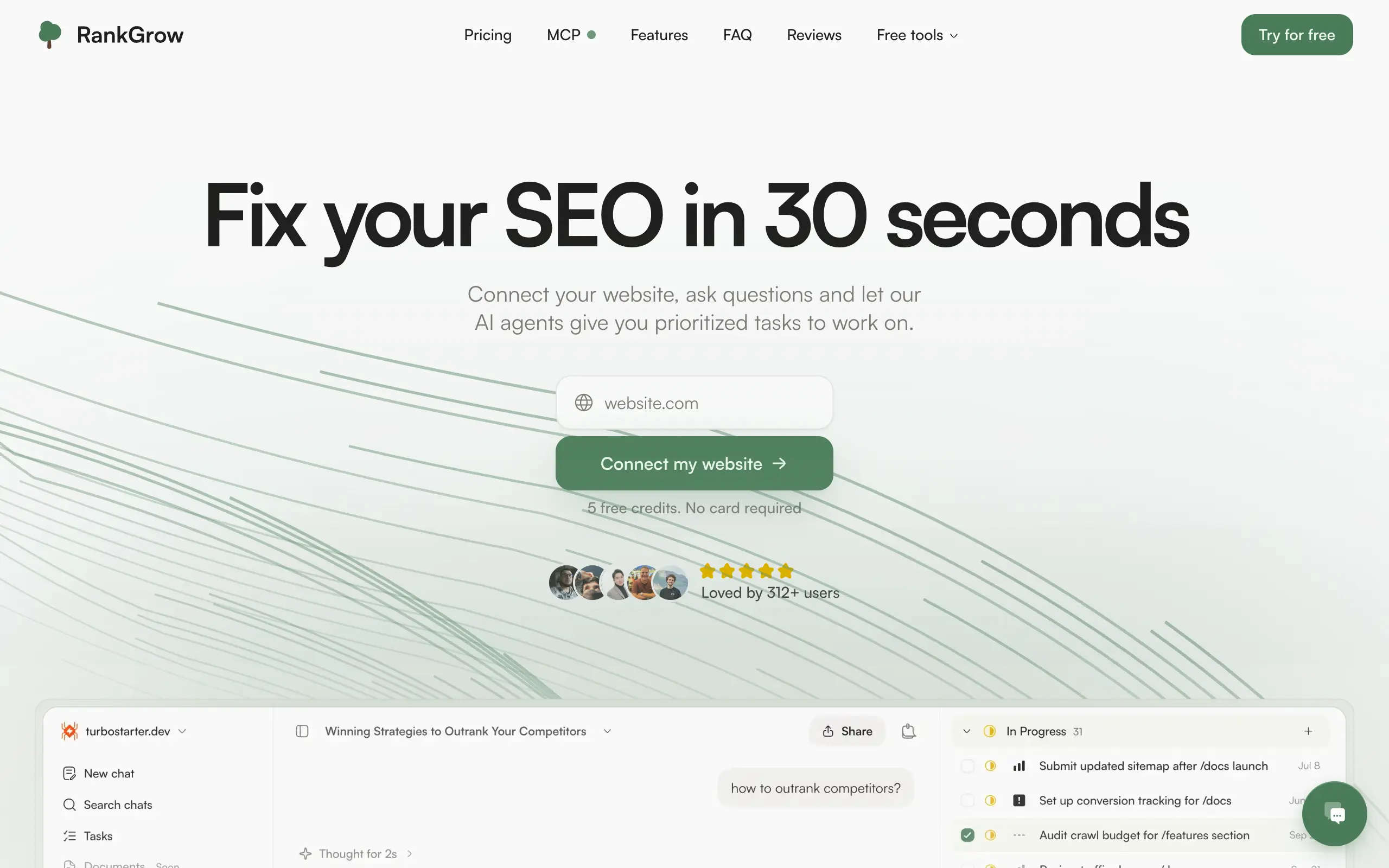
RankGrow
Fix your SEO with AI agents - connect Search Console, get prioritized tasks, and grow organic traffic 📈
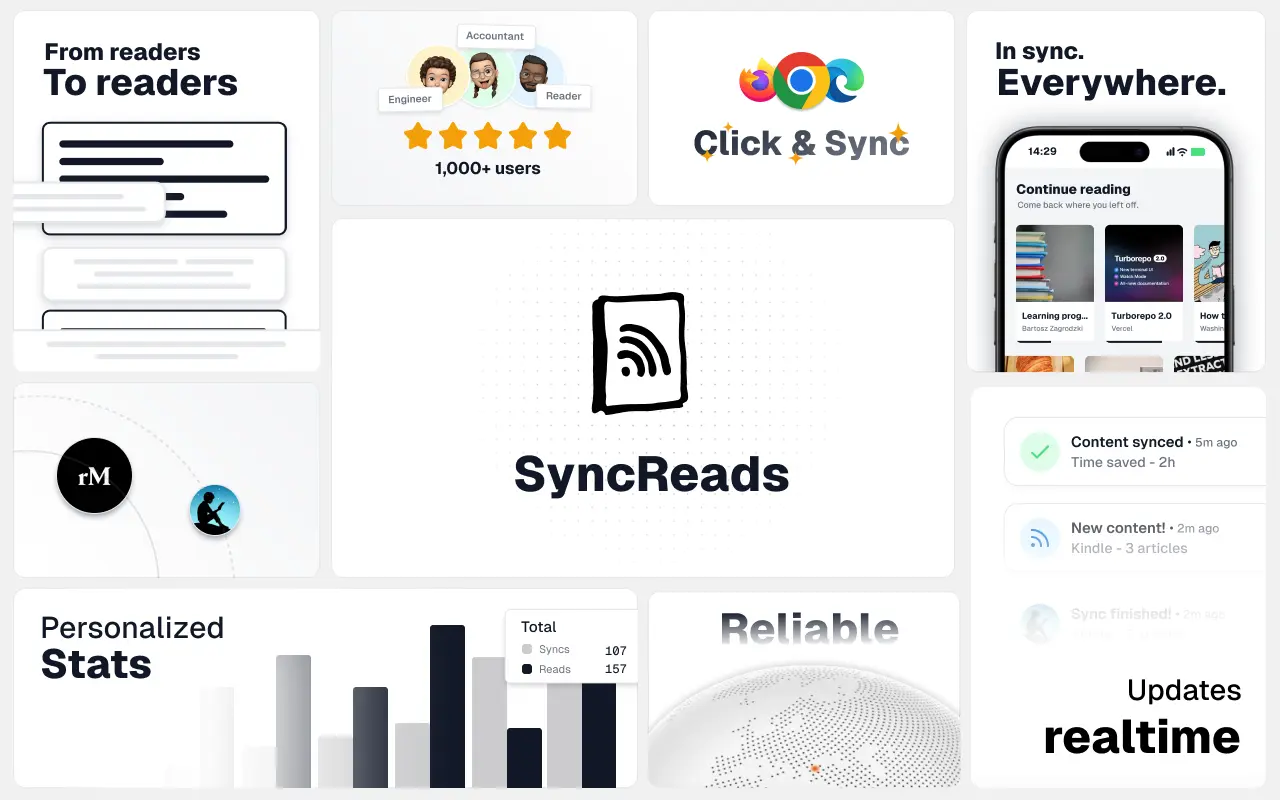
SyncReads
Sync your favorite content for distraction-free reading, save time and replace multiple apps. Anytime, anywhere 🔄
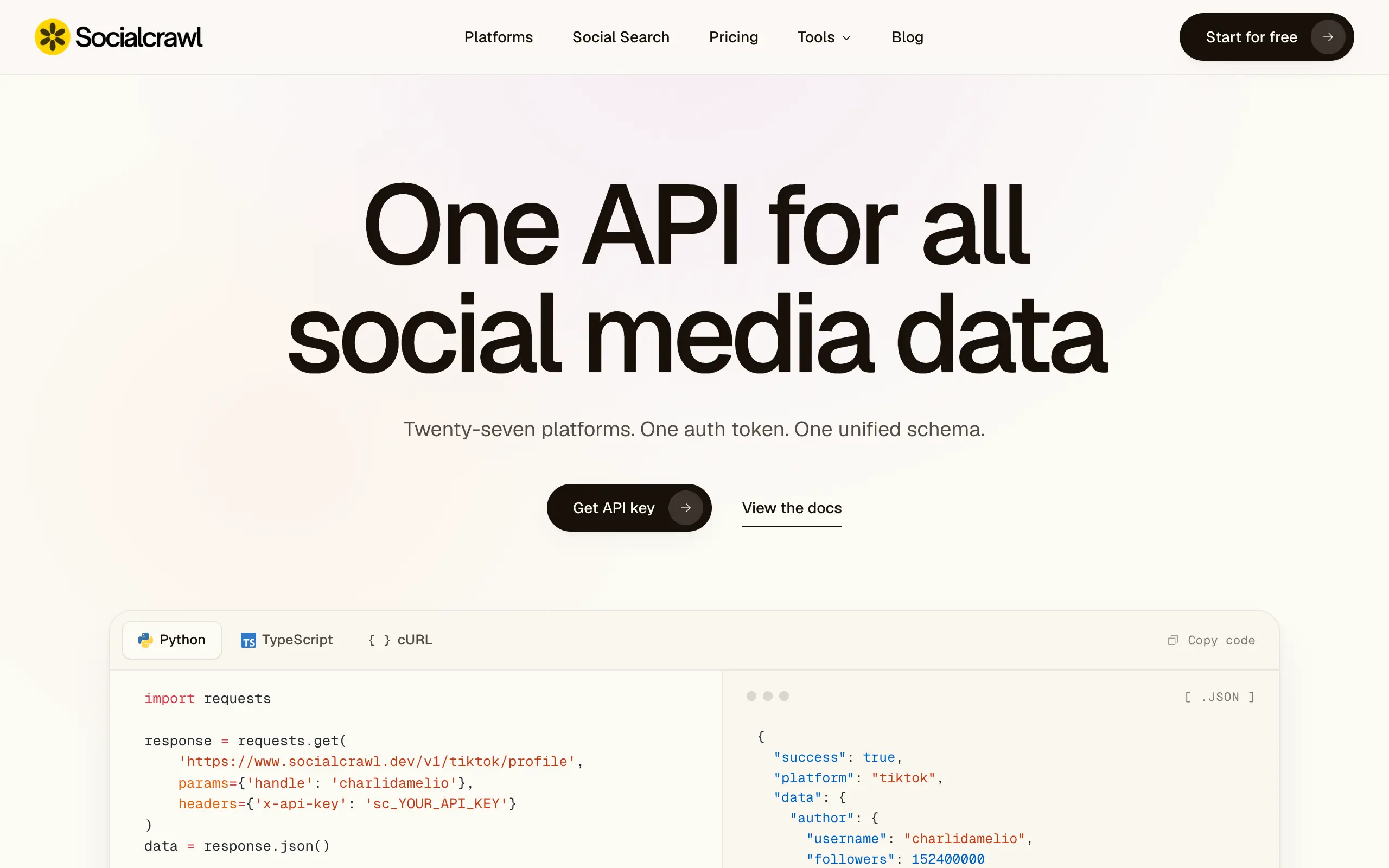
Socialcrawl
Get clean, structured data from 21 platforms like TikTok, Instagram, and YouTube with a single request 📊
Statiko
Monitor any Telegram channel in real time - track posts, edits, deletions, and growth with AI recaps 📡
Shibui
AI website builder - describe your business, pick a niche template, edit by chatting, and publish instantly ✨
Pro Service
Find verified home service professionals, compare quotes, and pay securely through escrow - built for Brazilians across the US 🏠
RankGrow
Fix your SEO with AI agents - connect Search Console, get prioritized tasks, and grow organic traffic 📈
SyncReads
Sync your favorite content for distraction-free reading, save time and replace multiple apps. Anytime, anywhere 🔄
Socialcrawl
Get clean, structured data from 21 platforms like TikTok, Instagram, and YouTube with a single request 📊
Statiko
Monitor any Telegram channel in real time - track posts, edits, deletions, and growth with AI recaps 📡
Shibui
AI website builder - describe your business, pick a niche template, edit by chatting, and publish instantly ✨
Pro Service
Find verified home service professionals, compare quotes, and pay securely through escrow - built for Brazilians across the US 🏠
RankGrow
Fix your SEO with AI agents - connect Search Console, get prioritized tasks, and grow organic traffic 📈
SyncReads
Sync your favorite content for distraction-free reading, save time and replace multiple apps. Anytime, anywhere 🔄
Socialcrawl
Get clean, structured data from 21 platforms like TikTok, Instagram, and YouTube with a single request 📊
Statiko
Monitor any Telegram channel in real time - track posts, edits, deletions, and growth with AI recaps 📡
Shibui
AI website builder - describe your business, pick a niche template, edit by chatting, and publish instantly ✨
Pro Service
Find verified home service professionals, compare quotes, and pay securely through escrow - built for Brazilians across the US 🏠
RankGrow
Fix your SEO with AI agents - connect Search Console, get prioritized tasks, and grow organic traffic 📈
SyncReads
Sync your favorite content for distraction-free reading, save time and replace multiple apps. Anytime, anywhere 🔄
Socialcrawl
Get clean, structured data from 21 platforms like TikTok, Instagram, and YouTube with a single request 📊
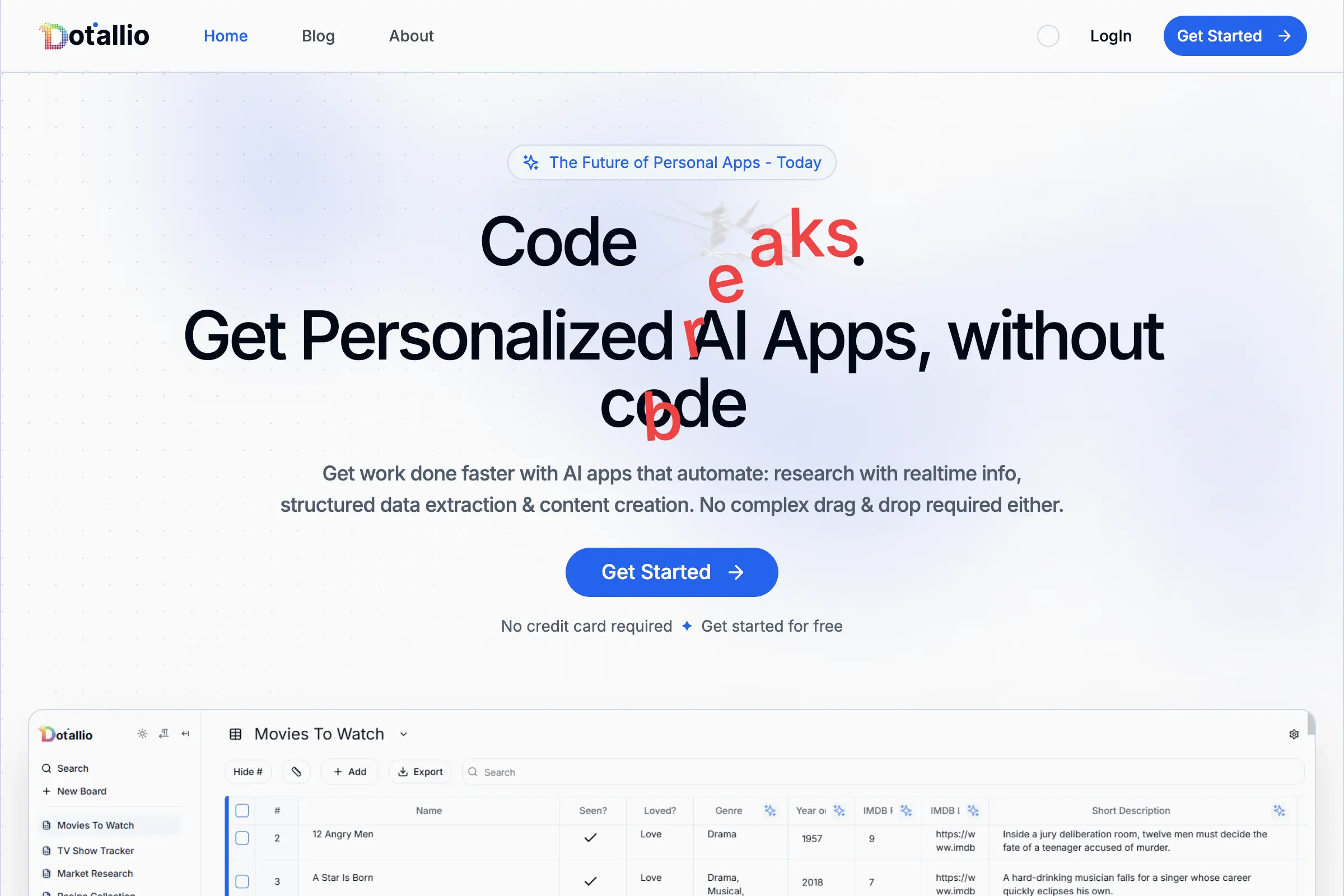
Dotallio
Personalized AI apps that automate research, data extraction, and content creation without code 🤖

Talk to Santa
Enjoy a magical live video chat or receive a unique AI-generated video greeting from Santa Claus 🎅

pozywka.pl
Scalable blog for food journalist, focused on performance and user experience 🌭
zagrodzki.me
Personal blog and portfolio of Bart Zagrodzki, where he shares his knowledge and work 💼
TurboStarter
Ship your startup everywhere. In minutes.
HTML to Markdown
Convert HTML to Markdown with ease, directly in your browser 📄
Dotallio
Personalized AI apps that automate research, data extraction, and content creation without code 🤖
Talk to Santa
Enjoy a magical live video chat or receive a unique AI-generated video greeting from Santa Claus 🎅
pozywka.pl
Scalable blog for food journalist, focused on performance and user experience 🌭
zagrodzki.me
Personal blog and portfolio of Bart Zagrodzki, where he shares his knowledge and work 💼
TurboStarter
Ship your startup everywhere. In minutes.
HTML to Markdown
Convert HTML to Markdown with ease, directly in your browser 📄
Dotallio
Personalized AI apps that automate research, data extraction, and content creation without code 🤖
Talk to Santa
Enjoy a magical live video chat or receive a unique AI-generated video greeting from Santa Claus 🎅
pozywka.pl
Scalable blog for food journalist, focused on performance and user experience 🌭
zagrodzki.me
Personal blog and portfolio of Bart Zagrodzki, where he shares his knowledge and work 💼
TurboStarter
Ship your startup everywhere. In minutes.
HTML to Markdown
Convert HTML to Markdown with ease, directly in your browser 📄
Dotallio
Personalized AI apps that automate research, data extraction, and content creation without code 🤖
Talk to Santa
Enjoy a magical live video chat or receive a unique AI-generated video greeting from Santa Claus 🎅
pozywka.pl
Scalable blog for food journalist, focused on performance and user experience 🌭
zagrodzki.me
Personal blog and portfolio of Bart Zagrodzki, where he shares his knowledge and work 💼
TurboStarter
Ship your startup everywhere. In minutes.
HTML to Markdown
Convert HTML to Markdown with ease, directly in your browser 📄
Omichat
Chat with 50+ AI models, including ChatGPT and Claude, in one place - switch models anytime without losing context 🤖
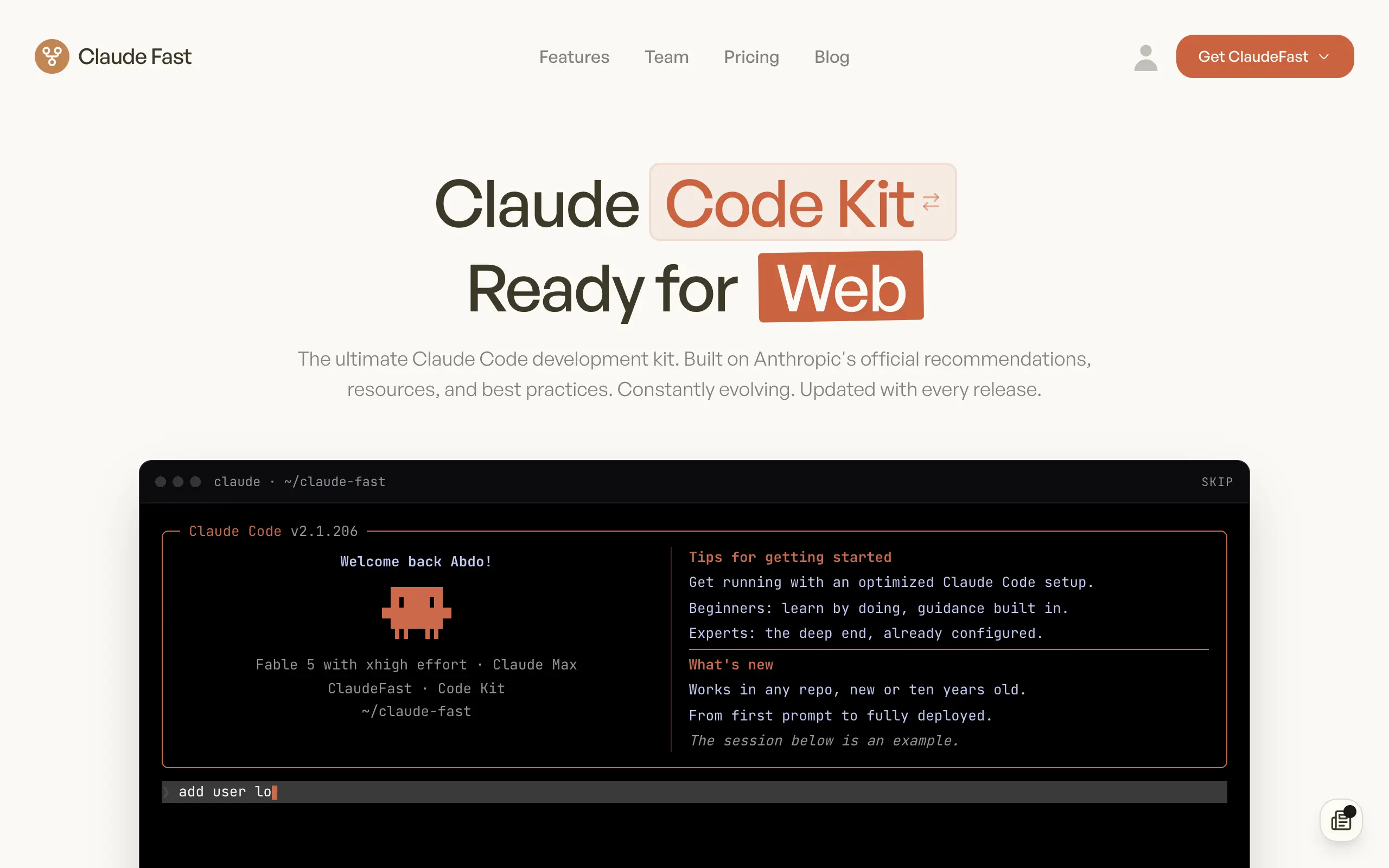
Claude Fast
Supercharge your Claude Code with 6x effective context window and specialized AI agents 🤖
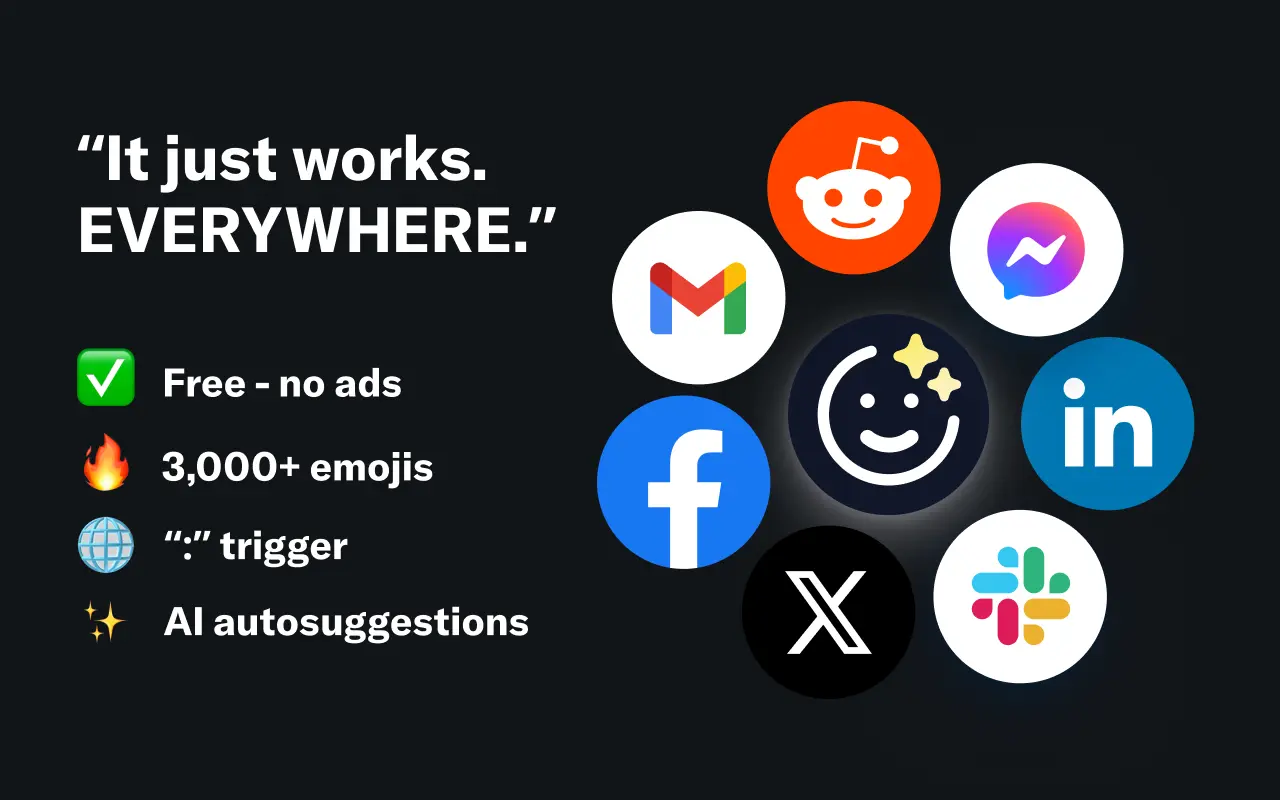
EmojAI
AI-powered emoji picker with smart, context-aware suggestions 🤖
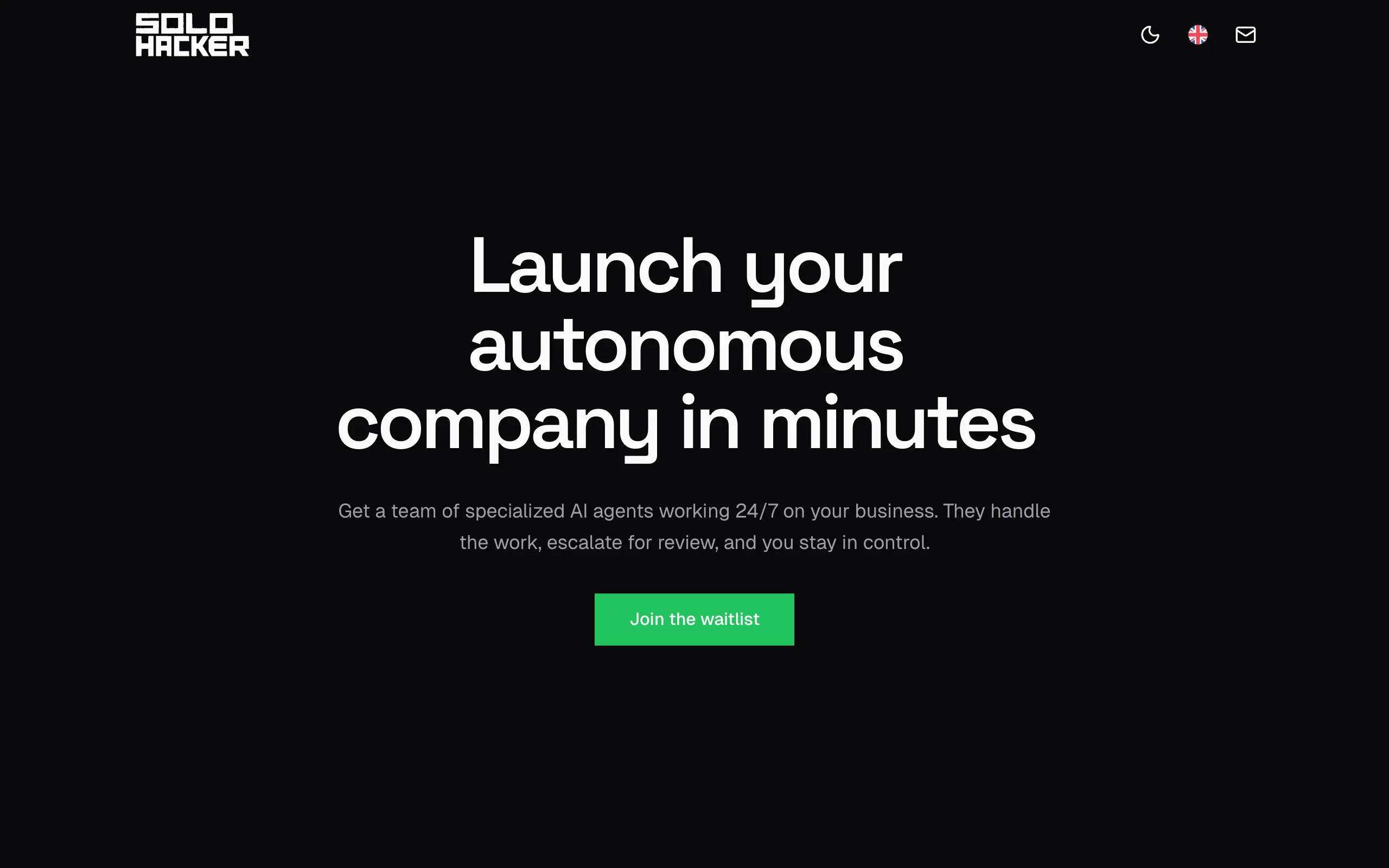
Solohacker
Autonomous company launcher - AI agents work 24/7, escalate what matters, and you stay in control 🤖
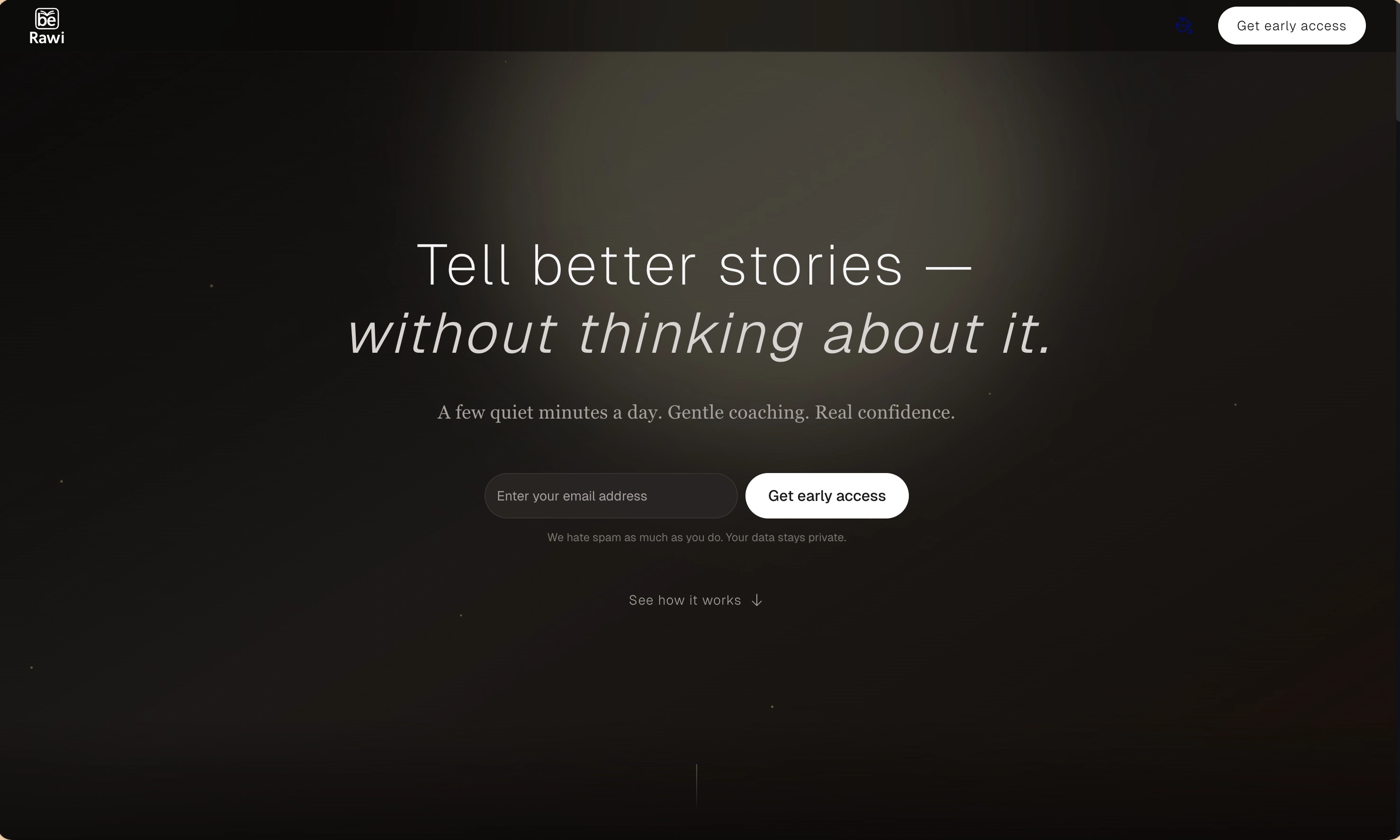
BeRawi: Storytelling Coach
Practice storytelling daily with instant feedback to sound clearer, more engaging, and confident 🎤
Omichat
Chat with 50+ AI models, including ChatGPT and Claude, in one place - switch models anytime without losing context 🤖
Claude Fast
Supercharge your Claude Code with 6x effective context window and specialized AI agents 🤖
EmojAI
AI-powered emoji picker with smart, context-aware suggestions 🤖
Solohacker
Autonomous company launcher - AI agents work 24/7, escalate what matters, and you stay in control 🤖
BeRawi: Storytelling Coach
Practice storytelling daily with instant feedback to sound clearer, more engaging, and confident 🎤
Omichat
Chat with 50+ AI models, including ChatGPT and Claude, in one place - switch models anytime without losing context 🤖
Claude Fast
Supercharge your Claude Code with 6x effective context window and specialized AI agents 🤖
EmojAI
AI-powered emoji picker with smart, context-aware suggestions 🤖
Solohacker
Autonomous company launcher - AI agents work 24/7, escalate what matters, and you stay in control 🤖
BeRawi: Storytelling Coach
Practice storytelling daily with instant feedback to sound clearer, more engaging, and confident 🎤
Omichat
Chat with 50+ AI models, including ChatGPT and Claude, in one place - switch models anytime without losing context 🤖
Claude Fast
Supercharge your Claude Code with 6x effective context window and specialized AI agents 🤖
EmojAI
AI-powered emoji picker with smart, context-aware suggestions 🤖
Solohacker
Autonomous company launcher - AI agents work 24/7, escalate what matters, and you stay in control 🤖
BeRawi: Storytelling Coach
Practice storytelling daily with instant feedback to sound clearer, more engaging, and confident 🎤

Connect with like-minded people
Join our community to get feedback, support, and grow together with 1,000+ builders on board, let's ship it!
Join usShip your startup everywhere. In minutes.
Don't burn tokens on setup and start building features on day one.