ShipReady AI
Turn a polished UI into a production-ready app with AI-generated API contracts, database schemas, authentication plans, tests, and CI/CD workflows. Get a prioritized roadmap matched to your codebase.
A polished interface is only one part of a production-ready application. Before a team can ship, it still needs to make decisions about APIs, data models, authentication, testing, deployment, and operational risks. Those decisions are often scattered across code, product notes, and team conversations, making it difficult to see what is finished and what remains.
ShipReady AI is a product concept for turning an existing codebase into a practical, prioritized plan for production. It analyzes a repository and generates artifacts such as API contracts, database schema proposals, authentication plans, tests, and CI/CD workflows. Instead of simply generating more code, it helps teams understand what their app needs next—and why.
The opportunity is to make production readiness more concrete, visible, and actionable. For a solo developer, that could mean finding the gap between a convincing prototype and a deployable product. For an engineering team, it could mean turning an uncertain review into a shared roadmap with traceable recommendations.
What ShipReady AI would do
ShipReady AI would inspect a connected codebase, identify its structure and existing capabilities, and compare them with a configurable production-readiness checklist. It would then present recommendations in priority order, with evidence from the repository and proposed next steps.
A useful product should answer questions such as:
- Which production-critical capabilities already exist?
- What important pieces are missing or incomplete?
- Which recommendations are specific to this codebase?
- What is the risk or impact of leaving each gap unresolved?
- What artifact or implementation step would address it?
- How can a developer verify that the change is complete?
The product should not promise that a codebase is “production-ready” based on a single AI-generated score. Production readiness depends on the application’s purpose, users, data, deployment environment, and risk tolerance. A better promise is evidence-backed guidance that helps teams make and track readiness decisions.
That distinction matters for search intent, positioning, and trust. Developers looking for an AI codebase analysis tool want more than a reassuring badge. They need recommendations they can inspect, edit, test, and put into practice.
The problem ShipReady AI can solve
Early-stage applications often look complete before they are operationally complete. A working interface may conceal important gaps, including:
- UI actions that do not have stable API contracts
- Data models that have not been reviewed for relationships or lifecycle needs
- Authentication flows without clear authorization boundaries
- No automated tests for critical user journeys
- Deployment workflows that depend on undocumented manual steps
- Missing configuration or environment-variable validation
- Unclear error handling, logging, or recovery behavior
These issues are not unique to inexperienced developers. They also appear when teams move quickly, work across multiple repositories, or inherit an application without complete documentation.
The deeper problem is fragmented context. A developer may know how a screen works, while another understands the deployment pipeline. A product specification may describe a workflow that the code does not fully implement. An AI coding assistant may write a function without knowing that a database migration or permission check is also needed.
ShipReady AI could bring this context together by mapping recommendations to the repository itself. For example, rather than saying “add tests,” it might identify an important checkout flow with no corresponding integration test, show which files informed that conclusion, and suggest an initial test plan.
Target audience for an AI production-readiness tool
ShipReady AI should initially focus on users who feel the cost of incomplete production planning but do not have a dedicated platform engineering team.
Indie developers and solo founders
Solo developers often move from a prototype to a public release without a second engineer to review architecture, testing, or deployment. They need practical guidance that fits the tools and patterns they have already chosen.
For this audience, the product should be easy to start with. A first useful report should not require hours of setup, a formal security questionnaire, or a complete rewrite of the application.
Small product and engineering teams
Small teams may have enough engineering experience to evaluate recommendations, but not enough time to maintain a comprehensive readiness process. A shared workspace, exportable report, and task-tracking integrations can help turn analysis into coordinated work.
The most useful product behavior for these teams is likely to include:
- Findings linked to files, routes, or existing configuration
- Clear ownership and status tracking
- Review and approval controls
- A way to dismiss findings with a recorded rationale
- Re-analysis after changes to confirm progress
Agencies and software consultancies
Agencies often inherit varied codebases and must assess them quickly before recommending a delivery plan. ShipReady AI could help create a consistent first-pass review across projects, while leaving final judgment to experienced engineers.
For this audience, report sharing, client-friendly explanations, and reusable organization-level templates may be more valuable than automatic code changes.
Technical product managers and founders
Some founders and product leaders need to understand delivery risk without reviewing every file themselves. They need plain-language explanations of what is missing, why it matters, and what decision or engineering work is required.
ShipReady AI should make findings readable to both technical and nontechnical stakeholders without hiding the evidence engineers need.
Market opportunity and the product gap
The market includes several overlapping categories: AI coding assistants, code-quality tools, application scaffolding products, security scanners, and cloud deployment platforms. Each can help with part of the production journey, but their goals are not necessarily the same.
An AI coding assistant primarily helps developers produce or modify code. A static analyzer focuses on defined classes of code issues. A starter kit accelerates the creation of a new application. A deployment platform helps run software. ShipReady AI’s potential opening is the planning and verification layer between a visible application and an operationally complete product.
This positioning should be validated rather than assumed. During discovery, interview developers who have recently shipped a prototype, agencies that assess inherited projects, and small teams preparing for a launch. Ask them to walk through a real readiness review. Find out which checks they perform, where they record the results, what they miss, and which recommendations they would trust an AI system to make.
Useful validation signals include:
- A developer connects a repository and reaches a meaningful result quickly.
- Users can explain why a finding matters without needing a sales call.
- Teams return after making changes to review progress.
- Users share reports or create tasks from findings.
- Users are willing to pay for recurring analysis, team workflows, or deeper integrations.
Avoid treating general interest in AI as proof of demand. The strongest signal is repeated use around a real release, migration, audit, or handoff.
Core features for ShipReady AI
The product should be designed as a workflow, not a one-time prompt. Its value grows when it can connect analysis to implementation and then verify the result.
1. Repository-aware onboarding
Start by connecting a repository through a narrowly scoped, permission-conscious integration. The initial scan should detect the project’s likely framework, language, package manager, build process, and relevant configuration files.
The onboarding experience should make it clear:
- Which repositories are accessible
- What data the product reads
- Whether source code is retained
- Which analysis features require additional permissions
- How to revoke access
A useful first-run experience should let a user exclude paths such as generated files, vendored dependencies, or large test fixtures. It should also explain uncertainty rather than presenting a guessed framework or architecture as fact.
2. Codebase inventory and evidence map
Before generating recommendations, ShipReady AI needs a dependable picture of the application. It can create an inventory of:
- Application entry points and major routes
- API endpoints and server actions
- Database libraries, migrations, and schema files
- Authentication and authorization mechanisms
- Test frameworks and existing test coverage
- Build, deployment, and CI configuration
- Environment variables and external service references
Every significant finding should include evidence. That might be a file path, a configuration key, or a short excerpt with sensitive values removed. Evidence makes the system easier to audit and helps developers distinguish repository facts from AI inference.
3. Readiness assessment with explainable priorities
A readiness report should group findings into understandable categories, such as:
- API design and contracts
- Data model and migrations
- Authentication and authorization
- Automated testing
- Deployment and release process
- Configuration and secrets handling
- Observability and operational recovery
Prioritization should not rely on a vague AI-generated score alone. A finding can instead include a severity estimate, confidence level, expected effort, and the reasoning behind its ranking. Let users filter by category, impact, confidence, or release milestone.
A useful finding might say that a route accepts an account identifier but has no visible ownership check in the analyzed code. It should make clear that this is an observation requiring review, not definitive proof of a vulnerability.
4. AI-generated API contracts
When the codebase contains routes or client-side calls without a clear contract, ShipReady AI can propose an API specification. It should distinguish between discovered behavior and proposed behavior, and it should not silently replace the developer’s existing conventions.
An API contract proposal could describe:
- Paths and HTTP methods
- Request and response shapes
- Validation constraints
- Authentication requirements
- Error responses
- Versioning or compatibility considerations
For teams using OpenAPI, the product could generate or update a specification compatible with the OpenAPI Specification. The key product requirement is reviewability: developers should be able to compare the generated contract with existing handlers before accepting it.
5. Database schema proposals
ShipReady AI can identify existing models, migrations, and persistence patterns, then propose schema changes where the product workflow appears underspecified.
A database recommendation should explain assumptions about:
- Entity relationships
- Unique constraints and indexes
- Deletion and retention behavior
- Migration compatibility
- Sensitive data handling
- Expected query patterns
Generated schema code should be treated as a draft. The tool should flag destructive changes, show migration implications, and encourage review against real application requirements. It should never imply that an AI-inferred data model is a substitute for domain knowledge.
6. Authentication and authorization plans
Authentication is not simply a login screen. A production review should consider session handling, account recovery, permissions, protected resources, and the difference between identity and authorization.
ShipReady AI could generate an authentication plan that maps:
- User roles and resource ownership
- Public and protected routes
- Permission checks required for sensitive actions
- Session and token assumptions
- Account lifecycle and recovery flows
- Tests needed to verify access boundaries
The plan should be tailored to what the codebase reveals and should clearly label missing context. A tool that makes cautious, evidence-backed recommendations is more trustworthy than one that confidently prescribes a single authentication architecture to every project.
7. Test plans and test scaffolding
AI-generated tests are most useful when they target meaningful behavior, not merely lines of code. ShipReady AI could identify important routes and workflows, then propose unit, integration, and end-to-end tests around them.
A practical test plan might prioritize:
- Core user journeys that affect data or payments
- Authorization boundaries
- Validation and error handling
- Database behavior and migration paths
- Deployment smoke checks
The product can provide starter tests for popular frameworks, but should also explain setup requirements and identify mocked dependencies. For browser-level workflows, the generated tests should be reviewable and runnable in the project’s existing environment.
8. CI/CD workflow generation
ShipReady AI can propose a CI/CD workflow that matches the codebase’s package manager, test commands, and build process. For teams using GitHub, it could produce a workflow for GitHub Actions that runs linting, tests, and builds on relevant pull requests.
A generated workflow should avoid assuming that every project needs the same pipeline. It should account for:
- Required checks and their order
- Dependency caching
- Secrets and environment configuration
- Deployment approvals
- Migration execution
- Rollback or recovery expectations
The workflow should be presented as a proposed file change, not silently written to a production branch.
9. Roadmap, ownership, and verification
A prioritized report becomes more valuable when it can become work. Users should be able to assign findings, change status, record decisions, and group tasks into a launch milestone.
After a developer applies a change, ShipReady AI should re-run the relevant check. Verification could include confirming that a test exists, a workflow file is present, or a configuration requirement is satisfied. It should avoid claiming that a problem is solved when it has only detected a nearby code change.
Recommended technical architecture
The system should separate repository ingestion, deterministic analysis, AI reasoning, and artifact generation. This makes the product easier to secure, test, and improve.
Frontend and application layer
A TypeScript web application built with Next.js and React is a reasonable choice for a SaaS dashboard, repository onboarding, report views, and review workflows. TypeScript can help keep shared data models consistent between the frontend and backend.
A utility-first styling system such as Tailwind CSS can accelerate interface iteration, though a component system and design tokens are still important for accessibility and consistency.
Data and background processing
Use PostgreSQL for users, organizations, repository connections, scan metadata, findings, task state, and audit events. Keep raw source data separate from durable product records wherever possible. For example, store references and derived metadata rather than retaining entire repository contents by default.
Repository scans can take longer than a normal web request, so run them as background jobs. A job queue makes it easier to retry failed scans, control concurrency, and show progress. The exact queue technology can be chosen based on the hosting environment and the team’s operational experience.
Repository analysis and AI orchestration
Use deterministic tools for facts they can establish reliably, such as discovering configuration files, parsing package manifests, or finding test commands. Use language models for tasks that benefit from interpretation, such as summarizing architecture, explaining likely gaps, or drafting a test plan.
This separation is important. It reduces the chance that a model invents repository details and makes it possible to test individual stages independently.
A practical scan pipeline might be:
- Fetch only the authorized repository data needed for analysis.
- Detect project structure and supported languages.
- Run deterministic parsers and rule checks.
- Build a compact, sanitized context for AI analysis.
- Generate structured findings and proposed artifacts.
- Validate outputs against schemas and repository evidence.
- Present results for human review.
Security and operational design
Repository access is a high-trust feature. Treat it as a core product requirement rather than a later hardening task.
Recommended controls include:
- Least-privilege access scopes
- Short-lived credentials where supported
- Encryption in transit and at rest
- Clear retention and deletion policies
- Redaction of secrets before model processing
- Tenant isolation and access-control tests
- Audit logs for repository access and generated changes
- Explicit user approval before writing to a repository
Do not send every file to an AI provider by default. Use targeted retrieval, minimize the context passed to models, and give customers clear information about data handling. Enterprise buyers may require additional controls, including configurable retention, regional processing, or self-hosted deployment options.
Testing the product itself
ShipReady AI needs strong tests because users will rely on its findings to make engineering decisions. Test the repository parser against representative fixtures, validate output schemas, and evaluate AI-generated recommendations against a reviewed set of examples.
Track quality measures such as:
- Finding precision, based on human review
- Unsupported-claim rate
- Recommendation acceptance and dismissal reasons
- Time from repository connection to useful report
- Scan failure and retry rates
- Percentage of generated artifacts that pass validation
These measures are more informative than a single “AI accuracy” score because they reveal where the system is useful and where it needs limits.
Competitive advantage and positioning
ShipReady AI should not position itself as another general-purpose code generator. Its advantage can come from combining codebase awareness with a readiness workflow.
| Product category | Typical strength | Potential gap ShipReady AI addresses | Strategic response |
|---|---|---|---|
| AI coding assistants | Fast code creation and editing | May not provide a complete release-readiness roadmap | Connect recommendations to evidence, priorities, and verification |
| Static analysis tools | Repeatable detection of defined issues | Often focus on specific code-quality or security rules | Combine deterministic checks with broader implementation planning |
| App starters and scaffolding | Fast setup for new projects | Less suited to assessing an existing codebase | Analyze what is already present before proposing changes |
| Deployment platforms | Hosting and release infrastructure | Do not necessarily assess application-level completeness | Explain what the app needs before and after deployment |
| Manual consulting reviews | Context-rich expert judgment | Can be expensive or difficult to repeat consistently | Offer a fast, repeatable first-pass assessment with human review |
The strongest potential USP is a codebase-specific path from prototype to production, with explainable findings and implementation artifacts in one workflow.
That USP depends on execution. If the report is generic, the feature list will not create a durable advantage. The product needs to show exactly why a recommendation applies, how it relates to the current code, and how a user can validate the result.
Monetization strategy
ShipReady AI can test several pricing models without committing to a complex enterprise plan from day one.
Free repository scan
A free tier could provide a limited initial scan with a concise summary. This helps users understand the product’s value before paying. Keep the free report genuinely useful, but reserve recurring scans, team workflows, advanced artifacts, or broader repository coverage for paid plans.
Individual subscription
A developer plan could include a set number of repositories, recurring scans, saved reports, and generated implementation plans. Pricing should reflect ongoing value and model or processing costs rather than simply charging for access to a dashboard.
Team subscription
A team plan could add shared workspaces, finding assignment, collaboration, organization-level policies, integrations, and audit history. This is a natural fit for small engineering teams that need to coordinate readiness work.
Usage-based analysis
Some scans may be more expensive than others because of repository size, analysis depth, or model usage. A usage component can align price with cost, but it should be predictable. Provide limits, estimates, and clear notifications before users incur unexpected charges.
Enterprise options
Larger organizations may pay for compliance features, custom retention policies, private deployment options, single sign-on, or organization-wide reporting. These capabilities should be built in response to validated buyer requirements, not added prematurely.
A sensible early strategy is to test a free first scan and a paid individual or team tier. Watch which features users return for, then refine packaging around proven workflows.
Risks and how to mitigate them
Incorrect or overconfident recommendations
An inaccurate finding can waste engineering time or lead a team toward an unnecessary change.
Mitigation: Show evidence, confidence, and assumptions. Distinguish observed facts from model interpretation. Make it easy to dismiss a finding with a reason, and use reviewed test cases to measure quality.
Sensitive source code exposure
Customers may be reluctant to connect private repositories if data handling is unclear.
Mitigation: Minimize permissions and retention, document where code is processed, redact secrets, and provide deletion controls. Make data practices understandable during repository onboarding, not only in legal documents.
Generic output that does not fit the stack
A standard checklist may produce recommendations that conflict with the project’s framework or architecture.
Mitigation: Detect project conventions before generating artifacts. Let users configure standards, and label recommendations that depend on assumptions.
Scope creep
The product idea can expand into a code editor, CI platform, security scanner, project manager, and deployment service. That breadth would make the first version harder to build and harder to explain.
Mitigation: Start with a narrow outcome: a useful, evidence-backed readiness assessment plus a prioritized roadmap. Add artifact generation only where users consistently act on the recommendation.
Confusing a readiness report with certification
A readiness score can create false confidence, especially for high-risk systems.
Mitigation: Avoid absolute claims such as “secure” or “production-ready.” Explain that the report is an aid to engineering review, disclose coverage limits, and encourage qualified review for regulated or safety-critical applications.
Model and infrastructure cost
Large repositories and repeated AI analysis can create variable costs.
Mitigation: Cache deterministic results, use incremental scans, limit context to relevant files, and select model sizes based on task complexity. Track cost per successful scan and design transparent usage limits.
Actionable implementation steps
A focused first version should prove that developers want a repository-specific readiness roadmap before the team invests in a broad generation platform.
Interview users around a recent shipping experience. Speak with solo founders, small engineering teams, and agencies. Ask them to show how they assessed a real application, what they missed, and what they would trust a tool to recommend.
Choose a narrow supported stack. Start with one or two common application patterns. A limited, well-supported analysis is more valuable than shallow support for every language and framework.
Build repository inventory before AI recommendations. Detect routes, dependencies, test configuration, database files, and deployment workflows with deterministic logic. This creates the evidence base for later analysis.
Create a transparent readiness report. Group findings by category and show evidence, confidence, priority, and a suggested next step. Allow users to dismiss or correct recommendations.
Add one artifact workflow based on user demand. API contracts, test plans, schema proposals, and CI workflows are all plausible. Choose the artifact users most often want to act on rather than building all of them at once.
Measure recommendation quality. Review findings with experienced developers. Track unsupported claims, accepted recommendations, and the reasons users reject output. Use that feedback to improve both rules and AI prompts.
Pilot with real repositories under clear security controls. Begin with an opt-in beta, limited permissions, and explicit retention settings. Collect feedback on setup friction, usefulness, and trust.
Introduce paid plans after repeat usage appears. Test whether users value recurring scans, collaboration, artifact generation, or integrations enough to pay. Package around the outcomes that users return for.
For teams building the SaaS itself, TurboStarter can help accelerate the foundation of a production-ready product. A starter can reduce time spent on common application plumbing, leaving more room to validate ShipReady AI’s repository analysis, recommendation quality, and customer workflows.
How to evaluate whether ShipReady AI is working
The product’s central question is not whether it can generate a long report. It is whether that report helps a user make better decisions and complete meaningful work.
Evaluate the product through a combination of usage, quality, and trust signals:
- Time to first useful finding: How quickly does a new user understand a relevant issue?
- Recommendation acceptance: Which findings lead to action, and which are dismissed?
- Evidence quality: Can a developer verify each important claim in the codebase?
- Return usage: Do users run another scan after making changes or before a release?
- Artifact usefulness: Do generated contracts, test plans, or workflows survive review?
- Trust and safety: Do users understand permissions, data retention, and analysis limits?
Avoid optimizing only for the number of findings. A report with fewer, well-supported recommendations may be more useful than a comprehensive list containing speculative issues.
Frequently asked questions
ShipReady AI is a proposed AI production-readiness platform that analyzes an existing codebase and creates a prioritized plan for addressing gaps in areas such as APIs, databases, authentication, testing, and CI/CD.
Its initial audience could include indie developers, solo founders, small product teams, and software agencies that need a structured way to assess an application before launch or handoff.
A coding assistant primarily helps create or edit code. ShipReady AI would focus on understanding what a codebase needs to become easier to deploy and operate, then connect evidence-backed findings to reviewable implementation steps.
Not reliably on its own. Production readiness depends on business requirements, infrastructure, users, and risk tolerance. AI can help identify gaps and suggest next steps, but its findings should be reviewed by people with relevant technical context.
A strong first version could include repository onboarding, codebase inventory, a transparent readiness report, prioritized findings, and one carefully chosen artifact-generation workflow. The initial scope should be based on user research and a narrow set of supported stacks.
Final recommendation
ShipReady AI has a clear opportunity if it focuses on the gap between a promising interface and a dependable product. Its most compelling form is not an all-purpose code generator or an automated production certification. It is a codebase-aware readiness copilot that shows what it found, explains what may be missing, and helps a team decide what to do next.
Build trust into the product from the beginning. Use deterministic analysis where possible, make AI-generated conclusions reviewable, minimize repository data exposure, and measure whether recommendations lead to useful action. Start narrow, validate the workflow with real codebases, and expand only when users demonstrate a recurring need.
More 🤖 AI Startup SaaS ideas
Discover more innovative ai startup SaaS ideas that are trending in 2026. Each idea is AI-generated with market validation and growth potential to help you find your next profitable venture faster than competitors.
Your competitors are building with TurboStarter
Below are some of the SaaS ideas that have been generated and built with our starter kit.
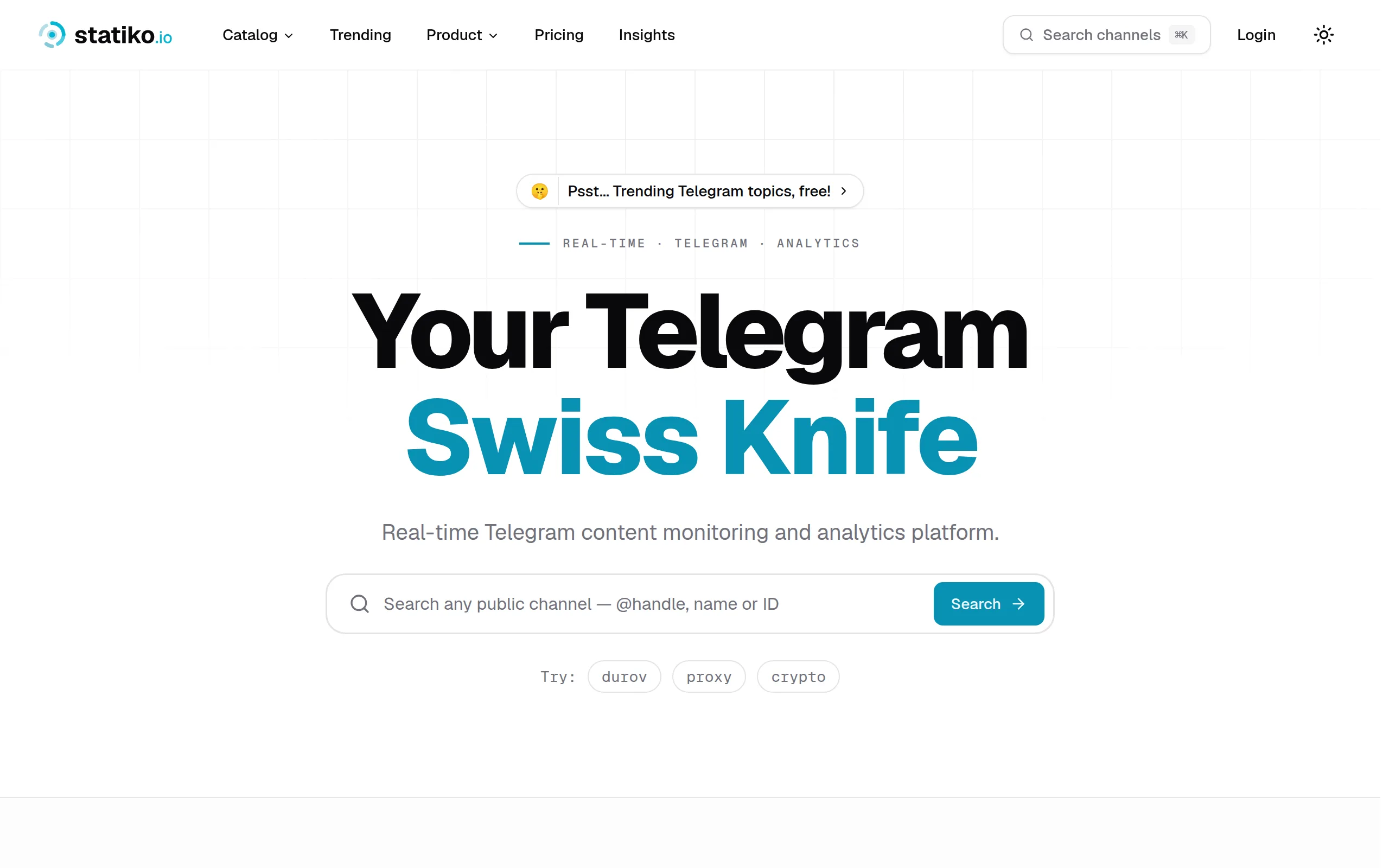
Statiko
Monitor any Telegram channel in real time - track posts, edits, deletions, and growth with AI recaps 📡

Shibui
AI website builder - describe your business, pick a niche template, edit by chatting, and publish instantly ✨

Pro Service
Find verified home service professionals, compare quotes, and pay securely through escrow - built for Brazilians across the US 🏠
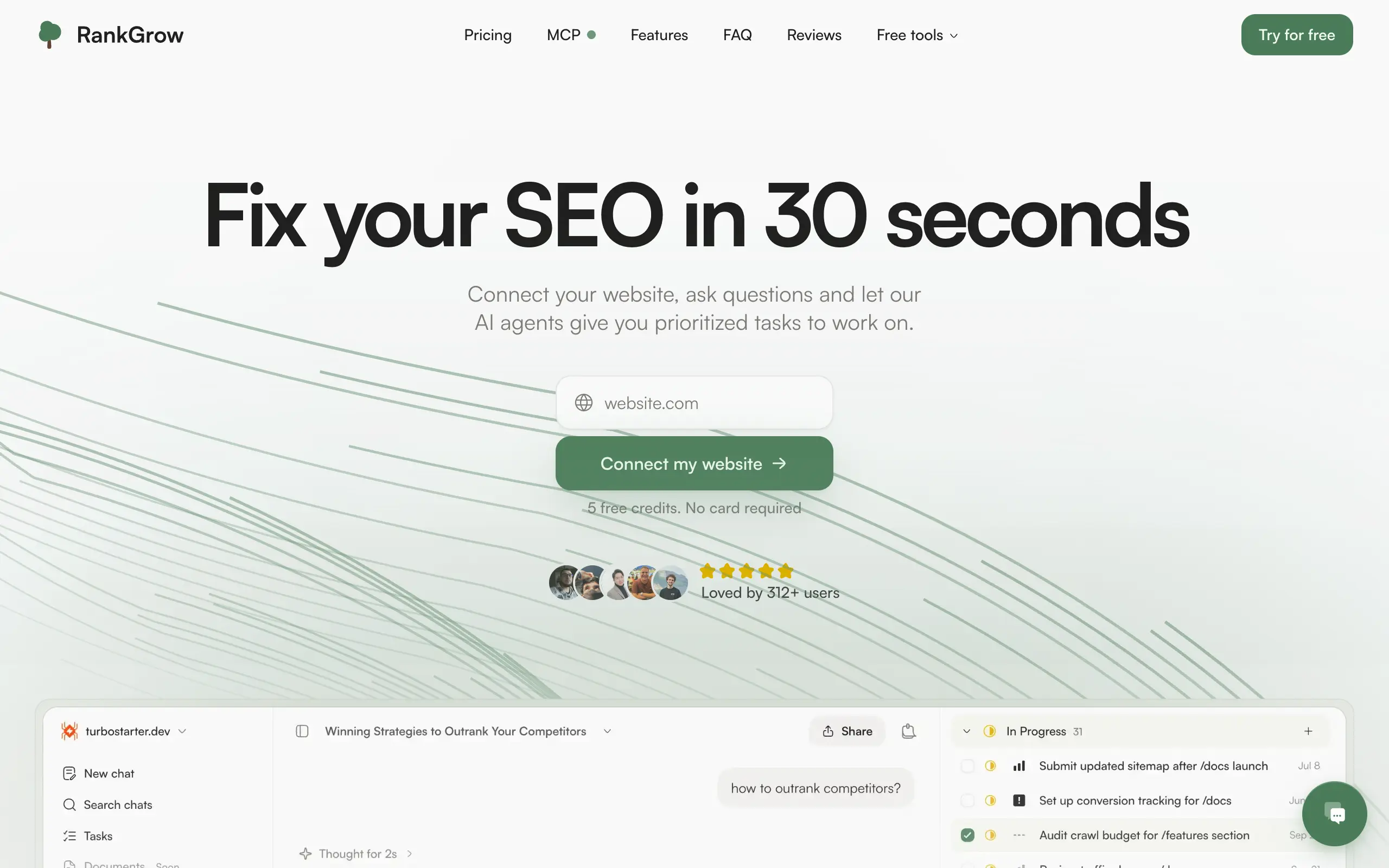
RankGrow
Fix your SEO with AI agents - connect Search Console, get prioritized tasks, and grow organic traffic 📈
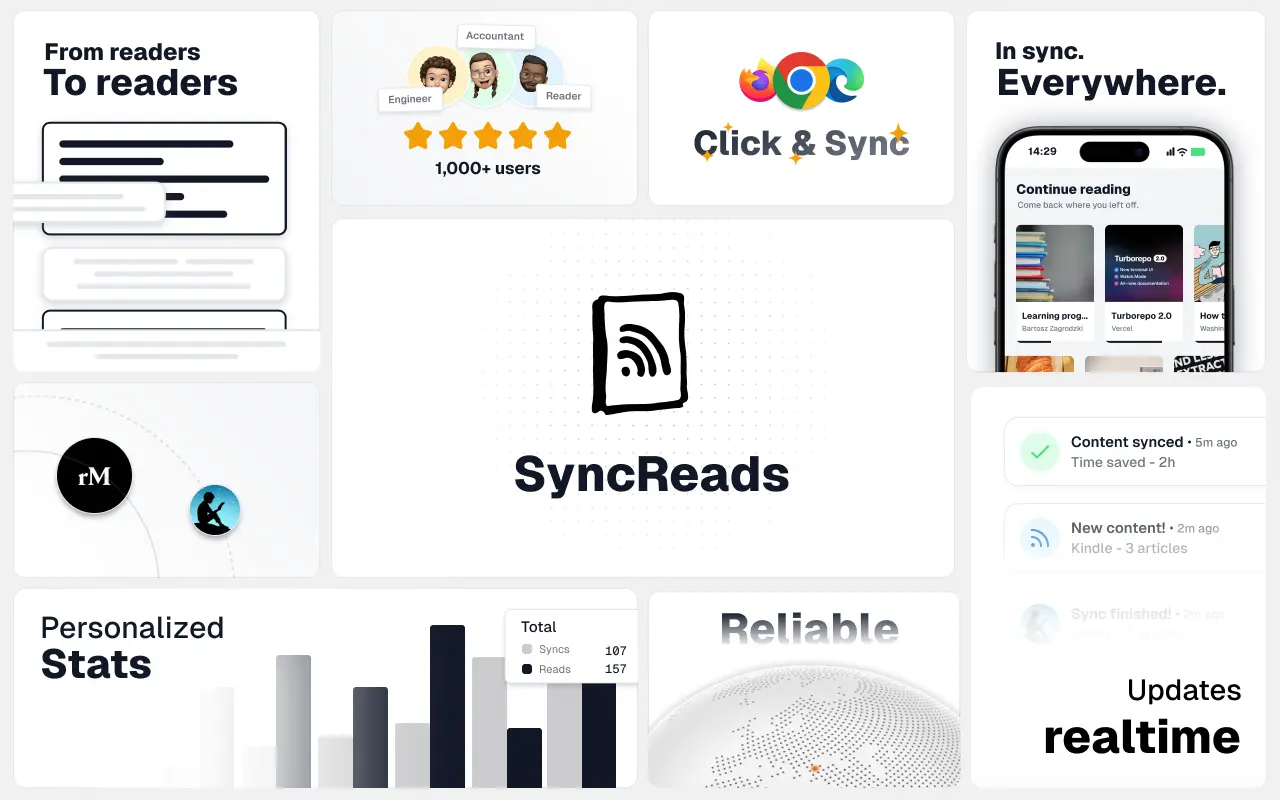
SyncReads
Sync your favorite content for distraction-free reading, save time and replace multiple apps. Anytime, anywhere 🔄
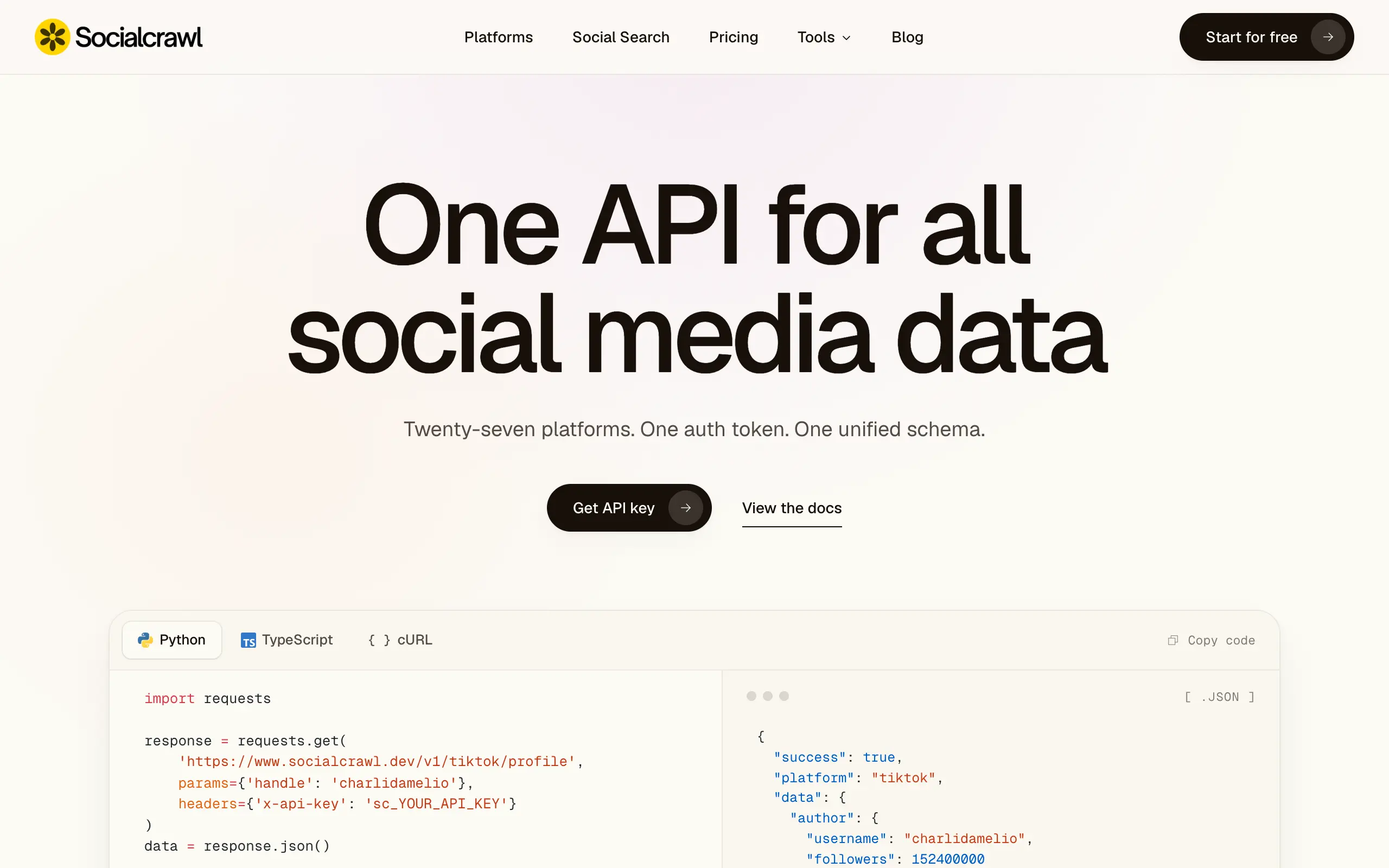
Socialcrawl
Get clean, structured data from 21 platforms like TikTok, Instagram, and YouTube with a single request 📊
Statiko
Monitor any Telegram channel in real time - track posts, edits, deletions, and growth with AI recaps 📡
Shibui
AI website builder - describe your business, pick a niche template, edit by chatting, and publish instantly ✨
Pro Service
Find verified home service professionals, compare quotes, and pay securely through escrow - built for Brazilians across the US 🏠
RankGrow
Fix your SEO with AI agents - connect Search Console, get prioritized tasks, and grow organic traffic 📈
SyncReads
Sync your favorite content for distraction-free reading, save time and replace multiple apps. Anytime, anywhere 🔄
Socialcrawl
Get clean, structured data from 21 platforms like TikTok, Instagram, and YouTube with a single request 📊
Statiko
Monitor any Telegram channel in real time - track posts, edits, deletions, and growth with AI recaps 📡
Shibui
AI website builder - describe your business, pick a niche template, edit by chatting, and publish instantly ✨
Pro Service
Find verified home service professionals, compare quotes, and pay securely through escrow - built for Brazilians across the US 🏠
RankGrow
Fix your SEO with AI agents - connect Search Console, get prioritized tasks, and grow organic traffic 📈
SyncReads
Sync your favorite content for distraction-free reading, save time and replace multiple apps. Anytime, anywhere 🔄
Socialcrawl
Get clean, structured data from 21 platforms like TikTok, Instagram, and YouTube with a single request 📊
Statiko
Monitor any Telegram channel in real time - track posts, edits, deletions, and growth with AI recaps 📡
Shibui
AI website builder - describe your business, pick a niche template, edit by chatting, and publish instantly ✨
Pro Service
Find verified home service professionals, compare quotes, and pay securely through escrow - built for Brazilians across the US 🏠
RankGrow
Fix your SEO with AI agents - connect Search Console, get prioritized tasks, and grow organic traffic 📈
SyncReads
Sync your favorite content for distraction-free reading, save time and replace multiple apps. Anytime, anywhere 🔄
Socialcrawl
Get clean, structured data from 21 platforms like TikTok, Instagram, and YouTube with a single request 📊
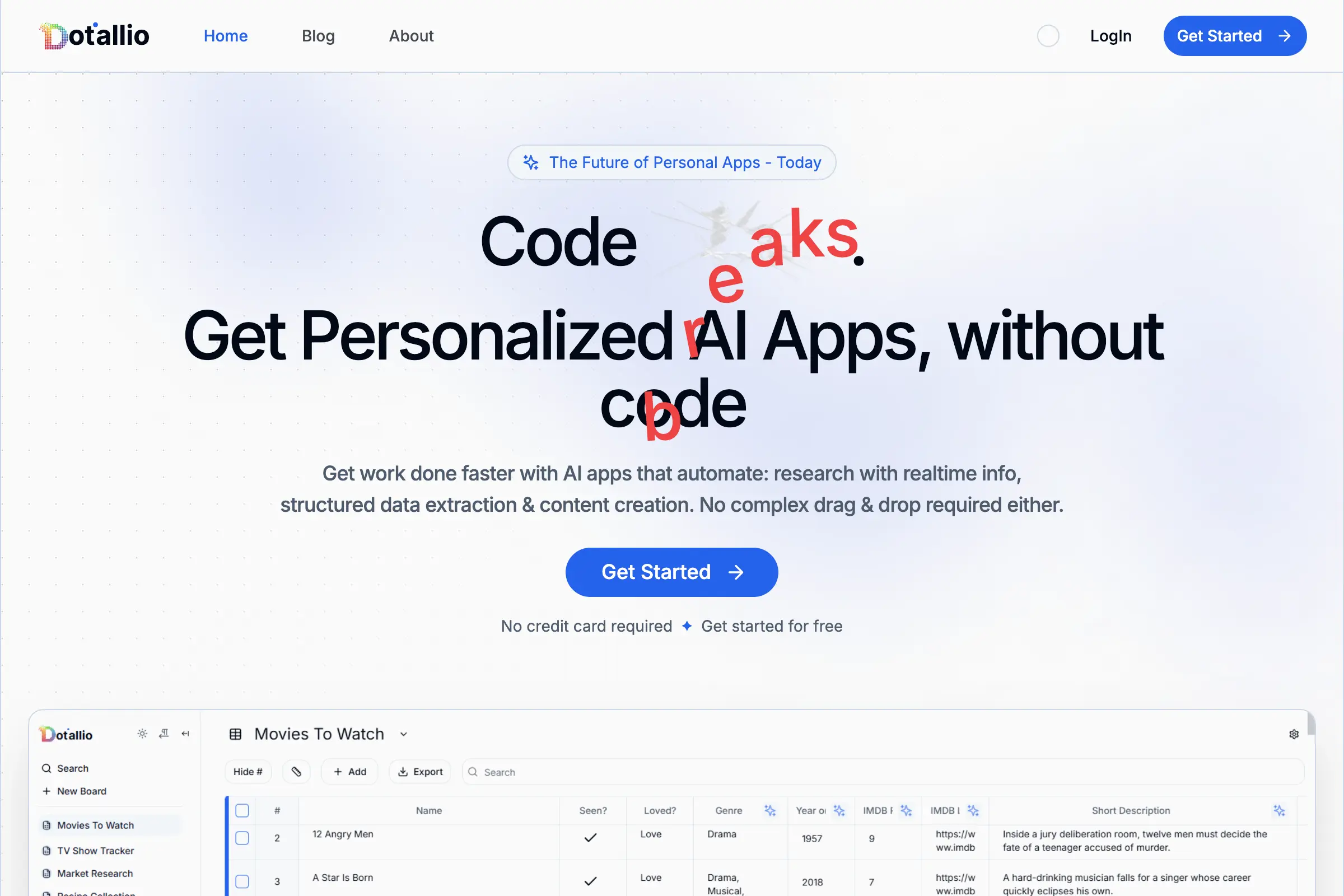
Dotallio
Personalized AI apps that automate research, data extraction, and content creation without code 🤖

Talk to Santa
Enjoy a magical live video chat or receive a unique AI-generated video greeting from Santa Claus 🎅

pozywka.pl
Scalable blog for food journalist, focused on performance and user experience 🌭
zagrodzki.me
Personal blog and portfolio of Bart Zagrodzki, where he shares his knowledge and work 💼
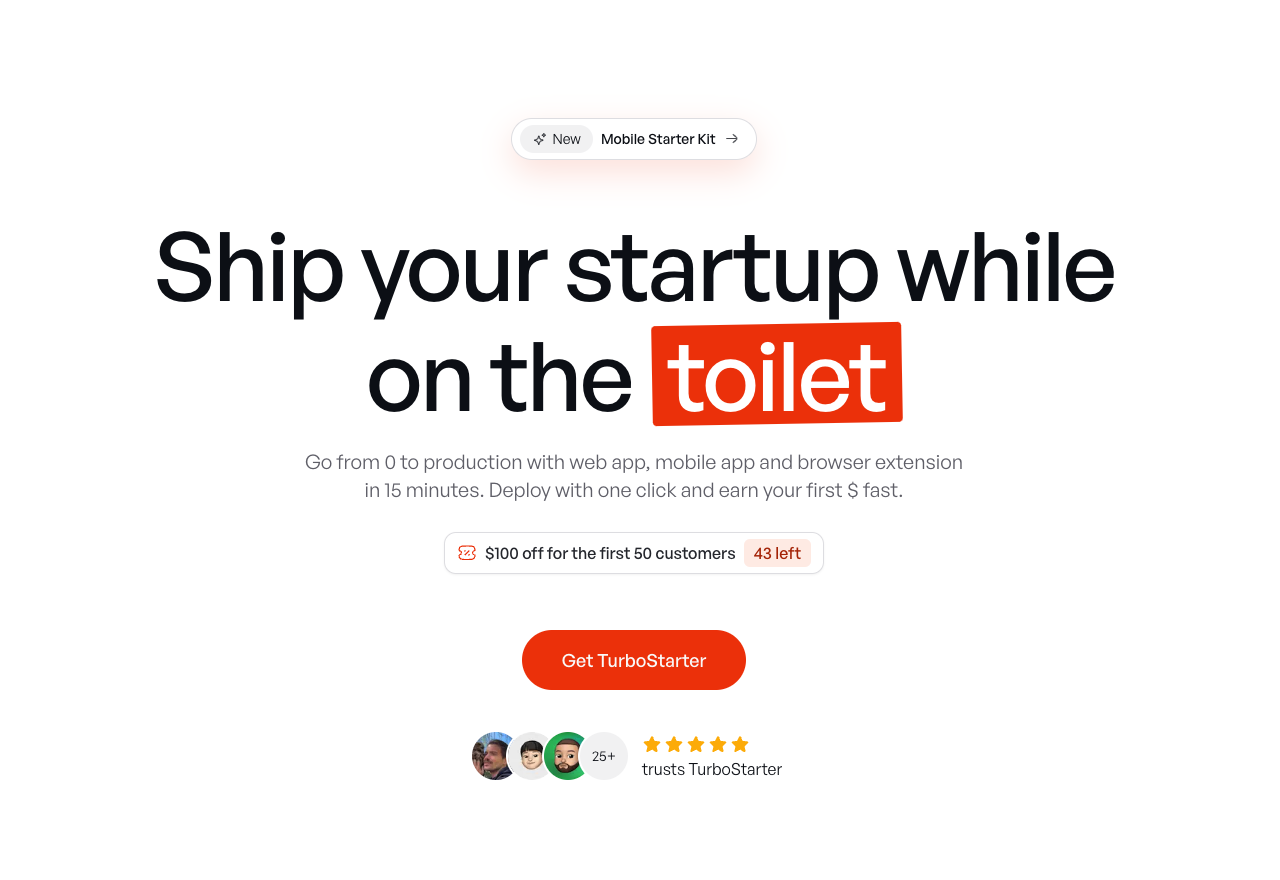
TurboStarter
Ship your startup everywhere. In minutes.
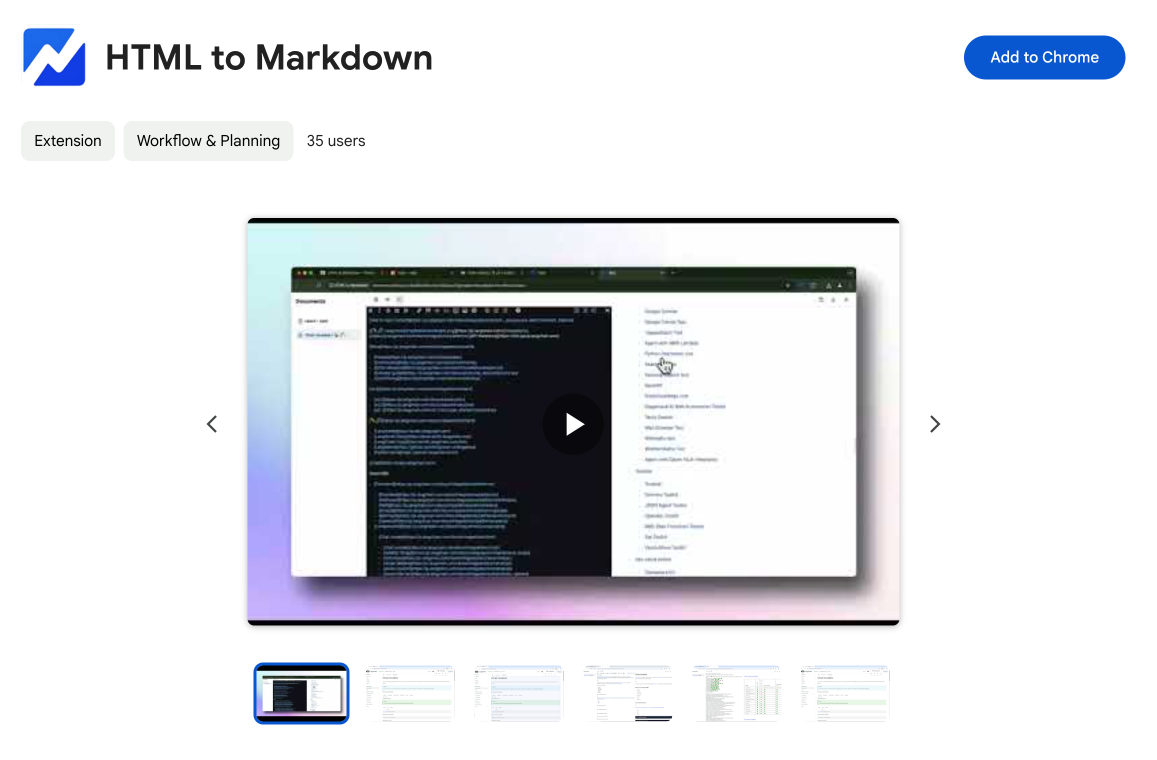
HTML to Markdown
Convert HTML to Markdown with ease, directly in your browser 📄
Dotallio
Personalized AI apps that automate research, data extraction, and content creation without code 🤖
Talk to Santa
Enjoy a magical live video chat or receive a unique AI-generated video greeting from Santa Claus 🎅
pozywka.pl
Scalable blog for food journalist, focused on performance and user experience 🌭
zagrodzki.me
Personal blog and portfolio of Bart Zagrodzki, where he shares his knowledge and work 💼
TurboStarter
Ship your startup everywhere. In minutes.
HTML to Markdown
Convert HTML to Markdown with ease, directly in your browser 📄
Dotallio
Personalized AI apps that automate research, data extraction, and content creation without code 🤖
Talk to Santa
Enjoy a magical live video chat or receive a unique AI-generated video greeting from Santa Claus 🎅
pozywka.pl
Scalable blog for food journalist, focused on performance and user experience 🌭
zagrodzki.me
Personal blog and portfolio of Bart Zagrodzki, where he shares his knowledge and work 💼
TurboStarter
Ship your startup everywhere. In minutes.
HTML to Markdown
Convert HTML to Markdown with ease, directly in your browser 📄
Dotallio
Personalized AI apps that automate research, data extraction, and content creation without code 🤖
Talk to Santa
Enjoy a magical live video chat or receive a unique AI-generated video greeting from Santa Claus 🎅
pozywka.pl
Scalable blog for food journalist, focused on performance and user experience 🌭
zagrodzki.me
Personal blog and portfolio of Bart Zagrodzki, where he shares his knowledge and work 💼
TurboStarter
Ship your startup everywhere. In minutes.
HTML to Markdown
Convert HTML to Markdown with ease, directly in your browser 📄
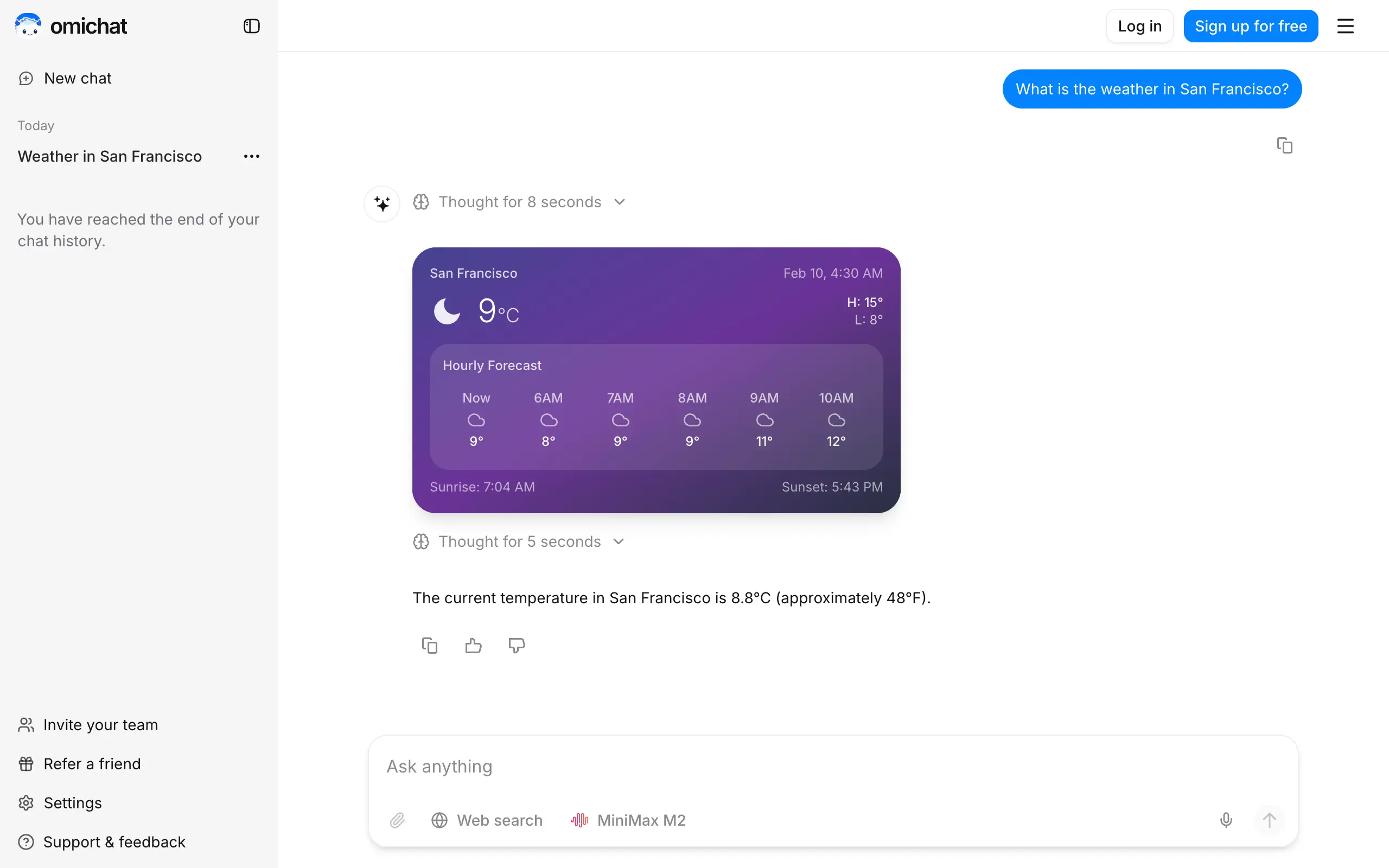
Omichat
Chat with 50+ AI models, including ChatGPT and Claude, in one place - switch models anytime without losing context 🤖
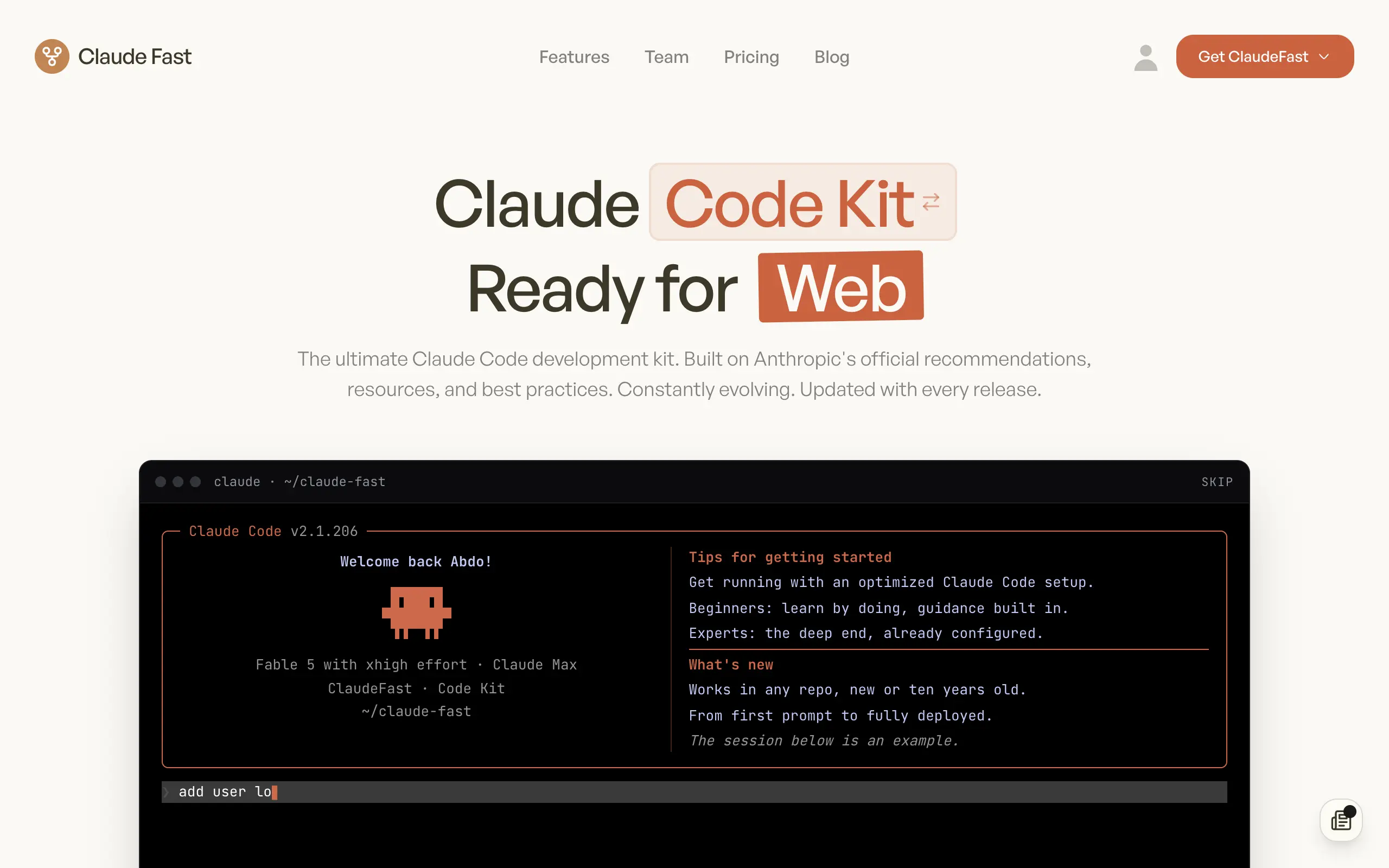
Claude Fast
Supercharge your Claude Code with 6x effective context window and specialized AI agents 🤖
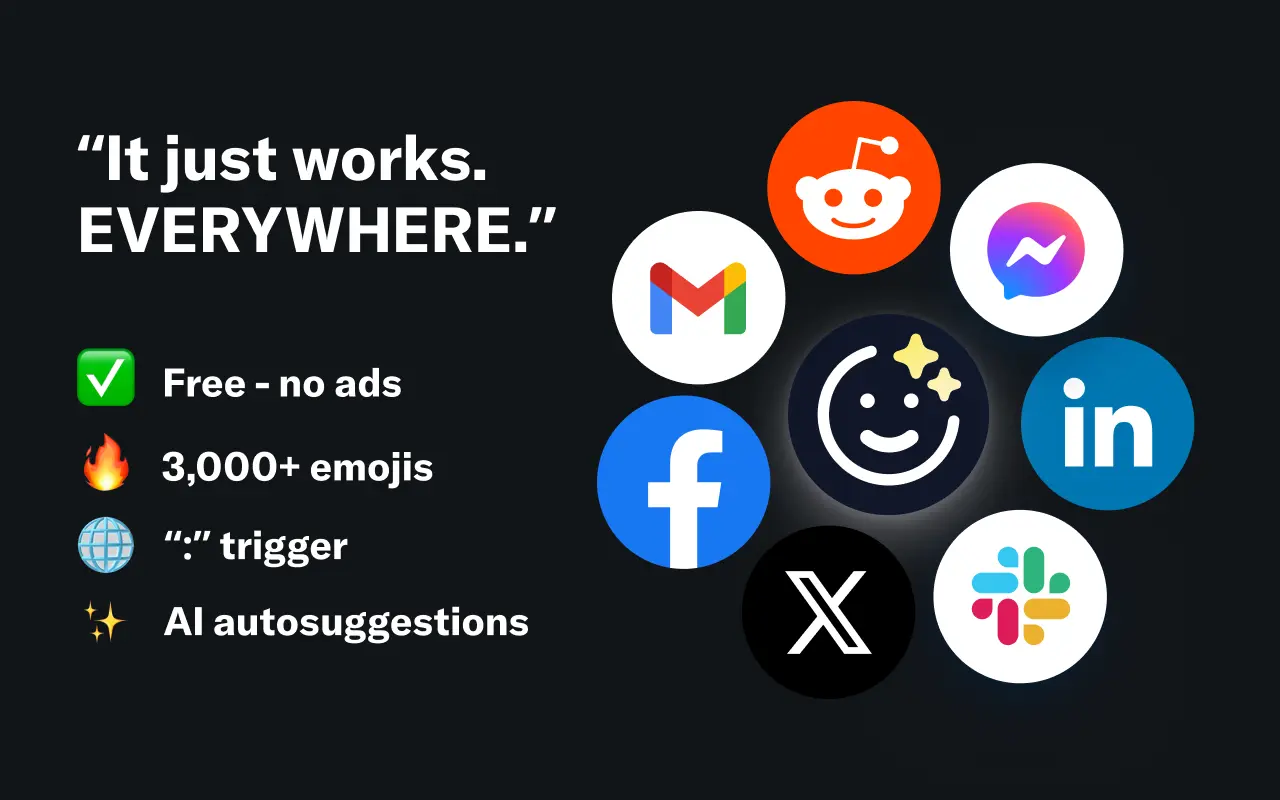
EmojAI
AI-powered emoji picker with smart, context-aware suggestions 🤖

Solohacker
Autonomous company launcher - AI agents work 24/7, escalate what matters, and you stay in control 🤖

BeRawi: Storytelling Coach
Practice storytelling daily with instant feedback to sound clearer, more engaging, and confident 🎤
Omichat
Chat with 50+ AI models, including ChatGPT and Claude, in one place - switch models anytime without losing context 🤖
Claude Fast
Supercharge your Claude Code with 6x effective context window and specialized AI agents 🤖
EmojAI
AI-powered emoji picker with smart, context-aware suggestions 🤖
Solohacker
Autonomous company launcher - AI agents work 24/7, escalate what matters, and you stay in control 🤖
BeRawi: Storytelling Coach
Practice storytelling daily with instant feedback to sound clearer, more engaging, and confident 🎤
Omichat
Chat with 50+ AI models, including ChatGPT and Claude, in one place - switch models anytime without losing context 🤖
Claude Fast
Supercharge your Claude Code with 6x effective context window and specialized AI agents 🤖
EmojAI
AI-powered emoji picker with smart, context-aware suggestions 🤖
Solohacker
Autonomous company launcher - AI agents work 24/7, escalate what matters, and you stay in control 🤖
BeRawi: Storytelling Coach
Practice storytelling daily with instant feedback to sound clearer, more engaging, and confident 🎤
Omichat
Chat with 50+ AI models, including ChatGPT and Claude, in one place - switch models anytime without losing context 🤖
Claude Fast
Supercharge your Claude Code with 6x effective context window and specialized AI agents 🤖
EmojAI
AI-powered emoji picker with smart, context-aware suggestions 🤖
Solohacker
Autonomous company launcher - AI agents work 24/7, escalate what matters, and you stay in control 🤖
BeRawi: Storytelling Coach
Practice storytelling daily with instant feedback to sound clearer, more engaging, and confident 🎤

Connect with like-minded people
Join our community to get feedback, support, and grow together with 1,000+ builders on board, let's ship it!
Join usShip your startup everywhere. In minutes.
Don't burn tokens on setup and start building features on day one.