SignFlow Templates
AI-powered template generator that creates accessible documents, presentations, and forms with embedded sign language translation for the deaf community.
SignFlow Templates is an innovative AI-powered template generator that produces accessible documents, presentations, and forms with embedded sign language translation. By integrating sign language directly into digital assets, this solution aims to bridge communication gaps for the Deaf and hard of hearing community. In this article, we’ll provide an expert, actionable breakdown of SignFlow Templates' opportunity, market, core features, technology options, monetization, potential risks, and a step-by-step path to launching with competitive advantage.
Understanding user search intent for accessible, AI template generators
SignFlow Templates responds to a clear and urgent user search intent: people are actively seeking easier ways to create accessible content—especially for presentations, documents, and digital forms that include direct support for sign language. Some users may be:
- Communications and HR professionals looking for compliant, accessible content.
- Educators creating inclusive lesson materials.
- Business owners seeking to meet accessibility regulations and reach wider audiences.
- Developers or designers looking for solutions to build into their workflows.
- Deaf community members and advocates searching for user-friendly, barrier-free document solutions.
Competitive SEO analysis reveals top search queries include:
- “accessible templates with sign language translation”
- “AI forms generator for Deaf users”
- “sign language PowerPoint presentations”
- “make documents accessible for hard of hearing”
As a result, our deep-dive needs to comprehensively respond to those who want to learn about, validate, and evaluate such a solution for their unique accessibility needs.
Why accessible documents with embedded sign language matter
Accessibility goes far beyond alt text and captions: for the Deaf and hard of hearing, true inclusivity often means visual and signed communication. Unfortunately, mainstream document tools (like Google Docs, Microsoft Word, and PowerPoint) offer limited native support for sign language.
Embedding sign language translation—powered by AI—unlocks:
- Equitable access: Enables sign language users to fully engage with documents and presentations.
- Regulation compliance: Meets requirements in the Americans with Disabilities Act (ADA), Web Content Accessibility Guidelines (WCAG 2.1), and other international standards.
- Brand reputation: Demonstrates genuine commitment to diversity, equity, and inclusion (DEI).
- Broader reach: Empowers organizations to communicate with an estimated 70 million Deaf people worldwide [source suggestion: World Federation of the Deaf].
Expert insight
AI-powered accessible templates aren't just a 'nice to have'—they’re rapidly becoming a business and legal requirement across sectors, driven by new accessibility mandates.
Target audience analysis for SignFlow Templates
A laser-focused audience strategy is central to growth and adoption. The ideal customers and users include:
- Educational institutions: Teachers, administrators, and e-learning companies who need accessible lesson plans, assignments, and syllabi.
- Corporate sector: HR teams, execs, and compliance managers preparing accessible HR policies, onboarding documents, or trainings.
- Government agencies: Creation of accessible forms and public-facing documents to meet strict accessibility standards.
- Healthcare providers: Patient-facing documents, consent forms, intake forms, and health education materials.
- Non-profits and advocacy groups: Campaigns, event materials, and communication assets relevant to Deaf communities.
- Content creators & freelance designers: Those who need to stand out by offering accessible, inclusive templates.
Key user pain points SignFlow Templates addresses:
- Frustration with current tools lacking sign language features
- Time and cost-consuming manual video insertion or interpretation
- Uncertainty around compliance with accessibility laws
- Risk of alienating or excluding Deaf participants
Educators
Quickly produce accessible teaching materials that include real-time sign language translation for Deaf students.
HR & Corporates
Generate inclusive onboarding, policies, or compliance docs that meet global accessibility standards with embedded sign support.
Designers & Freelancers
Offer high-value, accessible template services for a differentiating edge in client work.
Identifying the market opportunity & gap
While several AI-powered document and template generators exist (see: Jasper, Canva, Notion AI), almost none offer fully integrated sign language translation as a first-class feature.
Market gap highlights:
- Mainstream generators focus on text, voice, or generic accessibility, but rarely address sign language.
- Government and enterprise markets have a common unmet need for accessible forms and documents.
- The global e-learning market is growing rapidly, with accessibility now a top purchasing criterion.
- Legal mandates (e.g., “Section 508” in the US) make accessible digital docs non-negotiable.
SignFlow Templates fills a clear “blue ocean” gap by providing automated, embedded sign language translation—not just captions or subtitles, but actual signed video or avatars directly in the content.
Core features and solution details of SignFlow Templates
A robust, purpose-built feature set is essential to solving real user problems and building workflow adoption. Here’s how SignFlow Templates stands out:
AI-powered template builder
- Intuitive UI for generating and customizing documents, presentations, and forms from plain English prompts.
- Accessible defaults: All templates are designed to exceed WCAG 2.1 standards (e.g., color contrast, button labels, keyboard navigation).
- Drag-and-drop sections for quick creation of multi-modal documents.
Embedded sign language translation
- AI video signing: Automatic sign language translation of document sections using AI-powered avatars or video overlays.
- Support for multiple sign languages: (start with ASL, extend to BSL, etc.)
- Custom placement: Choose where the signed translations appear (side, bottom, overlay, or pop-up).
- Real-time preview: Instantly see sign translation alongside the editable content.
Multi-format exports
- Export to PDF, DOCX, PPTX, HTML, and form builders (e.g., Typeform, Jotform compatibility).
- Maintain sign language videos/embeds in exported files for true portability.
Accessibility audits and compliance scoring
- Automated checks: Real-time feedback on accessibility metrics (contrast, reading level, alt text, etc.).
- Compliance checker: Highlights if content meets ADA, WCAG, or EAA (European Accessibility Act).
Collaboration & sharing
- Cloud-based sharing: Collaborative editing, team roles, and comment threads.
- Public and private links: Controlled access for secure document sharing.
Custom branding and content library
- Brand presets: Logos, color schemes, slide masters.
- Template gallery: Curated, ready-made templates for various use cases (education, HR, healthcare).
Unlike simple subtitle overlays, SignFlow Templates generates and syncs live sign language video or avatar animations directly onto the template surface, ensuring visibility and integration, not as an afterthought.
The platform leverages deep learning and natural language processing to translate text blocks or speaker notes into corresponding sign language gestures, rendered as video segments or 3D avatars. Users can fine-tune translations for context accuracy.
Recommended tech stack for an AI-powered accessible template generator
Selecting a stack for speed, flexibility, and accessibility is crucial.
| Front-end | Back-end | AI/ML Layer | Accessibility Tools | Export/Integration |
|---|---|---|---|---|
| React | Node.js | PyTorch or TensorFlow | axe-core | Pandoc / Microsoft Graph APIs |
| Next.js | Python (FastAPI) | OpenAI / HuggingFace APIs | Storybook | Export.js custom modules |
Key stack trade-offs:
- Front-end: React plus Next.js for SEO, interactivity, and component UX.
- AI/ML Layer: Custom models for gesture recognition and sign language synthesis using PyTorch or TensorFlow; for MVP, leverage OpenAI or HuggingFace sign language datasets and translation APIs.
- Accessibility: axe-core for automated accessibility audits; Storybook for UI consistency.
Emerging trends
AI video synthesis, WebAssembly for fast avatar rendering, and improved browser accessibility APIs (e.g., ARIA 1.2 spec) can further advance user experience and inclusivity.
// Example: initiating AI sign language translation from text input
const translateToSign = async (text: string) => {
  const response = await fetch('/api/translate-sign', {
    method: 'POST',
    headers: { 'Content-Type': 'application/json' },
    body: JSON.stringify({ text })
  });
  const { signVideoUrl } = await response.json();
  return signVideoUrl;
};
// Usage in React component: Render sign video alongside content
Monetization strategy options for an accessibility-focused SaaS
Monetizing in the accessibility SaaS landscape requires balancing mission-driven reach with sustainable business models.
Potential revenue models:
- Subscription plans: Tiered by features (basic, pro, enterprise) and user seats. Free plan includes limited templates and exports with “Powered by SignFlow” branding.
- Usage-based pricing: Pay per AI translation/minute or number of exported documents with embedded signing.
- Team/educational discounts: Discounted plans for schools, non-profits, early adopters.
- Custom enterprise offerings: For HIPAA/GDPR compliance and on-prem installs in regulated industries.
- Marketplace model: Take a commission on custom-made accessible templates by freelance creators.
Example pricing tier breakdown
- Starter (Free): Up to 5 documents/month, watermark, limited sign translations.
- Pro: Unlimited docs, team collaboration, multi-language signing, increased video minutes.
- Enterprise: Custom SLA, integrations (Microsoft Teams, Google Workspace), white-labeling, API access.
B2B and education are high-LTV targets. Adoption in these sectors can drive viral, bottom-up growth and anchor the platform.
Risks, challenges, and mitigation strategies
While SignFlow Templates stands out, there are inherent risks to consider:
AI translation accuracy: Automatic sign translation is challenging, especially for context, nuance, or lesser-studied sign languages.
- Mitigation:
- Offer “human-in-the-loop” correction, letting users edit or swap out AI-generated sign videos.
- Partner with Deaf organizations for QA/testing and community feedback.
Legal and compliance liability: Incorrect accessibility claims could lead to litigation.
- Mitigation:
- Implement strict, regular accessibility audits.
- Offer full transparency on AI confidence levels and manual override options.
Video processing costs: AI video generation and storage (especially for HD sign videos) can be expensive at scale.
- Mitigation:
- Apply tiered limits or pay-as-you-go for high-volume users.
- Optimize by encoding/compressing videos and using CDN delivery.
User onboarding complexity: Some users may find multi-modal editing tools overwhelming.
- Mitigation:
- Provide interactive onboarding flows, tooltips, and easy template wizards.
- Maintain a clean, minimalist design with progressive disclosure.
Competitive advantage and unique selling proposition
SignFlow Templates’ primary USP: It is the first template generator dedicated to truly accessible documents, forms, and presentations with native, embedded sign language translation powered by AI.
How it stands out:
- Specialized in depth (sign language, multi-format, and compliance) not breadth.
- AI-powered automation for both efficiency and accuracy.
- Designed and tested with input from the Deaf community, not as a mere afterthought.
- Seamless multi-format export ensures adoption across diverse workflows (education, enterprise, healthcare).
- Built-in accessibility audits and scoring.
Key differentiators:
- Competing products offer only caption overlays or generic accessibility, not full AI-powered sign integration.
- Commitment to continuous improvement—feedback loops with advocacy groups and users.
Step-by-step implementation plan
To build and launch SignFlow Templates, follow this actionable roadmap:
Interview educators, HR experts, and Deaf advocacy leaders. Run online surveys to pinpoint feature priorities. Review legal requirements in target geographies.
Build an MVP using TurboStarter, React, and OpenAI API for initial sign translation. Design UI for accessibility and simplicity.
Integrate AI models for sign translation. Start with a pre-trained English-to-ASL model and basic avatar rendering.
Partner with early customers and advocacy organizations. Gather qualitative feedback, prioritize usability and translation accuracy improvements.
Launch subscription plans, educational discounts, marketplace for custom templates, and a rich template library.
Iterate on AI accuracy, language support, export formats, and compliance audits. Expand integration partnerships (LMS, HRMS, gov platforms).
Conclusion: Bringing accessible documents and sign language to everyone
SignFlow Templates meets a fast-growing need for truly inclusive templates—enabling organizations to produce documents, presentations, and forms accessible to millions in the Deaf community. By leveraging AI for embedded sign language translation, it offers both technical innovation and a strong social impact.
Ready to build or validate your own accessible SaaS platform? Get started fast with TurboStarter—the go-to launchpad for SaaS entrepreneurs.
Key takeaways:
- SignFlow Templates is designed for a world where digital accessibility means everyone—really, everyone—can access and understand vital information.
- The convergence of AI, accessibility law, and the demands of the Deaf community unlocks a meaningful, timely SaaS opportunity.
- Focusing on user needs, compliance, and technical strength ensures long-term authority, trust, and impact in this space.
Frequently asked questions
Yes! The roadmap includes initial support for American Sign Language (ASL), with planned releases for BSL, ISL, and others based on demand.
Absolutely—the exported files maintain embedded sign language video or avatar overlays for continued accessibility outside the app.
While AI models are rapidly improving, context or idiom translation can be imperfect. Human editing and feedback mechanisms are provided for mission-critical documents.
Yes. Advanced encryption is used at rest and in transit, with strict access controls and full GDPR/CCPA compliance for all enterprise clients.
If you’re committed to digital inclusion, now is the time to make sign language part of every document, form, and presentation.
More 🤖 AI Startup SaaS ideas
Discover more innovative ai startup SaaS ideas that are trending in 2026. Each idea is AI-generated with market validation and growth potential to help you find your next profitable venture faster than competitors.
Your competitors are building with TurboStarter
Below are some of the SaaS ideas that have been generated and built with our starter kit.
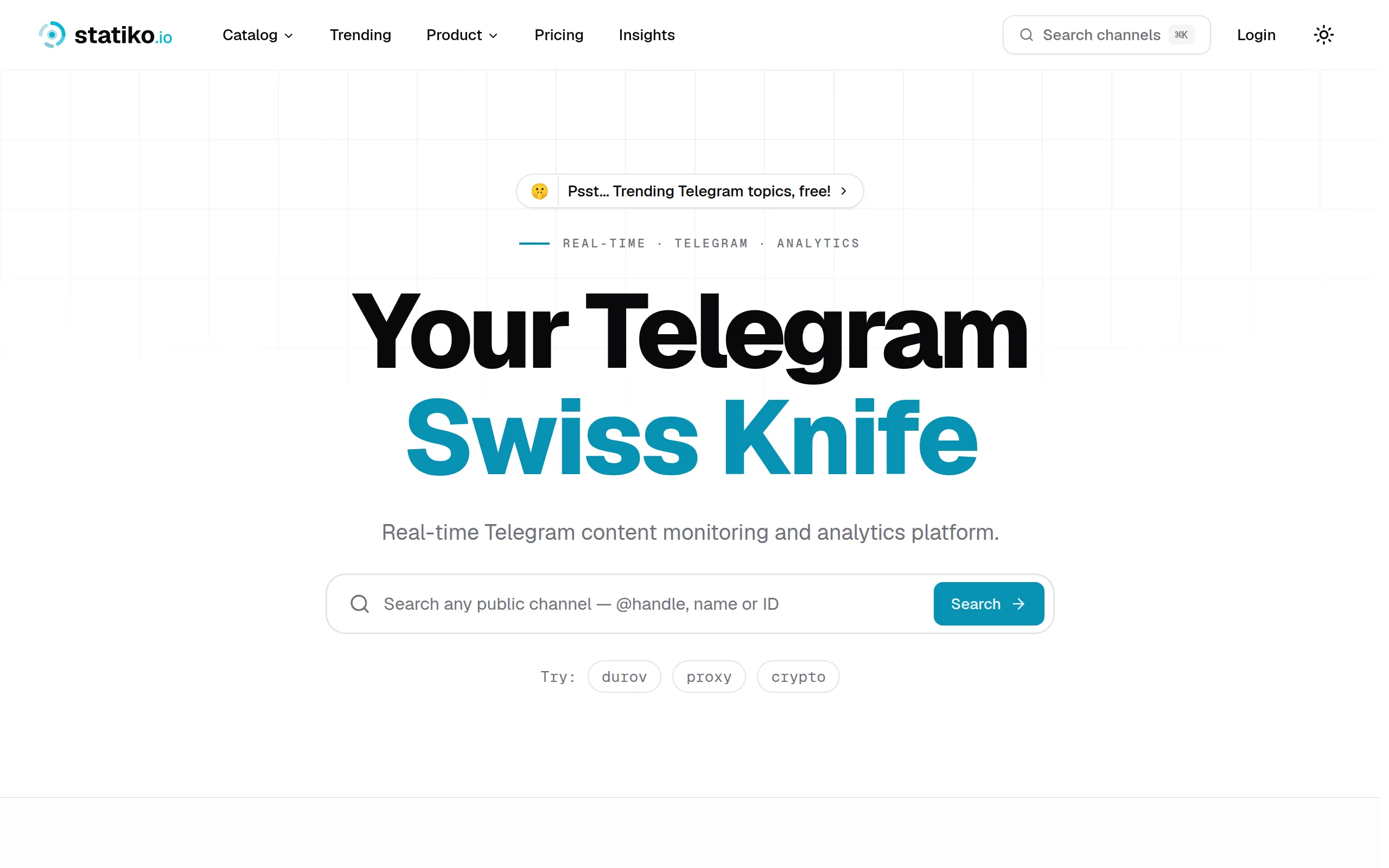
Statiko
Monitor any Telegram channel in real time - track posts, edits, deletions, and growth with AI recaps 📡
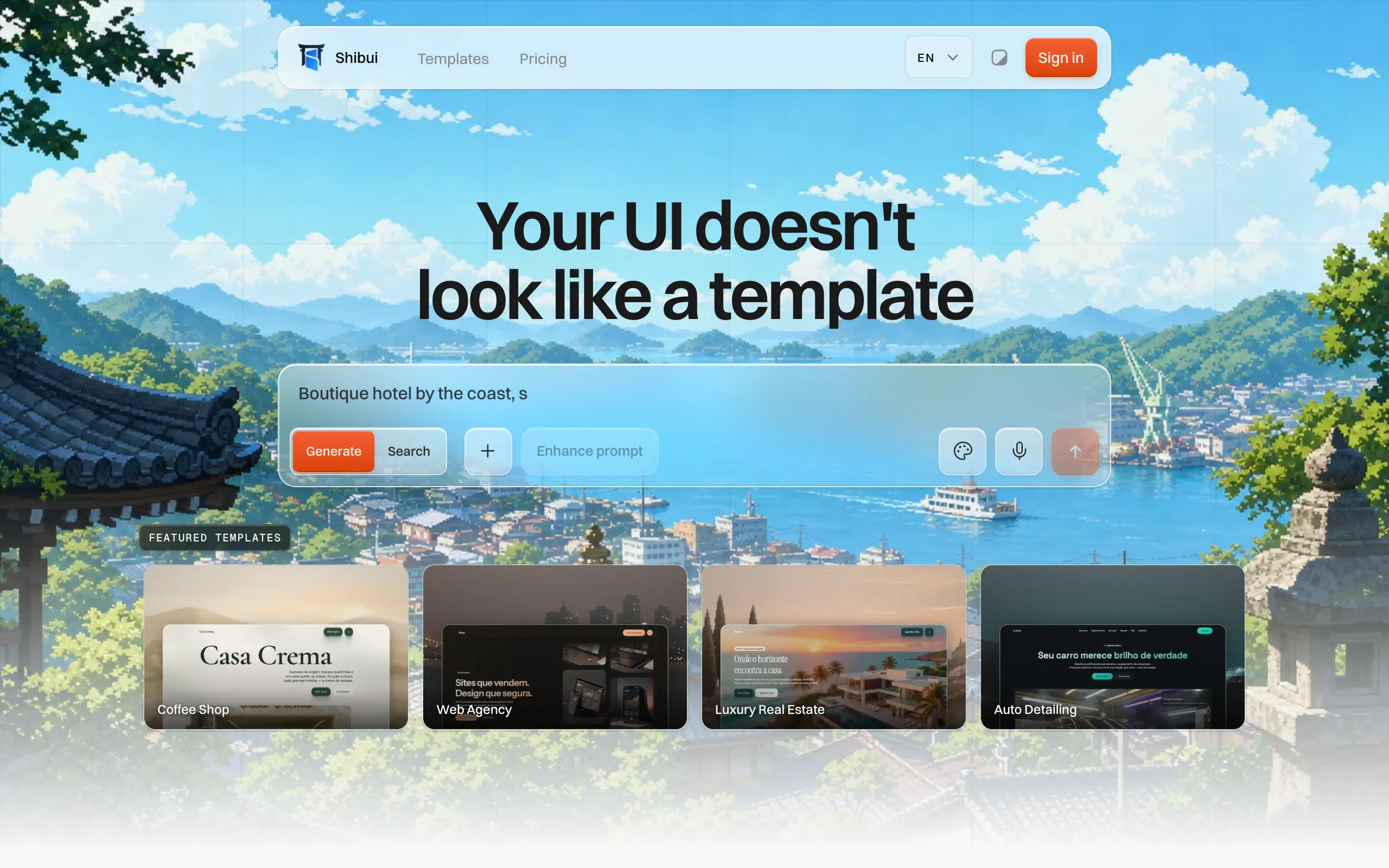
Shibui
AI website builder - describe your business, pick a niche template, edit by chatting, and publish instantly ✨

Pro Service
Find verified home service professionals, compare quotes, and pay securely through escrow - built for Brazilians across the US 🏠
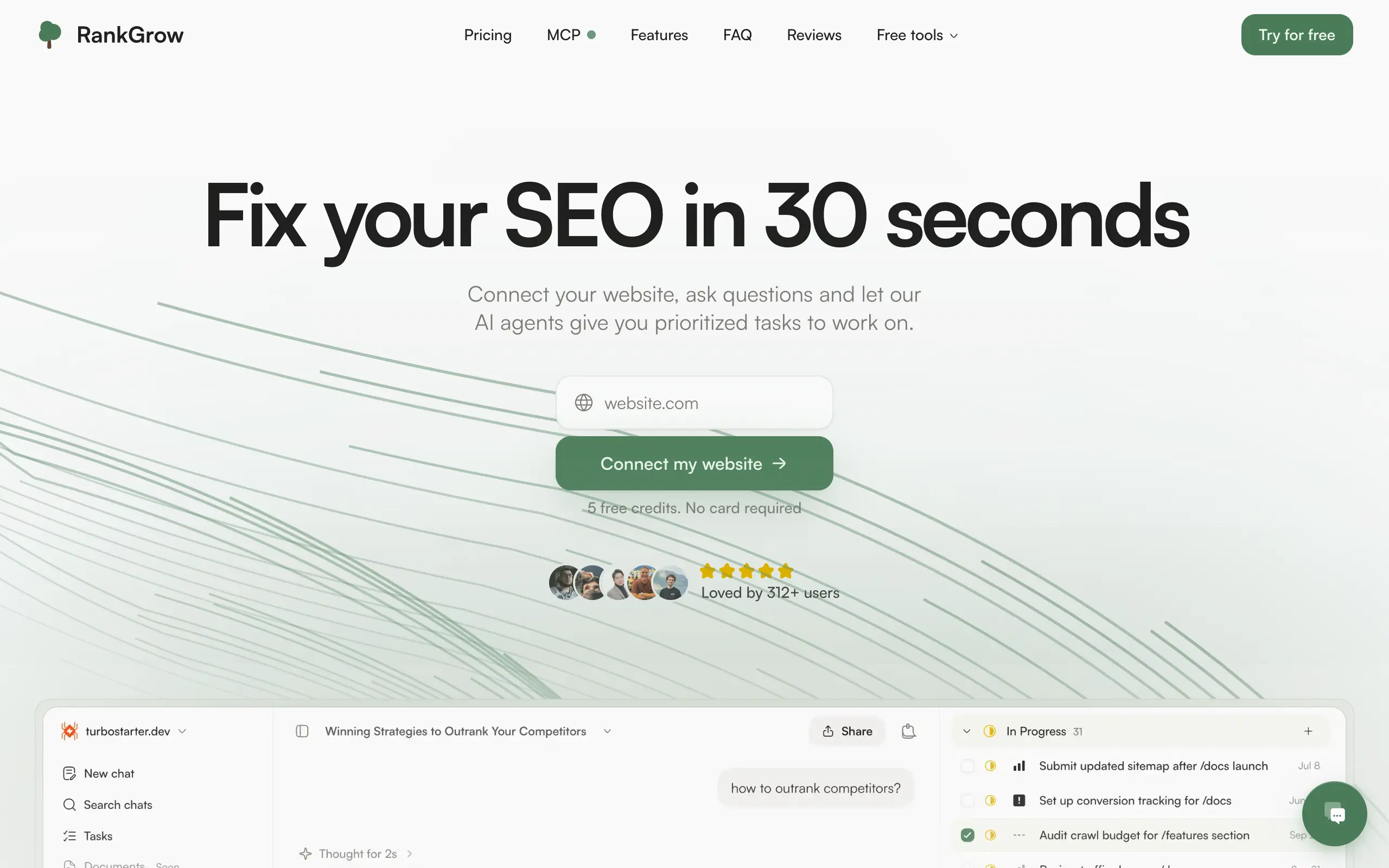
RankGrow
Fix your SEO with AI agents - connect Search Console, get prioritized tasks, and grow organic traffic 📈
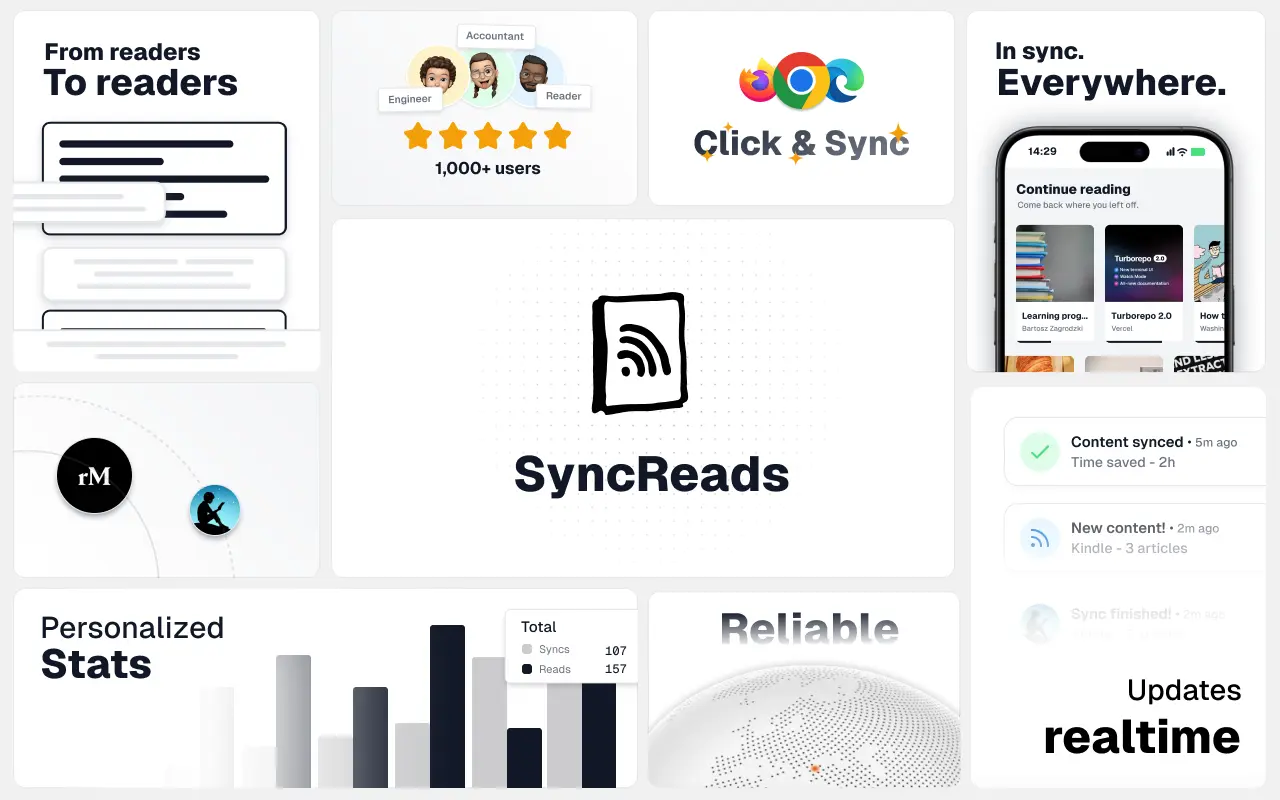
SyncReads
Sync your favorite content for distraction-free reading, save time and replace multiple apps. Anytime, anywhere 🔄
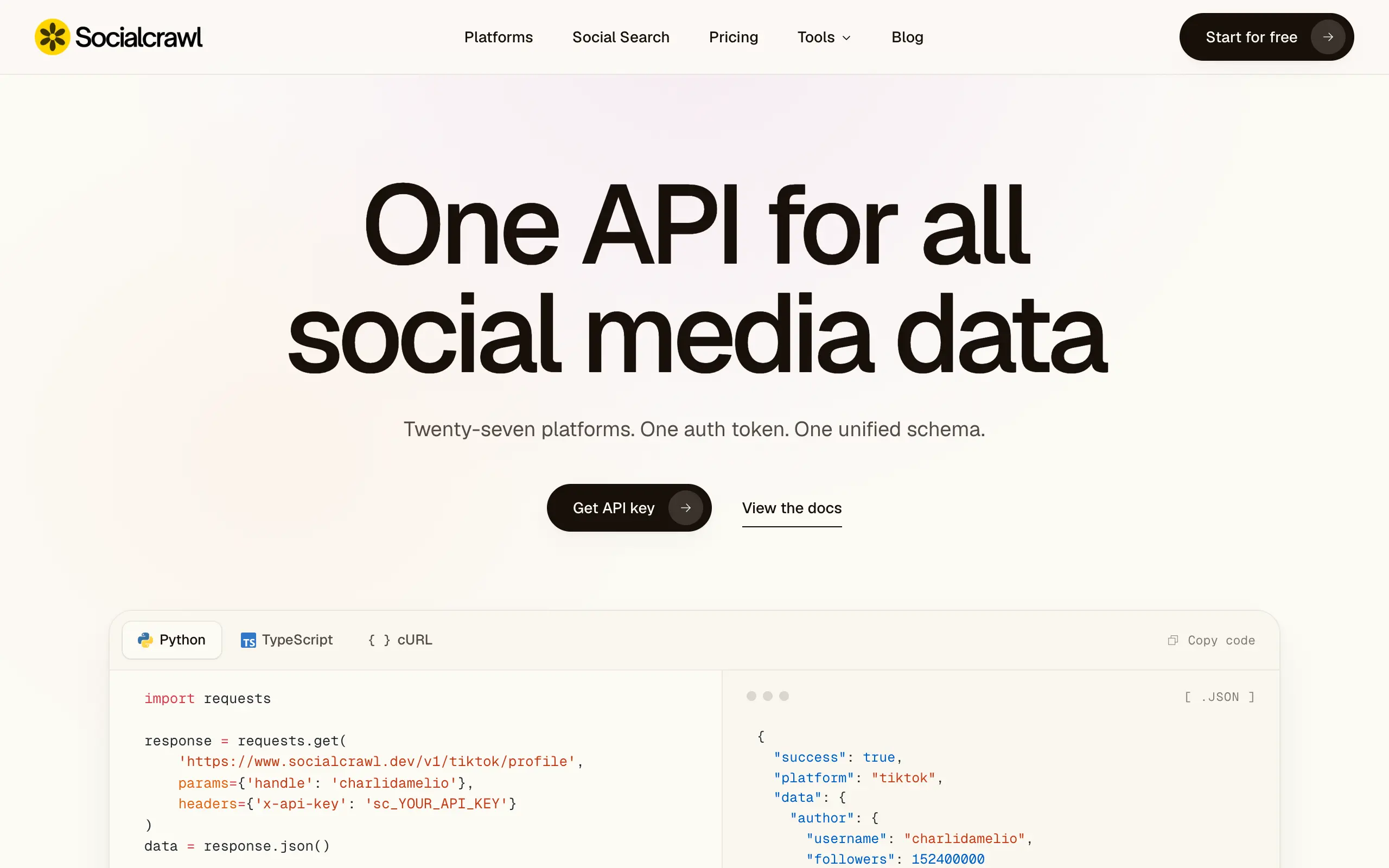
Socialcrawl
Get clean, structured data from 21 platforms like TikTok, Instagram, and YouTube with a single request 📊
Statiko
Monitor any Telegram channel in real time - track posts, edits, deletions, and growth with AI recaps 📡
Shibui
AI website builder - describe your business, pick a niche template, edit by chatting, and publish instantly ✨
Pro Service
Find verified home service professionals, compare quotes, and pay securely through escrow - built for Brazilians across the US 🏠
RankGrow
Fix your SEO with AI agents - connect Search Console, get prioritized tasks, and grow organic traffic 📈
SyncReads
Sync your favorite content for distraction-free reading, save time and replace multiple apps. Anytime, anywhere 🔄
Socialcrawl
Get clean, structured data from 21 platforms like TikTok, Instagram, and YouTube with a single request 📊
Statiko
Monitor any Telegram channel in real time - track posts, edits, deletions, and growth with AI recaps 📡
Shibui
AI website builder - describe your business, pick a niche template, edit by chatting, and publish instantly ✨
Pro Service
Find verified home service professionals, compare quotes, and pay securely through escrow - built for Brazilians across the US 🏠
RankGrow
Fix your SEO with AI agents - connect Search Console, get prioritized tasks, and grow organic traffic 📈
SyncReads
Sync your favorite content for distraction-free reading, save time and replace multiple apps. Anytime, anywhere 🔄
Socialcrawl
Get clean, structured data from 21 platforms like TikTok, Instagram, and YouTube with a single request 📊
Statiko
Monitor any Telegram channel in real time - track posts, edits, deletions, and growth with AI recaps 📡
Shibui
AI website builder - describe your business, pick a niche template, edit by chatting, and publish instantly ✨
Pro Service
Find verified home service professionals, compare quotes, and pay securely through escrow - built for Brazilians across the US 🏠
RankGrow
Fix your SEO with AI agents - connect Search Console, get prioritized tasks, and grow organic traffic 📈
SyncReads
Sync your favorite content for distraction-free reading, save time and replace multiple apps. Anytime, anywhere 🔄
Socialcrawl
Get clean, structured data from 21 platforms like TikTok, Instagram, and YouTube with a single request 📊
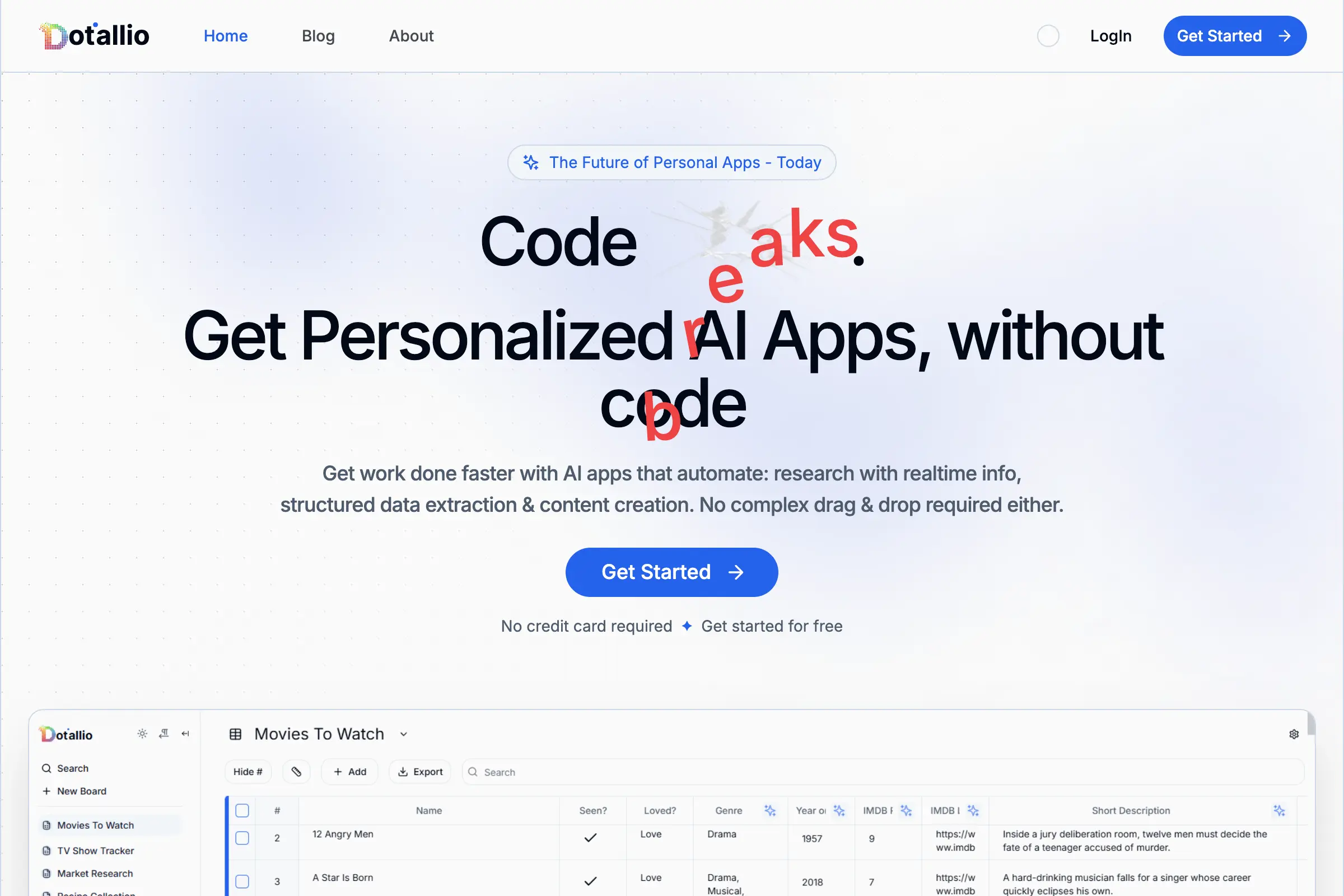
Dotallio
Personalized AI apps that automate research, data extraction, and content creation without code 🤖
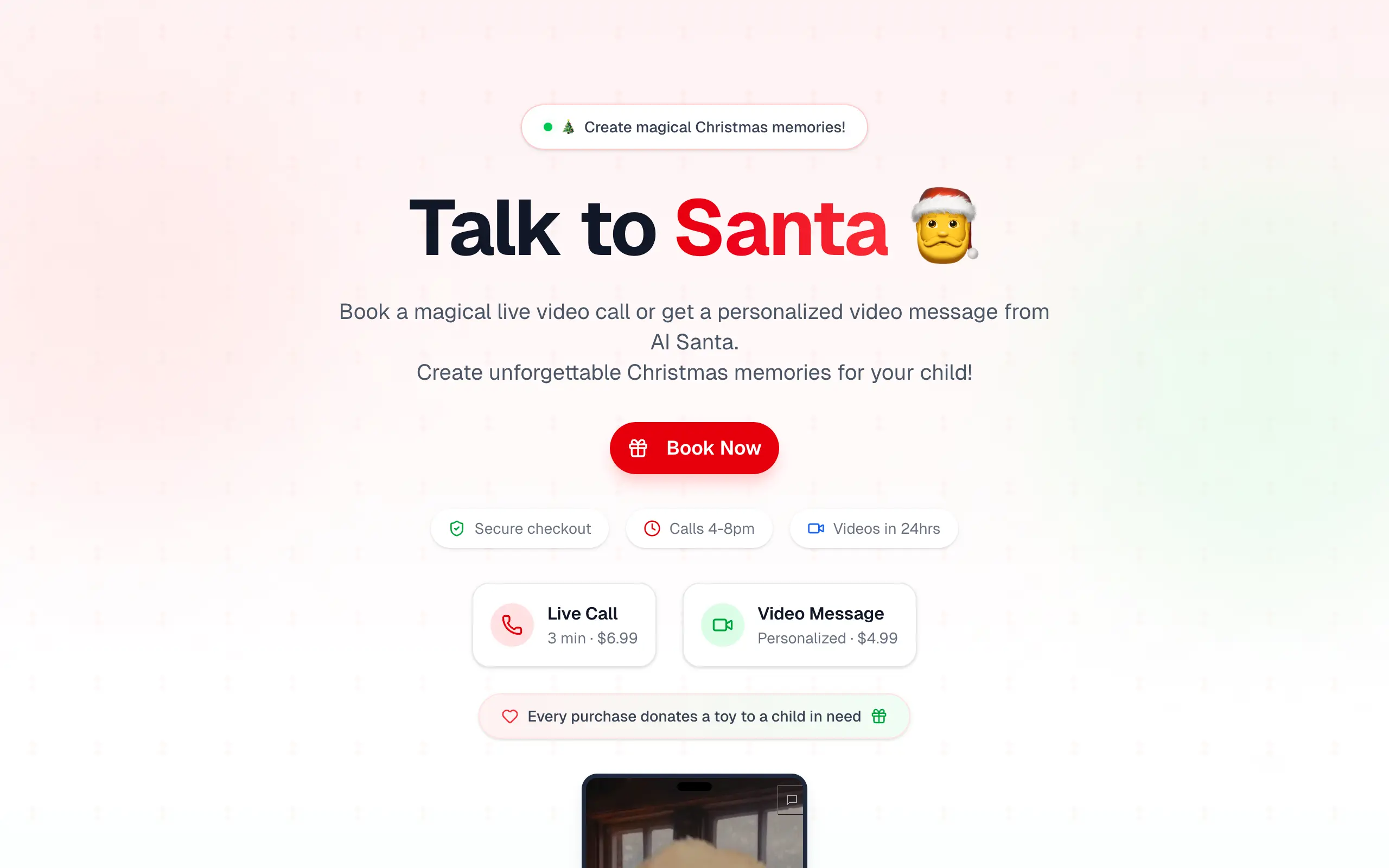
Talk to Santa
Enjoy a magical live video chat or receive a unique AI-generated video greeting from Santa Claus 🎅
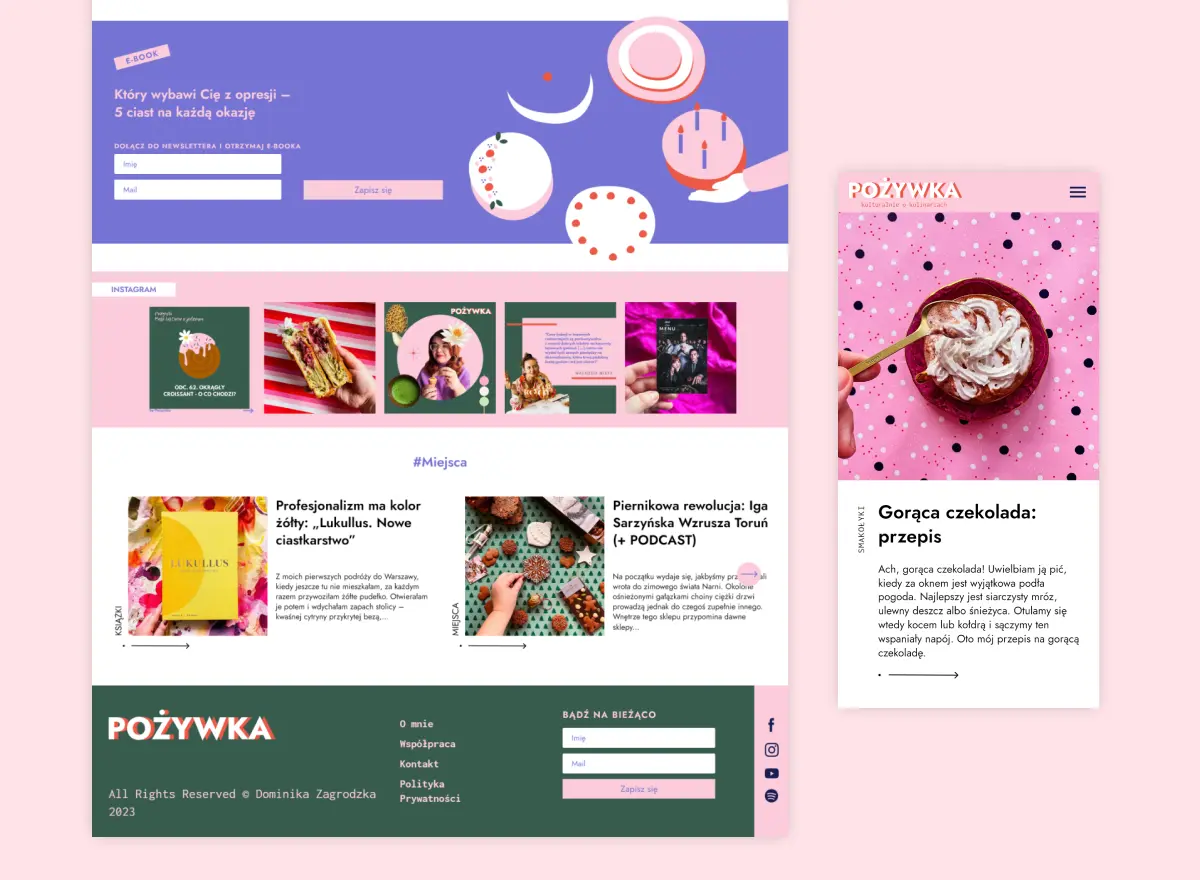
pozywka.pl
Scalable blog for food journalist, focused on performance and user experience 🌭
zagrodzki.me
Personal blog and portfolio of Bart Zagrodzki, where he shares his knowledge and work 💼
TurboStarter
Ship your startup everywhere. In minutes.
HTML to Markdown
Convert HTML to Markdown with ease, directly in your browser 📄
Dotallio
Personalized AI apps that automate research, data extraction, and content creation without code 🤖
Talk to Santa
Enjoy a magical live video chat or receive a unique AI-generated video greeting from Santa Claus 🎅
pozywka.pl
Scalable blog for food journalist, focused on performance and user experience 🌭
zagrodzki.me
Personal blog and portfolio of Bart Zagrodzki, where he shares his knowledge and work 💼
TurboStarter
Ship your startup everywhere. In minutes.
HTML to Markdown
Convert HTML to Markdown with ease, directly in your browser 📄
Dotallio
Personalized AI apps that automate research, data extraction, and content creation without code 🤖
Talk to Santa
Enjoy a magical live video chat or receive a unique AI-generated video greeting from Santa Claus 🎅
pozywka.pl
Scalable blog for food journalist, focused on performance and user experience 🌭
zagrodzki.me
Personal blog and portfolio of Bart Zagrodzki, where he shares his knowledge and work 💼
TurboStarter
Ship your startup everywhere. In minutes.
HTML to Markdown
Convert HTML to Markdown with ease, directly in your browser 📄
Dotallio
Personalized AI apps that automate research, data extraction, and content creation without code 🤖
Talk to Santa
Enjoy a magical live video chat or receive a unique AI-generated video greeting from Santa Claus 🎅
pozywka.pl
Scalable blog for food journalist, focused on performance and user experience 🌭
zagrodzki.me
Personal blog and portfolio of Bart Zagrodzki, where he shares his knowledge and work 💼
TurboStarter
Ship your startup everywhere. In minutes.
HTML to Markdown
Convert HTML to Markdown with ease, directly in your browser 📄
Omichat
Chat with 50+ AI models, including ChatGPT and Claude, in one place - switch models anytime without losing context 🤖
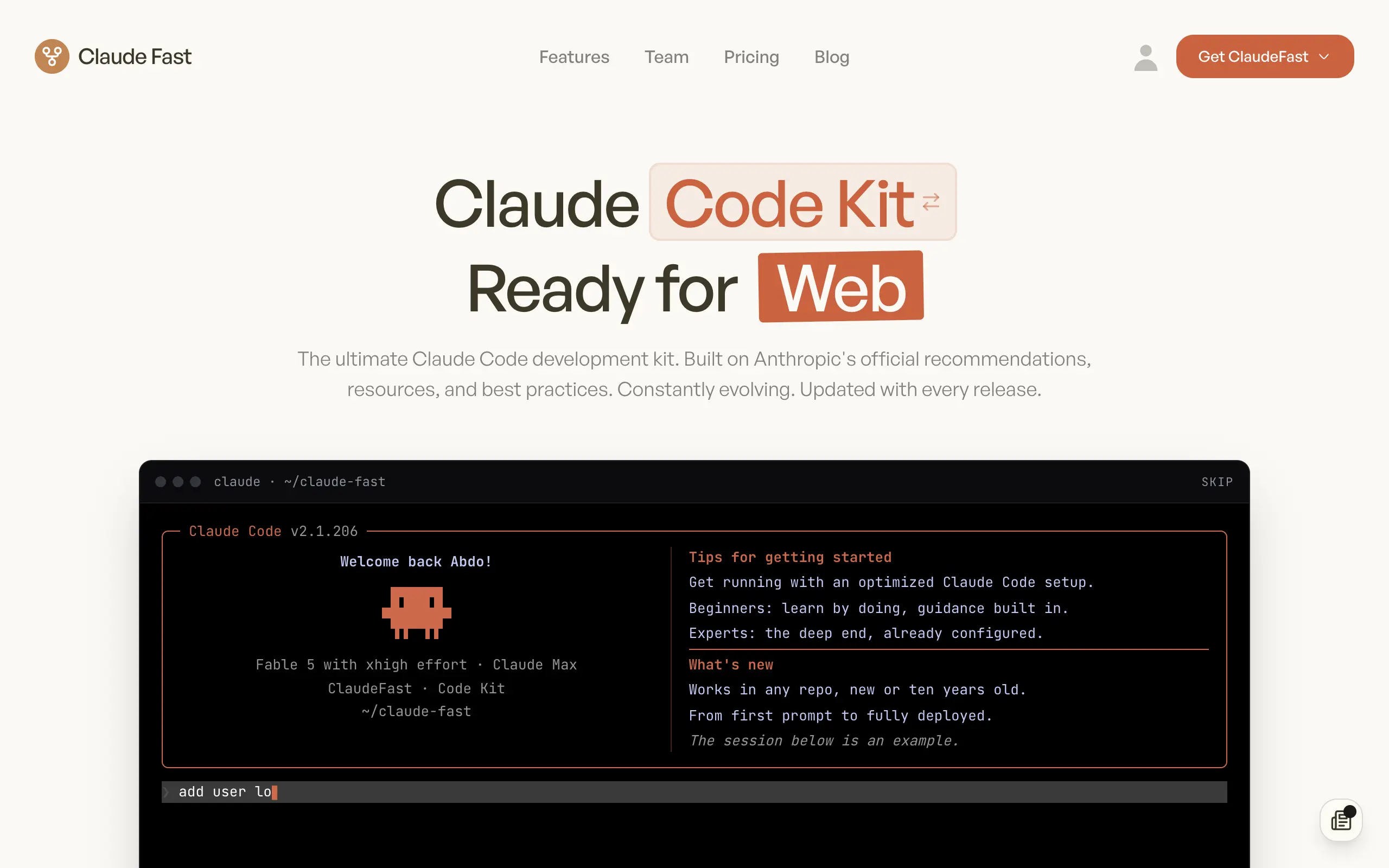
Claude Fast
Supercharge your Claude Code with 6x effective context window and specialized AI agents 🤖
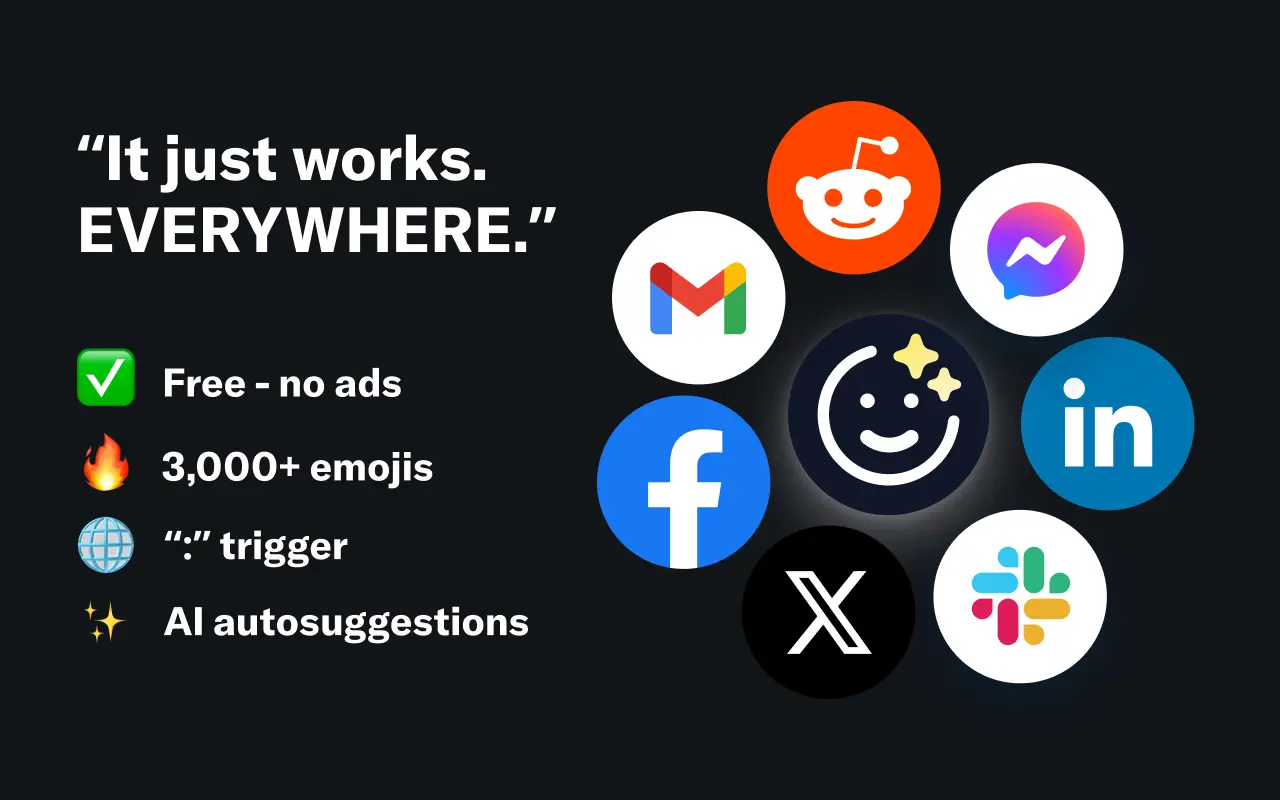
EmojAI
AI-powered emoji picker with smart, context-aware suggestions 🤖
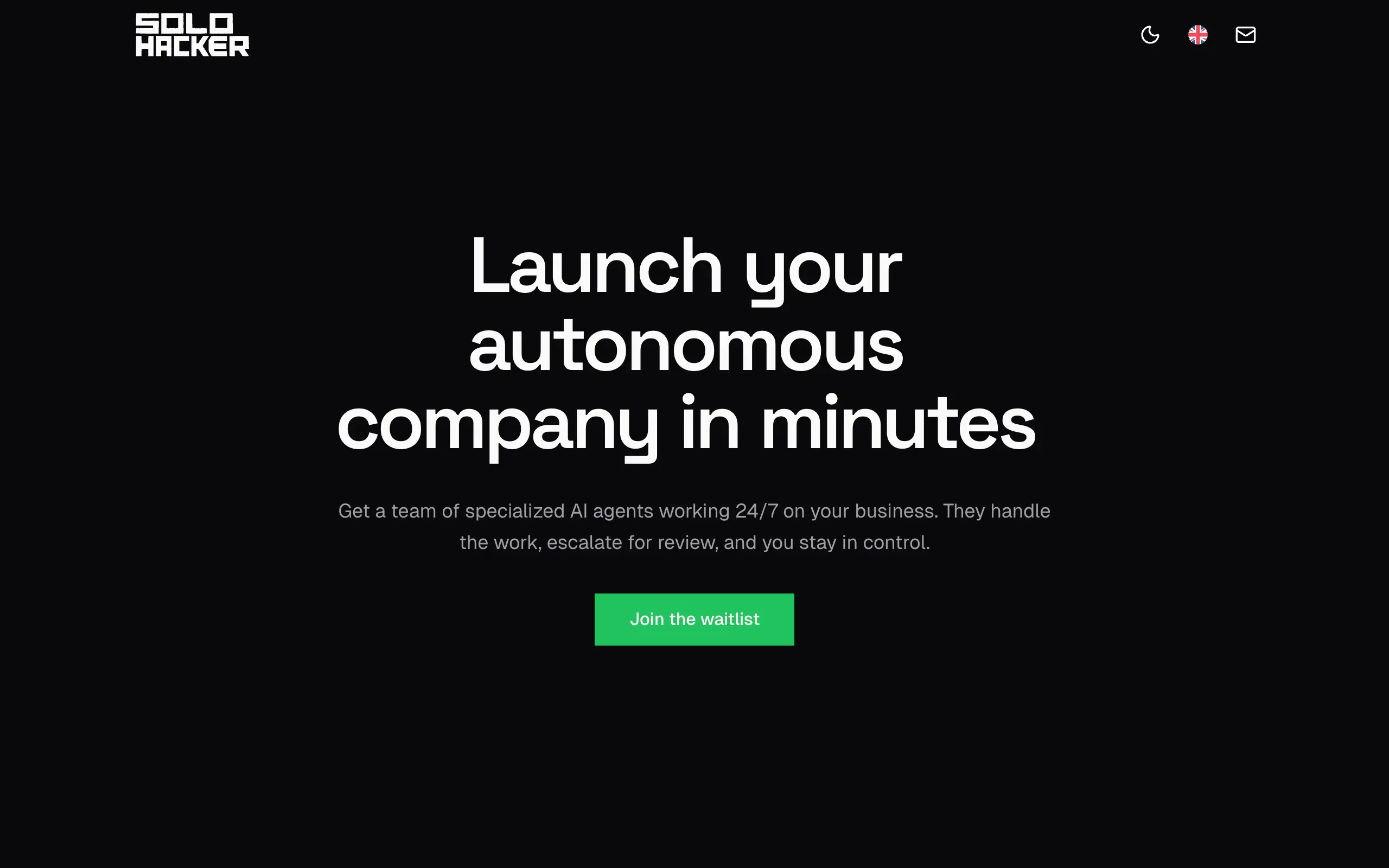
Solohacker
Autonomous company launcher - AI agents work 24/7, escalate what matters, and you stay in control 🤖
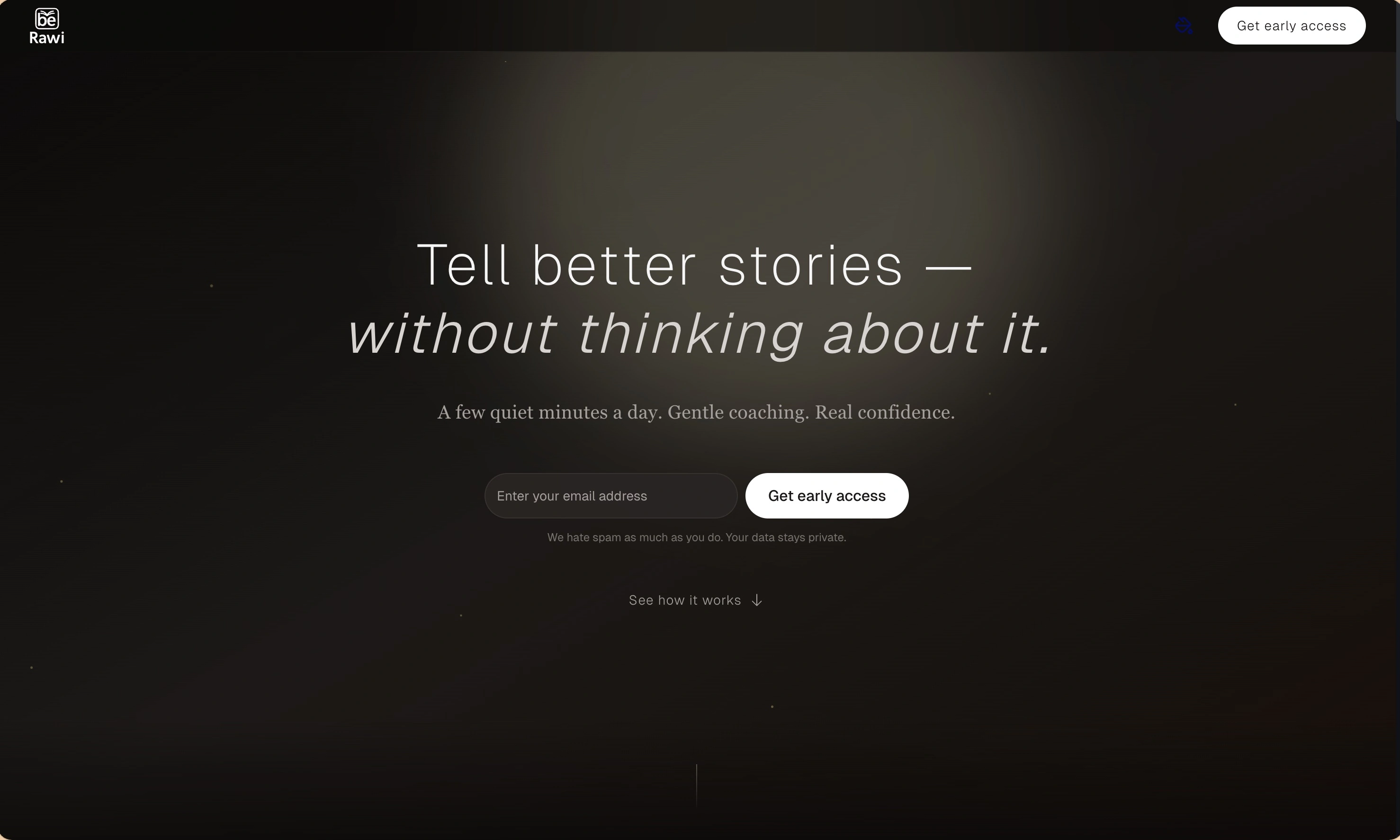
BeRawi: Storytelling Coach
Practice storytelling daily with instant feedback to sound clearer, more engaging, and confident 🎤
Omichat
Chat with 50+ AI models, including ChatGPT and Claude, in one place - switch models anytime without losing context 🤖
Claude Fast
Supercharge your Claude Code with 6x effective context window and specialized AI agents 🤖
EmojAI
AI-powered emoji picker with smart, context-aware suggestions 🤖
Solohacker
Autonomous company launcher - AI agents work 24/7, escalate what matters, and you stay in control 🤖
BeRawi: Storytelling Coach
Practice storytelling daily with instant feedback to sound clearer, more engaging, and confident 🎤
Omichat
Chat with 50+ AI models, including ChatGPT and Claude, in one place - switch models anytime without losing context 🤖
Claude Fast
Supercharge your Claude Code with 6x effective context window and specialized AI agents 🤖
EmojAI
AI-powered emoji picker with smart, context-aware suggestions 🤖
Solohacker
Autonomous company launcher - AI agents work 24/7, escalate what matters, and you stay in control 🤖
BeRawi: Storytelling Coach
Practice storytelling daily with instant feedback to sound clearer, more engaging, and confident 🎤
Omichat
Chat with 50+ AI models, including ChatGPT and Claude, in one place - switch models anytime without losing context 🤖
Claude Fast
Supercharge your Claude Code with 6x effective context window and specialized AI agents 🤖
EmojAI
AI-powered emoji picker with smart, context-aware suggestions 🤖
Solohacker
Autonomous company launcher - AI agents work 24/7, escalate what matters, and you stay in control 🤖
BeRawi: Storytelling Coach
Practice storytelling daily with instant feedback to sound clearer, more engaging, and confident 🎤

Connect with like-minded people
Join our community to get feedback, support, and grow together with 1,000+ builders on board, let's ship it!
Join usShip your startup everywhere. In minutes.
Don't burn tokens on setup and start building features on day one.