SimTrace AI
An AI-powered telecom intelligence tool that helps authorities and businesses verify SIM ownership patterns using compliant, anonymized datasets.
what is simtrace ai and why it matters
Telecommunications fraud, identity misuse, and SIM-based scams have exploded in recent years. From SIM swap attacks to fraudulent registrations using stolen identities, both enterprises and regulatory authorities are under increasing pressure to verify SIM ownership patterns—without violating privacy laws.
SimTrace AI enters this landscape as an AI-powered telecom intelligence platform designed to analyze, verify, and flag suspicious SIM ownership behaviors using compliant, anonymized datasets.
At its core, SimTrace AI is not about surveillance—it's about pattern intelligence. It helps organizations answer questions like:
- Are multiple SIM cards tied to suspicious identity clusters?
- Are there abnormal activation patterns indicating fraud rings?
- Can telecom data be used safely without exposing personal identity?
This article explores the full potential of SimTrace AI as a SaaS product—from market demand to technical implementation—while unpacking how it can become a category-defining tool in telecom intelligence.
understanding the problem: sim fraud and identity abuse
SIM-related fraud is no longer a niche cybersecurity issue. It’s a global challenge affecting:
- Telecom operators
- Financial institutions
- Governments
- Digital platforms relying on phone-based authentication
key issues in the current ecosystem
1. SIM swap fraud
Attackers hijack phone numbers to bypass two-factor authentication (2FA), gaining access to bank accounts, crypto wallets, and email systems.
2. Bulk SIM registrations
Fraud rings register thousands of SIM cards using fake or stolen identities.
3. Weak verification systems
Many regions lack real-time identity validation, leading to systemic vulnerabilities.
4. Privacy vs. security tension
Strict data protection laws (like GDPR) limit how personal data can be analyzed, creating a gap between security needs and compliance.
Industry context
Telecom fraud losses are estimated in the tens of billions annually (refer to industry reports from organizations like GSMA or CFCA for current figures). This makes fraud detection tools not just useful—but essential.
simtrace ai: core concept and value proposition
SimTrace AI positions itself as a privacy-first telecom intelligence layer.
Instead of directly exposing personal data, it uses:
- Anonymized datasets
- AI-driven pattern recognition
- Graph-based relationship mapping
core value proposition
- Detect suspicious SIM ownership patterns without exposing identities
- Enable compliance with data protection regulations
- Provide actionable intelligence for fraud prevention
- Serve both public and private sector use cases
target audience and ideal users
SimTrace AI has a diverse but clearly defined target market.
primary audiences
1. telecom operators
- Detect fraudulent registrations
- Monitor unusual SIM activity
- Improve KYC compliance
2. financial institutions
- Validate phone number ownership patterns
- Prevent SIM-based account takeovers
3. government and law enforcement
- Identify fraud rings using telecom metadata
- Conduct investigations without breaching privacy laws
4. fintech and digital platforms
- Strengthen authentication systems
- Reduce fraud in onboarding and transactions
secondary audiences
- Cybersecurity firms
- Identity verification platforms
- Regulatory bodies
market opportunity and gap analysis
The telecom intelligence space is evolving rapidly, but there’s a clear gap.
existing solutions fall into two categories
| Category | Privacy | AI capability | Real-time insights | Compliance-ready |
|---|---|---|---|---|
| Traditional telecom tools | ❌ | ❌ | ✅ | ❌ |
| Data analytics platforms | ✅ | ✅ | ❌ | ✅ |
| SimTrace AI | ✅ | ✅ | ✅ | ✅ |
identified market gap
There is currently no dominant solution that combines:
- AI-powered telecom intelligence
- Privacy-preserving architecture
- Real-time fraud detection
- Regulatory compliance
SimTrace AI directly addresses this gap.
core features and product architecture
SimTrace AI’s strength lies in its intelligent feature set.
1. sim ownership pattern analysis
Uses AI models to detect:
- Multiple SIMs linked to similar identity signals
- Abnormal registration spikes
- Geographic inconsistencies
2. anonymized identity clustering
Instead of storing raw personal data:
- Hashing and tokenization are applied
- Identity clusters are analyzed without exposure
- Patterns are extracted from metadata
3. fraud risk scoring engine
Each SIM or cluster receives a dynamic risk score based on:
- Behavioral anomalies
- Network relationships
- Historical patterns
4. graph-based intelligence mapping
Visualizes connections between:
- SIM cards
- Devices
- Locations
- Behavioral signals
5. compliance-first data processing
Built with:
- GDPR principles
- Data minimization
- Purpose limitation
Critical consideration
Handling telecom data—even anonymized—requires strict compliance frameworks. Legal architecture must be built into the product from day one.
how simtrace ai works (technical overview)
data pipeline flow
sample architecture (simplified)
// Example: SIM risk scoring function
function calculateRiskScore(simData) {
  let score = 0;

  if (simData.multipleRegistrations > 5) score += 30;
  if (simData.locationVariance > 3) score += 20;
  if (simData.deviceSwitchFrequency > 10) score += 25;
  if (simData.linkedClusters > 2) score += 25;

  return score;
}
recommended tech stack
Choosing the right stack is critical for scalability, compliance, and performance.
frontend
- React for UI
- TailwindCSS for styling
- D3.js for graph visualization
backend
- Node.js or Python (FastAPI)
- Graph databases like Neo4j
- PostgreSQL for structured data
AI/ML layer
- Python (TensorFlow / PyTorch)
- Scikit-learn for pattern detection
- NetworkX for graph analysis
infrastructure
- AWS or GCP
- Kubernetes for orchestration
- Apache Kafka for data streaming
trade-offs
- Graph databases vs relational: Graph DBs are better for relationships but harder to scale horizontally
- Real-time vs batch processing: Real-time increases cost but improves fraud detection speed
- Anonymization complexity: Stronger privacy = more engineering overhead
monetization strategies
SimTrace AI can adopt multiple revenue models depending on customer segment.
1. SaaS subscription model
- Tiered pricing based on:
- Data volume
- API calls
- Features
2. enterprise licensing
- Custom deployments for governments and telecom giants
- Annual contracts
3. API-based pricing
- Pay-per-request model
- Ideal for fintech integrations
4. data intelligence reports
- Sell aggregated insights (fully anonymized)
- Market trends and fraud analytics
Starter Plan
Basic fraud detection with limited API access
Pro Plan
Advanced AI insights and real-time alerts
Enterprise Plan
Custom integrations, SLAs, and dedicated infrastructure
competitive landscape
SimTrace AI competes indirectly with several categories:
competitors
- Telecom fraud detection systems
- Identity verification platforms
- Cybersecurity analytics tools
key differentiation
SimTrace AI stands out through:
- Privacy-first architecture
- AI-driven pattern intelligence
- Cross-industry applicability
- Real-time insights
risks and mitigation strategies
1. regulatory risks
Risk: Non-compliance with data laws
Mitigation:
- Embed legal frameworks into product design
- Conduct regular audits
2. data access challenges
Risk: Difficulty obtaining telecom data
Mitigation:
- Partner with telecom providers
- Offer value-sharing models
3. false positives in fraud detection
Risk: Incorrectly flagging legitimate users
Mitigation:
- Continuous model training
- Human-in-the-loop validation
4. ethical concerns
Risk: Misuse of surveillance-like tools
Mitigation:
- Strict anonymization
- Transparent policies
unique selling proposition (usp)
SimTrace AI’s USP is clear:
“AI-powered SIM intelligence without compromising privacy.”
This is powerful because most existing solutions force a trade-off between:
- Intelligence and privacy
- Security and compliance
SimTrace AI eliminates that trade-off.
implementation roadmap
Building SimTrace AI requires a structured approach.
go-to-market strategy
initial focus
- Target fintech startups and mid-sized telecoms
- Offer pilot programs
acquisition channels
- Industry conferences
- Partnerships with cybersecurity firms
- Thought leadership content
positioning
- Not just a tool, but an intelligence layer for telecom ecosystems
future opportunities and expansion
SimTrace AI can evolve into:
1. global telecom intelligence network
- Cross-border fraud detection
2. identity verification platform
- Compete with KYC providers
3. AI risk intelligence API
- Plug into fintech ecosystems
4. fraud prediction engine
- Move from detection to prevention
building simtrace ai faster with modern tools
Launching a SaaS like SimTrace AI doesn’t have to start from scratch.
Using frameworks like TurboStarter, you can:
- Skip boilerplate setup
- Focus on core AI logic
- Accelerate time-to-market
This is especially valuable when building:
- Authentication systems
- Billing infrastructure
- Admin dashboards
final thoughts: why simtrace ai is a high-potential saas
SimTrace AI sits at the intersection of:
- AI
- Telecom
- Cybersecurity
- Privacy compliance
Few spaces are growing as fast—or as urgently—as telecom fraud prevention.
What makes this idea compelling is not just the technology, but the timing:
- Increasing fraud sophistication
- Stricter privacy regulations
- Growing reliance on phone-based identity
If executed well, SimTrace AI could become a foundational layer in digital trust infrastructure.
actionable next steps
If you’re considering building SimTrace AI, here’s a practical starting point:
frequently asked questions
Yes, if designed correctly. The key is using anonymized data, complying with regulations like GDPR, and ensuring no personally identifiable information is exposed.
KYC tools verify identity at a point in time. SimTrace AI analyzes behavioral and relational patterns over time, offering deeper fraud detection.
Startups can absolutely build it, especially by starting with a focused MVP and leveraging modern SaaS frameworks and AI tools.
SimTrace AI is not just another SaaS idea—it’s a response to a growing global problem. With the right execution, it can become a cornerstone in how organizations understand and secure telecom identity in a privacy-first world.
More 🤖 AI Startup SaaS ideas
Discover more innovative ai startup SaaS ideas that are trending in 2026. Each idea is AI-generated with market validation and growth potential to help you find your next profitable venture faster than competitors.
Your competitors are building with TurboStarter
Below are some of the SaaS ideas that have been generated and built with our starter kit.
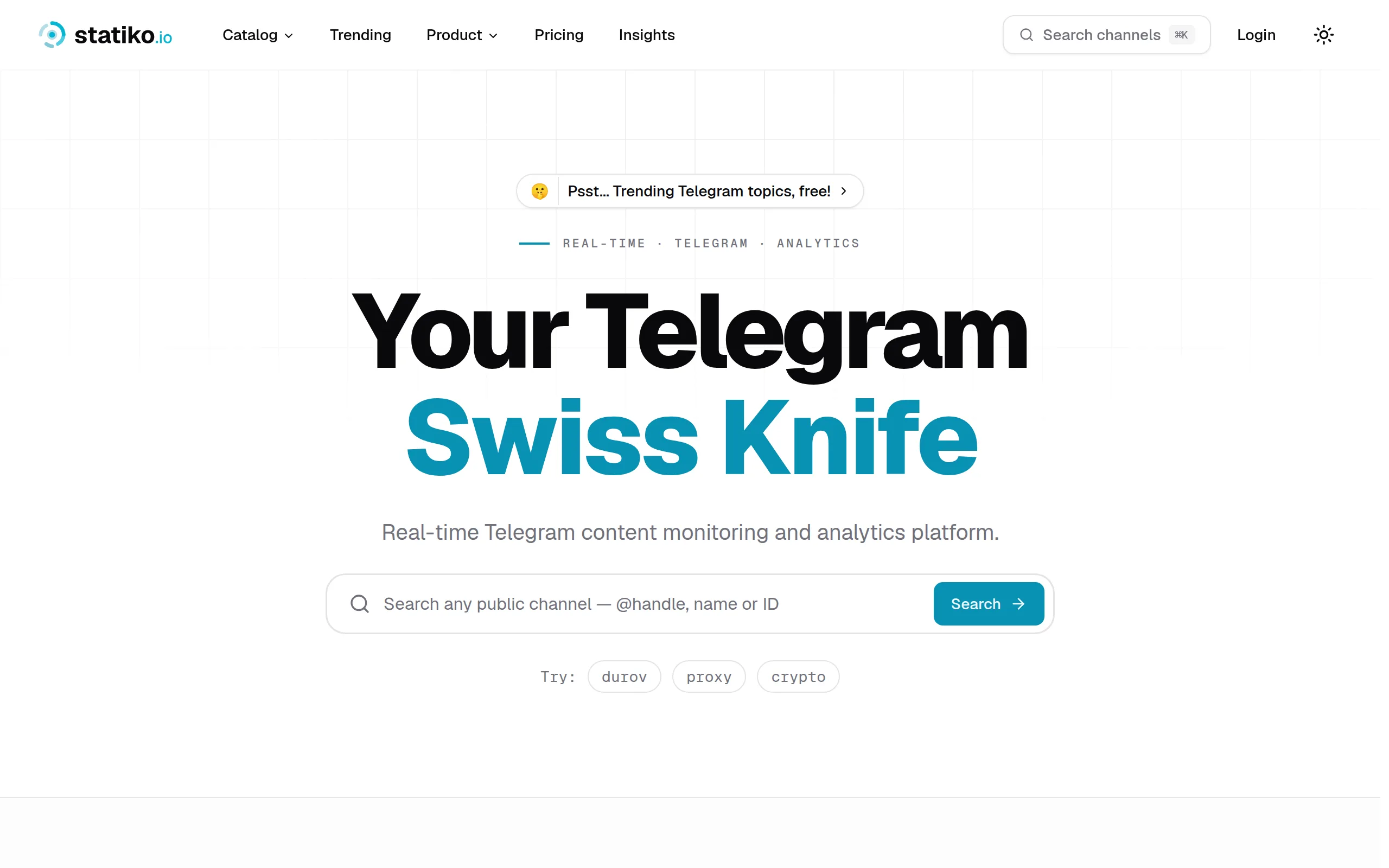
Statiko
Monitor any Telegram channel in real time - track posts, edits, deletions, and growth with AI recaps 📡

Shibui
AI website builder - describe your business, pick a niche template, edit by chatting, and publish instantly ✨

Pro Service
Find verified home service professionals, compare quotes, and pay securely through escrow - built for Brazilians across the US 🏠
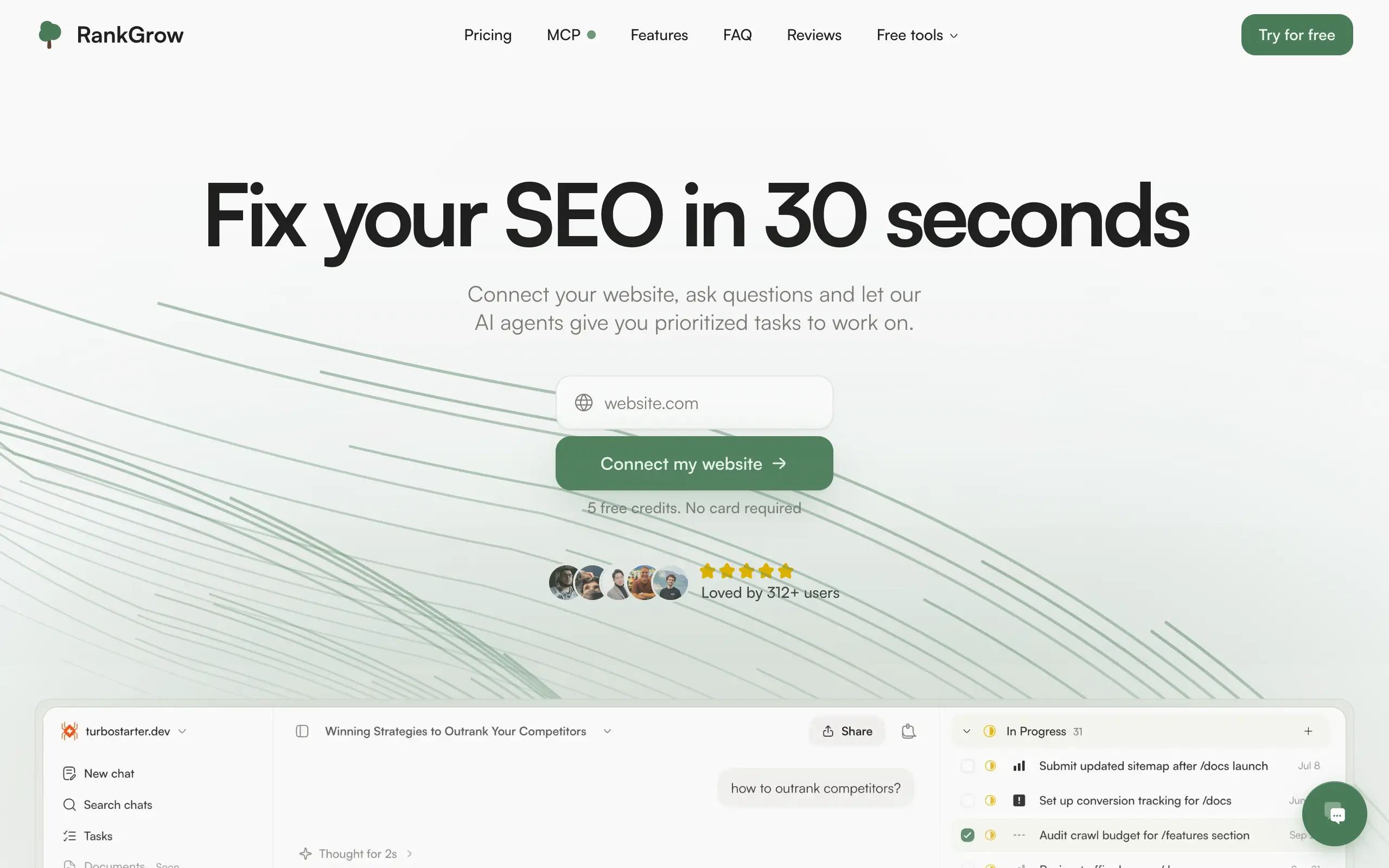
RankGrow
Fix your SEO with AI agents - connect Search Console, get prioritized tasks, and grow organic traffic 📈
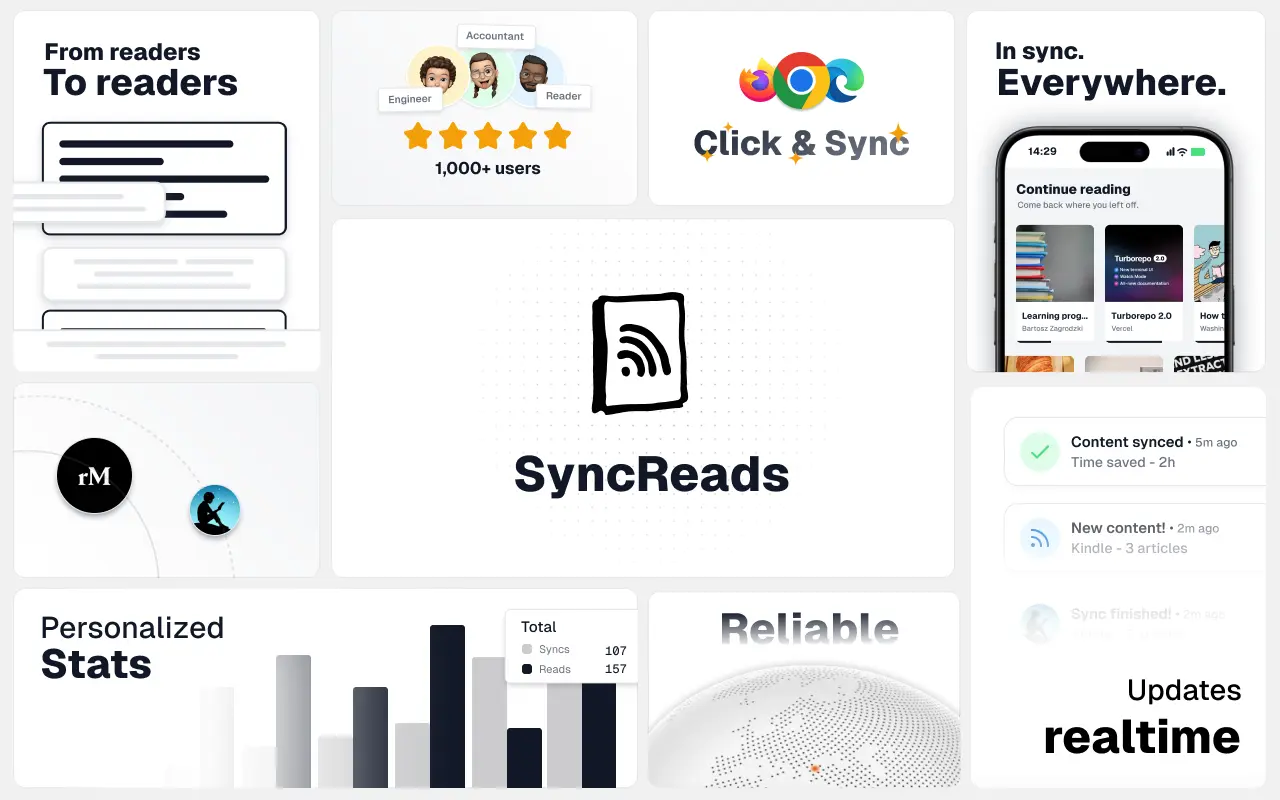
SyncReads
Sync your favorite content for distraction-free reading, save time and replace multiple apps. Anytime, anywhere 🔄
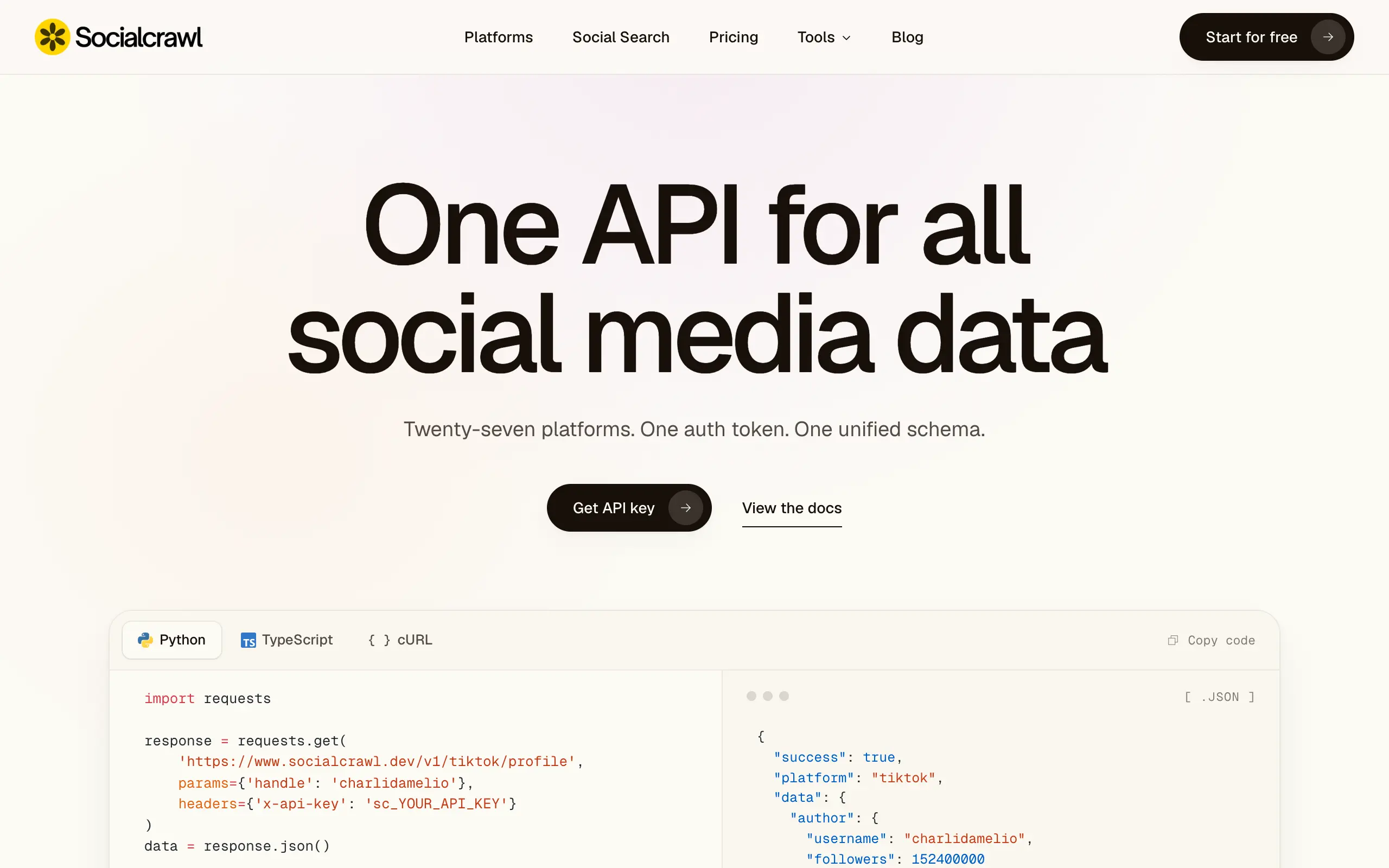
Socialcrawl
Get clean, structured data from 21 platforms like TikTok, Instagram, and YouTube with a single request 📊
Statiko
Monitor any Telegram channel in real time - track posts, edits, deletions, and growth with AI recaps 📡
Shibui
AI website builder - describe your business, pick a niche template, edit by chatting, and publish instantly ✨
Pro Service
Find verified home service professionals, compare quotes, and pay securely through escrow - built for Brazilians across the US 🏠
RankGrow
Fix your SEO with AI agents - connect Search Console, get prioritized tasks, and grow organic traffic 📈
SyncReads
Sync your favorite content for distraction-free reading, save time and replace multiple apps. Anytime, anywhere 🔄
Socialcrawl
Get clean, structured data from 21 platforms like TikTok, Instagram, and YouTube with a single request 📊
Statiko
Monitor any Telegram channel in real time - track posts, edits, deletions, and growth with AI recaps 📡
Shibui
AI website builder - describe your business, pick a niche template, edit by chatting, and publish instantly ✨
Pro Service
Find verified home service professionals, compare quotes, and pay securely through escrow - built for Brazilians across the US 🏠
RankGrow
Fix your SEO with AI agents - connect Search Console, get prioritized tasks, and grow organic traffic 📈
SyncReads
Sync your favorite content for distraction-free reading, save time and replace multiple apps. Anytime, anywhere 🔄
Socialcrawl
Get clean, structured data from 21 platforms like TikTok, Instagram, and YouTube with a single request 📊
Statiko
Monitor any Telegram channel in real time - track posts, edits, deletions, and growth with AI recaps 📡
Shibui
AI website builder - describe your business, pick a niche template, edit by chatting, and publish instantly ✨
Pro Service
Find verified home service professionals, compare quotes, and pay securely through escrow - built for Brazilians across the US 🏠
RankGrow
Fix your SEO with AI agents - connect Search Console, get prioritized tasks, and grow organic traffic 📈
SyncReads
Sync your favorite content for distraction-free reading, save time and replace multiple apps. Anytime, anywhere 🔄
Socialcrawl
Get clean, structured data from 21 platforms like TikTok, Instagram, and YouTube with a single request 📊
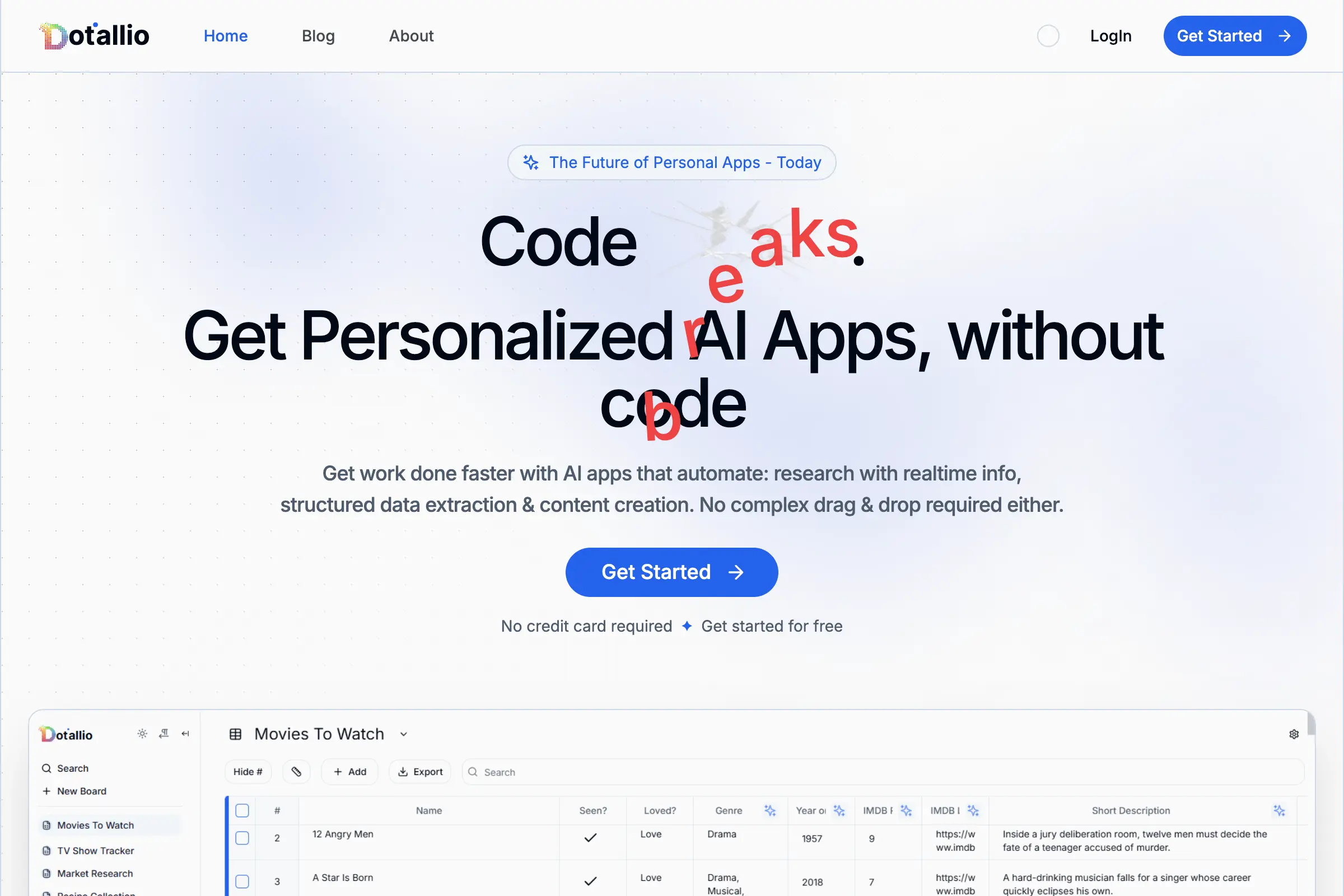
Dotallio
Personalized AI apps that automate research, data extraction, and content creation without code 🤖

Talk to Santa
Enjoy a magical live video chat or receive a unique AI-generated video greeting from Santa Claus 🎅

pozywka.pl
Scalable blog for food journalist, focused on performance and user experience 🌭
zagrodzki.me
Personal blog and portfolio of Bart Zagrodzki, where he shares his knowledge and work 💼
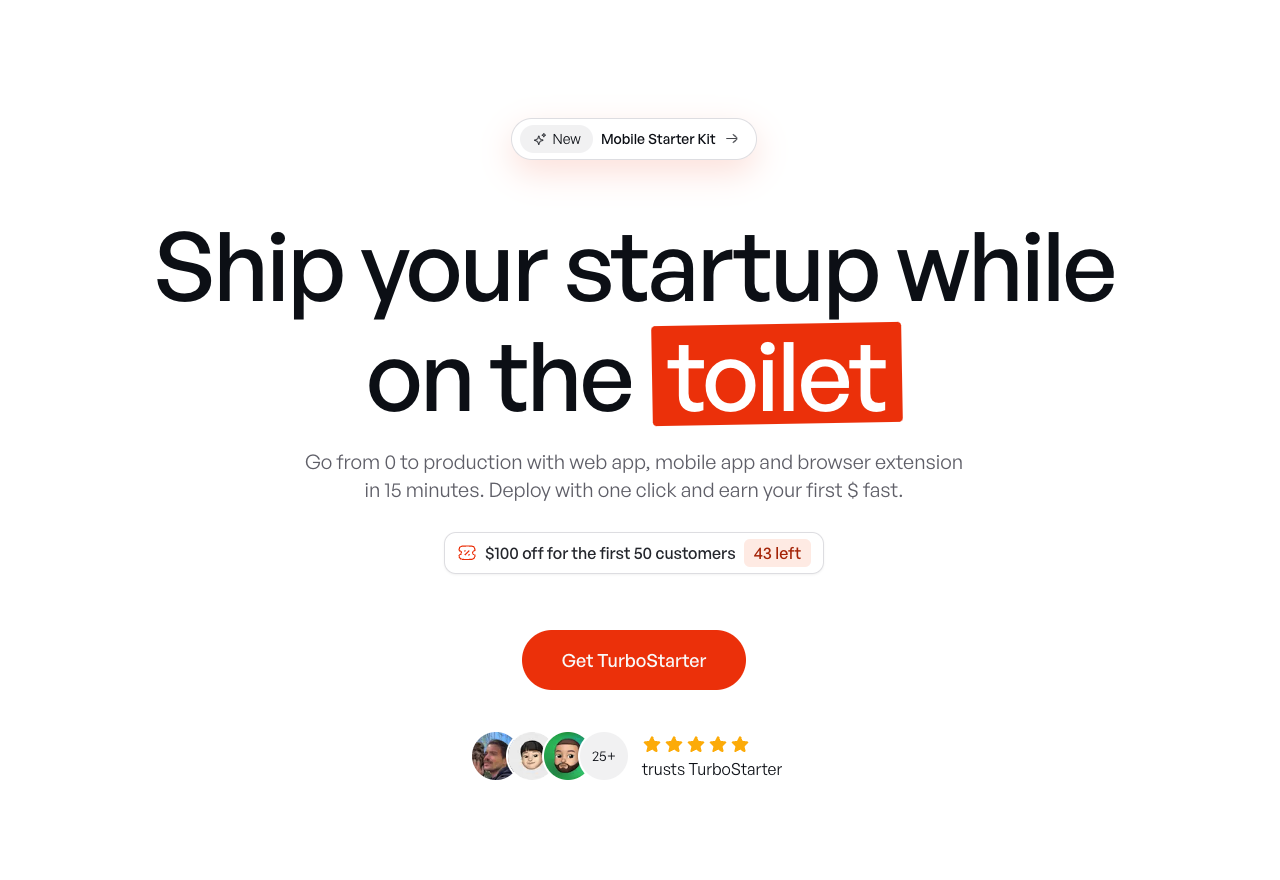
TurboStarter
Ship your startup everywhere. In minutes.
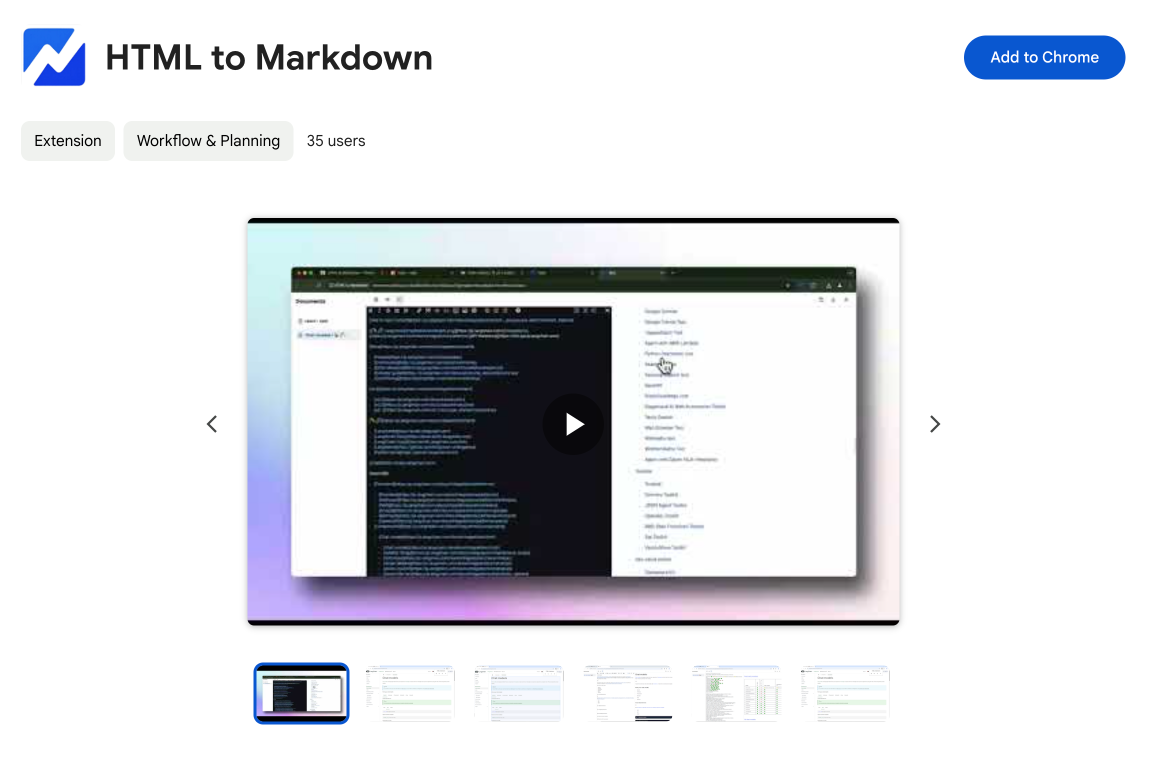
HTML to Markdown
Convert HTML to Markdown with ease, directly in your browser 📄
Dotallio
Personalized AI apps that automate research, data extraction, and content creation without code 🤖
Talk to Santa
Enjoy a magical live video chat or receive a unique AI-generated video greeting from Santa Claus 🎅
pozywka.pl
Scalable blog for food journalist, focused on performance and user experience 🌭
zagrodzki.me
Personal blog and portfolio of Bart Zagrodzki, where he shares his knowledge and work 💼
TurboStarter
Ship your startup everywhere. In minutes.
HTML to Markdown
Convert HTML to Markdown with ease, directly in your browser 📄
Dotallio
Personalized AI apps that automate research, data extraction, and content creation without code 🤖
Talk to Santa
Enjoy a magical live video chat or receive a unique AI-generated video greeting from Santa Claus 🎅
pozywka.pl
Scalable blog for food journalist, focused on performance and user experience 🌭
zagrodzki.me
Personal blog and portfolio of Bart Zagrodzki, where he shares his knowledge and work 💼
TurboStarter
Ship your startup everywhere. In minutes.
HTML to Markdown
Convert HTML to Markdown with ease, directly in your browser 📄
Dotallio
Personalized AI apps that automate research, data extraction, and content creation without code 🤖
Talk to Santa
Enjoy a magical live video chat or receive a unique AI-generated video greeting from Santa Claus 🎅
pozywka.pl
Scalable blog for food journalist, focused on performance and user experience 🌭
zagrodzki.me
Personal blog and portfolio of Bart Zagrodzki, where he shares his knowledge and work 💼
TurboStarter
Ship your startup everywhere. In minutes.
HTML to Markdown
Convert HTML to Markdown with ease, directly in your browser 📄
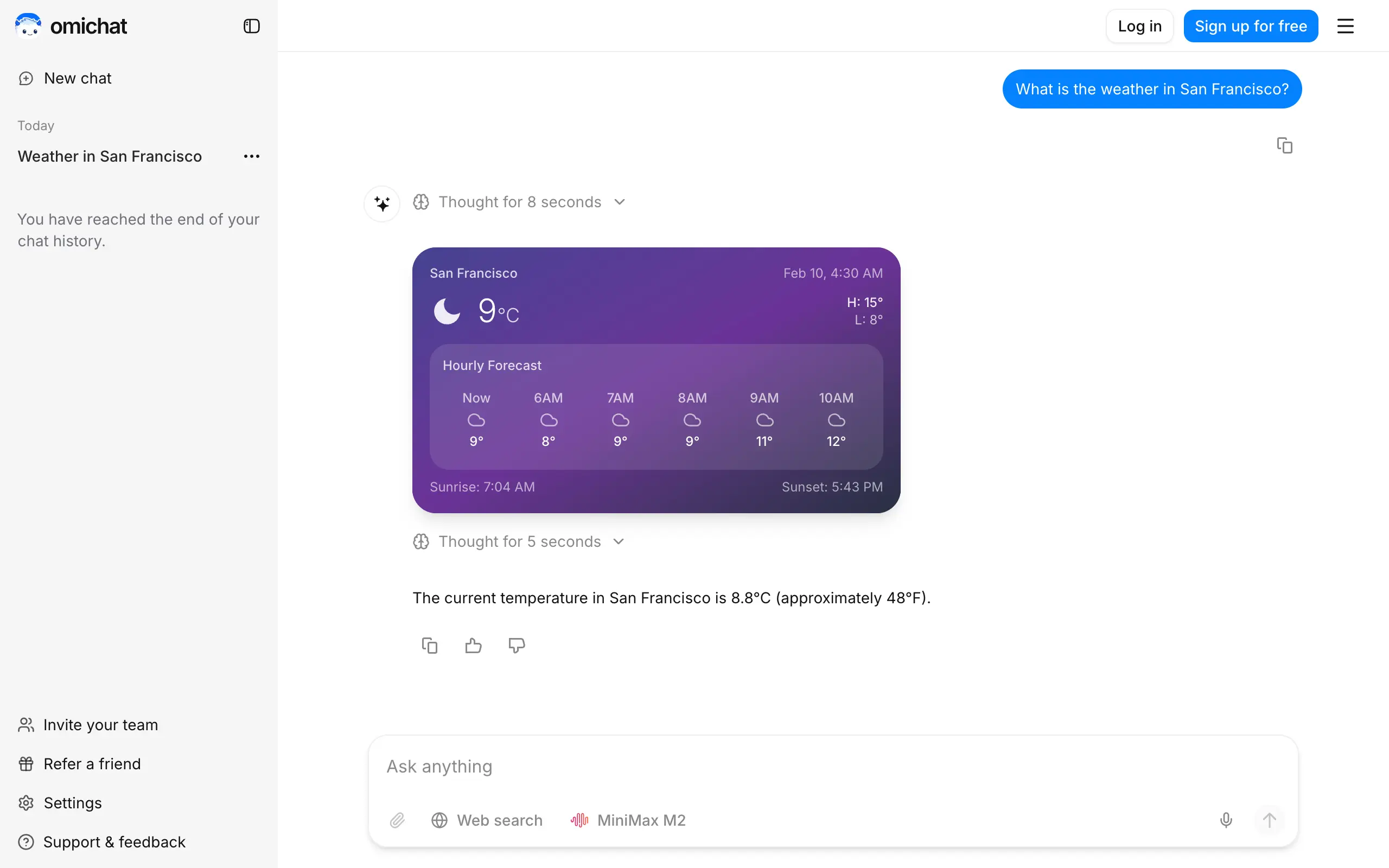
Omichat
Chat with 50+ AI models, including ChatGPT and Claude, in one place - switch models anytime without losing context 🤖
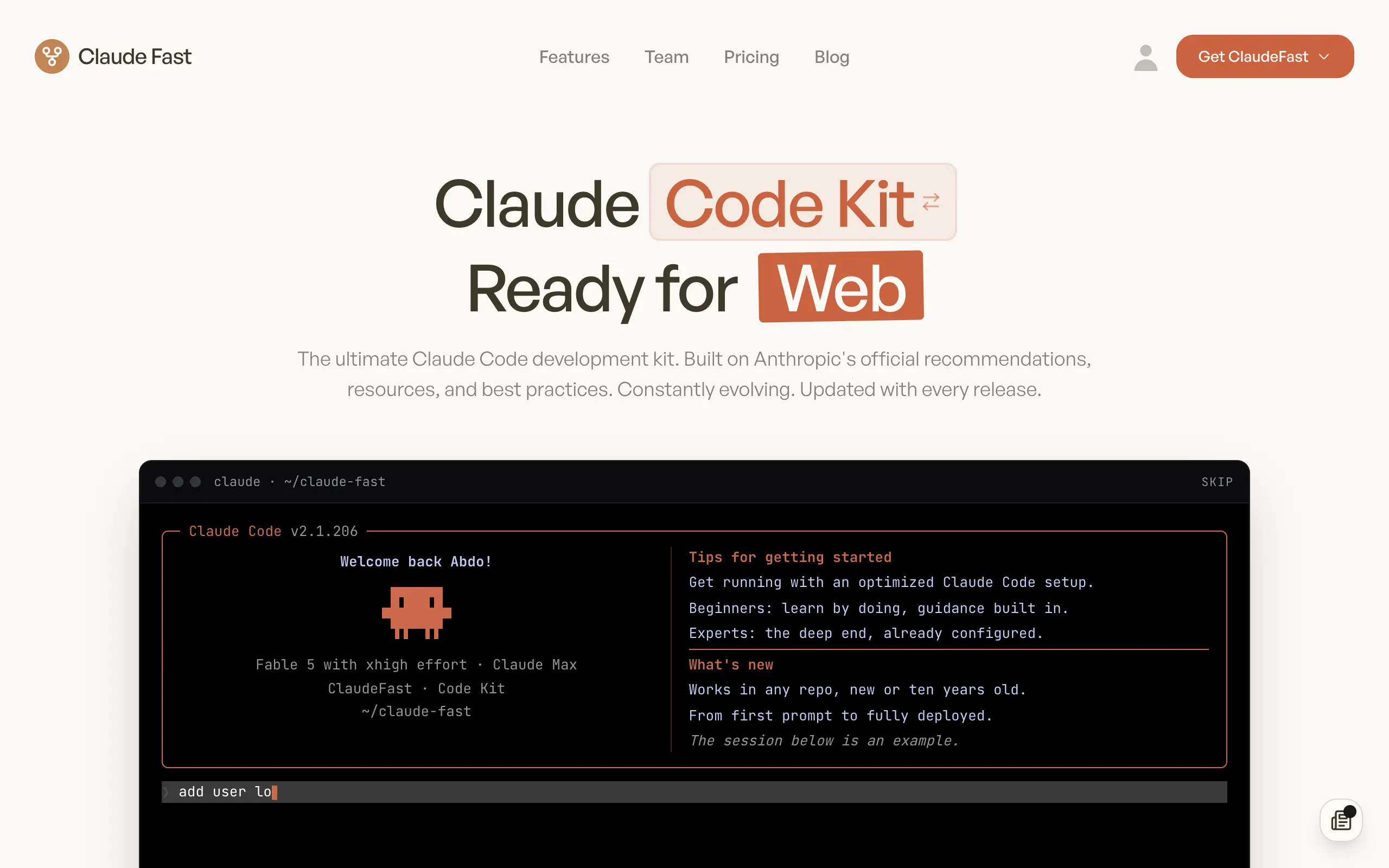
Claude Fast
Supercharge your Claude Code with 6x effective context window and specialized AI agents 🤖
EmojAI
AI-powered emoji picker with smart, context-aware suggestions 🤖
Solohacker
Autonomous company launcher - AI agents work 24/7, escalate what matters, and you stay in control 🤖

BeRawi: Storytelling Coach
Practice storytelling daily with instant feedback to sound clearer, more engaging, and confident 🎤
Omichat
Chat with 50+ AI models, including ChatGPT and Claude, in one place - switch models anytime without losing context 🤖
Claude Fast
Supercharge your Claude Code with 6x effective context window and specialized AI agents 🤖
EmojAI
AI-powered emoji picker with smart, context-aware suggestions 🤖
Solohacker
Autonomous company launcher - AI agents work 24/7, escalate what matters, and you stay in control 🤖
BeRawi: Storytelling Coach
Practice storytelling daily with instant feedback to sound clearer, more engaging, and confident 🎤
Omichat
Chat with 50+ AI models, including ChatGPT and Claude, in one place - switch models anytime without losing context 🤖
Claude Fast
Supercharge your Claude Code with 6x effective context window and specialized AI agents 🤖
EmojAI
AI-powered emoji picker with smart, context-aware suggestions 🤖
Solohacker
Autonomous company launcher - AI agents work 24/7, escalate what matters, and you stay in control 🤖
BeRawi: Storytelling Coach
Practice storytelling daily with instant feedback to sound clearer, more engaging, and confident 🎤
Omichat
Chat with 50+ AI models, including ChatGPT and Claude, in one place - switch models anytime without losing context 🤖
Claude Fast
Supercharge your Claude Code with 6x effective context window and specialized AI agents 🤖
EmojAI
AI-powered emoji picker with smart, context-aware suggestions 🤖
Solohacker
Autonomous company launcher - AI agents work 24/7, escalate what matters, and you stay in control 🤖
BeRawi: Storytelling Coach
Practice storytelling daily with instant feedback to sound clearer, more engaging, and confident 🎤

Connect with like-minded people
Join our community to get feedback, support, and grow together with 1,000+ builders on board, let's ship it!
Join usShip your startup everywhere. In minutes.
Don't burn tokens on setup and start building features on day one.