Skill Sprint
A free-time learning planner that converts goals into 10–45 minute sessions using your materials, calendar gaps, and adaptive AI practice.
Why an AI learning planner solves the real free-time learning problem
Most people do not fail to learn a language, earn a certification, improve their coding skills, or build a creative habit because they lack motivation. They fail because their learning plans assume uninterrupted time, perfect energy, and a predictable schedule.
That assumption is increasingly unrealistic.
Professionals, students, parents, career changers, and independent learners often have fragmented availability. They may have 15 minutes before a meeting, 30 minutes during a commute, or 45 minutes in the evening after responsibilities are finished. Traditional courses and productivity tools rarely translate a broad goal into a useful next action that fits those real constraints.
Skill Sprint is an AI learning planner built around this gap. It converts a learner’s goal, existing materials, calendar availability, and performance data into focused 10–45 minute learning sessions. Instead of asking users to design a study system, it provides an adaptive plan that answers a much simpler question:
What is the best thing I can do to make meaningful progress in the time I have right now?
The primary keyword for this concept is AI learning planner. Related search terms include personalized study planner, adaptive learning app, microlearning planner, AI study schedule, learning habit tracker, skill development planner, and calendar-based learning app.
The opportunity is not simply to make another AI tutor. It is to make learning operational. Skill Sprint can become the layer that turns intent into consistent, measurable practice.
Core positioning
Skill Sprint is not a content library and not a generic task manager. It is an AI learning planner that schedules the smallest high-value learning action a person can realistically complete.
Who needs an AI learning planner like Skill Sprint
The most valuable audience is not “everyone who wants to learn.” The strongest early market consists of people with a clear outcome, scattered resources, and inconsistent time.
Busy professionals building career-relevant skills
Professionals often need to learn skills while working full time. Common examples include:
- Preparing for a cloud, project management, finance, or cybersecurity certification
- Learning SQL, Python, data analysis, or AI workflow automation
- Improving leadership, writing, public speaking, or negotiation skills
- Transitioning into product management, design, sales, or engineering
- Keeping up with changing tools in a technical role
These users have high willingness to pay when the skill is connected to career progression. Their problem is rarely a lack of resources. They may already have bookmarked courses, company documentation, books, podcasts, saved articles, and recorded workshops. The challenge is prioritizing the right material and fitting deliberate practice around meetings and deadlines.
Skill Sprint can help by turning a vague objective such as “prepare for the AWS certification in three months” into a sequence of short sessions:
- Review a five-minute concept summary before a standup
- Complete 10 practice questions during a 20-minute gap
- Revisit weak domains after work
- Schedule a 45-minute mock-exam block on the weekend
Students managing competing deadlines
Students face a different version of the same planning issue. They have timetables, assignment deadlines, exams, reading lists, lecture recordings, and variable energy levels. A conventional calendar shows when they are busy, but it does not decide what to study next.
A personalized study planner can create an exam preparation routine based on:
- Course syllabi and assessment dates
- Topic difficulty and prerequisite relationships
- Existing notes, flashcards, and readings
- Available study windows
- Past quiz performance
- A user’s preferred study style
For students, the strongest value proposition is not merely time blocking. It is reducing decision fatigue and preventing last-minute cramming.
Career changers and self-directed learners
Career changers are highly motivated but often overwhelmed by the volume of learning content. Someone moving into data analytics, UX design, software development, or digital marketing may have a roadmap but no confidence that they are following it correctly.
These users frequently ask questions such as:
- Which resource should I use first?
- How many hours a week do I realistically need?
- What should I practice after watching a lesson?
- How do I avoid endlessly consuming tutorials?
- How do I know whether I am ready to apply for roles?
Skill Sprint can differentiate by building practice into every plan. Rather than scheduling only “watch module three,” it can assign an output-oriented sprint such as “clean a small CSV dataset and explain three findings” or “redesign one mobile checkout screen using the lesson principles.”
Lifelong learners with inconsistent routines
Language learners, musicians, writers, fitness-minded learners, hobbyists, and readers may not need an intensive career plan, but they still benefit from adaptive microlearning. Their priority is sustainable momentum.
For this group, the product must feel encouraging rather than punitive. Missing a day should trigger a graceful recalculation, not a broken streak or an unrealistic backlog.
High-intent early adopters
Certification candidates, technical professionals, and career changers have urgent goals, measurable outcomes, and a stronger reason to pay for better planning.
High-retention users
Students and lifelong learners benefit from recurring weekly planning, progress reflection, and flexible study sessions that fit changing schedules.
Future B2B buyers
Learning and development teams, bootcamps, universities, and coaching programs can use Skill Sprint to improve learner follow-through.
The market gap in personalized study planning
The learning technology market is crowded, but its categories are often disconnected.
Course marketplaces excel at hosting content. Calendar apps excel at showing availability. Task managers capture commitments. Flashcard tools support retrieval practice. AI chatbots answer questions. Yet learners must manually connect all of these systems.
That fragmentation produces a costly behavioral gap between wanting to learn and knowing what to do next.
Existing tools solve only part of the workflow
A course platform can recommend a course, but it usually cannot account for an unexpected 18-minute break between calls. A calendar application can reserve time, but it cannot determine whether a learner should review, practice, build, test, or move to a new concept. A generic AI assistant can create a study plan, but it usually lacks a persistent, evidence-based model of the learner’s available time, materials, and mastery.
| Learning need | Course platform | Calendar app | Task manager | Skill Sprint opportunity |
|---|---|---|---|---|
| Organize learning resources | Partial | No | Manual | Unified material library |
| Use calendar gaps | No | Shows gaps | Manual | Automatic session matching |
| Adapt to performance | Limited | No | No | Practice-driven replanning |
| Create focused next steps | Content-led | No | Manual | Goal and context aware |
The key market insight is time fragmentation
Many productivity products are built around hours. Real learning often happens in fragments.
A learner with three 20-minute windows does not necessarily have a usable one-hour session. Switching costs, setup time, fatigue, and material selection all reduce the value of short windows. Skill Sprint can capture that lost value by preparing sessions in advance.
For example, a 15-minute sprint should not ask a user to “study JavaScript.” It should provide:
- A specific topic or skill subcomponent
- A preselected source from the user’s materials
- A concise activity such as recall, annotation, drills, or one coding exercise
- A clear definition of done
- A short confidence or difficulty check at completion
This approach fits the established learning science principle that active retrieval and spaced review are generally more effective than passive rereading. When publishing claims about learning efficacy, the company should cite peer-reviewed educational psychology research or sources such as the American Psychological Association, rather than relying on broad marketing claims.
Why AI makes this opportunity viable now
AI can now classify and summarize user-provided learning materials, extract topics, create practice prompts, estimate session effort, and adapt plans based on feedback. However, the product should use AI as a planning and coaching layer, not as an opaque replacement for educational judgment.
The most credible promise is:
- AI reduces planning overhead
- AI helps learners use their existing materials
- AI creates targeted practice opportunities
- AI adapts recommendations using explicit learner feedback
- The learner remains in control of goals, schedule, and source material
That positioning is more trustworthy than claiming the system can “guarantee mastery.”
The Skill Sprint product experience
Skill Sprint should make the first useful action happen quickly. A user should be able to add a goal, connect availability, provide materials, and receive an actionable learning sprint within minutes.
Goal intake should capture outcomes, constraints, and motivation
The onboarding process should ask short, high-signal questions.
- “What do you want to learn?”
- “Why does this matter right now?”
- “What deadline or target date are you working toward?”
- “How confident are you today?”
- “How much time can you protect most weeks?”
- “Which materials do you already have?”
- “When do you prefer focused work versus lighter review?”
The onboarding flow should avoid making users build a curriculum from scratch. If a learner says they want to “learn SQL for a data analyst interview,” the AI learning planner can propose a flexible skill map with topics such as querying, filtering, joins, aggregations, window functions, data cleaning, and interview-style exercises.
The user should be able to edit that map. Transparency matters because a generic plan may not match a company-specific interview, course syllabus, or professional certification exam.
Material ingestion creates a personal learning workspace
A defining feature of Skill Sprint is its ability to work with materials users already own or trust.
Potential supported inputs include:
- PDF documents and ebooks
- Web links and articles
- Course notes
- Uploaded slide decks
- Video links with available transcripts
- Markdown notes
- Flashcard exports
- Practice questions
- Personal project briefs
- Existing study plans
The system can extract a structured representation of each resource:
- Main topics and subtopics
- Difficulty level
- Estimated time to complete sections
- Suitable learning modes
- Relevant prerequisites
- Suggested practice formats
For example, a 90-minute course video should not become one calendar event. The AI can identify logical segments and create separate sessions for concept review, active recall, implementation practice, and reflection.
Calendar-aware sprint generation is the central feature
The calendar connection is where Skill Sprint becomes meaningfully different from a static learning roadmap.
A scheduling engine should detect free windows while respecting user preferences. It should consider:
- Working hours and blocked personal time
- Existing calendar events
- Minimum buffer before and after meetings
- Preferred learning periods
- Time zone changes
- Minimum session duration
- The learner’s weekly capacity
- The cognitive intensity of each planned task
A 10-minute window may be ideal for flashcards, a knowledge check, or reviewing a concept summary. A 30-minute window may support a focused lesson and exercise. A 45-minute session can support deeper work, a mini-project, or a timed practice set.
The planner should never treat every empty slot as available. Users need a clear setting for “suggest only,” “schedule automatically,” or “ask before adding to my calendar.”
Adaptive AI practice turns plans into learning loops
Scheduling content is not enough. Users need feedback that changes what comes next.
After each session, Skill Sprint can ask lightweight questions:
- “Did you complete this?”
- “How difficult was it?”
- “How confident do you feel?”
- “Would you like another practice round?”
- “Do you need a shorter or longer session next time?”
The system can combine completion data, self-reported confidence, quiz outcomes, and elapsed time to update priorities. A topic with low confidence and repeated mistakes should reappear sooner, perhaps in a different learning mode. A topic the learner completes easily can be spaced out.
A useful adaptive loop follows this sequence:
A session should be more than a calendar event
Every Skill Sprint session needs a compact learning interface. It can include:
- A session objective
- The estimated duration
- The selected source material
- A short “why this now” explanation
- An active task
- A timer or focus mode
- Optional AI help constrained to the selected material
- A completion check
- A next-session preview
Explainability is a major trust feature. If the app schedules a review session, it should say something like, “You marked SQL joins as difficult two days ago, and this 15-minute review supports retention before your next practice set.”
Core features for a compelling MVP
The first version should focus on the highest-value loop: plan, complete, adapt, repeat. A broad feature set may sound impressive, but it can obscure the actual product value.
Essential MVP capabilities
A focused Skill Sprint MVP should include the following capabilities.
- Goal creation with deadlines, target proficiency, and flexible weekly time expectations
- Material uploads for PDFs, notes, links, and text-based resources
- Topic extraction to organize materials into a usable skill map
- Calendar integration that identifies potential study windows
- 10–45 minute session generation based on time available and priority
- AI practice prompts for recall questions, applied exercises, and concise explanations
- Completion and confidence tracking after each sprint
- Adaptive rescheduling when sessions are skipped or performed poorly
- Weekly progress summaries that emphasize momentum and upcoming priorities
Features to defer until product-market fit
Several ideas are attractive but should not block validation.
- Social study groups
- Gamified leaderboards
- Marketplace content partnerships
- Native mobile applications for every platform
- Complex employer administration
- Full-featured note-taking
- Deep integrations with every learning platform
- AI voice tutors and real-time conversation modes
These can be valuable later. Initially, they increase design complexity, support burden, and privacy considerations.
Avoid the feature trap
Do not build Skill Sprint as a course platform, a full calendar replacement, and an AI chatbot at the same time. The MVP wins by reliably converting available time into useful practice.
Recommended tech stack for an AI learning planner
The product needs a stack that supports rapid iteration, secure handling of user data, background processing, and reliable calendar synchronization.
A pragmatic web-first architecture can use React with Next.js for the application layer. Next.js supports server rendering, API routes, authentication patterns, and a strong ecosystem for SaaS products.
For styling, Tailwind CSS is a practical choice because it speeds up interface iteration and makes it easier to maintain a consistent design system. The product interface will contain repeatable elements such as sprint cards, goal dashboards, confidence selectors, calendar overlays, and progress charts.
TurboStarter can reduce early setup work by providing a production-oriented SaaS foundation, allowing the team to spend more time on the learning workflow instead of rebuilding common infrastructure.
Suggested architecture
Use Next.js and React for a responsive dashboard, onboarding flow, session player, and calendar view. Start with a web application because calendar permissions, uploads, and detailed planning interfaces are generally easier to manage on the web.
Use a TypeScript API layer, PostgreSQL for relational product data, and a background job queue for ingestion, scheduling, reminders, and recurring plan updates. Keep calendar synchronization asynchronous and idempotent.
Use an LLM provider for structured extraction, session generation, and practice creation. Combine it with embeddings and retrieval so answers are grounded in the learner's approved materials where possible.
Data model considerations
A robust data model should separate user goals, learning resources, extracted concepts, scheduled sessions, completion events, and mastery signals.
Important entities include:
usersgoalsmaterialsmaterial_chunksconceptsgoal_conceptscalendar_connectionsavailability_ruleslearning_sessionssession_attemptspractice_itemsmastery_signalsnotifications
Each learning session should store the plan that generated it. This provides auditability when the system adapts later. It also enables support teams to investigate why a particular recommendation was made.
Scheduling logic should be deterministic where possible
AI can recommend the content and format of a session, but the scheduling layer should use clear rules and constraints. This reduces surprising behavior and makes the product easier to debug.
A simple priority score can combine deadline urgency, knowledge weakness, forgetting risk, user preferences, and session fit.
type SessionCandidate = {
  conceptId: string;
  durationMinutes: number;
  urgency: number;
  masteryGap: number;
  reviewNeed: number;
  preferenceFit: number;
};

export function scoreSession(candidate: SessionCandidate) {
  const durationFit =
    candidate.durationMinutes >= 10 && candidate.durationMinutes <= 45 ? 1 : 0;

  return (
    candidate.urgency * 0.3 +
    candidate.masteryGap * 0.3 +
    candidate.reviewNeed * 0.2 +
    candidate.preferenceFit * 0.1 +
    durationFit * 0.1
  );
}
This approach creates an important trade-off. Deterministic rules are predictable but may become simplistic. LLM-based planning is flexible but can be inconsistent. The best product combines both:
- Use structured rules for constraints, calendar behavior, and prioritization
- Use AI for content interpretation and practice generation
- Present recommendation reasons in plain language
- Let users override recommendations easily
Calendar integration and privacy requirements
Calendar data is highly sensitive. The product should request the narrowest possible permission scope and clearly explain why it needs access.
A privacy-conscious implementation should:
- Read only necessary calendar metadata when possible
- Avoid storing event titles or descriptions unless required
- Let users exclude calendars and working-hour ranges
- Encrypt sensitive credentials and tokens
- Provide a clear disconnect and deletion flow
- Avoid training models on private user content without explicit consent
- Keep a retention policy for uploaded materials and extracted data
For guidance on security controls, teams can reference the OWASP Top 10 and apply standard SaaS security practices. For legal requirements, consult qualified counsel regarding applicable privacy laws, educational data rules, and regional regulations.
Monetization strategies for Skill Sprint
The free-time learning planner model supports a strong freemium approach because users need to experience the planning loop before they understand its value.
Freemium plan for habit formation
A free tier can include:
- One active learning goal
- A limited number of uploaded materials
- Basic calendar gap detection
- A weekly session plan
- Basic completion tracking
- Limited AI practice generation
The free plan should be useful enough to create a learning habit. A restrictive free tier may reduce activation before users see the adaptive benefit.
Premium subscription for personalization
A paid individual plan can unlock:
- Multiple active goals
- Unlimited or higher-volume materials
- Real-time adaptive replanning
- Advanced practice modes
- Detailed analytics and mastery maps
- Priority scheduling around deadlines
- More calendar connections
- Smart reminders and focus modes
- Exportable learning summaries
- Interview or certification readiness plans
A monthly subscription is appropriate for learners with a near-term goal. An annual plan can suit ongoing professional development users, especially if it includes a substantial discount.
Team and education plans
B2B can become a meaningful expansion path after the consumer experience is reliable.
Potential buyers include:
- Companies funding professional development
- Bootcamps improving learner completion rates
- Universities supporting study skills and retention
- Coaching businesses managing client plans
- Professional training providers
The B2B product should not simply expose employee activity data. It should offer aggregate insights with privacy safeguards, such as program engagement, planned versus completed learning time, and common content bottlenecks.
A team plan may include SSO, centralized resource libraries, cohort templates, admin analytics, and manager-approved learning goals.
Competitive advantage and unique selling proposition
The strongest Skill Sprint USP is the combination of calendar-aware planning, user-owned learning materials, and adaptive practice in short sessions.
Many competitors may offer one of these components. Fewer can unite them in a coherent, low-friction workflow.
Why the product can stand out
Skill Sprint can build defensibility through several product decisions.
- Time-aware recommendations make sessions usable in real life, not just aspirational plans.
- Material-aware AI lets learners retain control over trusted sources instead of being forced into a new content ecosystem.
- Practice-first planning prevents passive consumption from being mistaken for progress.
- Adaptive scheduling makes missed sessions recoverable rather than discouraging.
- Transparent reasoning helps users trust why a session is recommended.
- Cross-goal prioritization can help users balance a certification deadline, language practice, and a personal development goal without overbooking themselves.
The long-term data advantage is not just knowledge of what people want to learn. It is understanding which session types work for which learner contexts. Over time, Skill Sprint can learn patterns such as whether a user performs better with morning recall sessions, weekend deep work, or shorter practice after meetings.
That must be handled responsibly. Product insights should improve recommendations while preserving user privacy and avoiding unsupported claims about intelligence, productivity, or learning ability.
Risks and mitigation for an adaptive learning app
An AI learning planner has meaningful execution risks. Addressing them early improves both user trust and product resilience.
Mitigate this with structured goal templates, editable skill maps, retrieval from user-approved materials, and clear user controls. Evaluate outputs against expert-created learning plans for high-value use cases such as certifications.
Start with suggested sessions rather than automatic event creation. Add confirmation controls, calendar exclusions, quiet hours, and a simple undo action.
Design for recovery. Recalculate the week, reduce scope when needed, and frame missed sessions as scheduling information rather than failure.
Minimize permissions, document data handling clearly, encrypt stored secrets, and give users direct controls to delete resources, revoke access, and export data.
Use smaller models for classification, cache extracted metadata, batch background tasks, limit expensive generation in free plans, and reserve richer AI interactions for high-value moments.
Avoid overclaiming learning outcomes
Learning outcomes depend on prior knowledge, content quality, practice quality, sleep, stress, instructional design, and many other factors. Skill Sprint should not promise that a user will master a skill in a fixed number of days.
A more credible message is that the product helps users create and sustain a practice routine, use materials more deliberately, and adjust their plans based on evidence.
If the company later publishes outcome data, it should define methodology carefully. For example, a case study could report completion rates, planned-versus-completed sessions, or self-reported confidence changes, while clearly explaining sample size, timeframe, and limitations.
Go-to-market strategy for Skill Sprint
The best initial go-to-market strategy is use-case specific. Avoid marketing to all learners at launch.
Start with a measurable learning outcome
Good launch niches include:
- Technical certification preparation
- Data analytics career transitions
- Software engineering interview preparation
- Professional language learning
- University exam planning
- Bootcamp learner retention
Certification preparation is especially attractive because users have deadlines, accepted source materials, measurable milestones, and high motivation. The product can position itself as an AI study schedule builder for busy professionals rather than as a generic study app.
Build content around high-intent search terms
An SEO strategy can target practical questions people already search for:
- How to create a study schedule while working full time
- Best AI learning planner for certifications
- How to study in 20-minute sessions
- How to use calendar gaps productively
- Personalized study plan for SQL
- How to avoid falling behind in an online course
- Adaptive study planner for busy professionals
Each article should connect a specific problem to a concrete workflow. Avoid thin content that repeats broad AI productivity claims. High-quality pages should include examples, planning templates, constraints, expert commentary, and realistic limitations.
For industry data, cite primary or authoritative sources in a standard format. For example, reference a report title, publishing organization, publication date, and direct source URL after verifying it. This strengthens trust without relying on unverifiable statistics.
Use a product-led onboarding loop
A strong acquisition-to-activation path looks like this:
- A visitor selects a goal template.
- They enter a deadline and expected weekly availability.
- They upload or link one learning resource.
- They connect a calendar or manually add availability.
- Skill Sprint generates the first three sessions.
- The user completes one short sprint immediately.
- The product shows how the next recommendation adapts.
The critical activation moment is not account creation. It is completing a useful session and seeing the plan become more personalized afterward.
Actionable implementation roadmap
The fastest way to validate Skill Sprint is to build a narrow but complete learning loop.
Phase one: validate the problem manually
Before building complex AI infrastructure, interview 15–30 target users in one niche. Ask them to show their actual calendar, current learning resources, and existing study process.
Look for evidence of these pains:
- They own materials but do not use them consistently
- They regularly have small time windows that go unused
- They spend too much time deciding what to study
- They abandon plans after disruptions
- They want accountability without rigid scheduling
Create a concierge prototype using a form, a calendar export, and manually generated sprint plans. Measure whether users complete the proposed sessions.
Phase two: launch a narrow MVP
Build the smallest product that can generate a personalized learning plan from one goal, one or more materials, and calendar availability.
Prioritize:
- Secure authentication
- One calendar provider integration
- Material upload and extraction
- Goal and deadline setup
- Sprint recommendations
- Completion feedback
- Weekly replanning
Do not wait for perfect personalization. The goal is to test whether learners return because the next session is useful and easy to start.
Phase three: measure retention and learning behavior
Track product metrics that reveal actual value.
- Activation rate measures how many new users create and complete a first sprint.
- Weekly active learners measures recurring planning behavior.
- Session completion rate measures whether recommendations fit real schedules.
- Replan recovery rate measures whether users return after missing sessions.
- Goal progression rate measures completed concepts or milestones over time.
- Paid conversion rate measures whether personalization is worth paying for.
Qualitative feedback matters equally. Ask users which recommended sessions felt useful, which were poorly timed, and whether the system selected the right material.
Phase four: strengthen personalization and distribution
Once the core loop is validated, expand carefully:
- Improve spaced review logic
- Add more practice formats
- Support additional materials
- Introduce niche-specific templates
- Build integrations requested by active users
- Test premium upgrades
- Pilot a small B2B cohort
Final perspective on building Skill Sprint
Skill Sprint has a compelling SaaS opportunity because it addresses a persistent and practical problem: learners do not need more information nearly as often as they need a realistic next step.
An effective AI learning planner should respect the fragmented nature of modern schedules, use the materials people already trust, and adapt without becoming intrusive. Its value comes from making progress feel possible in 10, 20, or 45 minutes—not from generating an impressive but unused curriculum.
The winning product experience is simple. A learner opens Skill Sprint, sees a well-timed session that matches their goal and available energy, completes meaningful practice, and trusts that the next recommendation will be better because of what they just did.
That is the foundation for a differentiated personalized study planner, stronger learning habits, and a scalable product that can serve individuals, educators, and organizations.
More 🤖 AI Startup SaaS ideas
Discover more innovative ai startup SaaS ideas that are trending in 2026. Each idea is AI-generated with market validation and growth potential to help you find your next profitable venture faster than competitors.
Your competitors are building with TurboStarter
Below are some of the SaaS ideas that have been generated and built with our starter kit.
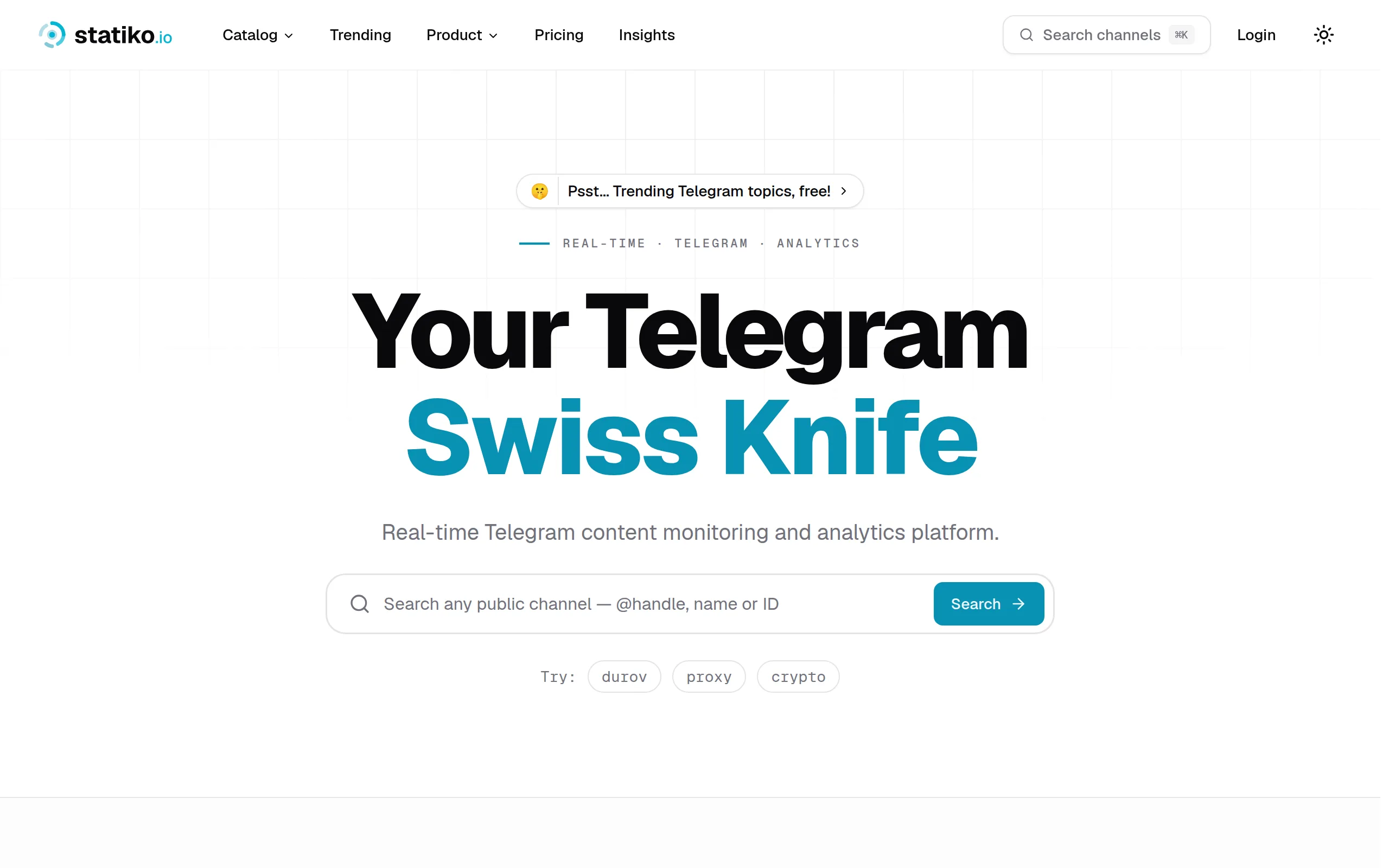
Statiko
Monitor any Telegram channel in real time - track posts, edits, deletions, and growth with AI recaps 📡

Shibui
AI website builder - describe your business, pick a niche template, edit by chatting, and publish instantly ✨

Pro Service
Find verified home service professionals, compare quotes, and pay securely through escrow - built for Brazilians across the US 🏠
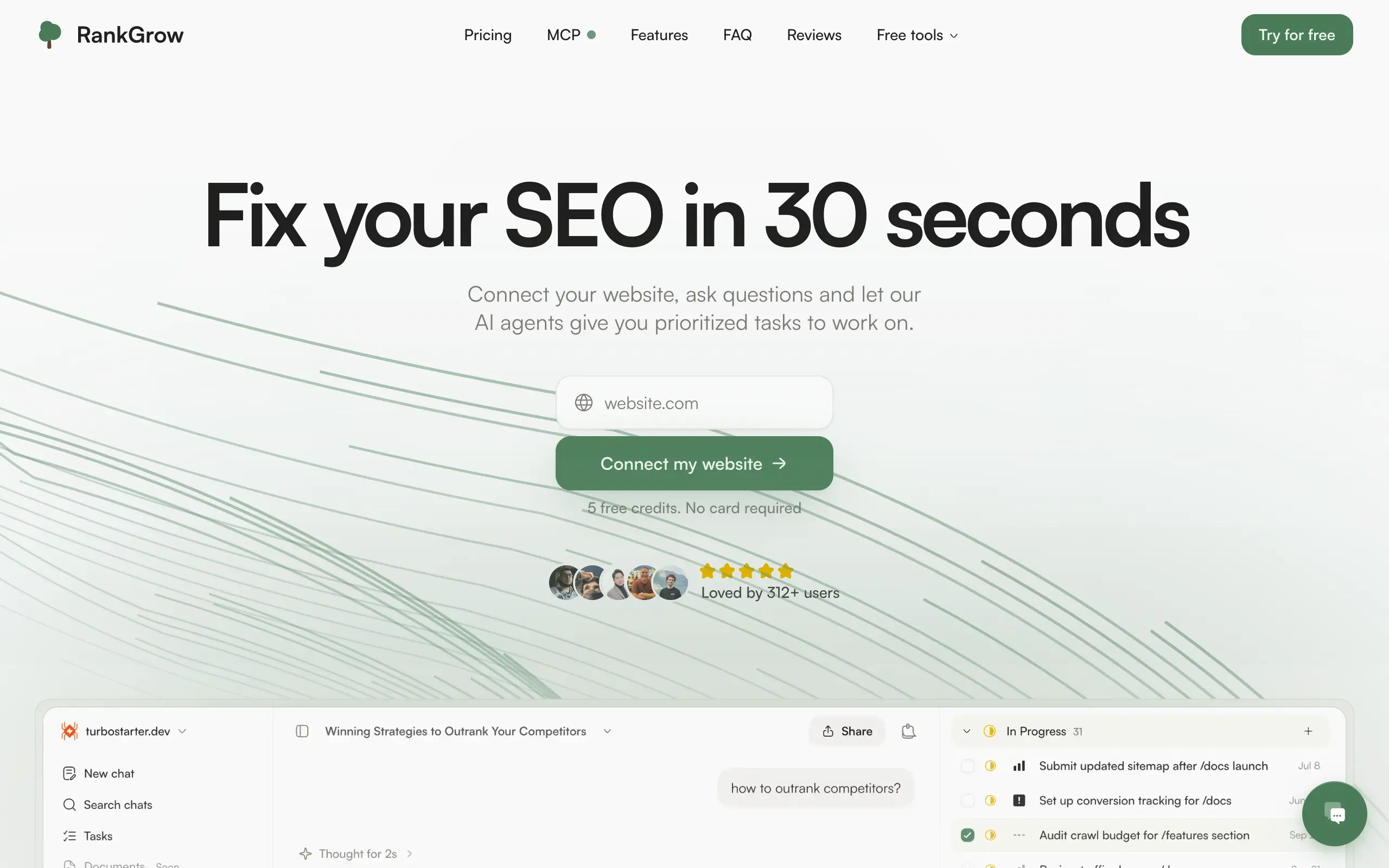
RankGrow
Fix your SEO with AI agents - connect Search Console, get prioritized tasks, and grow organic traffic 📈
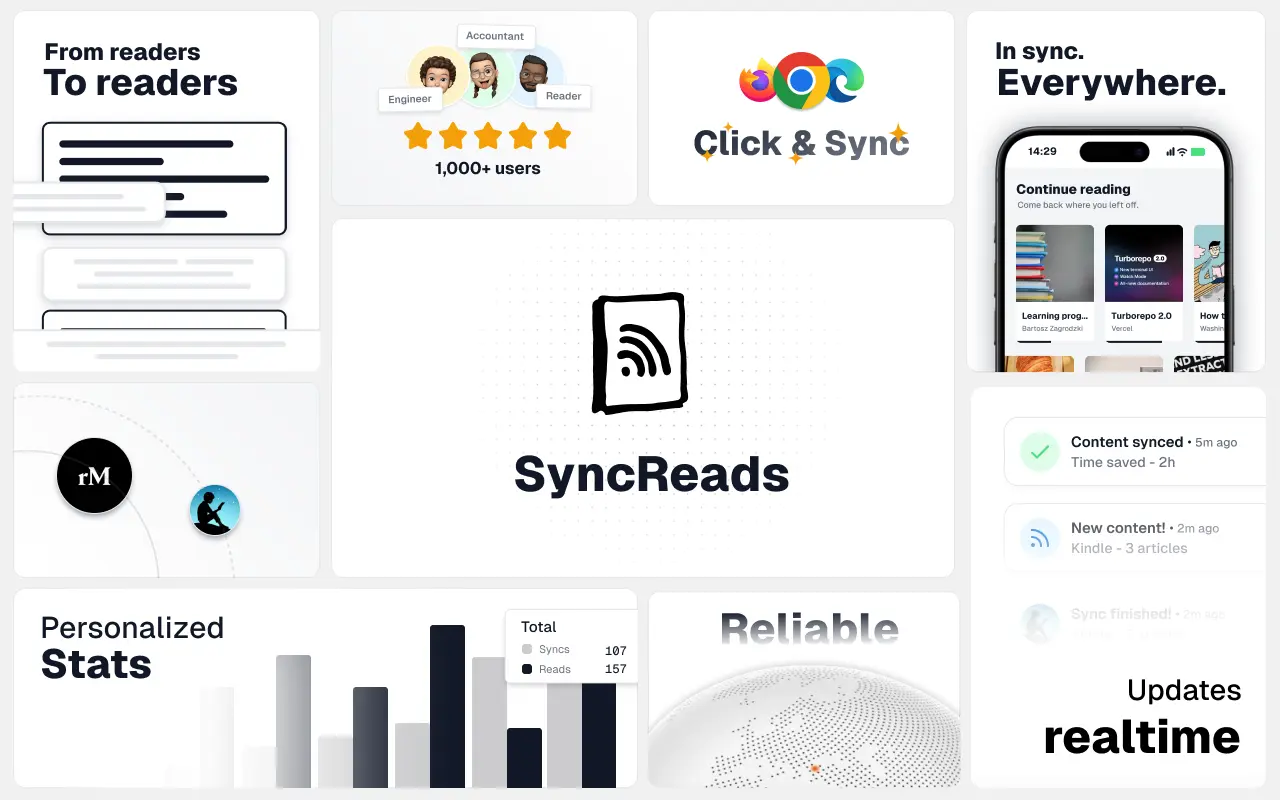
SyncReads
Sync your favorite content for distraction-free reading, save time and replace multiple apps. Anytime, anywhere 🔄
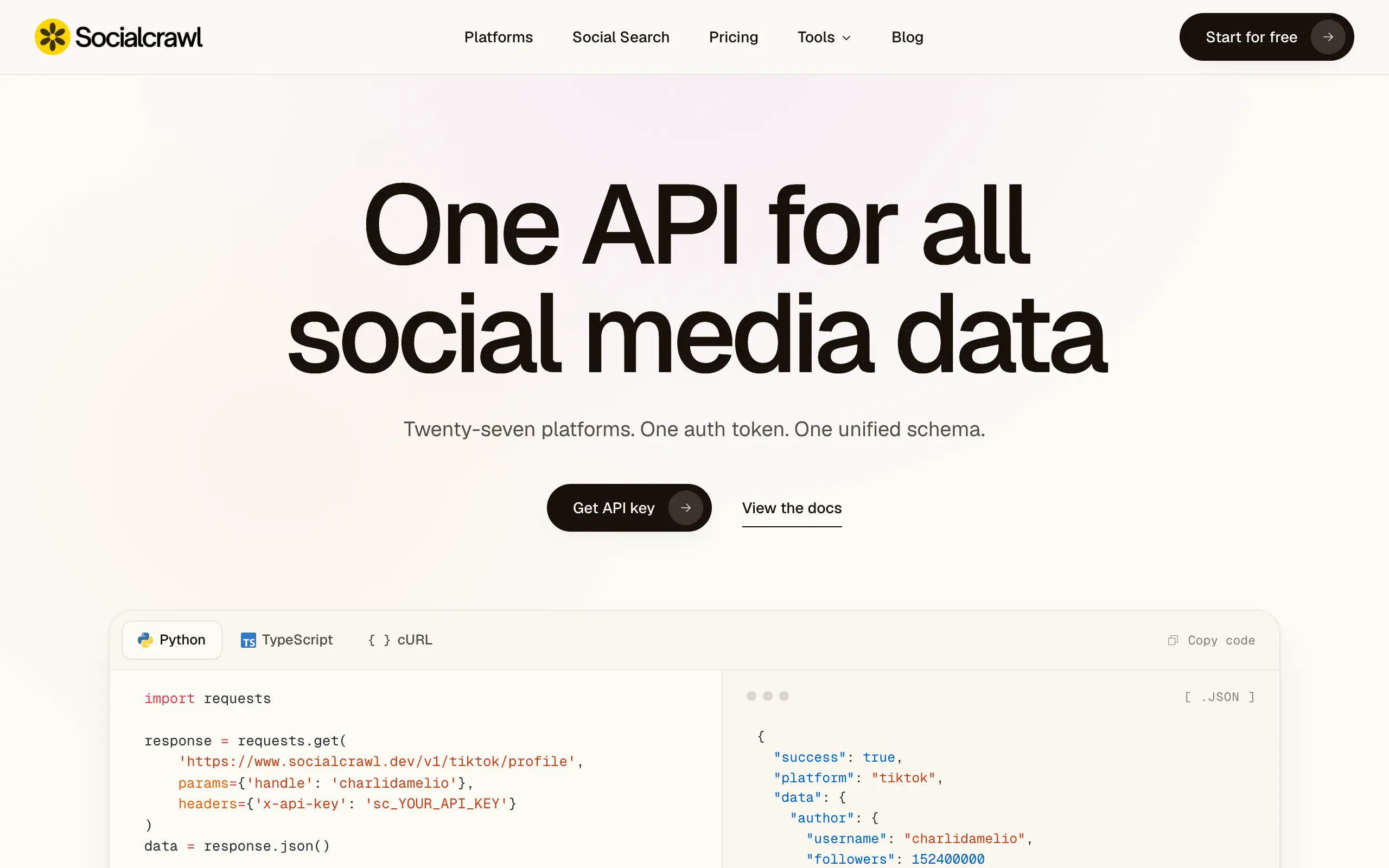
Socialcrawl
Get clean, structured data from 21 platforms like TikTok, Instagram, and YouTube with a single request 📊
Statiko
Monitor any Telegram channel in real time - track posts, edits, deletions, and growth with AI recaps 📡
Shibui
AI website builder - describe your business, pick a niche template, edit by chatting, and publish instantly ✨
Pro Service
Find verified home service professionals, compare quotes, and pay securely through escrow - built for Brazilians across the US 🏠
RankGrow
Fix your SEO with AI agents - connect Search Console, get prioritized tasks, and grow organic traffic 📈
SyncReads
Sync your favorite content for distraction-free reading, save time and replace multiple apps. Anytime, anywhere 🔄
Socialcrawl
Get clean, structured data from 21 platforms like TikTok, Instagram, and YouTube with a single request 📊
Statiko
Monitor any Telegram channel in real time - track posts, edits, deletions, and growth with AI recaps 📡
Shibui
AI website builder - describe your business, pick a niche template, edit by chatting, and publish instantly ✨
Pro Service
Find verified home service professionals, compare quotes, and pay securely through escrow - built for Brazilians across the US 🏠
RankGrow
Fix your SEO with AI agents - connect Search Console, get prioritized tasks, and grow organic traffic 📈
SyncReads
Sync your favorite content for distraction-free reading, save time and replace multiple apps. Anytime, anywhere 🔄
Socialcrawl
Get clean, structured data from 21 platforms like TikTok, Instagram, and YouTube with a single request 📊
Statiko
Monitor any Telegram channel in real time - track posts, edits, deletions, and growth with AI recaps 📡
Shibui
AI website builder - describe your business, pick a niche template, edit by chatting, and publish instantly ✨
Pro Service
Find verified home service professionals, compare quotes, and pay securely through escrow - built for Brazilians across the US 🏠
RankGrow
Fix your SEO with AI agents - connect Search Console, get prioritized tasks, and grow organic traffic 📈
SyncReads
Sync your favorite content for distraction-free reading, save time and replace multiple apps. Anytime, anywhere 🔄
Socialcrawl
Get clean, structured data from 21 platforms like TikTok, Instagram, and YouTube with a single request 📊
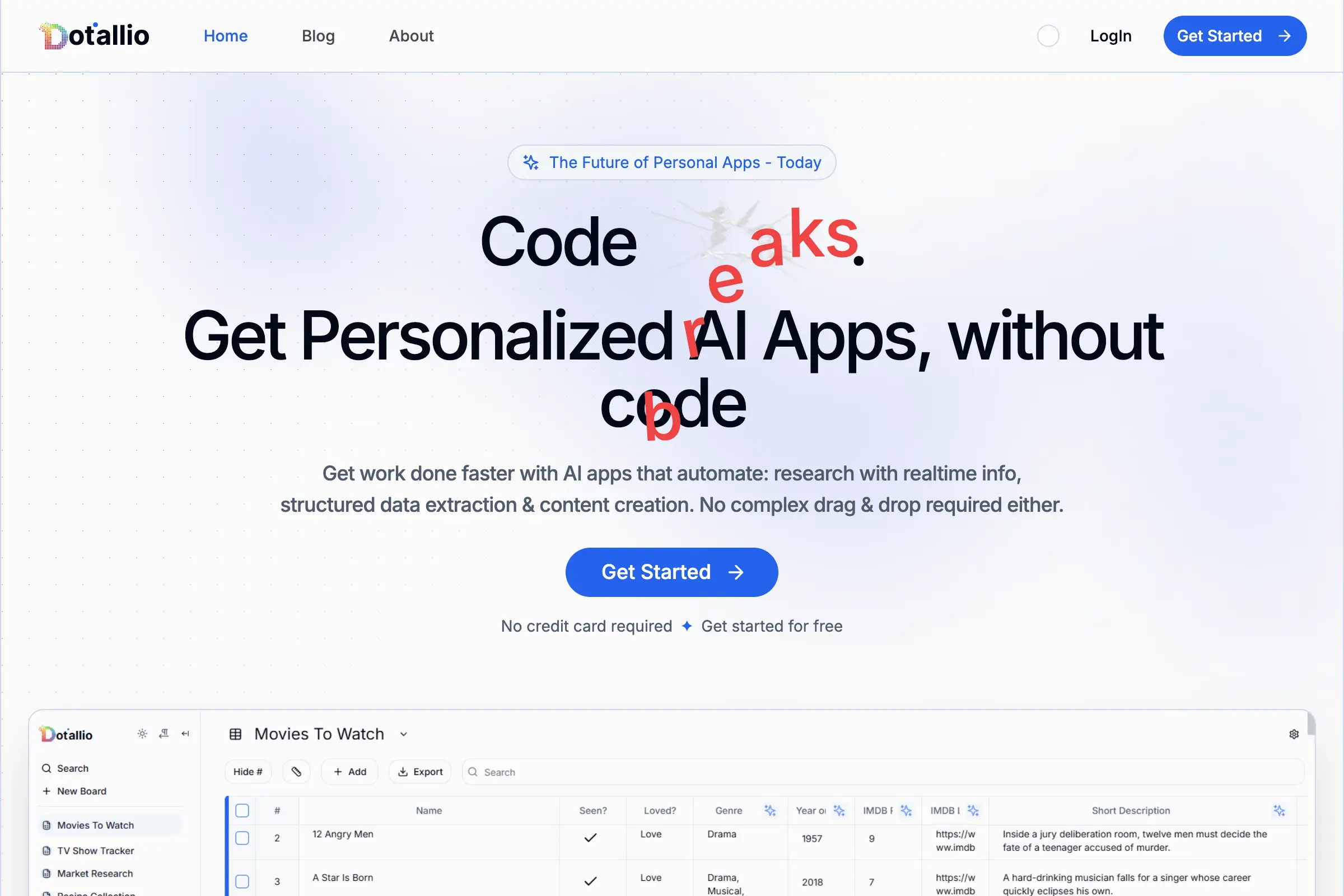
Dotallio
Personalized AI apps that automate research, data extraction, and content creation without code 🤖
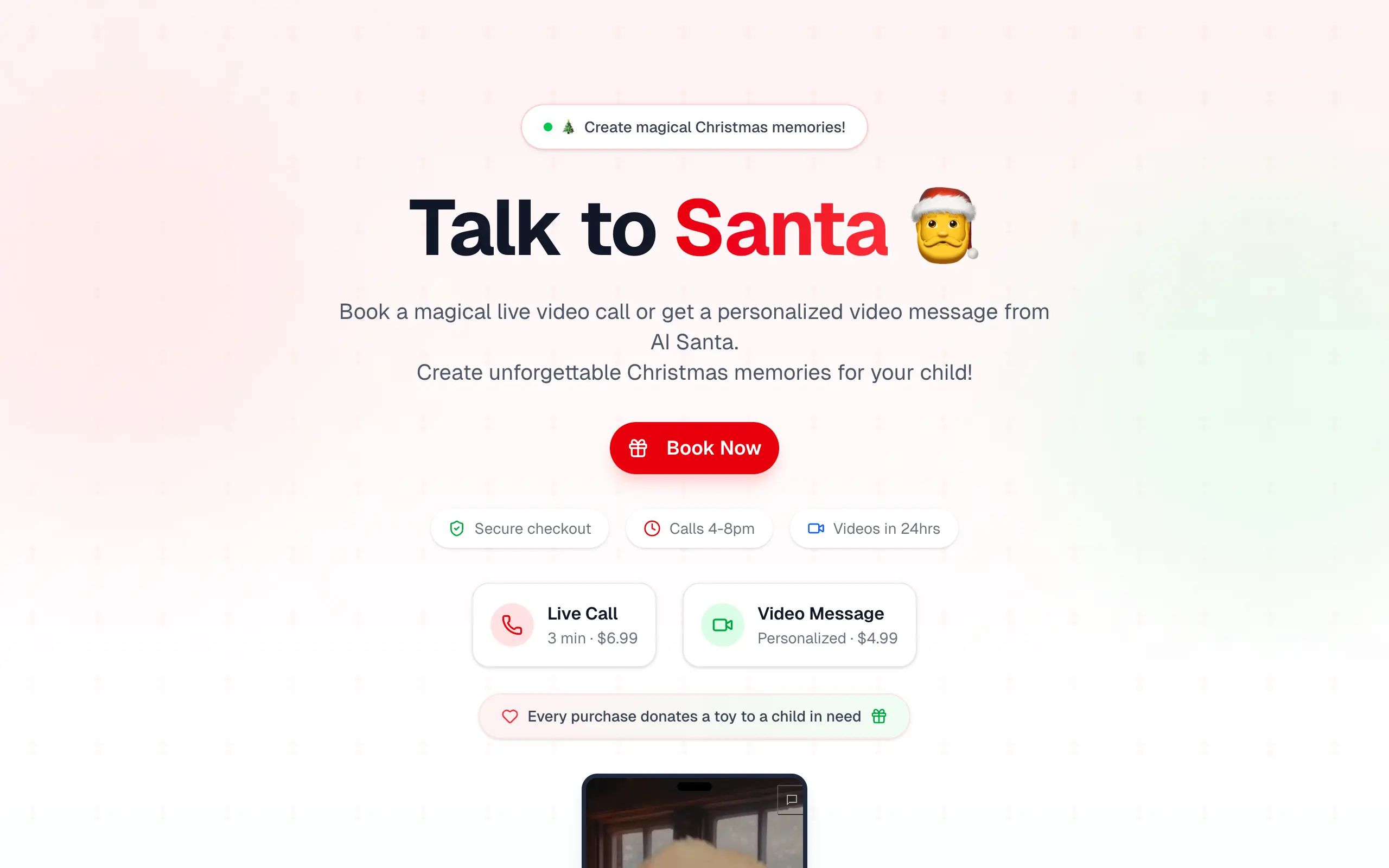
Talk to Santa
Enjoy a magical live video chat or receive a unique AI-generated video greeting from Santa Claus 🎅
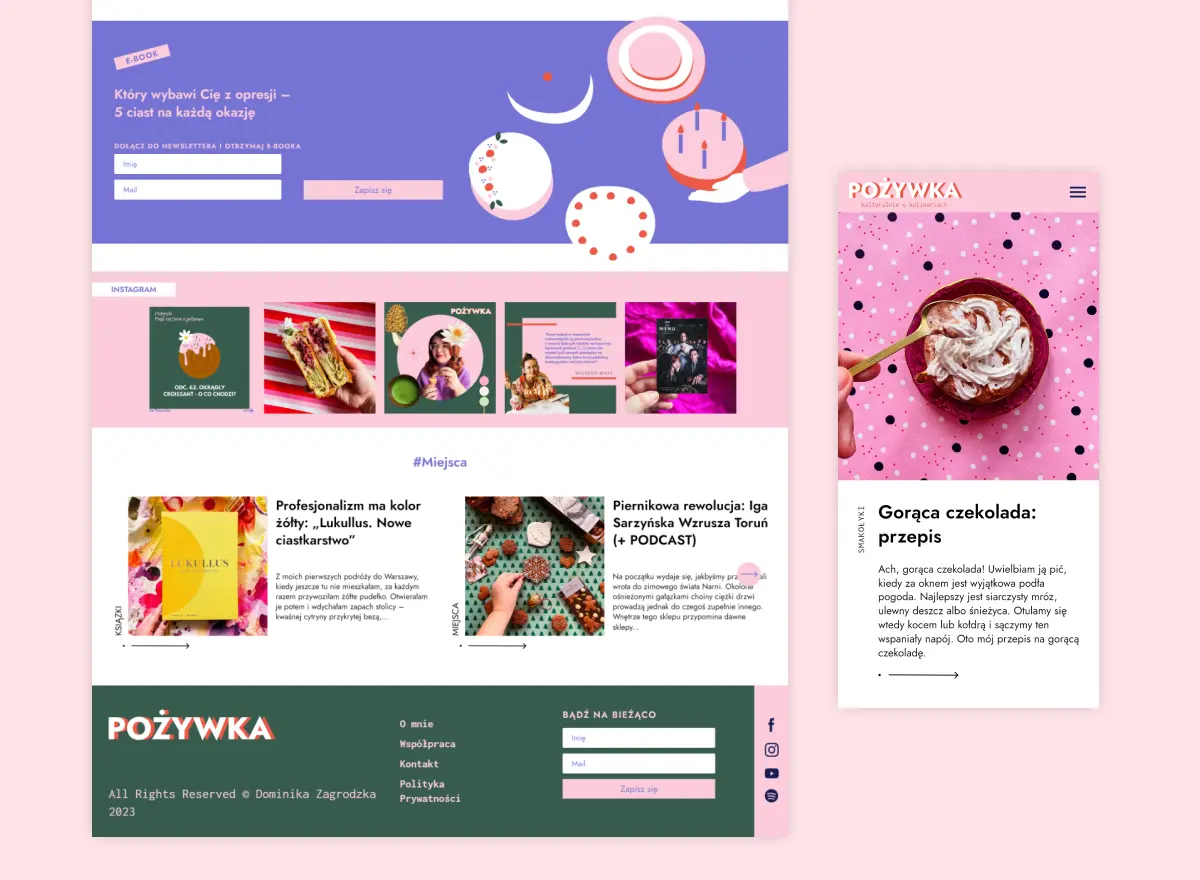
pozywka.pl
Scalable blog for food journalist, focused on performance and user experience 🌭
zagrodzki.me
Personal blog and portfolio of Bart Zagrodzki, where he shares his knowledge and work 💼
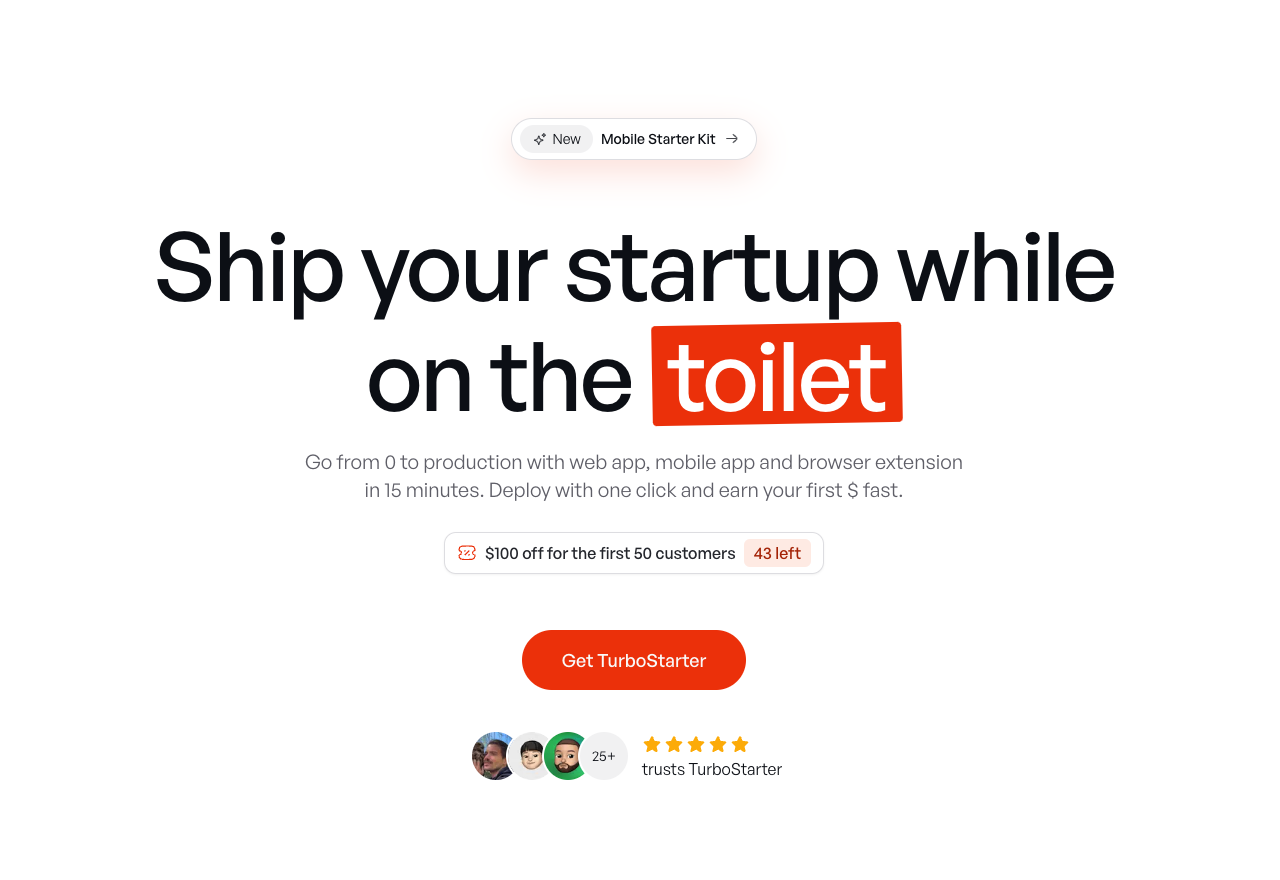
TurboStarter
Ship your startup everywhere. In minutes.
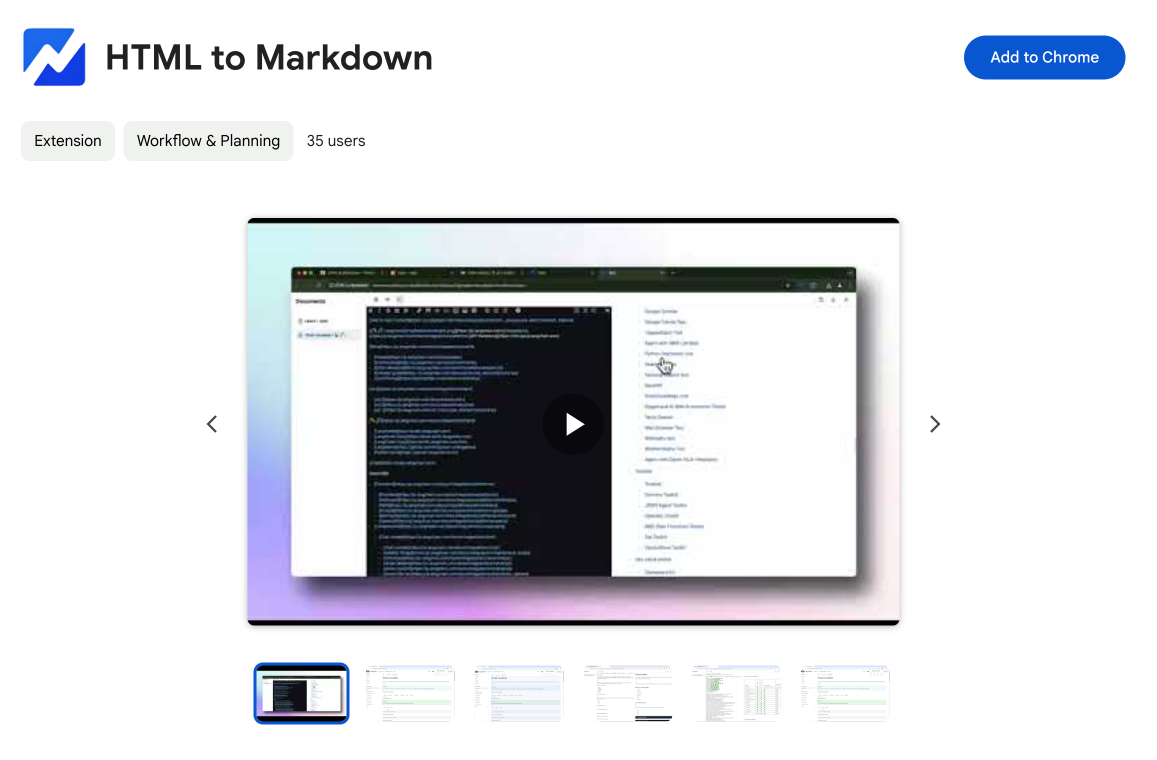
HTML to Markdown
Convert HTML to Markdown with ease, directly in your browser 📄
Dotallio
Personalized AI apps that automate research, data extraction, and content creation without code 🤖
Talk to Santa
Enjoy a magical live video chat or receive a unique AI-generated video greeting from Santa Claus 🎅
pozywka.pl
Scalable blog for food journalist, focused on performance and user experience 🌭
zagrodzki.me
Personal blog and portfolio of Bart Zagrodzki, where he shares his knowledge and work 💼
TurboStarter
Ship your startup everywhere. In minutes.
HTML to Markdown
Convert HTML to Markdown with ease, directly in your browser 📄
Dotallio
Personalized AI apps that automate research, data extraction, and content creation without code 🤖
Talk to Santa
Enjoy a magical live video chat or receive a unique AI-generated video greeting from Santa Claus 🎅
pozywka.pl
Scalable blog for food journalist, focused on performance and user experience 🌭
zagrodzki.me
Personal blog and portfolio of Bart Zagrodzki, where he shares his knowledge and work 💼
TurboStarter
Ship your startup everywhere. In minutes.
HTML to Markdown
Convert HTML to Markdown with ease, directly in your browser 📄
Dotallio
Personalized AI apps that automate research, data extraction, and content creation without code 🤖
Talk to Santa
Enjoy a magical live video chat or receive a unique AI-generated video greeting from Santa Claus 🎅
pozywka.pl
Scalable blog for food journalist, focused on performance and user experience 🌭
zagrodzki.me
Personal blog and portfolio of Bart Zagrodzki, where he shares his knowledge and work 💼
TurboStarter
Ship your startup everywhere. In minutes.
HTML to Markdown
Convert HTML to Markdown with ease, directly in your browser 📄
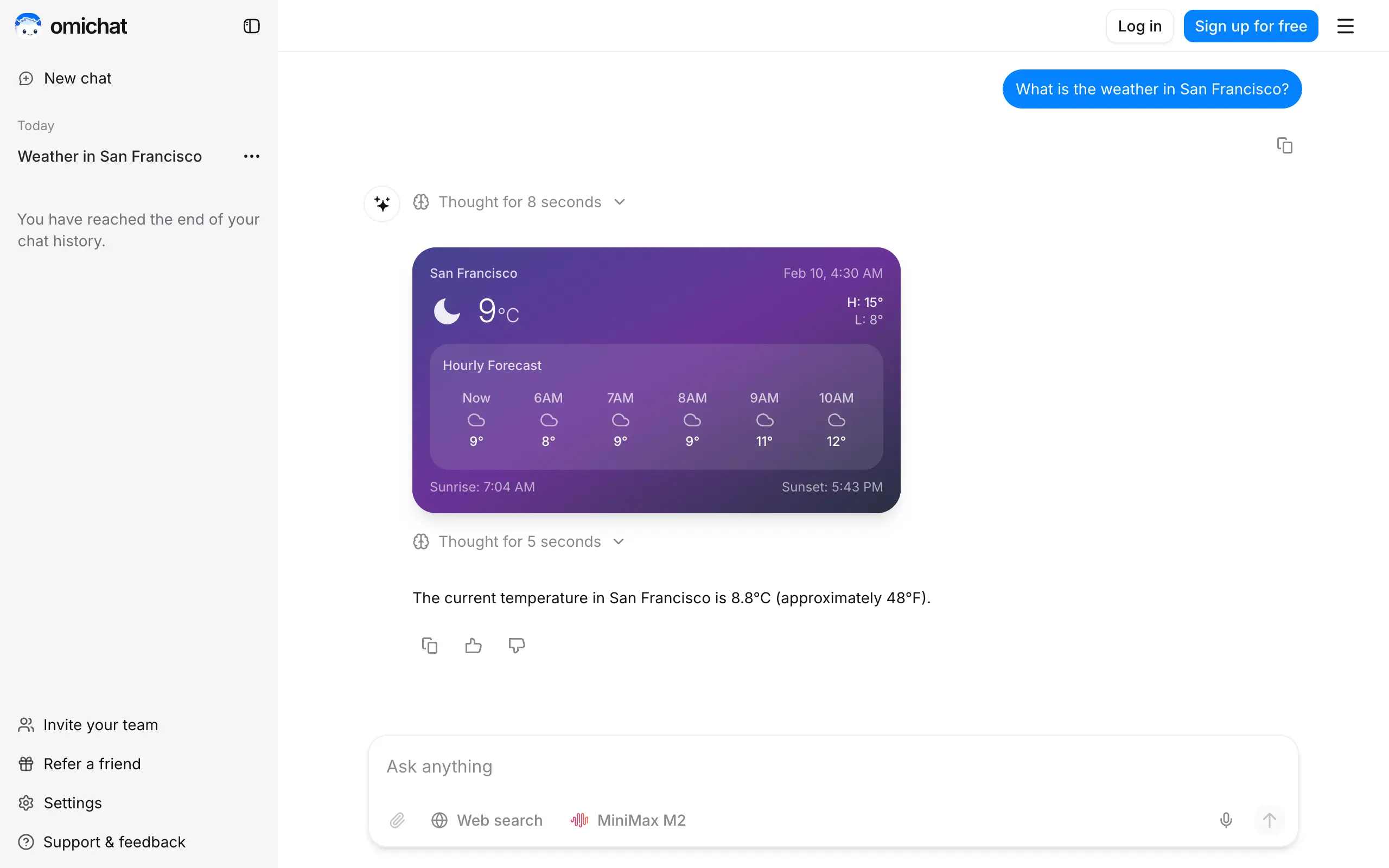
Omichat
Chat with 50+ AI models, including ChatGPT and Claude, in one place - switch models anytime without losing context 🤖
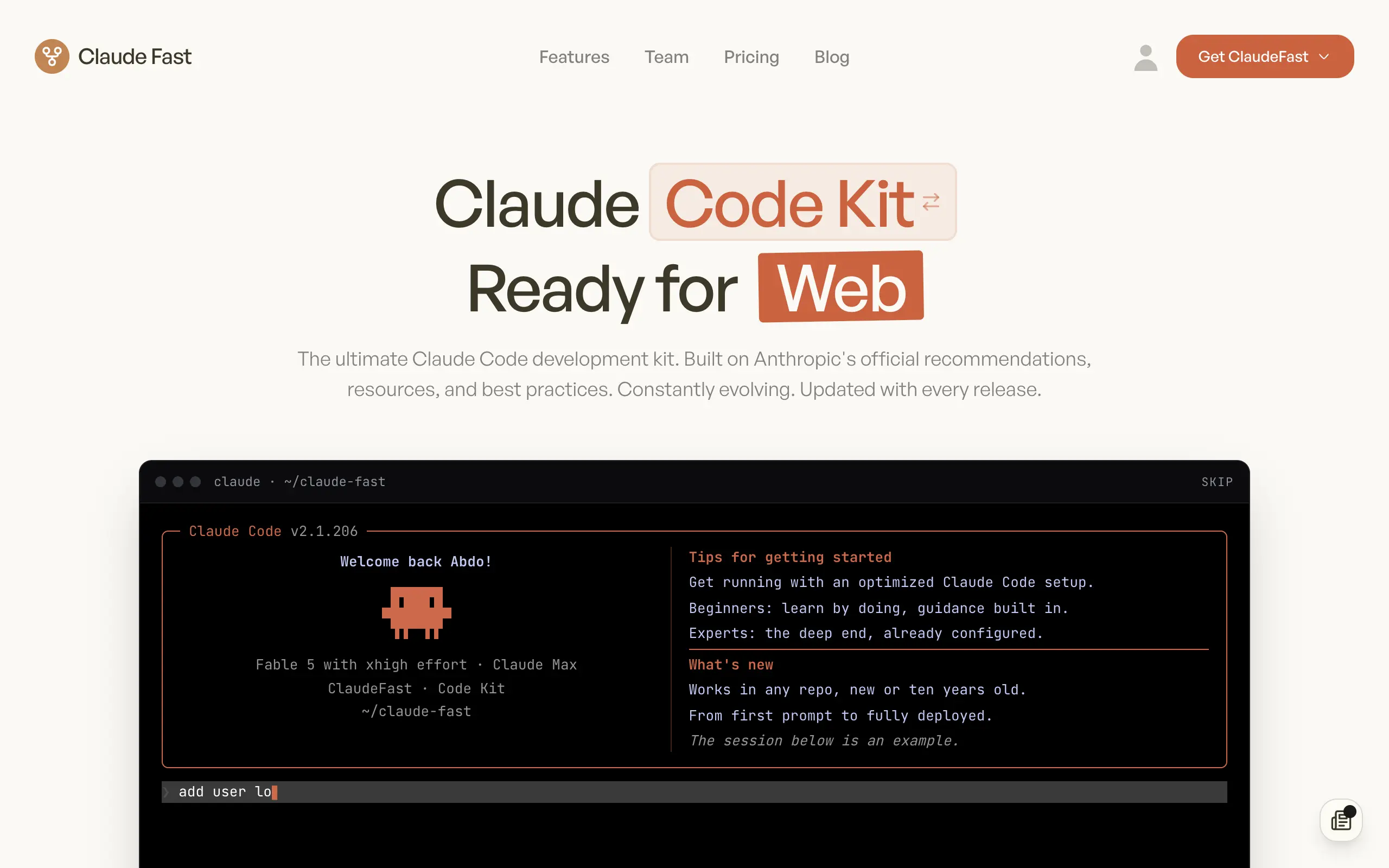
Claude Fast
Supercharge your Claude Code with 6x effective context window and specialized AI agents 🤖
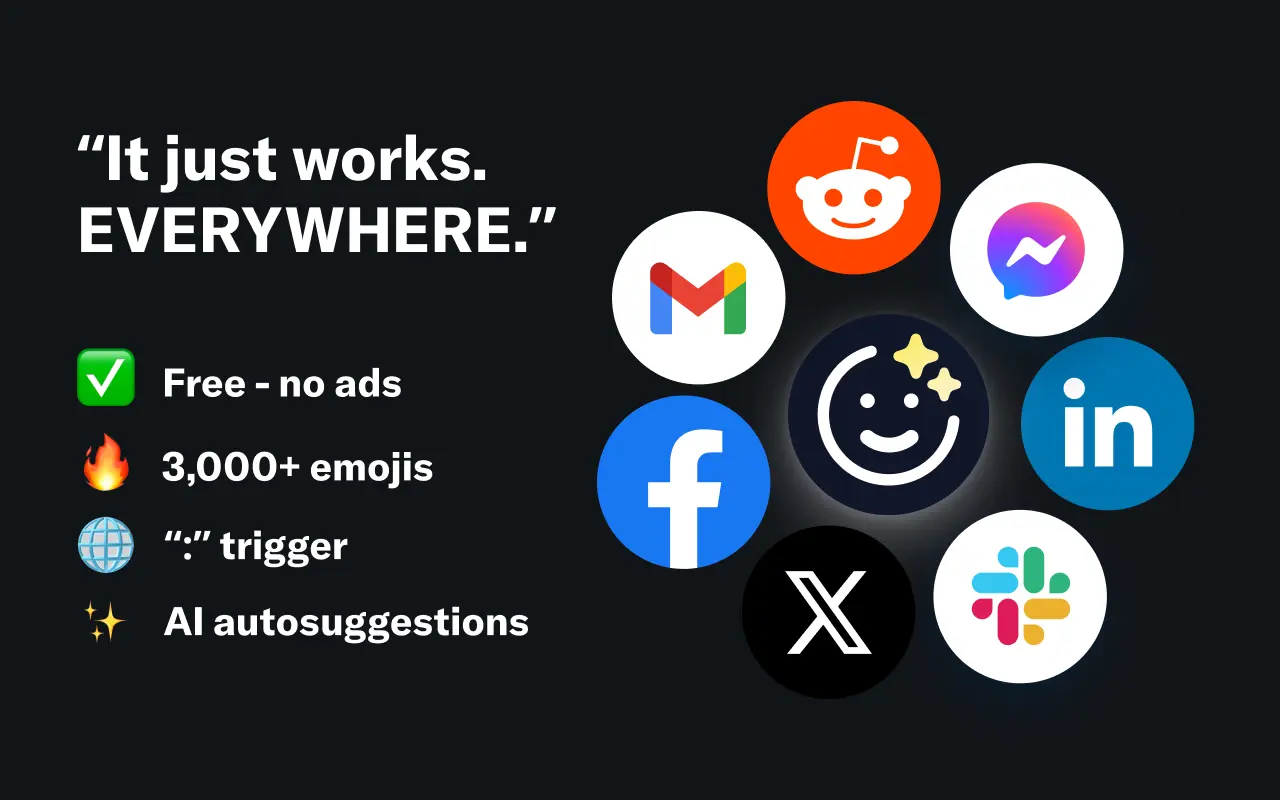
EmojAI
AI-powered emoji picker with smart, context-aware suggestions 🤖
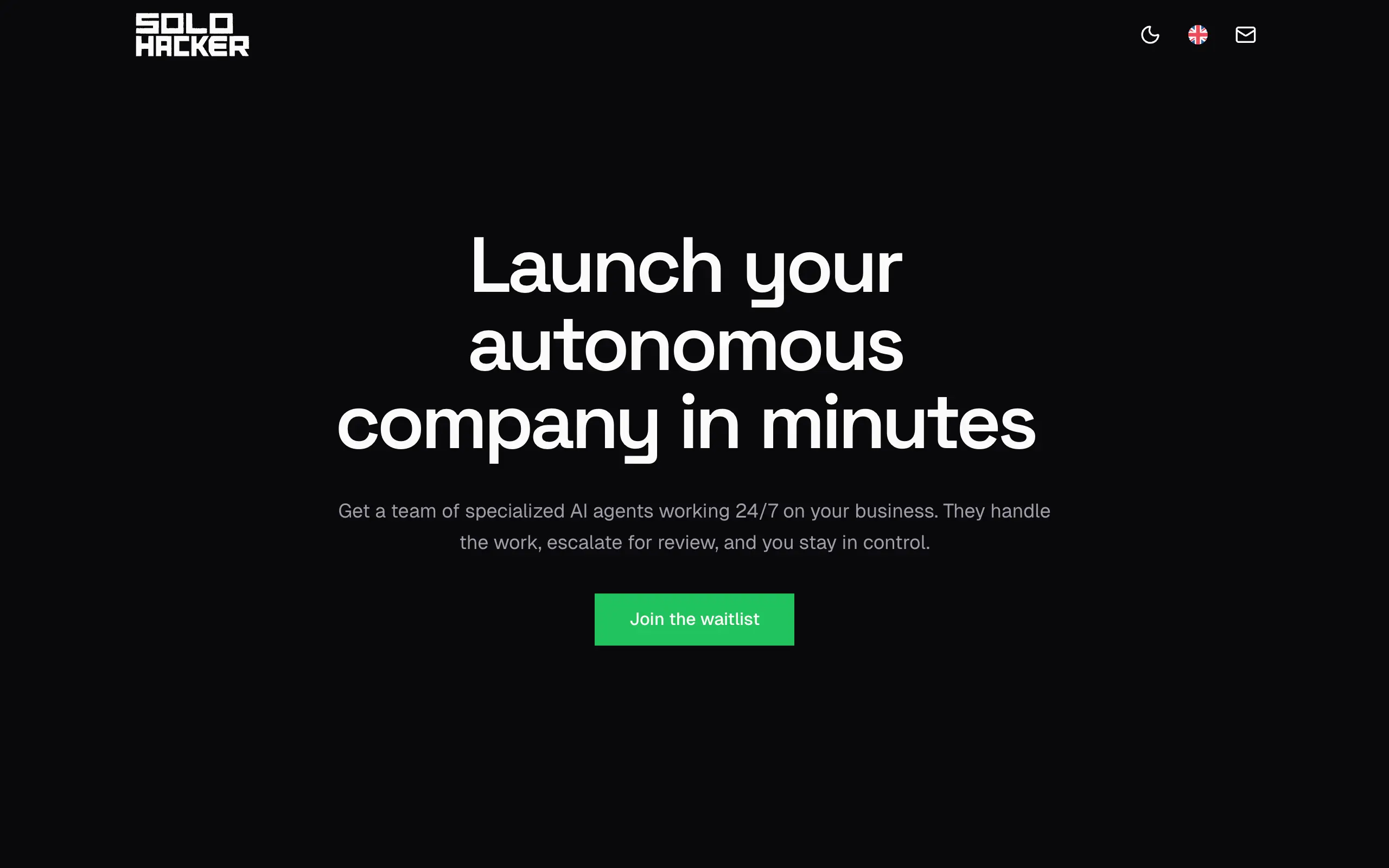
Solohacker
Autonomous company launcher - AI agents work 24/7, escalate what matters, and you stay in control 🤖
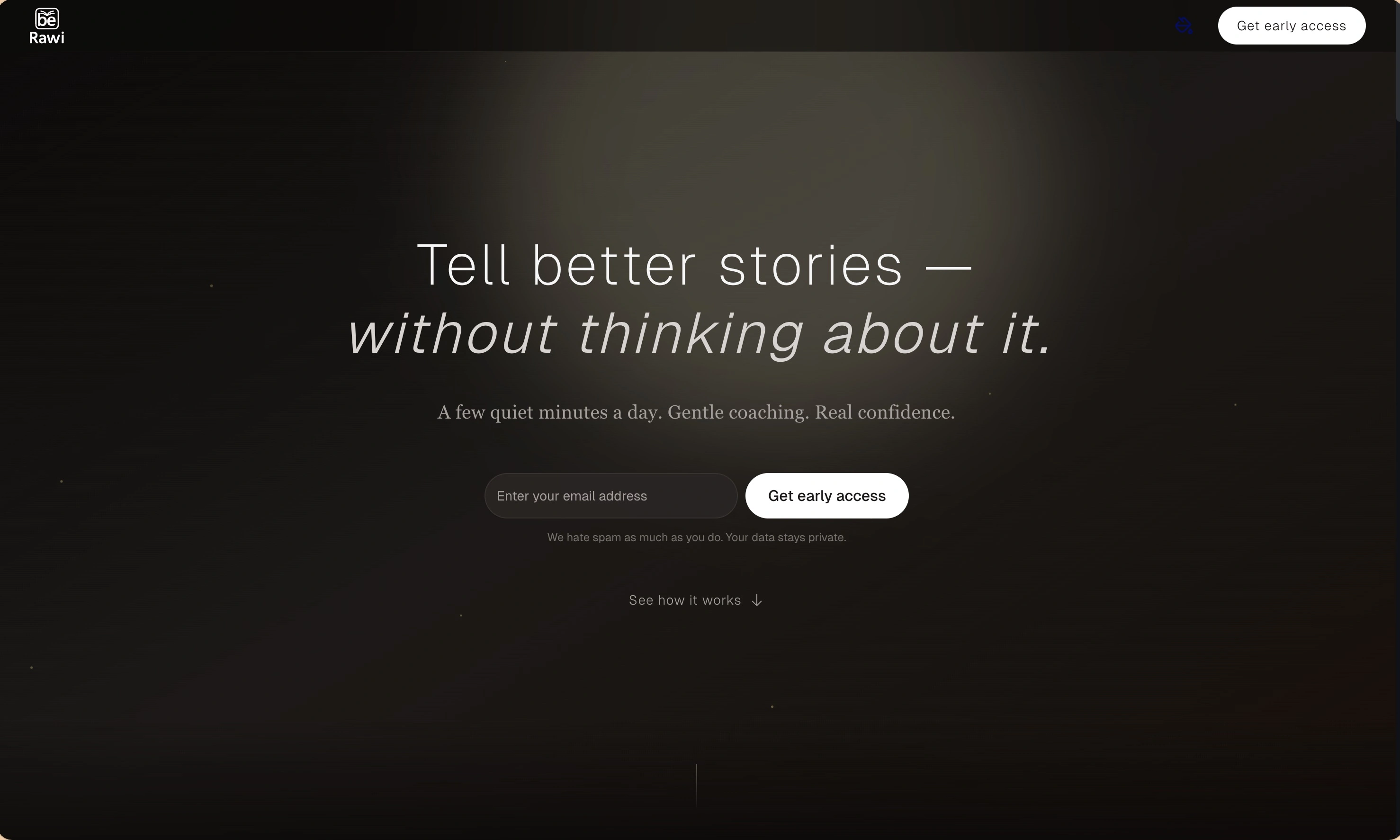
BeRawi: Storytelling Coach
Practice storytelling daily with instant feedback to sound clearer, more engaging, and confident 🎤
Omichat
Chat with 50+ AI models, including ChatGPT and Claude, in one place - switch models anytime without losing context 🤖
Claude Fast
Supercharge your Claude Code with 6x effective context window and specialized AI agents 🤖
EmojAI
AI-powered emoji picker with smart, context-aware suggestions 🤖
Solohacker
Autonomous company launcher - AI agents work 24/7, escalate what matters, and you stay in control 🤖
BeRawi: Storytelling Coach
Practice storytelling daily with instant feedback to sound clearer, more engaging, and confident 🎤
Omichat
Chat with 50+ AI models, including ChatGPT and Claude, in one place - switch models anytime without losing context 🤖
Claude Fast
Supercharge your Claude Code with 6x effective context window and specialized AI agents 🤖
EmojAI
AI-powered emoji picker with smart, context-aware suggestions 🤖
Solohacker
Autonomous company launcher - AI agents work 24/7, escalate what matters, and you stay in control 🤖
BeRawi: Storytelling Coach
Practice storytelling daily with instant feedback to sound clearer, more engaging, and confident 🎤
Omichat
Chat with 50+ AI models, including ChatGPT and Claude, in one place - switch models anytime without losing context 🤖
Claude Fast
Supercharge your Claude Code with 6x effective context window and specialized AI agents 🤖
EmojAI
AI-powered emoji picker with smart, context-aware suggestions 🤖
Solohacker
Autonomous company launcher - AI agents work 24/7, escalate what matters, and you stay in control 🤖
BeRawi: Storytelling Coach
Practice storytelling daily with instant feedback to sound clearer, more engaging, and confident 🎤

Connect with like-minded people
Join our community to get feedback, support, and grow together with 1,000+ builders on board, let's ship it!
Join usShip your startup everywhere. In minutes.
Don't burn tokens on setup and start building features on day one.