Skill to Studio
Turn IT skills and portfolio projects into a distinctive service brand with AI-generated offers, pricing, positioning, and client proposals.
What is Skill to Studio?
Skill to Studio is an AI-powered service business builder that helps people turn their IT skills and portfolio projects into a clear, sellable service brand. Instead of asking users to start with a business plan or a blank website, it starts with what they already know how to do and helps them shape that capability into offers, pricing, positioning, and client proposals.
The idea addresses a familiar problem for technical freelancers and aspiring consultants: being good at the work is not the same as knowing how to sell it. A developer may be able to build a web application but struggle to explain the business outcome. A cloud engineer may have strong infrastructure experience but no defined consulting package. A cybersecurity analyst may understand the technical risks but be unsure how to scope and price an engagement.
Skill to Studio can bridge that gap with a guided, AI-assisted process. Users describe their skills, experience, preferred clients, and work samples. The product then helps them develop a coherent service business around that information.
The opportunity is not simply to generate marketing copy. It is to make the path from technical capability to credible, purchasable service easier and more structured.
The target audience for an AI service business builder
Skill to Studio should initially focus on people who have useful technical skills but need help packaging those skills as services. A specific audience makes the product easier to design, position, and market than a generic “AI business builder.”
Primary audience segments
Technical freelancers are an obvious starting point. They may already have clients or freelance experience, but often sell custom work without consistent packages, boundaries, or pricing logic. Skill to Studio could help them clarify what they do, who benefits, and what each engagement includes.
Career changers and aspiring consultants have a different challenge. They may have experience from full-time roles, personal projects, certifications, or open-source work, but lack confidence translating that experience into an independent service. The product can help them identify credible, appropriately scoped offers without suggesting that a portfolio project is equivalent to years of client delivery.
Early-stage IT consultants may understand their specialty but need support with business development. They could use the product to create a positioning statement, service menu, discovery questions, proposal outline, and repeatable onboarding process.
Small technical agencies are a potential later audience. Agencies may use Skill to Studio to standardize service descriptions and proposals across a team. However, their requirements—permissions, collaboration, brand control, and proposal approval—are more complex than those of individual users.
A practical initial customer profile
A strong first customer profile might be:
- A solo technical professional with one to five years of relevant experience
- Someone who can point to work samples, past projects, or demonstrable skills
- A person considering freelance or consulting work, or trying to improve an existing practice
- Someone who is uncertain about service packaging, positioning, or proposal writing
- A user willing to review and edit AI suggestions rather than publish them without checking
This profile keeps the product grounded. Skill to Studio should not imply that every user can immediately earn a specific income or become a successful consultant. Its defensible promise is more practical: help users turn their existing skills into clearer service offers and better client-facing materials.
The market opportunity and the gap
The product sits at the intersection of several established categories: AI writing tools, freelance business resources, portfolio platforms, proposal software, and career development products. That creates a broad market context, but it also creates a positioning challenge. Users can already ask a general AI assistant to write a service description or proposal.
Skill to Studio needs to solve more than a one-time writing prompt.
Why generic AI is not the whole solution
A general-purpose AI tool can generate copy quickly, but users still need to provide the right context, choose an appropriate business model, evaluate the output, and ensure that the offer is realistic. Someone who is unsure what they should sell may not know how to prompt for a useful answer.
A product designed specifically for this workflow can provide:
- A structured intake that gathers relevant experience and constraints
- A repeatable method for converting skills into service opportunities
- Guidance that connects each offer to a buyer problem and deliverable
- Consistency across positioning, pricing, proposals, and portfolio evidence
- A way to save, revise, and reuse business assets over time
The distinction is important. Skill to Studio should not market itself as an AI that can determine someone’s true market value. It should present AI as a guided assistant that helps users reason through decisions and create a first draft they can validate.
Where existing approaches often leave users
Many resources teach broad freelance principles, such as choosing a niche or writing a proposal. Those resources can be valuable, but applying them to a specific technical background takes time. On the other hand, standalone proposal tools usually help users create and send a document after they have already decided what they sell.
Skill to Studio can focus on the earlier and more connected problem: helping a user define the service before they pitch it.
The potential gap is a product that links:
- Evidence from skills, work history, certifications, and projects
- Positioning for a particular audience or business problem
- Offers with scope, deliverables, and limits
- Pricing logic that reflects uncertainty, effort, and value
- Sales assets such as proposals and discovery questions
This end-to-end connection is the strongest strategic opportunity. It creates a more useful outcome than a collection of disconnected AI writing tools.
Core features and how they solve the problem
The first version should avoid trying to become a complete business operating system. It should help users progress from unstructured experience to a small set of credible, usable service assets.
1. Skills and evidence intake
The onboarding flow should collect information that informs recommendations rather than asking only for a job title.
Useful inputs include:
- Technical skills and tools
- Industries or types of organizations the user knows
- Work experience and responsibilities
- Portfolio projects and public work samples
- Certifications, training, and relevant credentials
- Preferred project types and working arrangements
- Constraints such as available hours, geography, or comfort with sales
- Work the user does not want to offer
The product should distinguish between professional delivery experience and demonstration projects. That distinction helps prevent an AI-generated profile from overstating a user’s qualifications.
A useful experience model might label evidence as client work, employment experience, personal project, open-source contribution, or training exercise. The user should be able to correct any categorization before it influences generated content.
2. Service opportunity discovery
After the intake, Skill to Studio can suggest service directions based on the user’s skills and evidence. A recommendation should explain its reasoning, not merely present a catchy niche.
For each opportunity, show:
- The buyer or organization that may need the service
- The problem the service addresses
- The user evidence that supports offering it
- The assumptions that still need validation
- A likely project shape, such as an audit, implementation, or advisory engagement
- Potential risks, including skills the user may need to strengthen
For example, an infrastructure engineer might see a suggestion for a cloud cost review. The product should explain what evidence supports the recommendation and what the user should verify before selling it, such as familiarity with the client’s cloud provider, access requirements, and the boundaries of the review.
3. Positioning and service brand development
Positioning should help the user answer three questions: who they help, what problem they solve, and why their approach is credible.
Skill to Studio can generate several positioning options, but it should encourage users to compare them rather than pick one automatically. A useful workspace might include:
- A concise positioning statement
- A longer “about” description
- A list of buyer problems
- Supporting proof points from the user’s background
- Words or claims the user wants to avoid
- A short explanation of why each positioning option may fit
The product should favor specific, verifiable language over inflated claims. “I help small SaaS teams improve deployment reliability” is more useful than “I deliver world-class digital transformation,” especially when the user has limited evidence.
4. Offer and package builder
A service offer should describe an understandable result, not just a list of technical activities. The offer builder can help users define:
- The ideal customer or situation
- The business problem being addressed
- What is included and excluded
- The expected client inputs
- Deliverables and acceptance criteria
- Timeline assumptions
- Dependencies and risks
- Follow-on services, where appropriate
The product could support different offer formats, such as a fixed-scope assessment, a short implementation project, ongoing maintenance, or advisory hours. These formats should be presented as options, not as universal recommendations. A fixed price may suit a repeatable audit but be risky for work with uncertain requirements.
5. Pricing guidance with transparent assumptions
Pricing is one of the highest-value and most sensitive features. Skill to Studio should avoid presenting an AI-generated figure as an objective market rate. Price depends on scope, buyer expectations, location, experience, urgency, risk, and the value of the work.
Instead, the product can help users construct a pricing rationale. It might ask about:
- Estimated effort and delivery phases
- Complexity and uncertainty
- Required meetings and communication
- Access, compliance, or operational risk
- Revision limits and out-of-scope work
- Whether the engagement is hourly, fixed-fee, or ongoing
- The user’s minimum acceptable compensation
The result could be a suggested range with a breakdown of assumptions and a reminder to validate the scope with the client. This is more trustworthy than offering a single confident number without context.
6. Proposal and discovery tools
Once an offer is defined, Skill to Studio can turn it into a client-facing proposal draft. A useful proposal should include the client’s stated problem, a proposed approach, scope, deliverables, timeline assumptions, fees, exclusions, and next steps.
The product can also create discovery questions that help users determine whether the opportunity is a fit. This is important because a proposal generator alone may encourage users to pitch before they understand the problem.
7. A reusable studio workspace
Users should be able to save and revise their work. Useful workspace elements include:
- A profile of skills and evidence
- Multiple positioning options
- Service packages and versions
- Proposal drafts
- A record of user edits and approvals
- Exportable documents or shareable links
- A simple checklist for validating an offer with prospects
Over time, this workspace becomes more valuable than a one-off generation screen. It gives users a consistent source for their business messaging and makes it easier to improve offers based on real conversations.
What makes Skill to Studio different?
The product’s unique selling proposition is the connection between what a person can credibly do and what a client can clearly buy.
Many tools focus on one part of the journey:
- AI writing products generate text from prompts.
- Portfolio tools display work samples.
- Proposal software formats and tracks sales documents.
- Freelance resources explain business concepts.
- Career tools help users describe their experience.
Skill to Studio can differentiate itself by linking those pieces in a guided workflow. It can use a person’s evidence to shape their positioning, use that positioning to design an offer, and use the offer to create a proposal.
| Capability | General AI writing assistant | Portfolio platform | Proposal software | Skill to Studio |
|---|---|---|---|---|
| Collects structured skill evidence | Sometimes | Limited | No | Core workflow |
| Connects experience to service ideas | Prompt-dependent | No | No | Core workflow |
| Defines scope and offer boundaries | Prompt-dependent | No | Usually after offer creation | Core workflow |
| Supports pricing reasoning | Prompt-dependent | No | May support fee fields | Guided assumptions |
| Creates client proposals | Yes, with prompting | No | Yes | Yes, based on defined offers |
| Maintains a connected service workspace | Varies | Portfolio-focused | Proposal-focused | Intended product advantage |
This table describes product positioning, not a claim that every competitor lacks these capabilities. The competitive landscape changes, and prospective founders should review current products before making market claims.
Recommended technology stack
The initial technical architecture should support fast product iteration, safe handling of user data, and reliable AI workflows. Avoid overengineering before validating whether users complete the core journey and find the outputs useful.
Front end and application framework
A web application built with Next.js and React is a practical choice for an interactive onboarding and workspace experience. React supports reusable interface components, while Next.js provides application and rendering features that can be useful for a SaaS product.
TypeScript can improve maintainability by making data structures—such as skills, evidence, offers, and proposal sections—more explicit. This is especially helpful when different parts of the application use the same generated content.
A trade-off is that a framework-based application can introduce complexity compared with a very simple landing page. Keep marketing pages and the product experience as lean as possible, and avoid building features that do not support the validation goals.
Data storage and authentication
A relational database such as PostgreSQL is well suited to structured records: users, experience items, skills, offers, proposals, and revisions. The relationships between these entities matter. For instance, an offer may reference particular evidence items and have multiple proposal versions.
The product needs clear authorization rules so users can access only their own private information. If collaboration is introduced later, the data model should make workspace ownership and membership explicit rather than relying on informal assumptions.
AI generation layer
AI should be integrated through a server-side service layer rather than called directly from the browser. The application should provide only the relevant user context, keep credentials out of client code, and validate structured responses before saving them.
A robust generation flow can include:
- A specific task prompt, such as drafting an offer scope
- Relevant profile and evidence data
- Output schemas for predictable fields
- Validation for missing or unsupported claims
- A user review and edit step
- Logging that avoids retaining unnecessary sensitive content
The product should treat AI output as a draft. It should not claim that generated offers are legally compliant, guaranteed to attract clients, or validated by market research unless those claims are independently supported.
Payments and subscriptions
A payment provider such as Stripe can support subscriptions or one-time purchases, depending on the business model. Payment flows should be introduced after there is evidence that users receive repeatable value. A simple paid plan may be easier to test than a complex tier system.
A focused architecture
A sensible early setup could include:
- A responsive web application
- A relational database
- Authentication and account management
- Server-side AI calls
- A structured content-generation pipeline
- Usage limits and cost monitoring
- Exportable proposal documents
- Basic product analytics with privacy-conscious event collection
The priority is not to adopt the most fashionable stack. It is to make the core product reliable, secure, and easy to change as customer interviews reveal what users actually need.
Monetization strategy options
Skill to Studio can test several business models. The best choice depends on how frequently users return and which outputs they consider valuable enough to pay for.
Freemium with paid upgrades
A free tier could include a skills profile and a limited number of service ideas. A paid plan could unlock offer development, proposal drafts, saved workspaces, and additional generation capacity.
The risk is that a free tier may attract users who only want a quick AI output and never become customers. Keep the free experience useful, but reserve ongoing workflow value—such as multiple offers and reusable client assets—for paid plans.
One-time studio package
Some aspiring freelancers may prefer a one-time purchase for a defined outcome, such as a service brand and first proposal kit. This can be easier to understand than a subscription for users who are setting up their business once.
The limitation is revenue predictability. A one-time package may also require careful scope definition so customers understand exactly what they receive.
Subscription for active professionals
A recurring plan may suit users who regularly create proposals, refine offers, and manage multiple services. To earn a subscription, the product must support ongoing work, not just initial setup. Features such as proposal versioning, client-specific customization, and a growing service library could contribute to repeat use.
Team or agency plan
A team plan could support consultants who want shared templates or agencies that need consistent service descriptions. This should be a later-stage option because it introduces collaboration, roles, shared brand settings, and approval workflows.
Pricing principles to test
Before choosing price points, interview users about their current alternatives, the cost of solving the problem manually, and the point at which a draft becomes valuable enough to pay for. Test willingness to pay with real offers rather than relying only on expressions of interest.
Track more than sign-ups. Useful signals include:
- Completion of the skills intake
- Acceptance or editing of a suggested service direction
- Creation of a complete offer
- Export or use of a proposal
- Return visits to revise business assets
- Conversion to paid use
- User-reported confidence and relevance
Risks and how to mitigate them
A product that uses AI to influence business decisions needs clear safeguards. The most important risks are not limited to technical failures; they include trust, user expectations, and the possibility of encouraging an offer that the user cannot responsibly deliver.
Risk: unsupported or exaggerated claims
AI may turn a small project into overstated professional experience. That can damage a user’s credibility and create problems with prospective clients.
Mitigation: Keep evidence visible alongside generated claims. Let users label the source of each example, flag unsupported statements, and review all copy before it is used externally.
Risk: generic recommendations
If the product produces interchangeable service packages, users may find little reason to choose it over a general AI assistant.
Mitigation: Make recommendations depend on detailed user inputs. Show the connection between a person’s evidence and each service idea. Encourage interviews and real-world validation before a package is treated as final.
Risk: misleading pricing advice
A suggested price may be inappropriate for a particular market, scope, or experience level.
Mitigation: Present assumptions and ranges rather than authoritative price commands. Encourage users to confirm scope and use local market knowledge. Avoid claims about guaranteed earnings or “correct” prices.
Risk: sensitive data exposure
Users may include employer information, customer details, code references, or confidential project context in their profiles.
Mitigation: Ask users not to submit confidential information, minimize data retention, restrict access, and explain how information is processed. Provide deletion controls and design the product’s data policies before scaling.
Risk: overreliance on AI
Users might treat generated business recommendations as professional, legal, financial, or security advice.
Mitigation: Keep product language precise. Position outputs as planning and writing assistance, and direct users to qualified professionals where legal, tax, or regulated advice is required.
Risk: high AI costs or unreliable outputs
Long inputs and repeated generations can increase operating costs. Model changes may also affect output quality.
Mitigation: Track cost per completed workflow, use focused prompts, cache reusable non-sensitive outputs where appropriate, and evaluate output quality against a test set. Give users clear regeneration controls and avoid generating every possible asset in a single expensive call.
Risk: weak retention
Some users may only need help setting up their service business once.
Mitigation: Do not assume a subscription is the right model. Test one-time purchases alongside subscriptions, and build recurring value only where users repeatedly revise offers or create proposals.
Competitive advantage analysis
Skill to Studio’s advantage should come from the quality of its workflow and the trustworthiness of its recommendations—not merely from access to an AI model. Models are widely available, and competitors can add similar generation features. The more durable product value is in how Skill to Studio gathers context, structures decisions, and helps users improve their materials.
Potential sources of differentiation
A skills-to-offer framework can provide a consistent process that helps users move from experience to a practical service. A clear framework is easier to explain, evaluate, and improve than a collection of disconnected prompts.
Evidence-aware generation can distinguish verified experience from aspirations or practice work. This makes the product more credible and can help users avoid misleading marketing.
Connected outputs can reduce inconsistency. If a proposal is generated from a defined offer, the scope and positioning can remain aligned instead of being recreated from scratch each time.
Focused language for technical services can make the product more relevant than a generic business-planning tool. It can account for common service types such as audits, migrations, implementation work, automation, cloud consulting, software development, and technical advisory.
Feedback from real user outcomes can strengthen the product over time. With consent and appropriate privacy protections, the team can learn which onboarding questions improve relevance and where users most often edit generated materials.
What will not be a durable advantage on its own
- A single prompt template
- A generic proposal generator
- A landing page full of AI-generated copy
- An unsupported claim that a service is “in demand”
- The use of a particular AI model without a distinctive workflow
The company should measure differentiation through user behavior and outcomes. Can users create a clearer offer faster? Do they understand why the offer fits their background? Are they more likely to use the proposal in a real client conversation? These are more valuable signals than the number of generated documents.
Actionable implementation steps
A disciplined launch should begin with the smallest workflow that tests the central premise: people will use guided assistance to turn technical skills and projects into credible service offers.
1. Interview the intended users
Talk to technical freelancers, aspiring consultants, and early-stage IT service providers. Ask how they currently describe their services, how they choose what to sell, and what makes pricing or proposals difficult. Look for examples of actual documents and decisions, not only general opinions.
2. Select one narrow starting audience
Choose an initial segment, such as independent developers with project experience or cloud professionals preparing to consult. A focused launch makes it easier to write useful onboarding questions and judge whether recommendations fit.
3. Map the user journey
Design a short path from skills intake to one service offer and one proposal draft. Identify which decisions need user input and where the product should show its reasoning. Do not build a full CRM or business management suite in the first release.
4. Prototype the workflow before automating everything
Test a clickable prototype or a concierge version in which the team manually reviews outputs. This can reveal whether users understand the service suggestions and whether the intake collects enough useful context before investing in extensive AI automation.
5. Build an evidence-aware MVP
Create the profile, service opportunity suggestions, offer builder, and proposal draft flow. Include editing, saving, and export functionality. Clearly distinguish between professional experience, personal projects, and skills the user wants to develop.
6. Evaluate output quality and safety
Create test cases across different technical roles and experience levels. Review outputs for unsupported claims, vague scope, missing assumptions, and inappropriate pricing certainty. Add validation rules and user review steps before publishing generated content.
7. Test willingness to pay
Offer a limited paid plan or a one-time package to users who complete the workflow. Compare actual purchases and continued use rather than relying solely on survey responses. Test pricing only after users can experience the core result.
8. Improve from observed edits and outcomes
Study where users rewrite generated content, abandon the process, or ask for help. Use those patterns to improve the intake, recommendation logic, and guidance. A high edit rate is not automatically a failure; it can show where the product needs better context or more user control.
For founders building the first version, TurboStarter can help accelerate the foundation of a SaaS product. Use any starter kit to reduce setup work, while keeping the core workflow, user research, and safeguards specific to Skill to Studio.
Frequently asked questions
The strongest initial users are technical professionals who have real skills or project evidence but need help turning that experience into clear services. This may include freelancers, aspiring consultants, and early-stage IT service providers. The product should not promise that every user is ready to sell every service suggested by AI.
AI can help generate and compare possible service directions, but it cannot reliably prove that a niche is profitable for a particular person. Users still need to validate buyer demand, their credibility, project scope, and willingness to deliver the work. Skill to Studio should explain assumptions rather than present recommendations as guarantees.
It should help users reason about scope, effort, uncertainty, and commercial terms, then present assumptions that the user can review. Pricing guidance should be framed as a starting point, not a definitive market rate or income promise.
A focused MVP should include structured skills and evidence intake, service direction suggestions, a positioning and offer builder, and a proposal draft. Saving and editing are important because users need to review and refine the outputs. Advanced collaboration and client management can wait until demand is demonstrated.
The opportunity ahead
Skill to Studio has a clear product premise: technical talent is often easier to demonstrate than to package and sell. By connecting a person’s skills and portfolio evidence to service positioning, offer design, pricing reasoning, and proposals, the product can address a meaningful gap between capability and commercialization.
Its strongest version will not promise instant clients or effortless income. It will help users make better-informed decisions, communicate their value more clearly, and create practical materials they can test in the market. Start with one audience, make the reasoning behind recommendations visible, and treat every generated asset as a draft that the user owns and verifies.
That combination—focused workflow, evidence-aware AI, and user-controlled business decisions—gives Skill to Studio a credible path from promising idea to useful SaaS product.
More 🤖 AI Startup SaaS ideas
Discover more innovative ai startup SaaS ideas that are trending in 2026. Each idea is AI-generated with market validation and growth potential to help you find your next profitable venture faster than competitors.
Your competitors are building with TurboStarter
Below are some of the SaaS ideas that have been generated and built with our starter kit.
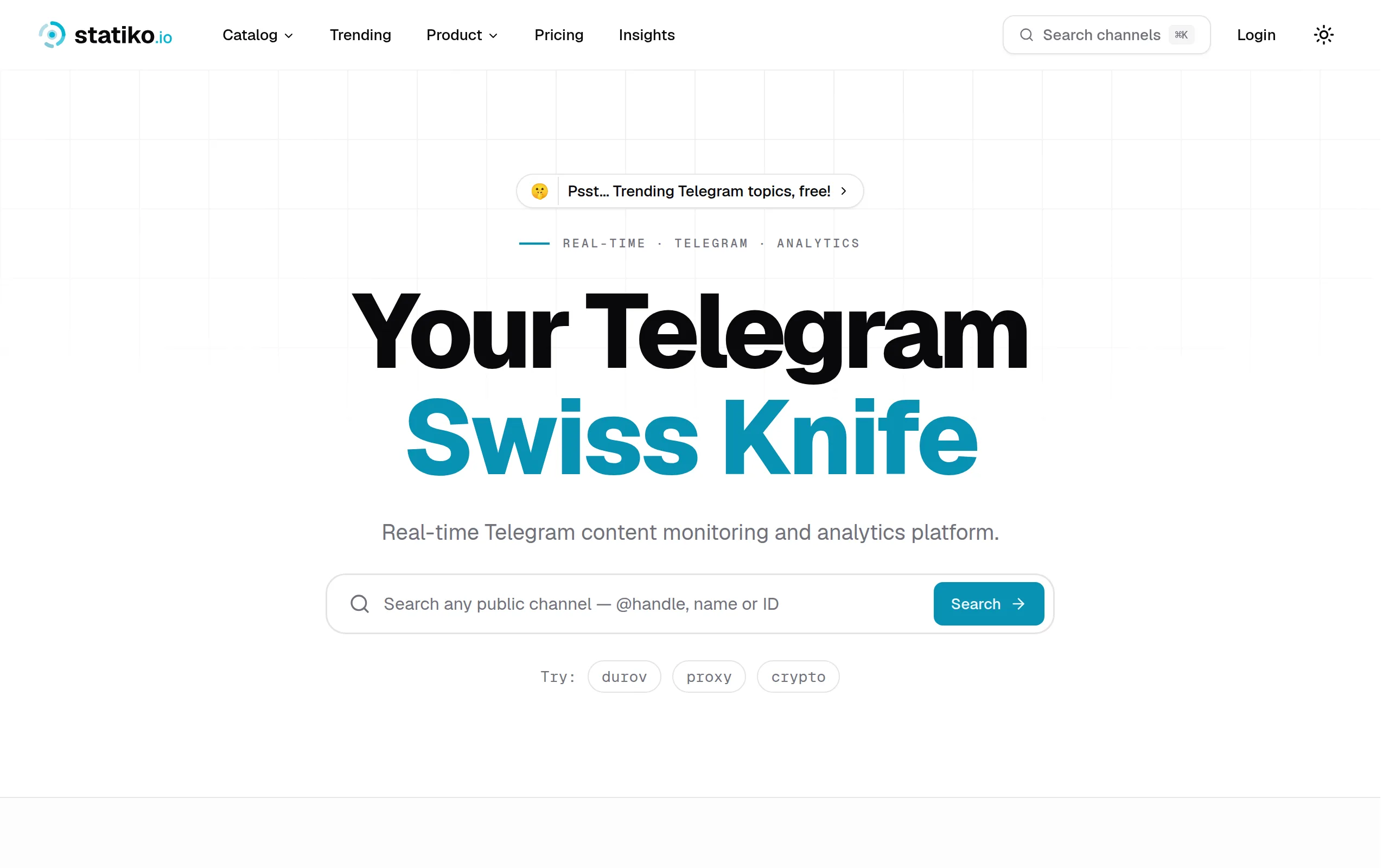
Statiko
Monitor any Telegram channel in real time - track posts, edits, deletions, and growth with AI recaps 📡
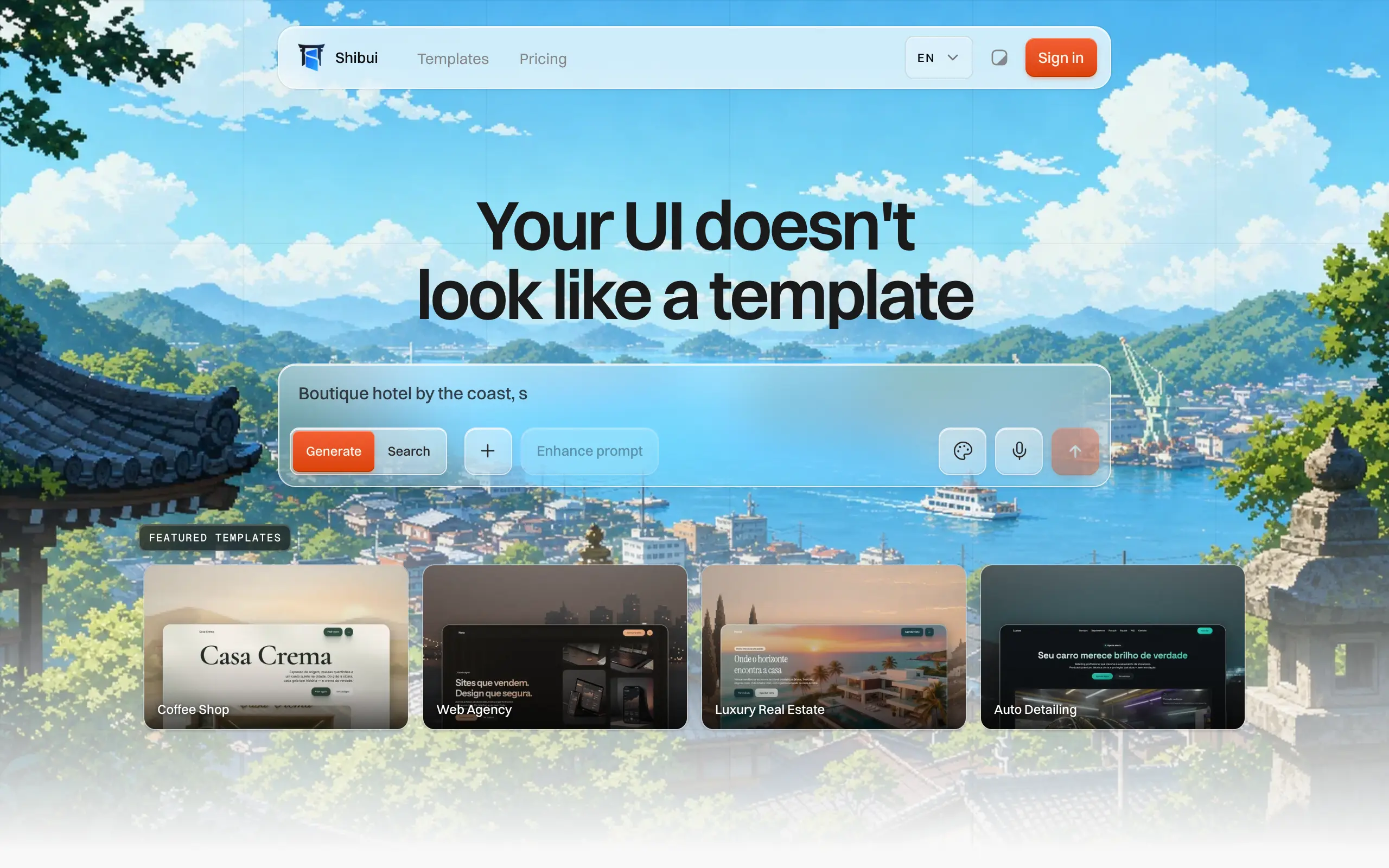
Shibui
AI website builder - describe your business, pick a niche template, edit by chatting, and publish instantly ✨

Pro Service
Find verified home service professionals, compare quotes, and pay securely through escrow - built for Brazilians across the US 🏠
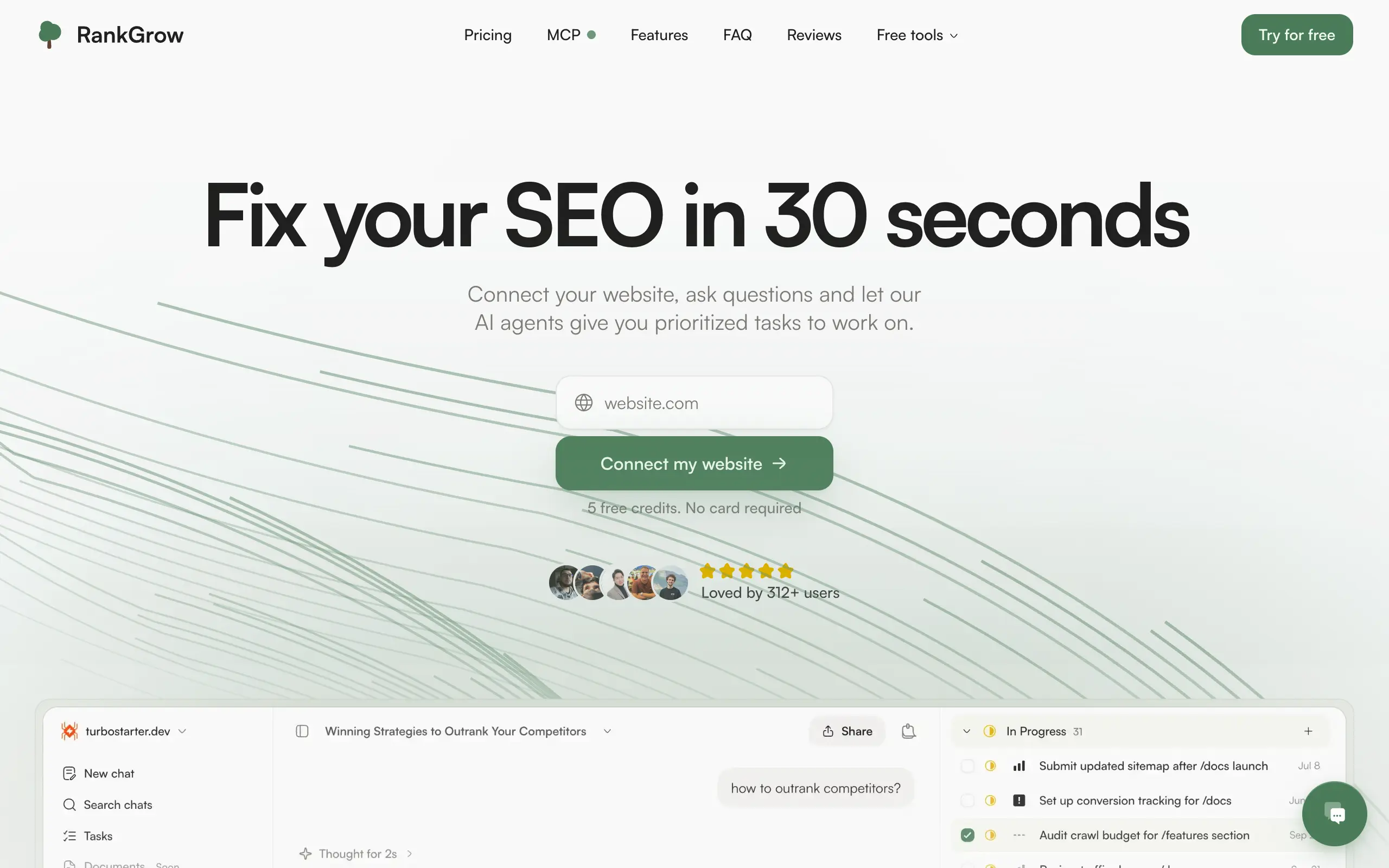
RankGrow
Fix your SEO with AI agents - connect Search Console, get prioritized tasks, and grow organic traffic 📈
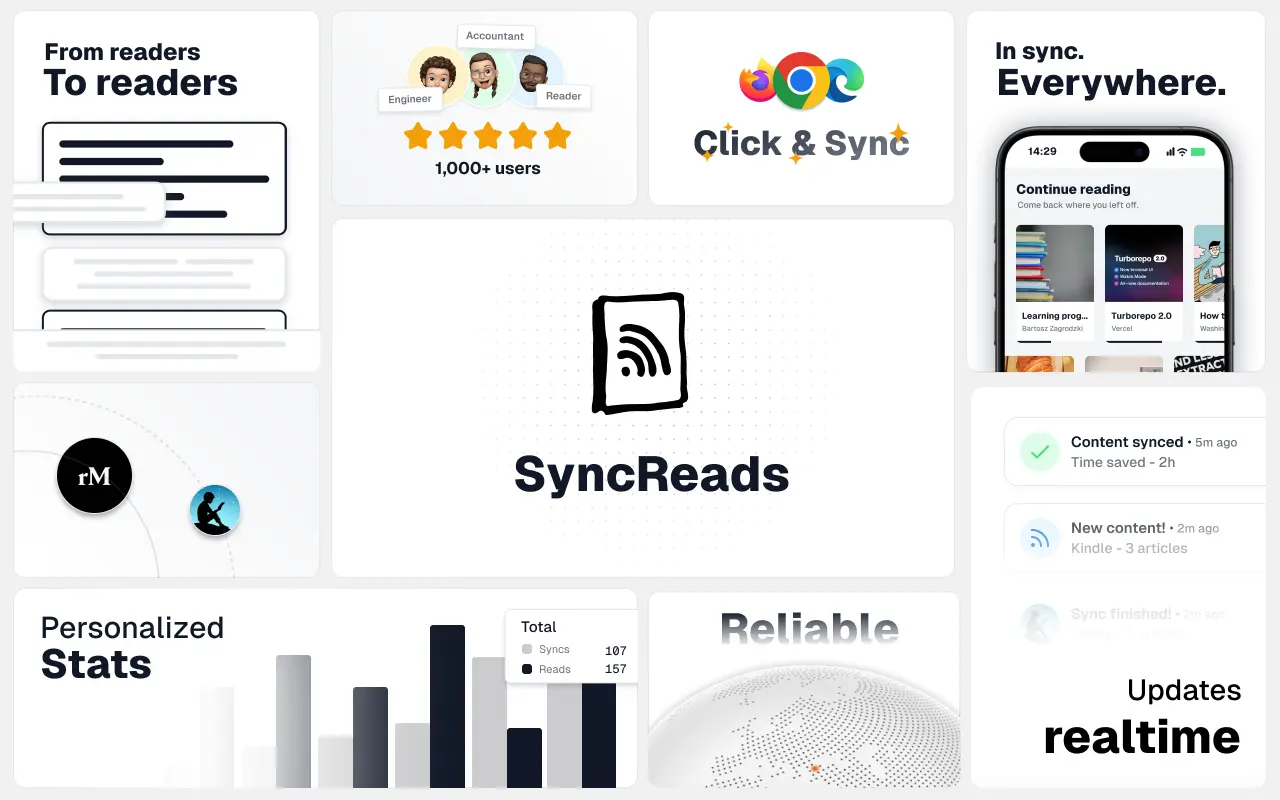
SyncReads
Sync your favorite content for distraction-free reading, save time and replace multiple apps. Anytime, anywhere 🔄
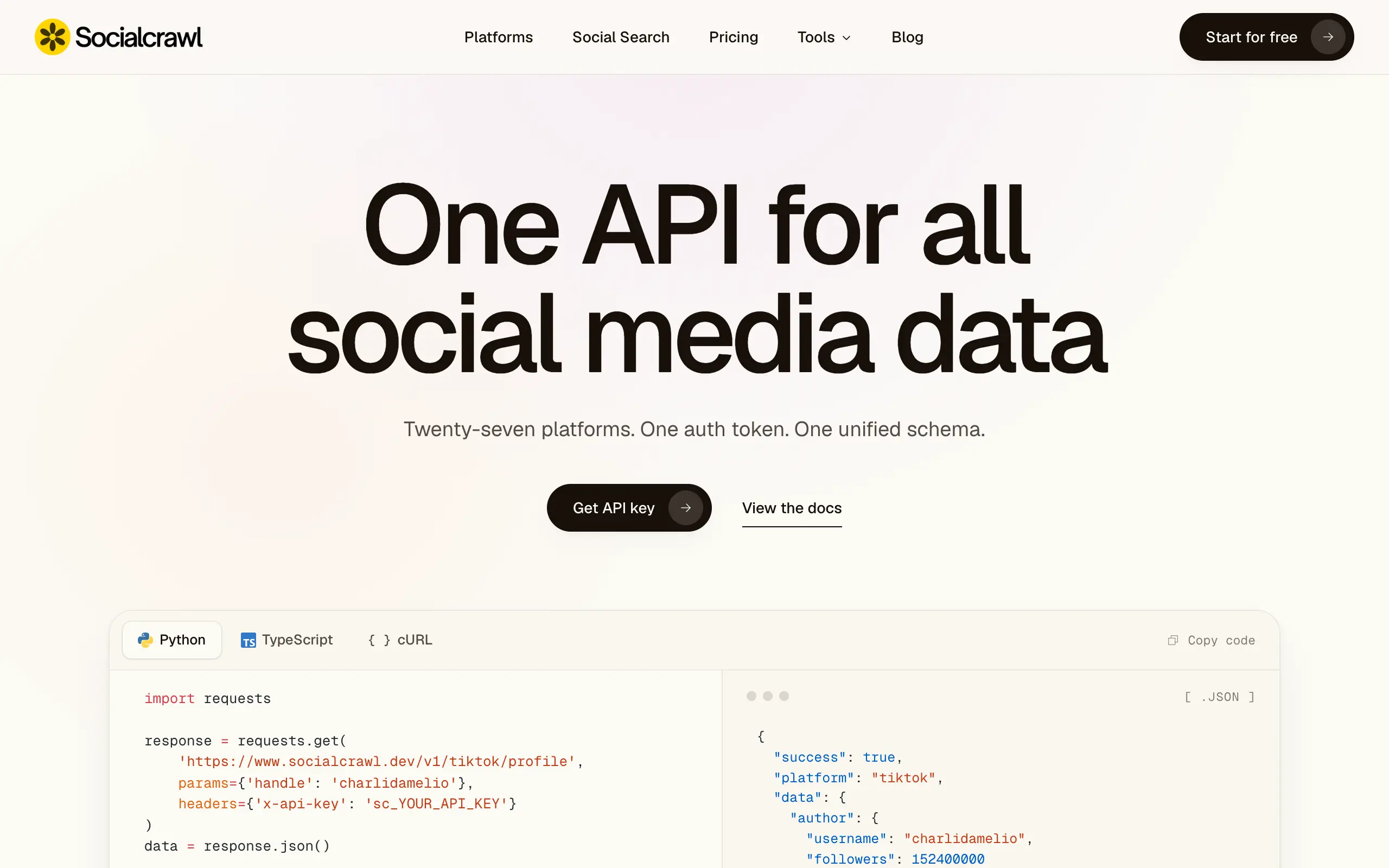
Socialcrawl
Get clean, structured data from 21 platforms like TikTok, Instagram, and YouTube with a single request 📊
Statiko
Monitor any Telegram channel in real time - track posts, edits, deletions, and growth with AI recaps 📡
Shibui
AI website builder - describe your business, pick a niche template, edit by chatting, and publish instantly ✨
Pro Service
Find verified home service professionals, compare quotes, and pay securely through escrow - built for Brazilians across the US 🏠
RankGrow
Fix your SEO with AI agents - connect Search Console, get prioritized tasks, and grow organic traffic 📈
SyncReads
Sync your favorite content for distraction-free reading, save time and replace multiple apps. Anytime, anywhere 🔄
Socialcrawl
Get clean, structured data from 21 platforms like TikTok, Instagram, and YouTube with a single request 📊
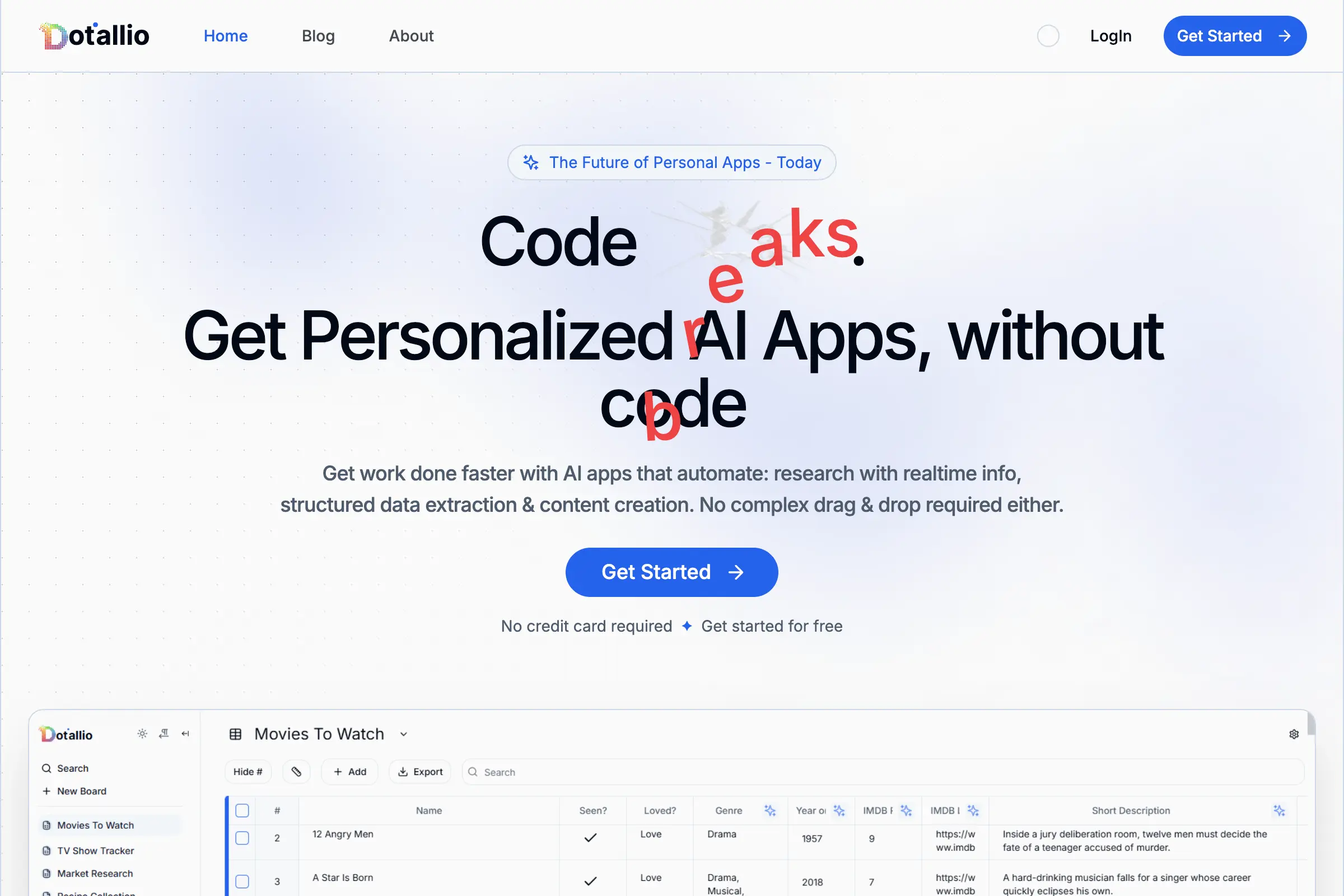
Dotallio
Personalized AI apps that automate research, data extraction, and content creation without code 🤖
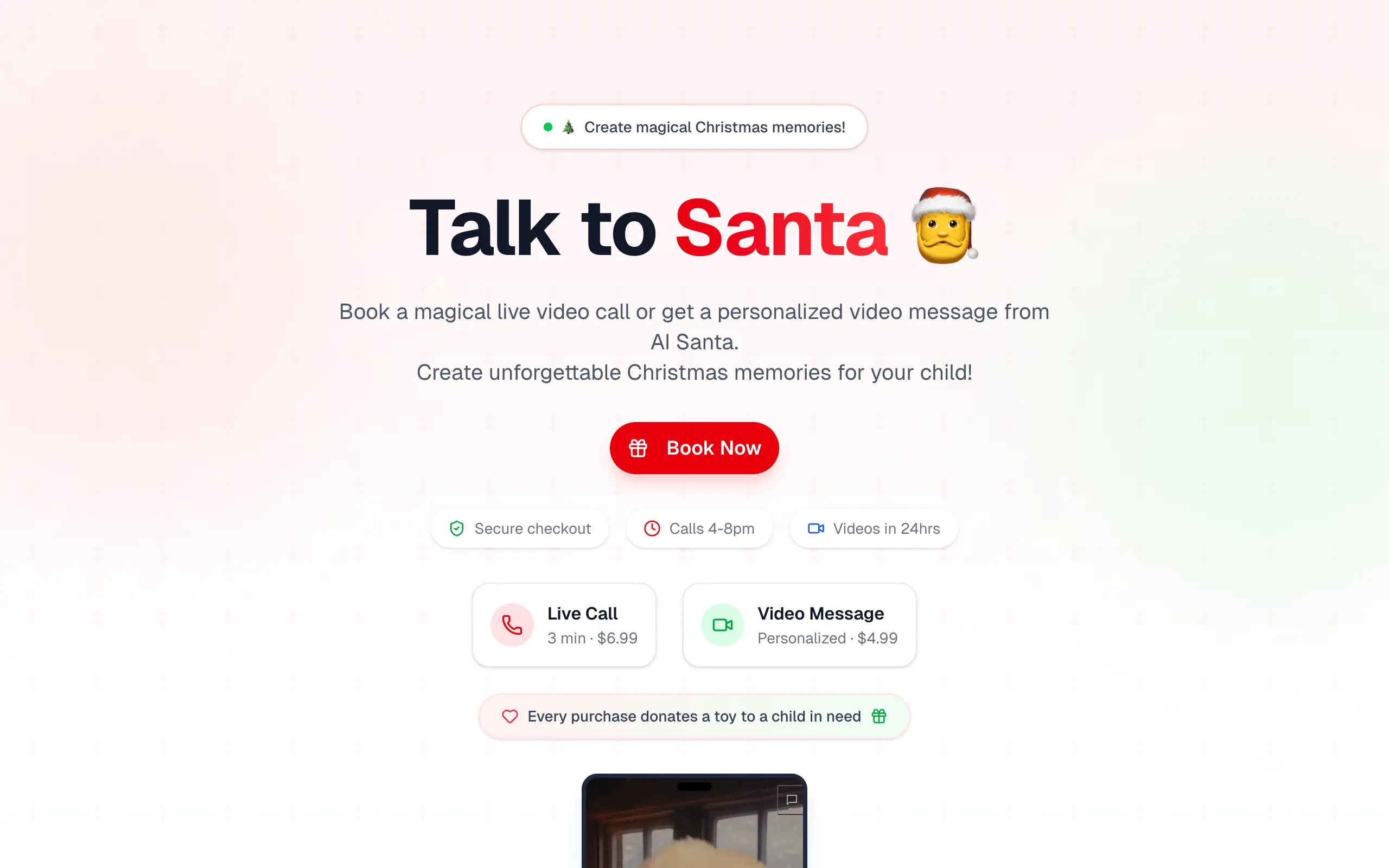
Talk to Santa
Enjoy a magical live video chat or receive a unique AI-generated video greeting from Santa Claus 🎅
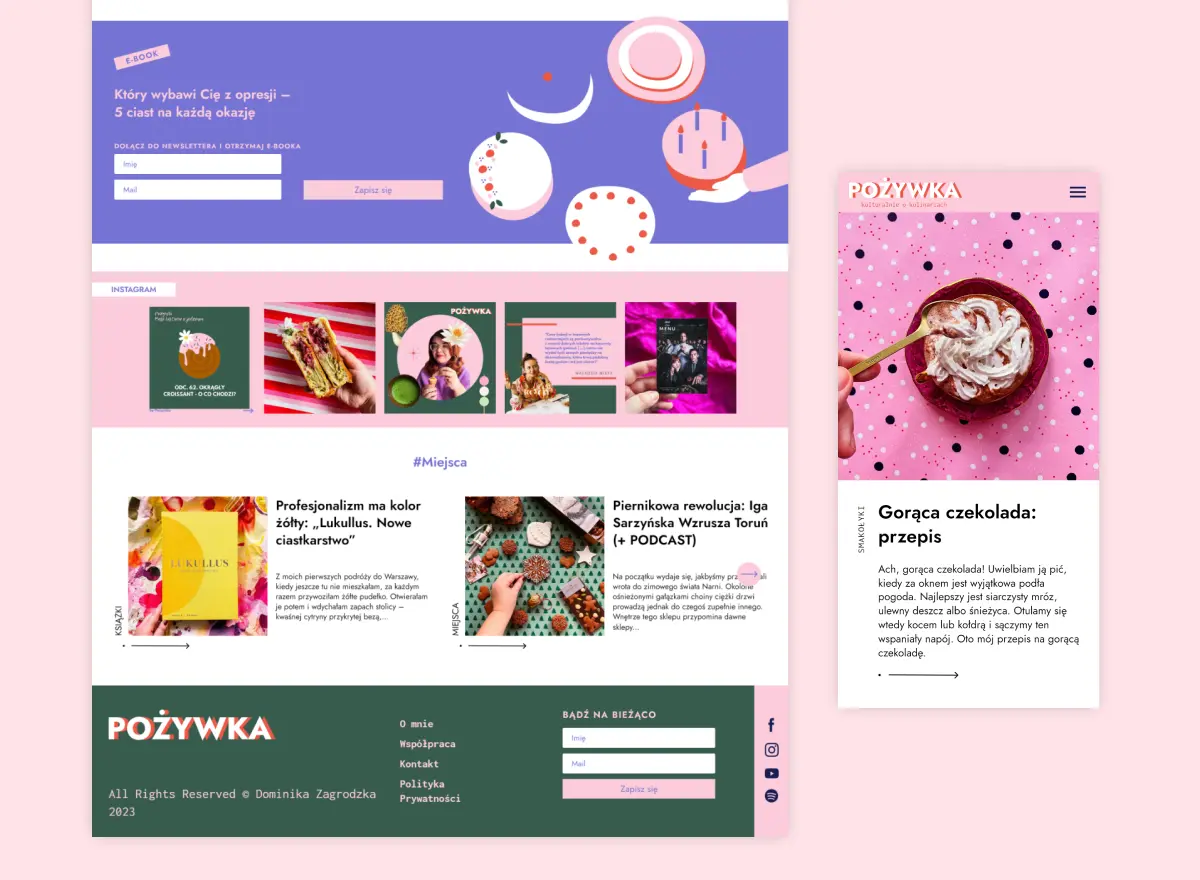
pozywka.pl
Scalable blog for food journalist, focused on performance and user experience 🌭
zagrodzki.me
Personal blog and portfolio of Bart Zagrodzki, where he shares his knowledge and work 💼
TurboStarter
Ship your startup everywhere. In minutes.
HTML to Markdown
Convert HTML to Markdown with ease, directly in your browser 📄
Dotallio
Personalized AI apps that automate research, data extraction, and content creation without code 🤖
Talk to Santa
Enjoy a magical live video chat or receive a unique AI-generated video greeting from Santa Claus 🎅
pozywka.pl
Scalable blog for food journalist, focused on performance and user experience 🌭
zagrodzki.me
Personal blog and portfolio of Bart Zagrodzki, where he shares his knowledge and work 💼
TurboStarter
Ship your startup everywhere. In minutes.
HTML to Markdown
Convert HTML to Markdown with ease, directly in your browser 📄
Omichat
Chat with 50+ AI models, including ChatGPT and Claude, in one place - switch models anytime without losing context 🤖
Claude Fast
Supercharge your Claude Code with 6x effective context window and specialized AI agents 🤖
EmojAI
AI-powered emoji picker with smart, context-aware suggestions 🤖
Solohacker
Autonomous company launcher - AI agents work 24/7, escalate what matters, and you stay in control 🤖
BeRawi: Storytelling Coach
Practice storytelling daily with instant feedback to sound clearer, more engaging, and confident 🎤
Omichat
Chat with 50+ AI models, including ChatGPT and Claude, in one place - switch models anytime without losing context 🤖
Claude Fast
Supercharge your Claude Code with 6x effective context window and specialized AI agents 🤖
EmojAI
AI-powered emoji picker with smart, context-aware suggestions 🤖
Solohacker
Autonomous company launcher - AI agents work 24/7, escalate what matters, and you stay in control 🤖
BeRawi: Storytelling Coach
Practice storytelling daily with instant feedback to sound clearer, more engaging, and confident 🎤

Connect with like-minded people
Join our community to get feedback, support, and grow together with 1,000+ builders on board, let's ship it!
Join usShip your startup everywhere. In minutes.
Don't burn tokens on setup and start building features on day one.