SkillPath AI
AI career guidance for tech learners—analyzes your skills, suggests personalized roadmaps, and connects you with affordable, relevant micro-courses and gigs.
Understanding the demand for AI career guidance for tech learners
In the rapidly evolving technology landscape, career development is no longer linear or one-size-fits-all. Tech learners, whether they are university students, coding bootcamp graduates, or seasoned professionals seeking to upskill, face a dynamic ecosystem of tools, languages, and career pathways. The challenge isn’t just “learning to code”, but knowing what to learn next and how to build a personalized, relevant portfolio. This is where the concept behind SkillPath AI stands out—leveraging artificial intelligence to provide tailored career navigation, connecting learners with micro-courses and work opportunities that are directly aligned to their unique skills and goals.
This article will break down the key aspects of launching an AI-driven career guidance platform for tech learners, exploring market gaps, defining solution features, and offering a clear path to validation and growth. Along the way, we’ll ensure you gain expert-level, actionable insights for building a competitive SaaS product in this booming vertical.
Target audience analysis: who needs SkillPath AI?
To build a powerful solution, it’s essential to clearly understand its users. SkillPath AI targets the following personas:
1. Aspiring developers and tech learners
- University students in computer science, IT, or engineering
- Self-taught coders
- Bootcamp graduates wanting industry-aligned roadmaps
- Individuals pivoting from non-tech fields
Pain points:
- Overwhelmed by choice: thousands of courses, stacks, and roles
- Difficulty mapping skills to real jobs
- Need affordable, modular learning (micro-courses, projects)
- Uncertainty about which skills to acquire for their desired role
2. Early-career professionals
- Junior developers, QA testers, sysadmins, data analysts
- Looking to specialize or shift roles within tech
- Seeking relevant gigs/internships to build portfolios
Pain points:
- Unsure how to reach the next level (e.g., backend to full-stack)
- Seek experience through real projects, not just coursework
3. Upskilling or reskilling professionals
- Mid-career pros updating their toolset (e.g., learning cloud, AI/ML)
- Those returning to the workforce after a break
Pain points:
- Need efficient, focused skill-building
- Overlapping, out-of-date recommendations from generic platforms
What connects these groups?
- A desire for personalized learning and guidance.
- Economic pressure for affordable course and gig discovery.
- The need to map current skills to career outcomes.
Data Point
According to LinkedIn’s 2023 Workplace Learning Report, 89% of L&D pros believe proactively building employee skills will help navigate the evolving future of work. Tech learners are well-aware of the need for continuous, strategic upskilling. [Reference: LinkedIn 2023 Workplace Learning Report]
Identifying the market gap: why traditional platforms fall short
SkillPath AI's premise—personalized, AI-driven skill and career navigation—addresses shortcomings of major MOOC and job platforms:
1. Fragmented guidance
- MOOCs like Coursera, Udemy, and edX offer huge course libraries but lack personalized roadmapping and skill diagnostics.
- Job/Gig sites like Upwork or Fiverr offer work, but little in the way of contextual reports on what skills or micro-credentials actually bridge to those roles.
2. Poor integration of learning and work
Learners often have to “mix and match”:
- Take unrelated courses from multiple providers
- Seek portfolio projects from elsewhere
- Try to manually connect learning pathways to gig/job opportunities
3. Generic recommendations
- Recommendations are often “static” (e.g., “Full-stack developer path”, “Data science track”), not personalized for one's specific strengths, weaknesses, history, or goals.
4. Cost and time inefficiencies
- Learners may waste money or time on content that isn’t aligned with market demand or their current level.
- Much “career coaching” is expensive and generalized.
Competitive gaps
Let’s clarify via a comparison table:
| Platform | Personalized roadmap | AI skills analysis | Micro-course integration | Relevant gig matching |
|---|---|---|---|---|
| SkillPath AI | ✅ | ✅ | ✅ | ✅ |
| Generic MOOCs | ❌ | ❌ | ✅ | ❌ |
| Job boards / Gigs | ❌ | ❌ | ❌ | ✅ |
SkillPath AI’s market opportunity lies in unifying AI-driven personalization with affordable, actionable learning and gig mapping—something traditional platforms can’t do effectively.
Deep dive into SkillPath AI: core features and solution architecture
The SkillPath AI platform sets itself apart by offering a deeply personalized, actionable career guidance engine—powered by state-of-the-art AI.
1. AI-powered skills analysis
- Users complete a diagnostic quiz, upload portfolios, or connect GitHub/LinkedIn profiles.
- AI models (e.g. large language models fine-tuned for ed-tech) analyze skills, certifications, and public work.
- Dynamic strengths and gaps report generated instantly.
2. Personalized learning roadmaps
- After analysis, users receive a stepwise, evolving learning journey tailored to:
- Desired job role (e.g., Frontend Developer, DevOps Engineer)
- Current skill level and constraints (budget, time, tech stack affinity)
- Roadmaps adapt as users complete micro-courses, build projects, or add new credentials.
3. Micro-course and content aggregator
- Aggregates affordable (sometimes free) courses and micro-credentials from leading providers (e.g., Coursera, Udemy, YouTube, Khan Academy, Pluralsight, Scrimba).
- AI ranks/integrates the most relevant modules and explains why each is recommended.
4. Real-world gig and project matching
- Integrates with remote micro-internship portals, entry-level freelancing gigs, and hackathon opportunities.
- AI suggests gigs that align with a learner’s growing skill stack, allowing them to build a public portfolio.
5. Progress tracking and accountability
- Visual trackers, skill trees, badge collection, and reminders.
- Social features: peer learning, mentors, supportive community.
6. Career outcomes dashboard
- Showcases “next best” job targets based on current trajectory
- Aggregates roles and their requirements, dynamically tracking market shifts
User experience spotlight
Interactive AI skill audit
Instantly see your skill strengths and weaknesses by connecting your online portfolios—no manual forms.
Modular, just-in-time roadmaps
Personalized paths built for your *exact* goals, adjusting dynamically as you progress.
Affordable micro-course curation
Save money and time—never pay for redundant, irrelevant content again.
Real project integration
Recommendations for actual paid gigs and hackathons based on your *current, evolving* skill set.
Recommended tech stack for SkillPath AI
Building a responsive, scalable AI SaaS like SkillPath AI means balancing cutting-edge AI capabilities with robust, user-friendly web technologies.
Frontend
- React (React)
Modern, flexible, highly interactive UI. - TailwindCSS (TailwindCSS)
Utility-first CSS for rapid, clean styling.
Trade-offs:
React offers excellent component reuse and ecosystems, but care must be taken to keep bundle sizes small for learners accessing via mobile or low-bandwidth environments.
Backend / AI Engine
- Node.js or Python (FastAPI or Flask)
High concurrency and compatiblity with AI/ML libraries. - OpenAI API or open-source LLMs (like HuggingFace Transformers) for skills analysis and roadmap generation.
- PostgreSQL for robust data integrity and analytics.
- Redis for caching and real-time experiences.
Trade-offs:
- OpenAI APIs can become expensive at scale; open source models may require more tuning or infra management.
- Data privacy (especially with user portfolios/credentials) must be addressed proactively.
Integration / Aggregation
- RESTful APIs to integrate third-party course catalogs and gig/job APIs.
- Web scraping (with terms compliance) for additional free resources.
Other essentials
- Auth0 or open-source SSO for secure, privacy-first authentication.
- Stripe for seamless payments and subscriptions.
Unlike static rule-based systems, AI/ML enables true personalization by analyzing user inputs, public projects, and even real-time market data. LLMs can generate unique learning paths, adapt to a user’s pace, and explain the “why” behind decisions.
For rapid validation, the first version could use tools like Bubble, Zapier, and Airtable—accepting lower personalization but dramatically reducing time-to-market. This is great for early tests.
Monetization strategies: how SkillPath AI can win financially
Monetizing an AI-powered skill roadmap platform is uniquely promising—learners and even employers are willing to pay for clarity and outcome-focused data. Here are leading approaches:
1. Freemium with tiered subscriptions
- Free tier:
- Basic skill audit
- Recommended roadmap preview
- Limited micro-course links
- Premium tier (monthly/yearly):
- Unlocks detailed, dynamic roadmaps
- Full course and gig matching
- Access to mentors and accountability group
- Downloadable reports/certificates
2. Course marketplace affiliate commissions
- Generate affiliate revenue by recommending relevant micro-courses on partner platforms (Coursera, Udemy, etc.).
- Highlight transparency regarding affiliate links for user trust.
3. Employer partnerships
- Companies pay for access to a pool of “roadmap verified” learners for remote internships, contract gigs, or hiring pipelines.
- White-labeled dashboards for bootcamps, universities, or L&D departments.
4. Pay-per-feature or credits
- One-time payments for specific features: detailed skills report, resume review, career coaching session, etc.
5. Sponsored gigs or projects
- Allow startups and companies to sponsor projects/events for top learners—a potential B2B revenue stream.
Blending subscription (for predictable ARR) with affiliate and B2B channels maximizes sustainability and aligns incentives with user outcomes.
Potential risks, technical challenges, and mitigation strategies
Every promising SaaS also faces hurdles. Here’s what SkillPath AI must proactively solve:
1. Data privacy & security
Risk: Handling user resumes, portfolios, and online profiles demands robust security; trust is everything.
Mitigation:
- Use OAuth (never store passwords directly).
- End-to-end encryption for sensitive data.
- Transparency in data handling and no “shadow profiling”.
- Explicit user consent for all third-party integrations.
2. AI bias and recommendation trust
Risk: AI-generated roadmaps or gig suggestions could carry bias, produce suboptimal matches, or lack explainability.
Mitigation:
- Human-in-the-loop moderation for initial recommendations.
- Explainable AI: Always show why a course/path/gig was suggested.
- Continuous model tuning with real user feedback.
3. Content copyright and platform compliance
Risk: Aggregating courses/platforms may breach terms or copyright.
Mitigation:
- Use only APIs or affiliate-licensed links.
- Avoid unauthorized scraping of premium content.
4. Overfitting or information overload
Risk: Learners may be overwhelmed if AI outputs too many options.
Mitigation:
- Simple, stepwise UI flow—show only the “next best” step.
- Allow users to customize roadmap intensity and pace.
Competitive advantage: what makes SkillPath AI truly unique?
While there are many ed-tech and job platforms, SkillPath AI offers a uniquely potent blend:
- Hyper-personalized, AI-driven career mapping, not cookie-cutter tracks.
- Tight integration between learning and real-world work/gigs—not just academic or theoretical progress.
- Constant roadmap adaptation as users demonstrate new skills or complete projects.
- Focus on affordability—curating learning paths that factor in budget, accessibility, and learning style.
- Explainable recommendations—users know why each step is suggested, building trust and outcomes.
Competitive edge, visually summarized
| Feature | SkillPath AI | Typical MOOC | Job Board | Traditional Coach |
|---|---|---|---|---|
| AI-driven personalization | ✅ | ❌ | ❌ | ❌ |
| Course + gig integration | ✅ | ❌ | ❌ | ❌ |
| Real-time recommendations | ✅ | ❌ | ❌ | ❌ |
| Affordability focus | ✅ | ❌ | ❌ | ❌ |
| Learning accountability | ✅ | ❌ | ❌ | Limited |
Actionable implementation steps for building SkillPath AI
Ready to translate vision into reality? Here’s a recommended step-by-step approach for validating and launching this AI SaaS startup:
Launching with a well-defined user niche and a simple “first use” magic moment—like a shockingly accurate AI skill audit—will drive viral growth and propel early adoption.
Final thoughts: the future of AI-driven skill navigation
With tech roles constantly changing and new frameworks debuting every month, learners crave clarity, direction, and efficiency. SkillPath AI—by combining state-of-the-art AI, personalized roadmapping, and actionable, affordable micro-course and gig recommendations—is uniquely positioned to support the next generation of tech professionals.
Whether you’re a founder, product builder, educator, or investor, now is the ideal time to empower tech learners with AI-driven, outcome-focused guidance that truly moves the needle for real-world careers.
For streamlined SaaS launches and expert developer acceleration, see TurboStarter.
Frequently asked questions
While MOOCs suggest courses based mainly on browsing history or popularity, SkillPath AI analyzes your actual skills, projects, and goals—generating a dynamic, rational career roadmap. It considers progress, not just content.
Yes! The same approach can be extended to design, QA, DevOps, cloud, and even product management roles by adjusting the diagnostic and course corpus.
Focus on a core skill diagnostic tool, a manually curated course list, and a simple roadmap interface. The roadmap can be upgraded with more AI and integrations.
With human curation and user feedback loops, AI-generated guidance can be accurate and minimize bias. Transparency and user feedback are both essential.
Ready to empower the next generation of tech learners? Start building SkillPath AI—and help unlock personalized, actionable career growth in tech.
More 🤖 AI Startup SaaS ideas
Discover more innovative ai startup SaaS ideas that are trending in 2026. Each idea is AI-generated with market validation and growth potential to help you find your next profitable venture faster than competitors.
Your competitors are building with TurboStarter
Below are some of the SaaS ideas that have been generated and built with our starter kit.
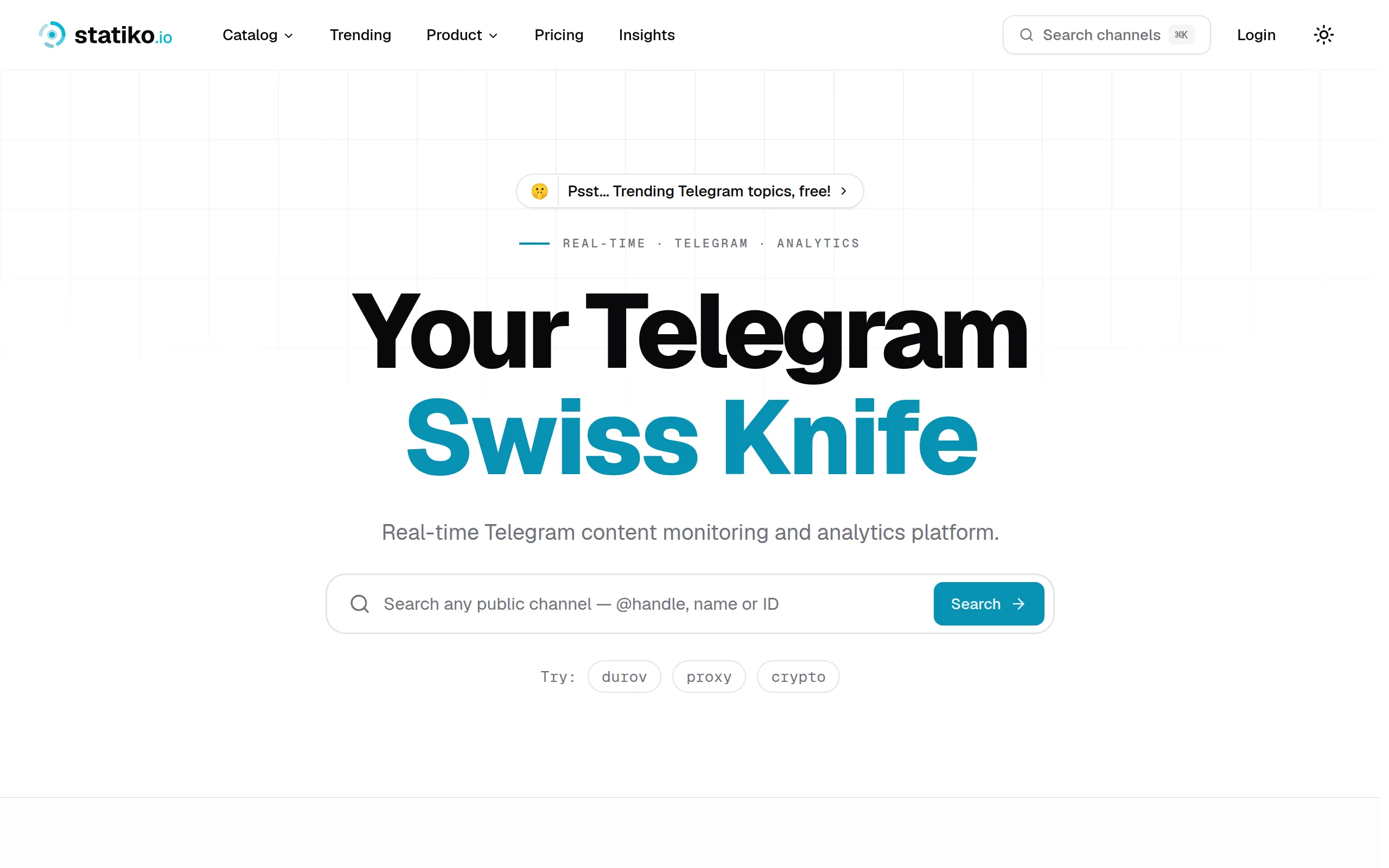
Statiko
Monitor any Telegram channel in real time - track posts, edits, deletions, and growth with AI recaps 📡

Shibui
AI website builder - describe your business, pick a niche template, edit by chatting, and publish instantly ✨

Pro Service
Find verified home service professionals, compare quotes, and pay securely through escrow - built for Brazilians across the US 🏠
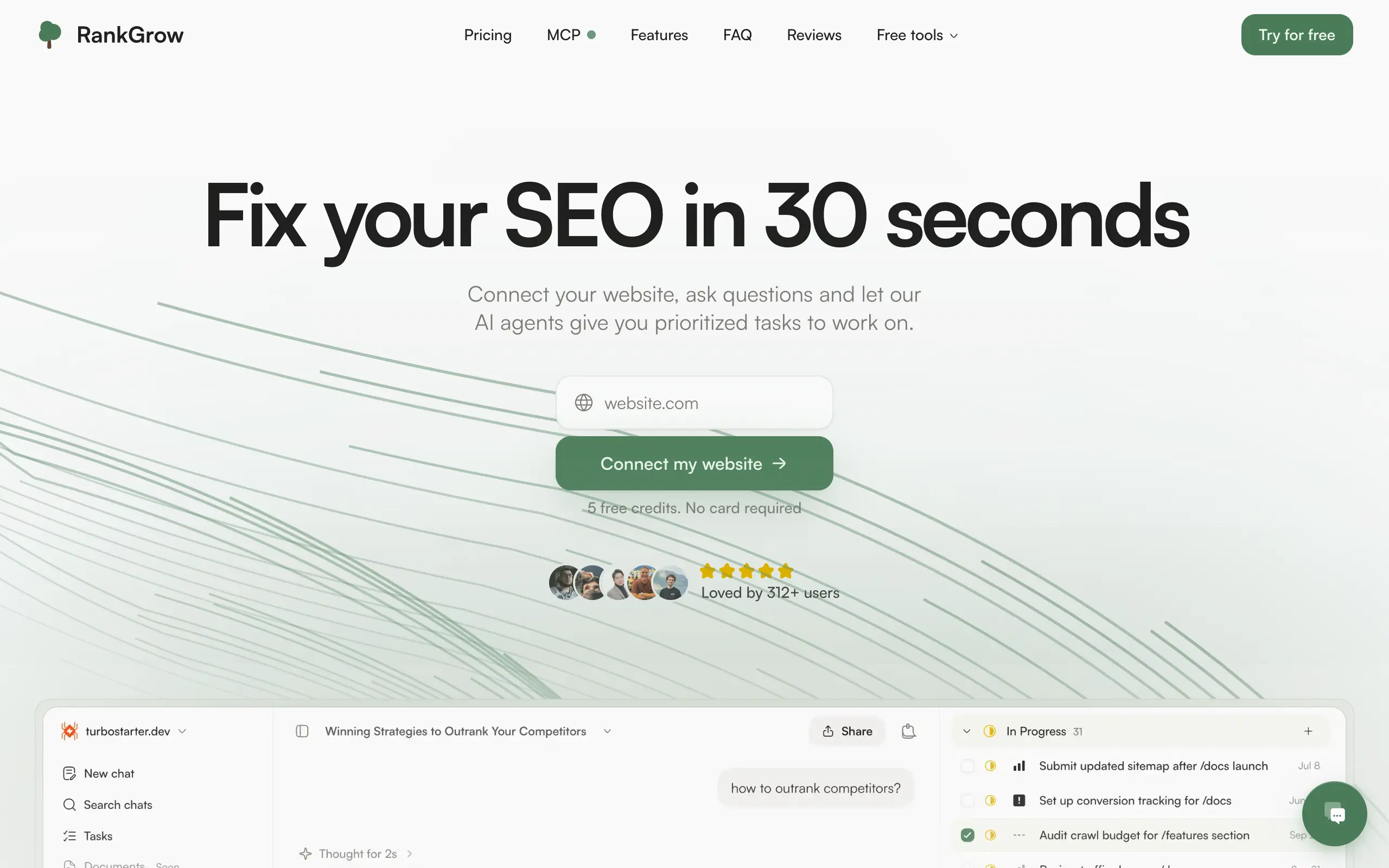
RankGrow
Fix your SEO with AI agents - connect Search Console, get prioritized tasks, and grow organic traffic 📈
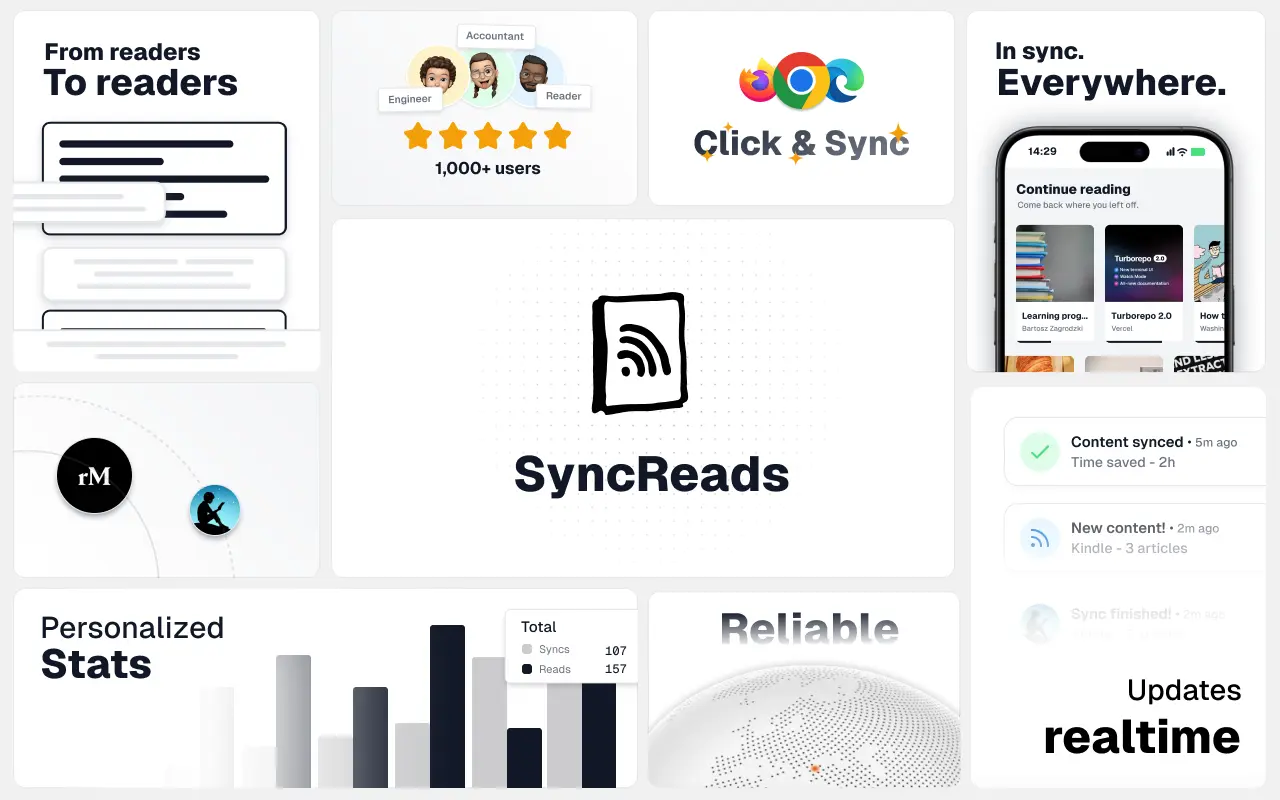
SyncReads
Sync your favorite content for distraction-free reading, save time and replace multiple apps. Anytime, anywhere 🔄
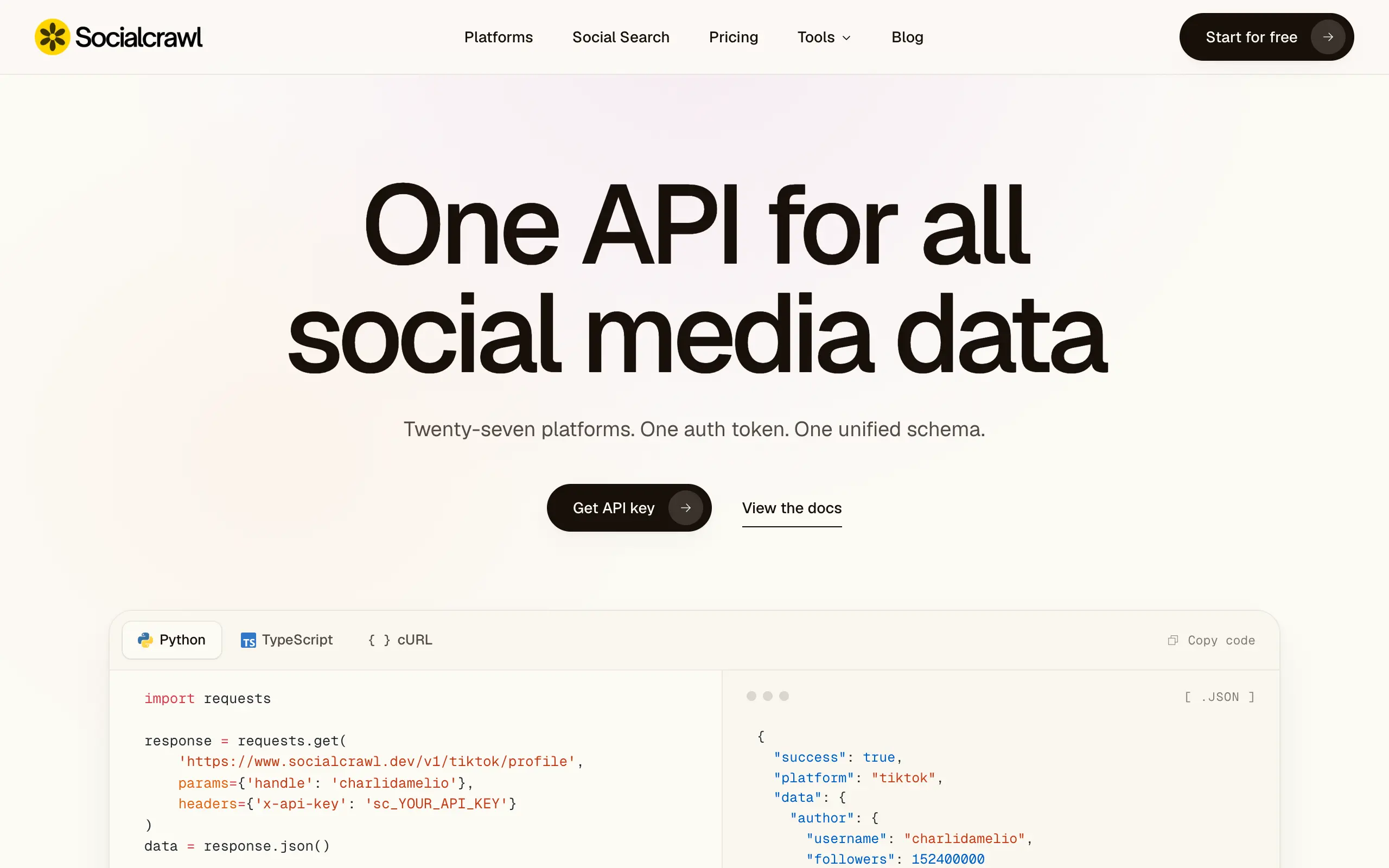
Socialcrawl
Get clean, structured data from 21 platforms like TikTok, Instagram, and YouTube with a single request 📊
Statiko
Monitor any Telegram channel in real time - track posts, edits, deletions, and growth with AI recaps 📡
Shibui
AI website builder - describe your business, pick a niche template, edit by chatting, and publish instantly ✨
Pro Service
Find verified home service professionals, compare quotes, and pay securely through escrow - built for Brazilians across the US 🏠
RankGrow
Fix your SEO with AI agents - connect Search Console, get prioritized tasks, and grow organic traffic 📈
SyncReads
Sync your favorite content for distraction-free reading, save time and replace multiple apps. Anytime, anywhere 🔄
Socialcrawl
Get clean, structured data from 21 platforms like TikTok, Instagram, and YouTube with a single request 📊
Statiko
Monitor any Telegram channel in real time - track posts, edits, deletions, and growth with AI recaps 📡
Shibui
AI website builder - describe your business, pick a niche template, edit by chatting, and publish instantly ✨
Pro Service
Find verified home service professionals, compare quotes, and pay securely through escrow - built for Brazilians across the US 🏠
RankGrow
Fix your SEO with AI agents - connect Search Console, get prioritized tasks, and grow organic traffic 📈
SyncReads
Sync your favorite content for distraction-free reading, save time and replace multiple apps. Anytime, anywhere 🔄
Socialcrawl
Get clean, structured data from 21 platforms like TikTok, Instagram, and YouTube with a single request 📊
Statiko
Monitor any Telegram channel in real time - track posts, edits, deletions, and growth with AI recaps 📡
Shibui
AI website builder - describe your business, pick a niche template, edit by chatting, and publish instantly ✨
Pro Service
Find verified home service professionals, compare quotes, and pay securely through escrow - built for Brazilians across the US 🏠
RankGrow
Fix your SEO with AI agents - connect Search Console, get prioritized tasks, and grow organic traffic 📈
SyncReads
Sync your favorite content for distraction-free reading, save time and replace multiple apps. Anytime, anywhere 🔄
Socialcrawl
Get clean, structured data from 21 platforms like TikTok, Instagram, and YouTube with a single request 📊
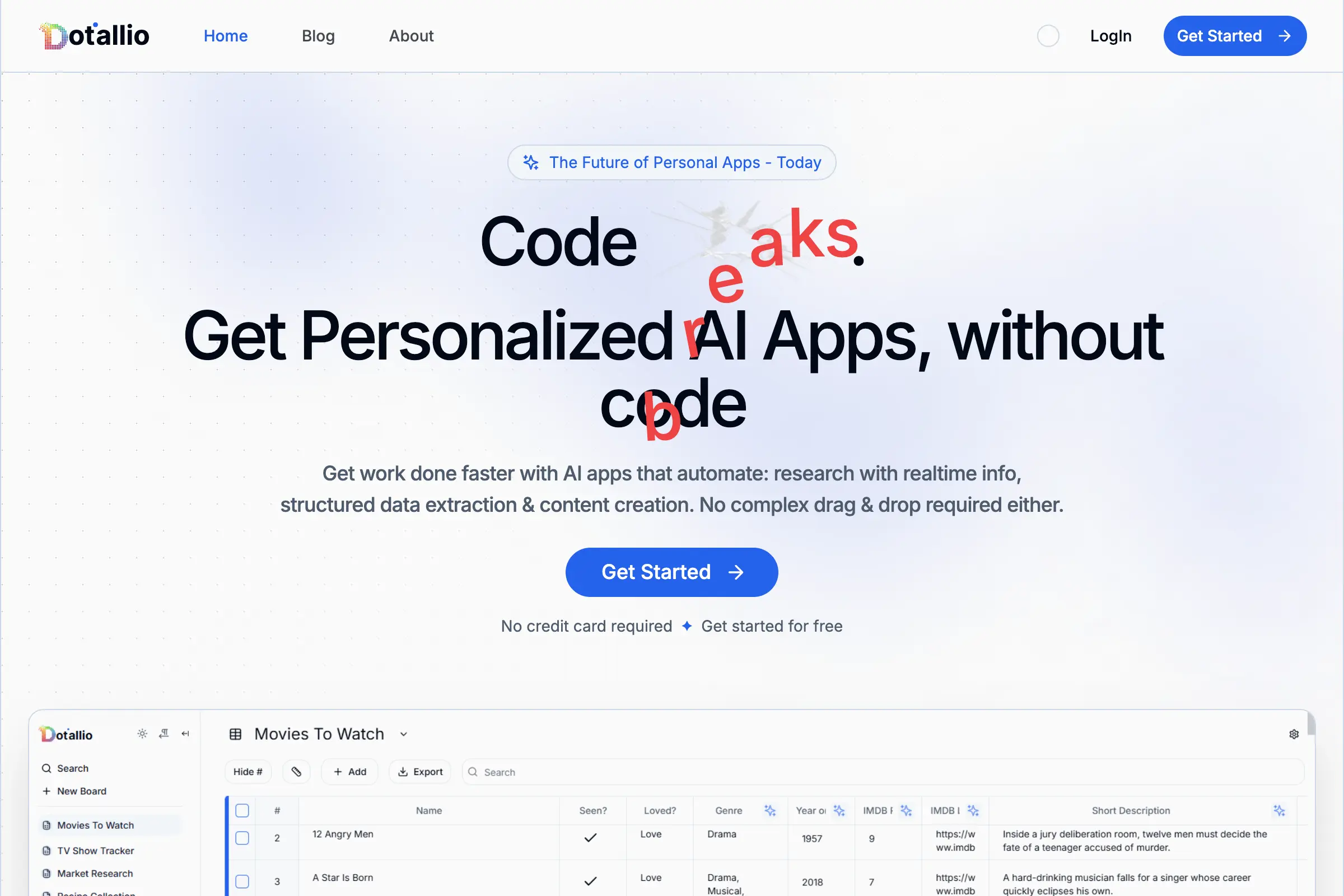
Dotallio
Personalized AI apps that automate research, data extraction, and content creation without code 🤖

Talk to Santa
Enjoy a magical live video chat or receive a unique AI-generated video greeting from Santa Claus 🎅

pozywka.pl
Scalable blog for food journalist, focused on performance and user experience 🌭
zagrodzki.me
Personal blog and portfolio of Bart Zagrodzki, where he shares his knowledge and work 💼
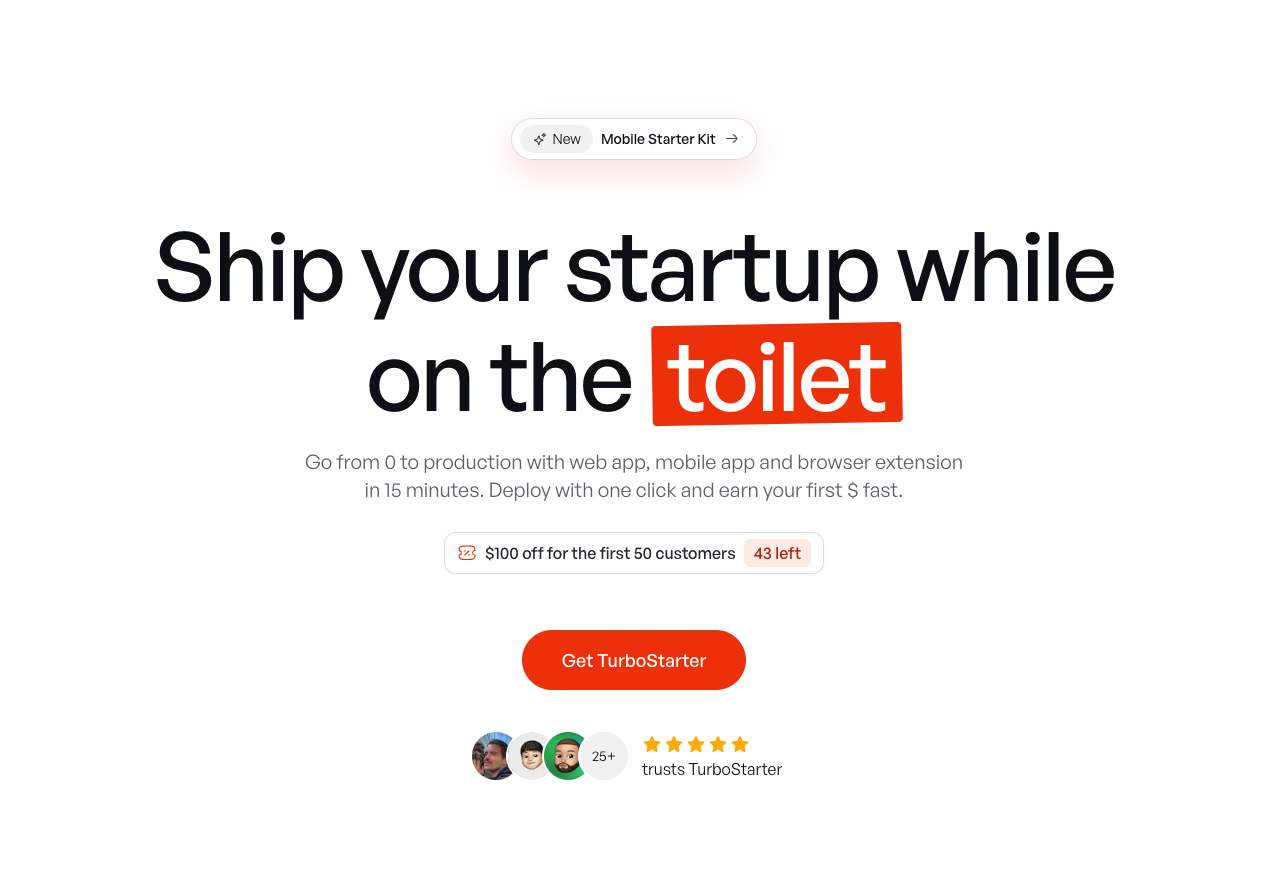
TurboStarter
Ship your startup everywhere. In minutes.
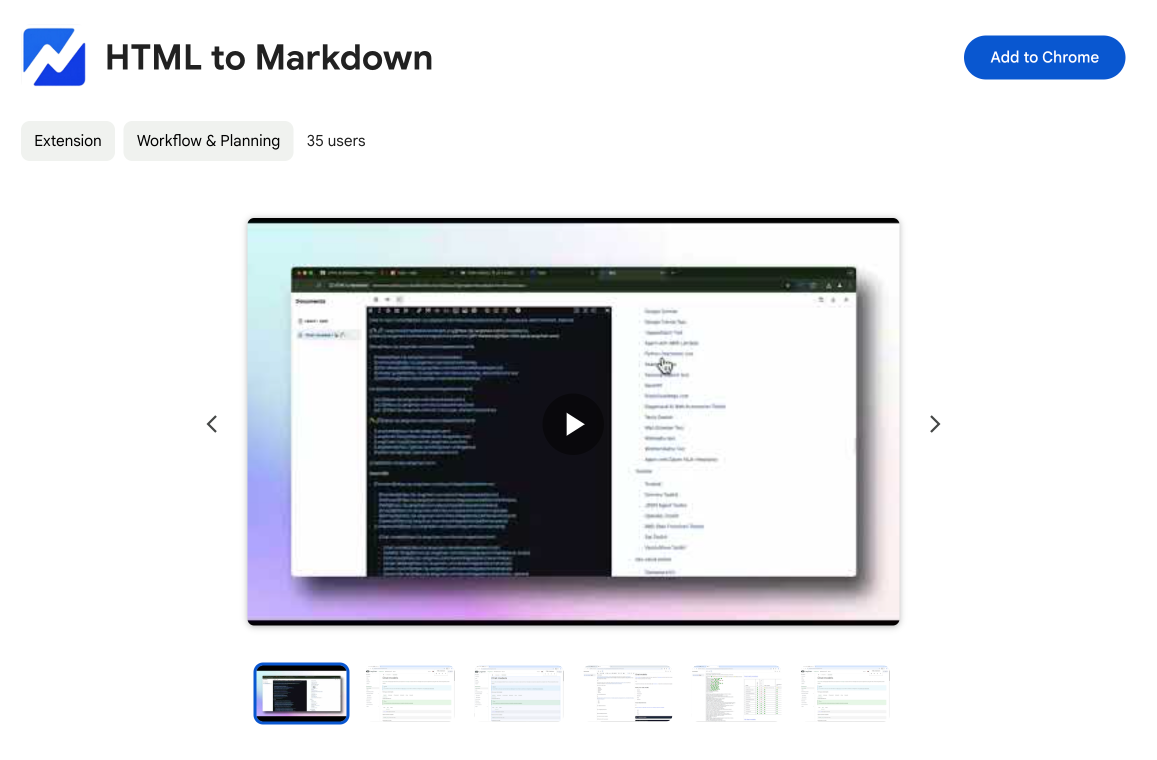
HTML to Markdown
Convert HTML to Markdown with ease, directly in your browser 📄
Dotallio
Personalized AI apps that automate research, data extraction, and content creation without code 🤖
Talk to Santa
Enjoy a magical live video chat or receive a unique AI-generated video greeting from Santa Claus 🎅
pozywka.pl
Scalable blog for food journalist, focused on performance and user experience 🌭
zagrodzki.me
Personal blog and portfolio of Bart Zagrodzki, where he shares his knowledge and work 💼
TurboStarter
Ship your startup everywhere. In minutes.
HTML to Markdown
Convert HTML to Markdown with ease, directly in your browser 📄
Dotallio
Personalized AI apps that automate research, data extraction, and content creation without code 🤖
Talk to Santa
Enjoy a magical live video chat or receive a unique AI-generated video greeting from Santa Claus 🎅
pozywka.pl
Scalable blog for food journalist, focused on performance and user experience 🌭
zagrodzki.me
Personal blog and portfolio of Bart Zagrodzki, where he shares his knowledge and work 💼
TurboStarter
Ship your startup everywhere. In minutes.
HTML to Markdown
Convert HTML to Markdown with ease, directly in your browser 📄
Dotallio
Personalized AI apps that automate research, data extraction, and content creation without code 🤖
Talk to Santa
Enjoy a magical live video chat or receive a unique AI-generated video greeting from Santa Claus 🎅
pozywka.pl
Scalable blog for food journalist, focused on performance and user experience 🌭
zagrodzki.me
Personal blog and portfolio of Bart Zagrodzki, where he shares his knowledge and work 💼
TurboStarter
Ship your startup everywhere. In minutes.
HTML to Markdown
Convert HTML to Markdown with ease, directly in your browser 📄
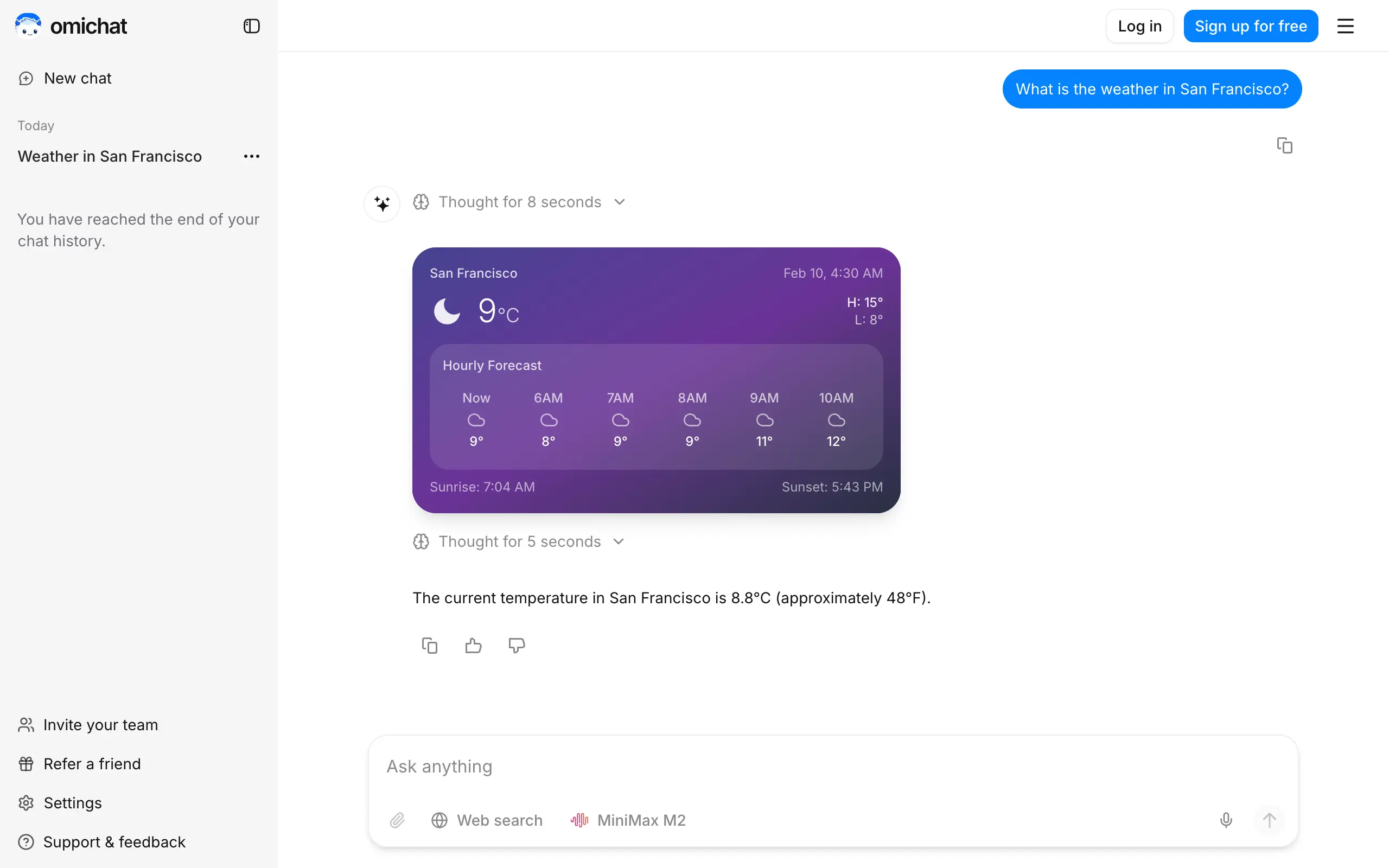
Omichat
Chat with 50+ AI models, including ChatGPT and Claude, in one place - switch models anytime without losing context 🤖
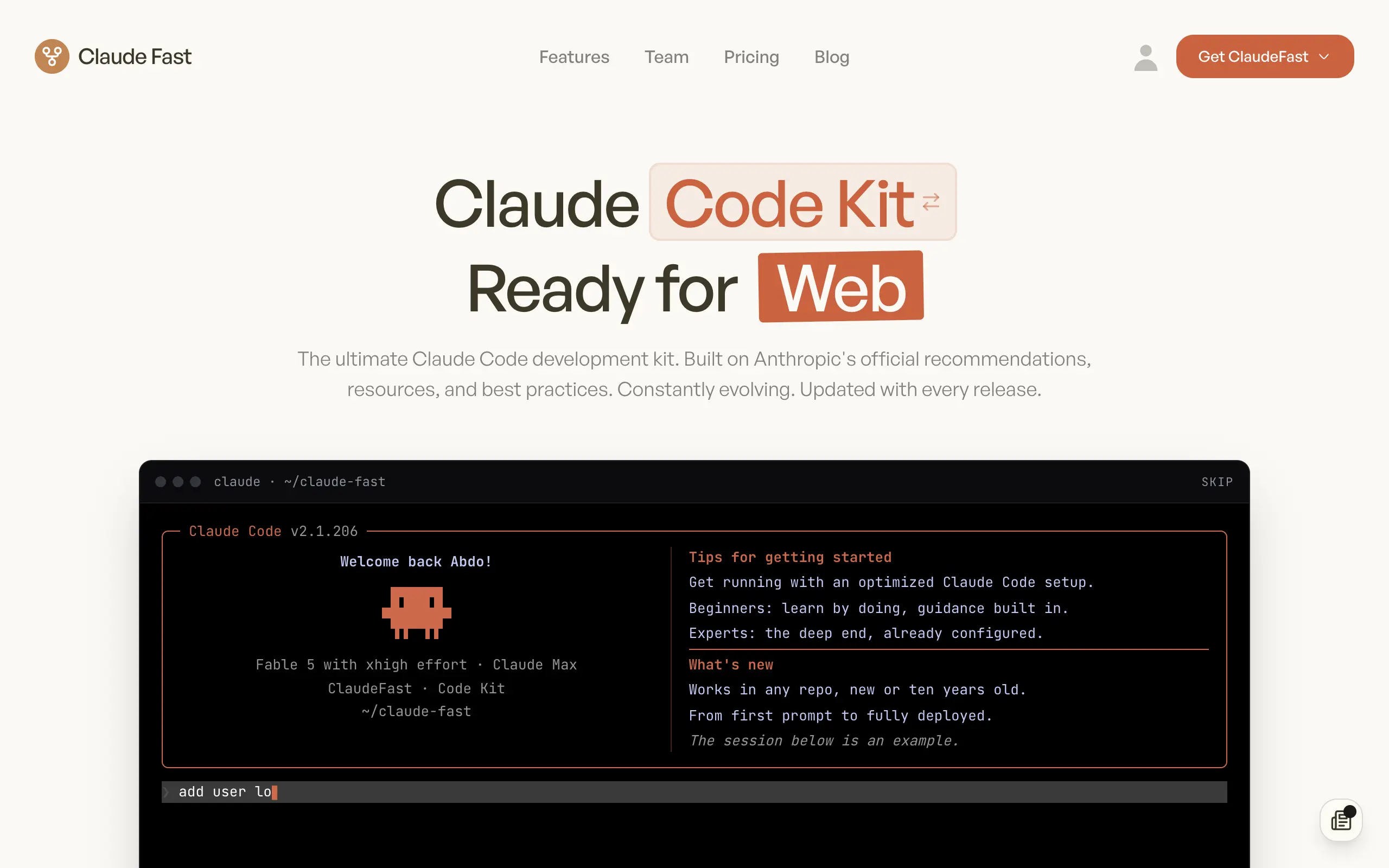
Claude Fast
Supercharge your Claude Code with 6x effective context window and specialized AI agents 🤖
EmojAI
AI-powered emoji picker with smart, context-aware suggestions 🤖
Solohacker
Autonomous company launcher - AI agents work 24/7, escalate what matters, and you stay in control 🤖
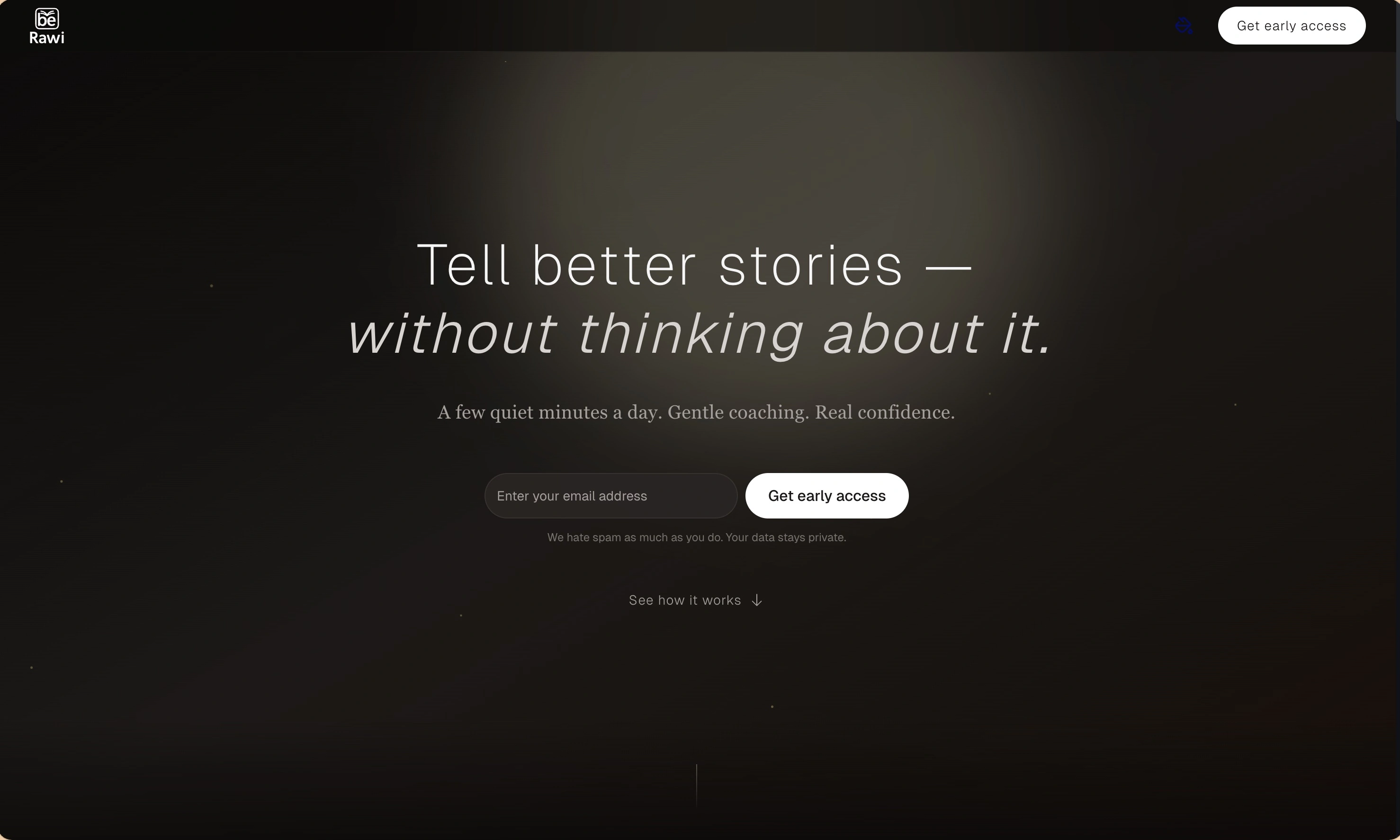
BeRawi: Storytelling Coach
Practice storytelling daily with instant feedback to sound clearer, more engaging, and confident 🎤
Omichat
Chat with 50+ AI models, including ChatGPT and Claude, in one place - switch models anytime without losing context 🤖
Claude Fast
Supercharge your Claude Code with 6x effective context window and specialized AI agents 🤖
EmojAI
AI-powered emoji picker with smart, context-aware suggestions 🤖
Solohacker
Autonomous company launcher - AI agents work 24/7, escalate what matters, and you stay in control 🤖
BeRawi: Storytelling Coach
Practice storytelling daily with instant feedback to sound clearer, more engaging, and confident 🎤
Omichat
Chat with 50+ AI models, including ChatGPT and Claude, in one place - switch models anytime without losing context 🤖
Claude Fast
Supercharge your Claude Code with 6x effective context window and specialized AI agents 🤖
EmojAI
AI-powered emoji picker with smart, context-aware suggestions 🤖
Solohacker
Autonomous company launcher - AI agents work 24/7, escalate what matters, and you stay in control 🤖
BeRawi: Storytelling Coach
Practice storytelling daily with instant feedback to sound clearer, more engaging, and confident 🎤
Omichat
Chat with 50+ AI models, including ChatGPT and Claude, in one place - switch models anytime without losing context 🤖
Claude Fast
Supercharge your Claude Code with 6x effective context window and specialized AI agents 🤖
EmojAI
AI-powered emoji picker with smart, context-aware suggestions 🤖
Solohacker
Autonomous company launcher - AI agents work 24/7, escalate what matters, and you stay in control 🤖
BeRawi: Storytelling Coach
Practice storytelling daily with instant feedback to sound clearer, more engaging, and confident 🎤

Connect with like-minded people
Join our community to get feedback, support, and grow together with 1,000+ builders on board, let's ship it!
Join usShip your startup everywhere. In minutes.
Don't burn tokens on setup and start building features on day one.