SkillSprint AI
An AI micro-coach that creates personalized 10-minute daily learning sprints to help consumers build real-world skills faster without overwhelm.
Introduction: why micro-learning needs an AI-first upgrade
Modern learners face a paradox. On one hand, access to knowledge has never been easier: thousands of courses, tutorials, podcasts, and newsletters promise rapid skill growth. On the other hand, overwhelm, lack of consistency, and poor retention prevent most people from turning learning into real-world capability.
This gap is exactly where SkillSprint AI, an AI micro-coach for personalized 10-minute daily learning sprints, positions itself. The product’s core promise is simple but powerful: help consumers build practical skills faster by delivering the right lesson, at the right difficulty, at the right moment, without demanding hours of attention.
This article explores SkillSprint AI as a SaaS opportunity in depth. It is written for founders, product managers, and early-stage SaaS builders searching for:
- Validation of the AI micro-learning market
- A clear breakdown of target users and use cases
- Feature, tech stack, and monetization guidance
- Competitive differentiation and execution strategy
Throughout, we focus on E‑E‑A‑T principles—grounded reasoning, real-world experience, and practical implementation insight—rather than hype.
What is SkillSprint AI?
SkillSprint AI is an AI-powered micro-coaching platform that generates personalized 10-minute daily learning sprints tailored to an individual’s goals, skill level, and progress.
Instead of long courses or static lesson plans, SkillSprint AI operates as a coach rather than a content library.
At a high level, it:
- Asks users what skill they want to develop (e.g., public speaking, Python, product management, fitness fundamentals)
- Assesses their current level and constraints (time, pace, preferred format)
- Delivers daily, bite-sized learning sprints designed to be completed in ~10 minutes
- Adapts dynamically based on performance, feedback, and missed sessions
- Focuses on application and behavior change, not passive consumption
The primary keyword naturally emerging from this concept is:
AI micro-learning coach
Closely related semantic keywords include:
- AI learning assistant
- Personalized micro-learning
- Daily learning sprints
- Skill-building app
- AI-powered coaching platform
User intent: what people searching for this actually want
Understanding search intent is critical for both SEO and product alignment.
Users searching for terms related to AI micro-learning, skill-building apps, or personalized learning AI usually fall into one of four categories:
- Busy professionals looking to upskill without sacrificing time
- Self-improvers who struggle with consistency and motivation
- Founders or creators researching AI SaaS opportunities
- Learning designers or educators exploring new delivery models
SkillSprint AI speaks most strongly to intent #1 and #2, while also being attractive to #3 from a market opportunity standpoint.
The content below is structured to answer:
- Is this a real problem?
- Is the market big enough?
- How would you build and monetize this responsibly?
Target audience analysis: who SkillSprint AI is really for
Primary audience: busy professionals and knowledge workers
The core user persona for SkillSprint AI is the time-constrained learner.
Typical characteristics:
- Age: 22–45
- Works in tech, marketing, consulting, finance, or creative roles
- Has disposable income but limited attention
- Values efficiency and measurable progress
- Feels guilty about unused courses or half-finished learning goals
Common pain points:
- “I don’t have time to sit through a 3-hour course.”
- “I start learning, then fall off after a week.”
- “I don’t know what to practice next.”
SkillSprint AI directly addresses these by:
- Enforcing a 10-minute daily cap
- Removing planning and decision fatigue
- Acting as an accountability partner
Secondary audience: lifelong learners and career switchers
Another strong segment includes:
- People changing careers (e.g., non-technical → tech)
- Freelancers expanding their skill set
- Students supplementing formal education
For them, the value lies in guided progression and confidence-building through small wins.
Audience segmentation by skill category
Different skills require different sprint formats. SkillSprint AI can segment users into tracks such as:
Technical skills
Coding, data analysis, AI tools, no-code platforms, automation basics.
Professional skills
Communication, leadership, negotiation, productivity systems.
Creative skills
Writing, design fundamentals, content creation, storytelling.
Personal development
Habits, fitness knowledge, financial literacy, mental models.
This flexibility significantly expands total addressable market (TAM).
Market opportunity: why AI micro-learning is a strong SaaS bet
Macro trends supporting SkillSprint AI
Several long-term trends converge in favor of an AI micro-coach platform:
-
Shorter attention spans, higher expectations
Users increasingly prefer TikTok-length content—but still want depth and outcomes. -
Shift from credentials to skills
Employers emphasize what you can do over degrees, accelerating demand for practical learning. -
AI personalization becoming the baseline
Static courses feel outdated compared to adaptive AI experiences. -
Subscription fatigue driving demand for “used daily” tools
Products that become daily habits retain better than passive platforms.
Market gap: content abundance vs. guidance scarcity
There is no shortage of learning content. The real gap is contextual guidance:
- What should I learn today?
- Am I practicing the right thing?
- How do I progress without burning out?
SkillSprint AI fills this gap by being:
- Proactive, not reactive
- Adaptive, not static
- Coach-like, not library-like
Competitive landscape snapshot
Important distinction
SkillSprint AI is not trying to replace full courses or degrees. It complements them by solving the daily execution problem.
Here’s a simplified positioning comparison:
| Platform type | Personalized | Daily guidance | Low time commitment | Adaptive AI coach |
|---|---|---|---|---|
| Traditional courses | ❌ | ❌ | ❌ | ❌ |
| Learning apps | ✅ | ❌ | ✅ | ❌ |
| SkillSprint AI | ✅ | ✅ | ✅ | ✅ |
Core features: how SkillSprint AI delivers real value
1. Intelligent onboarding and skill assessment
The first interaction sets the tone. SkillSprint AI should:
- Ask about the target skill
- Assess current proficiency with lightweight questions
- Understand constraints (time, energy, preferred formats)
- Define a clear, realistic outcome
This ensures the AI doesn’t over-teach or under-challenge.
2. Daily 10-minute learning sprints
Each sprint includes:
- A single focused concept
- A micro-exercise or reflection
- Optional reinforcement (example, analogy, or prompt)
The time constraint is a feature, not a limitation. It builds trust: users know they can always finish.
3. Adaptive learning engine
The AI adjusts based on:
- Completion consistency
- Accuracy or quality of responses
- Explicit user feedback (“too easy”, “too hard”)
Over time, this creates a sense of being understood, which is critical for retention.
4. Real-world application prompts
SkillSprint AI differentiates itself by emphasizing doing, not just reading.
Examples:
- “Explain this concept in your own words.”
- “Apply this framework to a problem you faced this week.”
- “Record a 30-second explanation.”
5. Progress visualization and momentum tracking
Instead of abstract percentages, show:
- Streaks
- Skills unlocked
- Confidence indicators
This taps into intrinsic motivation rather than gamification gimmicks.
Recommended tech stack: building SkillSprint AI responsibly
Frontend
-
React for UI flexibility and component-driven development
React -
Tailwind CSS for rapid iteration and consistent design
Tailwind CSS
Backend and infrastructure
- Node.js or Python (FastAPI) for API orchestration
- PostgreSQL for structured user and progress data
- Redis for session and sprint caching
AI layer
- Large language models for:
- Sprint generation
- Feedback analysis
- Adaptive difficulty
Trade-offs to consider:
- Cost vs. response quality
- Latency for daily usage
- Guardrails to avoid hallucinated instruction
Analytics and feedback loops
- Event tracking for completion and drop-off
- Lightweight in-app feedback prompts
- Periodic outcome surveys
Why starter kits matter
Early execution speed is critical. Using a proven SaaS foundation like TurboStarter can significantly reduce time-to-market by handling authentication, billing, and baseline architecture.
Monetization strategies: how SkillSprint AI can make money
Freemium with daily limits
- Free tier: 1 sprint per day, limited skill tracks
- Paid tier: unlimited sprints, advanced personalization
This aligns well with habit formation.
Subscription tiers
Possible structure:
- Basic: single skill, standard adaptation
- Pro: multiple skills, deeper feedback
- Premium: advanced coaching, priority AI responses
Corporate or team plans (future expansion)
Companies increasingly invest in continuous learning rather than workshops.
Team features could include:
- Shared skill tracks
- Manager dashboards
- Aggregate progress insights
Risks and mitigation strategies
Risk: AI-generated content lacks accuracy
Mitigation:
- Constrain outputs with structured prompts
- Focus on foundational concepts
- Encourage reflection over factual recall
Risk: Users churn after initial novelty
Mitigation:
- Emphasize streaks and momentum
- Introduce periodic “skill milestones”
- Prompt users to set real-world goals
Risk: Over-promising outcomes
Mitigation:
- Frame SkillSprint AI as a coach, not a miracle
- Emphasize consistency over speed
- Use realistic language in marketing
Competitive advantage: why SkillSprint AI stands out
SkillSprint AI’s unique selling proposition lies in behavioral alignment.
Most learning platforms optimize for:
- Content volume
- Course completion rates
- Visual engagement
SkillSprint AI optimizes for:
- Daily action
- Cognitive load management
- Habit formation
This shift creates a defensible moat:
- Personalization improves with usage
- Switching costs increase as habits form
- Users build trust in the system’s guidance
Implementation roadmap: from idea to MVP
MVP feature checklist
- Email or OAuth authentication
- Skill selection and onboarding
- Daily sprint generation
- Progress tracking
- Simple feedback loop
Avoid overbuilding early. Depth in one skill beats shallow coverage across many.
Long-term vision: where SkillSprint AI can evolve
Over time, SkillSprint AI could expand into:
- Voice-based micro-coaching
- Wearable or notification-based prompts
- Skill certification through demonstrated practice
- AI agents that coordinate learning across tools
The core principle should remain unchanged: small, consistent actions compound into real skills.
Final thoughts: why SkillSprint AI is worth building now
The combination of AI personalization, micro-learning, and habit-based design creates a rare alignment between user needs and business sustainability.
SkillSprint AI succeeds if it:
- Respects users’ time
- Delivers tangible progress
- Feels like a trusted coach, not another app
For founders looking to build an AI SaaS with genuine user value—and not just novelty—this concept offers both strategic depth and execution clarity.
More 🤖 AI Startup SaaS ideas
Discover more innovative ai startup SaaS ideas that are trending in 2026. Each idea is AI-generated with market validation and growth potential to help you find your next profitable venture faster than competitors.
Your competitors are building with TurboStarter
Below are some of the SaaS ideas that have been generated and built with our starter kit.
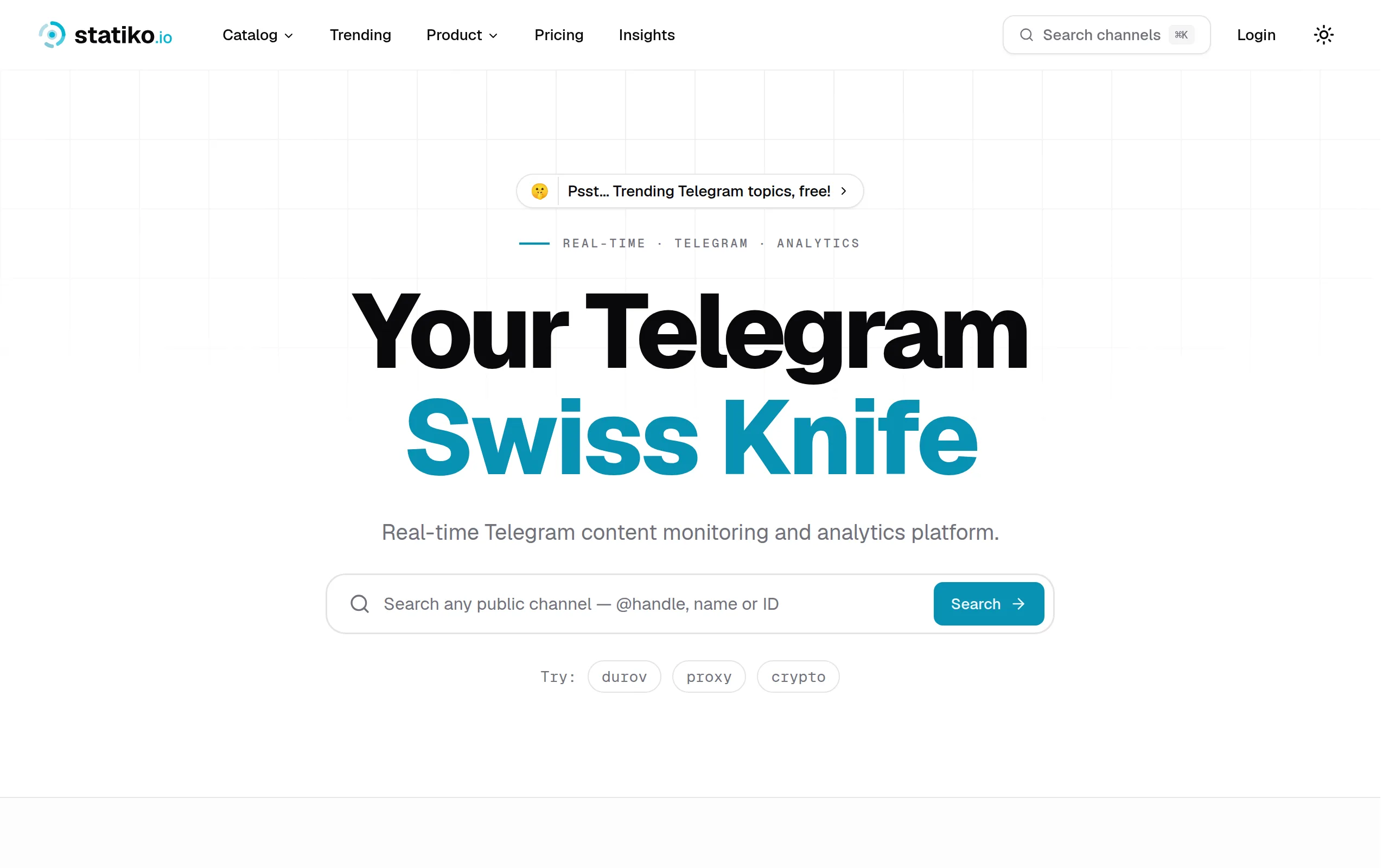
Statiko
Monitor any Telegram channel in real time - track posts, edits, deletions, and growth with AI recaps 📡

Shibui
AI website builder - describe your business, pick a niche template, edit by chatting, and publish instantly ✨

Pro Service
Find verified home service professionals, compare quotes, and pay securely through escrow - built for Brazilians across the US 🏠
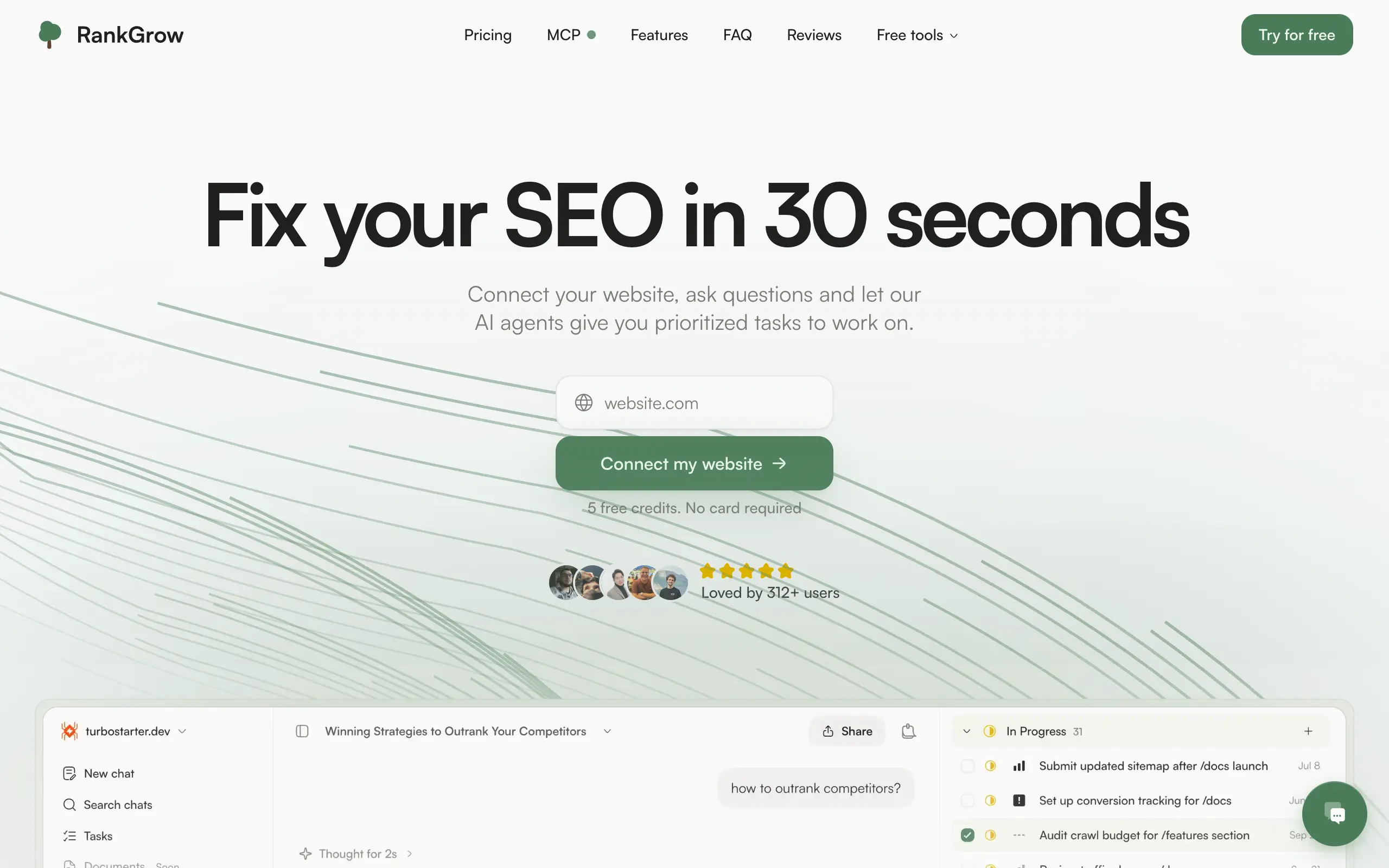
RankGrow
Fix your SEO with AI agents - connect Search Console, get prioritized tasks, and grow organic traffic 📈
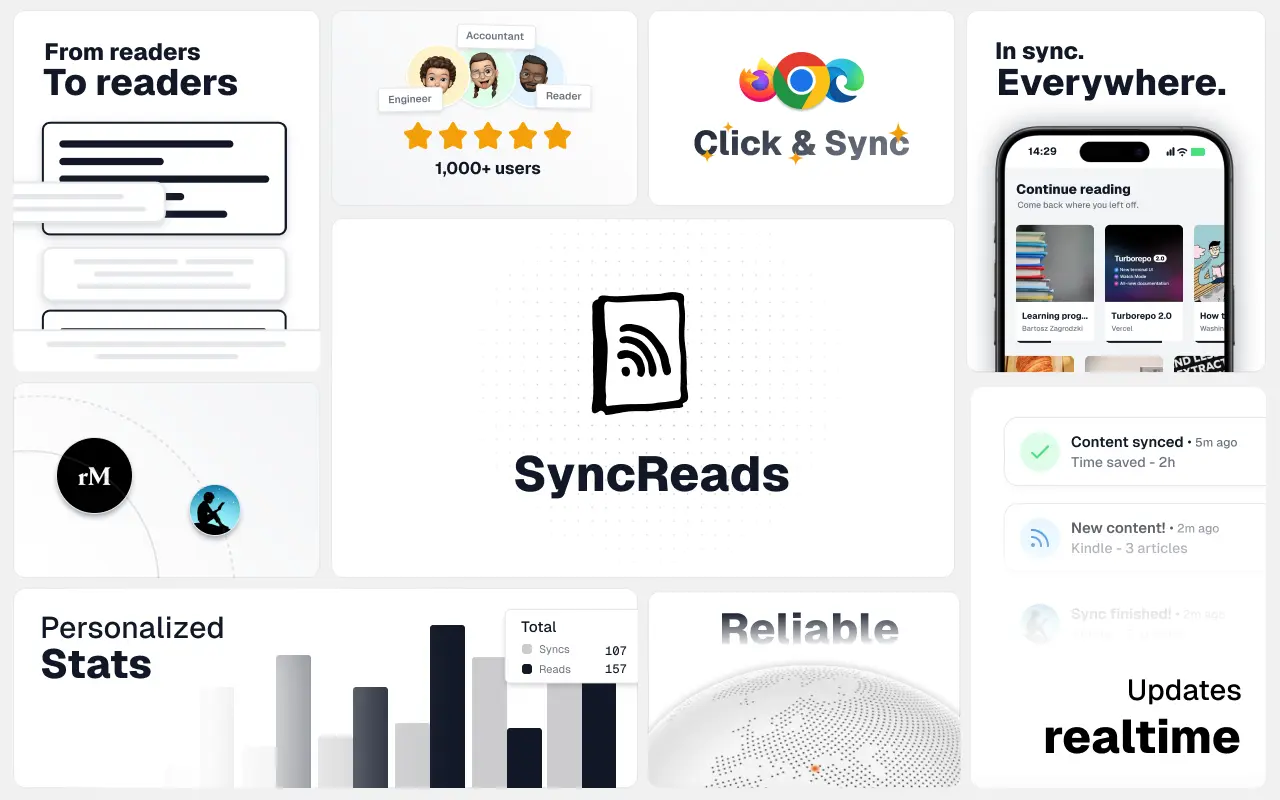
SyncReads
Sync your favorite content for distraction-free reading, save time and replace multiple apps. Anytime, anywhere 🔄
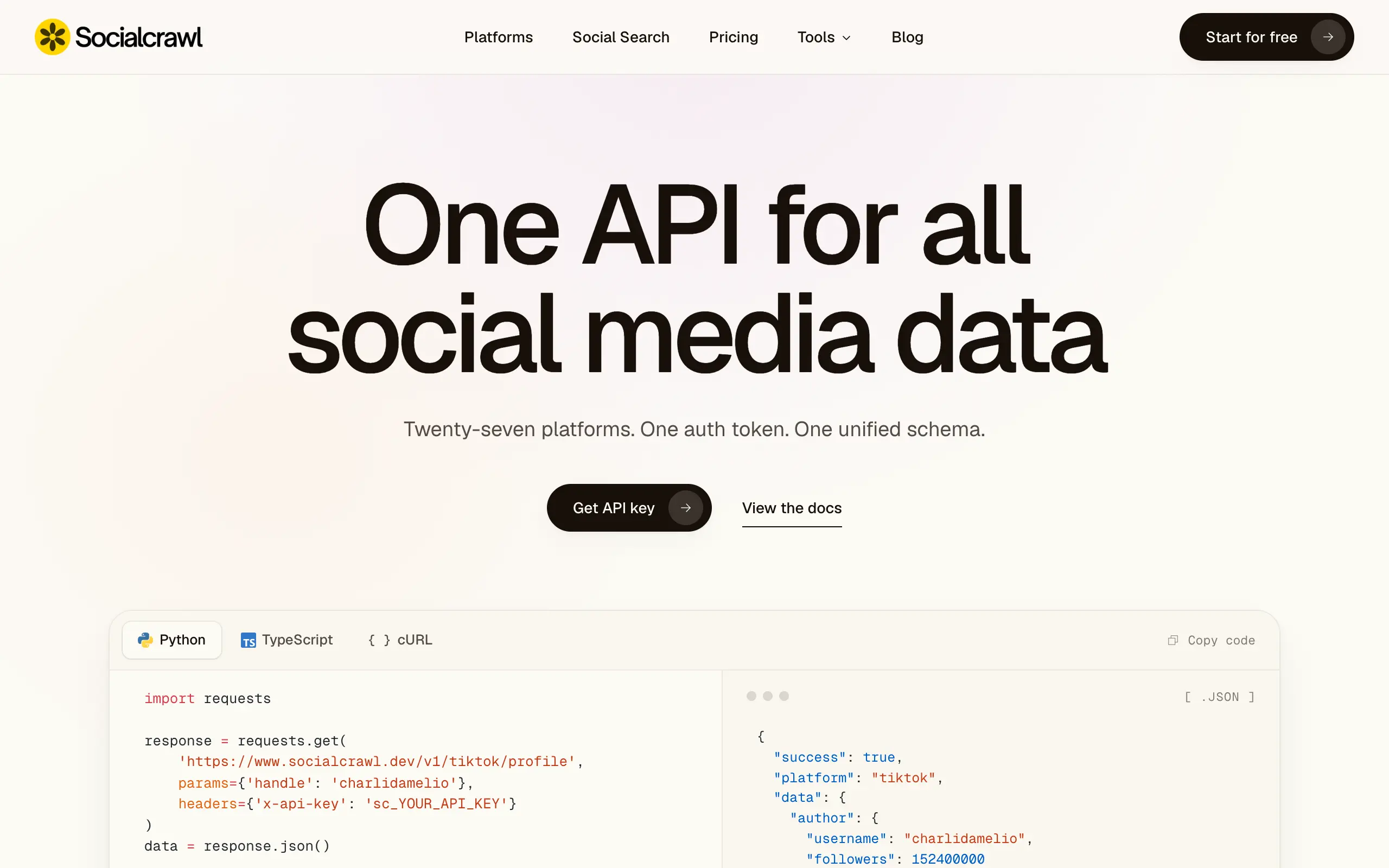
Socialcrawl
Get clean, structured data from 21 platforms like TikTok, Instagram, and YouTube with a single request 📊
Statiko
Monitor any Telegram channel in real time - track posts, edits, deletions, and growth with AI recaps 📡
Shibui
AI website builder - describe your business, pick a niche template, edit by chatting, and publish instantly ✨
Pro Service
Find verified home service professionals, compare quotes, and pay securely through escrow - built for Brazilians across the US 🏠
RankGrow
Fix your SEO with AI agents - connect Search Console, get prioritized tasks, and grow organic traffic 📈
SyncReads
Sync your favorite content for distraction-free reading, save time and replace multiple apps. Anytime, anywhere 🔄
Socialcrawl
Get clean, structured data from 21 platforms like TikTok, Instagram, and YouTube with a single request 📊
Statiko
Monitor any Telegram channel in real time - track posts, edits, deletions, and growth with AI recaps 📡
Shibui
AI website builder - describe your business, pick a niche template, edit by chatting, and publish instantly ✨
Pro Service
Find verified home service professionals, compare quotes, and pay securely through escrow - built for Brazilians across the US 🏠
RankGrow
Fix your SEO with AI agents - connect Search Console, get prioritized tasks, and grow organic traffic 📈
SyncReads
Sync your favorite content for distraction-free reading, save time and replace multiple apps. Anytime, anywhere 🔄
Socialcrawl
Get clean, structured data from 21 platforms like TikTok, Instagram, and YouTube with a single request 📊
Statiko
Monitor any Telegram channel in real time - track posts, edits, deletions, and growth with AI recaps 📡
Shibui
AI website builder - describe your business, pick a niche template, edit by chatting, and publish instantly ✨
Pro Service
Find verified home service professionals, compare quotes, and pay securely through escrow - built for Brazilians across the US 🏠
RankGrow
Fix your SEO with AI agents - connect Search Console, get prioritized tasks, and grow organic traffic 📈
SyncReads
Sync your favorite content for distraction-free reading, save time and replace multiple apps. Anytime, anywhere 🔄
Socialcrawl
Get clean, structured data from 21 platforms like TikTok, Instagram, and YouTube with a single request 📊
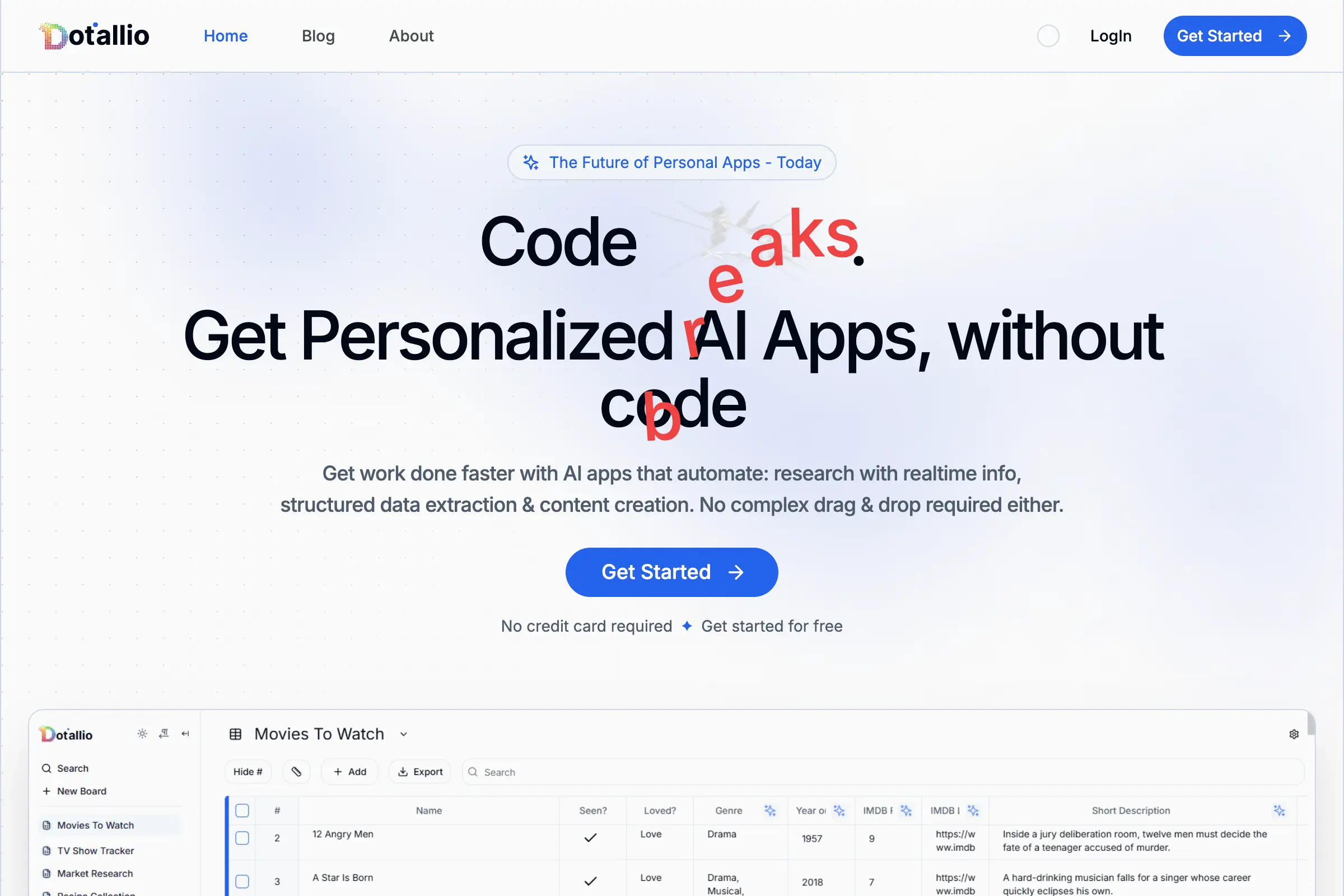
Dotallio
Personalized AI apps that automate research, data extraction, and content creation without code 🤖
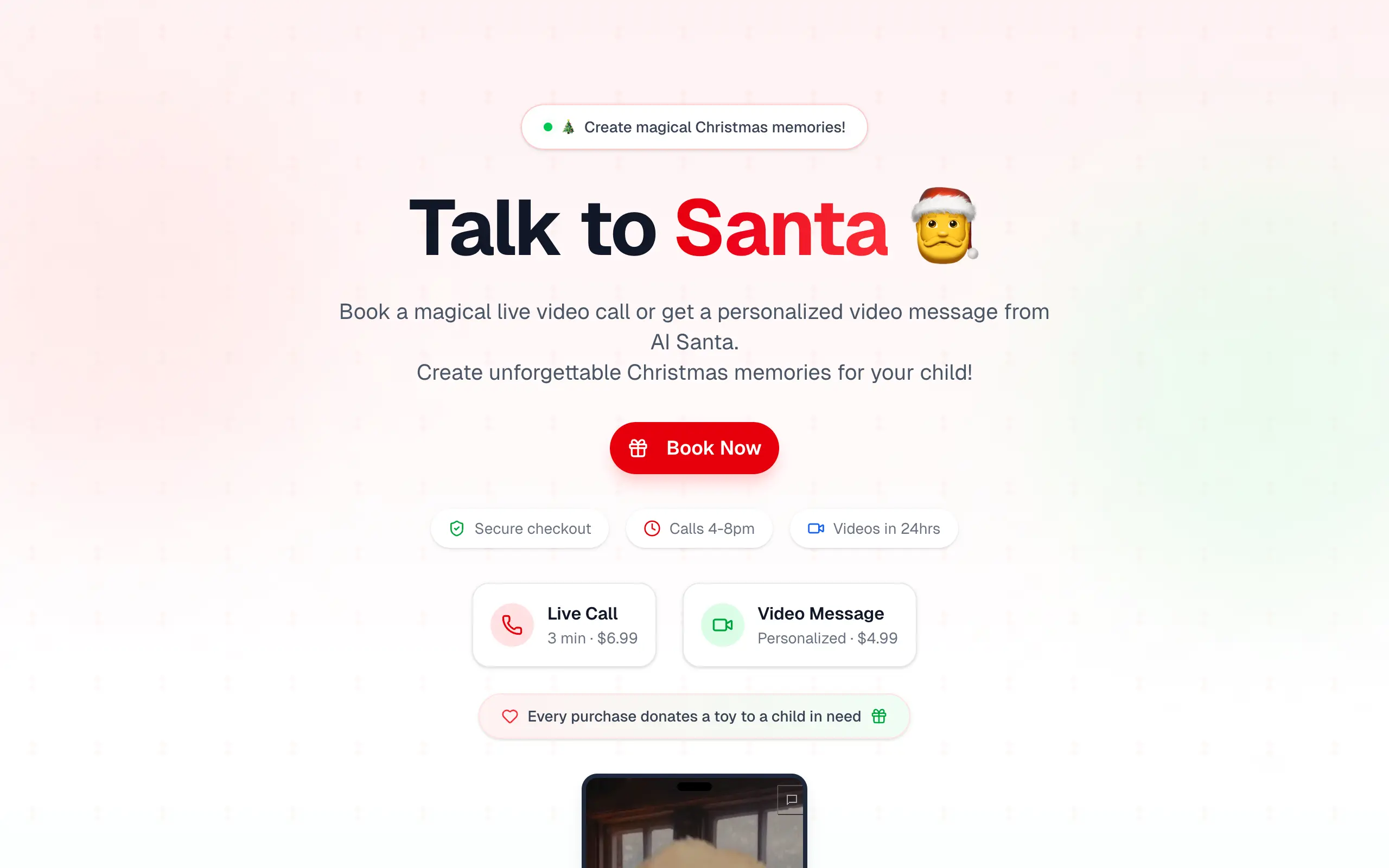
Talk to Santa
Enjoy a magical live video chat or receive a unique AI-generated video greeting from Santa Claus 🎅
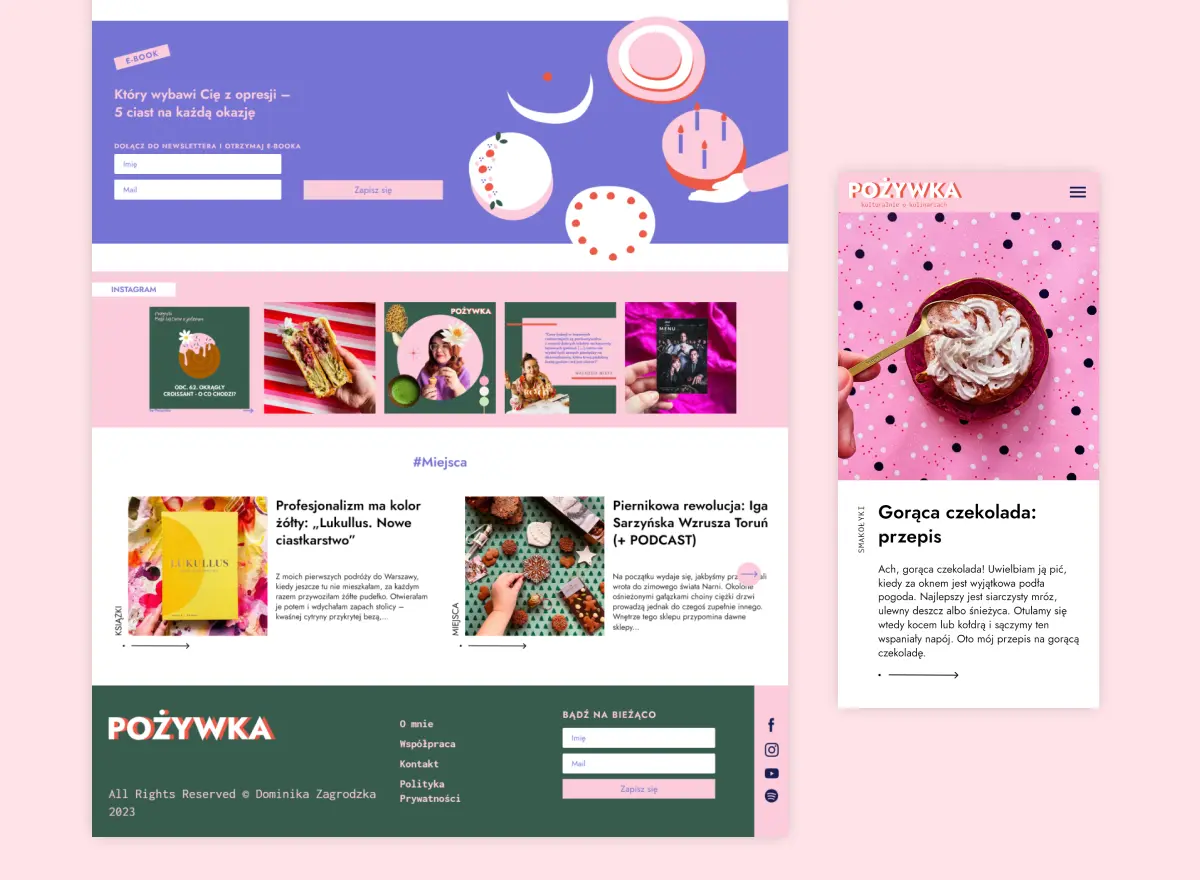
pozywka.pl
Scalable blog for food journalist, focused on performance and user experience 🌭
zagrodzki.me
Personal blog and portfolio of Bart Zagrodzki, where he shares his knowledge and work 💼
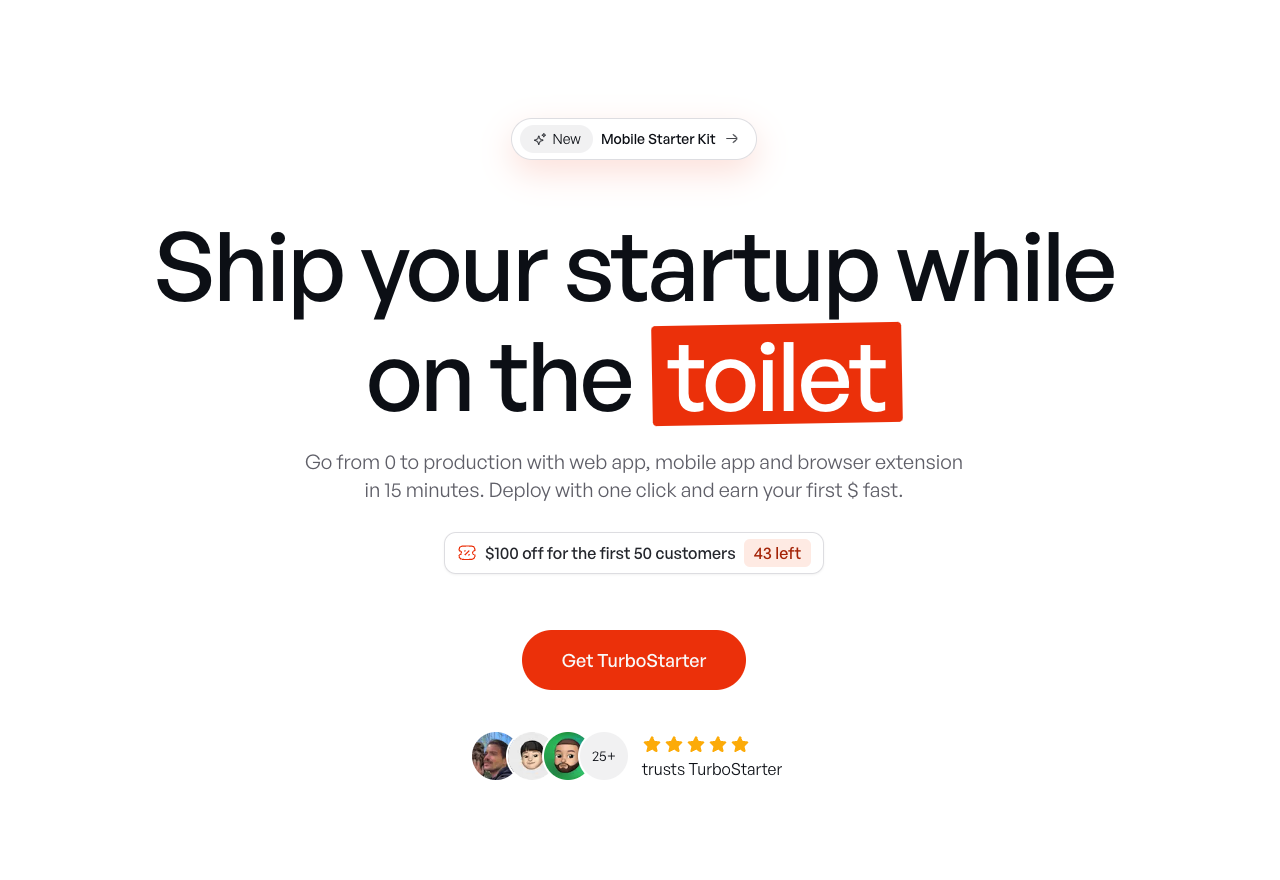
TurboStarter
Ship your startup everywhere. In minutes.
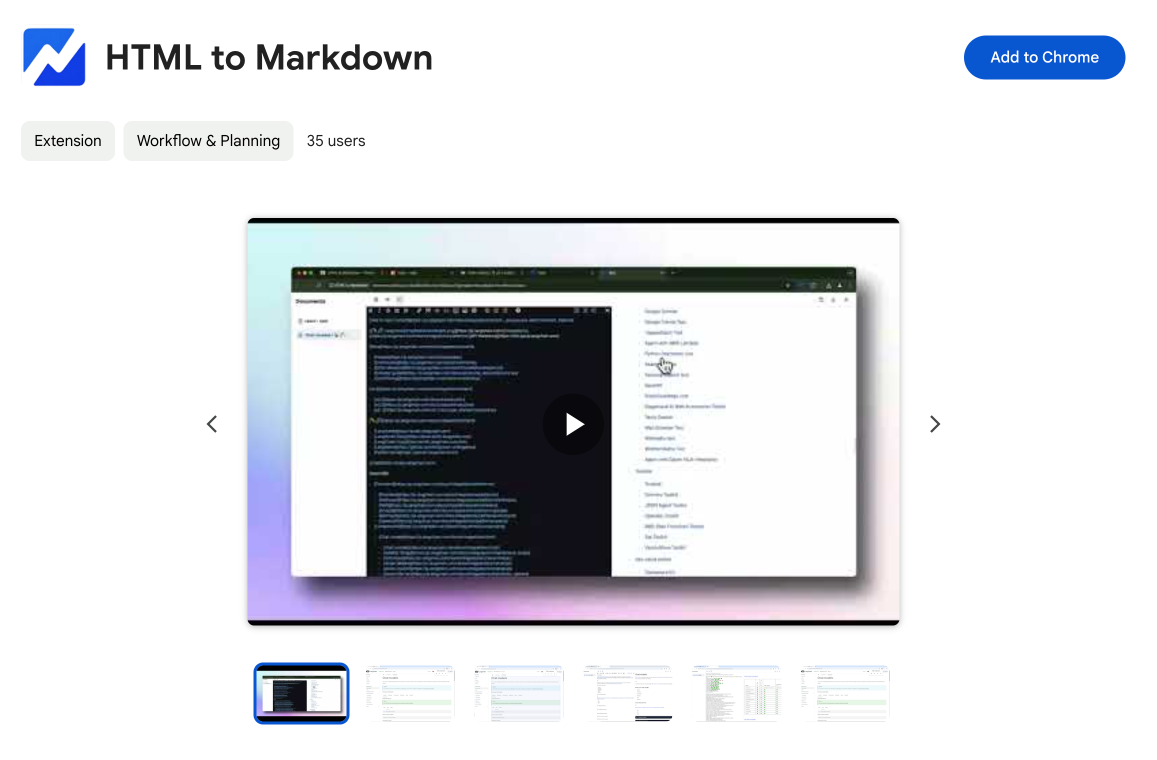
HTML to Markdown
Convert HTML to Markdown with ease, directly in your browser 📄
Dotallio
Personalized AI apps that automate research, data extraction, and content creation without code 🤖
Talk to Santa
Enjoy a magical live video chat or receive a unique AI-generated video greeting from Santa Claus 🎅
pozywka.pl
Scalable blog for food journalist, focused on performance and user experience 🌭
zagrodzki.me
Personal blog and portfolio of Bart Zagrodzki, where he shares his knowledge and work 💼
TurboStarter
Ship your startup everywhere. In minutes.
HTML to Markdown
Convert HTML to Markdown with ease, directly in your browser 📄
Dotallio
Personalized AI apps that automate research, data extraction, and content creation without code 🤖
Talk to Santa
Enjoy a magical live video chat or receive a unique AI-generated video greeting from Santa Claus 🎅
pozywka.pl
Scalable blog for food journalist, focused on performance and user experience 🌭
zagrodzki.me
Personal blog and portfolio of Bart Zagrodzki, where he shares his knowledge and work 💼
TurboStarter
Ship your startup everywhere. In minutes.
HTML to Markdown
Convert HTML to Markdown with ease, directly in your browser 📄
Dotallio
Personalized AI apps that automate research, data extraction, and content creation without code 🤖
Talk to Santa
Enjoy a magical live video chat or receive a unique AI-generated video greeting from Santa Claus 🎅
pozywka.pl
Scalable blog for food journalist, focused on performance and user experience 🌭
zagrodzki.me
Personal blog and portfolio of Bart Zagrodzki, where he shares his knowledge and work 💼
TurboStarter
Ship your startup everywhere. In minutes.
HTML to Markdown
Convert HTML to Markdown with ease, directly in your browser 📄
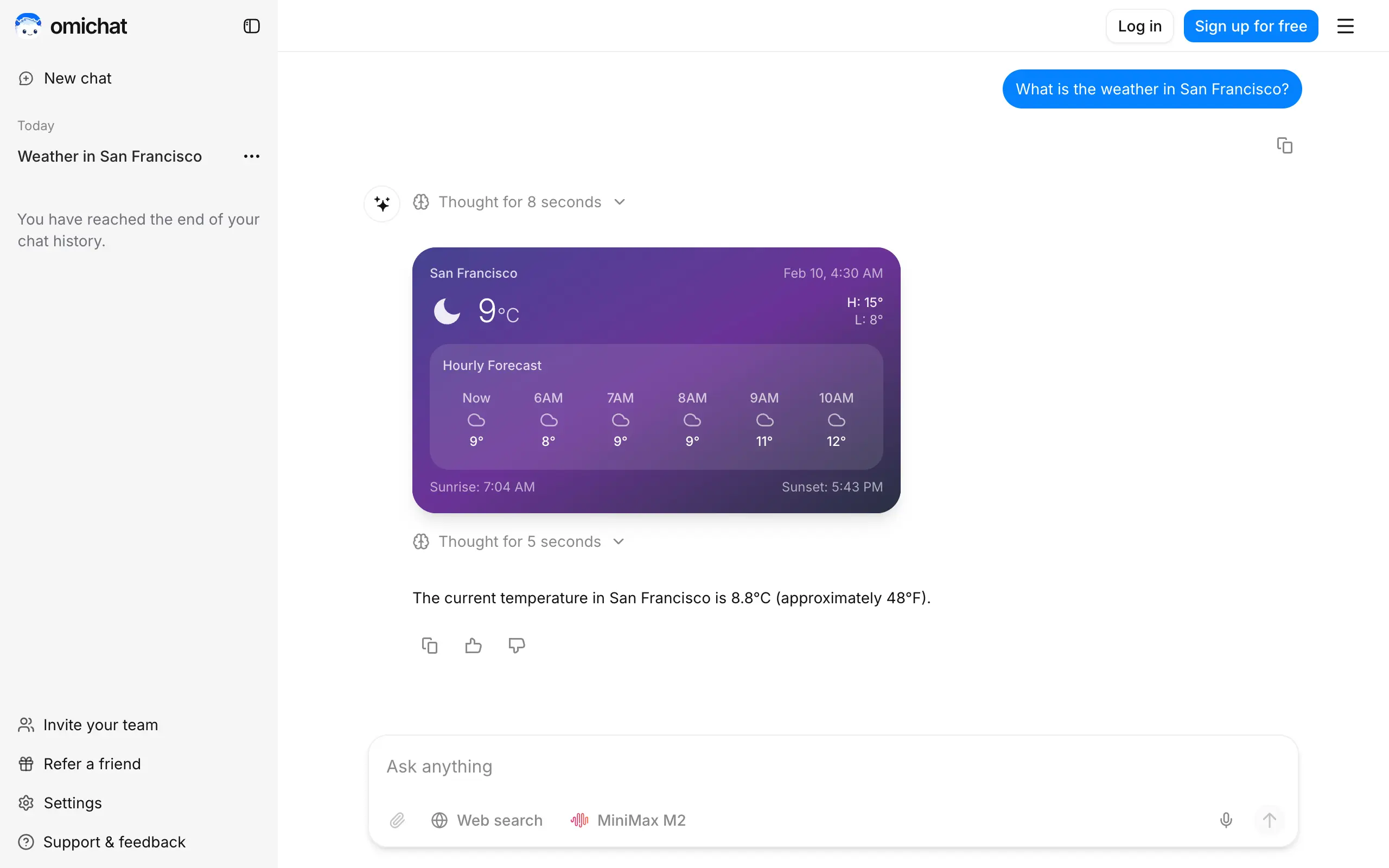
Omichat
Chat with 50+ AI models, including ChatGPT and Claude, in one place - switch models anytime without losing context 🤖
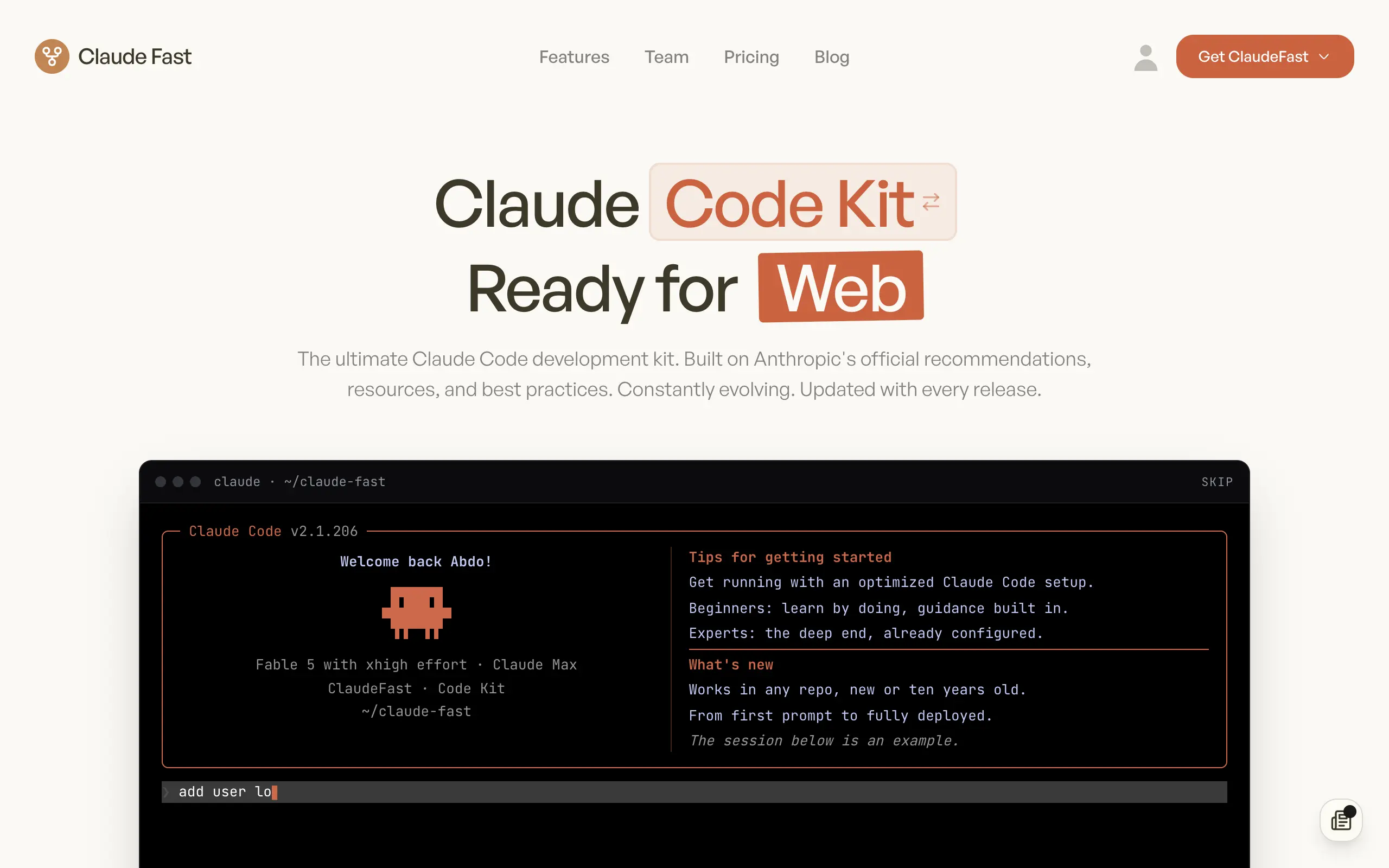
Claude Fast
Supercharge your Claude Code with 6x effective context window and specialized AI agents 🤖
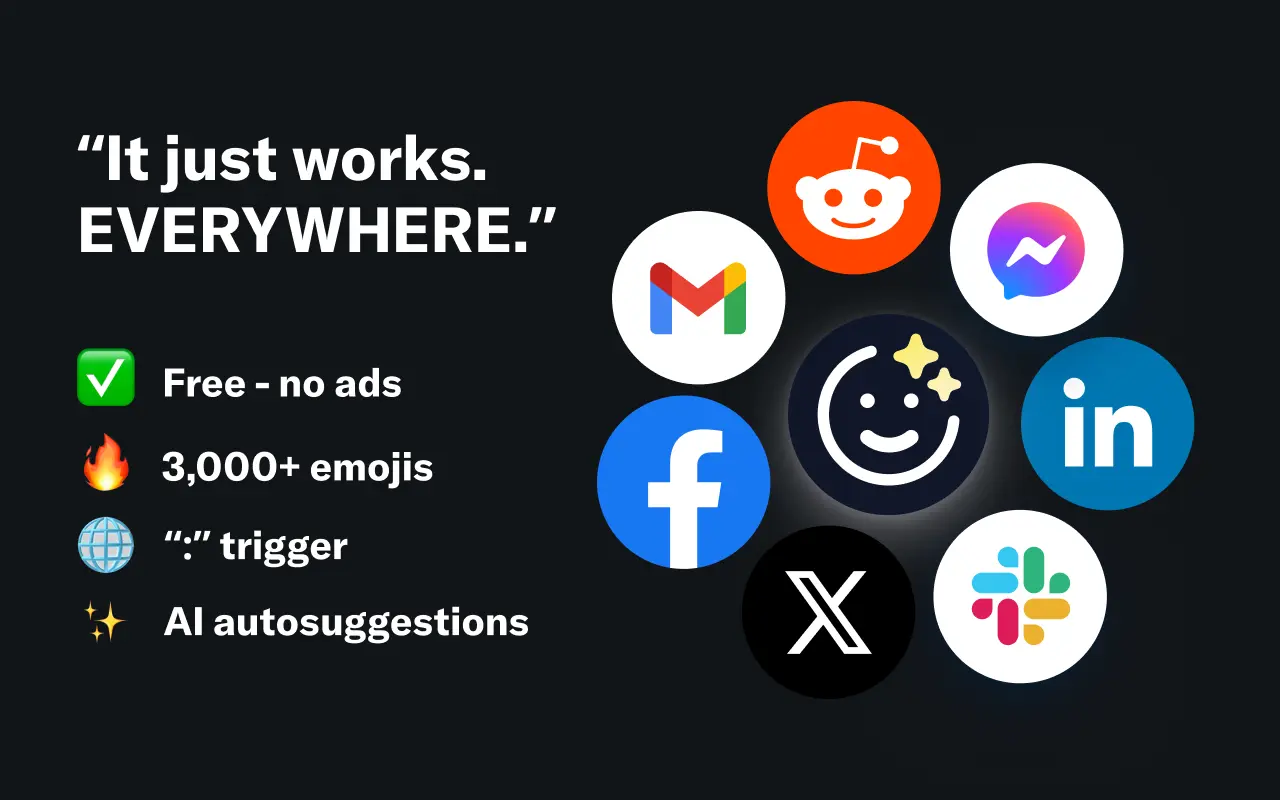
EmojAI
AI-powered emoji picker with smart, context-aware suggestions 🤖
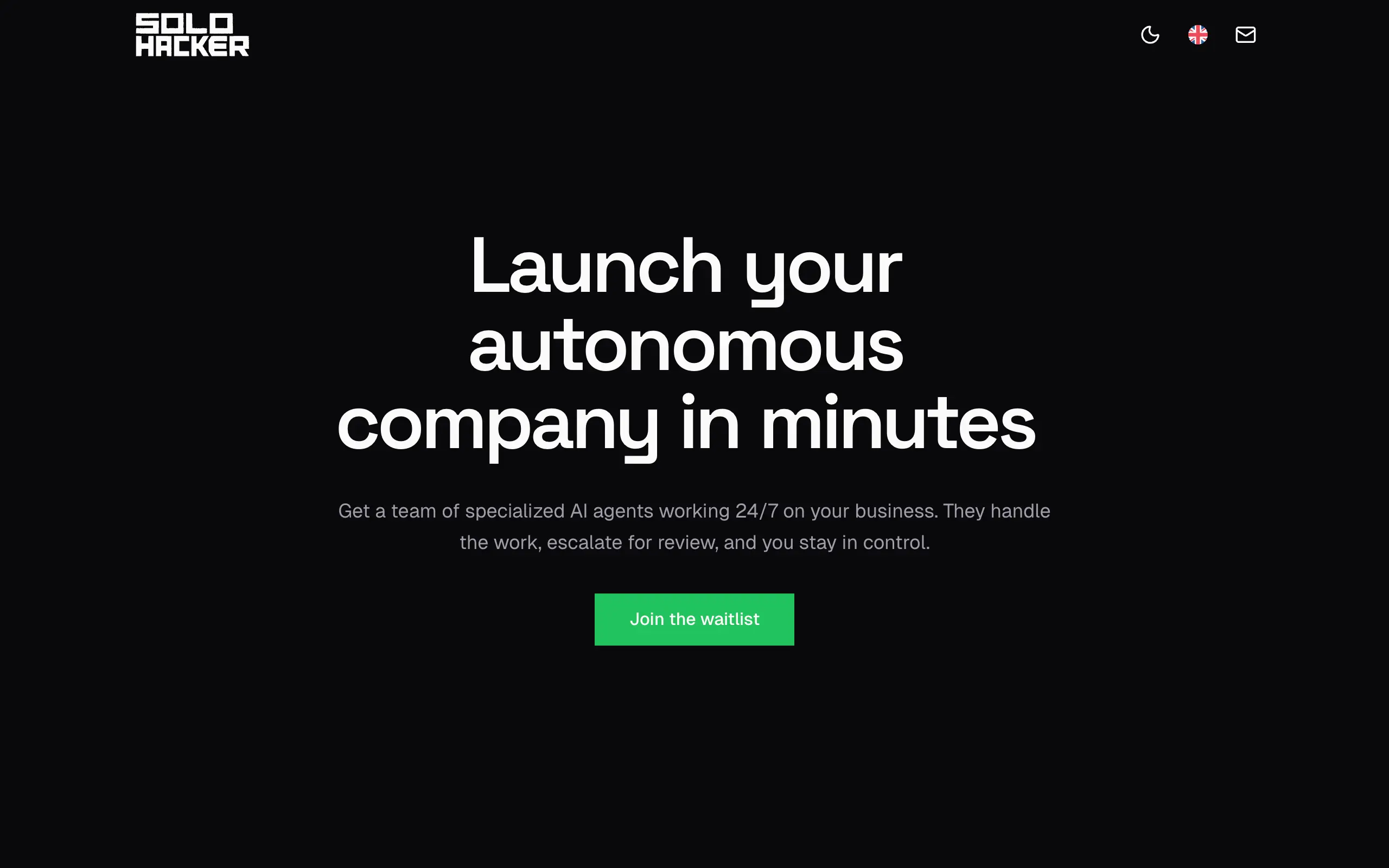
Solohacker
Autonomous company launcher - AI agents work 24/7, escalate what matters, and you stay in control 🤖
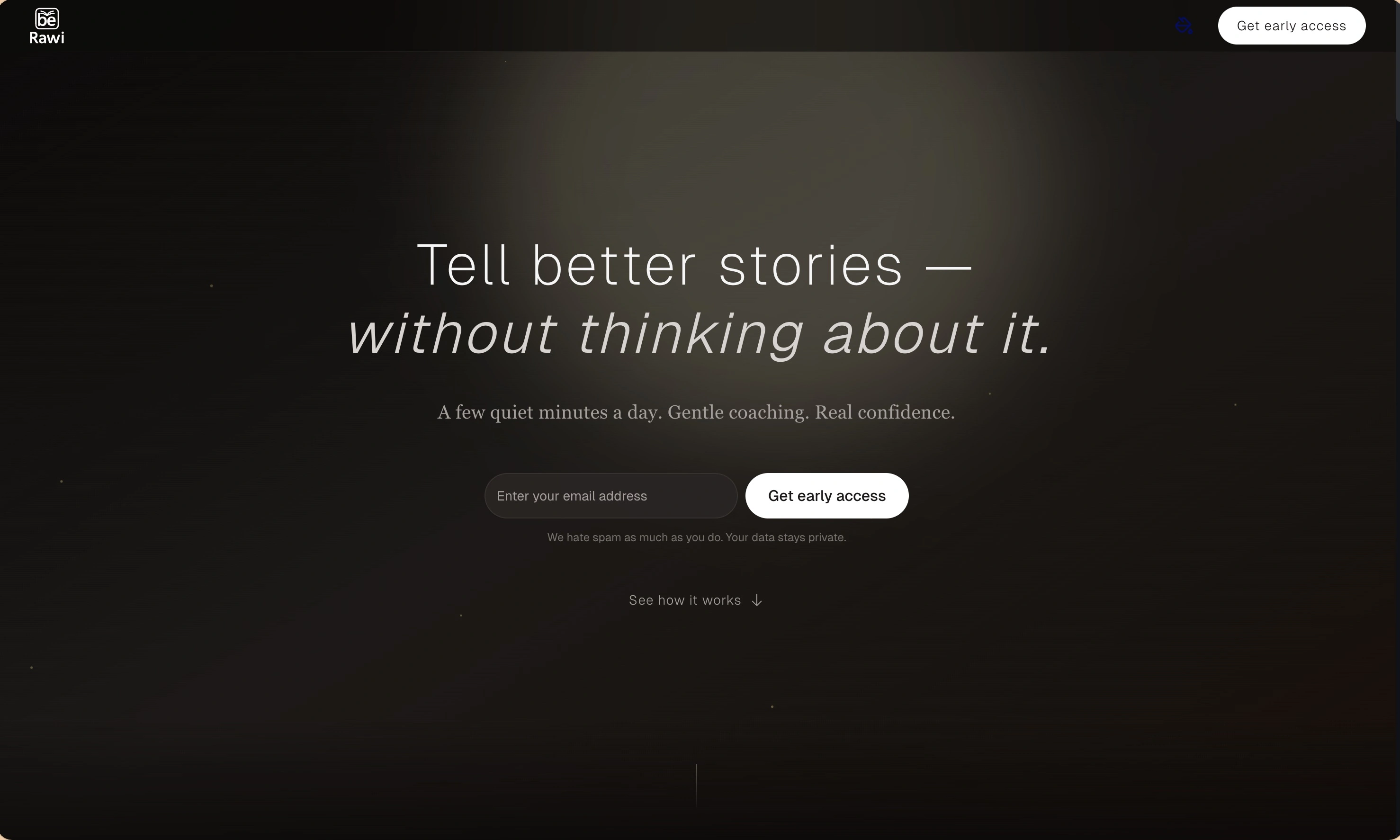
BeRawi: Storytelling Coach
Practice storytelling daily with instant feedback to sound clearer, more engaging, and confident 🎤
Omichat
Chat with 50+ AI models, including ChatGPT and Claude, in one place - switch models anytime without losing context 🤖
Claude Fast
Supercharge your Claude Code with 6x effective context window and specialized AI agents 🤖
EmojAI
AI-powered emoji picker with smart, context-aware suggestions 🤖
Solohacker
Autonomous company launcher - AI agents work 24/7, escalate what matters, and you stay in control 🤖
BeRawi: Storytelling Coach
Practice storytelling daily with instant feedback to sound clearer, more engaging, and confident 🎤
Omichat
Chat with 50+ AI models, including ChatGPT and Claude, in one place - switch models anytime without losing context 🤖
Claude Fast
Supercharge your Claude Code with 6x effective context window and specialized AI agents 🤖
EmojAI
AI-powered emoji picker with smart, context-aware suggestions 🤖
Solohacker
Autonomous company launcher - AI agents work 24/7, escalate what matters, and you stay in control 🤖
BeRawi: Storytelling Coach
Practice storytelling daily with instant feedback to sound clearer, more engaging, and confident 🎤
Omichat
Chat with 50+ AI models, including ChatGPT and Claude, in one place - switch models anytime without losing context 🤖
Claude Fast
Supercharge your Claude Code with 6x effective context window and specialized AI agents 🤖
EmojAI
AI-powered emoji picker with smart, context-aware suggestions 🤖
Solohacker
Autonomous company launcher - AI agents work 24/7, escalate what matters, and you stay in control 🤖
BeRawi: Storytelling Coach
Practice storytelling daily with instant feedback to sound clearer, more engaging, and confident 🎤

Connect with like-minded people
Join our community to get feedback, support, and grow together with 1,000+ builders on board, let's ship it!
Join usShip your startup everywhere. In minutes.
Don't burn tokens on setup and start building features on day one.