SkinTrack AI
Inteligentny dziennik pielęgnacji skóry z analizą AI, który pomaga klientom i specjalistom monitorować efekty i optymalizować zabiegi.
SkinTrack AI: intelligent skincare tracking with AI analysis
The global skincare market is exploding, driven by personalization, data-driven wellness, and the rise of AI-powered diagnostics. Yet, despite thousands of products and treatments available, most people still rely on guesswork when managing their skin. SkinTrack AI introduces a smarter approach: an AI-powered skincare journal and analysis platform that helps both individuals and professionals track, measure, and optimize skincare outcomes.
This article breaks down the opportunity behind SkinTrack AI, how it works, who it serves, and how to build and scale it into a high-growth SaaS product.
Understanding the problem: skincare without feedback loops
Modern skincare routines are complex. Consumers often:
- Use multiple products simultaneously
- Switch routines frequently
- Lack objective ways to measure results
- Forget what worked and what didn’t
Meanwhile, dermatologists and cosmetologists face different challenges:
- Limited longitudinal data about patients
- Subjective patient feedback
- Difficulty tracking treatment effectiveness over time
This creates a major gap: there is no standardized system for tracking skin progress with measurable insights.
Key insight
Skincare is one of the few billion-dollar industries still largely operating without structured data feedback loops for consumers.
What is SkinTrack AI?
SkinTrack AI is an AI-powered skincare tracking platform that combines:
- Daily skincare journaling
- AI-based skin analysis (via images and metadata)
- Progress tracking over time
- Personalized recommendations
- Professional collaboration tools
At its core, SkinTrack AI transforms subjective skincare experiences into objective, data-driven insights.
Target audience analysis
Primary users: skincare-conscious consumers
These users are actively investing in skincare and want better results.
Characteristics:
- Aged 18–45
- Interested in skincare routines, trends, and optimization
- Already using multiple products
- Engaged with platforms like TikTok, Reddit, and YouTube
Pain points:
- “Is this product actually working?”
- “Why is my skin worse this week?”
- “What caused this breakout?”
Secondary users: skincare professionals
Dermatologists, aestheticians, and cosmetic clinics benefit from structured tracking.
Needs:
- Patient progress monitoring
- Visual history comparison
- Treatment outcome validation
- Better client communication
Tertiary users: skincare brands
Brands can leverage anonymized insights for:
- Product effectiveness analysis
- Customer behavior patterns
- R&D feedback loops
Market opportunity and industry trends
The skincare and beauty tech industry is undergoing rapid transformation.
Key trends fueling growth
- AI in dermatology: Increasing adoption of AI for skin condition detection
- Personalized skincare: Consumers expect tailored routines
- Quantified self movement: People want data about their bodies
- Teledermatology growth: Remote consultations are rising
According to widely cited industry reports (e.g., McKinsey, Statista), the global skincare market exceeds $150 billion, with personalization and AI as major growth drivers.
Gap in the market
Despite innovation, current tools are fragmented:
- Notes apps → no analysis
- Photo apps → no structure
- Dermatology tools → not consumer-friendly
SkinTrack AI fills this gap by combining:
- Tracking
- Analysis
- Personalization
- Collaboration
Core features of SkinTrack AI
1. AI-powered skin analysis
Users upload daily or weekly photos. The AI evaluates:
- Acne severity
- Redness
- Texture
- Hyperpigmentation
- Oiliness
Over time, the system builds a skin health timeline.
2. Smart skincare journal
Instead of generic note-taking, users log:
- Products used
- Ingredients
- Routine steps
- Lifestyle factors (sleep, diet, stress)
The system correlates inputs with outcomes.
3. Progress visualization
Users see:
- Before/after comparisons
- Trend graphs
- Condition improvements or regressions
| Feature | Manual Tracking | SkinTrack AI | Insight Quality | Automation |
|---|---|---|---|---|
| Photo comparison | ❌ | ✅ | High | ✅ |
| Routine tracking | ✅ | ✅ | Medium | ✅ |
4. AI-driven recommendations
Based on collected data, the system suggests:
- Product adjustments
- Routine optimizations
- Ingredient warnings
- Lifestyle improvements
5. Professional dashboard
For dermatologists and clinics:
- Patient timelines
- Treatment tracking
- Shared reports
- Remote monitoring
6. Predictive insights
Over time, SkinTrack AI can predict:
- Breakout likelihood
- Reaction risks
- Optimal treatment timing
How SkinTrack AI works (technical overview)
User flow
- User signs up
- Uploads baseline skin images
- Logs routine and products
- Receives analysis
- Tracks progress over time
- Gets recommendations
AI pipeline
- Image preprocessing
- Skin segmentation
- Feature extraction
- Condition classification
- Time-series analysis
- Recommendation engine
Recommended tech stack
Building SkinTrack AI requires a balance between scalability, AI performance, and user experience.
Frontend
- React for UI
- TailwindCSS for styling
- Mobile-first design (or React Native)
Backend
- Node.js or Python (FastAPI)
- REST or GraphQL API
- PostgreSQL for structured data
- Object storage for images (AWS S3)
AI/ML layer
- Python ecosystem
- TensorFlow or PyTorch
- OpenCV for image processing
Infrastructure
- AWS / GCP
- Docker for containerization
- Kubernetes (optional for scaling)
Trade-offs to consider
- Real-time vs batch analysis: Real-time is costly but improves UX
- On-device vs cloud AI: Privacy vs performance
- Model complexity vs speed: Simpler models may scale better early
Monetization strategy
SkinTrack AI can adopt multiple revenue streams.
Freemium model
- Free: basic tracking and journaling
- Premium: AI insights, advanced analytics
Subscription tiers
- Individual plan
- Pro plan (advanced insights)
- Professional plan (clinics)
B2B partnerships
- Clinics and dermatology centers
- Skincare brands
- Telehealth platforms
Data insights (ethical and anonymized)
Aggregated insights can be valuable for:
- Product development
- Market research
Privacy first
Health-related data must comply with GDPR and other privacy regulations. Transparent data usage is essential.
Competitive landscape
Existing solutions
- Skincare apps (basic tracking)
- Dermatology AI tools (clinical focus)
- Beauty apps (recommendations only)
SkinTrack AI advantage
Holistic tracking
Combines journaling, AI analysis, and insights in one platform.
Longitudinal data
Tracks skin evolution over time, not just snapshots.
Dual audience
Serves both consumers and professionals.
Actionable insights
Goes beyond tracking to optimization.
Unique selling proposition (USP)
SkinTrack AI is not just another skincare app. Its differentiation lies in:
- Data-driven skincare optimization
- Continuous AI learning from user history
- Bridging consumer and professional ecosystems
Most competitors focus on either tracking or diagnosis. SkinTrack AI does both—and connects them.
Potential risks and mitigation strategies
1. AI accuracy concerns
Risk: Incorrect analysis may harm trust
Mitigation:
- Use explainable AI
- Provide confidence scores
- Include disclaimers
2. Privacy issues
Risk: Sensitive user data
Mitigation:
- End-to-end encryption
- Transparent policies
- Optional anonymization
3. User retention challenges
Risk: Users stop logging data
Mitigation:
- Gamification
- Progress rewards
- Smart reminders
4. Regulatory constraints
Risk: Being classified as a medical device
Mitigation:
- Position as wellness tool initially
- Avoid diagnostic claims
Go-to-market strategy
Phase 1: niche community launch
Start with:
- Acne-focused users
- Skincare enthusiasts on Reddit and TikTok
Phase 2: influencer partnerships
Collaborate with:
- Dermatologists
- Skincare creators
Phase 3: professional onboarding
Target:
- Clinics
- Aesthetic centers
Phase 4: platform expansion
- API integrations
- Brand partnerships
Implementation roadmap
Example MVP architecture
// Simplified architecture overview

Frontend (React)
  -> API Gateway
    -> Auth Service
    -> User Service
    -> Image Upload Service
    -> AI Analysis Service
        -> ML Model (Python)
    -> Recommendation Engine

Database (PostgreSQL)
Storage (AWS S3)
Growth opportunities
Future features
- AR skin visualization
- Ingredient scanner
- Integration with wearables
- Climate-based recommendations
Expansion markets
- US and EU (high spending)
- Asia (skincare-focused cultures)
Why now is the perfect time
Several factors make this idea especially timely:
- AI infrastructure is more accessible than ever
- Consumers demand personalization
- Skincare spending continues to rise
- Camera and mobile tech enable accurate tracking
Building SkinTrack AI faster
Launching a SaaS like this from scratch can take months. Using a starter framework accelerates development significantly.
TurboStarter provides a production-ready foundation with authentication, billing, and scalable architecture—letting you focus on the AI and product experience instead of boilerplate.
Final thoughts
SkinTrack AI sits at the intersection of AI, health, and consumer technology—a space with massive potential and relatively low competition in terms of fully integrated solutions.
By transforming skincare from guesswork into a measurable, optimized process, it delivers real value to both individuals and professionals.
The key to success will be:
- Delivering accurate, trustworthy insights
- Building user habits around tracking
- Maintaining strong privacy standards
- Continuously improving AI models
If executed well, SkinTrack AI could become the default platform for intelligent skincare management.
More 🤖 AI Startup SaaS ideas
Discover more innovative ai startup SaaS ideas that are trending in 2026. Each idea is AI-generated with market validation and growth potential to help you find your next profitable venture faster than competitors.
Your competitors are building with TurboStarter
Below are some of the SaaS ideas that have been generated and built with our starter kit.
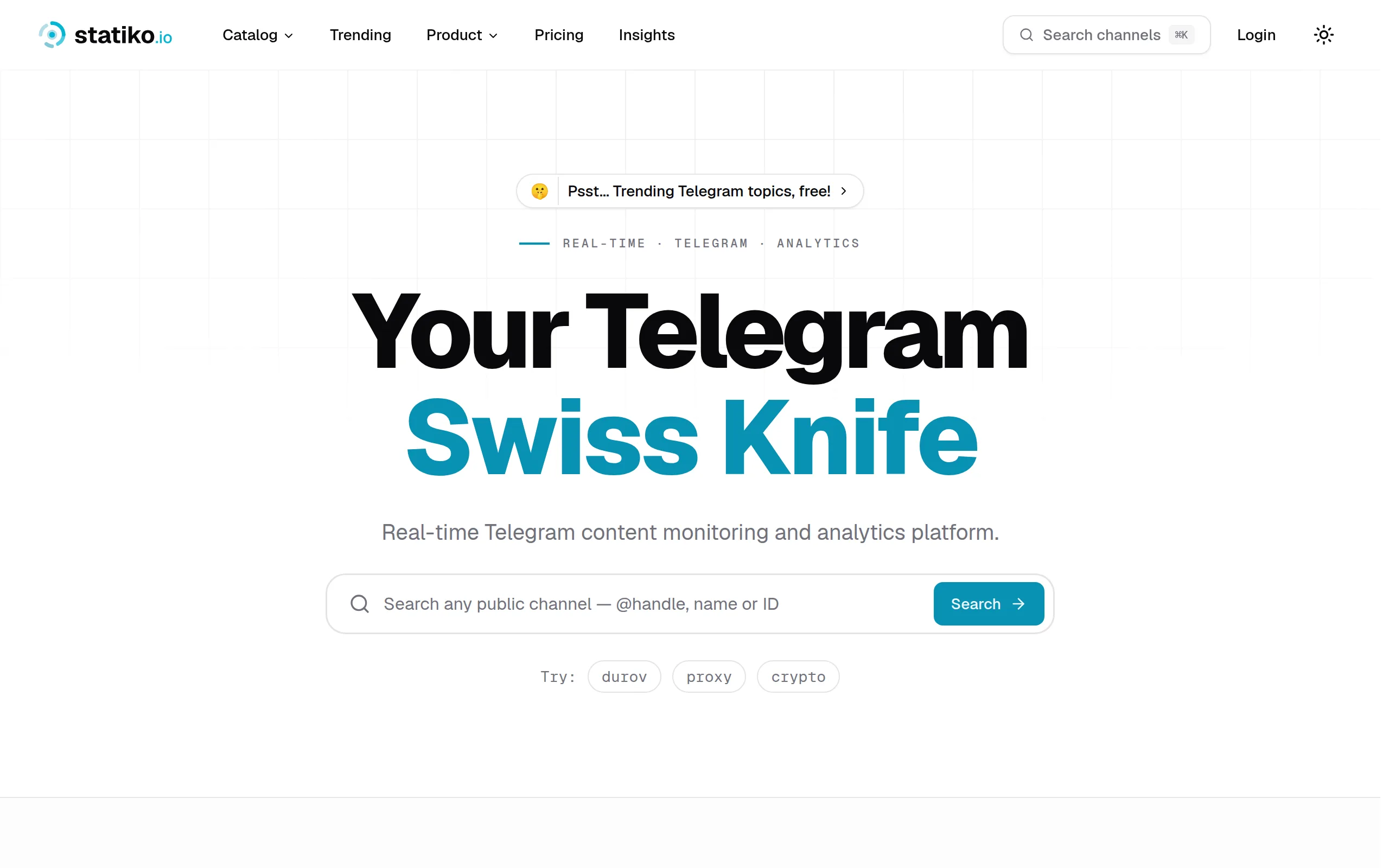
Statiko
Monitor any Telegram channel in real time - track posts, edits, deletions, and growth with AI recaps 📡
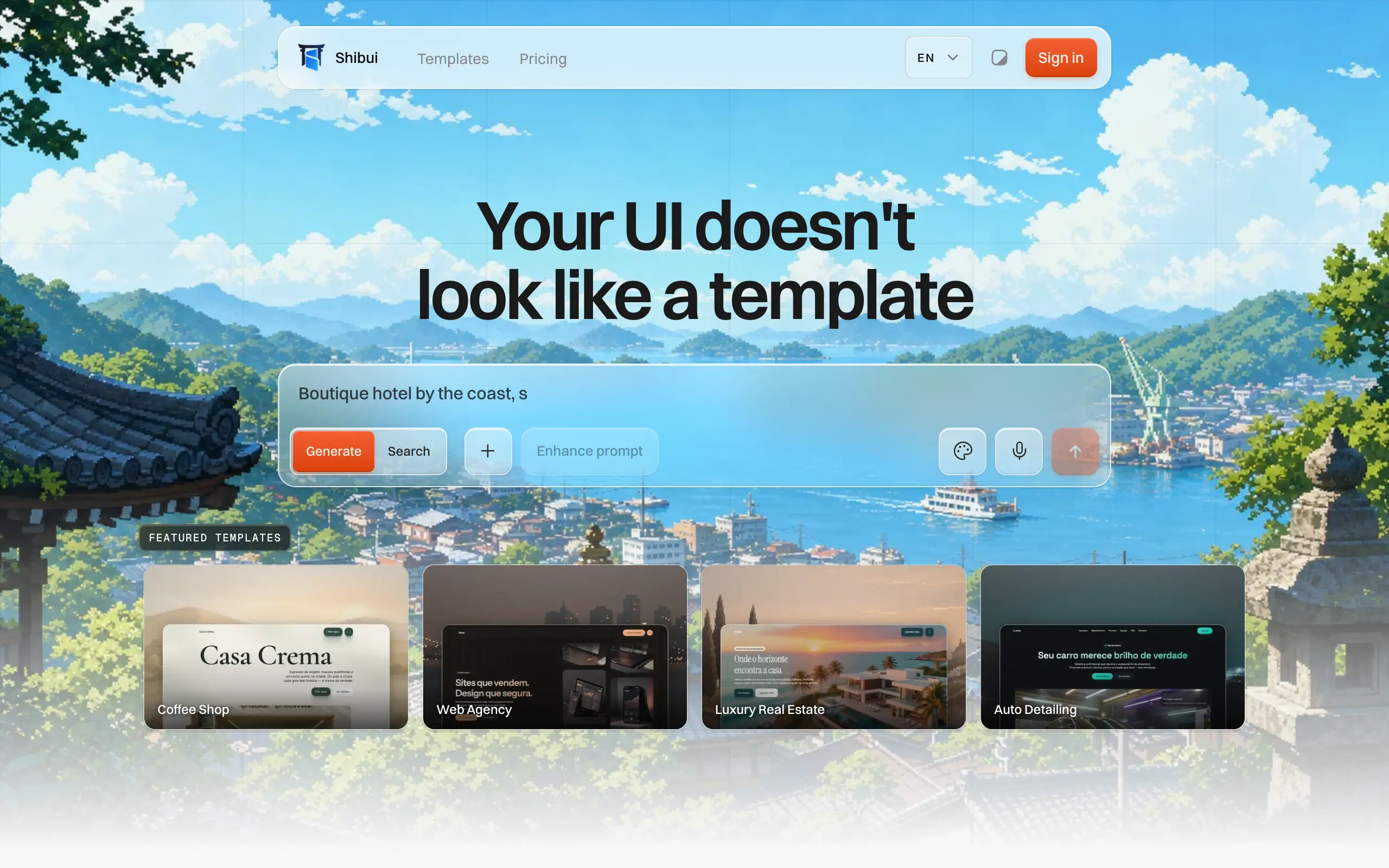
Shibui
AI website builder - describe your business, pick a niche template, edit by chatting, and publish instantly ✨

Pro Service
Find verified home service professionals, compare quotes, and pay securely through escrow - built for Brazilians across the US 🏠
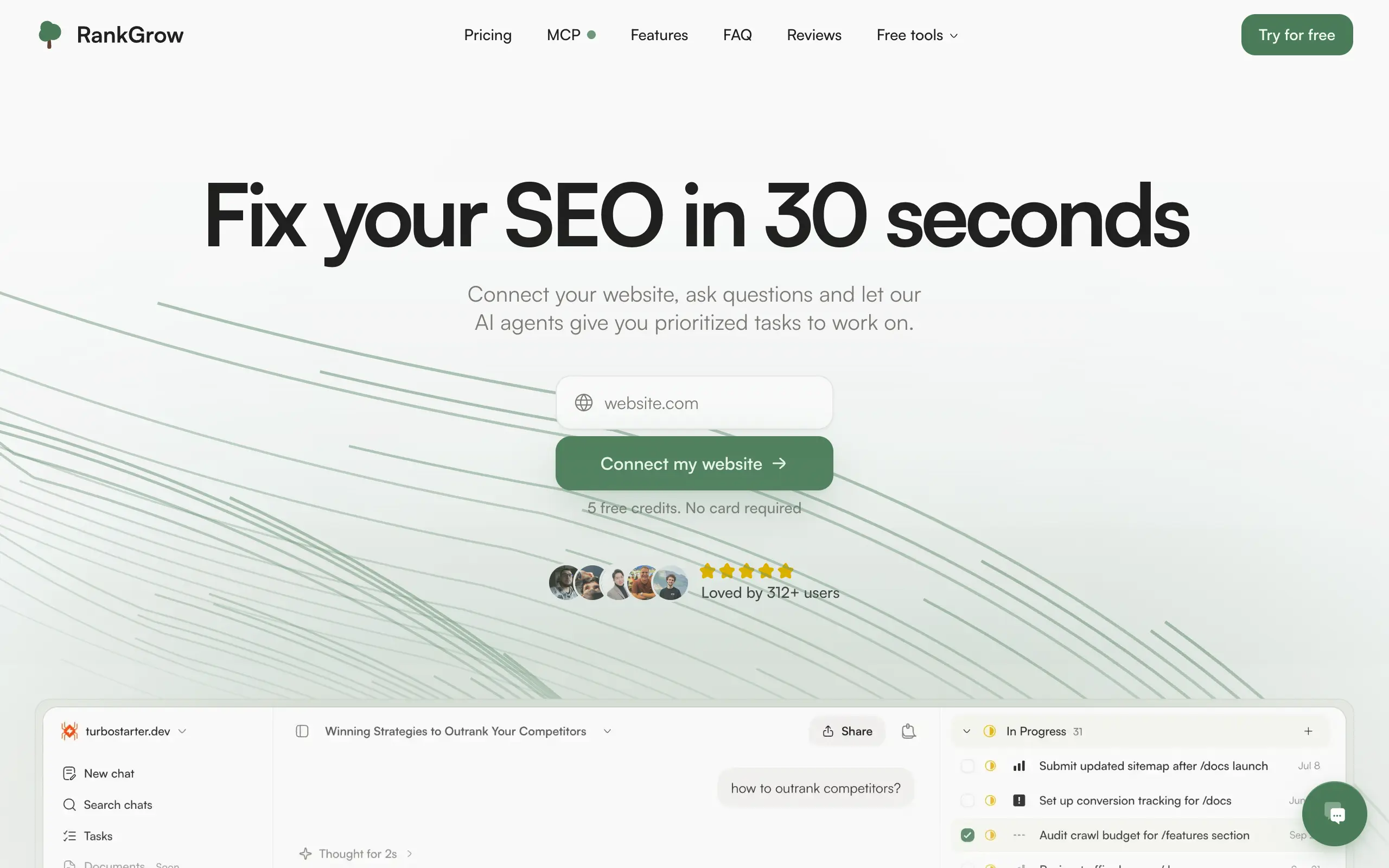
RankGrow
Fix your SEO with AI agents - connect Search Console, get prioritized tasks, and grow organic traffic 📈
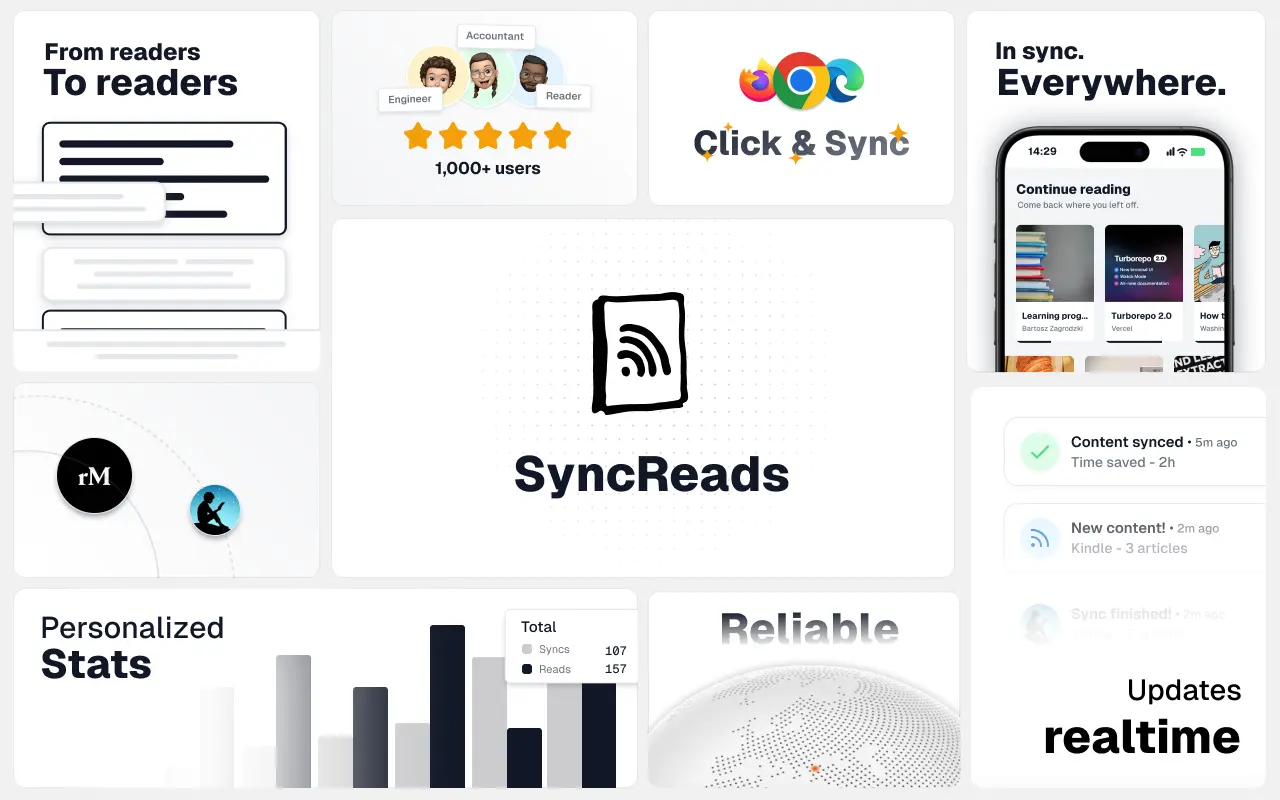
SyncReads
Sync your favorite content for distraction-free reading, save time and replace multiple apps. Anytime, anywhere 🔄
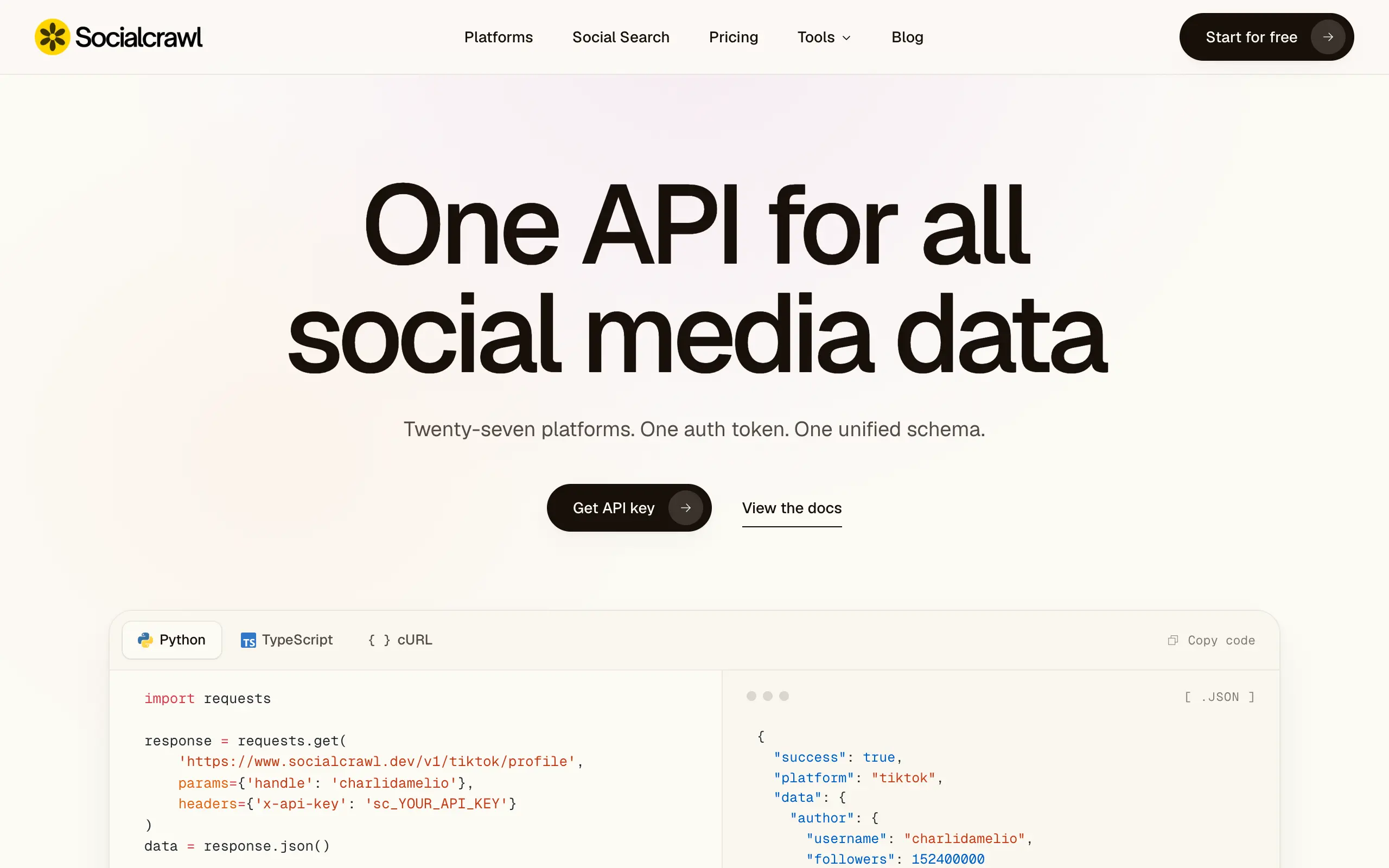
Socialcrawl
Get clean, structured data from 21 platforms like TikTok, Instagram, and YouTube with a single request 📊
Statiko
Monitor any Telegram channel in real time - track posts, edits, deletions, and growth with AI recaps 📡
Shibui
AI website builder - describe your business, pick a niche template, edit by chatting, and publish instantly ✨
Pro Service
Find verified home service professionals, compare quotes, and pay securely through escrow - built for Brazilians across the US 🏠
RankGrow
Fix your SEO with AI agents - connect Search Console, get prioritized tasks, and grow organic traffic 📈
SyncReads
Sync your favorite content for distraction-free reading, save time and replace multiple apps. Anytime, anywhere 🔄
Socialcrawl
Get clean, structured data from 21 platforms like TikTok, Instagram, and YouTube with a single request 📊
Statiko
Monitor any Telegram channel in real time - track posts, edits, deletions, and growth with AI recaps 📡
Shibui
AI website builder - describe your business, pick a niche template, edit by chatting, and publish instantly ✨
Pro Service
Find verified home service professionals, compare quotes, and pay securely through escrow - built for Brazilians across the US 🏠
RankGrow
Fix your SEO with AI agents - connect Search Console, get prioritized tasks, and grow organic traffic 📈
SyncReads
Sync your favorite content for distraction-free reading, save time and replace multiple apps. Anytime, anywhere 🔄
Socialcrawl
Get clean, structured data from 21 platforms like TikTok, Instagram, and YouTube with a single request 📊
Statiko
Monitor any Telegram channel in real time - track posts, edits, deletions, and growth with AI recaps 📡
Shibui
AI website builder - describe your business, pick a niche template, edit by chatting, and publish instantly ✨
Pro Service
Find verified home service professionals, compare quotes, and pay securely through escrow - built for Brazilians across the US 🏠
RankGrow
Fix your SEO with AI agents - connect Search Console, get prioritized tasks, and grow organic traffic 📈
SyncReads
Sync your favorite content for distraction-free reading, save time and replace multiple apps. Anytime, anywhere 🔄
Socialcrawl
Get clean, structured data from 21 platforms like TikTok, Instagram, and YouTube with a single request 📊
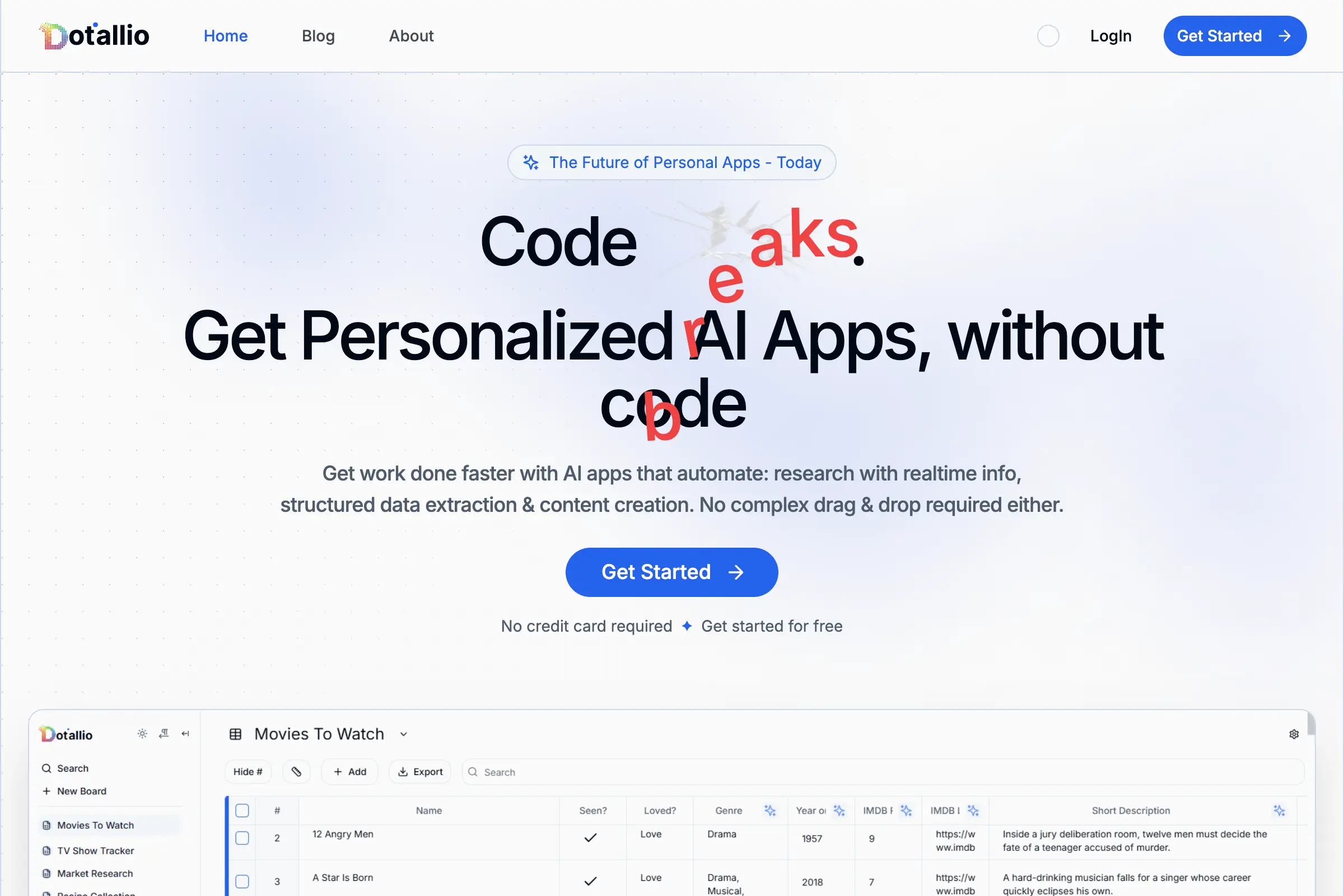
Dotallio
Personalized AI apps that automate research, data extraction, and content creation without code 🤖
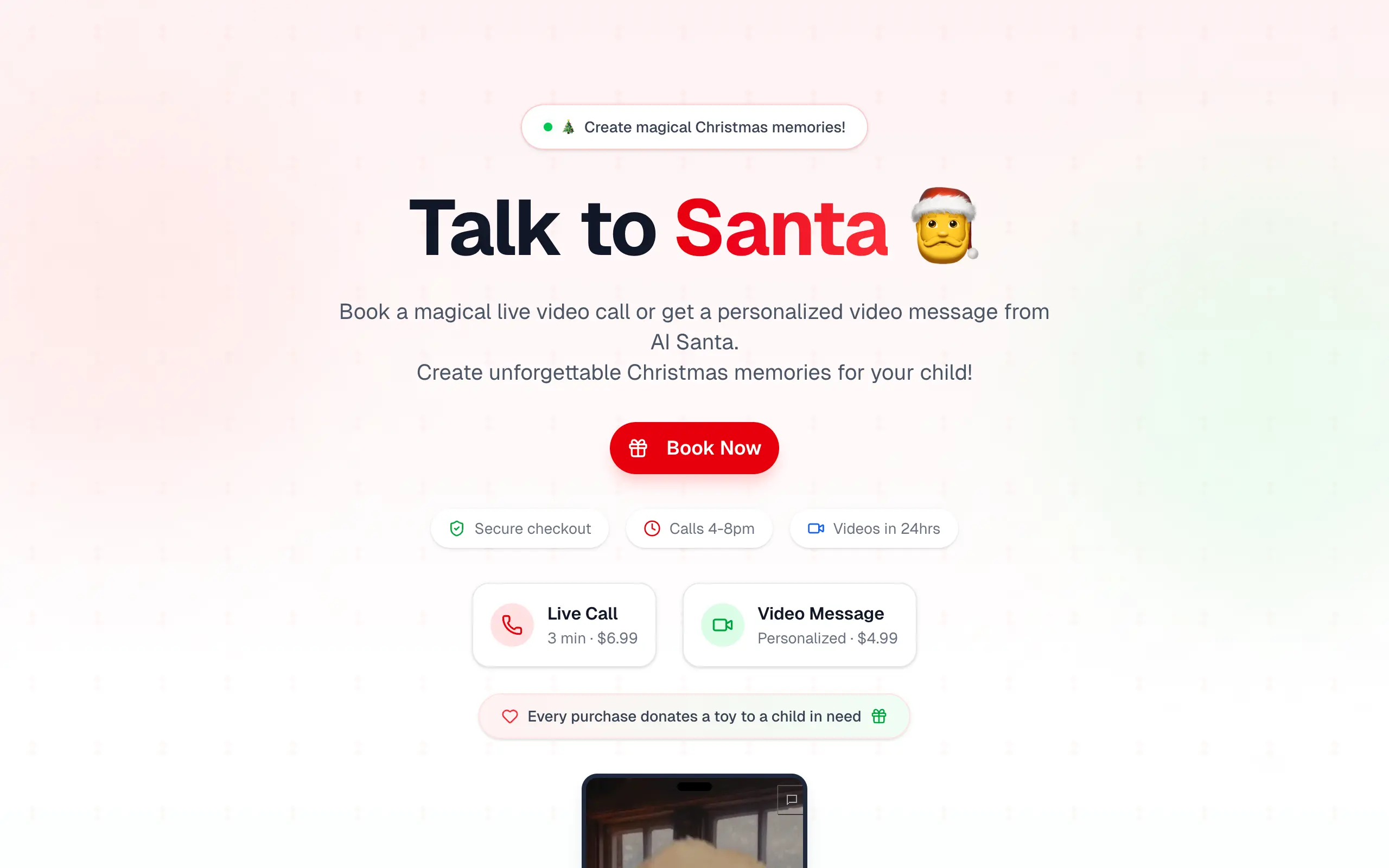
Talk to Santa
Enjoy a magical live video chat or receive a unique AI-generated video greeting from Santa Claus 🎅
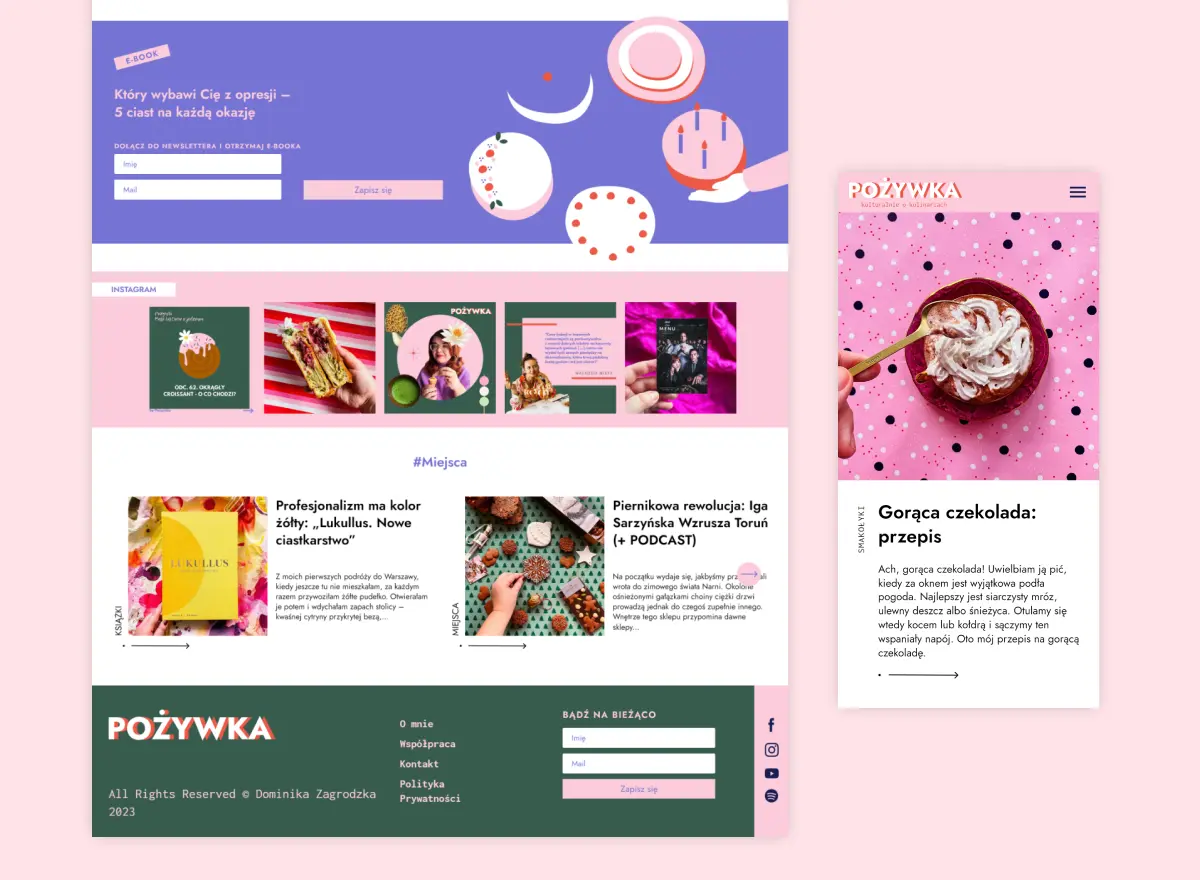
pozywka.pl
Scalable blog for food journalist, focused on performance and user experience 🌭
zagrodzki.me
Personal blog and portfolio of Bart Zagrodzki, where he shares his knowledge and work 💼
TurboStarter
Ship your startup everywhere. In minutes.
HTML to Markdown
Convert HTML to Markdown with ease, directly in your browser 📄
Dotallio
Personalized AI apps that automate research, data extraction, and content creation without code 🤖
Talk to Santa
Enjoy a magical live video chat or receive a unique AI-generated video greeting from Santa Claus 🎅
pozywka.pl
Scalable blog for food journalist, focused on performance and user experience 🌭
zagrodzki.me
Personal blog and portfolio of Bart Zagrodzki, where he shares his knowledge and work 💼
TurboStarter
Ship your startup everywhere. In minutes.
HTML to Markdown
Convert HTML to Markdown with ease, directly in your browser 📄
Dotallio
Personalized AI apps that automate research, data extraction, and content creation without code 🤖
Talk to Santa
Enjoy a magical live video chat or receive a unique AI-generated video greeting from Santa Claus 🎅
pozywka.pl
Scalable blog for food journalist, focused on performance and user experience 🌭
zagrodzki.me
Personal blog and portfolio of Bart Zagrodzki, where he shares his knowledge and work 💼
TurboStarter
Ship your startup everywhere. In minutes.
HTML to Markdown
Convert HTML to Markdown with ease, directly in your browser 📄
Dotallio
Personalized AI apps that automate research, data extraction, and content creation without code 🤖
Talk to Santa
Enjoy a magical live video chat or receive a unique AI-generated video greeting from Santa Claus 🎅
pozywka.pl
Scalable blog for food journalist, focused on performance and user experience 🌭
zagrodzki.me
Personal blog and portfolio of Bart Zagrodzki, where he shares his knowledge and work 💼
TurboStarter
Ship your startup everywhere. In minutes.
HTML to Markdown
Convert HTML to Markdown with ease, directly in your browser 📄
Omichat
Chat with 50+ AI models, including ChatGPT and Claude, in one place - switch models anytime without losing context 🤖
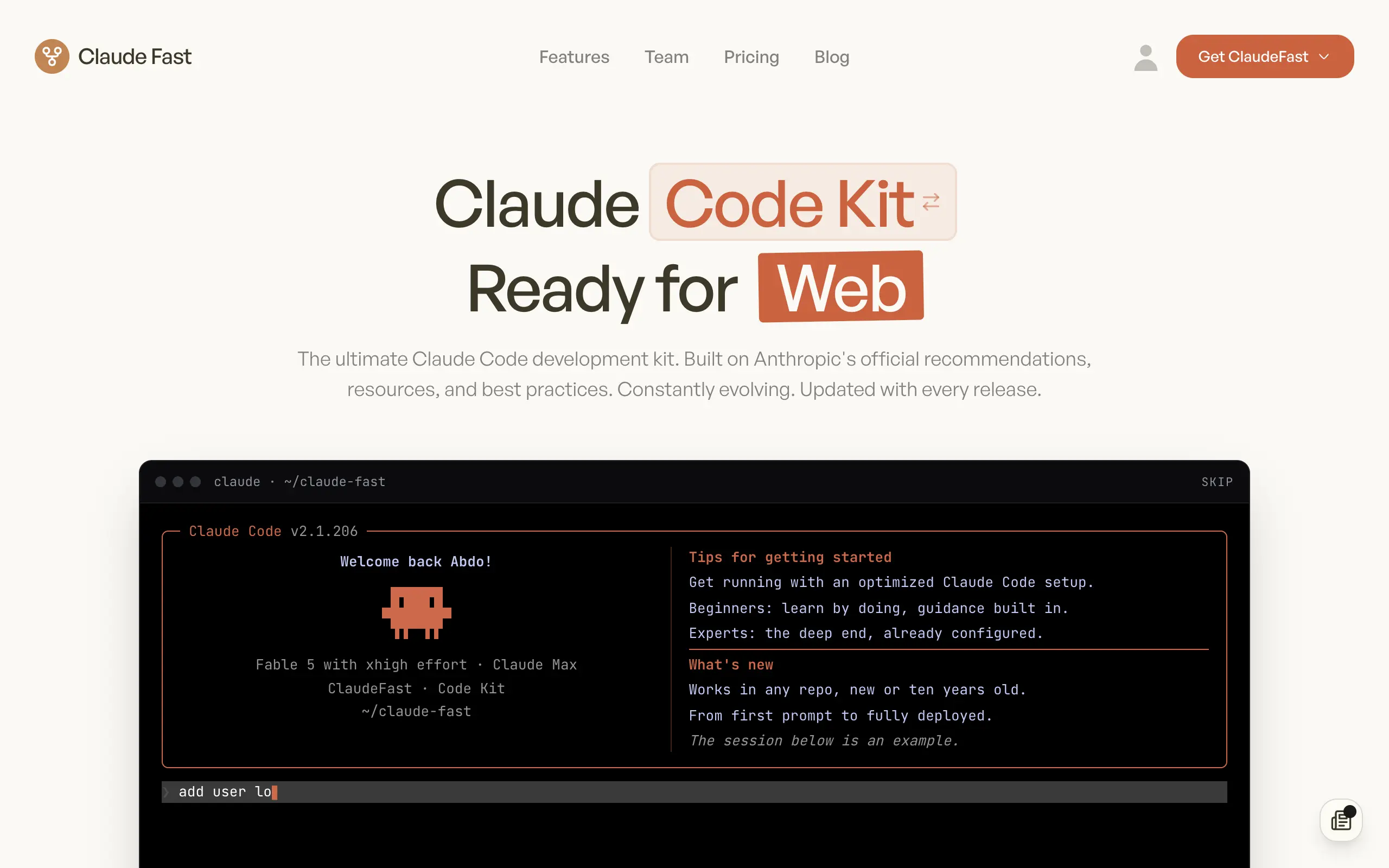
Claude Fast
Supercharge your Claude Code with 6x effective context window and specialized AI agents 🤖
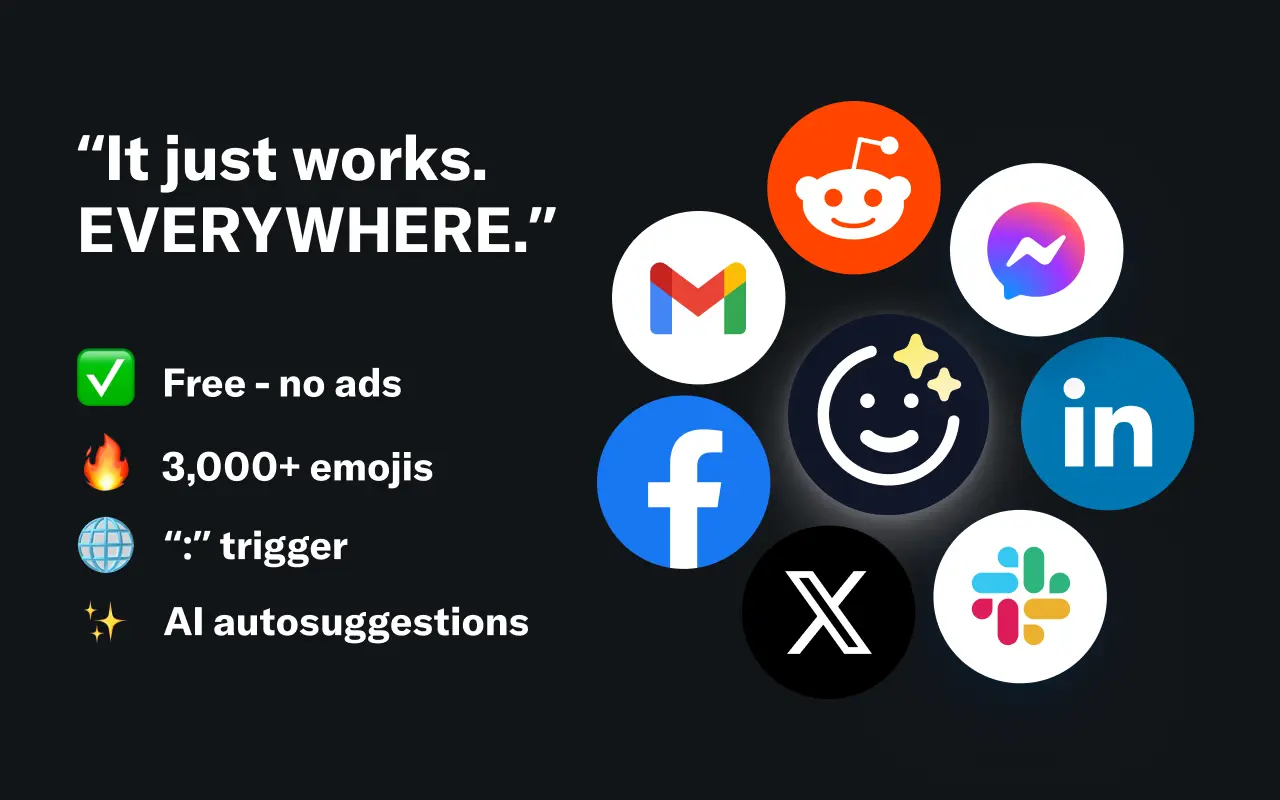
EmojAI
AI-powered emoji picker with smart, context-aware suggestions 🤖
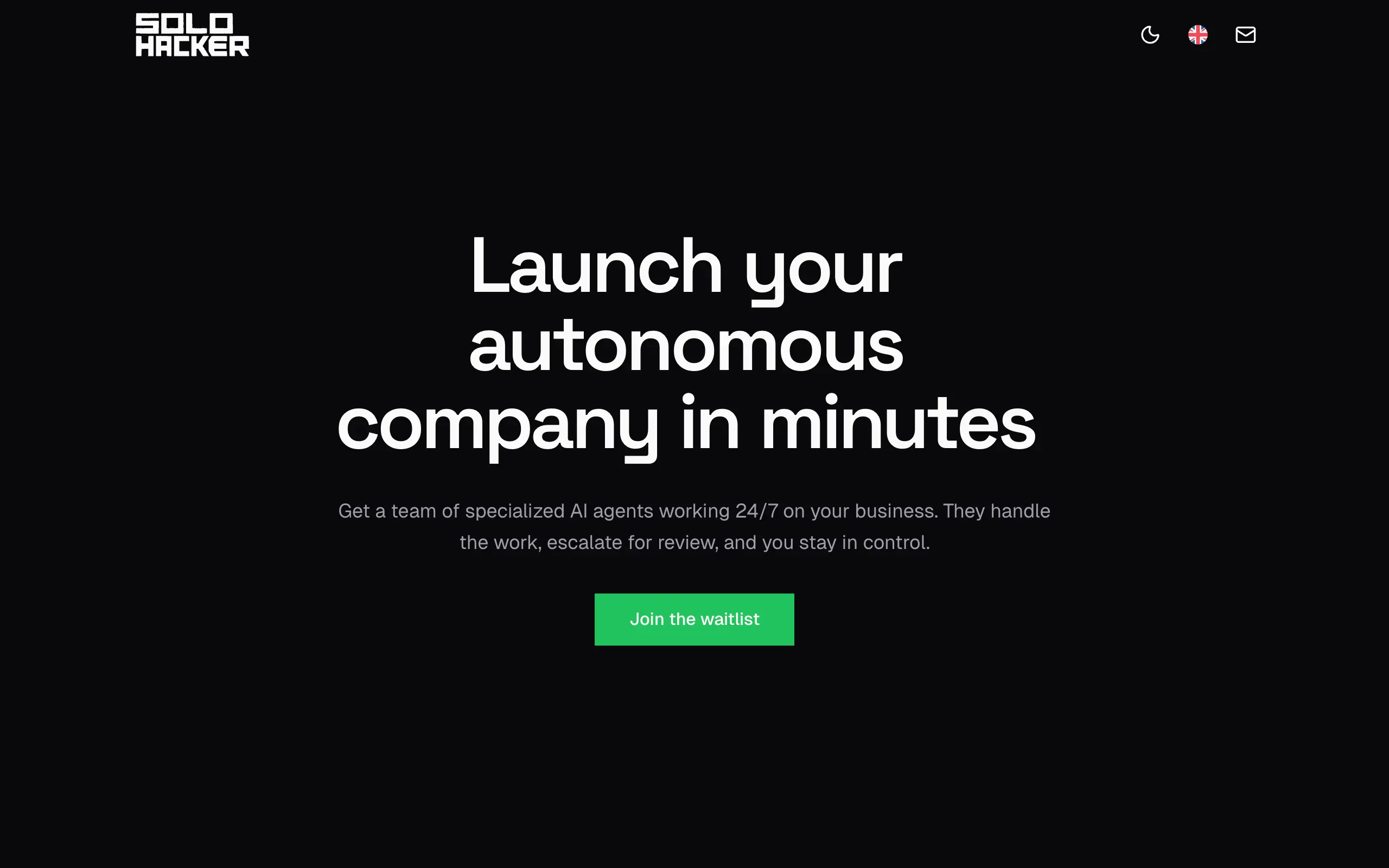
Solohacker
Autonomous company launcher - AI agents work 24/7, escalate what matters, and you stay in control 🤖
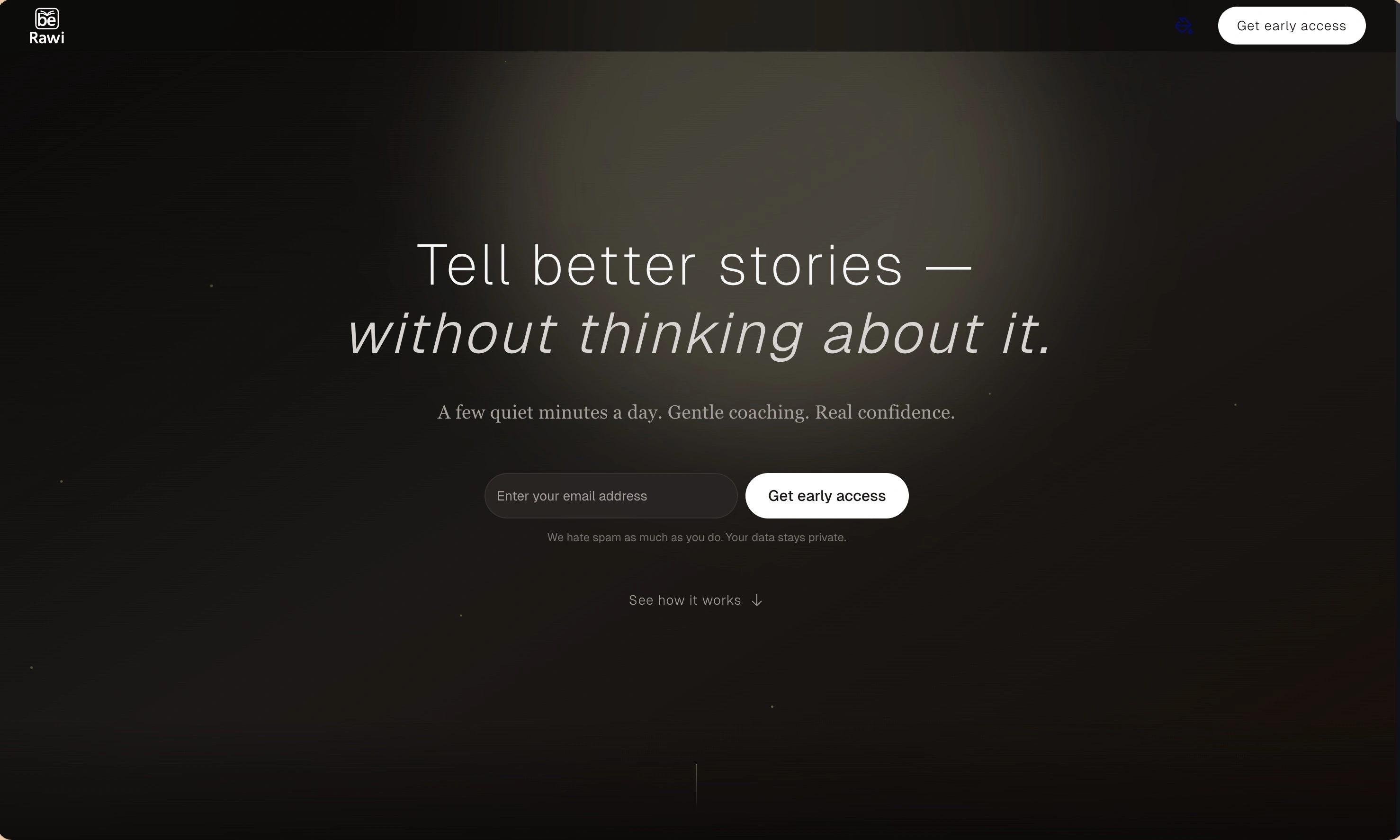
BeRawi: Storytelling Coach
Practice storytelling daily with instant feedback to sound clearer, more engaging, and confident 🎤
Omichat
Chat with 50+ AI models, including ChatGPT and Claude, in one place - switch models anytime without losing context 🤖
Claude Fast
Supercharge your Claude Code with 6x effective context window and specialized AI agents 🤖
EmojAI
AI-powered emoji picker with smart, context-aware suggestions 🤖
Solohacker
Autonomous company launcher - AI agents work 24/7, escalate what matters, and you stay in control 🤖
BeRawi: Storytelling Coach
Practice storytelling daily with instant feedback to sound clearer, more engaging, and confident 🎤
Omichat
Chat with 50+ AI models, including ChatGPT and Claude, in one place - switch models anytime without losing context 🤖
Claude Fast
Supercharge your Claude Code with 6x effective context window and specialized AI agents 🤖
EmojAI
AI-powered emoji picker with smart, context-aware suggestions 🤖
Solohacker
Autonomous company launcher - AI agents work 24/7, escalate what matters, and you stay in control 🤖
BeRawi: Storytelling Coach
Practice storytelling daily with instant feedback to sound clearer, more engaging, and confident 🎤
Omichat
Chat with 50+ AI models, including ChatGPT and Claude, in one place - switch models anytime without losing context 🤖
Claude Fast
Supercharge your Claude Code with 6x effective context window and specialized AI agents 🤖
EmojAI
AI-powered emoji picker with smart, context-aware suggestions 🤖
Solohacker
Autonomous company launcher - AI agents work 24/7, escalate what matters, and you stay in control 🤖
BeRawi: Storytelling Coach
Practice storytelling daily with instant feedback to sound clearer, more engaging, and confident 🎤

Connect with like-minded people
Join our community to get feedback, support, and grow together with 1,000+ builders on board, let's ship it!
Join usShip your startup everywhere. In minutes.
Don't burn tokens on setup and start building features on day one.