SmartLegal
AI-powered legal assistant that automates document review and legal research for law firms, enhancing efficiency and reducing costs.
Understanding the Target Audience
SmartLegal is built with a clear focus on law firms and legal departments that face the daily challenge of reviewing lengthy legal documents and conducting in-depth legal research. The primary audience includes:
- Law firms and independent legal professionals who need to streamline their workflow
- Corporate legal departments looking to reduce operational costs
- Paralegals and legal assistants who manage document reviews and research tasks
- Legal researchers and consultants who benefit from AI-driven insights
This solution is designed to empower legal professionals by automating time-consuming tasks. It allows lawyers to focus on delivering strategic legal advice rather than getting bogged down in manual document analysis.
Identifying Market Opportunity
The legal industry, traditionally seen as conservative, is now experiencing a digital transformation. With the rise in technology adoption, law firms are seeking modern tools that can optimize their operations. SmartLegal addresses several critical pain points:
- Increased document volume: Modern law firms process thousands of documents daily, and a manual review is no longer efficient.
- Cost reduction: Automating research and review processes can significantly decrease billable hours for routine tasks.
- Improved accuracy: AI algorithms reduce human error in document analysis.
- Competitive edge: Early adopters of AI-based legal technologies enjoy market differentiation and improved client satisfaction.
This substantial market opportunity is driven by a need for efficiency, cost control, and enhanced reliability across legal processes. In an era where time is money, the competitive advantage of automating legal practices cannot be overstated.
Building the Perfect Tech Stack
When it comes to building a robust technology stack for an AI-powered legal assistant like SmartLegal, several components are crucial:
- Frontend framework: Consider modern frameworks such as React or Vue.js for building dynamic and responsive user interfaces.
- Backend technologies: Node.js or Python frameworks (like Django or Flask) are highly recommended to handle API requests and manage server-side logic.
- AI and Machine Learning: Utilize robust frameworks like TensorFlow or PyTorch for developing and deploying AI algorithms that understand and process legal documents.
- Database systems: Use secure and scalable databases like PostgreSQL or MongoDB to store legal data and transactional logs.
- Cloud services: Leverage cloud providers such as AWS or Azure for infrastructure flexibility and scalability.
- Rapid development toolkit: For developers seeking to accelerate project setup, TurboStarter can be instrumental. It provides a starter kit for web, mobile, and browser extension projects, ensuring that the development process is rapid and efficient.
For instance, integrating AI capabilities might involve code like the snippet below:
const analyzeDocument = (documentText: string): string => {
  // Perform AI analysis on the document text
  console.log("Analyzing legal document content");
  return "Analysis Complete";
}
This snippet shows a simple function that could be part of a larger system for handling document analysis. The combination of a modern tech stack, secure databases, and powerful AI engines enables SmartLegal to deliver high performance and reliability.
Implementing Monetization Strategy
SmartLegal presents a clear and scalable monetization strategy geared towards maximizing value for both its users and stakeholders. The potential revenue streams include:
- Subscription-based pricing: Monthly or annual plans that provide various levels of access, from basic document reviews to comprehensive legal research features.
- Pay-per-use models: Offering an option where law firms pay for each document analyzed or per research query executed.
- Enterprise licensing: Custom pricing packages for large law firms or corporate legal teams needing dedicated support and advanced integrations.
- Value-added services: Upselling additional services like data analytics reports, integration support, and customer training sessions.
The aim is to offer flexible pricing models that suit the varied needs of legal organizations. The subscription-based model is particularly appealing as it ensures a consistent revenue stream while allowing clients to scale their usage based on demand.
Addressing Potential Risks
Despite its promising advantages, the development and implementation of SmartLegal come with inherent risks. An understanding of these challenges is crucial for mitigating potential issues:
- Data Privacy & Security: Working with sensitive legal documents means that data security is of paramount importance. SmartLegal must adhere to strict data privacy regulations and implement robust encryption protocols.
- Regulatory Compliance: Constant changes in legal frameworks and data protection laws require the system to be continuously updated to remain compliant.
- AI Limitations: While AI greatly enhances efficiency, it may sometimes encounter nuances and ambiguities in legal language. Regular updates and human oversight will help mitigate these limitations.
- Adoption Resistance: Traditional legal professionals may resist adopting AI-based innovations. Comprehensive training sessions and demonstrable use cases are essential in overcoming this barrier.
- Integration Complexity: Ensuring compatibility with existing legal management systems and workflows may pose challenges. Using modular architectures and scalable ecosystems will help ease integration issues.
Important Consideration
It is crucial to conduct regular security audits and maintain a flexible approach to regulatory changes to keep the product safe and compliant.
Gaining Competitive Advantages
SmartLegal distinguishes itself in the competitive legal tech market through a combination of advanced features and a user-centric design philosophy. Here are some key competitive advantages:
- AI-driven efficiency: Utilizing state-of-the-art AI frameworks to automate mundane tasks not only saves time but also minimizes human error.
- Cost-effectiveness: By automating document reviews and legal research, law firms can significantly reduce labor-intensive processes and decrease operational costs.
- High scalability: The underlying architecture is designed to grow with your firm. Whether you are a small practice or a large corporate legal team, SmartLegal scales seamlessly.
- User-friendly interface: The user experience is a priority. A clean, intuitive interface ensures that even professionals with minimal tech expertise can navigate the system with ease.
- Customizability: Law firms can adapt and integrate the solution to their specific workflows. Flexibility in integration ensures that SmartLegal complements existing legal operations.
- Continuous improvement: The technology is designed to evolve, incorporating user feedback and the latest AI advancements to remain a market leader.
Feature highlight
Automated document review saves hours of manual work, allowing legal professionals to focus on strategic tasks.
Additionally, incorporating modern acceleration tools such as TurboStarter allows for rapid deployment and customization, giving law firms a competitive edge by shortening time-to-market for new updates and features.
Market Efficiency through AI and Automation
Automating legal research and document review doesn’t just reduce costs—it fundamentally changes the way legal work is performed. With SmartLegal, professionals can expect:
- Streamlined workflows: Reduce the administrative burden by letting AI handle repetitive tasks.
- Enhanced analytical capabilities: AI can quickly process vast amounts of data, identifying patterns and insights that might be missed in manual reviews.
- Improved client outcomes: Faster turnaround times mean clients get their answers quicker, enhancing overall satisfaction.
- Access to historical data: As more documents are processed by the platform, the accumulated data helps refine AI accuracy through continuous learning.
The AI component of SmartLegal is designed to deliver rapid results, keeping up with the high pace of legal document generation and ensuring that routine tasks are handled seamlessly.
Human oversight remains essential. Experts can verify AI outputs, ensuring that nuanced legal interpretations stay accurate.
The combination of automation with expert intervention creates a safety net that enhances both reliability and trust in the system.
Optimizing Workflow with a Modern Tech Ecosystem
SmartLegal uses a modern tech ecosystem that prioritizes speed, accuracy, and security. Below are some of the reasons for its robust design:
- Microservices architecture: This allows individual components of the system to be updated independently without disrupting the overall system.
- API-driven development: Provides flexibility to integrate with third-party systems that law firms might already be using.
- Cloud-first approach: Ensures scalability, reliability, and global accessibility.
- Secure data handling: Advanced encryption techniques and compliance with data protection standards (GDPR, HIPAA, etc.) safeguard sensitive information.
For developers wanting to kickstart their projects effectively, TurboStarter offers a holistic starting point. This toolkit is engineered to help teams get their projects off the ground quickly, ensuring that the backend and frontend are set up in a streamlined manner.
Moreover, a sample code snippet to illustrate rapid development on the frontend might look like this:
import React from "react";

const LegalDocumentViewer = ({ document }) => {
  return (
    <div>
      <h2>Legal Document</h2>
      <p>{document}</p>
    </div>
  );
};

export default LegalDocumentViewer;
This snippet is a tiny piece of what could be a larger ecosystem dedicated to enhancing legal document management.
Balancing Innovation and Compliance
In the legal domain, balancing innovation with strict compliance requirements is a top priority. Here’s how SmartLegal ensures this balance:
- Regular audits: Internal and external audits are planned regularly to stay ahead of industry standards.
- Compliance modules: The system is built with dedicated modules to handle updates in regulation, ensuring that all processes remain compliant.
- Feedback loops: Regular feedback from legal professionals helps refine the AI to better interpret nuanced legal language.
- Interoperability: Seamless integration with case management and billing systems ensures that firms don’t have to overhaul their entire IT infrastructure to adopt SmartLegal.
This section dives deep into how the platform maintains regulatory compliance. It outlines ongoing training, real-time monitoring, and the employment of legal experts to review AI outputs regularly.
Conclusion: Implementation Steps for Success
Implementing a solution like SmartLegal requires a clear set of action steps. Below is a step-by-step guide to get you started:
Once these steps are completed, you will have a robust and scalable system that not only streamlines legal processes but also drives significant operational savings.
For those ready to take the leap into the future of legal technology, exploring how rapid deployment tools can further accelerate your project is highly recommended.
By following these actionable steps and leveraging a modern, secure tech stack, SmartLegal stands as a prime example of how AI can transform the legal industry. The integration of advanced AI algorithms combined with intuitive design empowers legal professionals to work smarter, faster, and more accurately. Embrace the change and take the next step toward optimizing your legal operations with innovative technology.
More 🤖 AI Startup SaaS ideas
Discover more innovative ai startup SaaS ideas that are trending in 2026. Each idea is AI-generated with market validation and growth potential to help you find your next profitable venture faster than competitors.
Your competitors are building with TurboStarter
Below are some of the SaaS ideas that have been generated and built with our starter kit.

Statiko
Monitor any Telegram channel in real time - track posts, edits, deletions, and growth with AI recaps 📡

Shibui
AI website builder - describe your business, pick a niche template, edit by chatting, and publish instantly ✨

Pro Service
Find verified home service professionals, compare quotes, and pay securely through escrow - built for Brazilians across the US 🏠
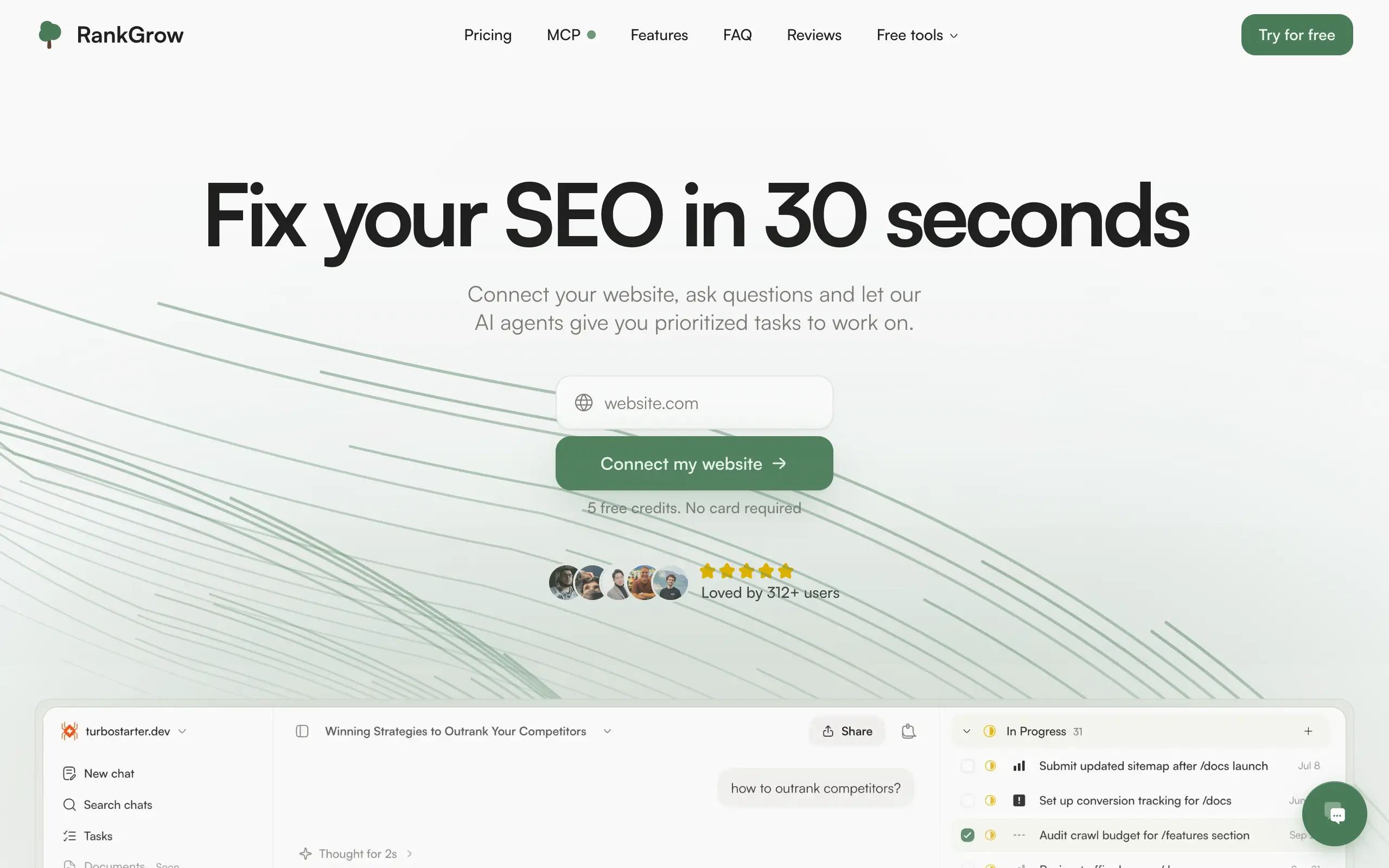
RankGrow
Fix your SEO with AI agents - connect Search Console, get prioritized tasks, and grow organic traffic 📈
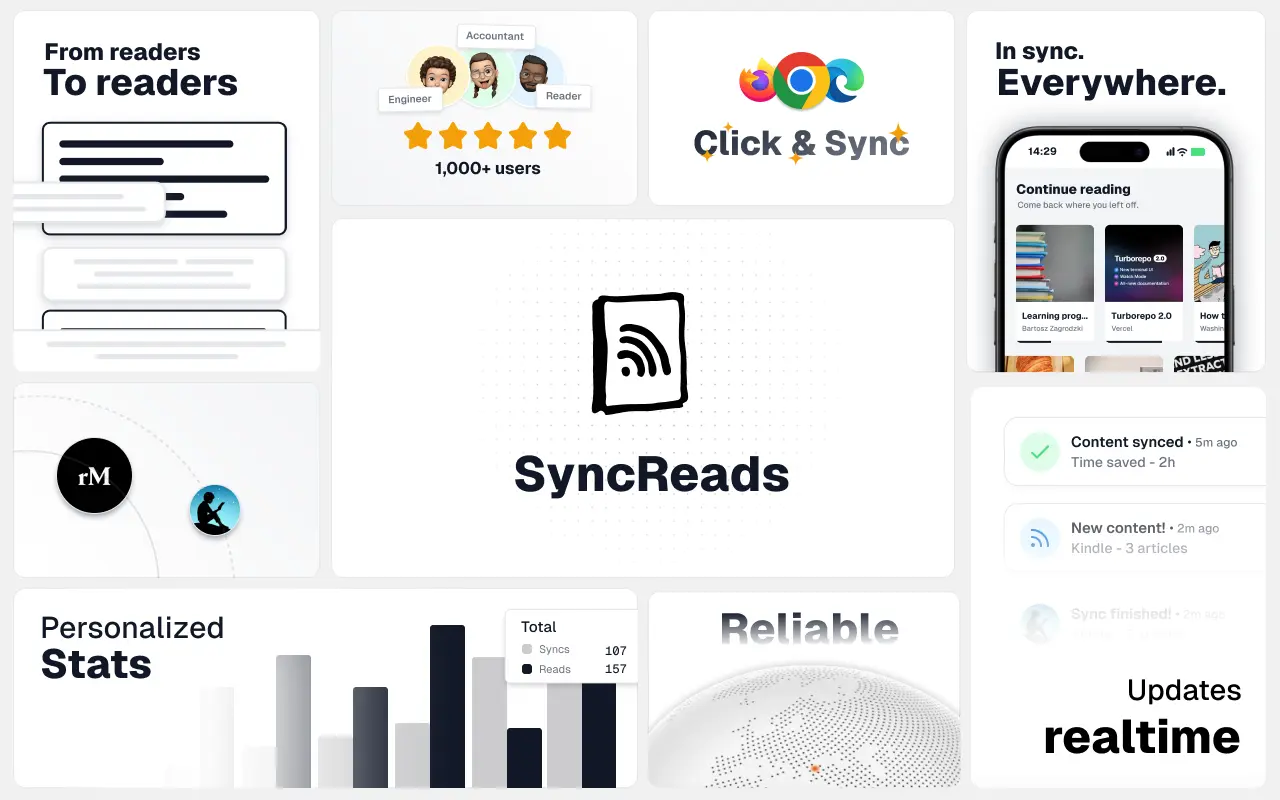
SyncReads
Sync your favorite content for distraction-free reading, save time and replace multiple apps. Anytime, anywhere 🔄
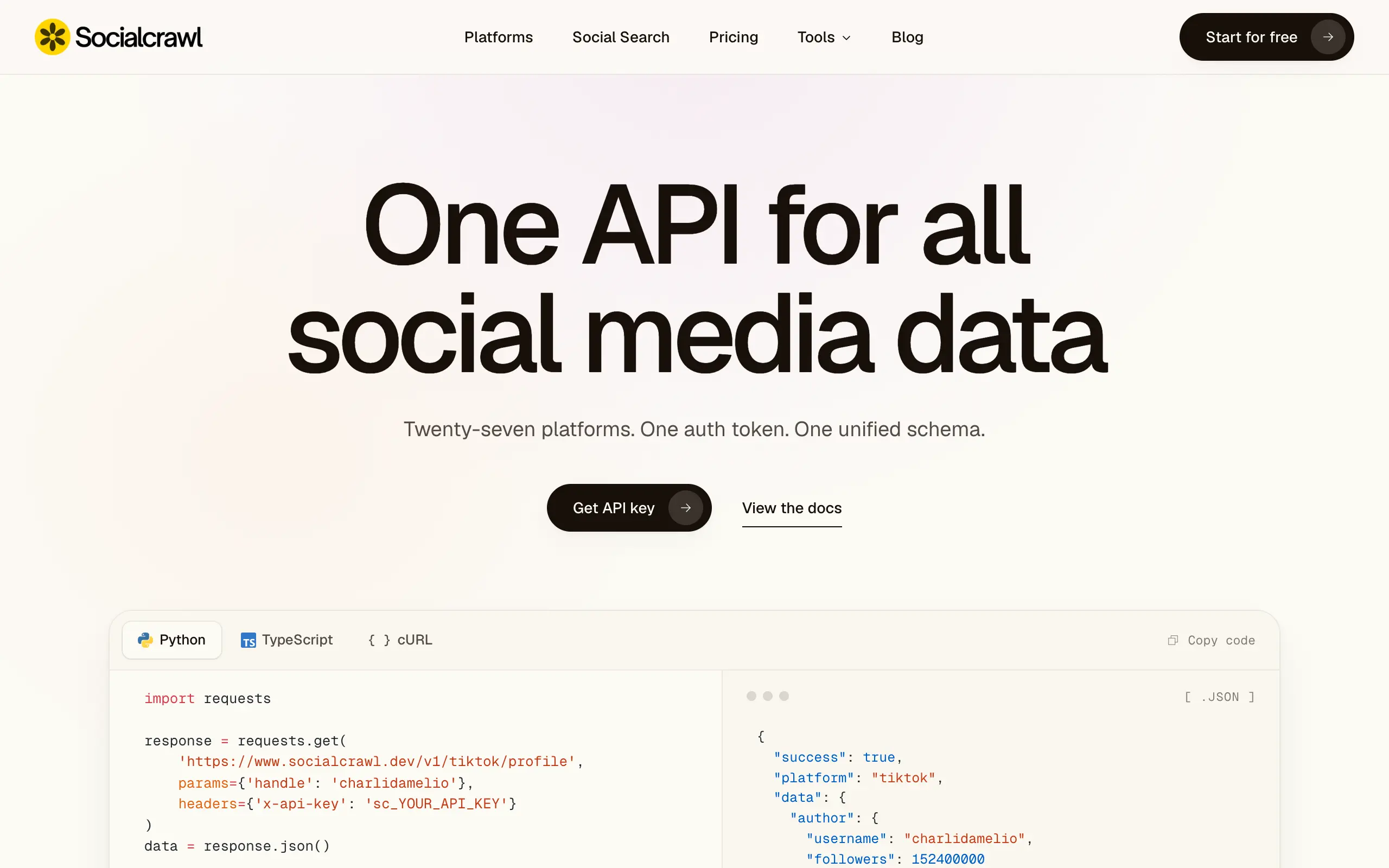
Socialcrawl
Get clean, structured data from 21 platforms like TikTok, Instagram, and YouTube with a single request 📊
Statiko
Monitor any Telegram channel in real time - track posts, edits, deletions, and growth with AI recaps 📡
Shibui
AI website builder - describe your business, pick a niche template, edit by chatting, and publish instantly ✨
Pro Service
Find verified home service professionals, compare quotes, and pay securely through escrow - built for Brazilians across the US 🏠
RankGrow
Fix your SEO with AI agents - connect Search Console, get prioritized tasks, and grow organic traffic 📈
SyncReads
Sync your favorite content for distraction-free reading, save time and replace multiple apps. Anytime, anywhere 🔄
Socialcrawl
Get clean, structured data from 21 platforms like TikTok, Instagram, and YouTube with a single request 📊
Statiko
Monitor any Telegram channel in real time - track posts, edits, deletions, and growth with AI recaps 📡
Shibui
AI website builder - describe your business, pick a niche template, edit by chatting, and publish instantly ✨
Pro Service
Find verified home service professionals, compare quotes, and pay securely through escrow - built for Brazilians across the US 🏠
RankGrow
Fix your SEO with AI agents - connect Search Console, get prioritized tasks, and grow organic traffic 📈
SyncReads
Sync your favorite content for distraction-free reading, save time and replace multiple apps. Anytime, anywhere 🔄
Socialcrawl
Get clean, structured data from 21 platforms like TikTok, Instagram, and YouTube with a single request 📊
Statiko
Monitor any Telegram channel in real time - track posts, edits, deletions, and growth with AI recaps 📡
Shibui
AI website builder - describe your business, pick a niche template, edit by chatting, and publish instantly ✨
Pro Service
Find verified home service professionals, compare quotes, and pay securely through escrow - built for Brazilians across the US 🏠
RankGrow
Fix your SEO with AI agents - connect Search Console, get prioritized tasks, and grow organic traffic 📈
SyncReads
Sync your favorite content for distraction-free reading, save time and replace multiple apps. Anytime, anywhere 🔄
Socialcrawl
Get clean, structured data from 21 platforms like TikTok, Instagram, and YouTube with a single request 📊
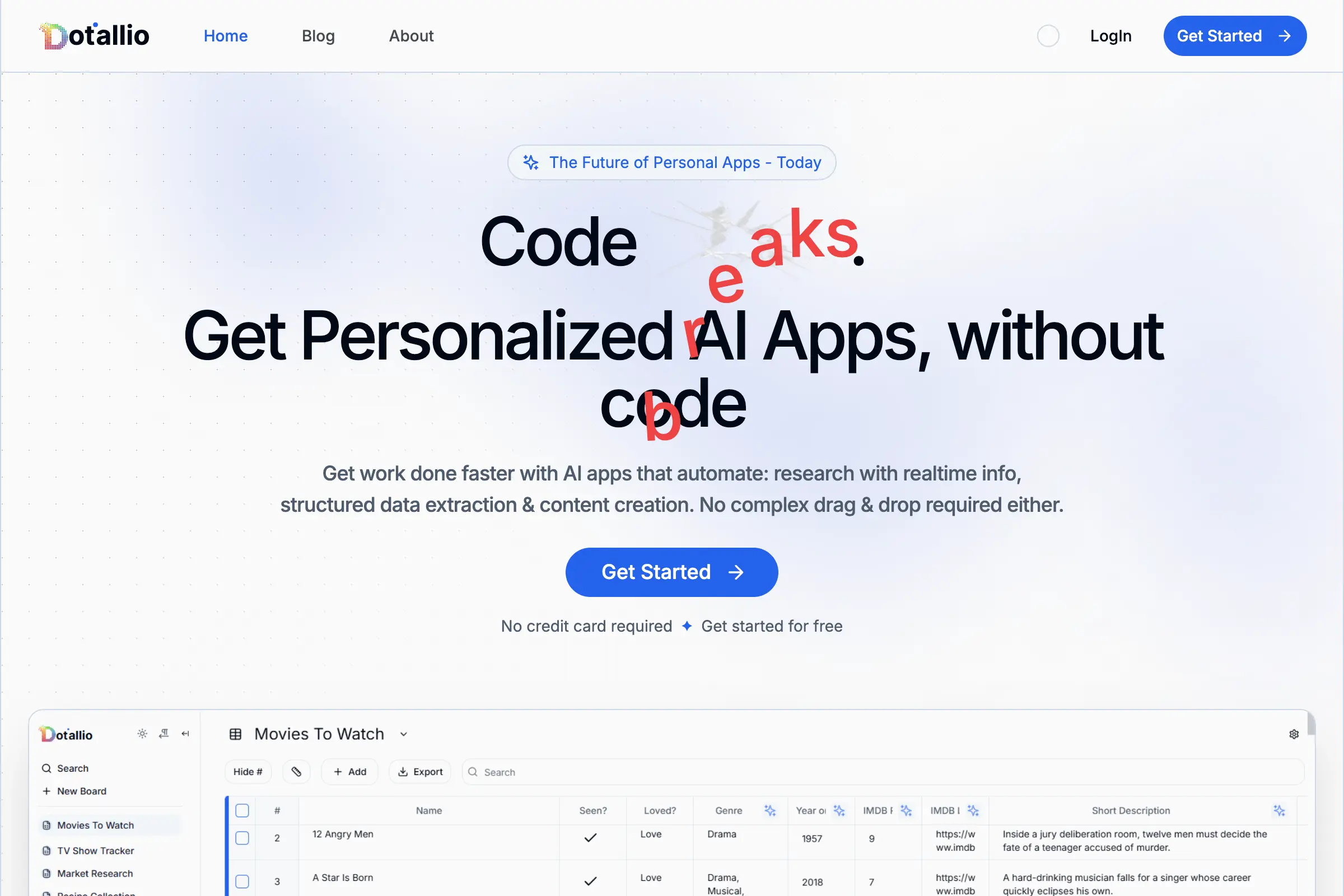
Dotallio
Personalized AI apps that automate research, data extraction, and content creation without code 🤖

Talk to Santa
Enjoy a magical live video chat or receive a unique AI-generated video greeting from Santa Claus 🎅
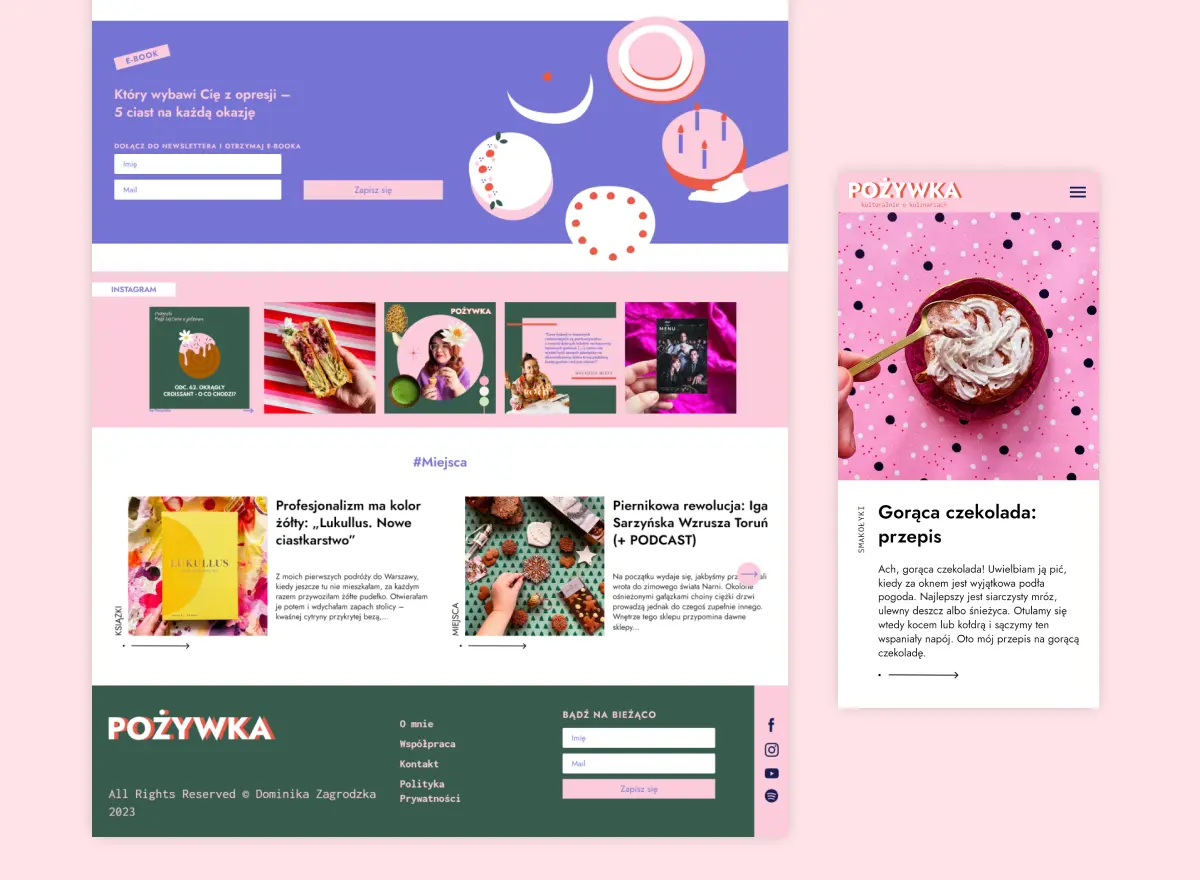
pozywka.pl
Scalable blog for food journalist, focused on performance and user experience 🌭
zagrodzki.me
Personal blog and portfolio of Bart Zagrodzki, where he shares his knowledge and work 💼
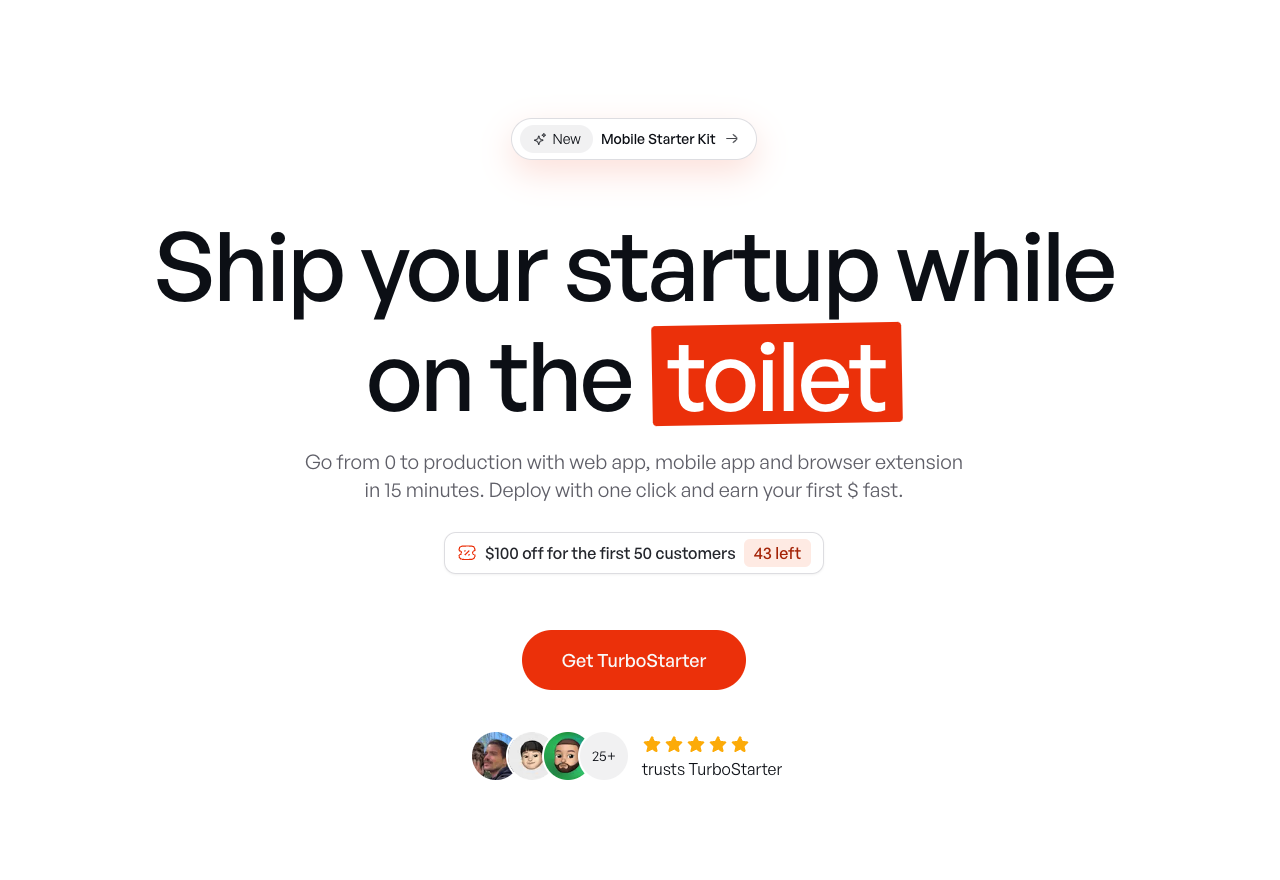
TurboStarter
Ship your startup everywhere. In minutes.
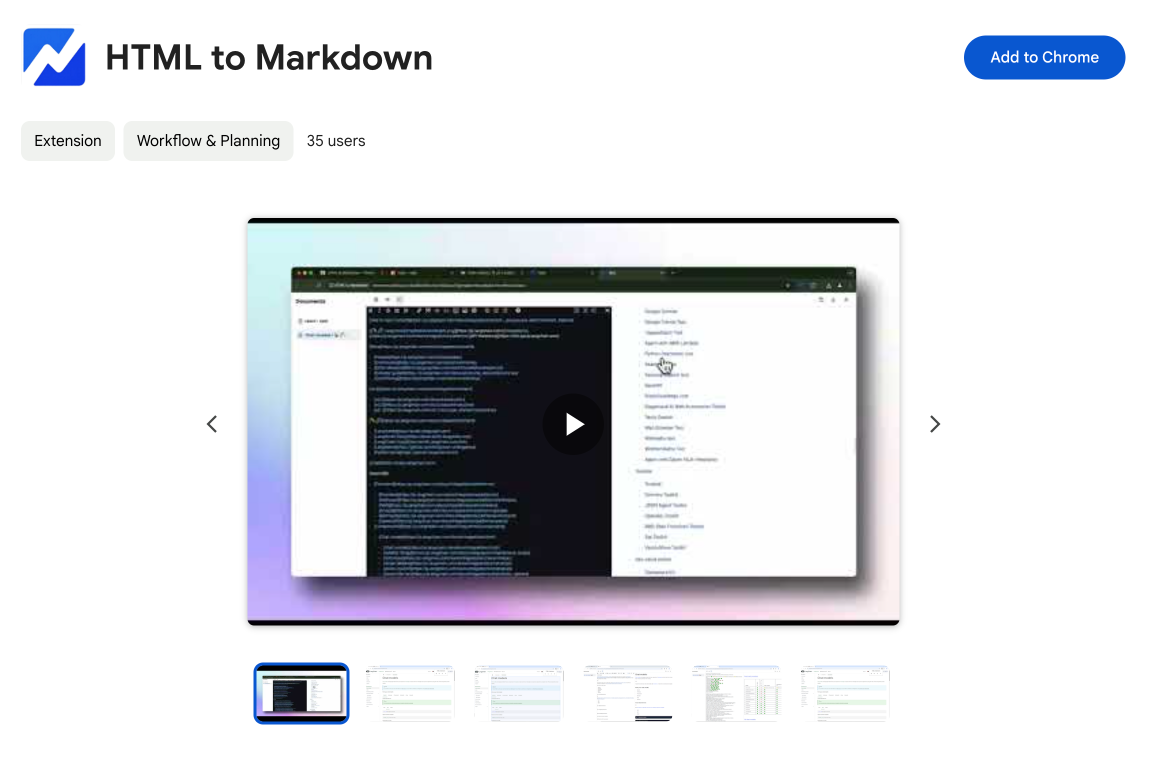
HTML to Markdown
Convert HTML to Markdown with ease, directly in your browser 📄
Dotallio
Personalized AI apps that automate research, data extraction, and content creation without code 🤖
Talk to Santa
Enjoy a magical live video chat or receive a unique AI-generated video greeting from Santa Claus 🎅
pozywka.pl
Scalable blog for food journalist, focused on performance and user experience 🌭
zagrodzki.me
Personal blog and portfolio of Bart Zagrodzki, where he shares his knowledge and work 💼
TurboStarter
Ship your startup everywhere. In minutes.
HTML to Markdown
Convert HTML to Markdown with ease, directly in your browser 📄
Dotallio
Personalized AI apps that automate research, data extraction, and content creation without code 🤖
Talk to Santa
Enjoy a magical live video chat or receive a unique AI-generated video greeting from Santa Claus 🎅
pozywka.pl
Scalable blog for food journalist, focused on performance and user experience 🌭
zagrodzki.me
Personal blog and portfolio of Bart Zagrodzki, where he shares his knowledge and work 💼
TurboStarter
Ship your startup everywhere. In minutes.
HTML to Markdown
Convert HTML to Markdown with ease, directly in your browser 📄
Dotallio
Personalized AI apps that automate research, data extraction, and content creation without code 🤖
Talk to Santa
Enjoy a magical live video chat or receive a unique AI-generated video greeting from Santa Claus 🎅
pozywka.pl
Scalable blog for food journalist, focused on performance and user experience 🌭
zagrodzki.me
Personal blog and portfolio of Bart Zagrodzki, where he shares his knowledge and work 💼
TurboStarter
Ship your startup everywhere. In minutes.
HTML to Markdown
Convert HTML to Markdown with ease, directly in your browser 📄
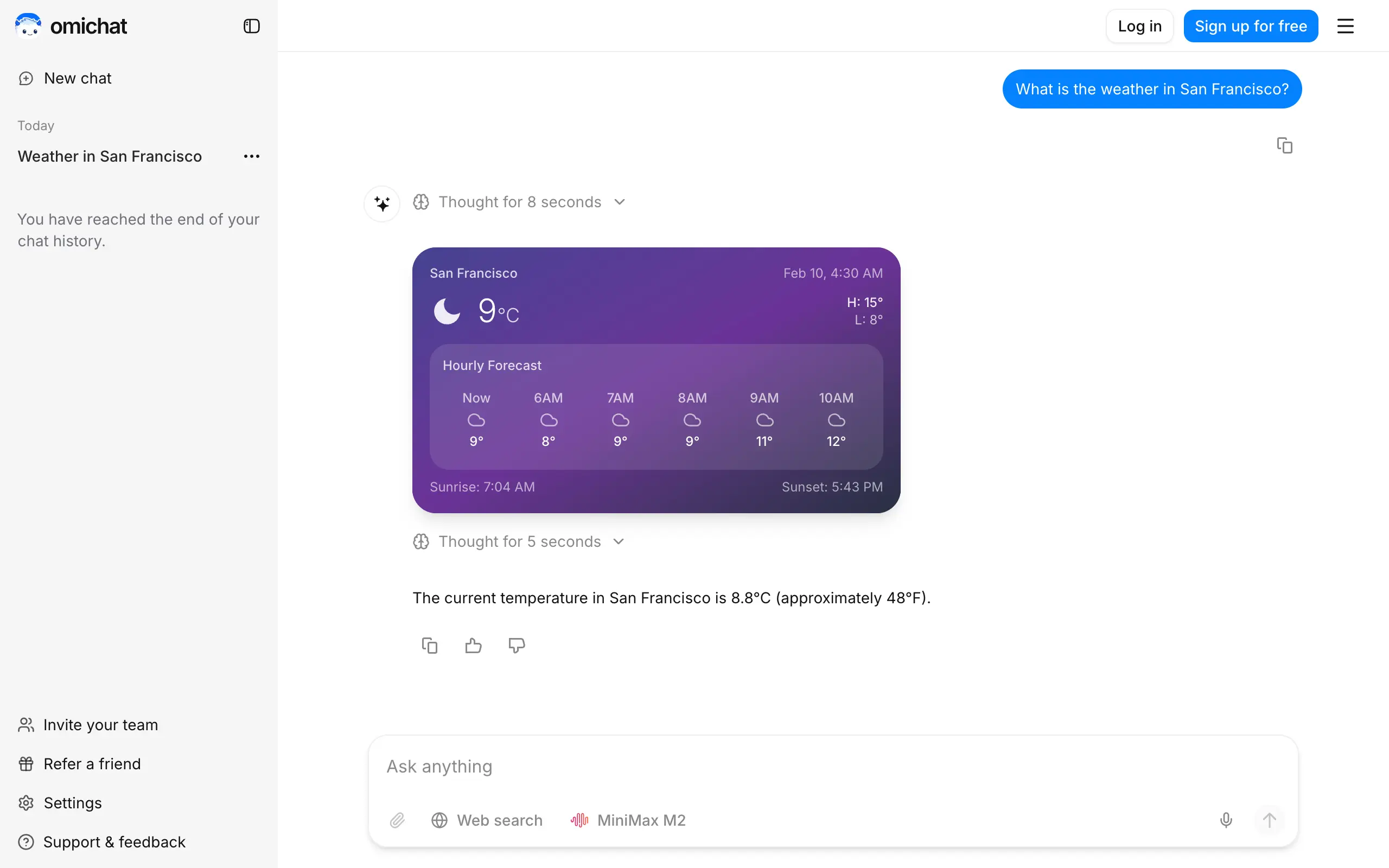
Omichat
Chat with 50+ AI models, including ChatGPT and Claude, in one place - switch models anytime without losing context 🤖
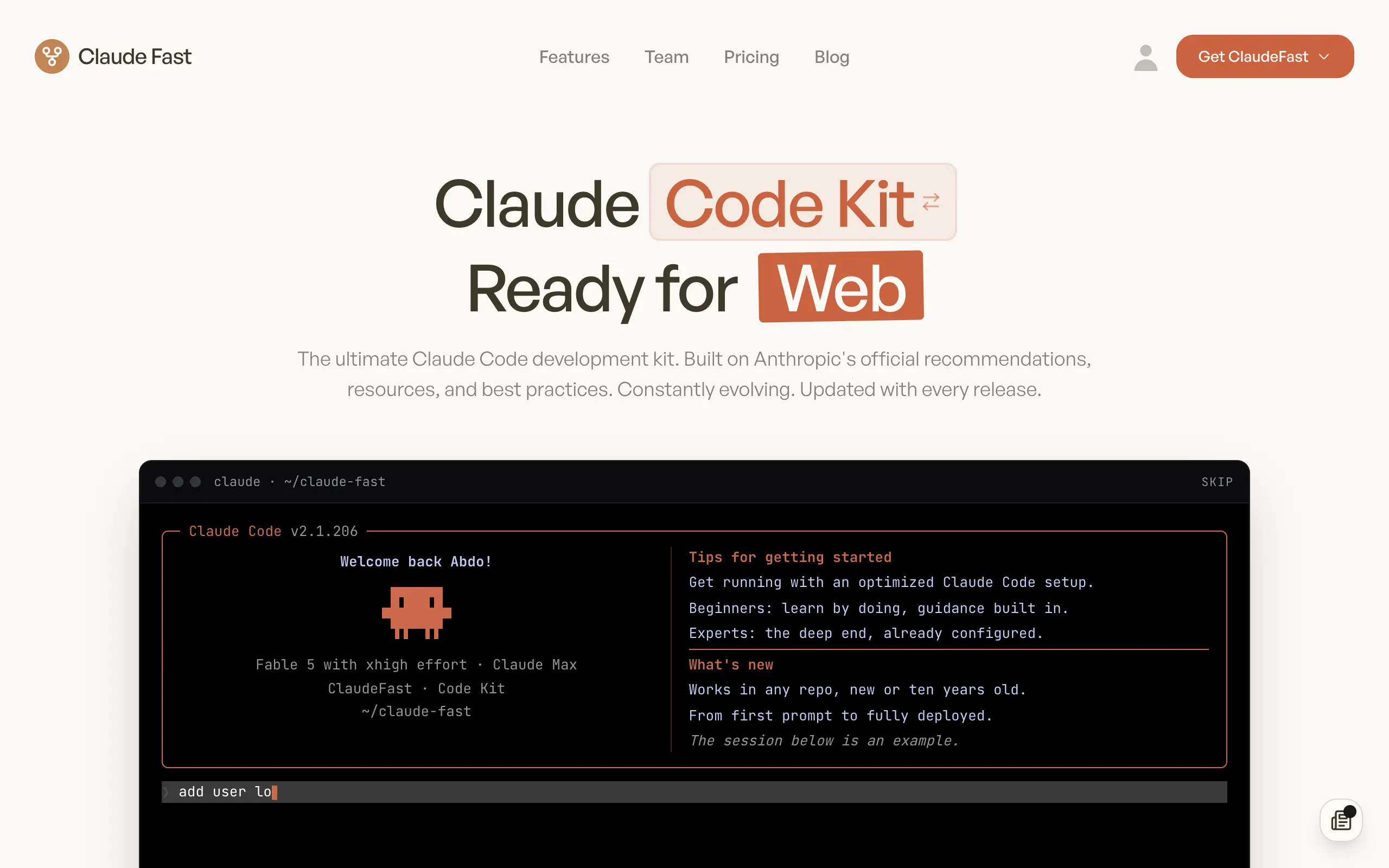
Claude Fast
Supercharge your Claude Code with 6x effective context window and specialized AI agents 🤖
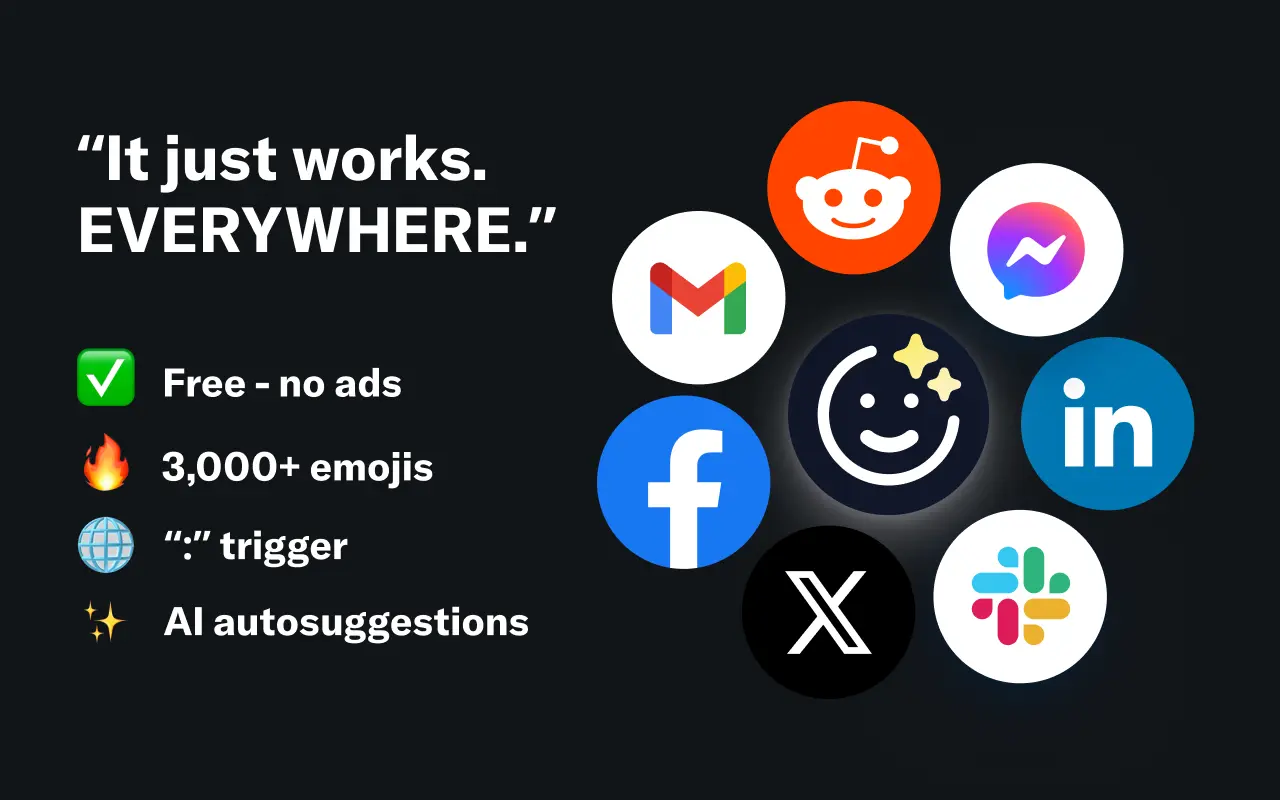
EmojAI
AI-powered emoji picker with smart, context-aware suggestions 🤖

Solohacker
Autonomous company launcher - AI agents work 24/7, escalate what matters, and you stay in control 🤖
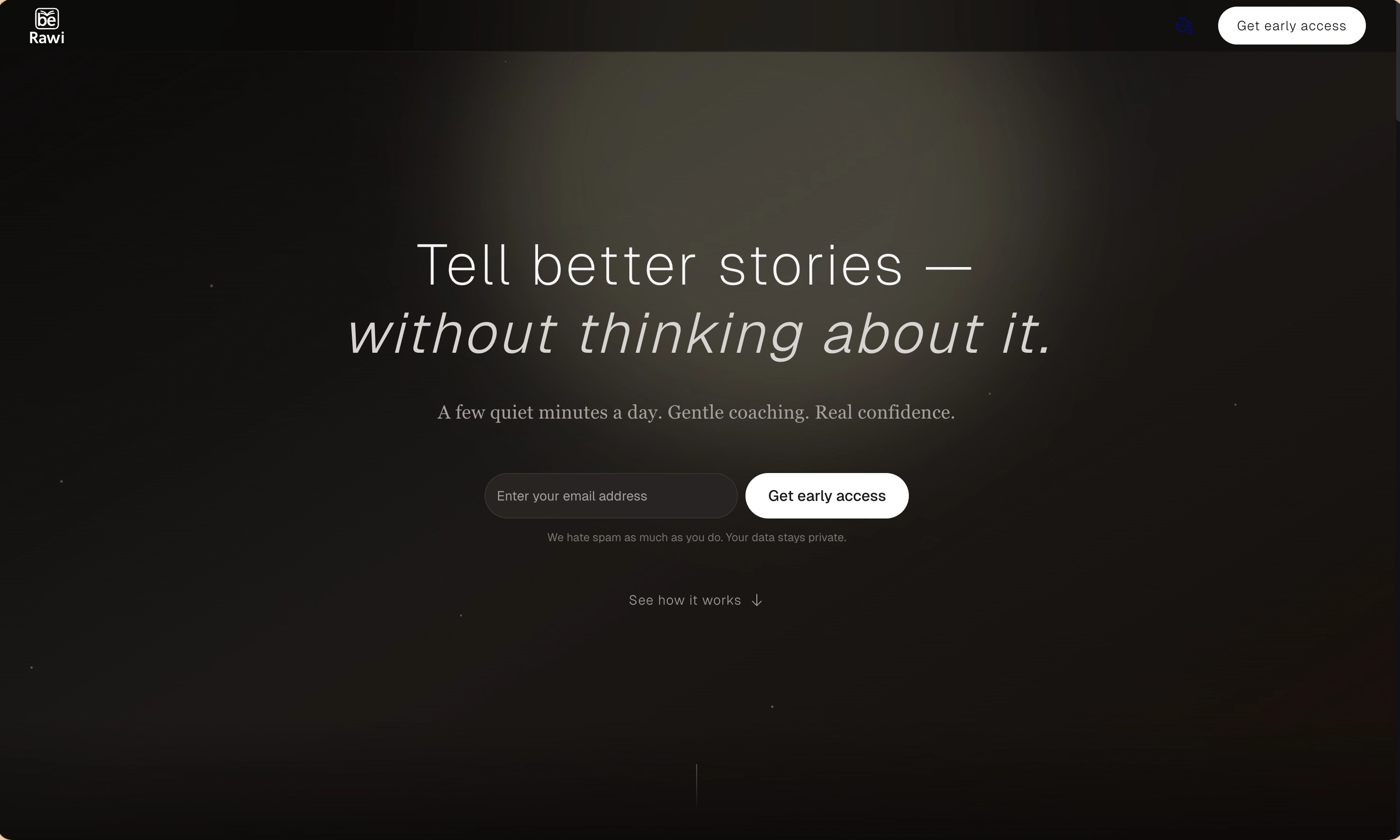
BeRawi: Storytelling Coach
Practice storytelling daily with instant feedback to sound clearer, more engaging, and confident 🎤
Omichat
Chat with 50+ AI models, including ChatGPT and Claude, in one place - switch models anytime without losing context 🤖
Claude Fast
Supercharge your Claude Code with 6x effective context window and specialized AI agents 🤖
EmojAI
AI-powered emoji picker with smart, context-aware suggestions 🤖
Solohacker
Autonomous company launcher - AI agents work 24/7, escalate what matters, and you stay in control 🤖
BeRawi: Storytelling Coach
Practice storytelling daily with instant feedback to sound clearer, more engaging, and confident 🎤
Omichat
Chat with 50+ AI models, including ChatGPT and Claude, in one place - switch models anytime without losing context 🤖
Claude Fast
Supercharge your Claude Code with 6x effective context window and specialized AI agents 🤖
EmojAI
AI-powered emoji picker with smart, context-aware suggestions 🤖
Solohacker
Autonomous company launcher - AI agents work 24/7, escalate what matters, and you stay in control 🤖
BeRawi: Storytelling Coach
Practice storytelling daily with instant feedback to sound clearer, more engaging, and confident 🎤
Omichat
Chat with 50+ AI models, including ChatGPT and Claude, in one place - switch models anytime without losing context 🤖
Claude Fast
Supercharge your Claude Code with 6x effective context window and specialized AI agents 🤖
EmojAI
AI-powered emoji picker with smart, context-aware suggestions 🤖
Solohacker
Autonomous company launcher - AI agents work 24/7, escalate what matters, and you stay in control 🤖
BeRawi: Storytelling Coach
Practice storytelling daily with instant feedback to sound clearer, more engaging, and confident 🎤

Connect with like-minded people
Join our community to get feedback, support, and grow together with 1,000+ builders on board, let's ship it!
Join usShip your startup everywhere. In minutes.
Don't burn tokens on setup and start building features on day one.