SmartOnboarder
AI-powered onboarding assistant that automates employee training, tracks progress, and personalizes learning paths to boost retention and productivity.
Understanding the need for AI-powered onboarding assistants
Employee onboarding is a critical process that directly impacts retention, productivity, and company culture. Yet, traditional onboarding methods are often manual, time-consuming, and inconsistent. As organizations scale and remote work becomes the norm, the demand for efficient, engaging, and personalized onboarding solutions has never been higher.
SmartOnboarder addresses this gap by leveraging artificial intelligence to automate employee training, track progress, and tailor learning paths for each individual. In this article, we’ll explore the market opportunity, target audience, core features, technology stack, monetization strategies, risks, and actionable steps to implement an AI onboarding SaaS like SmartOnboarder.
Who needs SmartOnboarder? Target audience analysis
Understanding the target audience is essential for product-market fit and effective go-to-market strategies. SmartOnboarder’s primary users and buyers include:
- HR managers and talent acquisition teams: Responsible for onboarding, training, and employee engagement.
- Learning & development (L&D) professionals: Focused on upskilling, compliance, and continuous learning.
- Team leads and department heads: Need to ensure new hires are productive quickly.
- Startups and SMBs: Seeking scalable, cost-effective onboarding without dedicated HR tech teams.
- Enterprises: Managing high-volume or global onboarding, often with complex compliance needs.
- Remote-first and hybrid companies: Require digital, self-serve onboarding experiences.
User intent: Most searchers are looking for solutions to automate onboarding, improve training outcomes, reduce manual HR workload, and personalize employee learning. They want to know how AI can make onboarding more effective and measurable.
Market opportunity and gap analysis
Why the onboarding market is ripe for disruption
- High employee turnover: According to SHRM, up to 20% of employee turnover happens within the first 45 days. Poor onboarding is a major factor.
- Remote work acceleration: The rise of distributed teams has made digital onboarding a necessity.
- Manual processes dominate: Many companies still rely on spreadsheets, emails, and static documents.
- Demand for personalization: Employees expect tailored experiences, not one-size-fits-all training.
- Compliance and tracking: Increasing regulatory requirements make progress tracking and documentation essential.
Current solutions and their limitations
Most existing onboarding tools offer checklists, document management, and basic e-learning modules. However, they often lack:
- Personalized learning paths based on role, skill gaps, or learning style.
- Automated progress tracking and real-time analytics.
- AI-driven content recommendations and adaptive training.
- Seamless integration with HRIS, payroll, and collaboration tools.
SmartOnboarder fills these gaps by combining AI automation, analytics, and personalization in a single platform.
Core features and solution details
Let’s break down the essential features that make SmartOnboarder a compelling AI onboarding SaaS:
1. Automated onboarding workflows
- Dynamic checklists: Auto-generate onboarding tasks based on role, department, and location.
- Document management: E-signature, policy acknowledgment, and secure storage.
- Integration with HRIS: Sync employee data from systems like Workday or BambooHR.
2. Personalized learning paths
- AI-driven assessments: Identify skill gaps and recommend relevant training modules.
- Adaptive content delivery: Adjusts pace and content based on user progress and feedback.
- Role-based modules: Tailor onboarding for sales, engineering, support, etc.
3. Progress tracking and analytics
- Real-time dashboards: Visualize completion rates, quiz scores, and engagement.
- Automated reminders: Nudge employees and managers to complete tasks.
- Compliance tracking: Ensure mandatory training is completed and documented.
4. Interactive training experiences
- Microlearning modules: Bite-sized, engaging content for better retention.
- Quizzes and knowledge checks: Reinforce learning and measure understanding.
- Gamification: Badges, leaderboards, and rewards to boost motivation.
5. AI-powered assistant
- 24/7 chatbot support: Answer onboarding questions, guide users, and escalate issues.
- Content recommendations: Suggest additional resources based on user behavior.
- Feedback collection: Gather insights to improve onboarding continuously.
6. Seamless integrations
- Collaboration tools: Connect with Slack, Microsoft Teams, and email.
- Calendar sync: Schedule training sessions and reminders.
- API access: Enable custom integrations with internal systems.
Automated workflows
Eliminate manual onboarding tasks with dynamic, role-based checklists and document management.
Personalized learning
AI tailors training paths to each employee’s needs, boosting engagement and retention.
Progress analytics
Track onboarding completion, compliance, and learning outcomes in real time.
AI assistant
24/7 support and smart content recommendations for a seamless onboarding experience.
Recommended tech stack for building SmartOnboarder
Choosing the right technology stack is crucial for scalability, maintainability, and rapid feature development. Here’s a recommended stack for an AI-powered onboarding SaaS:
Frontend
- React: Component-based UI, fast development, and strong ecosystem.
- TailwindCSS: Utility-first CSS for rapid, consistent styling.
- TypeScript: Type safety and better developer experience.
Backend
- Node.js with Express: Scalable, event-driven server-side logic.
- Python (for AI/ML modules): Leverage libraries like scikit-learn, TensorFlow, or PyTorch for personalization and recommendations.
- PostgreSQL: Reliable, scalable relational database for user data and analytics.
- Redis: Caching and real-time notifications.
AI and automation
- OpenAI API or Hugging Face Transformers: Natural language processing for chatbots and content recommendations.
- Custom ML models: For adaptive learning and progress prediction.
Integrations
- RESTful APIs: For HRIS, payroll, and collaboration tool integrations.
- Webhooks: Real-time event notifications.
DevOps and hosting
- Docker: Containerization for consistent deployments.
- Kubernetes: Orchestration for scaling.
- AWS or GCP: Cloud infrastructure.
Trade-offs to consider
- Monolithic vs. microservices: Monolithic is faster to start, but microservices offer better scalability for large enterprises.
- Custom AI vs. third-party APIs: Building custom models offers more control but requires more resources; APIs are faster to implement but may have higher costs.
Pro tip
Start with a monolithic architecture and third-party AI APIs for MVP speed. Refactor to microservices and custom AI as you scale.
Monetization strategy options
A successful SaaS needs a clear path to revenue. Here are proven monetization models for SmartOnboarder:
1. Subscription-based pricing
- Per employee per month: Scales with company size.
- Tiered plans: Basic (core features), Pro (advanced analytics, integrations), Enterprise (customization, dedicated support).
2. Usage-based pricing
- Charge based on the number of onboarding sessions, AI interactions, or training modules completed.
3. Freemium model
- Offer a free tier with limited features to drive adoption, upsell to paid plans for advanced capabilities.
4. Add-ons and integrations
- Charge extra for premium integrations (e.g., advanced HRIS, custom API access).
- Offer white-labeling for large enterprises.
5. Professional services
- Implementation, custom training content creation, and consulting.
| Subscription | Usage-based | Freemium | Add-ons | Services |
|---|---|---|---|---|
| ✅ | ❌ | ❌ | ✅ | ❌ |
| ✅ | ❌ | ✅ | ✅ | ❌ |
Potential risks and mitigation strategies
Launching an AI onboarding SaaS comes with challenges. Here’s how to anticipate and address them:
Employee data is sensitive. Ensure compliance with GDPR, SOC 2, and other regulations. Use encryption, access controls, and regular audits.
AI-driven recommendations must be fair and accurate. Regularly audit models for bias, and allow human override for critical decisions.
HR tech stacks are fragmented. Offer robust APIs, pre-built connectors, and clear documentation to ease integration.
Change management is key. Provide onboarding for admins, in-app guidance, and responsive support to drive adoption.
Outdated or generic training content reduces effectiveness. Enable easy content updates and leverage AI to recommend fresh resources.
Competitive advantage: What makes SmartOnboarder unique?
The HR tech and onboarding SaaS market is crowded, but SmartOnboarder stands out with:
- True AI personalization: Goes beyond static checklists to deliver adaptive, role-based learning.
- Automated progress tracking: Real-time analytics and compliance reporting, not just task completion.
- Integrated AI assistant: 24/7 support and smart recommendations, reducing HR workload.
- Seamless integrations: Connects with leading HRIS, collaboration, and productivity tools.
- Scalable for any company size: From startups to global enterprises, with flexible pricing and deployment.
Industry trend
AI-driven onboarding is projected to grow rapidly as companies seek to improve retention and productivity. Early adopters gain a significant competitive edge.
Actionable steps to implement SmartOnboarder
Ready to build or adopt an AI-powered onboarding assistant? Here’s a step-by-step roadmap:
Conclusion: The future of onboarding is AI-powered
SmartOnboarder represents the next generation of employee onboarding—automated, personalized, and measurable. By leveraging AI, companies can boost retention, accelerate productivity, and deliver a world-class onboarding experience at scale.
Whether you’re an HR leader seeking to modernize onboarding or a SaaS founder exploring the HR tech space, now is the time to invest in AI-powered solutions. Platforms like TurboStarter can help you accelerate your SaaS development journey.
Frequently asked questions about AI onboarding assistants
AI analyzes employee data, role requirements, and learning preferences to recommend tailored training modules and adjust content delivery in real time.
Yes, SmartOnboarder’s flexible pricing and easy setup make it ideal for startups and SMBs, as well as large enterprises.
SmartOnboarder connects with popular HRIS, payroll, and collaboration tools via APIs and pre-built connectors.
The platform uses encryption, access controls, and complies with major data privacy regulations to ensure security.
By focusing on automation, personalization, and measurable outcomes, SmartOnboarder is poised to transform the onboarding experience for companies and employees alike.
More 🤖 AI Startup SaaS ideas
Discover more innovative ai startup SaaS ideas that are trending in 2026. Each idea is AI-generated with market validation and growth potential to help you find your next profitable venture faster than competitors.
Your competitors are building with TurboStarter
Below are some of the SaaS ideas that have been generated and built with our starter kit.
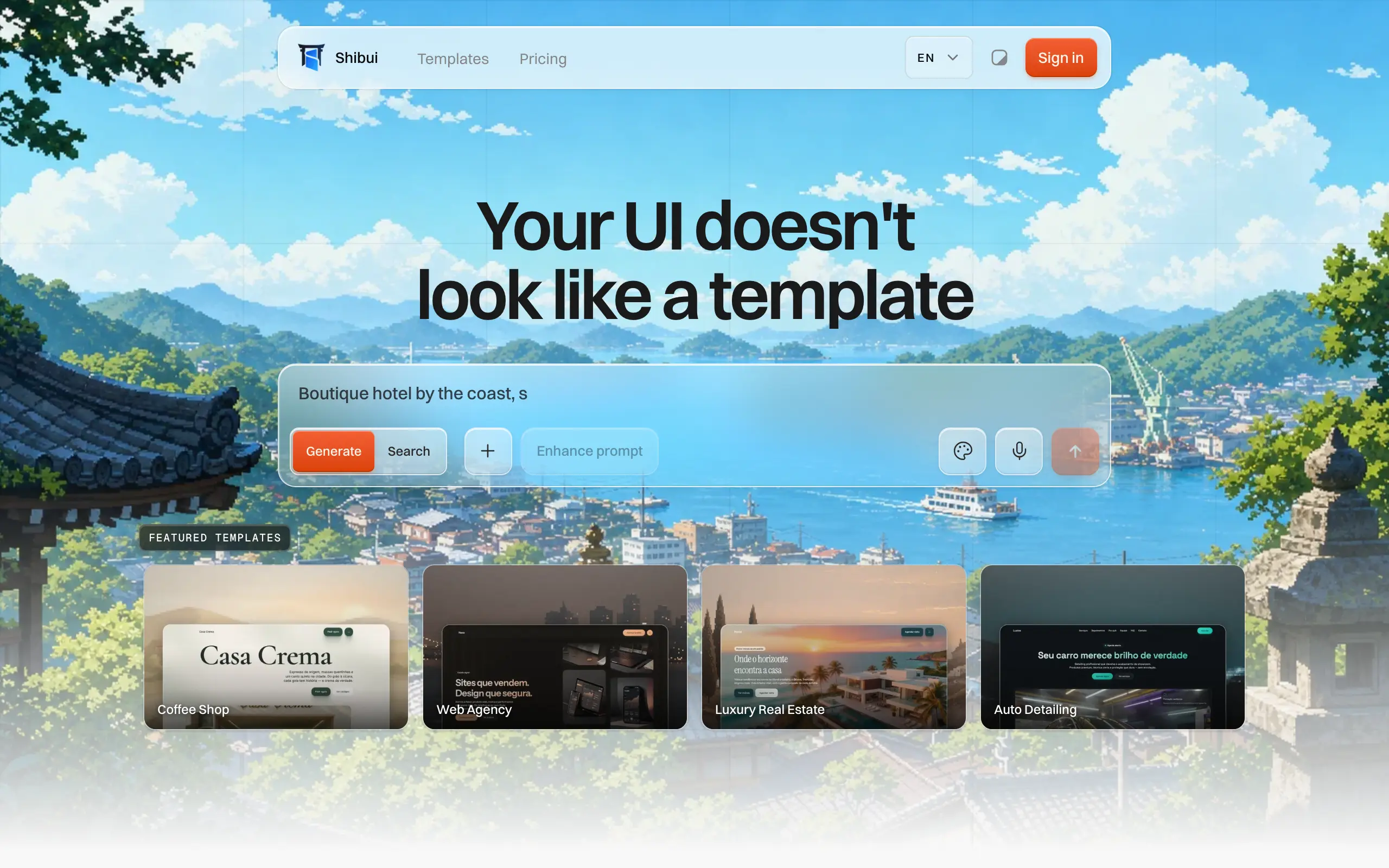
Shibui
AI website builder - describe your business, pick a niche template, edit by chatting, and publish instantly ✨
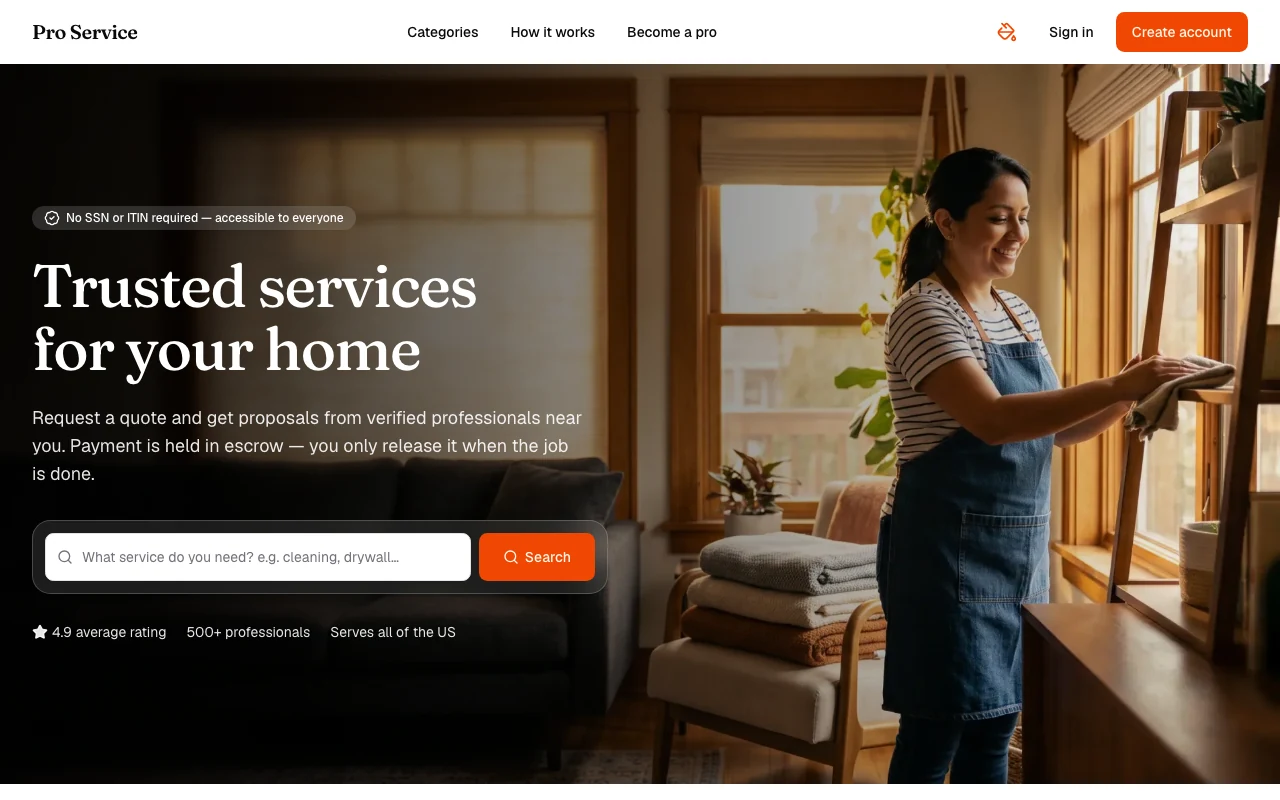
Pro Service
Find verified home service professionals, compare quotes, and pay securely through escrow - built for Brazilians across the US 🏠
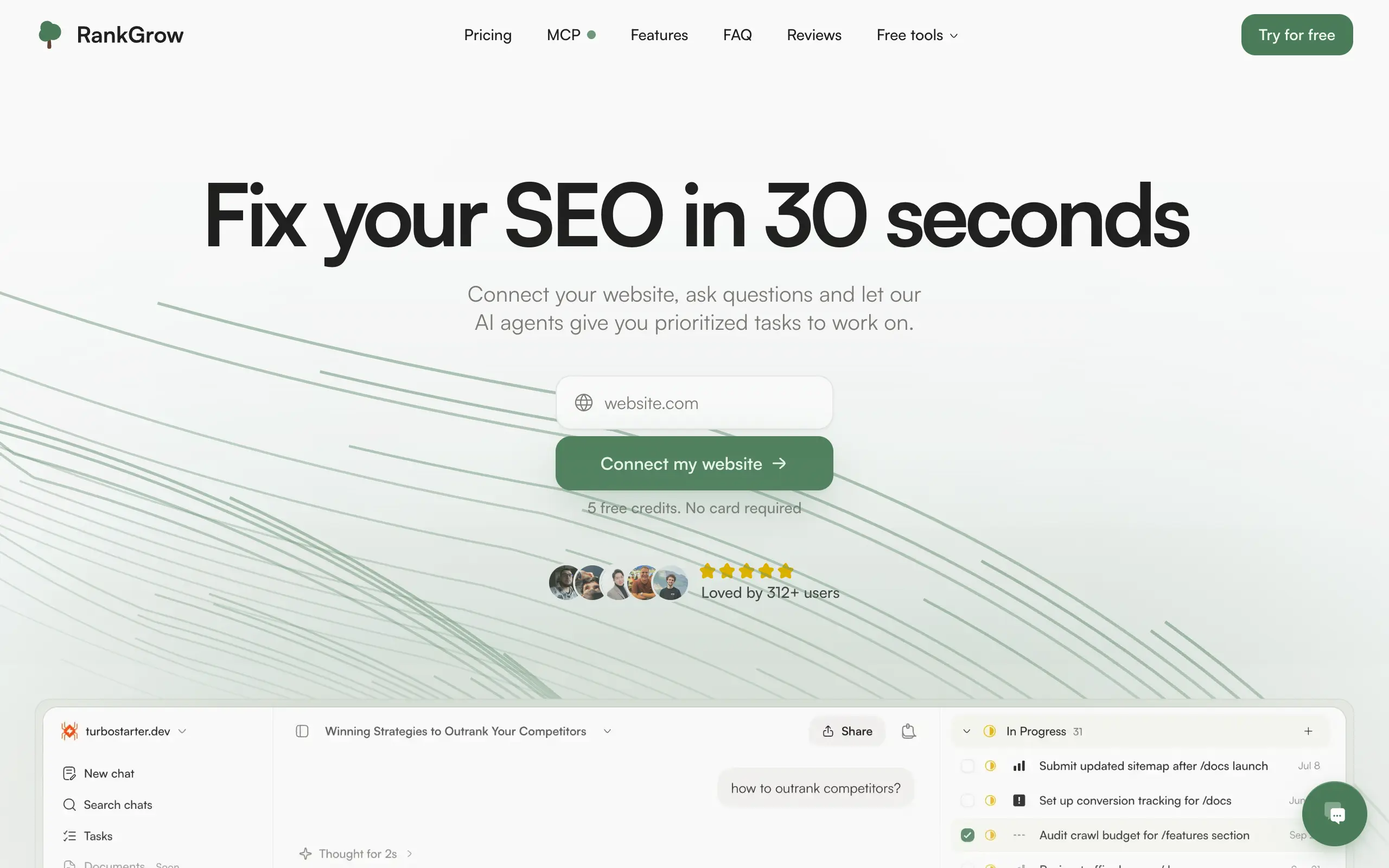
RankGrow
Fix your SEO with AI agents - connect Search Console, get prioritized tasks, and grow organic traffic 📈
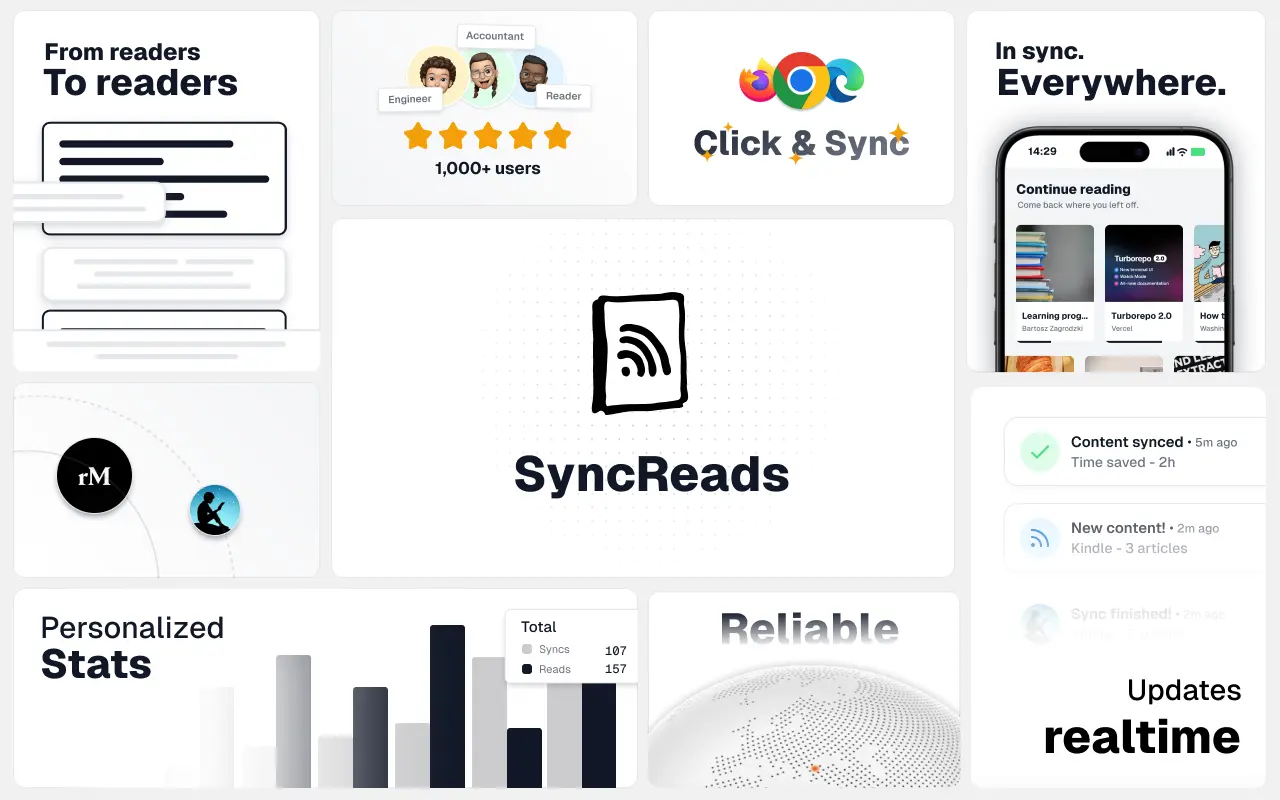
SyncReads
Sync your favorite content for distraction-free reading, save time and replace multiple apps. Anytime, anywhere 🔄
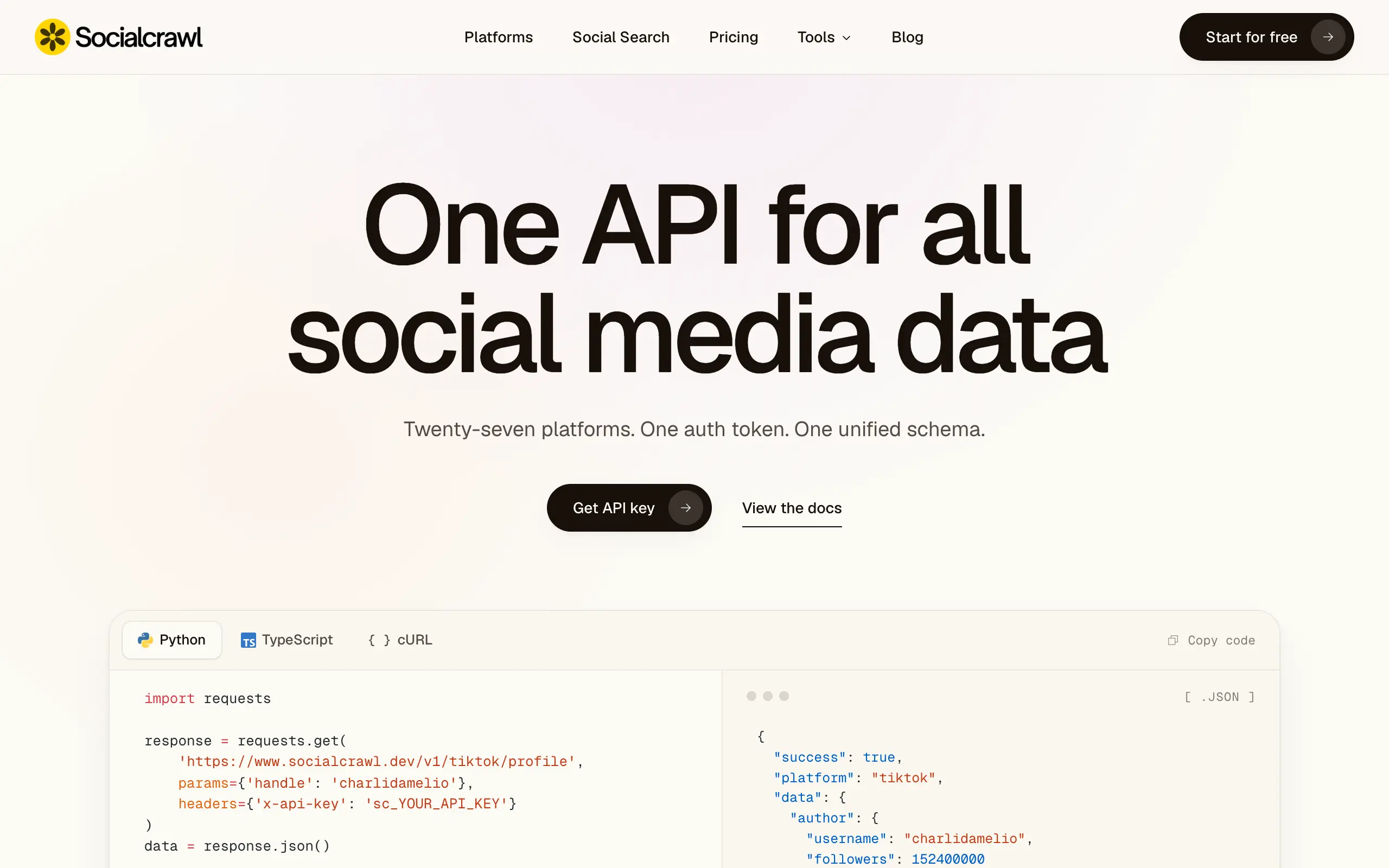
Socialcrawl
Get clean, structured data from 21 platforms like TikTok, Instagram, and YouTube with a single request 📊
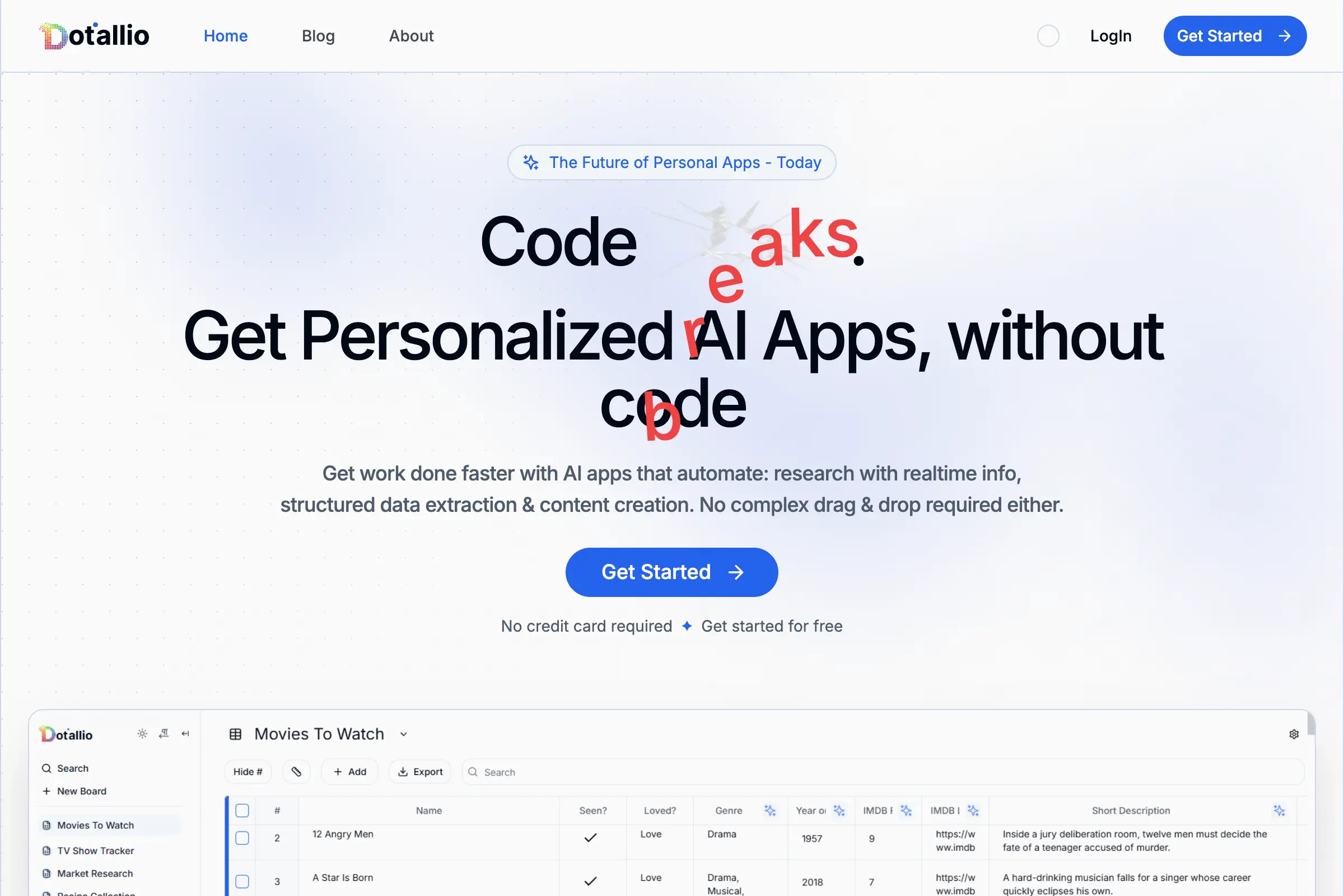
Dotallio
Personalized AI apps that automate research, data extraction, and content creation without code 🤖
Shibui
AI website builder - describe your business, pick a niche template, edit by chatting, and publish instantly ✨
Pro Service
Find verified home service professionals, compare quotes, and pay securely through escrow - built for Brazilians across the US 🏠
RankGrow
Fix your SEO with AI agents - connect Search Console, get prioritized tasks, and grow organic traffic 📈
SyncReads
Sync your favorite content for distraction-free reading, save time and replace multiple apps. Anytime, anywhere 🔄
Socialcrawl
Get clean, structured data from 21 platforms like TikTok, Instagram, and YouTube with a single request 📊
Dotallio
Personalized AI apps that automate research, data extraction, and content creation without code 🤖
Shibui
AI website builder - describe your business, pick a niche template, edit by chatting, and publish instantly ✨
Pro Service
Find verified home service professionals, compare quotes, and pay securely through escrow - built for Brazilians across the US 🏠
RankGrow
Fix your SEO with AI agents - connect Search Console, get prioritized tasks, and grow organic traffic 📈
SyncReads
Sync your favorite content for distraction-free reading, save time and replace multiple apps. Anytime, anywhere 🔄
Socialcrawl
Get clean, structured data from 21 platforms like TikTok, Instagram, and YouTube with a single request 📊
Dotallio
Personalized AI apps that automate research, data extraction, and content creation without code 🤖
Shibui
AI website builder - describe your business, pick a niche template, edit by chatting, and publish instantly ✨
Pro Service
Find verified home service professionals, compare quotes, and pay securely through escrow - built for Brazilians across the US 🏠
RankGrow
Fix your SEO with AI agents - connect Search Console, get prioritized tasks, and grow organic traffic 📈
SyncReads
Sync your favorite content for distraction-free reading, save time and replace multiple apps. Anytime, anywhere 🔄
Socialcrawl
Get clean, structured data from 21 platforms like TikTok, Instagram, and YouTube with a single request 📊
Dotallio
Personalized AI apps that automate research, data extraction, and content creation without code 🤖
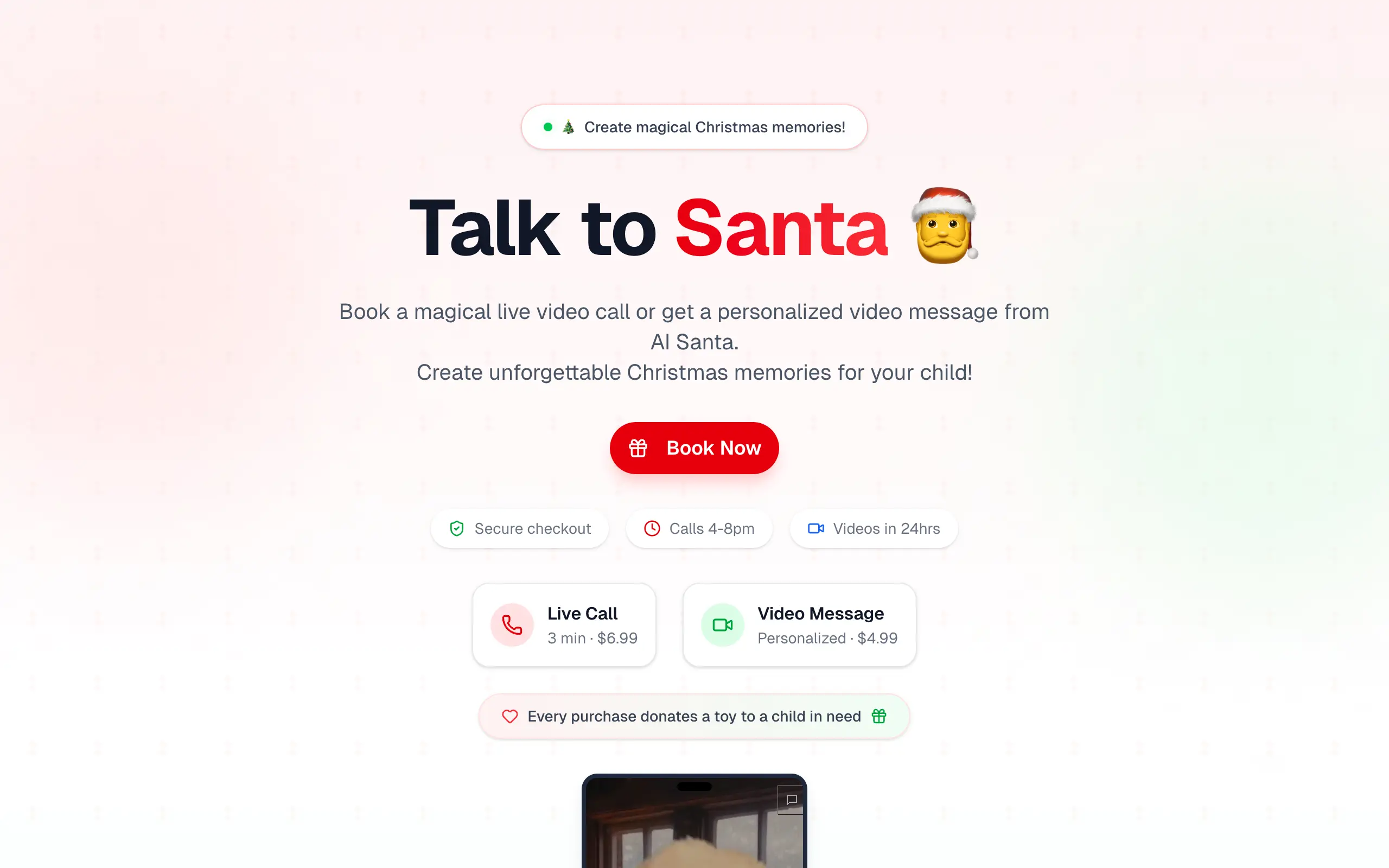
Talk to Santa
Enjoy a magical live video chat or receive a unique AI-generated video greeting from Santa Claus 🎅
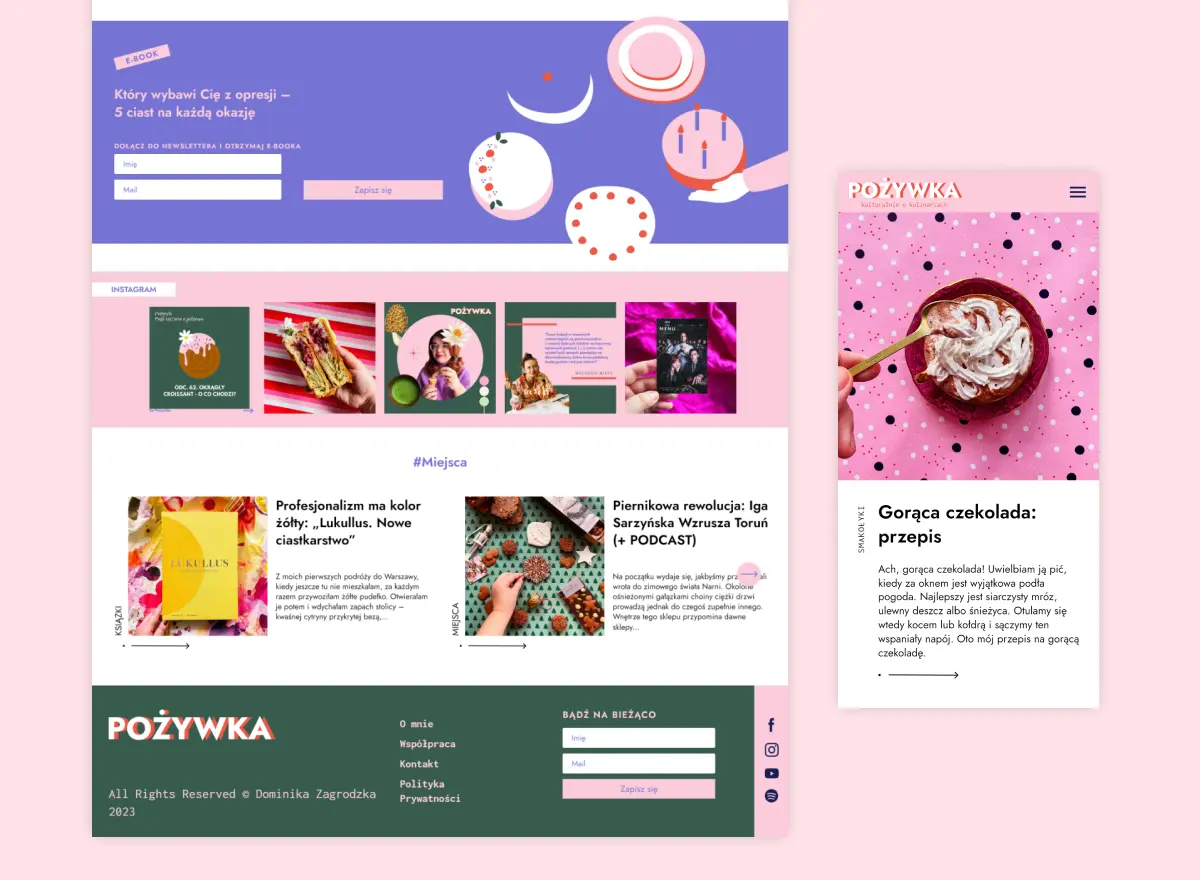
pozywka.pl
Scalable blog for food journalist, focused on performance and user experience 🌭
zagrodzki.me
Personal blog and portfolio of Bart Zagrodzki, where he shares his knowledge and work 💼
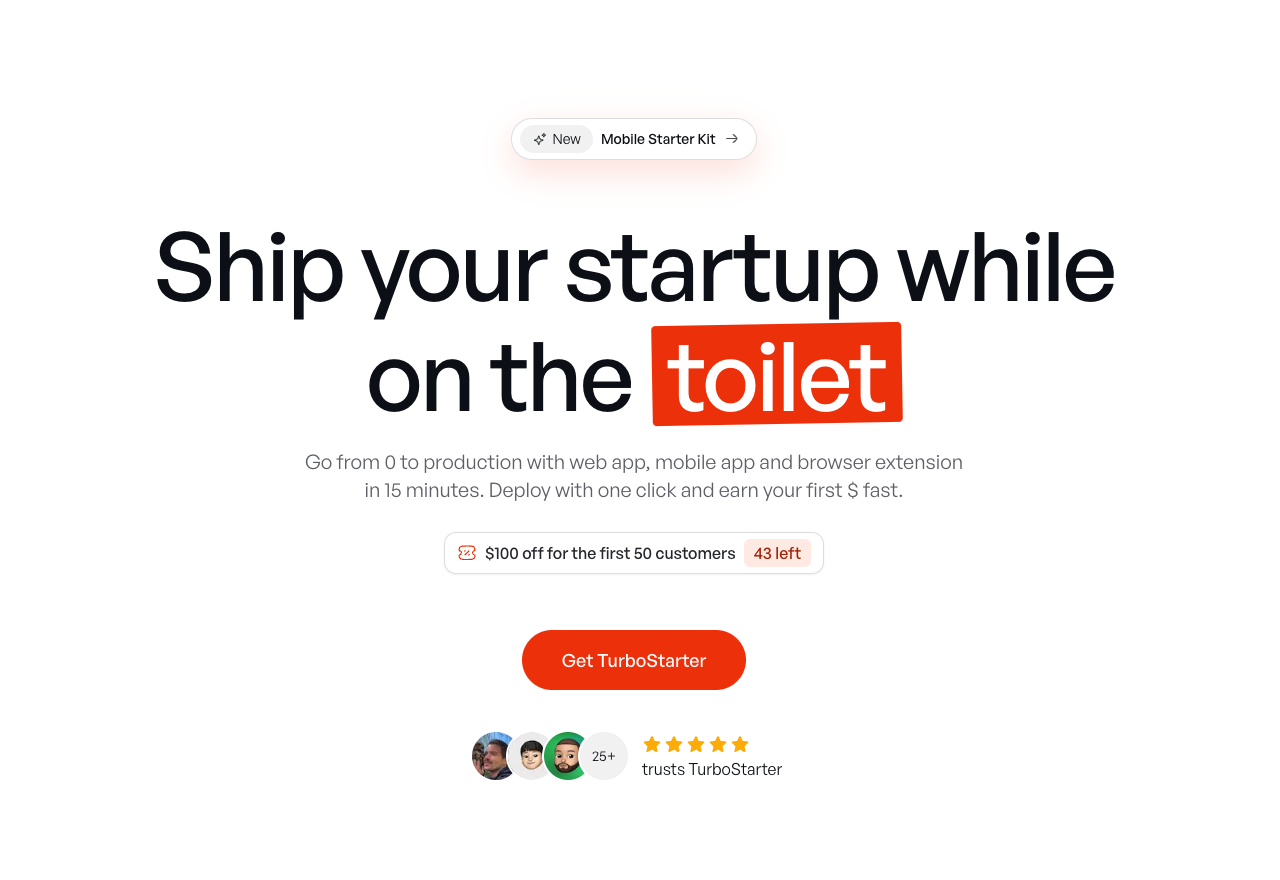
TurboStarter
Ship your startup everywhere. In minutes.
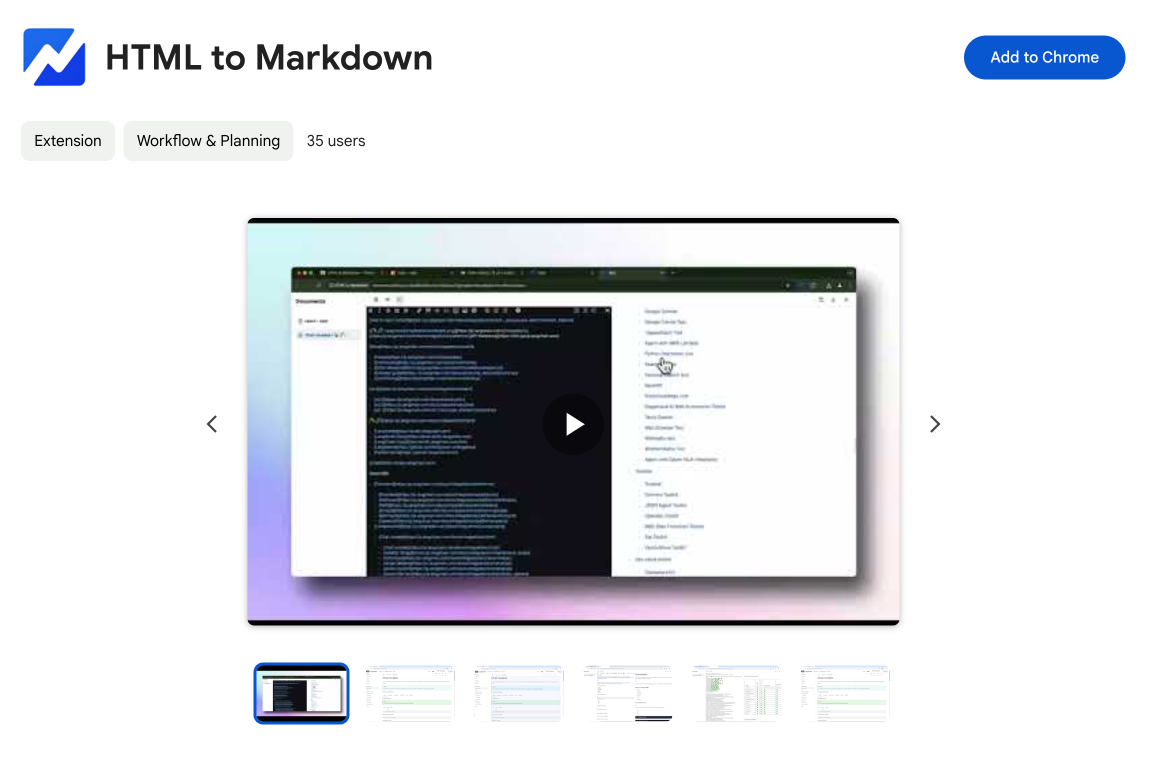
HTML to Markdown
Convert HTML to Markdown with ease, directly in your browser 📄
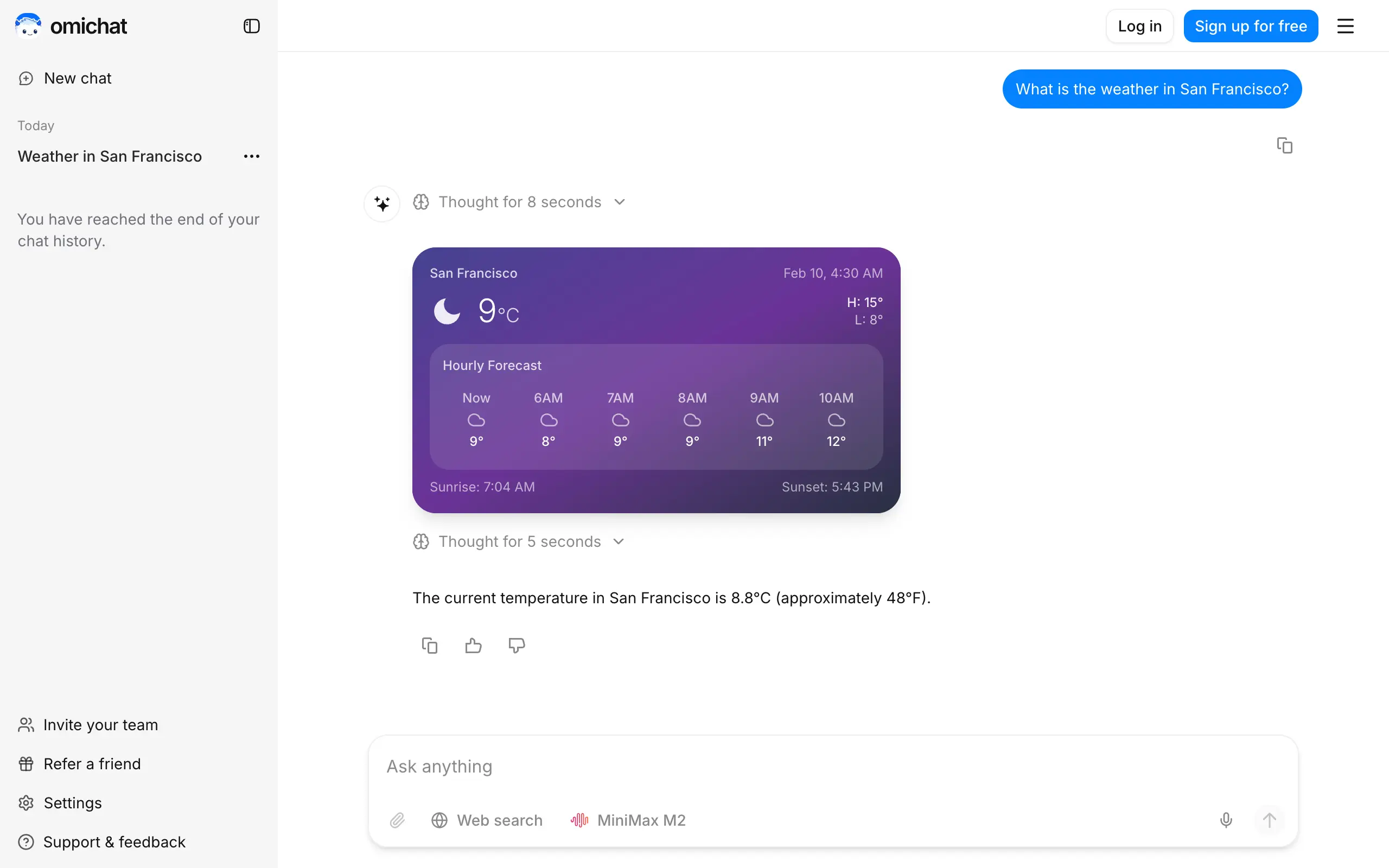
Omichat
Chat with 50+ AI models, including ChatGPT and Claude, in one place - switch models anytime without losing context 🤖
Talk to Santa
Enjoy a magical live video chat or receive a unique AI-generated video greeting from Santa Claus 🎅
pozywka.pl
Scalable blog for food journalist, focused on performance and user experience 🌭
zagrodzki.me
Personal blog and portfolio of Bart Zagrodzki, where he shares his knowledge and work 💼
TurboStarter
Ship your startup everywhere. In minutes.
HTML to Markdown
Convert HTML to Markdown with ease, directly in your browser 📄
Omichat
Chat with 50+ AI models, including ChatGPT and Claude, in one place - switch models anytime without losing context 🤖
Talk to Santa
Enjoy a magical live video chat or receive a unique AI-generated video greeting from Santa Claus 🎅
pozywka.pl
Scalable blog for food journalist, focused on performance and user experience 🌭
zagrodzki.me
Personal blog and portfolio of Bart Zagrodzki, where he shares his knowledge and work 💼
TurboStarter
Ship your startup everywhere. In minutes.
HTML to Markdown
Convert HTML to Markdown with ease, directly in your browser 📄
Omichat
Chat with 50+ AI models, including ChatGPT and Claude, in one place - switch models anytime without losing context 🤖
Talk to Santa
Enjoy a magical live video chat or receive a unique AI-generated video greeting from Santa Claus 🎅
pozywka.pl
Scalable blog for food journalist, focused on performance and user experience 🌭
zagrodzki.me
Personal blog and portfolio of Bart Zagrodzki, where he shares his knowledge and work 💼
TurboStarter
Ship your startup everywhere. In minutes.
HTML to Markdown
Convert HTML to Markdown with ease, directly in your browser 📄
Omichat
Chat with 50+ AI models, including ChatGPT and Claude, in one place - switch models anytime without losing context 🤖
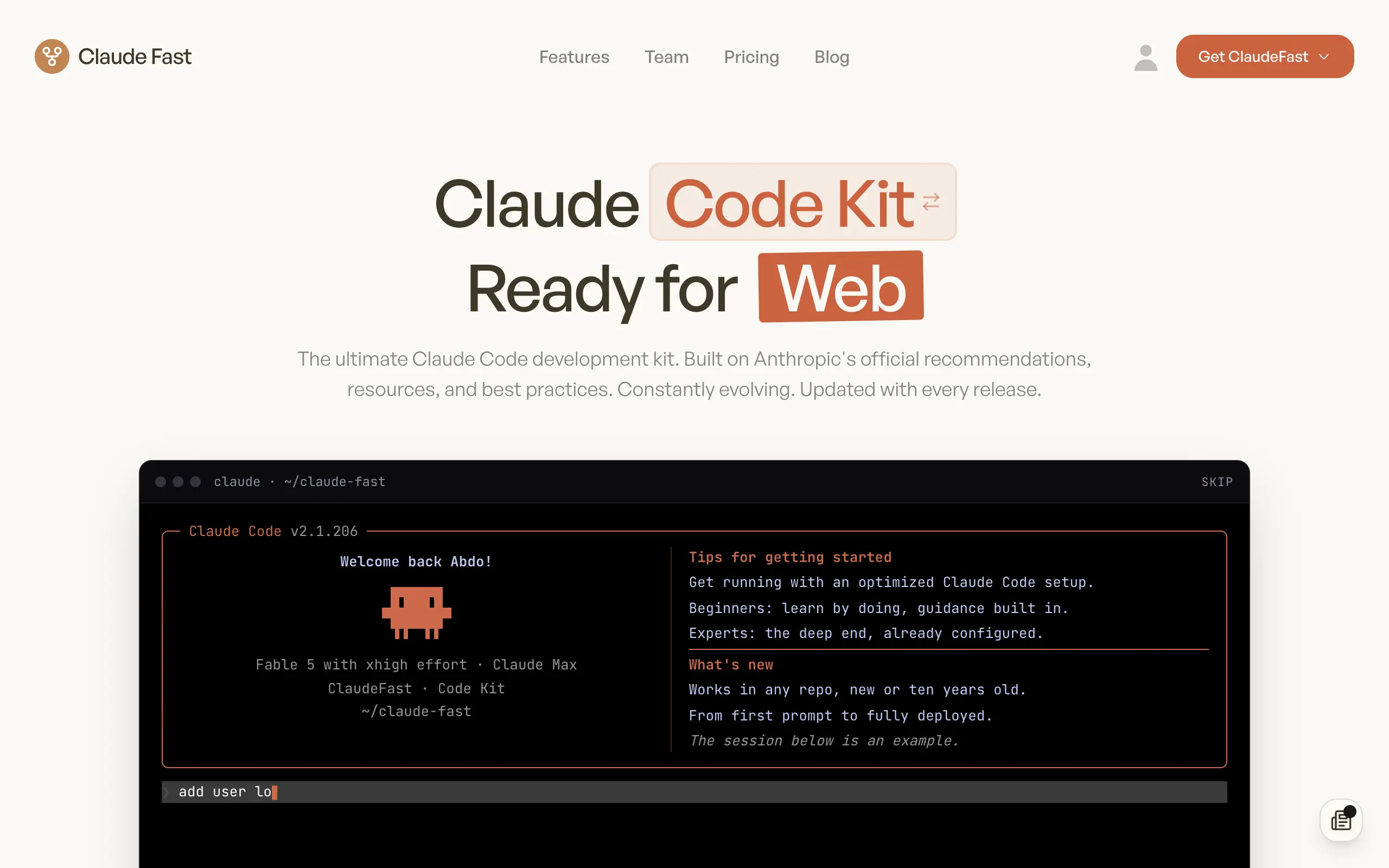
Claude Fast
Supercharge your Claude Code with 6x effective context window and specialized AI agents 🤖
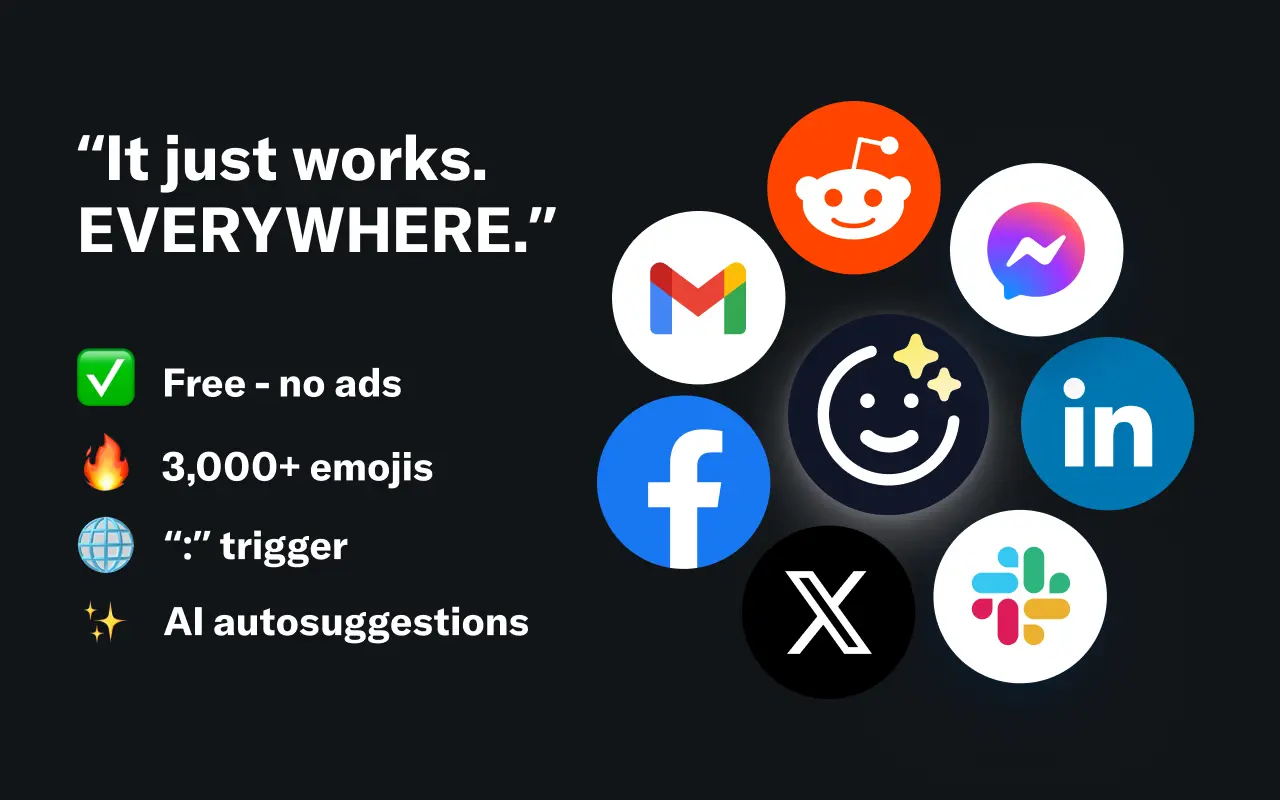
EmojAI
AI-powered emoji picker with smart, context-aware suggestions 🤖
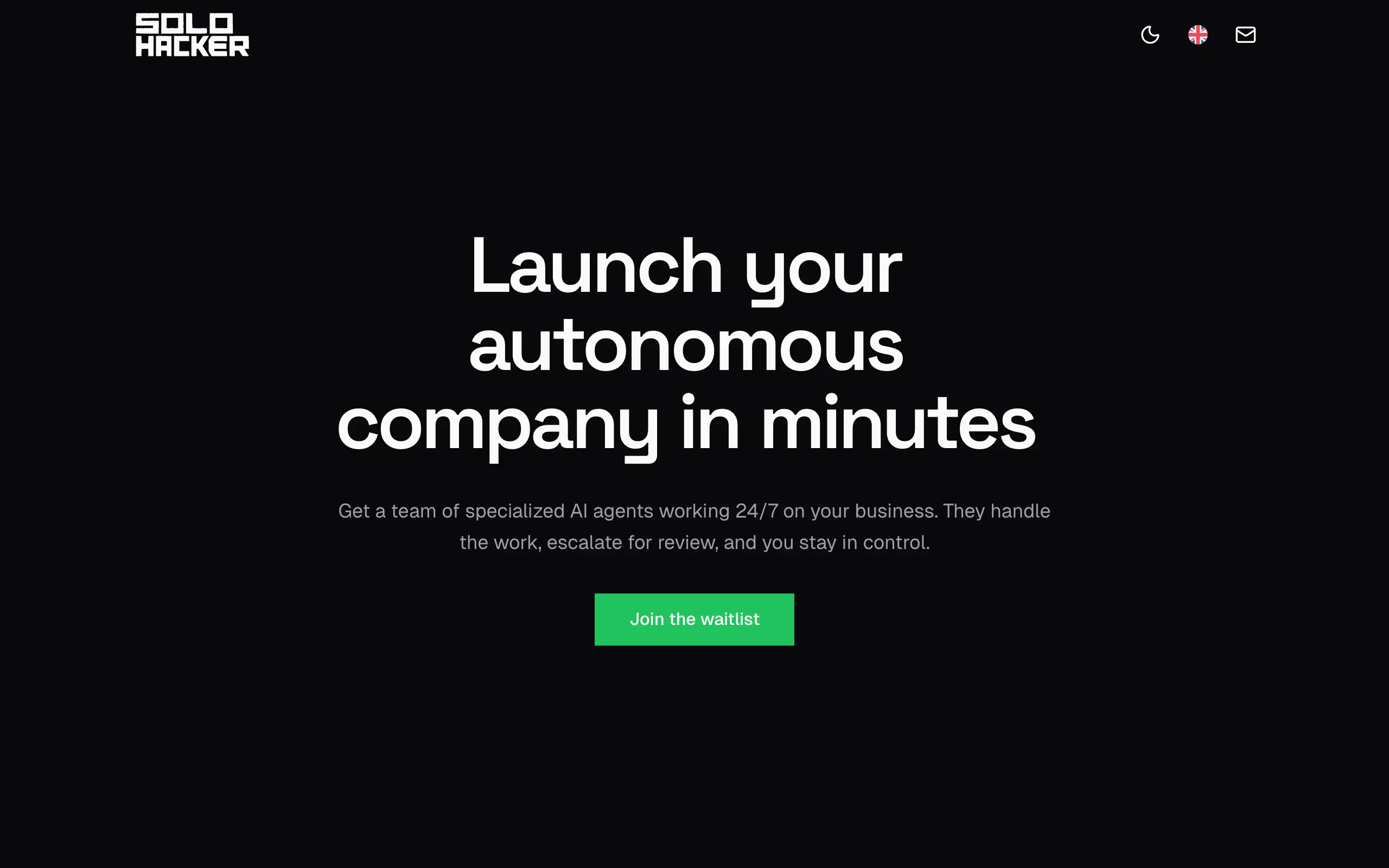
Solohacker
Autonomous company launcher - AI agents work 24/7, escalate what matters, and you stay in control 🤖
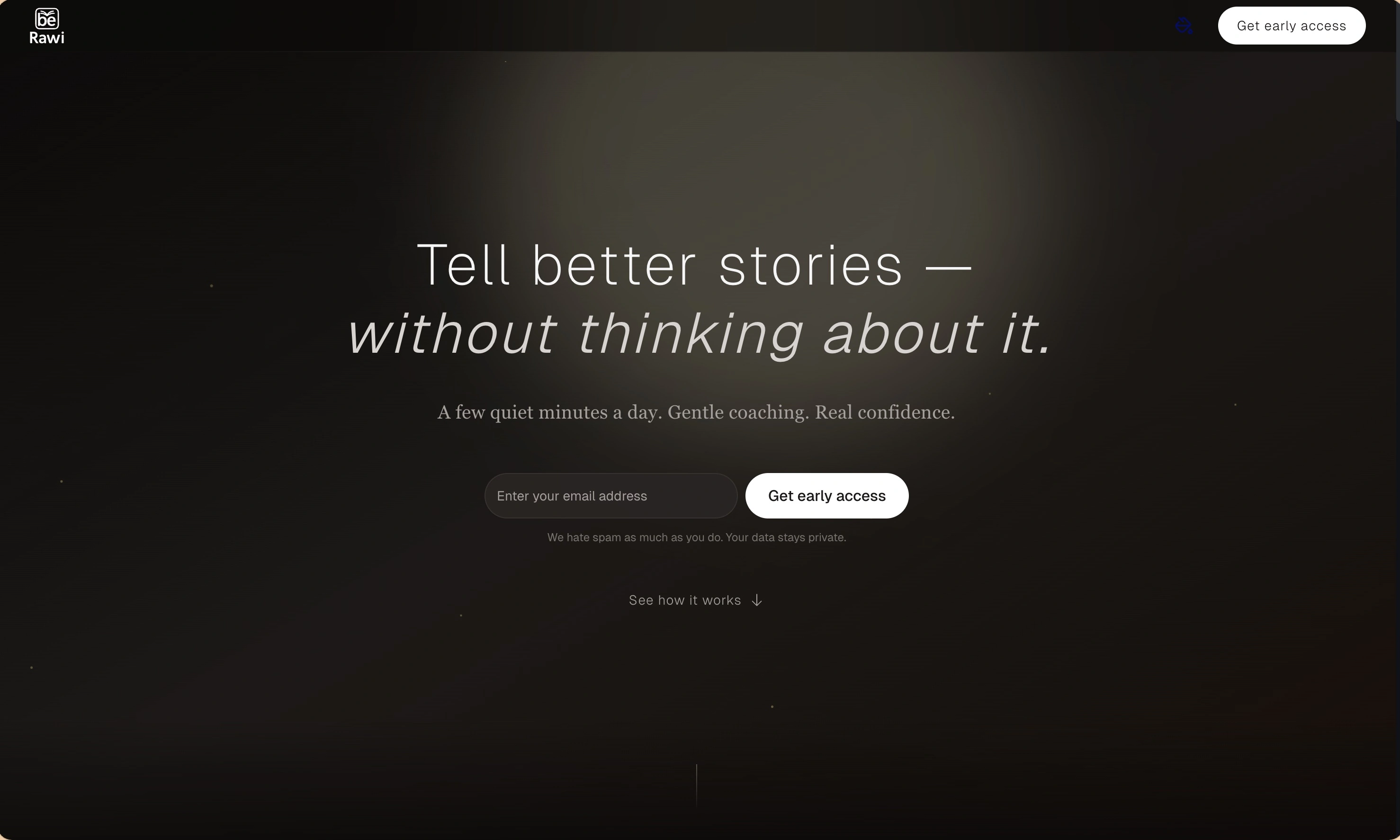
BeRawi: Storytelling Coach
Practice storytelling daily with instant feedback to sound clearer, more engaging, and confident 🎤
Claude Fast
Supercharge your Claude Code with 6x effective context window and specialized AI agents 🤖
EmojAI
AI-powered emoji picker with smart, context-aware suggestions 🤖
Solohacker
Autonomous company launcher - AI agents work 24/7, escalate what matters, and you stay in control 🤖
BeRawi: Storytelling Coach
Practice storytelling daily with instant feedback to sound clearer, more engaging, and confident 🎤
Claude Fast
Supercharge your Claude Code with 6x effective context window and specialized AI agents 🤖
EmojAI
AI-powered emoji picker with smart, context-aware suggestions 🤖
Solohacker
Autonomous company launcher - AI agents work 24/7, escalate what matters, and you stay in control 🤖
BeRawi: Storytelling Coach
Practice storytelling daily with instant feedback to sound clearer, more engaging, and confident 🎤
Claude Fast
Supercharge your Claude Code with 6x effective context window and specialized AI agents 🤖
EmojAI
AI-powered emoji picker with smart, context-aware suggestions 🤖
Solohacker
Autonomous company launcher - AI agents work 24/7, escalate what matters, and you stay in control 🤖
BeRawi: Storytelling Coach
Practice storytelling daily with instant feedback to sound clearer, more engaging, and confident 🎤

Connect with like-minded people
Join our community to get feedback, support, and grow together with 1,000+ builders on board, let's ship it!
Join usShip your startup everywhere. In minutes.
Don't burn tokens on setup and start building features on day one.