SmartRAG Hub
Centralize company knowledge and automate retrieval using a RAG-powered AI hub that connects with email, chat, and calendars.
Understanding SmartRAG Hub: The new era of intelligent knowledge management
SmartRAG Hub is an AI-powered SaaS platform designed to centralize company knowledge and automate information retrieval. By leveraging Retrieval-Augmented Generation (RAG) models, SmartRAG Hub acts as a company’s knowledge nucleus—integrating seamlessly with core sources like email, chat, and calendars. This approach crushes information silos, accelerates employee workflows, and ensures team members get precise, context-rich answers from vast troves of unstructured data.
In this article, we’ll explore the ins and outs of building and scaling a SaaS like SmartRAG Hub. We’ll look at the market gap, core features, recommended technology stack, implementation roadmap, and strategic considerations—all grounded in current best practices for AI SaaS products. Let’s dive in.
Target audience analysis: Who needs a RAG-powered AI knowledge hub?
Understanding the target audience is essential for product-market fit. For SmartRAG Hub, the potential user base shares a clear pain point: critical company information is scattered across dozens of digital platforms, leading to wasted time and missed opportunities.
Primary audience segments
- Fast-growing startups: Rapid scaling means documentation is often ad hoc and scattered across Gmail, Slack, Notion, etc. Teams crave one-click, AI-powered answers.
- Midsize & enterprise businesses: Knowledge silos across departments hinder collaboration. Compliance, onboarding, and business continuity all require frictionless information access.
- Remote-first & distributed teams: As remote work becomes the norm (Statista notes over 28% of US employees work remotely in 2023), Statista: Remote Work centralized and retrievable internal knowledge is business-critical.
- Customer support and success teams: These teams need quick, relevant answers from past conversations, help desk tickets, and product docs.
- IT & operations: Automation of information retrieval can address IT tickets and operational queries without human bottlenecks.
Key pain points
- Wasted time searching for documents, emails, or chat history
- Knowledge loss from employee turnover or remote work transitions
- Difficult onboarding due to scattered company resources
- Compliance risks stemming from poor information management
- Inefficient workflows and duplicated effort
Persona snapshot
Startup CTO
Wants robust internal search across email, chat, and docs without building from scratch.
Operations Manager
Needs a knowledge source-of-truth for smooth employee onboarding.
Remote Support Lead
Aims to instantly surface prior tickets or company policies during live chats.
The market gap: Why do teams need SmartRAG Hub now?
Despite countless tools for messaging (Slack, Teams), email (Gmail, Outlook), and calendars, truly intelligent internal knowledge management remains elusive for most organizations. The explosion of SaaS tools has created new silos rather than unifying knowledge.
Existing solutions often fall short:
Traditional enterprise search is rigid, keyword-based, or cannot parse context from calendar invites, chat messages, and emails together. External AI chatbots aren’t tailored to an organization's unique data or compliance needs. Companies face barriers like:
- Lack of automation in consolidating knowledge from diverse sources
- Limited contextualization—most solutions can’t “understand” complex, nuanced queries
- Manual effort to update and curate internal FAQs or wikis
Recent technological advances—particularly Retrieval-Augmented Generation (RAG)—enable next-generation internal knowledge hubs. RAG combines traditional search (vector embeddings, semantic search) with generative AI, allowing employees to ask questions in natural language and get accurate, sourced answers.
Competitive edge:
SmartRAG Hub promises to be more than “just another search bar”:
- It draws real-time insights across dynamic sources (email, chat, calendar)
- It enables context-rich, actionable AI-driven answers vs. shallow keyword search
- It automates ingestion and sync, reducing manual setup and ongoing maintenance
Core features & solution details: Powering up knowledge with RAG AI
SmartRAG Hub’s core value lies in its seamless blend of accessibility, automation, and intelligence. Here's what sets it apart:
1. Unified knowledge ingestion
- Automated connectors for Gmail, Outlook, Slack, Microsoft Teams, Google Calendar, and more
- Scheduled background syncs and real-time webhook triggers
- Drag-and-drop import for documents, PDFs, and knowledge snippets
2. RAG-powered semantic search & Q&A
- Natural language question answering—all powered by Retrieval-Augmented Generation
- Answers with references: every output cites its original source, increasing trust
- Handles unstructured data (emails, chat logs, calendar events) with context-aware retrieval
3. Automation & workflow integration
- Browser extension for instant lookup anywhere
- API access for integrating AI answers into chatbots, ticketing, or intranet
- Smart notifications (e.g., get reminders when a knowledge gap is detected)
4. Role-based access controls & security
- Fine-grained permissions for departments, teams, or external partners
- Encryption at rest and in transit, with support for SSO and audit logs
5. Analytics & feedback loops
- Search analytics dashboard—track common queries, knowledge gaps, and solution accuracy
- Continuous retraining based on user feedback (“thumbs up/down” on answers)
Innovation highlight: Live context enrichment
Unlike legacy search, SmartRAG Hub can blend a user’s calendar events, current conversation context, and past emails to personalize each answer, making it actionable and relevant.
Recommended tech stack and architecture choices
Implementing a robust, scalable SmartRAG Hub requires aligning proven technologies with the latest in AI and data security. Here’s a blueprint, including trade-offs:
Frontend
- React: Fast, component-driven, with a massive ecosystem. Ideal for building interactive dashboards and semantic search interfaces.
- TailwindCSS: Effortless utility-first styling keeps UIs clean and maintainable.
- Browser Extension: Manifest V3 for Chrome compatibility and improved security.
Backend
- API and orchestration: Node.js, fast, mature, and scalable.
- Data sync & integration: Microservices connecting to email/chat/calendar APIs (Gmail API, Slack API, etc.)
- Authentication & permissions: Auth0 or open-source alternatives for secure, standards-compliant SSO.
AI & knowledge retrieval
- Semantic search & embeddings: OpenAI embeddings (or open-source options like Sentence Transformers)
- RAG orchestration: LangChain or build custom RAG pipelines using Python (trade-off: LangChain accelerates prototyping, but custom can be more fine-tuned).
- Database: PostgreSQL (metadata, auth), Pinecone or Weaviate for vector storage.
Security & compliance
- End-to-end encryption: Use industry best practices (TLS, field-level encryption).
- Audit logging: For compliance and enterprise requirements.
Trade-offs
- Proprietary AI APIs (like OpenAI) offer rapid results but risk vendor lock-in and variable costs. Open-source models + on-prem or private cloud hosting give more control at the expense of setup complexity.
- Cloud-native deployment (AWS, GCP, Azure) accelerates scaling but requires careful cost management.
| OpenAI API | Open-source models | Pinecone | PostgreSQL | LangChain |
|---|---|---|---|---|
| ✅ | ❌ | ❌ | ✅ | ❌ |
| ✅ | ❌ | ✅ | ✅ | ❌ |
Monetization strategies: How SmartRAG Hub can generate revenue
There are several proven routes to SaaS monetization, each fitting different customer segments and scaling goals.
Subscription-based pricing
- Tiered plans (Freemium, Pro, Enterprise) based on number of integrations, data limits, and admin features
- Per-seat/monthly pricing: Standard for B2B SaaS, aligns value with company growth
Usage-based pricing
- Charge per number of AI queries, knowledge sources connected, or monthly API calls
- Scales well for heavy users; transparency is key to avoid “bill shock”
Enterprise contracts & add-ons
- Priority support, dedicated onboarding, or private cloud deployment as premium features
- Compliance modules (e.g., HIPAA, SOC2) as add-ons
API access & platform partnerships
- Offer API or white-labeled integrations for third-party SaaS tools
- Revenue share models with ecosystem partners
Focus on delivering continuous value—automated insights, personalized analytics, and pro-active knowledge recommendations—so users rely on SmartRAG Hub daily.
Enable seamless workspace upgrades, and highlight value-added analytics, security/compliance modules, and custom integrations.
Potential risks & mitigation strategies
Launching and scaling an AI-powered SaaS like SmartRAG Hub comes with real-world risks. Below, we outline common pitfalls—and offer actionable strategies to navigate them.
1. Data privacy & security concerns
Risk: Accessing and aggregating sensitive internal data (email, chat) raises legal and privacy questions.
Mitigation:
- Zero-trust security architecture and fine-tuned audit permissions
- Third-party compliance audits (ISO 27001, SOC2)
- In-depth user education on what data is accessed and how it is used
2. AI hallucination & answer reliability
Risk: Generative AI sometimes produces plausible but factually incorrect answers.
Mitigation:
- Always cite sources for AI-generated answers
- Offer human-in-the-loop moderation or feedback options
- Incorporate retrieval-based constraints (RAG) to ensure outputs remain grounded in company data
3. Upkeep of integrations
Risk: APIs for major platforms can change, breaking data sync.
Mitigation:
- Monitor integration health continuously and auto-alert users of issues
- Modular codebase to easily patch and upgrade connectors
- Proactive communication of any degradation or downtime
4. Cost management as user base grows
Risk: AI compute, embeddings storage, and API calls can become expensive at scale.
Mitigation:
- Smart caching/retrieval so repeated questions use stored answers
- Usage-based pricing to pass on some costs to heavier users
- Custom model training for enterprises to minimize API dependencies
Tip
Building trust through transparency—in both security and pricing—will set SmartRAG Hub apart in a crowded AI market.
Competitive advantage analysis: What makes SmartRAG Hub unique?
To succeed in this space, SmartRAG Hub must distinguish itself against both large, horizontal search tools (Microsoft Graph, Google Workspace Search) and niche upstarts. Here’s where SmartRAG Hub stands out:
Unique selling propositions (USPs)
- Deep, RAG-based contextual understanding: Goes beyond keyword or vector search to offer cited, conversational answers grounded in actual company data.
- Plug-and-play, real-time ingestion: Minimal setup with robust integrations AND always-up-to-date knowledge, reducing admin pain.
- Enterprise-grade security out of the box: Automatic encryption, granular permissions, and compliance-first design.
- Continuous feedback and smart retraining: Learning from organizational context and user feedback to consistently improve answer quality.
- Actionable, workflow-ready outputs: Integrates AI-driven insights directly into the systems employees already use (help desk, chat, project management).
Why others struggle
- Legacy solutions falter with unstructured data or complex, multi-modal queries.
- Most AI chatbots aren’t grounded in organization-specific knowledge—they hallucinate or lack relevant search reach.
- Few platforms combine depth of integrations and compliance with true generative AI capabilities.
Actionable implementation steps: Launching your RAG-powered knowledge hub
Getting from idea to a working SmartRAG Hub MVP (minimum viable product) can be efficient with smart planning. Here’s how to proceed:
Research user needs & map knowledge flows: Interview at least 5-10 target users from different company sizes and departments. Understand current pain points and workflow habits.
Prioritize integrations: Start with the most common platforms (Gmail, Slack, Google Calendar). Build robust, reliable data connectors that handle errors gracefully.
Implement a RAG Q&A pipeline: Use LangChain or build a custom orchestrator to handle embedding, semantic search, and generative answer synthesis.
Establish user authentication & permissions: Integrate with identity providers (Auth0), set default roles and security policies.
Design intuitive search & feedback UX: The search interface must feel invisible. Allow users to upvote/downvote answers, add comments, and see citation sources.
Measure, iterate, and scale: Instrument query analytics. Roll out to small teams, gather feedback, and continuously refine RAG retrieval, permissions, and integrations.
Conclusion: Lead the future of AI-driven enterprise knowledge
Centralizing and automating internal knowledge with a RAG-powered platform like SmartRAG Hub isn’t just a productivity win—it’s fast becoming necessary to stay competitive in an increasingly remote, information-dense work world. By aligning with cutting-edge AI, deep integrations, and relentless focus on security and usability, SmartRAG Hub can carve out a durable market niche and deliver compounding value for years to come.
Ready to accelerate your SaaS journey? Join the community of builders transforming knowledge work with next-gen automation at TurboStarter.
More 🤖 AI Startup SaaS ideas
Discover more innovative ai startup SaaS ideas that are trending in 2026. Each idea is AI-generated with market validation and growth potential to help you find your next profitable venture faster than competitors.
Your competitors are building with TurboStarter
Below are some of the SaaS ideas that have been generated and built with our starter kit.
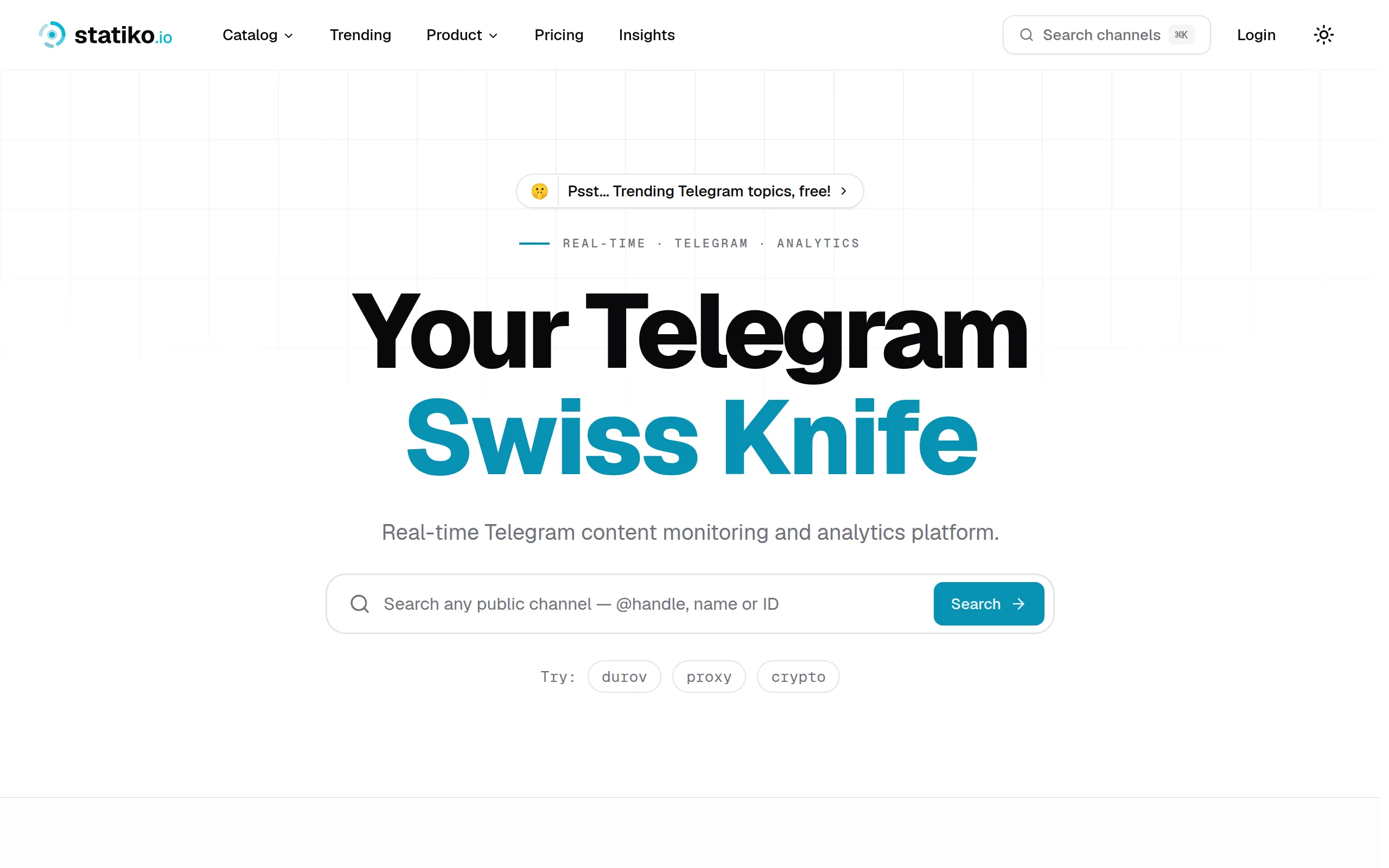
Statiko
Monitor any Telegram channel in real time - track posts, edits, deletions, and growth with AI recaps 📡
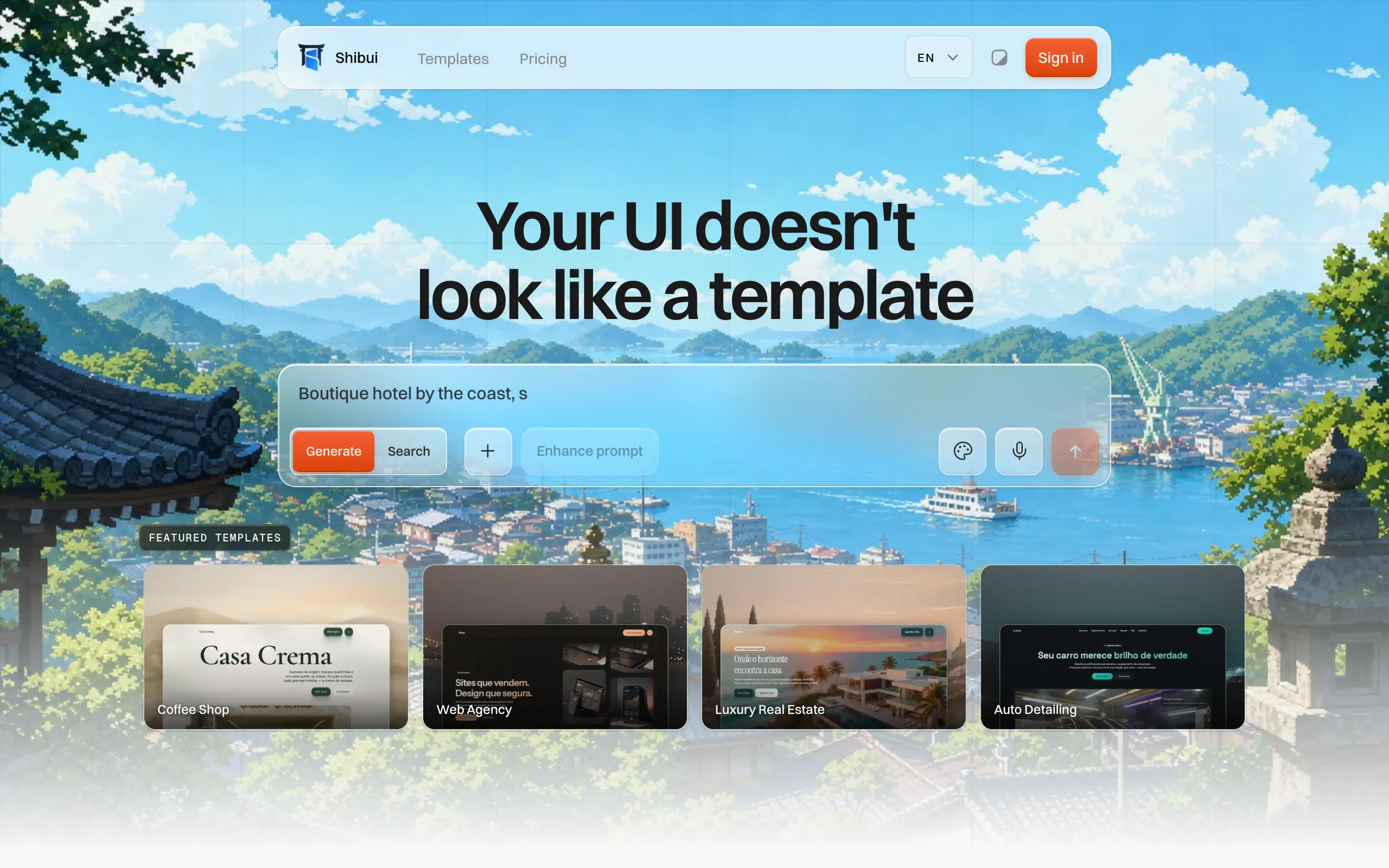
Shibui
AI website builder - describe your business, pick a niche template, edit by chatting, and publish instantly ✨

Pro Service
Find verified home service professionals, compare quotes, and pay securely through escrow - built for Brazilians across the US 🏠
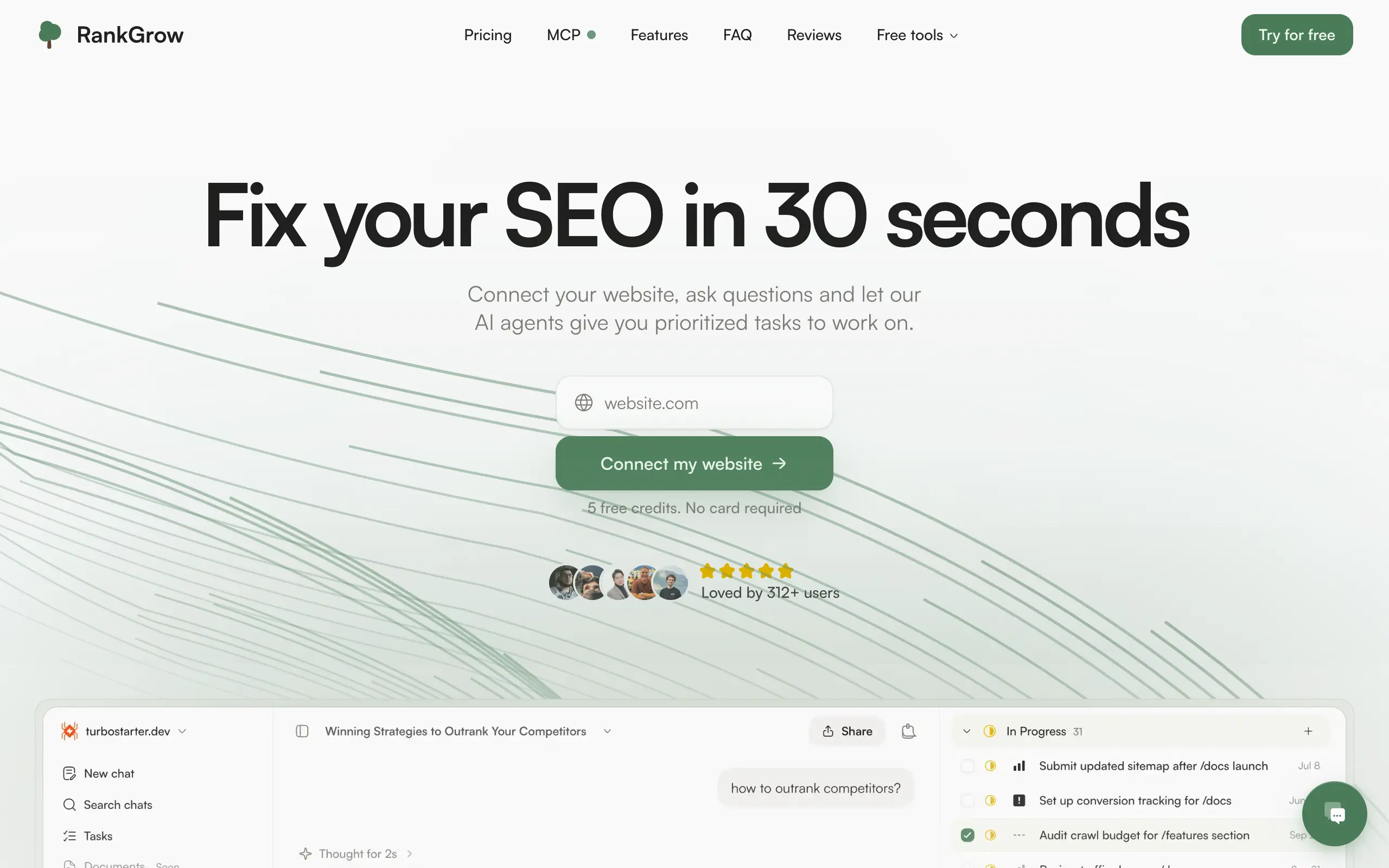
RankGrow
Fix your SEO with AI agents - connect Search Console, get prioritized tasks, and grow organic traffic 📈
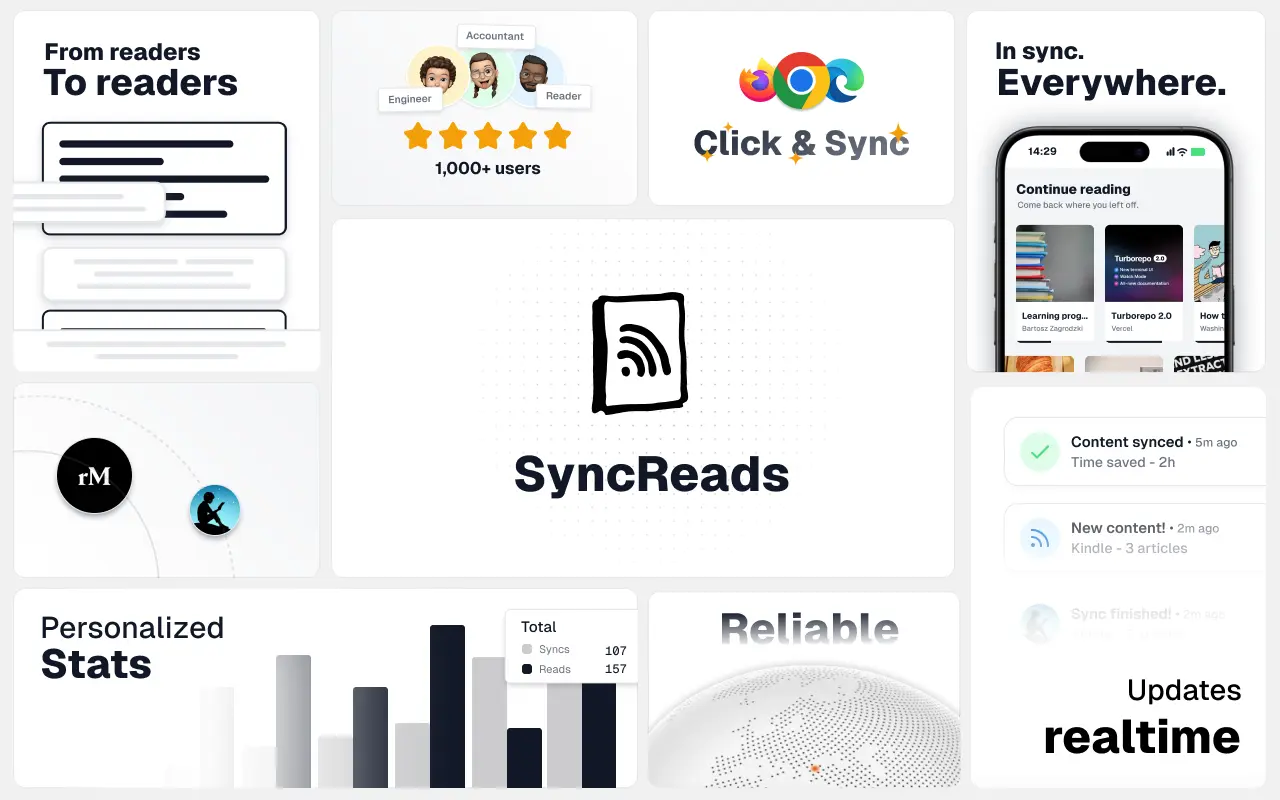
SyncReads
Sync your favorite content for distraction-free reading, save time and replace multiple apps. Anytime, anywhere 🔄
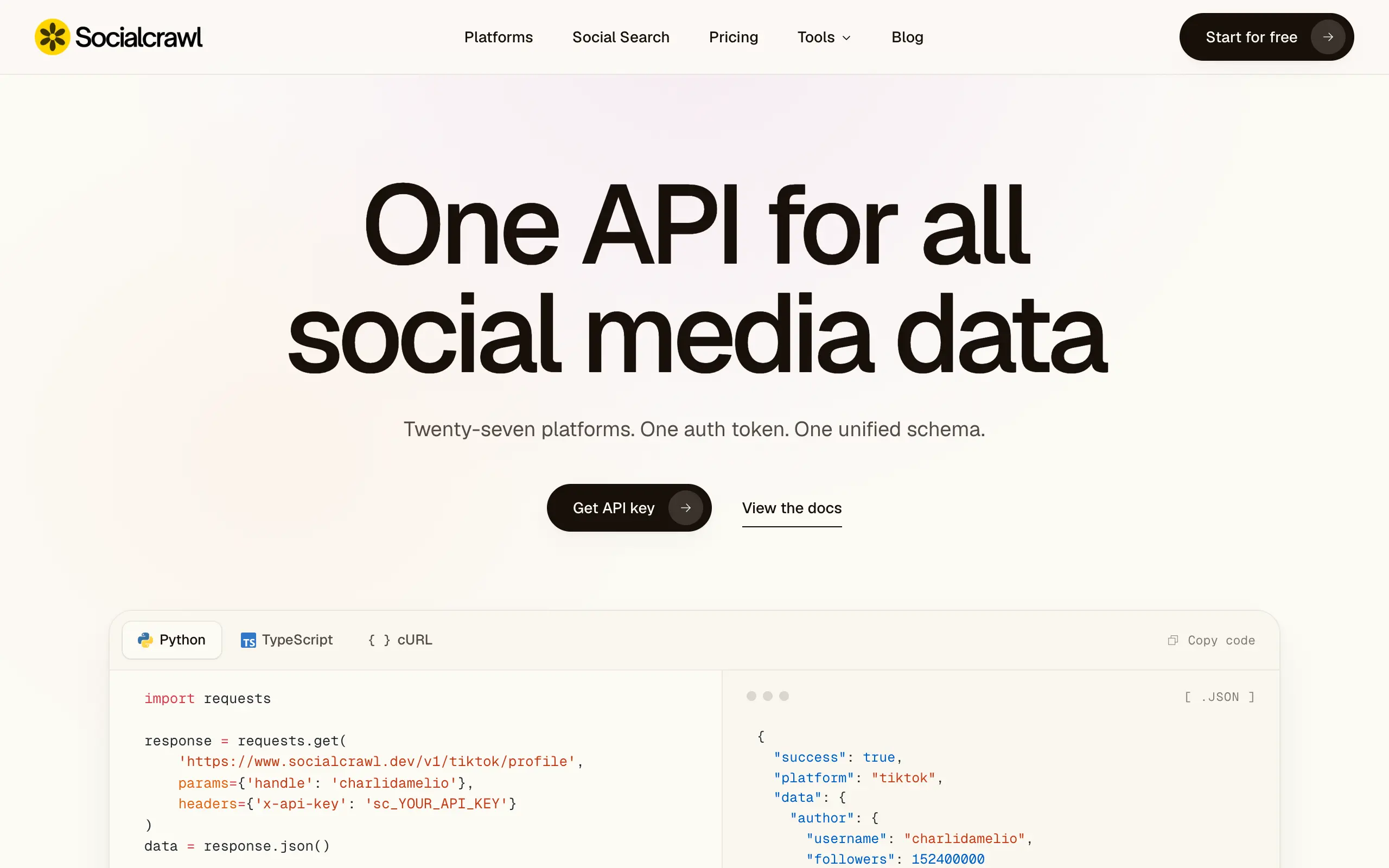
Socialcrawl
Get clean, structured data from 21 platforms like TikTok, Instagram, and YouTube with a single request 📊
Statiko
Monitor any Telegram channel in real time - track posts, edits, deletions, and growth with AI recaps 📡
Shibui
AI website builder - describe your business, pick a niche template, edit by chatting, and publish instantly ✨
Pro Service
Find verified home service professionals, compare quotes, and pay securely through escrow - built for Brazilians across the US 🏠
RankGrow
Fix your SEO with AI agents - connect Search Console, get prioritized tasks, and grow organic traffic 📈
SyncReads
Sync your favorite content for distraction-free reading, save time and replace multiple apps. Anytime, anywhere 🔄
Socialcrawl
Get clean, structured data from 21 platforms like TikTok, Instagram, and YouTube with a single request 📊
Statiko
Monitor any Telegram channel in real time - track posts, edits, deletions, and growth with AI recaps 📡
Shibui
AI website builder - describe your business, pick a niche template, edit by chatting, and publish instantly ✨
Pro Service
Find verified home service professionals, compare quotes, and pay securely through escrow - built for Brazilians across the US 🏠
RankGrow
Fix your SEO with AI agents - connect Search Console, get prioritized tasks, and grow organic traffic 📈
SyncReads
Sync your favorite content for distraction-free reading, save time and replace multiple apps. Anytime, anywhere 🔄
Socialcrawl
Get clean, structured data from 21 platforms like TikTok, Instagram, and YouTube with a single request 📊
Statiko
Monitor any Telegram channel in real time - track posts, edits, deletions, and growth with AI recaps 📡
Shibui
AI website builder - describe your business, pick a niche template, edit by chatting, and publish instantly ✨
Pro Service
Find verified home service professionals, compare quotes, and pay securely through escrow - built for Brazilians across the US 🏠
RankGrow
Fix your SEO with AI agents - connect Search Console, get prioritized tasks, and grow organic traffic 📈
SyncReads
Sync your favorite content for distraction-free reading, save time and replace multiple apps. Anytime, anywhere 🔄
Socialcrawl
Get clean, structured data from 21 platforms like TikTok, Instagram, and YouTube with a single request 📊
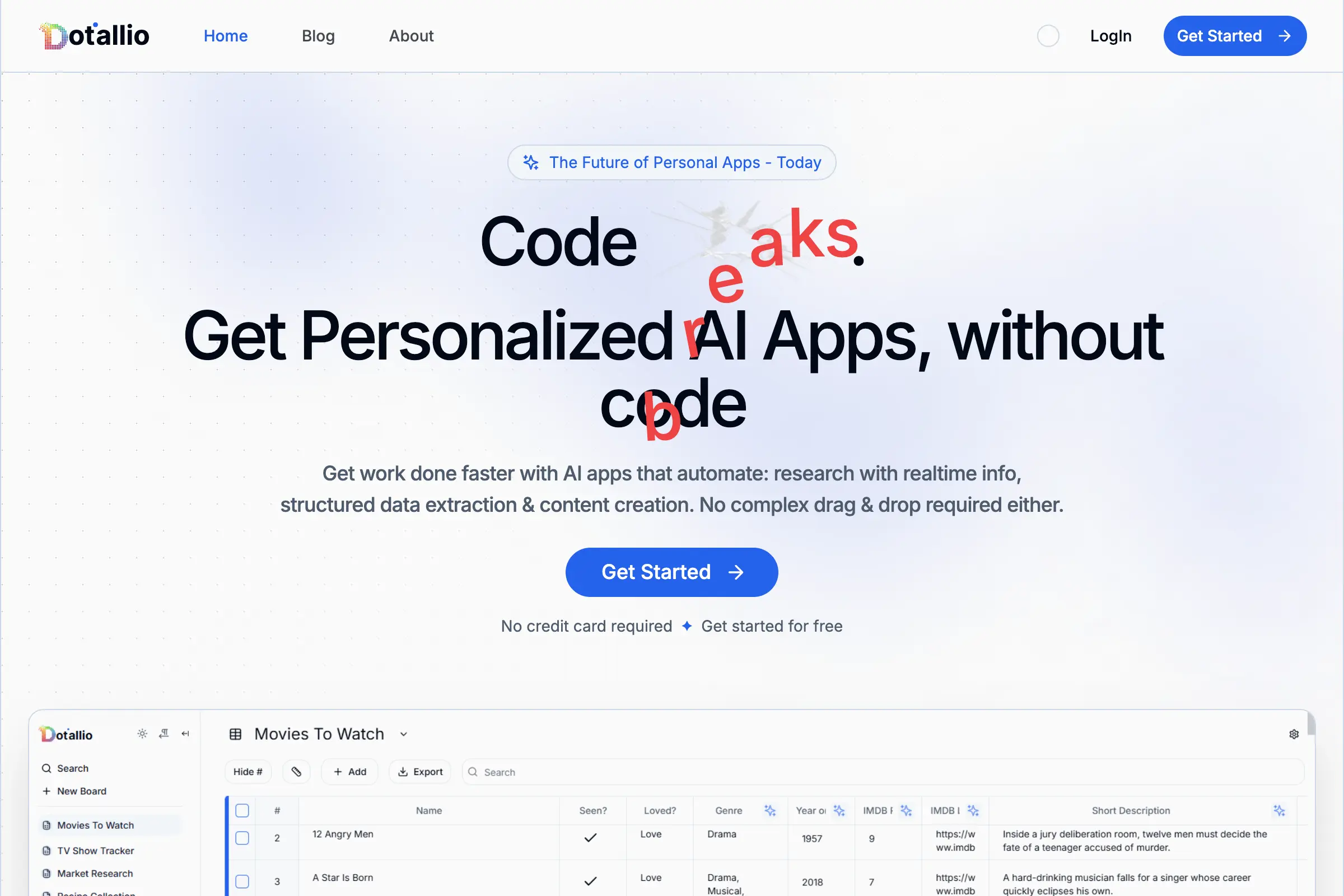
Dotallio
Personalized AI apps that automate research, data extraction, and content creation without code 🤖
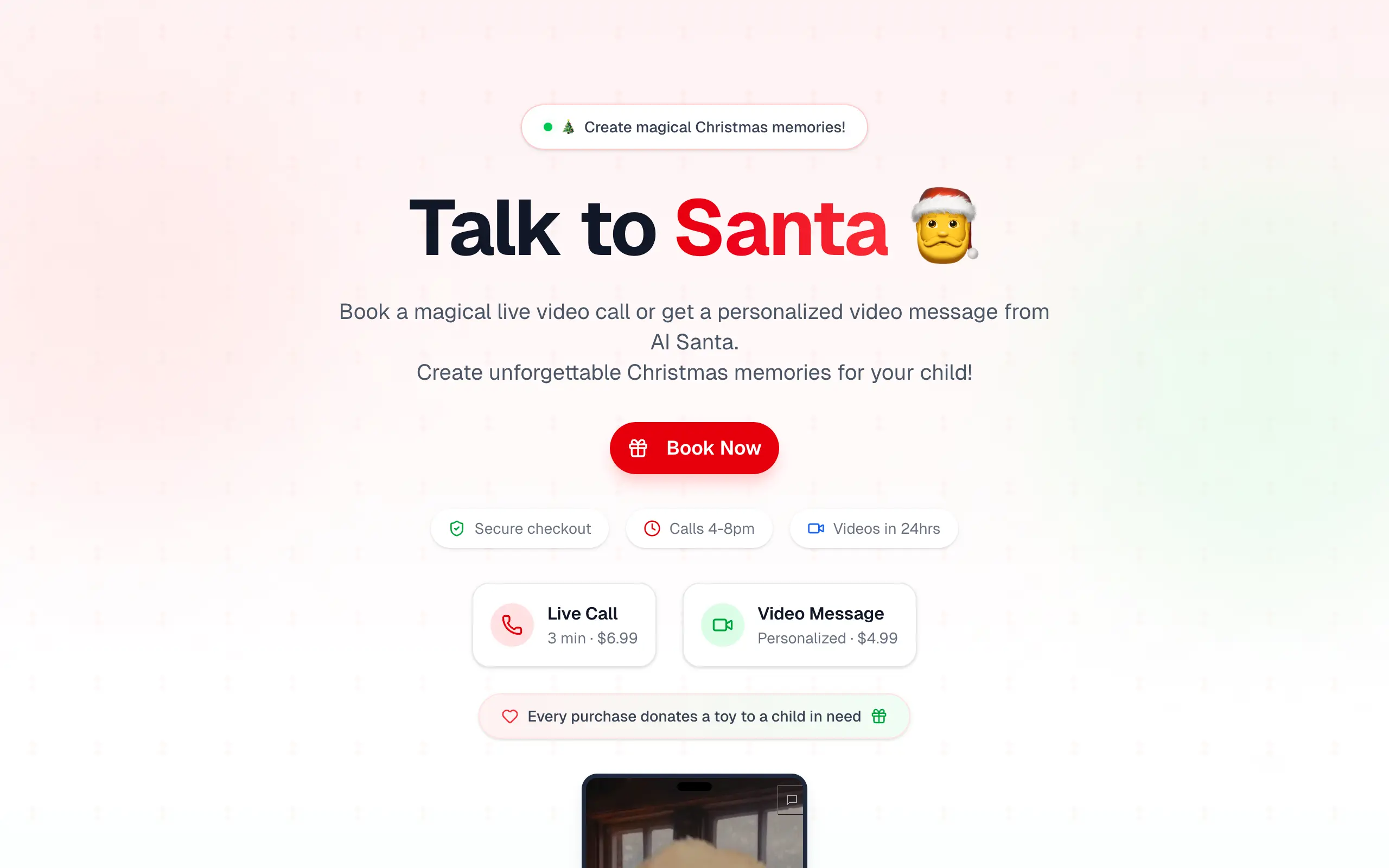
Talk to Santa
Enjoy a magical live video chat or receive a unique AI-generated video greeting from Santa Claus 🎅
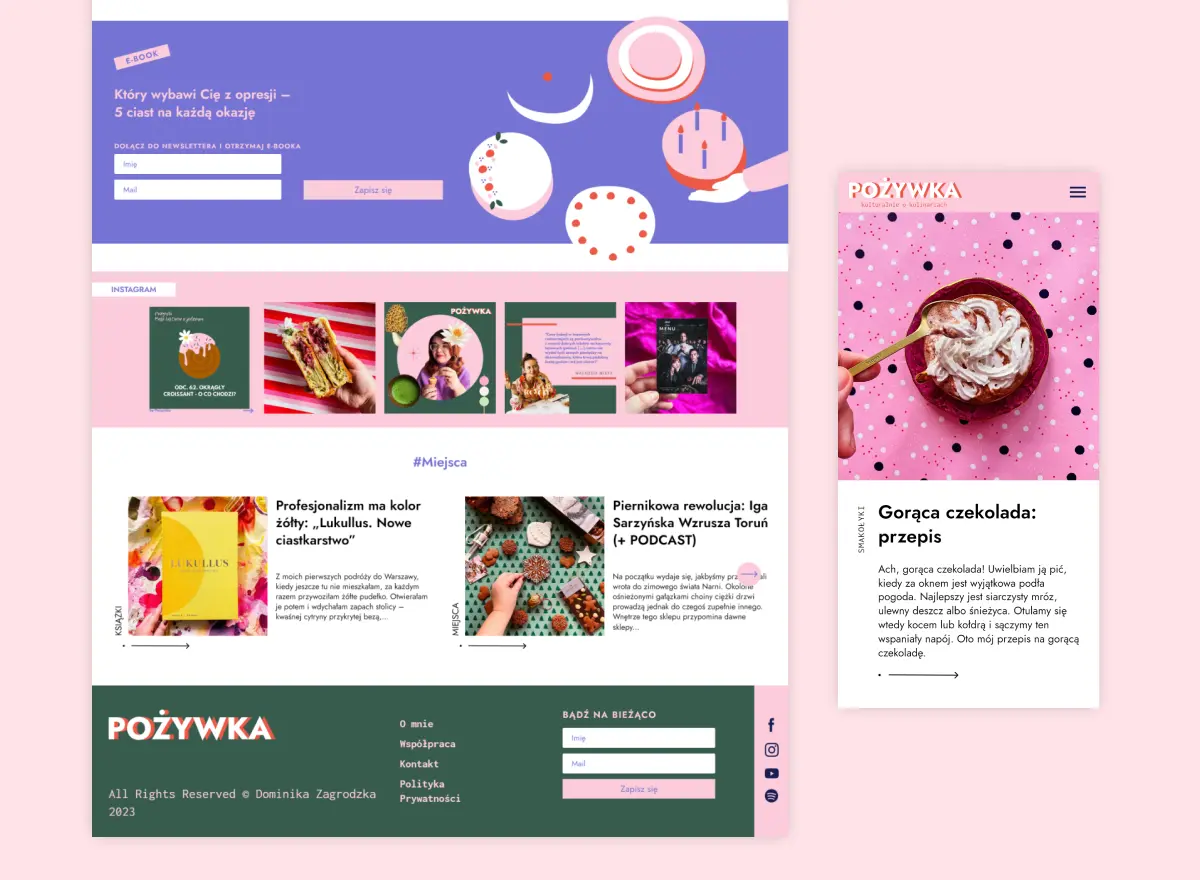
pozywka.pl
Scalable blog for food journalist, focused on performance and user experience 🌭
zagrodzki.me
Personal blog and portfolio of Bart Zagrodzki, where he shares his knowledge and work 💼
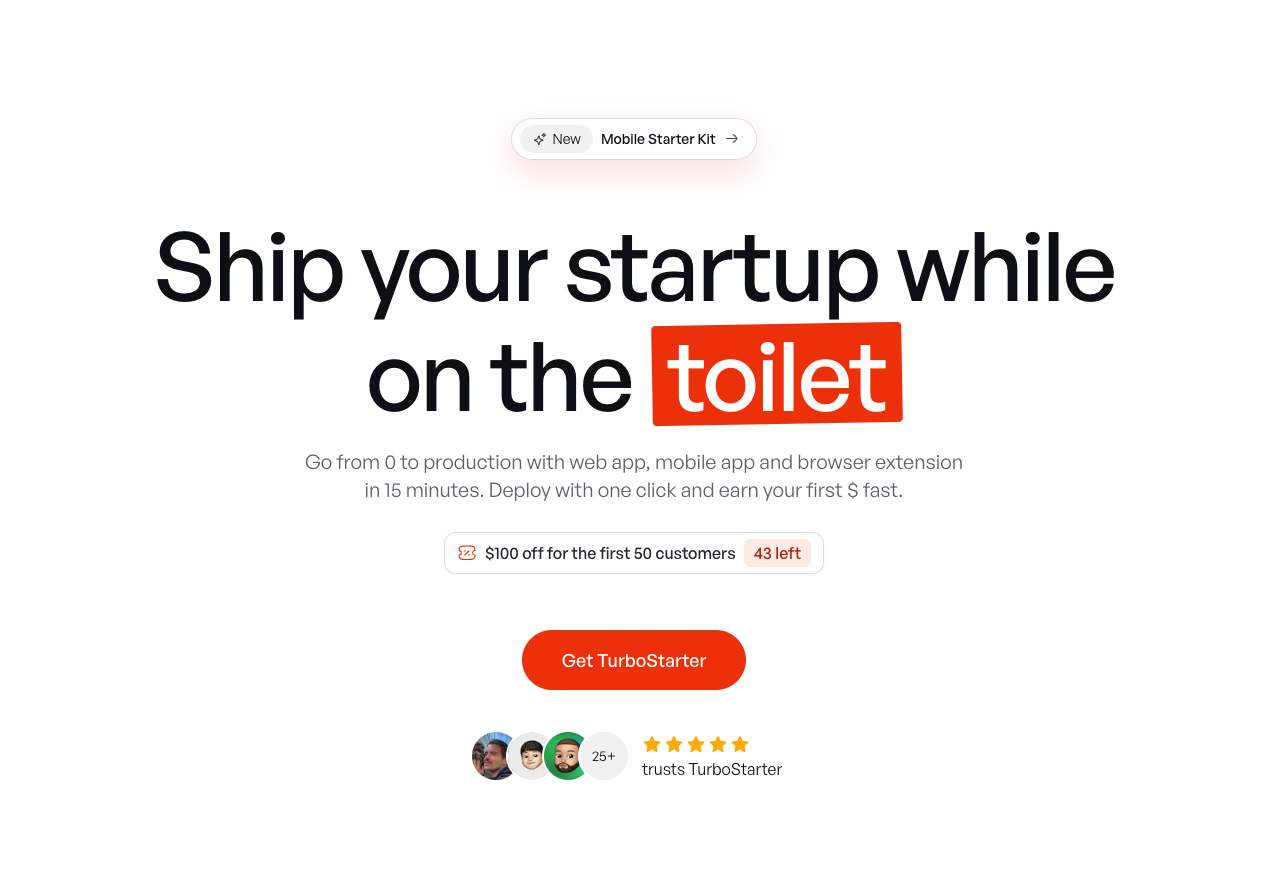
TurboStarter
Ship your startup everywhere. In minutes.
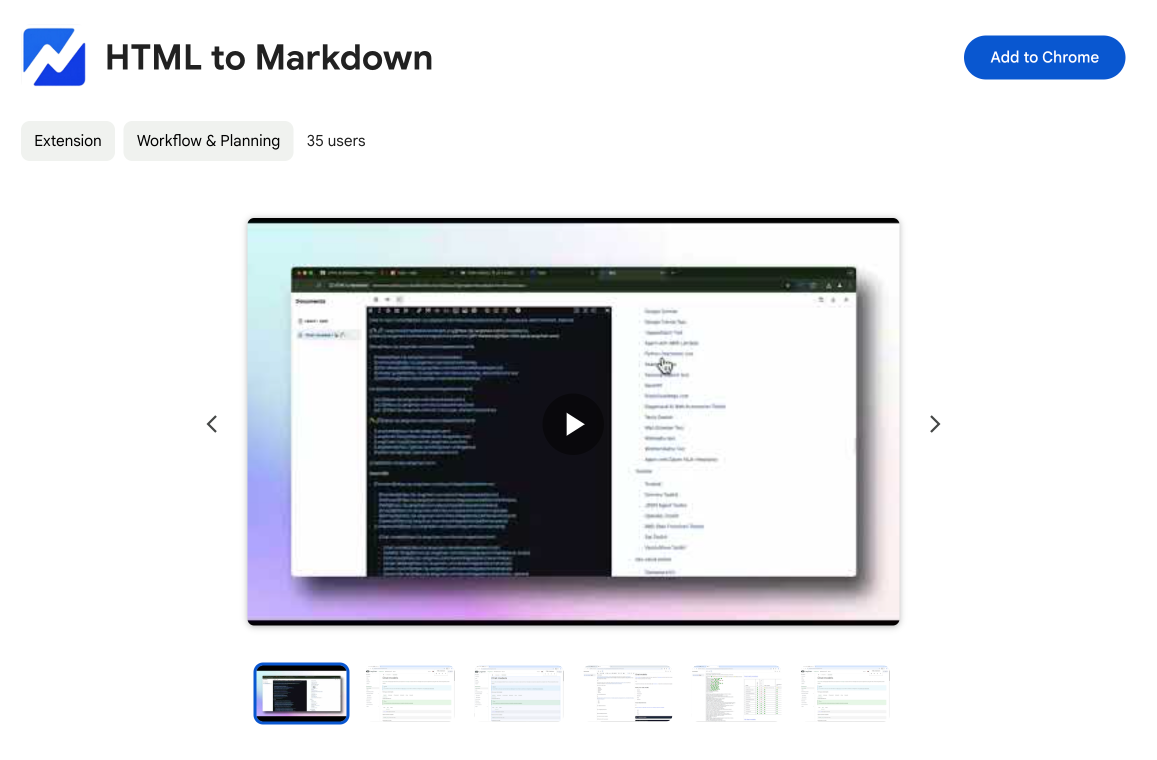
HTML to Markdown
Convert HTML to Markdown with ease, directly in your browser 📄
Dotallio
Personalized AI apps that automate research, data extraction, and content creation without code 🤖
Talk to Santa
Enjoy a magical live video chat or receive a unique AI-generated video greeting from Santa Claus 🎅
pozywka.pl
Scalable blog for food journalist, focused on performance and user experience 🌭
zagrodzki.me
Personal blog and portfolio of Bart Zagrodzki, where he shares his knowledge and work 💼
TurboStarter
Ship your startup everywhere. In minutes.
HTML to Markdown
Convert HTML to Markdown with ease, directly in your browser 📄
Dotallio
Personalized AI apps that automate research, data extraction, and content creation without code 🤖
Talk to Santa
Enjoy a magical live video chat or receive a unique AI-generated video greeting from Santa Claus 🎅
pozywka.pl
Scalable blog for food journalist, focused on performance and user experience 🌭
zagrodzki.me
Personal blog and portfolio of Bart Zagrodzki, where he shares his knowledge and work 💼
TurboStarter
Ship your startup everywhere. In minutes.
HTML to Markdown
Convert HTML to Markdown with ease, directly in your browser 📄
Dotallio
Personalized AI apps that automate research, data extraction, and content creation without code 🤖
Talk to Santa
Enjoy a magical live video chat or receive a unique AI-generated video greeting from Santa Claus 🎅
pozywka.pl
Scalable blog for food journalist, focused on performance and user experience 🌭
zagrodzki.me
Personal blog and portfolio of Bart Zagrodzki, where he shares his knowledge and work 💼
TurboStarter
Ship your startup everywhere. In minutes.
HTML to Markdown
Convert HTML to Markdown with ease, directly in your browser 📄
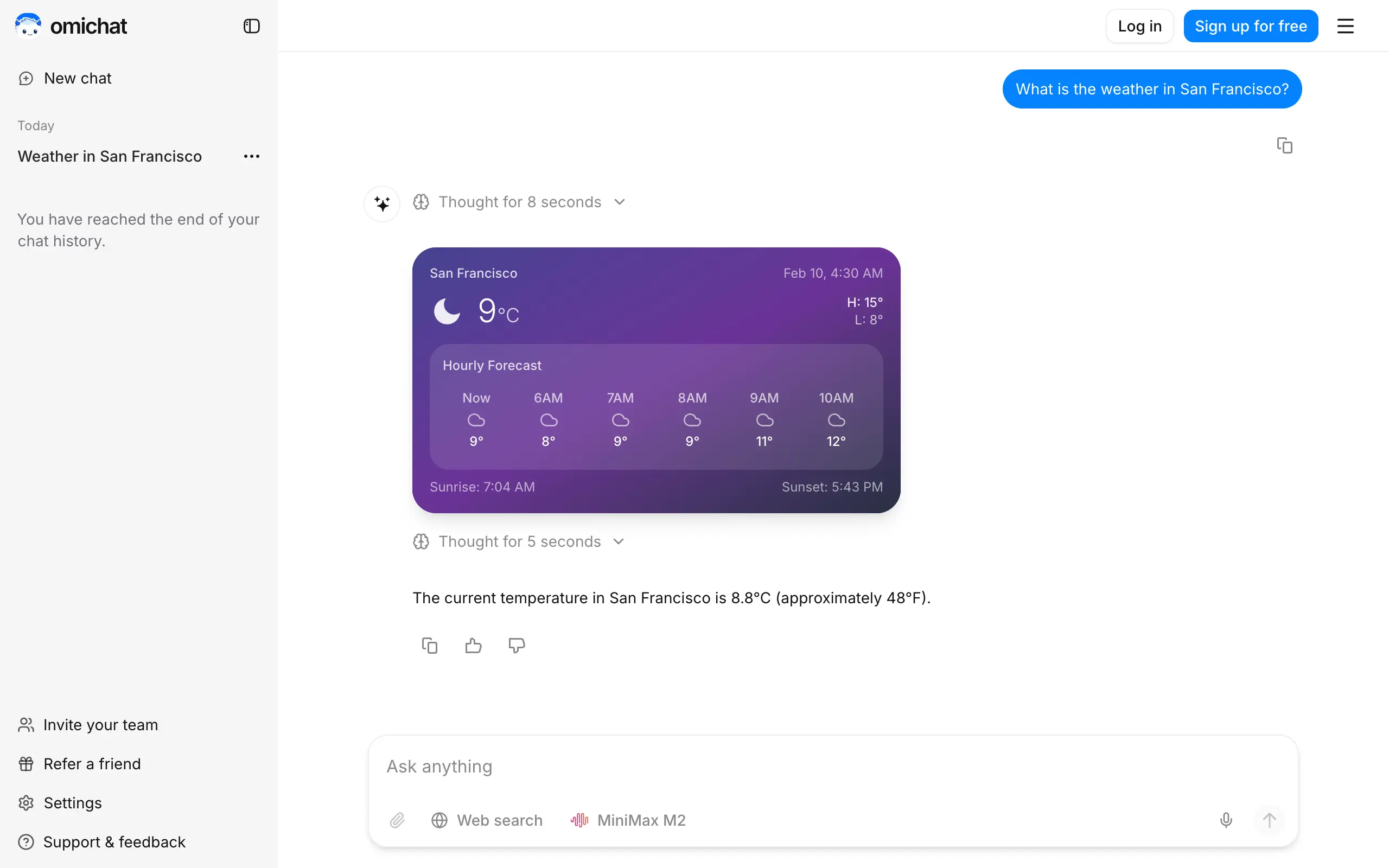
Omichat
Chat with 50+ AI models, including ChatGPT and Claude, in one place - switch models anytime without losing context 🤖
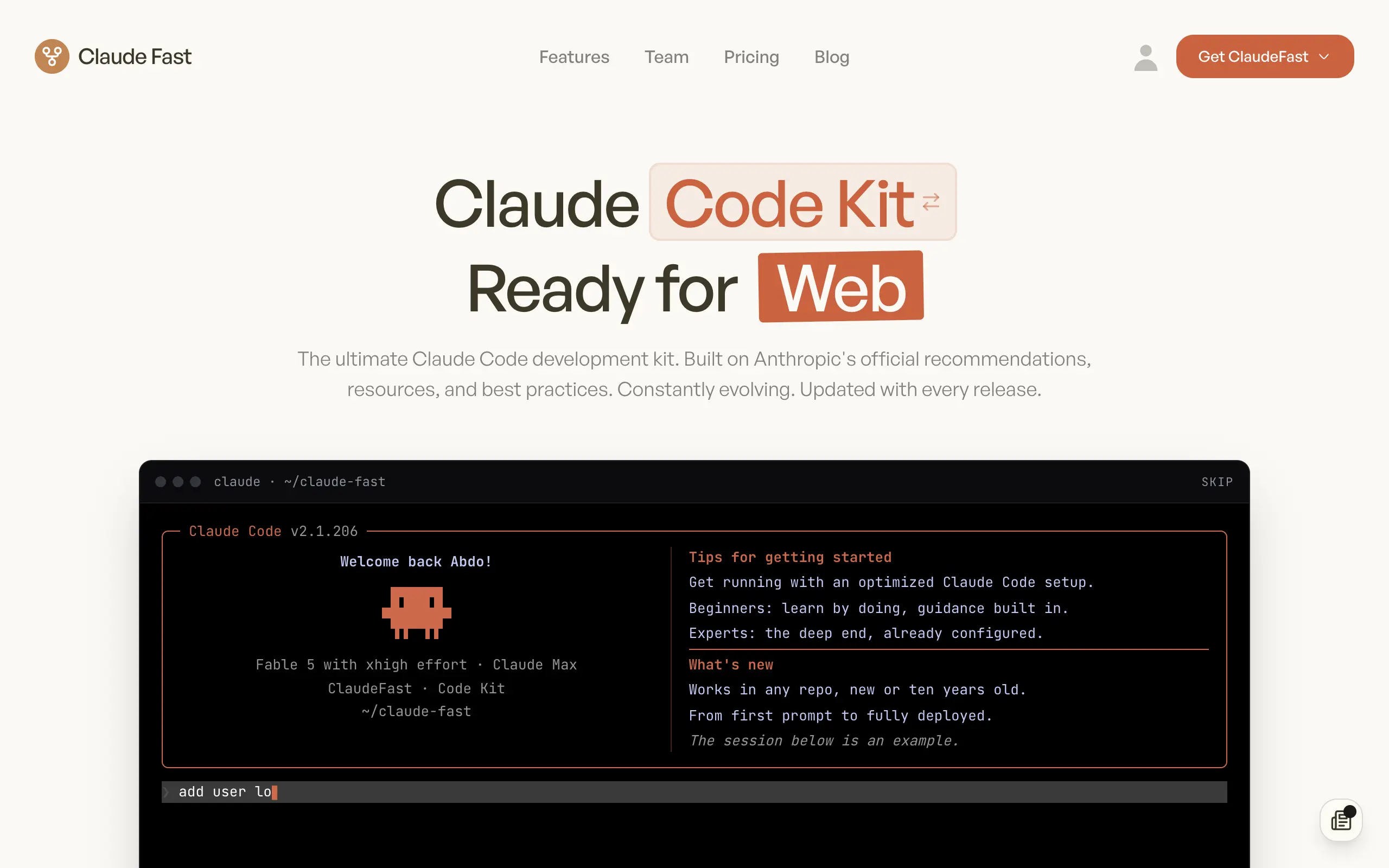
Claude Fast
Supercharge your Claude Code with 6x effective context window and specialized AI agents 🤖
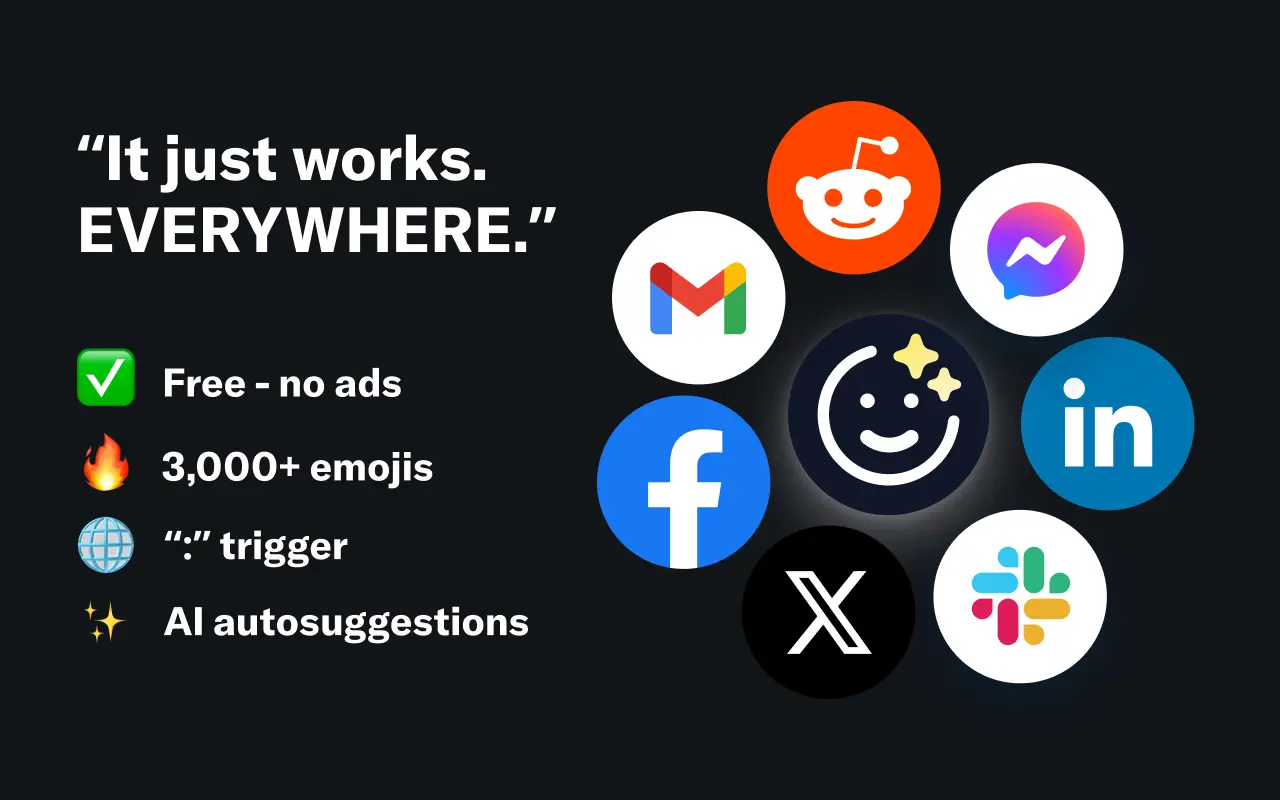
EmojAI
AI-powered emoji picker with smart, context-aware suggestions 🤖
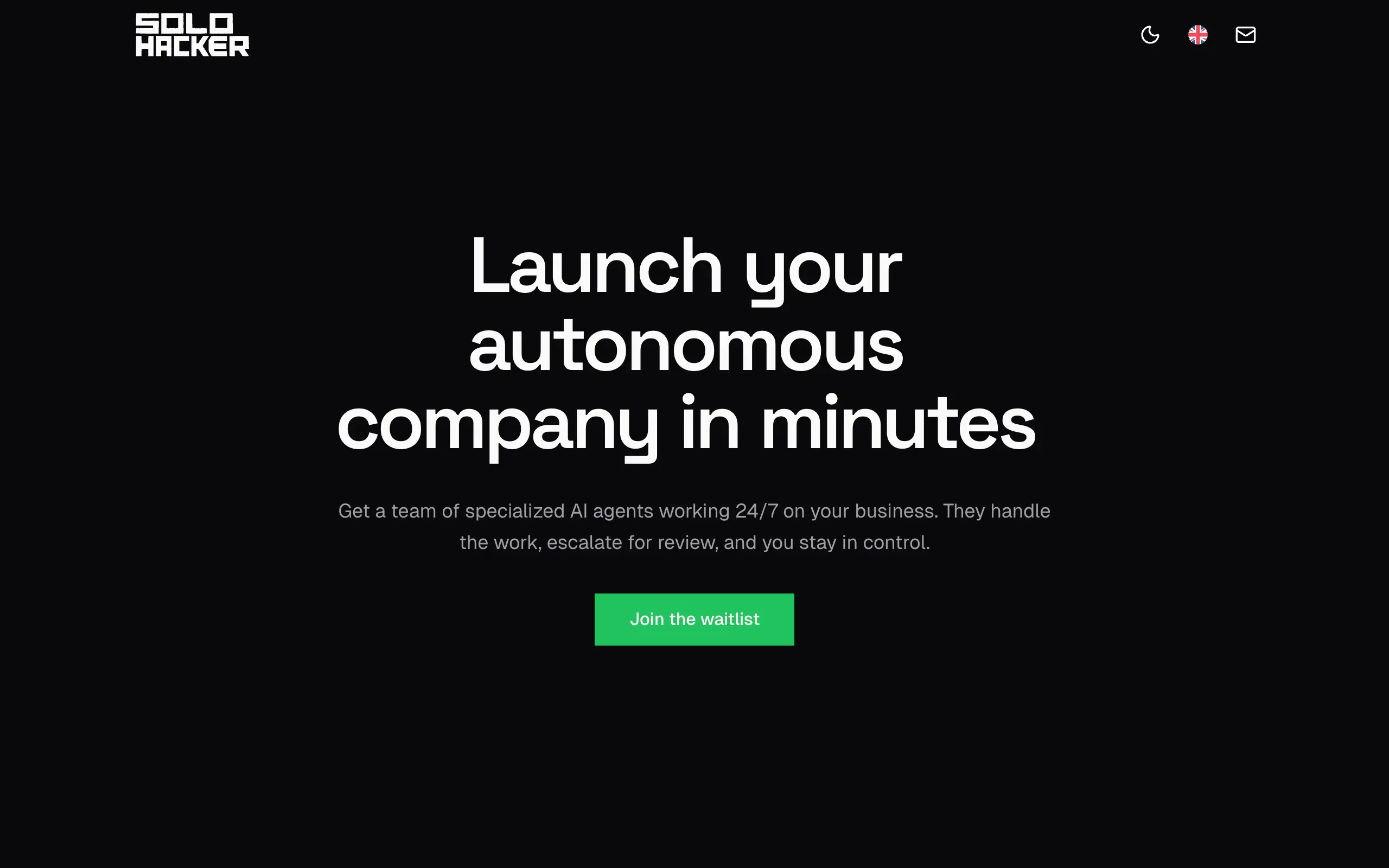
Solohacker
Autonomous company launcher - AI agents work 24/7, escalate what matters, and you stay in control 🤖
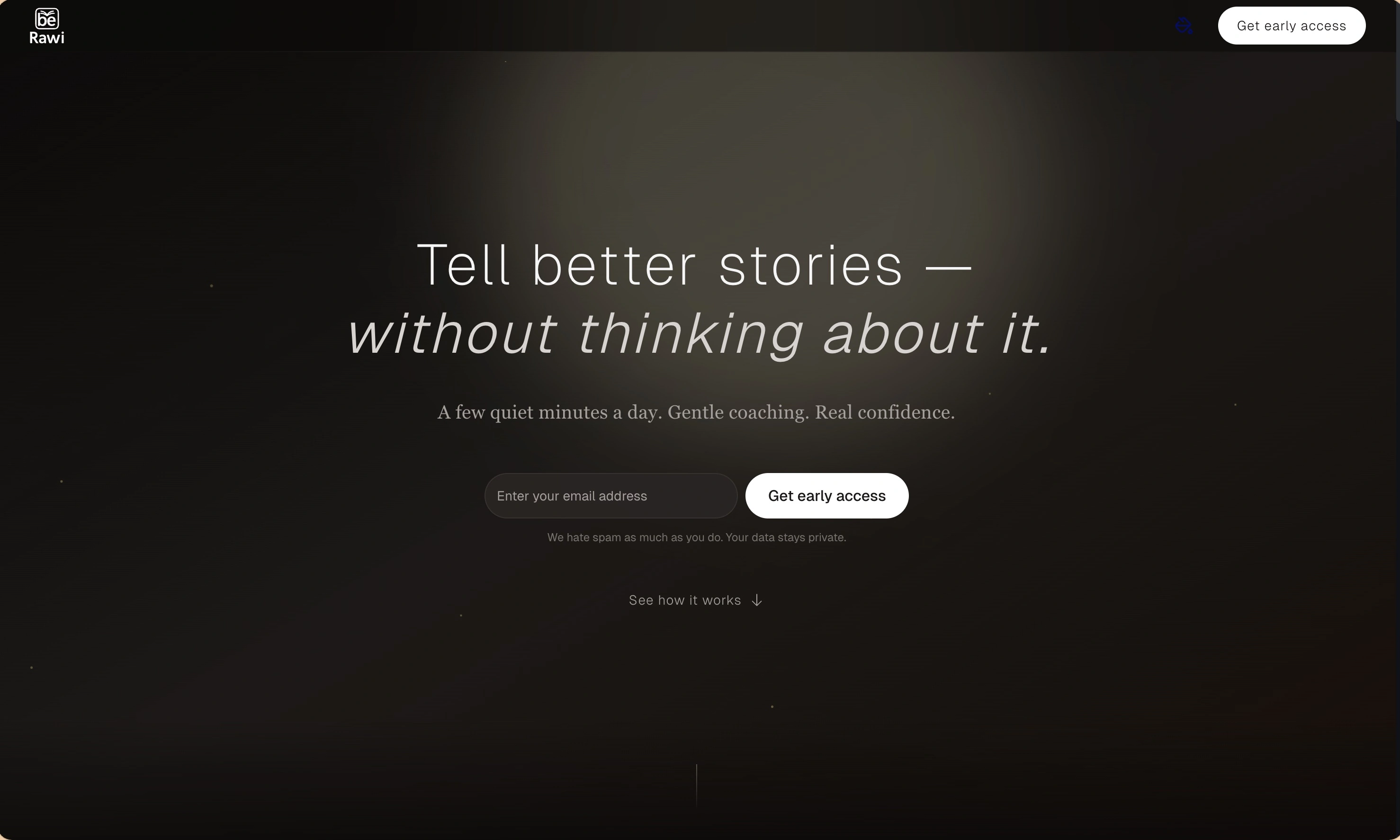
BeRawi: Storytelling Coach
Practice storytelling daily with instant feedback to sound clearer, more engaging, and confident 🎤
Omichat
Chat with 50+ AI models, including ChatGPT and Claude, in one place - switch models anytime without losing context 🤖
Claude Fast
Supercharge your Claude Code with 6x effective context window and specialized AI agents 🤖
EmojAI
AI-powered emoji picker with smart, context-aware suggestions 🤖
Solohacker
Autonomous company launcher - AI agents work 24/7, escalate what matters, and you stay in control 🤖
BeRawi: Storytelling Coach
Practice storytelling daily with instant feedback to sound clearer, more engaging, and confident 🎤
Omichat
Chat with 50+ AI models, including ChatGPT and Claude, in one place - switch models anytime without losing context 🤖
Claude Fast
Supercharge your Claude Code with 6x effective context window and specialized AI agents 🤖
EmojAI
AI-powered emoji picker with smart, context-aware suggestions 🤖
Solohacker
Autonomous company launcher - AI agents work 24/7, escalate what matters, and you stay in control 🤖
BeRawi: Storytelling Coach
Practice storytelling daily with instant feedback to sound clearer, more engaging, and confident 🎤
Omichat
Chat with 50+ AI models, including ChatGPT and Claude, in one place - switch models anytime without losing context 🤖
Claude Fast
Supercharge your Claude Code with 6x effective context window and specialized AI agents 🤖
EmojAI
AI-powered emoji picker with smart, context-aware suggestions 🤖
Solohacker
Autonomous company launcher - AI agents work 24/7, escalate what matters, and you stay in control 🤖
BeRawi: Storytelling Coach
Practice storytelling daily with instant feedback to sound clearer, more engaging, and confident 🎤

Connect with like-minded people
Join our community to get feedback, support, and grow together with 1,000+ builders on board, let's ship it!
Join usShip your startup everywhere. In minutes.
Don't burn tokens on setup and start building features on day one.