SmartTab
A browser extension that uses AI to organize and manage tabs intelligently, predicting which tabs you need next and closing those you don't. Monetization comes from a freemium model with premium features like cross-device sync and advanced analytics.
Target Audience: Innovators and Productivity Seekers
In today's fast-paced digital world, internet users are constantly juggling multiple web pages and tasks, and there is a growing need for smarter ways to manage browser tabs effectively. This innovative solution appeals to:
- Tech enthusiasts who love experimenting with AI-driven tools.
- Knowledge workers in areas like research, finance, and media who work with numerous online resources simultaneously.
- Digital professionals such as software developers and marketers looking for enhanced productivity during their daily workflows.
- General users who face browser clutter and desire a more organized and efficient online experience.
The potential for optimizing daily digital habits is significant. When users have a tool that intelligently predicts which websites or web applications they need next, it leads to smoother workflows and increased overall efficiency.
Market Opportunity: Capitalizing on AI and Browser Efficiency
The browser extension landscape is growing rapidly, with a notable shift towards integrating artificial intelligence into everyday digital tools. This evolution creates a substantial market opportunity:
- Expanding Demand: As digital workspaces become more complex, the need for automated organization tools is growing.
- AI Integration: Users are increasingly comfortable with AI-driven solutions that personalize and optimize their digital experience.
- Productivity Focus: With remote work and online collaborations on the rise, there is a high demand for solutions that streamline multitasking and reduce cognitive load.
- Data-Driven Decisions: Advanced analytics provided by premium features enable both personal insights and professional productivity improvements.
Competitors in the space may offer traditional tab managers, but this solution's unique capability to predict user actions sets it apart, providing users with intuitive and tailored browsing experiences.
The market is shifting towards more intelligent systems that not only react to user input but also predict future needs. Innovations in machine learning and behavioral analytics drive this trend, creating fertile ground for advanced browser extensions.
Tech Stack and Development Acceleration
Building an AI-driven browser extension requires a robust and versatile tech stack. The development process should ensure scalability, reliability, and a rapid time-to-market. Key technologies include:
- Frontend: HTML, CSS, JavaScript frameworks such as React or Vue.
- Backend: Node.js, Python for AI algorithms, and RESTful APIs to handle data exchange.
- Machine Learning: Libraries such as TensorFlow or PyTorch to implement predictive models.
- Browser APIs: Leverage browser extension APIs to interact seamlessly with the web environment.
- Cloud Services: Utilize platforms like AWS, Google Cloud, or Azure for hosting, analytics, and data storage.
For a rapid development pace, consider using a starter kit that accelerates the process. TurboStarter is an excellent resource, offering a pre-configured setup tailored for web, mobile, and browser extension projects.
To illustrate the coding approach, here's a simple snippet demonstrating how an event might be handled in the extension:
const handleTabClosure = () => {
  console.log("Attempting to close a non-essential tab");
};
This snippet is a glimpse into how lightweight functions can drive essential interactions within the tool.
Monetization Strategy: Freemium to Premium Conversion
Monetization is a crucial consideration for any SaaS product, and offering multiple layers of service can generate sustainable revenue streams. The strategy might include:
- Freemium Model:
- Basic Version: Free access to essential tab management features.
- Advanced Analytics: Premium users get insights on usage patterns and predictive suggestions.
- Customization: Options for users to customize AI predictions according to their unique workflow.
- Subscription Plans:
- Tiered Pricing: Different subscription levels provide additional functionalities and better performance.
- Enterprise Packages: Tailor-made solutions for teams and organizations that depend on streamlined online operations.
- One-Time Purchases:
- Add-Ons: Offer one-time purchase features for users who might not require a monthly fee.
Each plan should be designed to capture a wide range of users, from casual browsers to heavy-duty professionals. The goal is to maintain flexibility while encouraging upgrades that lead to more personalized and powerful experiences.
Key Monetization Feature
Offer a freemium model to accommodate both casual and power users, with premium features that include advanced analytics and customization.
Risks and Mitigation Strategies
Every new product comes with its fair share of risks, and addressing these potential pitfalls is key to long-term success. Some risks include:
-
User Adoption:
- Difficulty in persuading users to transition from traditional methods.
- Strategy: Develop an intuitive onboarding process and clear messaging that highlights time-saving benefits.
-
Data Privacy:
- Handling sensitive browsing data while maintaining trust.
- Strategy: Employ robust encryption and adhere to data privacy regulations such as GDPR.
-
Overreliance on AI:
- The possibility that the predictive features may not always align with user needs.
- Strategy: Continuously train and refine algorithms using user feedback and machine learning updates.
-
Market Competition:
- Keeping ahead in an increasingly competitive tech landscape.
- Strategy: Focus on niche features that distinguish the product and continuously innovate.
-
Technical Challenges:
- Integration issues across different browsers and platforms.
- Strategy: Adopt thorough testing frameworks and collaborate with toolkits that simplify cross-platform compatibility.
Caution
Ensure strict compliance with data protection standards to maintain user trust and avoid legal pitfalls.
Competitive Advantages: Standing Out in a Crowded Space
This innovative browser extension offers multiple competitive advantages that place it ahead of traditional tab managers:
- Predictive Intelligence: The underlying AI not only manages tabs but predicts user behavior, helping users stay a step ahead.
- User-Centric Design: Emphasis on a streamlined and intuitive interface that minimizes clutter and enhances productivity.
- Seamless Integration: Smooth operation across popular browsers while integrating with existing productivity tools.
- Scalable Analytics: Offers valuable insights that help users optimize their digital habits.
- Customization: Features that allow personalization, catering to a broad spectrum of digital behaviors and preferences.
- Rapid Implementation: Leveraging modern development kits like TurboStarter simplifies the development process, ensuring a quicker go-to-market strategy.
Pro Tip
Regularly update the AI data models by incorporating user feedback and usage analytics to keep the tool responsive and relevant.
Implementation and Integration: A Step-by-Step Guide
Embarking on the development and rollout of an AI-based browser extension involves several critical steps. Each phase should be carefully planned and executed to ensure success.
Development Best Practices
While building the product, keep in mind these best practices to ensure a smooth development lifecycle:
-
Modular Code Structure:
Use well-defined functions and components. For instance, a simple example in a modern JavaScript framework might look like:const predictiveTabHandler = () => { // Evaluate current user behavior and manage tabs intelligently console.log("Predicting the next necessary tab!"); } -
Agile Methodologies:
Adopt agile development practices to ensure rapid iteration and incorporation of user feedback. -
User Experience:
Prioritize a clean and intuitive interface. Continuous usability testing will help identify friction points early. -
Testing and QA:
Implement robust testing frameworks to catch and address bugs swiftly. -
Security Measures:
Integrate stringent security protocols, especially when handling user data and browser interactions.
Integrating with Existing Tools
For many users, integrating the extension with existing applications and workflows is vital. Consider the following:
-
API-First Approach:
Ensure the extension can easily communicate with popular apps and cloud-based services. -
Data Sync and Backup:
Provide features that allow seamless synchronization of data across devices. -
Customizable Alerts:
Implement notifications and alerts to keep users informed without being intrusive.
Integration A focuses on connecting with productivity suites like Google Workspace and Microsoft Office 365, allowing users to import and export data effortlessly.
Integration B is geared towards popular project management tools, ensuring that the extension supports task tracking and deadline management seamlessly.
Scaling and Future Enhancements
Looking ahead, there's plenty of room for further development and enhancements:
-
Enhanced AI Capabilities:
Gradually introduce more sophisticated AI models to improve predictive accuracy. As the system learns from user behavior, it could offer even more personalized recommendations. -
Cross-Platform Compatibility:
Expand support to mobile web browsers and desktop applications. This approach not only increases the user base but also integrates the extension into multi-device ecosystems. -
Community-Driven Extensions:
Allow developers to create add-ons or plugins, enriching the ecosystem and tailoring functionalities to niche user groups. -
Analytics Dashboard:
For premium users, a detailed dashboard can provide insights into browsing habits, productivity metrics, and personalized suggestions for further improvements. -
Collaboration Tools:
In team environments, integrate features that facilitate collaborative browsing sessions, meeting management, and shared resource libraries.
Future enhancements include harnessing more granular user data to refine predictive algorithms, expanding integrations with third-party applications, and enhancing security with multi-factor authentication.
Community and Customer Feedback
An engaged community is at the heart of continuous improvement. Building mechanisms to collect and leverage user feedback will be essential:
- Built-in Feedback Tools:
Provide users with easy-to-use channels to report issues or suggest improvements directly from the extension interface. - Regular Surveys:
Conduct periodic surveys to understand how users interact with the extension and what features they desire most. - Beta Testing Programs:
Launch beta testing phases for new features, ensuring that they meet user expectations before a full rollout.
This iterative feedback loop not only helps in refining the product but also fosters a sense of community ownership and loyalty.
Competitive Analysis and Positioning
Understanding competitors and positioning the extension effectively is key to carving out a space in this saturated market. Potential competitors include:
- Traditional tab managers that focus on basic organization but lack AI-driven insights.
- Emerging productivity tools that partially address browser clutter but fall short on predictive functionalities.
- Enterprise-level solutions that may be too rigid or expensive for everyday users.
Distinguishing Factors
-
Predictive AI:
The use of machine learning to interpret user behavior differentiates the product from competitors that simply manage open tabs. -
User Empowerment:
The customizable nature of the tool, combined with actionable analytics, gives users control over their digital environment. -
Scalable Design:
Thanks to modern development frameworks and tools like TurboStarter, scaling from an MVP to a full-fledged product can be done swiftly and efficiently. -
Privacy and Security:
Prioritizing the security and privacy of user data provides a significant competitive edge and builds trust in a sensitive market.
Unique Advantage
Leveraging predictive AI and a robust, secure platform to provide an engaging, user-friendly experience that adapts to individual browsing habits.
Conclusion and Implementation Steps
With a clear focus on user-centric design, innovative AI capabilities, and a flexible monetization strategy, the product is poised for success in a competitive landscape. The next steps involve translating these strategies into actionable development phases:
-
Plan and Research:
- Conduct detailed market research and define user personas.
- Evaluate competitor products and identify feature gaps.
-
Develop the MVP:
- Assemble a development team with expertise in modern tech stacks.
- Use starter kits, such as TurboStarter, for rapid development.
-
Iterate with Feedback:
- Launch a beta version and actively solicit user feedback.
- Iterate on the design and functionality based on real-world usage data.
-
Expand and Scale:
- Introduce premium features and enterprise-level functionalities.
- Ensure robust security and data compliance measures are in place.
-
Marketing and Community Engagement:
- Develop content and campaigns that highlight the advanced AI and efficiency improvements.
- Foster an active user community for continuous improvement and feature ideas.
By following these implementation steps and leveraging the modern technological tools available, the product can transform the way users interact with their browsers. Increased efficiency, intuitive interface design, and an agile development process will solidify its position as a market leader.
With careful planning and execution, this innovative solution not only addresses an immediate user need but also sets the stage for long-term growth and adaptation in an ever-evolving digital landscape. Whether you’re a developer, entrepreneur, or a productivity enthusiast, understanding these elements can pave the way for creating breakthrough technologies that resonate with today’s dynamic web environment.
More 🤖 AI Startup SaaS ideas
Discover more innovative ai startup SaaS ideas that are trending in 2026. Each idea is AI-generated with market validation and growth potential to help you find your next profitable venture faster than competitors.
Your competitors are building with TurboStarter
Below are some of the SaaS ideas that have been generated and built with our starter kit.

Statiko
Monitor any Telegram channel in real time - track posts, edits, deletions, and growth with AI recaps 📡

Shibui
AI website builder - describe your business, pick a niche template, edit by chatting, and publish instantly ✨

Pro Service
Find verified home service professionals, compare quotes, and pay securely through escrow - built for Brazilians across the US 🏠

RankGrow
Fix your SEO with AI agents - connect Search Console, get prioritized tasks, and grow organic traffic 📈
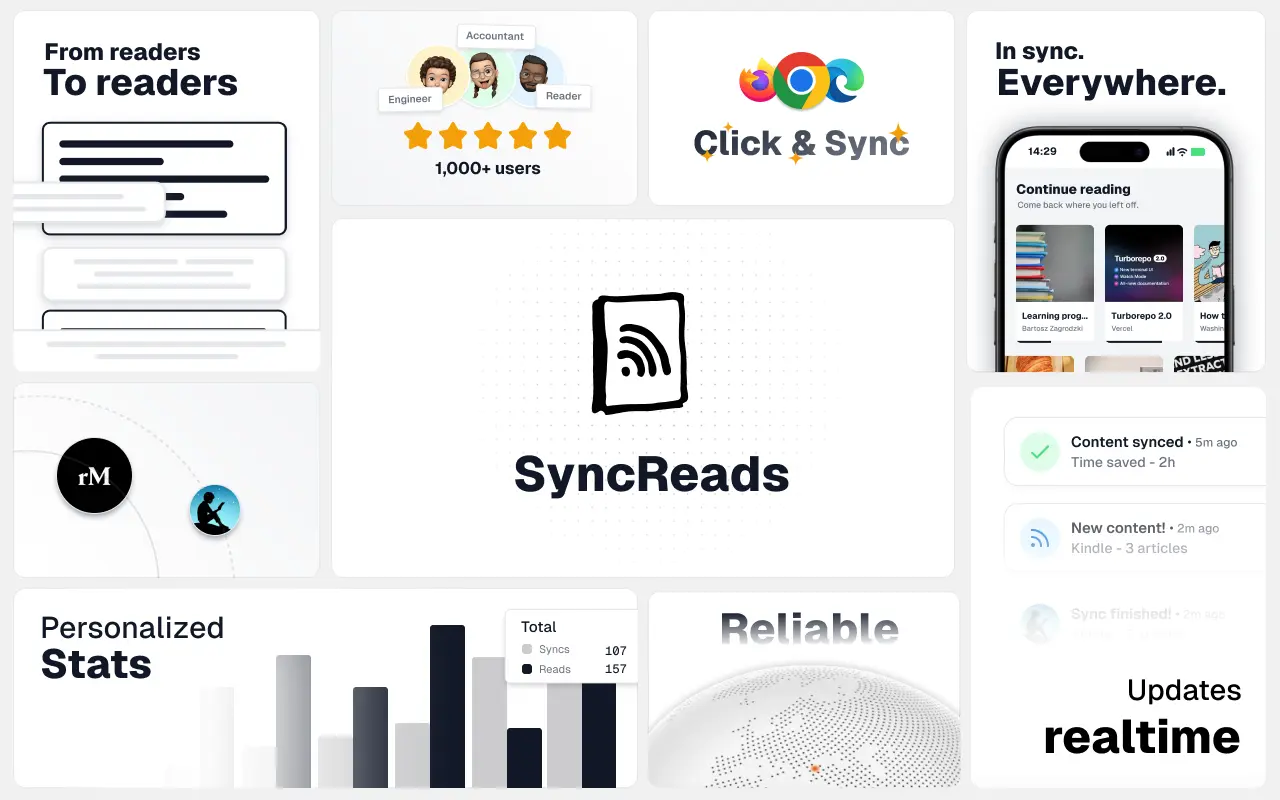
SyncReads
Sync your favorite content for distraction-free reading, save time and replace multiple apps. Anytime, anywhere 🔄
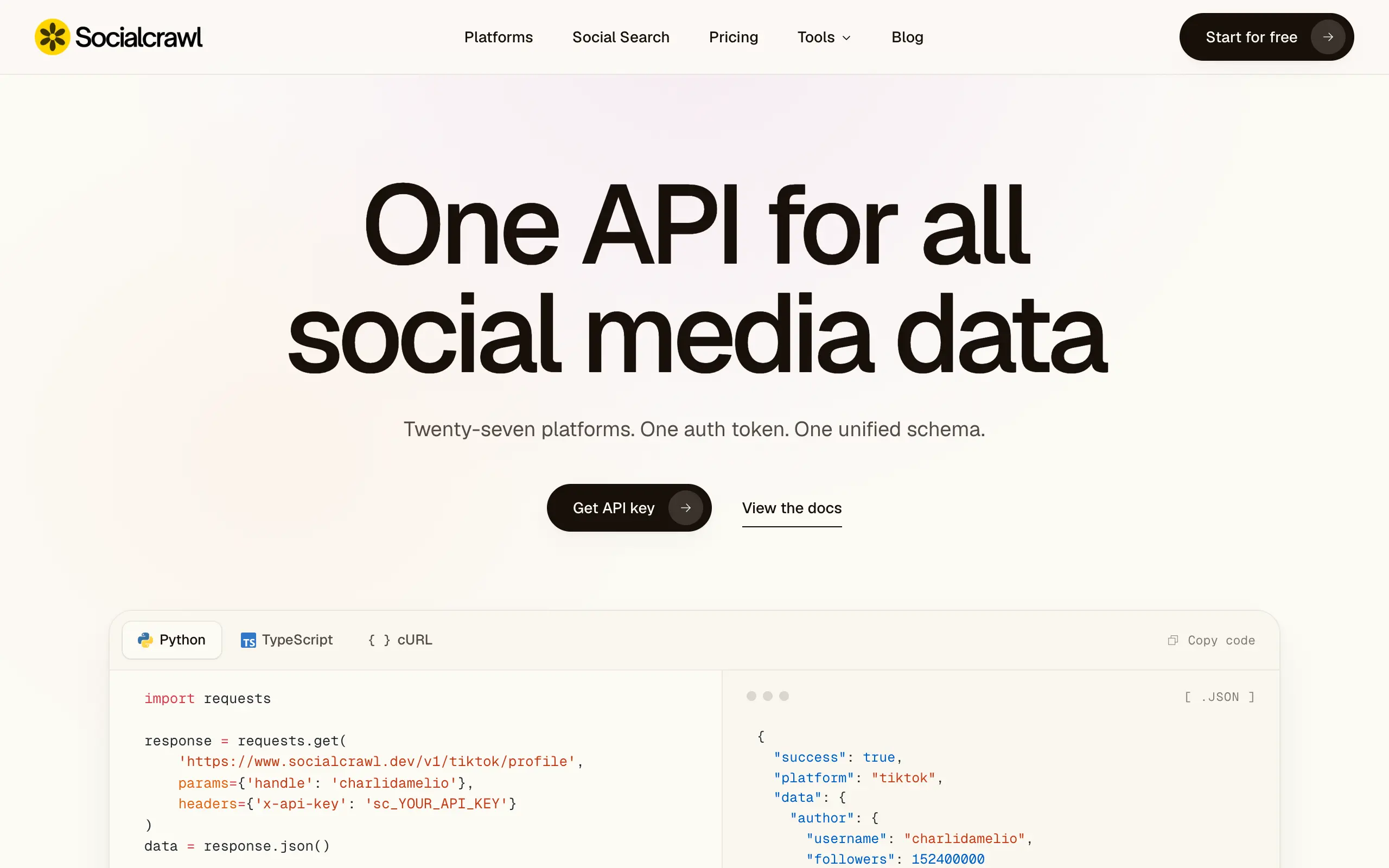
Socialcrawl
Get clean, structured data from 21 platforms like TikTok, Instagram, and YouTube with a single request 📊
Statiko
Monitor any Telegram channel in real time - track posts, edits, deletions, and growth with AI recaps 📡
Shibui
AI website builder - describe your business, pick a niche template, edit by chatting, and publish instantly ✨
Pro Service
Find verified home service professionals, compare quotes, and pay securely through escrow - built for Brazilians across the US 🏠
RankGrow
Fix your SEO with AI agents - connect Search Console, get prioritized tasks, and grow organic traffic 📈
SyncReads
Sync your favorite content for distraction-free reading, save time and replace multiple apps. Anytime, anywhere 🔄
Socialcrawl
Get clean, structured data from 21 platforms like TikTok, Instagram, and YouTube with a single request 📊
Statiko
Monitor any Telegram channel in real time - track posts, edits, deletions, and growth with AI recaps 📡
Shibui
AI website builder - describe your business, pick a niche template, edit by chatting, and publish instantly ✨
Pro Service
Find verified home service professionals, compare quotes, and pay securely through escrow - built for Brazilians across the US 🏠
RankGrow
Fix your SEO with AI agents - connect Search Console, get prioritized tasks, and grow organic traffic 📈
SyncReads
Sync your favorite content for distraction-free reading, save time and replace multiple apps. Anytime, anywhere 🔄
Socialcrawl
Get clean, structured data from 21 platforms like TikTok, Instagram, and YouTube with a single request 📊
Statiko
Monitor any Telegram channel in real time - track posts, edits, deletions, and growth with AI recaps 📡
Shibui
AI website builder - describe your business, pick a niche template, edit by chatting, and publish instantly ✨
Pro Service
Find verified home service professionals, compare quotes, and pay securely through escrow - built for Brazilians across the US 🏠
RankGrow
Fix your SEO with AI agents - connect Search Console, get prioritized tasks, and grow organic traffic 📈
SyncReads
Sync your favorite content for distraction-free reading, save time and replace multiple apps. Anytime, anywhere 🔄
Socialcrawl
Get clean, structured data from 21 platforms like TikTok, Instagram, and YouTube with a single request 📊
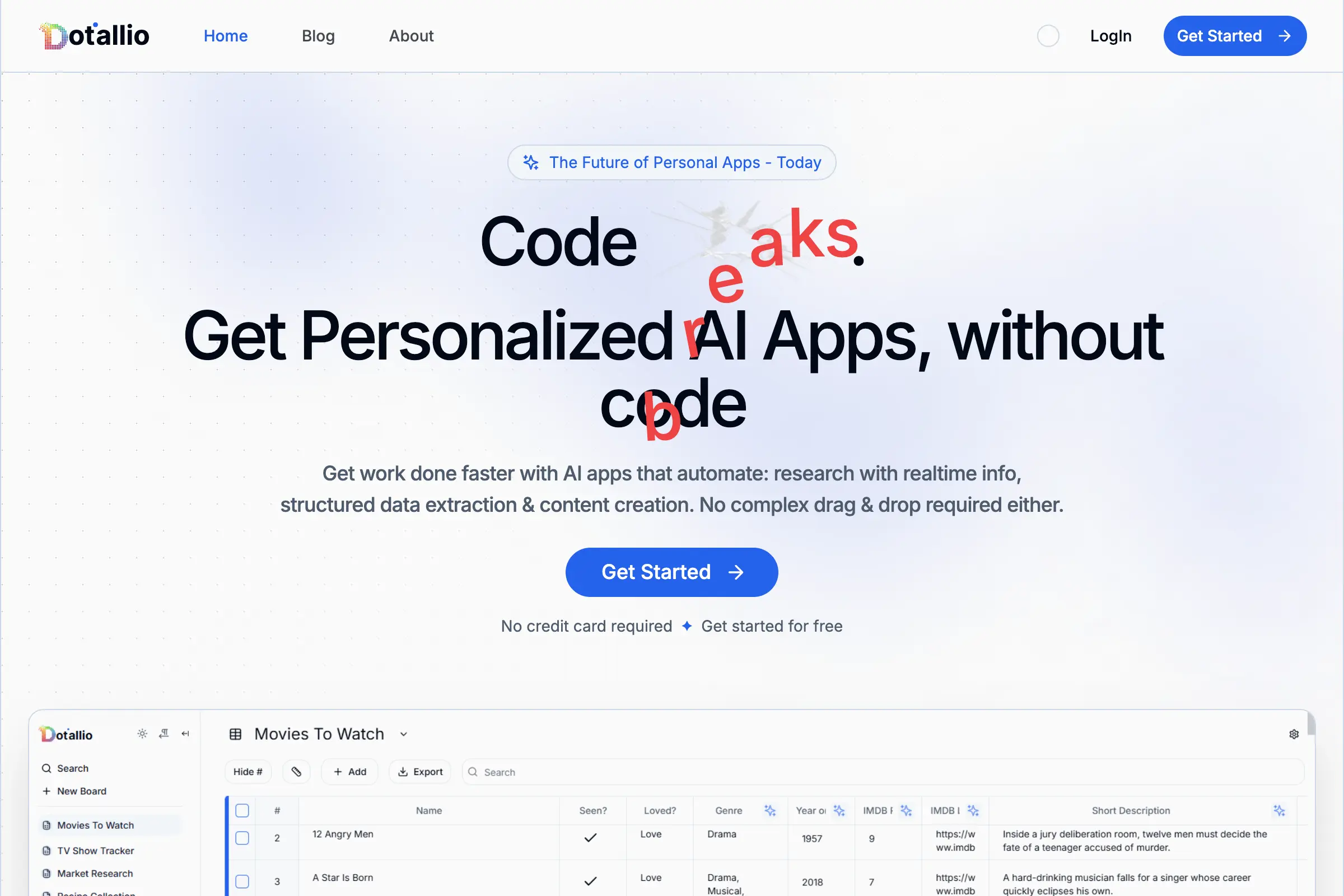
Dotallio
Personalized AI apps that automate research, data extraction, and content creation without code 🤖

Talk to Santa
Enjoy a magical live video chat or receive a unique AI-generated video greeting from Santa Claus 🎅

pozywka.pl
Scalable blog for food journalist, focused on performance and user experience 🌭
zagrodzki.me
Personal blog and portfolio of Bart Zagrodzki, where he shares his knowledge and work 💼
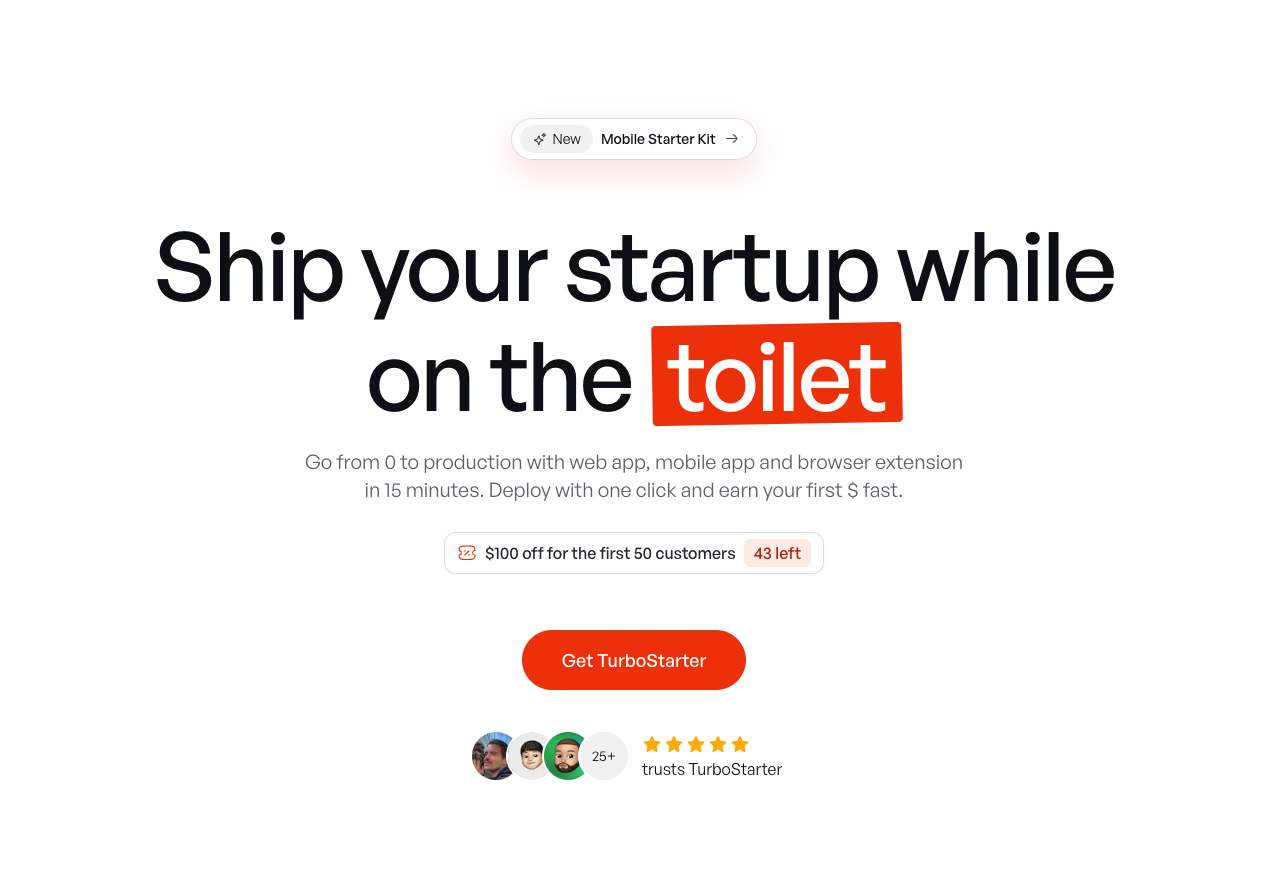
TurboStarter
Ship your startup everywhere. In minutes.
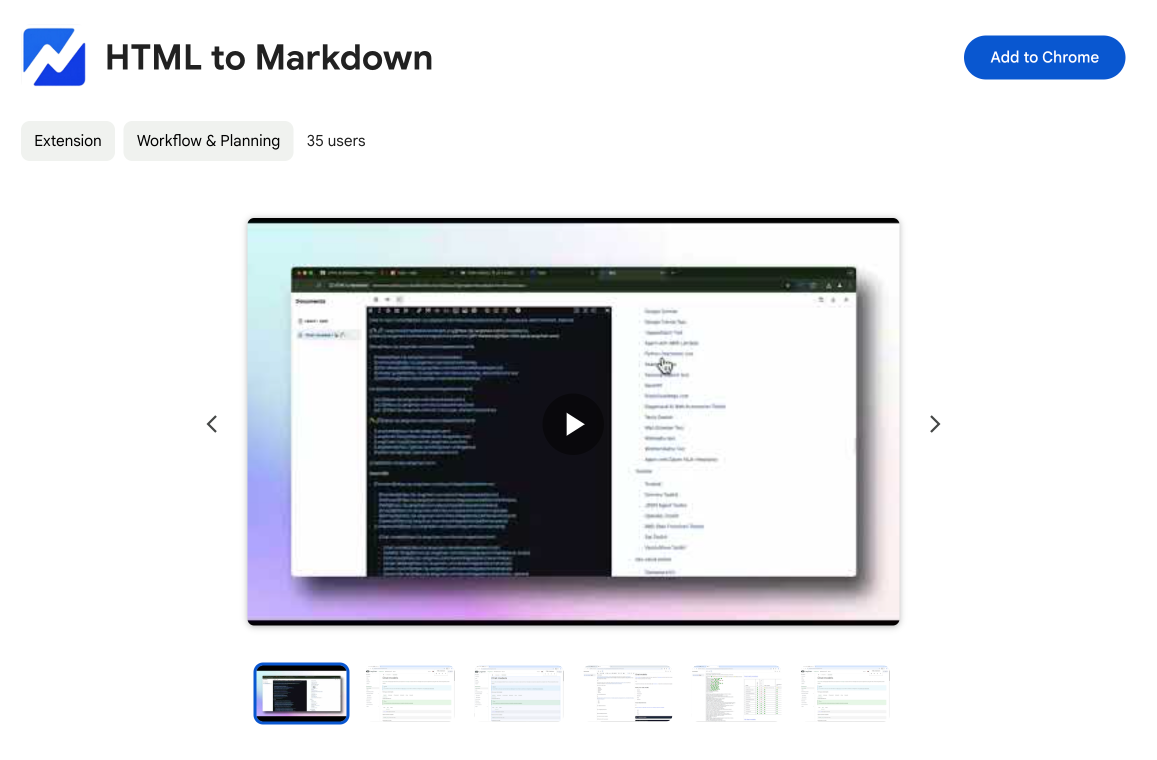
HTML to Markdown
Convert HTML to Markdown with ease, directly in your browser 📄
Dotallio
Personalized AI apps that automate research, data extraction, and content creation without code 🤖
Talk to Santa
Enjoy a magical live video chat or receive a unique AI-generated video greeting from Santa Claus 🎅
pozywka.pl
Scalable blog for food journalist, focused on performance and user experience 🌭
zagrodzki.me
Personal blog and portfolio of Bart Zagrodzki, where he shares his knowledge and work 💼
TurboStarter
Ship your startup everywhere. In minutes.
HTML to Markdown
Convert HTML to Markdown with ease, directly in your browser 📄
Dotallio
Personalized AI apps that automate research, data extraction, and content creation without code 🤖
Talk to Santa
Enjoy a magical live video chat or receive a unique AI-generated video greeting from Santa Claus 🎅
pozywka.pl
Scalable blog for food journalist, focused on performance and user experience 🌭
zagrodzki.me
Personal blog and portfolio of Bart Zagrodzki, where he shares his knowledge and work 💼
TurboStarter
Ship your startup everywhere. In minutes.
HTML to Markdown
Convert HTML to Markdown with ease, directly in your browser 📄
Dotallio
Personalized AI apps that automate research, data extraction, and content creation without code 🤖
Talk to Santa
Enjoy a magical live video chat or receive a unique AI-generated video greeting from Santa Claus 🎅
pozywka.pl
Scalable blog for food journalist, focused on performance and user experience 🌭
zagrodzki.me
Personal blog and portfolio of Bart Zagrodzki, where he shares his knowledge and work 💼
TurboStarter
Ship your startup everywhere. In minutes.
HTML to Markdown
Convert HTML to Markdown with ease, directly in your browser 📄
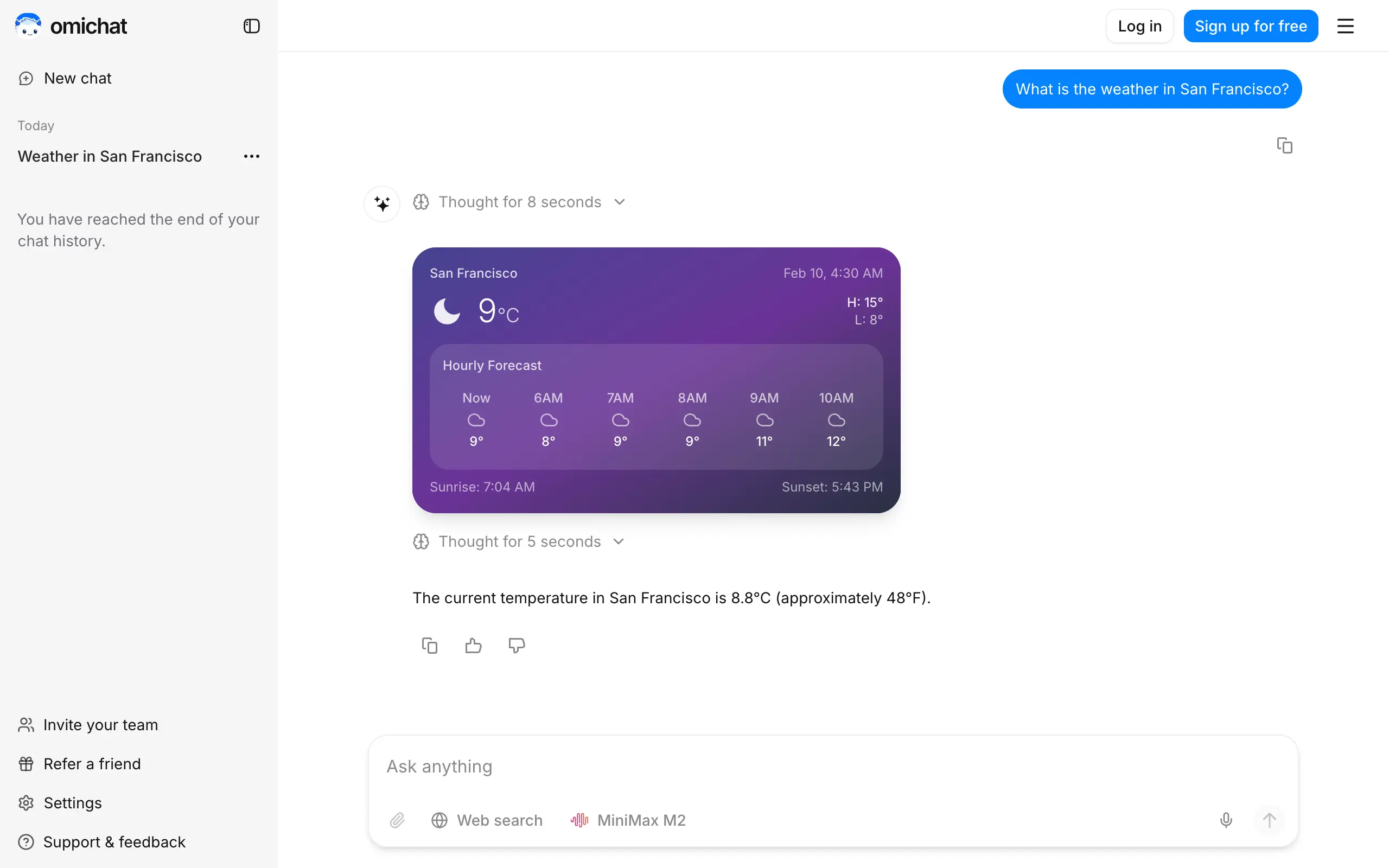
Omichat
Chat with 50+ AI models, including ChatGPT and Claude, in one place - switch models anytime without losing context 🤖
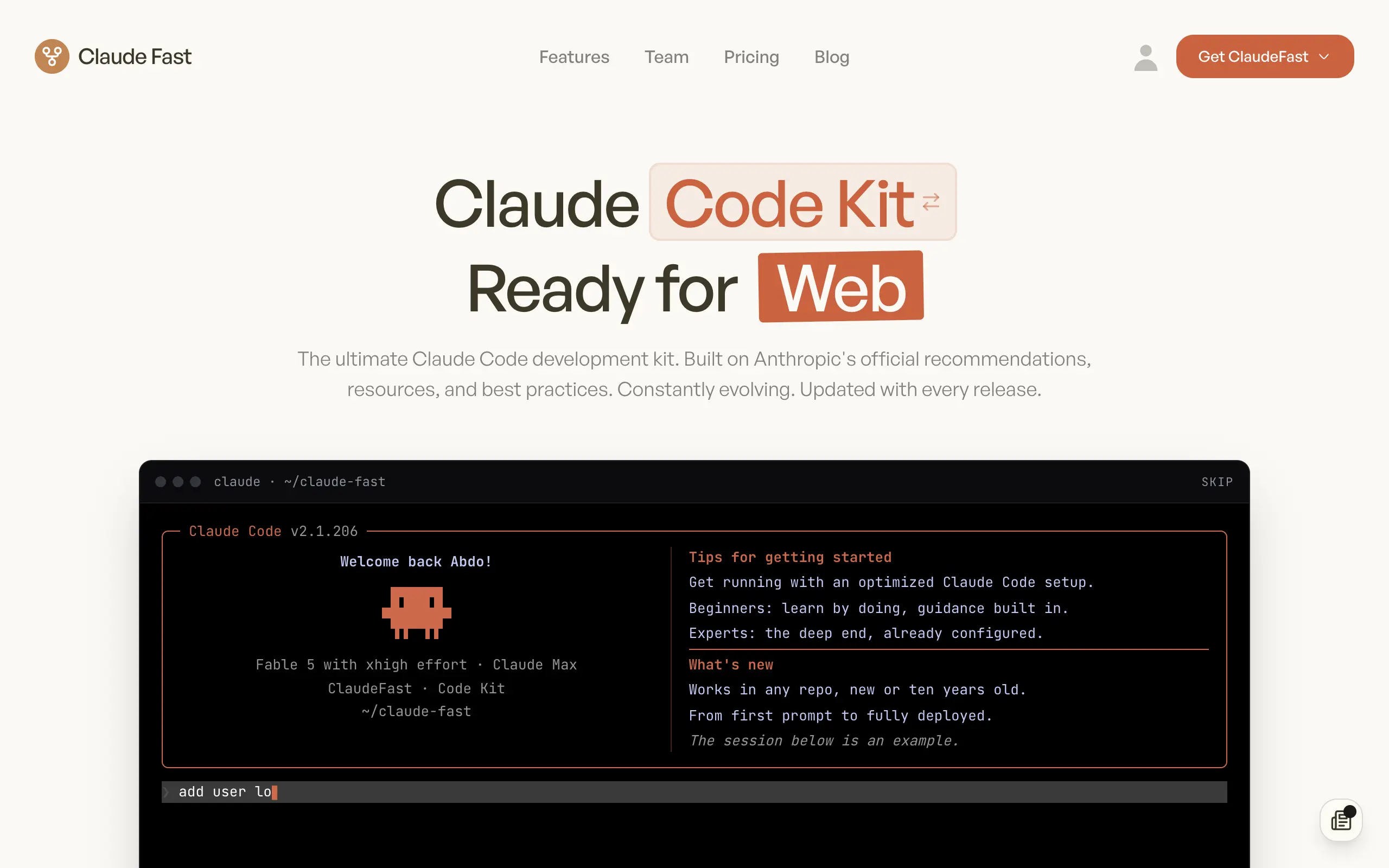
Claude Fast
Supercharge your Claude Code with 6x effective context window and specialized AI agents 🤖
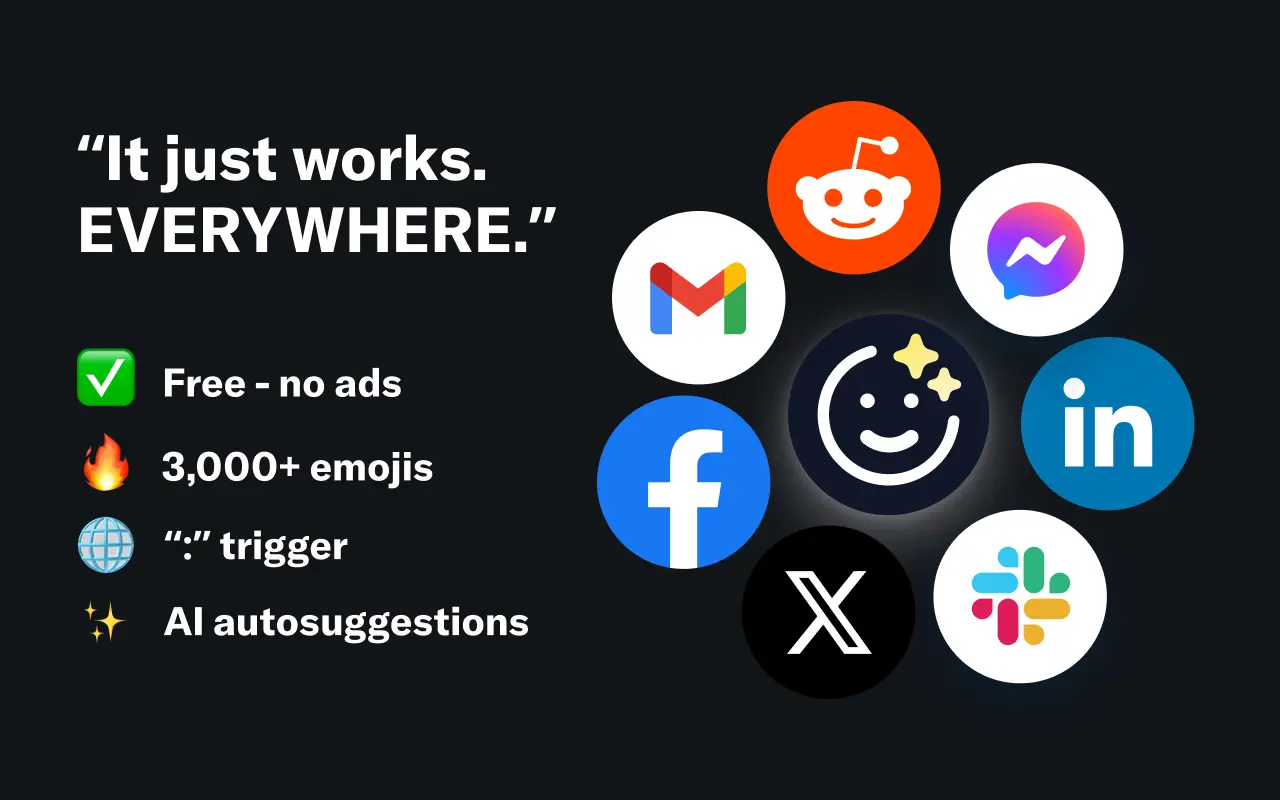
EmojAI
AI-powered emoji picker with smart, context-aware suggestions 🤖
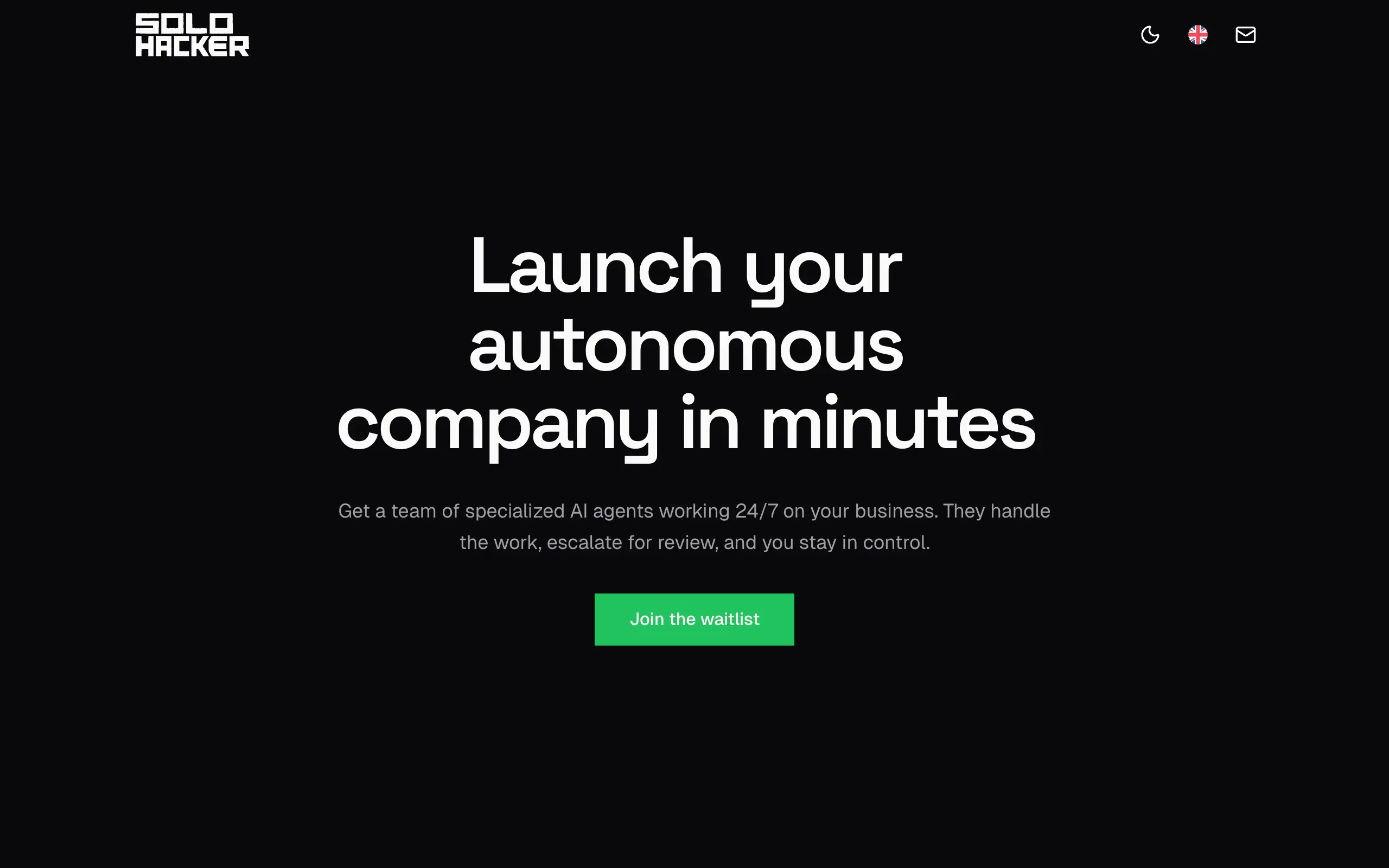
Solohacker
Autonomous company launcher - AI agents work 24/7, escalate what matters, and you stay in control 🤖

BeRawi: Storytelling Coach
Practice storytelling daily with instant feedback to sound clearer, more engaging, and confident 🎤
Omichat
Chat with 50+ AI models, including ChatGPT and Claude, in one place - switch models anytime without losing context 🤖
Claude Fast
Supercharge your Claude Code with 6x effective context window and specialized AI agents 🤖
EmojAI
AI-powered emoji picker with smart, context-aware suggestions 🤖
Solohacker
Autonomous company launcher - AI agents work 24/7, escalate what matters, and you stay in control 🤖
BeRawi: Storytelling Coach
Practice storytelling daily with instant feedback to sound clearer, more engaging, and confident 🎤
Omichat
Chat with 50+ AI models, including ChatGPT and Claude, in one place - switch models anytime without losing context 🤖
Claude Fast
Supercharge your Claude Code with 6x effective context window and specialized AI agents 🤖
EmojAI
AI-powered emoji picker with smart, context-aware suggestions 🤖
Solohacker
Autonomous company launcher - AI agents work 24/7, escalate what matters, and you stay in control 🤖
BeRawi: Storytelling Coach
Practice storytelling daily with instant feedback to sound clearer, more engaging, and confident 🎤
Omichat
Chat with 50+ AI models, including ChatGPT and Claude, in one place - switch models anytime without losing context 🤖
Claude Fast
Supercharge your Claude Code with 6x effective context window and specialized AI agents 🤖
EmojAI
AI-powered emoji picker with smart, context-aware suggestions 🤖
Solohacker
Autonomous company launcher - AI agents work 24/7, escalate what matters, and you stay in control 🤖
BeRawi: Storytelling Coach
Practice storytelling daily with instant feedback to sound clearer, more engaging, and confident 🎤

Connect with like-minded people
Join our community to get feedback, support, and grow together with 1,000+ builders on board, let's ship it!
Join usShip your startup everywhere. In minutes.
Don't burn tokens on setup and start building features on day one.