SnapHow
Snap a photo of any tool or machine and get instant, step-by-step instructions, safety tips, and common mistakes explained in simple language.
Understanding the problem SnapHow solves in everyday work
Modern tools and machines are more powerful than ever, but they are also more complex. From a homeowner trying to use a new power drill to a junior technician facing unfamiliar industrial equipment, the gap between having the tool and knowing how to use it safely and effectively is wider than most people admit.
Traditional solutions fall short:
- Printed manuals are dense, easy to lose, and often written for experts rather than beginners.
- YouTube tutorials require guessing the right keywords, watching long videos, and hoping the model matches your exact tool.
- Manufacturer documentation is inconsistent in quality and rarely optimized for quick, on-the-spot help.
- Asking a colleague is not always possible, especially in remote or solo work environments.
SnapHow directly addresses this gap. The core idea is simple but powerful: snap a photo of any tool or machine and instantly receive clear, step-by-step instructions, safety tips, and common mistakes explained in plain language.
This positions SnapHow as an AI-powered visual instruction platform, optimized for real-world, time-sensitive scenarios where clarity and safety matter more than technical jargon.
What is SnapHow? An AI-powered visual instruction platform
SnapHow is an AI SaaS product that uses computer vision and large language models to interpret images of tools or machines and generate contextual guidance. Unlike generic AI assistants, SnapHow is purpose-built for instructional accuracy, safety awareness, and simplicity.
At a high level, SnapHow provides:
- Instant tool or machine identification from a photo
- Step-by-step usage instructions, tailored to the detected tool
- Safety precautions relevant to that specific device
- Common mistakes and misuse warnings
- Simple language explanations, accessible to non-experts
The primary keyword opportunity here revolves around phrases like AI tool instruction app, photo-based tool instructions, and AI machine usage guide. These reflect high-intent searches from users who want immediate, practical help—not abstract explanations.
SnapHow’s uniqueness lies in combining visual recognition with instructional AI, rather than treating them as separate problems.
Target audience analysis: who SnapHow is built for
Understanding SnapHow’s target users is critical for both product strategy and SEO alignment. Search intent varies across user groups, but they all share a common need: confidence when using unfamiliar tools.
DIY homeowners and hobbyists
This is one of the largest and most accessible markets.
Pain points:
- New tools purchased for one-off projects
- Fear of damaging materials or injuring themselves
- Manuals that assume prior knowledge
Why SnapHow resonates:
- No setup or learning curve
- Visual-first interaction feels intuitive
- Safety tips reduce anxiety
Typical searches:
- “How to use this tool”
- “Power drill safety tips”
- “What is this tool used for”
Tradespeople and field technicians
Electricians, plumbers, HVAC techs, and maintenance workers often encounter unfamiliar equipment on job sites.
Pain points:
- Limited time to look up documentation
- Risk of costly mistakes
- Equipment variations across brands
Why SnapHow resonates:
- Fast, contextual guidance
- Emphasis on common mistakes
- Works directly on-site via mobile
Manufacturing and warehouse workers
In industrial settings, incorrect tool or machine usage can lead to downtime or injury.
Pain points:
- High training costs
- Language barriers
- Inconsistent onboarding
Why SnapHow resonates:
- Standardized instructions
- Simple language explanations
- Potential for multilingual support
Educators and training organizations
Vocational schools and corporate training programs are increasingly looking for digital-first teaching aids.
Why SnapHow resonates:
- Visual learning support
- Scales across cohorts
- Reduces instructor workload
Key insight
SnapHow is not just a consumer app—it can evolve into a training infrastructure layer for industries where tools and machines are central.
Market opportunity and gap analysis
The broader market SnapHow enters includes:
- AI assistants
- Visual recognition software
- Industrial training platforms
- Consumer DIY apps
Yet none of these fully address just-in-time visual instruction.
Where existing solutions fall short
| Category | Limitation |
|---|---|
| AI chatbots | Lack visual context |
| Manuals | Static, outdated, hard to navigate |
| Video tutorials | Time-consuming, not tool-specific |
| Training software | Expensive, enterprise-only |
SnapHow occupies a new intersection:
- Visual input (photo)
- Immediate output (steps + safety)
- Plain-language UX
This creates a defensible niche in both B2C and B2B markets.
Market timing and trends
Several trends make SnapHow especially relevant now:
- Advances in computer vision accuracy
- Multimodal AI models that understand images and text together
- Increased focus on workplace safety and compliance
- Growth of DIY culture and creator-led home improvement
Rather than competing head-on with general AI platforms, SnapHow specializes—and specialization is often where SaaS products win.
Core features that make SnapHow valuable
SnapHow’s feature set should remain intentionally focused. Overloading the product with options would dilute its core promise: fast, reliable instructions.
Tool and machine recognition from photos
The foundation of SnapHow is image recognition.
- Detects tool category (e.g., angle grinder, drill press)
- Identifies key components visible in the image
- Accounts for partial or imperfect photos
This is not about perfect identification—it’s about good-enough accuracy to deliver helpful guidance.
Step-by-step instructions in simple language
Once a tool is recognized, SnapHow generates:
- Preparation steps
- Proper usage sequence
- Shutdown or storage guidance
Language is optimized for clarity, not completeness. Each step answers:
- What to do
- Why it matters
Built-in safety tips and warnings
Safety is not an afterthought; it is embedded into every instruction flow.
Examples:
- Required protective gear
- Common injury risks
- Environmental hazards
This feature alone can differentiate SnapHow from generic AI assistants.
Common mistakes and misuse explanations
Users often learn faster from mistakes than from ideal scenarios.
SnapHow highlights:
- Frequent beginner errors
- Signs something is going wrong
- When to stop and seek help
Optional advanced mode (future expansion)
For professional users, SnapHow could introduce:
- Technical specs
- Torque values
- Maintenance intervals
Focuses on safety, clarity, and basic usage. Ideal for homeowners and casual users.
Includes technical details, professional tips, and compliance-related information.
Competitive advantage and positioning
SnapHow’s competitive advantage is not raw AI capability—it’s contextual relevance.
SnapHow vs generic AI assistants
| Feature | SnapHow | Generic AI | Manuals | Videos |
|---|---|---|---|---|
| Photo-based input | ✅ | ❌ | ❌ | ❌ |
| Step-by-step guidance | ✅ | ✅ | ✅ | ❌ |
| Safety-first design | ✅ | ❌ | ✅ | ❌ |
| Instant context | ✅ | ❌ | ❌ | ❌ |
SnapHow wins by being narrow, fast, and practical.
Recommended tech stack and architectural considerations
SnapHow’s architecture must balance accuracy, speed, and cost.
Frontend
- React for component-based UI (React)
- Mobile-first design for camera access
- Offline-friendly caching for recent instructions
Backend
- Node.js or Python-based API
- Image preprocessing and compression
- Request orchestration between vision and language models
AI layer
- Computer vision model for tool recognition
- Multimodal language model for instruction generation
- Guardrails for safety-critical outputs
Trade-offs to consider
- Accuracy vs latency: Faster results may slightly reduce recognition accuracy.
- General models vs fine-tuned models: Fine-tuning improves reliability but increases cost.
- On-device vs cloud processing: On-device improves privacy but limits model size.
Safety consideration
Any AI-generated instruction system must include disclaimers and escalation paths when confidence is low or risk is high.
Monetization strategies for SnapHow
SnapHow offers multiple monetization paths, making it flexible as the product matures.
Freemium consumer model
- Free tier with limited scans per month
- Paid tier unlocks:
- Unlimited scans
- Advanced explanations
- History and bookmarking
B2B licensing
- Per-seat pricing for companies
- Centralized admin dashboard
- Custom tool libraries
White-label partnerships
- Tool manufacturers embed SnapHow into their apps
- Branded instructional experiences
- Revenue-sharing agreements
Training and compliance add-ons
- Usage analytics
- Certification tracking
- Audit-friendly logs
High-margin B2B
Enterprise safety and training budgets enable higher ARPU.
Scalable B2C
Mass-market DIY users drive volume and brand awareness.
Risks, limitations, and mitigation strategies
No AI product is without risk, especially one dealing with physical tools.
Risk: incorrect identification
Mitigation:
- Confidence scoring
- Asking users to confirm tool type
- Clear “not sure” fallbacks
Risk: liability concerns
Mitigation:
- Explicit disclaimers
- Conservative safety guidance
- Avoiding professional-only procedures
Risk: user overreliance on AI
Mitigation:
- Encourage manual verification
- Highlight when expert help is required
SnapHow should prioritize safety-first outputs and escalate uncertainty instead of guessing.
Implementation roadmap: from idea to MVP
A focused execution plan increases the chance of success.
For founders who want to accelerate this process, using a SaaS starter framework like TurboStarter can reduce setup time and let you focus on core product value.
Long-term vision and expansion opportunities
SnapHow can evolve beyond a single app into a platform.
Potential future expansions
- Multilingual instructions
- AR overlays showing where to act
- Voice-guided instructions
- Integration with smart glasses
The long-term value lies in building a trusted visual knowledge layer for the physical world.
Final thoughts: why SnapHow has real potential
SnapHow is compelling because it solves a real, recurring, and emotionally charged problem: uncertainty around tools and machines. Fear of doing something wrong—or getting hurt—is universal.
By combining visual recognition, AI-generated instructions, and safety-first design, SnapHow positions itself as more than a convenience. It becomes a confidence engine.
If executed with care, focus, and respect for user safety, SnapHow has the potential to define a new category in AI-powered instruction.
More 🤖 AI Startup SaaS ideas
Discover more innovative ai startup SaaS ideas that are trending in 2026. Each idea is AI-generated with market validation and growth potential to help you find your next profitable venture faster than competitors.
Your competitors are building with TurboStarter
Below are some of the SaaS ideas that have been generated and built with our starter kit.
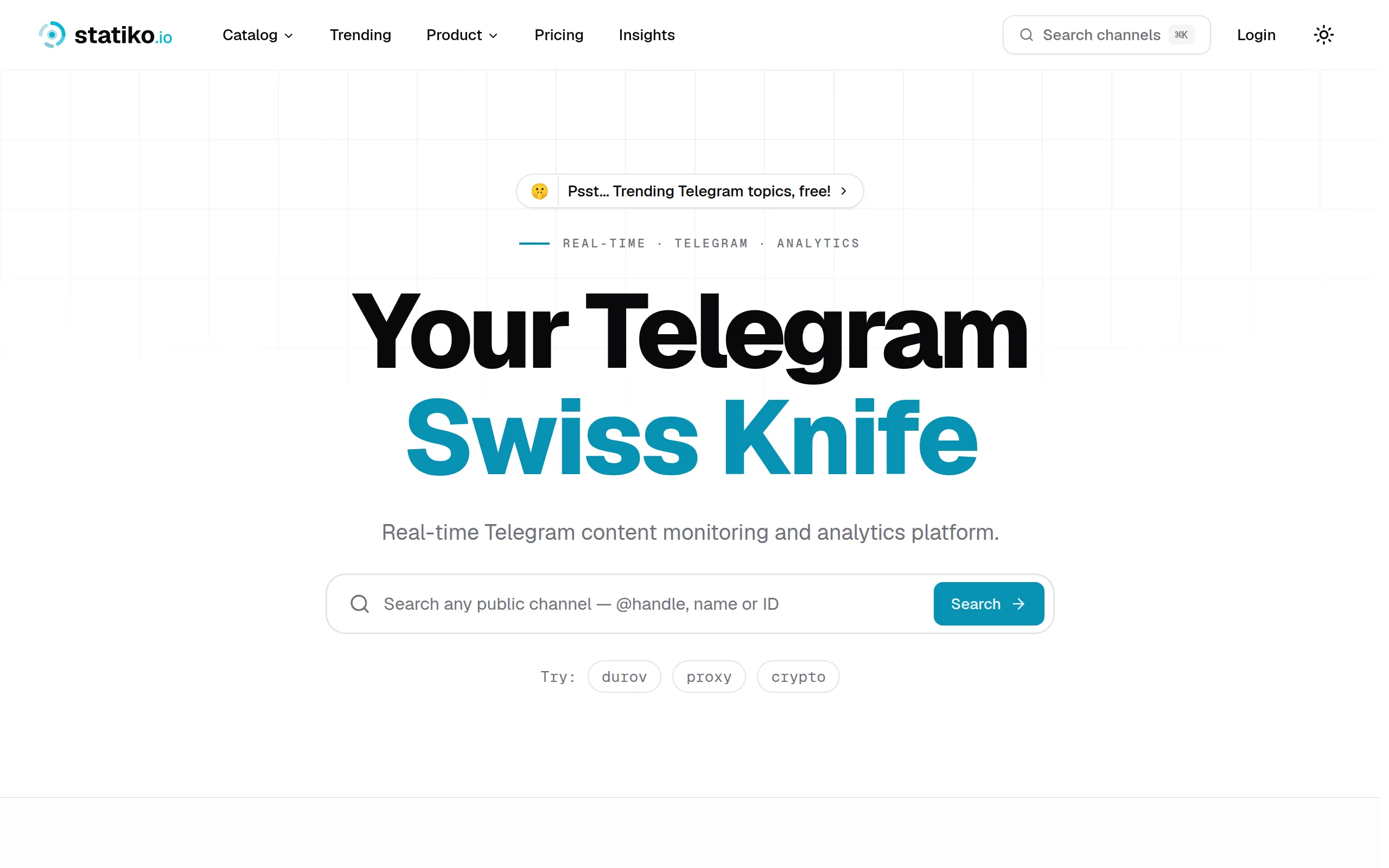
Statiko
Monitor any Telegram channel in real time - track posts, edits, deletions, and growth with AI recaps 📡

Shibui
AI website builder - describe your business, pick a niche template, edit by chatting, and publish instantly ✨

Pro Service
Find verified home service professionals, compare quotes, and pay securely through escrow - built for Brazilians across the US 🏠
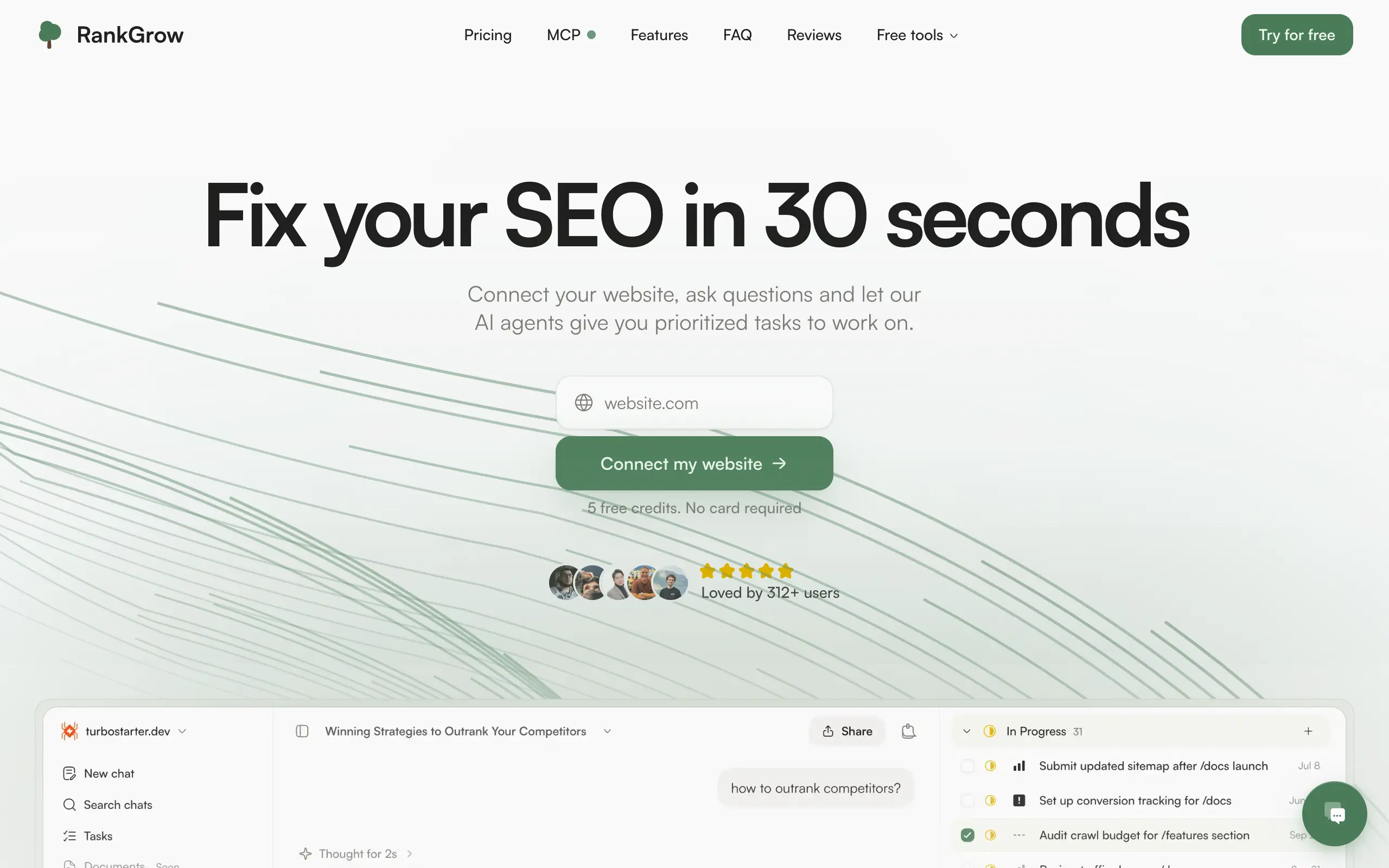
RankGrow
Fix your SEO with AI agents - connect Search Console, get prioritized tasks, and grow organic traffic 📈
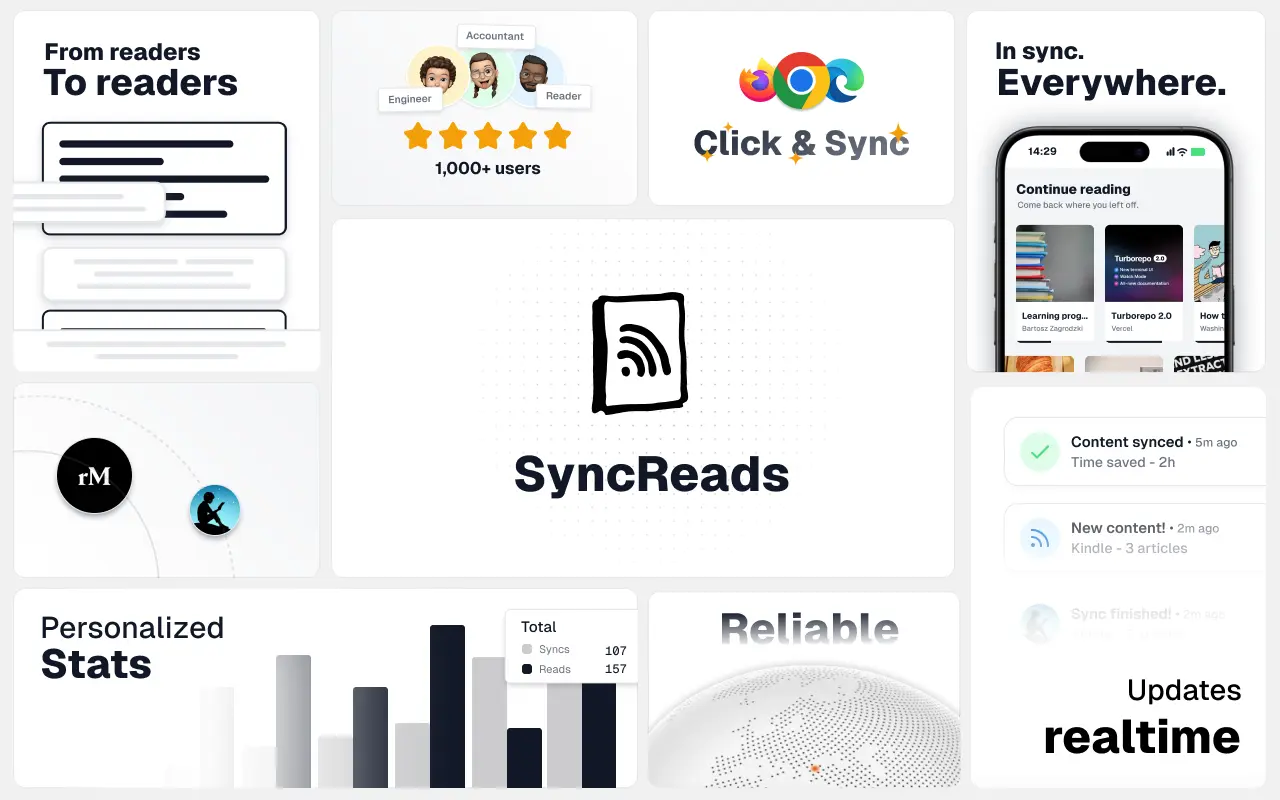
SyncReads
Sync your favorite content for distraction-free reading, save time and replace multiple apps. Anytime, anywhere 🔄
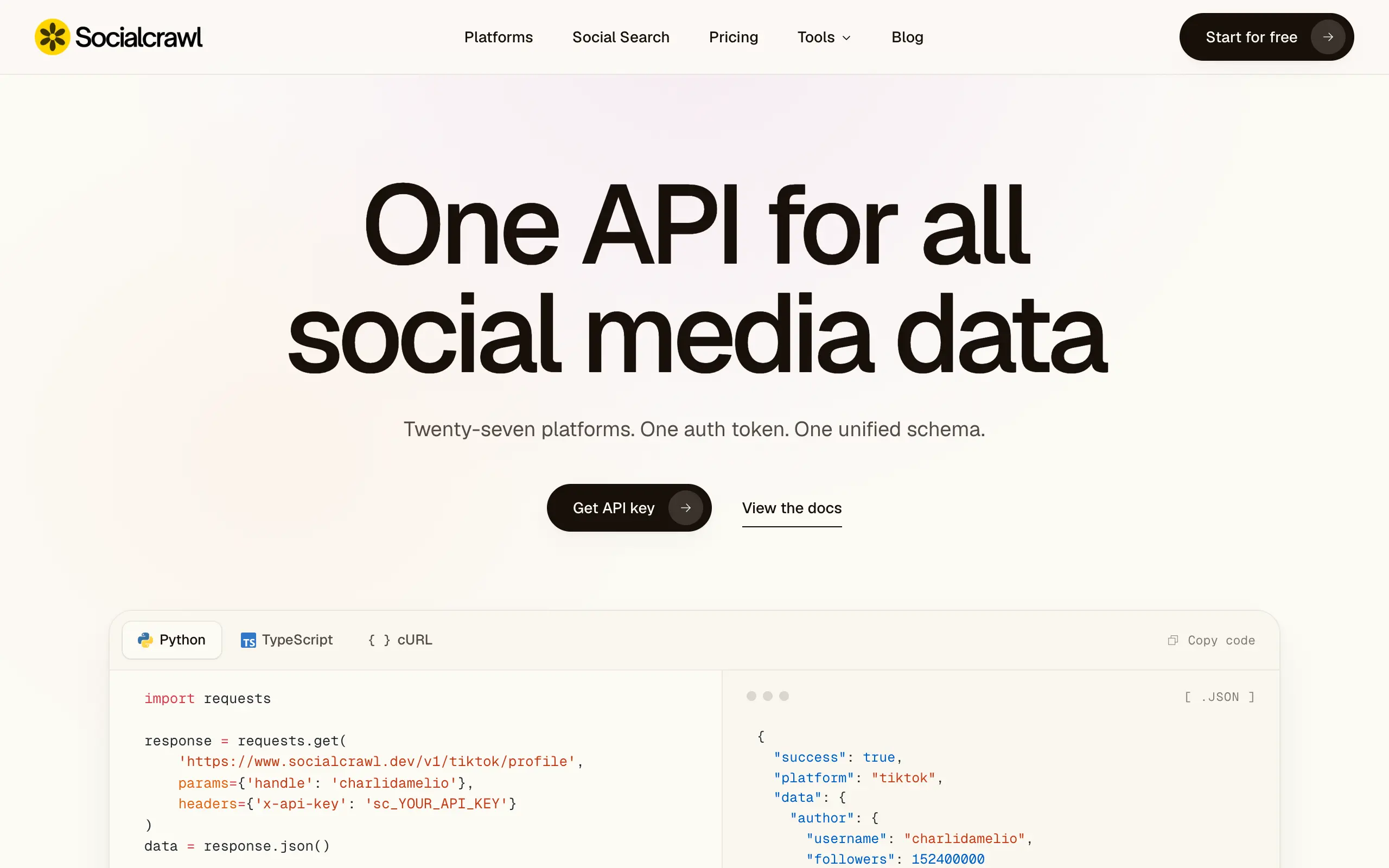
Socialcrawl
Get clean, structured data from 21 platforms like TikTok, Instagram, and YouTube with a single request 📊
Statiko
Monitor any Telegram channel in real time - track posts, edits, deletions, and growth with AI recaps 📡
Shibui
AI website builder - describe your business, pick a niche template, edit by chatting, and publish instantly ✨
Pro Service
Find verified home service professionals, compare quotes, and pay securely through escrow - built for Brazilians across the US 🏠
RankGrow
Fix your SEO with AI agents - connect Search Console, get prioritized tasks, and grow organic traffic 📈
SyncReads
Sync your favorite content for distraction-free reading, save time and replace multiple apps. Anytime, anywhere 🔄
Socialcrawl
Get clean, structured data from 21 platforms like TikTok, Instagram, and YouTube with a single request 📊
Statiko
Monitor any Telegram channel in real time - track posts, edits, deletions, and growth with AI recaps 📡
Shibui
AI website builder - describe your business, pick a niche template, edit by chatting, and publish instantly ✨
Pro Service
Find verified home service professionals, compare quotes, and pay securely through escrow - built for Brazilians across the US 🏠
RankGrow
Fix your SEO with AI agents - connect Search Console, get prioritized tasks, and grow organic traffic 📈
SyncReads
Sync your favorite content for distraction-free reading, save time and replace multiple apps. Anytime, anywhere 🔄
Socialcrawl
Get clean, structured data from 21 platforms like TikTok, Instagram, and YouTube with a single request 📊
Statiko
Monitor any Telegram channel in real time - track posts, edits, deletions, and growth with AI recaps 📡
Shibui
AI website builder - describe your business, pick a niche template, edit by chatting, and publish instantly ✨
Pro Service
Find verified home service professionals, compare quotes, and pay securely through escrow - built for Brazilians across the US 🏠
RankGrow
Fix your SEO with AI agents - connect Search Console, get prioritized tasks, and grow organic traffic 📈
SyncReads
Sync your favorite content for distraction-free reading, save time and replace multiple apps. Anytime, anywhere 🔄
Socialcrawl
Get clean, structured data from 21 platforms like TikTok, Instagram, and YouTube with a single request 📊
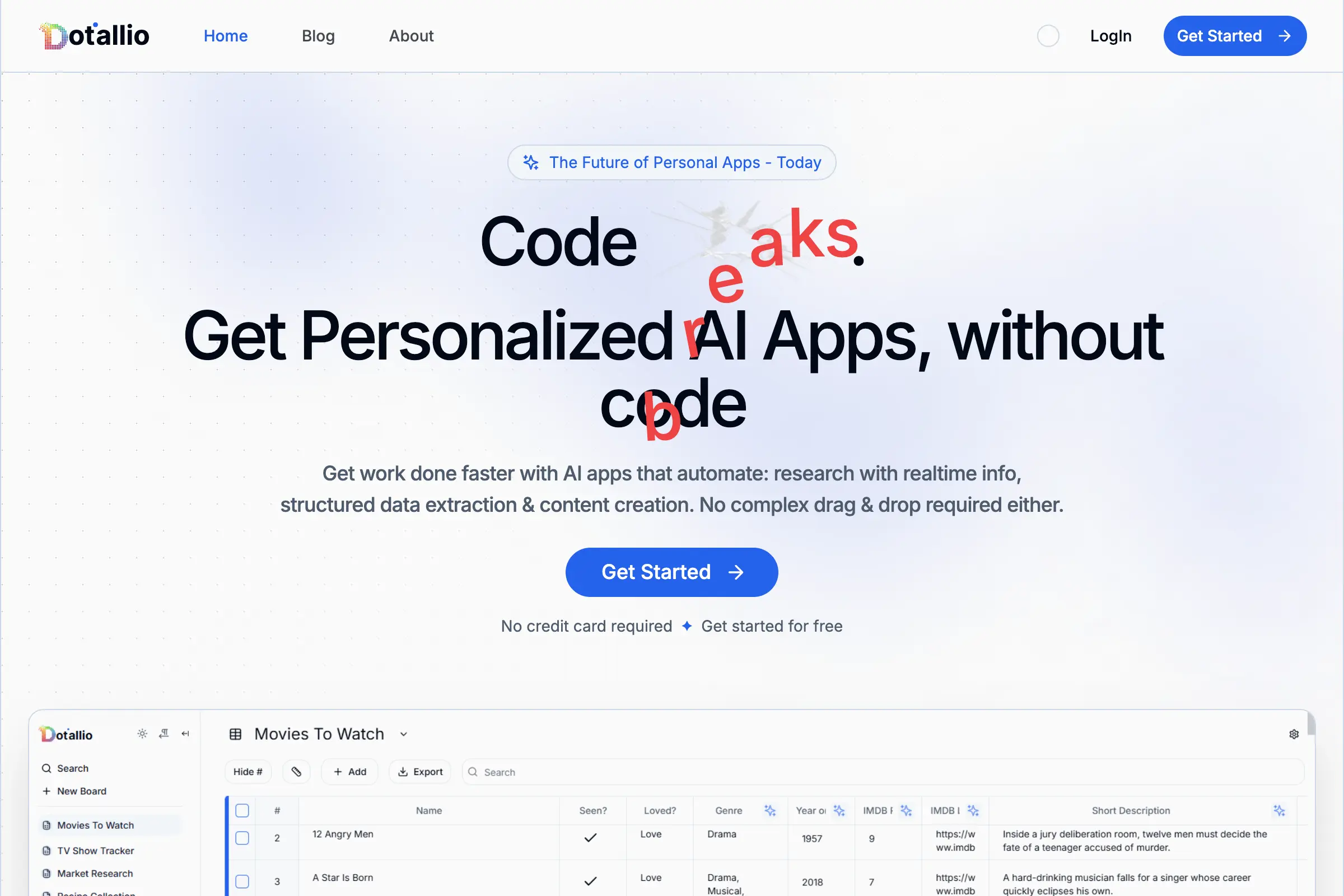
Dotallio
Personalized AI apps that automate research, data extraction, and content creation without code 🤖
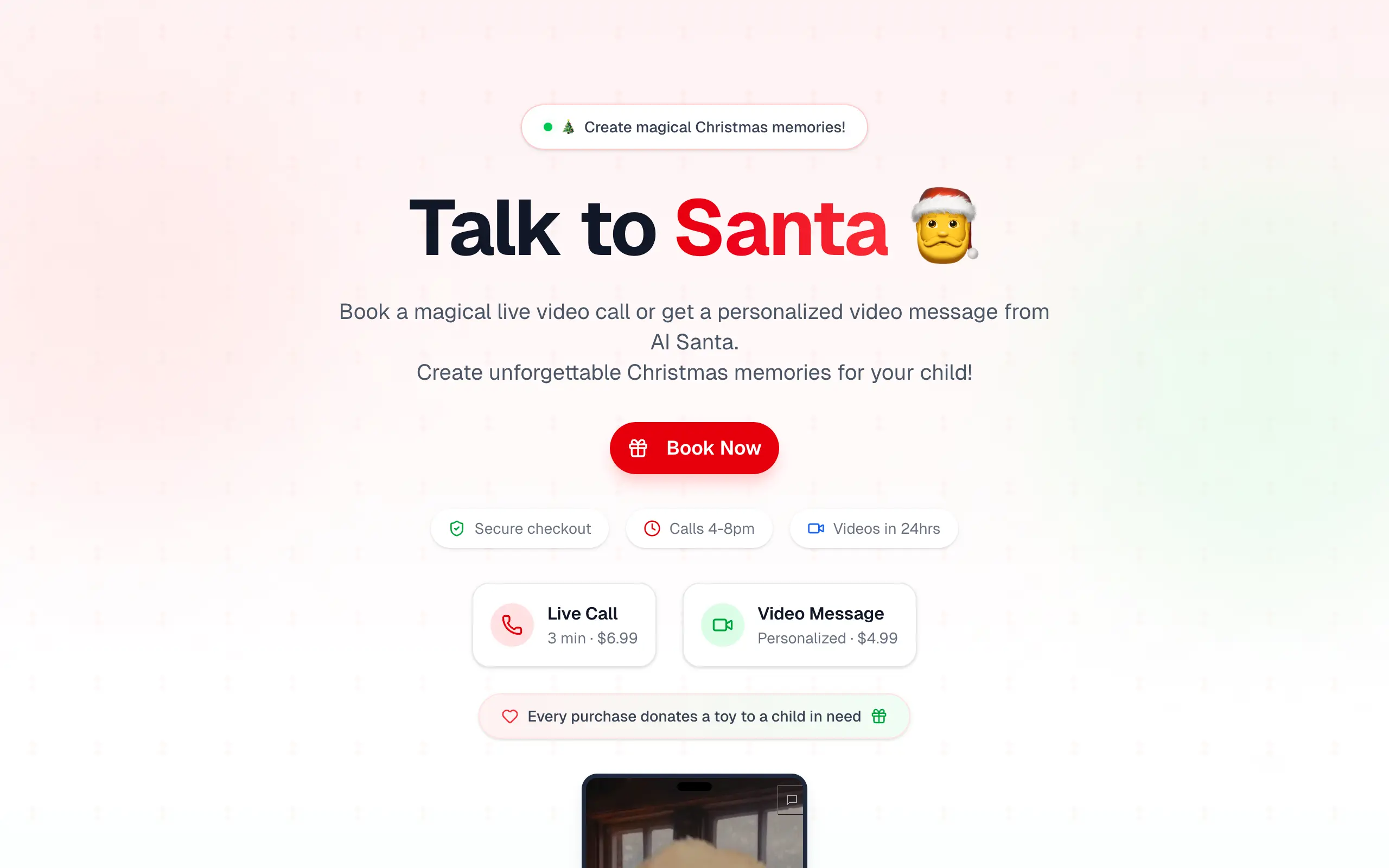
Talk to Santa
Enjoy a magical live video chat or receive a unique AI-generated video greeting from Santa Claus 🎅
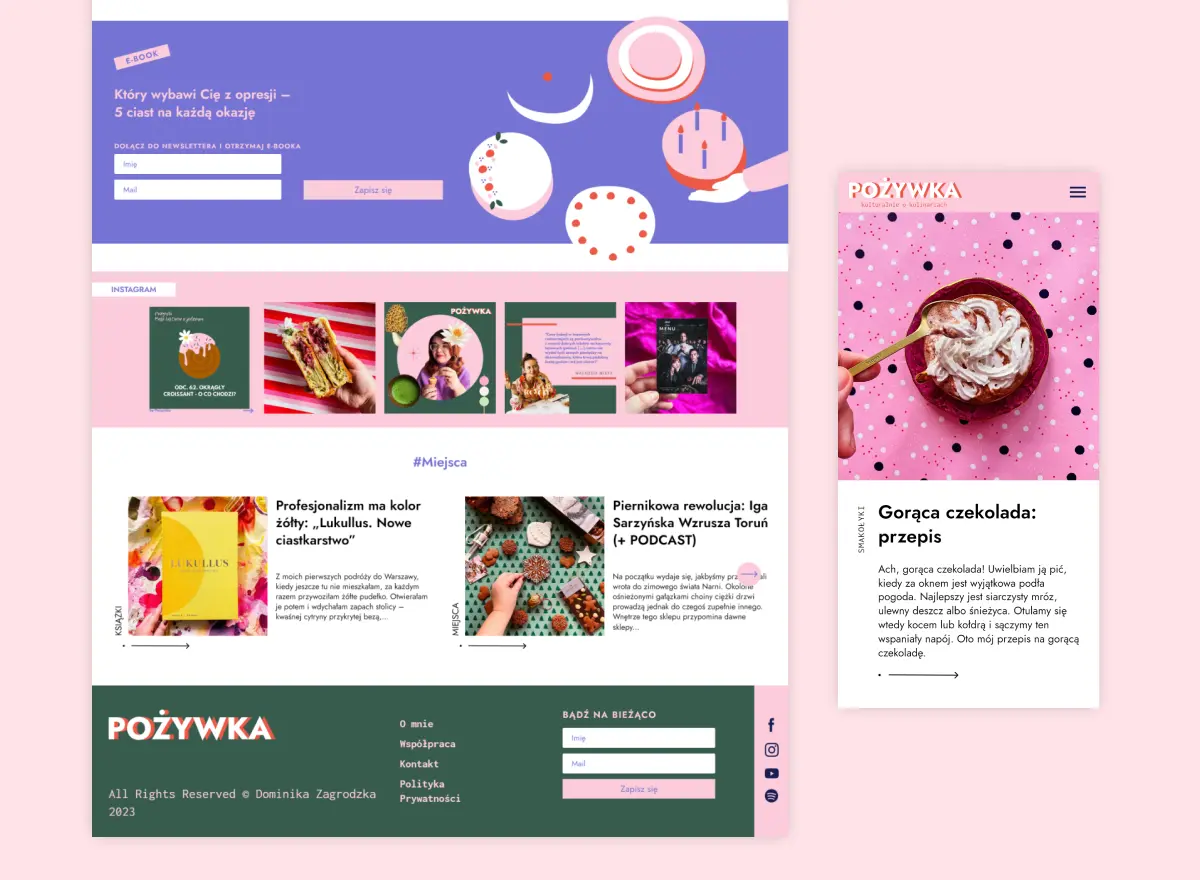
pozywka.pl
Scalable blog for food journalist, focused on performance and user experience 🌭
zagrodzki.me
Personal blog and portfolio of Bart Zagrodzki, where he shares his knowledge and work 💼
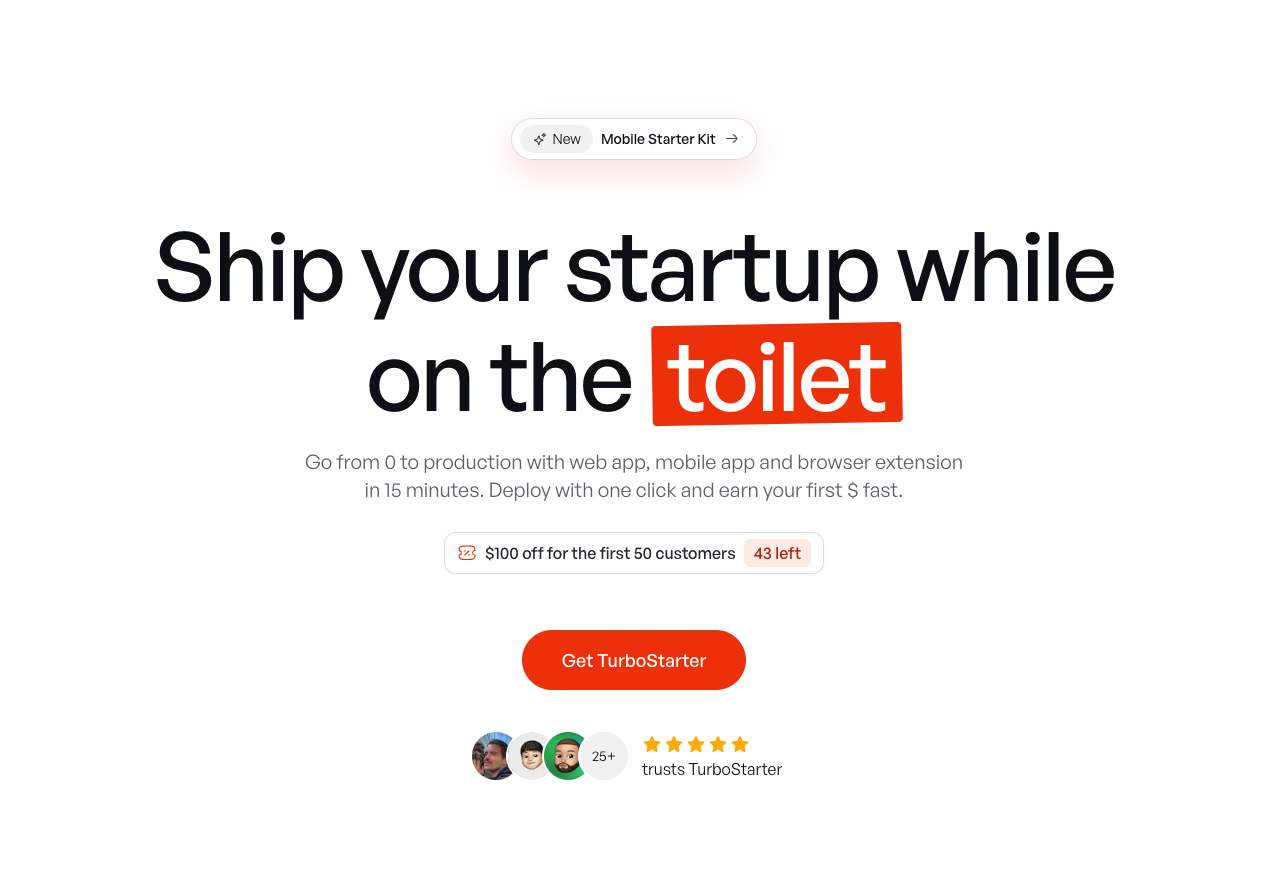
TurboStarter
Ship your startup everywhere. In minutes.
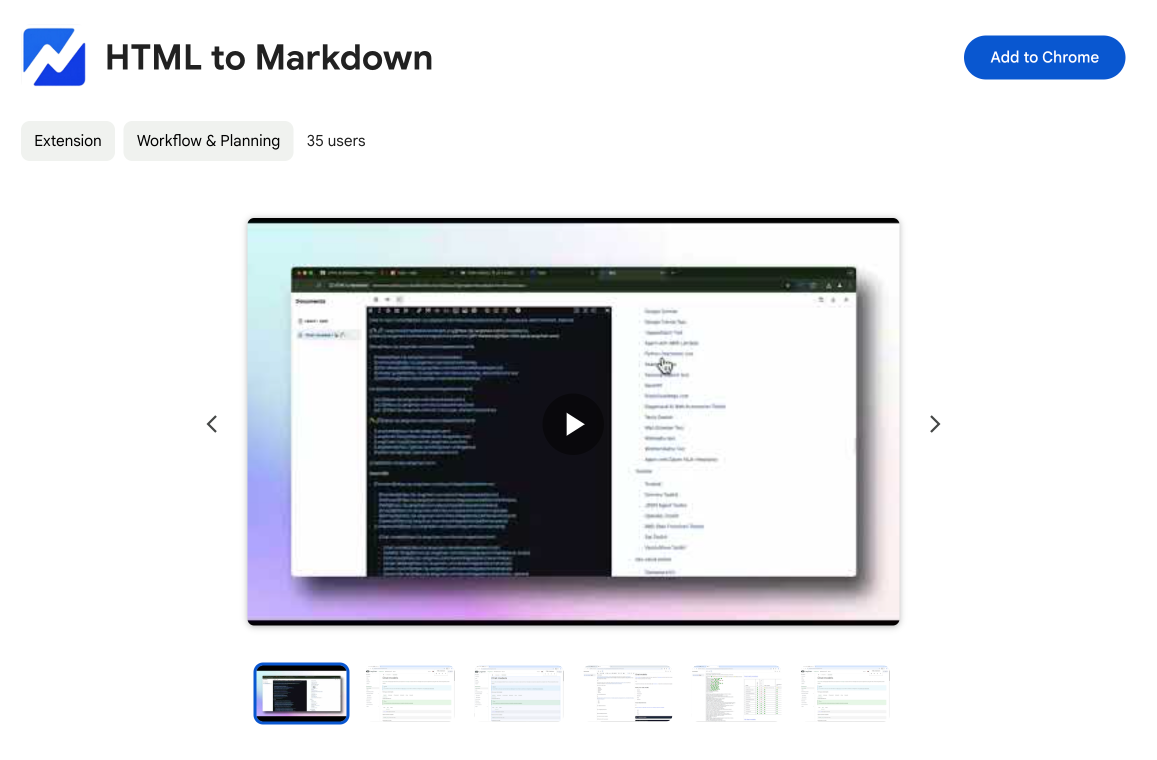
HTML to Markdown
Convert HTML to Markdown with ease, directly in your browser 📄
Dotallio
Personalized AI apps that automate research, data extraction, and content creation without code 🤖
Talk to Santa
Enjoy a magical live video chat or receive a unique AI-generated video greeting from Santa Claus 🎅
pozywka.pl
Scalable blog for food journalist, focused on performance and user experience 🌭
zagrodzki.me
Personal blog and portfolio of Bart Zagrodzki, where he shares his knowledge and work 💼
TurboStarter
Ship your startup everywhere. In minutes.
HTML to Markdown
Convert HTML to Markdown with ease, directly in your browser 📄
Dotallio
Personalized AI apps that automate research, data extraction, and content creation without code 🤖
Talk to Santa
Enjoy a magical live video chat or receive a unique AI-generated video greeting from Santa Claus 🎅
pozywka.pl
Scalable blog for food journalist, focused on performance and user experience 🌭
zagrodzki.me
Personal blog and portfolio of Bart Zagrodzki, where he shares his knowledge and work 💼
TurboStarter
Ship your startup everywhere. In minutes.
HTML to Markdown
Convert HTML to Markdown with ease, directly in your browser 📄
Dotallio
Personalized AI apps that automate research, data extraction, and content creation without code 🤖
Talk to Santa
Enjoy a magical live video chat or receive a unique AI-generated video greeting from Santa Claus 🎅
pozywka.pl
Scalable blog for food journalist, focused on performance and user experience 🌭
zagrodzki.me
Personal blog and portfolio of Bart Zagrodzki, where he shares his knowledge and work 💼
TurboStarter
Ship your startup everywhere. In minutes.
HTML to Markdown
Convert HTML to Markdown with ease, directly in your browser 📄
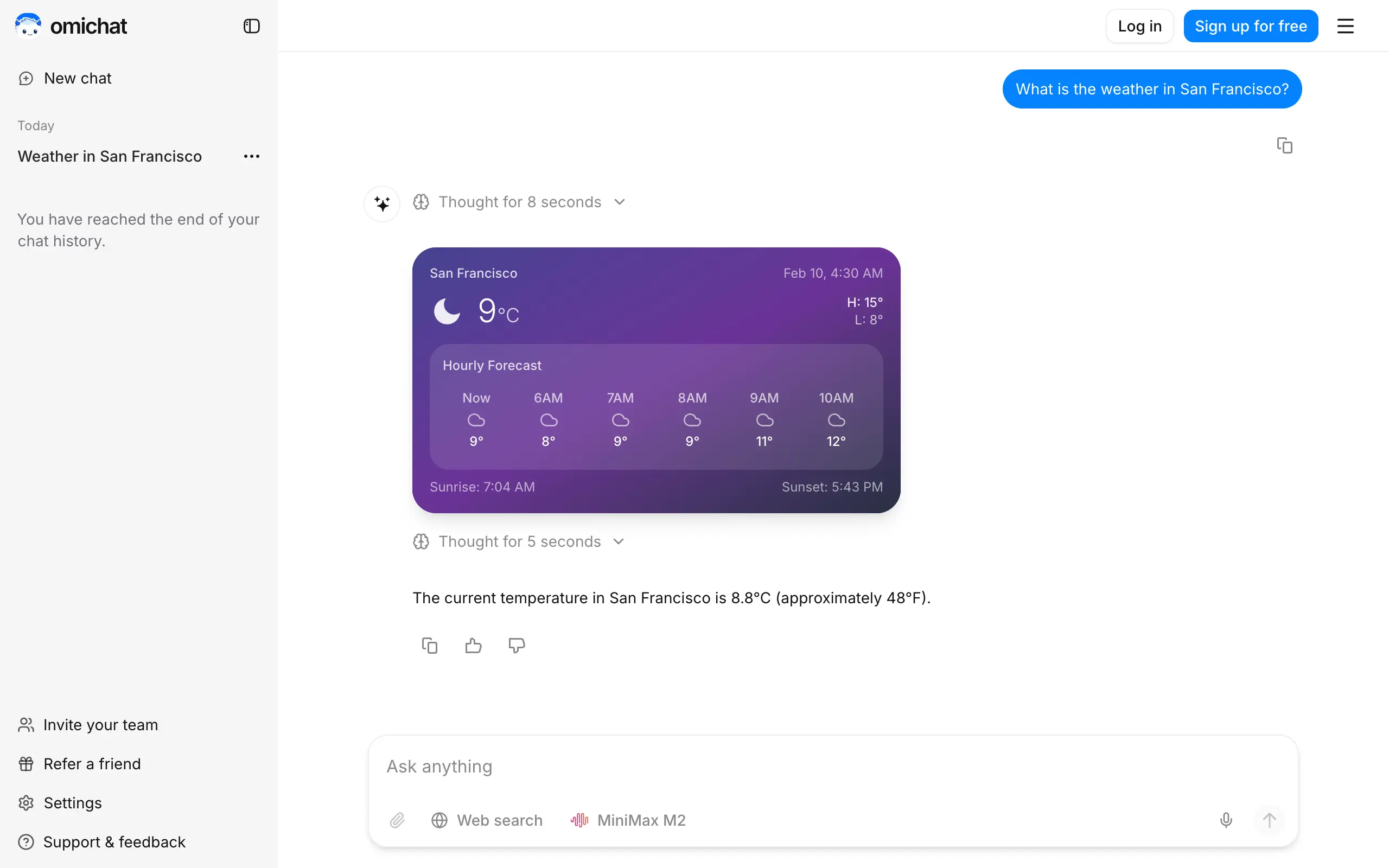
Omichat
Chat with 50+ AI models, including ChatGPT and Claude, in one place - switch models anytime without losing context 🤖
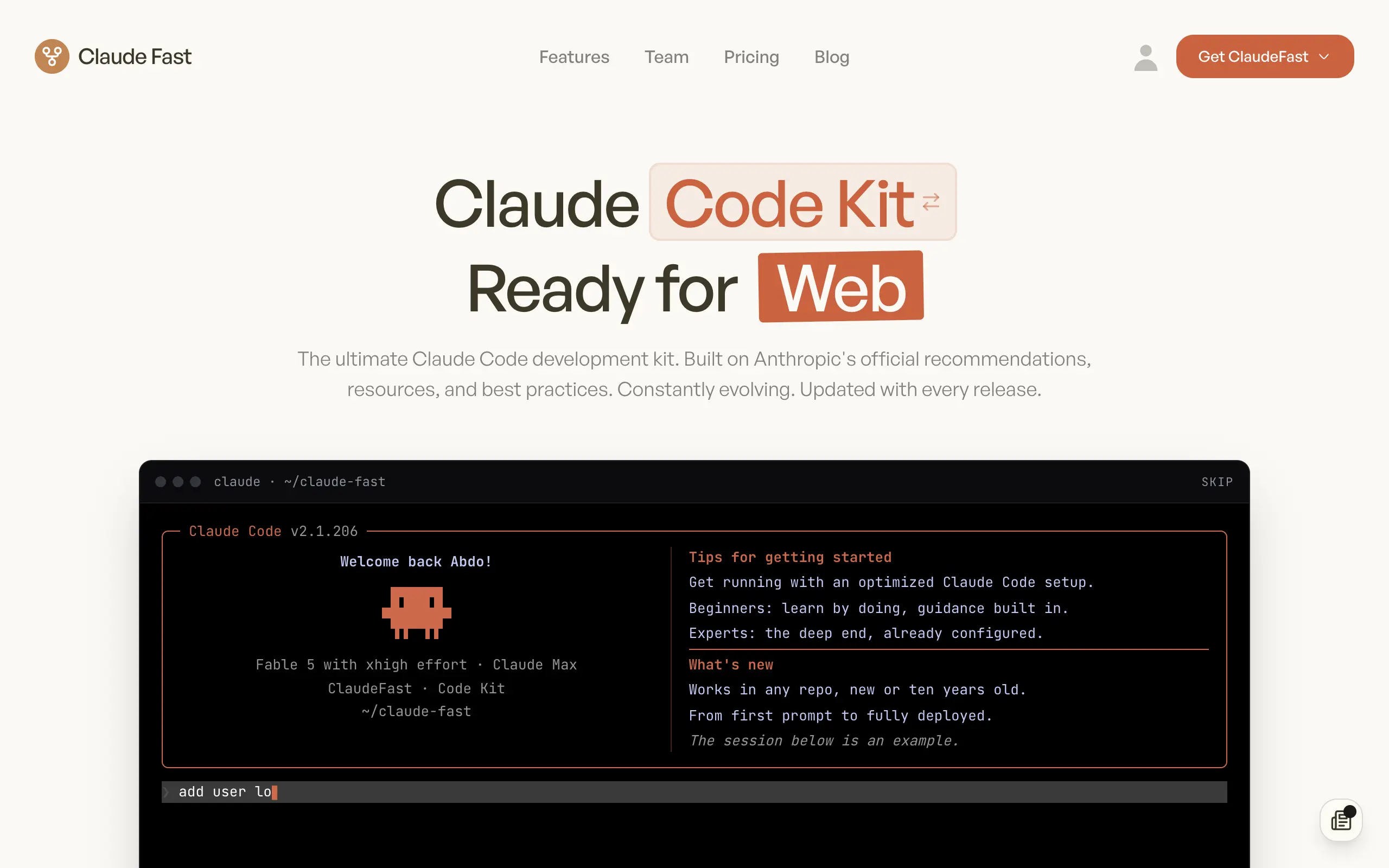
Claude Fast
Supercharge your Claude Code with 6x effective context window and specialized AI agents 🤖
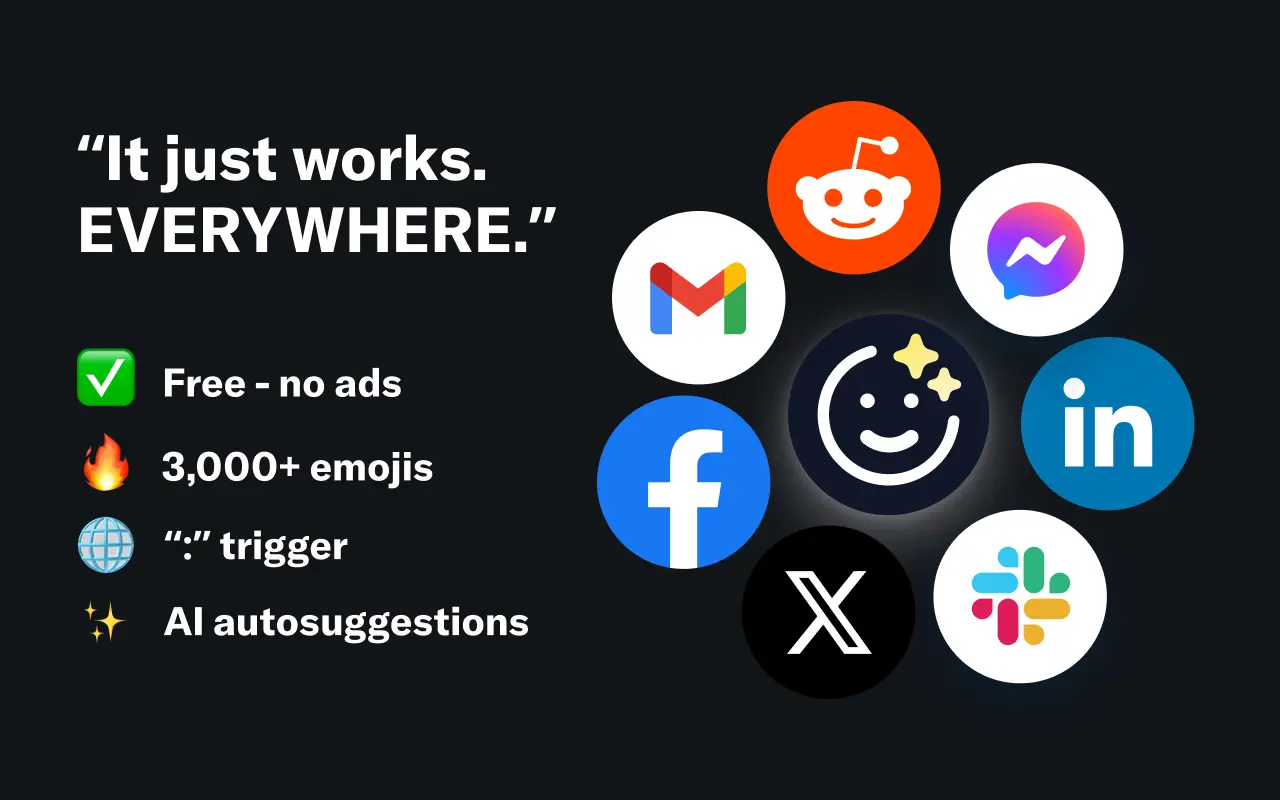
EmojAI
AI-powered emoji picker with smart, context-aware suggestions 🤖
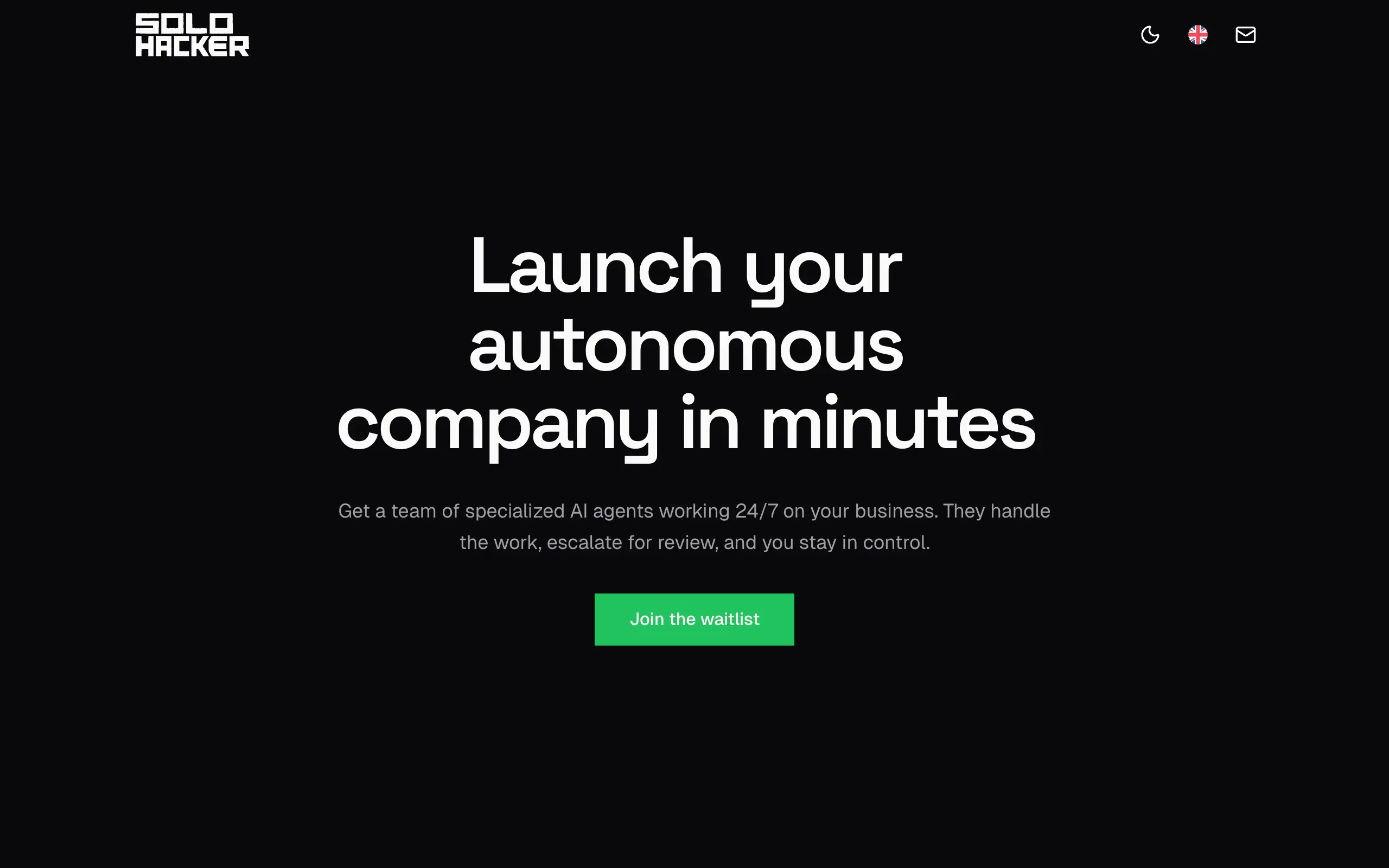
Solohacker
Autonomous company launcher - AI agents work 24/7, escalate what matters, and you stay in control 🤖
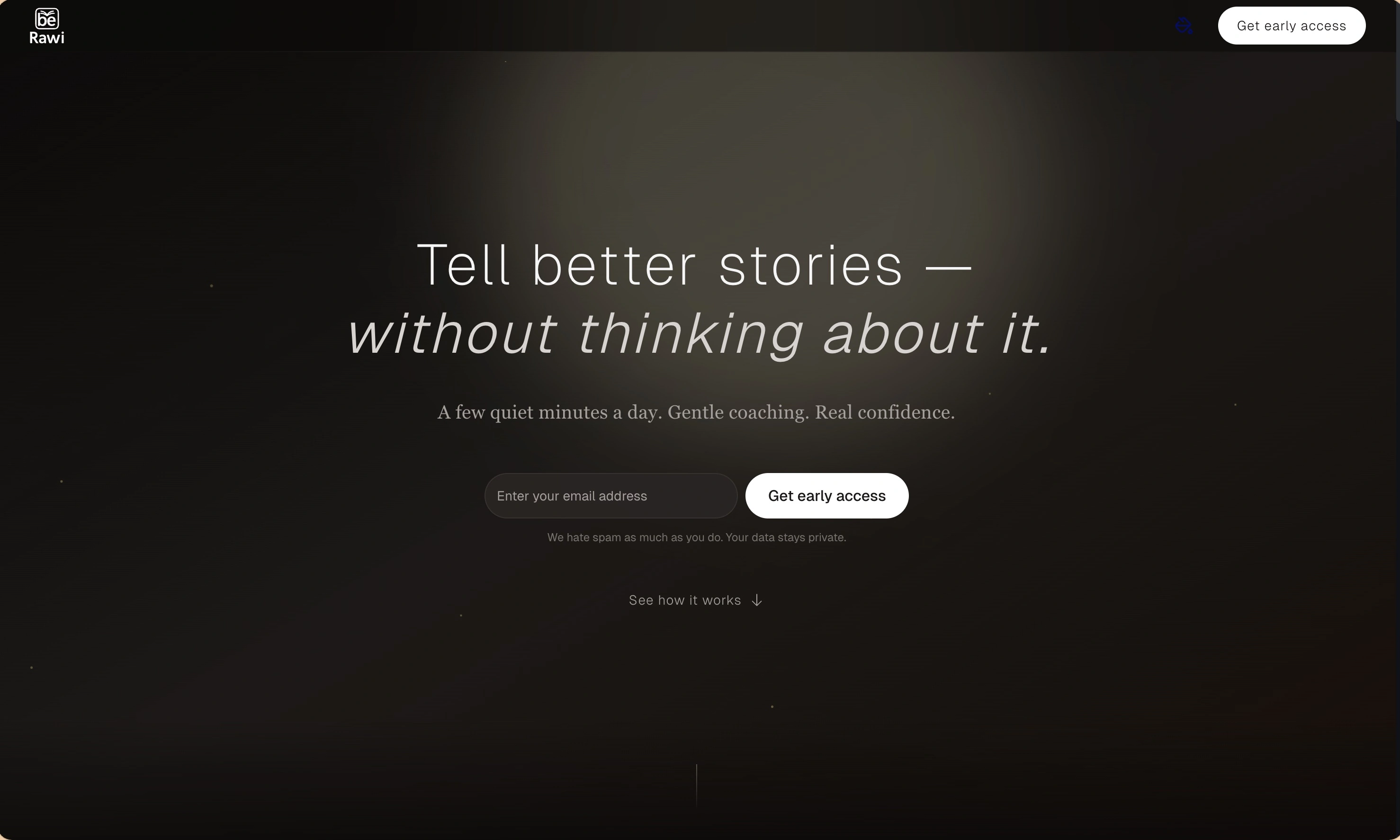
BeRawi: Storytelling Coach
Practice storytelling daily with instant feedback to sound clearer, more engaging, and confident 🎤
Omichat
Chat with 50+ AI models, including ChatGPT and Claude, in one place - switch models anytime without losing context 🤖
Claude Fast
Supercharge your Claude Code with 6x effective context window and specialized AI agents 🤖
EmojAI
AI-powered emoji picker with smart, context-aware suggestions 🤖
Solohacker
Autonomous company launcher - AI agents work 24/7, escalate what matters, and you stay in control 🤖
BeRawi: Storytelling Coach
Practice storytelling daily with instant feedback to sound clearer, more engaging, and confident 🎤
Omichat
Chat with 50+ AI models, including ChatGPT and Claude, in one place - switch models anytime without losing context 🤖
Claude Fast
Supercharge your Claude Code with 6x effective context window and specialized AI agents 🤖
EmojAI
AI-powered emoji picker with smart, context-aware suggestions 🤖
Solohacker
Autonomous company launcher - AI agents work 24/7, escalate what matters, and you stay in control 🤖
BeRawi: Storytelling Coach
Practice storytelling daily with instant feedback to sound clearer, more engaging, and confident 🎤
Omichat
Chat with 50+ AI models, including ChatGPT and Claude, in one place - switch models anytime without losing context 🤖
Claude Fast
Supercharge your Claude Code with 6x effective context window and specialized AI agents 🤖
EmojAI
AI-powered emoji picker with smart, context-aware suggestions 🤖
Solohacker
Autonomous company launcher - AI agents work 24/7, escalate what matters, and you stay in control 🤖
BeRawi: Storytelling Coach
Practice storytelling daily with instant feedback to sound clearer, more engaging, and confident 🎤

Connect with like-minded people
Join our community to get feedback, support, and grow together with 1,000+ builders on board, let's ship it!
Join usShip your startup everywhere. In minutes.
Don't burn tokens on setup and start building features on day one.