SocraticAI
An AI-powered philosophy tutor that engages users in personalized Socratic dialogue to sharpen critical thinking and deepen understanding of complex ideas.
Reimagining philosophical learning with SocraticAI
The way we learn philosophy has barely changed in centuries. We read dense texts. We listen to lectures. We write essays. But the core of philosophy — the Socratic method — is dialogue. Thoughtful, probing questions. Iterative reasoning. Intellectual humility.
SocraticAI is an AI-powered philosophy tutor designed to revive that method at scale. Instead of passively consuming information, users engage in personalized Socratic dialogue that sharpens critical thinking, exposes hidden assumptions, and deepens understanding of complex ideas.
This article provides a comprehensive breakdown of the SocraticAI SaaS concept, including:
- Target audience analysis
- Market opportunity and gap validation
- Core product features and solution architecture
- Recommended AI and technical stack
- Monetization strategies
- Competitive landscape
- Risks and mitigation strategies
- Actionable implementation roadmap
If you are exploring building an AI education startup, validating an AI tutor SaaS, or launching an edtech product focused on critical thinking, this guide is for you.
The problem: education without dialogue
Modern education suffers from three systemic issues:
- Passive learning dominates (videos, lectures, memorization)
- Critical thinking is underdeveloped
- Personalized tutoring is inaccessible or expensive
The Socratic method — asking guided questions to stimulate critical reasoning — is one of the most powerful pedagogical tools ever developed. But it requires:
- Skilled instructors
- Time-intensive one-on-one interaction
- Continuous feedback
Most students never experience true Socratic dialogue.
Meanwhile, AI tutoring systems have surged in popularity. Tools like ChatGPT and other large language models show how AI can simulate conversation. However:
- They are general-purpose.
- They are not structured around pedagogy.
- They don’t enforce Socratic rigor.
- They often give answers instead of guiding reasoning.
This creates a clear opportunity for a focused, domain-specific AI tutor built around Socratic dialogue as the core interaction model.
What is SocraticAI?
SocraticAI is an AI-powered philosophy tutor that:
- Engages users through structured Socratic questioning
- Tracks reasoning patterns and cognitive blind spots
- Adapts difficulty based on user performance
- Builds progressive philosophical understanding
- Encourages metacognition (thinking about thinking)
Instead of answering “What is utilitarianism?” directly, SocraticAI might respond:
- What do you think makes an action morally right?
- Should consequences always determine morality?
- Can you imagine a scenario where maximizing happiness feels wrong?
The goal is not just knowledge acquisition — it is cognitive sharpening.
Primary keyword focus: AI philosophy tutor
Throughout this article, we explore how to build and position an AI philosophy tutor that stands out in a rapidly expanding AI education market.
Related semantic keywords include:
- Socratic method AI
- AI critical thinking app
- Personalized AI tutoring
- Conversational AI for education
- Philosophy learning platform
- AI-powered learning companion
Target audience analysis
Understanding user intent is critical. Who would search for an AI philosophy tutor or Socratic dialogue app?
1. Students (high school & university)
Pain points:
- Struggle understanding dense philosophical texts
- Limited access to professors outside class
- Fear of asking “basic” questions
- Need to improve argumentative writing
Search intent examples:
- “AI philosophy tutor”
- “How to understand Kant”
- “Socratic method examples”
- “Improve critical thinking”
2. Self-learners & lifelong learners
Profile:
- Curious adults
- Professionals interested in philosophy
- Podcast listeners (e.g., philosophy podcasts)
Pain points:
- Overwhelmed by starting points
- No structured guidance
- Lack of feedback
3. Debate clubs & competitive students
Needs:
- Argument refinement
- Counterargument training
- Logical fallacy detection
4. Educators and institutions
Potential B2B segment:
- Philosophy professors
- Liberal arts colleges
- Critical thinking programs
They may use SocraticAI as a supplemental AI tutor for students.
Market opportunity and gap analysis
The AI tutoring boom
AI in education is growing rapidly. According to widely reported market research (e.g., Fortune Business Insights, HolonIQ reports — suggest citation in production version), AI in education is projected to grow at double-digit CAGR through 2030.
However, most AI education tools focus on:
- Math problem solving
- Coding assistance
- Language learning
- Exam prep
Few focus specifically on:
- Philosophical reasoning
- Argument structure
- Logical rigor
- Epistemology
This is a niche — but a powerful one.
Why niche is good
A focused niche:
- Improves product clarity
- Reduces competition
- Enables stronger branding
- Builds authority faster
- Attracts a passionate audience
SocraticAI’s competitive advantage is depth over breadth.
Unique selling proposition (USP)
SocraticAI is not just another AI chatbot.
Its differentiation lies in:
Structured Socratic Engine
Built-in dialogue scaffolding that enforces questioning rather than answer-giving.
Cognitive Skill Tracking
Measures reasoning depth, logical consistency, and argument evolution over time.
Philosophy-Centered Design
Domain-optimized prompts, curated philosophical frameworks, and guided progression.
This positioning clearly distinguishes it from general-purpose AI tools.
Core features of SocraticAI
1. Adaptive Socratic dialogue engine
Instead of free-form AI chat, the system uses layered questioning:
- Clarification questions
- Assumption identification
- Counterexample exploration
- Implication analysis
- Principle testing
The dialogue flow may resemble:
// Simplified pseudo-logic for Socratic branching

if (user_claim.detected()) {
  ask("What assumptions does this claim rely on?");
}

if (assumption_identified) {
  ask("How might someone challenge this assumption?");
}

if (user_struggles) {
  provide_hint();
}
2. Critical thinking scoring system
Metrics could include:
- Logical coherence
- Evidence usage
- Conceptual clarity
- Fallacy detection
- Argument depth
Users receive progress dashboards:
- “You improved counterargument handling by 22%”
- “You tend to assume universal principles without qualification”
This gamifies intellectual growth.
3. Guided philosophical tracks
Users can choose structured learning paths:
- Introduction to ethics
- Political philosophy foundations
- Epistemology fundamentals
- Existentialism deep dive
- Logic and argumentation
Each track unlocks progressive complexity.
4. Writing feedback mode
Users submit essays. The AI:
- Highlights weak premises
- Identifies logical gaps
- Suggests deeper questioning
- Challenges thesis clarity
Unlike grammar checkers, this focuses on reasoning quality.
5. Debate simulator mode
The AI adopts a philosophical stance and challenges the user.
Example:
- AI takes Kantian position.
- User defends utilitarianism.
- AI pushes edge-case scenarios.
Recommended tech stack
To build a scalable AI philosophy tutor, the stack must support:
- High-quality conversational AI
- Personalization
- Progress tracking
- Secure data handling
Frontend
- React for UI
- TailwindCSS for styling
- Optional: Next.js for SSR and SEO
Backend
- Node.js or Python (FastAPI)
- PostgreSQL for structured data
- Redis for session caching
AI layer
- Large language model API (OpenAI or similar provider)
- Prompt engineering layer
- Fine-tuned philosophy datasets (if available)
- Retrieval-augmented generation (RAG)
Personalization layer
- Vector database (e.g., Pinecone, Weaviate)
- User cognitive profile embeddings
- Memory context injection
Infrastructure
- Vercel / AWS / GCP
- Stripe for subscriptions
- Analytics for engagement tracking
Trade-offs in AI architecture
Pros:
- Fast to build
- Lower complexity
- Lower cost initially
Cons:
- Inconsistent pedagogical structure
- Shallow personalization
- Risk of answer-giving instead of questioning
Pros:
- Deeper contextual memory
- Structured philosophical corpus grounding
- Higher differentiation
Cons:
- Increased engineering complexity
- Higher operational cost
- Requires prompt discipline
For a serious AI philosophy tutor, the second approach is recommended.
Competitive landscape analysis
Direct competitors are rare. Indirect competitors include:
- General AI chatbots
- Philosophy MOOCs
- YouTube lectures
- Private tutors
Competitive comparison
| Feature | General AI | MOOCs | Human Tutor | SocraticAI |
|---|---|---|---|---|
| Socratic questioning | ❌ | ❌ | ✅ | ✅ |
| 24/7 availability | ✅ | ❌ | ❌ | ✅ |
| Affordable | ✅ | ✅ | ❌ | ✅ |
| Personalized cognitive tracking | ❌ | ❌ | ✅ | ✅ |
SocraticAI occupies a powerful middle ground: human-like rigor with AI scalability.
Monetization strategies
1. Freemium model (recommended)
- Free limited dialogues per week
- Paid unlimited access
- Advanced analytics behind paywall
2. Tiered subscription
- Basic: $15/month (dialogue access)
- Pro: $29/month (essay review + tracking)
- Academic: $49/month (debate mode + exportable reports)
3. Institutional licensing
- Per-seat pricing for universities
- LMS integrations
- Instructor dashboards
4. Lifetime access option (early-stage)
Useful for validating demand and generating early revenue.
Pricing psychology
Position SocraticAI as:
- More rigorous than ChatGPT
- More affordable than private tutoring
- More interactive than courses
Avoid competing on price alone. Compete on intellectual depth.
Potential risks and mitigation
Risk 1: AI hallucinations
Mitigation:
- Use RAG grounded in verified philosophical texts
- Encourage “Let’s examine this further” instead of factual assertions
Risk 2: Over-reliance on AI
Educational integrity
Ensure the product encourages independent reasoning rather than replacing it.
Risk 3: Ethical misuse (essay cheating)
Solution:
- Design product as thinking assistant
- Avoid generating full essays on demand
- Emphasize guided questioning mode
Risk 4: Market too niche
Mitigation:
- Expand into broader “critical thinking AI tutor”
- Add law, political theory, ethics in business tracks
Implementation roadmap
Go-to-market strategy
Phase 1: Authority positioning
- Publish essays on critical thinking
- Create philosophy explainer content
- Build SEO around “AI philosophy tutor”
Phase 2: Community engagement
- Partner with debate clubs
- Launch on Product Hunt
- Target philosophy Reddit communities
Phase 3: Academic partnerships
- Offer pilot programs
- Provide free access for professors
- Publish case studies
Building faster with a SaaS starter kit
To accelerate development, you can use a production-ready SaaS boilerplate like TurboStarter.
Benefits:
- Authentication pre-built
- Billing integration
- Admin dashboard
- Production-grade architecture
- Saves 4–8 weeks of engineering
This allows founders to focus on:
- Socratic engine design
- AI optimization
- Pedagogical refinement
Rather than infrastructure setup.
Long-term vision
SocraticAI can evolve into:
- A full AI critical thinking ecosystem
- Corporate training platform
- AI debate competition engine
- Cognitive assessment tool
Eventually, it could become the default AI companion for reasoning-intensive learning.
Final thoughts: why SocraticAI matters
In a world flooded with information, the scarce resource is not knowledge — it is judgment.
An AI philosophy tutor grounded in Socratic dialogue:
- Strengthens reasoning
- Encourages intellectual humility
- Trains argument evaluation
- Builds independent thinkers
SocraticAI stands at the intersection of:
- AI innovation
- Educational reform
- Human cognitive development
If executed correctly, it’s more than a SaaS product.
It’s a modern digital Socrates.
Action steps to launch SocraticAI
- Define core Socratic dialogue structure.
- Build constrained AI questioning system.
- Launch narrow (ethics only).
- Collect real student feedback.
- Refine scoring metrics.
- Expand tracks.
- Introduce institutional licensing.
If you’re serious about building an AI philosophy tutor that emphasizes depth, rigor, and genuine critical thinking, SocraticAI is not just viable — it’s strategically positioned in a high-growth, underdeveloped niche.
And the world could use more thoughtful minds.
More 🤖 AI Startup SaaS ideas
Discover more innovative ai startup SaaS ideas that are trending in 2026. Each idea is AI-generated with market validation and growth potential to help you find your next profitable venture faster than competitors.
Your competitors are building with TurboStarter
Below are some of the SaaS ideas that have been generated and built with our starter kit.
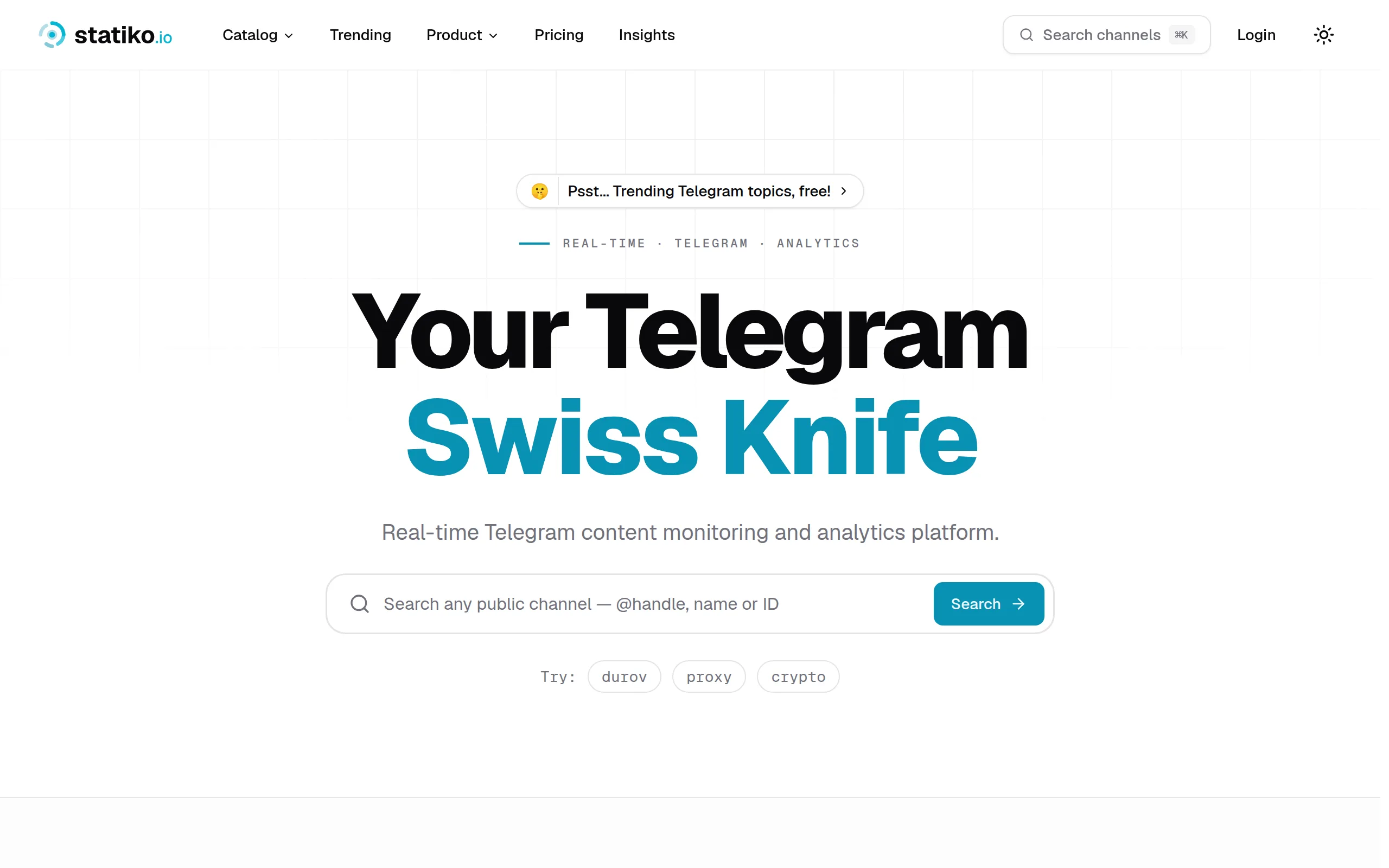
Statiko
Monitor any Telegram channel in real time - track posts, edits, deletions, and growth with AI recaps 📡

Shibui
AI website builder - describe your business, pick a niche template, edit by chatting, and publish instantly ✨

Pro Service
Find verified home service professionals, compare quotes, and pay securely through escrow - built for Brazilians across the US 🏠
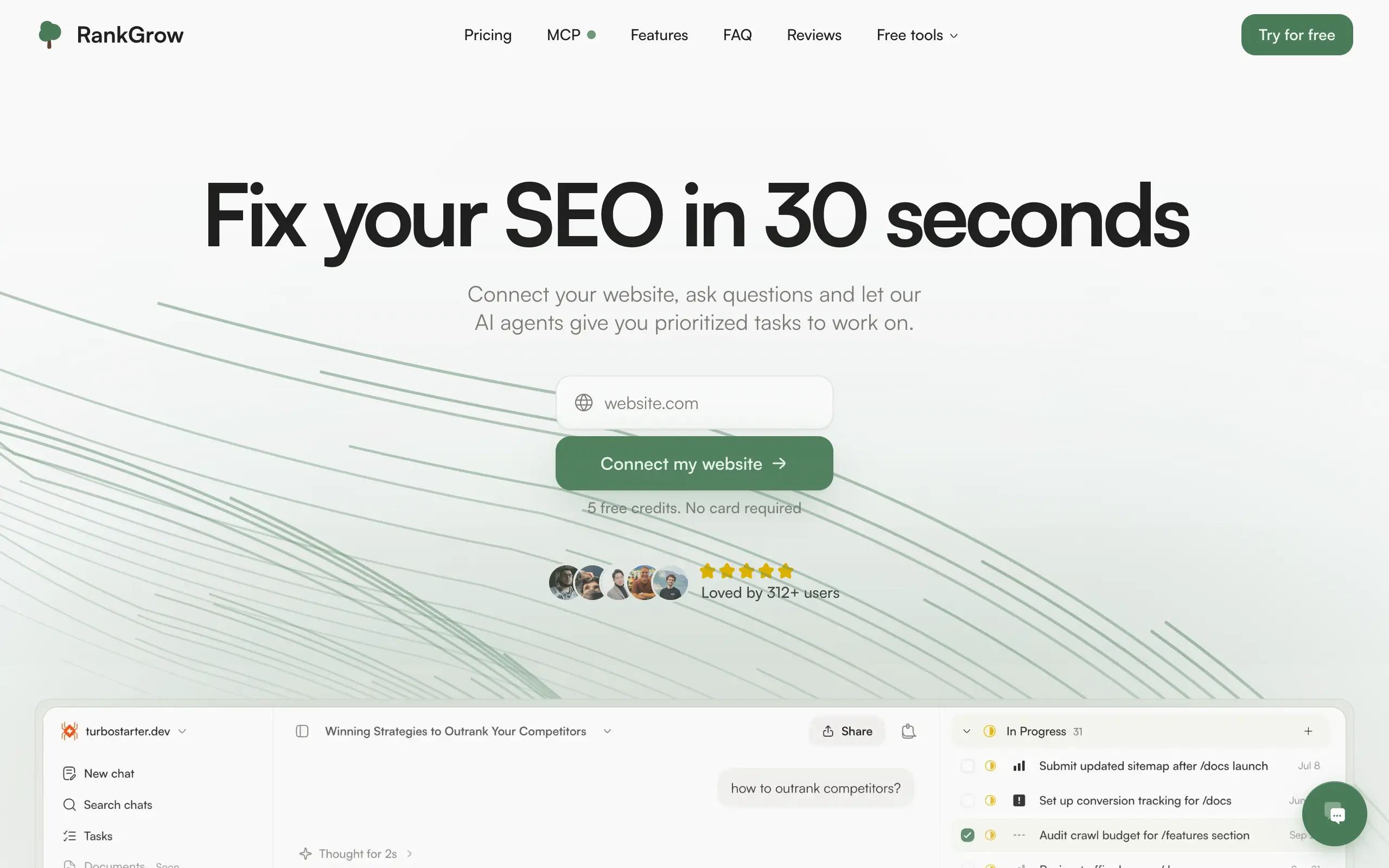
RankGrow
Fix your SEO with AI agents - connect Search Console, get prioritized tasks, and grow organic traffic 📈
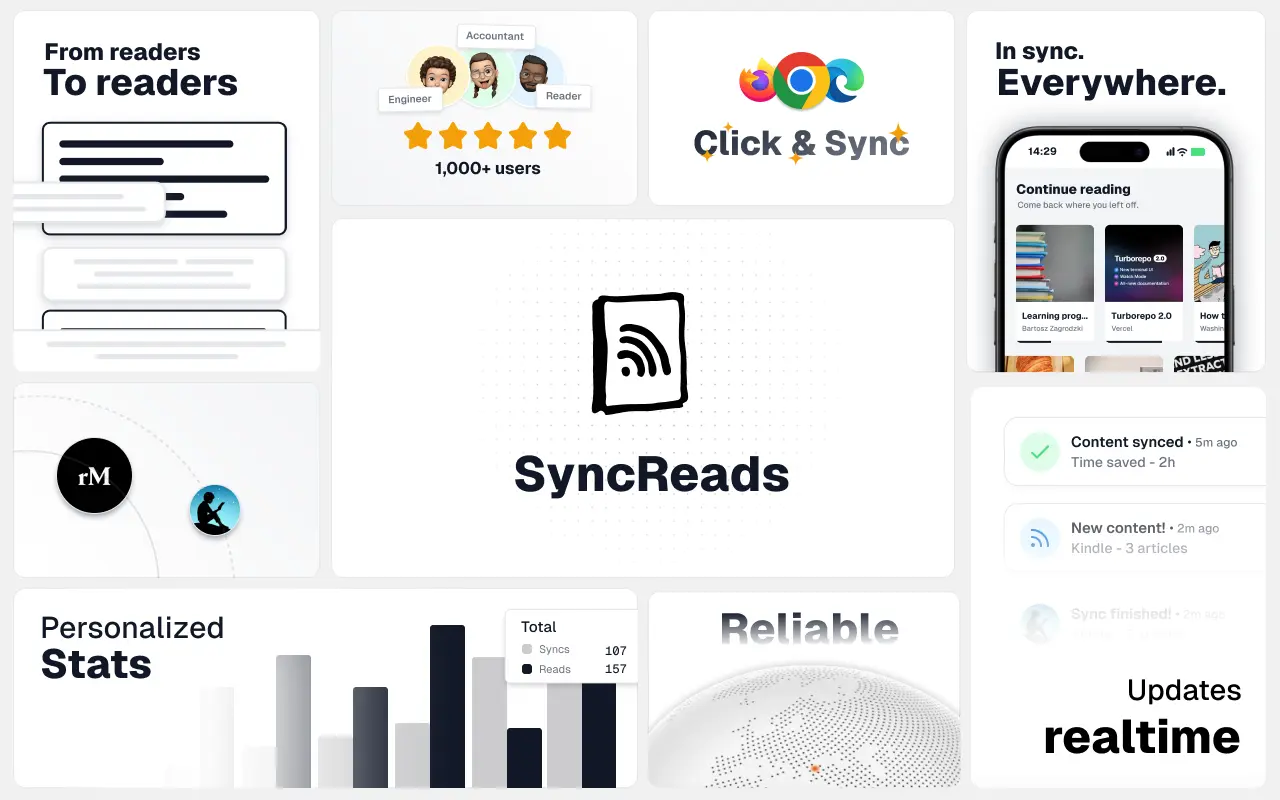
SyncReads
Sync your favorite content for distraction-free reading, save time and replace multiple apps. Anytime, anywhere 🔄
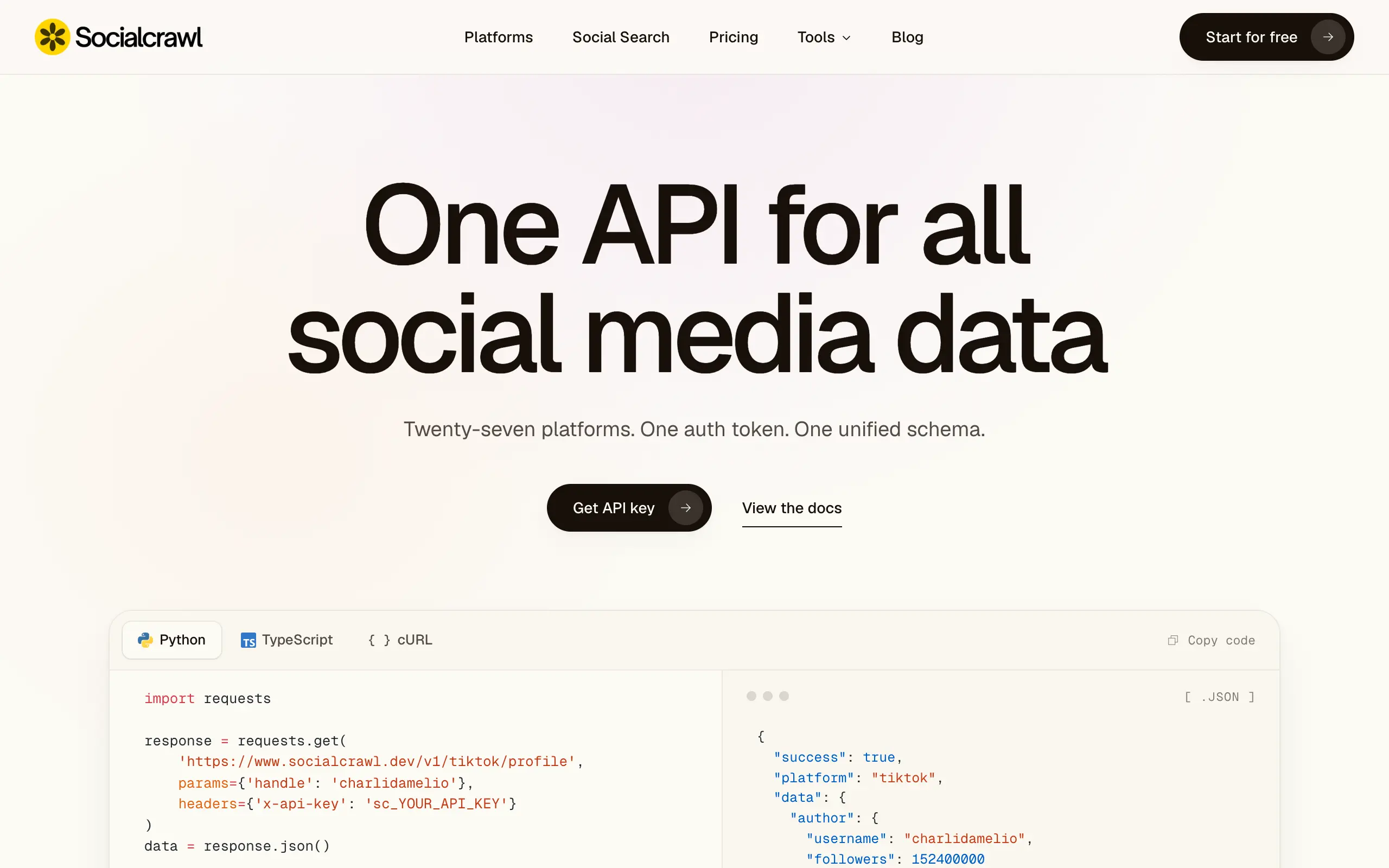
Socialcrawl
Get clean, structured data from 21 platforms like TikTok, Instagram, and YouTube with a single request 📊
Statiko
Monitor any Telegram channel in real time - track posts, edits, deletions, and growth with AI recaps 📡
Shibui
AI website builder - describe your business, pick a niche template, edit by chatting, and publish instantly ✨
Pro Service
Find verified home service professionals, compare quotes, and pay securely through escrow - built for Brazilians across the US 🏠
RankGrow
Fix your SEO with AI agents - connect Search Console, get prioritized tasks, and grow organic traffic 📈
SyncReads
Sync your favorite content for distraction-free reading, save time and replace multiple apps. Anytime, anywhere 🔄
Socialcrawl
Get clean, structured data from 21 platforms like TikTok, Instagram, and YouTube with a single request 📊
Statiko
Monitor any Telegram channel in real time - track posts, edits, deletions, and growth with AI recaps 📡
Shibui
AI website builder - describe your business, pick a niche template, edit by chatting, and publish instantly ✨
Pro Service
Find verified home service professionals, compare quotes, and pay securely through escrow - built for Brazilians across the US 🏠
RankGrow
Fix your SEO with AI agents - connect Search Console, get prioritized tasks, and grow organic traffic 📈
SyncReads
Sync your favorite content for distraction-free reading, save time and replace multiple apps. Anytime, anywhere 🔄
Socialcrawl
Get clean, structured data from 21 platforms like TikTok, Instagram, and YouTube with a single request 📊
Statiko
Monitor any Telegram channel in real time - track posts, edits, deletions, and growth with AI recaps 📡
Shibui
AI website builder - describe your business, pick a niche template, edit by chatting, and publish instantly ✨
Pro Service
Find verified home service professionals, compare quotes, and pay securely through escrow - built for Brazilians across the US 🏠
RankGrow
Fix your SEO with AI agents - connect Search Console, get prioritized tasks, and grow organic traffic 📈
SyncReads
Sync your favorite content for distraction-free reading, save time and replace multiple apps. Anytime, anywhere 🔄
Socialcrawl
Get clean, structured data from 21 platforms like TikTok, Instagram, and YouTube with a single request 📊
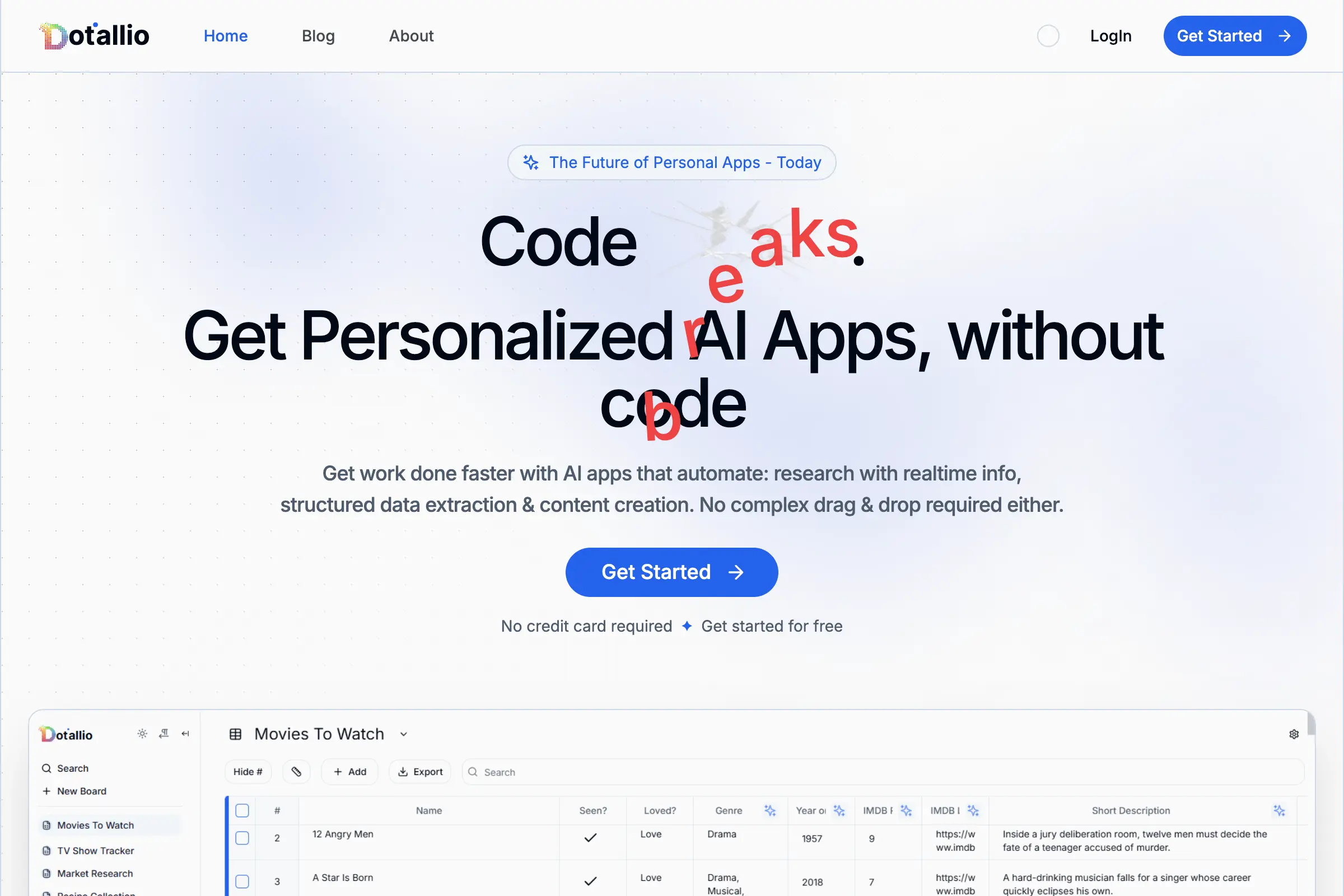
Dotallio
Personalized AI apps that automate research, data extraction, and content creation without code 🤖

Talk to Santa
Enjoy a magical live video chat or receive a unique AI-generated video greeting from Santa Claus 🎅

pozywka.pl
Scalable blog for food journalist, focused on performance and user experience 🌭
zagrodzki.me
Personal blog and portfolio of Bart Zagrodzki, where he shares his knowledge and work 💼
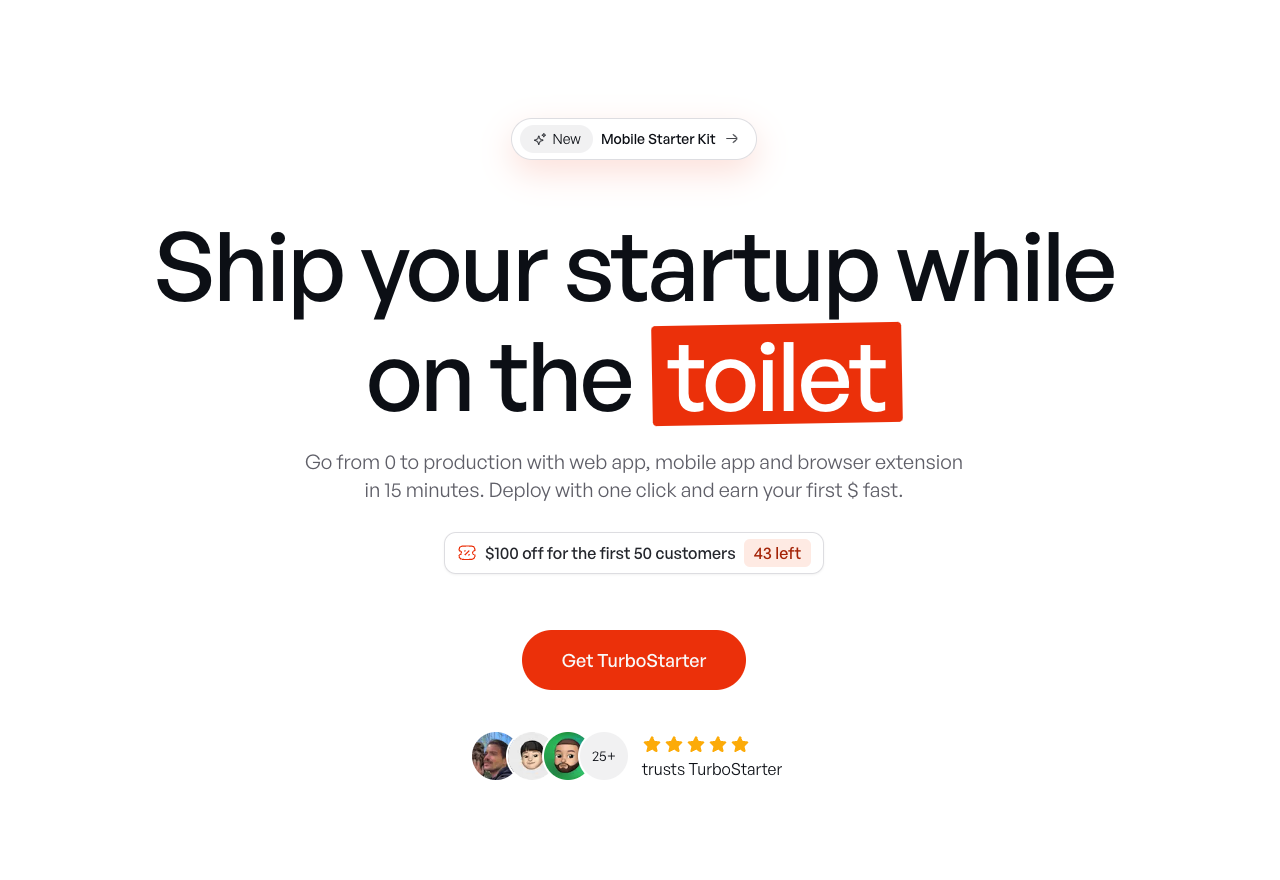
TurboStarter
Ship your startup everywhere. In minutes.
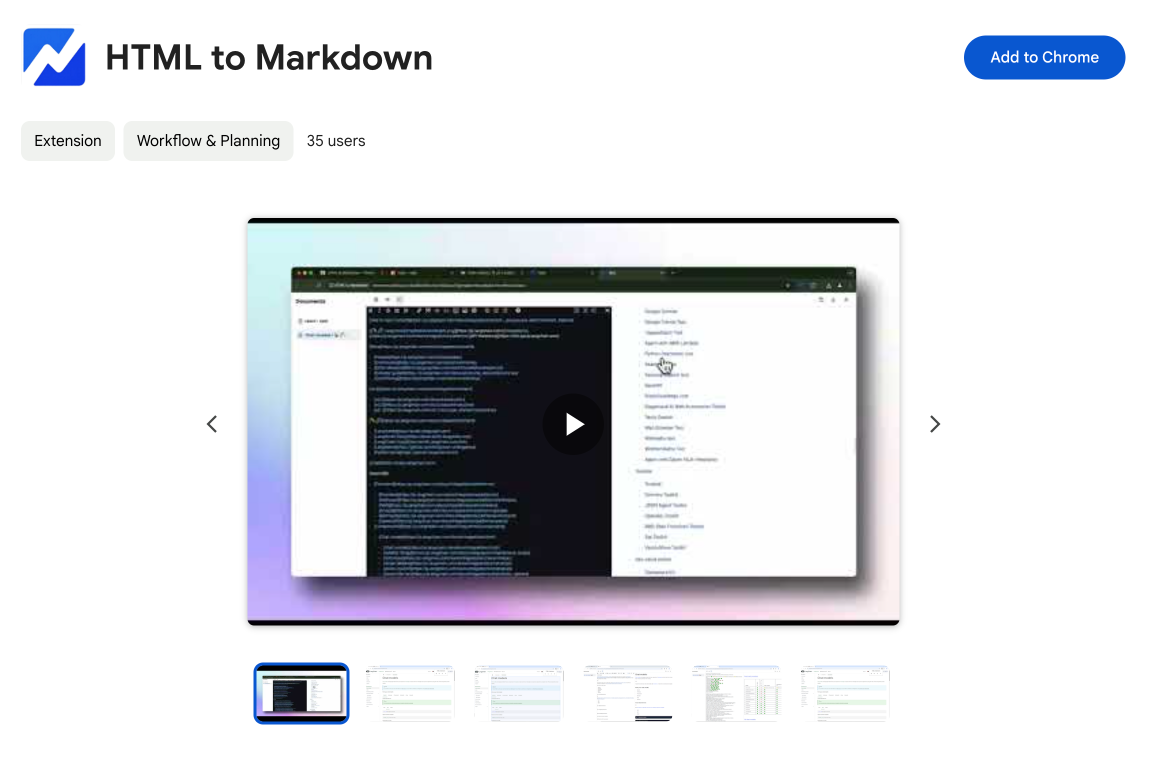
HTML to Markdown
Convert HTML to Markdown with ease, directly in your browser 📄
Dotallio
Personalized AI apps that automate research, data extraction, and content creation without code 🤖
Talk to Santa
Enjoy a magical live video chat or receive a unique AI-generated video greeting from Santa Claus 🎅
pozywka.pl
Scalable blog for food journalist, focused on performance and user experience 🌭
zagrodzki.me
Personal blog and portfolio of Bart Zagrodzki, where he shares his knowledge and work 💼
TurboStarter
Ship your startup everywhere. In minutes.
HTML to Markdown
Convert HTML to Markdown with ease, directly in your browser 📄
Dotallio
Personalized AI apps that automate research, data extraction, and content creation without code 🤖
Talk to Santa
Enjoy a magical live video chat or receive a unique AI-generated video greeting from Santa Claus 🎅
pozywka.pl
Scalable blog for food journalist, focused on performance and user experience 🌭
zagrodzki.me
Personal blog and portfolio of Bart Zagrodzki, where he shares his knowledge and work 💼
TurboStarter
Ship your startup everywhere. In minutes.
HTML to Markdown
Convert HTML to Markdown with ease, directly in your browser 📄
Dotallio
Personalized AI apps that automate research, data extraction, and content creation without code 🤖
Talk to Santa
Enjoy a magical live video chat or receive a unique AI-generated video greeting from Santa Claus 🎅
pozywka.pl
Scalable blog for food journalist, focused on performance and user experience 🌭
zagrodzki.me
Personal blog and portfolio of Bart Zagrodzki, where he shares his knowledge and work 💼
TurboStarter
Ship your startup everywhere. In minutes.
HTML to Markdown
Convert HTML to Markdown with ease, directly in your browser 📄
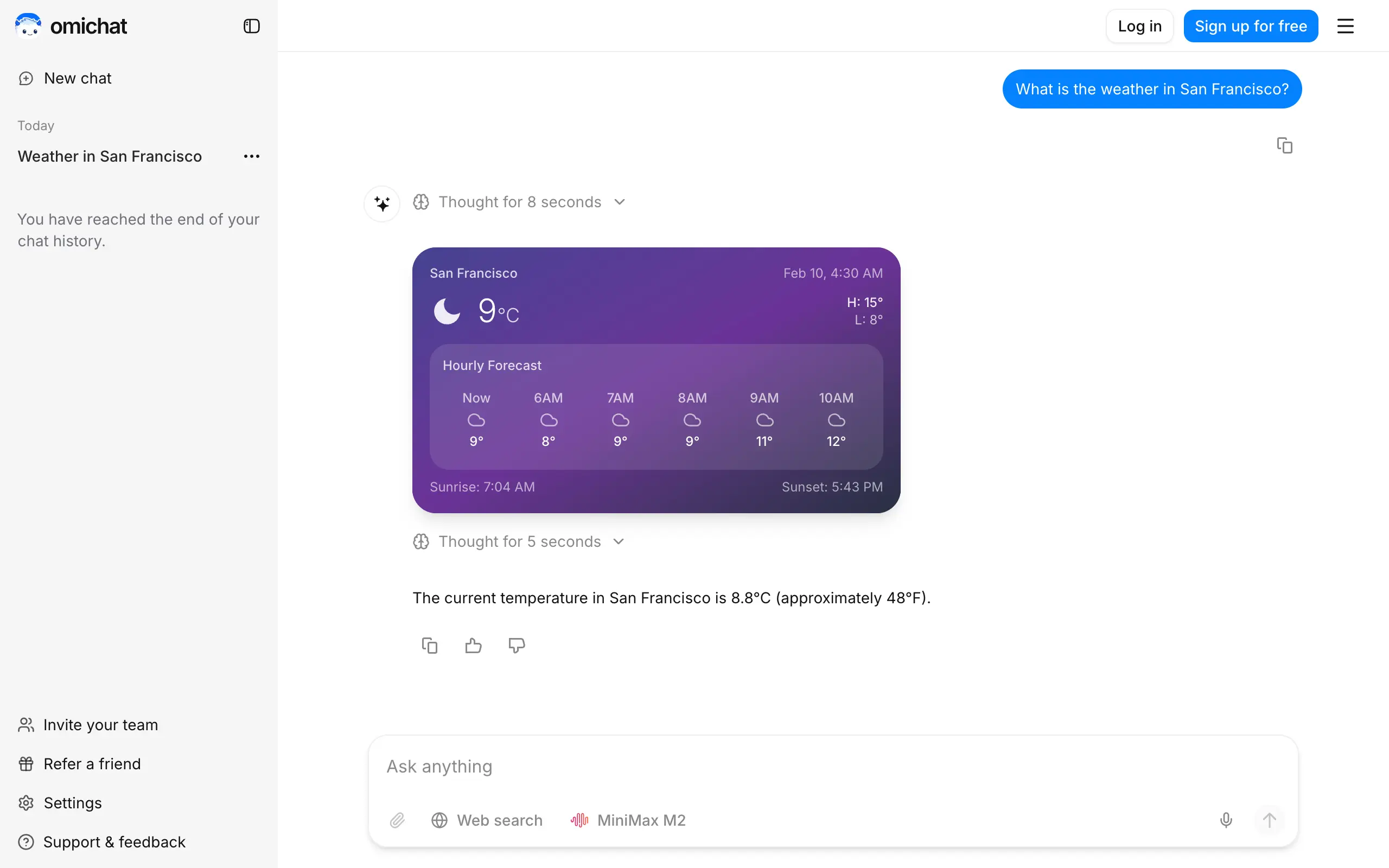
Omichat
Chat with 50+ AI models, including ChatGPT and Claude, in one place - switch models anytime without losing context 🤖
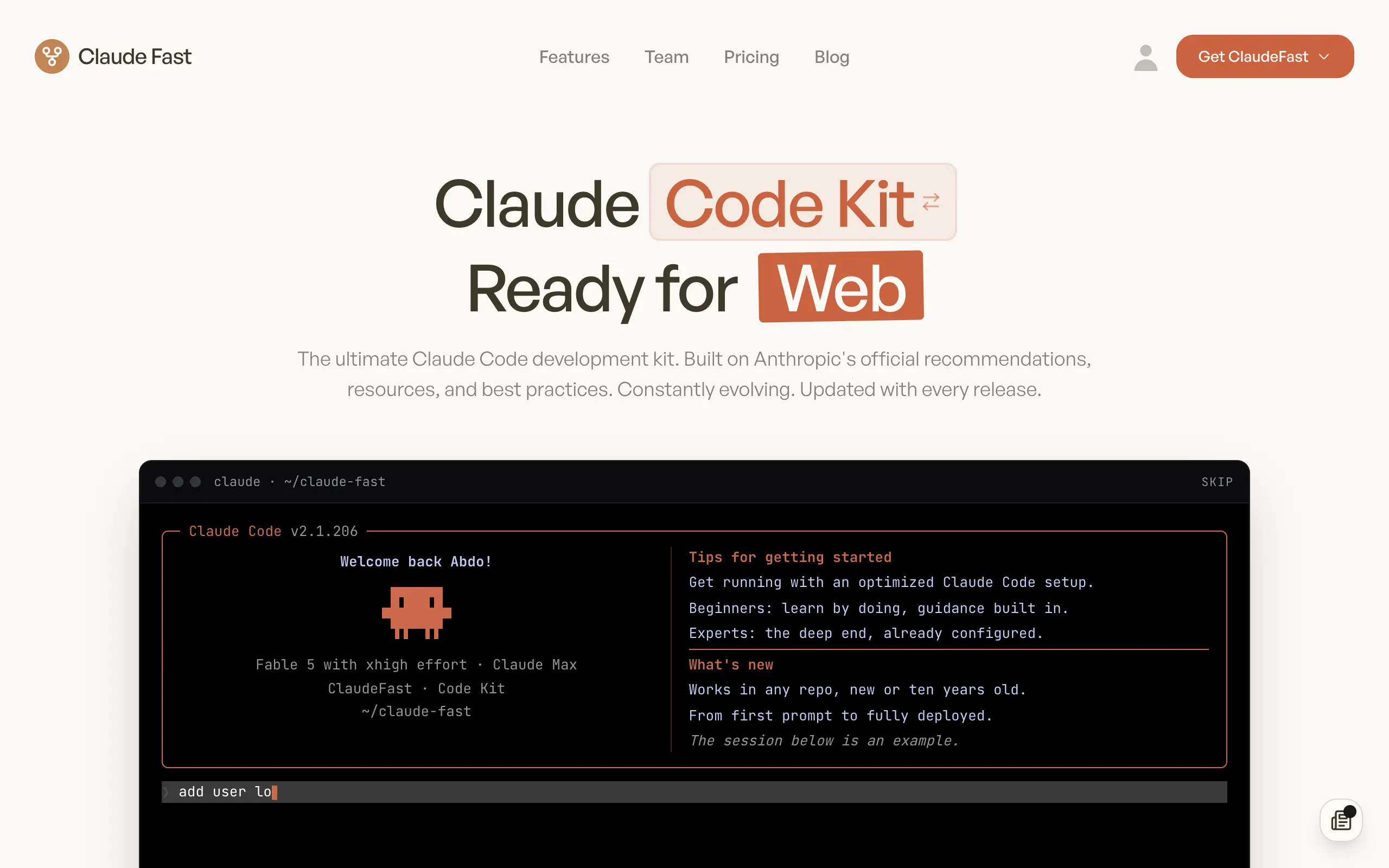
Claude Fast
Supercharge your Claude Code with 6x effective context window and specialized AI agents 🤖
EmojAI
AI-powered emoji picker with smart, context-aware suggestions 🤖
Solohacker
Autonomous company launcher - AI agents work 24/7, escalate what matters, and you stay in control 🤖
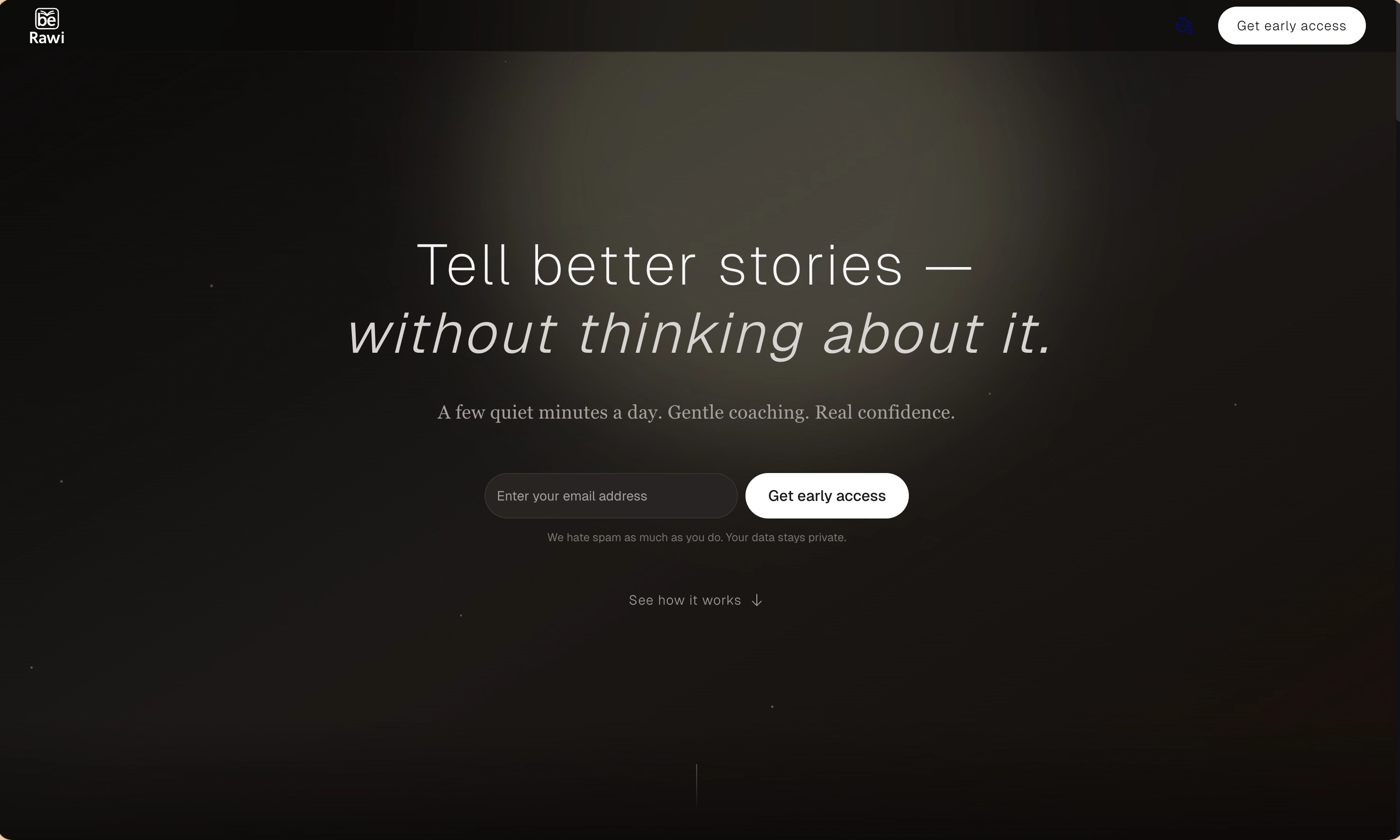
BeRawi: Storytelling Coach
Practice storytelling daily with instant feedback to sound clearer, more engaging, and confident 🎤
Omichat
Chat with 50+ AI models, including ChatGPT and Claude, in one place - switch models anytime without losing context 🤖
Claude Fast
Supercharge your Claude Code with 6x effective context window and specialized AI agents 🤖
EmojAI
AI-powered emoji picker with smart, context-aware suggestions 🤖
Solohacker
Autonomous company launcher - AI agents work 24/7, escalate what matters, and you stay in control 🤖
BeRawi: Storytelling Coach
Practice storytelling daily with instant feedback to sound clearer, more engaging, and confident 🎤
Omichat
Chat with 50+ AI models, including ChatGPT and Claude, in one place - switch models anytime without losing context 🤖
Claude Fast
Supercharge your Claude Code with 6x effective context window and specialized AI agents 🤖
EmojAI
AI-powered emoji picker with smart, context-aware suggestions 🤖
Solohacker
Autonomous company launcher - AI agents work 24/7, escalate what matters, and you stay in control 🤖
BeRawi: Storytelling Coach
Practice storytelling daily with instant feedback to sound clearer, more engaging, and confident 🎤
Omichat
Chat with 50+ AI models, including ChatGPT and Claude, in one place - switch models anytime without losing context 🤖
Claude Fast
Supercharge your Claude Code with 6x effective context window and specialized AI agents 🤖
EmojAI
AI-powered emoji picker with smart, context-aware suggestions 🤖
Solohacker
Autonomous company launcher - AI agents work 24/7, escalate what matters, and you stay in control 🤖
BeRawi: Storytelling Coach
Practice storytelling daily with instant feedback to sound clearer, more engaging, and confident 🎤

Connect with like-minded people
Join our community to get feedback, support, and grow together with 1,000+ builders on board, let's ship it!
Join usShip your startup everywhere. In minutes.
Don't burn tokens on setup and start building features on day one.