Socratic Line
Talk live with AI philosophers who use guided dialogue to unpack difficult life decisions, values conflicts, and personal questions.
Why an AI philosopher app is becoming a meaningful SaaS opportunity
People have more access to information than at any other point in history, yet many still struggle to think clearly about deeply personal decisions. Search engines can provide options. Social platforms can provide opinions. Traditional AI chatbots can provide fast answers. None of those tools reliably helps a person examine the assumptions, values, trade-offs, and emotional tensions beneath a difficult question.
That is the opportunity behind Socratic Line, an AI philosopher app built around guided dialogue rather than generic advice. Instead of telling users what to do, Socratic Line helps them reason through what they believe, why they believe it, and what consequences follow from their choices.
The core product promise is simple but powerful:
Live conversations with AI philosophers that use Socratic questioning to help users unpack difficult life decisions, values conflicts, and personal questions.
This is not just another AI companion or journaling tool. It sits at the intersection of conversational AI, reflective practice, decision support, digital wellness, philosophy education, and personal knowledge management.
The primary keyword for this concept is AI philosopher app. Related search terms and semantic keywords include:
- Socratic dialogue AI
- AI life coach alternative
- AI for difficult decisions
- philosophical chatbot
- guided self-reflection app
- AI decision-making assistant
- values clarification tool
- AI journaling companion
- personal growth chatbot
- ethical decision-making AI
For founders, product leaders, and builders evaluating this idea, Socratic Line has a compelling position because it does not need to compete directly with general-purpose chatbots on breadth. It can win through depth, trust, conversational methodology, and a clearly defined emotional job to be done.
The central product principle
Socratic Line should not optimize for producing the fastest answer. It should optimize for helping users reach a more considered answer they can genuinely own.
What Socratic Line solves for users
A difficult life decision is rarely difficult because a person lacks facts. It is difficult because several important values collide.
A user may be deciding whether to leave a stable job, end a long-term relationship, relocate for family, confront a friend, pursue an ambitious goal, or choose between financial security and meaningful work. In each case, conventional advice often fails because it assumes there is a universally correct answer.
Socratic Line offers a different experience. It helps users explore questions such as:
- What does this decision represent beyond its practical surface?
- Which values are in conflict here?
- What assumptions am I making about myself or other people?
- What evidence supports my fears?
- What would I regret if I avoided making a choice?
- Which option is most aligned with the person I want to become?
- Am I seeking certainty when I actually need courage?
The value comes from structured reflection. The product can make abstract philosophical methods accessible to people who would never read a philosophy textbook, book a therapist, or hire an executive coach.
The difference between advice and guided inquiry
Most AI chatbots default to advice-oriented behavior. They summarize options, generate pros and cons, suggest scripts, and offer a recommendation. That can be useful for routine tasks, but it is often inadequate for decisions where the user’s own judgment matters most.
A Socratic dialogue AI behaves differently.
It listens for contradictions, unstated beliefs, moral trade-offs, and avoided questions. It asks one thoughtful question at a time. It reflects the user’s language back accurately. It identifies where the user may be treating an interpretation as a fact. It encourages the user to distinguish fear, desire, obligation, identity, and evidence.
For example, instead of saying, “You should quit your job if it makes you unhappy,” an AI philosopher might ask:
When you imagine staying in this job for another year, what feels most intolerable: the work itself, the loss of time, or the belief that staying means you have failed yourself?
That is a fundamentally different product interaction. It creates insight without pretending to have authority over the user’s life.
Target audience for an AI philosopher app
The ideal early audience is not every person who has ever faced a decision. Socratic Line should start with groups that already value introspection, growth, and thoughtful decision-making.
| Audience segment | Primary need | Typical trigger | Best product angle | Willingness to pay |
|---|---|---|---|---|
| Reflective professionals | Career clarity | Burnout, promotion, job change | Decision dialogue and values mapping | High |
| Students and early-career adults | Identity formation | Major life direction choices | Accessible philosophical guidance | Medium |
| Coaching and journaling users | Consistent reflection | Need for between-session support | Daily inquiry and reflection archive | High |
| Ethically minded leaders | Values-based leadership | Complex workplace conflict | Private ethical reasoning partner | High |
| Philosophy-curious consumers | Learning through application | Interest in Stoicism or existentialism | Conversations with philosopher personas | Medium |
Reflective professionals facing career crossroads
Knowledge workers, founders, managers, and independent professionals are a promising first segment. They face consequential decisions regularly, often lack an impartial sounding board, and are accustomed to paying for tools that improve performance or well-being.
Their questions are often practical on the surface:
- Should I accept the promotion?
- Is it time to leave this company?
- Am I avoiding a difficult conversation?
- Should I start a business?
- How do I reconcile ambition with family commitments?
But beneath those questions are larger concerns about identity, self-worth, status, autonomy, and fear of regret. Socratic Line can serve this group well by combining philosophical inquiry with structured decision records and follow-up reflection.
Existing users of therapy, coaching, and journaling products
Socratic Line should not position itself as therapy or a replacement for mental health care. However, users who already value therapy, coaching, meditation, or journaling are likely to understand the benefit of guided reflection.
They may use the product:
- Between coaching or therapy sessions
- To prepare topics they want to discuss with a professional
- To capture insights after a difficult day
- To explore a decision before seeking external advice
- To build a regular self-reflection habit
This audience already understands that better questions can be more valuable than instant answers. They may also become strong advocates because the experience is emotionally memorable when done well.
Philosophy learners who want application, not lectures
A large group of people consume content about Stoicism, existentialism, Buddhism, Aristotle, Nietzsche, and other philosophical traditions. Many enjoy the ideas but struggle to apply them to their own life.
Socratic Line can transform philosophy from passive content into a living practice. A user could select a philosophical lens, discuss a decision, and receive prompts grounded in that tradition without being forced into a rigid ideology.
For example:
- A Stoic dialogue can distinguish controllable from uncontrollable factors.
- An Aristotelian dialogue can explore virtue, character, and flourishing.
- An existentialist dialogue can explore freedom, responsibility, and authenticity.
- A Buddhist-inspired dialogue can examine attachment, aversion, and impermanence.
- A utilitarian dialogue can examine consequences across stakeholders.
The product should make clear that these are interpretive lenses, not definitive verdicts.
The market gap in AI-guided self-reflection
General AI assistants are increasingly capable, but most are designed for broad utility. They help users write emails, research topics, create code, summarize documents, and generate plans. Their conversational behavior is usually optimized around helpfulness and completion.
That creates a gap for a specialized AI philosopher app.
The gap is not simply “people want to talk to AI.” Many already do. The gap is that users need a system designed to support epistemic humility, emotional sensitivity, value clarification, and long-term reflective continuity.
A generic assistant may give polished answers, but an AI philosopher needs to know when not to answer.
Why generic chatbots are insufficient
A general chatbot can be useful for brainstorming a decision. Yet it often has several limitations in sensitive reflective contexts:
- It may respond with overly confident recommendations.
- It may jump too quickly to actionable advice.
- It may mirror the user’s framing without testing it.
- It may overvalidate unhelpful assumptions.
- It may not maintain a coherent reflection process across sessions.
- It may lack clear safety boundaries around mental health crises.
- It may not preserve the user’s values, language, and evolving insight in a useful way.
Socratic Line can differentiate by deliberately constraining and shaping its dialogue model. This is a product design advantage, not merely a prompt-writing exercise.
The growing demand for intentional technology
The broader market trend favors tools that help people reduce noise, build clarity, and use technology more intentionally. As AI becomes embedded in everyday life, people will increasingly distinguish between systems that automate tasks and systems that support judgment.
Socratic Line fits this shift because it frames AI as a conversational mirror rather than an oracle.
When validating demand, cite credible sources from organizations such as the American Psychological Association, Pew Research Center, Gartner, McKinsey, or academic journals covering AI adoption, loneliness, workplace stress, decision fatigue, and digital well-being. Avoid using unsupported market-size claims. A focused audience interview program will be more useful than a broad top-down market statistic in the earliest stage.
The unique selling proposition of Socratic Line
Socratic Line’s unique selling proposition is:
A live AI philosopher app that guides users through difficult personal decisions using adaptive Socratic dialogue, philosophical lenses, and a private record of their evolving values.
The phrase “live AI philosophers” is memorable, but the product’s defensibility is deeper than personas. The real moat can emerge from a combination of conversation design, user trust, structured reflection data, and habit-forming follow-up loops.
Guided rather than generic
Each interaction follows a deliberate inquiry framework instead of defaulting to instant advice.
Philosophy made practical
Users apply philosophical traditions to real decisions without needing academic background.
Continuity over isolated chats
A private reflection timeline helps users recognize recurring values, patterns, and tensions.
A product that respects user agency
The best AI decision-making assistant should not make a user dependent on it. Socratic Line should explicitly reinforce agency.
Its language can include phrases such as:
- “I can help you examine this, but the decision remains yours.”
- “Would you like a question that challenges this assumption?”
- “There may not be a risk-free option here.”
- “What would count as enough evidence for you to move forward?”
- “Which value would you be protecting with that choice?”
This framing builds trust. It also prevents the product from becoming a shallow advice engine that users abandon after novelty fades.
Philosophical personas without roleplay gimmicks
Personas can improve engagement, but they should be designed carefully. A persona should represent a recognizable method of inquiry, not become a cartoonish imitation of a historical figure.
Rather than claiming that a chatbot “is Socrates,” the product can offer modes such as:
- Socratic inquiry for examining assumptions through questions
- Stoic perspective for control, resilience, and judgment
- Aristotelian reflection for virtue and long-term flourishing
- Existential inquiry for freedom, responsibility, and authenticity
- Compassionate dialogue for self-understanding without harshness
- Ethical deliberation for stakeholder and consequence analysis
This avoids misleading historical representation while still delivering a rich and differentiated experience.
Core features for the Socratic Line MVP
The MVP should focus on one core loop: a user arrives with a meaningful question, experiences a high-quality guided dialogue, receives a useful reflection artifact, and returns when the decision evolves.
Do not overbuild a large library of philosophers, social features, or elaborate gamification before proving this loop works.
Live guided dialogue
The central feature is a conversational interface that asks context-aware, sequenced questions. It should not interrogate the user endlessly. A good session alternates between:
- Listening to the user’s situation
- Reflecting key facts and emotions
- Identifying the underlying tension
- Asking a single high-leverage question
- Testing an assumption or alternative interpretation
- Synthesizing emerging insight
- Helping the user define a next reflection step
A useful session can last five minutes or forty minutes. The product should support both quick clarity checks and deeper decision conversations.
Decision framing and values mapping
Users often begin with vague distress. They may say, “I do not know what to do,” when the actual problem is a conflict between security and freedom, loyalty and honesty, or achievement and health.
A values mapping feature can help users identify:
- The decision being considered
- The available options
- The people affected
- The values at stake
- The fears associated with each option
- The evidence available
- The unknowns that remain
- The likely consequences over different time horizons
The output should feel like a clear reflection document, not a sterile spreadsheet.
Conversation summaries and insight memory
At the end of a dialogue, Socratic Line should create a concise, user-editable summary. This can include:
- The question explored
- Important assumptions identified
- Values that surfaced
- Arguments for each path
- Open questions
- A user-authored tentative conclusion
- A suggested time to revisit the decision
The emphasis on user editability is important. AI-generated summaries can misrepresent nuance. Letting users correct the record improves accuracy and reinforces ownership.
Philosophical lenses
The product can offer lenses after the basic conversation experience proves valuable. The user should be able to ask, “How might a Stoic examine this?” or “Help me consider this through an existentialist lens.”
Each lens should include a short explanation of its purpose and limitations. For example, a Stoic lens can be useful for accepting uncertainty, but it may not be the best single framework for resolving every relationship conflict or ethical dilemma.
Socratic inquiry examines assumptions through successive questions. It is ideal when a user feels stuck, conflicted, or unsure which beliefs are driving the decision.
Stoic perspective separates what is within the user’s influence from what is not. It is especially useful for anxiety about outcomes, reputation, uncertainty, and other people’s behavior.
Ethical deliberation maps stakeholders, duties, consequences, and possible harms. It is useful for leadership decisions and choices that affect other people.
Reflection reminders and decision revisits
Many major decisions are not resolved in one sitting. A lightweight follow-up system can make the product more valuable and improve retention.
Examples include:
- “You planned to revisit this after speaking with your manager. What changed?”
- “Last time, autonomy and financial security were both important. Does that still feel true?”
- “Would you like to test whether your original fear came true?”
- “You chose to delay this decision for two weeks. What did that delay reveal?”
These reminders should be opt-in and respectful. A reflective app should not create pressure or exploit emotional vulnerability to drive engagement.
Safety and escalation support
Because users will discuss grief, conflict, loneliness, anxiety, and potentially self-harm, safety must be part of the first release.
Socratic Line needs clear flows for:
- Imminent self-harm or suicide risk
- Threats of violence or abuse
- Severe distress that requires immediate human support
- Medical, legal, or financial questions requiring qualified professionals
- Delusional or manic content where reinforcement could be harmful
The system should respond empathetically, encourage immediate local support where appropriate, and avoid pretending to be a crisis service. Product teams should consult qualified clinical safety professionals and conduct structured red-team testing before launch.
Trust is a product feature
Do not market Socratic Line as therapy, diagnosis, or professional crisis care. Clear boundaries protect users and make the product more credible.
Recommended tech stack for an AI philosopher SaaS
The technical architecture should support rapid experimentation, secure user data, reliable streaming conversations, and robust observability. The ideal stack depends on the founding team, but a modern TypeScript-based SaaS stack is a pragmatic default.
For a fast production foundation, TurboStarter can reduce setup time for common SaaS requirements such as authentication, billing foundations, application structure, and deployment workflows.
Frontend and application framework
Use Next.js with React and TypeScript. This combination provides a strong ecosystem for SaaS product development, server rendering, API routes, streaming interfaces, and maintainable component architecture.
For UI styling, Tailwind CSS enables fast iteration and consistent design tokens. A calm, readable interface matters for an AI self-reflection product. Avoid overly busy dashboards, gamified streak pressure, and aggressive notifications.
Recommended interface principles include:
- Large readable text and generous spacing
- A visually calm conversation screen
- Clear distinction between AI reflections and user statements
- Session controls that let users pause, redirect, or end dialogue
- Accessible color contrast and keyboard navigation
- Strong mobile support for private, on-the-go reflection
Backend, database, and real-time streaming
A typical backend can use Next.js server capabilities or a separate Node.js service for more complex workloads. For data storage, PostgreSQL is an excellent choice because it is reliable, relational, and well suited to users, subscriptions, sessions, consent records, and structured reflection artifacts.
Use a vector search capability only when it delivers tangible value. A vector database or vector extension can support retrieval of user-approved past insights, but indiscriminate long-term memory can create privacy, relevance, and safety problems.
A practical data model separates:
- Account and authentication data
- Conversation messages
- User-approved memory statements
- Decision and values-map objects
- Summary artifacts
- Safety events and moderation logs
- Consent and data-retention preferences
The crucial concept is memory with consent. Users should understand what is saved, why it is saved, and how to edit or delete it.
AI model layer and orchestration
The AI layer should be provider-flexible. Use an abstraction that allows the team to evaluate models for reasoning quality, latency, price, multilingual support, safety performance, and structured output reliability.
For orchestration, avoid building a complex autonomous agent system early. The product does not need a swarm of agents to ask better questions. It needs a disciplined dialogue state machine and strong evaluation.
A high-level session policy might look like this:
type DialogueStage =
  | "listen"
  | "reflect"
  | "clarify"
  | "surface_values"
  | "test_assumptions"
  | "explore_options"
  | "synthesize"
  | "close_safely";

const dialogueRules = [
  "Ask no more than one primary question at a time.",
  "Do not prescribe major life decisions.",
  "Separate user facts from interpretations.",
  "Name uncertainty without manufacturing certainty.",
  "Offer summaries as tentative and editable.",
  "Escalate safety-sensitive content using dedicated policies."
];
This approach is more reliable than a single giant prompt because it gives product teams observable control over the user journey.
Evaluation and quality assurance
The quality of Socratic Line should be measured beyond thumbs-up ratings. Build a conversation evaluation dataset using anonymized, consented, or synthetic scenarios covering career decisions, values conflicts, relationships, ethical questions, and distress signals.
Evaluate the system on dimensions such as:
- Question relevance
- Respect for user autonomy
- Accuracy of reflective summaries
- Avoidance of premature advice
- Ability to identify value conflicts
- Tone and emotional sensitivity
- Safety policy compliance
- Resistance to manipulative or leading language
Invite philosophers, coaches, ethicists, mental health safety advisors, and experienced users to review conversations. This multidisciplinary process creates genuine E-E-A-T signals because product claims are supported by careful method rather than branding alone.
Monetization strategies for Socratic Line
A freemium subscription model is the most natural starting point. The product’s ongoing value grows with repeat conversations, memory, reflection archives, and decision follow-ups.
Consumer subscription tiers
A simple pricing structure could include:
- Free plan with a limited number of short guided dialogues each month
- Individual plan with longer sessions, unlimited or higher monthly usage, saved reflections, philosophical lenses, and decision tracking
- Premium plan with deeper decision workspaces, voice conversation, advanced exports, and priority access to new modes
Do not price only by token usage. Users do not care about tokens. Price around reflective capacity, continuity, and premium workflows.
A free plan should let users experience a real moment of insight. If the free experience is too restricted, users will treat the app as another generic chatbot trial rather than a meaningful thinking tool.
B2B and professional distribution
Once consumer retention is established, Socratic Line can explore higher-value distribution channels:
- Coaching practices that offer it between sessions
- Leadership development programs
- University career centers
- Employee development programs
- Philosophy and continuing education communities
- Wellness platforms that want a non-clinical reflection tool
For professional use cases, privacy and data boundaries become even more important. Employers should never have access to private employee conversations. Any organizational offering should use aggregate, de-identified adoption reporting only where users have been clearly informed.
Paid reflection programs
A second revenue stream can be structured guided programs, such as:
- Navigating a career transition
- Clarifying personal values
- Preparing for a difficult conversation
- Rebuilding confidence after a setback
- Making an ethical leadership decision
- Designing a more intentional year
These programs should not become generic self-help content. Their advantage is adaptive dialogue. Each program can combine short educational context with a sequence of personalized questions and reflection checkpoints.
Competitive advantage and defensibility
The competitive landscape includes generic AI assistants, AI companions, journaling apps, coaching platforms, therapy-adjacent tools, meditation products, and philosophy content creators. Socratic Line should not claim it has no competitors. It should explain why its approach solves a distinct use case better.
Where Socratic Line can win
The strongest competitive advantages are likely to be:
-
Conversation methodology
A repeatable Socratic dialogue framework can produce a more valuable experience than generic prompting. -
Trust-centered product design
Consent-based memory, transparent summaries, safety boundaries, and non-prescriptive language can distinguish the product in a crowded AI market. -
Structured reflection artifacts
Decision maps, values conflicts, revisit prompts, and insight timelines create utility beyond a transient chat. -
Domain-specific evaluation
Testing for autonomy, question quality, and philosophical rigor is difficult to replicate with a generic chatbot wrapper. -
Emotional resonance
A user who reaches a genuine insight during a difficult moment is more likely to return and recommend the product than a user who merely receives a competent answer.
The danger of becoming a prompt wrapper
An AI philosopher app cannot rely only on a persona prompt such as “Act like Socrates.” That is easy to copy and unlikely to sustain retention.
The product becomes defensible when it owns the full experience:
- Intake and question framing
- Dialogue state management
- Value extraction
- Contextual follow-ups
- Editable reflection records
- Model evaluation
- Safety interventions
- Privacy controls
- Brand trust
This is the difference between an entertaining chatbot and a durable SaaS product.
Risks and mitigation strategies
Every AI product that touches personal decisions carries meaningful risks. Addressing them openly is both responsible and commercially smart.
Mitigate this with system-level policies that prioritize inquiry over prescription. Use language that preserves user agency, require the model to mark uncertainty, and test high-risk scenarios before release.
Use clear onboarding language, in-product reminders, and escalation pathways. Explain that Socratic Line supports reflection but does not provide diagnosis, treatment, emergency support, or professional care.
Collect only necessary data, make memory opt-in, encrypt sensitive information, offer export and deletion tools, and clearly explain retention practices in plain language.
Create an ongoing value loop through decision revisits, insight timelines, reflection programs, and personalized prompts that users explicitly choose to receive.
Treat philosophical traditions as useful lenses rather than unquestionable authorities. Involve subject-matter reviewers and avoid presenting historical thinkers as if they endorse AI-generated claims.
Privacy must be exceptionally clear
Personal reflection data may contain relationship issues, career concerns, ethical dilemmas, trauma references, health worries, and identifying details about third parties. This data deserves a higher standard of care than ordinary productivity app content.
At minimum, Socratic Line should provide:
- Clear consent before saving long-term memory
- User controls to review, edit, and delete memories
- A visible option to start an unsaved private session
- Straightforward data export and account deletion
- Minimal internal access to raw conversations
- Documented retention and security practices
- No sale of personal conversation data for advertising
Trust can become a growth engine. Users are more willing to have honest conversations when they understand the boundaries.
Go-to-market strategy for an AI philosopher app
The best early marketing is likely to be content-led and insight-led. People search for help with decisions, self-reflection, values, anxiety about career direction, and philosophical frameworks. Socratic Line can meet that intent with useful, non-generic educational content.
Build topical authority around difficult decisions
Create high-quality content clusters around topics such as:
- How to make a difficult life decision
- Socratic questions for self-reflection
- How to identify your personal values
- Stoicism and career anxiety
- How to prepare for a difficult conversation
- What to do when two important values conflict
- How to distinguish fear from intuition
- Decision journaling prompts for major changes
Each article should genuinely help the reader, include practical prompts, and explain when professional support is appropriate. Avoid using fear-based SEO tactics around mental health.
Use interactive tools as acquisition assets
Simple free tools can turn search traffic into product-qualified leads:
- A values conflict identifier
- A difficult decision worksheet
- A Socratic question generator
- A career decision reflection quiz
- A conversation preparation planner
- A control-versus-concern exercise inspired by Stoicism
The tool should offer immediate value and then invite users to continue their reflection in Socratic Line.
Launch with a narrow message
Do not launch with “AI for all life questions.” That is too broad and risks sounding vague.
A clearer early message might be:
Think through career and life decisions with an AI philosopher that asks better questions.
This gives the product a specific job to be done while leaving room to expand later into relationship decisions, ethical leadership, and long-term self-reflection.
Actionable implementation steps
A disciplined launch plan can reduce risk and reveal whether users value the core experience before the team invests in advanced features.
A practical first success metric is not total signups. It is the percentage of users who complete a meaningful conversation and voluntarily return to revisit a decision, explore a second question, or review a prior insight.
Final perspective on building Socratic Line
Socratic Line has the potential to become more than an AI chatbot with a philosophical tone. Built responsibly, it can become a trusted reflective environment for people facing uncertainty, internal conflict, and important choices.
Its winning strategy is not to claim omniscience. It is to create an experience where users feel heard, challenged, and more capable of thinking for themselves.
The most effective AI philosopher app will combine excellent conversational AI with disciplined philosophical inquiry, transparent safety boundaries, privacy-first memory, and a product experience that respects the complexity of human life.
In a market full of tools that promise faster answers, Socratic Line can stand out by helping people ask better questions.
More 🤖 AI Startup SaaS ideas
Discover more innovative ai startup SaaS ideas that are trending in 2026. Each idea is AI-generated with market validation and growth potential to help you find your next profitable venture faster than competitors.
Your competitors are building with TurboStarter
Below are some of the SaaS ideas that have been generated and built with our starter kit.
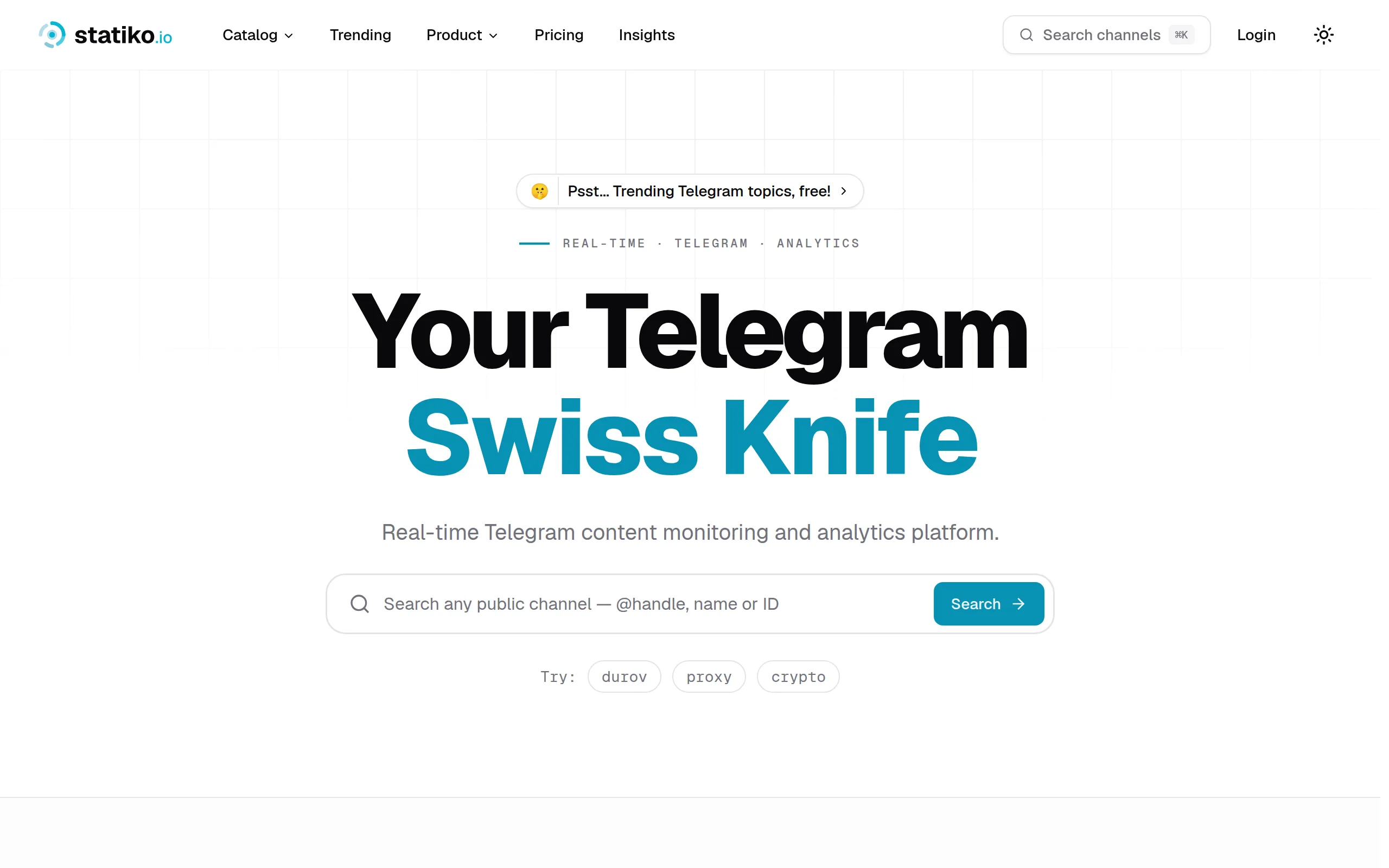
Statiko
Monitor any Telegram channel in real time - track posts, edits, deletions, and growth with AI recaps 📡

Shibui
AI website builder - describe your business, pick a niche template, edit by chatting, and publish instantly ✨

Pro Service
Find verified home service professionals, compare quotes, and pay securely through escrow - built for Brazilians across the US 🏠
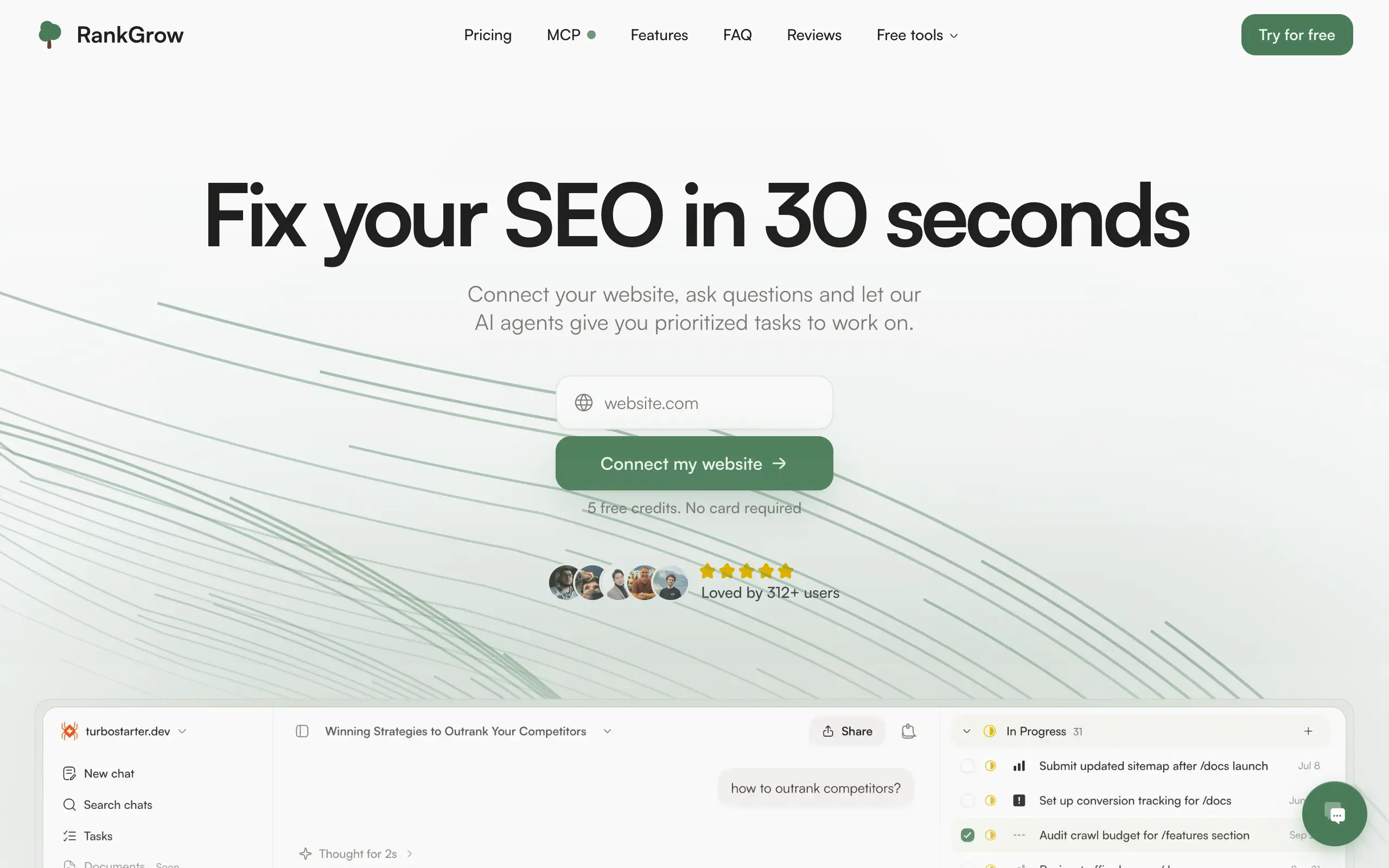
RankGrow
Fix your SEO with AI agents - connect Search Console, get prioritized tasks, and grow organic traffic 📈
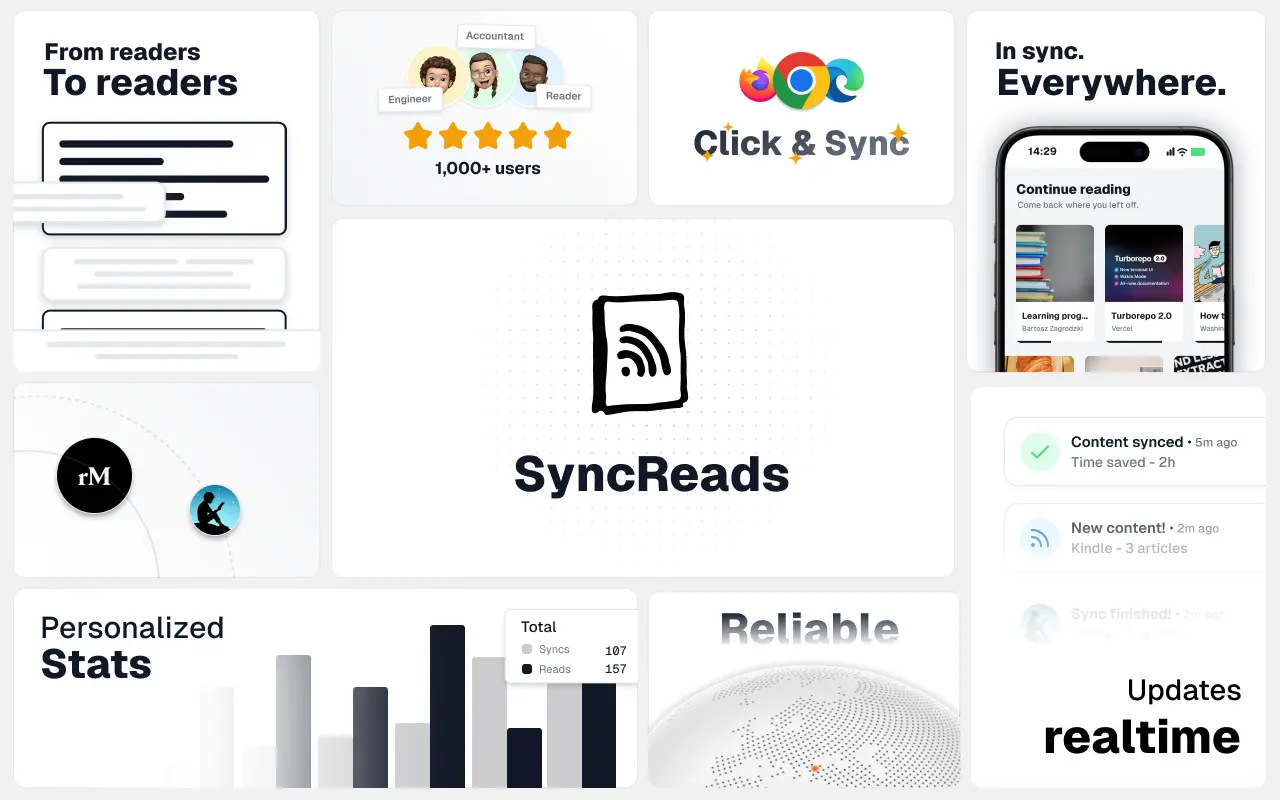
SyncReads
Sync your favorite content for distraction-free reading, save time and replace multiple apps. Anytime, anywhere 🔄
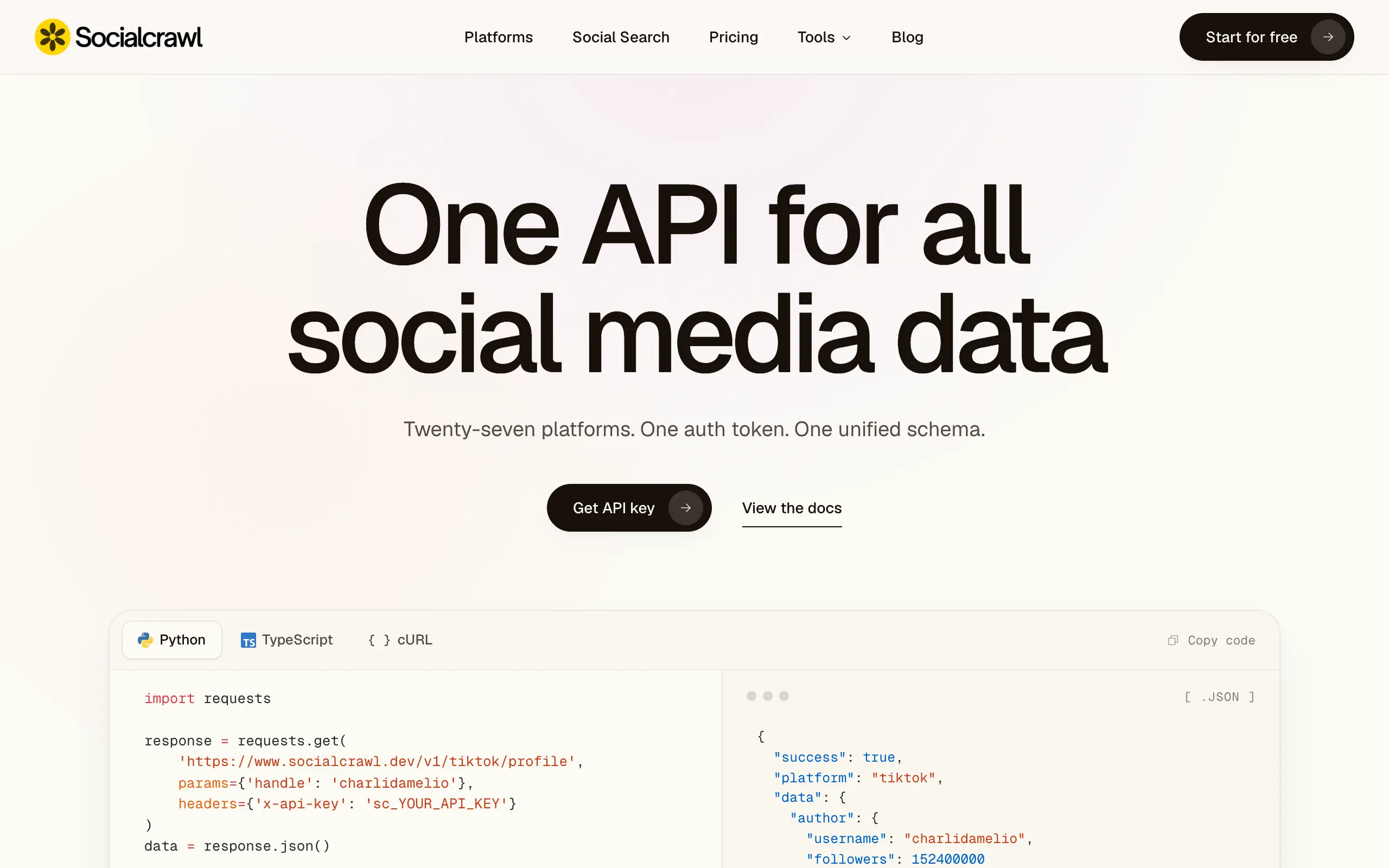
Socialcrawl
Get clean, structured data from 21 platforms like TikTok, Instagram, and YouTube with a single request 📊
Statiko
Monitor any Telegram channel in real time - track posts, edits, deletions, and growth with AI recaps 📡
Shibui
AI website builder - describe your business, pick a niche template, edit by chatting, and publish instantly ✨
Pro Service
Find verified home service professionals, compare quotes, and pay securely through escrow - built for Brazilians across the US 🏠
RankGrow
Fix your SEO with AI agents - connect Search Console, get prioritized tasks, and grow organic traffic 📈
SyncReads
Sync your favorite content for distraction-free reading, save time and replace multiple apps. Anytime, anywhere 🔄
Socialcrawl
Get clean, structured data from 21 platforms like TikTok, Instagram, and YouTube with a single request 📊
Statiko
Monitor any Telegram channel in real time - track posts, edits, deletions, and growth with AI recaps 📡
Shibui
AI website builder - describe your business, pick a niche template, edit by chatting, and publish instantly ✨
Pro Service
Find verified home service professionals, compare quotes, and pay securely through escrow - built for Brazilians across the US 🏠
RankGrow
Fix your SEO with AI agents - connect Search Console, get prioritized tasks, and grow organic traffic 📈
SyncReads
Sync your favorite content for distraction-free reading, save time and replace multiple apps. Anytime, anywhere 🔄
Socialcrawl
Get clean, structured data from 21 platforms like TikTok, Instagram, and YouTube with a single request 📊
Statiko
Monitor any Telegram channel in real time - track posts, edits, deletions, and growth with AI recaps 📡
Shibui
AI website builder - describe your business, pick a niche template, edit by chatting, and publish instantly ✨
Pro Service
Find verified home service professionals, compare quotes, and pay securely through escrow - built for Brazilians across the US 🏠
RankGrow
Fix your SEO with AI agents - connect Search Console, get prioritized tasks, and grow organic traffic 📈
SyncReads
Sync your favorite content for distraction-free reading, save time and replace multiple apps. Anytime, anywhere 🔄
Socialcrawl
Get clean, structured data from 21 platforms like TikTok, Instagram, and YouTube with a single request 📊
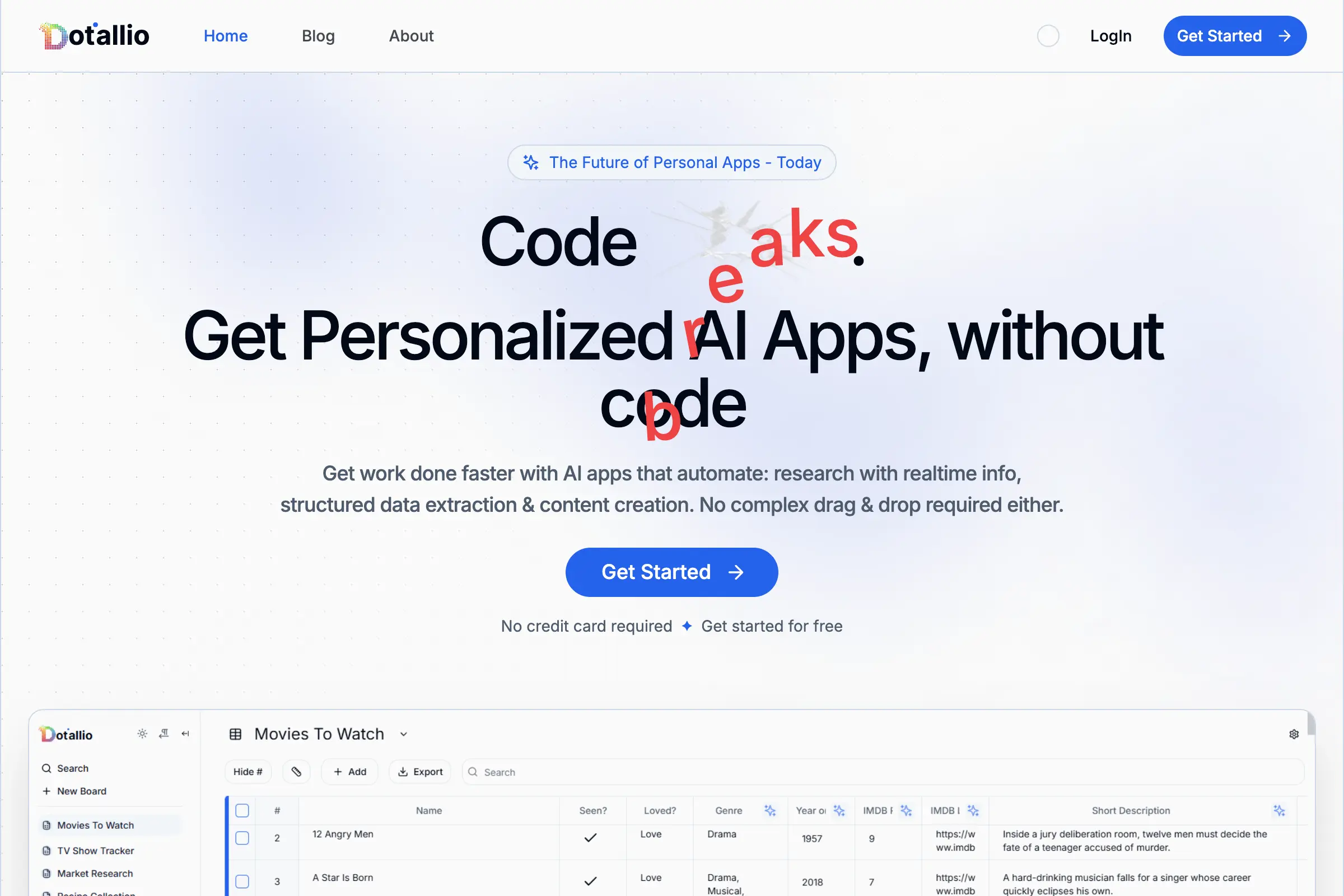
Dotallio
Personalized AI apps that automate research, data extraction, and content creation without code 🤖

Talk to Santa
Enjoy a magical live video chat or receive a unique AI-generated video greeting from Santa Claus 🎅
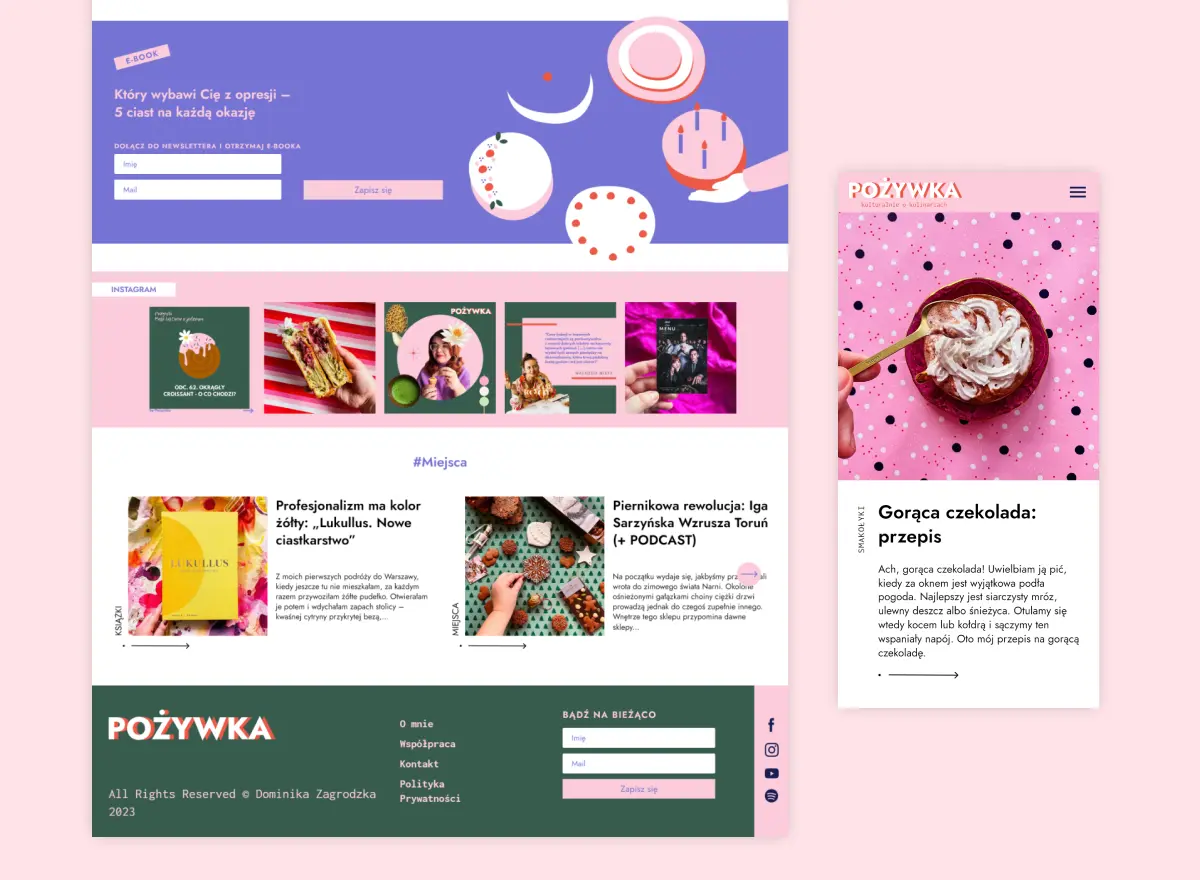
pozywka.pl
Scalable blog for food journalist, focused on performance and user experience 🌭
zagrodzki.me
Personal blog and portfolio of Bart Zagrodzki, where he shares his knowledge and work 💼
TurboStarter
Ship your startup everywhere. In minutes.
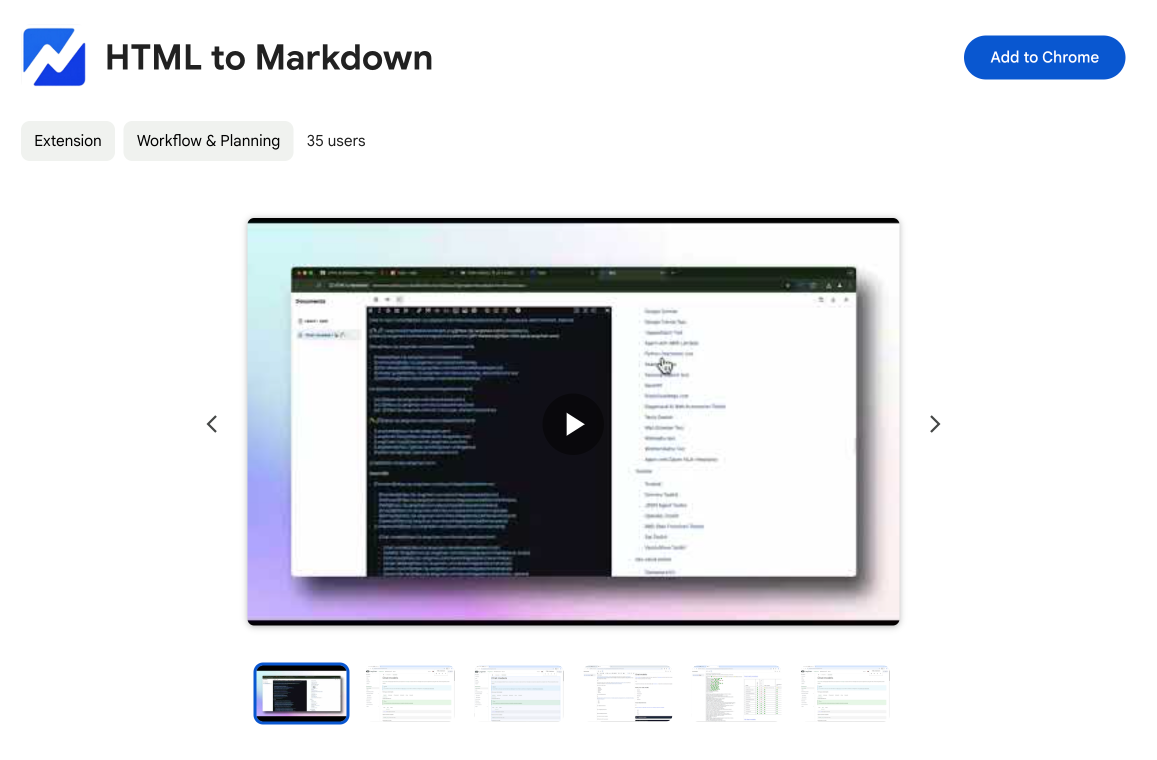
HTML to Markdown
Convert HTML to Markdown with ease, directly in your browser 📄
Dotallio
Personalized AI apps that automate research, data extraction, and content creation without code 🤖
Talk to Santa
Enjoy a magical live video chat or receive a unique AI-generated video greeting from Santa Claus 🎅
pozywka.pl
Scalable blog for food journalist, focused on performance and user experience 🌭
zagrodzki.me
Personal blog and portfolio of Bart Zagrodzki, where he shares his knowledge and work 💼
TurboStarter
Ship your startup everywhere. In minutes.
HTML to Markdown
Convert HTML to Markdown with ease, directly in your browser 📄
Dotallio
Personalized AI apps that automate research, data extraction, and content creation without code 🤖
Talk to Santa
Enjoy a magical live video chat or receive a unique AI-generated video greeting from Santa Claus 🎅
pozywka.pl
Scalable blog for food journalist, focused on performance and user experience 🌭
zagrodzki.me
Personal blog and portfolio of Bart Zagrodzki, where he shares his knowledge and work 💼
TurboStarter
Ship your startup everywhere. In minutes.
HTML to Markdown
Convert HTML to Markdown with ease, directly in your browser 📄
Dotallio
Personalized AI apps that automate research, data extraction, and content creation without code 🤖
Talk to Santa
Enjoy a magical live video chat or receive a unique AI-generated video greeting from Santa Claus 🎅
pozywka.pl
Scalable blog for food journalist, focused on performance and user experience 🌭
zagrodzki.me
Personal blog and portfolio of Bart Zagrodzki, where he shares his knowledge and work 💼
TurboStarter
Ship your startup everywhere. In minutes.
HTML to Markdown
Convert HTML to Markdown with ease, directly in your browser 📄
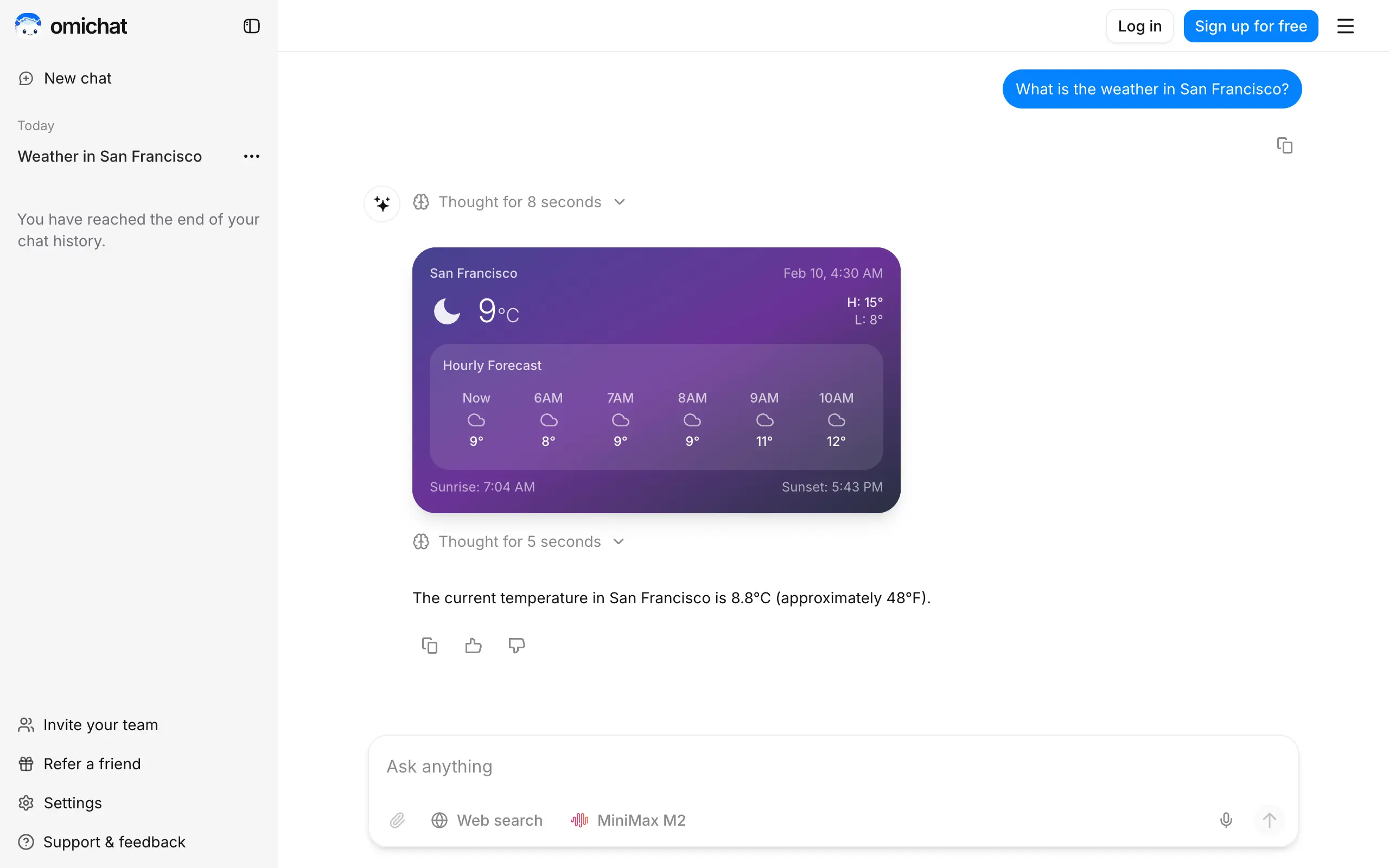
Omichat
Chat with 50+ AI models, including ChatGPT and Claude, in one place - switch models anytime without losing context 🤖
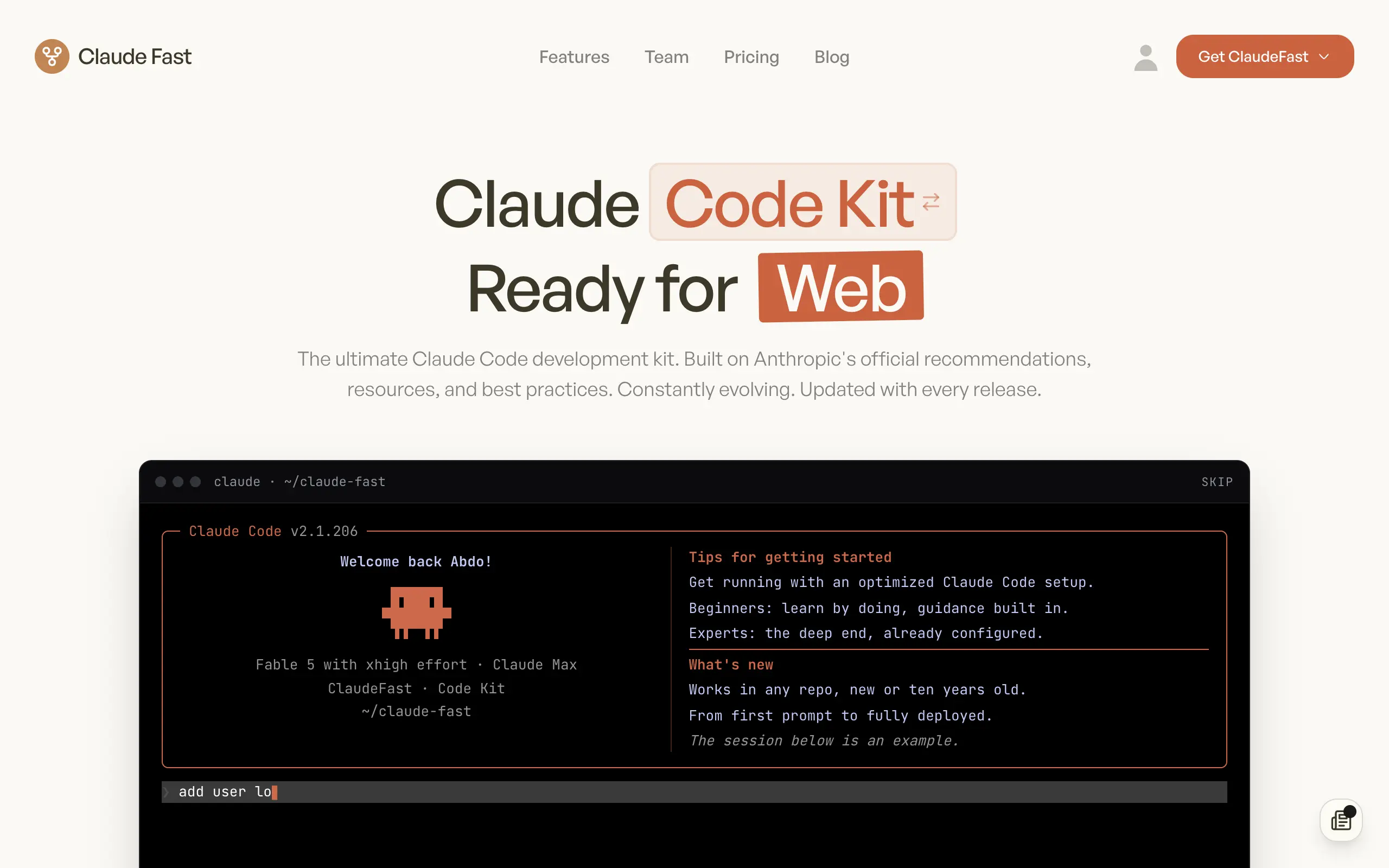
Claude Fast
Supercharge your Claude Code with 6x effective context window and specialized AI agents 🤖
EmojAI
AI-powered emoji picker with smart, context-aware suggestions 🤖
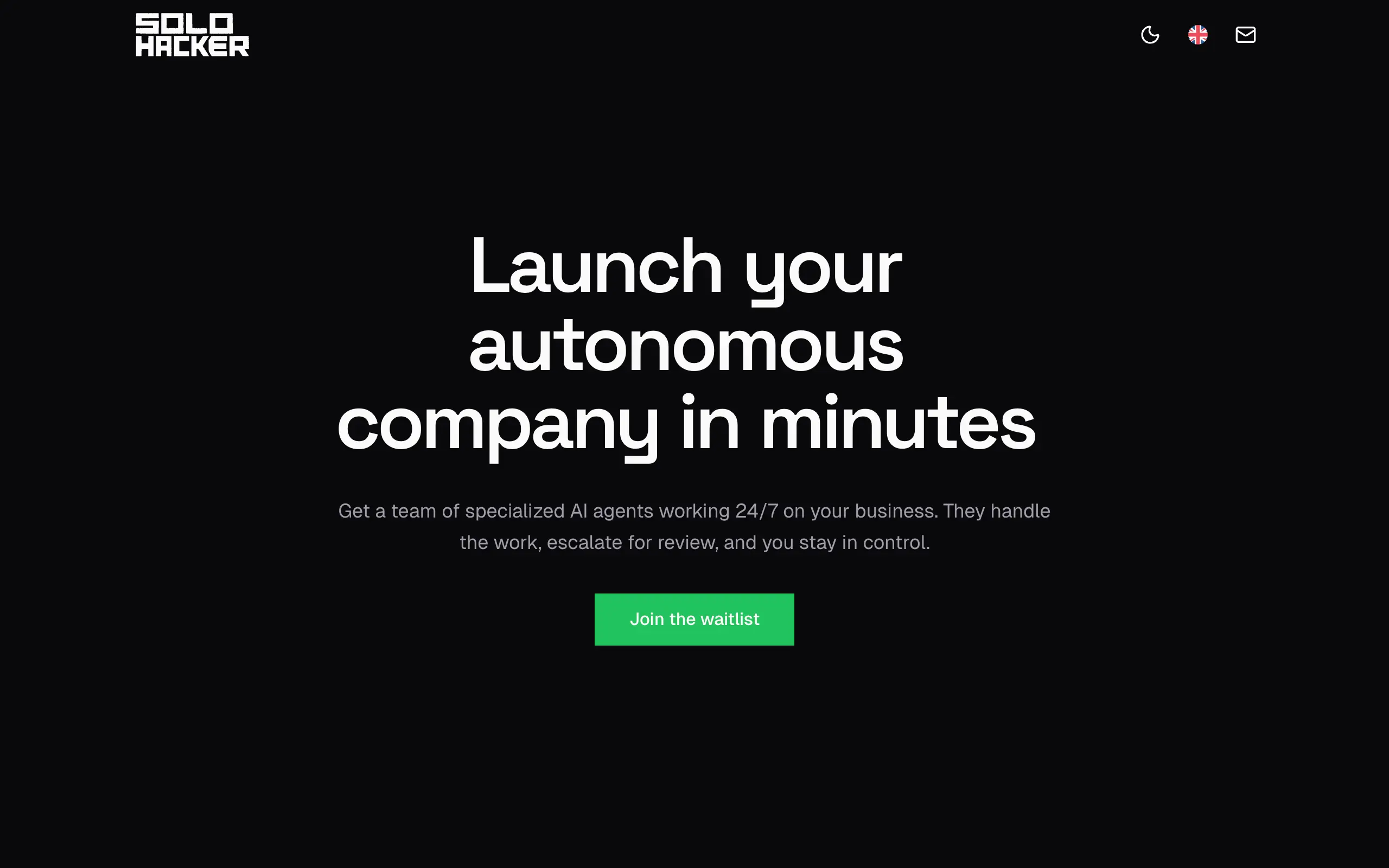
Solohacker
Autonomous company launcher - AI agents work 24/7, escalate what matters, and you stay in control 🤖
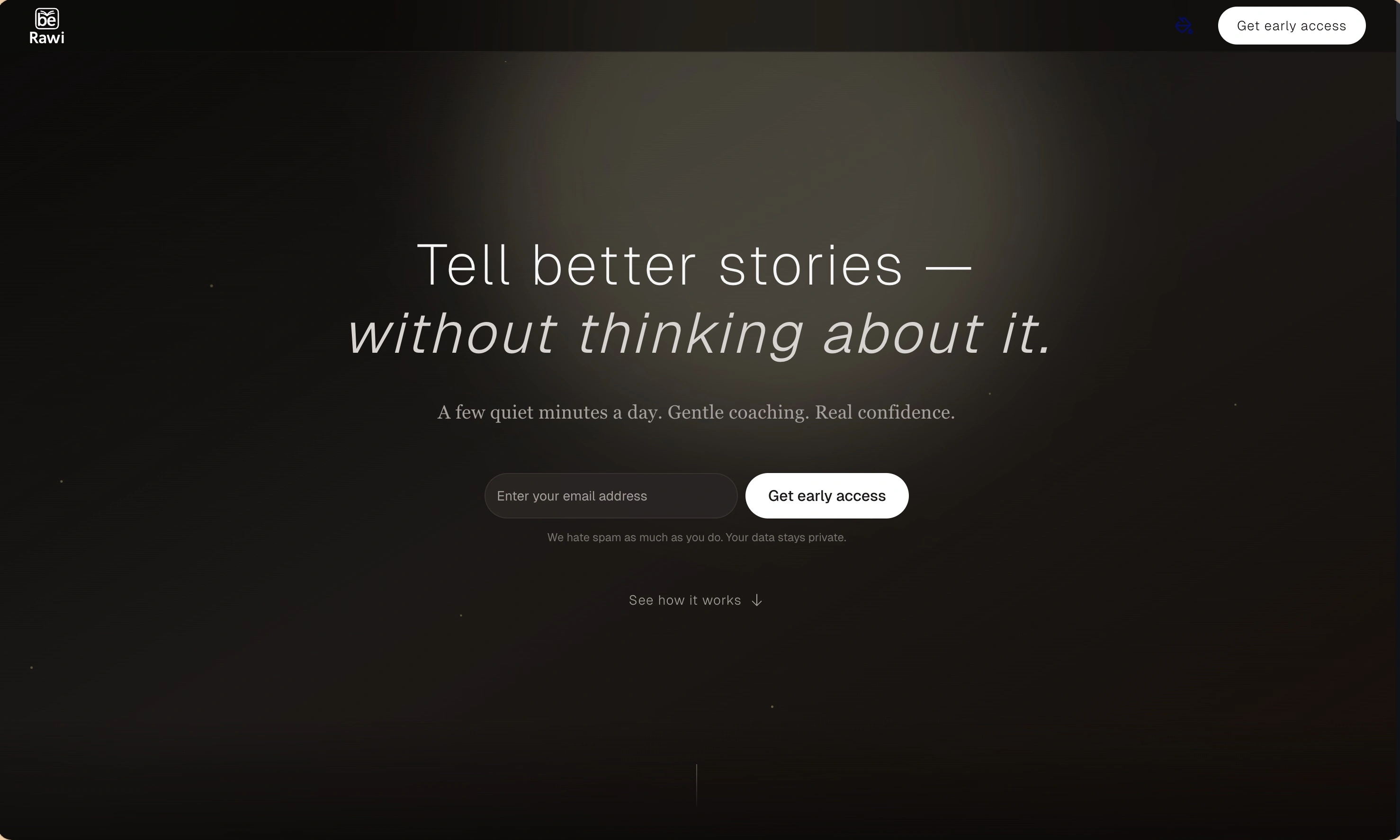
BeRawi: Storytelling Coach
Practice storytelling daily with instant feedback to sound clearer, more engaging, and confident 🎤
Omichat
Chat with 50+ AI models, including ChatGPT and Claude, in one place - switch models anytime without losing context 🤖
Claude Fast
Supercharge your Claude Code with 6x effective context window and specialized AI agents 🤖
EmojAI
AI-powered emoji picker with smart, context-aware suggestions 🤖
Solohacker
Autonomous company launcher - AI agents work 24/7, escalate what matters, and you stay in control 🤖
BeRawi: Storytelling Coach
Practice storytelling daily with instant feedback to sound clearer, more engaging, and confident 🎤
Omichat
Chat with 50+ AI models, including ChatGPT and Claude, in one place - switch models anytime without losing context 🤖
Claude Fast
Supercharge your Claude Code with 6x effective context window and specialized AI agents 🤖
EmojAI
AI-powered emoji picker with smart, context-aware suggestions 🤖
Solohacker
Autonomous company launcher - AI agents work 24/7, escalate what matters, and you stay in control 🤖
BeRawi: Storytelling Coach
Practice storytelling daily with instant feedback to sound clearer, more engaging, and confident 🎤
Omichat
Chat with 50+ AI models, including ChatGPT and Claude, in one place - switch models anytime without losing context 🤖
Claude Fast
Supercharge your Claude Code with 6x effective context window and specialized AI agents 🤖
EmojAI
AI-powered emoji picker with smart, context-aware suggestions 🤖
Solohacker
Autonomous company launcher - AI agents work 24/7, escalate what matters, and you stay in control 🤖
BeRawi: Storytelling Coach
Practice storytelling daily with instant feedback to sound clearer, more engaging, and confident 🎤

Connect with like-minded people
Join our community to get feedback, support, and grow together with 1,000+ builders on board, let's ship it!
Join usShip your startup everywhere. In minutes.
Don't burn tokens on setup and start building features on day one.