SocraticPath
An AI study coach that teaches through adaptive questions, hints, and mini-lessons instead of giving answers. Built for independent learners and schools.
Why SocraticPath is a timely AI study coach opportunity
SocraticPath is an AI study coach designed to help learners think, not simply retrieve answers. Instead of functioning like a conventional AI chatbot that immediately completes a homework problem, it uses adaptive questions, targeted hints, misconception checks, and short mini-lessons to guide students toward their own understanding.
That distinction matters.
Generative AI has made answers abundant. A student can paste a question into an assistant and receive a polished explanation, a completed essay outline, or a step-by-step equation in seconds. But access to an answer is not the same as learning. In many cases, instant-answer workflows encourage passive consumption, shallow confidence, and dependency on external tools.
An effective AI study coach should make independent thinking easier, not optional. SocraticPath can fill that gap by turning AI into an active-learning partner that asks the next best question based on what a learner already knows, where their reasoning breaks down, and how much support they need.
The product is especially compelling for:
- Independent learners preparing for exams or building new skills
- Middle school, high school, and university students
- Teachers who want scalable formative feedback
- Schools seeking AI tools with stronger academic-integrity guardrails
- Parents looking for study support that does not simply do a child’s work
- Tutoring organizations that need consistent instructional scaffolding
Its core value proposition is straightforward: SocraticPath helps learners arrive at answers through guided reasoning, while giving educators visibility into how learning happens.
The product principle
A strong AI tutor should optimize for durable understanding, not the shortest path to a completed assignment. SocraticPath can make this principle measurable through mastery checks, explanation quality, error patterns, and confidence tracking.
The problem with answer-first AI learning tools
Most students do not need another search box. They need help identifying what they do not understand, organizing a path forward, and practicing the mental moves that lead to mastery.
Traditional learning products often fall into one of two categories:
- "Content libraries" offer videos, readings, flashcards, and exercises, but leave learners to diagnose their own confusion.
- "Answer engines" provide direct responses, which can be useful for quick clarification but may bypass the productive struggle required for deeper learning.
A Socratic learning platform occupies the space between these models. It does not merely present material or produce a final result. It dynamically responds to a learner’s reasoning.
For example, a student solving an algebra problem might type an incorrect first step. Rather than saying “wrong” or revealing the solution, SocraticPath could ask:
What operation would undo the addition on the left side of the equation?
If the learner remains stuck, the AI study coach can gradually increase support:
- Ask an open-ended diagnostic question.
- Offer a small conceptual hint.
- Present a related micro-example.
- Ask the learner to explain the next step.
- Check whether the learner can apply the idea to a similar problem.
This is a practical implementation of scaffolding. It keeps the learner in control while avoiding the frustration of being left alone with an opaque problem.
Why conventional AI chatbots are not enough for learning
General-purpose chatbots are optimized for broad usefulness and conversational responsiveness. They are not inherently optimized for pedagogical sequencing, curriculum alignment, or controlled levels of assistance.
A learner can ask a general AI tool, “What is the answer?” The tool may provide the answer even when doing so undermines the assignment’s educational objective.
SocraticPath should instead recognize intent and context. It can distinguish between:
- A learner asking for a concept explanation
- A learner attempting a problem independently
- A learner requesting a final answer without showing work
- A learner repeating the same misconception
- A teacher-approved practice activity versus a graded assessment
That makes SocraticPath more than an AI homework helper. It becomes a guided learning system with explicit educational behavior.
Target audience for an adaptive AI study coach
The most effective go-to-market strategy starts with a narrowly defined early adopter segment. SocraticPath can ultimately serve broad education markets, but its initial experience should be designed around users with clear pain points and a willingness to adopt new learning tools.
Independent learners and ambitious students
Independent learners are likely to be the fastest route to early product validation. This group includes exam-prep students, self-taught professionals, homeschool learners, college students, and people learning difficult subjects outside a classroom.
Their challenges commonly include:
- Not knowing what to study next
- Getting stuck without immediate access to a tutor
- Feeling overwhelmed by dense educational resources
- Confusing familiarity with true mastery
- Lacking feedback on their reasoning process
- Using AI in ways that save time but do not build skill
For this audience, SocraticPath can position itself as a 24/7 personal study coach. The product should make sessions feel productive and measurable by showing learners what they attempted, what concepts they strengthened, and what to revisit.
Teachers and instructional designers
Teachers are not simply purchasers of classroom software. They are evaluators of whether a product supports their instructional approach, protects student privacy, and reduces rather than creates workload.
A teacher-oriented version of SocraticPath should focus on:
- Assignment-aligned study sessions
- Configurable answer-reveal policies
- Common misconception reports
- Small-group intervention signals
- AI-generated practice prompts that teachers can review
- Clear student activity summaries
- Controls for grade-level language and support depth
The strongest teacher value proposition is not “replace tutoring.” It is “help every student receive timely, structured thinking support while the teacher retains instructional control.”
Schools and districts
Schools have additional requirements around procurement, compliance, implementation, and evidence of educational value. Their buying decisions may involve curriculum teams, IT administrators, school leaders, legal teams, and teachers.
For this audience, SocraticPath needs robust answers to questions about:
- Student data handling
- Role-based access control
- AI safety policies
- Content moderation
- Audit logs
- Integration with existing learning systems
- Accessibility
- Evidence that the platform improves learning behaviors
The initial school-market wedge could be a focused program for math intervention, writing support, or exam preparation rather than a broad all-subject deployment.
Parents and guardians
Parents want practical study support but may be wary of AI enabling shortcut behavior. SocraticPath can appeal to this audience by emphasizing guided practice, progress visibility, and responsible AI use.
A parent dashboard could report:
- Study time and consistency
- Topics practiced
- Concepts that need attention
- Evidence of independent reasoning
- Suggested offline activities or conversations
- Weekly learning summaries written in plain language
Market gap: guided reasoning is underserved
The AI education market is crowded with general chatbots, adaptive courseware, tutoring marketplaces, and content platforms. Yet a meaningful market gap remains: many tools can tell students what to know, while fewer reliably help students learn how to think through unfamiliar problems.
The opportunity is particularly strong because schools and families increasingly need AI tools that support academic integrity rather than undermine it.
A credible market analysis should validate demand using primary research before large-scale development. Interview learners, teachers, tutors, and school administrators. Ask about actual behavior, not abstract opinions.
Useful validation questions include:
- When students get stuck, what do they do first?
- Which assignments create the most dependency on answer tools?
- What feedback would teachers want from an AI study assistant?
- Which subjects benefit most from question-led instruction?
- How much intervention is helpful before it becomes answer-giving?
- What evidence would make a school trust an AI learning platform?
- What would users pay for continuous personalized coaching?
For market-sizing claims, use reputable research sources such as education-sector reports, institutional surveys, and investor research. Cite the publication date, methodology, sample size, and geography alongside any figures. Avoid using broad “AI in education market” projections as the sole proof of demand; real customer interviews and pilot retention are far more actionable.
High-frequency need
Students encounter confusion every day, creating recurring study-coach usage rather than occasional one-off usage.
Integrity-aligned positioning
Question-first tutoring gives schools a safer alternative to answer-generating AI workflows.
Compounding learner data
Reasoning traces, misconception patterns, and mastery signals can improve personalization over time.
How SocraticPath should work
The product experience should feel less like chatting with a model and more like working with a skilled tutor who knows when to ask, explain, challenge, and pause.
A high-quality session begins by identifying the learner’s goal and current level. The system then selects an instructional mode based on the task, subject, learner confidence, and prior performance.
The adaptive questioning engine
The adaptive questioning engine is SocraticPath’s central product capability. It should not randomly generate questions. It should use an intentional question sequence that moves from diagnosis to guided practice to independent transfer.
A practical session flow looks like this:
This design should use a configurable “help ladder.” Learners may receive increasingly explicit support only after trying to reason through the problem.
An example help ladder for a science question might include:
- "Level one" offers a question that activates prior knowledge.
- "Level two" provides a directional hint without supplying terminology.
- "Level three" presents a short explanation with a concrete example.
- "Level four" walks through a comparable problem, not the original graded task.
- "Level five" offers a final explanation when appropriate, followed by a transfer check.
The final transfer check is critical. Without it, students can read a good explanation and mistakenly believe they understand it.
Mini-lessons that stay concise
Mini-lessons should be brief, contextual, and immediately useful. A learner stuck on factoring should not receive a generic ten-minute lecture. They should receive a focused explanation of the specific missing prerequisite, followed by an attempt.
Every mini-lesson can include:
- A plain-language concept explanation
- One worked example
- One common mistake
- A check-for-understanding question
- A suggestion for what to do next
This structure helps SocraticPath remain efficient without becoming shallow.
Explain-your-thinking prompts
The product should consistently invite learners to articulate their reasoning. Prompts such as “What made you choose that approach?” and “Which evidence supports that conclusion?” reveal more than correctness alone.
Explanation quality can become a major differentiator. A student who reaches the correct answer by guessing requires a different intervention from one who makes a small procedural mistake after demonstrating solid conceptual understanding.
Subject-specific learning modes
A generic tutoring workflow will not work equally well across all subjects. SocraticPath should launch with a limited number of deeply designed subject experiences.
Prioritize step validation, misconception detection, symbolic reasoning, visual support, and equivalent-problem generation. Require learners to state why a step is valid, not only what they did.
Guide brainstorming, claim development, evidence selection, organization, revision, and self-evaluation. Avoid rewriting an entire student submission by default.
Use prediction prompts, causal reasoning, vocabulary checks, hypothesis testing, and real-world analogies. Encourage students to distinguish observations from explanations.
Build adaptive practice plans, timed question sets, confidence ratings, error logs, and spaced review. Focus recommendations on the learner’s weakest high-impact concepts.
Core features for the SocraticPath MVP
A successful MVP should prove that learners return, improve their reasoning, and trust the platform. Avoid building a full learning management system before validating the core coaching loop.
Learner-facing features
The first version should include these essential capabilities:
- "Guided study chat": A structured conversational interface that asks questions before giving explanations.
- "Problem workspace": A place to type work, upload permitted material, or organize notes.
- "Hint ladder": Progressive hints that reflect the learner’s demonstrated effort.
- "Mini-lessons": Short explanations generated from a diagnosed knowledge gap.
- "Mastery checks": Follow-up questions that test transfer rather than recall.
- "Study plans": Daily or weekly recommendations based on goals and weak skills.
- "Progress dashboard": Concept confidence, completed sessions, consistency, and review priorities.
- "Reflection prompts": Brief end-of-session questions that strengthen metacognition.
Educator-facing features
For educators, prioritize insight and control over a large set of administrative features.
- "Assignment setup": Define topic, standards, allowed support level, and answer restrictions.
- "Class analytics": Identify common misconceptions and concepts requiring reteaching.
- "Student reasoning summaries": Surface patterns without forcing teachers to read every interaction.
- "Intervention groups": Suggest groups based on shared knowledge gaps.
- "Content controls": Configure approved source materials, reading levels, and response policies.
- "Exportable reports": Provide parent-friendly or administrator-friendly summaries.
Academic integrity and answer boundaries
Academic integrity should be product architecture, not a disclaimer hidden in a footer.
SocraticPath can enforce boundaries through:
- Assignment modes that withhold final answers
- Attempts-before-hints requirements
- Teacher-selected assistance levels
- Detection of direct answer-seeking patterns
- Prompts that ask learners to submit their own reasoning
- Clear disclosures when AI-generated content is involved
- Session logs that show the learning process
Do not overpromise integrity detection
No AI product can perfectly determine whether a task is graded, permitted, or independently completed. Build clear policies, teacher controls, and transparent activity histories instead of claiming flawless cheating prevention.
Recommended tech stack for an AI tutoring SaaS
SocraticPath needs a stack that supports fast iteration, secure user data, reliable AI orchestration, and deeply personalized learning records.
A modern web architecture can work well for the initial product.
| Layer | Recommended option | Why it fits | Trade-off | Priority |
|---|---|---|---|---|
| Frontend | Next.js with React | Fast product iteration and strong web ecosystem | Requires disciplined server and client boundaries | High |
| UI system | Tailwind CSS | Rapid accessible interface development | Needs design-token governance as the app grows | High |
| Database | PostgreSQL | Reliable relational data for users, sessions, and mastery records | Complex analytics may need additional tooling later | High |
| AI orchestration | Model API plus deterministic tutoring rules | Balances generative flexibility with instructional control | Requires evaluation and prompt-version management | High |
| Background jobs | Queue-based worker system | Supports reports, reminders, and analytics processing | Introduces operational complexity | Medium |
For the application layer, React provides a mature component model, while Next.js supports full-stack web development, routing, server rendering, and API patterns. Tailwind CSS is a practical choice for building a consistent interface quickly.
PostgreSQL is a strong default because SocraticPath has inherently relational data:
- Users belong to schools, classes, or households
- Learners complete sessions and attempt prompts
- Sessions contain message sequences, hints, and mastery outcomes
- Concepts map to subjects, standards, and prerequisites
- Teachers manage assignments and review aggregate analytics
For semantic retrieval, add vector search only where it provides clear value. It can help retrieve curriculum-aligned source material, approved teacher resources, or prior learner context. It should not replace a structured concept graph.
The tutoring policy layer is more important than the model
The most defensible technical asset is not simply model access. It is the policy layer that determines what the model is allowed to do in each instructional situation.
This layer should combine:
- A learner model that tracks concept mastery and confidence
- A concept graph that maps prerequisites and related skills
- A pedagogical policy engine that chooses question type and support level
- A safety policy that controls answer disclosure
- A content-grounding system that prioritizes approved materials
- An evaluation pipeline that tests educational quality
A simplified decision function might look like this:
type SupportLevel = "question" | "hint" | "miniLesson" | "workedExample";

function chooseSupportLevel(input: {
  attempts: number;
  confidence: number;
  misconceptionDetected: boolean;
  masteryScore: number;
}): SupportLevel {
  if (input.misconceptionDetected) return "miniLesson";
  if (input.attempts >= 3 && input.masteryScore < 0.4) return "workedExample";
  if (input.confidence < 0.5 || input.attempts >= 1) return "hint";
  return "question";
}
The real implementation should be more nuanced, but the principle is important: use deterministic rules for high-stakes instructional boundaries and AI generation for flexible dialogue, examples, and explanations.
Building a trustworthy AI study coach
Education products handle sensitive data and influence real learning outcomes. Trust must be earned through transparent product decisions.
Privacy, security, and student data
If SocraticPath serves schools, plan for privacy requirements early. Consult qualified legal and compliance professionals for the jurisdictions and age groups served. Product requirements may include parental consent flows, retention controls, data deletion, security reviews, role-based permissions, and vendor agreements.
Key practices include:
- Minimize collection of personal data
- Separate personally identifiable information from learning analytics where possible
- Encrypt data in transit and at rest
- Log administrative actions and AI policy changes
- Give schools clear data export and deletion workflows
- Establish transparent policies for model training and user content
- Conduct security testing before enterprise sales
For U.S.-based education buyers, teams should understand relevant frameworks such as FERPA and COPPA where applicable. For international expansion, seek counsel on regional privacy obligations before launch.
AI quality evaluation
A tutoring product must evaluate more than whether an answer is factually plausible. It needs to evaluate whether the interaction helped the learner reason.
Build an evaluation set containing representative student scenarios:
- Correct answers with weak reasoning
- Incorrect answers caused by common misconceptions
- Requests for direct solutions
- Sensitive or unsafe content
- Ambiguous prompts
- Grade-level language constraints
- Multilingual learner interactions
- Teacher-configured answer restrictions
Review outputs using rubrics for:
- Factual accuracy
- Pedagogical usefulness
- Appropriate support level
- Tone and encouragement
- Alignment with source material
- Resistance to answer leakage
- Accessibility and reading-level suitability
Human educator review should be part of this loop. Automated evaluation is useful, but it cannot fully judge instructional nuance.
Monetization strategy for SocraticPath
SocraticPath can use a multi-tier SaaS model that supports individual adoption while creating a path to higher-value school contracts.
Freemium for learner acquisition
A free plan can let students experience the core question-led coaching loop.
Possible free-plan limits include:
- A fixed number of coaching sessions per week
- Limited subjects or concept maps
- Basic progress tracking
- Restricted document uploads
- Standard response speed
The goal is to let users feel the difference between Socratic coaching and answer-first AI before asking them to pay.
Premium individual subscription
A paid plan can include:
- Unlimited guided sessions within fair-use limits
- Personalized study plans
- Advanced exam preparation
- Deep progress insights
- Expanded subjects
- Saved study history
- Parent reporting
- Priority model access
Pricing should be tested through user research and conversion experiments. The best price depends on target age, subject area, geography, and whether SocraticPath replaces another paid study resource.
School and district licensing
B2B education plans should use per-student, per-teacher, or site-license pricing depending on implementation needs.
Higher tiers can include:
- Teacher dashboards
- SSO and roster provisioning
- Learning platform integrations
- Administrative controls
- Custom curriculum alignment
- Dedicated onboarding
- Data processing terms
- Usage and impact reports
Tutoring organization partnerships
Tutoring centers and independent tutoring businesses represent an overlooked channel. SocraticPath can help them extend support between live sessions while preserving the tutor’s methodology.
A partner plan could provide branded learner portals, tutor notes, client progress reports, and configurable coaching rules.
Competitive advantage: why SocraticPath can stand out
The competitive advantage is not that SocraticPath uses AI. Many products use AI. Its advantage comes from combining pedagogical design, measurable learner reasoning, controlled assistance, and workflow-specific data.
The product can stand apart in five ways:
-
Question-first interaction design
The default behavior is to probe understanding before explaining or solving. -
Adaptive support, not static prompts
SocraticPath changes its help level based on attempts, confidence, and inferred misconceptions. -
Mastery over message volume
Success is measured through transfer questions and learning progress, not the number of chat exchanges. -
Teacher-configurable guardrails
Educators can control how much help is available and review learning patterns. -
A proprietary reasoning dataset
Over time, anonymized and appropriately governed data on misconceptions, hint effectiveness, and skill progression can improve the tutoring policy layer.
The biggest moat will be trust. If learners feel coached rather than judged, teachers feel supported rather than bypassed, and schools can see responsible controls in action, SocraticPath can become a preferred category of AI learning tool.
Key risks and how to mitigate them
Every AI education startup faces meaningful product and market risks. Identifying them early helps prioritize the roadmap.
Use a configurable answer policy, require learner attempts, evaluate answer leakage, and create assignment-specific modes that prioritize hints and comparable examples.
Ground responses in approved materials where possible, test high-volume topics with educator rubrics, disclose limitations, and create an easy error-reporting workflow.
Make progress visible, provide relevant next-step recommendations, use lightweight study streaks carefully, and prove value through improved confidence and mastery checks.
Start with independent learners, tutors, and small pilot programs. Build evidence and compliance readiness before targeting large district contracts.
Use smaller models or deterministic flows for classification and routine tasks, reserve high-capability generation for complex coaching moments, and optimize conversation context.
A practical implementation roadmap
The right launch strategy is to prove the quality of the learning loop before expanding into a broad AI education platform.
Phase one: validate the coaching experience
Choose one subject where reasoning is observable and feedback is immediate. Algebra is a strong option because misconceptions are common, progress can be measured, and the hint structure is clear.
Build:
- A learner onboarding flow
- A guided problem-solving session
- A hint ladder
- A small concept graph
- A mastery check
- A basic progress dashboard
- Internal educator review tools
Recruit 20 to 50 target users and observe actual sessions. Track where learners abandon the flow, when they ask for answers, whether they complete transfer questions, and whether they return voluntarily.
Phase two: measure learning signals
Define success metrics before scaling acquisition.
Important metrics include:
- Activation rate for first completed guided session
- Percentage of learners who attempt before requesting help
- Hint-to-solution escalation rate
- Mastery-check completion rate
- Seven-day and 30-day retention
- Improvement between first attempt and transfer attempt
- Teacher-reported usefulness
- Cost per completed successful study session
Do not treat chat engagement alone as success. A learner who spends many messages stuck in a loop is not necessarily receiving value.
Phase three: introduce educator workflows
After the learner experience is effective, add classroom pilots with a small number of teachers. Focus on a narrow use case such as homework support, intervention periods, or exam revision.
Provide onboarding, collect qualitative feedback, and document outcomes. Case studies should be transparent about sample sizes, timeframe, implementation conditions, and limitations.
Phase four: expand content and integrations
Only after establishing reliable tutoring quality should SocraticPath expand across subjects, grades, and institutional integrations. Add complexity in response to verified user demand, not feature pressure.
For founders who want to move from validated concept to production SaaS faster, TurboStarter can reduce time spent setting up foundational application infrastructure, allowing more attention to the tutoring workflow, evaluation system, and learning experience.
Final recommendation
SocraticPath has strong potential because it addresses one of the most important tensions in AI education: students need immediate support, but they also need to develop independent thinking.
The winning product will not be the one that produces the fastest answers. It will be the one that consistently helps learners make the next intellectual move, recognize why it matters, and apply that understanding without assistance.
Start with one high-value subject, a deliberate Socratic tutoring framework, strict answer boundaries, and measurable mastery checks. Build with teachers and learners in the loop. Treat AI reliability, privacy, and instructional quality as core product requirements.
If SocraticPath can make guided reasoning feel as convenient as asking for an answer, it can create a meaningful and defensible new standard for the AI study coach category.
More 🤖 AI Startup SaaS ideas
Discover more innovative ai startup SaaS ideas that are trending in 2026. Each idea is AI-generated with market validation and growth potential to help you find your next profitable venture faster than competitors.
Your competitors are building with TurboStarter
Below are some of the SaaS ideas that have been generated and built with our starter kit.
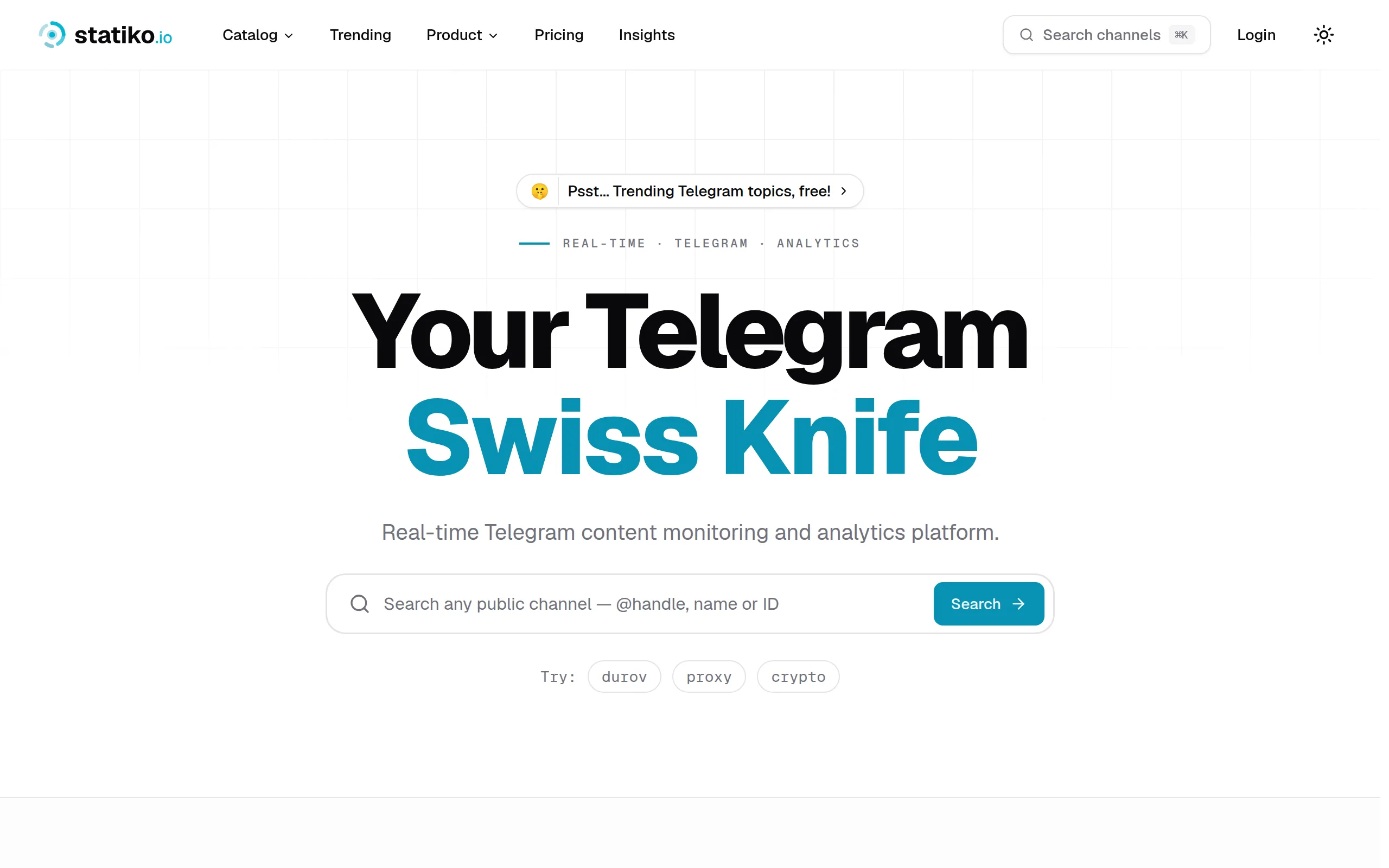
Statiko
Monitor any Telegram channel in real time - track posts, edits, deletions, and growth with AI recaps 📡

Shibui
AI website builder - describe your business, pick a niche template, edit by chatting, and publish instantly ✨

Pro Service
Find verified home service professionals, compare quotes, and pay securely through escrow - built for Brazilians across the US 🏠
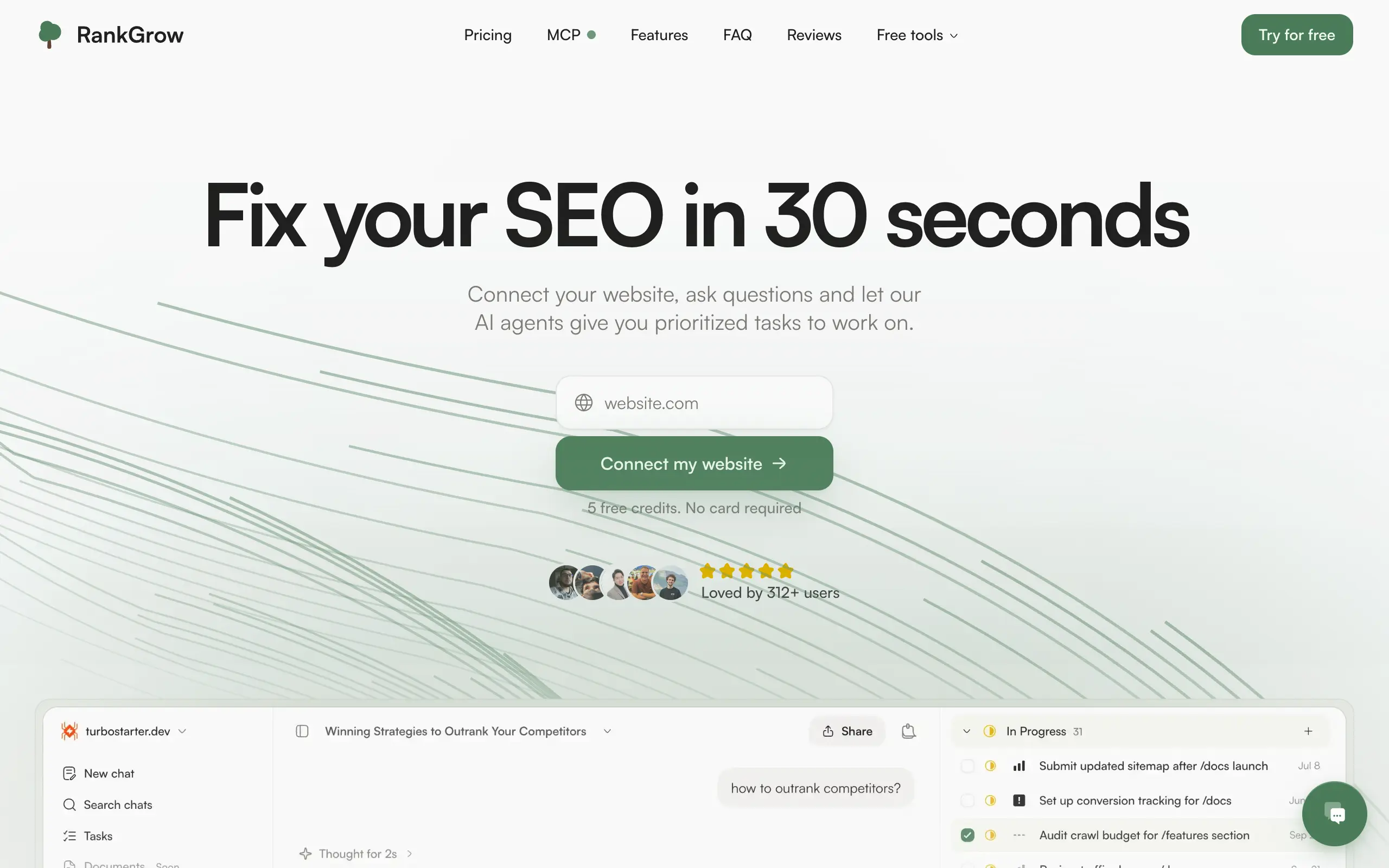
RankGrow
Fix your SEO with AI agents - connect Search Console, get prioritized tasks, and grow organic traffic 📈
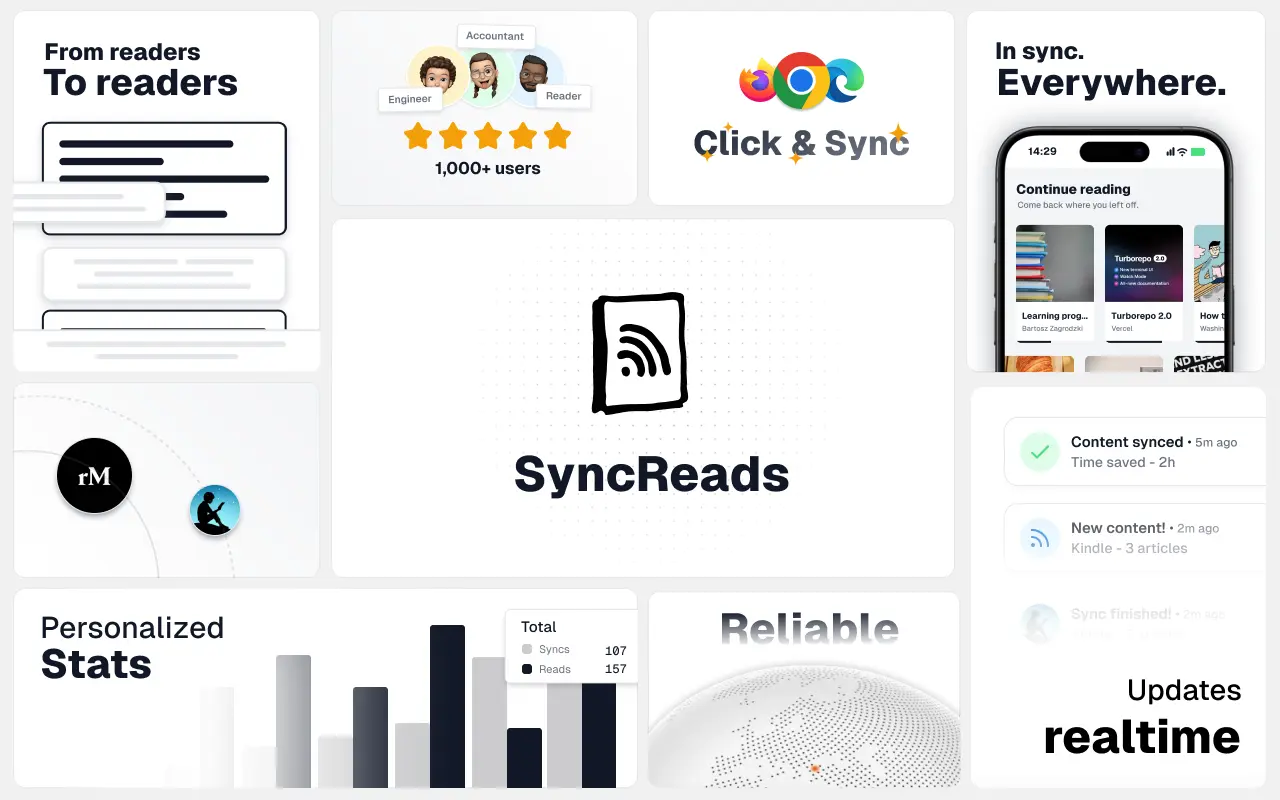
SyncReads
Sync your favorite content for distraction-free reading, save time and replace multiple apps. Anytime, anywhere 🔄
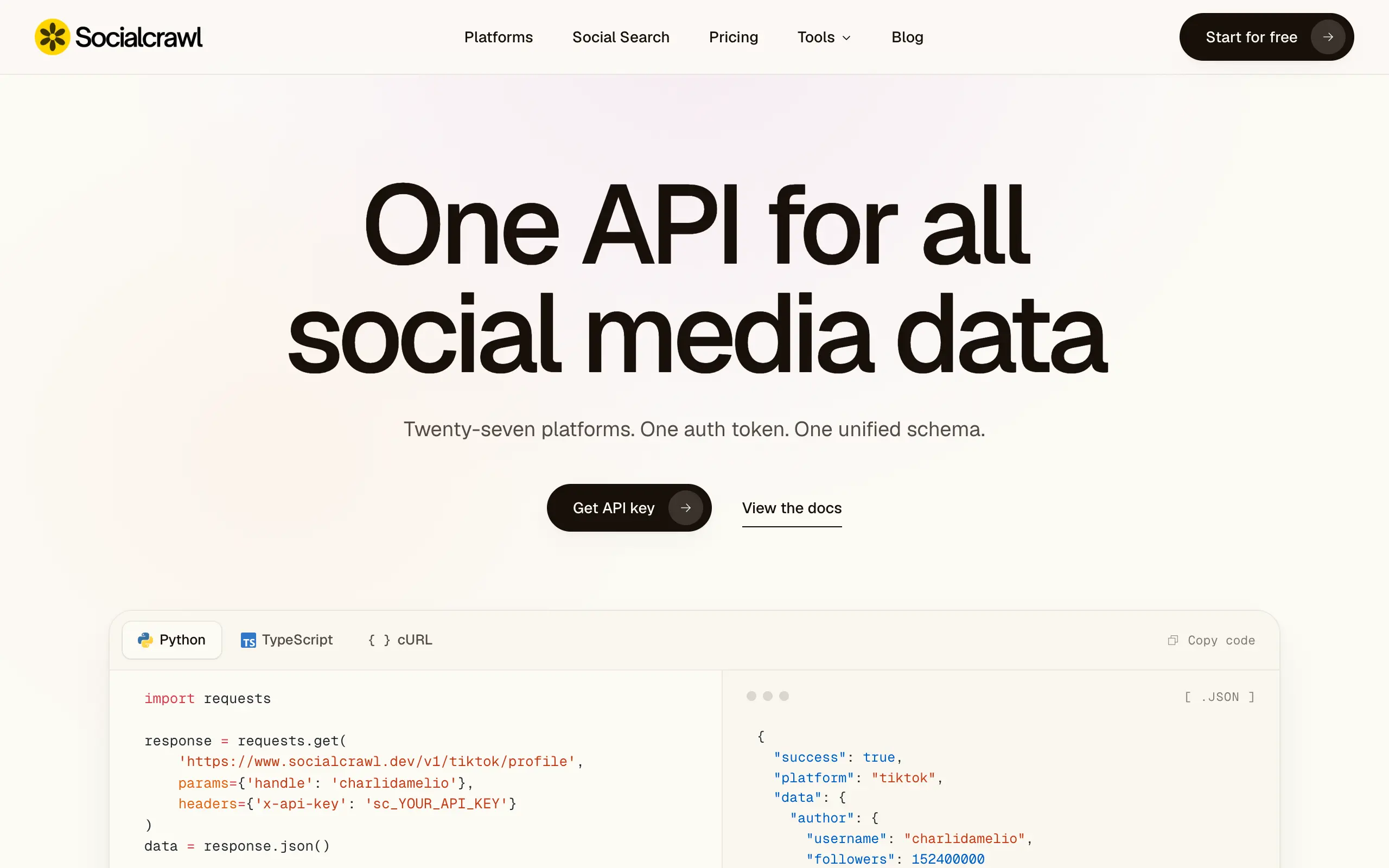
Socialcrawl
Get clean, structured data from 21 platforms like TikTok, Instagram, and YouTube with a single request 📊
Statiko
Monitor any Telegram channel in real time - track posts, edits, deletions, and growth with AI recaps 📡
Shibui
AI website builder - describe your business, pick a niche template, edit by chatting, and publish instantly ✨
Pro Service
Find verified home service professionals, compare quotes, and pay securely through escrow - built for Brazilians across the US 🏠
RankGrow
Fix your SEO with AI agents - connect Search Console, get prioritized tasks, and grow organic traffic 📈
SyncReads
Sync your favorite content for distraction-free reading, save time and replace multiple apps. Anytime, anywhere 🔄
Socialcrawl
Get clean, structured data from 21 platforms like TikTok, Instagram, and YouTube with a single request 📊
Statiko
Monitor any Telegram channel in real time - track posts, edits, deletions, and growth with AI recaps 📡
Shibui
AI website builder - describe your business, pick a niche template, edit by chatting, and publish instantly ✨
Pro Service
Find verified home service professionals, compare quotes, and pay securely through escrow - built for Brazilians across the US 🏠
RankGrow
Fix your SEO with AI agents - connect Search Console, get prioritized tasks, and grow organic traffic 📈
SyncReads
Sync your favorite content for distraction-free reading, save time and replace multiple apps. Anytime, anywhere 🔄
Socialcrawl
Get clean, structured data from 21 platforms like TikTok, Instagram, and YouTube with a single request 📊
Statiko
Monitor any Telegram channel in real time - track posts, edits, deletions, and growth with AI recaps 📡
Shibui
AI website builder - describe your business, pick a niche template, edit by chatting, and publish instantly ✨
Pro Service
Find verified home service professionals, compare quotes, and pay securely through escrow - built for Brazilians across the US 🏠
RankGrow
Fix your SEO with AI agents - connect Search Console, get prioritized tasks, and grow organic traffic 📈
SyncReads
Sync your favorite content for distraction-free reading, save time and replace multiple apps. Anytime, anywhere 🔄
Socialcrawl
Get clean, structured data from 21 platforms like TikTok, Instagram, and YouTube with a single request 📊
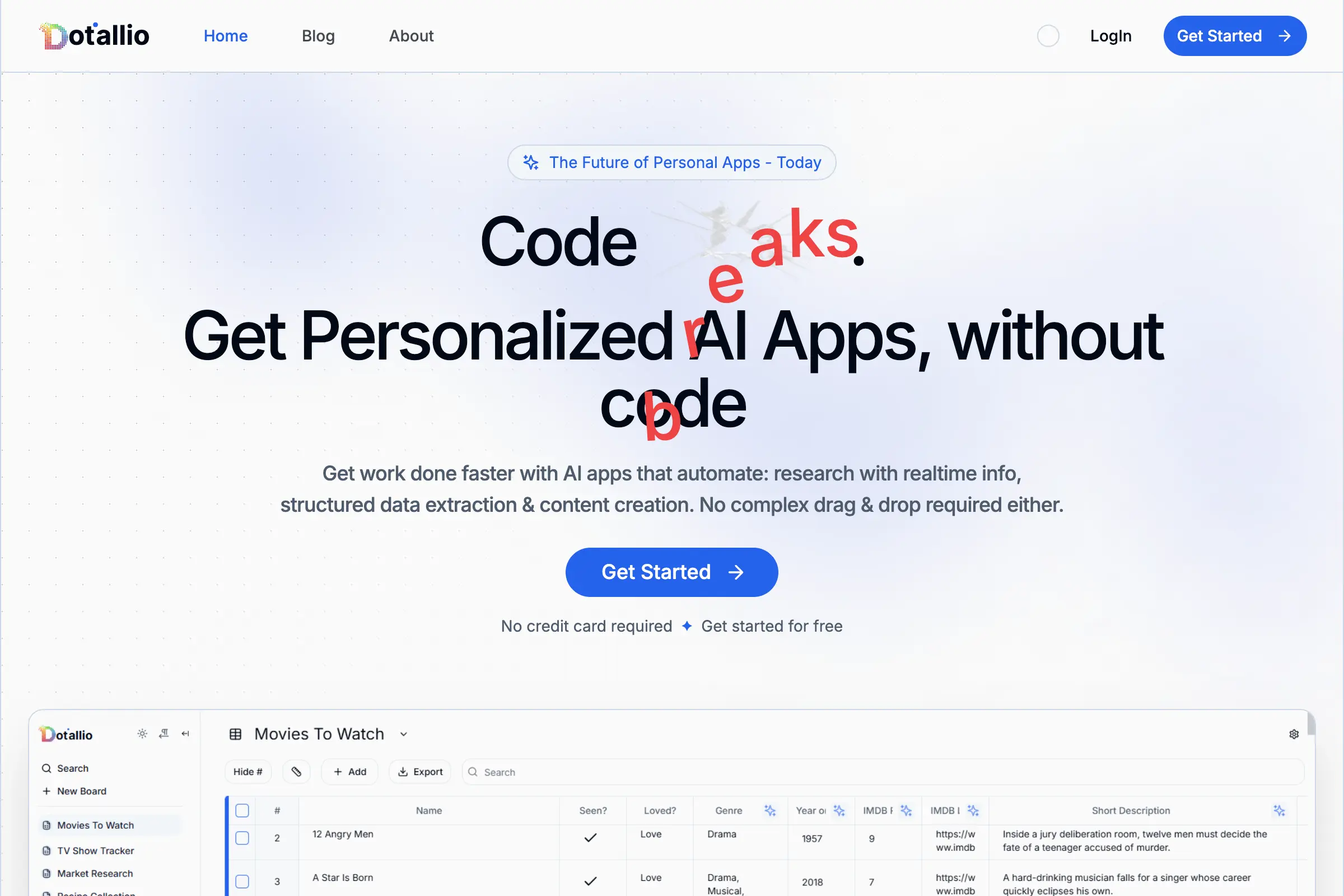
Dotallio
Personalized AI apps that automate research, data extraction, and content creation without code 🤖

Talk to Santa
Enjoy a magical live video chat or receive a unique AI-generated video greeting from Santa Claus 🎅

pozywka.pl
Scalable blog for food journalist, focused on performance and user experience 🌭
zagrodzki.me
Personal blog and portfolio of Bart Zagrodzki, where he shares his knowledge and work 💼
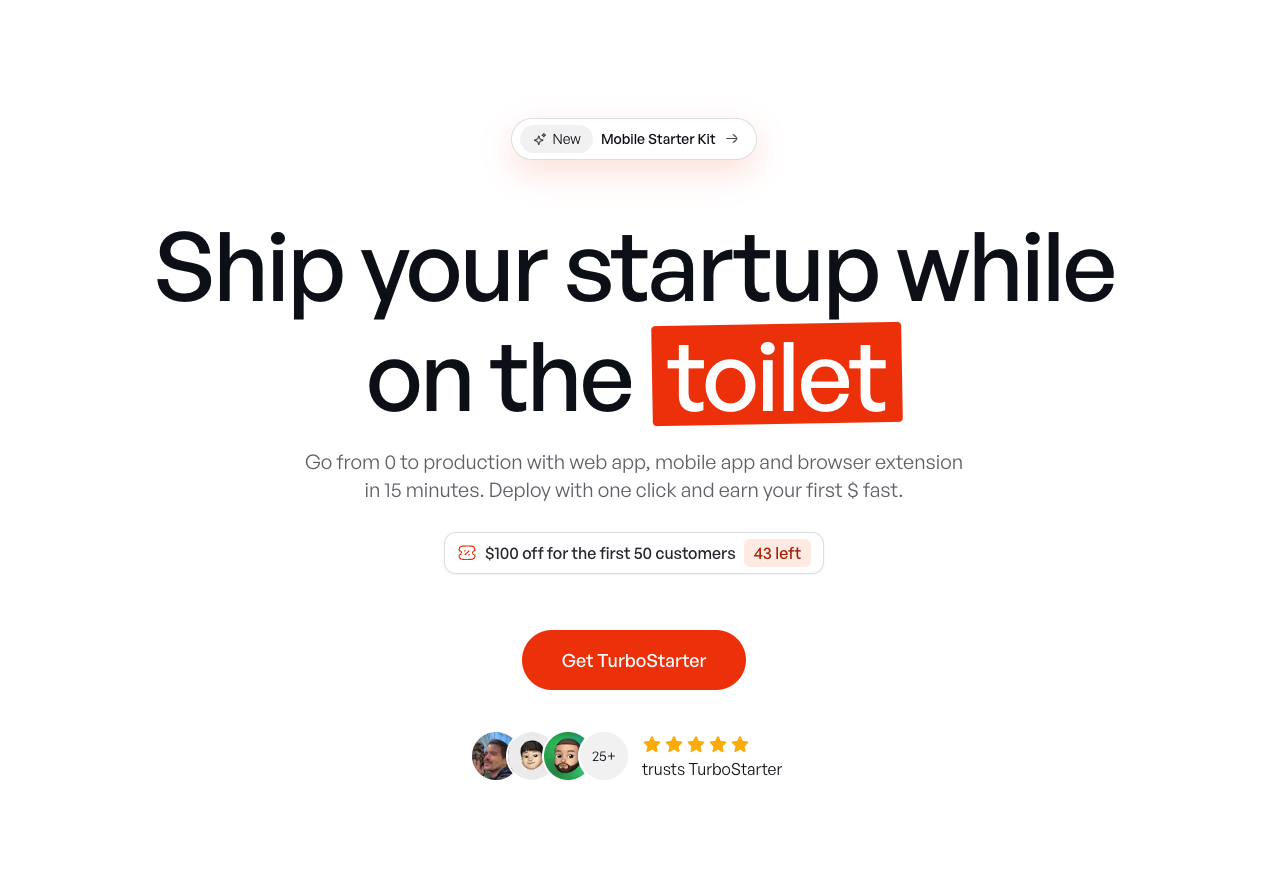
TurboStarter
Ship your startup everywhere. In minutes.
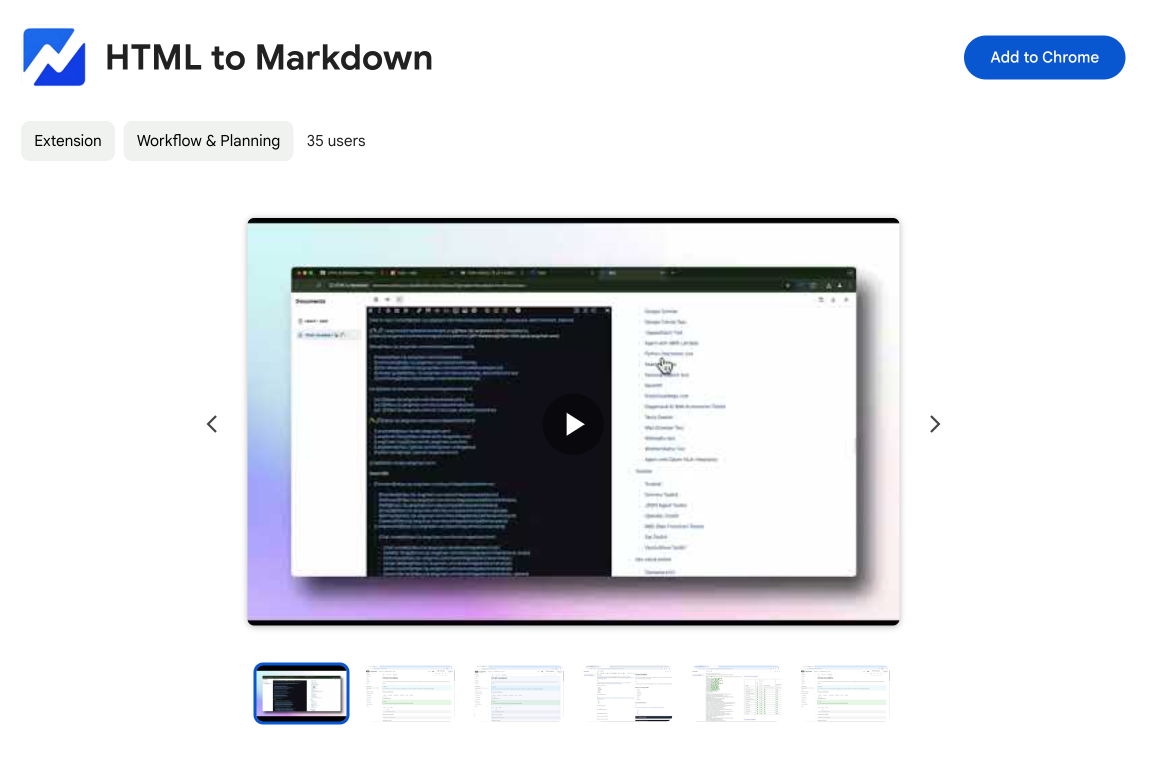
HTML to Markdown
Convert HTML to Markdown with ease, directly in your browser 📄
Dotallio
Personalized AI apps that automate research, data extraction, and content creation without code 🤖
Talk to Santa
Enjoy a magical live video chat or receive a unique AI-generated video greeting from Santa Claus 🎅
pozywka.pl
Scalable blog for food journalist, focused on performance and user experience 🌭
zagrodzki.me
Personal blog and portfolio of Bart Zagrodzki, where he shares his knowledge and work 💼
TurboStarter
Ship your startup everywhere. In minutes.
HTML to Markdown
Convert HTML to Markdown with ease, directly in your browser 📄
Dotallio
Personalized AI apps that automate research, data extraction, and content creation without code 🤖
Talk to Santa
Enjoy a magical live video chat or receive a unique AI-generated video greeting from Santa Claus 🎅
pozywka.pl
Scalable blog for food journalist, focused on performance and user experience 🌭
zagrodzki.me
Personal blog and portfolio of Bart Zagrodzki, where he shares his knowledge and work 💼
TurboStarter
Ship your startup everywhere. In minutes.
HTML to Markdown
Convert HTML to Markdown with ease, directly in your browser 📄
Dotallio
Personalized AI apps that automate research, data extraction, and content creation without code 🤖
Talk to Santa
Enjoy a magical live video chat or receive a unique AI-generated video greeting from Santa Claus 🎅
pozywka.pl
Scalable blog for food journalist, focused on performance and user experience 🌭
zagrodzki.me
Personal blog and portfolio of Bart Zagrodzki, where he shares his knowledge and work 💼
TurboStarter
Ship your startup everywhere. In minutes.
HTML to Markdown
Convert HTML to Markdown with ease, directly in your browser 📄
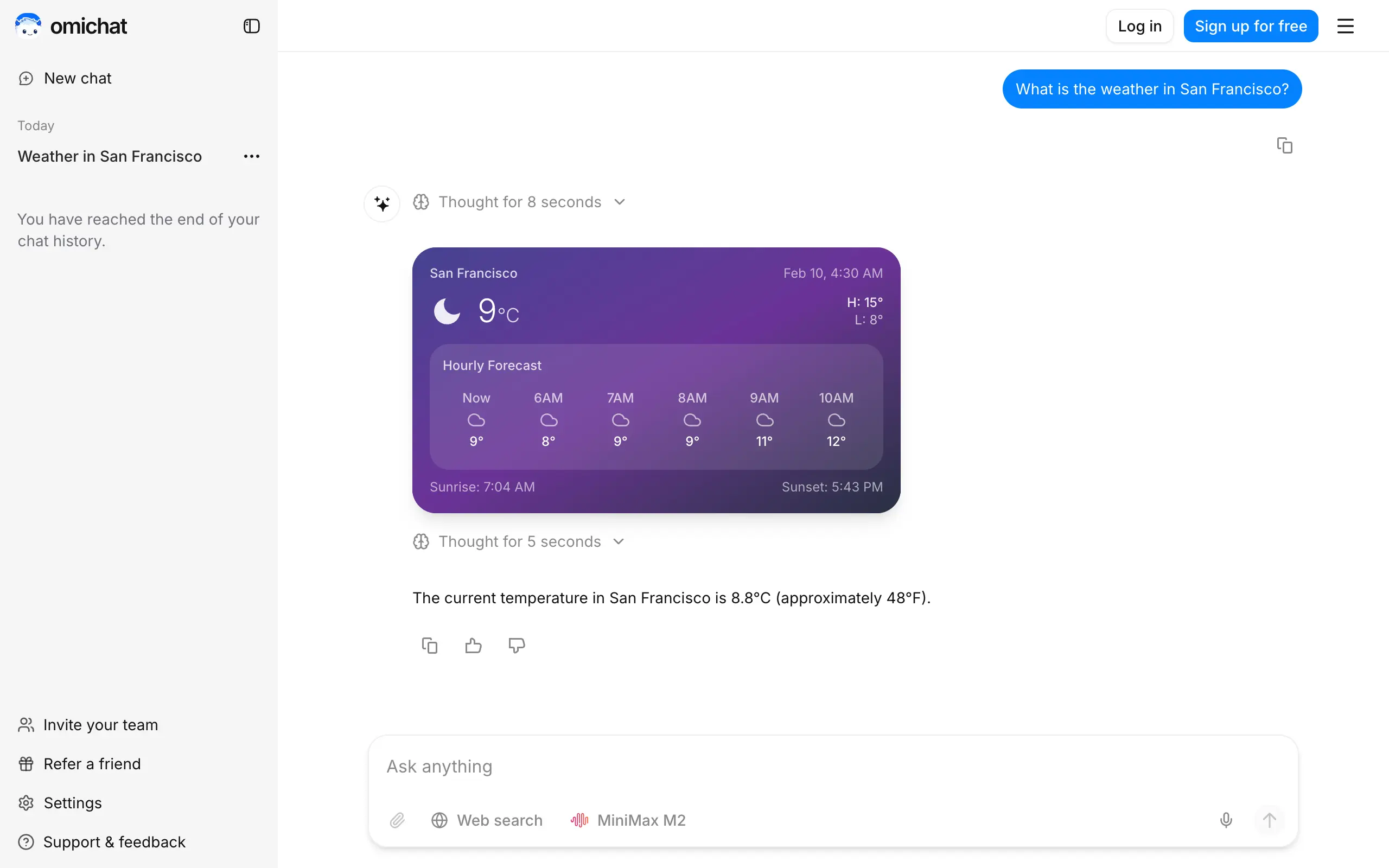
Omichat
Chat with 50+ AI models, including ChatGPT and Claude, in one place - switch models anytime without losing context 🤖
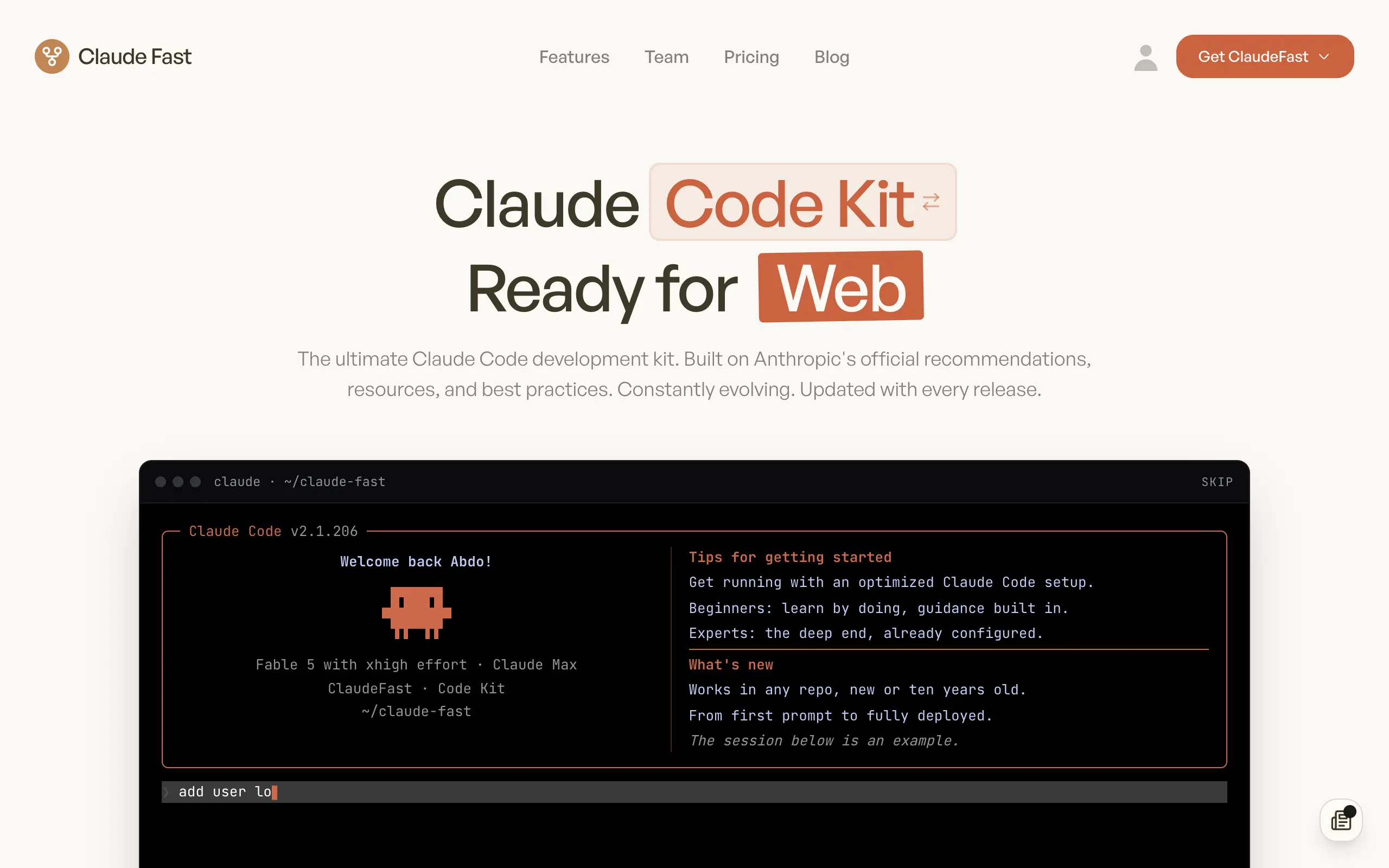
Claude Fast
Supercharge your Claude Code with 6x effective context window and specialized AI agents 🤖
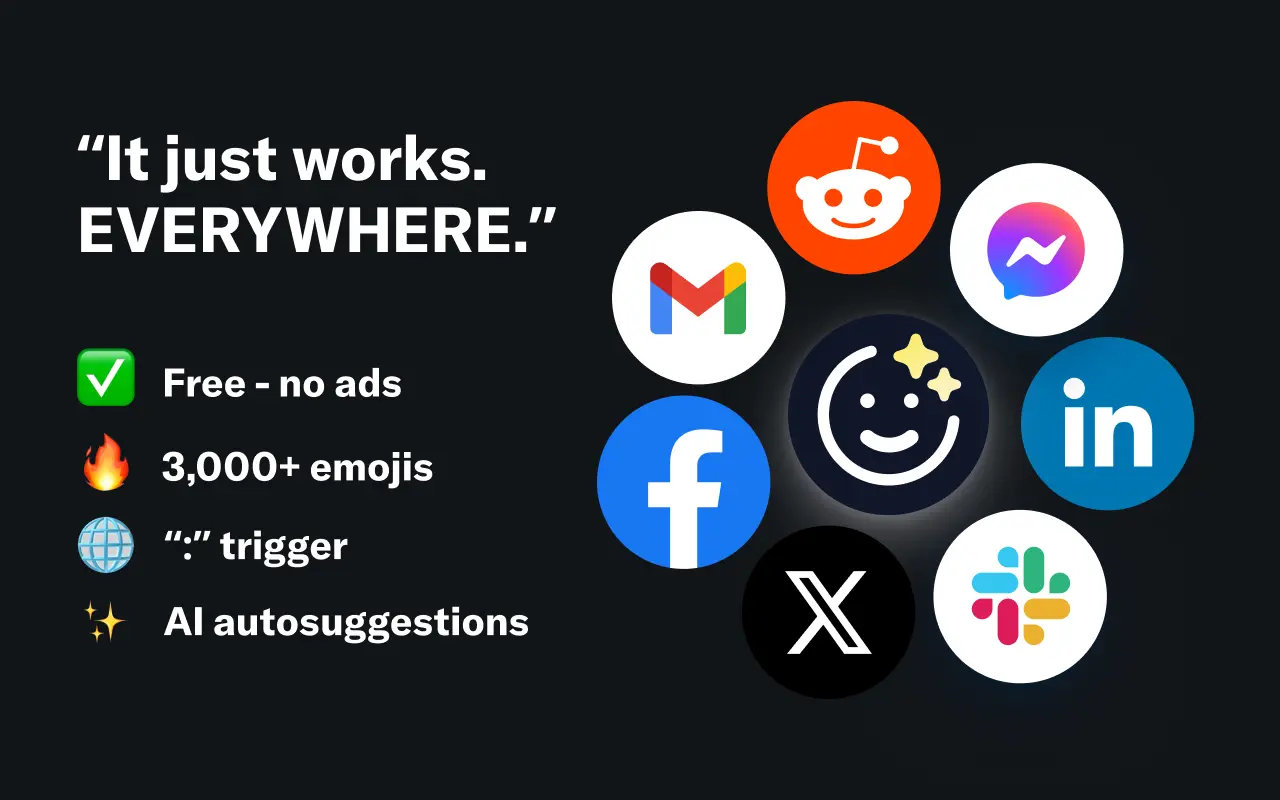
EmojAI
AI-powered emoji picker with smart, context-aware suggestions 🤖
Solohacker
Autonomous company launcher - AI agents work 24/7, escalate what matters, and you stay in control 🤖
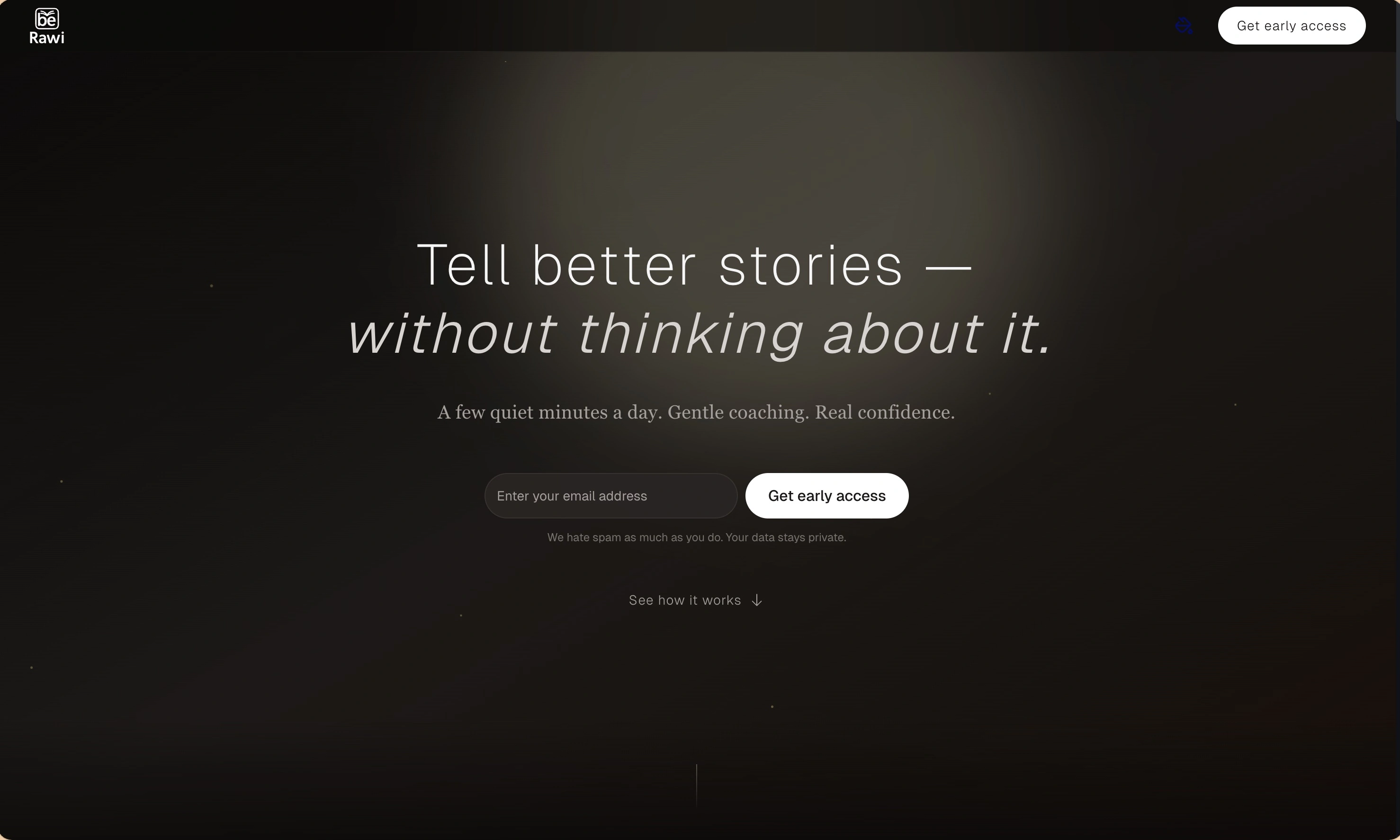
BeRawi: Storytelling Coach
Practice storytelling daily with instant feedback to sound clearer, more engaging, and confident 🎤
Omichat
Chat with 50+ AI models, including ChatGPT and Claude, in one place - switch models anytime without losing context 🤖
Claude Fast
Supercharge your Claude Code with 6x effective context window and specialized AI agents 🤖
EmojAI
AI-powered emoji picker with smart, context-aware suggestions 🤖
Solohacker
Autonomous company launcher - AI agents work 24/7, escalate what matters, and you stay in control 🤖
BeRawi: Storytelling Coach
Practice storytelling daily with instant feedback to sound clearer, more engaging, and confident 🎤
Omichat
Chat with 50+ AI models, including ChatGPT and Claude, in one place - switch models anytime without losing context 🤖
Claude Fast
Supercharge your Claude Code with 6x effective context window and specialized AI agents 🤖
EmojAI
AI-powered emoji picker with smart, context-aware suggestions 🤖
Solohacker
Autonomous company launcher - AI agents work 24/7, escalate what matters, and you stay in control 🤖
BeRawi: Storytelling Coach
Practice storytelling daily with instant feedback to sound clearer, more engaging, and confident 🎤
Omichat
Chat with 50+ AI models, including ChatGPT and Claude, in one place - switch models anytime without losing context 🤖
Claude Fast
Supercharge your Claude Code with 6x effective context window and specialized AI agents 🤖
EmojAI
AI-powered emoji picker with smart, context-aware suggestions 🤖
Solohacker
Autonomous company launcher - AI agents work 24/7, escalate what matters, and you stay in control 🤖
BeRawi: Storytelling Coach
Practice storytelling daily with instant feedback to sound clearer, more engaging, and confident 🎤

Connect with like-minded people
Join our community to get feedback, support, and grow together with 1,000+ builders on board, let's ship it!
Join usShip your startup everywhere. In minutes.
Don't burn tokens on setup and start building features on day one.