SpeakSet Physio
Voice-first physio software that turns a clinician’s spoken exercise plan into branded patient videos, instructions and follow-up reminders before checkout.
Physiotherapy clinics often finish an appointment with the hardest part still unresolved: translating a clinician’s expertise into a clear, memorable home exercise plan that a patient will actually follow. Handouts are generic, video libraries are time-consuming to search, and administrative follow-up can become inconsistent when schedules are full.
SpeakSet Physio addresses this operational and clinical gap with voice-first physiotherapy software. A clinician speaks their exercise plan naturally during or immediately after a session. The software then converts that plan into branded patient videos, written instructions, dosage guidance, and automated follow-up reminders before the patient checks out.
The opportunity is not simply to add AI transcription to physiotherapy. It is to turn the final five minutes of the appointment into a dependable patient-engagement workflow that improves clarity, preserves the clinic’s brand, and makes adherence easier to support at scale.
The central product insight
The highest-value moment is before the patient leaves the clinic. A physiotherapy home exercise plan is more useful when the patient receives it while the session, demonstrations, and clinical rationale are still fresh.
Why voice-first physiotherapy software matters now
Physiotherapy care depends heavily on what happens between appointments. Patients may understand an exercise in the room, but forget its name, its intended range of movement, the correct dosage, or the reason it was prescribed once they return home. This creates a familiar cycle:
- Patients complete exercises inconsistently or with poor form.
- Clinicians spend time re-explaining exercises at the next visit.
- Front-desk teams chase missed follow-ups manually.
- Clinics struggle to demonstrate the value of ongoing care.
- Exercise prescription quality varies between clinicians and locations.
Traditional home exercise program software solves part of the problem. It may offer exercise libraries, templates, and printable plans. However, many systems still require clinicians to stop, search for movements, select media, type instructions, configure reminders, and export materials. That workflow competes directly with patient-facing time.
A voice-first physio platform changes the input model. Instead of asking a clinician to document first and communicate later, it treats their spoken clinical plan as the source material for patient communication. A clinician might say:
“For the next week, complete the supported squat three times daily, eight reps each time, keeping pain below a three out of ten. Add the heel raises if the ankle feels settled tomorrow. I want you to book in again next Tuesday.”
The system can identify the relevant exercises, capture dosage and safety instructions, generate a plain-language plan, attach approved video demonstrations, apply clinic branding, and schedule a follow-up check-in. The clinician reviews and approves the output before it reaches the patient.
This model aligns with several important healthcare technology trends:
- Documentation burden is a persistent concern across clinical professions.
- Patients increasingly expect digital, mobile-friendly care communication.
- Clinics need more repeatable workflows without making care feel impersonal.
- Generative AI is becoming more useful when constrained by approved content, defined workflows, and clinician review.
- Remote monitoring and hybrid care models create demand for better patient adherence tools.
For market-facing claims, SpeakSet Physio should cite current sources from organizations such as the World Health Organization, national physiotherapy associations, peer-reviewed rehabilitation journals, and reputable digital health research firms. The strongest content strategy is to avoid unsupported promises and instead explain the practical workflow benefits that clinics can verify themselves.
The target audience for SpeakSet Physio
The initial buyer is unlikely to be every healthcare organization at once. The most promising early market is outpatient physiotherapy practices where clinicians prescribe home exercises frequently and where patient follow-through directly affects outcomes, retention, and referrals.
Primary audience: independent and multi-site physiotherapy clinics
Independent clinics and growing clinic groups are ideal because they often have a clear operational pain point but lack the internal resources to build custom patient-engagement systems.
Their needs commonly include:
- Faster creation of home exercise plans.
- Consistent clinical communication across practitioners.
- Better patient recall after appointments.
- A polished branded experience that reinforces trust.
- Reduced administrative effort for reminders and follow-up.
- Visibility into whether patients viewed their plan or reported barriers.
For a clinic owner, the value proposition is operational and commercial. SpeakSet Physio can help standardize a high-quality experience without asking every therapist to become a content producer or software administrator.
For the treating clinician, the value is speed and confidence. The product must feel like a natural extension of clinical conversation, not another documentation burden.
For the patient, the value is clarity. They should receive a simple plan that answers practical questions such as what to do, how often to do it, what good form looks like, what discomfort is acceptable, and when to ask for help.
Secondary audience: specialty rehabilitation practices
Specialist providers may have even stronger product-market fit because exercise precision and continuity of care are particularly important in their patient journeys.
Sports physiotherapy
Useful for athletes who need exercise progressions, return-to-play guidance, and clear instructions between sessions.
Post-operative rehabilitation
Useful where adherence, precautions, and staged progression need consistent communication.
Pelvic health physiotherapy
Useful for discreet, individualized guidance delivered in a patient-friendly format.
Occupational and workplace rehabilitation
Useful for clinics managing exercises, work-capacity guidance, and scheduled check-ins across larger caseloads.
These segments also create opportunities for specialized templates, clinical pathways, and branded exercise content. However, the platform should not assume that a generalized model can safely manage specialty care without configurable guardrails and approved protocols.
Tertiary audience: larger provider networks and digital health providers
Health systems, corporate wellness providers, and virtual rehabilitation platforms may become valuable enterprise customers later. Their requirements will be more demanding:
- Single sign-on and centralized identity management.
- Audit trails and role-based access controls.
- Regional hosting or data residency options.
- API integrations with electronic health record systems.
- Detailed analytics and governance controls.
- Procurement documentation and security assessments.
This market can be lucrative, but it should not be the first product focus. Enterprise requirements can delay learning and overwhelm a young SaaS team. SpeakSet Physio should first prove a repeatable workflow with independent practices and clinic groups.
The market gap in home exercise plan software
The market has exercise libraries, patient messaging systems, electronic health records, transcription tools, and telehealth products. The gap sits between them.
Many current workflows are fragmented:
| Workflow approach | Speed for clinician | Patient personalization | Brand consistency | Follow-up automation |
|---|---|---|---|---|
| Paper handout | ✅ | ❌ | Limited | ❌ |
| Generic exercise app | Mixed | Mixed | Limited | Mixed |
| Manual video message | ❌ | ✅ | ✅ | ❌ |
| SpeakSet Physio workflow | ✅ | ✅ | ✅ | ✅ |
The product opportunity is to combine speed, personalization, branding, and automated follow-up without making the clinician manually assemble every asset.
The key distinction is that SpeakSet Physio should not position itself as a fully autonomous clinical decision-maker. Its role is to capture, structure, and communicate the clinician’s intended plan. That distinction supports safer product design, clearer marketing, and stronger buyer trust.
The real competitor is the existing workaround
The strongest competitive analysis begins with the job being done, not just named software vendors. In practice, SpeakSet Physio competes with:
- Printed exercise sheets.
- Saved PDF templates.
- YouTube links copied into emails.
- Screenshots and messaging apps.
- Generic home exercise libraries.
- Administrative staff sending reminders manually.
- Clinicians relying on patients to remember instructions.
These workarounds are inexpensive in cash terms, but expensive in clinician time, variability, missed opportunities, and patient confusion. The product needs to quantify this hidden cost during sales conversations.
For example, a discovery call can ask:
- How many home exercise plans do clinicians create each week?
- How long does the average plan take to prepare and send?
- How often do patients ask for exercises to be resent or clarified?
- What percentage of patients receive a structured follow-up message?
- How consistent is the patient experience across practitioners?
Those answers create a credible baseline for a pilot. They are more persuasive than broad claims about artificial intelligence.
The SpeakSet Physio product workflow
A great voice-first physiotherapy software experience should make the workflow feel obvious. The clinician speaks naturally, verifies the generated plan, and sends it before checkout. The patient receives a clear, branded plan without requiring a separate app installation.
From spoken plan to patient-ready instructions
The core workflow has six stages.
The clinician approval step is not optional product friction. It is a central trust feature. Voice recognition can mishear terms, patients may have context-specific restrictions, and exercise instructions are clinically meaningful. SpeakSet Physio should help clinicians move faster while preserving professional judgment.
Core features for the minimum viable product
The MVP should focus narrowly on the complete plan-to-send loop. Every feature should make that loop faster, safer, or more useful.
Voice capture and medical vocabulary support
The product needs reliable audio capture, speaker-aware transcription where appropriate, and support for physiotherapy language. Clinicians should be able to correct a transcript quickly rather than edit a long note from scratch.
Important capabilities include:
- One-tap recording from desktop and mobile.
- Clear recording state and consent prompts.
- Editable transcript with timestamps.
- Custom dictionaries for clinic terminology and exercise names.
- Support for accents and regional terminology.
- A fallback manual entry workflow when audio is unavailable.
Speech-to-text quality will vary based on microphone quality, ambient noise, accents, and clinical language. The interface should make uncertainty visible. Highlight low-confidence phrases rather than silently converting ambiguous language into patient instructions.
Structured exercise prescription extraction
This is the intelligence layer that turns a transcript into usable data. It should extract a structured schema rather than only produce prose.
type ExercisePlanItem = {
  exerciseName: string;
  sets?: number;
  repetitions?: number;
  durationSeconds?: number;
  frequency?: string;
  laterality?: "left" | "right" | "bilateral";
  progression?: string;
  precautions?: string[];
  patientNotes?: string;
};
A structured model enables downstream features such as reminders, progression tracking, analytics, and integrations. It also enables validation rules. For example, a plan can flag an exercise with a frequency but no dosage, or a precaution that needs clinician confirmation.
Branded exercise videos and instructions
The patient-facing output should look and feel like an extension of the clinic. This is a meaningful differentiator because trust often increases when communication is familiar, polished, and clearly attributable to the care provider.
The content experience should include:
- Clinic logo, colors, and clinician details.
- Approved exercise video demonstrations.
- Simple written instructions in plain language.
- Sets, reps, holds, frequency, and rest guidance.
- Clear safety and stop guidance approved by the clinic.
- Optional subtitles and multilingual content.
- A downloadable plan for patients who prefer print.
The most defensible content strategy is a hybrid library. SpeakSet Physio can provide professionally produced baseline demonstrations while letting clinics upload their own approved videos, add local instructions, and control which assets may be used in generated plans.
Follow-up reminders and patient check-ins
Reminders should not be generic nagging. They should support the patient journey and create useful feedback for the care team.
A reminder might ask:
- Were you able to complete your exercises today?
- Which exercise was difficult or unclear?
- Did anything increase your symptoms unexpectedly?
- Would you like to review the exercise videos before your next appointment?
Responses can be deliberately lightweight. A simple completion signal, confidence rating, pain trend, or “need help” flag may be more actionable than an overly complex tracking experience.
Avoid overpromising adherence outcomes
Automated reminders can support engagement, but SpeakSet Physio should not claim that reminders alone improve clinical outcomes. Outcomes depend on diagnosis, treatment quality, patient context, access, motivation, and many other factors.
Clinician and clinic analytics
Analytics should answer operational questions, not create surveillance pressure. A useful dashboard can show whether a plan was delivered, opened, viewed, acknowledged, or marked as difficult.
Useful metrics include:
- Plan creation time.
- Percentage of appointments that leave with a plan.
- Time from appointment end to plan delivery.
- Patient plan view rate.
- Reminder response rate.
- Commonly unclear exercises.
- Clinician approval and edit rates.
- Exercises most often associated with “need help” responses.
The edit rate is particularly valuable for product development. If clinicians regularly change a specific type of generated recommendation, wording, or exercise match, the team has a clear signal that the workflow needs refinement.
Clinical safety, privacy, and trust by design
A healthcare-adjacent SaaS product must earn trust through product design and operating discipline. A polished user interface is not enough.
SpeakSet Physio should be explicit that it is a clinician-support and patient-communication platform. It should avoid presenting generated content as independent medical advice. The clinician remains accountable for review, prescription, and clinical decisions.
Safety guardrails for AI-generated exercise plans
Generative AI should operate within controlled boundaries.
Recommended safeguards include:
- Use structured extraction before generative rewriting.
- Retrieve only from an approved exercise content library.
- Require clinician approval before sending plans.
- Make dosage, laterality, and precautions prominent in the review screen.
- Flag unclear transcripts and missing fields.
- Prevent unapproved exercise substitutions.
- Version every plan and retain an audit trail.
- Allow clinics to configure mandatory disclaimers and emergency guidance.
- Route high-risk keywords or contraindication phrases for extra review.
A strong approach is retrieval-augmented generation. Rather than asking a model to invent an explanation of an exercise, SpeakSet Physio should retrieve the clinic-approved exercise record and use the model only to format patient-friendly instructions around it. This reduces hallucination risk and gives clinics control over the underlying content.
Data protection and healthcare compliance
Compliance obligations vary by country, region, customer type, and data flow. SpeakSet Physio should seek qualified legal and security advice before making claims about regulatory compliance.
The practical product checklist should cover:
- Data processing agreements.
- Encryption in transit and at rest.
- Role-based access control.
- Multi-factor authentication for staff accounts.
- Audit logging for plan creation, edits, approvals, and access.
- Configurable data retention controls.
- Patient consent and communication preferences.
- Business continuity and incident-response procedures.
- Vendor assessments for AI, transcription, messaging, and cloud providers.
- Regional data residency where target markets require it.
For United States customers, requirements may involve HIPAA considerations and business associate agreements. For European markets, GDPR obligations and appropriate data processing terms are central. Other regions may have their own health information and privacy laws. The sales team should never use broad compliance language without evidence, documentation, and legal review.
Recommended technology stack for a voice-first physiotherapy SaaS
The right technical stack should optimize for product speed without compromising the security foundation required for sensitive health information.
A modern web architecture is appropriate for the initial product because clinics need desktop workflows while patients need mobile-friendly access without mandatory app downloads.
Application and user interface layer
A practical stack could include:
- React for the clinician dashboard and patient plan interface.
- Next.js for server-rendered web pages, API routes, and performant patient plan links.
- TypeScript for safer domain models and fewer integration mistakes.
- Tailwind CSS for consistent, configurable clinic branding and fast interface iteration.
The trade-off is that a web-first application may not support every offline or device-native workflow as elegantly as a native mobile app. For the initial use case, that trade-off is worthwhile. Most clinicians can use a browser-based dashboard, while patients can receive responsive web plans by secure link.
Backend, data, and workflow layer
For the backend, use a relational database such as PostgreSQL because the product has strongly connected records: clinics, users, patients, plans, exercises, approvals, reminders, and audit events.
A recommended architecture includes:
- A multi-tenant application model with strong tenant isolation.
- PostgreSQL for transactional data.
- Object storage for audio recordings and video assets.
- A background job queue for transcription, generation, video processing, and reminder scheduling.
- A search layer for exercise library discovery and transcript retrieval.
- An event log for auditable workflow history.
- A feature flag system for controlled rollout of AI features.
The trade-off with multi-tenancy is that enterprise customers may later request dedicated environments. Start with robust logical isolation, then offer dedicated deployment options only when the commercial opportunity justifies the operational cost.
AI and transcription architecture
The AI system should be modular. Do not tightly couple product workflows to a single model vendor.
A resilient pipeline looks like this:
- Capture and encrypt audio.
- Submit audio to an approved transcription provider.
- Normalize the transcript and identify structured entities.
- Match exercise mentions against the approved content library.
- Apply deterministic validation rules.
- Generate a draft patient plan from structured data and approved content.
- Present the result to the clinician for review.
- Store approval metadata and deliver the final plan.
This architecture is more reliable than passing raw audio or a freeform transcript directly to a large language model and sending its output automatically.
Fastest route to an MVP
Founders can accelerate the non-clinical SaaS foundation by starting with TurboStarter. A production-oriented starter can reduce time spent rebuilding common capabilities such as authentication, billing foundations, dashboards, teams, and application structure.
The critical advice is to treat starter infrastructure as the beginning, not the healthcare security program. Before onboarding real clinics and patient data, conduct architecture reviews, penetration testing where appropriate, vendor security reviews, and legal assessments aligned to the markets being served.
Monetization strategy for SpeakSet Physio
The best pricing model should reflect ongoing value, support predictable clinic budgets, and avoid discouraging frequent use.
Recommended pricing model: subscription plus usage capacity
A tiered monthly subscription is a strong starting point. Price by clinician seats, clinic location, patient plans sent, or a combination of these factors.
Possible packaging could include:
- "Starter": one small clinic, core plan generation, branded delivery, and basic reminders.
- "Growth": multiple clinicians, custom content library, analytics, and higher plan volume.
- "Group": multi-location controls, advanced branding, regional permissions, and priority onboarding.
- "Enterprise": single sign-on, integrations, security reviews, custom retention policies, and dedicated support.
Avoid charging per generated plan at a low threshold because clinicians may hesitate to use the product at exactly the point where it should become habitual. Include a generous plan allowance, then price overages predictably for unusually high volumes.
Additional revenue opportunities
Once the core workflow is trusted, SpeakSet Physio can add carefully selected expansion revenue.
Options include:
- White-label patient portal experiences.
- Custom clinic video production packages.
- Specialty protocol libraries.
- Electronic health record integrations.
- Advanced reporting for clinic groups.
- Multilingual content packs.
- Patient outcome measure workflows.
- Implementation and migration services for larger clinics.
The highest-margin expansion is likely software-based. Content production can help early differentiation but may become operationally heavy if it is the main revenue engine.
Competitive advantage and unique selling proposition
SpeakSet Physio’s unique selling proposition is simple:
It turns the clinician’s own spoken exercise plan into a reviewed, branded, patient-ready rehabilitation experience before the patient leaves the clinic.
That positioning is stronger than “AI for physiotherapy” because it focuses on an observable workflow outcome. It also differentiates the platform from generic transcription tools, static exercise libraries, and standalone reminder products.
The competitive advantage comes from combining five elements:
-
Voice-first speed
Clinicians start with natural speech rather than manual plan assembly. -
Clinician-controlled AI
The system drafts and structures communication, but the clinician reviews and approves it. -
Branded patient experience
Videos, instructions, and reminders reinforce the clinic relationship rather than redirecting patients to a generic app. -
Workflow timing
The plan is sent before checkout, when patient recall and motivation are highest. -
Closed-loop follow-up
Reminders and patient responses help the clinic identify confusion or barriers before the next appointment.
The moat is not merely the use of AI. Speech transcription and generative text are increasingly available commodities. The defensible advantage is the workflow data, approved content relationships, specialty templates, clinician trust, integration depth, and accumulated understanding of what makes patient instructions clear and safe.
Risks and practical mitigation strategies
Every healthcare workflow product carries risks. Strong founders identify these early and build mitigation into product, policy, and go-to-market decisions.
Use confidence scoring, editable transcripts, approved exercise libraries, deterministic validation rules, and mandatory clinician review. Track corrections to improve dictionaries and matching logic.
Design around a measurable time-saving promise. Test the workflow with real clinicians, minimize required clicks, support templates, and show immediate patient-ready output rather than hidden automation.
Keep patient experiences simple and mobile-friendly. Avoid forced app downloads, use clear links, offer accessible video captions, and let clinics select reminder timing based on care pathways.
Work with qualified legal and security professionals. Publish only substantiated security information, maintain documentation, and create a roadmap for market-specific requirements.
Build proprietary workflow depth through exercise content governance, clinician configuration, specialty templates, analytics, integrations, and an excellent approval experience.
A further risk is clinical adoption. Some therapists may worry that patient-facing automation will flatten their clinical style or introduce liability. The answer is not to push more automation. It is to give clinicians ownership over templates, language, video libraries, and final approval.
Go-to-market strategy for early validation
The first objective is not broad market penetration. It is proving that clinics repeatedly use SpeakSet Physio after the novelty fades.
Start with a design partner program
Recruit five to ten design partner clinics that fit a narrow ideal customer profile. Good candidates may include practices with three to twenty clinicians, a high volume of exercise prescriptions, and a clinic owner who can champion operational change.
Offer hands-on onboarding in exchange for:
- Weekly feedback sessions during the pilot.
- Permission to observe workflows with appropriate consent and privacy safeguards.
- Baseline and follow-up operational metrics.
- Honest feedback about pricing and procurement.
- A testimonial or case study if measurable value is achieved.
The pilot success criteria should be concrete. For example, target a meaningful percentage of eligible appointments receiving a plan, a short median time from visit end to plan delivery, and sustained clinician use over several weeks.
Position the product around patient clarity and clinician time
Initial marketing should avoid vague “AI transformation” language. Instead, lead with outcomes that a physiotherapy clinic recognizes immediately:
- Send clearer home exercise plans before checkout.
- Turn spoken instructions into branded patient videos and guidance.
- Reduce repetitive plan preparation.
- Keep patients connected between sessions.
- Standardize the patient experience without standardizing clinical judgment.
Demonstration videos will be especially important. Buyers need to see the exact before-and-after workflow. A compelling demo begins with a clinician dictating a short plan and ends with a patient opening a polished, branded exercise page on a phone.
Build authority through educational content
SEO content can attract clinic owners and practice managers searching for solutions to patient adherence and home exercise plan workflows. Useful article topics include:
- How to improve physiotherapy home exercise plan adherence.
- What should a patient exercise plan include?
- How physiotherapy clinics can standardize exercise instructions.
- Voice documentation workflows for physiotherapists.
- Patient reminder best practices for rehabilitation clinics.
- How to evaluate AI tools for physiotherapy clinics.
- Privacy and security questions to ask before adopting clinical AI.
Each article should include practical implementation advice, balanced discussion of limitations, and citations to relevant clinical or regulatory sources where specific factual claims are made.
Actionable implementation roadmap
The path to launch should prioritize workflow validation over broad feature coverage.
Phase one: validate the problem
Interview at least 25 physiotherapists, clinic owners, and practice managers. Ask them to show their actual home exercise plan workflow rather than describing it abstractly.
Document:
- The time spent on plan creation.
- The tools used before and after appointments.
- The most common patient questions.
- The content clinicians already trust.
- Existing reminder processes.
- Privacy requirements and approval barriers.
- The exact language clinicians use when prescribing exercises.
Phase two: build a clinician-reviewed MVP
Build only the necessary features:
- Secure clinician authentication.
- Patient and appointment records.
- Audio capture or uploaded dictation.
- Transcription with editable output.
- Approved exercise content library.
- Structured plan extraction.
- Branded patient plan pages.
- Clinician approval.
- Email or SMS delivery.
- Basic reminder scheduling.
- Audit logs.
Do not begin with complex predictive analytics, fully automated progression recommendations, or a large native mobile app. Those can become valuable later, but they are not required to prove the core workflow.
Phase three: run a tightly measured pilot
Set baseline measures before product rollout. Compare the old and new workflows based on real use.
Track:
- Median plan preparation time.
- Plan delivery rate.
- Delivery time after appointment.
- Clinician edit rate.
- Patient open rate.
- Patient-reported clarity.
- Reminder response rate.
- Support requests per clinic.
- Weekly active clinicians.
Qualitative feedback matters as much as dashboard metrics. Ask patients whether they understood what to do. Ask clinicians whether the output accurately reflected what they prescribed. Ask clinic owners whether the workflow improved consistency.
Phase four: strengthen trust and scale
Once the core use case is reliable, invest in the foundations that unlock larger customers:
- Security documentation.
- Configurable clinic governance.
- Multi-location administration.
- Interoperability planning.
- Advanced analytics.
- Multilingual patient experiences.
- Specialty templates and content packs.
- A repeatable onboarding playbook.
Final perspective
SpeakSet Physio has a compelling opportunity because it focuses on a frequent, frustrating, and highly visible moment in physiotherapy care. The product is not trying to replace clinical reasoning. It is helping clinicians deliver their reasoning more clearly, consistently, and efficiently to patients.
The winning version of voice-first physiotherapy software will be clinically humble, operationally excellent, and easy to trust. It will capture natural clinician speech, constrain AI with approved content and structured data, require clear human approval, and create a patient experience that feels personal rather than automated.
If SpeakSet Physio can reliably help a clinician finish an appointment with a branded, accurate, easy-to-follow exercise plan already in the patient’s hands, it can become a valuable part of the modern rehabilitation workflow.
More 🤖 AI Startup SaaS ideas
Discover more innovative ai startup SaaS ideas that are trending in 2026. Each idea is AI-generated with market validation and growth potential to help you find your next profitable venture faster than competitors.
Your competitors are building with TurboStarter
Below are some of the SaaS ideas that have been generated and built with our starter kit.
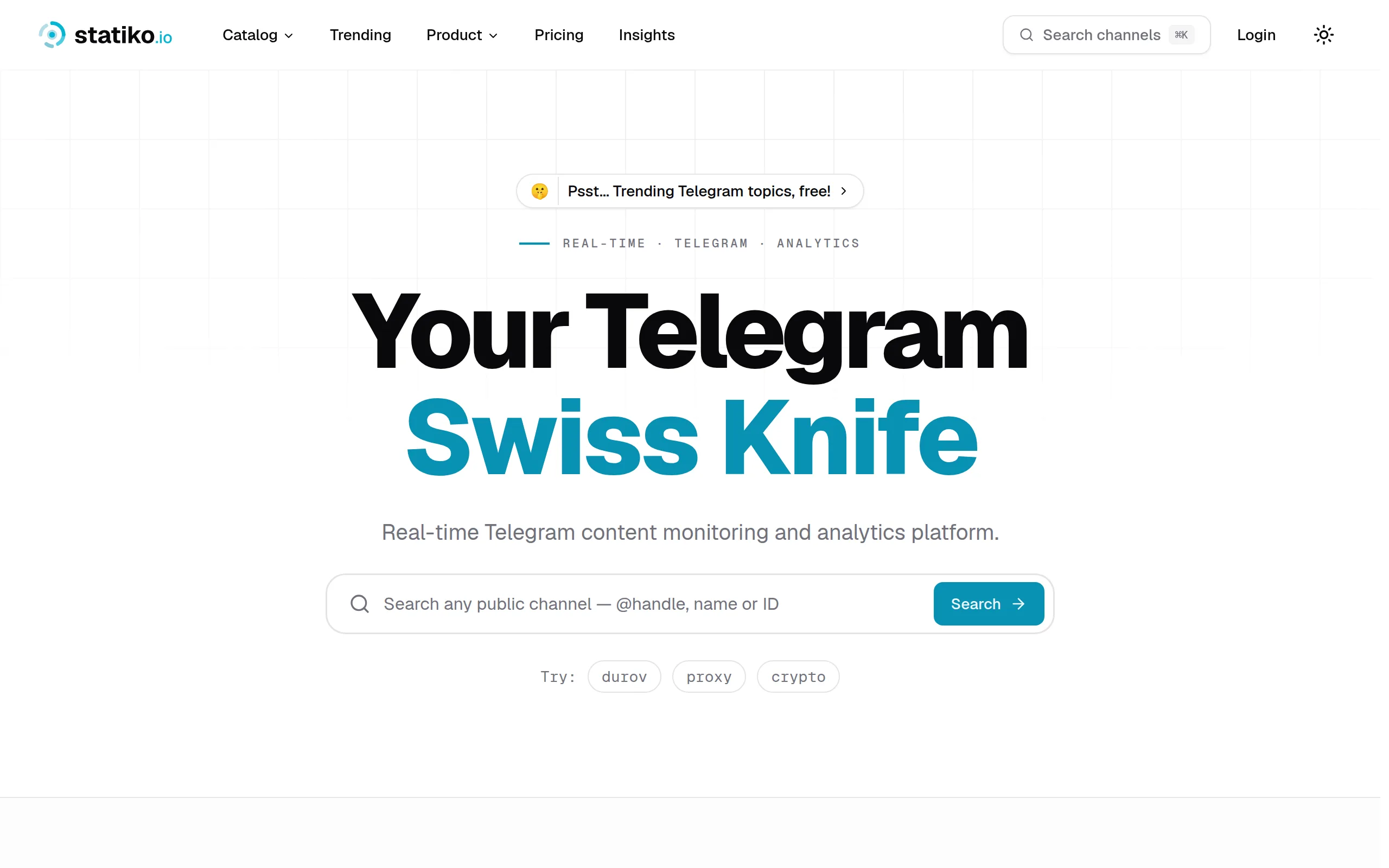
Statiko
Monitor any Telegram channel in real time - track posts, edits, deletions, and growth with AI recaps 📡
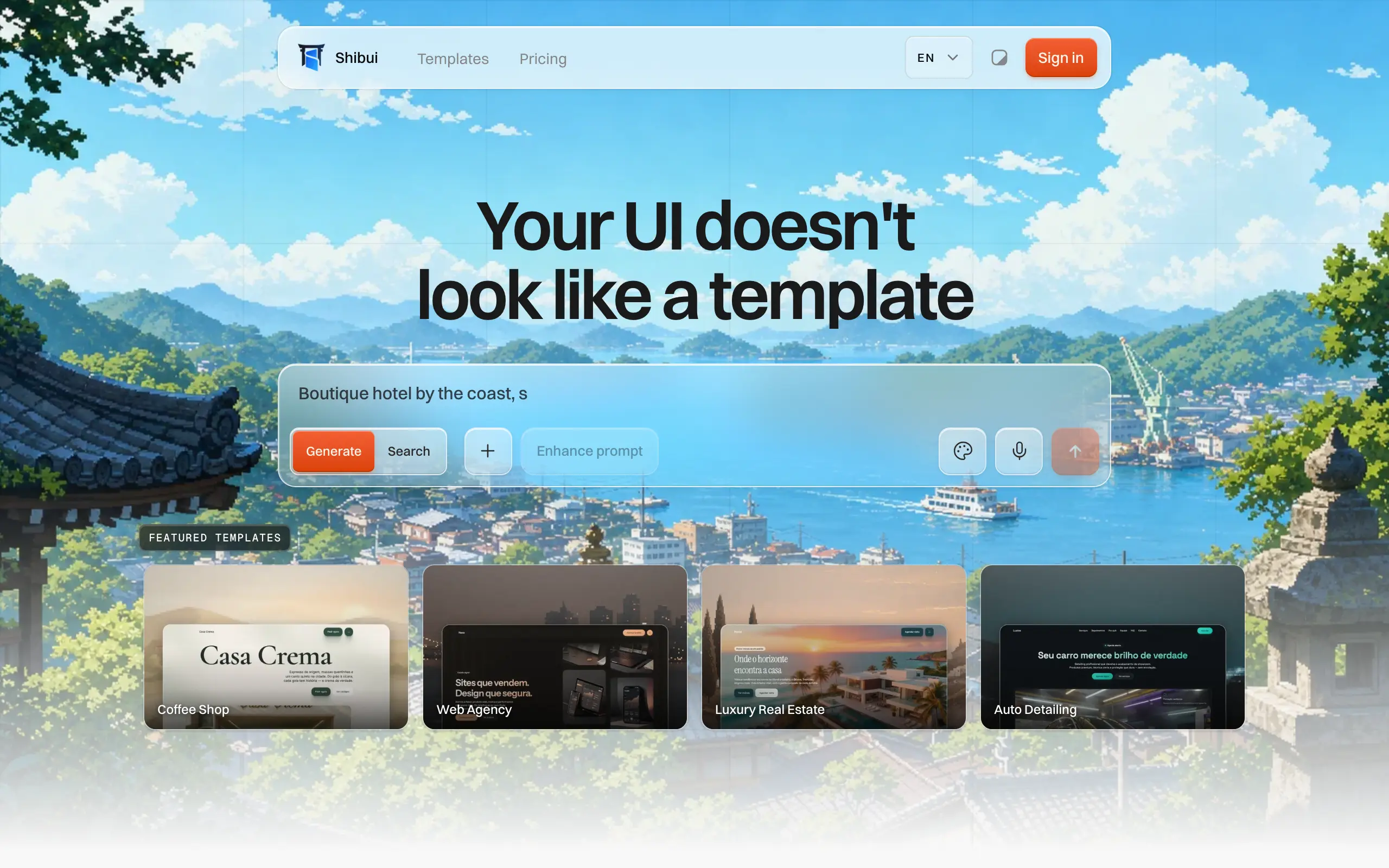
Shibui
AI website builder - describe your business, pick a niche template, edit by chatting, and publish instantly ✨
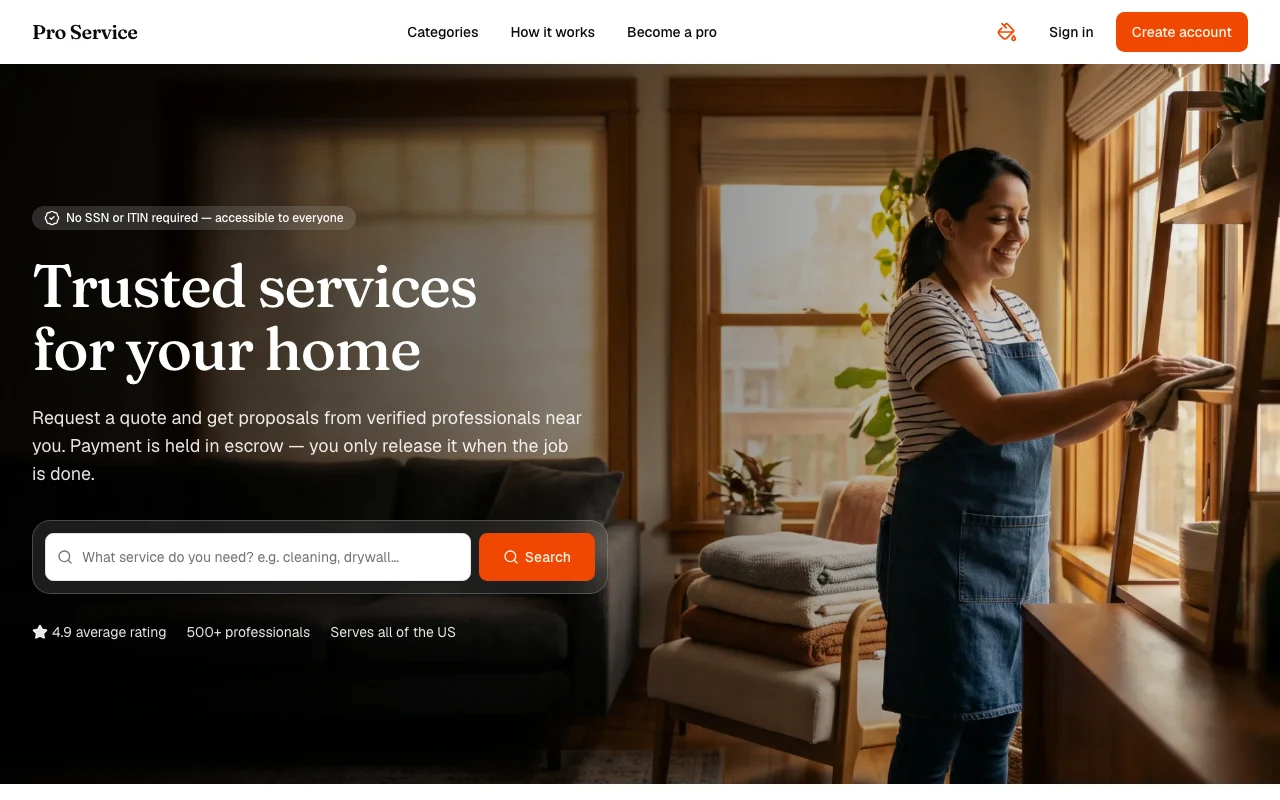
Pro Service
Find verified home service professionals, compare quotes, and pay securely through escrow - built for Brazilians across the US 🏠
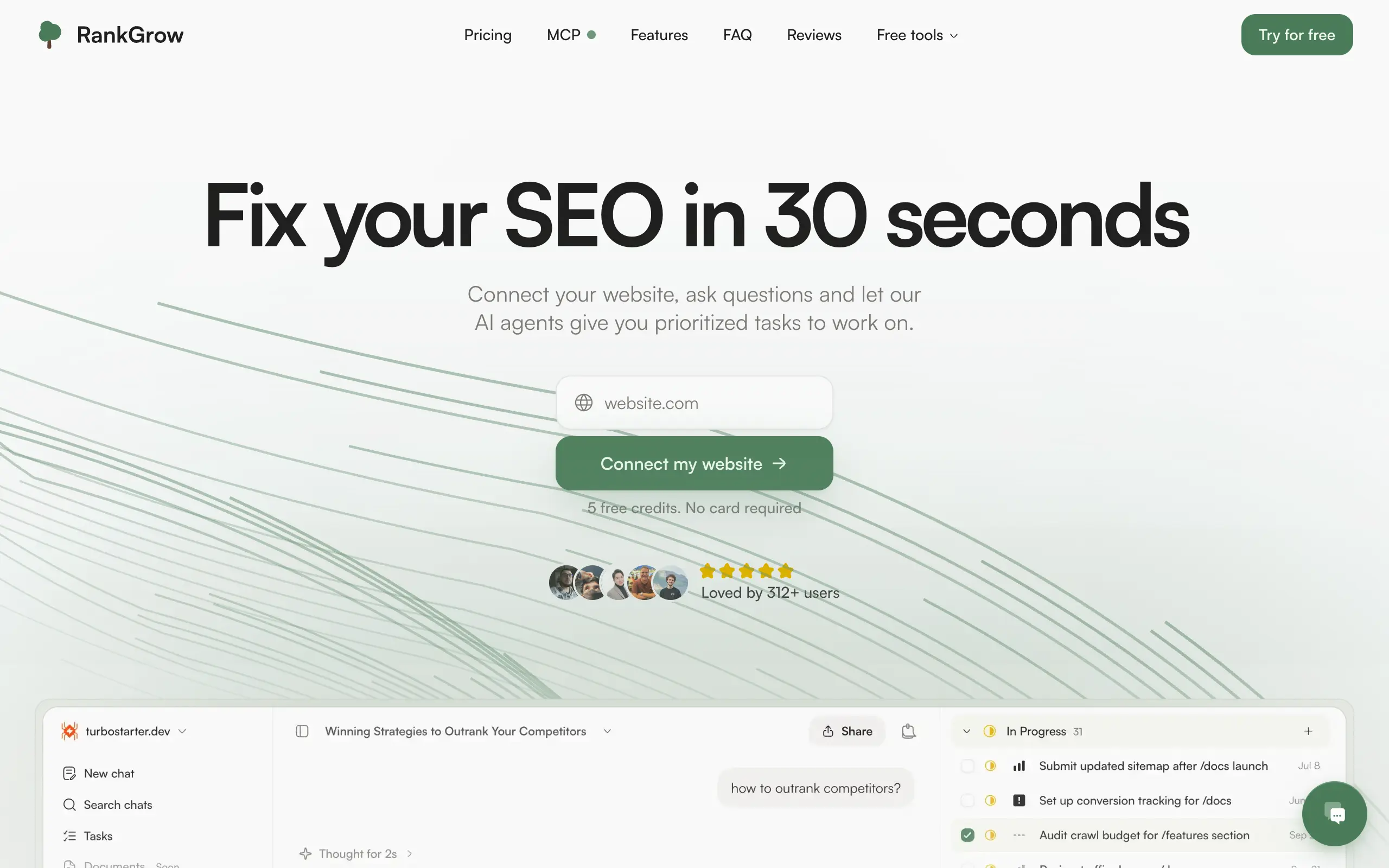
RankGrow
Fix your SEO with AI agents - connect Search Console, get prioritized tasks, and grow organic traffic 📈
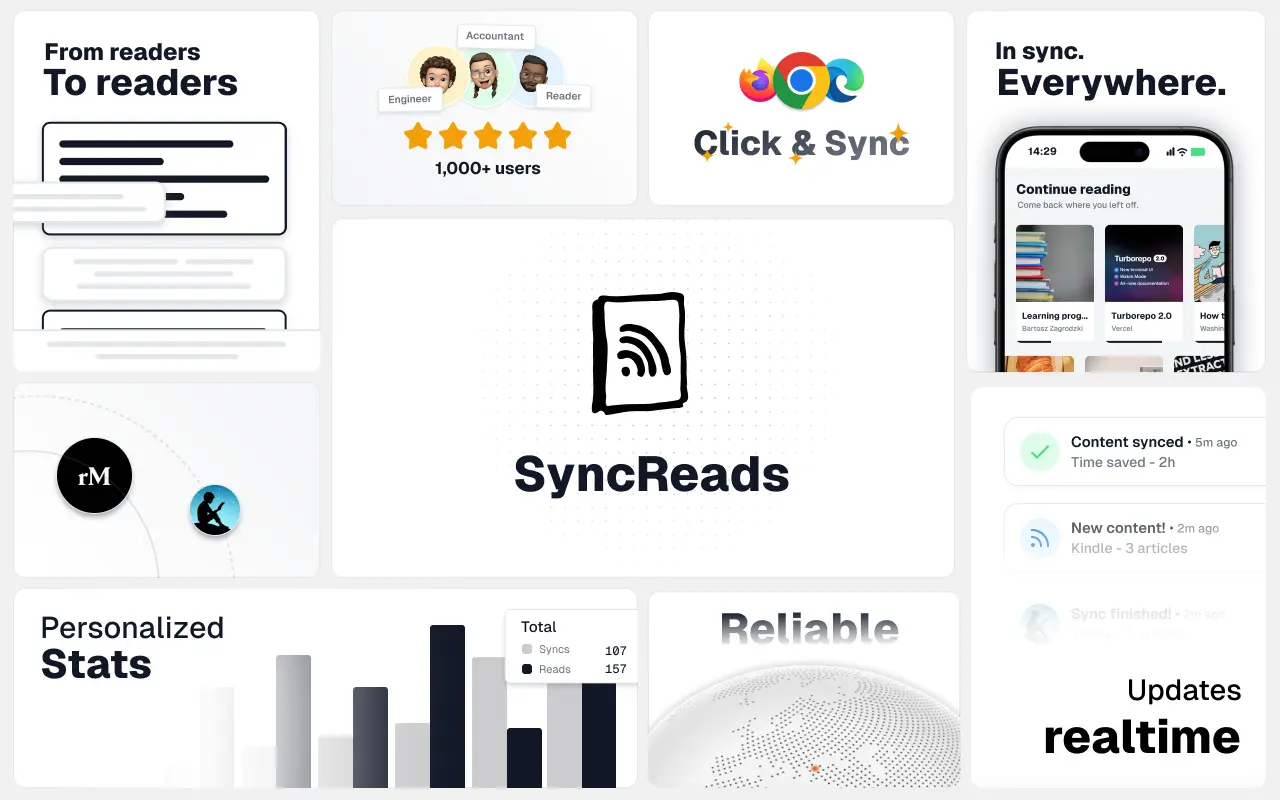
SyncReads
Sync your favorite content for distraction-free reading, save time and replace multiple apps. Anytime, anywhere 🔄
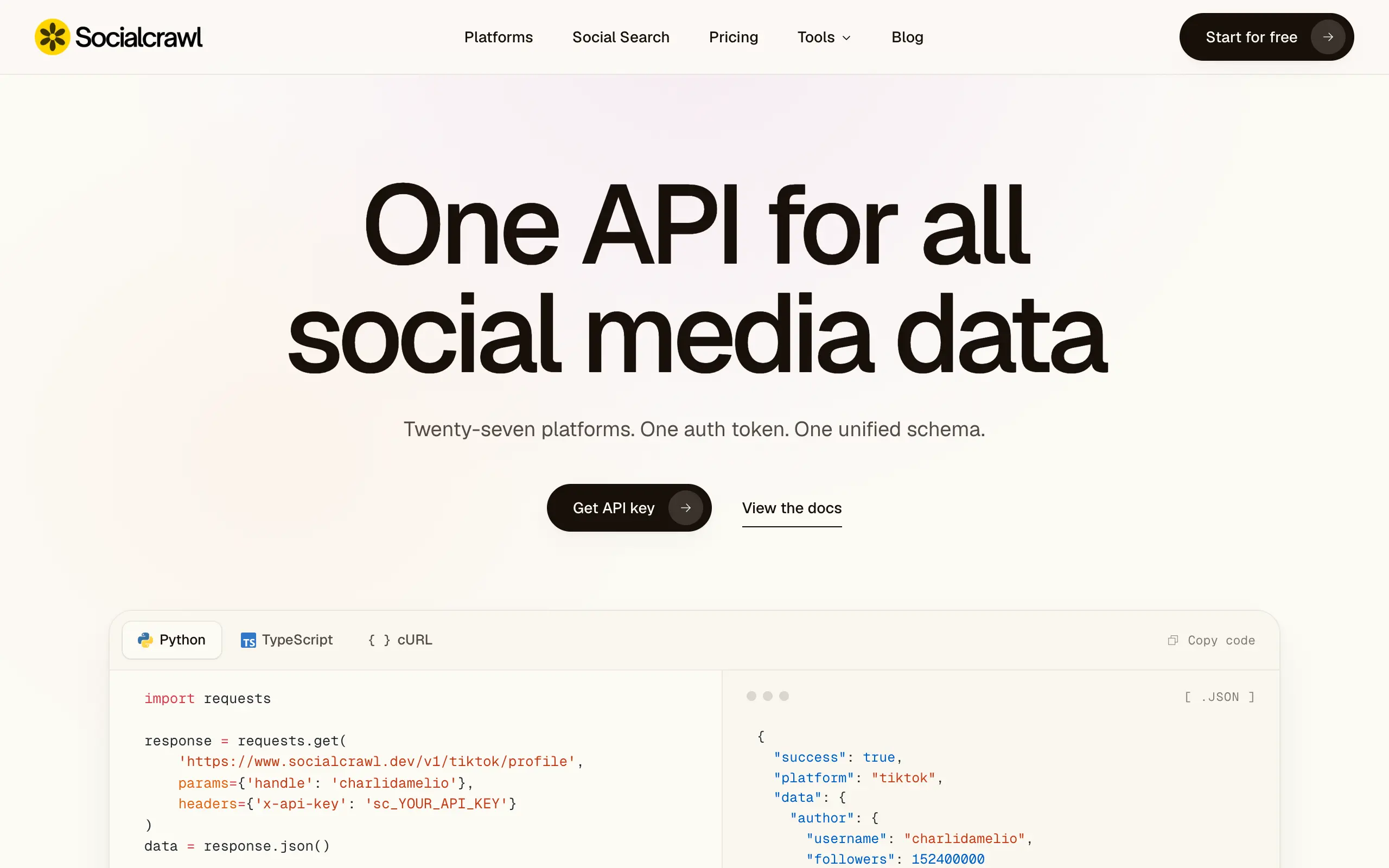
Socialcrawl
Get clean, structured data from 21 platforms like TikTok, Instagram, and YouTube with a single request 📊
Statiko
Monitor any Telegram channel in real time - track posts, edits, deletions, and growth with AI recaps 📡
Shibui
AI website builder - describe your business, pick a niche template, edit by chatting, and publish instantly ✨
Pro Service
Find verified home service professionals, compare quotes, and pay securely through escrow - built for Brazilians across the US 🏠
RankGrow
Fix your SEO with AI agents - connect Search Console, get prioritized tasks, and grow organic traffic 📈
SyncReads
Sync your favorite content for distraction-free reading, save time and replace multiple apps. Anytime, anywhere 🔄
Socialcrawl
Get clean, structured data from 21 platforms like TikTok, Instagram, and YouTube with a single request 📊
Statiko
Monitor any Telegram channel in real time - track posts, edits, deletions, and growth with AI recaps 📡
Shibui
AI website builder - describe your business, pick a niche template, edit by chatting, and publish instantly ✨
Pro Service
Find verified home service professionals, compare quotes, and pay securely through escrow - built for Brazilians across the US 🏠
RankGrow
Fix your SEO with AI agents - connect Search Console, get prioritized tasks, and grow organic traffic 📈
SyncReads
Sync your favorite content for distraction-free reading, save time and replace multiple apps. Anytime, anywhere 🔄
Socialcrawl
Get clean, structured data from 21 platforms like TikTok, Instagram, and YouTube with a single request 📊
Statiko
Monitor any Telegram channel in real time - track posts, edits, deletions, and growth with AI recaps 📡
Shibui
AI website builder - describe your business, pick a niche template, edit by chatting, and publish instantly ✨
Pro Service
Find verified home service professionals, compare quotes, and pay securely through escrow - built for Brazilians across the US 🏠
RankGrow
Fix your SEO with AI agents - connect Search Console, get prioritized tasks, and grow organic traffic 📈
SyncReads
Sync your favorite content for distraction-free reading, save time and replace multiple apps. Anytime, anywhere 🔄
Socialcrawl
Get clean, structured data from 21 platforms like TikTok, Instagram, and YouTube with a single request 📊
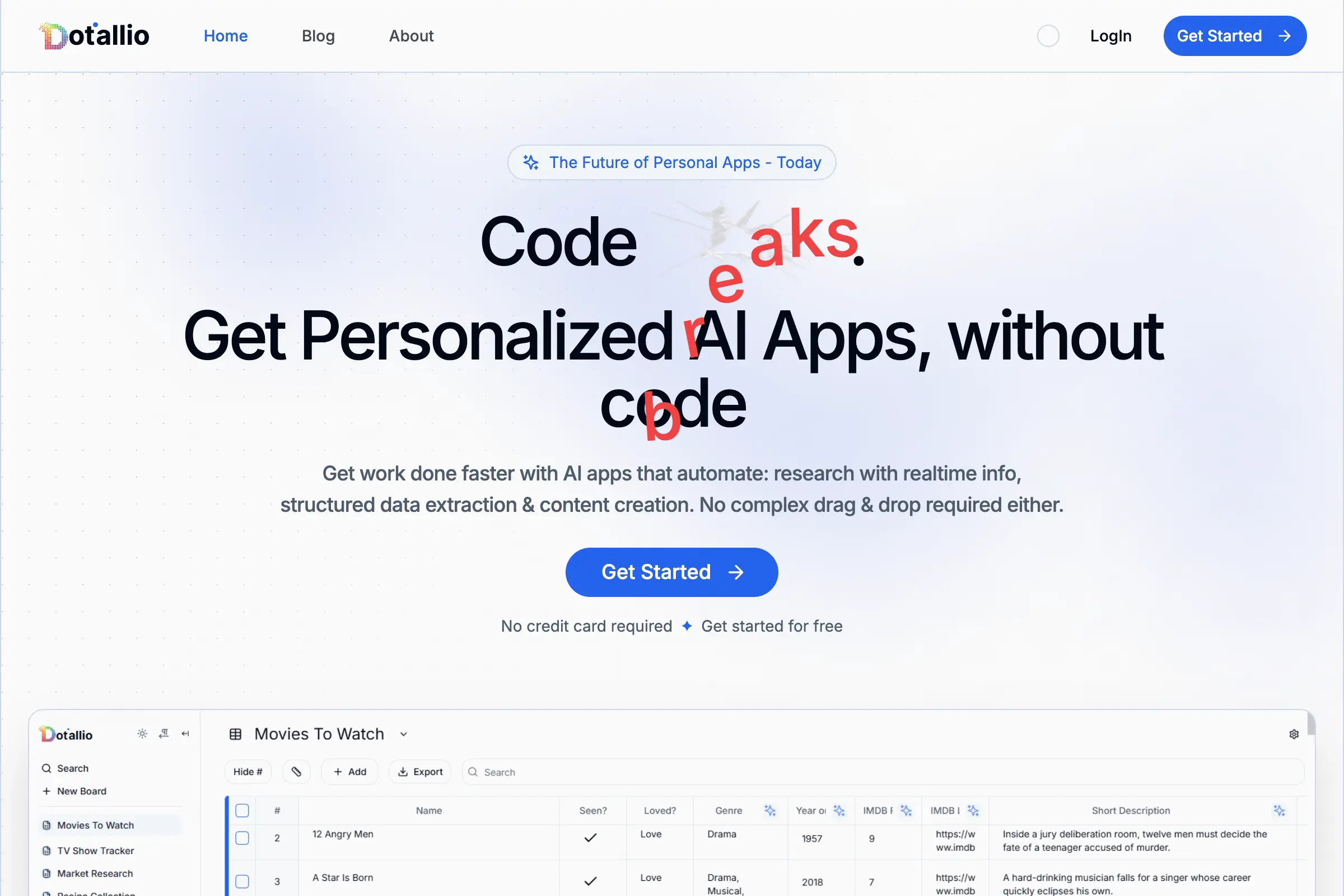
Dotallio
Personalized AI apps that automate research, data extraction, and content creation without code 🤖
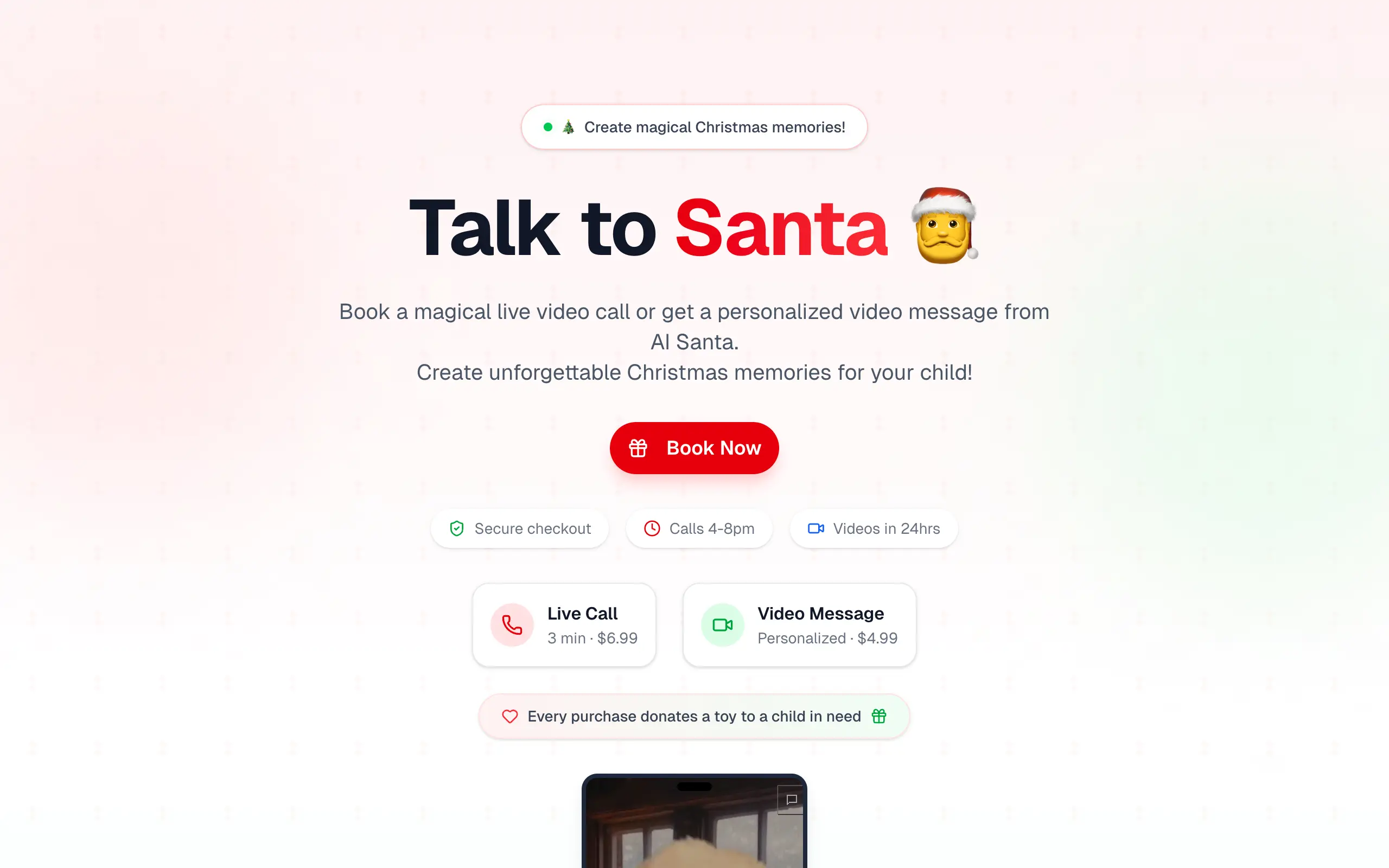
Talk to Santa
Enjoy a magical live video chat or receive a unique AI-generated video greeting from Santa Claus 🎅
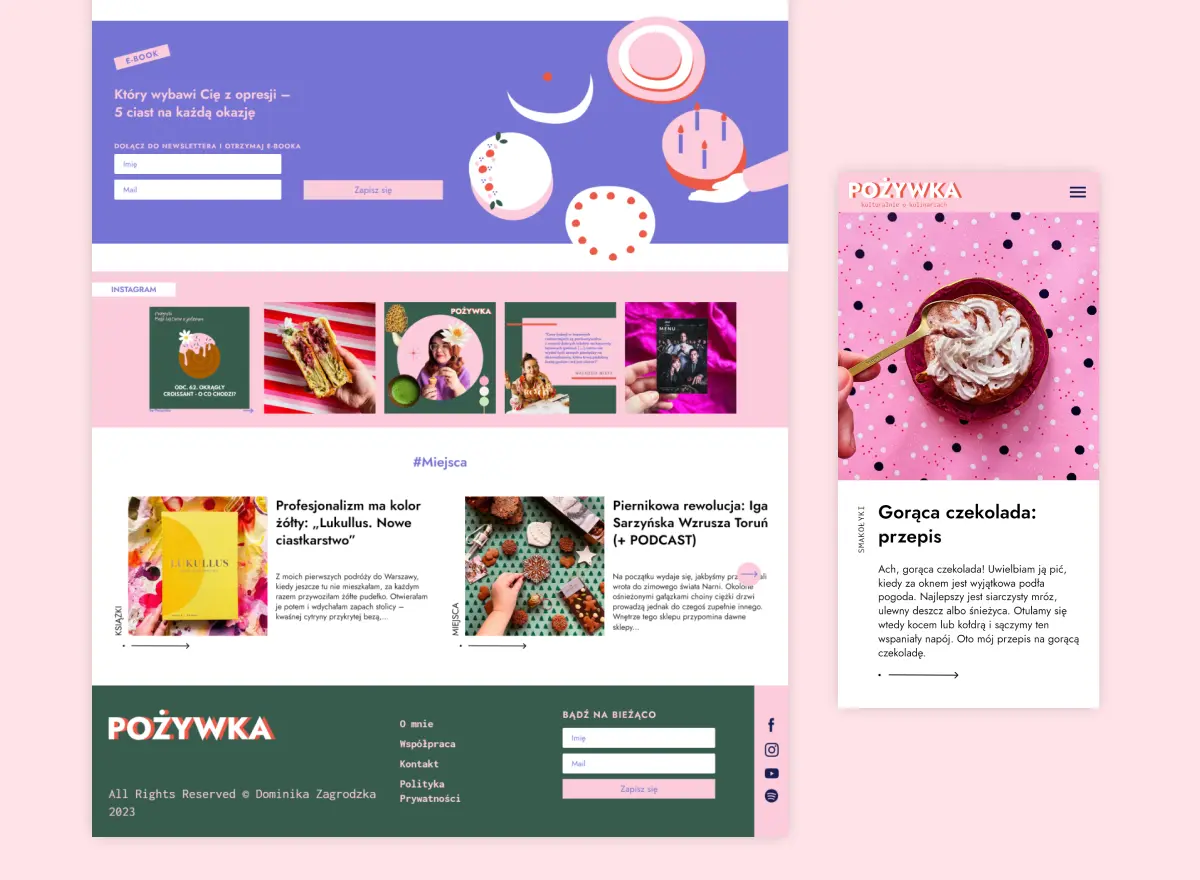
pozywka.pl
Scalable blog for food journalist, focused on performance and user experience 🌭
zagrodzki.me
Personal blog and portfolio of Bart Zagrodzki, where he shares his knowledge and work 💼
TurboStarter
Ship your startup everywhere. In minutes.
HTML to Markdown
Convert HTML to Markdown with ease, directly in your browser 📄
Dotallio
Personalized AI apps that automate research, data extraction, and content creation without code 🤖
Talk to Santa
Enjoy a magical live video chat or receive a unique AI-generated video greeting from Santa Claus 🎅
pozywka.pl
Scalable blog for food journalist, focused on performance and user experience 🌭
zagrodzki.me
Personal blog and portfolio of Bart Zagrodzki, where he shares his knowledge and work 💼
TurboStarter
Ship your startup everywhere. In minutes.
HTML to Markdown
Convert HTML to Markdown with ease, directly in your browser 📄
Dotallio
Personalized AI apps that automate research, data extraction, and content creation without code 🤖
Talk to Santa
Enjoy a magical live video chat or receive a unique AI-generated video greeting from Santa Claus 🎅
pozywka.pl
Scalable blog for food journalist, focused on performance and user experience 🌭
zagrodzki.me
Personal blog and portfolio of Bart Zagrodzki, where he shares his knowledge and work 💼
TurboStarter
Ship your startup everywhere. In minutes.
HTML to Markdown
Convert HTML to Markdown with ease, directly in your browser 📄
Dotallio
Personalized AI apps that automate research, data extraction, and content creation without code 🤖
Talk to Santa
Enjoy a magical live video chat or receive a unique AI-generated video greeting from Santa Claus 🎅
pozywka.pl
Scalable blog for food journalist, focused on performance and user experience 🌭
zagrodzki.me
Personal blog and portfolio of Bart Zagrodzki, where he shares his knowledge and work 💼
TurboStarter
Ship your startup everywhere. In minutes.
HTML to Markdown
Convert HTML to Markdown with ease, directly in your browser 📄
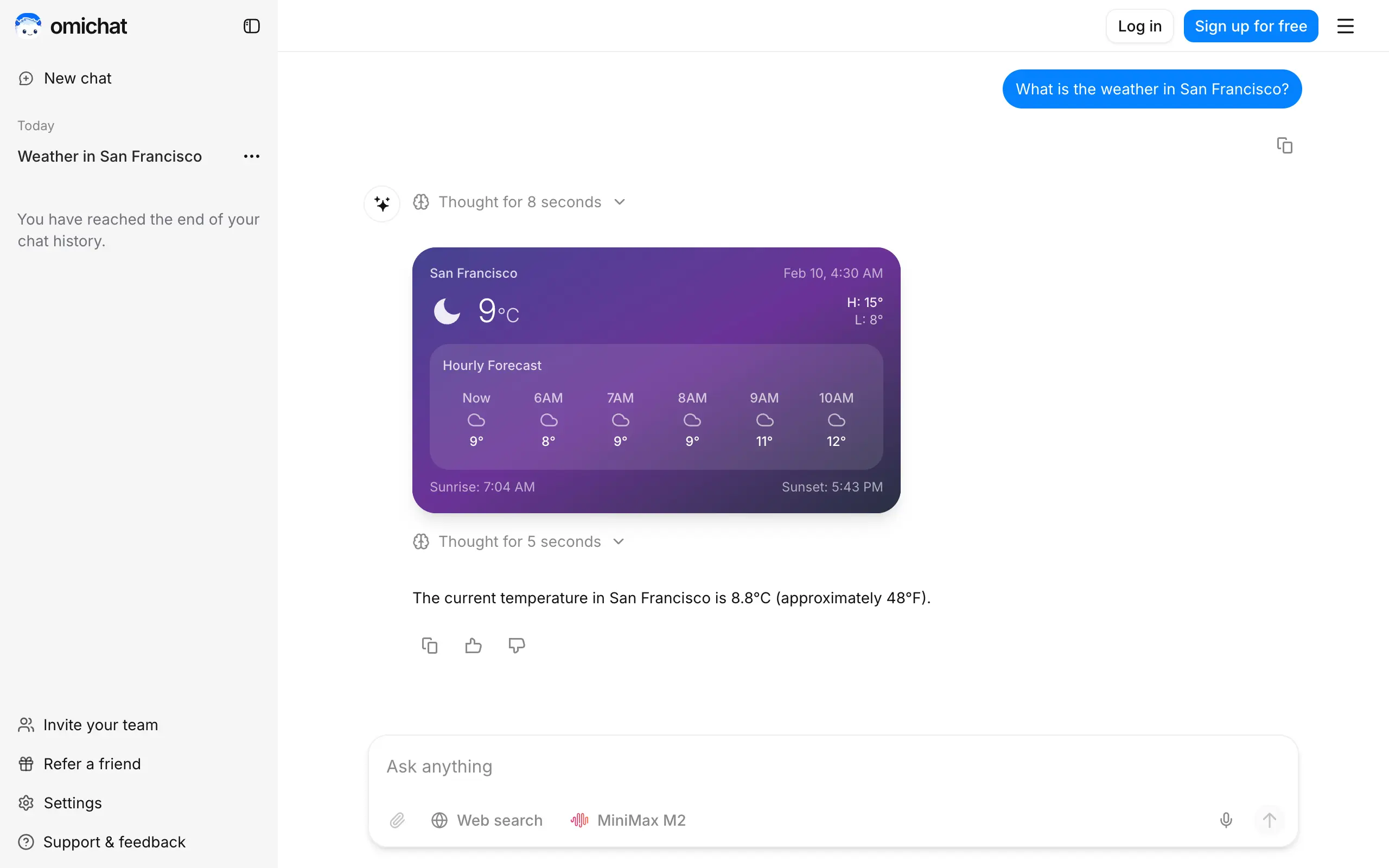
Omichat
Chat with 50+ AI models, including ChatGPT and Claude, in one place - switch models anytime without losing context 🤖
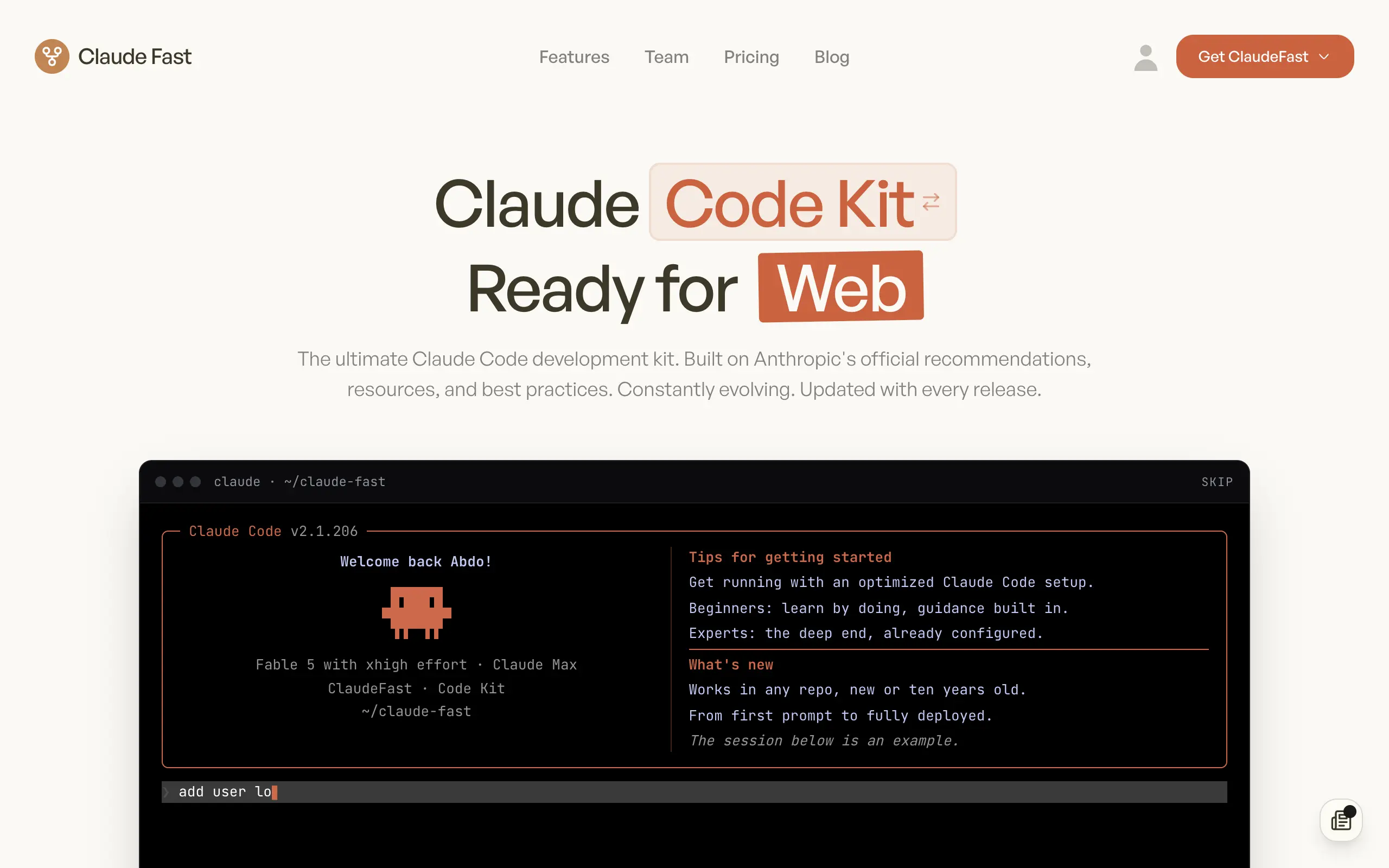
Claude Fast
Supercharge your Claude Code with 6x effective context window and specialized AI agents 🤖
EmojAI
AI-powered emoji picker with smart, context-aware suggestions 🤖
Solohacker
Autonomous company launcher - AI agents work 24/7, escalate what matters, and you stay in control 🤖
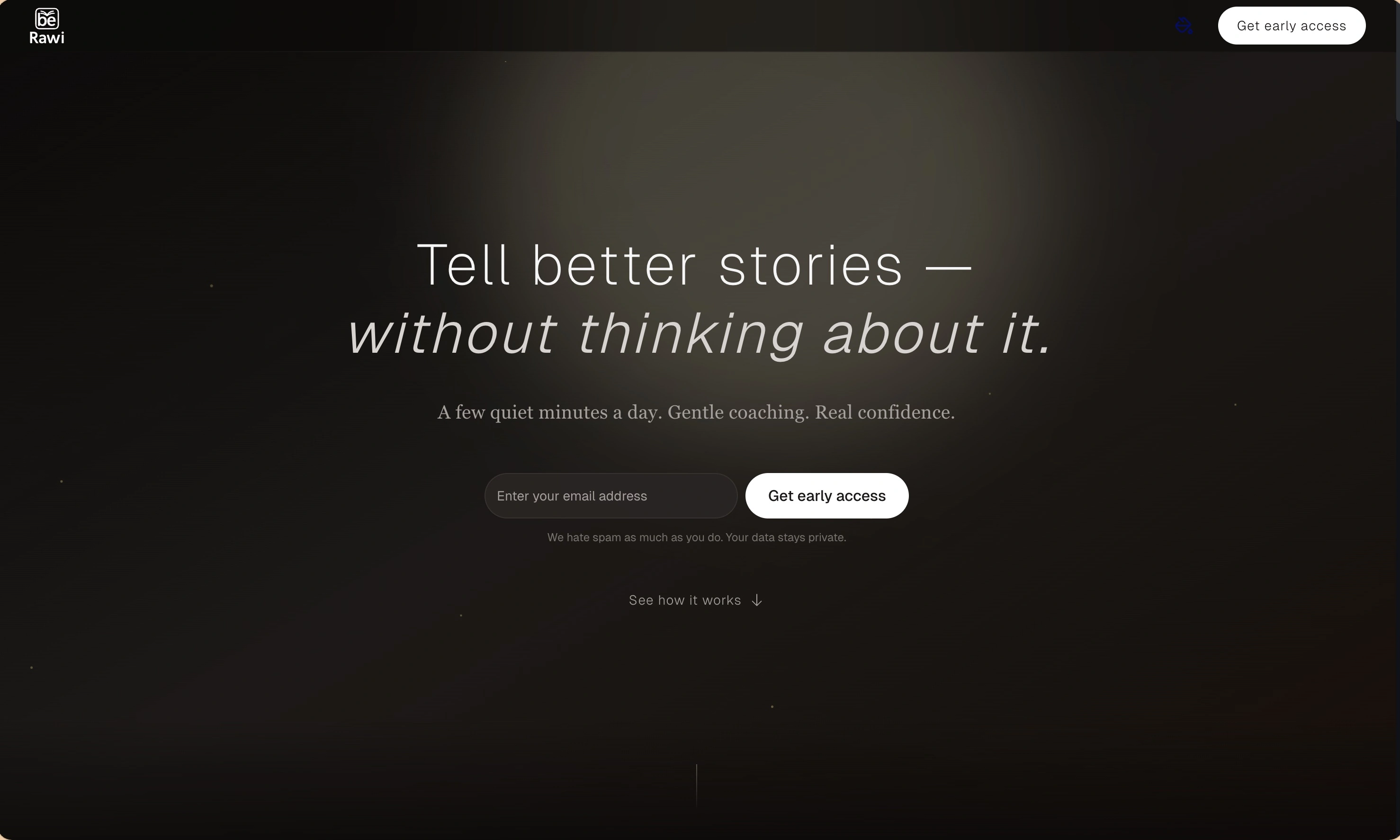
BeRawi: Storytelling Coach
Practice storytelling daily with instant feedback to sound clearer, more engaging, and confident 🎤
Omichat
Chat with 50+ AI models, including ChatGPT and Claude, in one place - switch models anytime without losing context 🤖
Claude Fast
Supercharge your Claude Code with 6x effective context window and specialized AI agents 🤖
EmojAI
AI-powered emoji picker with smart, context-aware suggestions 🤖
Solohacker
Autonomous company launcher - AI agents work 24/7, escalate what matters, and you stay in control 🤖
BeRawi: Storytelling Coach
Practice storytelling daily with instant feedback to sound clearer, more engaging, and confident 🎤
Omichat
Chat with 50+ AI models, including ChatGPT and Claude, in one place - switch models anytime without losing context 🤖
Claude Fast
Supercharge your Claude Code with 6x effective context window and specialized AI agents 🤖
EmojAI
AI-powered emoji picker with smart, context-aware suggestions 🤖
Solohacker
Autonomous company launcher - AI agents work 24/7, escalate what matters, and you stay in control 🤖
BeRawi: Storytelling Coach
Practice storytelling daily with instant feedback to sound clearer, more engaging, and confident 🎤
Omichat
Chat with 50+ AI models, including ChatGPT and Claude, in one place - switch models anytime without losing context 🤖
Claude Fast
Supercharge your Claude Code with 6x effective context window and specialized AI agents 🤖
EmojAI
AI-powered emoji picker with smart, context-aware suggestions 🤖
Solohacker
Autonomous company launcher - AI agents work 24/7, escalate what matters, and you stay in control 🤖
BeRawi: Storytelling Coach
Practice storytelling daily with instant feedback to sound clearer, more engaging, and confident 🎤

Connect with like-minded people
Join our community to get feedback, support, and grow together with 1,000+ builders on board, let's ship it!
Join usShip your startup everywhere. In minutes.
Don't burn tokens on setup and start building features on day one.