SpecBridge
Turn product specs into actionable dev tasks with AI that maps requirements to tickets, reducing miscommunication in fast-moving teams.
what is an AI spec-to-task platform and why it matters now
Modern product teams move fast—often too fast for clean communication. Product managers write detailed specifications, designers create flows, and engineers translate all of that into implementation. Somewhere in this handoff, clarity is lost. Requirements get misinterpreted, edge cases are missed, and timelines slip.
This is exactly the gap an AI-powered spec-to-task platform like SpecBridge is designed to solve.
At its core, SpecBridge transforms product specifications into structured, developer-ready tasks. Instead of manually converting a product requirements document (PRD) into tickets, the platform uses AI to map requirements directly into actionable work items—complete with context, acceptance criteria, and technical hints.
The primary keyword here is AI spec to dev tasks, and it's rapidly becoming a must-have capability for modern product-led organizations.
the growing problem: product-dev misalignment
Before diving into the solution, it’s important to understand the problem landscape.
why traditional workflows fail
In a typical product workflow:
- Product managers write specs in tools like Notion or Google Docs
- Designers create UI flows in Figma
- Engineers rely on Jira, Linear, or GitHub Issues
The translation between these stages is mostly manual.
This creates friction:
- Ambiguous requirements lead to incorrect implementations
- Engineers spend time clarifying instead of building
- Product timelines get delayed
- QA uncovers issues that could have been prevented
Hidden cost of miscommunication
Studies often suggest that a significant percentage of engineering time—sometimes cited around 20–30%—is spent clarifying requirements or fixing misinterpretations. While exact figures vary, the inefficiency is widely acknowledged across the industry.
the rise of AI in developer workflows
AI has already reshaped coding through tools like:
- GitHub Copilot
- ChatGPT-based coding assistants
- AI-powered documentation tools
But one layer remains under-optimized: pre-development planning and translation of intent into execution.
That’s where SpecBridge fits in.
target audience for SpecBridge
Understanding who benefits most from this platform is key to positioning and growth.
primary users
- "Product managers": Need structured output from specs without manually writing tickets
- "Engineering managers": Want clarity, predictability, and reduced back-and-forth
- "Startup founders": Often wear multiple hats and need efficiency
secondary users
- "Developers": Prefer well-defined tasks with context
- "QA teams": Benefit from clear acceptance criteria
- "UX designers": Want their work accurately represented in implementation
ideal customer profile (ICP)
- SaaS startups (Seed to Series B)
- Remote-first teams
- Agile development environments
- Teams using tools like Jira, Linear, or ClickUp
market opportunity and timing
The opportunity for AI-powered workflow tools is massive.
macro trends supporting this idea
- Increasing adoption of AI in software development
- Growth of remote and async teams
- Rising complexity of SaaS products
- Demand for faster release cycles
gap in the current market
While tools exist for:
- Project management (Jira, Asana)
- Documentation (Notion, Confluence)
- Code generation (Copilot)
There is no dominant player focused on bridging specs to execution.
This creates a strong opening for SpecBridge.
how SpecBridge works: core product breakdown
SpecBridge acts as an intelligent layer between product specs and task management tools.
input sources
- PRDs (Notion, Google Docs)
- Markdown files
- API-based ingestion
- Figma annotations (future expansion)
AI processing pipeline
- Requirement extraction
- Entity recognition (features, flows, constraints)
- Task decomposition
- Dependency mapping
- Acceptance criteria generation
output formats
- Jira tickets
- Linear issues
- GitHub Issues
- CSV/JSON exports
key features that define SpecBridge
AI requirement parsing
Automatically extracts structured requirements from unstructured product specs.
Task generation engine
Breaks features into granular, actionable developer tasks.
Acceptance criteria builder
Generates clear, testable conditions for each task.
Dependency mapping
Identifies task relationships and execution order.
Tool integrations
Push tasks directly into Jira, Linear, or GitHub.
deeper feature insights
intelligent task decomposition
Instead of vague tickets like:
“Build user authentication”
SpecBridge generates:
- Backend API for authentication
- Database schema for users
- Frontend login UI
- Password reset flow
- Error handling cases
contextual understanding
The AI doesn’t just split tasks—it understands:
- User flows
- Edge cases
- Business logic
continuous updates
When specs change:
- Tasks automatically update
- Teams stay aligned
technical architecture and stack recommendations
Building a product like SpecBridge requires careful architectural planning.
frontend stack
- React for UI
- TailwindCSS for styling
- State management with Zustand or Redux
backend stack
- Node.js (Fastify or NestJS)
- Python microservices for AI processing
- GraphQL or REST API
AI layer
- OpenAI or similar LLM APIs
- Fine-tuned models for spec parsing
- Prompt engineering pipelines
data storage
- PostgreSQL for structured data
- Vector database (e.g., Pinecone or Weaviate) for semantic understanding
integrations
- Jira API
- Linear API
- GitHub API
architecture overview example
// simplified flow
const processSpec = async (specText: string) => {
  const structured = await ai.extractRequirements(specText);
  const tasks = await ai.generateTasks(structured);
  const enriched = await ai.addAcceptanceCriteria(tasks);
  return pushToIntegration(enriched);
};
competitive landscape analysis
SpecBridge sits at the intersection of multiple categories.
| Feature | Jira | Notion AI | Copilot | SpecBridge | Linear |
|---|---|---|---|---|---|
| AI task generation | ❌ | ✅ | ❌ | ✅ | ❌ |
| Spec-to-ticket automation | ❌ | ❌ | ❌ | ✅ | ❌ |
key differentiator
SpecBridge is not a project management tool or a coding assistant.
It is a translation layer between intent and execution.
monetization strategy
There are multiple viable revenue models.
subscription tiers
- Free tier: limited spec processing
- Pro: advanced AI features
- Team: collaboration + integrations
- Enterprise: custom workflows + SLA
usage-based pricing
Charge based on:
- Number of specs processed
- Tasks generated
- API calls
add-ons
- Premium integrations
- Custom AI models
- Workflow automation
go-to-market strategy
initial traction channels
- Product Hunt launch
- Developer communities
- SaaS founder networks
- LinkedIn content marketing
content strategy
Target SEO keywords like:
- AI spec to dev tasks
- automate Jira ticket creation
- convert PRD to engineering tasks
- AI product management tools
potential risks and mitigation
risk: AI inaccuracies
AI may misinterpret specs.
Mitigation:
- Human-in-the-loop editing
- Confidence scoring
- Editable outputs
risk: integration complexity
Different teams use different tools.
Mitigation:
- Start with top integrations (Jira, Linear)
- Build flexible API layer
risk: resistance to adoption
Teams may hesitate to trust AI.
Mitigation:
- Transparent outputs
- Incremental adoption
- Strong onboarding
unique selling proposition (USP)
SpecBridge stands out because:
- It focuses on pre-development efficiency, not coding
- It reduces one of the biggest hidden costs in software teams
- It integrates seamlessly into existing workflows
future roadmap and expansion
short-term
- Improve AI accuracy
- Add more integrations
- Enhance UI/UX
mid-term
- Figma integration
- Real-time collaboration
- Custom workflows
long-term
- Fully autonomous sprint planning
- Predictive delivery timelines
- AI product co-pilot
implementation roadmap for founders
If you're building something like SpecBridge, here’s a realistic path:
MVP feature set
Start small but impactful:
- Spec input (text or doc upload)
- Task generation
- Basic editing interface
- Export to one tool
why now is the perfect time
Several trends converge:
- AI maturity
- Remote collaboration
- Faster product cycles
This makes SpecBridge not just viable—but timely.
build faster with the right foundation
If you're planning to build SpecBridge or a similar SaaS product, starting from scratch can slow you down significantly.
Using a production-ready foundation like TurboStarter can help you:
- Skip boilerplate setup
- Focus on core features
- Launch faster
final thoughts
SpecBridge addresses a deeply ingrained inefficiency in modern software development: the gap between what is intended and what gets built.
By leveraging AI to translate product specs into actionable development tasks, it:
- Reduces miscommunication
- Speeds up execution
- Improves team alignment
The opportunity is significant, the timing is right, and the problem is real.
For founders and builders, this is a space worth serious attention.
More 🤖 AI Startup SaaS ideas
Discover more innovative ai startup SaaS ideas that are trending in 2026. Each idea is AI-generated with market validation and growth potential to help you find your next profitable venture faster than competitors.
Your competitors are building with TurboStarter
Below are some of the SaaS ideas that have been generated and built with our starter kit.

Statiko
Monitor any Telegram channel in real time - track posts, edits, deletions, and growth with AI recaps 📡

Shibui
AI website builder - describe your business, pick a niche template, edit by chatting, and publish instantly ✨

Pro Service
Find verified home service professionals, compare quotes, and pay securely through escrow - built for Brazilians across the US 🏠
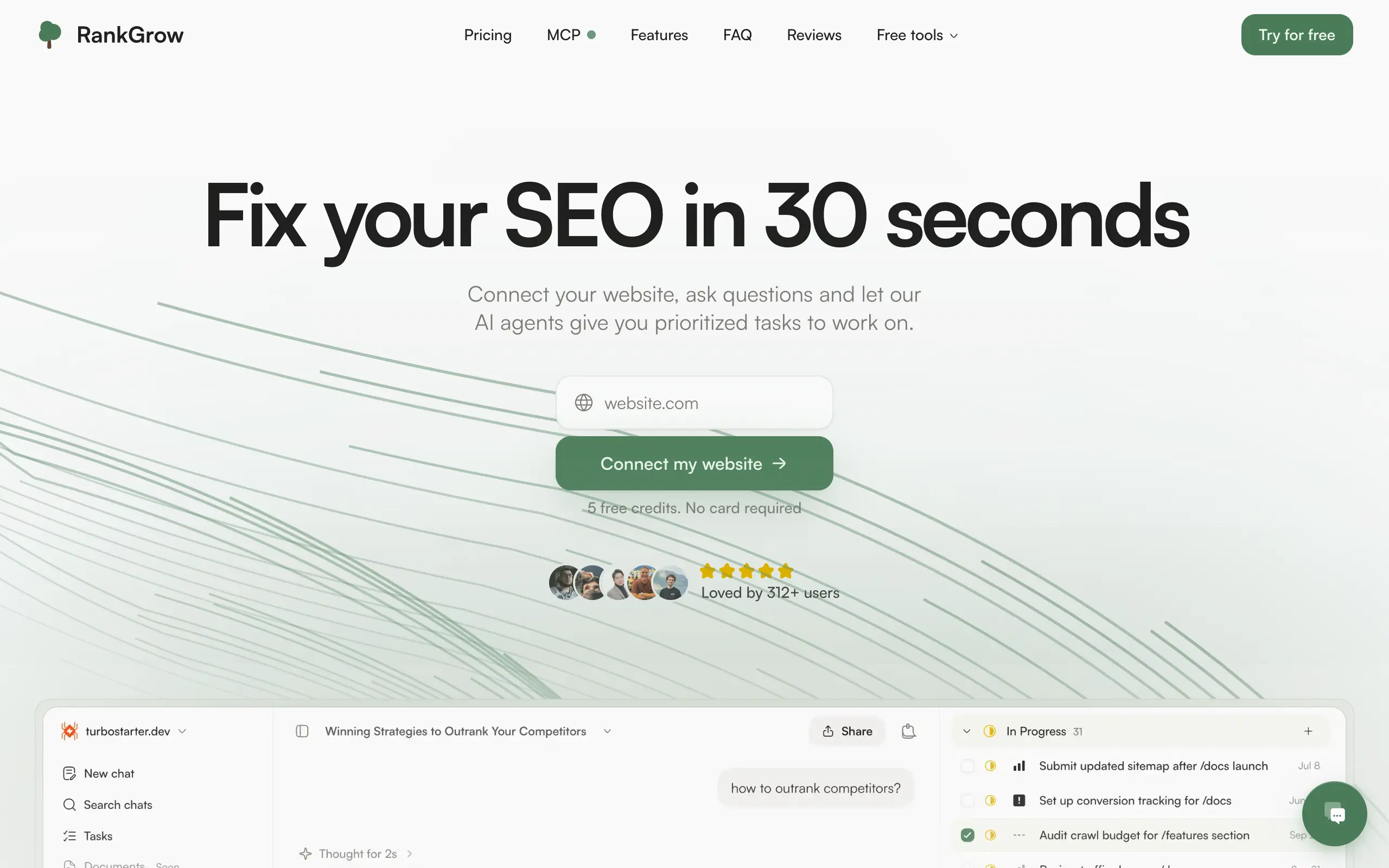
RankGrow
Fix your SEO with AI agents - connect Search Console, get prioritized tasks, and grow organic traffic 📈
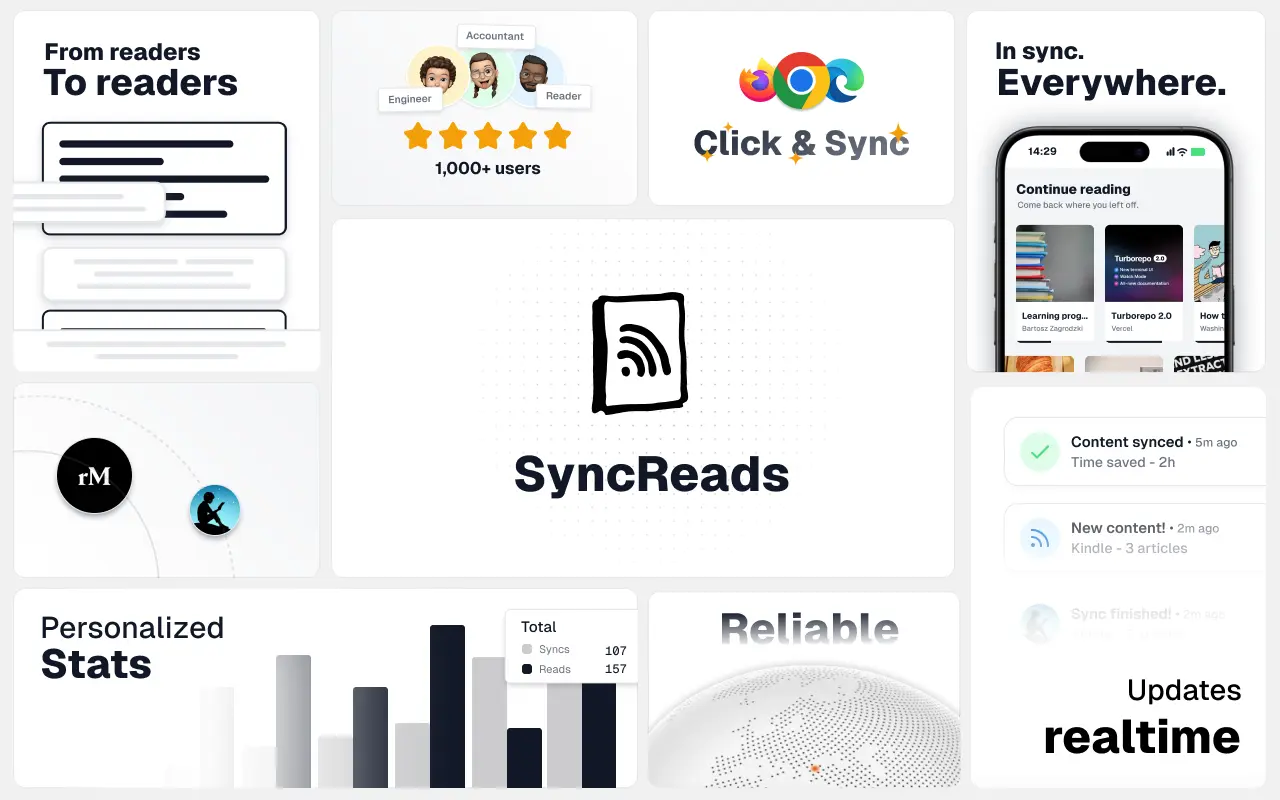
SyncReads
Sync your favorite content for distraction-free reading, save time and replace multiple apps. Anytime, anywhere 🔄
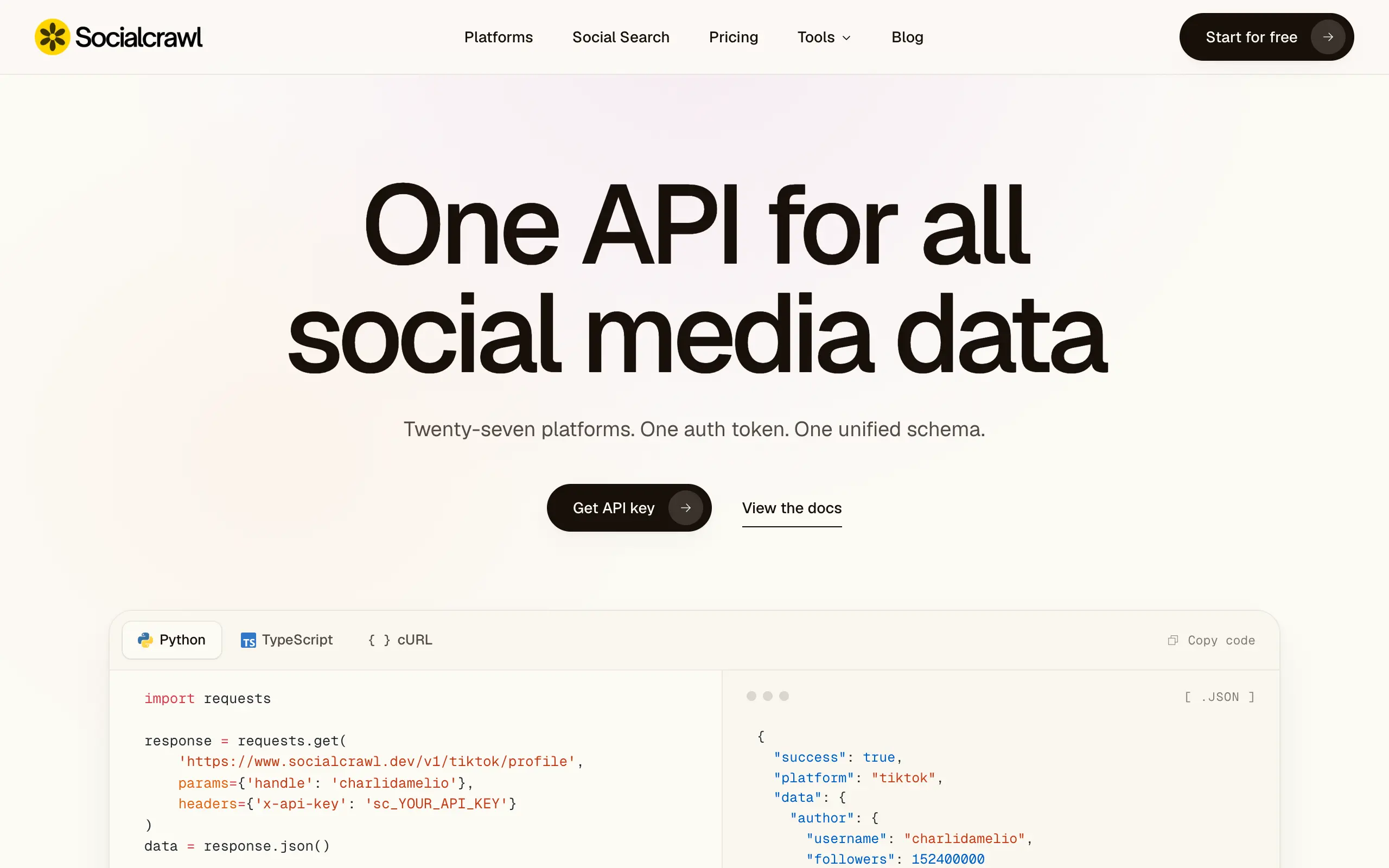
Socialcrawl
Get clean, structured data from 21 platforms like TikTok, Instagram, and YouTube with a single request 📊
Statiko
Monitor any Telegram channel in real time - track posts, edits, deletions, and growth with AI recaps 📡
Shibui
AI website builder - describe your business, pick a niche template, edit by chatting, and publish instantly ✨
Pro Service
Find verified home service professionals, compare quotes, and pay securely through escrow - built for Brazilians across the US 🏠
RankGrow
Fix your SEO with AI agents - connect Search Console, get prioritized tasks, and grow organic traffic 📈
SyncReads
Sync your favorite content for distraction-free reading, save time and replace multiple apps. Anytime, anywhere 🔄
Socialcrawl
Get clean, structured data from 21 platforms like TikTok, Instagram, and YouTube with a single request 📊
Statiko
Monitor any Telegram channel in real time - track posts, edits, deletions, and growth with AI recaps 📡
Shibui
AI website builder - describe your business, pick a niche template, edit by chatting, and publish instantly ✨
Pro Service
Find verified home service professionals, compare quotes, and pay securely through escrow - built for Brazilians across the US 🏠
RankGrow
Fix your SEO with AI agents - connect Search Console, get prioritized tasks, and grow organic traffic 📈
SyncReads
Sync your favorite content for distraction-free reading, save time and replace multiple apps. Anytime, anywhere 🔄
Socialcrawl
Get clean, structured data from 21 platforms like TikTok, Instagram, and YouTube with a single request 📊
Statiko
Monitor any Telegram channel in real time - track posts, edits, deletions, and growth with AI recaps 📡
Shibui
AI website builder - describe your business, pick a niche template, edit by chatting, and publish instantly ✨
Pro Service
Find verified home service professionals, compare quotes, and pay securely through escrow - built for Brazilians across the US 🏠
RankGrow
Fix your SEO with AI agents - connect Search Console, get prioritized tasks, and grow organic traffic 📈
SyncReads
Sync your favorite content for distraction-free reading, save time and replace multiple apps. Anytime, anywhere 🔄
Socialcrawl
Get clean, structured data from 21 platforms like TikTok, Instagram, and YouTube with a single request 📊
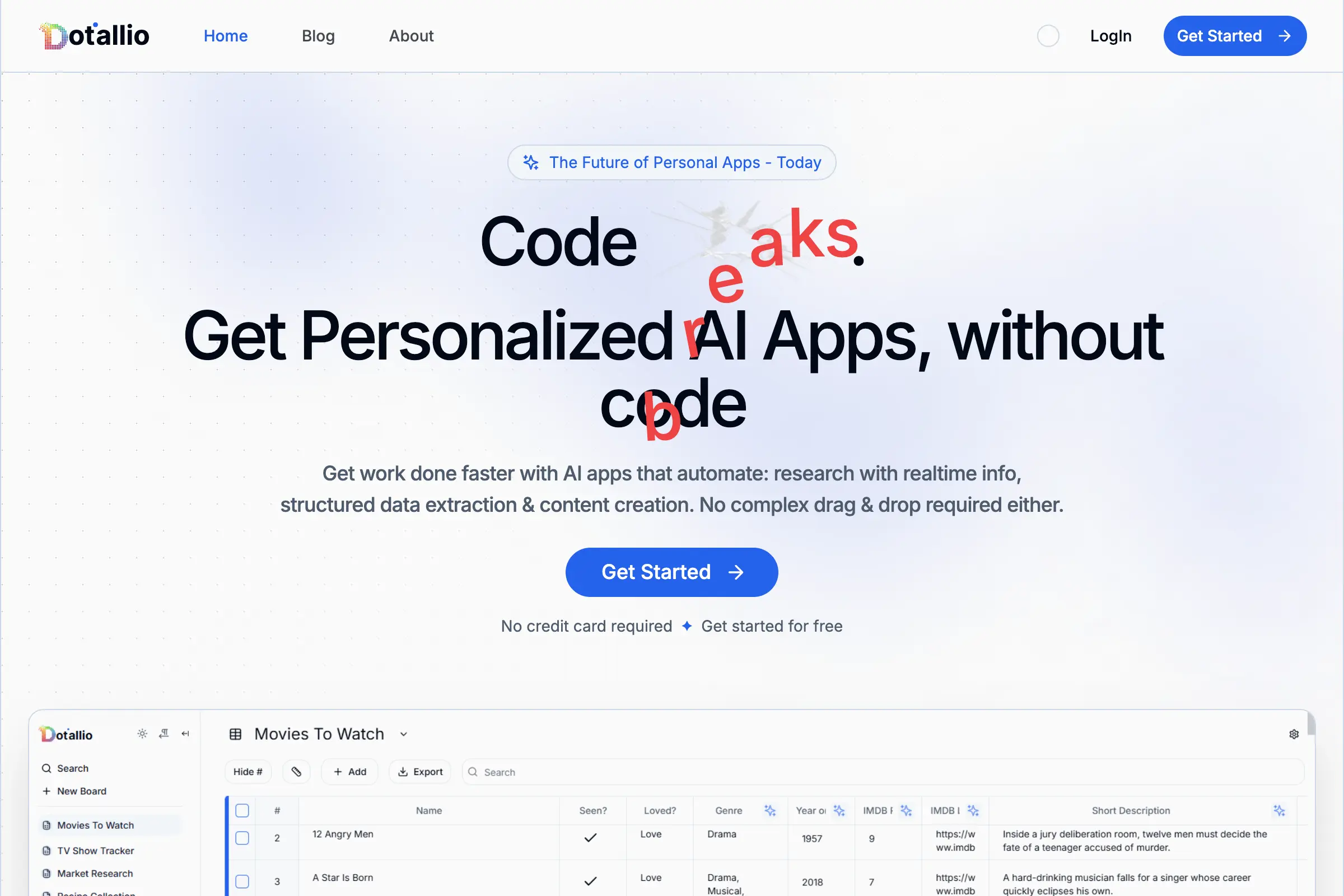
Dotallio
Personalized AI apps that automate research, data extraction, and content creation without code 🤖

Talk to Santa
Enjoy a magical live video chat or receive a unique AI-generated video greeting from Santa Claus 🎅

pozywka.pl
Scalable blog for food journalist, focused on performance and user experience 🌭
zagrodzki.me
Personal blog and portfolio of Bart Zagrodzki, where he shares his knowledge and work 💼
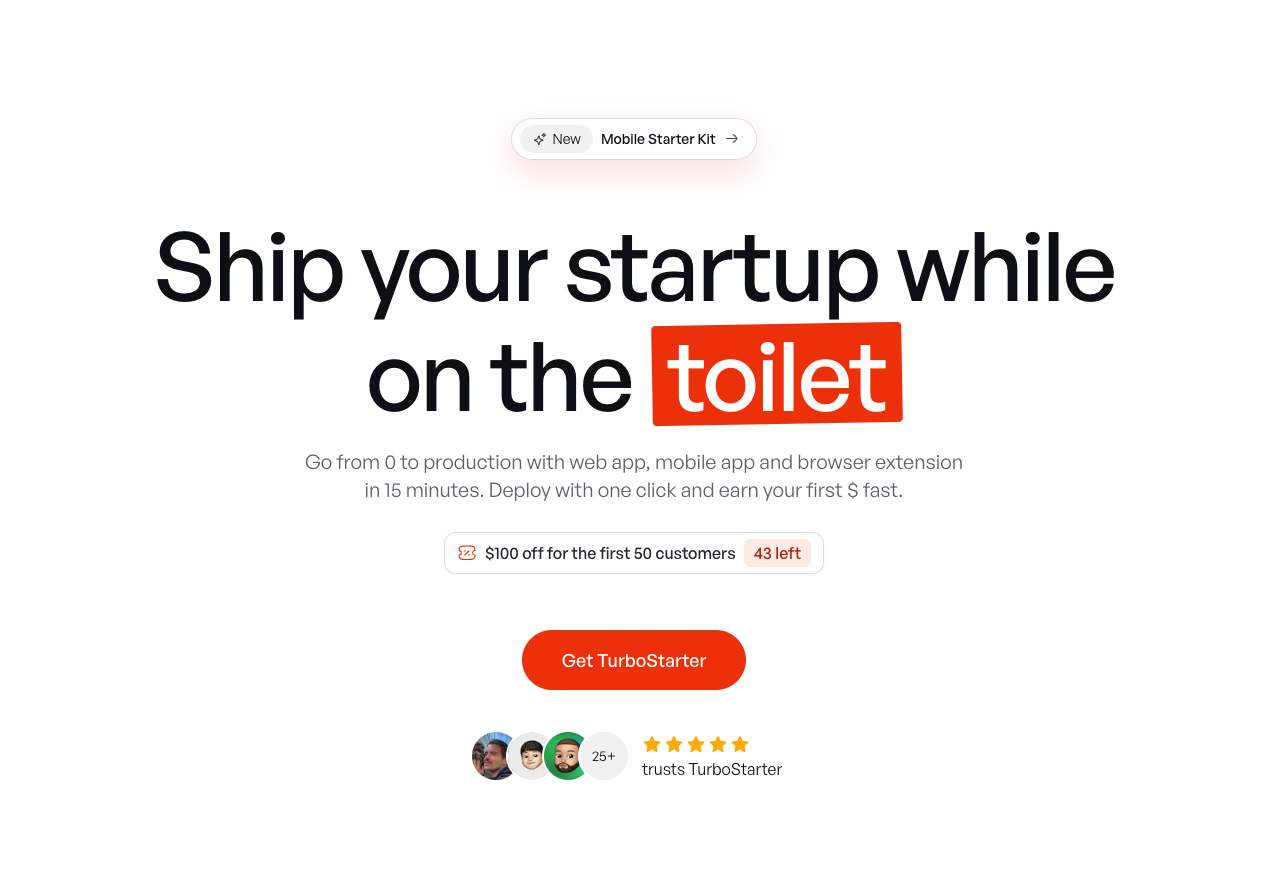
TurboStarter
Ship your startup everywhere. In minutes.
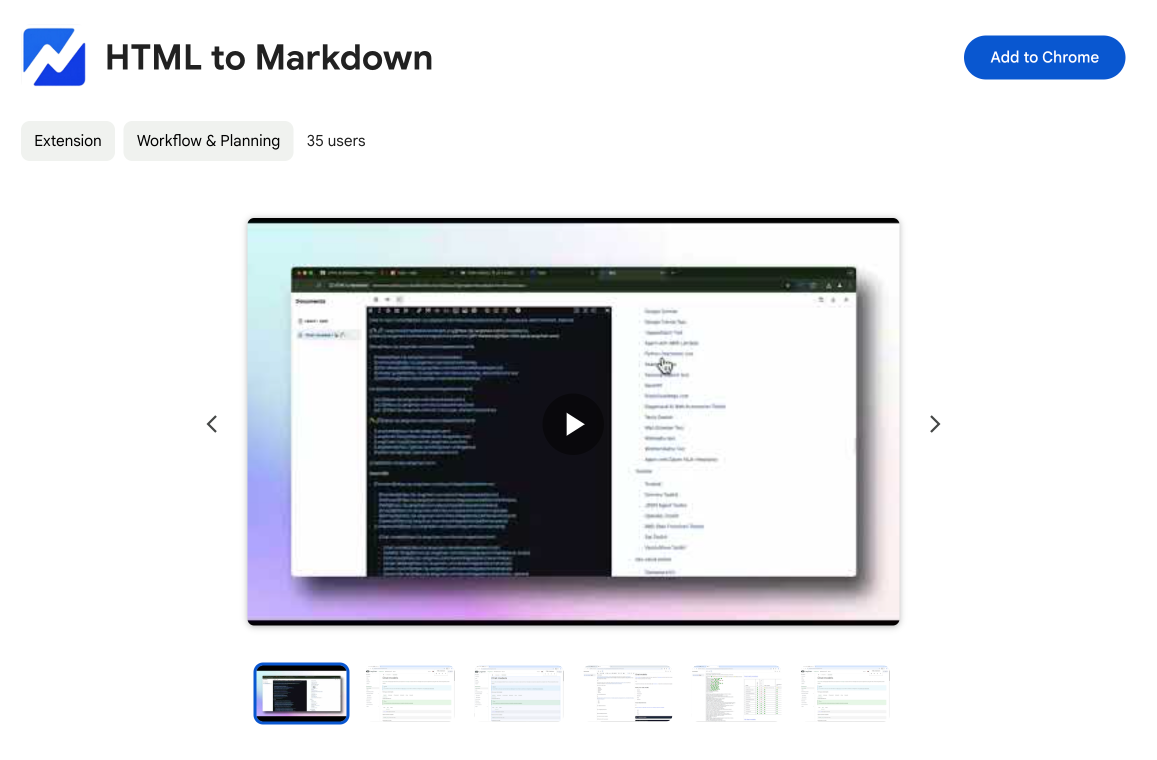
HTML to Markdown
Convert HTML to Markdown with ease, directly in your browser 📄
Dotallio
Personalized AI apps that automate research, data extraction, and content creation without code 🤖
Talk to Santa
Enjoy a magical live video chat or receive a unique AI-generated video greeting from Santa Claus 🎅
pozywka.pl
Scalable blog for food journalist, focused on performance and user experience 🌭
zagrodzki.me
Personal blog and portfolio of Bart Zagrodzki, where he shares his knowledge and work 💼
TurboStarter
Ship your startup everywhere. In minutes.
HTML to Markdown
Convert HTML to Markdown with ease, directly in your browser 📄
Dotallio
Personalized AI apps that automate research, data extraction, and content creation without code 🤖
Talk to Santa
Enjoy a magical live video chat or receive a unique AI-generated video greeting from Santa Claus 🎅
pozywka.pl
Scalable blog for food journalist, focused on performance and user experience 🌭
zagrodzki.me
Personal blog and portfolio of Bart Zagrodzki, where he shares his knowledge and work 💼
TurboStarter
Ship your startup everywhere. In minutes.
HTML to Markdown
Convert HTML to Markdown with ease, directly in your browser 📄
Dotallio
Personalized AI apps that automate research, data extraction, and content creation without code 🤖
Talk to Santa
Enjoy a magical live video chat or receive a unique AI-generated video greeting from Santa Claus 🎅
pozywka.pl
Scalable blog for food journalist, focused on performance and user experience 🌭
zagrodzki.me
Personal blog and portfolio of Bart Zagrodzki, where he shares his knowledge and work 💼
TurboStarter
Ship your startup everywhere. In minutes.
HTML to Markdown
Convert HTML to Markdown with ease, directly in your browser 📄
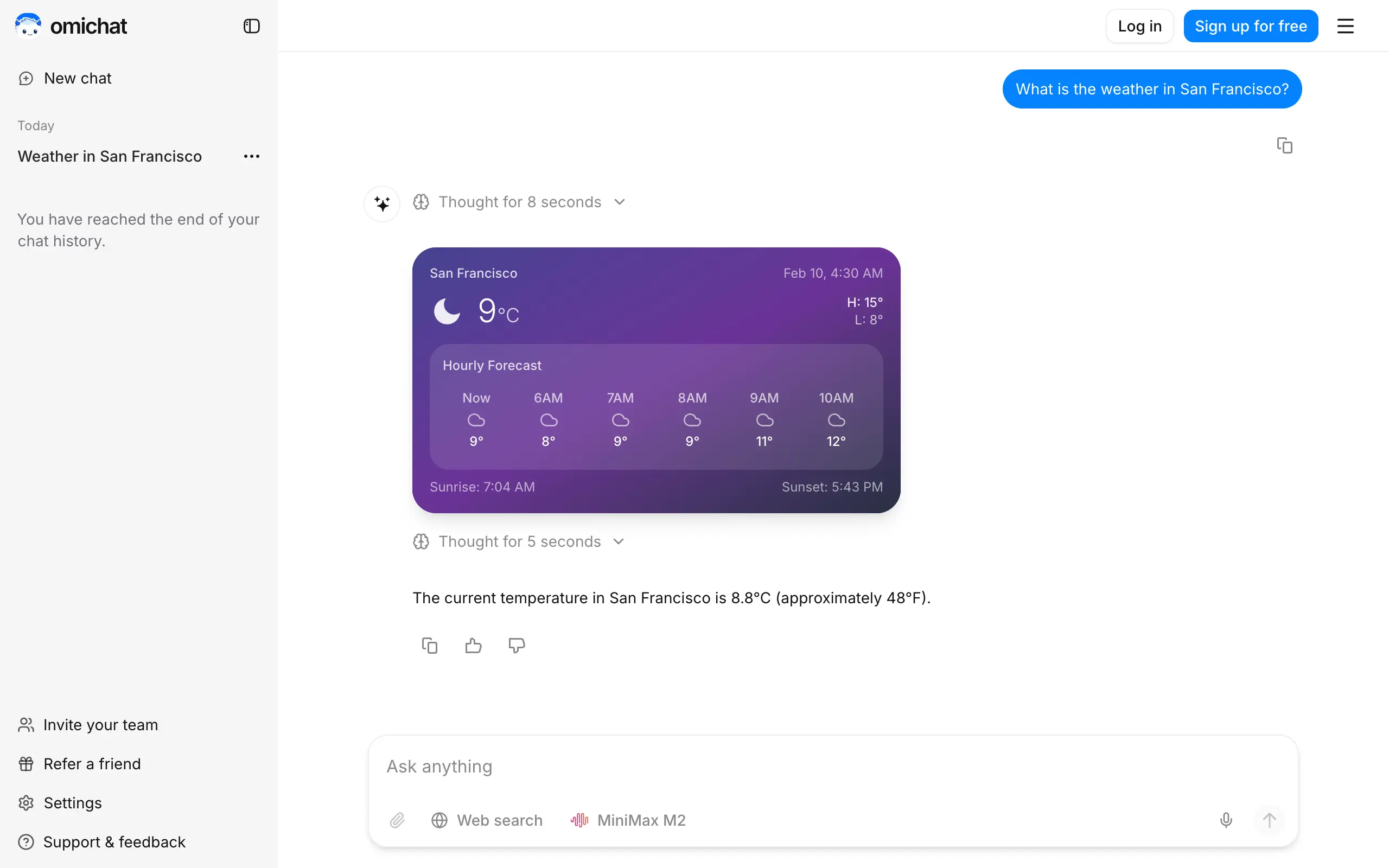
Omichat
Chat with 50+ AI models, including ChatGPT and Claude, in one place - switch models anytime without losing context 🤖
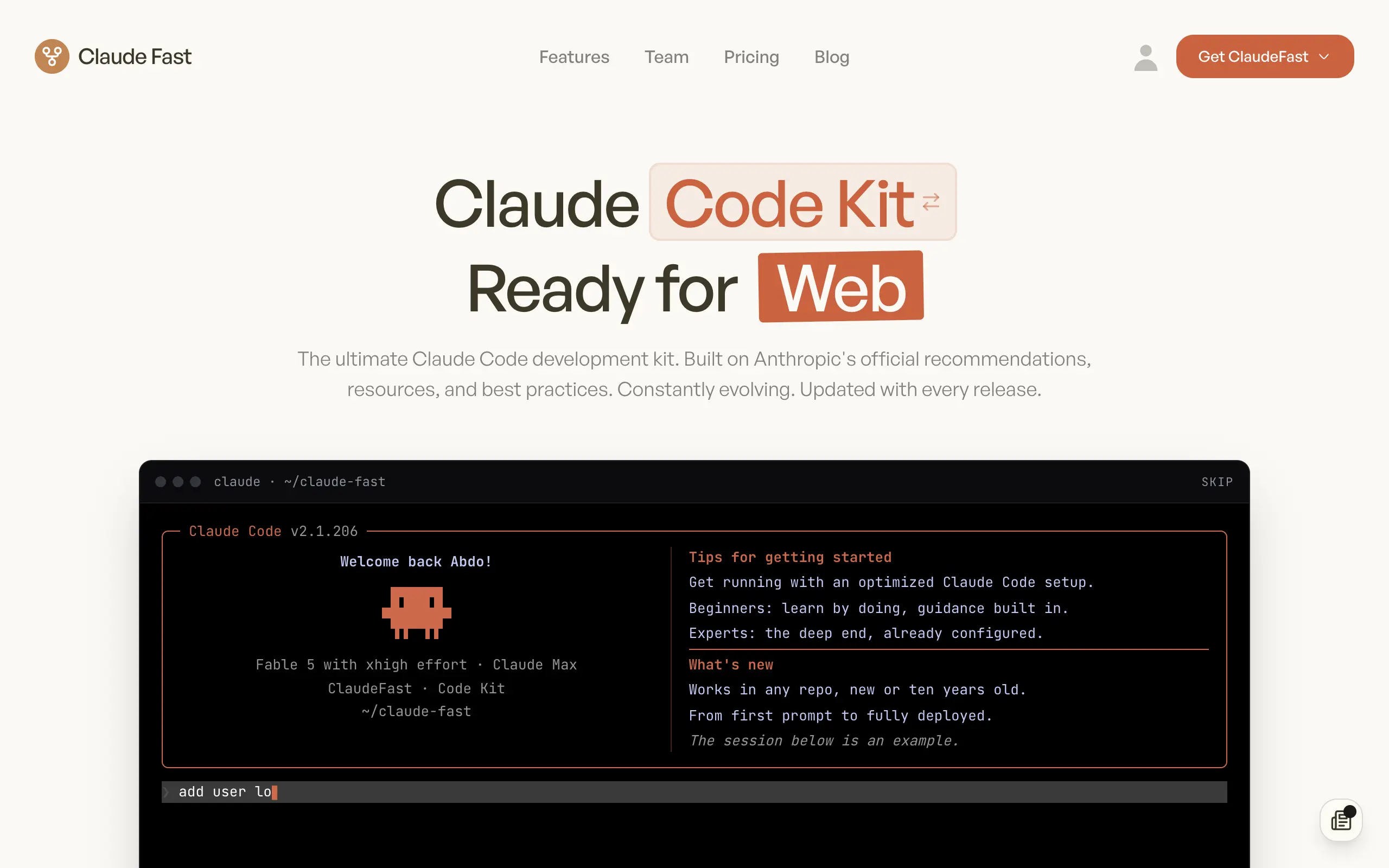
Claude Fast
Supercharge your Claude Code with 6x effective context window and specialized AI agents 🤖
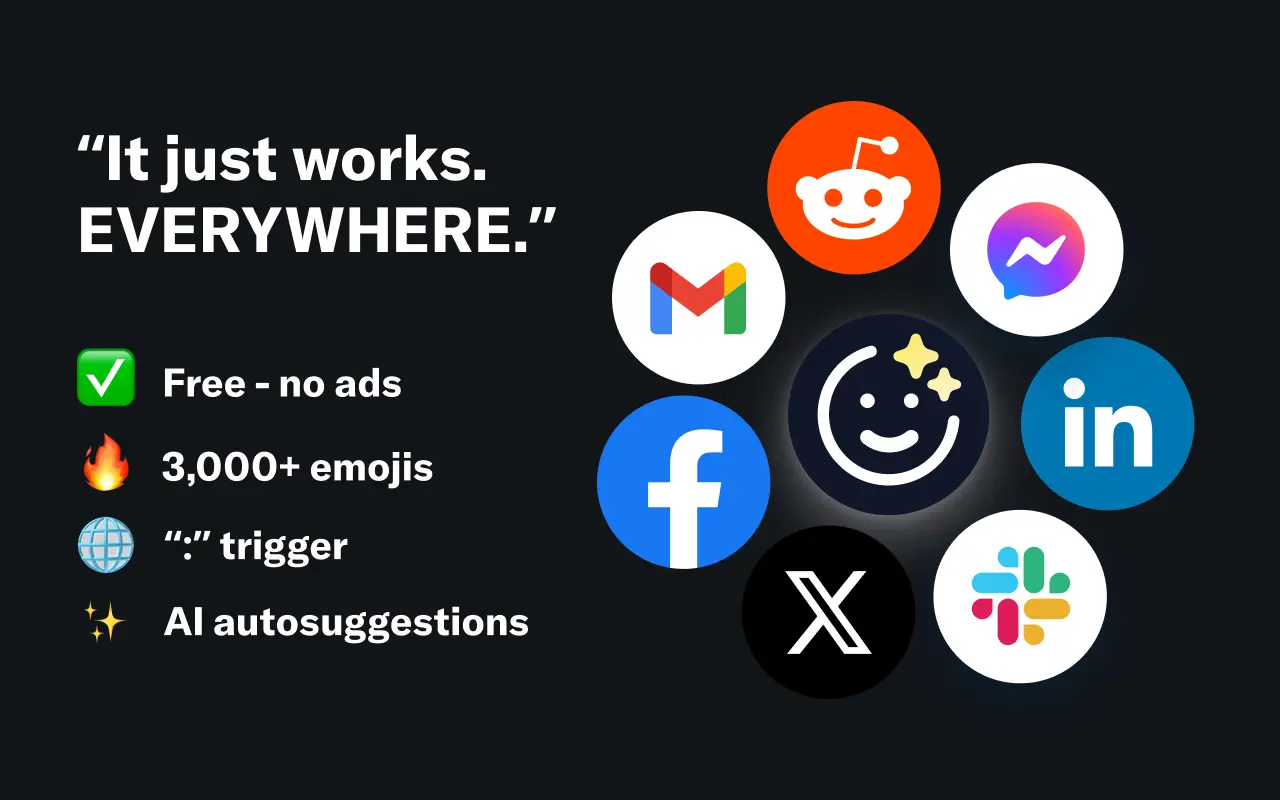
EmojAI
AI-powered emoji picker with smart, context-aware suggestions 🤖
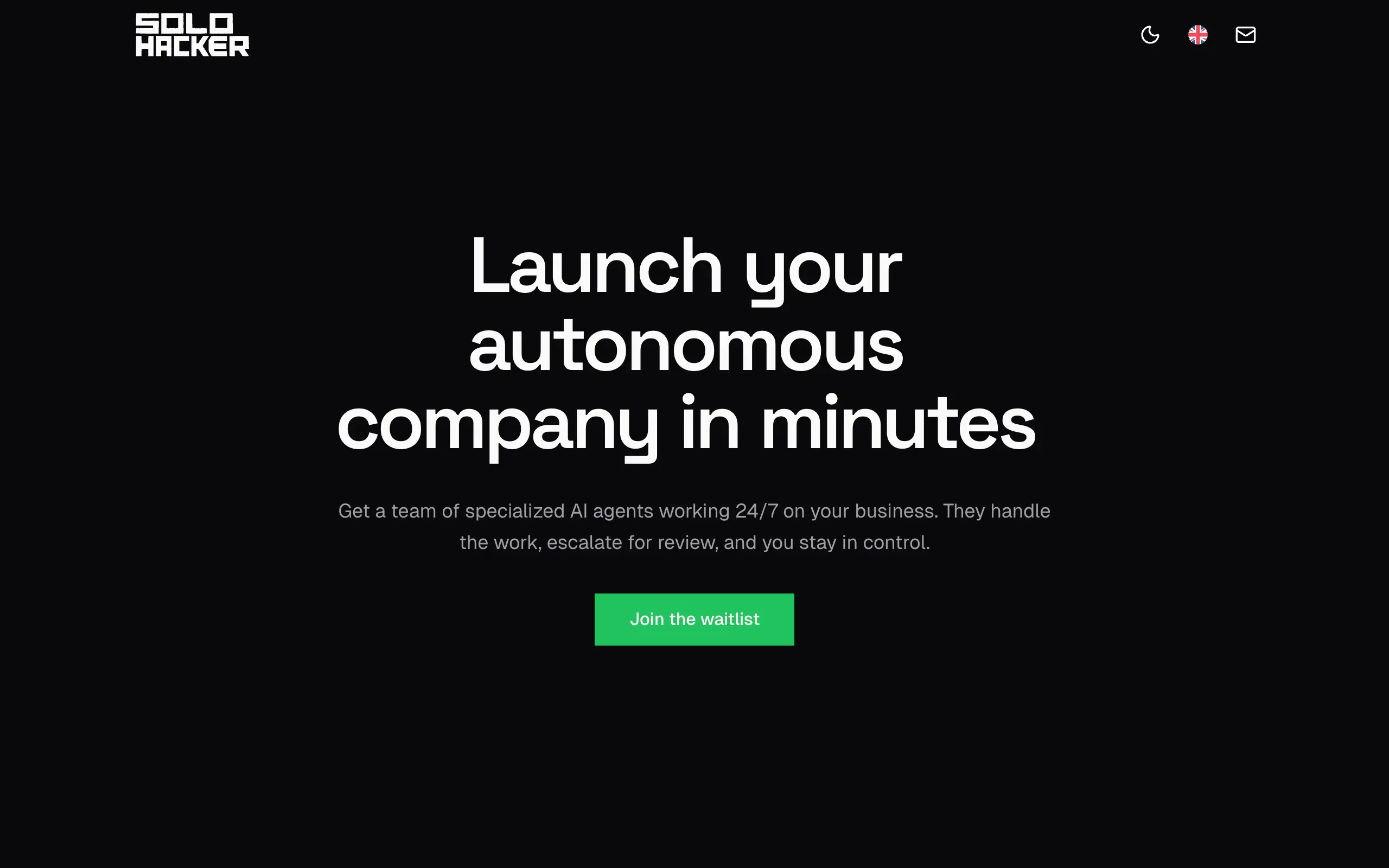
Solohacker
Autonomous company launcher - AI agents work 24/7, escalate what matters, and you stay in control 🤖
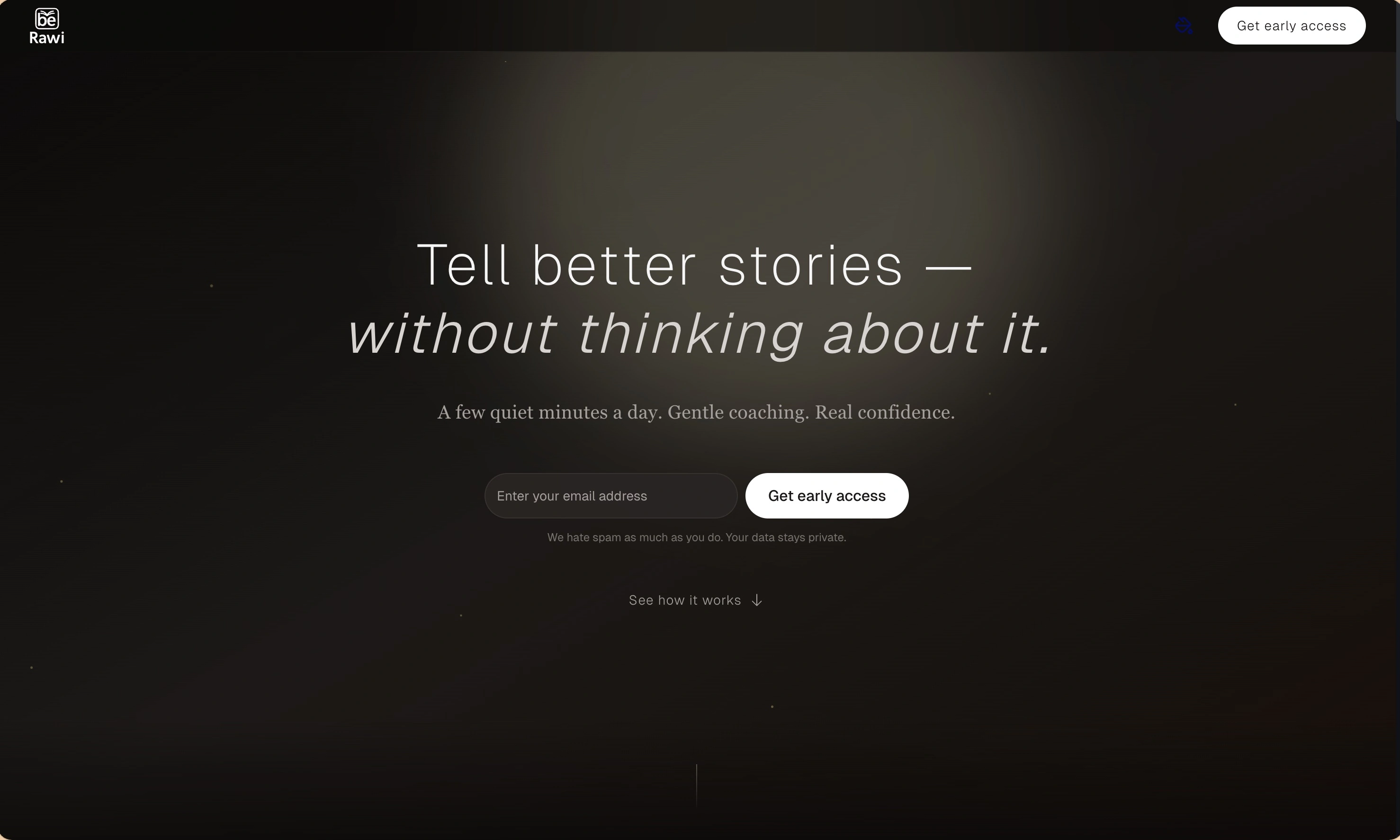
BeRawi: Storytelling Coach
Practice storytelling daily with instant feedback to sound clearer, more engaging, and confident 🎤
Omichat
Chat with 50+ AI models, including ChatGPT and Claude, in one place - switch models anytime without losing context 🤖
Claude Fast
Supercharge your Claude Code with 6x effective context window and specialized AI agents 🤖
EmojAI
AI-powered emoji picker with smart, context-aware suggestions 🤖
Solohacker
Autonomous company launcher - AI agents work 24/7, escalate what matters, and you stay in control 🤖
BeRawi: Storytelling Coach
Practice storytelling daily with instant feedback to sound clearer, more engaging, and confident 🎤
Omichat
Chat with 50+ AI models, including ChatGPT and Claude, in one place - switch models anytime without losing context 🤖
Claude Fast
Supercharge your Claude Code with 6x effective context window and specialized AI agents 🤖
EmojAI
AI-powered emoji picker with smart, context-aware suggestions 🤖
Solohacker
Autonomous company launcher - AI agents work 24/7, escalate what matters, and you stay in control 🤖
BeRawi: Storytelling Coach
Practice storytelling daily with instant feedback to sound clearer, more engaging, and confident 🎤
Omichat
Chat with 50+ AI models, including ChatGPT and Claude, in one place - switch models anytime without losing context 🤖
Claude Fast
Supercharge your Claude Code with 6x effective context window and specialized AI agents 🤖
EmojAI
AI-powered emoji picker with smart, context-aware suggestions 🤖
Solohacker
Autonomous company launcher - AI agents work 24/7, escalate what matters, and you stay in control 🤖
BeRawi: Storytelling Coach
Practice storytelling daily with instant feedback to sound clearer, more engaging, and confident 🎤

Connect with like-minded people
Join our community to get feedback, support, and grow together with 1,000+ builders on board, let's ship it!
Join usShip your startup everywhere. In minutes.
Don't burn tokens on setup and start building features on day one.