SpecFlow AI
Turn messy product ideas, meeting notes, and chats into clear technical specs, tickets, and diagrams using AI trained for engineering teams.
Why AI-generated technical specifications are becoming critical for modern product teams
Product development has never moved faster—or been messier. Product managers, founders, and engineering leaders are expected to turn loosely defined ideas, meeting notes, Slack threads, and customer feedback into clear, actionable technical specifications at speed. Yet this translation layer between idea and implementation remains one of the biggest bottlenecks in modern software teams.
This is the exact problem SpecFlow AI addresses.
SpecFlow AI is an AI-powered specification and ticket generation platform designed specifically for engineering teams. It transforms unstructured product inputs into well-defined technical specs, engineering tickets, and diagrams that developers can actually build from.
In this article, we’ll explore SpecFlow AI from a strategic SaaS perspective—covering the market opportunity, target audience, core features, tech stack, monetization options, competitive advantage, and implementation roadmap. If you’re validating, building, or investing in an AI SaaS for product and engineering teams, this deep dive is designed to answer your real questions.
Understanding the core problem: where product ideas break down
Before discussing features or technology, it’s important to understand why technical specifications are such a persistent pain point.
The gap between product vision and engineering execution
Most software teams struggle not because they lack ideas, but because:
- Ideas are communicated verbally or informally
- Requirements evolve during discussions
- Documentation is rushed, outdated, or incomplete
- Engineers are forced to infer intent from vague tickets
This leads to:
- Rework and misalignment
- Slower development cycles
- Frustrated engineers and PMs
- Increased technical debt
According to widely cited industry research (e.g., McKinsey, Atlassian studies), unclear requirements are consistently ranked among the top causes of software project delays and cost overruns. Rather than linking potentially outdated statistics, SpecFlow AI positions itself as a structural solution to this systemic problem.
Why existing tools don’t fully solve this
Tools like Jira, Confluence, Notion, and Linear are excellent at storing documentation—but they don’t help teams create high-quality specs from raw inputs.
That creation step is still manual, time-consuming, and highly dependent on individual skill.
What is SpecFlow AI? A clear product definition
SpecFlow AI is an AI-driven SaaS platform that:
- Ingests messy, unstructured inputs (ideas, notes, chats, transcripts)
- Applies engineering-aware AI models
- Outputs structured, developer-ready artifacts
These outputs typically include:
- Technical specifications
- User stories and acceptance criteria
- Engineering tickets
- Architecture and flow diagrams
- API and data model outlines
The primary keyword for this product category is:
AI technical specification generator for engineering teams
Closely related semantic keywords include:
- AI product requirements generator
- AI Jira ticket creation
- AI-powered technical documentation
- AI for product managers and engineers
- Automated software specifications
Target audience analysis: who SpecFlow AI is built for
SpecFlow AI is not a generic AI writing tool. Its value increases significantly when used by teams building real software.
Primary user segments
Product managers and product owners
- Need to translate ideas into developer-ready specs
- Often lack deep technical context
- Responsible for backlog quality and clarity
Engineering managers and tech leads
- Want fewer clarification questions from developers
- Need consistent technical documentation standards
- Care about system design clarity
Startup founders and CTOs
- Wear multiple hats
- Move fast with limited resources
- Need specs without heavyweight process
Agile and distributed teams
- Rely heavily on written communication
- Need async-friendly documentation
- Suffer more from ambiguity
Early-stage startups
Lean teams that need fast, structured specs without hiring dedicated product ops.
Scaling SaaS companies
Organizations struggling with consistency and clarity across multiple squads.
Remote-first teams
Teams that depend on documentation instead of hallway conversations.
Secondary users
- QA engineers (acceptance criteria clarity)
- Technical writers
- Consultants and agencies delivering software for clients
Market opportunity and gap analysis
The documentation paradox
Despite decades of tooling, documentation quality has not improved proportionally with tooling sophistication. That’s because most tools focus on where documentation lives—not how it’s created.
SpecFlow AI targets this overlooked layer.
Why now? Timing matters
Several converging trends make SpecFlow AI especially timely:
- Maturity of LLMs capable of structured reasoning
- Increased adoption of AI in developer workflows
- Remote and async work becoming default
- Pressure to ship faster with smaller teams
Rather than generic text generation, teams now expect context-aware, role-specific AI outputs.
Key insight
SpecFlow AI succeeds by being trained and optimized for engineering workflows—not general writing.
Competitive landscape overview
SpecFlow AI sits at the intersection of:
- AI writing tools (e.g., general-purpose LLM interfaces)
- Product documentation tools
- Agile project management software
Most competitors excel in one of these areas, but not all three simultaneously.
Core features that define SpecFlow AI
1. Multi-input ingestion
SpecFlow AI accepts a wide range of raw inputs:
- Meeting notes
- Slack or chat exports
- Voice transcript summaries
- Product idea dumps
- Existing partial documentation
This reduces friction and mirrors how teams actually work.
2. AI-powered specification generation
The platform transforms inputs into:
- Structured technical specs
- Clear problem statements
- Functional and non-functional requirements
- Edge cases and constraints
Unlike generic AI tools, SpecFlow AI understands engineering-specific patterns, terminology, and structure.
3. Ticket and backlog creation
SpecFlow AI can generate:
- Jira-style tickets
- User stories
- Acceptance criteria
- Task breakdowns
This directly supports agile workflows and sprint planning.
4. Visual diagrams and system flows
Where text alone falls short, SpecFlow AI can produce:
- Architecture diagrams
- User flows
- Sequence diagrams
These help align product and engineering visually.
5. Custom templates and standards
Teams can define:
- Documentation formats
- Naming conventions
- Level of technical depth
This ensures consistency across teams and projects.
How SpecFlow AI fits into existing workflows
SpecFlow AI is designed to augment, not replace, existing tools.
Product managers use SpecFlow AI to turn ideation into clear specs before backlog grooming.
Engineers use generated specs as a starting point for design reviews and implementation.
Rather than forcing a new workflow, SpecFlow AI acts as a translation layer between ideation and execution.
Recommended tech stack for building SpecFlow AI
Frontend
- React – component-based UI and ecosystem
React - TypeScript – safety for complex data structures
- Tailwind CSS – rapid UI development
Tailwind CSS
Trade-off: Tailwind accelerates development but requires discipline to maintain design consistency.
Backend
- Node.js with a structured framework
- Python services for AI orchestration and data processing
- PostgreSQL for structured data
- Vector database for embeddings and context retrieval
AI layer
- Large language models fine-tuned or prompt-engineered for:
- Software architecture
- Agile documentation
- Engineering terminology
Integrations
- Jira
- Linear
- GitHub
- Slack
Technical caution
AI output quality depends heavily on prompt design, context windows, and guardrails. This is not a “set and forget” system.
Monetization strategy options
SpecFlow AI supports multiple pricing models depending on go-to-market strategy.
Subscription-based SaaS (most likely)
- Per user per month
- Tiered by features and usage
- Predictable recurring revenue
Usage-based pricing
- Pay per generated spec or token usage
- Attractive to early adopters
- Requires careful cost control
Team and enterprise plans
- Custom workflows
- Dedicated support
- Security and compliance features
| Model | Predictability | Scalability | Enterprise fit | Complexity |
|---|---|---|---|---|
| Subscription | ✅ | ✅ | ✅ | ❌ |
| Usage-based | ❌ | ✅ | ❌ | ✅ |
Competitive advantage: what makes SpecFlow AI different
Engineering-first AI training
SpecFlow AI is optimized for technical accuracy, not just fluent language.
Workflow-aware outputs
The platform understands:
- Agile ceremonies
- Ticket hierarchies
- Developer expectations
Reduced cognitive load
Instead of starting from a blank page, teams start from a high-quality draft.
Compounding value
As teams refine templates and standards, SpecFlow AI becomes more valuable over time.
Generic AI tools lack workflow context, consistency, and integration with engineering tools.
Risks and mitigation strategies
Risk: hallucinated or incorrect technical details
Mitigation:
- Clear disclaimers
- Review workflows
- Constrained generation modes
Risk: over-reliance on AI
Mitigation:
- Position SpecFlow AI as an assistant, not an authority
- Encourage human review and iteration
Risk: data security concerns
Mitigation:
- Strong data isolation
- Clear privacy policies
- Optional self-hosted or enterprise deployments
Implementation roadmap: how to build SpecFlow AI step by step
Many founders accelerate this process using proven SaaS starter kits like TurboStarter, which reduce boilerplate and let teams focus on differentiation.
Final thoughts: why SpecFlow AI has long-term potential
SpecFlow AI addresses a foundational problem in software development: turning ideas into executable plans. As AI adoption in engineering workflows continues to grow, tools that provide structured, trustworthy outputs will outperform generic assistants.
By focusing on:
- Engineering context
- Workflow integration
- Documentation quality
SpecFlow AI positions itself as a critical layer in the modern product development stack.
If executed well, it won’t just save time—it will change how teams think about specs altogether.
More 🤖 AI Startup SaaS ideas
Discover more innovative ai startup SaaS ideas that are trending in 2026. Each idea is AI-generated with market validation and growth potential to help you find your next profitable venture faster than competitors.
Your competitors are building with TurboStarter
Below are some of the SaaS ideas that have been generated and built with our starter kit.

Statiko
Monitor any Telegram channel in real time - track posts, edits, deletions, and growth with AI recaps 📡

Shibui
AI website builder - describe your business, pick a niche template, edit by chatting, and publish instantly ✨

Pro Service
Find verified home service professionals, compare quotes, and pay securely through escrow - built for Brazilians across the US 🏠
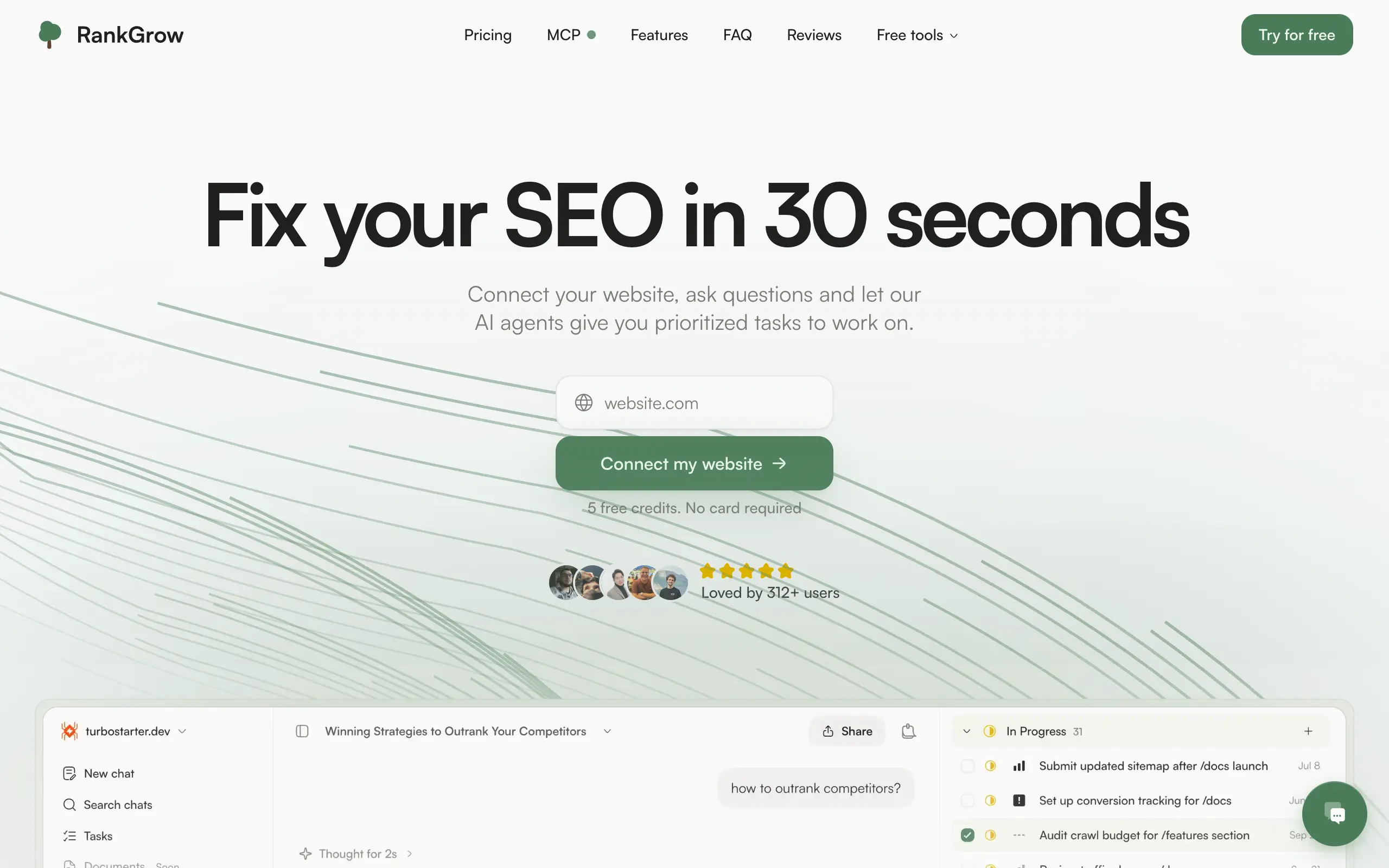
RankGrow
Fix your SEO with AI agents - connect Search Console, get prioritized tasks, and grow organic traffic 📈
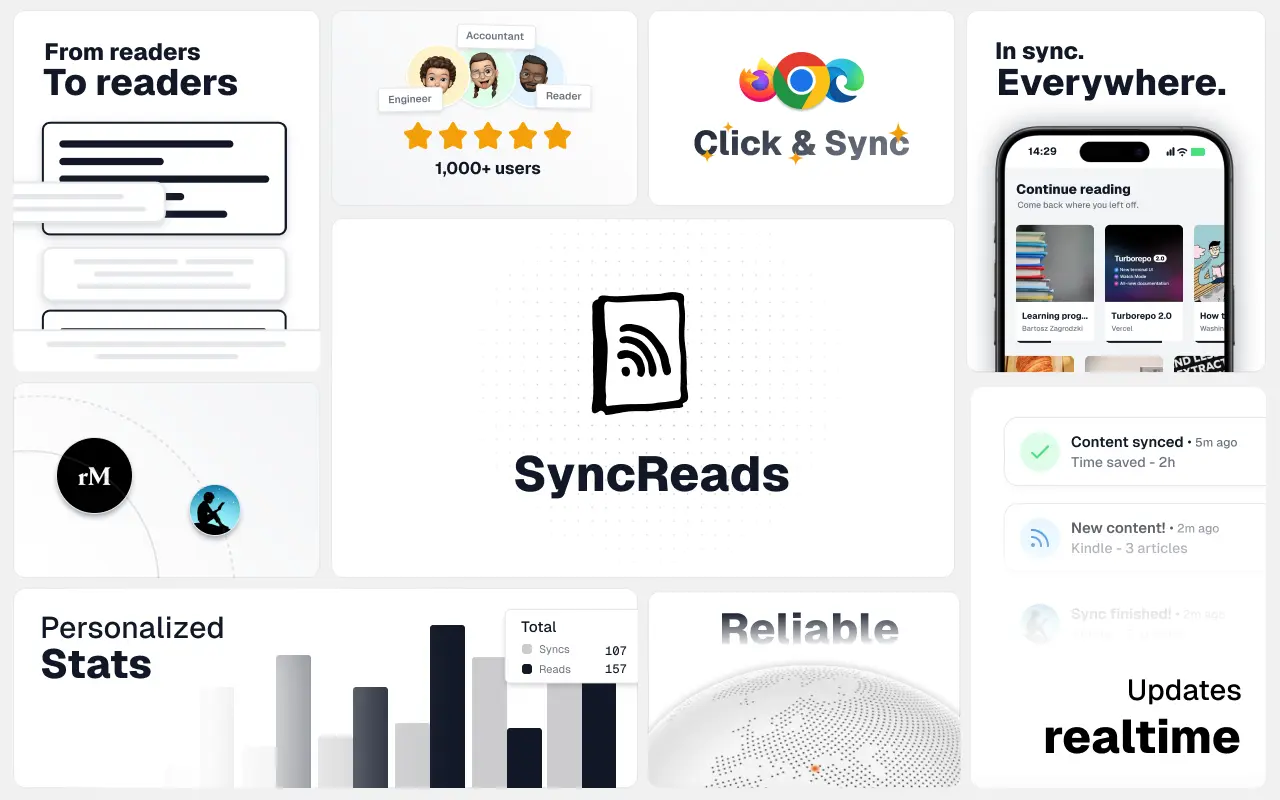
SyncReads
Sync your favorite content for distraction-free reading, save time and replace multiple apps. Anytime, anywhere 🔄
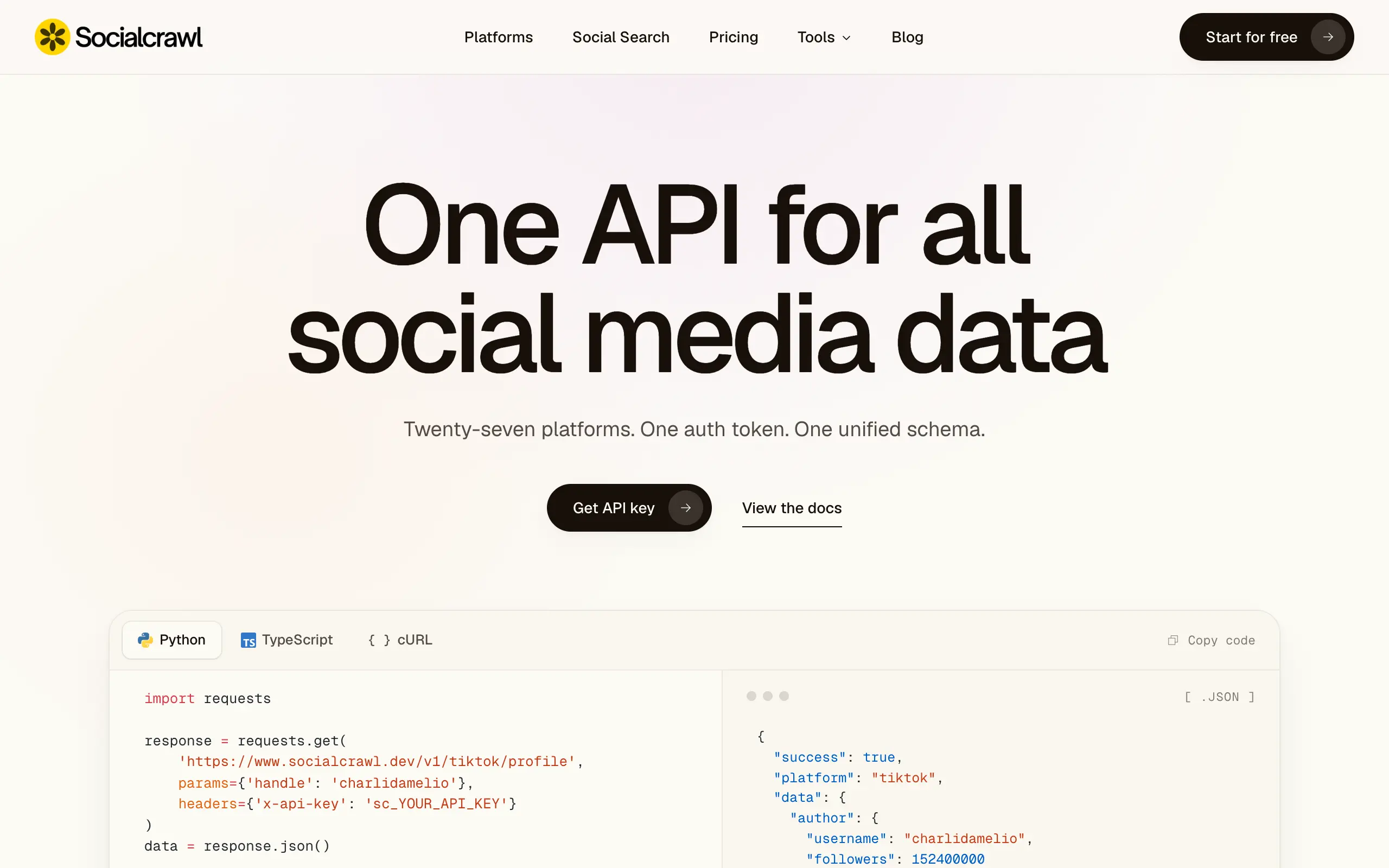
Socialcrawl
Get clean, structured data from 21 platforms like TikTok, Instagram, and YouTube with a single request 📊
Statiko
Monitor any Telegram channel in real time - track posts, edits, deletions, and growth with AI recaps 📡
Shibui
AI website builder - describe your business, pick a niche template, edit by chatting, and publish instantly ✨
Pro Service
Find verified home service professionals, compare quotes, and pay securely through escrow - built for Brazilians across the US 🏠
RankGrow
Fix your SEO with AI agents - connect Search Console, get prioritized tasks, and grow organic traffic 📈
SyncReads
Sync your favorite content for distraction-free reading, save time and replace multiple apps. Anytime, anywhere 🔄
Socialcrawl
Get clean, structured data from 21 platforms like TikTok, Instagram, and YouTube with a single request 📊
Statiko
Monitor any Telegram channel in real time - track posts, edits, deletions, and growth with AI recaps 📡
Shibui
AI website builder - describe your business, pick a niche template, edit by chatting, and publish instantly ✨
Pro Service
Find verified home service professionals, compare quotes, and pay securely through escrow - built for Brazilians across the US 🏠
RankGrow
Fix your SEO with AI agents - connect Search Console, get prioritized tasks, and grow organic traffic 📈
SyncReads
Sync your favorite content for distraction-free reading, save time and replace multiple apps. Anytime, anywhere 🔄
Socialcrawl
Get clean, structured data from 21 platforms like TikTok, Instagram, and YouTube with a single request 📊
Statiko
Monitor any Telegram channel in real time - track posts, edits, deletions, and growth with AI recaps 📡
Shibui
AI website builder - describe your business, pick a niche template, edit by chatting, and publish instantly ✨
Pro Service
Find verified home service professionals, compare quotes, and pay securely through escrow - built for Brazilians across the US 🏠
RankGrow
Fix your SEO with AI agents - connect Search Console, get prioritized tasks, and grow organic traffic 📈
SyncReads
Sync your favorite content for distraction-free reading, save time and replace multiple apps. Anytime, anywhere 🔄
Socialcrawl
Get clean, structured data from 21 platforms like TikTok, Instagram, and YouTube with a single request 📊
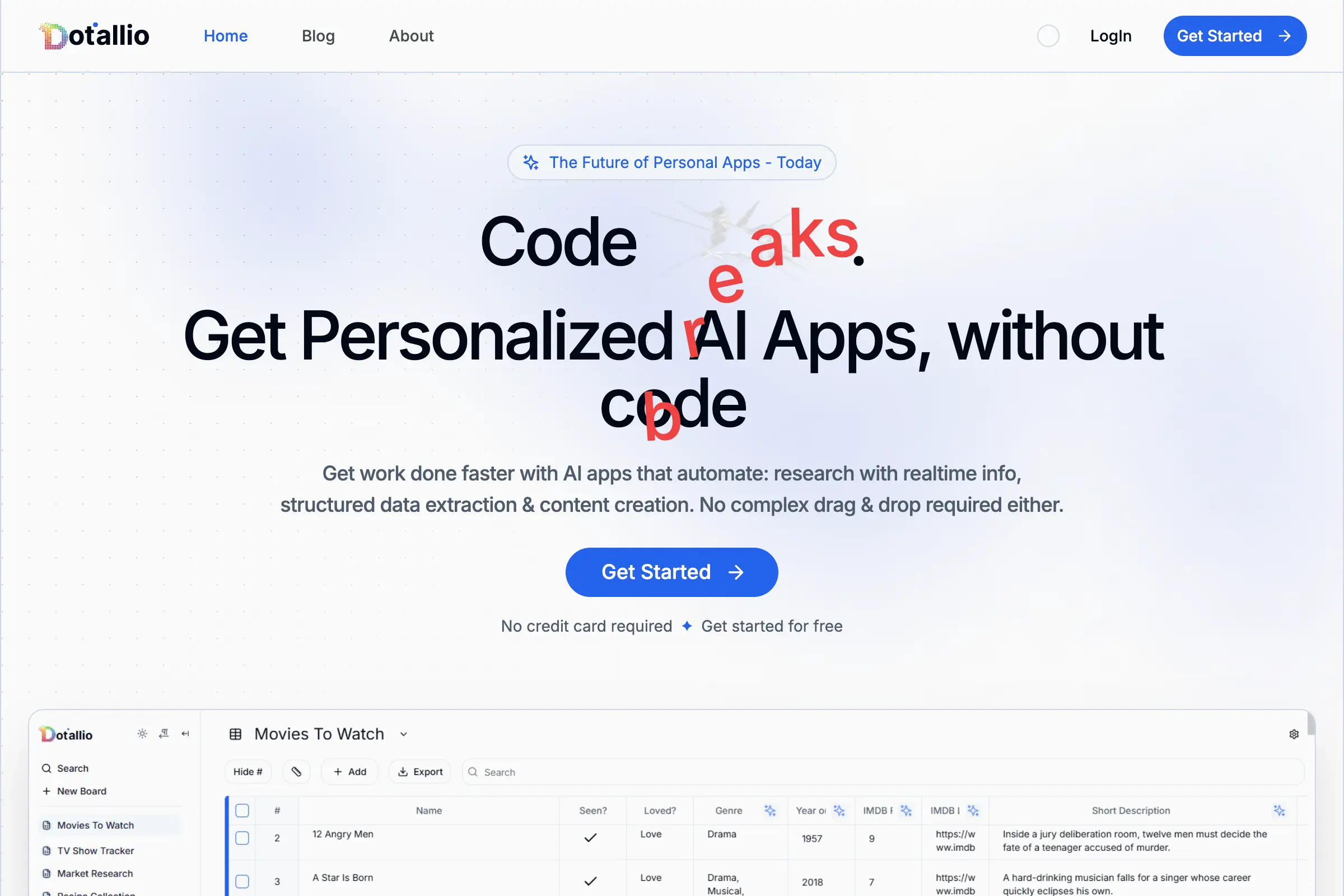
Dotallio
Personalized AI apps that automate research, data extraction, and content creation without code 🤖

Talk to Santa
Enjoy a magical live video chat or receive a unique AI-generated video greeting from Santa Claus 🎅
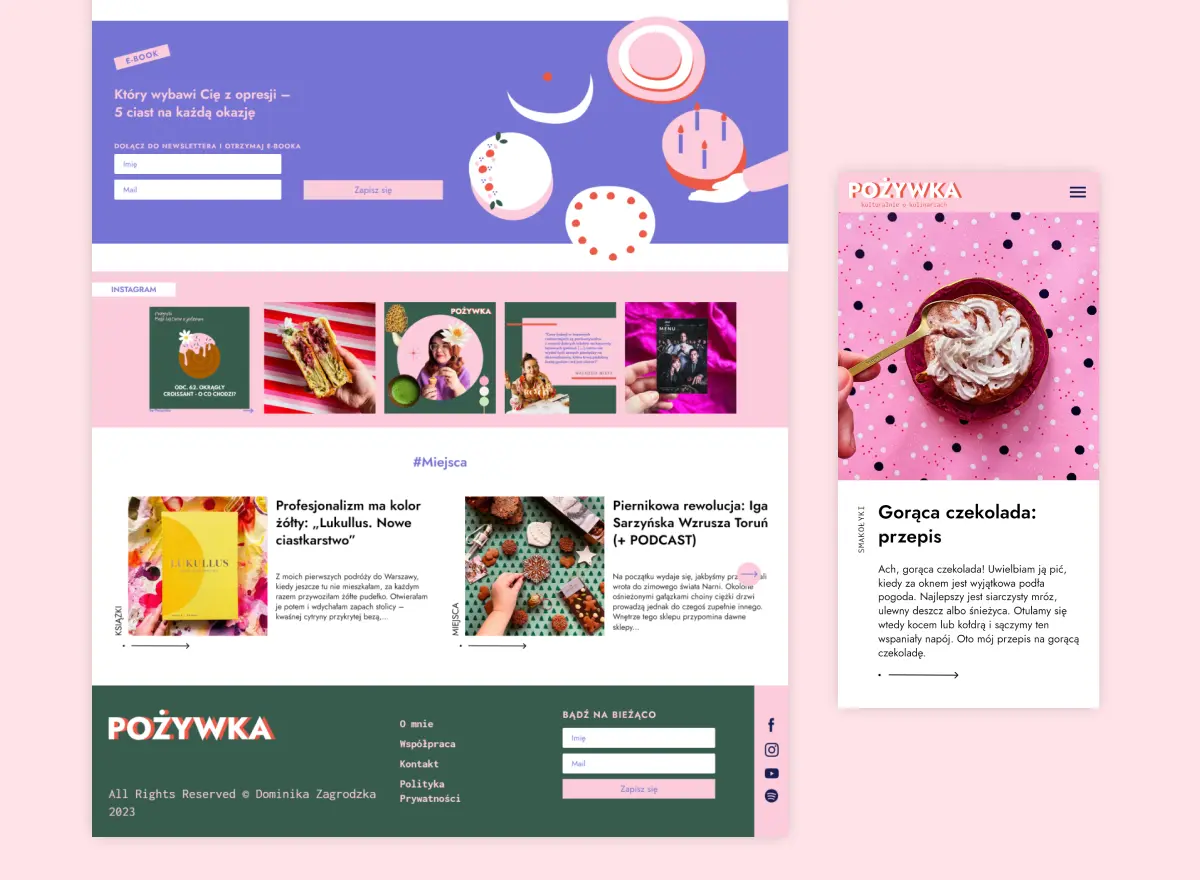
pozywka.pl
Scalable blog for food journalist, focused on performance and user experience 🌭
zagrodzki.me
Personal blog and portfolio of Bart Zagrodzki, where he shares his knowledge and work 💼
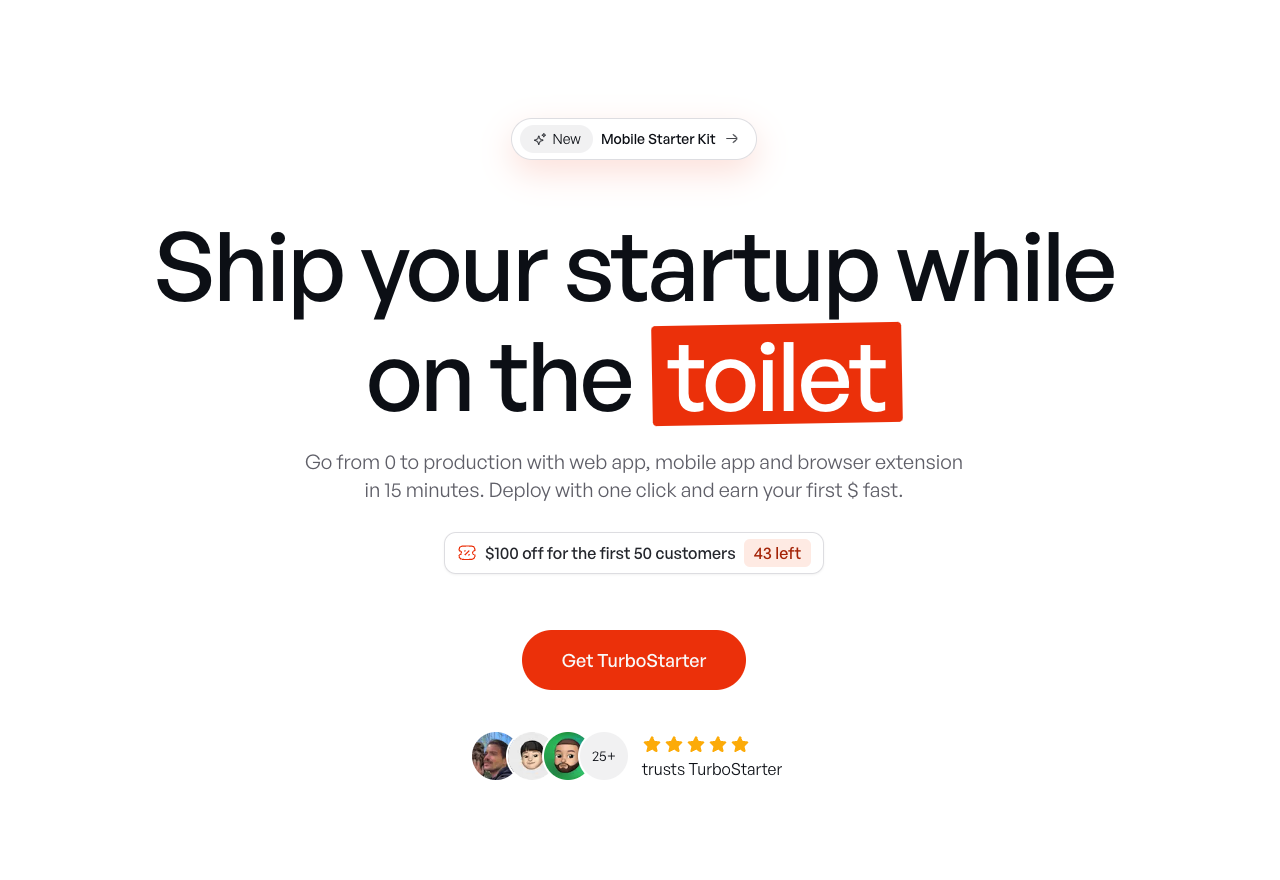
TurboStarter
Ship your startup everywhere. In minutes.
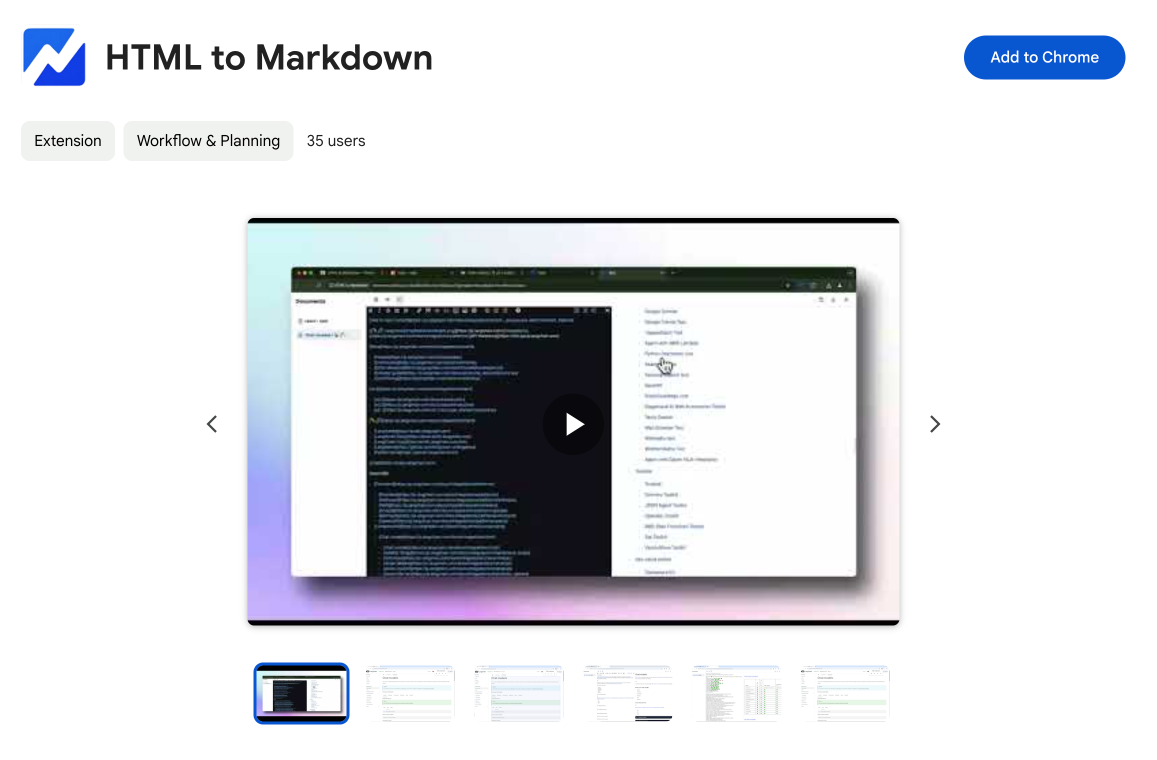
HTML to Markdown
Convert HTML to Markdown with ease, directly in your browser 📄
Dotallio
Personalized AI apps that automate research, data extraction, and content creation without code 🤖
Talk to Santa
Enjoy a magical live video chat or receive a unique AI-generated video greeting from Santa Claus 🎅
pozywka.pl
Scalable blog for food journalist, focused on performance and user experience 🌭
zagrodzki.me
Personal blog and portfolio of Bart Zagrodzki, where he shares his knowledge and work 💼
TurboStarter
Ship your startup everywhere. In minutes.
HTML to Markdown
Convert HTML to Markdown with ease, directly in your browser 📄
Dotallio
Personalized AI apps that automate research, data extraction, and content creation without code 🤖
Talk to Santa
Enjoy a magical live video chat or receive a unique AI-generated video greeting from Santa Claus 🎅
pozywka.pl
Scalable blog for food journalist, focused on performance and user experience 🌭
zagrodzki.me
Personal blog and portfolio of Bart Zagrodzki, where he shares his knowledge and work 💼
TurboStarter
Ship your startup everywhere. In minutes.
HTML to Markdown
Convert HTML to Markdown with ease, directly in your browser 📄
Dotallio
Personalized AI apps that automate research, data extraction, and content creation without code 🤖
Talk to Santa
Enjoy a magical live video chat or receive a unique AI-generated video greeting from Santa Claus 🎅
pozywka.pl
Scalable blog for food journalist, focused on performance and user experience 🌭
zagrodzki.me
Personal blog and portfolio of Bart Zagrodzki, where he shares his knowledge and work 💼
TurboStarter
Ship your startup everywhere. In minutes.
HTML to Markdown
Convert HTML to Markdown with ease, directly in your browser 📄
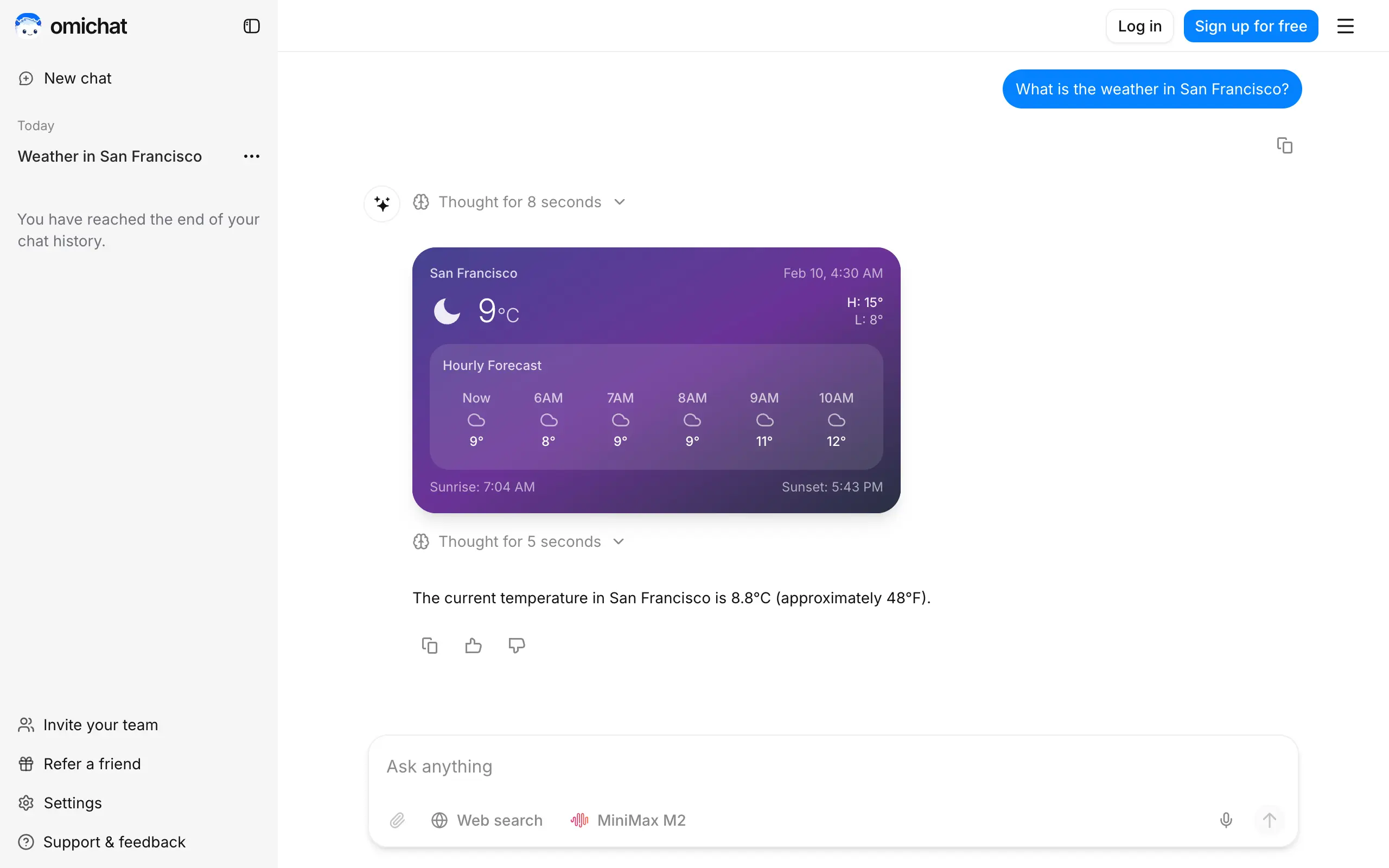
Omichat
Chat with 50+ AI models, including ChatGPT and Claude, in one place - switch models anytime without losing context 🤖
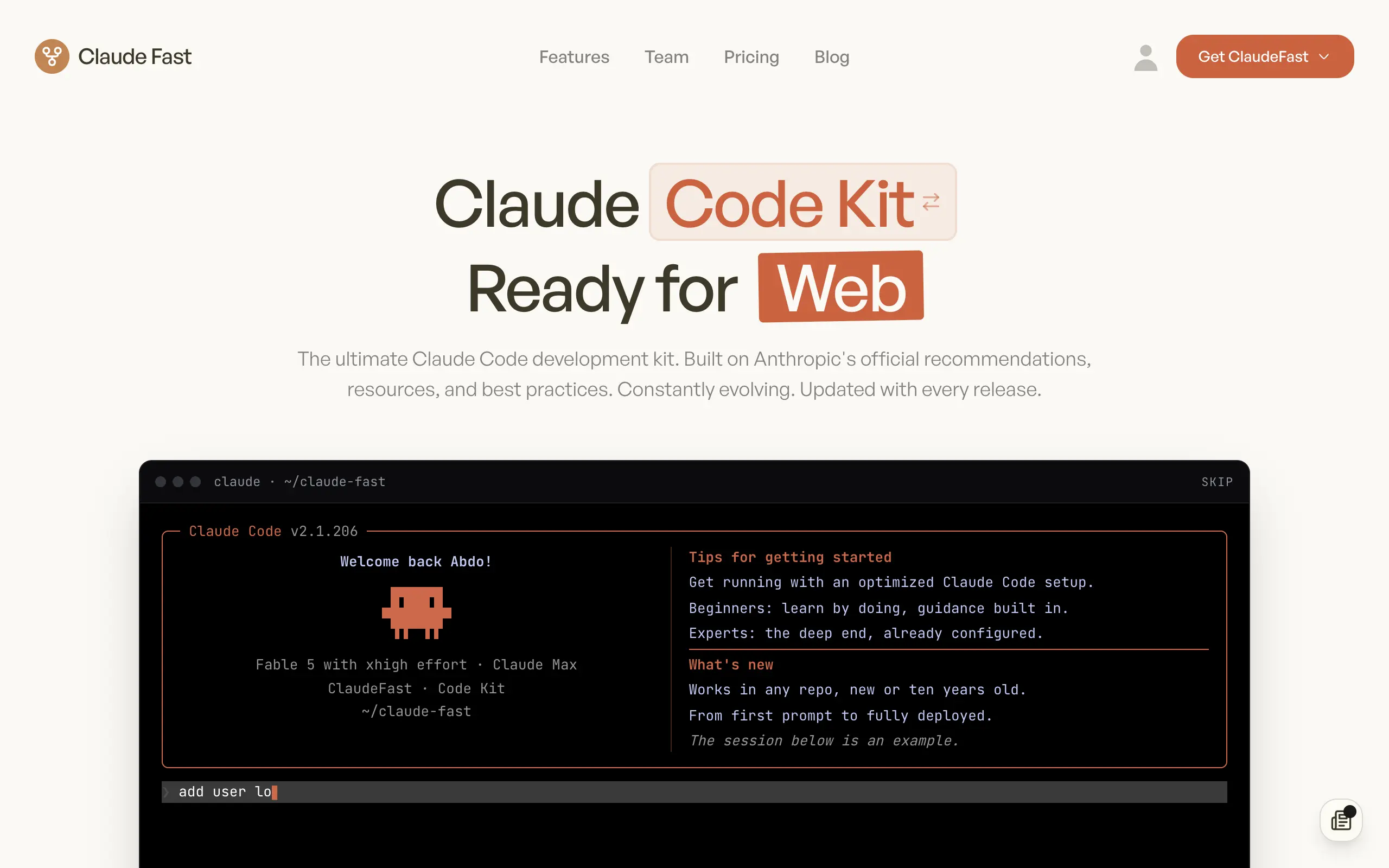
Claude Fast
Supercharge your Claude Code with 6x effective context window and specialized AI agents 🤖
EmojAI
AI-powered emoji picker with smart, context-aware suggestions 🤖
Solohacker
Autonomous company launcher - AI agents work 24/7, escalate what matters, and you stay in control 🤖

BeRawi: Storytelling Coach
Practice storytelling daily with instant feedback to sound clearer, more engaging, and confident 🎤
Omichat
Chat with 50+ AI models, including ChatGPT and Claude, in one place - switch models anytime without losing context 🤖
Claude Fast
Supercharge your Claude Code with 6x effective context window and specialized AI agents 🤖
EmojAI
AI-powered emoji picker with smart, context-aware suggestions 🤖
Solohacker
Autonomous company launcher - AI agents work 24/7, escalate what matters, and you stay in control 🤖
BeRawi: Storytelling Coach
Practice storytelling daily with instant feedback to sound clearer, more engaging, and confident 🎤
Omichat
Chat with 50+ AI models, including ChatGPT and Claude, in one place - switch models anytime without losing context 🤖
Claude Fast
Supercharge your Claude Code with 6x effective context window and specialized AI agents 🤖
EmojAI
AI-powered emoji picker with smart, context-aware suggestions 🤖
Solohacker
Autonomous company launcher - AI agents work 24/7, escalate what matters, and you stay in control 🤖
BeRawi: Storytelling Coach
Practice storytelling daily with instant feedback to sound clearer, more engaging, and confident 🎤
Omichat
Chat with 50+ AI models, including ChatGPT and Claude, in one place - switch models anytime without losing context 🤖
Claude Fast
Supercharge your Claude Code with 6x effective context window and specialized AI agents 🤖
EmojAI
AI-powered emoji picker with smart, context-aware suggestions 🤖
Solohacker
Autonomous company launcher - AI agents work 24/7, escalate what matters, and you stay in control 🤖
BeRawi: Storytelling Coach
Practice storytelling daily with instant feedback to sound clearer, more engaging, and confident 🎤

Connect with like-minded people
Join our community to get feedback, support, and grow together with 1,000+ builders on board, let's ship it!
Join usShip your startup everywhere. In minutes.
Don't burn tokens on setup and start building features on day one.