SpecPilot
AI product co-pilot that turns messy founder notes and voice memos into structured PRDs, tickets, and sprint plans synced to Linear and Jira.
The opportunity behind an AI product co-pilot for PRDs and sprint planning
Modern product teams move fast. Founders record voice memos after customer calls. PMs dump ideas into Notion. Engineers track tickets in Linear or Jira. Designers collect feedback in Figma comments. The result?
Scattered product knowledge.
An AI product co-pilot that transforms messy founder notes and voice memos into structured PRDs, actionable tickets, and sprint plans—automatically synced to Linear and Jira—solves a real and growing pain point in product development.
This article provides a comprehensive analysis of the SaaS opportunity behind an AI product co-pilot like SpecPilot, covering:
- Market demand and product discovery workflows
- Target audience segmentation
- Core features and differentiation
- Technical architecture and AI stack
- Monetization models
- Competitive landscape
- Risks and mitigation
- Actionable steps to build and launch
If you’re validating this idea or planning to build it, this guide will help you approach it strategically and credibly.
Understanding user intent: what problem are we actually solving?
Before building any AI SaaS, clarity on search and user intent is critical.
People searching for terms like:
- “AI PRD generator”
- “AI product management tool”
- “convert voice memo to Jira ticket”
- “AI sprint planning assistant”
- “PRD to Jira automation”
…are typically trying to:
- Save time writing documentation.
- Standardize product specs across teams.
- Reduce translation loss between founder vision and engineering tasks.
- Eliminate manual ticket creation in tools like Linear and Jira.
- Improve sprint planning quality with structured outputs.
The real pain isn’t “writing PRDs.”
It’s turning chaotic thinking into execution-ready artifacts.
An AI product co-pilot becomes valuable when it:
- Captures messy input (voice, text, brainstorm notes)
- Structures it into a clear product spec
- Breaks it down into engineering tasks
- Syncs it directly into execution systems
That’s a powerful workflow automation layer between ideation and delivery.
Market opportunity and timing
AI adoption in product management
AI adoption in knowledge work is accelerating rapidly. According to widely cited industry research (e.g., McKinsey and Gartner reports), generative AI is expected to significantly impact roles involving structured documentation, planning, and synthesis.
Product managers spend significant time on:
- Writing PRDs
- Refining backlog tickets
- Sprint planning coordination
- Stakeholder communication
- Documentation updates
Much of this work involves:
- Rewriting
- Structuring
- Summarizing
- Clarifying
These are exactly the areas where large language models excel.
The tooling fragmentation problem
Product teams use:
- Linear or Jira for tickets
- Notion or Confluence for documentation
- Slack for communication
- Figma for design
- Loom or voice memos for ideas
SpecPilot sits between thinking and execution—a unique position in the product stack.
Gap in the market
Current tools tend to focus on:
- AI writing assistance (e.g., general-purpose AI tools)
- Ticket management (Linear, Jira)
- Documentation (Notion, Confluence)
Few tools deeply connect:
Founder raw input → Structured PRD → Task breakdown → Sprint plan → Synced tickets
That workflow integration is the opportunity.
Target audience analysis
Not every team needs an AI product co-pilot. Precision targeting is key.
Primary audience: early-stage startups (0–50 employees)
Why they’re ideal:
- Founders act as de facto PMs
- Documentation is inconsistent
- Teams are small and move fast
- Time is scarce
- They use Linear or Jira but lack structured specs
Pain points:
- Ideas stuck in Slack threads
- Voice memos never converted into tasks
- Engineers unclear on scope
- Sprint chaos
They need speed and structure without hiring a full-time PM.
Secondary audience: scaling startups (50–200 employees)
At this stage:
- PM roles exist
- Backlog grows rapidly
- Coordination overhead increases
- PRDs become critical
SpecPilot helps by:
- Standardizing PRD format
- Reducing manual ticket breakdown
- Accelerating sprint planning
- Improving clarity between product and engineering
Tertiary audience: agencies and product studios
Agencies managing multiple client backlogs often:
- Duplicate documentation efforts
- Translate founder conversations into deliverables
- Create tickets manually for dev teams
An AI product co-pilot reduces repetitive documentation work.
Core features of an AI product co-pilot
To win, SpecPilot must go beyond “AI writing tool.”
1. Multi-input capture
Support:
- Text notes (paste or upload)
- Voice memos (auto-transcription)
- Meeting transcripts
- Slack thread import
- Loom video transcript import
The system should extract:
- Goals
- User personas
- Constraints
- Acceptance criteria
- Dependencies
2. Structured PRD generation
Generated PRD format could include:
- Problem statement
- Background
- User stories
- Success metrics
- Functional requirements
- Non-functional requirements
- Risks
- Out-of-scope
This ensures consistency across teams.
3. Ticket breakdown and task mapping
Automatically convert PRD sections into:
- Epics
- Stories
- Subtasks
- Acceptance criteria
- Technical notes
And intelligently:
- Detect scope size
- Suggest story points
- Flag ambiguous requirements
4. Sprint plan generation
SpecPilot could:
- Analyze backlog
- Estimate sprint capacity
- Suggest optimal sprint composition
- Balance workload across engineers
- Flag overcommitment risks
This becomes a strategic differentiator.
5. Native sync with Linear and Jira
Seamless API integration:
- Create/update tickets
- Create epics
- Assign team members
- Sync statuses
- Maintain 2-way updates
No CSV exports. No copy-paste.
6. Knowledge memory
SpecPilot should learn:
- Team conventions
- Naming standards
- Definition of done
- Story point patterns
- Past velocity
This enables context-aware suggestions.
Competitive landscape
Let’s analyze positioning.
Indirect competitors
- General AI tools (ChatGPT, Claude)
- Notion AI
- Jira AI features
- Linear AI
These tools assist with writing—but don’t fully automate execution workflows.
Direct positioning matrix
| Feature | General AI | Notion AI | Jira AI | SpecPilot | Manual Workflow |
|---|---|---|---|---|---|
| PRD structuring | ✅ | ✅ | ❌ | ✅ | ❌ |
| Voice memo → tickets | ❌ | ❌ | ❌ | ✅ | ❌ |
| Auto sprint planning | ❌ | ❌ | ⚠️ Limited | ✅ | ❌ |
| Linear native sync | ❌ | ❌ | ⚠️ | ✅ | ❌ |
SpecPilot wins by owning the ideation-to-execution pipeline.
Unique selling proposition (USP)
The core differentiator:
“From voice memo to sprint-ready backlog in minutes.”
Not just AI writing.
Not just ticket automation.
Not just PRDs.
But full transformation:
Unstructured idea → Structured spec → Engineering-ready plan → Synced sprint
This end-to-end workflow is the moat.
Recommended tech stack
Frontend
Why:
- Fast iteration
- Excellent SaaS ecosystem
- SSR for SEO content
- Easy integration with AI APIs
Backend
- Node.js (Next.js API routes) or NestJS
- PostgreSQL
- Redis (caching + queueing)
- Background workers for AI processing
AI layer
Options:
- OpenAI GPT-4 class models
- Anthropic Claude
- Hybrid approach with structured output parsing
Key architecture:
- Input ingestion
- Transcription (if voice)
- Structured extraction
- PRD generation
- Ticket mapping
- Sync via API
Use function-calling or structured JSON output to ensure reliability.
Integration layer
- Linear API
- Jira REST API
- OAuth 2.0 authentication
- Webhooks for status sync
Example structured output prompt design
const systemPrompt = `
You are a senior product manager.
Convert the following raw notes into:
1. Structured PRD
2. Epics
3. User stories
4. Acceptance criteria
5. Suggested story points
Return output as strict JSON.
`;
Strict schema enforcement is critical to avoid malformed outputs.
AI reliability and guardrails
AI hallucinations are dangerous in execution tools.
Mitigation strategies:
- Schema validation
- Confidence scoring
- Ambiguity detection
- Human review mode
- Change tracking
Critical consideration
Never auto-publish tickets without user review in early versions. Trust is more important than automation speed.
Monetization strategy
Multiple viable SaaS pricing models:
1. Per-seat pricing
- $29–$49 per user/month
- Scales with team size
Good for mid-sized teams.
2. Usage-based pricing
Charge per:
- PRD generation
- Ticket batch creation
- Sprint plan generation
Good for startups with fluctuating usage.
3. Hybrid model (recommended)
- Base plan (e.g., $39/month)
- Includes X AI generations
- Overage billing
4. Enterprise plan
- SSO
- Audit logs
- Advanced AI tuning
- Custom integration
- Dedicated support
Go-to-market strategy
Phase 1: Founder-led growth
Target:
- Indie hackers
- YC founders
- Early-stage startup communities
Channels:
- Twitter/X threads
- LinkedIn product content
- Product Hunt launch
- Demo videos showing voice-to-sprint flow
Phase 2: Content-driven SEO
Target keywords:
- AI PRD generator
- AI product management tool
- Convert voice memo to Jira
- AI sprint planning tool
- Linear automation tool
Create:
- Comparison posts
- “How to write better PRDs with AI”
- Case studies
Phase 3: Integration marketplace growth
List in:
- Linear marketplace
- Atlassian marketplace
Marketplace discovery can be powerful.
Risks and mitigation
Risk 1: AI output quality inconsistency
Mitigation:
- Prompt refinement
- Model switching
- User feedback loop
- Template constraints
Risk 2: Platform dependency
Heavy reliance on Linear/Jira APIs.
Mitigation:
- Diversify integrations
- Abstract sync layer
- Maintain fallback export options
Risk 3: Competitive feature copying
Jira and Linear may expand AI features.
Mitigation:
- Move faster
- Build cross-tool intelligence
- Focus on multi-input ingestion
- Develop deep sprint intelligence layer
Building the MVP strategically
Avoid overbuilding.
Start narrow. Perfect one workflow.
Example user journey
Founder records voice memo:
“We need a referral system where users get credits…”
SpecPilot:
- Transcribes
- Extracts features
- Structures PRD
- Creates epic: Referral Program
- Creates stories:
- Generate referral link
- Track referral conversion
- Reward credits
- Suggests story points
- Pushes to Linear
- Generates sprint plan
Total time: under 5 minutes.
That’s transformative.
Why this idea is defensible
True defensibility comes from:
- Workflow depth
- Historical team learning
- Context-aware suggestions
- Integration lock-in
- Data accumulation (velocity patterns)
Over time, SpecPilot becomes:
The institutional memory of product execution.
Implementation foundation for fast launch
To accelerate development, use a production-ready SaaS foundation like TurboStarter.
This provides:
- Auth
- Payments
- Database setup
- Boilerplate frontend
- API structure
Allowing you to focus on:
- AI orchestration
- Integration logic
- UX polish
Not infrastructure plumbing.
Long-term expansion opportunities
Once core workflow is stable:
- Roadmap forecasting AI
- Feature impact scoring
- Release note generation
- Stakeholder summary emails
- Cross-team dependency detection
- Retrospective analysis automation
SpecPilot could evolve into a full AI product operations layer.
Final validation checklist
Before building, validate:
- Do founders struggle converting ideas into tickets?
- Are PMs frustrated by repetitive spec writing?
- Would they pay $39–$79/month?
- Do they trust AI to draft but want review control?
- Is Linear/Jira integration a must-have?
Run interviews. Record actual voice memos. Test live.
Actionable next steps
Speed matters more than perfection.
Conclusion
An AI product co-pilot that converts messy founder notes and voice memos into structured PRDs, tickets, and sprint plans addresses a real, high-frequency pain point in modern startups.
The winning strategy isn’t just “AI writing.”
It’s owning the entire transition from idea to execution.
If executed correctly, with:
- Deep integrations
- Reliable structured output
- Clear sprint intelligence
- Strong UX
- Targeted early-stage focus
SpecPilot can become an indispensable layer in the modern product stack.
The opportunity is not small.
Every startup struggles with clarity.
And clarity—when automated and structured—becomes a powerful competitive advantage.
More 🤖 AI Startup SaaS ideas
Discover more innovative ai startup SaaS ideas that are trending in 2026. Each idea is AI-generated with market validation and growth potential to help you find your next profitable venture faster than competitors.
Your competitors are building with TurboStarter
Below are some of the SaaS ideas that have been generated and built with our starter kit.

Statiko
Monitor any Telegram channel in real time - track posts, edits, deletions, and growth with AI recaps 📡

Shibui
AI website builder - describe your business, pick a niche template, edit by chatting, and publish instantly ✨

Pro Service
Find verified home service professionals, compare quotes, and pay securely through escrow - built for Brazilians across the US 🏠
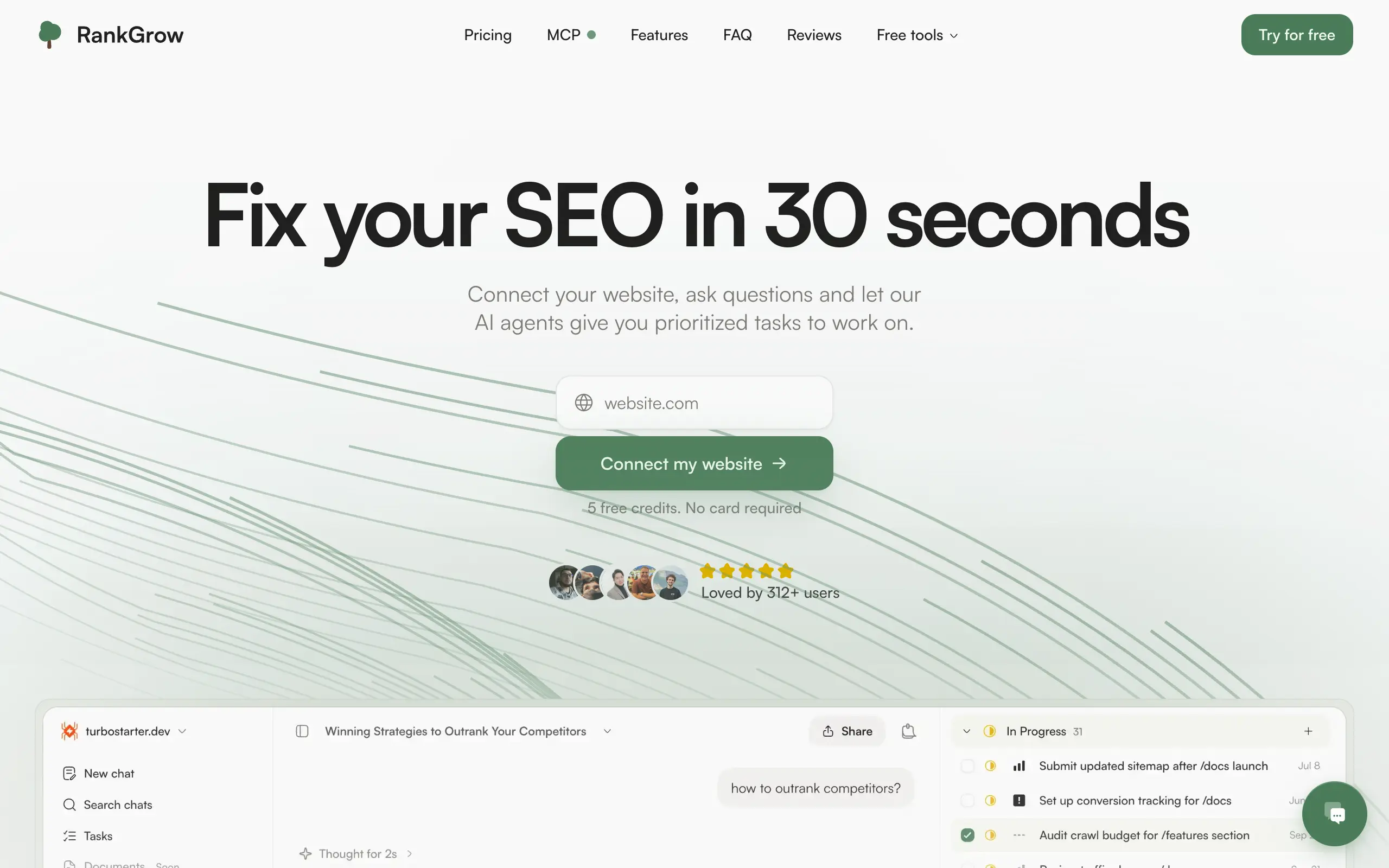
RankGrow
Fix your SEO with AI agents - connect Search Console, get prioritized tasks, and grow organic traffic 📈
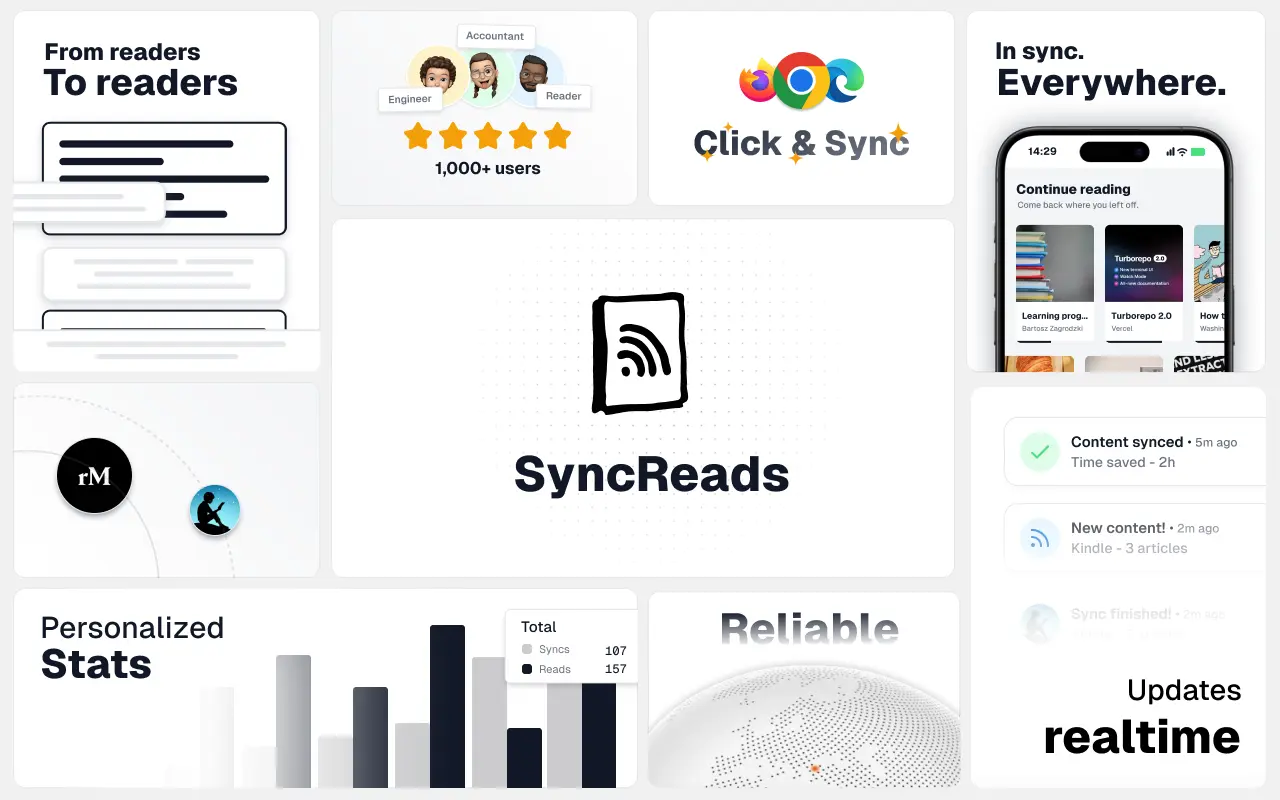
SyncReads
Sync your favorite content for distraction-free reading, save time and replace multiple apps. Anytime, anywhere 🔄
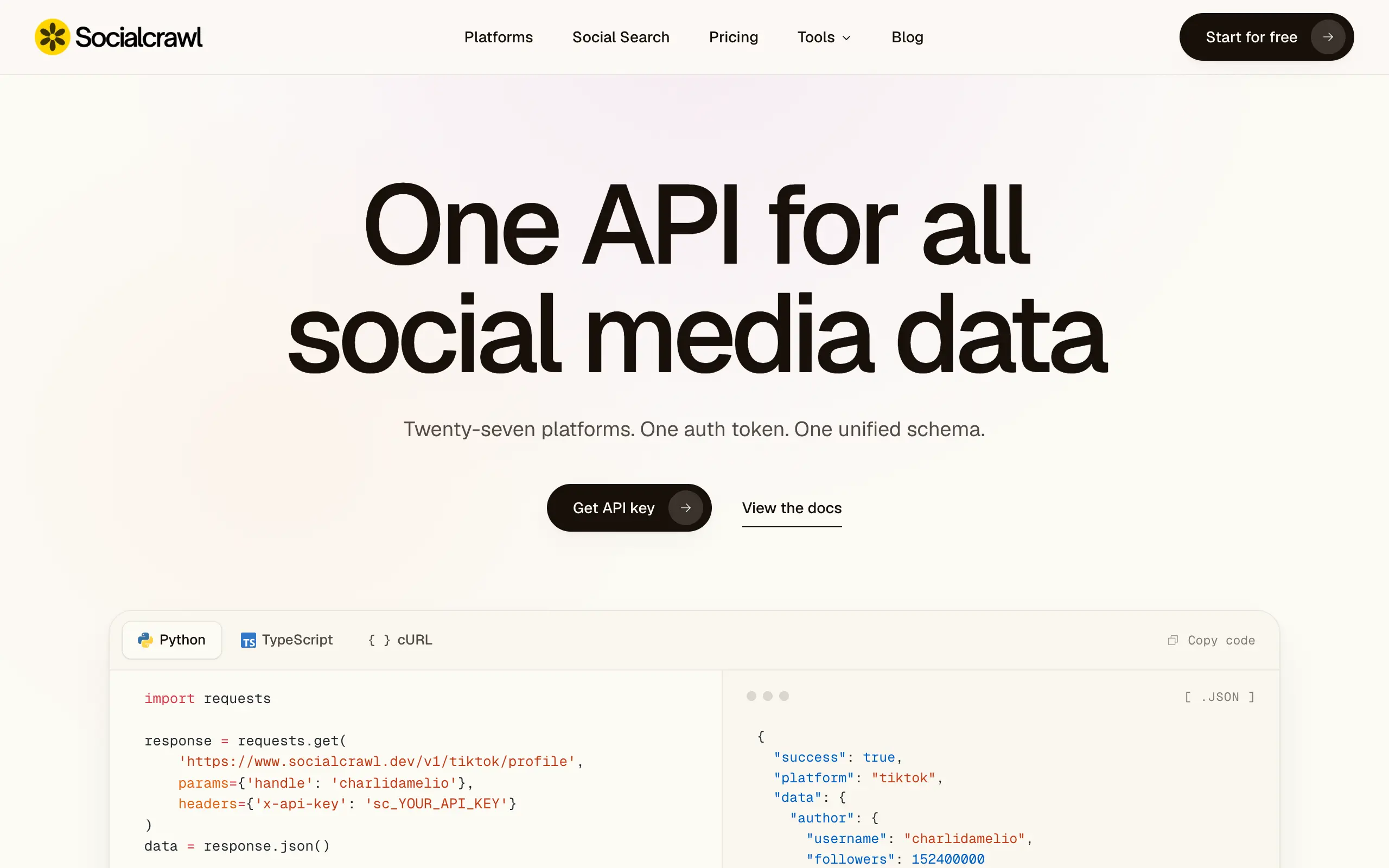
Socialcrawl
Get clean, structured data from 21 platforms like TikTok, Instagram, and YouTube with a single request 📊
Statiko
Monitor any Telegram channel in real time - track posts, edits, deletions, and growth with AI recaps 📡
Shibui
AI website builder - describe your business, pick a niche template, edit by chatting, and publish instantly ✨
Pro Service
Find verified home service professionals, compare quotes, and pay securely through escrow - built for Brazilians across the US 🏠
RankGrow
Fix your SEO with AI agents - connect Search Console, get prioritized tasks, and grow organic traffic 📈
SyncReads
Sync your favorite content for distraction-free reading, save time and replace multiple apps. Anytime, anywhere 🔄
Socialcrawl
Get clean, structured data from 21 platforms like TikTok, Instagram, and YouTube with a single request 📊
Statiko
Monitor any Telegram channel in real time - track posts, edits, deletions, and growth with AI recaps 📡
Shibui
AI website builder - describe your business, pick a niche template, edit by chatting, and publish instantly ✨
Pro Service
Find verified home service professionals, compare quotes, and pay securely through escrow - built for Brazilians across the US 🏠
RankGrow
Fix your SEO with AI agents - connect Search Console, get prioritized tasks, and grow organic traffic 📈
SyncReads
Sync your favorite content for distraction-free reading, save time and replace multiple apps. Anytime, anywhere 🔄
Socialcrawl
Get clean, structured data from 21 platforms like TikTok, Instagram, and YouTube with a single request 📊
Statiko
Monitor any Telegram channel in real time - track posts, edits, deletions, and growth with AI recaps 📡
Shibui
AI website builder - describe your business, pick a niche template, edit by chatting, and publish instantly ✨
Pro Service
Find verified home service professionals, compare quotes, and pay securely through escrow - built for Brazilians across the US 🏠
RankGrow
Fix your SEO with AI agents - connect Search Console, get prioritized tasks, and grow organic traffic 📈
SyncReads
Sync your favorite content for distraction-free reading, save time and replace multiple apps. Anytime, anywhere 🔄
Socialcrawl
Get clean, structured data from 21 platforms like TikTok, Instagram, and YouTube with a single request 📊
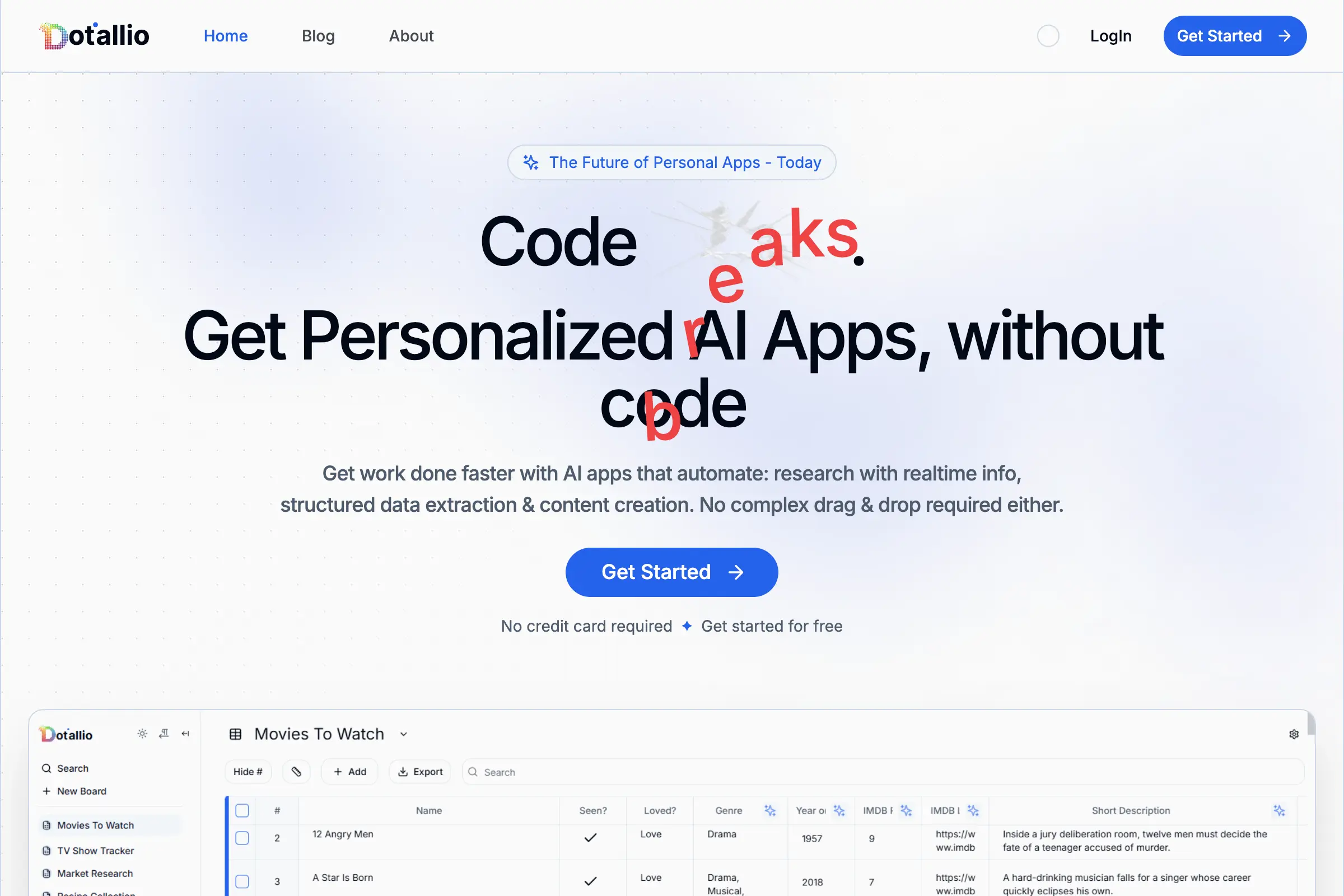
Dotallio
Personalized AI apps that automate research, data extraction, and content creation without code 🤖

Talk to Santa
Enjoy a magical live video chat or receive a unique AI-generated video greeting from Santa Claus 🎅

pozywka.pl
Scalable blog for food journalist, focused on performance and user experience 🌭
zagrodzki.me
Personal blog and portfolio of Bart Zagrodzki, where he shares his knowledge and work 💼
TurboStarter
Ship your startup everywhere. In minutes.
HTML to Markdown
Convert HTML to Markdown with ease, directly in your browser 📄
Dotallio
Personalized AI apps that automate research, data extraction, and content creation without code 🤖
Talk to Santa
Enjoy a magical live video chat or receive a unique AI-generated video greeting from Santa Claus 🎅
pozywka.pl
Scalable blog for food journalist, focused on performance and user experience 🌭
zagrodzki.me
Personal blog and portfolio of Bart Zagrodzki, where he shares his knowledge and work 💼
TurboStarter
Ship your startup everywhere. In minutes.
HTML to Markdown
Convert HTML to Markdown with ease, directly in your browser 📄
Dotallio
Personalized AI apps that automate research, data extraction, and content creation without code 🤖
Talk to Santa
Enjoy a magical live video chat or receive a unique AI-generated video greeting from Santa Claus 🎅
pozywka.pl
Scalable blog for food journalist, focused on performance and user experience 🌭
zagrodzki.me
Personal blog and portfolio of Bart Zagrodzki, where he shares his knowledge and work 💼
TurboStarter
Ship your startup everywhere. In minutes.
HTML to Markdown
Convert HTML to Markdown with ease, directly in your browser 📄
Dotallio
Personalized AI apps that automate research, data extraction, and content creation without code 🤖
Talk to Santa
Enjoy a magical live video chat or receive a unique AI-generated video greeting from Santa Claus 🎅
pozywka.pl
Scalable blog for food journalist, focused on performance and user experience 🌭
zagrodzki.me
Personal blog and portfolio of Bart Zagrodzki, where he shares his knowledge and work 💼
TurboStarter
Ship your startup everywhere. In minutes.
HTML to Markdown
Convert HTML to Markdown with ease, directly in your browser 📄
Omichat
Chat with 50+ AI models, including ChatGPT and Claude, in one place - switch models anytime without losing context 🤖
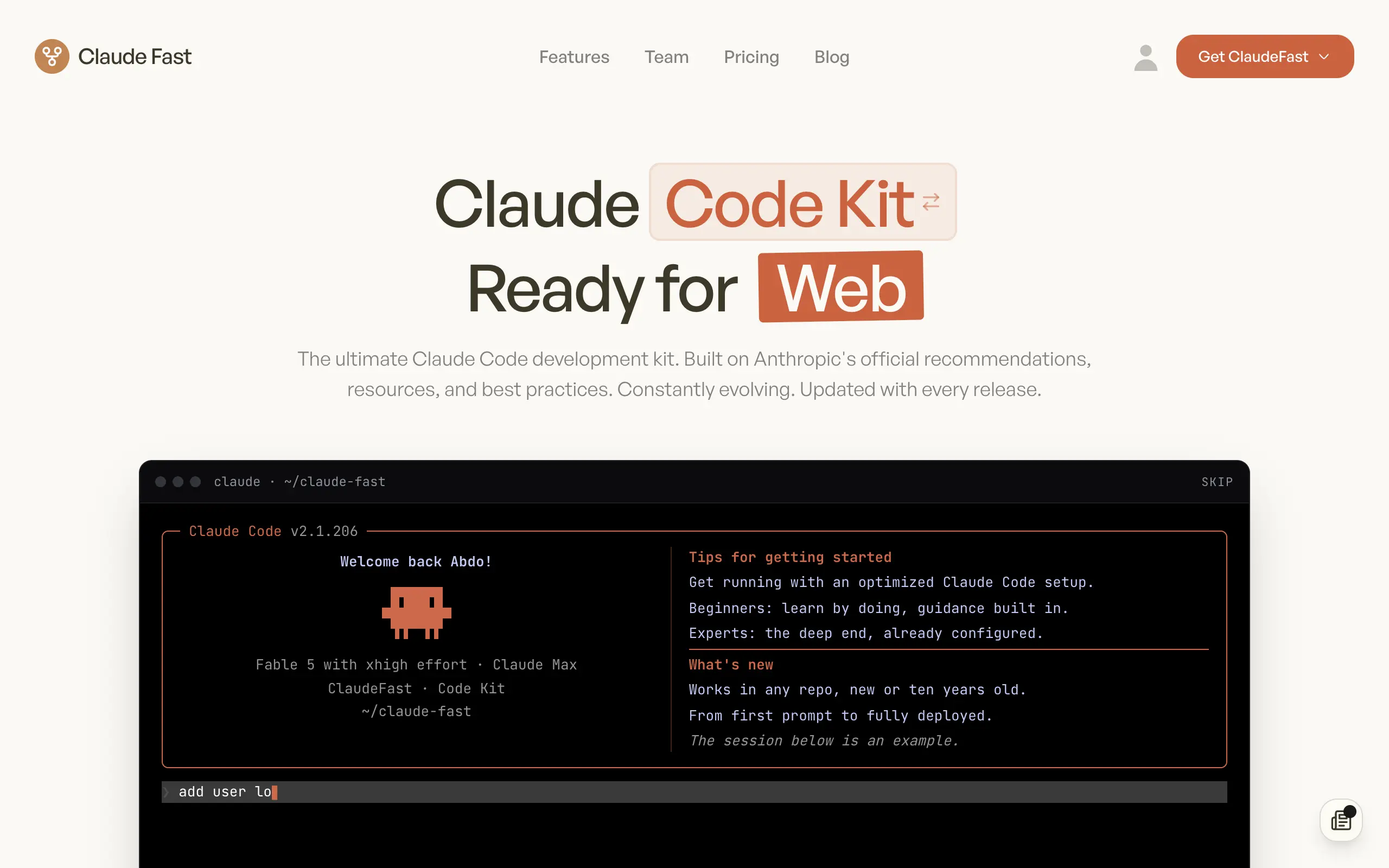
Claude Fast
Supercharge your Claude Code with 6x effective context window and specialized AI agents 🤖
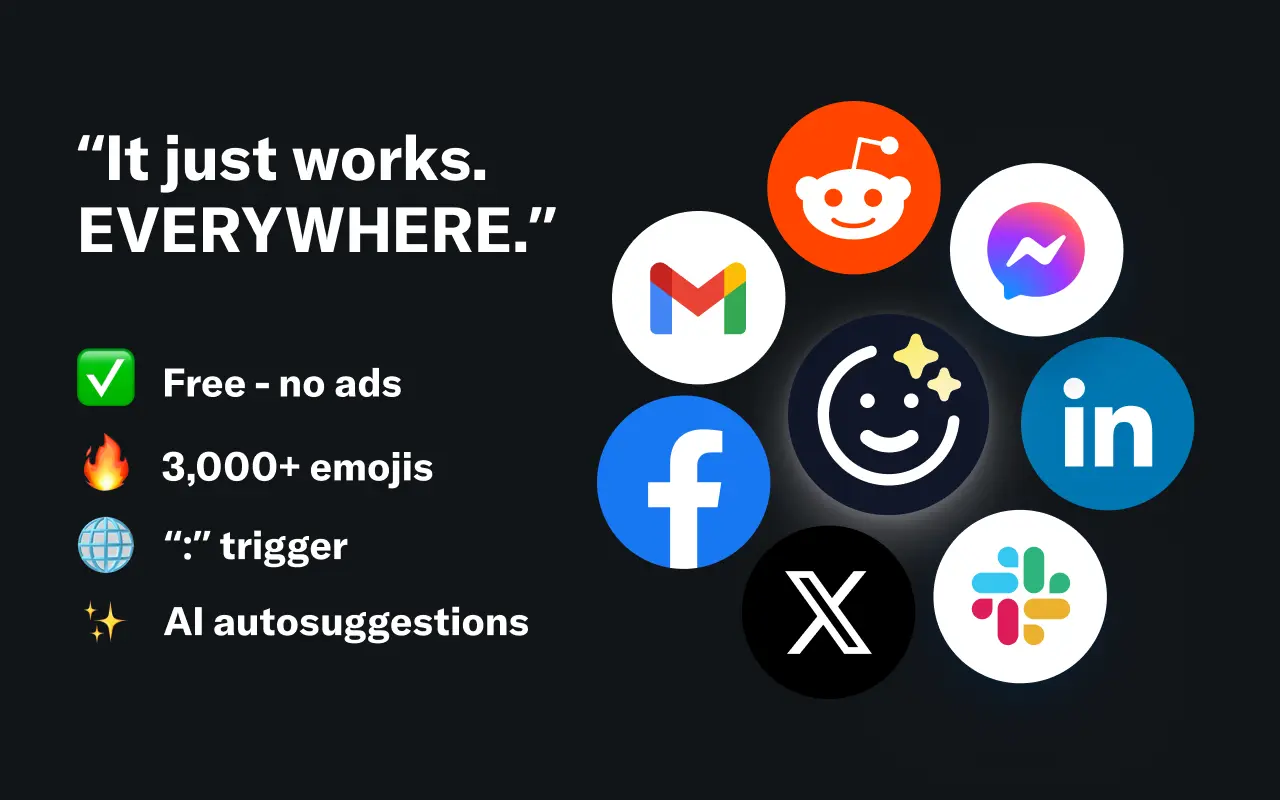
EmojAI
AI-powered emoji picker with smart, context-aware suggestions 🤖
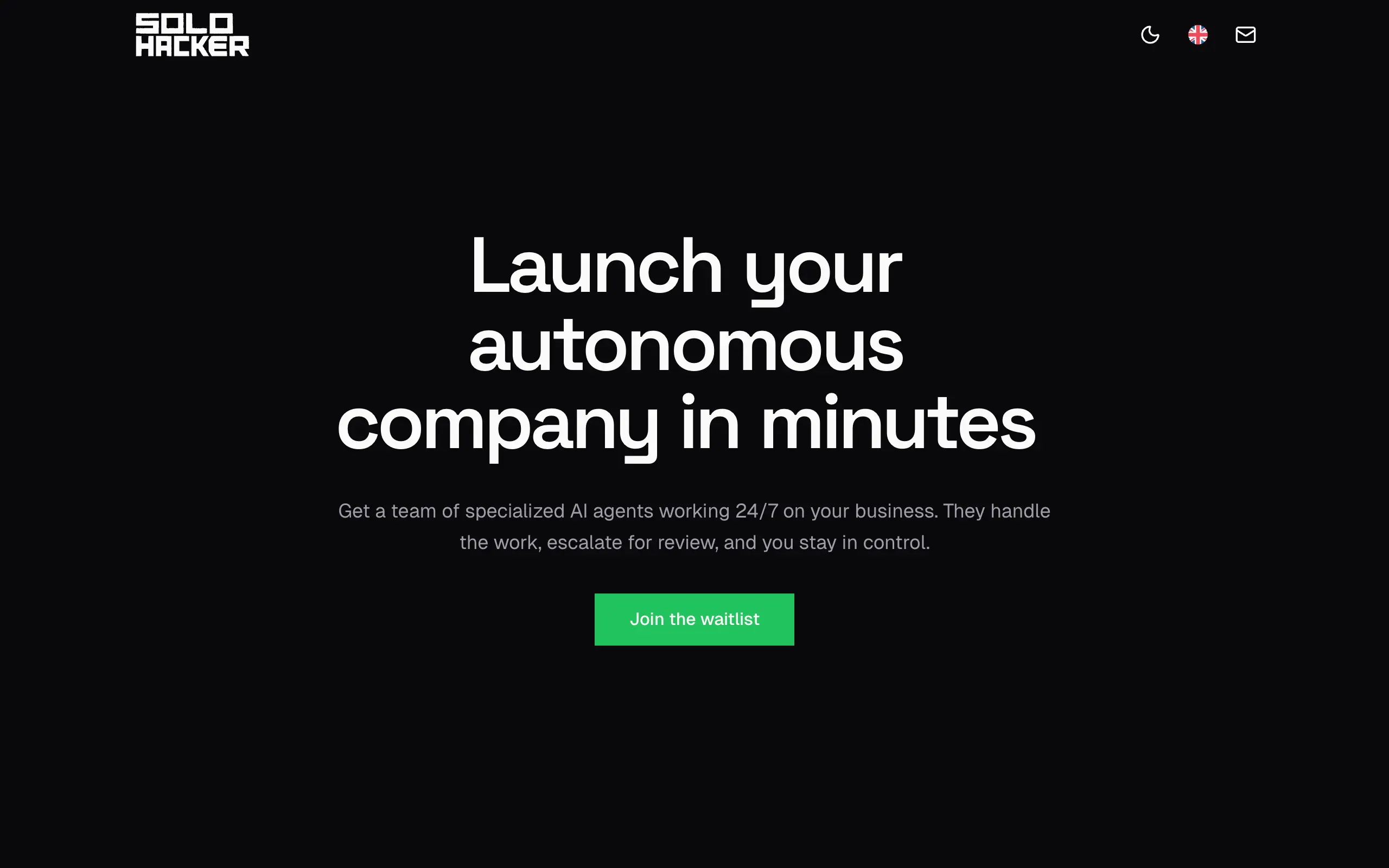
Solohacker
Autonomous company launcher - AI agents work 24/7, escalate what matters, and you stay in control 🤖
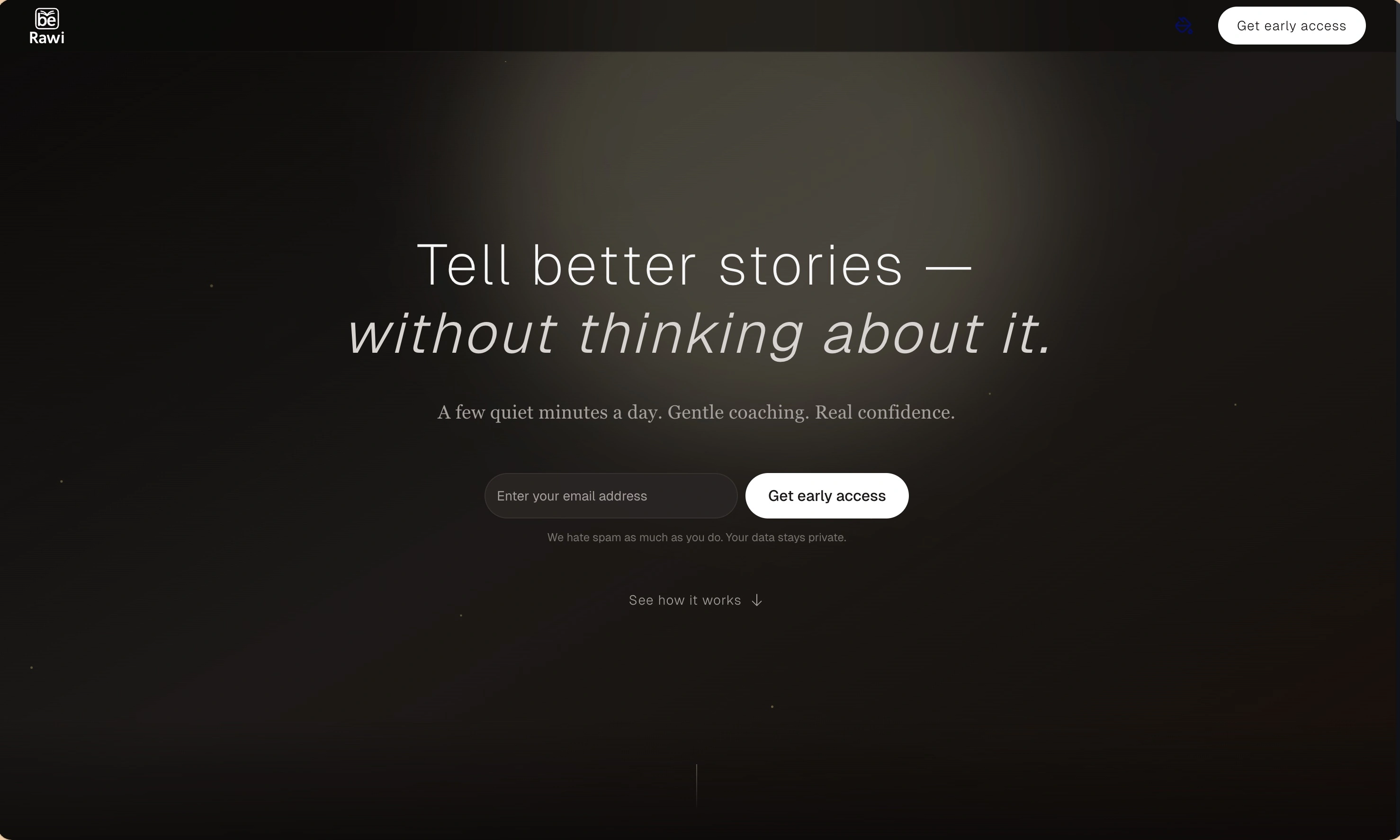
BeRawi: Storytelling Coach
Practice storytelling daily with instant feedback to sound clearer, more engaging, and confident 🎤
Omichat
Chat with 50+ AI models, including ChatGPT and Claude, in one place - switch models anytime without losing context 🤖
Claude Fast
Supercharge your Claude Code with 6x effective context window and specialized AI agents 🤖
EmojAI
AI-powered emoji picker with smart, context-aware suggestions 🤖
Solohacker
Autonomous company launcher - AI agents work 24/7, escalate what matters, and you stay in control 🤖
BeRawi: Storytelling Coach
Practice storytelling daily with instant feedback to sound clearer, more engaging, and confident 🎤
Omichat
Chat with 50+ AI models, including ChatGPT and Claude, in one place - switch models anytime without losing context 🤖
Claude Fast
Supercharge your Claude Code with 6x effective context window and specialized AI agents 🤖
EmojAI
AI-powered emoji picker with smart, context-aware suggestions 🤖
Solohacker
Autonomous company launcher - AI agents work 24/7, escalate what matters, and you stay in control 🤖
BeRawi: Storytelling Coach
Practice storytelling daily with instant feedback to sound clearer, more engaging, and confident 🎤
Omichat
Chat with 50+ AI models, including ChatGPT and Claude, in one place - switch models anytime without losing context 🤖
Claude Fast
Supercharge your Claude Code with 6x effective context window and specialized AI agents 🤖
EmojAI
AI-powered emoji picker with smart, context-aware suggestions 🤖
Solohacker
Autonomous company launcher - AI agents work 24/7, escalate what matters, and you stay in control 🤖
BeRawi: Storytelling Coach
Practice storytelling daily with instant feedback to sound clearer, more engaging, and confident 🎤

Connect with like-minded people
Join our community to get feedback, support, and grow together with 1,000+ builders on board, let's ship it!
Join usShip your startup everywhere. In minutes.
Don't burn tokens on setup and start building features on day one.