SpecSentry
Turn scattered API docs, changelogs, and GitHub issues into continuously tested integration contracts before breaking changes hit production.
Why AI API contract testing is becoming essential
API integrations rarely fail because a team ignored documentation entirely. They fail because the truth is distributed across too many places:
- OpenAPI files that are updated after code ships
- Changelogs with vague notes such as “improved response handling”
- GitHub issues that reveal edge cases absent from the docs
- SDK releases that change behavior without a matching schema update
- Support tickets that expose real production assumptions
- Internal integration code that quietly depends on undocumented fields
For teams building on third-party APIs, the risk is not just a breaking endpoint removal. A subtle change in enum values, pagination behavior, default parameters, authentication scopes, or webhook payloads can cause downstream failures that are hard to detect before release.
SpecSentry is an AI API contract testing platform designed to turn scattered integration knowledge into continuously validated contracts. Instead of treating API docs as static reference material, it monitors docs, changelogs, repositories, issues, and observed API behavior to identify potential changes and test whether they break the assumptions an integration relies on.
The core opportunity is simple. Most API monitoring tools tell teams whether an endpoint is currently available. Most schema validation tools tell teams whether a payload matches a known specification. SpecSentry focuses on the gap between those two approaches: detecting, understanding, and testing evolving API integration contracts before a breaking change reaches production.
This guide explains the market opportunity, target users, product strategy, technical architecture, pricing models, risks, and implementation path for an AI-powered API contract testing SaaS.
Primary SEO focus
This article targets the search intent behind terms such as AI API contract testing, API integration monitoring, breaking change detection, OpenAPI testing, API change management, and third-party API reliability.
The API integration contract testing problem
An integration contract is larger than an OpenAPI schema.
A formal API specification may define request paths, HTTP methods, parameters, response fields, and data types. In practice, an integration also depends on behavioral expectations that may never appear in the specification. For example, an application may rely on a payment provider’s event ordering, an email platform’s rate-limit behavior, a CRM’s pagination token lifetime, or a shipping API’s interpretation of an optional field.
These assumptions are contracts, whether or not they are documented.
What traditional API monitoring misses
Conventional API monitoring usually checks uptime, latency, status codes, and basic response assertions. That is useful, but it cannot reliably answer questions such as:
- Did the provider remove a response field our workflow needs?
- Did a field remain present but change semantic meaning?
- Did a new API version alter default filtering behavior?
- Does a changelog entry affect the endpoints we actually call?
- Is a recently closed GitHub issue evidence of an undocumented platform change?
- Are our test fixtures still representative of production behavior?
- Which customer workflows would fail if this endpoint changes?
An endpoint can return 200 OK while still breaking an integration. A status-only monitor will report success. Users will report that records no longer sync, checkout events are malformed, or automation rules stopped firing.
Why manual API change management does not scale
Engineering teams often manage external API changes through a mixture of release-note subscriptions, calendar reminders, Slack alerts, dependency update bots, and institutional memory. This process becomes fragile as the number of vendors grows.
A SaaS company using ten external platforms may need to track:
- Identity and authentication providers
- Payment processors
- CRM systems
- Messaging platforms
- Cloud infrastructure APIs
- Data enrichment tools
- Analytics services
- AI model providers
- Storage services
- Partner APIs
Each vendor communicates changes differently. Some publish clean versioned documentation. Others use blog posts, GitHub releases, community forums, or issue trackers. Some announce deprecations months in advance. Others change response behavior with limited notice.
The result is a recurring operational cost: engineers spend time discovering and interpreting changes rather than building product value.
The market opportunity for SpecSentry
The API economy continues to expand because modern software is assembled from services. A single workflow may involve identity, billing, notifications, storage, analytics, AI inference, and customer data platforms. This composability creates leverage, but it also creates dependency risk.
SpecSentry addresses a growing category at the intersection of:
- API contract testing
- API observability
- Developer productivity
- Third-party dependency management
- Change intelligence
- AI-assisted software quality assurance
The strongest initial market is not every developer who consumes an API. It is teams for whom an integration outage has a measurable business cost.
The most valuable market gap
There is a meaningful gap between existing product categories.
| Approach | Checks uptime | Tracks docs | Tests real assumptions | Explains impact | Prioritizes breaking risk |
|---|---|---|---|---|---|
| Basic API monitoring | ✅ | ❌ | Limited | ❌ | ❌ |
| Schema diff tools | ❌ | ✅ | Partial | Limited | Partial |
| Manual release-note review | ❌ | Partial | Partial | Human dependent | Human dependent |
| SpecSentry | ✅ | ✅ | ✅ | ✅ | ✅ |
The key differentiation is that SpecSentry should not simply announce that a documentation page changed. It should determine whether that change matters to a specific integration, create or update a contract test, execute the test safely, and explain the result in engineering terms.
Why AI is useful in this category
AI is valuable here because the input is largely unstructured and inconsistent. API providers communicate changes through prose, markdown, release notes, commit messages, issue comments, and partial examples. Traditional rule engines struggle to normalize these sources without significant setup.
A carefully designed AI layer can help:
- Extract endpoint, parameter, payload, and version references from text
- Classify whether a change is potentially breaking
- Compare narrative release notes with existing API contracts
- Connect an announced change to a customer’s known API usage
- Draft human-readable test assertions
- Produce concise impact summaries for engineering and product teams
- Recommend remediation steps with evidence links and confidence scores
The AI should augment deterministic validation rather than replace it. A language model can infer likely risk, but actual contract verdicts should be grounded in parsed specifications, recorded traffic patterns, explicit assertions, and controlled test results.
Target audience for an AI API contract testing platform
SpecSentry should focus on users who feel the cost of integration breakage directly. A broad “for developers” message is too generic. The best go-to-market strategy starts with specific high-pain segments.
B2B SaaS engineering teams
Teams maintaining customer-facing integrations with CRMs, billing tools, communication platforms, and productivity suites.
Platform and developer experience teams
Teams responsible for reliability standards across a portfolio of external dependencies.
Integration agencies and consultancies
Service providers that maintain many customer integrations and need repeatable change monitoring.
Fintech and regulated software teams
Organizations where payment, identity, compliance, or reporting API changes can create significant operational risk.
Primary persona: the integration engineering lead
The strongest primary persona is an engineering lead responsible for a growing integration surface area.
Their reality often includes:
- A roadmap that depends on multiple external vendors
- A limited team maintaining connectors and sync pipelines
- Unclear ownership for upstream API change tracking
- Frequent support escalation when integrations fail
- Pressure to reduce mean time to detect and resolve failures
- A need to show leadership that integration reliability is controlled
This buyer does not want another noisy alerting product. They want a system that filters irrelevant updates and says, “This provider changed a response contract for an endpoint your sync service calls. Here is the affected workflow, the failing assertion, the evidence, and the likely fix.”
Secondary persona: the developer building a new integration
Developers evaluating an unfamiliar API have a different need. They want confidence that the provider’s documentation is complete and stable enough to build against.
For this segment, SpecSentry can offer pre-build intelligence:
- API documentation quality signals
- Change frequency by endpoint or version
- Historical breaking-change patterns
- Coverage of specification versus observed behavior
- Known issue trends from public repositories
- A generated starter contract suite
This creates a useful acquisition wedge. A free API reliability report or public provider change feed can attract developers before their organization becomes a paid monitoring customer.
Jobs to be done
The product should be designed around concrete jobs, not abstract feature categories.
- “Help me discover whether an upstream API change affects my product.”
- “Help me prove that our critical external integrations still satisfy expected behavior.”
- “Help me avoid reading every changelog and issue tracker manually.”
- “Help me triage integration incidents faster with evidence.”
- “Help me turn undocumented assumptions into maintainable tests.”
- “Help me communicate dependency risk to non-engineering stakeholders.”
SpecSentry’s unique value proposition
SpecSentry’s USP is continuous integration contract intelligence.
Instead of asking users to maintain every contract manually, the product continuously gathers change signals, maps them to actual dependencies, and validates the assumptions that matter to each customer.
A strong positioning statement could be:
SpecSentry turns API docs, changelogs, GitHub issues, and live behavior into continuously tested integration contracts, so teams find breaking upstream changes before their customers do.
This differs from generic API testing in several important ways.
SpecSentry should be evidence-first
An alert should never be a vague AI conclusion. Each finding should show:
- The source material that triggered the analysis
- The affected provider, endpoint, API version, or SDK
- The detected change or suspected behavior shift
- The customer-owned integration that may be affected
- The contract assertion that confirms or rejects the risk
- A confidence score and rationale
- Recommended next actions
This evidence-first workflow builds trust. Engineers are understandably skeptical of black-box alerts, especially when a tool claims that a third-party dependency may break production.
SpecSentry should be integration-aware
The product’s advantage grows when it understands what the customer actually uses.
A generic OpenAPI diff can say that a field was deprecated. SpecSentry should say whether that field appears in the customer’s codebase, recorded traffic, saved contract, SDK usage, or workflow configuration.
This prioritization prevents alert fatigue. It also makes the product more defensible because the value is derived from the customer’s dependency graph, not just public data collection.
SpecSentry should combine passive and active verification
Passive monitoring includes collecting public change signals from documentation, releases, changelogs, and issue trackers.
Active verification includes executing safe tests against sandbox environments, staging tenants, mock servers, or controlled production probes.
Both are needed:
- Passive intelligence catches announced changes early.
- Active checks validate whether a change truly affects the integration.
- Historical snapshots help teams investigate when behavior changed.
- Human review gates prevent unsafe or low-confidence test generation.
Core features for SpecSentry
The MVP should solve one painful workflow end to end. Avoid launching with a broad “AI developer platform” narrative. The first usable version should let a team connect a provider, define or discover contracts, receive relevant change alerts, and see test evidence.
Source ingestion and change tracking
SpecSentry needs a source registry for each monitored provider. A provider record can include:
- Documentation URLs
- OpenAPI or JSON Schema files
- Changelog and release-note pages
- GitHub repositories and issue labels
- SDK repositories or package release feeds
- Status pages
- Customer-provided internal documentation
- Optional webhook payload examples
The ingestion system should take snapshots, normalize content, and calculate meaningful diffs. A raw HTML diff is not enough. The system should identify semantic changes, such as a parameter becoming required, an enum losing a value, or a version becoming deprecated.
Contract discovery
Contract discovery is where AI adds immediate value. Users should be able to create a contract from several inputs:
- An imported OpenAPI specification
- A captured request and response pair
- An SDK method or code snippet
- An existing Postman collection
- A plain-language description of an expected workflow
- A linked documentation page
- An observed production event with sensitive values redacted
For example, a user could submit, “Our invoice sync needs customer_email, status, and next_payment_attempt whenever we retrieve an invoice.” SpecSentry can generate a proposed contract, but it should clearly ask for review before activating it.
Deterministic contract test engine
The contract engine must be deterministic and inspectable. Core assertions should include:
- Expected HTTP status range
- Required response fields
- Field data types
- Enum membership
- Nullable and optional field behavior
- Request validation
- Pagination behavior
- Error response structure
- Authentication and authorization expectations
- Rate-limit headers
- Idempotency behavior
- Webhook signature and payload checks
- Backward compatibility checks across API versions
A useful contract model separates schema assertions from behavioral assertions. Schema checks answer whether a field exists and has the right type. Behavioral checks answer whether filtering, sorting, retry behavior, event delivery, or state transitions still behave as expected.
AI change impact analysis
The AI analysis layer should take a source change and connect it to customer risk.
A good impact report includes:
- What changed in plain language
- Why it may matter to the customer’s contract
- Which services, repositories, or workflows are associated with it
- What SpecSentry tested
- Whether the contract passed, failed, or needs review
- What to do next
The model should not be allowed to claim verified breakage without a deterministic test failure. Use language tiers such as “observed,” “verified,” “likely,” and “requires review.”
Team workflows and alert routing
Alerts should fit into existing engineering operations. Initial integrations should prioritize:
- Slack
- GitHub Issues
- GitHub pull request comments
- Jira, when the product reaches larger teams
- Webhooks for custom incident workflows
Every alert needs severity controls. A minor documentation wording update should not trigger the same workflow as a verified breaking webhook payload change.
Historical contract timeline
A timeline view can become one of the product’s most useful features. It should show:
- Source snapshots and semantic diffs
- Provider version changes
- Contract test history
- First observed failure time
- Remediation status
- Ownership and incident notes
- Links to related issues or pull requests
This transforms a frustrating investigation from “something changed recently” into a traceable record of dependency evolution.
Recommended technical architecture and trade-offs
SpecSentry is best built as a multi-tenant SaaS with a reliable ingestion pipeline, a deterministic test engine, an AI analysis service, and a developer-friendly dashboard.
A pragmatic architecture should optimize for auditability and incremental delivery rather than premature scale.
Frontend and application layer
For a modern SaaS dashboard, use React with Next.js. Next.js supports a productive full-stack workflow, server rendering where it helps, route handlers, and a mature deployment ecosystem.
Tailwind CSS is a strong choice for rapidly building consistent interfaces. Its utility-first model works well for dashboards with tables, filters, code diffs, timelines, and alert states.
Recommended frontend capabilities include:
- Provider and contract setup flows
- Source connection management
- Diff visualization
- Test result drill-downs
- Alert triage inbox
- Team and role management
- Audit logs
- API key and webhook configuration
Backend and data layer
A TypeScript backend keeps shared types and validation logic close to the application layer. For a fast initial release, use Next.js route handlers or a dedicated Node.js service. As workloads grow, isolate ingestion and test execution into separate workers.
PostgreSQL is a strong primary database choice because SpecSentry needs relational data for organizations, users, providers, contracts, jobs, alert states, and audit trails. Its JSON capabilities are also useful for storing normalized schema fragments and test metadata.
Use Prisma or a comparable type-safe ORM when speed of delivery matters. For data models with highly complex query patterns, direct SQL can be introduced selectively.
Background jobs and scheduling
Ingestion, crawling, semantic diffing, test execution, embeddings, and alert delivery are asynchronous workloads. They should not run inside user-facing request handlers.
A queue-based design is essential:
- A scheduler creates source-check jobs.
- Workers fetch and snapshot sources.
- Parsers normalize source formats.
- Diff workers calculate structural and semantic changes.
- AI workers classify and summarize changes.
- Test workers run relevant contracts.
- Notification workers route only actionable alerts.
For early-stage deployments, a managed queue or Redis-backed job system can reduce operational burden. The trade-off is vendor dependency and potential throughput limits. For enterprise scale, a durable workflow engine may be worth the added complexity.
AI model and retrieval design
The AI layer should use retrieval-augmented generation rather than relying on general model knowledge. Relevant sources should be retrieved from the customer’s monitored provider data and contracts before analysis.
Store document chunks, embeddings, metadata, and source provenance. Every generated summary should retain links to the underlying snapshot and extracted evidence.
Important guardrails include:
- Do not send secrets, raw credentials, or unnecessary production payloads to model providers.
- Redact personally identifiable information before embedding or prompting.
- Keep source provenance for every claim.
- Require structured output with confidence values.
- Use deterministic rules for severity escalation.
- Allow customers to disable AI processing for selected sources.
Contract definition example
A customer-facing contract format should be simple enough to review in a pull request. YAML is approachable, though JSON may be easier for programmatic generation and validation.
provider: billing-platform
contract: invoice-retrieval
endpoint:
  method: GET
  path: /v1/invoices/{invoice_id}
expectations:
  status:
    equals: 200
  response:
    requiredFields:
      - id
      - customer_email
      - status
      - next_payment_attempt
    fieldTypes:
      id: string
      customer_email: string
      status: string
  behavior:
    allowedStatusValues:
      - draft
      - open
      - paid
      - void
The product should preserve the distinction between an AI-generated draft and a user-approved contract. Approved contracts become durable, versioned customer assets.
Secure execution model
Security is a product requirement, not a later enterprise add-on. Contract tests may need API credentials, and those credentials can provide access to sensitive business data.
Recommended practices include:
- Encrypt credentials at rest with envelope encryption.
- Store secrets in a dedicated secrets manager.
- Use short-lived tokens where providers support them.
- Allow least-privilege credential scopes.
- Redact sensitive headers and bodies from logs.
- Provide customer-managed test environments where possible.
- Support IP allowlisting for enterprise customers.
- Keep immutable audit logs for credential access and test runs.
- Offer data residency and retention controls as the product matures.
Do not test production recklessly
Active API verification should default to read-only endpoints, sandbox tenants, synthetic resources, and customer-approved request templates. Write operations require explicit safeguards, idempotency keys, cleanup logic, and approval controls.
How SpecSentry can monetize
The most effective pricing model combines a self-serve entry point with usage-based expansion. Value increases with the number of providers, contracts, source checks, test runs, and team workflows.
Recommended pricing structure
A tiered subscription model can align well with buyer maturity.
- Free developer plan offers one or two monitored providers, limited source snapshots, basic change alerts, and public or sandbox testing.
- Starter plan serves small SaaS teams that need several providers, scheduled contract runs, Slack alerts, and longer history.
- Growth plan adds more contracts, repository mapping, advanced alert rules, CI integration, team roles, and higher test frequency.
- Enterprise plan provides SSO, SCIM, audit exports, dedicated environments, custom retention, private networking, support commitments, and procurement-friendly controls.
Usage dimensions should be clear and predictable:
- Number of monitored providers
- Number of active contracts
- Number of scheduled test runs
- Number of connected code repositories
- History retention duration
- AI analysis volume
- Team seats, if seat-based pricing suits the target customer
Avoid pricing solely by API calls. The product’s value is risk reduction and engineering time saved, not raw request volume.
High-value expansion revenue
Enterprise customers may pay for services and add-ons that deepen product adoption:
- Custom provider connectors
- Private documentation ingestion
- Migration support for a critical API version
- Contract coverage assessments
- Managed monitoring for high-risk vendor ecosystems
- Compliance and security review support
- Custom alert routing and incident workflows
A “dependency risk review” can also become a strong sales-assisted offer. It gives prospects a concrete assessment of their top upstream API dependencies and naturally demonstrates the need for ongoing monitoring.
Competitive advantage analysis
The API tooling market is crowded, so SpecSentry needs a focused moat.
Advantage one: source-to-test automation
Most tools begin with a specification or a manually authored test. SpecSentry begins with the reality that API knowledge is fragmented. Its advantage comes from converting scattered external signals into proposed and validated contracts.
That workflow is difficult to replicate with a simple test runner or docs crawler because it requires:
- Source ingestion and change normalization
- Provider-specific semantic understanding
- Customer usage mapping
- Contract generation
- Safe test execution
- Evidence-based alerting
Advantage two: customer-specific relevance
A public changelog tracker can tell everyone that a vendor changed something. SpecSentry should tell each customer whether the change affects their stack.
The more customer-approved contracts, code mappings, historical test outcomes, and workflow ownership data the platform has, the more relevant and defensible its recommendations become.
Advantage three: trust through verifiable outputs
AI products often struggle with trust when outputs appear authoritative but lack evidence. SpecSentry can stand out by making every alert reviewable.
A well-designed finding should let an engineer inspect the source diff, the generated interpretation, the exact contract assertion, the test request metadata, and the response comparison. This creates a strong human-in-the-loop experience rather than an opaque automation layer.
Advantage four: provider intelligence network
Over time, SpecSentry can develop anonymized provider-level intelligence. For example, it may identify that an API’s documentation changes frequently, that a particular version is approaching deprecation, or that public issue activity suggests unstable behavior.
This must be handled carefully with privacy boundaries. Customer-specific data should never leak. But aggregated, non-sensitive reliability signals can create a valuable public research layer and a scalable content engine.
Risks and mitigation strategies
An AI API contract testing business has meaningful risks. Addressing them early improves product quality and buyer confidence.
Mitigate noise with confidence thresholds, source quality scores, customer-specific usage mapping, severity rules, and feedback controls. An alert should be suppressed when it has no relationship to an active contract or known integration.
Treat AI output as a proposal, not an autonomous source of truth. Require review for newly generated contracts, validate all contract syntax deterministically, and clearly label confidence levels.
Default to sandbox and read-only checks. For write operations, require explicit approval, idempotency handling, synthetic resources, cleanup policies, and run limits.
Prefer official specifications, RSS feeds, GitHub APIs, release APIs, and user-supplied sources. Build adaptable connectors and make source health visible to customers.
Use strong secret isolation, payload redaction, field-level filtering, configurable retention, and clear data processing controls. Build security documentation before enterprise demand forces a rushed response.
Legal and provider relationship considerations
SpecSentry should respect provider terms of service, rate limits, robots directives where applicable, and API usage policies. The product should prioritize official feeds and authenticated customer-authorized access rather than aggressive crawling.
For providers with mature ecosystems, partnership opportunities may emerge. A provider can benefit when its customers are warned about migration requirements before support volume increases. However, the business should not depend on partnerships for core functionality.
Go-to-market strategy for SpecSentry
The best early distribution strategy combines developer-led content, targeted integrations, and a product-led diagnostic.
Start with a narrow provider category
A broad launch supporting every API will create connector maintenance overhead and vague messaging. Start with providers that have:
- Large developer ecosystems
- Frequent product evolution
- Public changelogs or GitHub activity
- High business criticality
- Clear sandbox environments
- Teams that commonly maintain multiple integrations
Good initial categories may include payments, CRM, communication, identity, and AI model APIs. The choice should be informed by customer interviews rather than assumed market size alone.
Create a free integration risk report
A free tool can ask a user to submit a provider documentation URL, OpenAPI file, GitHub repository, or integration code snippet. It can return:
- A documentation completeness assessment
- A summary of recent changes
- Potentially affected endpoints
- Suggested starter contracts
- A change-risk score
- A recommendation to enable continuous monitoring
This tool satisfies early research intent and produces qualified leads. It also creates SEO opportunities around provider-specific pages such as “API changelog monitoring for [provider category]” and “how to detect breaking changes in [API type].”
Build trust with technical content
SpecSentry’s content should be genuinely useful to engineering teams. High-intent article topics include:
- How to detect breaking API changes before production
- API contract testing for third-party integrations
- OpenAPI diffing versus behavioral contract testing
- How to test webhook payload compatibility
- Building resilient integrations against changing APIs
- API version deprecation checklist
- Third-party API dependency risk management
For claims involving market size, outage cost, or developer productivity statistics, cite authoritative research in the published version. Suitable source categories include established analyst firms, cloud provider reliability reports, engineering surveys, and official API governance publications. Avoid unsupported numerical claims in early marketing copy.
A practical MVP implementation roadmap
The MVP should prove one core promise: SpecSentry can identify a relevant upstream change and verify its impact with a contract test.
Phase one: validate the pain, not just the technology
Before investing deeply in crawling infrastructure or model orchestration, validate that customers will pay to avoid integration surprises.
Ask discovery questions such as:
- What was your last third-party API incident?
- How did you discover it?
- How long did it take to identify the upstream cause?
- Which systems were affected?
- Who owns monitoring provider changes today?
- How many providers are business-critical?
- Would a verified pre-production contract failure change your incident process?
- What evidence would you need to trust an automated alert?
The answers will reveal whether the urgent problem is discovery, testing, ownership, incident response, or compliance reporting. The product can then emphasize the highest-value workflow.
Phase two: prioritize reliability over breadth
A small number of excellent provider connectors is better than dozens of fragile ones. Each connector should produce reliable snapshots, meaningful diffs, and traceable evidence.
Focus on quality metrics:
- Percentage of source updates successfully parsed
- False-positive alert rate
- Percentage of alerts linked to active contracts
- Time from upstream change detection to customer notification
- Test execution reliability
- Mean time to triage a verified contract failure
- Customer retention by number of protected integrations
Phase three: add code and runtime awareness
Once source-to-contract monitoring works, deepen the product’s relevance with customer context.
Potential next integrations include:
- GitHub code search for endpoint and SDK usage
- CI checks for contract changes
- OpenTelemetry traces for API dependency mapping
- API gateway logs with privacy-safe normalization
- Incident platforms for automated postmortem context
- Feature flag platforms to identify the release associated with an integration path
This phase can make SpecSentry indispensable because it shifts from monitoring providers in isolation to understanding the complete dependency path.
Building SpecSentry efficiently with a SaaS starter kit
The product contains many standard SaaS requirements in addition to its differentiated contract intelligence engine. These include authentication, teams, billing, dashboards, role management, transactional email, settings, documentation, and subscription logic.
A production-ready SaaS foundation can significantly reduce time spent rebuilding commodity infrastructure. TurboStarter is useful for accelerating the application shell so the team can focus on provider ingestion, contract execution, and evidence-based AI analysis.
The strategic principle is straightforward: buy or bootstrap the undifferentiated SaaS layer, then invest engineering effort in the workflow customers cannot easily replace.
Final recommendation
SpecSentry has a compelling opportunity because it addresses a costly and increasingly common failure mode in modern software: third-party APIs change faster than integration teams can manually track them.
The winning product is not merely an API uptime monitor, OpenAPI diff tool, or AI changelog summarizer. It is a continuously tested integration contract system that connects external change signals to the specific assumptions a customer’s software depends on.
To build a credible and differentiated AI API contract testing platform:
- Start with a narrow, high-risk API category.
- Make every AI conclusion traceable to source evidence.
- Use deterministic tests to verify actual contract failures.
- Prioritize customer-specific relevance over broad change aggregation.
- Build safe credential handling and test execution from day one.
- Create alerts that explain impact, not just change.
- Expand toward code, runtime, and workflow context only after the core monitoring loop is trusted.
If SpecSentry can consistently give engineering teams early, credible warning that an upstream API change will affect a real customer workflow, it becomes more than another developer tool. It becomes a reliability layer for the API-dependent software economy.
More 🤖 AI Startup SaaS ideas
Discover more innovative ai startup SaaS ideas that are trending in 2026. Each idea is AI-generated with market validation and growth potential to help you find your next profitable venture faster than competitors.
Your competitors are building with TurboStarter
Below are some of the SaaS ideas that have been generated and built with our starter kit.
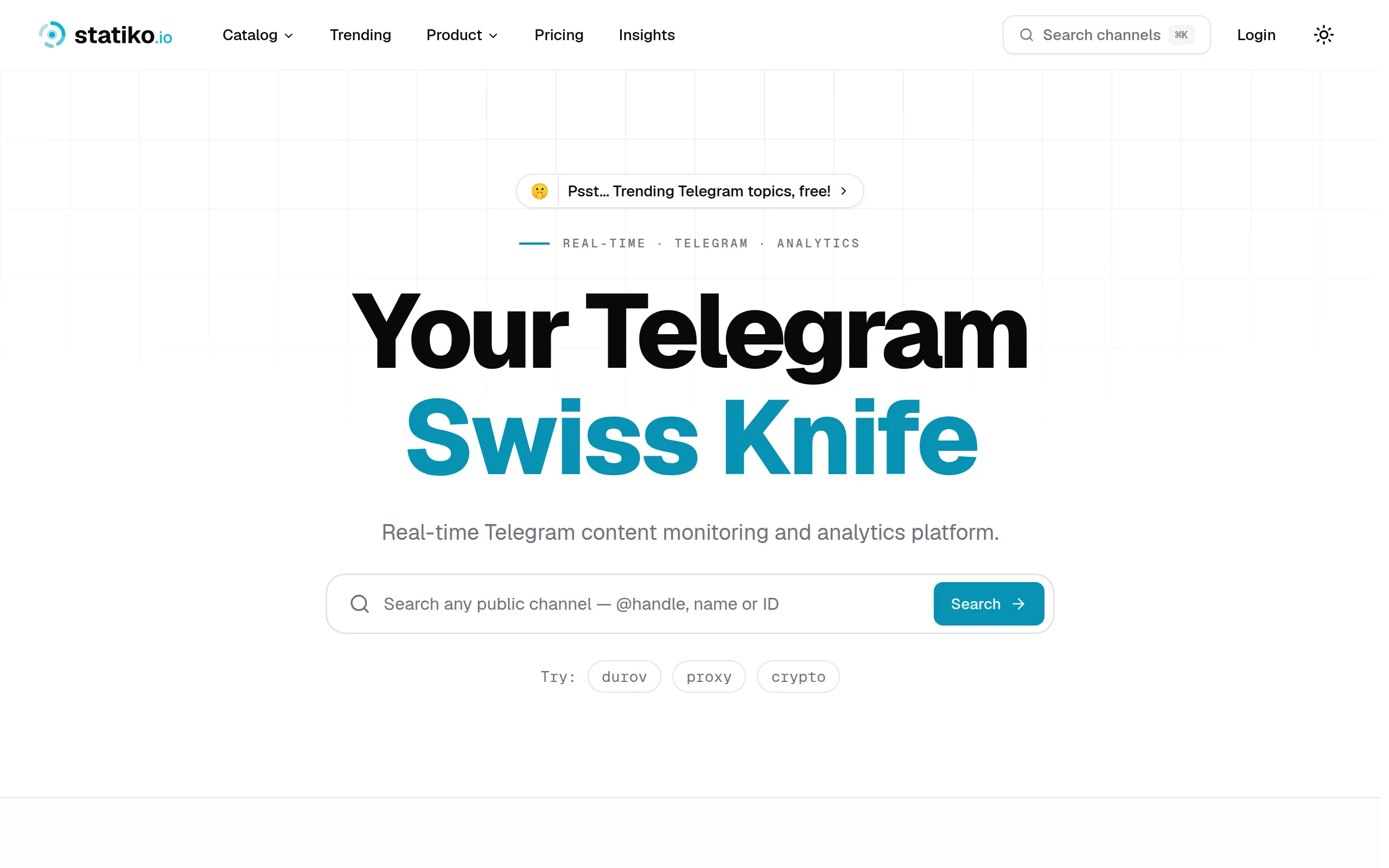
Statiko
Monitor any Telegram channel in real time - track posts, edits, deletions, and growth with AI recaps 📡

Shibui
AI website builder - describe your business, pick a niche template, edit by chatting, and publish instantly ✨

Pro Service
Find verified home service professionals, compare quotes, and pay securely through escrow - built for Brazilians across the US 🏠
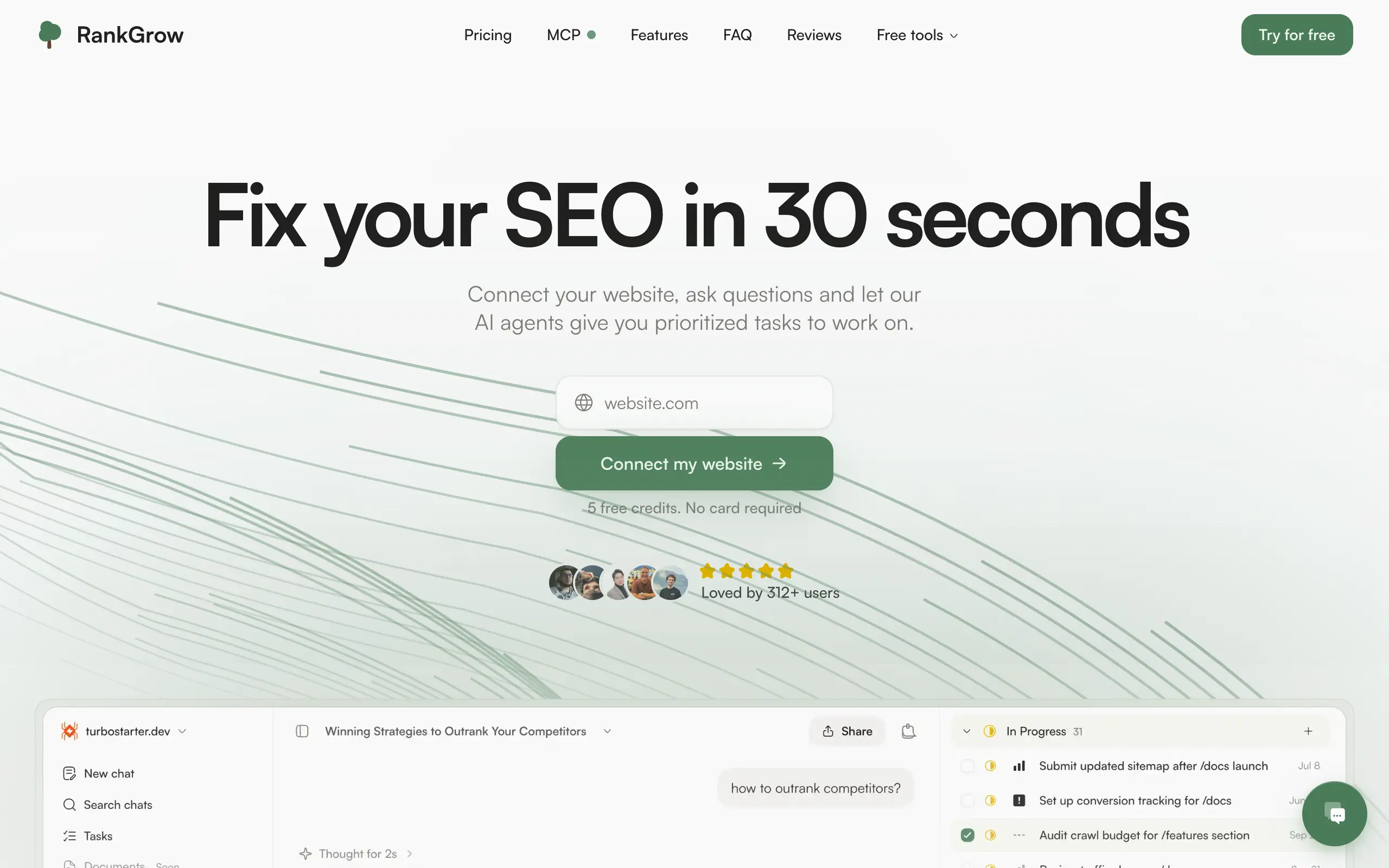
RankGrow
Fix your SEO with AI agents - connect Search Console, get prioritized tasks, and grow organic traffic 📈
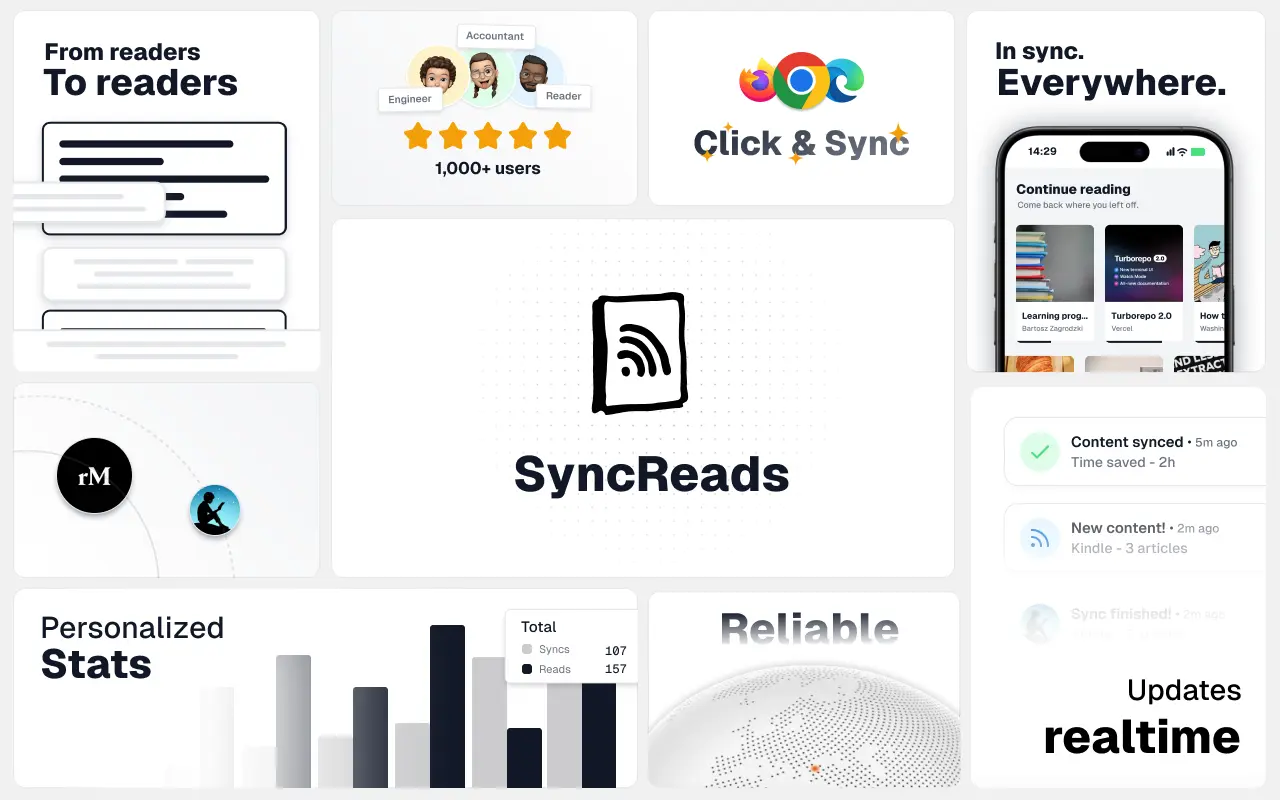
SyncReads
Sync your favorite content for distraction-free reading, save time and replace multiple apps. Anytime, anywhere 🔄
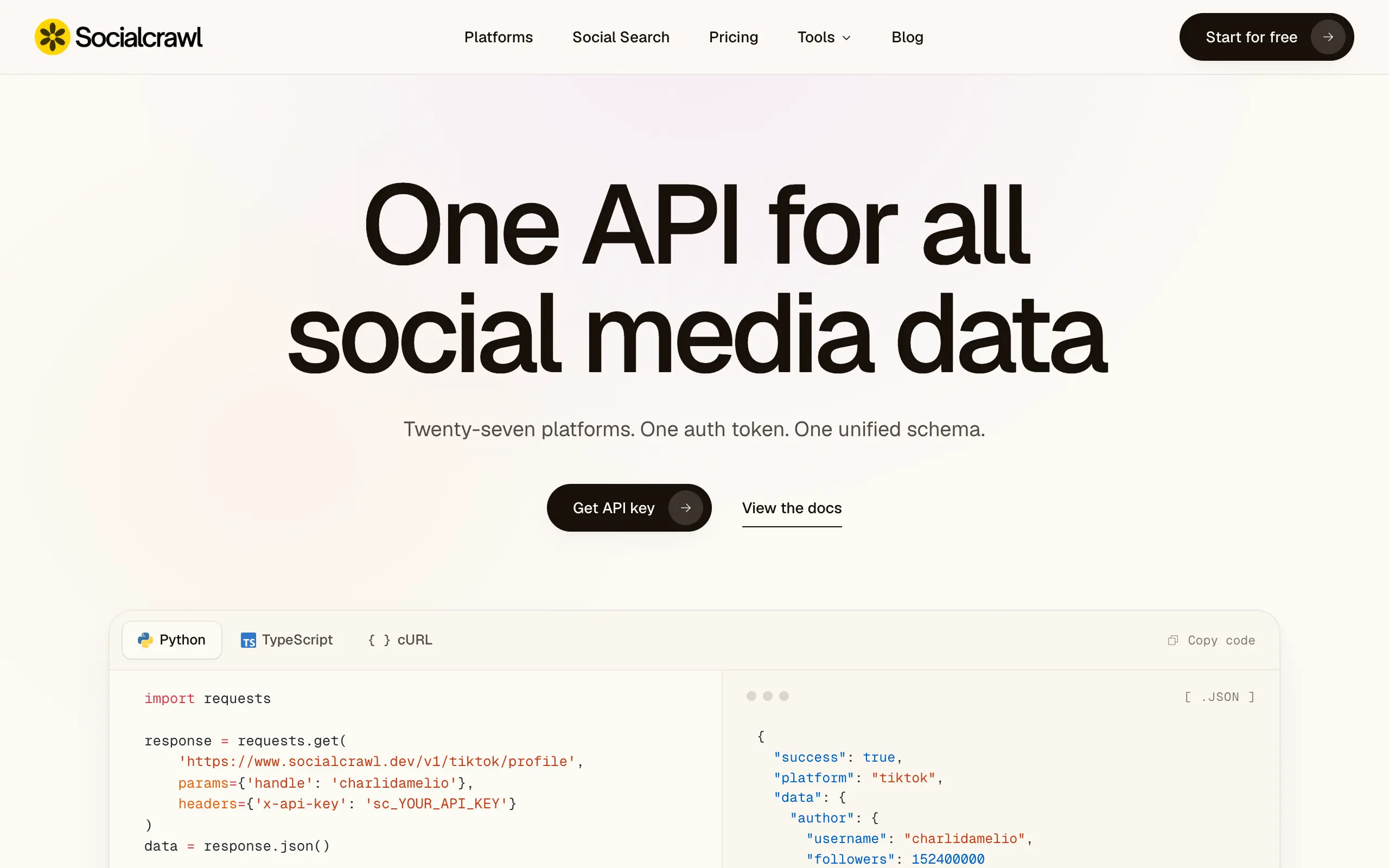
Socialcrawl
Get clean, structured data from 21 platforms like TikTok, Instagram, and YouTube with a single request 📊
Statiko
Monitor any Telegram channel in real time - track posts, edits, deletions, and growth with AI recaps 📡
Shibui
AI website builder - describe your business, pick a niche template, edit by chatting, and publish instantly ✨
Pro Service
Find verified home service professionals, compare quotes, and pay securely through escrow - built for Brazilians across the US 🏠
RankGrow
Fix your SEO with AI agents - connect Search Console, get prioritized tasks, and grow organic traffic 📈
SyncReads
Sync your favorite content for distraction-free reading, save time and replace multiple apps. Anytime, anywhere 🔄
Socialcrawl
Get clean, structured data from 21 platforms like TikTok, Instagram, and YouTube with a single request 📊
Statiko
Monitor any Telegram channel in real time - track posts, edits, deletions, and growth with AI recaps 📡
Shibui
AI website builder - describe your business, pick a niche template, edit by chatting, and publish instantly ✨
Pro Service
Find verified home service professionals, compare quotes, and pay securely through escrow - built for Brazilians across the US 🏠
RankGrow
Fix your SEO with AI agents - connect Search Console, get prioritized tasks, and grow organic traffic 📈
SyncReads
Sync your favorite content for distraction-free reading, save time and replace multiple apps. Anytime, anywhere 🔄
Socialcrawl
Get clean, structured data from 21 platforms like TikTok, Instagram, and YouTube with a single request 📊
Statiko
Monitor any Telegram channel in real time - track posts, edits, deletions, and growth with AI recaps 📡
Shibui
AI website builder - describe your business, pick a niche template, edit by chatting, and publish instantly ✨
Pro Service
Find verified home service professionals, compare quotes, and pay securely through escrow - built for Brazilians across the US 🏠
RankGrow
Fix your SEO with AI agents - connect Search Console, get prioritized tasks, and grow organic traffic 📈
SyncReads
Sync your favorite content for distraction-free reading, save time and replace multiple apps. Anytime, anywhere 🔄
Socialcrawl
Get clean, structured data from 21 platforms like TikTok, Instagram, and YouTube with a single request 📊
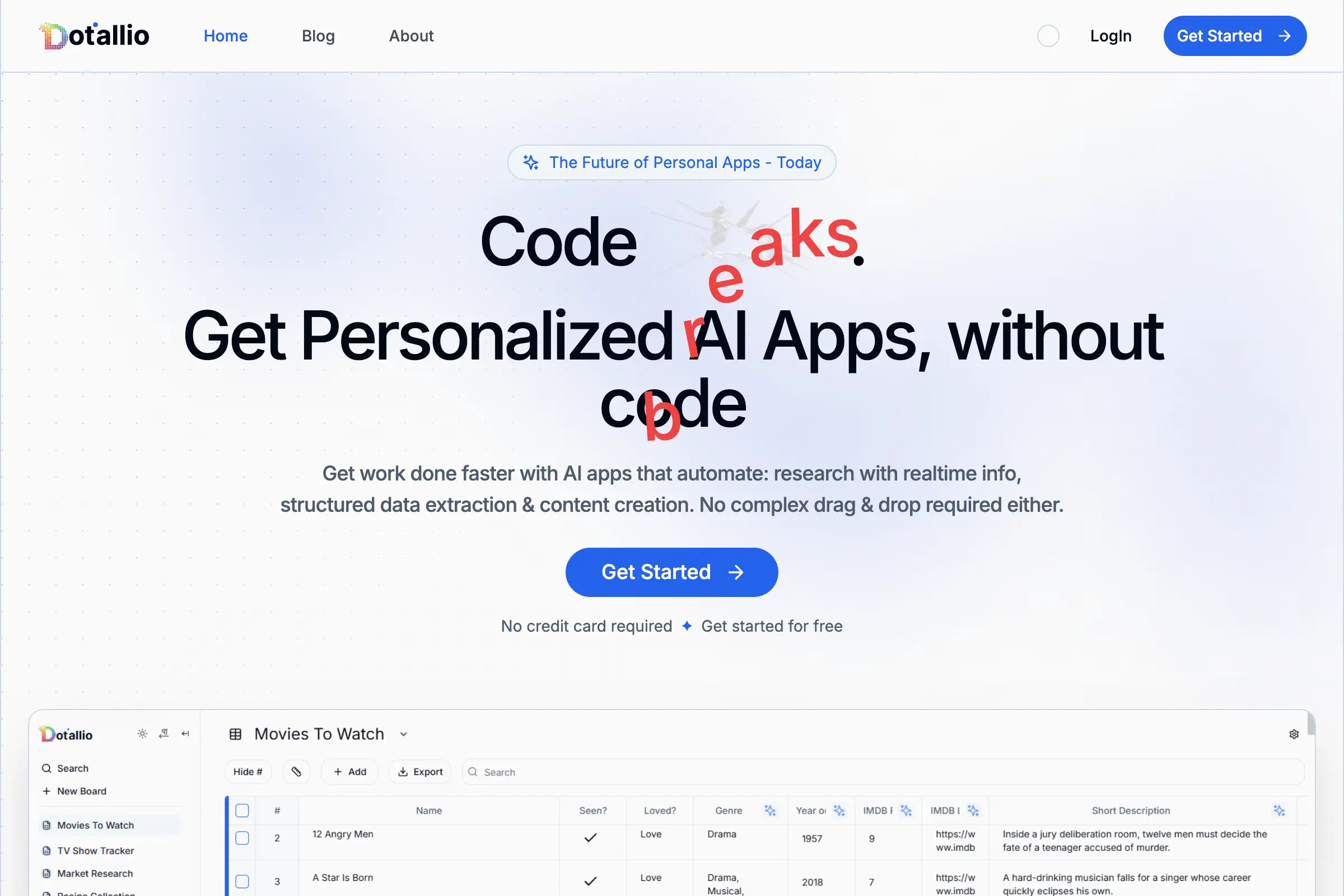
Dotallio
Personalized AI apps that automate research, data extraction, and content creation without code 🤖

Talk to Santa
Enjoy a magical live video chat or receive a unique AI-generated video greeting from Santa Claus 🎅

pozywka.pl
Scalable blog for food journalist, focused on performance and user experience 🌭
zagrodzki.me
Personal blog and portfolio of Bart Zagrodzki, where he shares his knowledge and work 💼
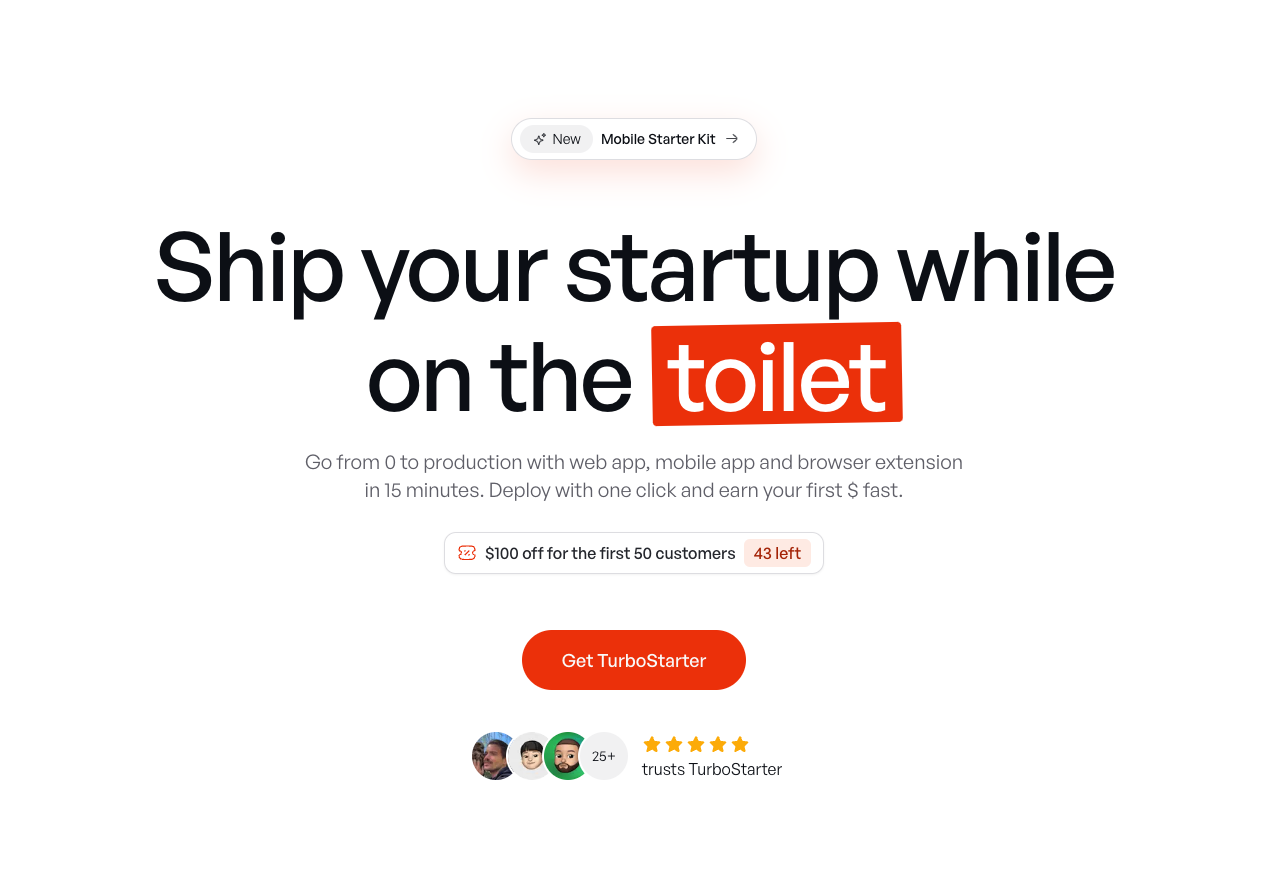
TurboStarter
Ship your startup everywhere. In minutes.
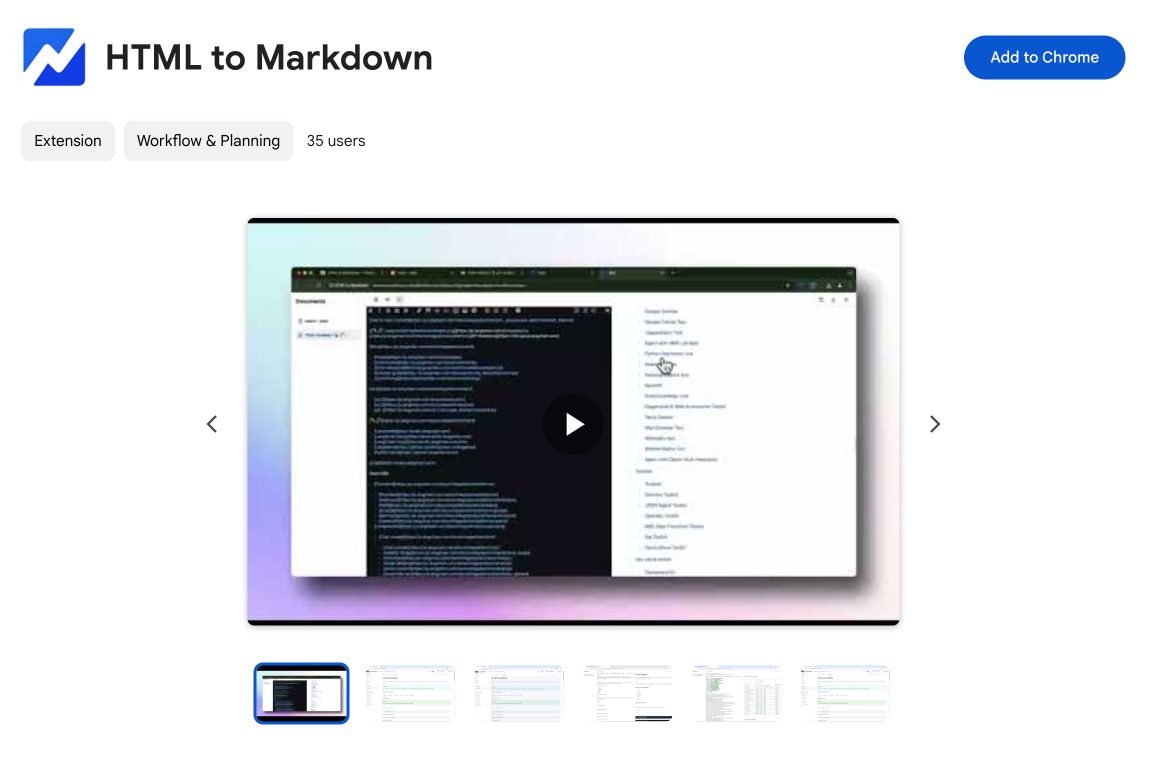
HTML to Markdown
Convert HTML to Markdown with ease, directly in your browser 📄
Dotallio
Personalized AI apps that automate research, data extraction, and content creation without code 🤖
Talk to Santa
Enjoy a magical live video chat or receive a unique AI-generated video greeting from Santa Claus 🎅
pozywka.pl
Scalable blog for food journalist, focused on performance and user experience 🌭
zagrodzki.me
Personal blog and portfolio of Bart Zagrodzki, where he shares his knowledge and work 💼
TurboStarter
Ship your startup everywhere. In minutes.
HTML to Markdown
Convert HTML to Markdown with ease, directly in your browser 📄
Dotallio
Personalized AI apps that automate research, data extraction, and content creation without code 🤖
Talk to Santa
Enjoy a magical live video chat or receive a unique AI-generated video greeting from Santa Claus 🎅
pozywka.pl
Scalable blog for food journalist, focused on performance and user experience 🌭
zagrodzki.me
Personal blog and portfolio of Bart Zagrodzki, where he shares his knowledge and work 💼
TurboStarter
Ship your startup everywhere. In minutes.
HTML to Markdown
Convert HTML to Markdown with ease, directly in your browser 📄
Dotallio
Personalized AI apps that automate research, data extraction, and content creation without code 🤖
Talk to Santa
Enjoy a magical live video chat or receive a unique AI-generated video greeting from Santa Claus 🎅
pozywka.pl
Scalable blog for food journalist, focused on performance and user experience 🌭
zagrodzki.me
Personal blog and portfolio of Bart Zagrodzki, where he shares his knowledge and work 💼
TurboStarter
Ship your startup everywhere. In minutes.
HTML to Markdown
Convert HTML to Markdown with ease, directly in your browser 📄
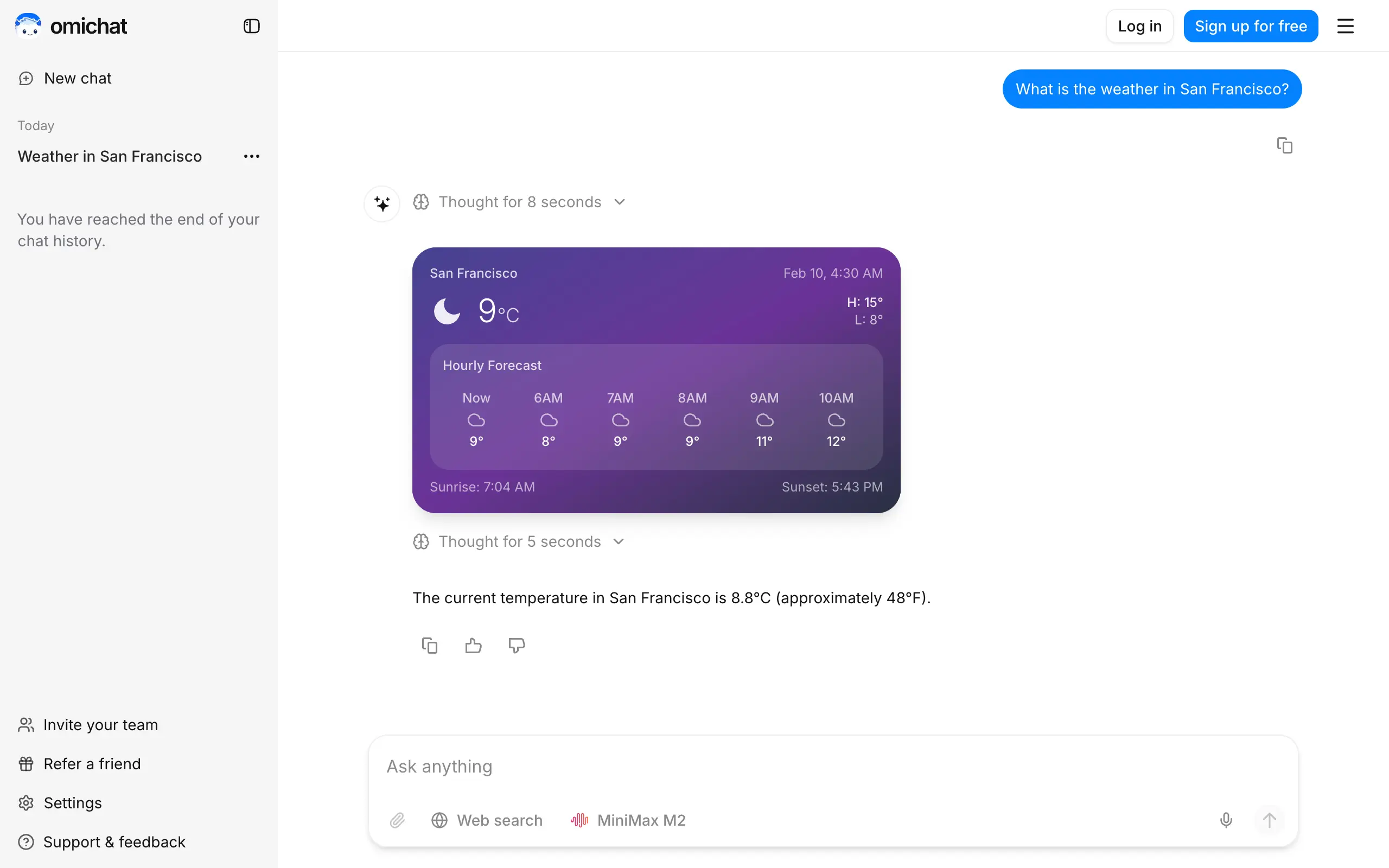
Omichat
Chat with 50+ AI models, including ChatGPT and Claude, in one place - switch models anytime without losing context 🤖
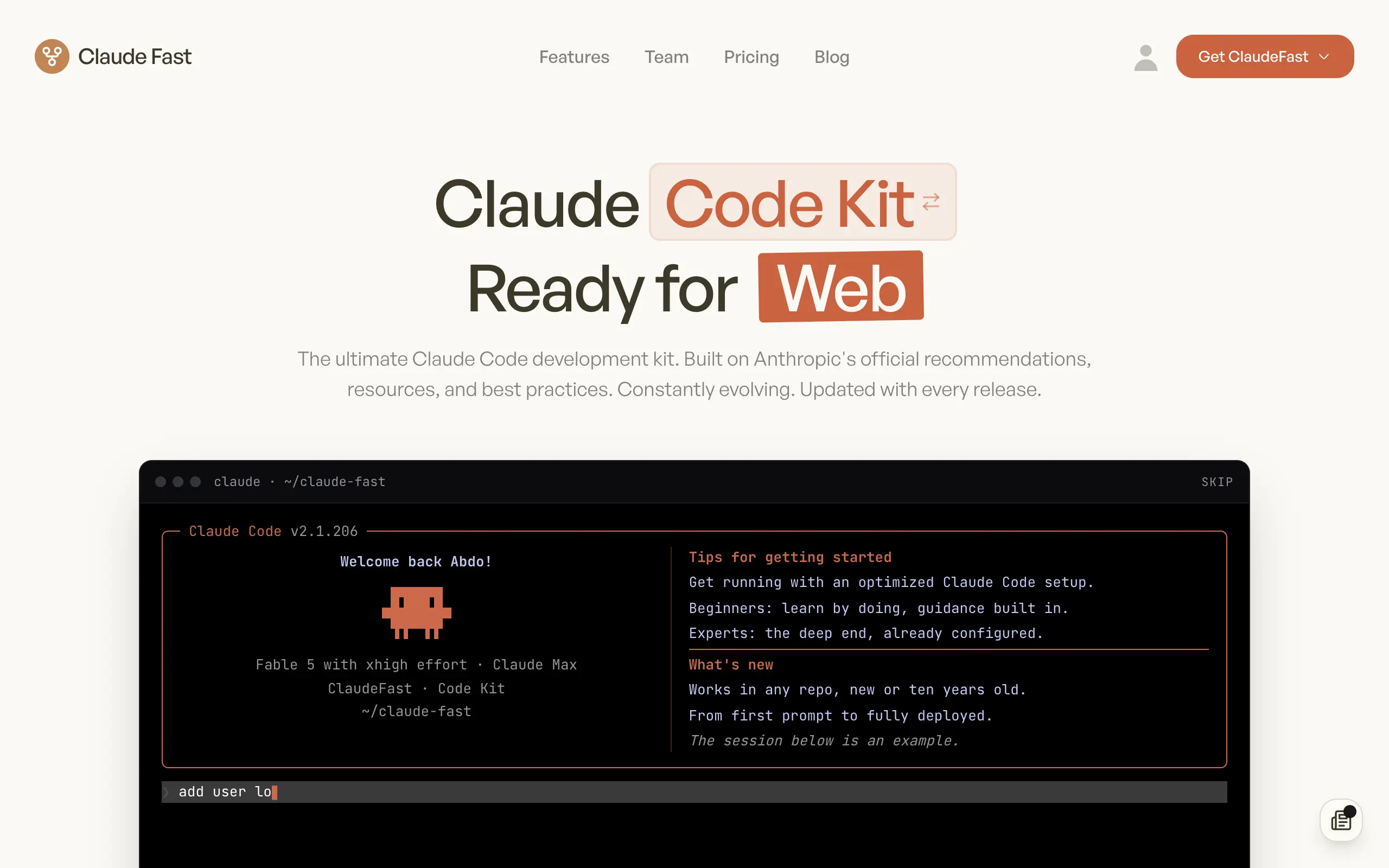
Claude Fast
Supercharge your Claude Code with 6x effective context window and specialized AI agents 🤖
EmojAI
AI-powered emoji picker with smart, context-aware suggestions 🤖
Solohacker
Autonomous company launcher - AI agents work 24/7, escalate what matters, and you stay in control 🤖
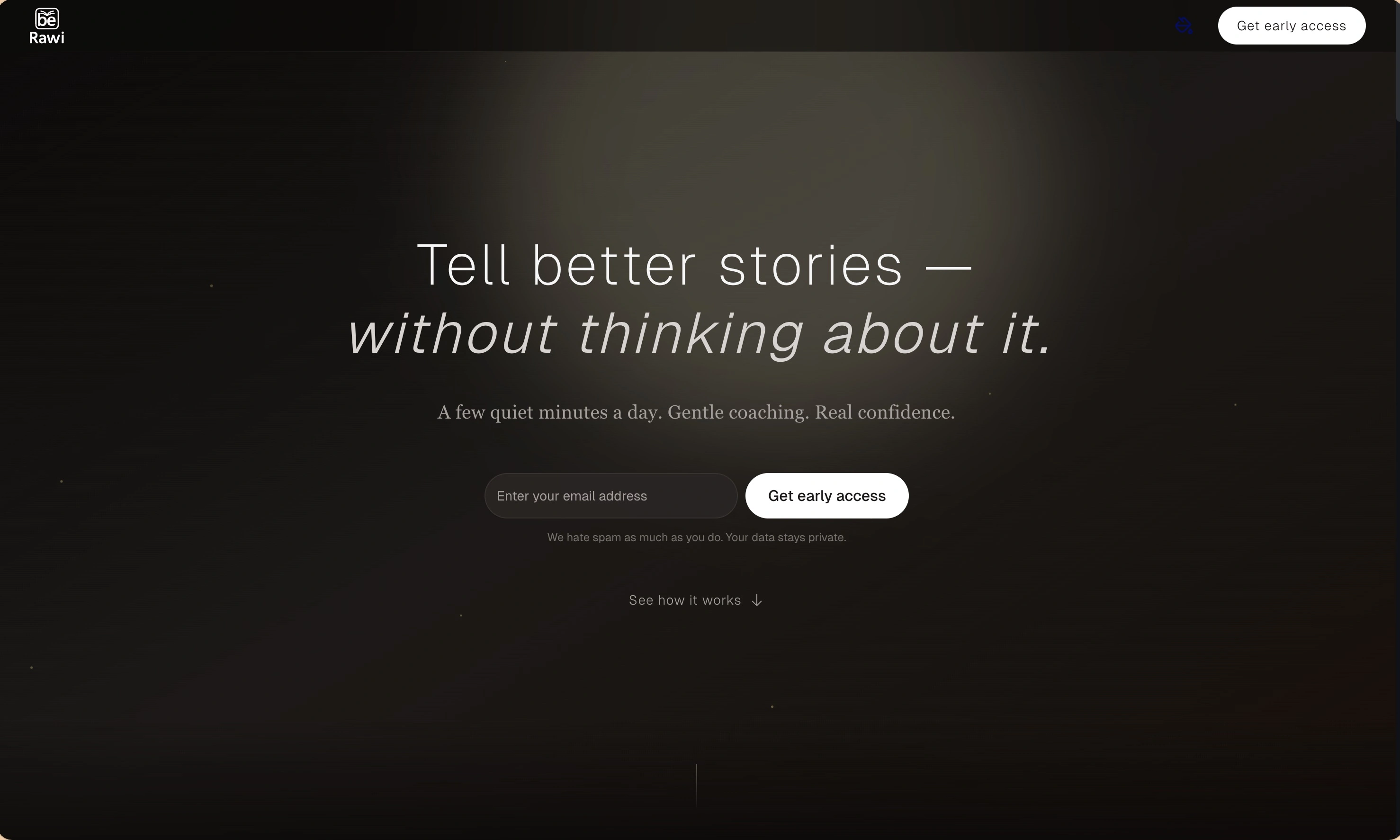
BeRawi: Storytelling Coach
Practice storytelling daily with instant feedback to sound clearer, more engaging, and confident 🎤
Omichat
Chat with 50+ AI models, including ChatGPT and Claude, in one place - switch models anytime without losing context 🤖
Claude Fast
Supercharge your Claude Code with 6x effective context window and specialized AI agents 🤖
EmojAI
AI-powered emoji picker with smart, context-aware suggestions 🤖
Solohacker
Autonomous company launcher - AI agents work 24/7, escalate what matters, and you stay in control 🤖
BeRawi: Storytelling Coach
Practice storytelling daily with instant feedback to sound clearer, more engaging, and confident 🎤
Omichat
Chat with 50+ AI models, including ChatGPT and Claude, in one place - switch models anytime without losing context 🤖
Claude Fast
Supercharge your Claude Code with 6x effective context window and specialized AI agents 🤖
EmojAI
AI-powered emoji picker with smart, context-aware suggestions 🤖
Solohacker
Autonomous company launcher - AI agents work 24/7, escalate what matters, and you stay in control 🤖
BeRawi: Storytelling Coach
Practice storytelling daily with instant feedback to sound clearer, more engaging, and confident 🎤
Omichat
Chat with 50+ AI models, including ChatGPT and Claude, in one place - switch models anytime without losing context 🤖
Claude Fast
Supercharge your Claude Code with 6x effective context window and specialized AI agents 🤖
EmojAI
AI-powered emoji picker with smart, context-aware suggestions 🤖
Solohacker
Autonomous company launcher - AI agents work 24/7, escalate what matters, and you stay in control 🤖
BeRawi: Storytelling Coach
Practice storytelling daily with instant feedback to sound clearer, more engaging, and confident 🎤

Connect with like-minded people
Join our community to get feedback, support, and grow together with 1,000+ builders on board, let's ship it!
Join usShip your startup everywhere. In minutes.
Don't burn tokens on setup and start building features on day one.