SpecSprint
Convert rough feature requests into reviewable technical plans, acceptance criteria, and task lists. Keep product and engineering aligned from idea to pull request.
The smarter way to turn client calls into technical specs and scoped estimates
Freelancers, agencies, and software consultancies lose thousands of dollars every year due to unclear requirements, scope creep, and misaligned expectations. Most projects don’t fail because of poor coding—they fail because the initial specification was incomplete, vague, or misunderstood.
That’s exactly where an AI-powered tool like SpecSprint creates massive value.
SpecSprint transforms messy client calls, scattered notes, Slack threads, and brainstorming sessions into:
- Structured technical specifications
- Actionable user stories
- Clearly defined scope boundaries
- Realistic time and cost estimates
In this guide, we’ll explore the full opportunity behind building an AI SaaS like SpecSprint, including:
- Target audience and search intent analysis
- Market opportunity and competitive gap
- Core product features
- Recommended AI and SaaS tech stack
- Monetization models
- Risks and mitigation strategies
- Competitive positioning
- Step-by-step implementation plan
If you're evaluating, building, or investing in an AI requirements documentation tool, this article will give you a complete blueprint.
Why AI-powered technical specification tools are in high demand
The growing complexity of web projects
Modern web applications are no longer simple brochure sites. Today’s typical client project includes:
- Authentication & role-based access
- API integrations (Stripe, CRMs, ERPs, etc.)
- Real-time features
- Mobile responsiveness
- Performance & SEO optimization
- Analytics and tracking
- Security compliance
Capturing these requirements manually is time-consuming and error-prone.
At the same time:
- AI adoption in SaaS has exploded since 2023.
- Agencies are under margin pressure.
- Clients demand faster proposals and detailed breakdowns.
- Remote work increases miscommunication risk.
An AI technical specification generator aligns perfectly with these trends.
Understanding user search intent
When someone searches for:
- “AI tool to generate technical specs”
- “Turn client call into user stories”
- “Automatic scope estimation software”
- “AI for software project requirements”
Their intent usually falls into one of these categories:
They want:
- Faster proposal turnaround
- Fewer scope disputes
- Clear documentation for developers
- More accurate estimates
Pain point: Wasted hours rewriting notes into structured specs.
They want:
- Structured backlog from meetings
- Clean Jira-ready user stories
- Acceptance criteria generated instantly
Pain point: Manual grooming and backlog refinement.
They want:
- Investor-ready product scope
- Clear MVP definition
- Budget forecasting
Pain point: Vague idea without technical clarity.
They want:
- Clear implementation plan
- Edge case coverage
- API + architecture thinking baked in
Pain point: Incomplete requirements leading to rework.
SpecSprint must satisfy all four personas—but primarily agencies and freelancers, where willingness to pay is highest.
Target audience deep dive
1. Freelance web developers
- Solo operators
- 3–10 projects per month
- Revenue between $5k–$25k/month
- High time sensitivity
What they value:
- Speed
- Simplicity
- Professional-looking output
- Client-ready PDFs
2. Small to mid-sized agencies
- 5–50 team members
- Dedicated sales + PM roles
- Need standardized documentation
What they value:
- Repeatable workflows
- Integration with PM tools
- Estimation accuracy
- Reduced onboarding friction
3. Software consultancies
- Complex, multi-phase projects
- High budgets ($50k–$500k+)
- Enterprise-level expectations
What they value:
- Traceability
- Structured breakdowns
- Technical depth
- Risk identification
Market opportunity and competitive gap
Current solutions are fragmented
Existing tools typically fall into one of these categories:
- Meeting transcription tools (e.g., Otter-style apps)
- Generic AI writing assistants
- Project management tools (Jira, ClickUp, etc.)
- Manual consulting templates
None are purpose-built to:
Turn a messy discovery call into a structured, developer-ready specification and scoped estimate.
The gap
There is no dominant AI SaaS focused specifically on web project scoping automation.
SpecSprint’s opportunity lies in:
- Vertical specialization (web projects only)
- Pre-trained prompt chains tailored to real-world agency workflows
- Built-in estimation logic
- Scope boundary detection
That specialization is its moat.
Core product features
To win this space, SpecSprint must go beyond “AI summary.” It must deliver structured output aligned with how developers think.
1. Input ingestion
- Audio file upload
- Zoom transcript import
- Manual notes
- Slack export
- Google Docs import
2. Intelligent parsing
AI pipeline should:
- Identify goals
- Extract features
- Detect integrations
- Surface constraints
- Flag ambiguities
- Identify missing requirements
3. Structured technical spec generation
Output format example:
// Example structured output format
{
  projectOverview: "",
  targetUsers: [],
  coreFeatures: [],
  technicalRequirements: [],
  integrations: [],
  nonFunctionalRequirements: [],
  edgeCases: [],
  assumptions: [],
  openQuestions: []
}
4. Automatic user story generation
For each feature:
- Epic
- User stories
- Acceptance criteria
- Priority tag
- Complexity estimate
Example:
As a user, I want to reset my password so that I can regain access if I forget it.
Acceptance Criteria:
- Email validation
- Secure token expiration
- Password strength enforcement
5. Scoped estimation engine
This is the differentiator.
SpecSprint should:
- Map features to complexity buckets
- Apply baseline development hours
- Adjust for integrations
- Include buffer percentage
- Generate cost range
Output:
- Low estimate
- Expected estimate
- High-risk estimate
6. Risk & ambiguity detection
AI can detect patterns such as:
- “Like Uber”
- “Similar to Airbnb”
- “Real-time dashboard”
These phrases imply hidden complexity.
A smart system flags them:
Scope risk detected
Client requested “real-time notifications.” Clarify if this requires WebSockets, push notifications, or polling.
This builds trust and authority.
Competitive analysis
| Feature | Generic AI | Transcription Tools | PM Tools | SpecSprint |
|---|---|---|---|---|
| Meeting Summary | ✅ | ✅ | ❌ | ✅ |
| User Stories | ⚠️ | ❌ | ⚠️ | ✅ |
| Scope Estimation | ❌ | ❌ | ❌ | ✅ |
| Risk Detection | ❌ | ❌ | ❌ | ✅ |
SpecSprint’s defensible advantage is domain specialization + estimation logic.
Recommended tech stack
Frontend
Why?
- Fast iteration
- SEO-friendly
- Component-based scalability
Backend
Options:
Node.js + Express
Full JavaScript stack. Fast development. Great ecosystem.
Python + FastAPI
Stronger AI ecosystem and data tooling flexibility.
If AI-heavy logic dominates, Python may provide more flexibility.
AI layer
- OpenAI API or equivalent LLM provider
- Prompt chaining
- Structured JSON output enforcement
- Few-shot learning from real project specs
- Fine-tuning with anonymized historical data
Important: Focus on prompt engineering + guardrails, not just raw LLM calls.
Database
- PostgreSQL for structured project storage
- Redis for caching
- Vector database (optional) for semantic retrieval
Infrastructure
- Vercel (frontend hosting)
- AWS / GCP for backend
- Secure storage for transcripts
- SOC2 readiness planning
Monetization strategy
Tiered SaaS model
Starter ($29–$49/month)
- Limited projects
- Basic spec generation
- No estimation engine
Pro ($79–$149/month)
- Unlimited projects
- Full estimation
- Risk detection
- Export to Jira
Agency ($249–$499/month)
- Team seats
- White-label exports
- API access
- Custom estimation rules
Alternative revenue models
- Per-document pricing
- Credit-based AI usage
- Enterprise licensing
- Add-on consulting toolkit
Pricing psychology
If SpecSprint saves:
- 3–5 hours per project
- $300–$1000 in underestimation risk
- One dispute per quarter
Then $99/month feels inexpensive.
Pricing should reflect ROI, not AI cost.
Risks and mitigation strategies
Risk 1: AI hallucinations
Mitigation:
- Force structured output
- Add human verification step
- Highlight assumptions explicitly
Risk 2: Over-reliance on automation
Mitigation:
- Position as “AI assistant,” not replacement
- Add editable output
- Allow user adjustments
Risk 3: Competition from larger AI tools
Mitigation:
- Specialize deeply
- Build estimation IP
- Create proprietary project dataset
Risk 4: Data privacy concerns
Mitigation:
- Encryption at rest
- NDA-friendly messaging
- Data deletion policies
- Transparent compliance roadmap
Unique selling proposition (USP)
SpecSprint is not:
- A meeting summarizer
- A generic AI writer
- A project management tool
It is:
An AI requirements intelligence engine trained specifically for web project scoping and estimation.
That positioning makes it category-defining.
Implementation roadmap
Go-to-market strategy
1. SEO content strategy
Target keywords:
- AI technical specification generator
- Convert client call to user stories
- Web project scope estimation tool
- AI for software requirements documentation
Publish:
- Case studies
- Estimation breakdown guides
- Scope creep prevention tutorials
2. Community-led growth
- Indie hacker communities
- Web agency Slack groups
- LinkedIn thought leadership
- YouTube walkthroughs
3. Authority building
- Publish anonymized scope data insights
- Share estimation benchmarks
- Offer free scoping templates
Demonstrate expertise to build E-E-A-T.
Long-term expansion opportunities
Once traction is validated:
- Vertical versions (SaaS, eCommerce, marketplaces)
- Architecture diagram generation
- Automatic proposal PDF builder
- Client Q&A chatbot per project
- AI change-request impact analysis
This evolves SpecSprint from a tool into an AI project intelligence platform.
Building SpecSprint faster
Launching an AI SaaS doesn’t require reinventing infrastructure.
Using a robust SaaS boilerplate like TurboStarter can accelerate:
- Authentication
- Payments
- Dashboard setup
- Multi-tenancy
- Admin tools
This lets you focus on:
- AI quality
- Estimation logic
- UX clarity
- Market positioning
Final thoughts
The future of web development is not just about writing code faster—it’s about thinking clearer before coding begins.
SpecSprint addresses one of the most expensive inefficiencies in software consulting:
Poorly defined scope.
By combining AI, structured engineering logic, and estimation intelligence, it can become the default scoping assistant for agencies worldwide.
The opportunity is real.
The pain point is costly.
The technology is ready.
The only question is execution.
Your next move
If you're serious about building an AI-powered SaaS like SpecSprint:
- Validate demand immediately.
- Start with structured output, not fancy UI.
- Obsess over estimation accuracy.
- Build authority through content.
- Iterate with real agencies.
The market for AI-driven technical specification and scope estimation tools is still wide open. If executed correctly, SpecSprint could define an entirely new category in the AI SaaS ecosystem.
More 🤖 AI Startup SaaS ideas
Discover more innovative ai startup SaaS ideas that are trending in 2026. Each idea is AI-generated with market validation and growth potential to help you find your next profitable venture faster than competitors.
Your competitors are building with TurboStarter
Below are some of the SaaS ideas that have been generated and built with our starter kit.

Statiko
Monitor any Telegram channel in real time - track posts, edits, deletions, and growth with AI recaps 📡

Shibui
AI website builder - describe your business, pick a niche template, edit by chatting, and publish instantly ✨

Pro Service
Find verified home service professionals, compare quotes, and pay securely through escrow - built for Brazilians across the US 🏠
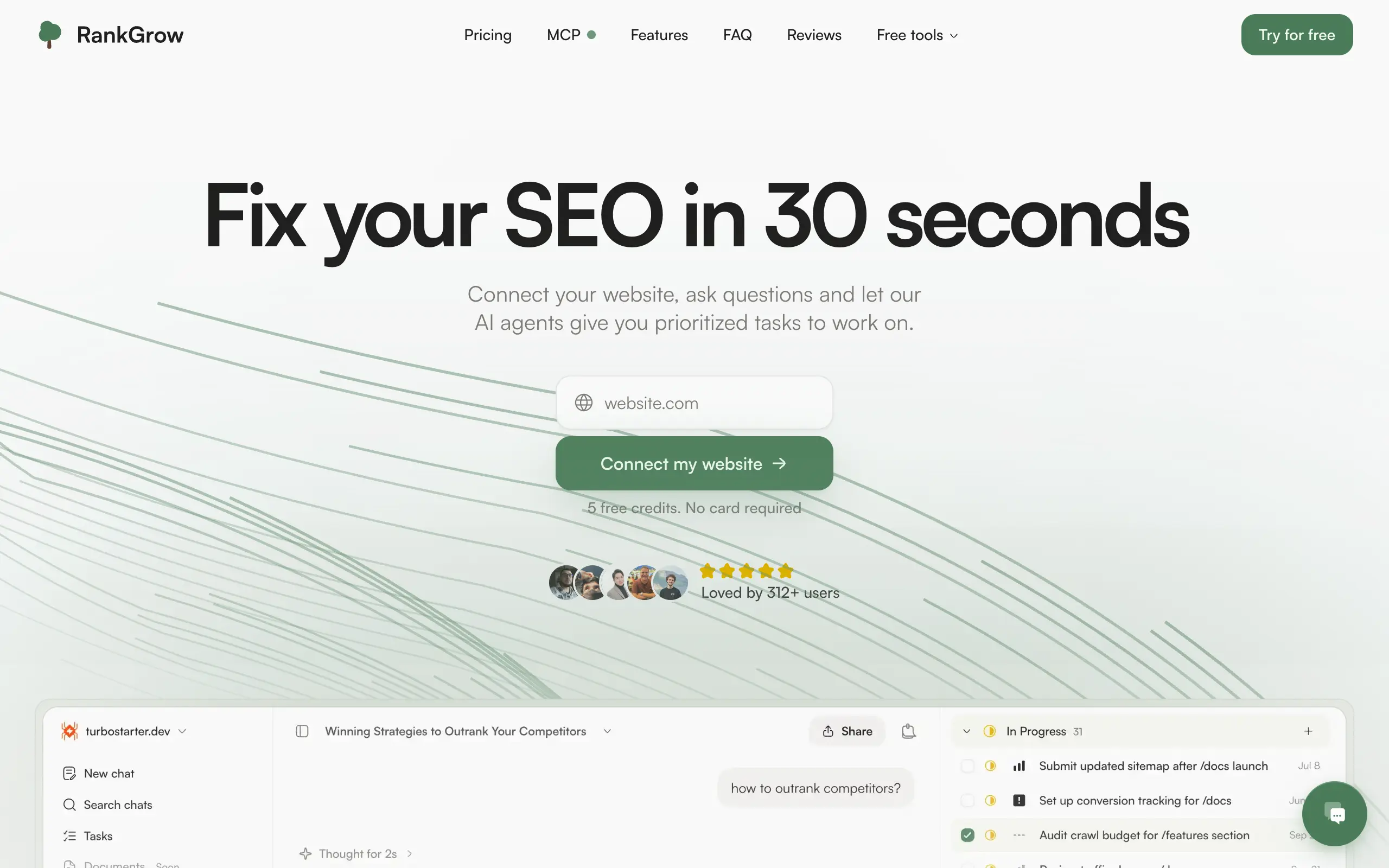
RankGrow
Fix your SEO with AI agents - connect Search Console, get prioritized tasks, and grow organic traffic 📈
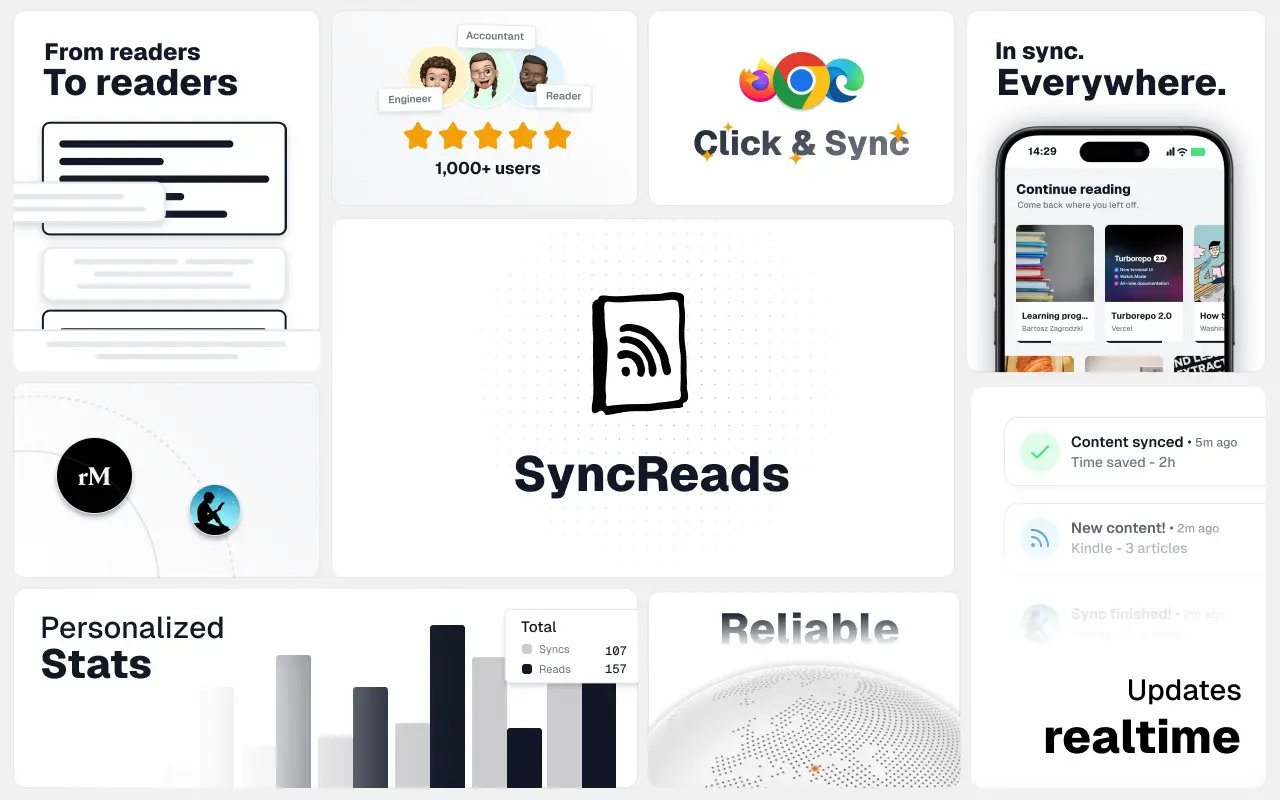
SyncReads
Sync your favorite content for distraction-free reading, save time and replace multiple apps. Anytime, anywhere 🔄
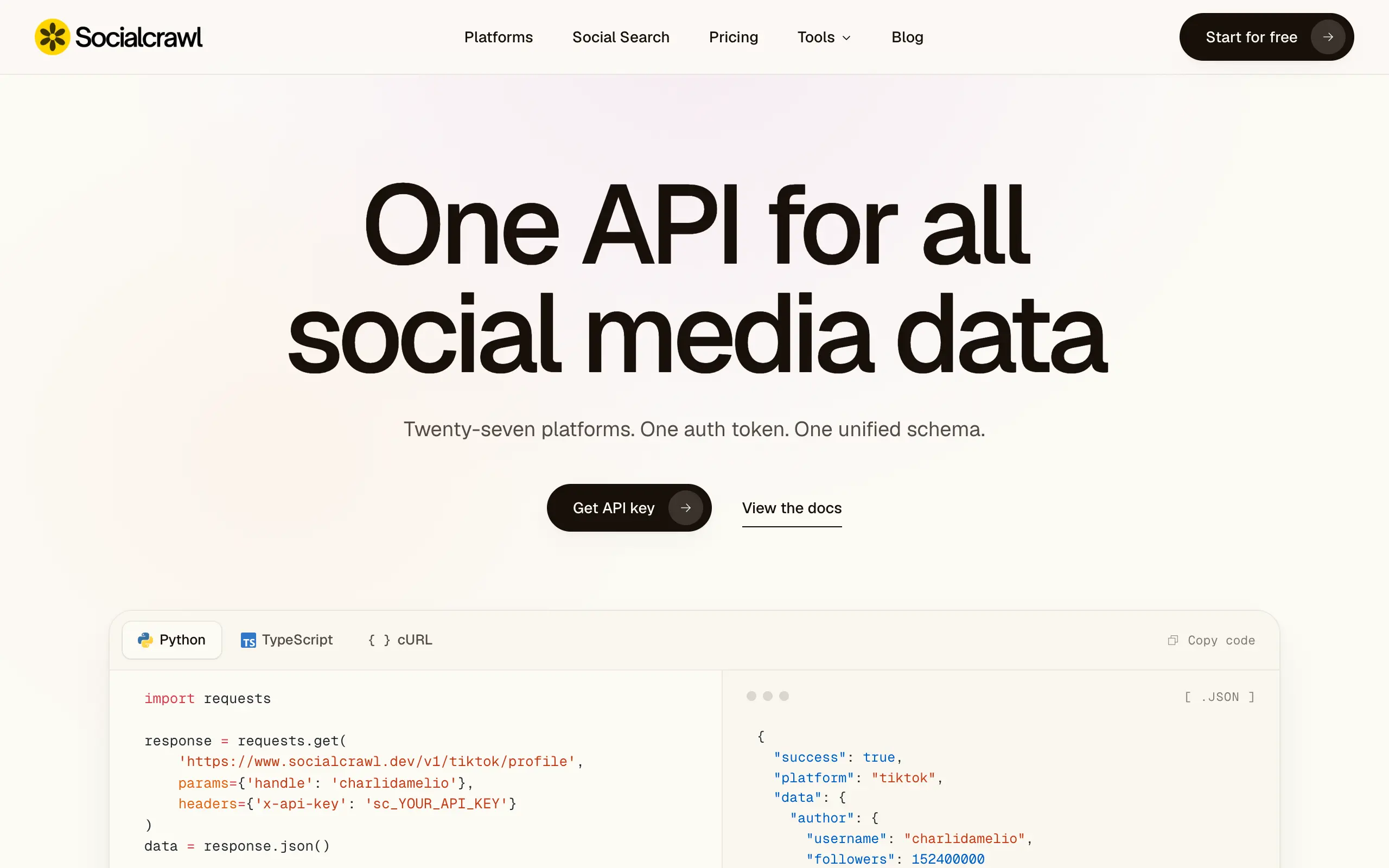
Socialcrawl
Get clean, structured data from 21 platforms like TikTok, Instagram, and YouTube with a single request 📊
Statiko
Monitor any Telegram channel in real time - track posts, edits, deletions, and growth with AI recaps 📡
Shibui
AI website builder - describe your business, pick a niche template, edit by chatting, and publish instantly ✨
Pro Service
Find verified home service professionals, compare quotes, and pay securely through escrow - built for Brazilians across the US 🏠
RankGrow
Fix your SEO with AI agents - connect Search Console, get prioritized tasks, and grow organic traffic 📈
SyncReads
Sync your favorite content for distraction-free reading, save time and replace multiple apps. Anytime, anywhere 🔄
Socialcrawl
Get clean, structured data from 21 platforms like TikTok, Instagram, and YouTube with a single request 📊
Statiko
Monitor any Telegram channel in real time - track posts, edits, deletions, and growth with AI recaps 📡
Shibui
AI website builder - describe your business, pick a niche template, edit by chatting, and publish instantly ✨
Pro Service
Find verified home service professionals, compare quotes, and pay securely through escrow - built for Brazilians across the US 🏠
RankGrow
Fix your SEO with AI agents - connect Search Console, get prioritized tasks, and grow organic traffic 📈
SyncReads
Sync your favorite content for distraction-free reading, save time and replace multiple apps. Anytime, anywhere 🔄
Socialcrawl
Get clean, structured data from 21 platforms like TikTok, Instagram, and YouTube with a single request 📊
Statiko
Monitor any Telegram channel in real time - track posts, edits, deletions, and growth with AI recaps 📡
Shibui
AI website builder - describe your business, pick a niche template, edit by chatting, and publish instantly ✨
Pro Service
Find verified home service professionals, compare quotes, and pay securely through escrow - built for Brazilians across the US 🏠
RankGrow
Fix your SEO with AI agents - connect Search Console, get prioritized tasks, and grow organic traffic 📈
SyncReads
Sync your favorite content for distraction-free reading, save time and replace multiple apps. Anytime, anywhere 🔄
Socialcrawl
Get clean, structured data from 21 platforms like TikTok, Instagram, and YouTube with a single request 📊
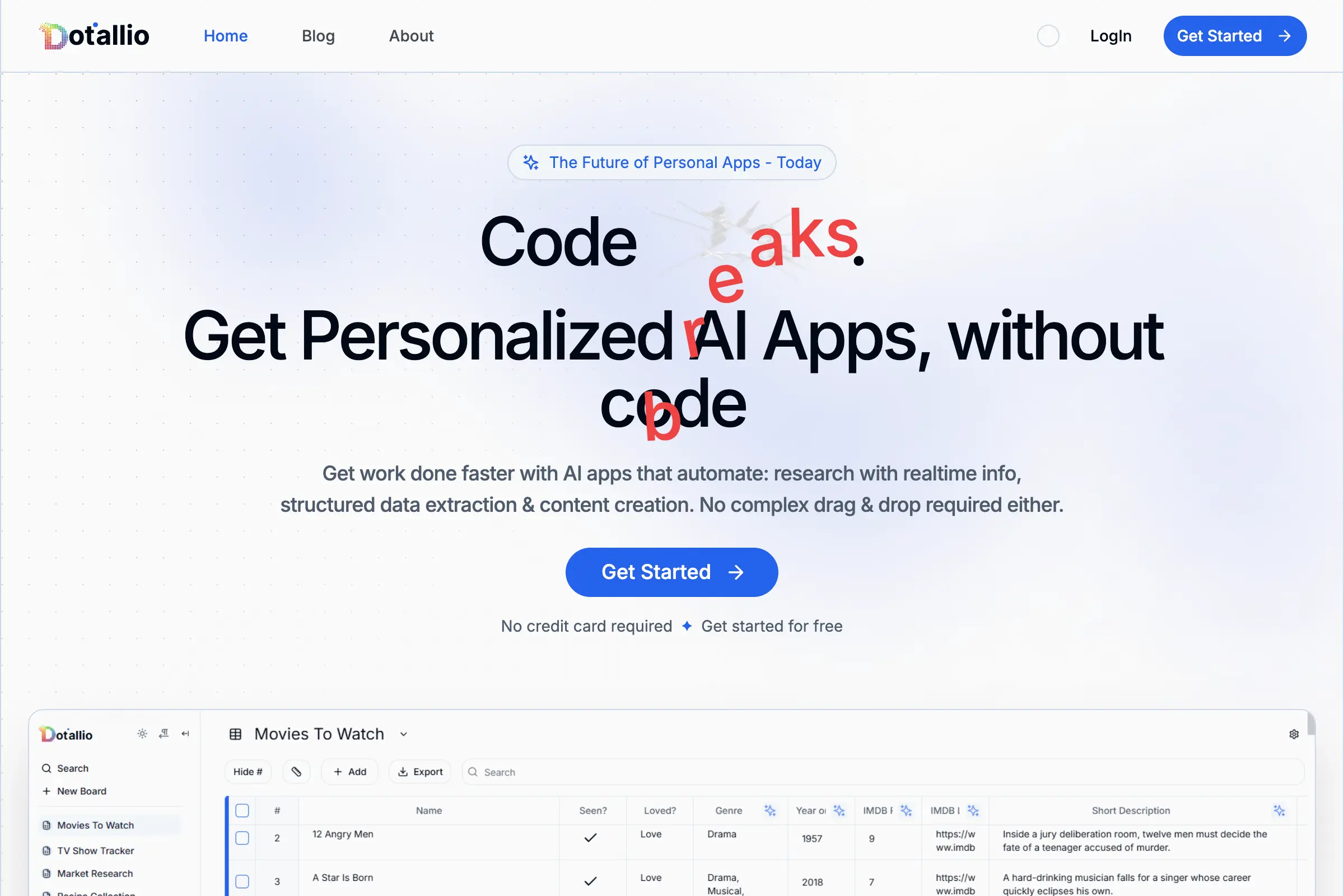
Dotallio
Personalized AI apps that automate research, data extraction, and content creation without code 🤖

Talk to Santa
Enjoy a magical live video chat or receive a unique AI-generated video greeting from Santa Claus 🎅

pozywka.pl
Scalable blog for food journalist, focused on performance and user experience 🌭
zagrodzki.me
Personal blog and portfolio of Bart Zagrodzki, where he shares his knowledge and work 💼
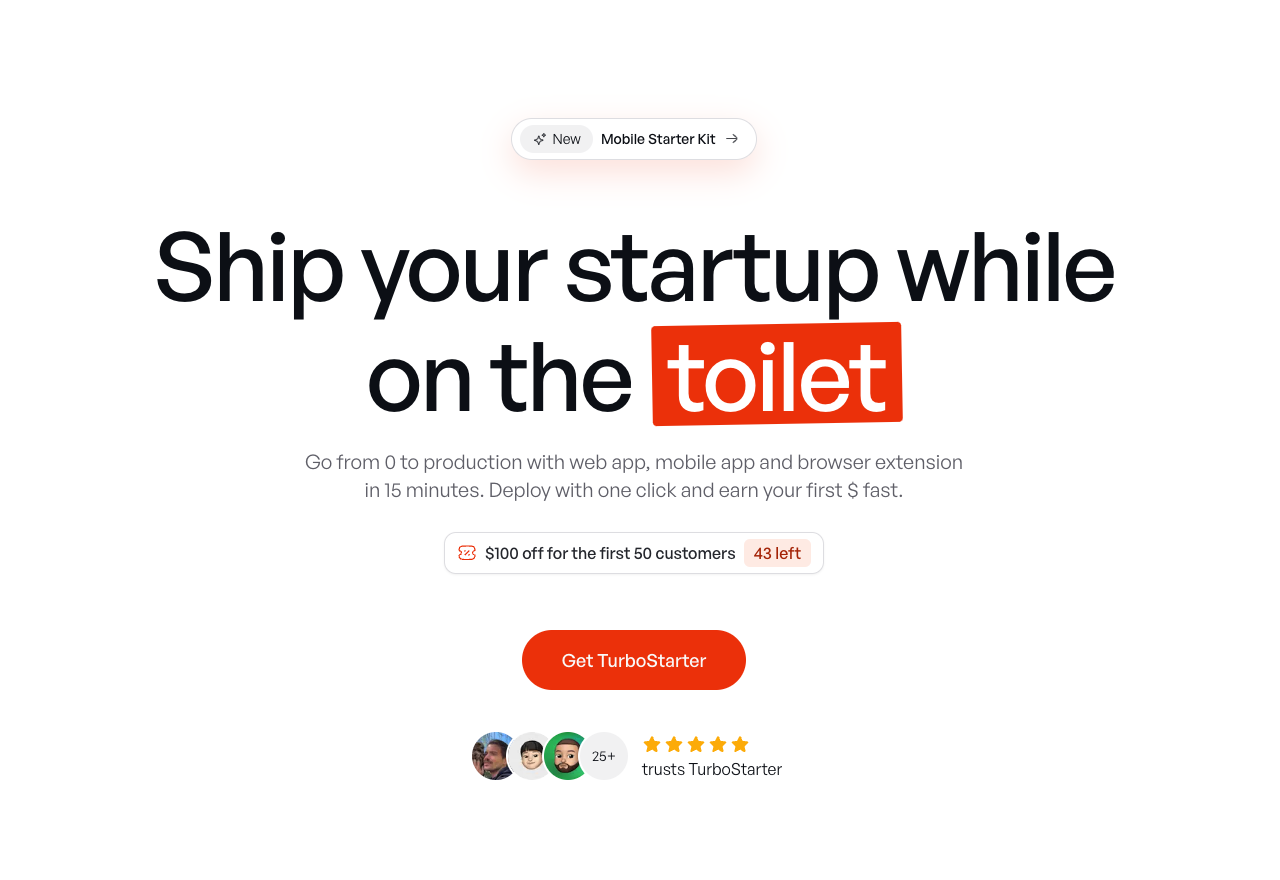
TurboStarter
Ship your startup everywhere. In minutes.
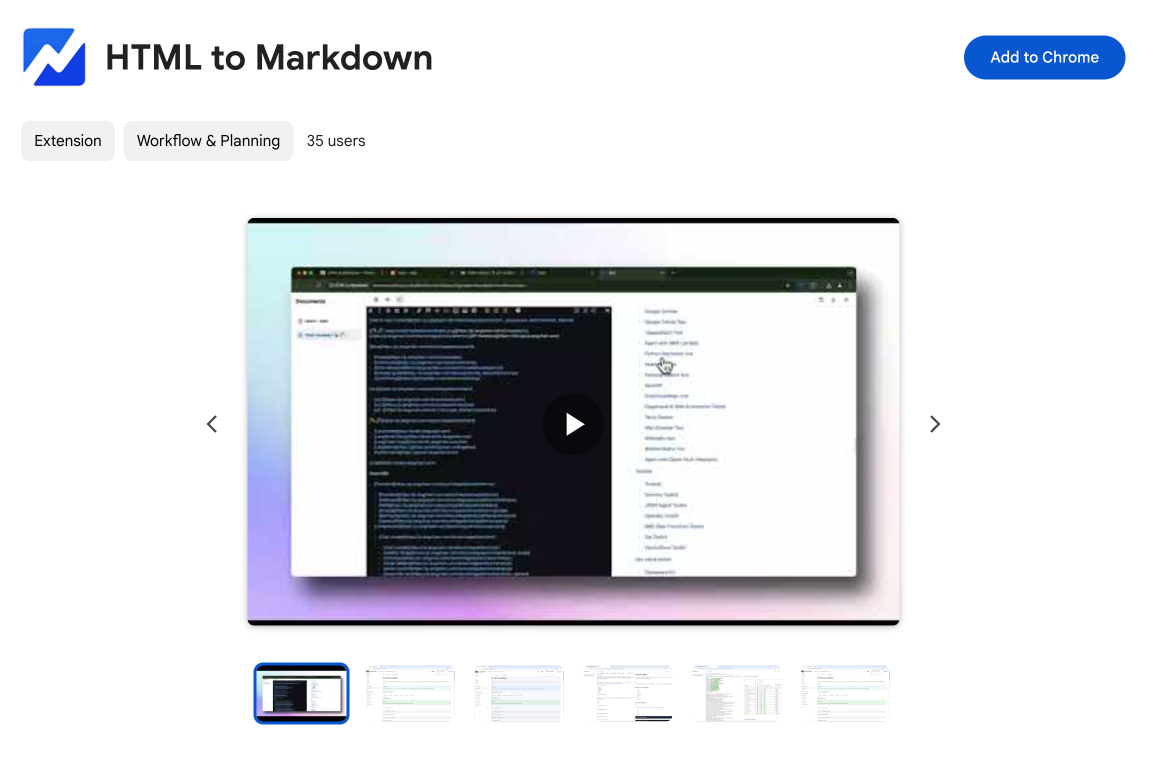
HTML to Markdown
Convert HTML to Markdown with ease, directly in your browser 📄
Dotallio
Personalized AI apps that automate research, data extraction, and content creation without code 🤖
Talk to Santa
Enjoy a magical live video chat or receive a unique AI-generated video greeting from Santa Claus 🎅
pozywka.pl
Scalable blog for food journalist, focused on performance and user experience 🌭
zagrodzki.me
Personal blog and portfolio of Bart Zagrodzki, where he shares his knowledge and work 💼
TurboStarter
Ship your startup everywhere. In minutes.
HTML to Markdown
Convert HTML to Markdown with ease, directly in your browser 📄
Dotallio
Personalized AI apps that automate research, data extraction, and content creation without code 🤖
Talk to Santa
Enjoy a magical live video chat or receive a unique AI-generated video greeting from Santa Claus 🎅
pozywka.pl
Scalable blog for food journalist, focused on performance and user experience 🌭
zagrodzki.me
Personal blog and portfolio of Bart Zagrodzki, where he shares his knowledge and work 💼
TurboStarter
Ship your startup everywhere. In minutes.
HTML to Markdown
Convert HTML to Markdown with ease, directly in your browser 📄
Dotallio
Personalized AI apps that automate research, data extraction, and content creation without code 🤖
Talk to Santa
Enjoy a magical live video chat or receive a unique AI-generated video greeting from Santa Claus 🎅
pozywka.pl
Scalable blog for food journalist, focused on performance and user experience 🌭
zagrodzki.me
Personal blog and portfolio of Bart Zagrodzki, where he shares his knowledge and work 💼
TurboStarter
Ship your startup everywhere. In minutes.
HTML to Markdown
Convert HTML to Markdown with ease, directly in your browser 📄
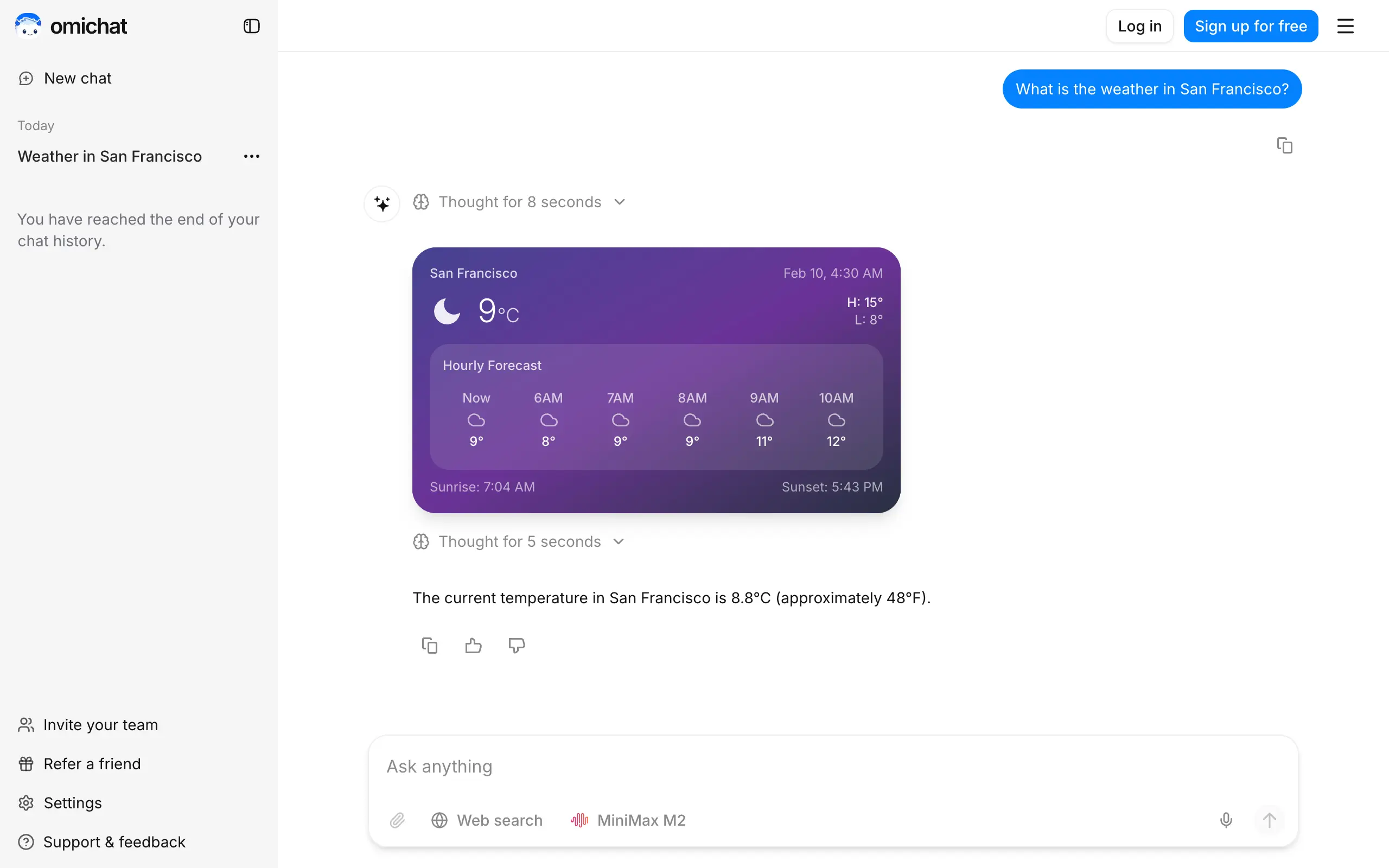
Omichat
Chat with 50+ AI models, including ChatGPT and Claude, in one place - switch models anytime without losing context 🤖
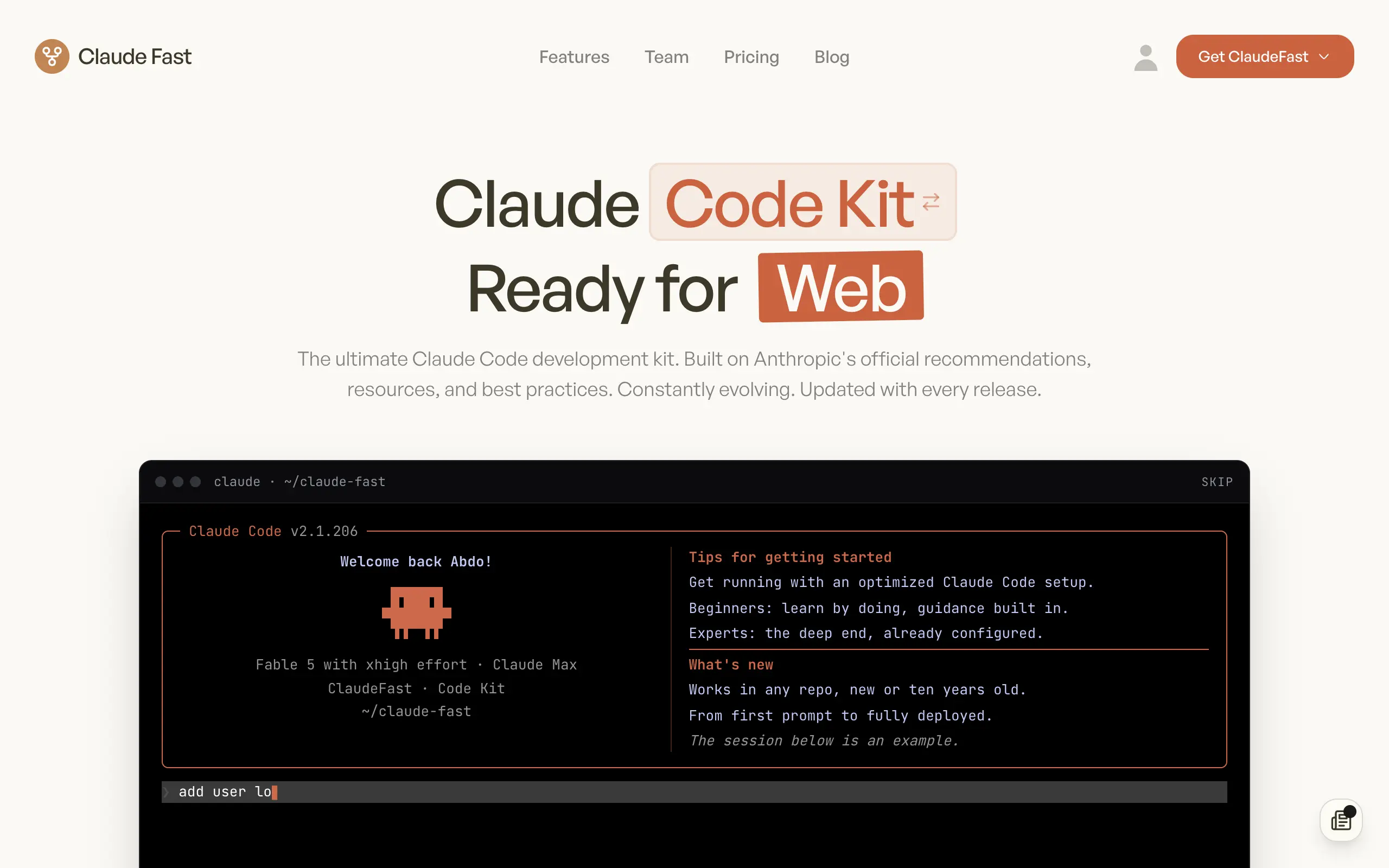
Claude Fast
Supercharge your Claude Code with 6x effective context window and specialized AI agents 🤖
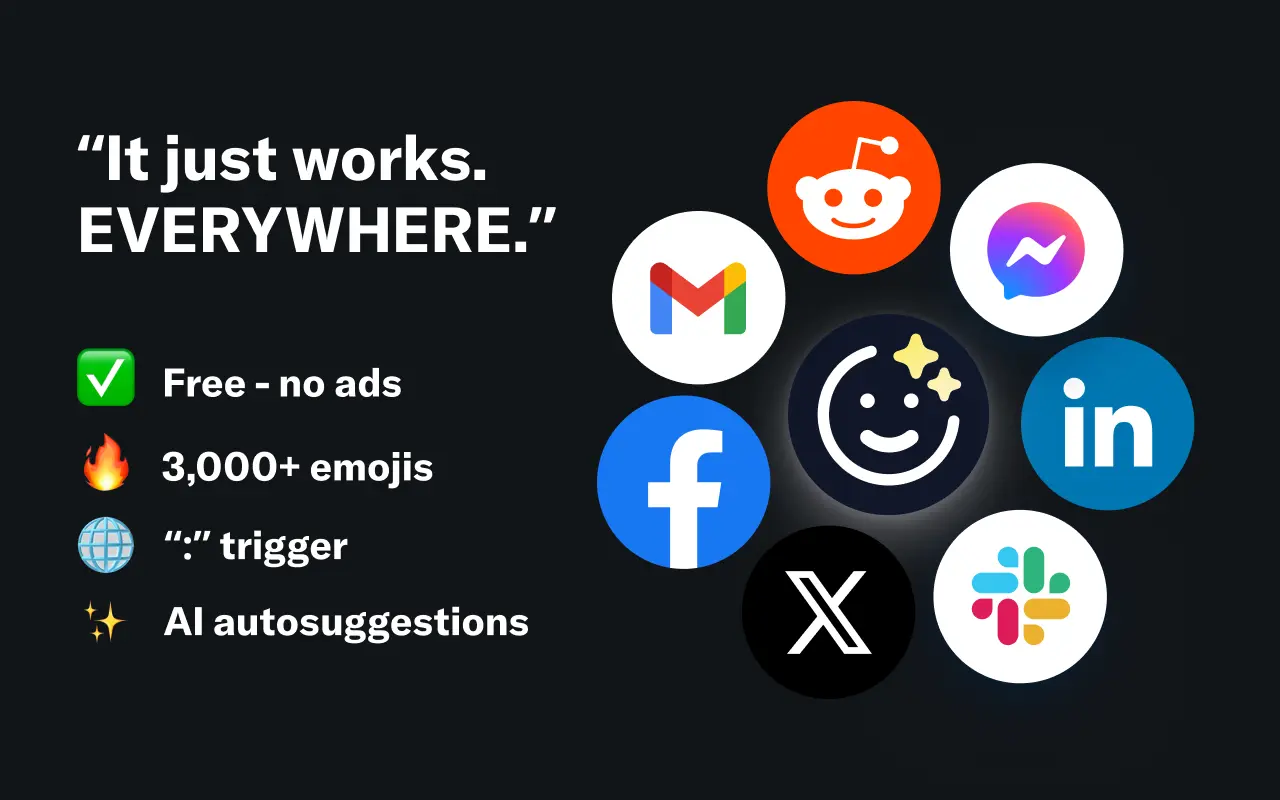
EmojAI
AI-powered emoji picker with smart, context-aware suggestions 🤖

Solohacker
Autonomous company launcher - AI agents work 24/7, escalate what matters, and you stay in control 🤖

BeRawi: Storytelling Coach
Practice storytelling daily with instant feedback to sound clearer, more engaging, and confident 🎤
Omichat
Chat with 50+ AI models, including ChatGPT and Claude, in one place - switch models anytime without losing context 🤖
Claude Fast
Supercharge your Claude Code with 6x effective context window and specialized AI agents 🤖
EmojAI
AI-powered emoji picker with smart, context-aware suggestions 🤖
Solohacker
Autonomous company launcher - AI agents work 24/7, escalate what matters, and you stay in control 🤖
BeRawi: Storytelling Coach
Practice storytelling daily with instant feedback to sound clearer, more engaging, and confident 🎤
Omichat
Chat with 50+ AI models, including ChatGPT and Claude, in one place - switch models anytime without losing context 🤖
Claude Fast
Supercharge your Claude Code with 6x effective context window and specialized AI agents 🤖
EmojAI
AI-powered emoji picker with smart, context-aware suggestions 🤖
Solohacker
Autonomous company launcher - AI agents work 24/7, escalate what matters, and you stay in control 🤖
BeRawi: Storytelling Coach
Practice storytelling daily with instant feedback to sound clearer, more engaging, and confident 🎤
Omichat
Chat with 50+ AI models, including ChatGPT and Claude, in one place - switch models anytime without losing context 🤖
Claude Fast
Supercharge your Claude Code with 6x effective context window and specialized AI agents 🤖
EmojAI
AI-powered emoji picker with smart, context-aware suggestions 🤖
Solohacker
Autonomous company launcher - AI agents work 24/7, escalate what matters, and you stay in control 🤖
BeRawi: Storytelling Coach
Practice storytelling daily with instant feedback to sound clearer, more engaging, and confident 🎤

Connect with like-minded people
Join our community to get feedback, support, and grow together with 1,000+ builders on board, let's ship it!
Join usShip your startup everywhere. In minutes.
Don't burn tokens on setup and start building features on day one.