SpecSprint
Turn product specs and Jira tickets into production-ready code with an AI agent that plans, writes, tests, and documents features end-to-end.
The rise of AI code generation from product specs
Modern software teams move fast—but alignment between product, engineering, and QA often lags behind. Product managers write detailed specs in Notion or Confluence. Engineers translate them into Jira tickets. Developers then interpret those tickets into code. QA writes tests after the fact. Documentation is often rushed at the end.
This fragmented workflow creates:
- Context loss between tools
- Ambiguity in requirements
- Inconsistent test coverage
- Delayed documentation
- Expensive rework
An AI agent that turns product specs and Jira tickets into production-ready code—planning, writing, testing, and documenting features end-to-end—addresses a massive productivity gap. That’s the core promise behind an AI-powered development automation platform like SpecSprint.
In this article, we’ll explore:
- The market opportunity for AI-driven software development automation
- Target audience and real-world use cases
- Core features and architecture
- Recommended tech stack
- Monetization strategies
- Competitive positioning
- Risks and mitigation
- Step-by-step implementation roadmap
This deep dive is designed for founders, CTOs, product leaders, and SaaS builders evaluating the viability of building or adopting an AI code generation SaaS platform.
Understanding the user intent behind “AI from specs to code”
Users searching for:
- “AI generate code from Jira”
- “Turn product spec into code”
- “AI software development agent”
- “Automated feature implementation tool”
…are typically looking for one of three things:
- Validation – Is this technically feasible?
- Evaluation – Is there a real market opportunity?
- Implementation strategy – How would I build this?
This article addresses all three with practical and strategic depth.
The market opportunity for AI-powered development automation
AI in software development is no longer experimental
The success of tools like GitHub Copilot demonstrates strong demand for AI-assisted coding. According to Microsoft’s developer surveys (reference publicly available GitHub Copilot impact reports), many developers report increased productivity when using AI pair programming tools.
However, current tools focus on:
- Code completion
- Function-level suggestions
- Small snippets
There is a clear gap between “help me write this function” and “implement this entire feature from spec to deploy-ready.”
That gap is where an AI development agent like SpecSprint fits.
The cost of misalignment in product development
In mid-sized SaaS companies:
- PMs write detailed feature specs
- Engineers refine into Jira tickets
- Developers interpret requirements manually
- QA retroactively writes test cases
- Documentation lags behind release
The friction leads to:
- 10–30% rework cycles due to unclear specs
- Inconsistent acceptance criteria
- Low test coverage for edge cases
- Delayed documentation
An AI system that:
- Parses product specs
- Converts them into structured engineering tasks
- Generates implementation code
- Writes tests
- Produces documentation
…can dramatically compress cycle time.
Target audience analysis
SpecSprint is not for everyone. Identifying the ideal customer profile (ICP) is critical.
1. Seed to Series B SaaS startups
Pain points:
- Small engineering teams
- Overloaded PMs
- Aggressive feature roadmaps
- Limited QA bandwidth
Value proposition:
- Ship 2x faster without doubling headcount
- Maintain consistent test coverage
- Automate documentation
2. Product-led growth (PLG) companies
These companies continuously iterate features based on usage data.
They need:
- Rapid experiment implementation
- Reliable rollback mechanisms
- Strong test automation
An AI agent that converts validated experiments into code reduces bottlenecks between insight and release.
3. Agencies and dev consultancies
Agencies operate under:
- Fixed contracts
- Tight timelines
- Margin pressure
Automating repetitive implementation patterns improves profitability.
4. Internal enterprise product teams
Larger companies may use SpecSprint internally to:
- Standardize feature delivery
- Enforce architecture conventions
- Reduce onboarding time for new engineers
The core problem: translating intent into implementation
Product specs typically contain:
- Business context
- User stories
- Acceptance criteria
- Edge cases
- UX requirements
Developers must translate this into:
- Database schema changes
- API endpoints
- UI components
- Validation logic
- Unit tests
- Integration tests
- Documentation
This translation layer is manual, error-prone, and slow.
The core solution: an AI agent that executes features end-to-end
SpecSprint would act as an AI feature implementation agent, not just a code assistant.
High-level workflow
This makes SpecSprint closer to an autonomous AI developer than a coding autocomplete tool.
Core features of an AI specs-to-code platform
1. Spec ingestion and requirement parsing
- NLP-based parsing of product specs
- Extraction of:
- User stories
- Acceptance criteria
- Constraints
- Edge cases
Output: structured JSON requirement graph.
Example structure:
{
  "feature": "Password Reset",
  "entities": ["User", "ResetToken"],
  "flows": ["request reset", "verify token", "update password"],
  "constraints": ["token expires in 15 minutes"]
}
2. Architecture-aware planning engine
The AI must understand:
- Project structure
- Framework (e.g., React, Next.js, Django, Rails)
- Coding standards
- Existing services
- Database schema
This requires:
- Repository indexing
- AST parsing
- Code embeddings
- Dependency graph analysis
3. Multi-step AI planning (agent orchestration)
Instead of a single prompt, SpecSprint should use:
- Planner agent
- Coding agent
- Testing agent
- Documentation agent
Breaks feature into subtasks:
- Schema updates
- API changes
- UI implementation
- Validation rules
Implements code following:
- Existing patterns
- Naming conventions
- Architecture constraints
Generates:
- Unit tests
- Integration tests
- Edge case scenarios
Creates:
- README updates
- Changelog entries
- API documentation
4. Test-first generation
One differentiator: enforce test-first AI execution.
Instead of:
Generate feature → Then tests
Do:
Generate tests → Implement code to satisfy tests
This improves reliability and reduces hallucinated logic.
5. CI/CD sandbox execution
SpecSprint should:
- Spin up containerized environments
- Run:
- Linting
- Type checks
- Unit tests
- Integration tests
- Validate migrations
Only open a PR if checks pass.
6. Jira and GitHub integration
Deep integration is essential.
- Sync Jira tickets automatically
- Update ticket status after PR creation
- Link commits to ticket IDs
- Auto-generate PR descriptions from specs
Recommended tech stack
Building an AI development automation SaaS requires careful architectural decisions.
Frontend
- React for UI
- Next.js for SSR and routing
- TailwindCSS for styling
Trade-offs:
- Next.js enables full-stack integration but adds complexity.
- Pure SPA reduces overhead but limits server-driven workflows.
Backend
- Node.js (TypeScript) or Python (FastAPI)
- PostgreSQL for relational data
- Redis for job queues
- Docker for sandbox execution
AI layer
- LLM API providers (OpenAI, Anthropic, etc.)
- Vector database (e.g., pgvector)
- Code-aware embeddings
- Prompt orchestration engine
Repository parsing
Use:
- Tree-sitter for AST parsing
- Git hooks for change tracking
- Repo indexing with chunking strategy
CI sandbox architecture example
// Pseudocode for feature execution pipeline
async function runFeaturePipeline(spec) {
  const plan = await plannerAgent(spec);
  const tests = await testingAgent(plan);
  const code = await codingAgent(plan, tests);

  const result = await runInDocker({
    code,
    tests,
  });

  if (result.passed) {
    await createPullRequest(code, tests);
  }

  return result;
}
Monetization strategy
1. Usage-based pricing (recommended)
Charge per:
- Feature implemented
- Lines of code generated
- CI minutes used
- AI tokens consumed
Best for scaling startups.
2. Seat-based pricing
Per developer seat per month.
Example tiers:
- Starter: $49/user/month
- Growth: $99/user/month
- Enterprise: Custom
3. Hybrid pricing model
Base subscription + usage credits.
This aligns infrastructure costs with revenue.
Competitive landscape analysis
Direct competitors
- GitHub Copilot (code completion)
- Cursor (AI code editor)
- Replit AI (agentic coding)
- Dev assistants integrated into IDEs
Indirect competitors
- Offshore dev agencies
- No-code/low-code platforms
- Internal automation tooling
Competitive differentiation
SpecSprint’s edge:
- Spec-to-code automation (not just code suggestions)
- Architecture-aware generation
- Test-first enforcement
- CI-validated PR creation
- Full lifecycle (planning → coding → testing → docs)
Feature comparison table
| Capability | Copilot | Cursor | Replit AI | SpecSprint |
|---|---|---|---|---|
| Spec ingestion | ❌ | ❌ | ❌ | ✅ |
| Full feature implementation | ❌ | ⚠️ Partial | ⚠️ Partial | ✅ |
| Test-first generation | ❌ | ❌ | ❌ | ✅ |
| CI validation before PR | ❌ | ❌ | ⚠️ Limited | ✅ |
Risks and mitigation strategies
Risk 1: AI hallucination
Mitigation:
- Enforce test-first approach
- Limit scope per feature
- Run CI validation
- Human-in-the-loop approval
Risk 2: Security vulnerabilities
Generated code may introduce:
- Injection risks
- Auth bypass logic
- Data leaks
Mitigation:
- Static analysis scanning
- OWASP rule integration
- Security lint checks
- Enterprise audit logging
Risk 3: Developer resistance
Engineers may fear replacement.
Positioning matters:
- Market as AI collaborator
- Emphasize productivity
- Keep human review mandatory
Risk 4: Infrastructure cost explosion
AI tokens + CI containers are expensive.
Mitigation:
- Intelligent caching
- Feature size limits
- Rate limiting
- Tiered pricing
Clear unique selling proposition (USP)
SpecSprint is not “AI autocomplete.”
It is:
An autonomous AI feature implementation agent that transforms structured product intent into production-ready, tested, documented pull requests.
That positioning is powerful and distinct.
Go-to-market strategy
Phase 1: Narrow framework support
Start with:
- Next.js + Node + PostgreSQL
Own one ecosystem before expanding.
Phase 2: Developer-focused distribution
- Launch on Product Hunt
- Write technical deep dives
- Share case studies
- Open-source a small SDK
Phase 3: Integrations
- Jira marketplace
- GitHub app
- Linear integration
Step-by-step implementation roadmap
Building faster with a production-ready SaaS foundation
If you're building a complex AI SaaS like SpecSprint, your focus should remain on:
- Agent orchestration
- Code generation quality
- CI validation reliability
Not:
- Auth boilerplate
- Billing infrastructure
- Multi-tenant architecture
- Dashboard scaffolding
Using a production-ready SaaS starter like TurboStarter can dramatically reduce time to market, letting you focus on your core AI innovation instead of rebuilding common SaaS infrastructure.
Final evaluation: is SpecSprint worth building?
From a strategic perspective:
✅ Massive and growing demand for AI-assisted development
✅ Clear gap between autocomplete tools and autonomous feature agents
✅ High willingness to pay among startups
✅ Strong enterprise automation angle
Challenges:
⚠️ Technically complex
⚠️ High infrastructure cost
⚠️ Requires strong AI orchestration expertise
But if executed well, an AI-powered specs-to-code SaaS like SpecSprint could redefine how product teams ship software.
Conclusion
The future of software development is not just AI-assisted—it’s AI-orchestrated.
An AI agent that:
- Understands product specs
- Plans architecture changes
- Writes production-grade code
- Generates tests
- Validates in CI
- Produces documentation
- Opens pull requests
…represents a profound leap beyond current coding tools.
SpecSprint sits at the intersection of:
- Large language models
- DevOps automation
- Product management workflows
- Autonomous agent systems
For founders, CTOs, and builders looking to create the next category-defining AI SaaS product, this is a high-risk, high-reward opportunity with enormous upside.
If built with precision, trust, and deep technical rigor, a specs-to-code AI platform won’t replace developers—it will multiply their output.
And in a world where speed defines survival, that multiplier is everything.
More 🤖 AI Startup SaaS ideas
Discover more innovative ai startup SaaS ideas that are trending in 2026. Each idea is AI-generated with market validation and growth potential to help you find your next profitable venture faster than competitors.
Your competitors are building with TurboStarter
Below are some of the SaaS ideas that have been generated and built with our starter kit.

Statiko
Monitor any Telegram channel in real time - track posts, edits, deletions, and growth with AI recaps 📡

Shibui
AI website builder - describe your business, pick a niche template, edit by chatting, and publish instantly ✨

Pro Service
Find verified home service professionals, compare quotes, and pay securely through escrow - built for Brazilians across the US 🏠
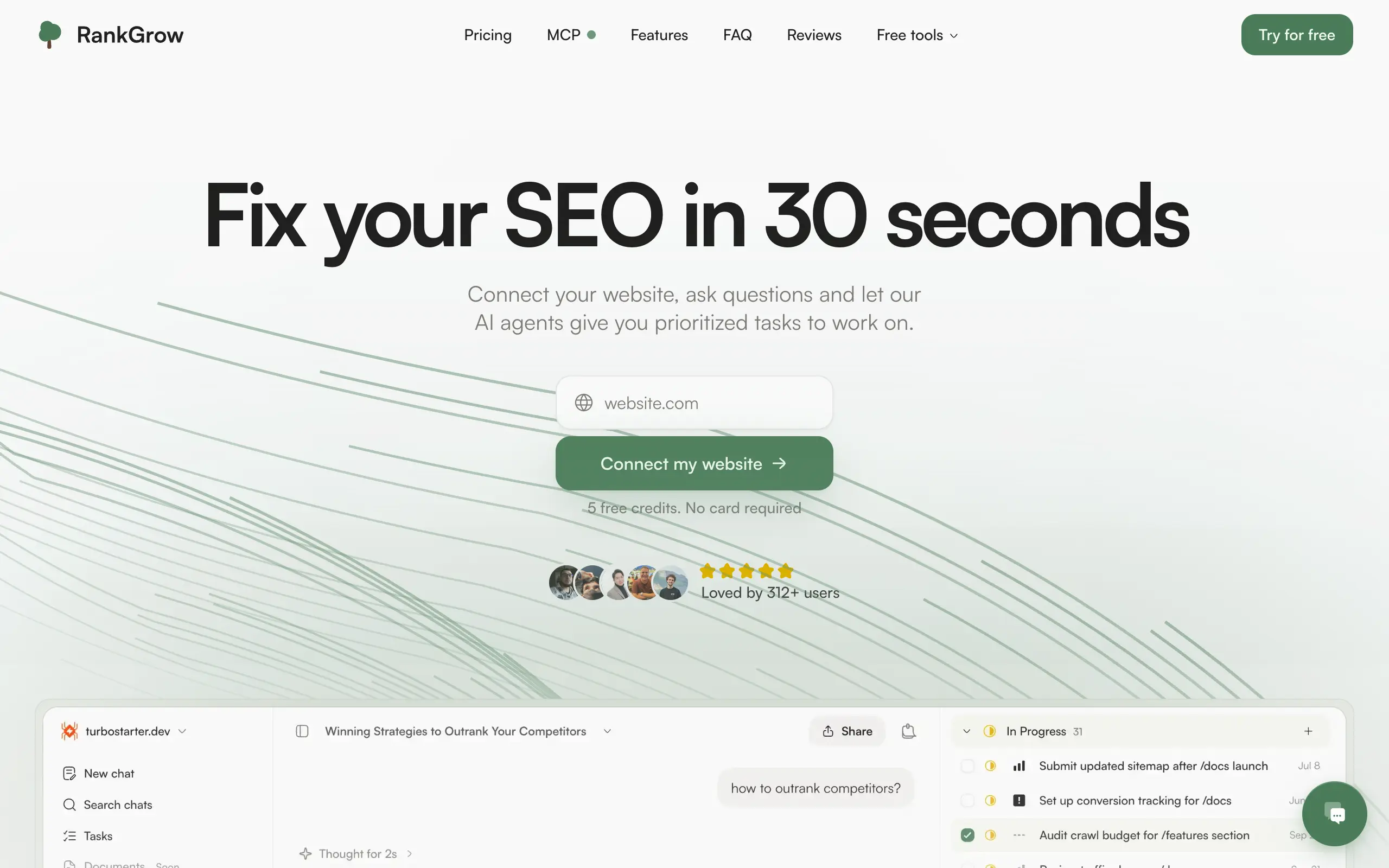
RankGrow
Fix your SEO with AI agents - connect Search Console, get prioritized tasks, and grow organic traffic 📈
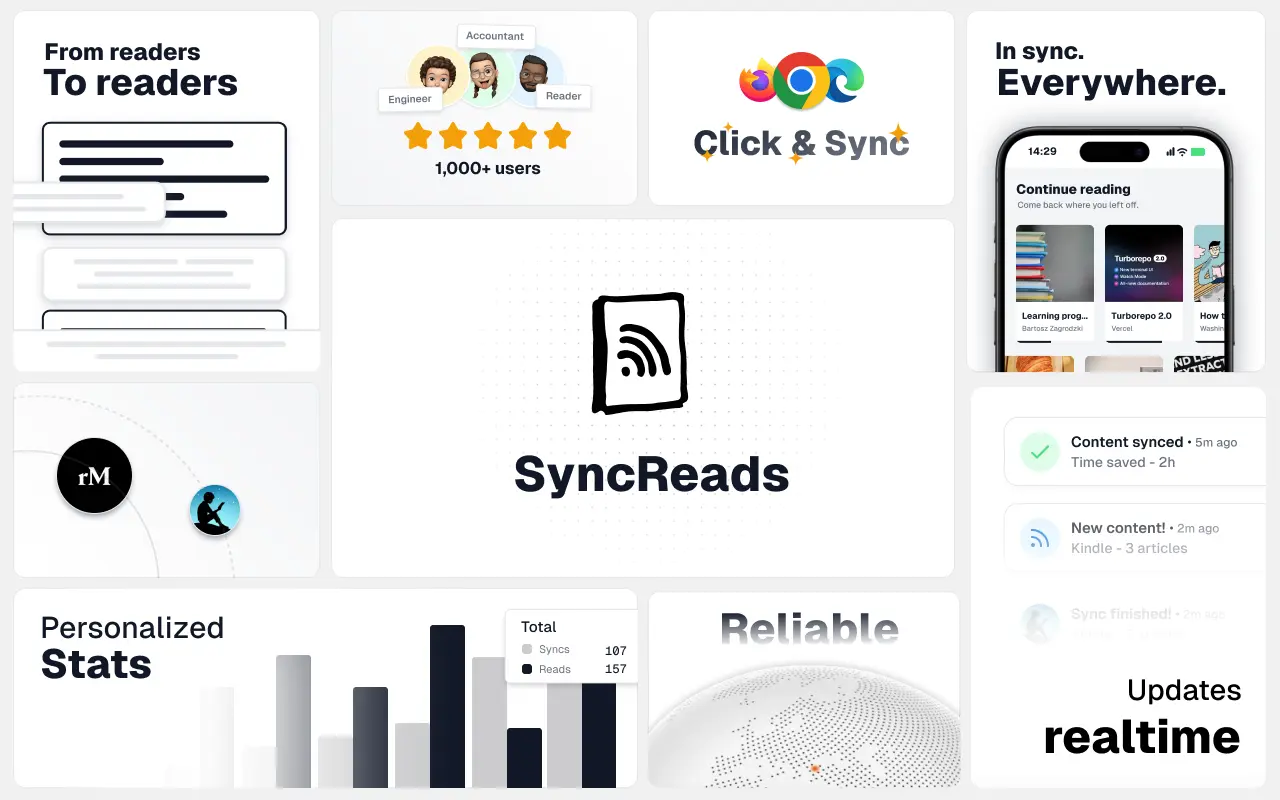
SyncReads
Sync your favorite content for distraction-free reading, save time and replace multiple apps. Anytime, anywhere 🔄
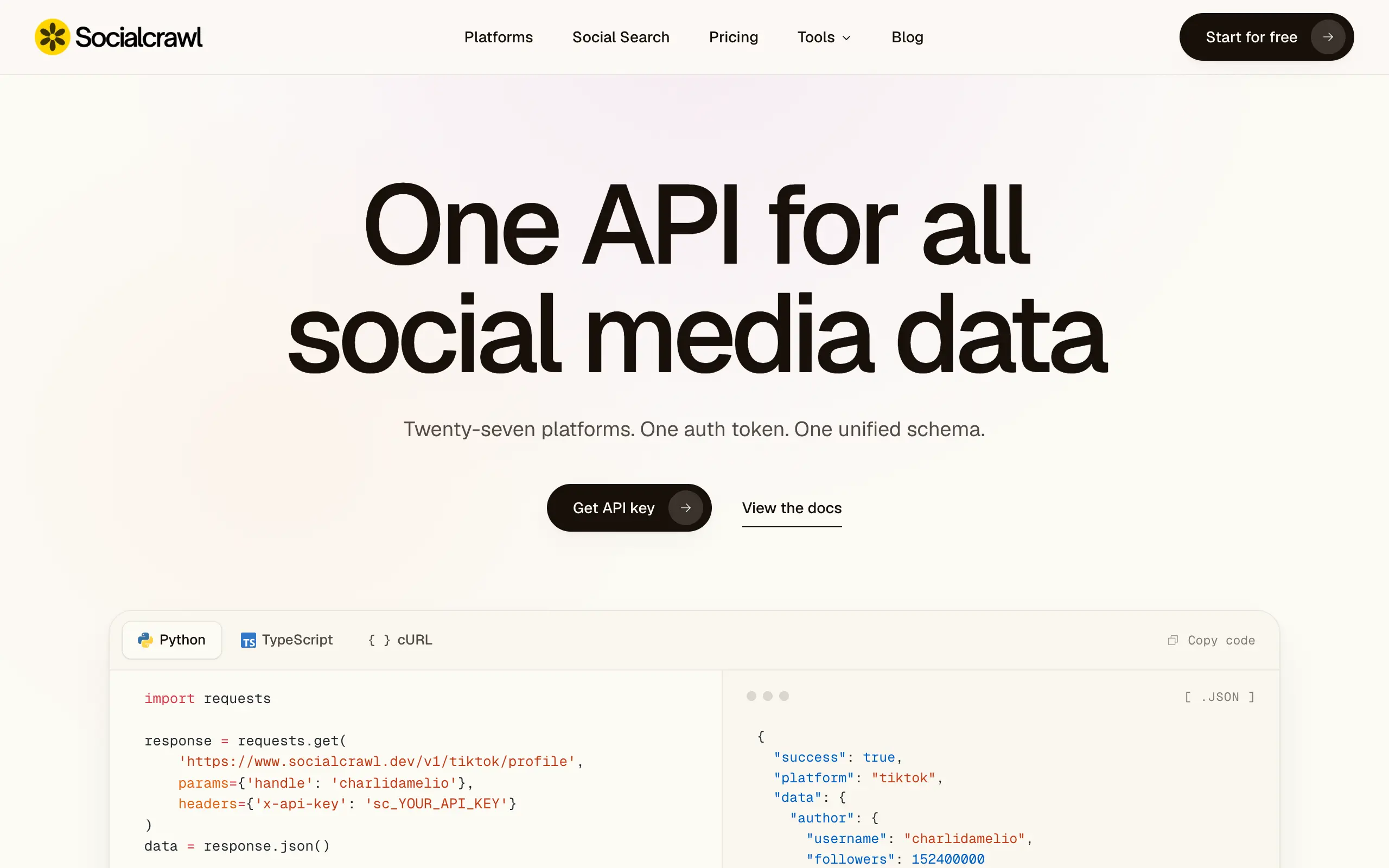
Socialcrawl
Get clean, structured data from 21 platforms like TikTok, Instagram, and YouTube with a single request 📊
Statiko
Monitor any Telegram channel in real time - track posts, edits, deletions, and growth with AI recaps 📡
Shibui
AI website builder - describe your business, pick a niche template, edit by chatting, and publish instantly ✨
Pro Service
Find verified home service professionals, compare quotes, and pay securely through escrow - built for Brazilians across the US 🏠
RankGrow
Fix your SEO with AI agents - connect Search Console, get prioritized tasks, and grow organic traffic 📈
SyncReads
Sync your favorite content for distraction-free reading, save time and replace multiple apps. Anytime, anywhere 🔄
Socialcrawl
Get clean, structured data from 21 platforms like TikTok, Instagram, and YouTube with a single request 📊
Statiko
Monitor any Telegram channel in real time - track posts, edits, deletions, and growth with AI recaps 📡
Shibui
AI website builder - describe your business, pick a niche template, edit by chatting, and publish instantly ✨
Pro Service
Find verified home service professionals, compare quotes, and pay securely through escrow - built for Brazilians across the US 🏠
RankGrow
Fix your SEO with AI agents - connect Search Console, get prioritized tasks, and grow organic traffic 📈
SyncReads
Sync your favorite content for distraction-free reading, save time and replace multiple apps. Anytime, anywhere 🔄
Socialcrawl
Get clean, structured data from 21 platforms like TikTok, Instagram, and YouTube with a single request 📊
Statiko
Monitor any Telegram channel in real time - track posts, edits, deletions, and growth with AI recaps 📡
Shibui
AI website builder - describe your business, pick a niche template, edit by chatting, and publish instantly ✨
Pro Service
Find verified home service professionals, compare quotes, and pay securely through escrow - built for Brazilians across the US 🏠
RankGrow
Fix your SEO with AI agents - connect Search Console, get prioritized tasks, and grow organic traffic 📈
SyncReads
Sync your favorite content for distraction-free reading, save time and replace multiple apps. Anytime, anywhere 🔄
Socialcrawl
Get clean, structured data from 21 platforms like TikTok, Instagram, and YouTube with a single request 📊
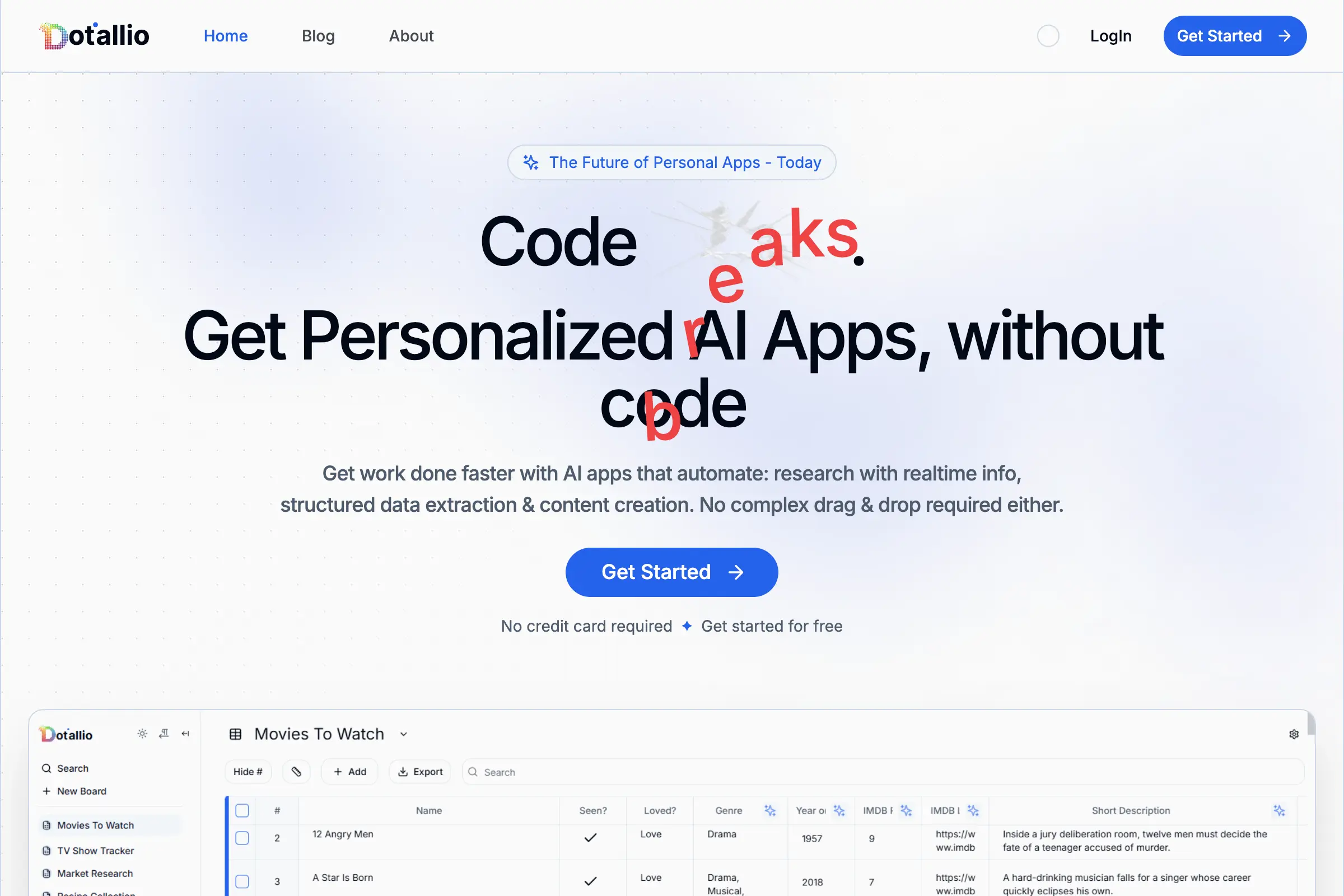
Dotallio
Personalized AI apps that automate research, data extraction, and content creation without code 🤖

Talk to Santa
Enjoy a magical live video chat or receive a unique AI-generated video greeting from Santa Claus 🎅

pozywka.pl
Scalable blog for food journalist, focused on performance and user experience 🌭
zagrodzki.me
Personal blog and portfolio of Bart Zagrodzki, where he shares his knowledge and work 💼
TurboStarter
Ship your startup everywhere. In minutes.
HTML to Markdown
Convert HTML to Markdown with ease, directly in your browser 📄
Dotallio
Personalized AI apps that automate research, data extraction, and content creation without code 🤖
Talk to Santa
Enjoy a magical live video chat or receive a unique AI-generated video greeting from Santa Claus 🎅
pozywka.pl
Scalable blog for food journalist, focused on performance and user experience 🌭
zagrodzki.me
Personal blog and portfolio of Bart Zagrodzki, where he shares his knowledge and work 💼
TurboStarter
Ship your startup everywhere. In minutes.
HTML to Markdown
Convert HTML to Markdown with ease, directly in your browser 📄
Dotallio
Personalized AI apps that automate research, data extraction, and content creation without code 🤖
Talk to Santa
Enjoy a magical live video chat or receive a unique AI-generated video greeting from Santa Claus 🎅
pozywka.pl
Scalable blog for food journalist, focused on performance and user experience 🌭
zagrodzki.me
Personal blog and portfolio of Bart Zagrodzki, where he shares his knowledge and work 💼
TurboStarter
Ship your startup everywhere. In minutes.
HTML to Markdown
Convert HTML to Markdown with ease, directly in your browser 📄
Dotallio
Personalized AI apps that automate research, data extraction, and content creation without code 🤖
Talk to Santa
Enjoy a magical live video chat or receive a unique AI-generated video greeting from Santa Claus 🎅
pozywka.pl
Scalable blog for food journalist, focused on performance and user experience 🌭
zagrodzki.me
Personal blog and portfolio of Bart Zagrodzki, where he shares his knowledge and work 💼
TurboStarter
Ship your startup everywhere. In minutes.
HTML to Markdown
Convert HTML to Markdown with ease, directly in your browser 📄
Omichat
Chat with 50+ AI models, including ChatGPT and Claude, in one place - switch models anytime without losing context 🤖
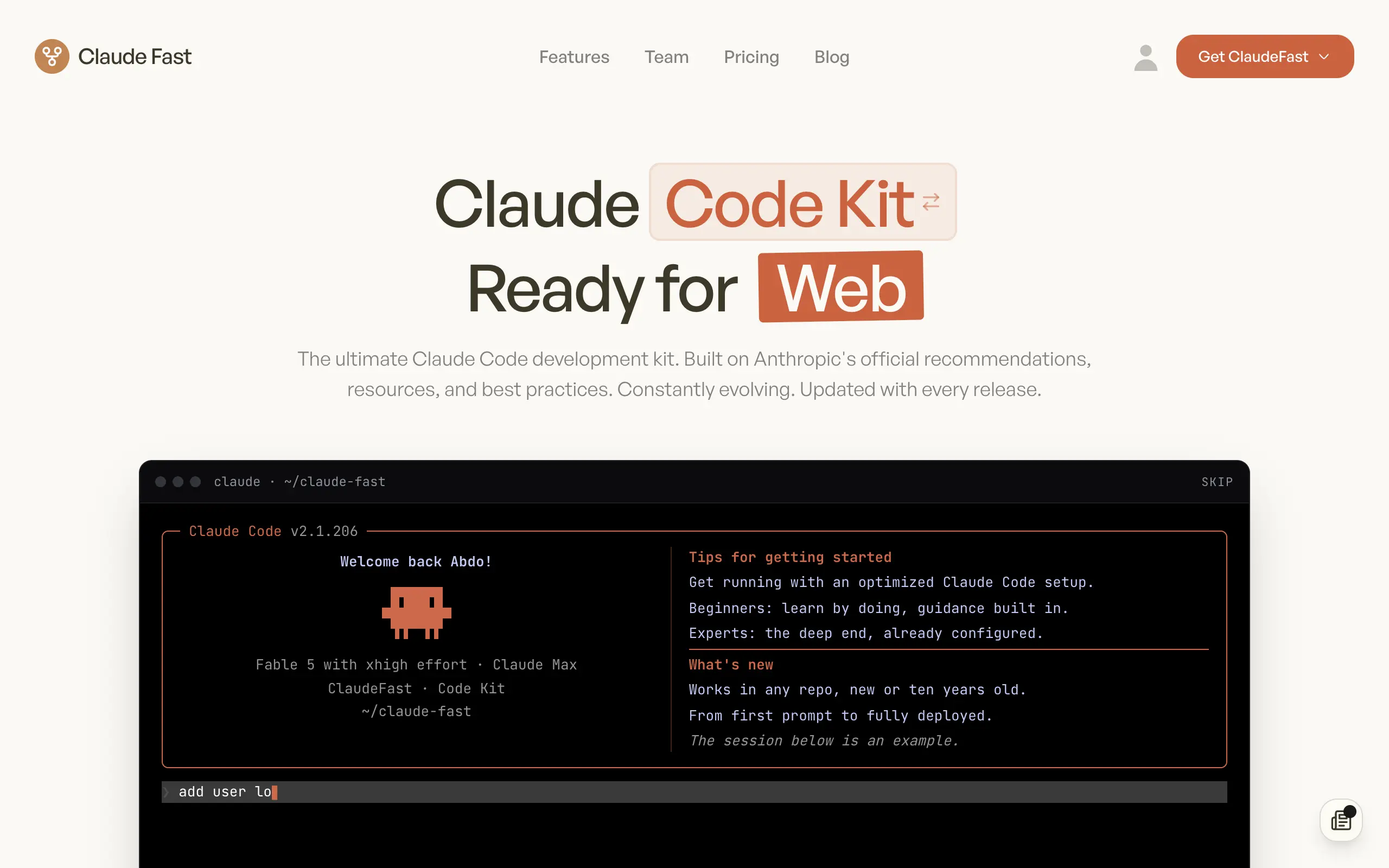
Claude Fast
Supercharge your Claude Code with 6x effective context window and specialized AI agents 🤖
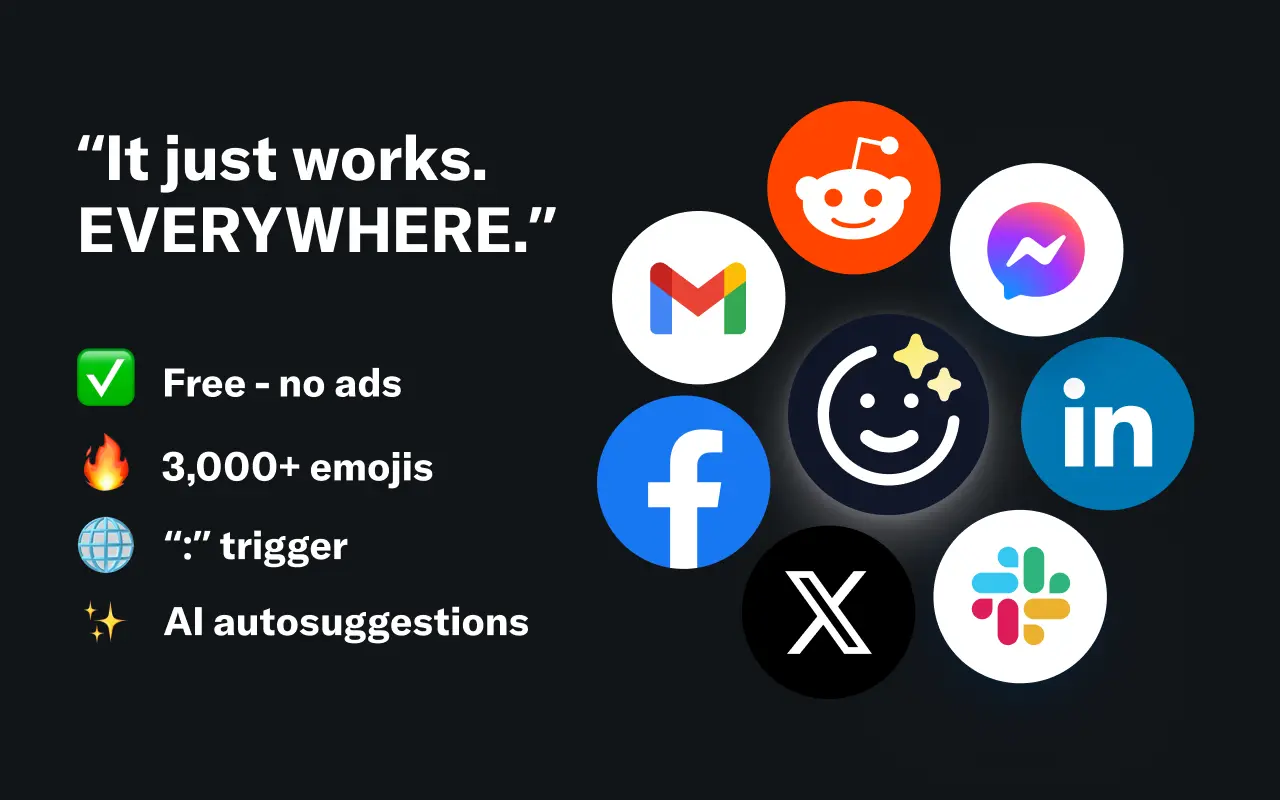
EmojAI
AI-powered emoji picker with smart, context-aware suggestions 🤖

Solohacker
Autonomous company launcher - AI agents work 24/7, escalate what matters, and you stay in control 🤖

BeRawi: Storytelling Coach
Practice storytelling daily with instant feedback to sound clearer, more engaging, and confident 🎤
Omichat
Chat with 50+ AI models, including ChatGPT and Claude, in one place - switch models anytime without losing context 🤖
Claude Fast
Supercharge your Claude Code with 6x effective context window and specialized AI agents 🤖
EmojAI
AI-powered emoji picker with smart, context-aware suggestions 🤖
Solohacker
Autonomous company launcher - AI agents work 24/7, escalate what matters, and you stay in control 🤖
BeRawi: Storytelling Coach
Practice storytelling daily with instant feedback to sound clearer, more engaging, and confident 🎤
Omichat
Chat with 50+ AI models, including ChatGPT and Claude, in one place - switch models anytime without losing context 🤖
Claude Fast
Supercharge your Claude Code with 6x effective context window and specialized AI agents 🤖
EmojAI
AI-powered emoji picker with smart, context-aware suggestions 🤖
Solohacker
Autonomous company launcher - AI agents work 24/7, escalate what matters, and you stay in control 🤖
BeRawi: Storytelling Coach
Practice storytelling daily with instant feedback to sound clearer, more engaging, and confident 🎤
Omichat
Chat with 50+ AI models, including ChatGPT and Claude, in one place - switch models anytime without losing context 🤖
Claude Fast
Supercharge your Claude Code with 6x effective context window and specialized AI agents 🤖
EmojAI
AI-powered emoji picker with smart, context-aware suggestions 🤖
Solohacker
Autonomous company launcher - AI agents work 24/7, escalate what matters, and you stay in control 🤖
BeRawi: Storytelling Coach
Practice storytelling daily with instant feedback to sound clearer, more engaging, and confident 🎤

Connect with like-minded people
Join our community to get feedback, support, and grow together with 1,000+ builders on board, let's ship it!
Join usShip your startup everywhere. In minutes.
Don't burn tokens on setup and start building features on day one.