SpecToStack
Turn product specs into fully scaffolded features. This AI agent converts tickets and PRDs into structured code, tests, and CI-ready pull requests.
The new era of AI-driven feature development
Modern software teams move fast—but product specifications still create friction.
Product managers write PRDs in Notion. Engineers translate tickets from Jira into code. QA writes test cases separately. DevOps wires up CI. By the time a feature is merged, multiple handoffs have occurred, each introducing ambiguity, rework, and delays.
That’s where SpecToStack, an AI agent that converts product specs into fully scaffolded features—complete with structured code, tests, and CI-ready pull requests—enters the picture.
This article explores:
- The market opportunity behind AI code generation platforms
- Who SpecToStack is built for
- Core features and technical architecture
- Monetization models and go-to-market strategy
- Risks, trade-offs, and mitigation strategies
- A realistic implementation roadmap
If you’re exploring building an AI SaaS in developer tooling—or validating the opportunity behind AI-powered feature scaffolding—this guide provides a comprehensive blueprint.
Understanding the problem: why specs break engineering velocity
Every product team claims to be agile. Few truly are.
The friction usually starts here:
- Product writes a high-level PRD.
- Engineers interpret requirements differently.
- Edge cases are discovered mid-implementation.
- Tests are written reactively.
- CI fails because configurations weren’t aligned.
- Pull requests require multiple revisions.
The root problem is manual translation of intent into code.
Hidden costs of manual spec-to-code workflows
- Specification drift – Code diverges from documented intent.
- Context loss – Engineers re-interpret requirements.
- Delayed testing – QA lags development.
- Inconsistent scaffolding – Different teams follow different patterns.
- Onboarding friction – New developers struggle to understand conventions.
According to various industry reports (e.g., Stack Overflow Developer Survey), engineers spend significant time on maintenance and debugging rather than new feature development. While exact figures vary year-to-year, the pattern is consistent: translation and alignment overhead consumes a meaningful portion of engineering time.
SpecToStack addresses this directly by transforming product specifications into production-ready feature scaffolds automatically.
What is SpecToStack?
SpecToStack is an AI-powered feature scaffolding platform that converts tickets, PRDs, and structured requirements into:
- Application code (frontend + backend)
- Database migrations
- Automated tests
- API contracts
- CI configuration updates
- A ready-to-merge pull request
Instead of generating snippets like traditional AI code assistants, SpecToStack generates structured, context-aware, repository-aligned features.
Primary keyword focus
This solution targets search intent around:
- AI feature scaffolding
- Convert PRD to code
- AI code generation platform
- Spec to code automation
- AI pull request generator
- AI dev productivity tools
Target audience analysis
Understanding the ICP (ideal customer profile) is critical.
1. Startup engineering teams (5–50 engineers)
Pain points:
- Limited engineering bandwidth
- Pressure to ship features fast
- Inconsistent architecture decisions
- Junior-heavy teams needing scaffolding support
Why SpecToStack fits:
- Reduces boilerplate
- Enforces architectural consistency
- Accelerates MVP iteration
2. Scale-ups and product-led companies
Pain points:
- Multiple squads working in parallel
- Spec drift between product and engineering
- Growing test coverage requirements
- CI/CD complexity
Why SpecToStack fits:
- Standardizes feature implementation patterns
- Generates structured tests
- Produces CI-compliant pull requests
3. Enterprise innovation teams
Pain points:
- Heavy documentation processes
- Long review cycles
- Compliance constraints
- Need for traceability
Why SpecToStack fits:
- Maps spec to code traceability
- Ensures audit trails
- Generates consistent, policy-aligned code
4. CTOs and VP of Engineering
Decision-makers care about:
- Engineering velocity
- Predictability
- Quality
- Developer happiness
- Hiring leverage
SpecToStack positions itself as a force multiplier for engineering output, not a replacement for developers.
Market opportunity: AI for developer productivity
The AI developer tools market has exploded since 2023.
Categories include:
- AI pair programmers
- AI code review tools
- AI test generators
- DevOps automation agents
- Codebase indexing assistants
However, a gap remains:
Most tools generate code snippets. Very few generate fully structured, repository-aware features with tests and CI alignment.
This is the positioning edge.
Competitive landscape overview
Strengths
- Excellent inline suggestions
- Context-aware within file
- Easy adoption
Limitations
- Not PRD-driven
- Doesn't create structured pull requests
- Limited CI integration
Strengths
- Deep codebase understanding
- File-aware generation
- Developer-first UX
Limitations
- Still developer-prompt driven
- No structured spec ingestion
- Limited workflow automation
Strengths
- Spec-to-feature transformation
- Automated test scaffolding
- CI-ready pull requests
- Repository pattern enforcement
Limitations
- Requires structured spec inputs
- Higher integration complexity
SpecToStack isn’t an autocomplete tool. It’s a feature orchestration agent.
Core features of SpecToStack
1. Structured spec ingestion
Supports:
- Jira ticket ingestion
- Notion PRD parsing
- Markdown uploads
- API-based spec submission
The system extracts:
- Functional requirements
- Non-functional constraints
- Edge cases
- Acceptance criteria
It transforms unstructured text into structured feature schemas.
2. Repository-aware architecture analysis
SpecToStack analyzes:
- Folder structure
- Tech stack (e.g., Next.js, Django, Rails)
- Existing conventions
- Database schema
- Test framework
- CI setup
It adapts output to match the existing architecture.
3. Full feature scaffolding
Generated output includes:
- Frontend components
- API routes/controllers
- Services
- Data models
- Database migrations
- Validation logic
Example conceptual output:
// Example: Auto-generated Next.js API route
import { NextRequest, NextResponse } from "next/server";
import { createFeature } from "@/services/featureService";

export async function POST(req: NextRequest) {
  const body = await req.json();

  const result = await createFeature(body);

  return NextResponse.json(result, { status: 201 });
}
This isn’t random code—it aligns with repository patterns.
4. Automated test generation
Supports:
- Unit tests
- Integration tests
- API contract tests
- Snapshot tests (frontend)
Test coverage is derived directly from acceptance criteria.
5. CI/CD alignment
SpecToStack:
- Updates test suites
- Ensures lint compliance
- Adds necessary environment variables
- Generates migration steps
- Opens a pull request
It integrates with:
- GitHub
- GitLab
- Bitbucket
6. Traceability mapping
Each generated file includes metadata referencing:
- Source PRD section
- Ticket ID
- Acceptance criteria
This is crucial for enterprise compliance.
Technical architecture
High-level architecture components
Spec parser engine
Transforms PRDs and tickets into structured feature schemas using LLM + validation pipelines.
Repository analyzer
Indexes codebase and builds architectural graph representation.
Code generation agent
Produces multi-file structured code aligned with repository patterns.
CI orchestrator
Validates output against test and lint pipelines before PR creation.
Recommended tech stack
Frontend
Why:
- Developer-friendly
- SSR capabilities
- Strong ecosystem
Backend
Options:
- Node.js (TypeScript)
- Python (FastAPI)
- Go (high performance environments)
Trade-offs:
- Node.js: Strong ecosystem for GitHub integrations
- Python: Easier AI pipeline integration
- Go: Faster but more complex for rapid iteration
AI & orchestration layer
- LLM provider APIs
- Embedding store (vector database)
- Retrieval-augmented generation
- Prompt templating system
- Deterministic validation rules
Infrastructure
- Containerized deployment
- Horizontal scaling for AI job workers
- Webhook listeners for repo events
Monetization strategy
1. Tiered SaaS pricing
| Plan | Target | Features | AI Usage | Price |
|---|---|---|---|---|
| Starter | Startups | Basic scaffolding | Limited | $49/mo |
| Growth | Scale-ups | CI + test generation | Higher | $199/mo |
2. Usage-based pricing
Charge per:
- Generated feature
- Lines of code scaffolded
- AI token usage
- Pull request created
3. Enterprise licensing
- On-prem deployment
- SLA agreements
- Custom compliance integration
- SOC2 alignment
Enterprise contracts could range from $25k–$250k annually depending on usage scale.
Competitive advantage analysis
SpecToStack’s differentiation lies in:
- Structured feature generation, not snippets.
- Repository-aware code alignment.
- Automated CI-ready pull requests.
- Traceability between spec and implementation.
- End-to-end workflow automation.
This positions it between:
- AI coding assistants
- DevOps automation tools
- Agile tooling systems
It becomes a bridge between product and engineering execution.
Risks and mitigation strategies
Risk 1: Low trust in generated code
Developer skepticism is real
Engineers will not blindly merge AI-generated code.
Mitigation:
- Transparent diff views
- Confidence scoring
- Test coverage metrics
- Explainability layer
Risk 2: Hallucinated logic
Mitigation:
- Structured schema validation
- Deterministic guardrails
- Static analysis tools
- Test-first generation approach
Risk 3: Complex repo compatibility
Mitigation:
- Initial onboarding scan
- Architecture fingerprinting
- Template learning phase
Risk 4: Token cost scalability
Mitigation:
- Chunked generation
- Context window optimization
- Caching architectural embeddings
Implementation roadmap
If building SpecToStack, here’s a practical phased plan.
Go-to-market strategy
1. Developer-first content marketing
Publish:
- “Convert PRD to code automatically”
- “AI pull request generator”
- “How to automate feature scaffolding”
SEO strategy targets long-tail queries.
2. GitHub marketplace integration
Visibility inside developer ecosystems accelerates adoption.
3. CTO-led outreach
Target:
- Startup CTOs
- VP Engineering
- Technical founders
Offer:
- Pilot programs
- Velocity improvement reports
4. Open-source SDK
Allow teams to:
- Define custom scaffolding templates
- Extend agent behavior
- Contribute adapters
Why SpecToStack stands out
Most AI developer tools focus on:
- Writing code faster
- Debugging code
- Refactoring code
SpecToStack focuses on:
Translating product intent into production-ready features.
That is a fundamentally different layer of abstraction.
It doesn’t just help engineers type faster.
It helps organizations ship faster—with alignment.
Actionable next steps to build SpecToStack
If you want to implement this SaaS:
- Define narrow stack support (e.g., Next.js + PostgreSQL).
- Build repository analysis engine.
- Create structured spec ingestion pipeline.
- Start with backend-only generation.
- Integrate GitHub App for PR automation.
- Add test-generation validation loop.
- Collect user feedback aggressively.
For fast scaffolding of your own SaaS platform, you can leverage production-ready foundations like TurboStarter, which accelerates authentication, billing, and core SaaS infrastructure so you can focus on AI feature orchestration logic.
Final thoughts
AI is transforming how developers write code.
But the real opportunity lies higher up the stack:
- Automating translation
- Reducing ambiguity
- Enforcing architecture
- Aligning specs with execution
SpecToStack represents the next evolution in AI-powered developer productivity: feature-level automation.
For founders, it’s a compelling AI SaaS opportunity in a rapidly expanding market.
For engineering leaders, it’s a potential force multiplier.
And for developers, it could mean spending less time translating requirements—and more time building meaningful systems.
The future of software development isn’t just AI-assisted coding.
It’s AI-orchestrated delivery.
More 🤖 AI Startup SaaS ideas
Discover more innovative ai startup SaaS ideas that are trending in 2026. Each idea is AI-generated with market validation and growth potential to help you find your next profitable venture faster than competitors.
Your competitors are building with TurboStarter
Below are some of the SaaS ideas that have been generated and built with our starter kit.
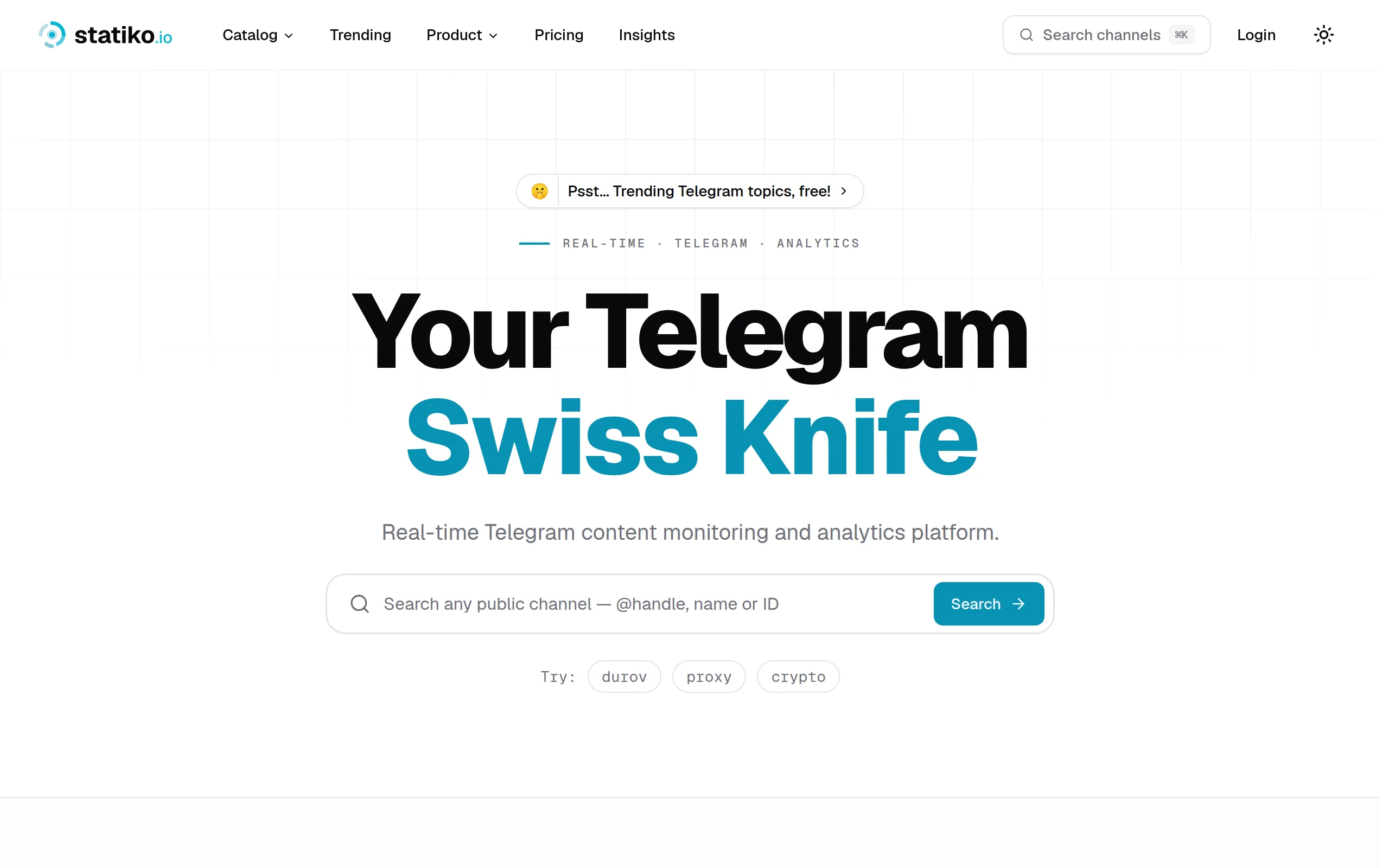
Statiko
Monitor any Telegram channel in real time - track posts, edits, deletions, and growth with AI recaps 📡

Shibui
AI website builder - describe your business, pick a niche template, edit by chatting, and publish instantly ✨

Pro Service
Find verified home service professionals, compare quotes, and pay securely through escrow - built for Brazilians across the US 🏠
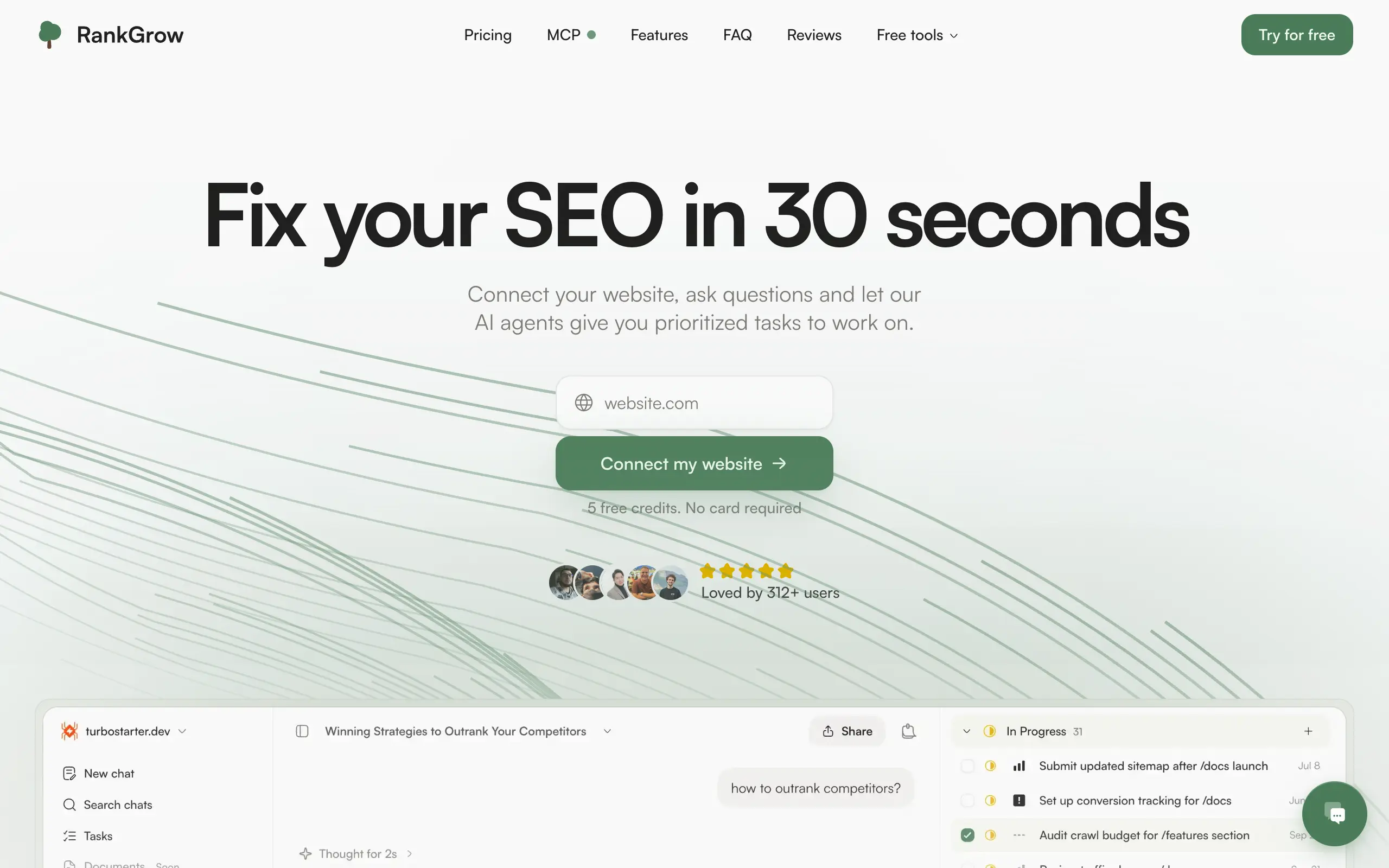
RankGrow
Fix your SEO with AI agents - connect Search Console, get prioritized tasks, and grow organic traffic 📈
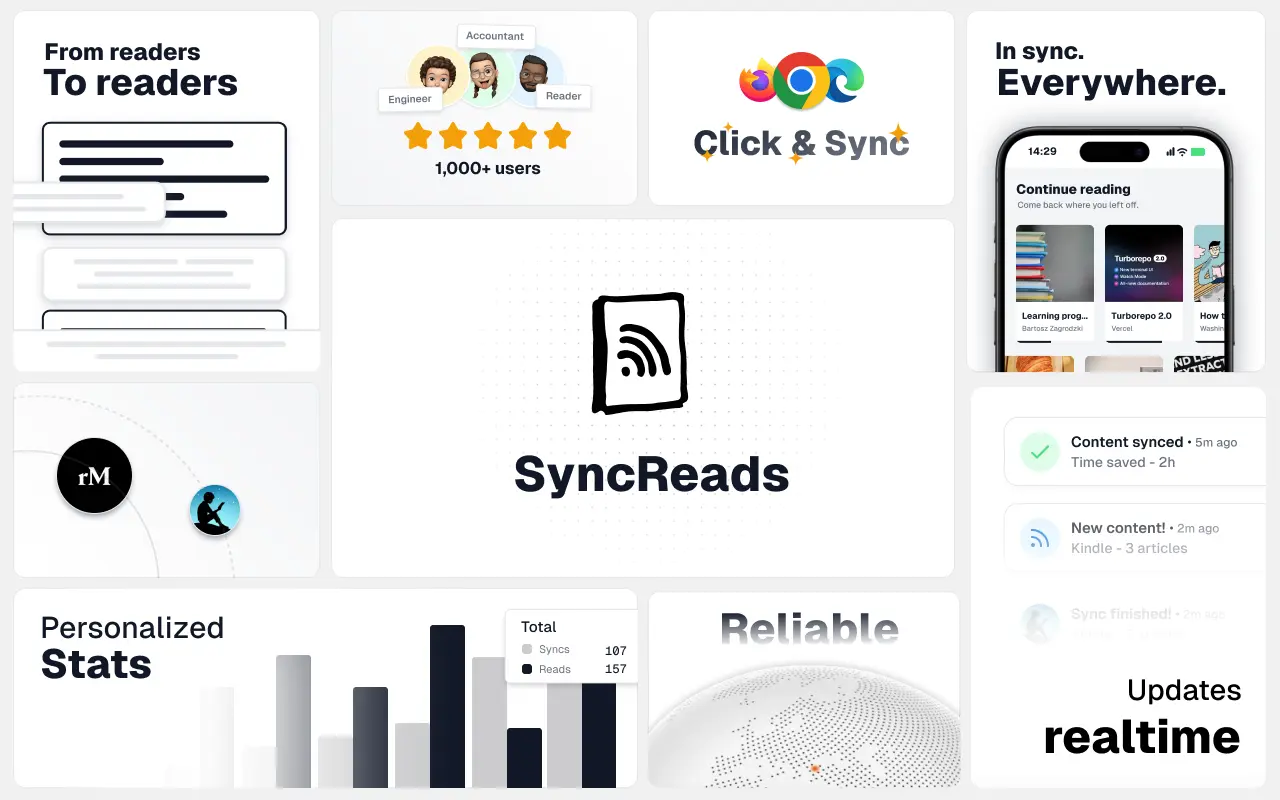
SyncReads
Sync your favorite content for distraction-free reading, save time and replace multiple apps. Anytime, anywhere 🔄
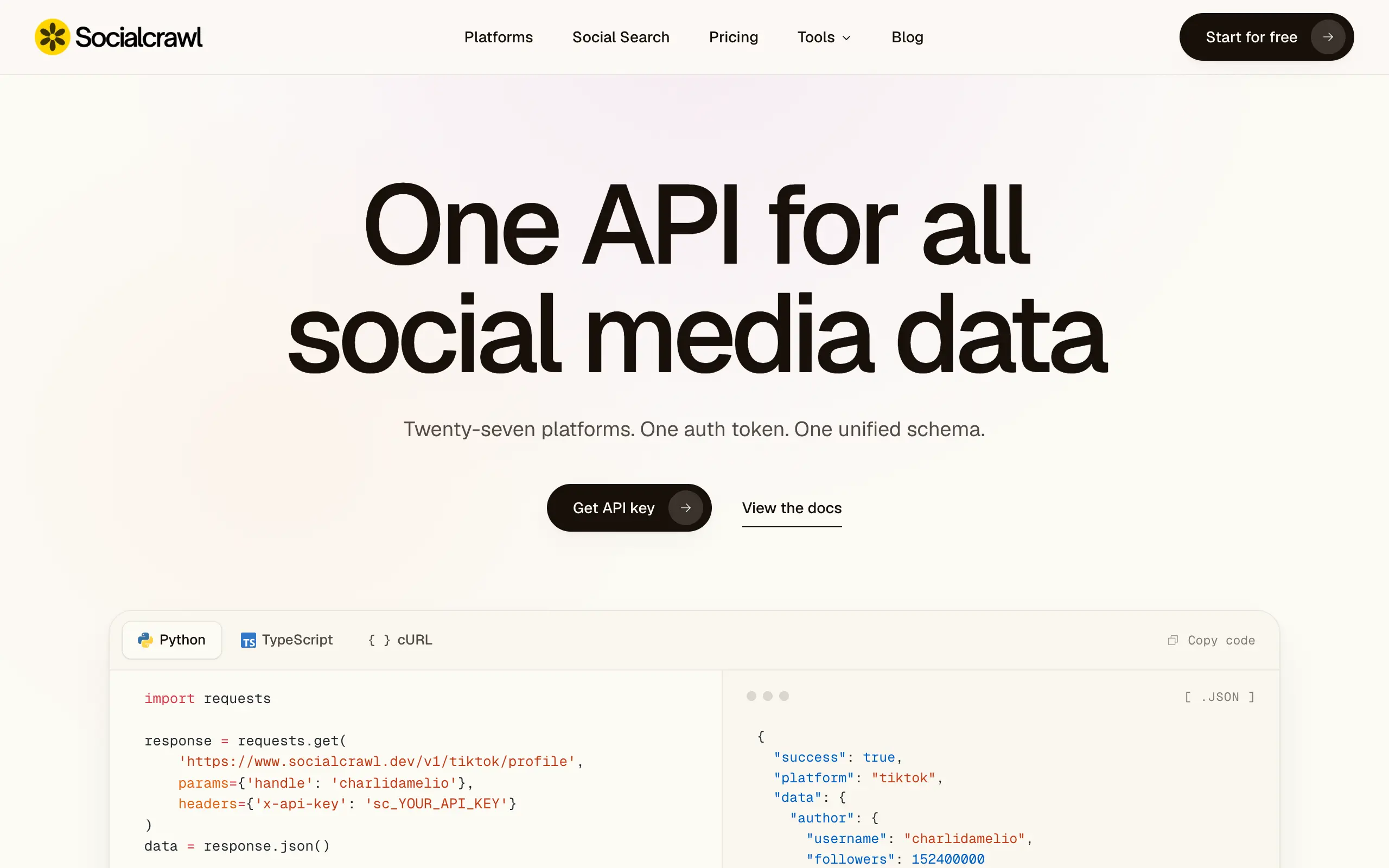
Socialcrawl
Get clean, structured data from 21 platforms like TikTok, Instagram, and YouTube with a single request 📊
Statiko
Monitor any Telegram channel in real time - track posts, edits, deletions, and growth with AI recaps 📡
Shibui
AI website builder - describe your business, pick a niche template, edit by chatting, and publish instantly ✨
Pro Service
Find verified home service professionals, compare quotes, and pay securely through escrow - built for Brazilians across the US 🏠
RankGrow
Fix your SEO with AI agents - connect Search Console, get prioritized tasks, and grow organic traffic 📈
SyncReads
Sync your favorite content for distraction-free reading, save time and replace multiple apps. Anytime, anywhere 🔄
Socialcrawl
Get clean, structured data from 21 platforms like TikTok, Instagram, and YouTube with a single request 📊
Statiko
Monitor any Telegram channel in real time - track posts, edits, deletions, and growth with AI recaps 📡
Shibui
AI website builder - describe your business, pick a niche template, edit by chatting, and publish instantly ✨
Pro Service
Find verified home service professionals, compare quotes, and pay securely through escrow - built for Brazilians across the US 🏠
RankGrow
Fix your SEO with AI agents - connect Search Console, get prioritized tasks, and grow organic traffic 📈
SyncReads
Sync your favorite content for distraction-free reading, save time and replace multiple apps. Anytime, anywhere 🔄
Socialcrawl
Get clean, structured data from 21 platforms like TikTok, Instagram, and YouTube with a single request 📊
Statiko
Monitor any Telegram channel in real time - track posts, edits, deletions, and growth with AI recaps 📡
Shibui
AI website builder - describe your business, pick a niche template, edit by chatting, and publish instantly ✨
Pro Service
Find verified home service professionals, compare quotes, and pay securely through escrow - built for Brazilians across the US 🏠
RankGrow
Fix your SEO with AI agents - connect Search Console, get prioritized tasks, and grow organic traffic 📈
SyncReads
Sync your favorite content for distraction-free reading, save time and replace multiple apps. Anytime, anywhere 🔄
Socialcrawl
Get clean, structured data from 21 platforms like TikTok, Instagram, and YouTube with a single request 📊
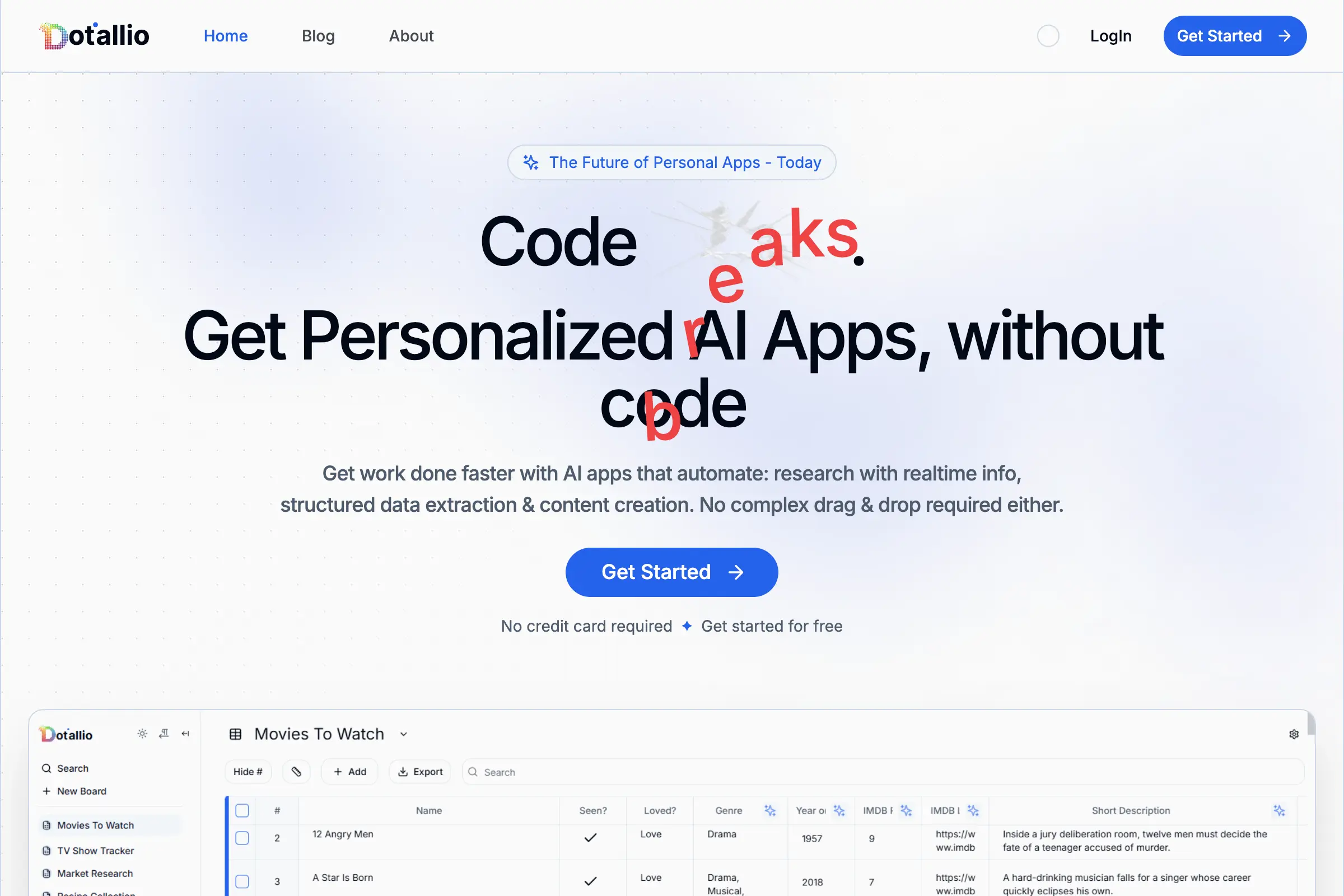
Dotallio
Personalized AI apps that automate research, data extraction, and content creation without code 🤖

Talk to Santa
Enjoy a magical live video chat or receive a unique AI-generated video greeting from Santa Claus 🎅

pozywka.pl
Scalable blog for food journalist, focused on performance and user experience 🌭
zagrodzki.me
Personal blog and portfolio of Bart Zagrodzki, where he shares his knowledge and work 💼
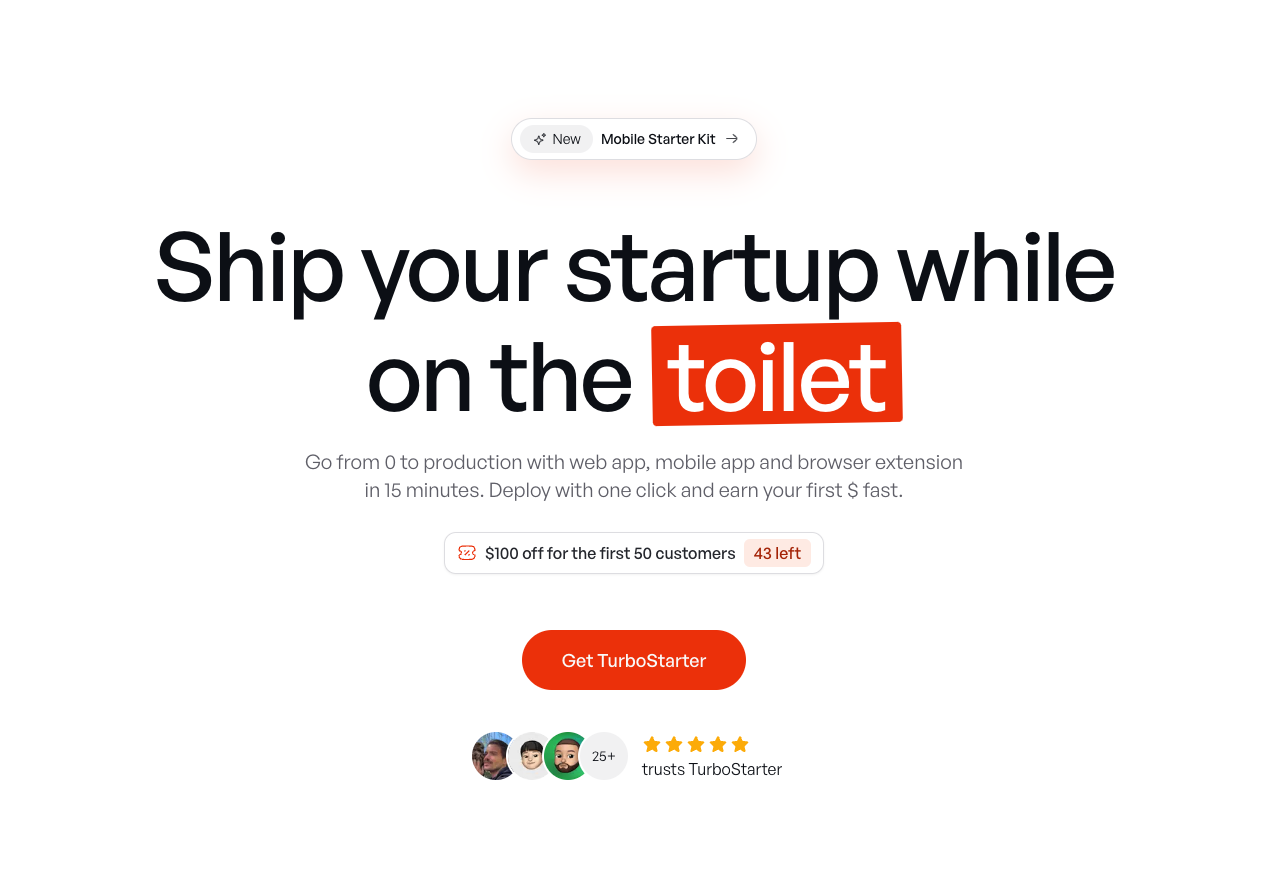
TurboStarter
Ship your startup everywhere. In minutes.
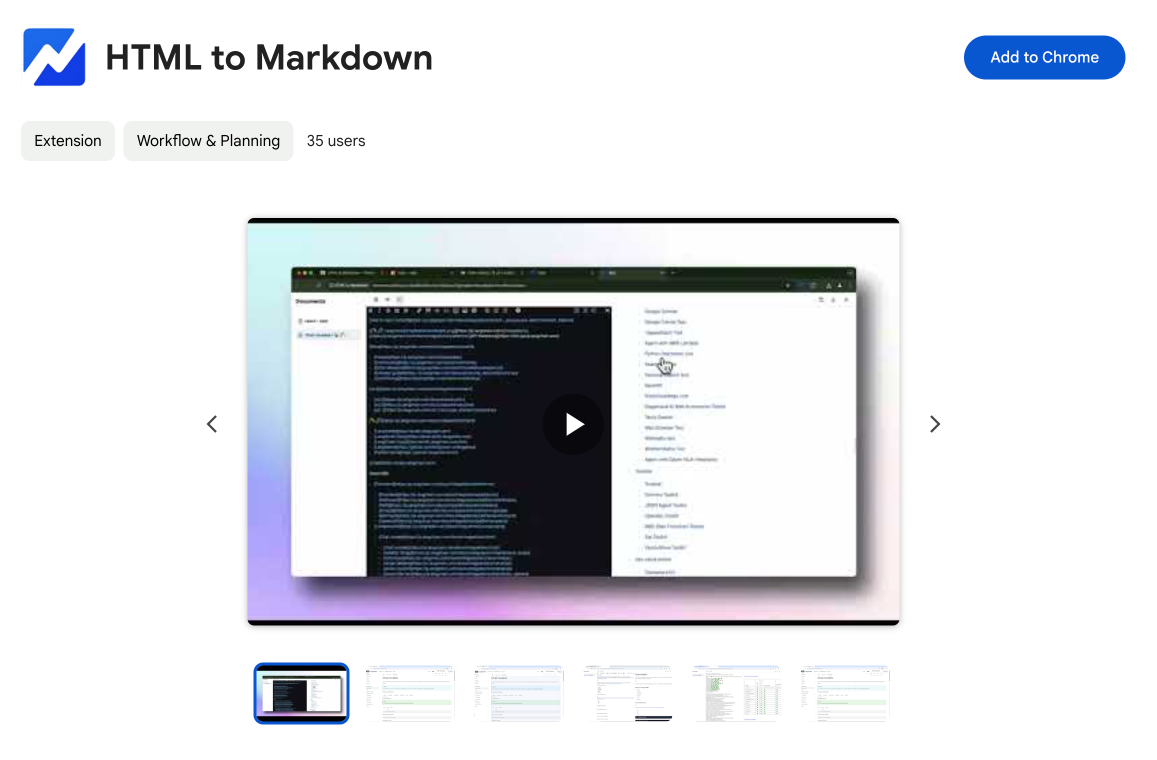
HTML to Markdown
Convert HTML to Markdown with ease, directly in your browser 📄
Dotallio
Personalized AI apps that automate research, data extraction, and content creation without code 🤖
Talk to Santa
Enjoy a magical live video chat or receive a unique AI-generated video greeting from Santa Claus 🎅
pozywka.pl
Scalable blog for food journalist, focused on performance and user experience 🌭
zagrodzki.me
Personal blog and portfolio of Bart Zagrodzki, where he shares his knowledge and work 💼
TurboStarter
Ship your startup everywhere. In minutes.
HTML to Markdown
Convert HTML to Markdown with ease, directly in your browser 📄
Dotallio
Personalized AI apps that automate research, data extraction, and content creation without code 🤖
Talk to Santa
Enjoy a magical live video chat or receive a unique AI-generated video greeting from Santa Claus 🎅
pozywka.pl
Scalable blog for food journalist, focused on performance and user experience 🌭
zagrodzki.me
Personal blog and portfolio of Bart Zagrodzki, where he shares his knowledge and work 💼
TurboStarter
Ship your startup everywhere. In minutes.
HTML to Markdown
Convert HTML to Markdown with ease, directly in your browser 📄
Dotallio
Personalized AI apps that automate research, data extraction, and content creation without code 🤖
Talk to Santa
Enjoy a magical live video chat or receive a unique AI-generated video greeting from Santa Claus 🎅
pozywka.pl
Scalable blog for food journalist, focused on performance and user experience 🌭
zagrodzki.me
Personal blog and portfolio of Bart Zagrodzki, where he shares his knowledge and work 💼
TurboStarter
Ship your startup everywhere. In minutes.
HTML to Markdown
Convert HTML to Markdown with ease, directly in your browser 📄
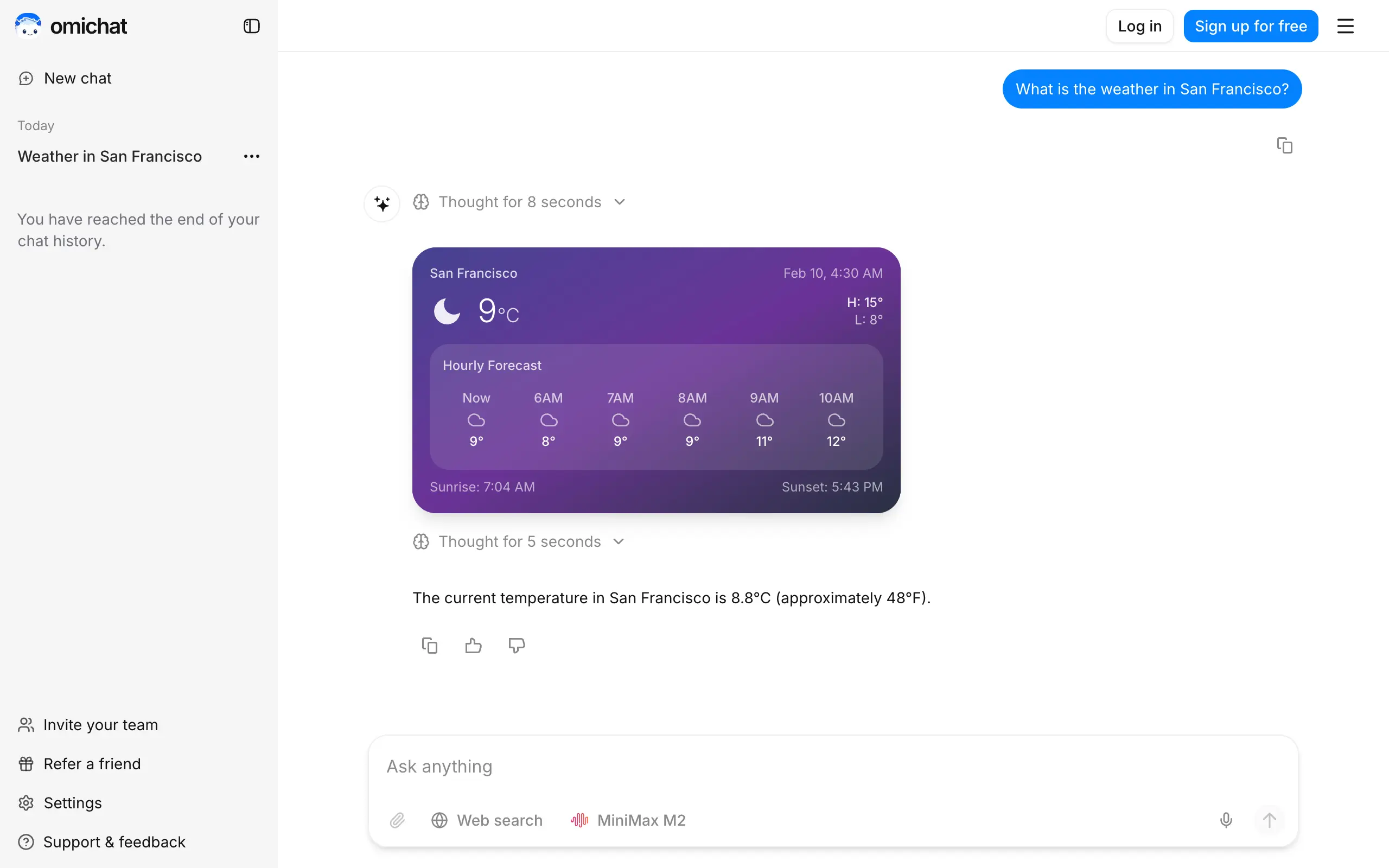
Omichat
Chat with 50+ AI models, including ChatGPT and Claude, in one place - switch models anytime without losing context 🤖
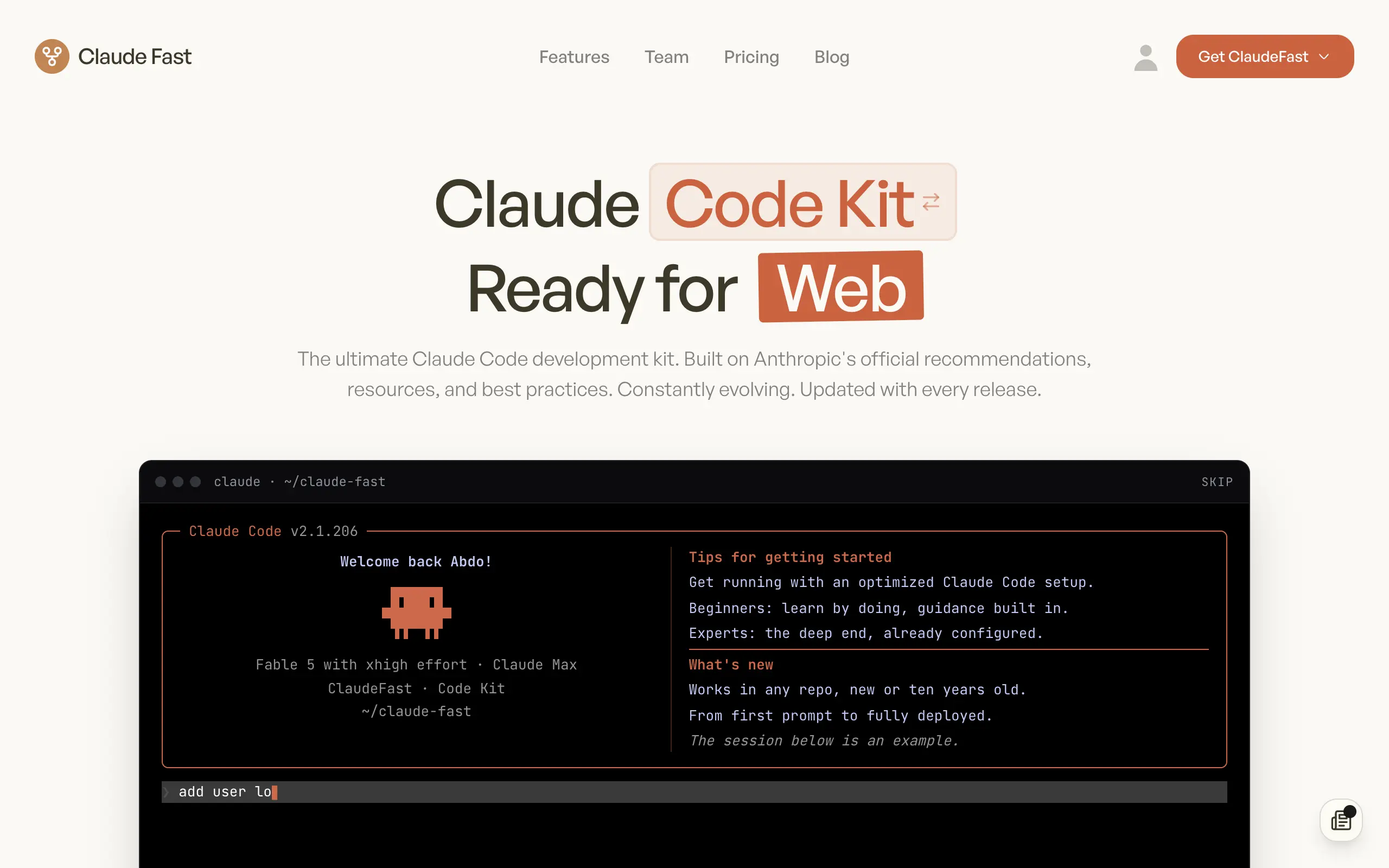
Claude Fast
Supercharge your Claude Code with 6x effective context window and specialized AI agents 🤖
EmojAI
AI-powered emoji picker with smart, context-aware suggestions 🤖
Solohacker
Autonomous company launcher - AI agents work 24/7, escalate what matters, and you stay in control 🤖

BeRawi: Storytelling Coach
Practice storytelling daily with instant feedback to sound clearer, more engaging, and confident 🎤
Omichat
Chat with 50+ AI models, including ChatGPT and Claude, in one place - switch models anytime without losing context 🤖
Claude Fast
Supercharge your Claude Code with 6x effective context window and specialized AI agents 🤖
EmojAI
AI-powered emoji picker with smart, context-aware suggestions 🤖
Solohacker
Autonomous company launcher - AI agents work 24/7, escalate what matters, and you stay in control 🤖
BeRawi: Storytelling Coach
Practice storytelling daily with instant feedback to sound clearer, more engaging, and confident 🎤
Omichat
Chat with 50+ AI models, including ChatGPT and Claude, in one place - switch models anytime without losing context 🤖
Claude Fast
Supercharge your Claude Code with 6x effective context window and specialized AI agents 🤖
EmojAI
AI-powered emoji picker with smart, context-aware suggestions 🤖
Solohacker
Autonomous company launcher - AI agents work 24/7, escalate what matters, and you stay in control 🤖
BeRawi: Storytelling Coach
Practice storytelling daily with instant feedback to sound clearer, more engaging, and confident 🎤
Omichat
Chat with 50+ AI models, including ChatGPT and Claude, in one place - switch models anytime without losing context 🤖
Claude Fast
Supercharge your Claude Code with 6x effective context window and specialized AI agents 🤖
EmojAI
AI-powered emoji picker with smart, context-aware suggestions 🤖
Solohacker
Autonomous company launcher - AI agents work 24/7, escalate what matters, and you stay in control 🤖
BeRawi: Storytelling Coach
Practice storytelling daily with instant feedback to sound clearer, more engaging, and confident 🎤

Connect with like-minded people
Join our community to get feedback, support, and grow together with 1,000+ builders on board, let's ship it!
Join usShip your startup everywhere. In minutes.
Don't burn tokens on setup and start building features on day one.