SpendSage AI
Smart financial assistant that analyzes personal spending patterns, predicts cash flow gaps, and negotiates bills automatically to boost savings without manual budgeting.
The new era of AI-powered personal finance management
Managing personal finances has always been reactive. Most people check their bank balance, review transactions at the end of the month, and try to “do better next time.” Traditional budgeting apps require constant manual input, discipline, and time—three things busy professionals and families rarely have.
This is where an AI financial assistant like SpendSage AI changes the game.
Instead of forcing users to track every dollar manually, SpendSage AI analyzes spending patterns automatically, predicts cash flow gaps before they happen, and negotiates bills on the user’s behalf. The result is a smarter, proactive, and automated way to increase savings—without the stress of manual budgeting.
In this in-depth guide, we’ll explore:
- The target audience and user intent behind AI personal finance tools
- The market opportunity for automated expense management
- Core features of SpendSage AI
- Recommended tech stack and architectural considerations
- Monetization strategies
- Risks and mitigation plans
- Competitive positioning
- Step-by-step implementation roadmap
If you’re validating, building, or investing in an AI-powered personal finance SaaS, this guide provides the strategic and technical blueprint you need.
Understanding the target audience for an AI financial assistant
Before building any AI-powered SaaS, it’s essential to define who it serves and what pain points it solves.
Primary user segments
SpendSage AI targets:
-
Young professionals (25–40 years old)
- High digital adoption
- Multiple subscriptions
- Variable monthly expenses
- Growing income but low structured savings
-
Freelancers and gig workers
- Irregular income
- Cash flow volatility
- Tax complexity
- Difficulty predicting lean months
-
Busy families
- High recurring bills
- Shared accounts
- Subscription sprawl
- Limited time for manual budgeting
-
Financially anxious users
- Avoid checking bank accounts
- Overwhelmed by spreadsheets
- Want automation, not effort
Core user intent
Users searching for tools like “AI personal finance assistant,” “automatic bill negotiation app,” or “cash flow prediction app” are typically looking for:
- Automation over manual tracking
- Smart savings without spreadsheets
- Proactive alerts before overdrafts
- Reduced subscription waste
- Negotiated bills (internet, insurance, utilities)
SpendSage AI must clearly communicate:
“We help you save money automatically without budgeting.”
That is the primary psychological hook.
Market opportunity in AI personal finance SaaS
Why now?
The timing for AI-driven financial management tools is ideal due to:
- Open banking APIs becoming mainstream
- Increased subscription economy
- AI/LLM advancements
- Growing financial stress globally
According to major industry reports (e.g., McKinsey, Deloitte fintech outlooks), digital banking adoption continues to rise annually, and subscription spending has increased significantly over the last decade.
Additionally:
- Consumers often underestimate subscription spending by 2–3x.
- Overdraft and late fees remain common.
- Most people don’t follow traditional budgets consistently.
Market gap
Existing tools fall into three categories:
- Manual budgeting apps (e.g., category-based trackers)
- Passive expense dashboards (show you data but don’t act)
- Single-function tools (bill negotiation only, subscription tracking only)
The gap:
A fully autonomous AI financial assistant that predicts, negotiates, and optimizes spending—without requiring user discipline.
SpendSage AI fills this gap with predictive analytics and automation-first design.
The core solution: how SpendSage AI works
At its core, SpendSage AI combines:
- Bank transaction analysis
- Behavioral spending modeling
- Predictive cash flow forecasting
- Automated bill negotiation workflows
Let’s break down the main pillars.
Core features of SpendSage AI
1. Intelligent spending pattern analysis
The AI engine categorizes and learns from:
- Recurring payments
- Variable expenses
- Seasonal patterns
- Behavioral trends
Instead of static categories, SpendSage AI builds dynamic spending profiles per user.
Key capabilities:
- Subscription detection
- Merchant clustering
- Anomaly detection
- Lifestyle inflation alerts
2. Predictive cash flow forecasting
This is the differentiator.
Rather than showing past spending, SpendSage AI answers:
- “Will I run short next month?”
- “Can I afford this purchase?”
- “When is my next cash flow gap?”
Using time-series modeling and ML, the system predicts:
- End-of-month balance
- Income volatility impact
- Risk of overdraft
- Future bill spikes
This feature alone significantly improves retention because it provides actionable foresight.
3. Automated bill negotiation
One of the highest-value features.
SpendSage AI:
- Identifies negotiable bills (internet, phone, insurance)
- Contacts providers via automated workflows
- Uses negotiation scripts or API integrations
- Requests rate reductions or promotions
Monetization can include a percentage of savings or premium access.
4. Smart savings automation
Instead of traditional budgeting, users get:
- “Safe-to-save” recommendations
- Micro-transfers based on surplus predictions
- Emergency fund acceleration plans
This avoids rigid budgeting and instead uses dynamic optimization.
5. Subscription optimization engine
Features include:
- Detecting unused subscriptions
- Tracking price increases
- Suggesting downgrades
- One-click cancellation guidance
Feature comparison overview
| Feature | Traditional Budget Apps | Bank Dashboards | Bill Negotiators | SpendSage AI |
|---|---|---|---|---|
| Predictive cash flow | ❌ | ❌ | ❌ | ✅ |
| Automatic bill negotiation | ❌ | ❌ | ✅ | ✅ |
| Behavioral AI learning | Limited | ❌ | ❌ | ✅ |
| Automated savings optimization | Manual | ❌ | ❌ | ✅ |
Recommended tech stack for building SpendSage AI
Building an AI financial assistant requires a secure, scalable, and compliant stack.
Frontend
- React – dynamic UI
- Next.js – SSR + performance
- TailwindCSS – rapid styling
Trade-offs:
- Next.js adds complexity but improves SEO and performance.
- React Native can be added later for mobile apps.
Backend
- Node.js (TypeScript) or Python (FastAPI)
- PostgreSQL for structured data
- Redis for caching
- Background workers for AI processing
AI & Machine Learning layer
- Python-based ML services
- Time-series forecasting models
- LLM integration for bill negotiation scripting
- Classification models for transaction tagging
Financial data integrations
- Open banking APIs
- Secure OAuth bank connections
- Encrypted token storage
Security is non-negotiable.
Security is mission critical
Handling financial data requires bank-level encryption, SOC 2 compliance planning, and strict data isolation. Trust is your biggest moat in fintech SaaS.
System architecture overview
// Simplified architecture flow

User -> Frontend (Next.js)
      -> API Gateway
          -> Auth Service
          -> Financial Data Service
          -> AI Forecasting Engine
          -> Bill Negotiation Automation
          -> PostgreSQL Database
          -> ML Model Service
Microservices help isolate financial logic and AI models for scalability.
Monetization strategies for SpendSage AI
Monetization must align with user trust.
1. Freemium model
Free tier:
- Basic spending analysis
- Limited forecasts
Premium ($8–$15/month):
- Advanced predictions
- Automated negotiation
- Smart savings transfers
2. Savings-based commission
Charge:
- 20–30% of negotiated savings
This aligns incentives strongly.
3. Hybrid model (recommended)
- Subscription + savings commission
- Optional financial product referrals
Competitive advantage and USP
SpendSage AI’s unique positioning:
“The autonomous financial optimizer that works for you.”
Unlike competitors:
- It predicts before problems occur.
- It negotiates automatically.
- It optimizes savings dynamically.
This shifts the product from dashboard → financial agent.
Key risks and mitigation strategies
1. Trust barrier
Users hesitate to connect bank accounts.
Mitigation:
- Clear privacy policy
- Transparent encryption standards
- Minimal data retention
2. Regulatory complexity
Financial SaaS must comply with:
- Data privacy laws
- Financial consumer protection regulations
Mitigation:
- Early legal consultation
- Gradual geographic rollout
3. AI prediction inaccuracies
Bad predictions reduce trust.
Mitigation:
- Conservative forecasting
- Confidence intervals
- Continuous model retraining
Go-to-market strategy
Phase 1: Niche targeting
Start with:
- Freelancers
- Remote tech workers
- Subscription-heavy consumers
Phase 2: Content-driven SEO
Target keywords like:
- AI personal finance assistant
- automatic bill negotiation app
- cash flow forecasting app
- subscription tracking AI
Long-form educational content builds organic traffic.
Implementation roadmap
MVP feature prioritization
- Bank syncing
- Transaction categorization
- Basic forecasting
- Dashboard UI
- Bill negotiation automation
- Smart savings
- Subscription cancellation
- AI financial coaching chatbot
- Investment optimization
- Credit score improvement tools
Why building with a proven SaaS foundation matters
Launching fintech SaaS from scratch is time-consuming.
Using a structured SaaS starter kit like TurboStarter can accelerate:
- Authentication setup
- Billing infrastructure
- Dashboard UI
- API scaffolding
This lets you focus on AI differentiation instead of boilerplate.
Future expansion opportunities
- AI tax optimization
- SMB expense automation
- Credit optimization
- Mortgage refinancing detection
- Embedded banking partnerships
SpendSage AI can evolve into a full AI-powered financial command center.
Final thoughts: the future is autonomous finance
The future of personal finance is not budgeting harder. It’s automation.
SpendSage AI represents the shift from:
Manual tracking → Predictive optimization
Passive dashboards → Autonomous negotiation
Financial stress → Financial foresight
For founders, the opportunity lies at the intersection of AI, fintech, and behavioral economics.
For users, the promise is simple:
Save more money without thinking about it.
Ready to build your AI financial assistant?
If you’re serious about launching an AI personal finance SaaS like SpendSage AI, start by validating demand, focusing on predictive cash flow, and building trust-first architecture.
The next generation of financial tools won’t just show data.
They’ll act on it.
More 🤖 AI Startup SaaS ideas
Discover more innovative ai startup SaaS ideas that are trending in 2026. Each idea is AI-generated with market validation and growth potential to help you find your next profitable venture faster than competitors.
Your competitors are building with TurboStarter
Below are some of the SaaS ideas that have been generated and built with our starter kit.
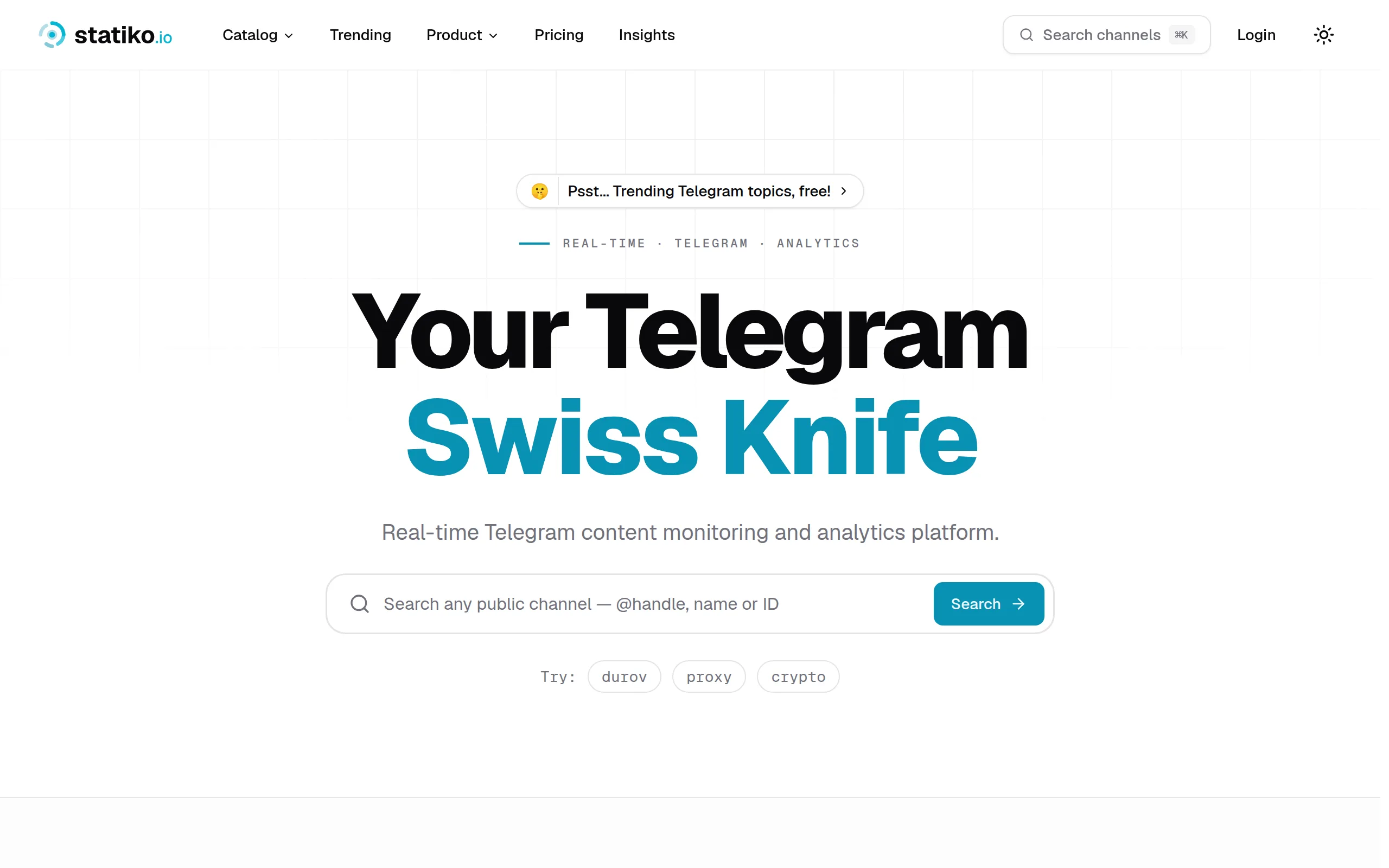
Statiko
Monitor any Telegram channel in real time - track posts, edits, deletions, and growth with AI recaps 📡

Shibui
AI website builder - describe your business, pick a niche template, edit by chatting, and publish instantly ✨

Pro Service
Find verified home service professionals, compare quotes, and pay securely through escrow - built for Brazilians across the US 🏠
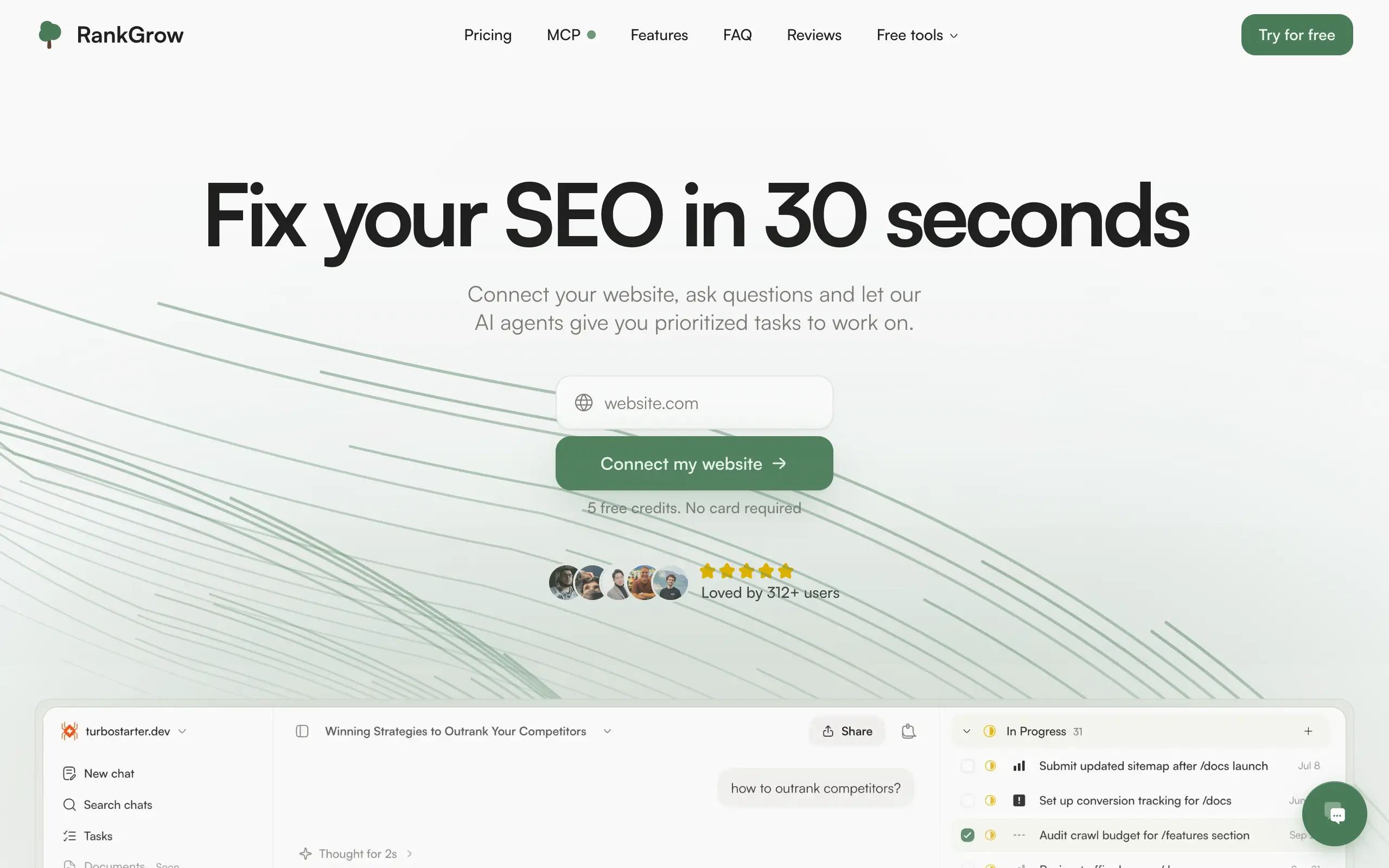
RankGrow
Fix your SEO with AI agents - connect Search Console, get prioritized tasks, and grow organic traffic 📈
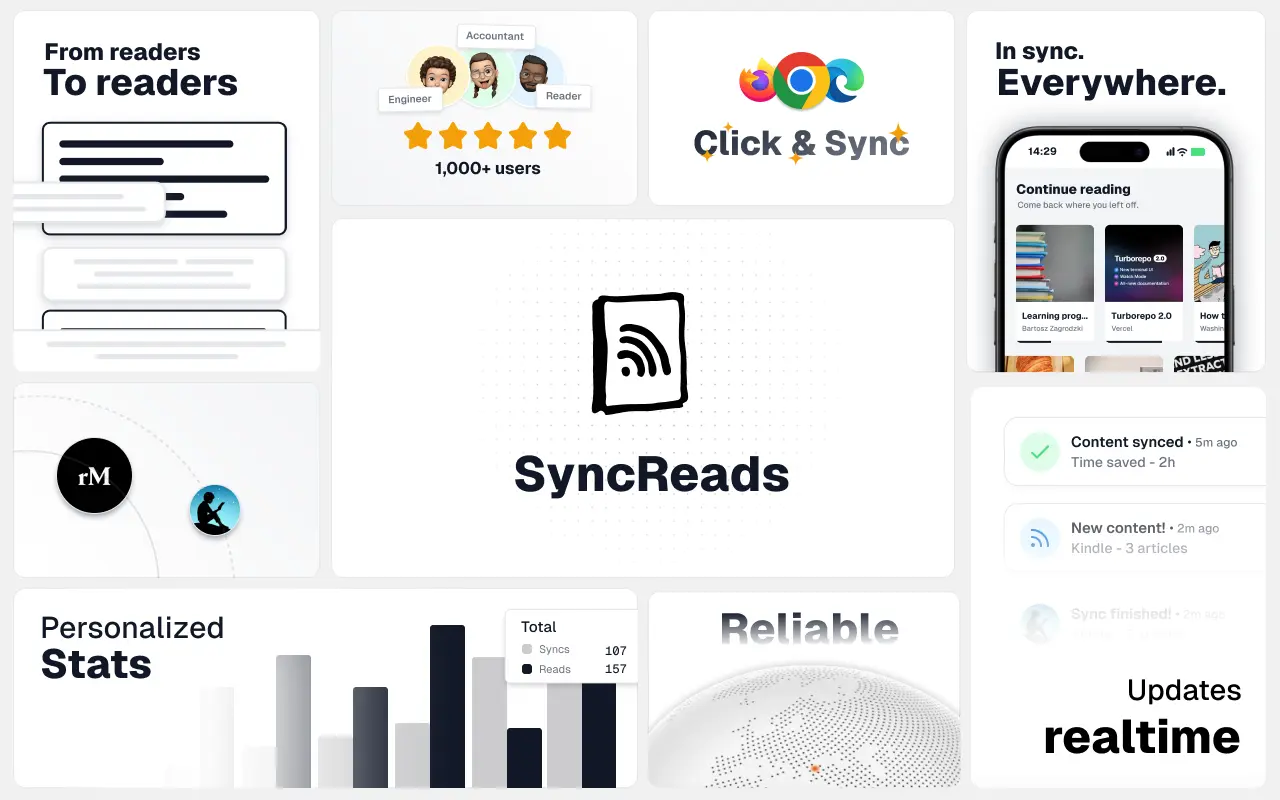
SyncReads
Sync your favorite content for distraction-free reading, save time and replace multiple apps. Anytime, anywhere 🔄
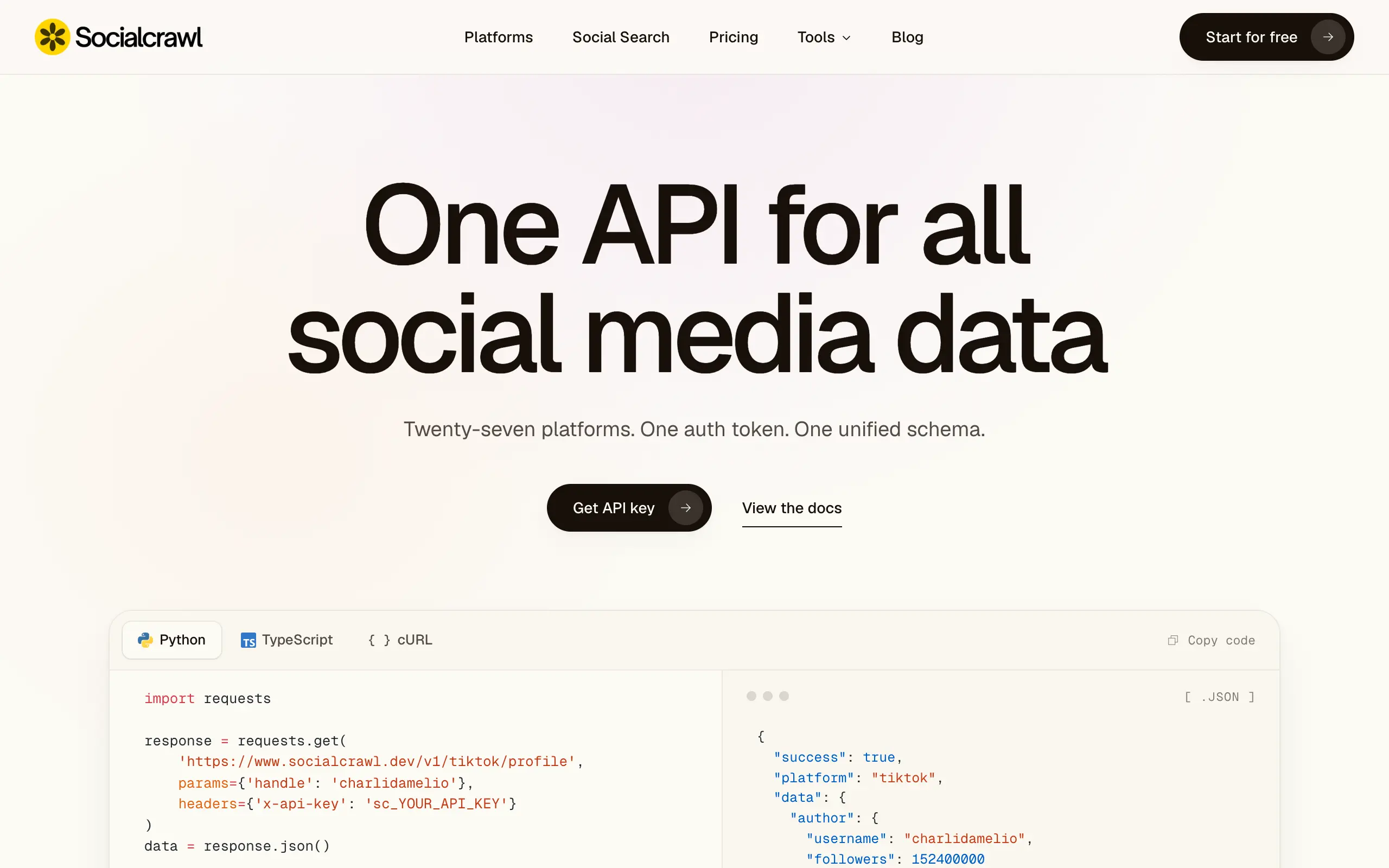
Socialcrawl
Get clean, structured data from 21 platforms like TikTok, Instagram, and YouTube with a single request 📊
Statiko
Monitor any Telegram channel in real time - track posts, edits, deletions, and growth with AI recaps 📡
Shibui
AI website builder - describe your business, pick a niche template, edit by chatting, and publish instantly ✨
Pro Service
Find verified home service professionals, compare quotes, and pay securely through escrow - built for Brazilians across the US 🏠
RankGrow
Fix your SEO with AI agents - connect Search Console, get prioritized tasks, and grow organic traffic 📈
SyncReads
Sync your favorite content for distraction-free reading, save time and replace multiple apps. Anytime, anywhere 🔄
Socialcrawl
Get clean, structured data from 21 platforms like TikTok, Instagram, and YouTube with a single request 📊
Statiko
Monitor any Telegram channel in real time - track posts, edits, deletions, and growth with AI recaps 📡
Shibui
AI website builder - describe your business, pick a niche template, edit by chatting, and publish instantly ✨
Pro Service
Find verified home service professionals, compare quotes, and pay securely through escrow - built for Brazilians across the US 🏠
RankGrow
Fix your SEO with AI agents - connect Search Console, get prioritized tasks, and grow organic traffic 📈
SyncReads
Sync your favorite content for distraction-free reading, save time and replace multiple apps. Anytime, anywhere 🔄
Socialcrawl
Get clean, structured data from 21 platforms like TikTok, Instagram, and YouTube with a single request 📊
Statiko
Monitor any Telegram channel in real time - track posts, edits, deletions, and growth with AI recaps 📡
Shibui
AI website builder - describe your business, pick a niche template, edit by chatting, and publish instantly ✨
Pro Service
Find verified home service professionals, compare quotes, and pay securely through escrow - built for Brazilians across the US 🏠
RankGrow
Fix your SEO with AI agents - connect Search Console, get prioritized tasks, and grow organic traffic 📈
SyncReads
Sync your favorite content for distraction-free reading, save time and replace multiple apps. Anytime, anywhere 🔄
Socialcrawl
Get clean, structured data from 21 platforms like TikTok, Instagram, and YouTube with a single request 📊
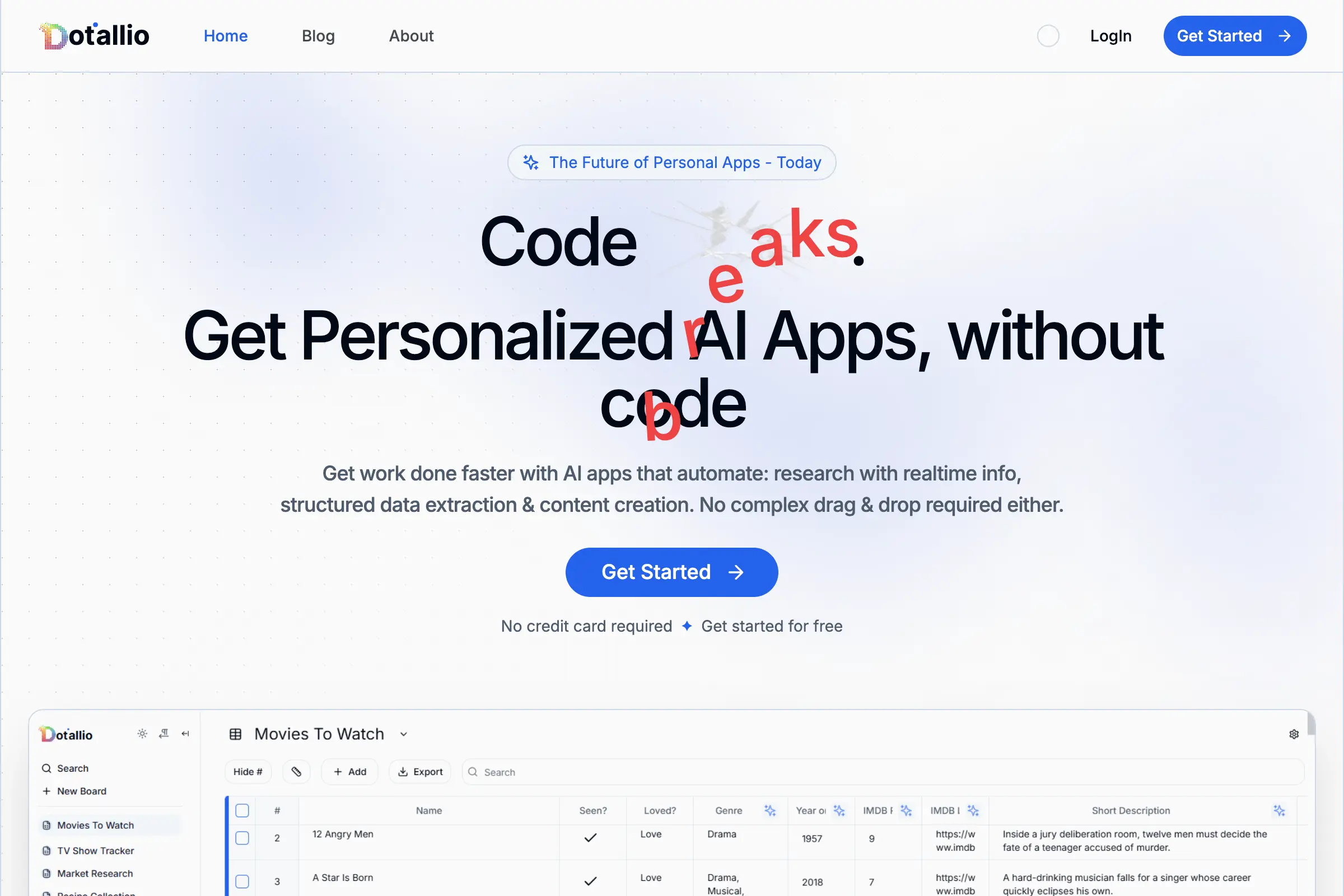
Dotallio
Personalized AI apps that automate research, data extraction, and content creation without code 🤖
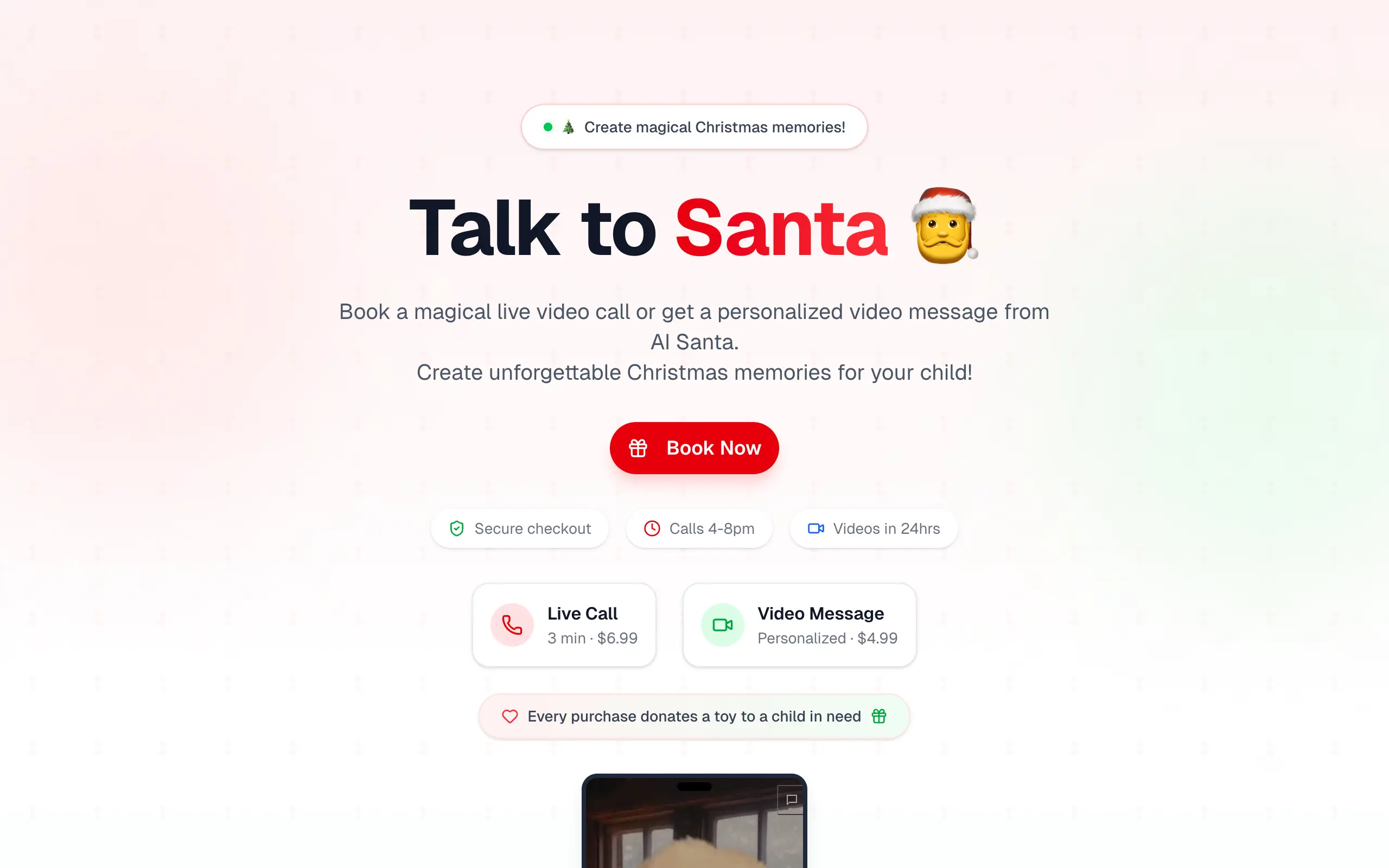
Talk to Santa
Enjoy a magical live video chat or receive a unique AI-generated video greeting from Santa Claus 🎅

pozywka.pl
Scalable blog for food journalist, focused on performance and user experience 🌭
zagrodzki.me
Personal blog and portfolio of Bart Zagrodzki, where he shares his knowledge and work 💼
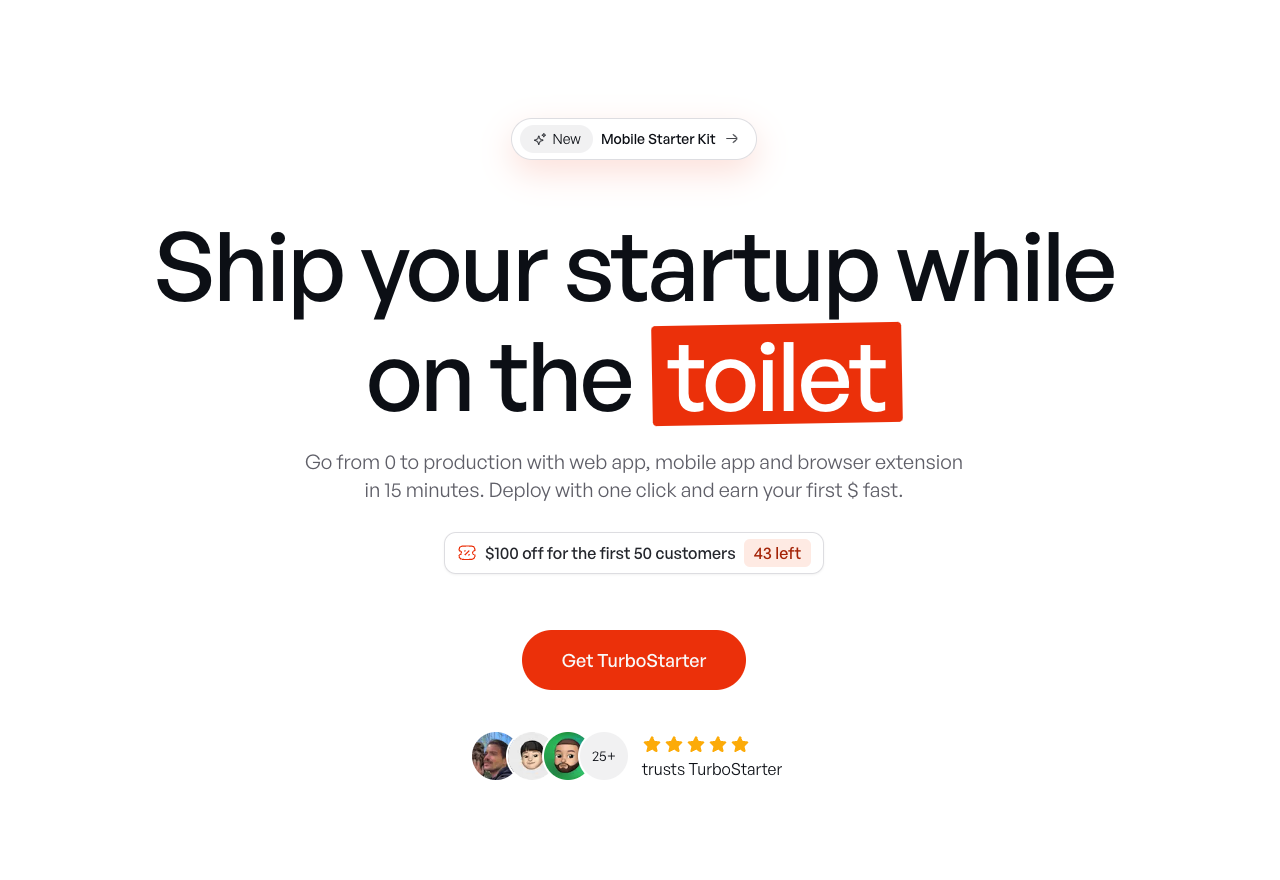
TurboStarter
Ship your startup everywhere. In minutes.
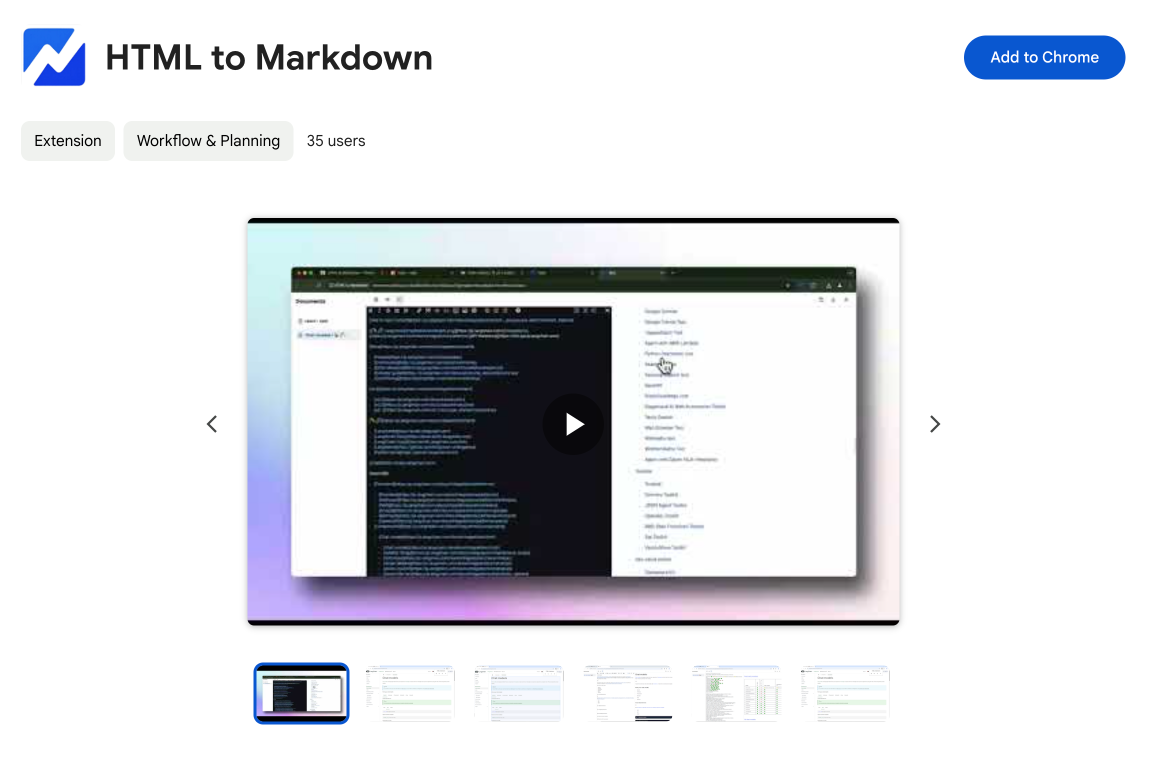
HTML to Markdown
Convert HTML to Markdown with ease, directly in your browser 📄
Dotallio
Personalized AI apps that automate research, data extraction, and content creation without code 🤖
Talk to Santa
Enjoy a magical live video chat or receive a unique AI-generated video greeting from Santa Claus 🎅
pozywka.pl
Scalable blog for food journalist, focused on performance and user experience 🌭
zagrodzki.me
Personal blog and portfolio of Bart Zagrodzki, where he shares his knowledge and work 💼
TurboStarter
Ship your startup everywhere. In minutes.
HTML to Markdown
Convert HTML to Markdown with ease, directly in your browser 📄
Dotallio
Personalized AI apps that automate research, data extraction, and content creation without code 🤖
Talk to Santa
Enjoy a magical live video chat or receive a unique AI-generated video greeting from Santa Claus 🎅
pozywka.pl
Scalable blog for food journalist, focused on performance and user experience 🌭
zagrodzki.me
Personal blog and portfolio of Bart Zagrodzki, where he shares his knowledge and work 💼
TurboStarter
Ship your startup everywhere. In minutes.
HTML to Markdown
Convert HTML to Markdown with ease, directly in your browser 📄
Dotallio
Personalized AI apps that automate research, data extraction, and content creation without code 🤖
Talk to Santa
Enjoy a magical live video chat or receive a unique AI-generated video greeting from Santa Claus 🎅
pozywka.pl
Scalable blog for food journalist, focused on performance and user experience 🌭
zagrodzki.me
Personal blog and portfolio of Bart Zagrodzki, where he shares his knowledge and work 💼
TurboStarter
Ship your startup everywhere. In minutes.
HTML to Markdown
Convert HTML to Markdown with ease, directly in your browser 📄
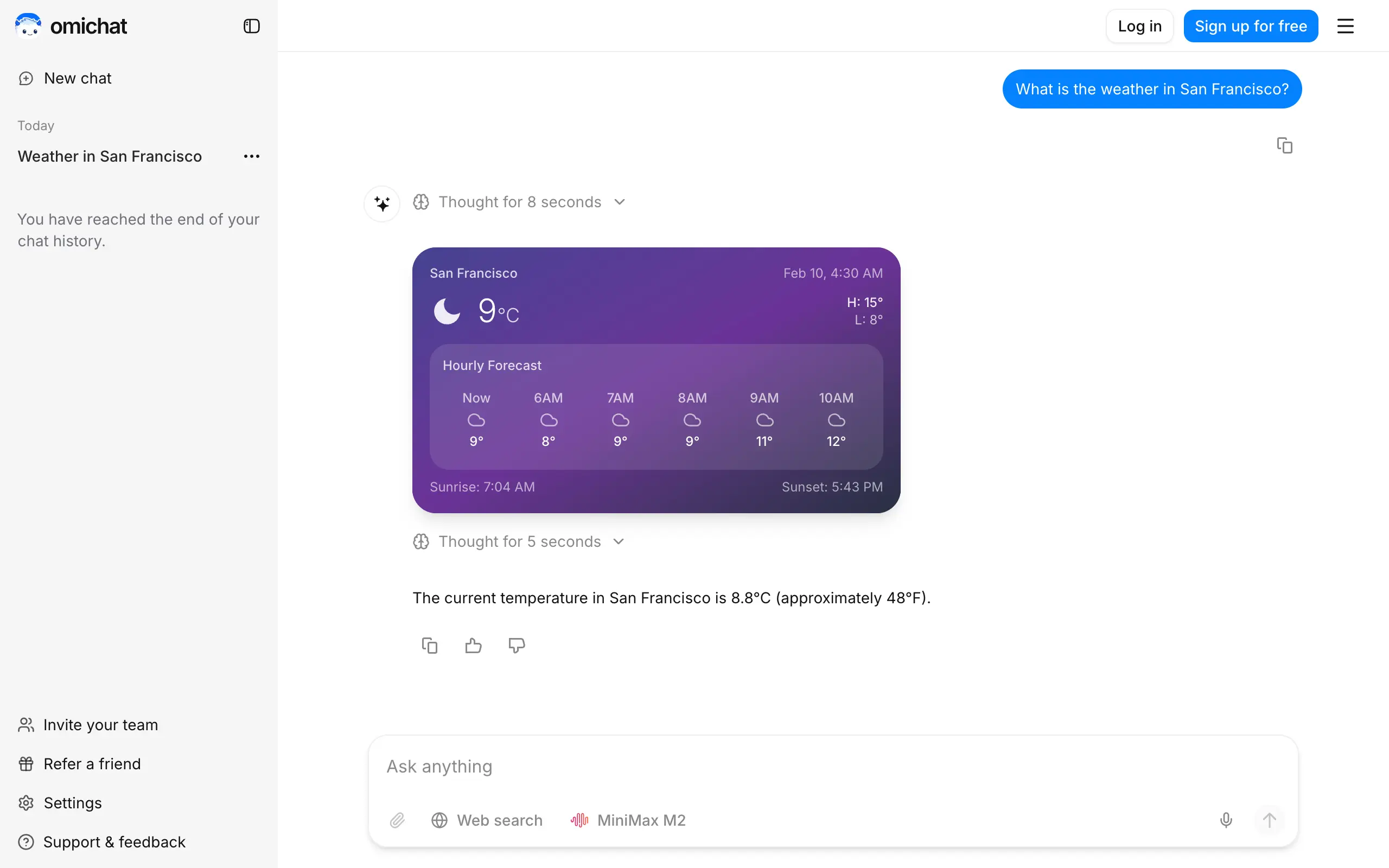
Omichat
Chat with 50+ AI models, including ChatGPT and Claude, in one place - switch models anytime without losing context 🤖
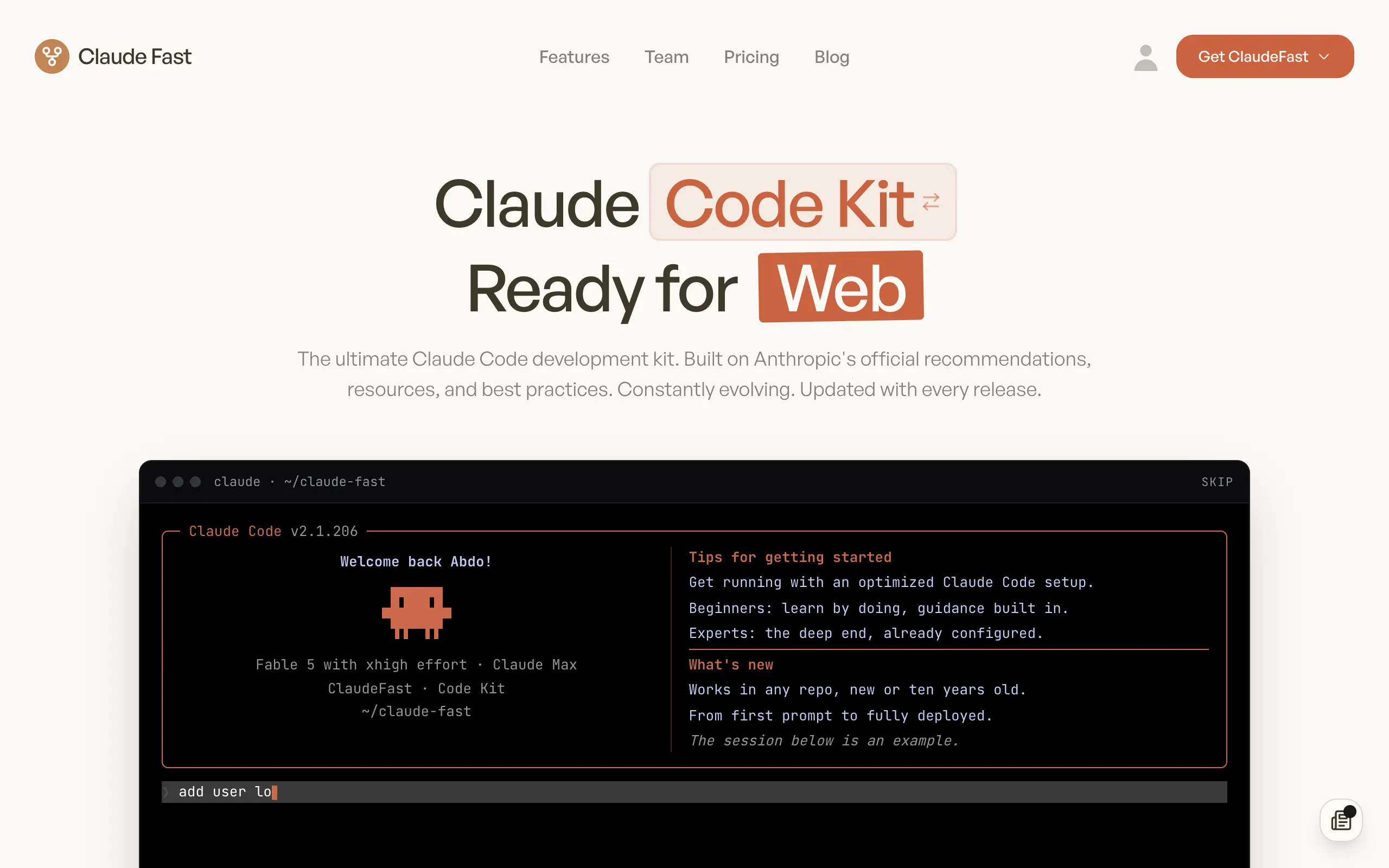
Claude Fast
Supercharge your Claude Code with 6x effective context window and specialized AI agents 🤖
EmojAI
AI-powered emoji picker with smart, context-aware suggestions 🤖
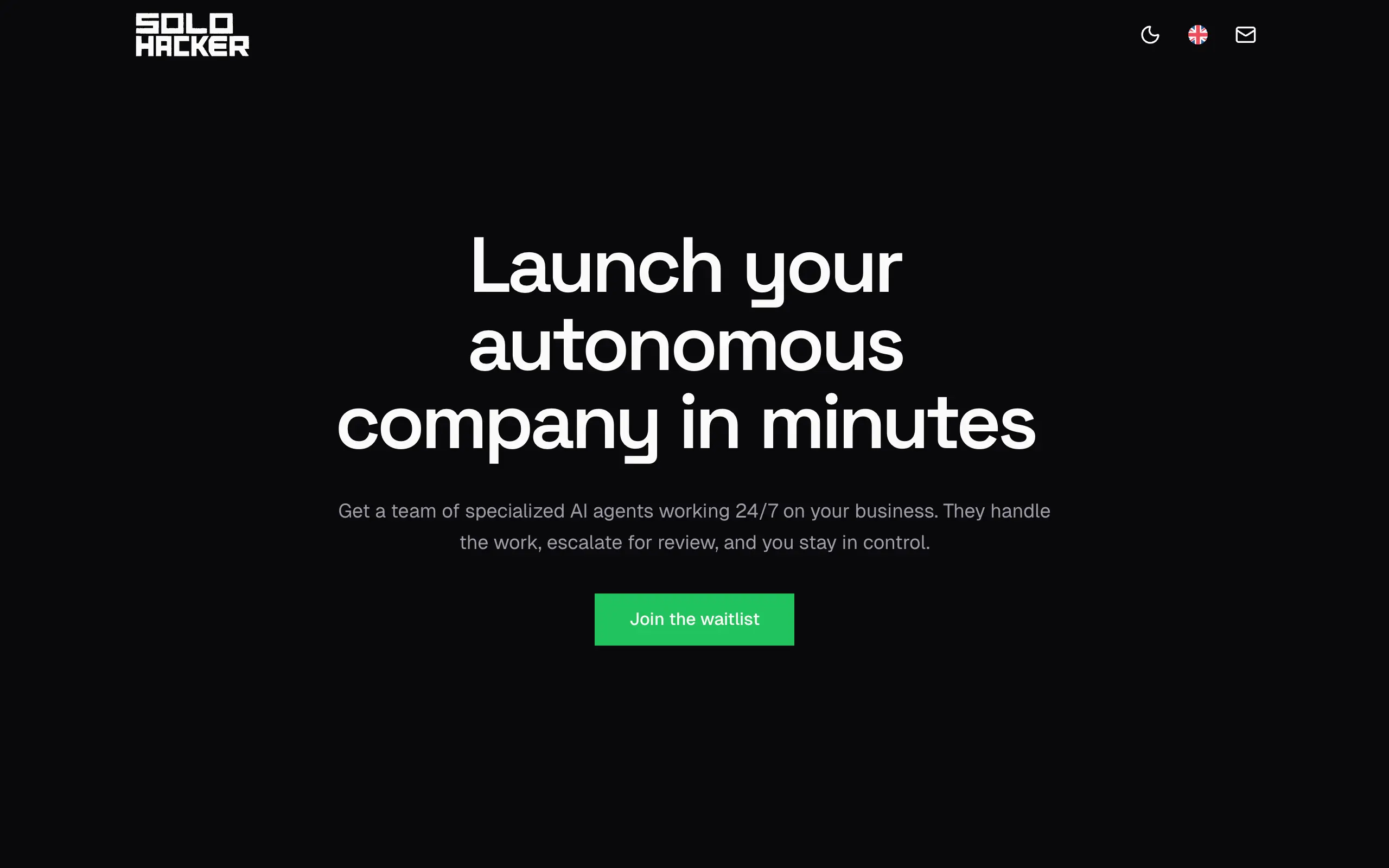
Solohacker
Autonomous company launcher - AI agents work 24/7, escalate what matters, and you stay in control 🤖
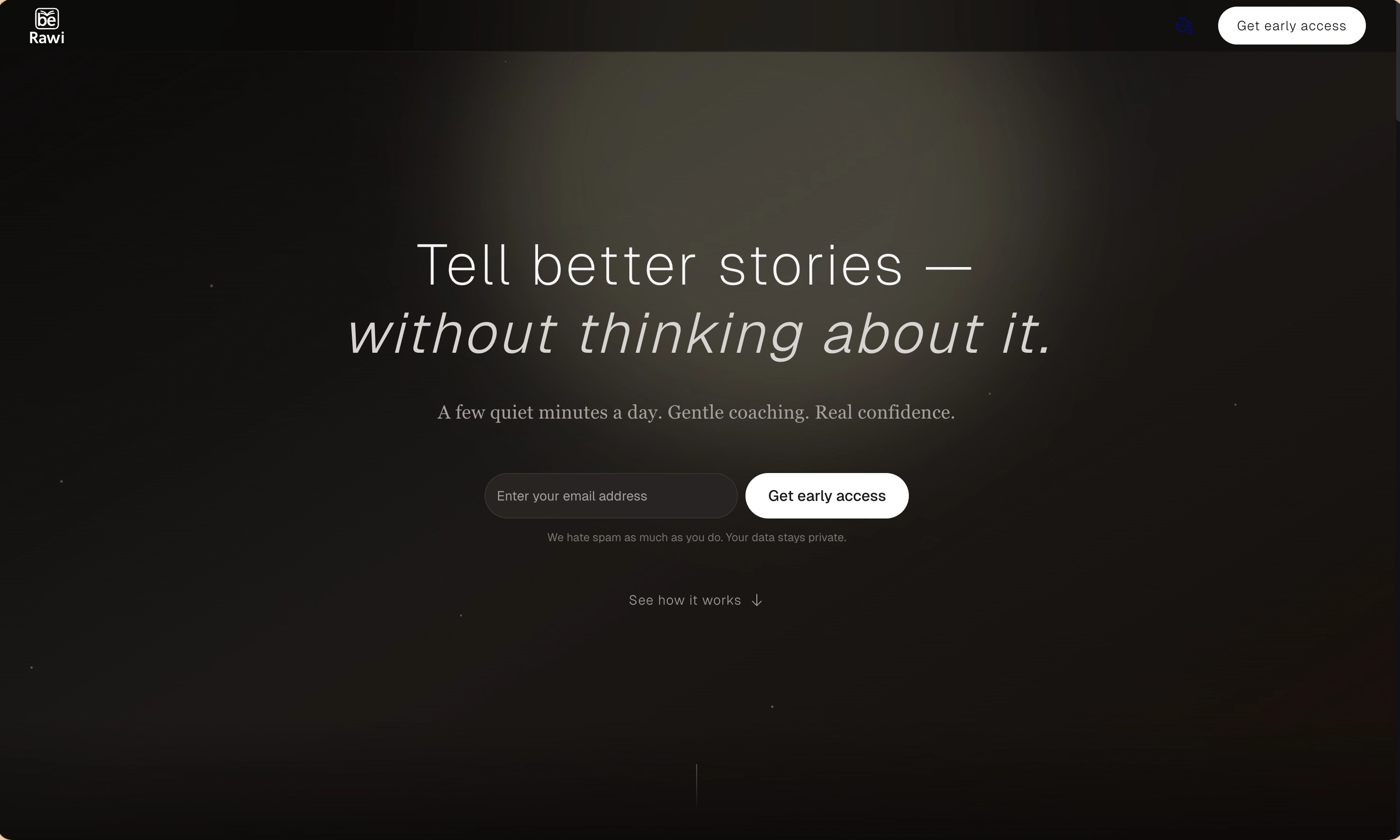
BeRawi: Storytelling Coach
Practice storytelling daily with instant feedback to sound clearer, more engaging, and confident 🎤
Omichat
Chat with 50+ AI models, including ChatGPT and Claude, in one place - switch models anytime without losing context 🤖
Claude Fast
Supercharge your Claude Code with 6x effective context window and specialized AI agents 🤖
EmojAI
AI-powered emoji picker with smart, context-aware suggestions 🤖
Solohacker
Autonomous company launcher - AI agents work 24/7, escalate what matters, and you stay in control 🤖
BeRawi: Storytelling Coach
Practice storytelling daily with instant feedback to sound clearer, more engaging, and confident 🎤
Omichat
Chat with 50+ AI models, including ChatGPT and Claude, in one place - switch models anytime without losing context 🤖
Claude Fast
Supercharge your Claude Code with 6x effective context window and specialized AI agents 🤖
EmojAI
AI-powered emoji picker with smart, context-aware suggestions 🤖
Solohacker
Autonomous company launcher - AI agents work 24/7, escalate what matters, and you stay in control 🤖
BeRawi: Storytelling Coach
Practice storytelling daily with instant feedback to sound clearer, more engaging, and confident 🎤
Omichat
Chat with 50+ AI models, including ChatGPT and Claude, in one place - switch models anytime without losing context 🤖
Claude Fast
Supercharge your Claude Code with 6x effective context window and specialized AI agents 🤖
EmojAI
AI-powered emoji picker with smart, context-aware suggestions 🤖
Solohacker
Autonomous company launcher - AI agents work 24/7, escalate what matters, and you stay in control 🤖
BeRawi: Storytelling Coach
Practice storytelling daily with instant feedback to sound clearer, more engaging, and confident 🎤

Connect with like-minded people
Join our community to get feedback, support, and grow together with 1,000+ builders on board, let's ship it!
Join usShip your startup everywhere. In minutes.
Don't burn tokens on setup and start building features on day one.