SpoilerShield
Ask questions about a movie or game and get spoiler-safe answers matched to your viewing or quest progress. A personal AI companion for curious fans who hate accidental reveals.
SpoilerShield is an AI product concept with a clear promise: let fans ask questions about a movie, television series, or game without learning anything they have not reached yet. The product is more than a general-purpose chatbot with a “no spoilers” instruction. To be useful and trustworthy, it needs to understand what a person has watched or played, answer within that boundary, and make it easy to correct or update their progress.
This article explores how to turn SpoilerShield into a viable spoiler-safe AI companion, from its target audience and product design to its technical architecture, monetization, risks, and launch plan.
What is SpoilerShield?
SpoilerShield is a personal AI companion for people who want context while watching a film or playing a game but do not want future plot details revealed. A user might ask:
- “Who is this character, and why are they important?”
- “What does this symbol mean?”
- “Did I miss a clue in the last scene?”
- “Where should I go next?”
- “Can you remind me what happened in the previous episode?”
A conventional AI assistant may be able to answer these questions, but it can also reveal a later twist, identify a character’s future significance, or explain a quest outcome the player has not reached. SpoilerShield’s defining feature is therefore not simply its ability to generate answers. It is its ability to enforce a user-defined knowledge boundary.
That boundary could be an episode, chapter, quest, season, or timestamp. The experience should feel like asking a knowledgeable friend who has seen or played ahead but knows exactly what not to say.
The problem with spoiler-safe searching
Fans routinely look for help while watching or playing. They may want to understand a confusing plot point, check a character’s name, find a clue, or get a short recap before starting a new episode. But searching for that information can expose them to spoilers in unexpected places.
A search result may include a character’s future role in its title. A fan wiki may reveal an entire story arc in a single paragraph. A forum thread may be marked “spoiler” but still show a revealing preview. Even a seemingly harmless question can lead to a page that assumes the reader has finished the story.
Games create an additional problem. Players may need a hint for a puzzle or quest without wanting a complete walkthrough. A conventional guide can make it easy to skip the challenge, disclose later objectives, or show details from a different ending.
SpoilerShield addresses this tension between getting help and preserving discovery. Its product challenge is to provide useful context without crossing the line into information the user has not yet earned.
Who is the target audience for a spoiler-safe AI companion?
The strongest initial audience is not necessarily every film and game fan. SpoilerShield should focus first on people who have a specific, recurring need for story-aware help.
TV and film viewers
Viewers may use SpoilerShield to clarify names, relationships, references, and earlier events while staying within their current episode or film. This is particularly useful for:
- People watching a series with a large cast or complex plot
- Viewers returning to a show after a long break
- People watching a prequel, sequel, or spin-off without knowing the broader franchise
- Viewers who watch with friends and need a discreet recap
- Fans who want context without opening a wiki or search engine
The experience needs to support titles, seasons, and episodes. A user should be able to set their progress quickly, and the product should make that setting visible before answering.
Video game players
Players are a compelling early segment because they often need guidance at a specific point in a story. A spoiler-safe hint can be more valuable than a plot summary if it preserves the satisfaction of solving a puzzle.
Useful requests could include:
- “Give me a subtle hint for this puzzle, not the solution.”
- “What should I investigate in this room?”
- “Remind me why this character is traveling with me.”
- “Explain this quest objective without revealing what happens later.”
Game support is more complex than episode support. Progress can depend on quest choices, optional content, character state, and branching paths. A first version should therefore support a limited set of games and use clear progress milestones instead of promising perfect awareness of every player’s save file.
Franchise fans and casual rewatchers
Large franchises often have many films, seasons, timelines, and spin-offs. A fan may know one part of a universe but not another. Casual viewers may also want a quick refresher before watching a new installment.
SpoilerShield could allow users to set a knowledge profile, such as “I have seen the first two films, but not the latest series.” That is more flexible than a single “spoiler-free” toggle.
Parents, groups, and accessibility-focused viewers
Parents may want to discuss a story with a child without accidentally revealing what happens next. Watch parties and gaming groups can also benefit from shared progress settings, particularly when participants are at different points.
For some users, an on-demand explanation can reduce the friction of following a dense story. The product should avoid assuming why someone needs support. It can offer clear, adjustable explanations without turning the experience into a diagnosis or making unsupported accessibility claims.
Market opportunity and product gap
SpoilerShield sits between three familiar behaviors: searching the web, consulting fan communities, and asking a general-purpose AI assistant. Each can help, but none inherently guarantees that an answer respects a specific point in a story.
The opportunity is to make progress-aware answers the product’s core capability. Instead of asking users to remember a spoiler warning or carefully inspect search results, SpoilerShield can use the user’s selected progress as a constraint on what it is allowed to say.
That does not mean the company should assume a particular market size or growth rate. Before using market figures in a pitch or landing page, founders should verify them against current, credible sources and include the source, publication date, and definition of the market. A defensible early opportunity assessment can instead come from customer interviews, search-intent analysis, prototype usage, and willingness-to-pay tests.
The gap between general AI and entertainment databases
General-purpose AI systems can explain stories, but they may draw on knowledge from the entire work. A prompt such as “don’t spoil anything” does not, by itself, define what counts as a spoiler for a particular user. The user might be halfway through a season, have finished the main campaign but not its expansion, or want only hints rather than answers.
Entertainment databases and fan wikis can offer detailed information, but they are usually built for browsing rather than progress-sensitive assistance. They may expose future events through navigation, summaries, character pages, or search previews.
SpoilerShield’s opening is to combine conversational access with an explicit progress model and a carefully controlled knowledge source.
What makes the product meaningfully different?
The core differentiation should be a system, not a slogan:
- A clear progress boundary that users can set and change.
- Content organized by story position, not only by title.
- Responses constrained to that position, with escalation when the product is uncertain.
- Answer controls, such as recap, context, subtle hint, or direct answer.
- A low-friction correction path if a response reveals too much or gets progress wrong.
If SpoilerShield cannot reliably distinguish safe information from future plot information, it should not claim that it is “spoiler-proof.” Trust will depend on making the boundary understandable and being honest about uncertainty.
Core SpoilerShield features
A useful first release should solve one narrow problem exceptionally well. The following feature set gives the product a foundation without requiring integrations with every streaming platform or game.
1. Title selection and progress setup
Users should be able to search for a supported title and choose their current position. For a series, that may be a season and episode. For a game, it could be a chapter, mission, or quest milestone.
The setup should include an explicit explanation of what the boundary means. For example: “Answers may use information through episode 4, but not later episodes.” Avoid vague controls such as “low spoilers” unless they are paired with a concrete explanation.
Users should also be able to set progress to “finished” or “I’m not sure.” If they are unsure, SpoilerShield can offer a conservative mode that uses only information from the user-confirmed portion of the story.
2. Spoiler-safe conversational answers
The chat experience should support follow-up questions and provide answers at a selected level of detail. Useful response modes include:
- Recap: Summarizes events the user has already reached.
- Context: Explains a character, object, reference, or relationship.
- Subtle hint: Points toward an action without giving away the solution.
- Direct help: Provides a fuller answer within the user’s progress boundary.
- Clarify first: Asks which scene, character, or quest the user means.
The assistant should not pretend it knows the exact scene if the request is ambiguous. Asking one clarifying question is often better than generating a confident but unsafe answer.
3. Story-aware content retrieval
Language models can produce fluent answers, but fluency alone is not evidence that an answer is accurate or safe. SpoilerShield should retrieve relevant, approved information from structured content before generating a response.
A content record might include:
- Title and edition
- Season, episode, chapter, or quest
- Characters and locations
- Facts that are safe through that point
- Relationships or events that should remain hidden
- Source and review status
This structure enables the product to filter information before it reaches the answer-generation step. It also creates a reviewable basis for product quality work.
4. Spoiler-risk checks
Before showing an answer, the system should check whether it contains information from beyond the user’s boundary. The first version can use a combination of retrieval filters, structured rules, and a second model-based review.
The system should be conservative. If it cannot determine whether a detail is safe, it can offer a more general answer or explain that it needs the user to confirm their progress. This may sometimes make the assistant less specific, but it protects the trust that the product depends on.
5. Hint levels for games
Game guidance benefits from progressive disclosure. A player asking for help may not want the full solution. SpoilerShield could reveal hints in stages:
- A broad nudge about where to look
- A more specific clue
- A direct solution, if requested
Each hint should be clearly labeled so the user knows what they are choosing. This approach preserves player agency and creates a distinct experience from a walkthrough.
6. Feedback and spoiler reporting
Every answer should offer a simple way to report a problem. Feedback options might include:
- This answer included a spoiler
- This answer was inaccurate
- I wanted a smaller hint
- My progress setting is wrong
A report should capture the relevant title, progress boundary, and answer version without collecting more personal information than necessary. The product team can use this feedback to identify weak content coverage and improve safeguards.
A practical product experience
The product should make the spoiler boundary visible at the moment it matters. A user’s progress setting should appear in the conversation, not be hidden in an account menu.
A typical session might work like this:
- The user selects a title and confirms their current episode or quest.
- SpoilerShield explains which content is in bounds.
- The user asks a question and chooses a response style.
- SpoilerShield retrieves information limited to the selected point.
- The assistant checks the draft answer for unsupported or future-story details.
- The user can report a spoiler, adjust the answer style, or update progress.
A well-designed product should also allow users to ask about a different title without losing their existing progress settings. Many fans watch or play multiple works at once.
Recommended technology stack for SpoilerShield
The best stack depends on the team’s experience, expected traffic, content licensing, and privacy requirements. A lean team should prioritize an architecture that is straightforward to test and operate rather than adopting a complex stack before product-market fit.
Frontend and application framework
A web-first version could use React with Next.js. React supports a responsive chat interface, while Next.js can provide application routing and server-side functionality in the same project.
The trade-off is that a full-stack framework introduces conventions the team must understand and maintain. If the first release is a simple authenticated web app, the team should use only the framework features it needs and avoid premature complexity.
A mobile-friendly web application is a sensible starting point. Native mobile apps may become valuable later if users want an in-the-moment companion while watching on a television or playing on a console, but those apps add development and release overhead.
Backend and database
A relational database such as PostgreSQL is a strong fit for users, titles, progress settings, content records, and feedback. These entities have clear relationships, and reliable transactions are useful for account and subscription workflows.
A managed backend can reduce operational work, but the team should evaluate data export, access controls, backups, and vendor lock-in before committing. Keep product data and content data logically distinct so that licensing or editorial changes do not require a major schema rewrite.
AI and retrieval layer
The AI layer should use a model provider behind an internal interface rather than embedding one provider’s API assumptions throughout the application. This makes it easier to compare answer quality, latency, cost, and safety behavior over time.
A retrieval-augmented generation workflow is a reasonable starting point:
- Identify the title and user progress.
- Retrieve only records at or before the allowed boundary.
- Draft an answer using those records.
- Check the answer against the boundary and response style.
- Return a cautious fallback if the system cannot establish safety.
A vector search system may help match natural-language questions to relevant content, but vector similarity alone is not enough for spoiler control. Retrieval should include hard filters for title and story position. For example, a semantically relevant record from a later episode must remain excluded even if it would make the answer more complete.
Observability and evaluation
Spoiler safety needs systematic testing. The team should log operational events such as latency, retrieval outcomes, fallback rates, and user reports. Logging should be designed to protect user privacy and should not retain full conversations indefinitely without a clear need and disclosure.
Build a test set containing questions at different story positions. Include ambiguous questions, character-name collisions, branching game paths, and prompts that pressure the assistant to reveal future information. Measure both answer usefulness and spoiler leakage. A system that avoids spoilers by refusing nearly every question is safe in one sense but not a useful product.
A simple answer pipeline
The following pseudocode shows the key design principle: apply the progress filter before generating an answer.
type ProgressBoundary = {
  titleId: string;
  maxStoryPosition: number;
};

async function answerQuestion(
  question: string,
  boundary: ProgressBoundary,
) {
  const evidence = await retrieveStoryEvidence({
    titleId: boundary.titleId,
    question,
    maxStoryPosition: boundary.maxStoryPosition,
  });

  if (evidence.length === 0) {
    return {
      answer:
        "I do not have enough confirmed information to answer safely at your current point.",
      needsClarification: true,
    };
  }

  const draft = await generateAnswer({
    question,
    evidence,
    instruction:
      "Answer only from the supplied evidence. Do not infer or reveal later events.",
  });

  const review = await reviewForSpoilers({
    answer: draft,
    evidence,
    boundary,
  });

  if (!review.safe) {
    return {
      answer:
        "I cannot answer that confidently without risking a spoiler. You can confirm your progress or ask for a more general hint.",
      needsClarification: true,
    };
  }

  return {
    answer: draft,
    needsClarification: false,
  };
}
This pattern is not a complete safety guarantee. It illustrates why the product should constrain the evidence available to the model instead of relying only on a prompt that asks it to behave.
Monetization options
SpoilerShield’s pricing should reflect the value of dependable, repeat use while leaving room for casual fans to try the experience.
Freemium subscription
A free plan could include a limited number of questions each month, a small number of saved titles, or basic recap and context features. A paid plan might offer higher usage, more saved progress profiles, advanced game hints, and cross-device sync.
The free tier should be useful enough to demonstrate the product, but not so generous that high AI costs make usage unsustainable. Limits should be transparent and predictable.
Premium title packs
The product could offer paid content packs for specific games, franchises, or complex series. This model may make sense if the content requires significant editorial work or licensing. It should not be introduced until there is evidence that users value a title-specific experience enough to pay for it.
Household or group plan
A shared subscription could support multiple profiles with separate progress boundaries. This could fit households, couples, or groups who watch the same series at different speeds. Shared accounts need careful controls so one person’s progress does not accidentally expose another person to spoilers.
Partnerships and licensing
Potential partnerships could include streaming-related services, game communities, publishers, or entertainment platforms. These opportunities may improve discovery or content access, but they can involve long sales cycles and complex rights arrangements. They should not be the only path to launch.
Competitive advantage and positioning
SpoilerShield’s competitive advantage should be based on the quality of its spoiler-control workflow, not on claiming that competitors are unable to answer entertainment questions.
| Product approach | Progress-aware | Conversational | Spoiler protection | Hint depth control | Main limitation |
|---|---|---|---|---|---|
| General search | ❌ | ❌ | ❌ | ❌ | Results may expose future plot details |
| Fan wiki | ❌ | ❌ | Sometimes | ❌ | Built for reference browsing, not personal progress |
| General AI assistant | Usually not | ✅ | Depends on prompt | Sometimes | May not reliably enforce a story boundary |
| SpoilerShield concept | ✅ | ✅ | Designed around progress | ✅ | Must earn trust through accurate content and testing |
The table describes product categories, not a claim that every tool in a category behaves identically. Some search engines, fan sites, and AI products offer spoiler controls. SpoilerShield’s opportunity is to make progress-aware interaction the default, with a product experience built around it.
The defensible parts of the product
The underlying language model is unlikely to be a durable moat on its own. More defensible assets could include:
- A structured, story-positioned content library
- Reliable progress and spoiler evaluation workflows
- User trust earned through transparent controls and fast corrections
- A growing set of real questions and failure cases, handled with privacy safeguards
- A distinctive hint experience for games
- Distribution relationships with communities and entertainment products
These advantages take time to build. The product should treat user reports and careful content operations as part of its core capability, not as an afterthought.
Risks and mitigation strategies
Spoiler leakage
This is the central product risk. A single high-profile spoiler can undermine user confidence.
Mitigation: Filter retrieved content by the user’s progress before generation, test with adversarial prompts, use conservative fallback responses, and make spoiler reporting immediate. Do not promise absolute protection until testing supports that claim.
Incorrect or incomplete answers
A model may misidentify a character, combine different versions of a story, or confidently invent details.
Mitigation: Ground answers in reviewed, title-specific sources. Show uncertainty when sources are limited. Allow users to report inaccurate answers and prioritize high-demand titles for better coverage.
Content rights and licensing
Movies, shows, and games are protected works. The legality of collecting, storing, or presenting particular kinds of content depends on the material, source, jurisdiction, and use. Founders should obtain qualified legal advice before building a commercial content library.
Mitigation: Distinguish factual metadata from expressive text, document source provenance, avoid copying protected passages without permission, and pursue licenses where needed. Do not treat user-submitted material as automatically rights-cleared.
Weak coverage at launch
If users search for a title and find it unsupported, they may leave before experiencing the core value.
Mitigation: Start with a curated set of titles that matches a specific audience. Explain coverage clearly, measure unsupported-title searches, and expand based on demand rather than trying to cover every story at once.
High AI and editorial costs
Conversational products can incur inference costs, while structured content and review require ongoing human effort.
Mitigation: Use retrieval to keep answers focused, set fair usage limits, cache safe non-personal responses where appropriate, and compare model quality against cost. Track cost per successful answer, not only cost per conversation.
Privacy and account security
Progress history can reveal a person’s entertainment preferences and habits. Even if that information is not highly sensitive in every context, it should be handled responsibly.
Mitigation: Collect only what the product needs, provide account deletion and data export options where feasible, secure authentication, restrict internal access, and set clear retention rules. Avoid using private conversation data for model training without clear user consent and appropriate safeguards.
Platform dependency
A product that depends on a single model provider, distribution partner, or external catalog may be vulnerable to changes in pricing, availability, or terms.
Mitigation: Keep model access behind a replaceable service layer, maintain content provenance records, and build direct user relationships through an owned website and email channel.
Actionable implementation steps
A practical launch plan should validate demand and spoiler safety before investing in broad content coverage.
1. Choose a narrow starting audience
Select one initial use case, such as spoiler-safe episode questions for a small group of series or progressive hints for a handful of story-driven games. Interview people who regularly encounter the problem. Ask them how they currently get help, what they avoid, and what a useful answer would look like.
2. Define the spoiler boundary
Write down how progress will be represented for the initial content. Decide whether the product works at the episode, chapter, mission, or quest level. Explain how recaps, hints, and full answers differ.
3. Build a small, reviewed content set
Start with a limited catalog and a consistent structure for story position, characters, events, sources, and review status. Avoid presenting unsupported coverage as complete. Document how content is added and corrected.
4. Prototype the core question flow
Build the title selector, progress setting, answer-style controls, and feedback mechanism. Test whether people understand the spoiler boundary without coaching. If users cannot tell what the assistant is allowed to know, improve the interface before adding features.
5. Evaluate both safety and usefulness
Create test questions for each supported story position. Include ordinary requests, ambiguous questions, requests for future information, and attempts to override the boundary. Track unsafe answers alongside unnecessary refusals and answer quality.
6. Run a small beta
Invite a focused group of viewers or players. Observe whether they return, whether they trust the progress controls, and which titles or question types they request. Make it easy to report a spoiler and respond visibly to reports.
7. Test willingness to pay
Compare a free usage limit with a simple paid plan. Ask users to choose between realistic options rather than relying only on hypothetical enthusiasm. Evaluate conversion, repeat use, support burden, and AI cost together.
8. Expand only when the workflow holds up
Add more titles, platforms, or integrations after the initial experience consistently handles progress boundaries. Keep a public explanation of supported content and product limitations so users know what to expect.
For teams that want to move quickly from concept to a working SaaS foundation, TurboStarter may help with the standard application scaffolding. The product’s differentiating work will still be SpoilerShield’s progress model, content pipeline, evaluation system, and user trust.
How to measure whether SpoilerShield is working
Early success should be measured by user outcomes, not just the number of questions sent to the AI. Useful signals include:
- Activation: The share of new users who select a title and set progress.
- First-value rate: The share who receive an answer they consider useful.
- Return usage: Whether users come back during another viewing or gaming session.
- Spoiler report rate: How often users report an answer as revealing too much.
- Correction rate: How often users flag an answer as wrong or poorly matched to progress.
- Unsupported-title demand: Which missing titles users request most often.
- Unit economics: The cost of delivering a useful answer compared with subscription revenue.
These measures should be interpreted together. For example, a low spoiler report rate might mean the safeguards work, or it might mean users do not return often enough to encounter failures. Product analytics should support investigation rather than replace user research.
Frequently asked questions about spoiler-safe AI
Can an AI assistant guarantee that it will never spoil a story?
No system should make that promise casually. A model can misinterpret a question, retrieve the wrong information, or generate an unsafe detail. SpoilerShield can reduce risk through progress-based retrieval, structured content, response review, testing, and conservative fallbacks. The product should describe these safeguards honestly.
Should SpoilerShield support movies, TV, and games at launch?
Probably not all at once. Each format has different progress structures, content needs, and user expectations. A focused launch gives the team a better chance to build reliable workflows and learn which audience values the product most.
Is a general-purpose AI model enough to build the product?
A model can generate conversational responses, but it does not automatically provide dependable progress tracking or content licensing. SpoilerShield needs a product layer that manages user progress, retrieves appropriate evidence, evaluates answer safety, and captures feedback.
What is the best first feature?
A simple, trustworthy question-and-answer flow is the strongest starting point: select a supported title, set a clear progress boundary, ask a question, and receive an answer in a chosen style. Adding more features before proving that flow can distract from the central value.
The opportunity for SpoilerShield
SpoilerShield’s promise is easy to understand: help fans get the context they want without revealing what comes next. Delivering on that promise is harder. It requires careful progress controls, structured story information, restrained AI behavior, and a product team willing to favor trust over an answer that sounds complete.
The strongest version of SpoilerShield will not try to replace fan communities, search engines, or full walkthroughs. It will offer a different kind of help: personal, conversational, and bounded by what the user has actually watched or played.
The next steps are practical. Choose a specific audience, test the need with real fans, build a small content set, and measure both helpfulness and spoiler safety. If users return because they trust the boundary, SpoilerShield will have evidence to justify expanding its catalog, improving its AI pipeline, and charging for a companion that makes entertainment more enjoyable without taking away the surprise.
More 🤖 AI Startup SaaS ideas
Discover more innovative ai startup SaaS ideas that are trending in 2026. Each idea is AI-generated with market validation and growth potential to help you find your next profitable venture faster than competitors.
Your competitors are building with TurboStarter
Below are some of the SaaS ideas that have been generated and built with our starter kit.
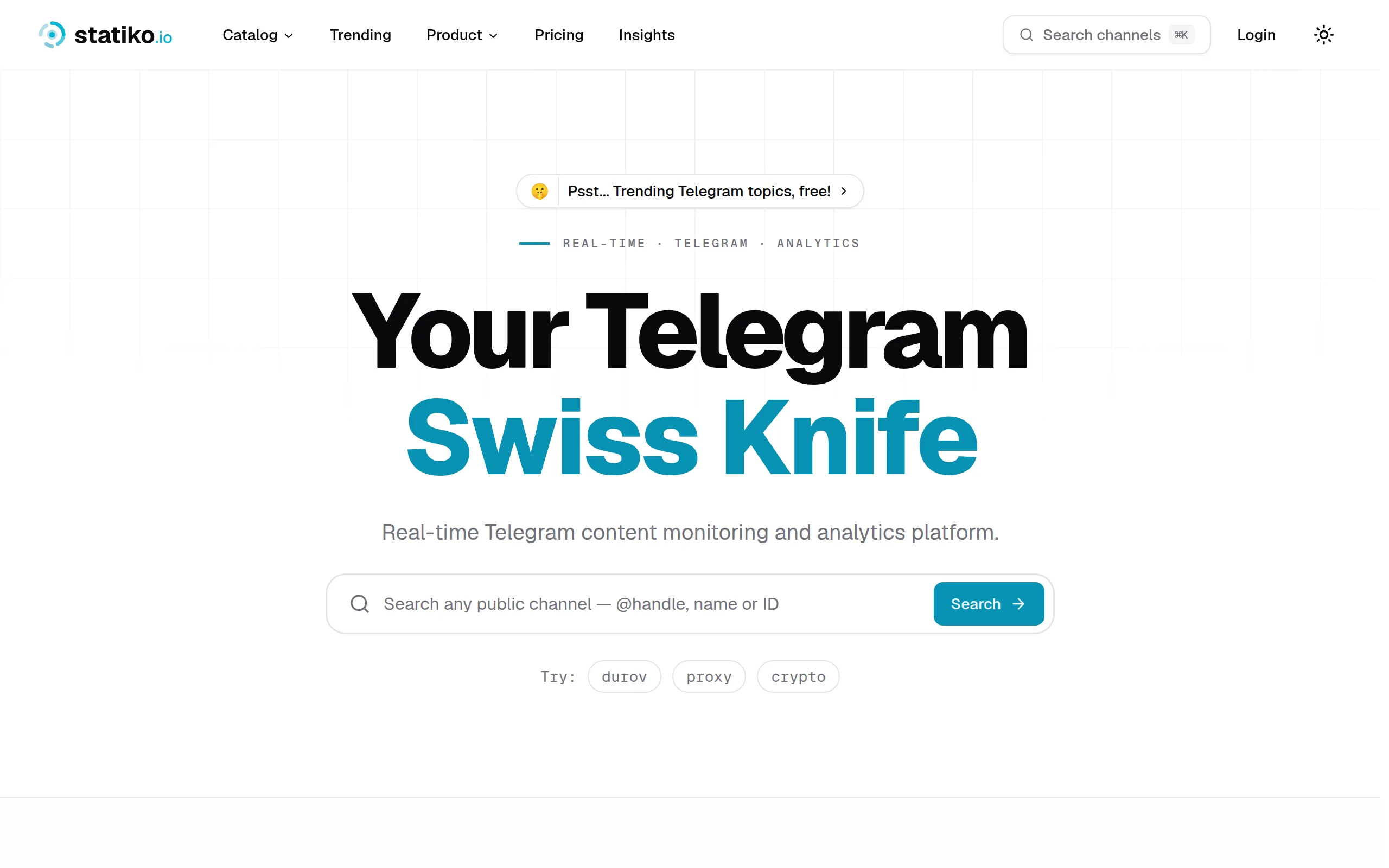
Statiko
Monitor any Telegram channel in real time - track posts, edits, deletions, and growth with AI recaps 📡

Shibui
AI website builder - describe your business, pick a niche template, edit by chatting, and publish instantly ✨

Pro Service
Find verified home service professionals, compare quotes, and pay securely through escrow - built for Brazilians across the US 🏠
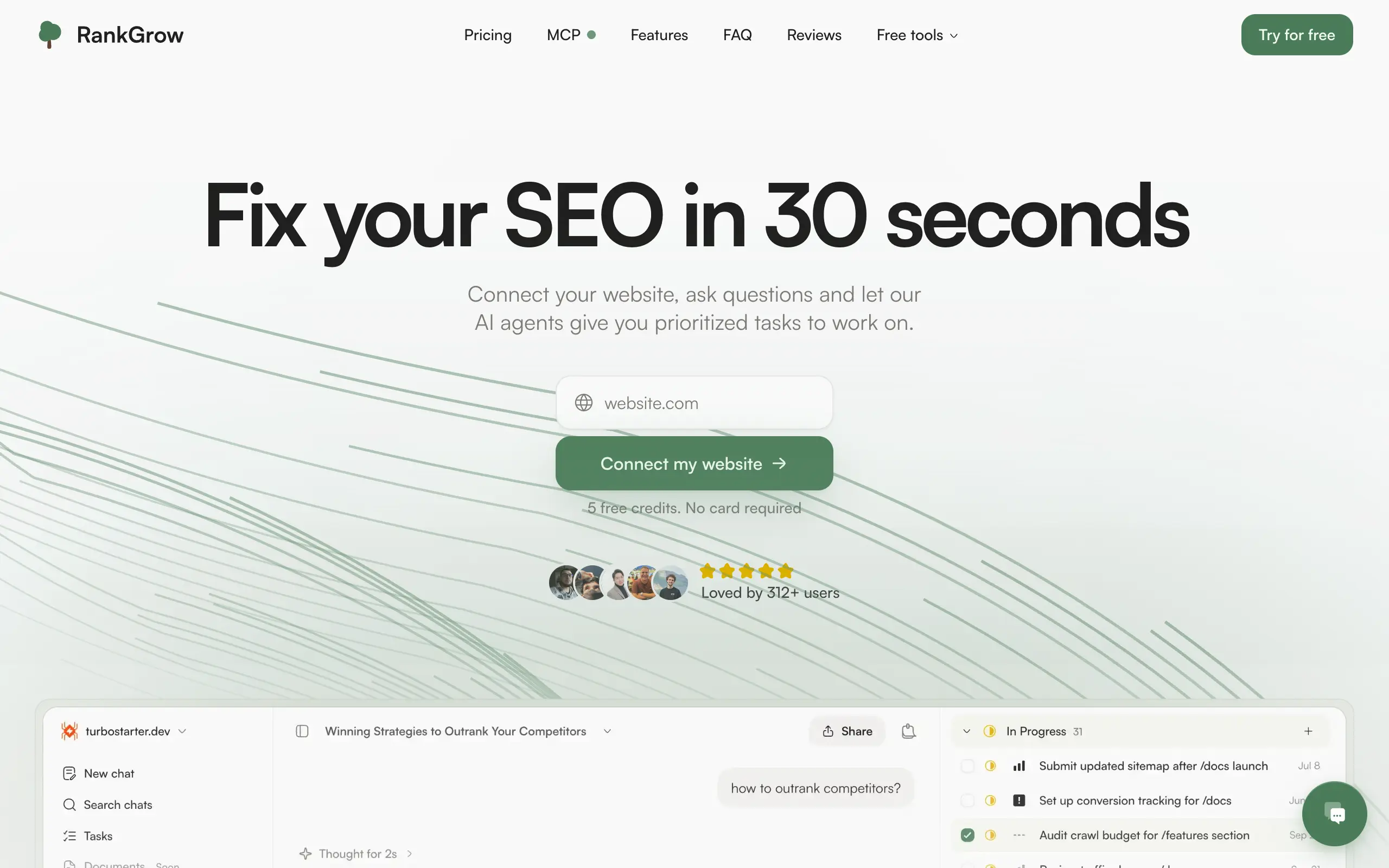
RankGrow
Fix your SEO with AI agents - connect Search Console, get prioritized tasks, and grow organic traffic 📈
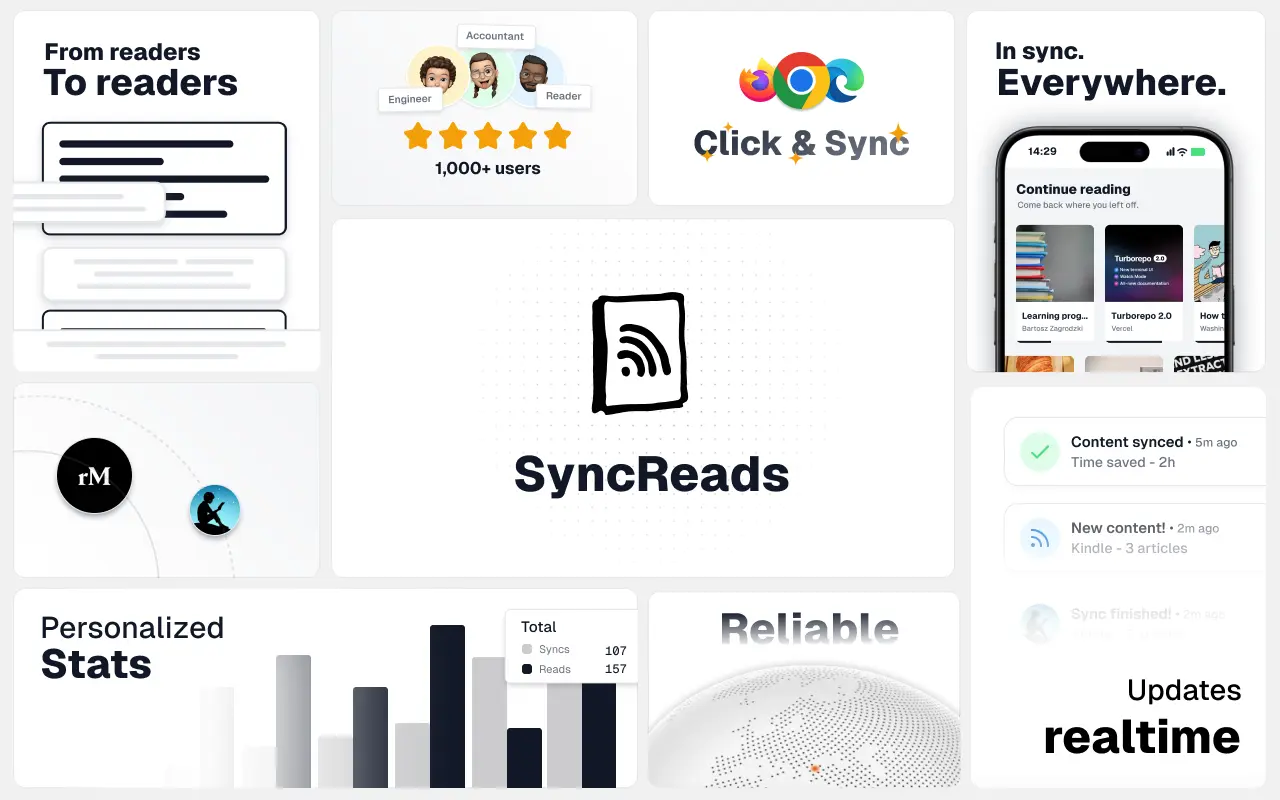
SyncReads
Sync your favorite content for distraction-free reading, save time and replace multiple apps. Anytime, anywhere 🔄
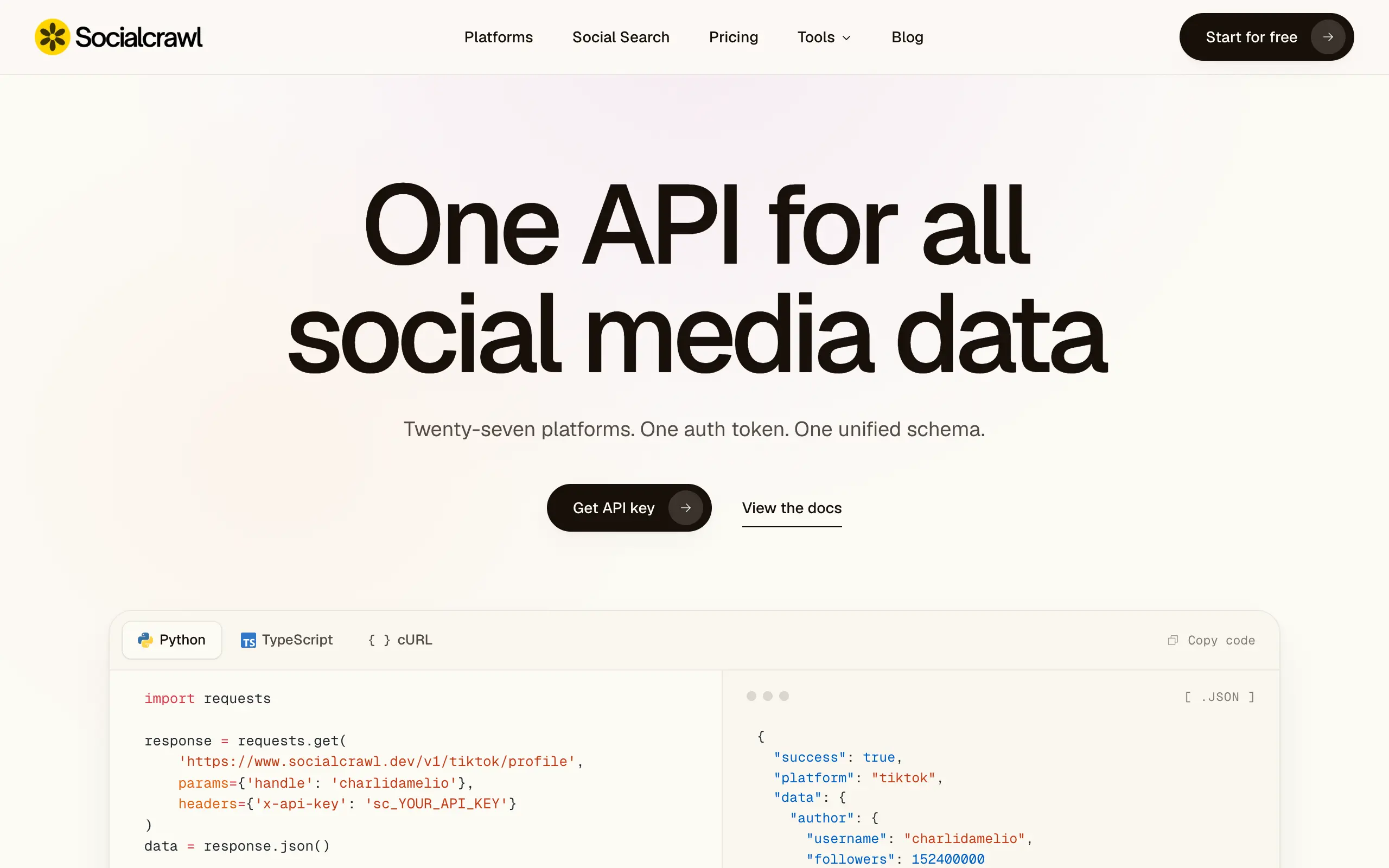
Socialcrawl
Get clean, structured data from 21 platforms like TikTok, Instagram, and YouTube with a single request 📊
Statiko
Monitor any Telegram channel in real time - track posts, edits, deletions, and growth with AI recaps 📡
Shibui
AI website builder - describe your business, pick a niche template, edit by chatting, and publish instantly ✨
Pro Service
Find verified home service professionals, compare quotes, and pay securely through escrow - built for Brazilians across the US 🏠
RankGrow
Fix your SEO with AI agents - connect Search Console, get prioritized tasks, and grow organic traffic 📈
SyncReads
Sync your favorite content for distraction-free reading, save time and replace multiple apps. Anytime, anywhere 🔄
Socialcrawl
Get clean, structured data from 21 platforms like TikTok, Instagram, and YouTube with a single request 📊
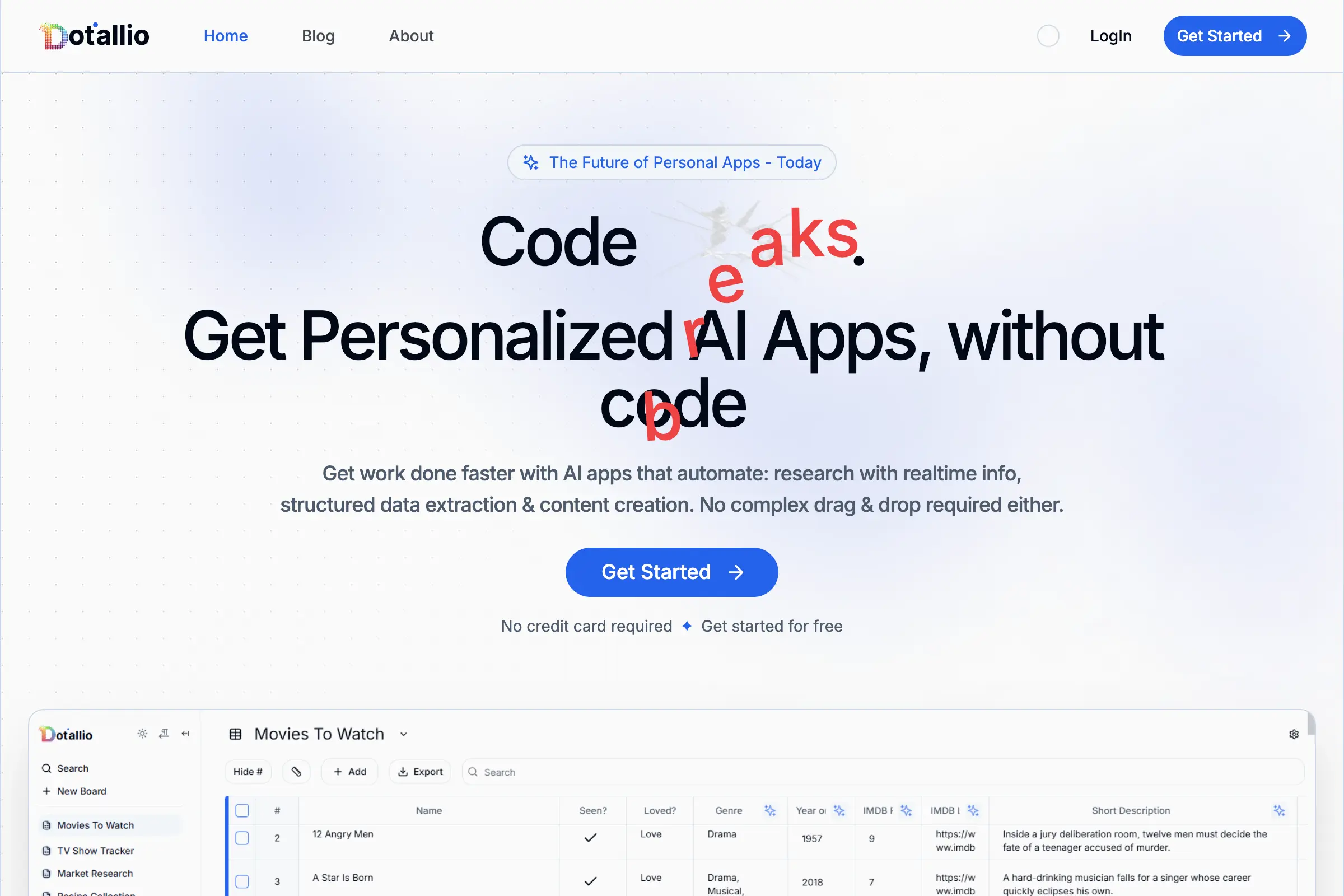
Dotallio
Personalized AI apps that automate research, data extraction, and content creation without code 🤖
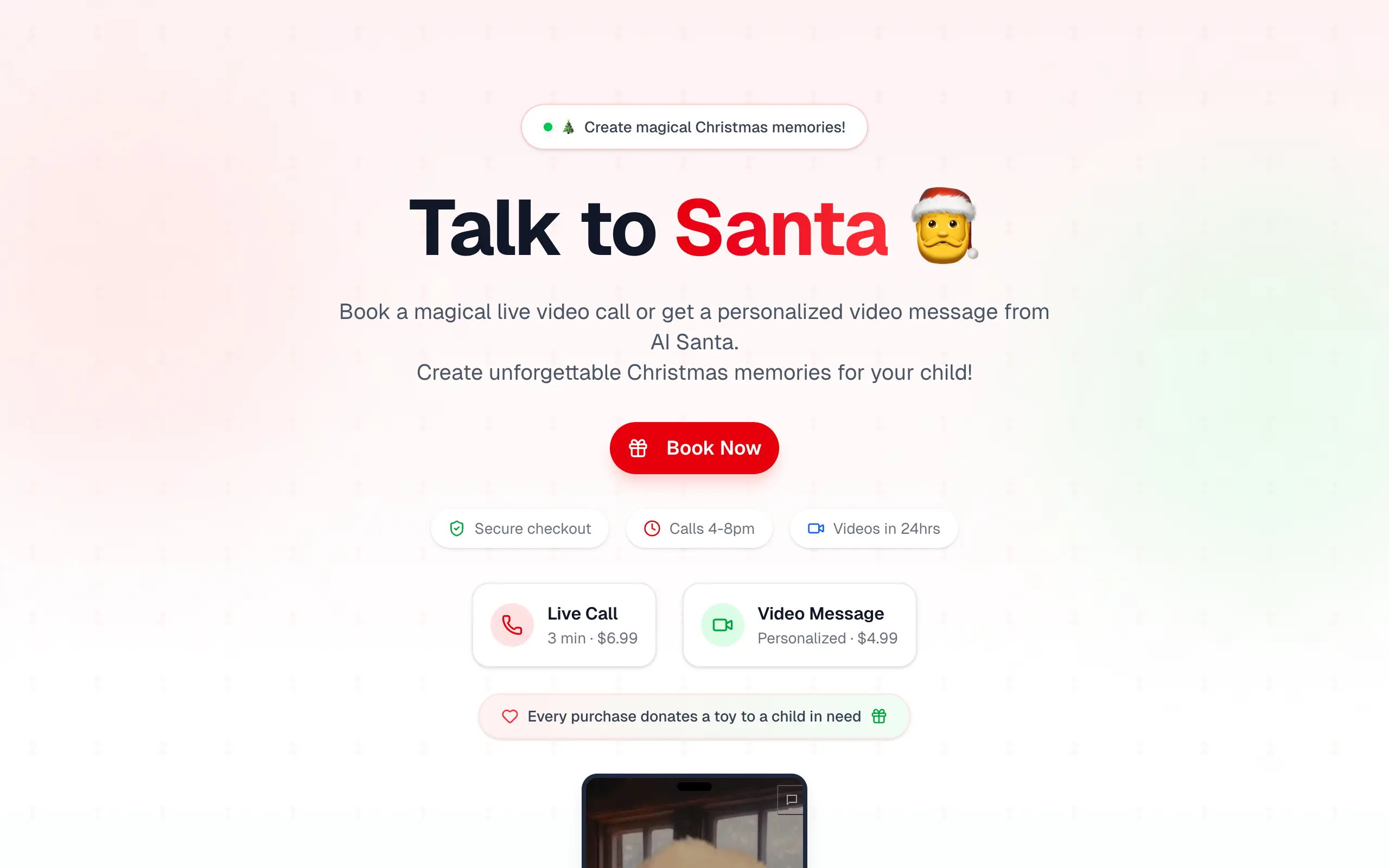
Talk to Santa
Enjoy a magical live video chat or receive a unique AI-generated video greeting from Santa Claus 🎅

pozywka.pl
Scalable blog for food journalist, focused on performance and user experience 🌭
zagrodzki.me
Personal blog and portfolio of Bart Zagrodzki, where he shares his knowledge and work 💼
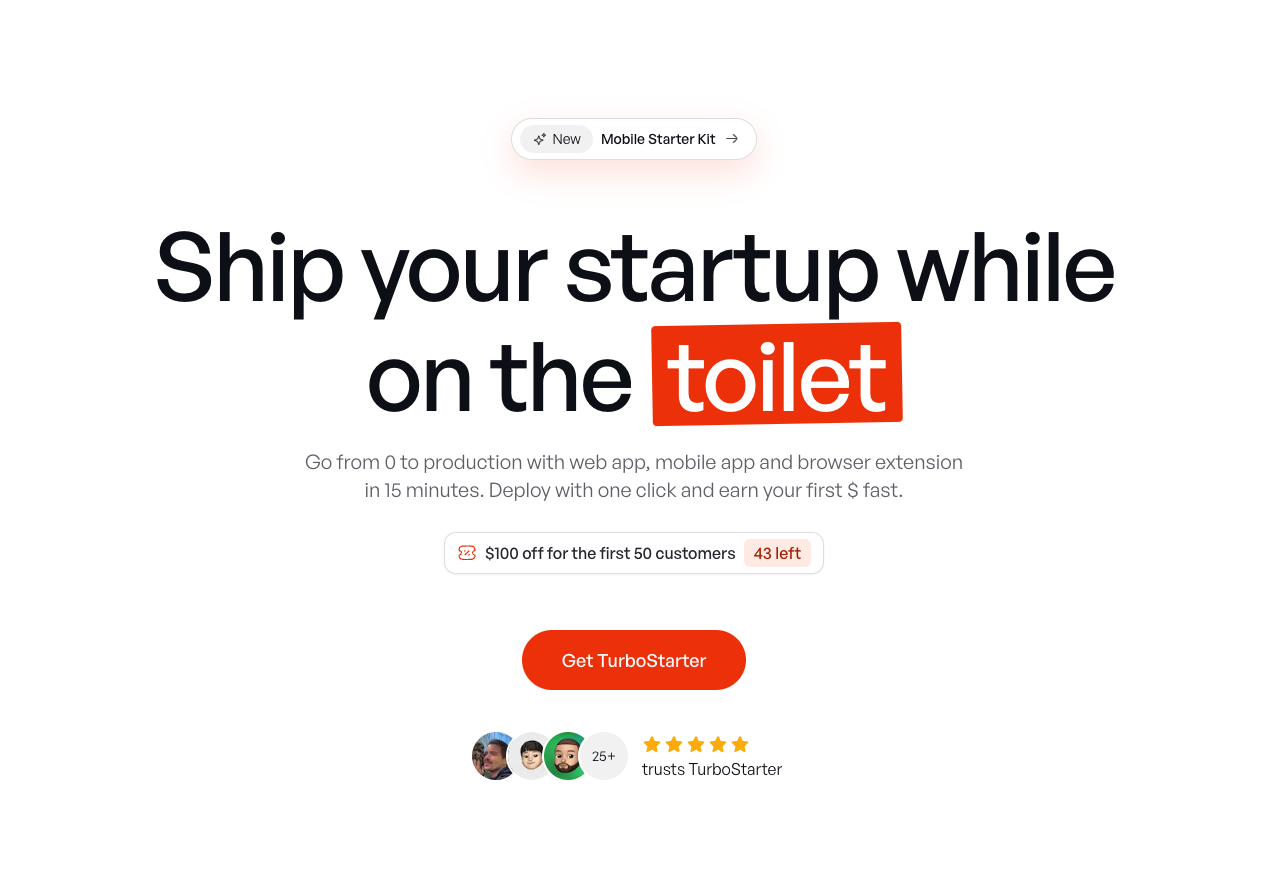
TurboStarter
Ship your startup everywhere. In minutes.
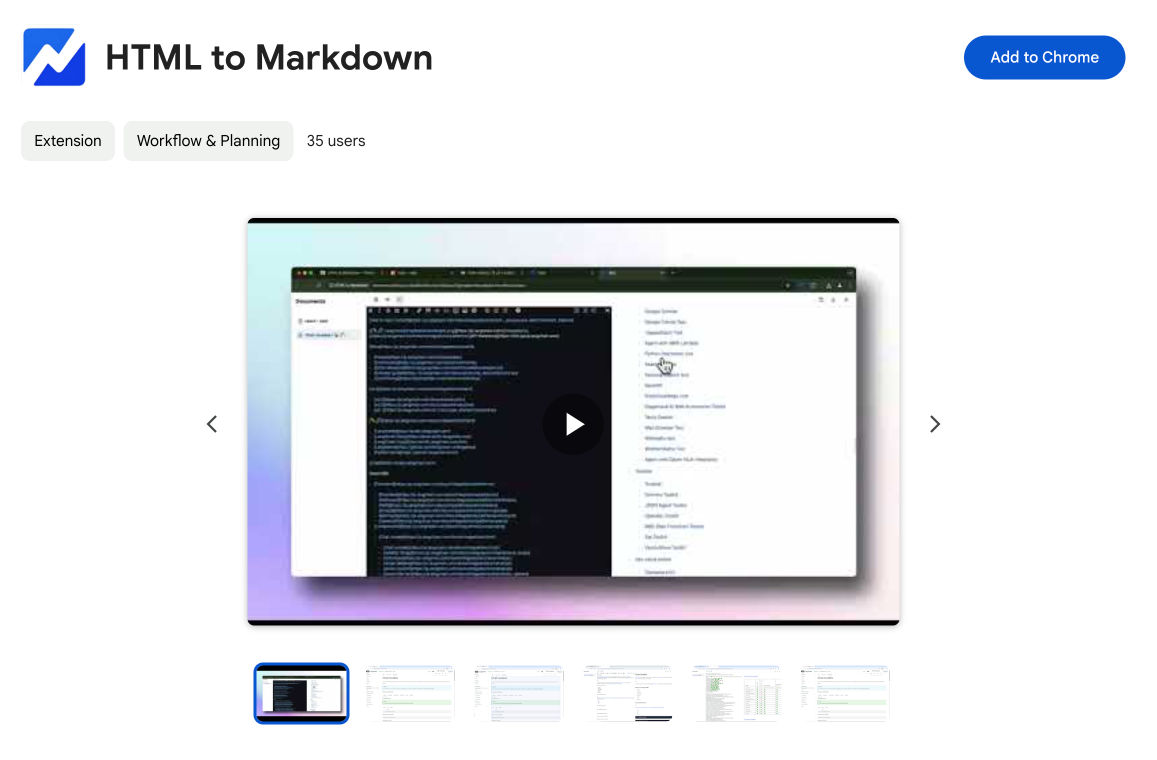
HTML to Markdown
Convert HTML to Markdown with ease, directly in your browser 📄
Dotallio
Personalized AI apps that automate research, data extraction, and content creation without code 🤖
Talk to Santa
Enjoy a magical live video chat or receive a unique AI-generated video greeting from Santa Claus 🎅
pozywka.pl
Scalable blog for food journalist, focused on performance and user experience 🌭
zagrodzki.me
Personal blog and portfolio of Bart Zagrodzki, where he shares his knowledge and work 💼
TurboStarter
Ship your startup everywhere. In minutes.
HTML to Markdown
Convert HTML to Markdown with ease, directly in your browser 📄
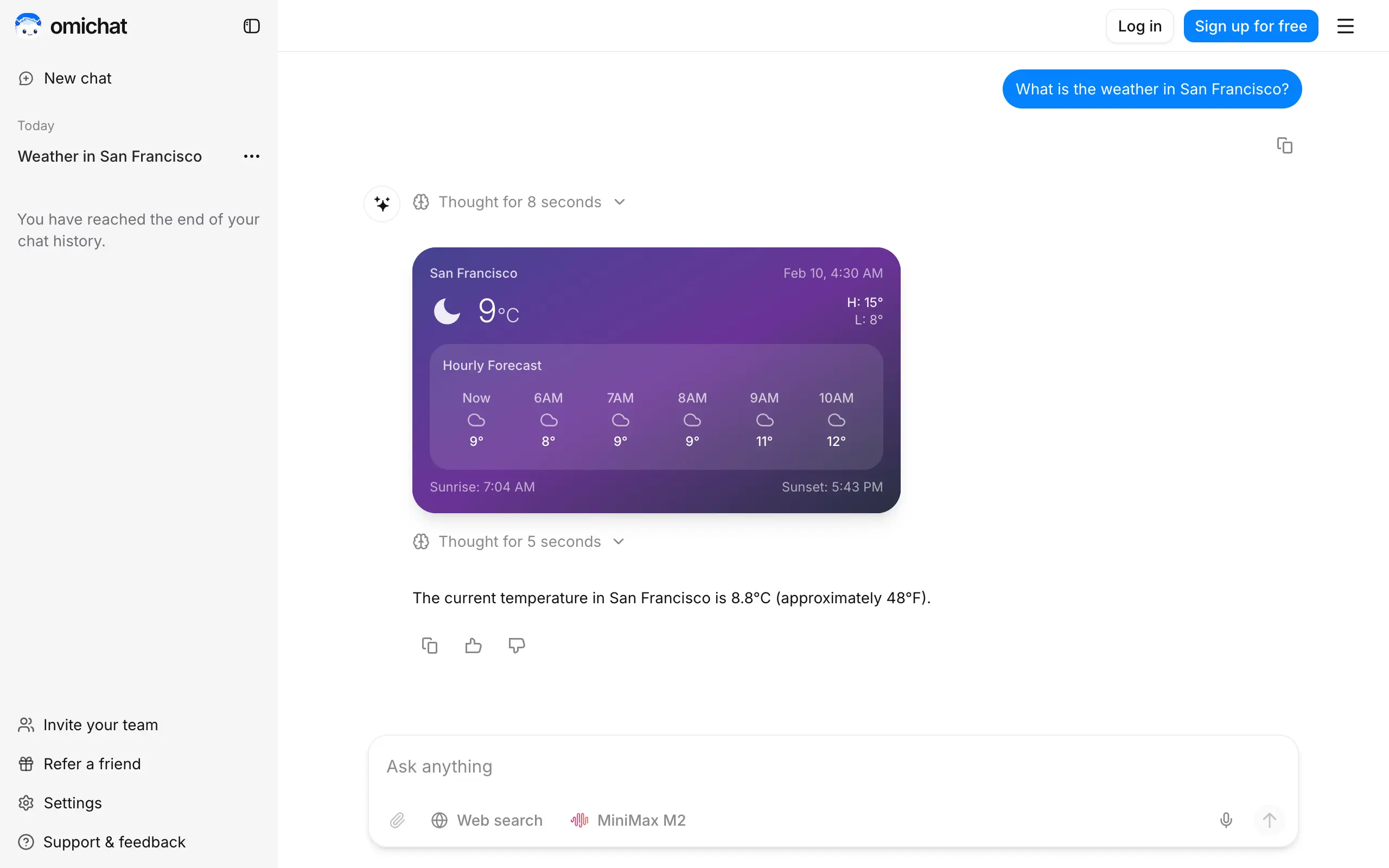
Omichat
Chat with 50+ AI models, including ChatGPT and Claude, in one place - switch models anytime without losing context 🤖
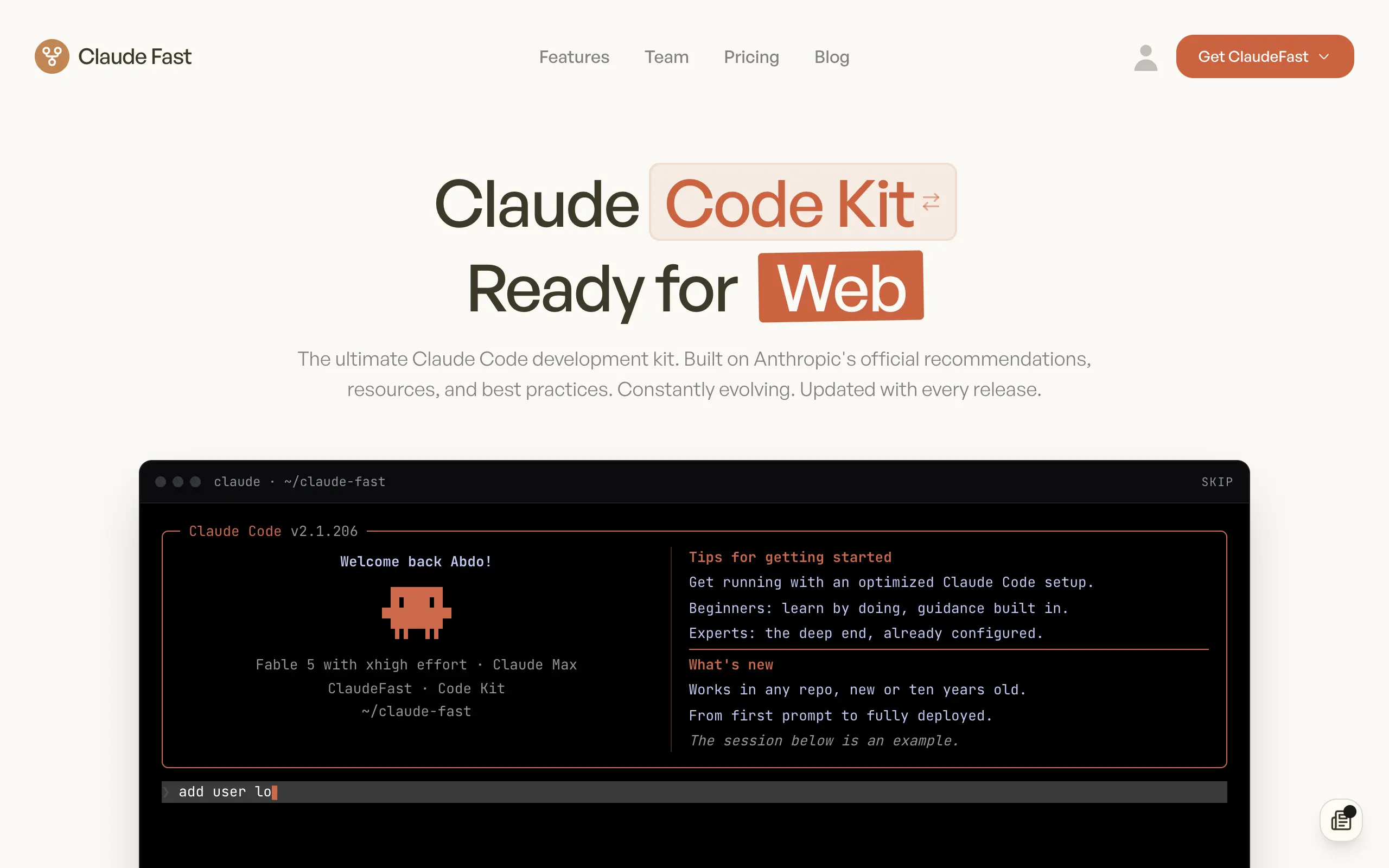
Claude Fast
Supercharge your Claude Code with 6x effective context window and specialized AI agents 🤖
EmojAI
AI-powered emoji picker with smart, context-aware suggestions 🤖
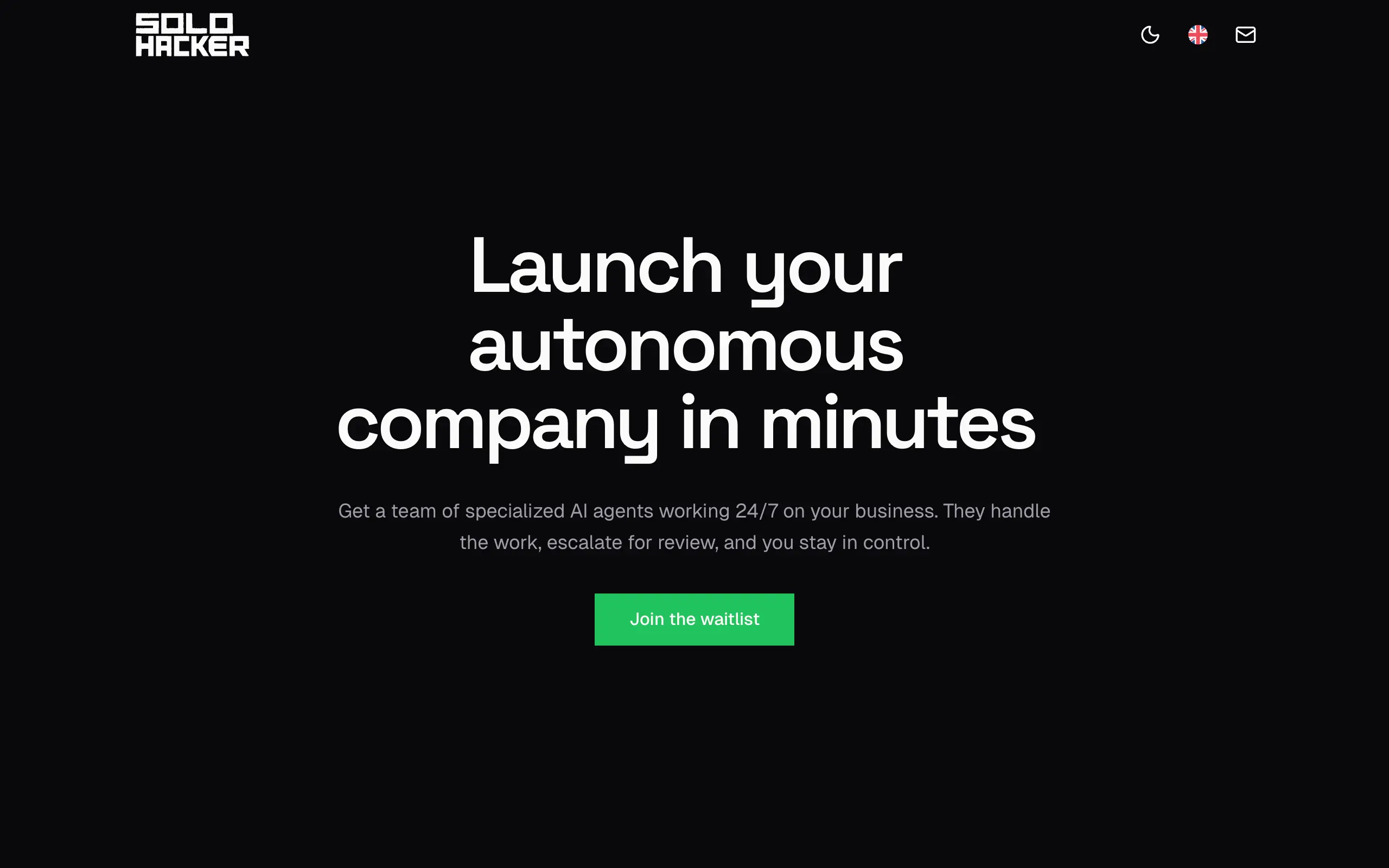
Solohacker
Autonomous company launcher - AI agents work 24/7, escalate what matters, and you stay in control 🤖
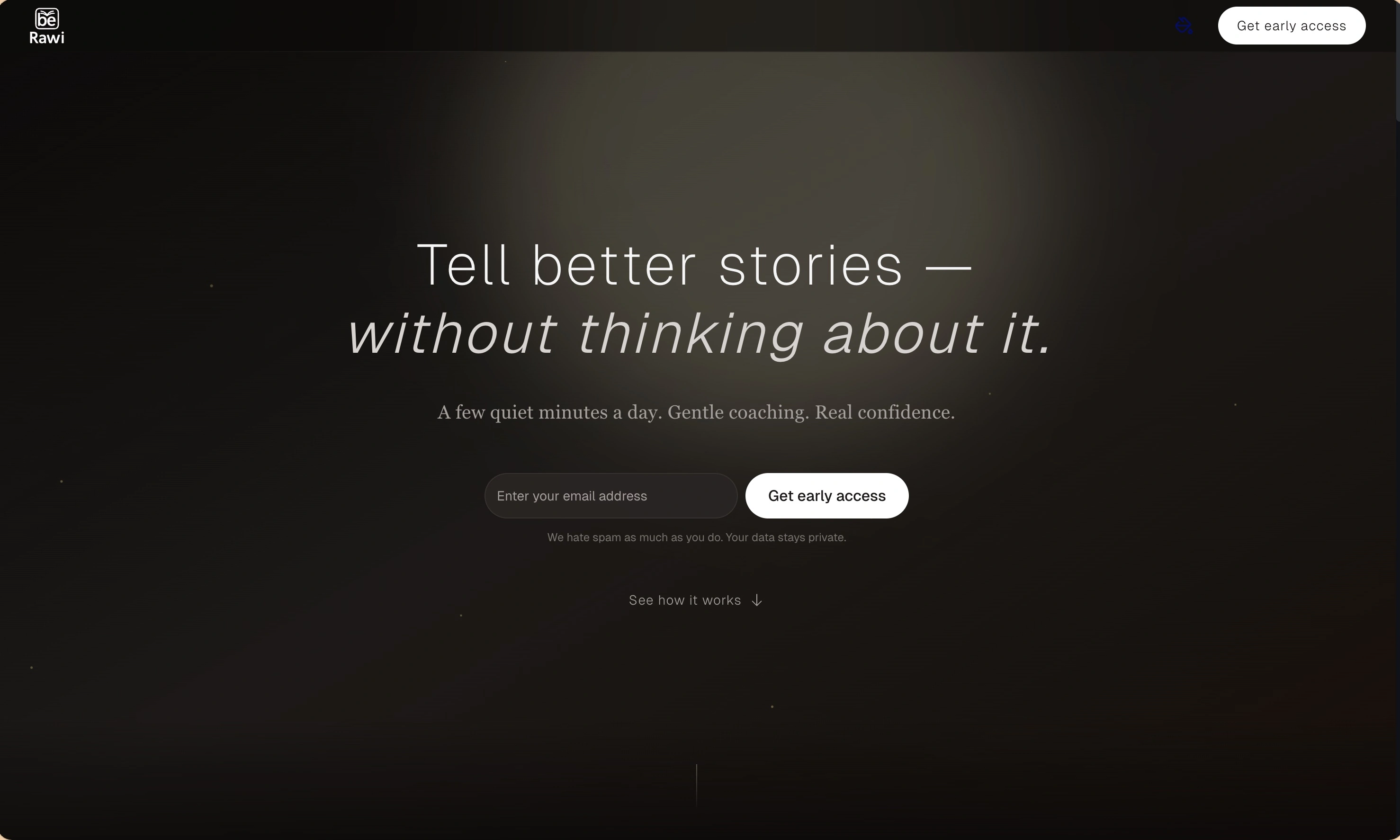
BeRawi: Storytelling Coach
Practice storytelling daily with instant feedback to sound clearer, more engaging, and confident 🎤
Omichat
Chat with 50+ AI models, including ChatGPT and Claude, in one place - switch models anytime without losing context 🤖
Claude Fast
Supercharge your Claude Code with 6x effective context window and specialized AI agents 🤖
EmojAI
AI-powered emoji picker with smart, context-aware suggestions 🤖
Solohacker
Autonomous company launcher - AI agents work 24/7, escalate what matters, and you stay in control 🤖
BeRawi: Storytelling Coach
Practice storytelling daily with instant feedback to sound clearer, more engaging, and confident 🎤

Connect with like-minded people
Join our community to get feedback, support, and grow together with 1,000+ builders on board, let's ship it!
Join usShip your startup everywhere. In minutes.
Don't burn tokens on setup and start building features on day one.