Sprint & Sip
An AI social planner for engineering teams that turns Slack, calendars and budgets into inclusive after-work events people actually join.
Why an AI social planner for engineering teams solves a real workplace problem
Engineering teams often work in a paradox. They collaborate intensely during sprints, standups, incident reviews, and code reviews, yet many teammates barely know one another outside work. Hybrid schedules, distributed offices, differing budgets, and the relentless pace of delivery can make after-work social planning feel like another project nobody wants to own.
Sprint & Sip is an AI social planner for engineering teams designed to remove that friction. It turns signals from Slack, calendars, team preferences, locations, and event budgets into inclusive after-work plans that people are genuinely likely to attend.
The product is not simply an event recommendation engine. Its differentiator is operational context. Engineering organizations have unique collaboration patterns, release cycles, on-call rotations, sprint boundaries, and distributed team structures. A generic event-planning tool may help someone create an RSVP page, but it does not understand when a backend team is in the middle of an incident, when a product squad has completed a sprint, or when a team has too many meetings to support another calendar interruption.
A well-built Sprint & Sip platform can become a lightweight layer of workplace connection that helps teams:
- Build stronger relationships across disciplines
- Improve belonging for remote and hybrid employees
- Make social events more inclusive and accessible
- Reduce the manual burden on engineering managers and culture champions
- Use team budgets more intentionally
- Encourage healthier recognition moments after meaningful work milestones
- Avoid planning events that conflict with on-call schedules, deadlines, or existing commitments
For buyers, the value proposition is straightforward: less coordination, better attendance, and more equitable team connection without asking managers to become event planners.
The core opportunity
The strongest positioning for Sprint & Sip is not “AI event planning.” It is “team connection infrastructure for engineering organizations.” That framing ties the product directly to collaboration, retention, culture, and manager effectiveness.
The target audience for Sprint & Sip
The ideal audience is not every company that has employees. Sprint & Sip should initially focus on organizations where engineering culture, distributed work, and social coordination create a repeated, expensive problem.
Primary users: engineering managers and team leads
Engineering managers are likely to be the most active users because they own the people dimension of technical delivery. They are responsible for team health, morale, onboarding, communication, and retention, but they usually have limited time to plan optional social activities.
Their pain points include:
- Finding dates that work across busy calendars
- Avoiding conflicts with deployments, sprint reviews, and on-call rotations
- Respecting different social comfort levels
- Managing a modest team-building budget
- Avoiding repeated reliance on the same few enthusiastic organizers
- Planning inclusive events for remote, hybrid, and office-based teammates
- Demonstrating that team events are voluntary rather than performative
For this user, Sprint & Sip should feel like a trusted co-pilot. It should make recommendations, explain why they are appropriate, and leave final decisions in human hands.
Secondary users: people operations and workplace experience teams
People operations, employee experience, and workplace teams need scalable ways to improve employee belonging. They may manage larger budgets, company-wide event policies, vendor relationships, and diversity, equity, inclusion, and accessibility standards.
They care about:
- Event attendance and participation trends
- Budget utilization
- Inclusion and accessibility
- Participation across departments and seniority levels
- Consistent policies across locations
- Reporting that protects employee privacy
- Ways to support managers without centralizing every social decision
These stakeholders may not create every event, but they are likely to be important administrators, budget approvers, and economic buyers.
Tertiary users: culture champions and individual contributors
Every engineering organization has informal culture builders. They create channels, organize lunch groups, welcome new hires, or suggest activities after a release. Their enthusiasm is valuable, but unmanaged event planning can become invisible labor.
Sprint & Sip can help culture champions by providing:
- Ready-to-review event suggestions
- RSVP and scheduling automation
- Templates for recurring rituals
- Fair participant rotation
- Clear budget guardrails
- Slack-native communication tools
- A way to share the organizing load
Ideal company profile
The most attractive early customer profile is likely a software company with:
- 50 to 1,000 employees
- 15 to 300 people in engineering, product, and design
- Slack as a major communication layer
- Google Workspace or Microsoft 365 calendars
- Hybrid, distributed, or multi-office teams
- Team-building, learning, recognition, or departmental budgets
- A recurring desire to improve retention and team cohesion
Early adopters are especially likely to be engineering-led companies that already invest in developer experience, employee experience, and asynchronous collaboration.
Best early adopter
A hybrid SaaS company with 40 engineers, a quarterly team budget, Slack, Google Calendar, and managers who want better team connection without manual coordination.
High-value expansion buyer
A people operations team that needs measurable, privacy-conscious social programming across multiple engineering squads and offices.
Potential channel partner
An offsite, benefits, workplace experience, or corporate event provider looking to improve event discovery and attendance.
The market gap in team social planning software
The market has plenty of fragmented tools. Calendar tools schedule time. Messaging tools announce plans. expense tools reimburse spending. survey tools collect preferences. event platforms manage registrations. Restaurant and activity marketplaces help users find venues.
What is missing is an intelligent orchestration layer that understands the combined context of a working team.
A manager can technically plan an outing with a calendar invite, a Slack poll, a spreadsheet, a corporate card, and several direct messages. But that workflow is slow, inconsistent, and biased toward the preferences of the organizer or the loudest participants.
The gap is especially visible in engineering teams, where timing is unusually important. A social event scheduled during a release window, on-call handoff, late-night incident recovery period, or concentrated planning week is likely to have poor attendance regardless of how appealing the activity looks.
Why generic event tools are not enough
Generic event management software typically optimizes for registration, ticketing, promotion, or guest communications. Sprint & Sip should optimize for a different outcome: a low-pressure, inclusive event that fits a real team’s constraints and preferences.
That requires inputs such as:
- Team availability windows
- Time zones and work locations
- Slack activity patterns at an aggregated level
- On-call schedules
- Sprint and release cadence
- Historical attendance patterns
- Dietary and accessibility needs shared voluntarily
- Budget policies
- Preferred event formats
- Team size and grouping constraints
- Remote participation options
The product should never infer sensitive personal characteristics from workplace activity. Instead, it should use explicit preferences, team-level signals, and transparent recommendation logic.
The hybrid work opportunity
Hybrid work has made spontaneous office connection less reliable. Employees may come in on different days, remote employees may feel excluded from location-specific events, and teams may only gather intentionally during offsites or major planning sessions.
This creates a need for lightweight, frequent, and equitable rituals. Rather than only organizing expensive quarterly events, teams may benefit from small, well-timed moments such as:
- A post-sprint coffee walk
- A virtual game session for distributed teammates
- A lunch-and-learn with a local meal stipend
- A beginner-friendly climbing or craft activity
- A quiet board game night
- An accessible volunteering activity
- A team dinner after a major launch
- A cross-functional meetup between engineering and product
The opportunity is not to force socialization. It is to make participation easier for people who want it, while ensuring that event formats do not exclude teammates with different schedules, responsibilities, abilities, cultural backgrounds, or comfort levels.
Sprint & Sip’s unique selling proposition
Sprint & Sip should position itself as an AI-powered social planning platform built around engineering workflows, team inclusion, and budget-aware coordination.
Its unique selling proposition can be expressed as:
Sprint & Sip turns the tools engineering teams already use into inclusive, budget-aware social events that fit real work schedules.
That proposition has four defensible elements.
It understands engineering cadence
A generic AI assistant can suggest “team dinner next Thursday.” Sprint & Sip should know that next Thursday overlaps with a sprint review, a production deployment, and two engineers on call.
The platform can recommend better timing by analyzing shared availability and configured work rhythms. It should use calendar free-busy data rather than reading private event details whenever possible.
It designs for inclusion rather than just attendance
High attendance is useful, but it is not the only goal. A popular late-night bar event can have strong turnout among one group while excluding caregivers, non-drinkers, remote workers, employees with disabilities, or people who simply prefer lower-stimulation settings.
Sprint & Sip should encourage event diversity across time, format, location, cost, and social intensity. It can present inclusion checks before an organizer publishes an event.
It respects budget realities
Team social budgets are often ambiguous. Managers may have monthly allowances, quarterly reimbursements, or policies that vary by location. The platform should help users choose activities that fit an approved budget and estimate total cost before invitations go out.
It automates coordination without removing manager judgment
AI should not autonomously schedule employees into social events. The product should provide recommendations and execution support, while managers or designated organizers approve every event.
This human-in-the-loop approach is crucial for trust. Social plans are personal, and workplace data is sensitive.
Core features for an AI social planner for engineering teams
The best MVP should solve one complete workflow rather than attempting to become a full employee engagement suite on day one.
Slack and calendar integrations
Slack should be the daily distribution and interaction layer. Calendar integrations should provide scheduling context. Together, these integrations power the planning experience.
Core integration capabilities could include:
- Slack app installation for a workspace or selected channels
- Slash commands such as
/sprintandsip plan - Event proposal cards in Slack
- Lightweight RSVP actions from Slack
- Calendar free-busy availability checks
- Shared calendar event creation after approval
- Team timezone detection
- Optional on-call calendar support
- Scheduled reminders and post-event feedback prompts
For a first version, prioritize Slack and Google Calendar. Microsoft 365 support can be a high-value follow-up for larger organizations.
AI event recommendation engine
The recommendation engine should combine structured constraints with generative AI. It should not rely solely on a language model to make scheduling decisions.
A practical recommendation workflow looks like this:
- The organizer selects a team, date range, budget, and goal.
- The system checks available windows based on calendar free-busy data.
- The platform applies hard constraints such as budget caps, office location, minimum notice, and on-call exclusions.
- AI generates several event concepts suited to the team’s stated preferences.
- A rules engine ranks options based on predicted feasibility and inclusiveness.
- The organizer reviews, edits, and approves one option.
- Sprint & Sip creates the Slack announcement, RSVP flow, and calendar event.
The AI output should include an explanation, such as:
This option is recommended because 82% of the team is available, it falls two days after sprint close, it stays under the allocated budget, and it offers both in-person and remote participation.
Explanations increase user trust and help managers make informed choices.
Preference profiles and inclusion controls
Preferences should be voluntary, editable, and minimized. Employees should be able to share only what is necessary for better recommendations.
Useful preference settings include:
- Preferred event times
- Interest categories
- Social energy preference
- In-person, remote, or hybrid preference
- Dietary requirements, if relevant to food events
- Accessibility considerations, if voluntarily provided
- Alcohol-free preference
- Budget sensitivity
- Travel radius
- Preferred communication channel
Avoid asking employees to disclose more than is needed. Do not infer medical, religious, family, or protected attributes. The product should allow a participant to decline without explaining why.
Budget planner and policy engine
Budget visibility is a major differentiator for Sprint & Sip. The product can support:
- Per-person budgets
- Team-level monthly or quarterly budgets
- Cost estimates by event type
- Location-specific currency support
- Approval thresholds
- Receipt collection links
- Cost splitting rules
- Reimbursement export workflows
- Remaining budget dashboards
The early product does not need direct payment processing. It can begin with planning, approval, and budget tracking. Corporate card and expense integrations can come later.
Attendance forecasting and event quality feedback
Attendance prediction should be treated carefully. The goal is to improve planning, not score individual employees.
Team-level forecasting can consider:
- Availability percentage
- Lead time
- Time of day
- Event category
- Location convenience
- Historical aggregate participation
- Team size
- Remote access
- Cost to participants, if any
After each event, a brief anonymous survey can capture feedback such as:
- Was the event easy to attend?
- Did the format feel inclusive?
- Would you join a similar event again?
- Was the timing convenient?
- What should change next time?
This feedback creates a valuable learning loop. The system should report aggregate patterns, never expose individual feedback to managers unless the employee explicitly chooses attribution.
Event templates for recurring engineering rituals
Templates can create immediate value and reduce the blank-page problem.
Examples include:
- Sprint retrospective social
- Release celebration
- New hire welcome activity
- Cross-team coffee roulette
- Quarterly team lunch
- Hackathon wind-down
- Remote game hour
- Incident recovery appreciation event
- Engineering offsite evening activity
- Pair-programming coffee meetup
Templates should include recommended timing rules, budget ranges, invitation wording, and inclusion prompts.
A post-sprint coffee or snack meetup can work well for smaller teams. Keep the duration short, provide an alcohol-free option, and offer a remote stipend or parallel video room when the team is distributed.
A hybrid format might pair local coworking or lunch groups with a shared virtual trivia session. The point is not to make remote teammates watch office colleagues socialize. Give remote participants a meaningful activity and comparable budget support.
For a launch celebration, schedule after the actual release stabilization window rather than immediately after deployment. Include a short recognition moment, optional attendance, and a calm alternative to a late-night party.
Building the recommendation system responsibly
An AI social planner depends on trust. The product’s recommendation quality matters, but data governance matters just as much.
Use constrained AI instead of unrestricted automation
The system should use deterministic logic for business rules and AI for ideation, language, and nuanced recommendation support.
For example:
- A rules engine identifies valid schedule windows.
- Budget logic removes unaffordable options.
- Policy controls filter out prohibited vendors or event types.
- AI creates tailored activity descriptions and invitation copy.
- A ranking model orders viable options based on aggregate team fit.
- A human organizer approves the final recommendation.
This design reduces hallucinations and makes outcomes easier to audit.
Explain recommendation inputs clearly
Users should understand what Sprint & Sip reads and what it does not read.
A clear permission model could state:
- Calendar integration uses free-busy status by default.
- Slack integration posts messages and captures RSVPs.
- Slack message content is not used for recommendation training unless an organization explicitly enables a narrowly defined feature.
- Personal preferences are optional and visible to the employee.
- Managers receive team-level trends, not individual participation scores.
- Admins can define retention settings and delete event data.
Avoid surveillance positioning
Do not market Slack activity analysis as a way to identify disengaged employees. That approach creates employee distrust and can create serious privacy, labor, and legal concerns. Position data use around voluntary planning preferences, availability, and aggregate event improvement.
Privacy, security, and compliance expectations
Even an early B2B SaaS product should be designed with enterprise expectations in mind. Sprint & Sip will process workplace identities, calendars, social preferences, and budget information.
Key practices include:
- OAuth-based integration authorization
- Least-privilege access scopes
- Encryption in transit and at rest
- Tenant isolation
- Audit logs for administrative actions
- Configurable data retention
- Data deletion workflows
- Role-based access control
- Explicit consent for optional preferences
- Aggregated analytics thresholds for small teams
- Clear subprocessors and privacy documentation
As the company grows, a SOC 2 readiness roadmap will be important for mid-market and enterprise sales. The team should consult qualified legal and security professionals for regional requirements such as GDPR, UK GDPR, CCPA, employment law, and accessibility obligations.
Recommended tech stack for Sprint & Sip
The ideal stack should support fast iteration, reliable integrations, scheduled jobs, secure multi-tenancy, and AI workflows. The product does not need exotic infrastructure in its first stage.
Application architecture
A modern TypeScript stack is a practical choice because it supports shared types between frontend, backend, integrations, and AI orchestration.
Recommended building blocks include:
- Next.js for the web application and server-side capabilities
- React for interactive planning interfaces
- TypeScript for end-to-end type safety
- Tailwind CSS for fast, maintainable UI development
- PostgreSQL for relational team, event, budget, and permission data
- Prisma or a comparable ORM for data access
- Redis for caching, rate limiting, and job coordination
- Slack API for workspace integration
- Google Calendar API for calendar availability and event creation
- OpenAI API or another enterprise-ready model provider for controlled generative features
A starter architecture built with TurboStarter can reduce setup time for common SaaS fundamentals such as authentication, billing foundations, teams, dashboards, and polished application structure.
Data model essentials
The platform should model relationships explicitly. Core entities may include:
- Organizations
- Workspaces
- Users
- Teams
- Team memberships
- Integration connections
- Event templates
- Event proposals
- Events
- RSVP records
- Budget policies
- Budget allocations
- Expense records
- Preference profiles
- Feedback responses
- Audit log entries
Keep sensitive preference fields separate from general profile data. Enforce access policies at the database and application levels.
Background jobs and integrations
Calendar synchronization, Slack reminders, recommendation generation, and feedback workflows should run asynchronously.
A job queue is essential for:
- Fetching availability windows
- Syncing on-call schedules
- Sending scheduled Slack notifications
- Generating event recommendations
- Updating budget calculations
- Sending post-event surveys
- Retrying third-party API requests
- Processing webhook events
Trade-off matters here. A serverless-only approach can speed up launch, but long-running workflows and retries can become harder to manage. For an integration-heavy product, a dedicated job processing layer is usually worth the operational discipline.
AI architecture and guardrails
Use structured output schemas for AI responses. A recommendation should not arrive as an unvalidated block of text.
For example, the AI layer can be required to return:
type EventRecommendation = {
  title: string;
  format: "in_person" | "remote" | "hybrid";
  durationMinutes: number;
  estimatedCostPerPerson: number;
  inclusionNotes: string[];
  rationale: string[];
  invitationCopy: string;
  requiredOrganizerReview: boolean;
};
The application should validate this output before displaying it. The AI model should receive only the minimum context needed, such as aggregate availability, approved budget, selected interests, office city, and configured constraints.
Do not send full private calendar titles, direct messages, or unnecessary employee data to an AI provider.
Monetization strategies for Sprint & Sip
Sprint & Sip has several viable SaaS pricing paths. The best early model should be easy for an engineering manager to understand and easy for a people operations buyer to approve.
Per-seat pricing with a platform minimum
A per-active-member model is familiar in B2B SaaS, but event planning may not be used by every employee every month. Consider pricing based on managed team members or active participants, with a minimum monthly platform fee.
Possible structure:
- Starter for small engineering teams
- Team for multiple squads and budget tracking
- Business for advanced analytics, SSO, and multi-location support
- Enterprise for custom security, data retention, support, and procurement requirements
Per-organizer or manager pricing
A manager-based model can work well early because the direct value accrues to managers and people operations teams. It reduces the concern of paying for every employee when participation is optional.
The drawback is lower expansion potential if the product becomes deeply embedded across a large organization.
Usage-based event credits
Usage-based pricing can align cost with realized value. Customers could pay for a base subscription plus credits per planned event, AI recommendation pack, or managed RSVP campaign.
This works best if Sprint & Sip has clear activity-based value. However, it can create budget uncertainty and discourage frequent use, which is counterproductive for a habit-forming product.
Marketplace and partner revenue
Later, Sprint & Sip could earn referral or affiliate revenue from approved local venues, virtual activity vendors, catering providers, and corporate event partners.
This model must be handled carefully. Recommendations should remain transparent, and sponsored placement should never silently override team fit, accessibility, or budget suitability.
Recommended initial pricing approach
Start with tiered subscription pricing based on organization size and feature access. Include a reasonable number of event plans each month. This keeps purchasing predictable while preserving room for premium features.
Premium features can include:
- Advanced budget policy controls
- HRIS integration
- Microsoft 365 support
- SSO and SCIM
- Advanced analytics
- Dedicated customer success
- Multi-region compliance controls
- Vendor marketplace tools
- Custom event templates and branding
Competitive advantage analysis
Sprint & Sip will compete indirectly with several categories rather than one identical product.
| Category | What it does well | Where Sprint & Sip can win |
|---|---|---|
| Calendar tools | Scheduling and availability | Combines availability with budgets, inclusion, event concepts, and Slack execution |
| Event management platforms | Registration and event logistics | Plans recurring internal team rituals before an event exists |
| Employee engagement platforms | Surveys, recognition, and broad HR programs | Focuses on practical social coordination for engineering workflows |
| Generic AI assistants | Ideas and writing support | Uses permissioned workplace context and structured planning workflows |
| Manual spreadsheets and Slack polls | Low cost and flexibility | Eliminates repetitive coordination while improving consistency and measurement |
The durable advantage is not merely “using AI.” AI capabilities can be copied. Defensibility comes from a combination of:
- Deep Slack and calendar workflow integration
- Team-specific preference and feedback loops
- Event outcome data at the aggregate level
- Budget and policy controls
- Inclusion-oriented recommendation design
- Templates tuned to engineering rituals
- Trustworthy privacy controls
- Strong user experience that makes planning feel effortless
Over time, Sprint & Sip can build a proprietary event-fit dataset. It can learn that certain formats, time windows, team sizes, and participation structures work better in specific organizational contexts. That learning must remain privacy-preserving and should never become an employee monitoring system.
Risks and practical mitigation strategies
Every SaaS idea has execution risks. Sprint & Sip’s main challenges are adoption, privacy, integration complexity, and proving business value.
Make every event opt-in. Use inclusive language, offer varied formats, and avoid framing participation as a performance signal. Give teams the ability to choose low-pressure activities, including asynchronous or remote-friendly options.
Request the smallest possible permissions, explain data use in plain language, and default to free-busy calendar access rather than event content. Provide administrators with transparent controls and audit logs.
Constrain AI with hard policy rules, provide editable templates, require organizer approval, and collect post-event feedback. Start with a curated event taxonomy rather than unlimited open-ended suggestions.
Support zero-cost and low-cost event formats from the first release. The product should deliver value through scheduling, inclusion, and coordination even when no reimbursement budget exists.
Launch with one collaboration platform and one calendar ecosystem. Design an integration abstraction layer, but avoid building every connector before product-market fit is proven.
Measuring value without overstating causality
It is tempting to claim that team social events directly improve retention or productivity. Those outcomes may be influenced by many factors, so the platform should avoid simplistic promises.
Instead, measure operational and experience-level indicators:
- Event planning time saved
- RSVP conversion rate
- Attendance rate
- Repeat participation
- Representation across work locations
- Format diversity
- Budget utilization
- Participant-reported inclusion
- Manager satisfaction
- New hire participation over time
For external claims about employee engagement, hybrid work, retention, or workplace belonging, cite reputable sources in a formal publishing workflow. Suitable source categories include academic research, recognized workplace research firms, government labor data, and major industry reports. Ensure every statistic includes its date, methodology context, and source.
A practical MVP roadmap
The fastest route to validation is to build a narrow workflow that creates a clear before-and-after experience for one engineering manager.
Phase one: prove the planning workflow
Build the essential experience:
Connect Slack and Google Calendar using OAuth, with transparent permissions and organization-level consent.
Let a manager select a team, a date range, event goal, location mode, and budget.
Calculate aggregate availability using free-busy data and configured scheduling constraints.
Generate three editable event recommendations with estimated cost, inclusion notes, and recommendation rationale.
Enable one-click Slack posting, RSVP collection, and approved calendar event creation.
Send an anonymous post-event feedback prompt and show simple aggregate results.
This version should not attempt to automatically book venues, process expenses, support every HRIS, or generate complex predictive analytics.
Phase two: strengthen repeat usage
After validating that managers repeatedly plan events, add:
- Recurring event templates
- Budget tracking
- Team preference profiles
- Location-aware recommendations
- Basic attendance forecasting
- On-call schedule support
- Event series and team rituals
- Cross-team event planning
- Administrative policy controls
Phase three: unlock larger contracts
Once the core workflow has strong adoption, target people operations and enterprise buyers with:
- SSO and SCIM
- Microsoft 365 calendar integration
- HRIS synchronization
- Multi-entity billing
- Advanced security controls
- Analytics dashboards
- Data retention controls
- Enterprise support
- Custom policy configuration
- Vendor and marketplace integrations
Go-to-market strategy for an AI social planner
Sprint & Sip should initially sell through a focused wedge: engineering leaders who already care about team health but dislike administrative coordination.
Start with design partners
Recruit 10 to 20 design partners from startup and scale-up engineering organizations. Offer concierge onboarding and ask for permission to observe the planning workflow closely.
Key discovery questions include:
- How often do you organize optional team events?
- Who does the planning work today?
- What causes poor attendance?
- What budget approval process exists?
- Which groups are unintentionally excluded?
- How much time does one event take to coordinate?
- Would Slack-native RSVPs change behavior?
- What calendar data would your company permit?
- What would make the product feel unsafe or intrusive?
The goal is not just feature validation. It is to discover the emotional barriers around workplace social planning.
Create content around real manager pain points
High-intent SEO content can attract buyers searching for practical guidance, not just software. Topics could include:
- How to plan inclusive team-building events for engineers
- Remote team social event ideas that do not feel forced
- How to schedule team events around on-call rotations
- Engineering manager team culture rituals
- How to use a team-building budget effectively
- Inclusive alternatives to alcohol-centered work events
- Team event planning checklist for hybrid companies
This content should be written with real operational depth. Include checklists, templates, consent guidance, accessibility considerations, and examples for teams of different sizes.
Use Slack as a product-led growth channel
The Slack app can create organic visibility when participants interact with event proposals and RSVPs. However, do not rely on viral growth alone. Administrators may restrict app installation, especially in security-conscious companies.
Make the value obvious before requiring broad rollout. A manager should be able to launch a successful first event with minimal setup.
Final implementation checklist
Sprint & Sip can become a compelling SaaS business by solving a mundane but meaningful coordination problem: helping engineering teams create social moments that fit work reality and respect individual choice.
The product should prioritize trust before sophistication. A modest recommendation engine with excellent permissions, clear explanations, and a frictionless Slack workflow is more valuable than an autonomous AI planner that employees do not trust.
Use this checklist to guide execution:
- Validate the problem with engineering managers and people operations leaders
- Focus the first release on Slack, Google Calendar, planning, RSVPs, and feedback
- Use free-busy data and voluntary preferences rather than invasive workplace monitoring
- Treat inclusion as a product requirement, not a marketing claim
- Build budget awareness into the core workflow
- Require organizer approval before any event is published
- Track aggregate outcomes that demonstrate planning efficiency and event quality
- Add enterprise controls only after repeatable manager-level adoption is clear
- Develop content that answers real hybrid team culture and engineering management questions
- Expand integrations and marketplace capabilities only after the core planning loop is sticky
The long-term vision is powerful: Sprint & Sip can become the system of record for intentional team connection. By blending AI recommendations with engineering-aware scheduling, inclusive design, and responsible data practices, it can help organizations create better social experiences without turning culture into another manual project.
More 🤖 AI Startup SaaS ideas
Discover more innovative ai startup SaaS ideas that are trending in 2026. Each idea is AI-generated with market validation and growth potential to help you find your next profitable venture faster than competitors.
Your competitors are building with TurboStarter
Below are some of the SaaS ideas that have been generated and built with our starter kit.
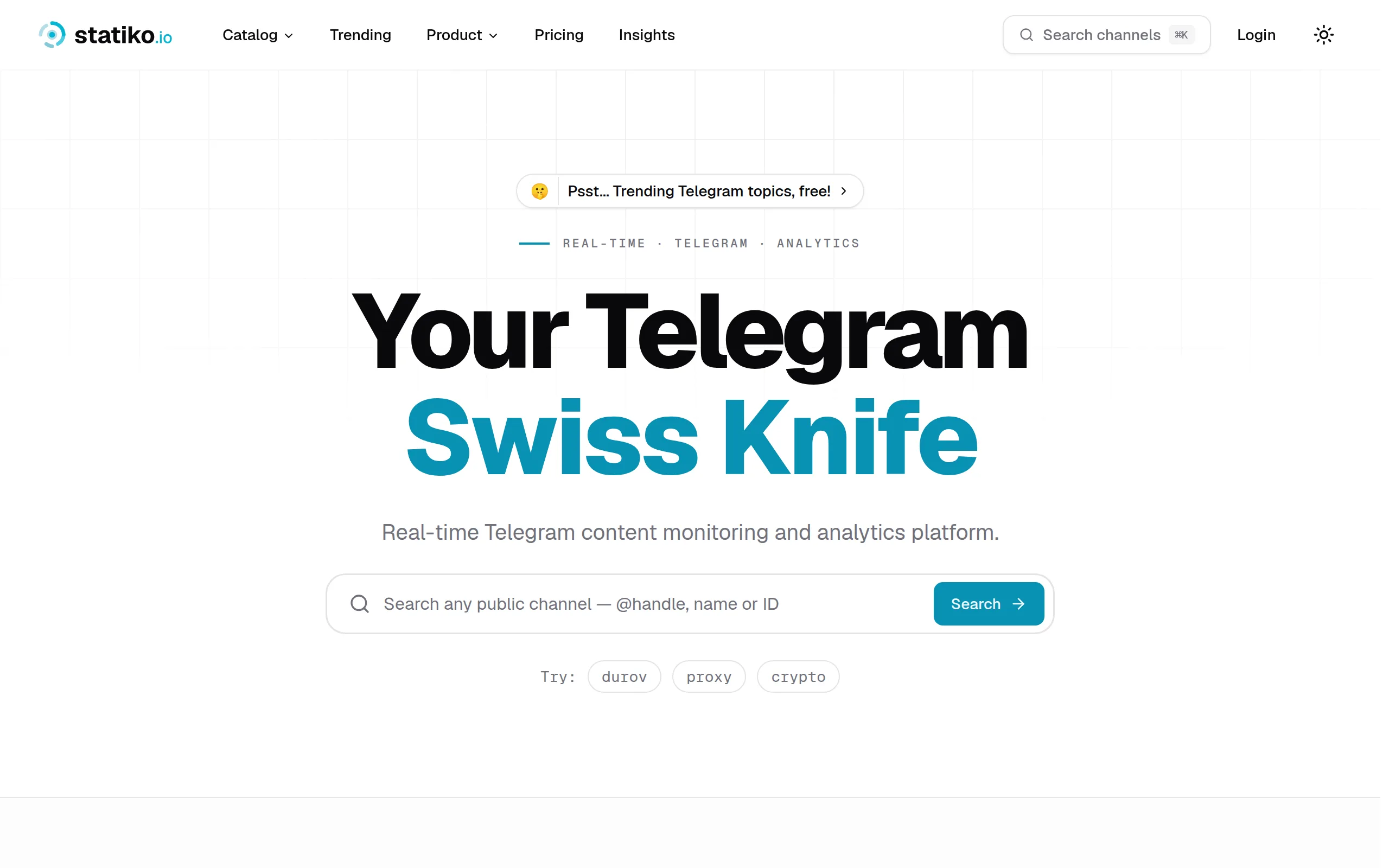
Statiko
Monitor any Telegram channel in real time - track posts, edits, deletions, and growth with AI recaps 📡
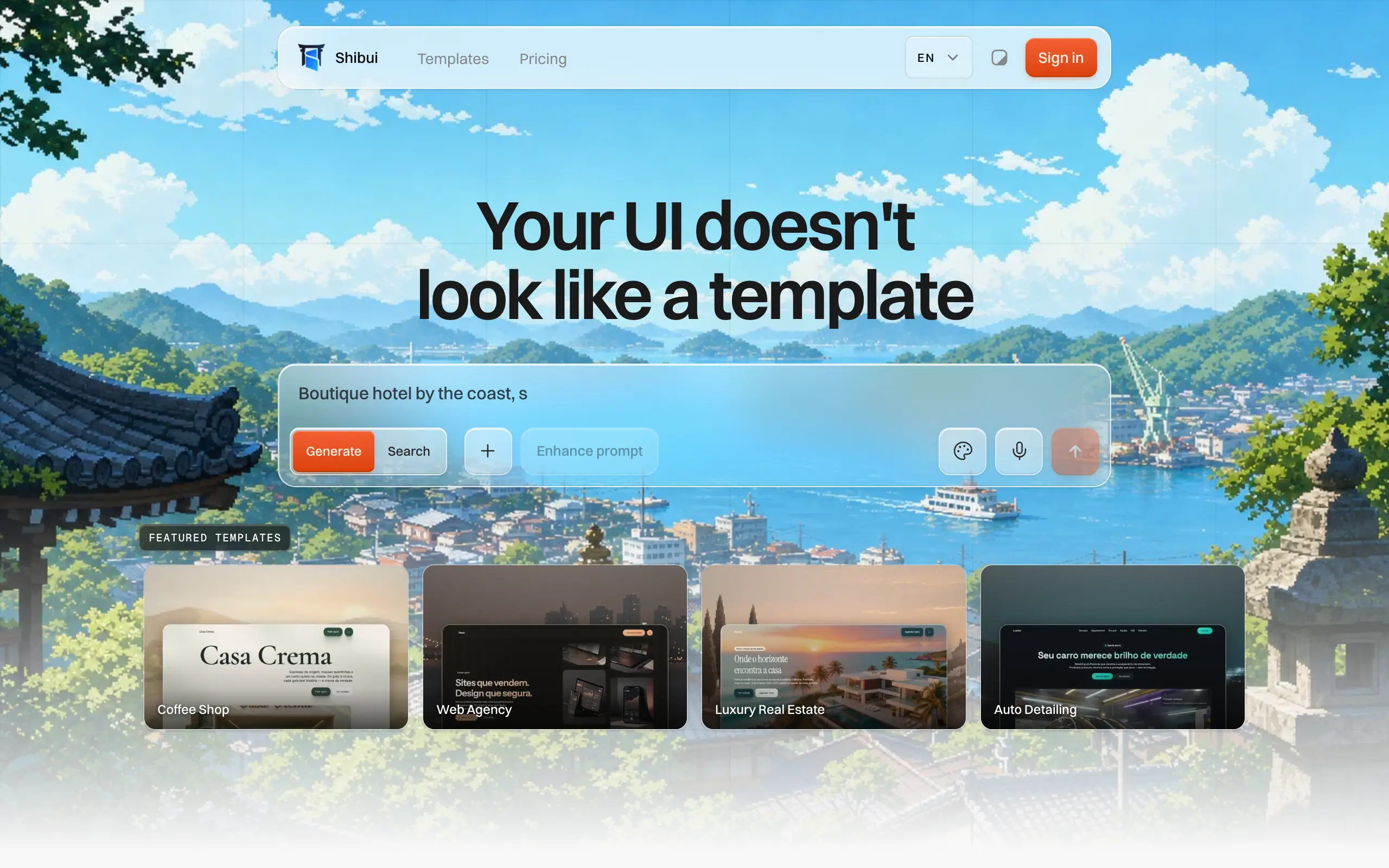
Shibui
AI website builder - describe your business, pick a niche template, edit by chatting, and publish instantly ✨
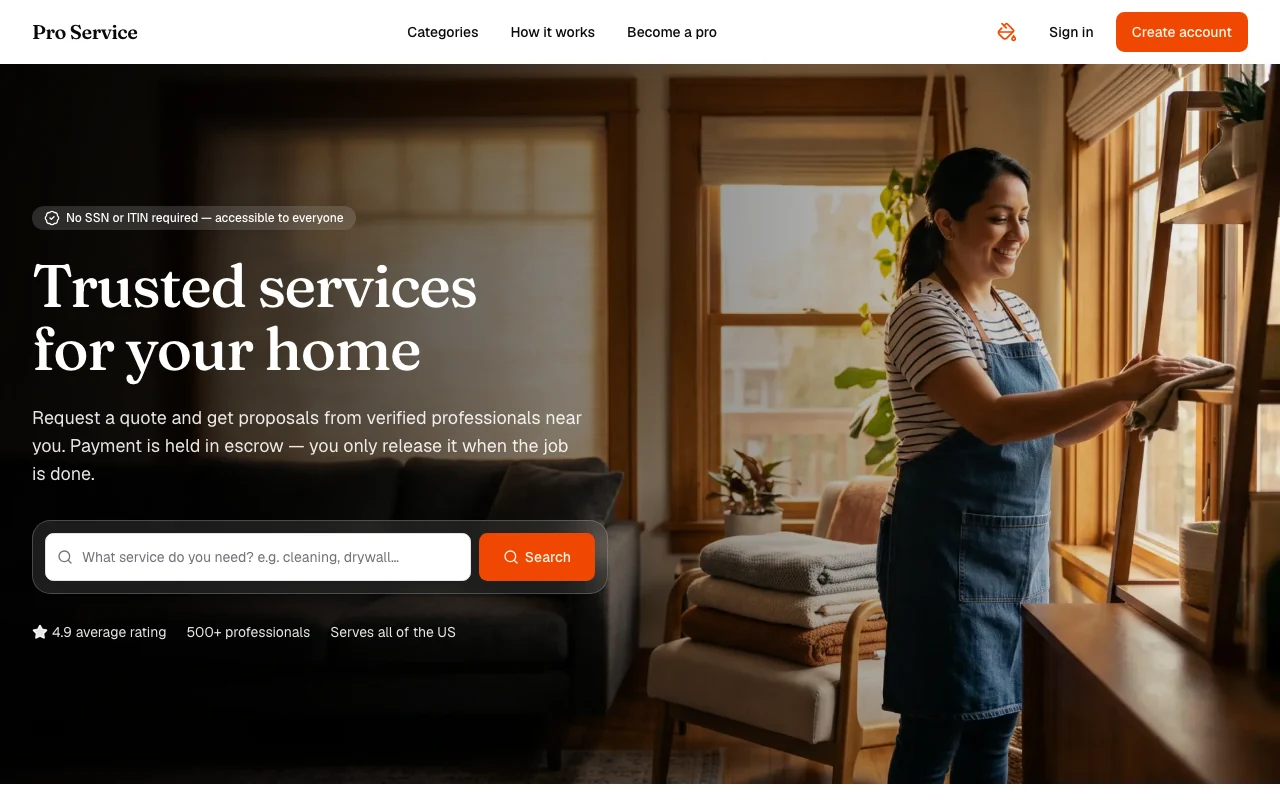
Pro Service
Find verified home service professionals, compare quotes, and pay securely through escrow - built for Brazilians across the US 🏠
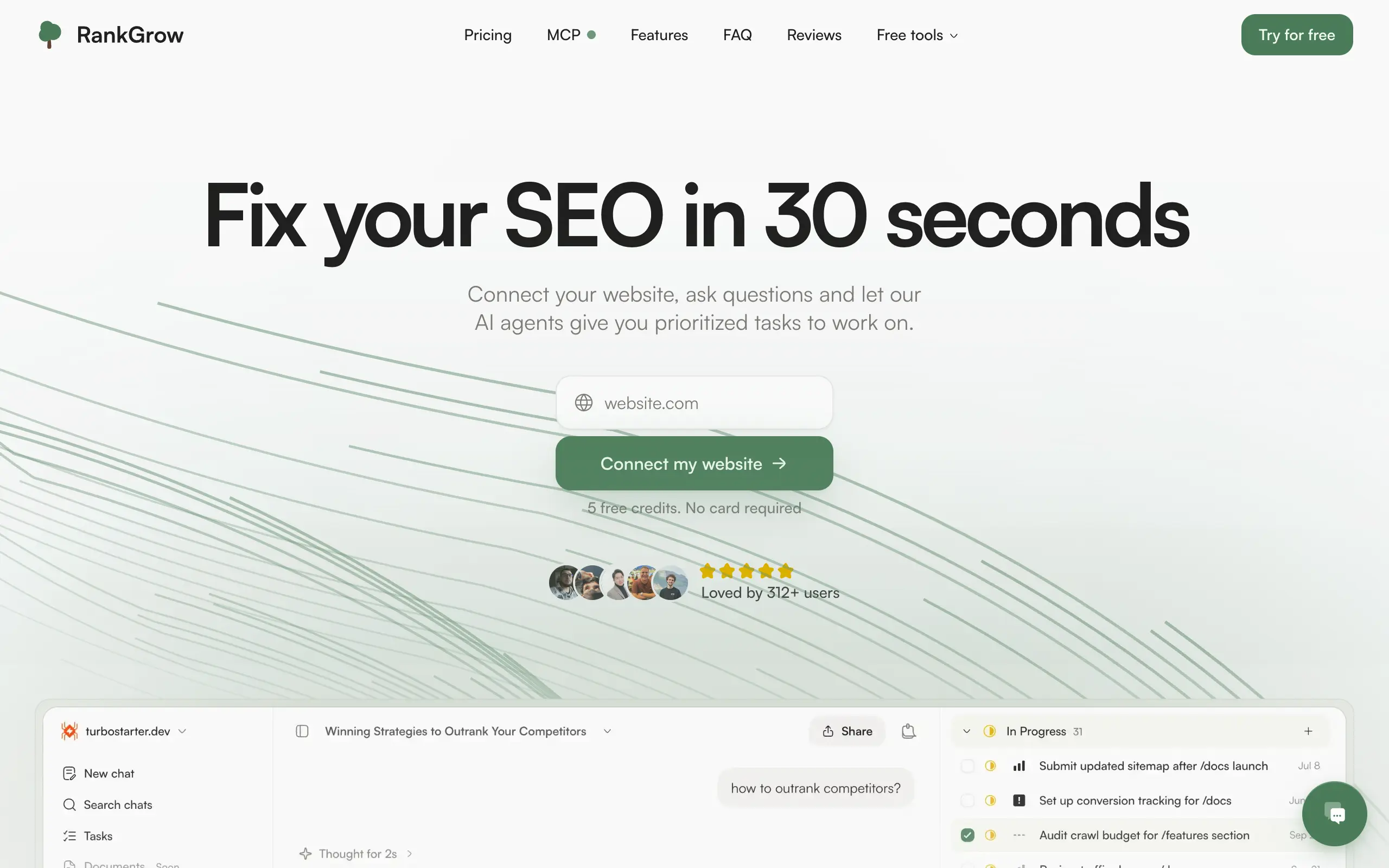
RankGrow
Fix your SEO with AI agents - connect Search Console, get prioritized tasks, and grow organic traffic 📈
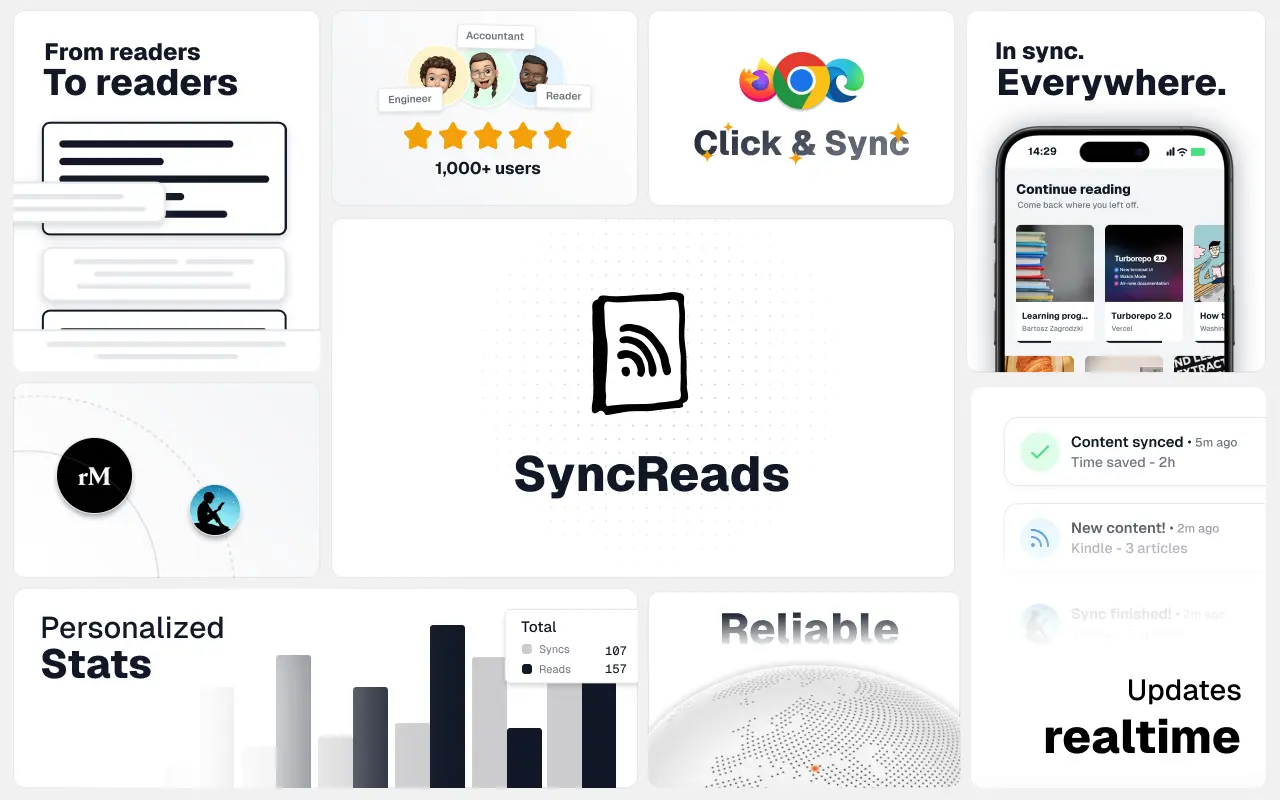
SyncReads
Sync your favorite content for distraction-free reading, save time and replace multiple apps. Anytime, anywhere 🔄
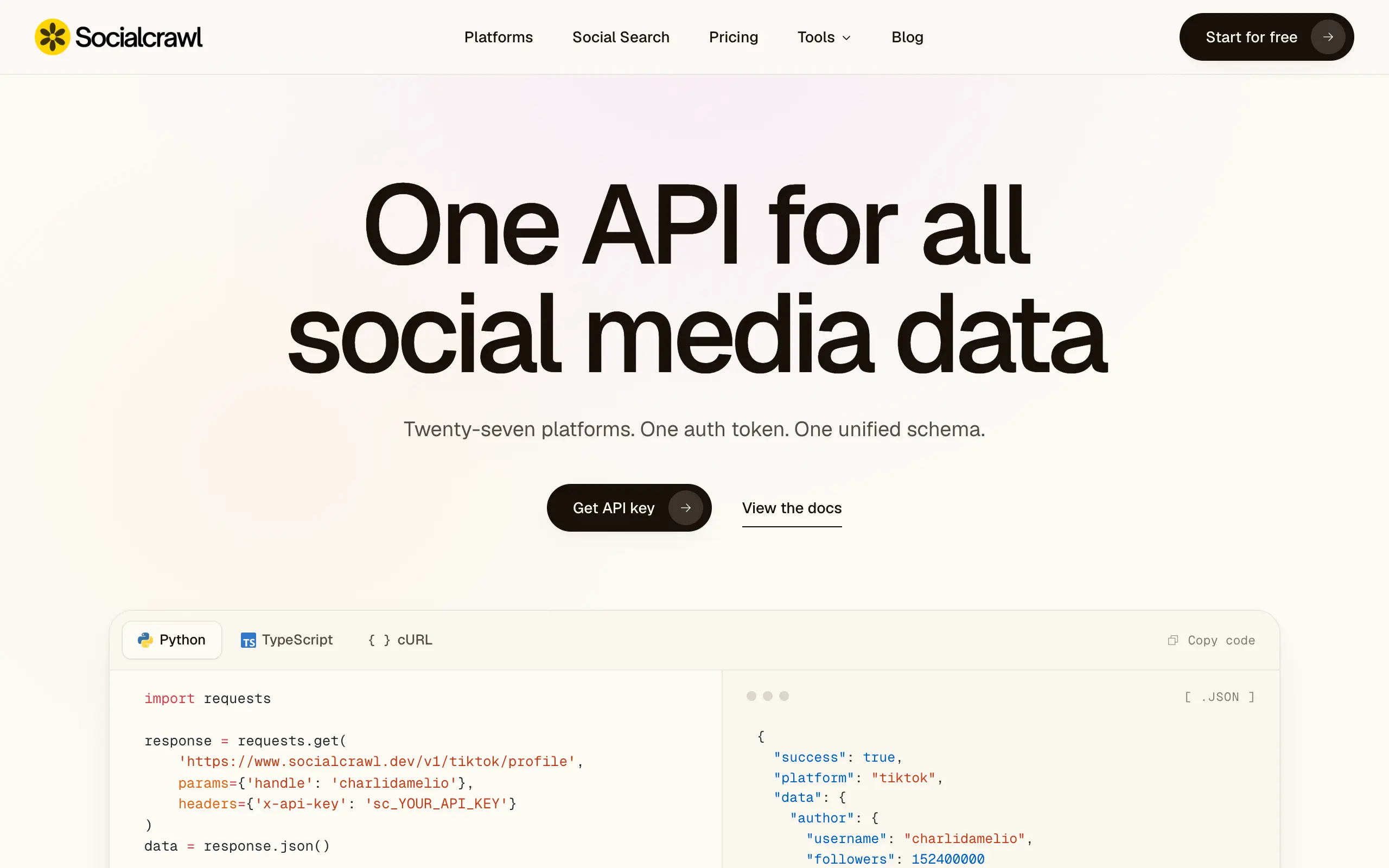
Socialcrawl
Get clean, structured data from 21 platforms like TikTok, Instagram, and YouTube with a single request 📊
Statiko
Monitor any Telegram channel in real time - track posts, edits, deletions, and growth with AI recaps 📡
Shibui
AI website builder - describe your business, pick a niche template, edit by chatting, and publish instantly ✨
Pro Service
Find verified home service professionals, compare quotes, and pay securely through escrow - built for Brazilians across the US 🏠
RankGrow
Fix your SEO with AI agents - connect Search Console, get prioritized tasks, and grow organic traffic 📈
SyncReads
Sync your favorite content for distraction-free reading, save time and replace multiple apps. Anytime, anywhere 🔄
Socialcrawl
Get clean, structured data from 21 platforms like TikTok, Instagram, and YouTube with a single request 📊
Statiko
Monitor any Telegram channel in real time - track posts, edits, deletions, and growth with AI recaps 📡
Shibui
AI website builder - describe your business, pick a niche template, edit by chatting, and publish instantly ✨
Pro Service
Find verified home service professionals, compare quotes, and pay securely through escrow - built for Brazilians across the US 🏠
RankGrow
Fix your SEO with AI agents - connect Search Console, get prioritized tasks, and grow organic traffic 📈
SyncReads
Sync your favorite content for distraction-free reading, save time and replace multiple apps. Anytime, anywhere 🔄
Socialcrawl
Get clean, structured data from 21 platforms like TikTok, Instagram, and YouTube with a single request 📊
Statiko
Monitor any Telegram channel in real time - track posts, edits, deletions, and growth with AI recaps 📡
Shibui
AI website builder - describe your business, pick a niche template, edit by chatting, and publish instantly ✨
Pro Service
Find verified home service professionals, compare quotes, and pay securely through escrow - built for Brazilians across the US 🏠
RankGrow
Fix your SEO with AI agents - connect Search Console, get prioritized tasks, and grow organic traffic 📈
SyncReads
Sync your favorite content for distraction-free reading, save time and replace multiple apps. Anytime, anywhere 🔄
Socialcrawl
Get clean, structured data from 21 platforms like TikTok, Instagram, and YouTube with a single request 📊
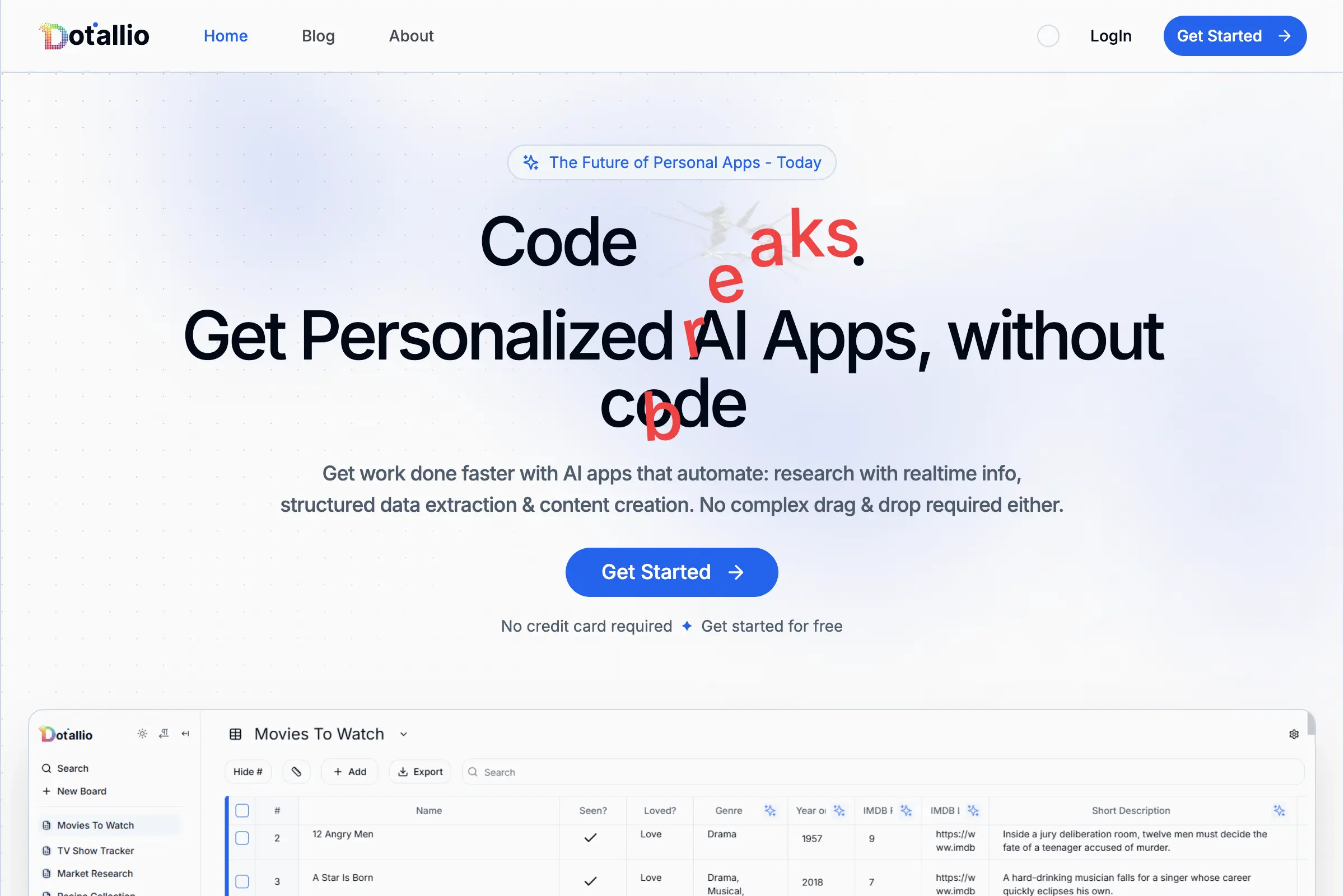
Dotallio
Personalized AI apps that automate research, data extraction, and content creation without code 🤖
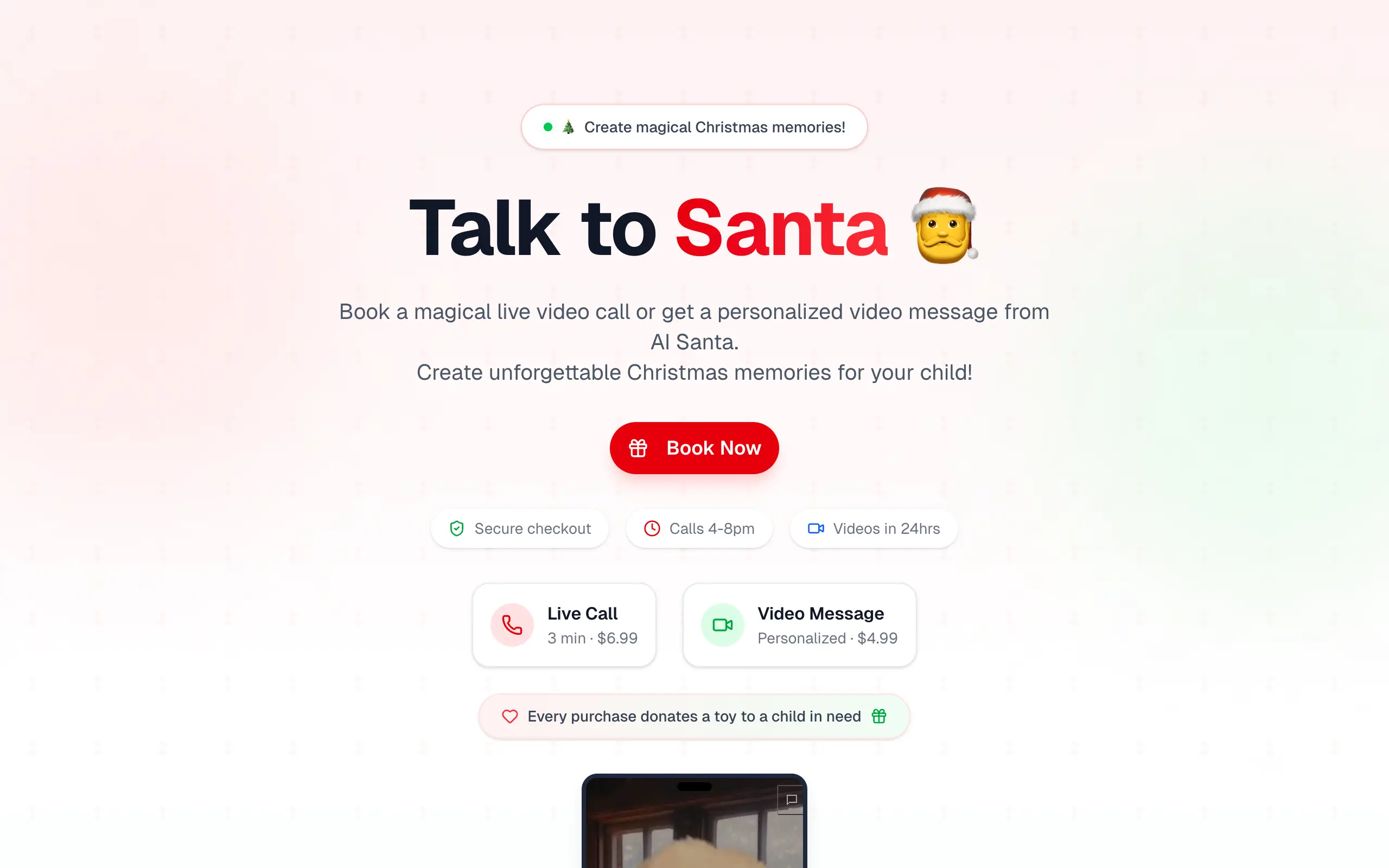
Talk to Santa
Enjoy a magical live video chat or receive a unique AI-generated video greeting from Santa Claus 🎅
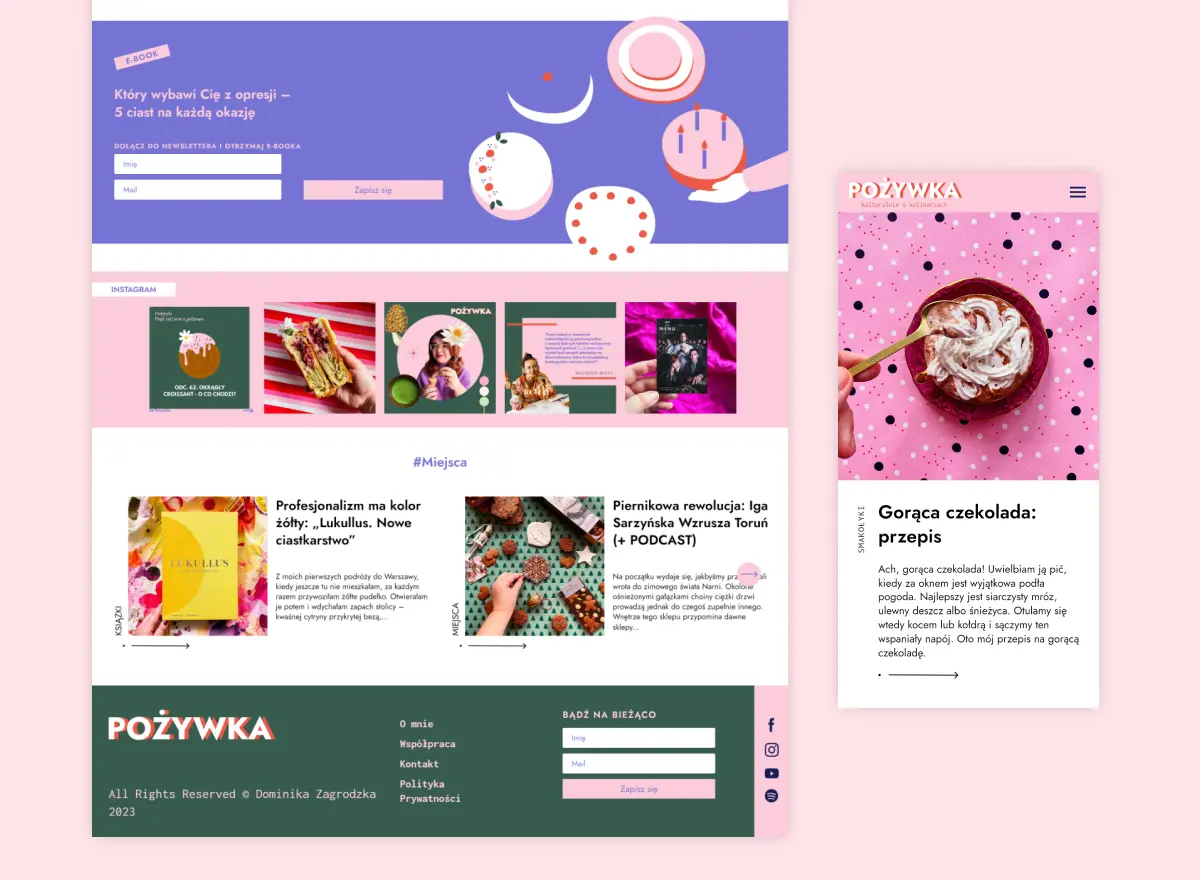
pozywka.pl
Scalable blog for food journalist, focused on performance and user experience 🌭
zagrodzki.me
Personal blog and portfolio of Bart Zagrodzki, where he shares his knowledge and work 💼
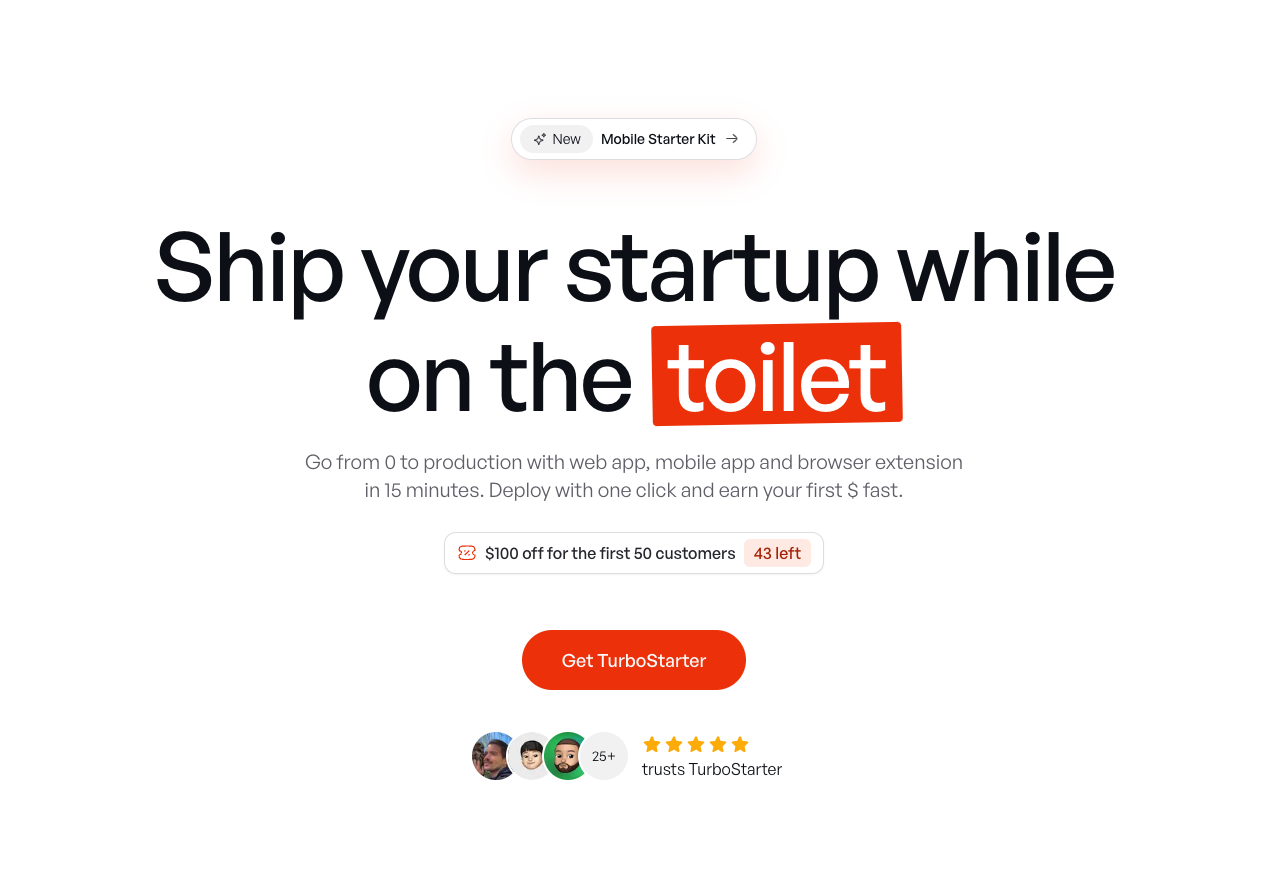
TurboStarter
Ship your startup everywhere. In minutes.
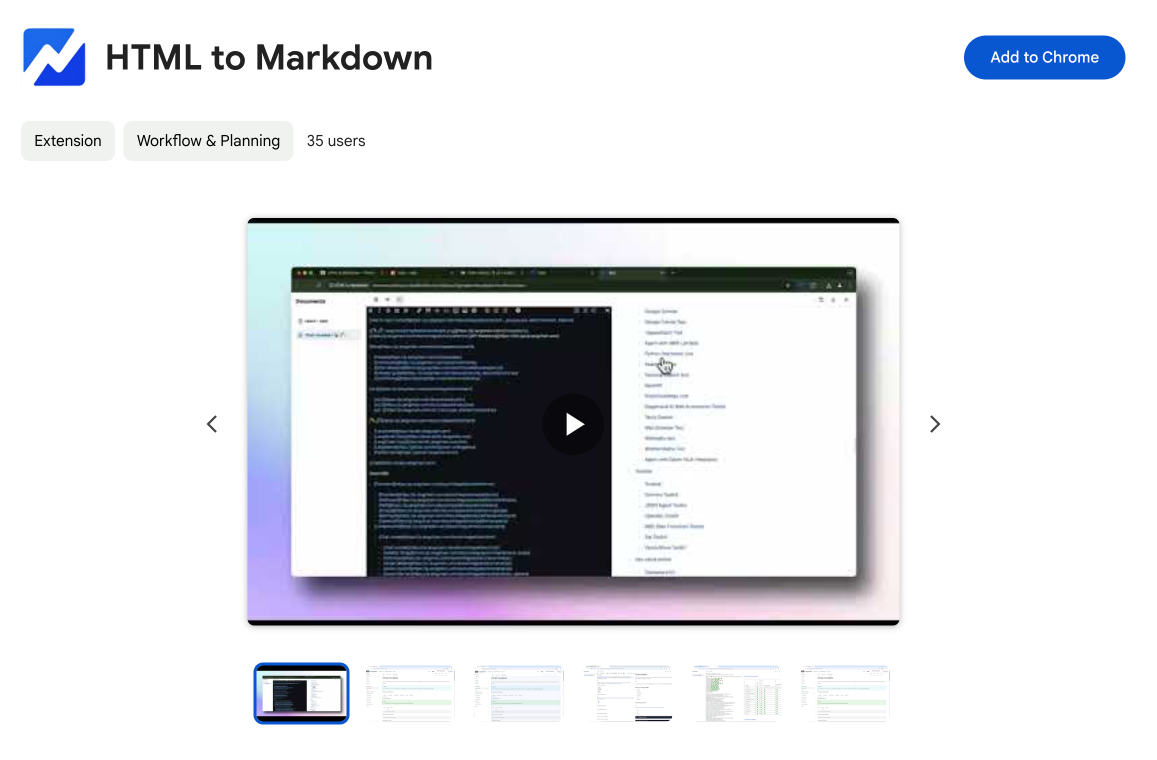
HTML to Markdown
Convert HTML to Markdown with ease, directly in your browser 📄
Dotallio
Personalized AI apps that automate research, data extraction, and content creation without code 🤖
Talk to Santa
Enjoy a magical live video chat or receive a unique AI-generated video greeting from Santa Claus 🎅
pozywka.pl
Scalable blog for food journalist, focused on performance and user experience 🌭
zagrodzki.me
Personal blog and portfolio of Bart Zagrodzki, where he shares his knowledge and work 💼
TurboStarter
Ship your startup everywhere. In minutes.
HTML to Markdown
Convert HTML to Markdown with ease, directly in your browser 📄
Dotallio
Personalized AI apps that automate research, data extraction, and content creation without code 🤖
Talk to Santa
Enjoy a magical live video chat or receive a unique AI-generated video greeting from Santa Claus 🎅
pozywka.pl
Scalable blog for food journalist, focused on performance and user experience 🌭
zagrodzki.me
Personal blog and portfolio of Bart Zagrodzki, where he shares his knowledge and work 💼
TurboStarter
Ship your startup everywhere. In minutes.
HTML to Markdown
Convert HTML to Markdown with ease, directly in your browser 📄
Dotallio
Personalized AI apps that automate research, data extraction, and content creation without code 🤖
Talk to Santa
Enjoy a magical live video chat or receive a unique AI-generated video greeting from Santa Claus 🎅
pozywka.pl
Scalable blog for food journalist, focused on performance and user experience 🌭
zagrodzki.me
Personal blog and portfolio of Bart Zagrodzki, where he shares his knowledge and work 💼
TurboStarter
Ship your startup everywhere. In minutes.
HTML to Markdown
Convert HTML to Markdown with ease, directly in your browser 📄
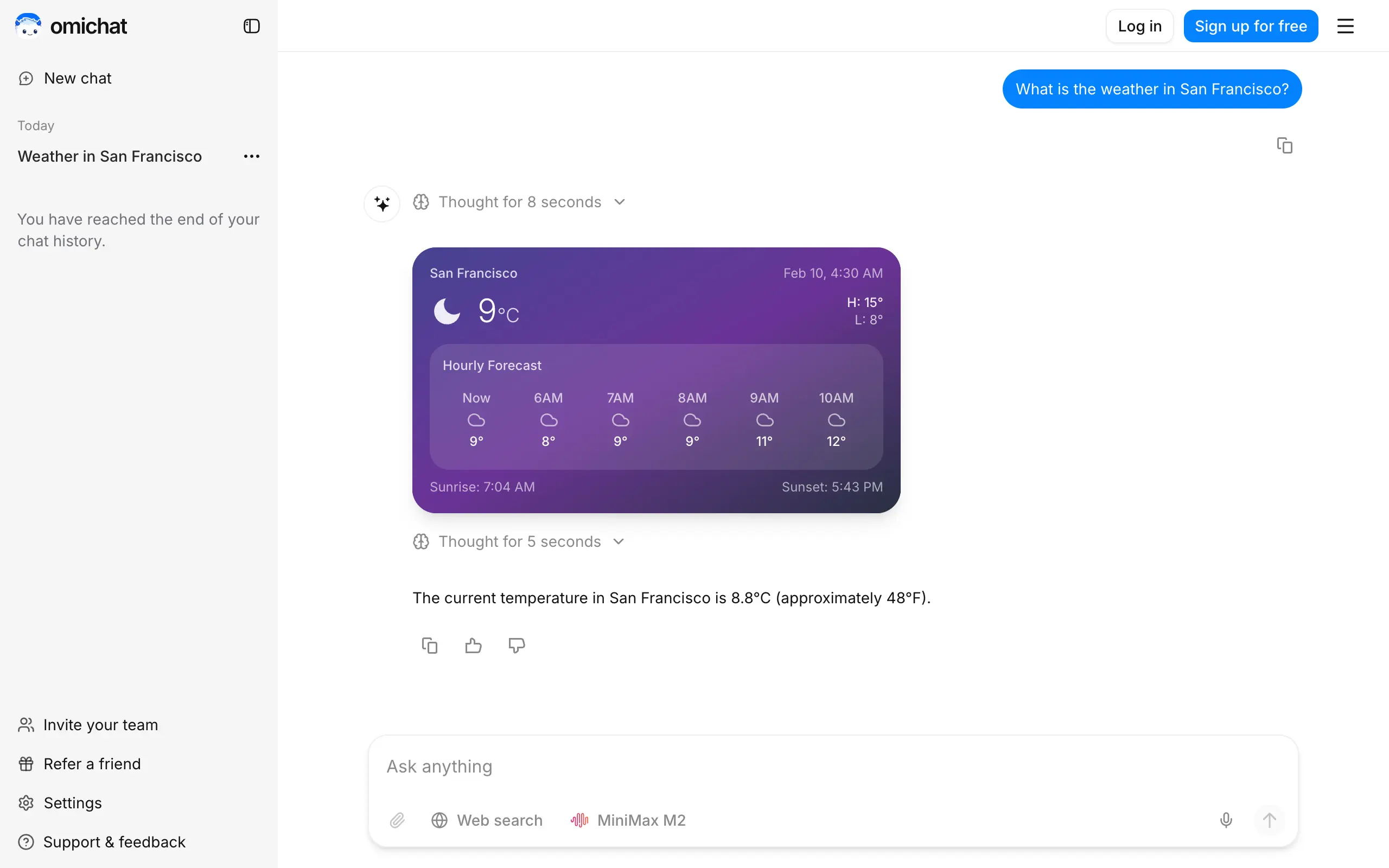
Omichat
Chat with 50+ AI models, including ChatGPT and Claude, in one place - switch models anytime without losing context 🤖
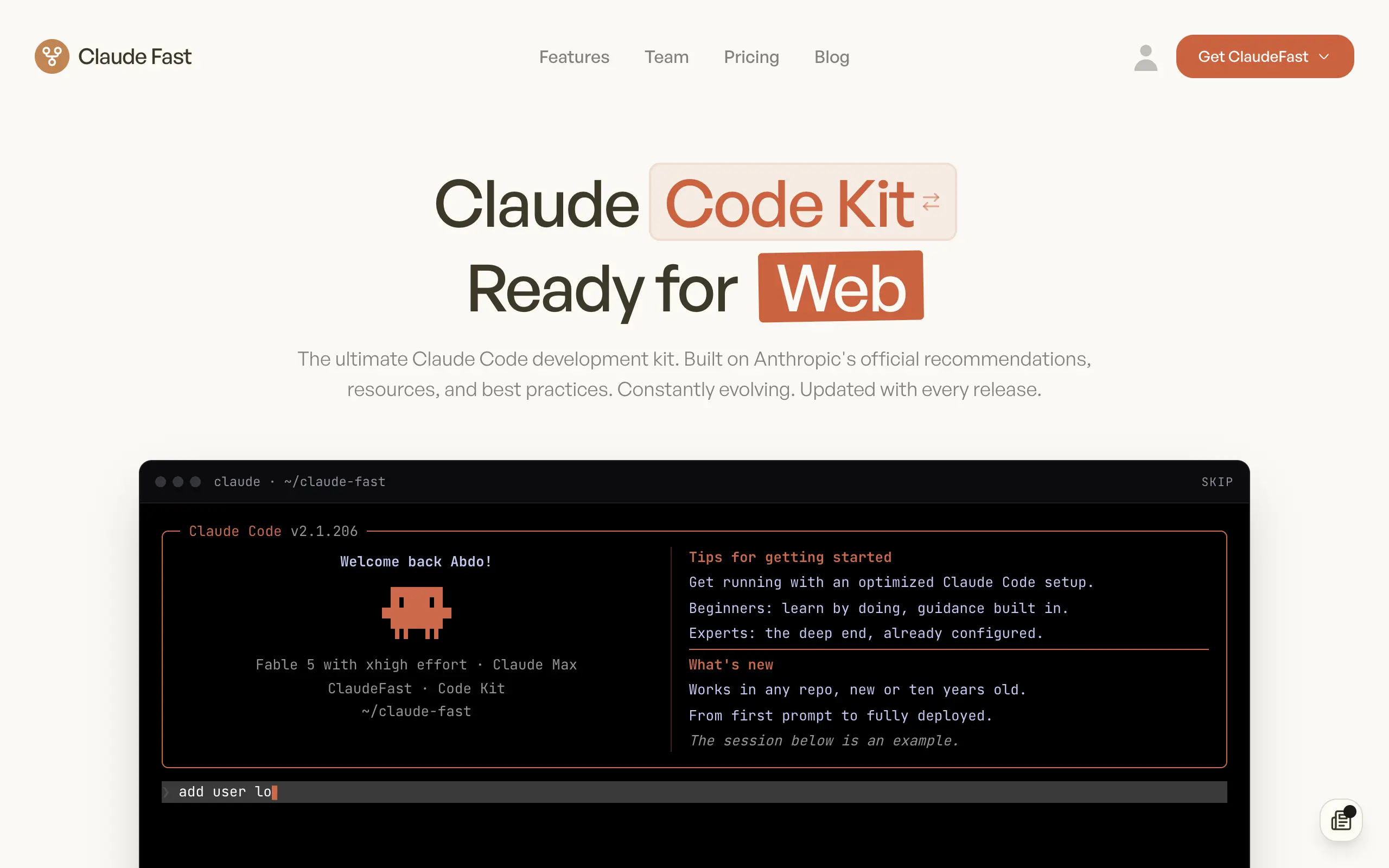
Claude Fast
Supercharge your Claude Code with 6x effective context window and specialized AI agents 🤖
EmojAI
AI-powered emoji picker with smart, context-aware suggestions 🤖
Solohacker
Autonomous company launcher - AI agents work 24/7, escalate what matters, and you stay in control 🤖
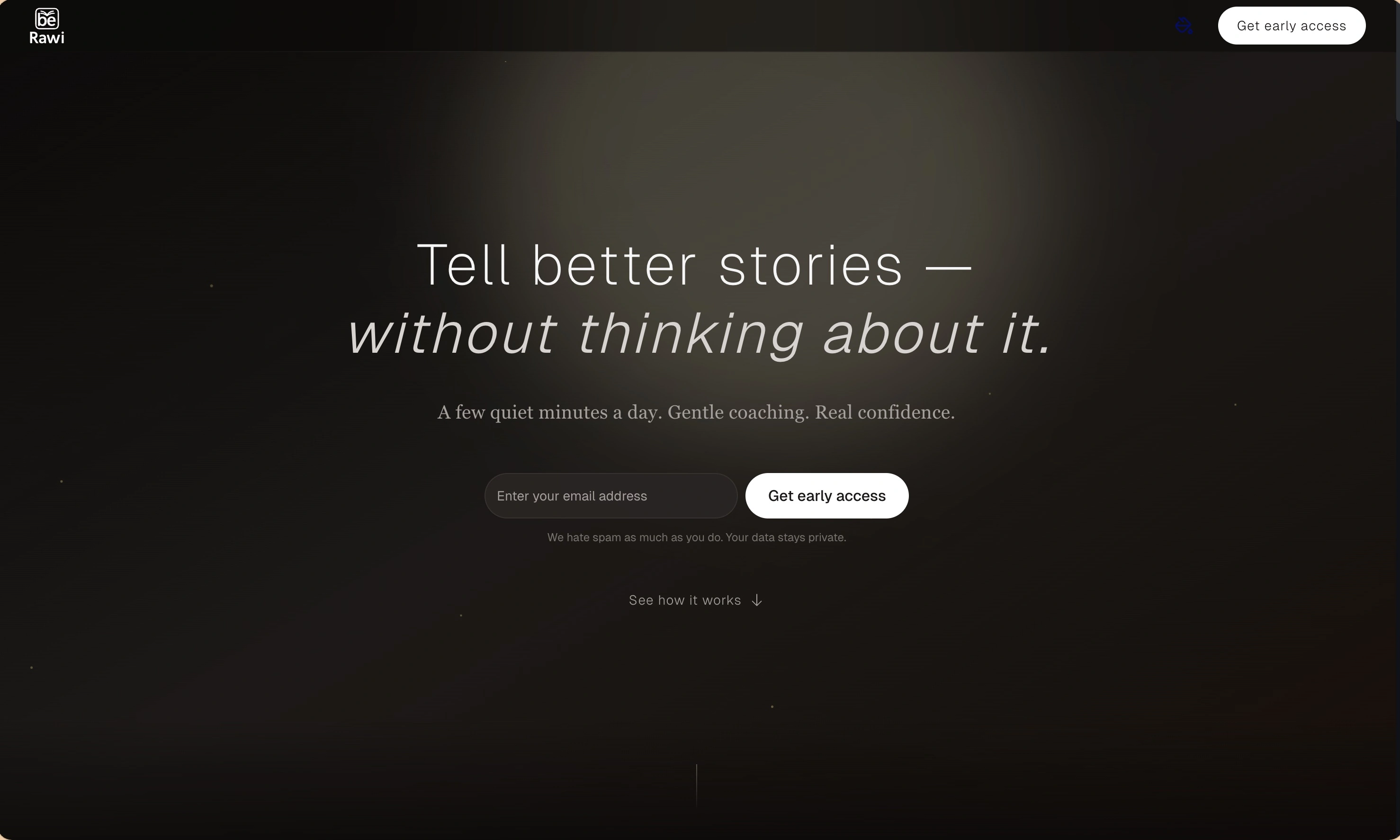
BeRawi: Storytelling Coach
Practice storytelling daily with instant feedback to sound clearer, more engaging, and confident 🎤
Omichat
Chat with 50+ AI models, including ChatGPT and Claude, in one place - switch models anytime without losing context 🤖
Claude Fast
Supercharge your Claude Code with 6x effective context window and specialized AI agents 🤖
EmojAI
AI-powered emoji picker with smart, context-aware suggestions 🤖
Solohacker
Autonomous company launcher - AI agents work 24/7, escalate what matters, and you stay in control 🤖
BeRawi: Storytelling Coach
Practice storytelling daily with instant feedback to sound clearer, more engaging, and confident 🎤
Omichat
Chat with 50+ AI models, including ChatGPT and Claude, in one place - switch models anytime without losing context 🤖
Claude Fast
Supercharge your Claude Code with 6x effective context window and specialized AI agents 🤖
EmojAI
AI-powered emoji picker with smart, context-aware suggestions 🤖
Solohacker
Autonomous company launcher - AI agents work 24/7, escalate what matters, and you stay in control 🤖
BeRawi: Storytelling Coach
Practice storytelling daily with instant feedback to sound clearer, more engaging, and confident 🎤
Omichat
Chat with 50+ AI models, including ChatGPT and Claude, in one place - switch models anytime without losing context 🤖
Claude Fast
Supercharge your Claude Code with 6x effective context window and specialized AI agents 🤖
EmojAI
AI-powered emoji picker with smart, context-aware suggestions 🤖
Solohacker
Autonomous company launcher - AI agents work 24/7, escalate what matters, and you stay in control 🤖
BeRawi: Storytelling Coach
Practice storytelling daily with instant feedback to sound clearer, more engaging, and confident 🎤

Connect with like-minded people
Join our community to get feedback, support, and grow together with 1,000+ builders on board, let's ship it!
Join usShip your startup everywhere. In minutes.
Don't burn tokens on setup and start building features on day one.