SquadSync AI
AI teammate finder that matches gamers based on playstyle, communication style, and in-game stats to build better squads.
The rise of AI teammate finder platforms in competitive gaming
Online multiplayer gaming has evolved from casual matchmaking to hyper-competitive ecosystems. Titles like Valorant, Apex Legends, Fortnite, League of Legends, and Call of Duty have transformed into social platforms, esports gateways, and even career launchpads.
Yet one major pain point remains unsolved: finding the right teammates.
Traditional matchmaking systems prioritize:
- Rank or MMR (Matchmaking Rating)
- Ping or geographic proximity
- Party size
- Queue time optimization
What they don’t prioritize is:
- Playstyle compatibility
- Communication preferences
- Toxicity patterns
- Role synergy
- Schedule alignment
This gap creates frustration for millions of players who want consistent squads rather than random teammates.
SquadSync AI addresses this with an AI-powered teammate finder that matches gamers based on playstyle, communication style, and in-game performance data—building stronger, more cohesive squads.
This article explores the market opportunity, product strategy, monetization, competitive positioning, and technical implementation behind building an AI teammate matching SaaS platform like SquadSync AI.
Understanding user search intent
Users searching for terms like:
- AI teammate finder
- find gaming squad
- match teammates by playstyle
- best squad builder for Valorant
- AI gaming matchmaking app
Are typically looking for:
- Better teammates
- Less toxicity
- Improved win rates
- Consistent team synergy
- Serious squad building for ranked or tournaments
This article directly addresses that intent by explaining:
- How AI-powered squad matching works
- Why current systems fail
- How a SaaS platform can solve the problem
- How to build and monetize it
Market opportunity in AI gaming matchmaking
Gaming industry scale
The global gaming industry surpassed $180+ billion in annual revenue (see reports from reputable sources like Newzoo or Statista for current figures). Competitive multiplayer titles dominate engagement metrics.
Key trends driving opportunity:
- Growth of esports and amateur competitive leagues
- Rise of Discord-based communities
- Increased demand for skill-based matchmaking
- Frustration with toxic ranked queues
- AI-driven personalization across industries
Despite this growth, most matchmaking remains rank-based and transactional.
This creates a clear opportunity for:
A persistent, AI-powered teammate discovery layer that lives outside the game.
The core problem: why traditional matchmaking fails
1. Rank ≠ compatibility
Two players at Diamond rank may:
- Prefer different roles
- Use completely different comm styles
- Have opposite risk tolerance
- Play at different times
- Value stats differently (fragging vs utility)
Rank measures performance, not compatibility.
2. Communication mismatch
Some players prefer:
- Voice comms
- Tactical callouts
- Chill banter
- Silent focus
Others want:
- Structured IGL systems
- Shot calling discipline
- Competitive grind mindset
Mismatch causes friction.
3. No memory of positive synergy
Even if you find great teammates:
- You forget usernames
- They switch schedules
- You never reconnect
There is no long-term compatibility tracking in most games.
SquadSync AI: the core solution
SquadSync AI is an AI teammate finder platform that matches players using:
- Playstyle analytics
- In-game performance stats
- Behavioral patterns
- Communication style preferences
- Role specialization
- Schedule alignment
Instead of matching players by rank alone, SquadSync AI builds compatibility profiles.
How the AI teammate finder works
Data inputs
SquadSync AI would collect:
- Public match history (via game APIs where available)
- KDA, win rate, role usage
- Aggression metrics (entry frag rate, damage per round)
- Utility usage
- Communication preferences (self-reported)
- Time zone and availability
- Preferred rank range
Behavioral scoring
The AI engine can generate:
- Risk profile score
- Aggression index
- Support contribution score
- Leadership tendency score
- Tilt probability score
These create a multidimensional compatibility matrix.
AI compatibility model architecture
At a high level:
- Feature extraction from game APIs
- Player vector embedding
- Clustering by playstyle
- Similarity scoring
- Reinforcement learning based on match outcomes
Example architecture components:
- Python-based ML services
- Vector similarity search
- Feedback loop retraining
- Compatibility ranking engine
Example compatibility scoring logic
interface PlayerProfile {
  aggressionScore: number;
  supportScore: number;
  commPreference: "voice" | "text" | "minimal";
  tiltRisk: number;
  avgPlayTimeUTC: number[];
}

function calculateCompatibility(a: PlayerProfile, b: PlayerProfile): number {
  const aggressionMatch = 1 - Math.abs(a.aggressionScore - b.aggressionScore);
  const supportBalance = 1 - Math.abs(a.supportScore - b.supportScore);
  const tiltSafety = 1 - (a.tiltRisk + b.tiltRisk) / 2;

  const commMatch = a.commPreference === b.commPreference ? 1 : 0.5;

  return (aggressionMatch + supportBalance + tiltSafety + commMatch) / 4;
}
This simplified example shows how structured compatibility scoring could work before more advanced ML layers.
Target audience analysis
Primary audience: competitive ranked players
- Age: 16–30
- Play 10+ hours per week
- Actively grind ranked modes
- Frustrated with solo queue
Secondary audience: amateur esports teams
- Looking to build rosters
- Need role-based players
- Value communication and discipline
Tertiary audience: content creators
- Want consistent squads
- Need synergy for tournaments
- Value personality compatibility
User personas
The Ranked Grinder
Diamond-level player tired of inconsistent teammates and looking for reliable squad synergy.
The Amateur Team Captain
Building a semi-competitive team and needs data-backed role alignment.
The Social Gamer
Wants chill, non-toxic teammates who match personality and communication style.
Core features of SquadSync AI
1. AI teammate compatibility scoring
Real-time compatibility percentage between players.
2. Playstyle profile dashboard
- Aggression heatmap
- Role breakdown
- Performance consistency
- Communication match
3. Squad builder tool
Auto-suggests:
- Ideal IGL
- Support/entry balance
- Schedule overlap
4. Post-match synergy feedback
Players rate:
- Communication
- Coordination
- Toxicity
- Team chemistry
AI improves future matches.
5. Cross-game support
Expand to:
- Valorant
- CS2
- Apex Legends
- Overwatch
- Fortnite
Competitive landscape analysis
Main competitors include:
- Discord LFG servers
- GamerLink
- Moot
- In-game party finder tools
But none deeply integrate AI-driven compatibility.
| Feature | Discord LFG | In-Game Finder | Generic Apps | SquadSync AI |
|---|---|---|---|---|
| Playstyle Matching | ❌ | ❌ | ❌ | ✅ |
| AI Compatibility Score | ❌ | ❌ | ❌ | ✅ |
| Behavioral Analysis | ❌ | ❌ | ❌ | ✅ |
Unique selling proposition (USP)
SquadSync AI is not a matchmaking tool. It is a compatibility intelligence layer for competitive gaming.
Key differentiators:
- AI-driven personality + performance blending
- Squad synergy scoring
- Continuous improvement via reinforcement learning
- Cross-game ecosystem
Recommended tech stack
Frontend
- React
- TailwindCSS
- TypeScript
Backend
- Node.js
- Python ML microservices
- PostgreSQL
- Redis
AI & data layer
- Embedding models
- Vector DB (e.g., Pinecone or open-source alternatives)
- Match outcome retraining pipeline
Infrastructure
- Vercel or AWS
- Scalable containerized ML services
To accelerate SaaS development, use a production-ready foundation like TurboStarter, which provides authentication, billing, and scalable architecture out of the box.
Monetization strategy
Freemium model
Free Tier:
- Limited daily matches
- Basic compatibility score
- Ads
Pro Tier ($8–15/month):
- Advanced AI insights
- Unlimited matches
- Squad builder analytics
- Behavioral deep dive
Team plans
- Amateur teams subscription
- Tournament analytics add-ons
- Private squad dashboard
Sponsorship & partnerships
- Gaming gear brands
- Coaching services
- Tournament platforms
Potential risks and mitigation
API Dependency Risk
Game API access may change or restrict data access. Mitigation: diversify supported games and build value from self-reported and behavioral feedback data.
Risk: toxicity amplification
If toxic players cluster together, platform reputation suffers.
Mitigation:
- Behavioral scoring
- Community moderation
- Toxicity detection models
Risk: cold start problem
New players lack match data.
Mitigation:
- Onboarding questionnaire
- Playstyle self-assessment
- Gradual confidence scoring
Implementation roadmap
Key metrics to track
- Match success rate
- 7-day retention
- Squad re-formation rate
- Win rate improvement
- Toxicity reports per match
- Conversion to Pro
Long-term expansion opportunities
- AI squad coach
- Performance prediction engine
- Tournament matchmaking
- Fantasy esports integration
- Cross-platform player reputation score
Why AI teammate matching is inevitable
AI is already transforming:
- Hiring
- Dating
- Content recommendation
- Social networking
Gaming is the next frontier.
Just as LinkedIn matches professionals and Tinder matches personalities, SquadSync AI matches competitive gamers based on data-driven compatibility intelligence.
Actionable next steps for founders
- Interview 30 ranked players
- Identify most painful matchmaking frustrations
- Build compatibility scoring prototype
- Launch waitlist landing page
- Offer early beta access
- Iterate based on synergy feedback
Final thoughts
The demand for better squad building is real and growing.
An AI teammate finder like SquadSync AI solves a deeply emotional and performance-critical problem:
- Frustration in ranked
- Toxic solo queues
- Inconsistent synergy
- Lack of structured squad building
By combining playstyle analytics, communication matching, and reinforcement learning, SquadSync AI creates a new category:
AI-powered squad intelligence.
For founders, this represents a scalable SaaS opportunity in one of the largest digital industries in the world.
For gamers, it means one thing:
Better teammates. Better games. Better wins.
More 🤖 AI Startup SaaS ideas
Discover more innovative ai startup SaaS ideas that are trending in 2026. Each idea is AI-generated with market validation and growth potential to help you find your next profitable venture faster than competitors.
Your competitors are building with TurboStarter
Below are some of the SaaS ideas that have been generated and built with our starter kit.
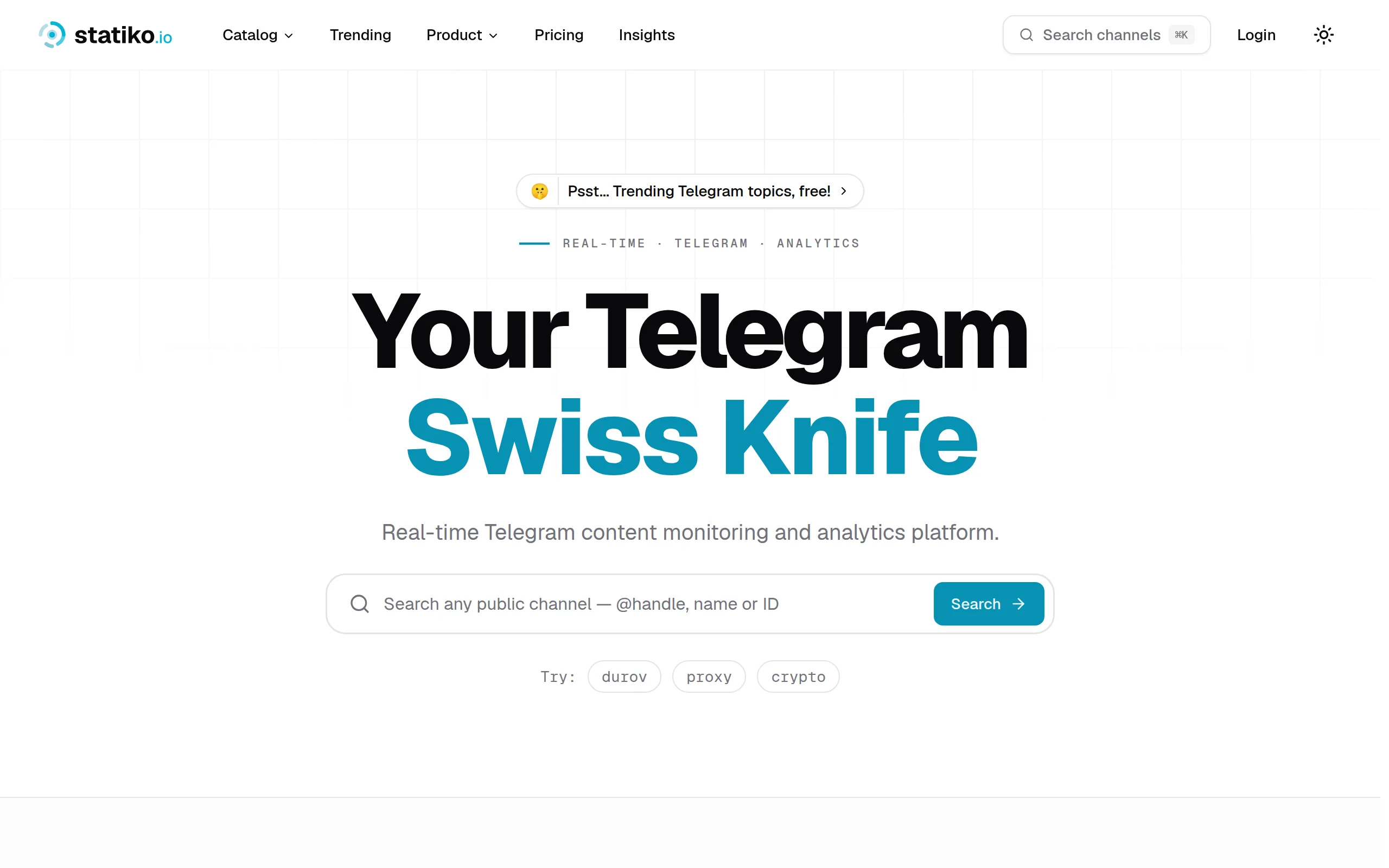
Statiko
Monitor any Telegram channel in real time - track posts, edits, deletions, and growth with AI recaps 📡

Shibui
AI website builder - describe your business, pick a niche template, edit by chatting, and publish instantly ✨

Pro Service
Find verified home service professionals, compare quotes, and pay securely through escrow - built for Brazilians across the US 🏠
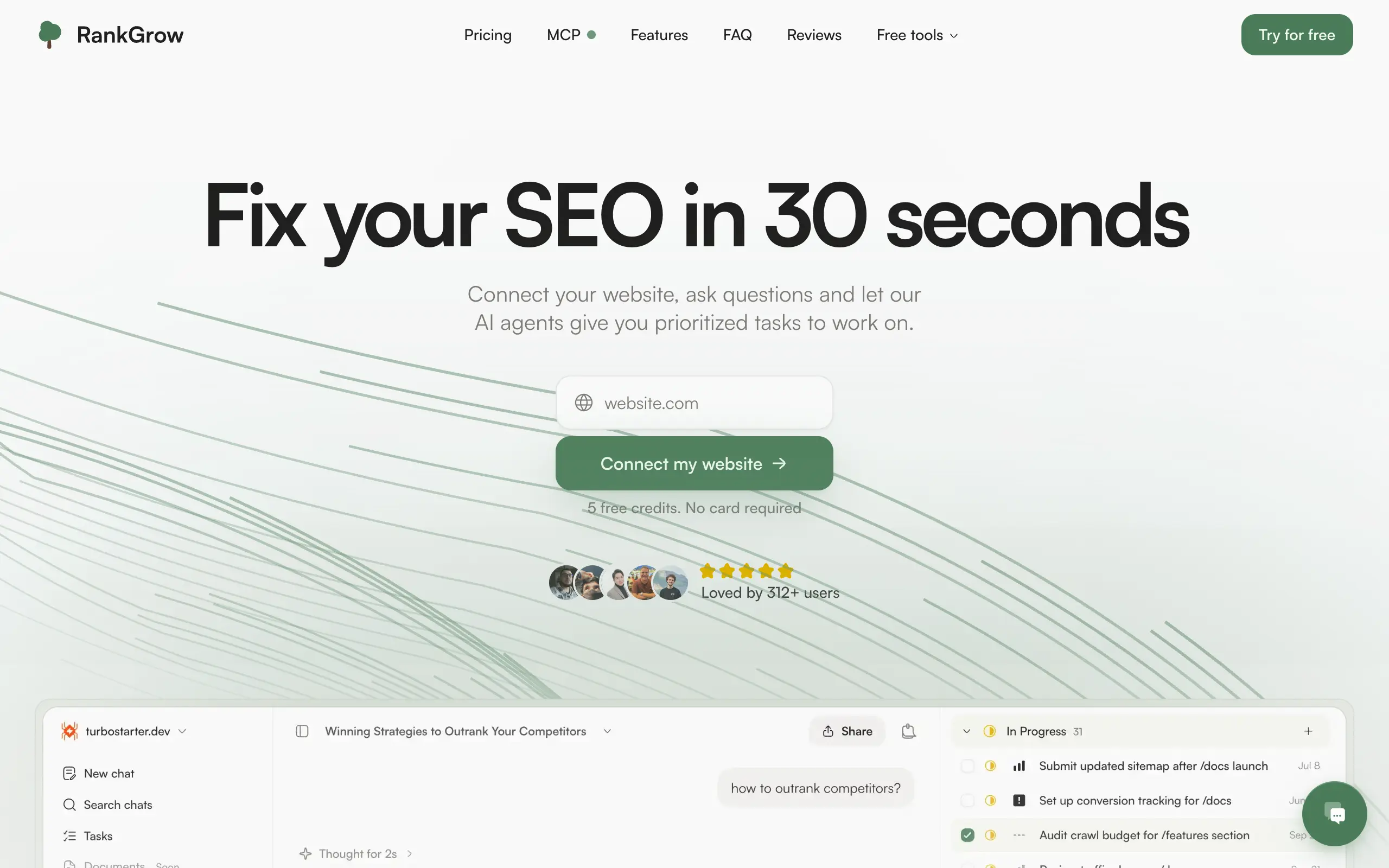
RankGrow
Fix your SEO with AI agents - connect Search Console, get prioritized tasks, and grow organic traffic 📈
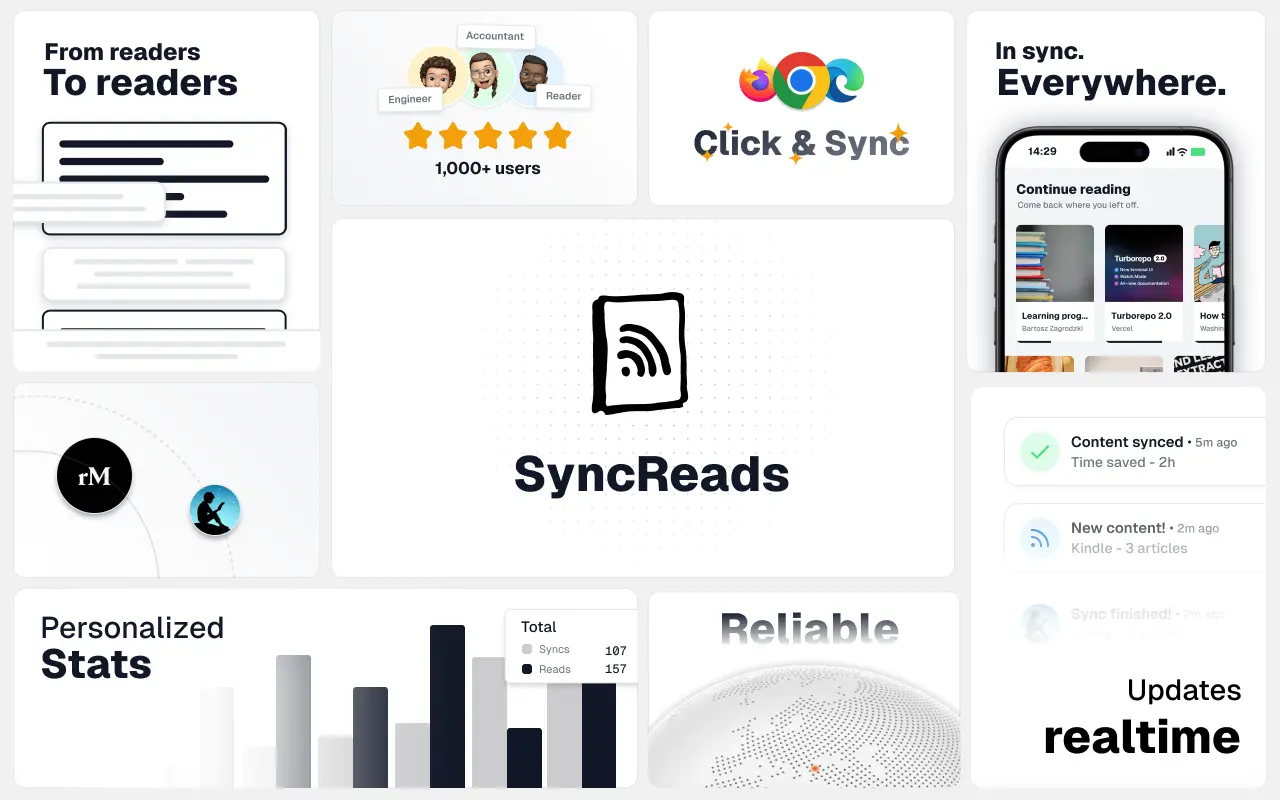
SyncReads
Sync your favorite content for distraction-free reading, save time and replace multiple apps. Anytime, anywhere 🔄
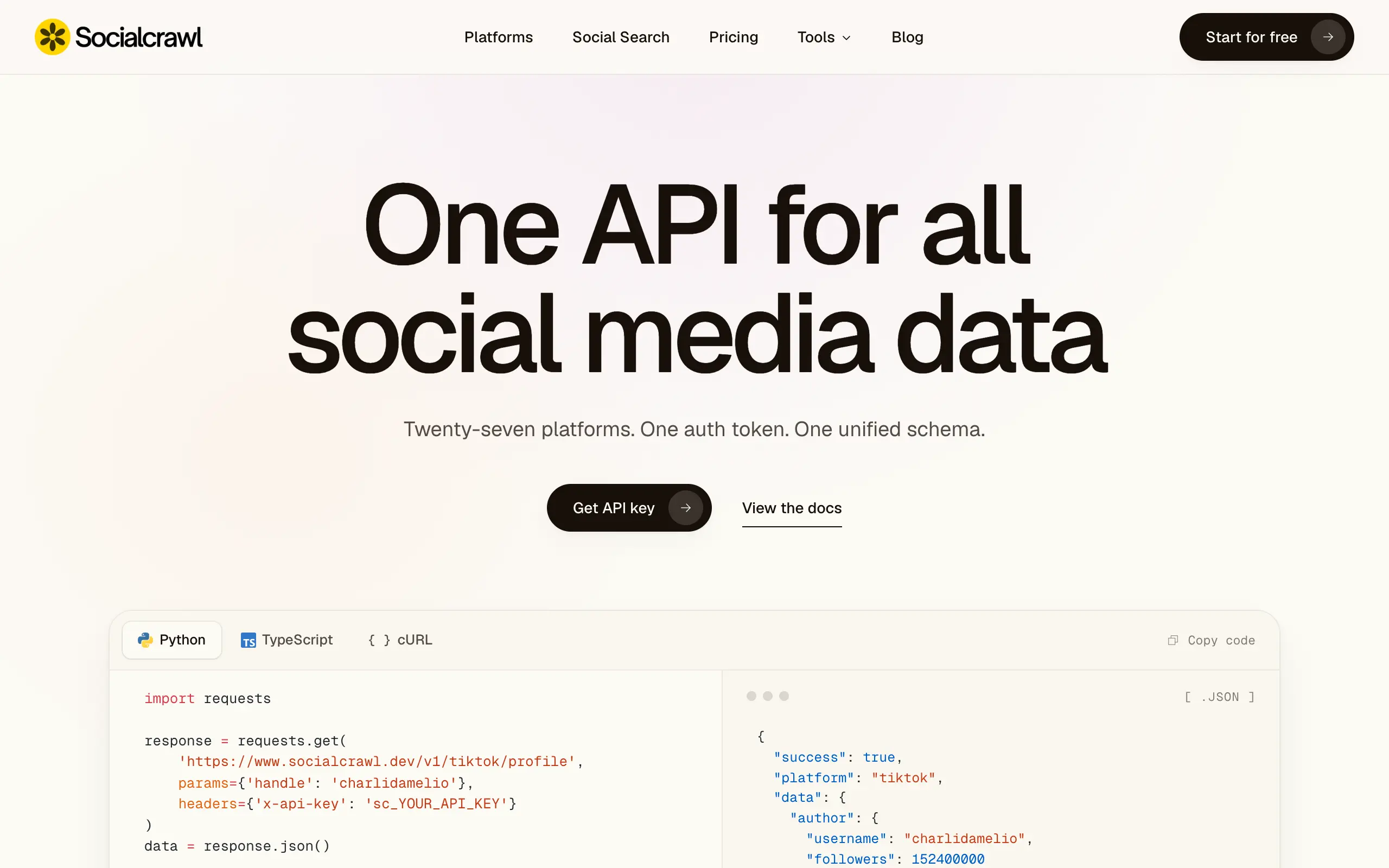
Socialcrawl
Get clean, structured data from 21 platforms like TikTok, Instagram, and YouTube with a single request 📊
Statiko
Monitor any Telegram channel in real time - track posts, edits, deletions, and growth with AI recaps 📡
Shibui
AI website builder - describe your business, pick a niche template, edit by chatting, and publish instantly ✨
Pro Service
Find verified home service professionals, compare quotes, and pay securely through escrow - built for Brazilians across the US 🏠
RankGrow
Fix your SEO with AI agents - connect Search Console, get prioritized tasks, and grow organic traffic 📈
SyncReads
Sync your favorite content for distraction-free reading, save time and replace multiple apps. Anytime, anywhere 🔄
Socialcrawl
Get clean, structured data from 21 platforms like TikTok, Instagram, and YouTube with a single request 📊
Statiko
Monitor any Telegram channel in real time - track posts, edits, deletions, and growth with AI recaps 📡
Shibui
AI website builder - describe your business, pick a niche template, edit by chatting, and publish instantly ✨
Pro Service
Find verified home service professionals, compare quotes, and pay securely through escrow - built for Brazilians across the US 🏠
RankGrow
Fix your SEO with AI agents - connect Search Console, get prioritized tasks, and grow organic traffic 📈
SyncReads
Sync your favorite content for distraction-free reading, save time and replace multiple apps. Anytime, anywhere 🔄
Socialcrawl
Get clean, structured data from 21 platforms like TikTok, Instagram, and YouTube with a single request 📊
Statiko
Monitor any Telegram channel in real time - track posts, edits, deletions, and growth with AI recaps 📡
Shibui
AI website builder - describe your business, pick a niche template, edit by chatting, and publish instantly ✨
Pro Service
Find verified home service professionals, compare quotes, and pay securely through escrow - built for Brazilians across the US 🏠
RankGrow
Fix your SEO with AI agents - connect Search Console, get prioritized tasks, and grow organic traffic 📈
SyncReads
Sync your favorite content for distraction-free reading, save time and replace multiple apps. Anytime, anywhere 🔄
Socialcrawl
Get clean, structured data from 21 platforms like TikTok, Instagram, and YouTube with a single request 📊
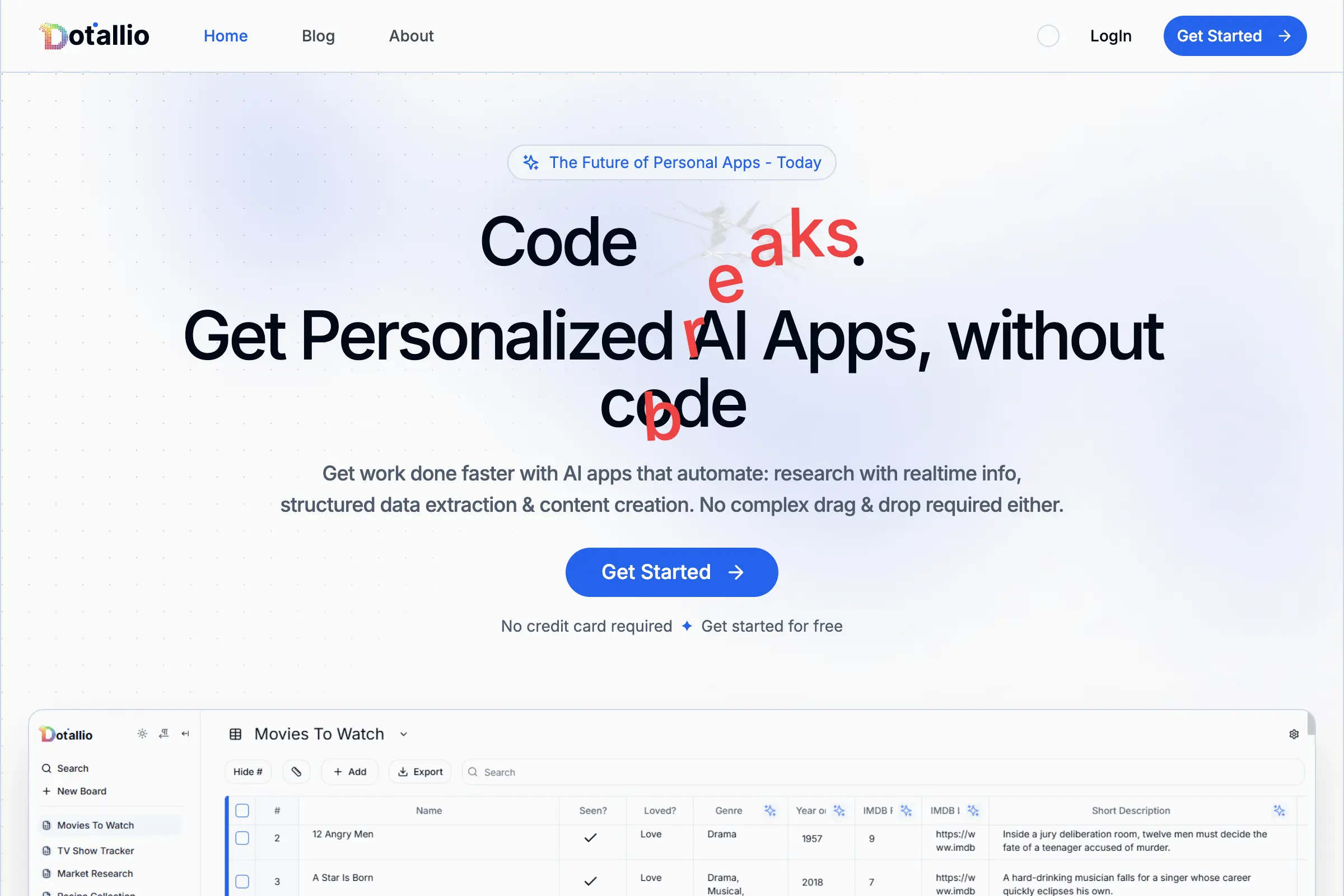
Dotallio
Personalized AI apps that automate research, data extraction, and content creation without code 🤖
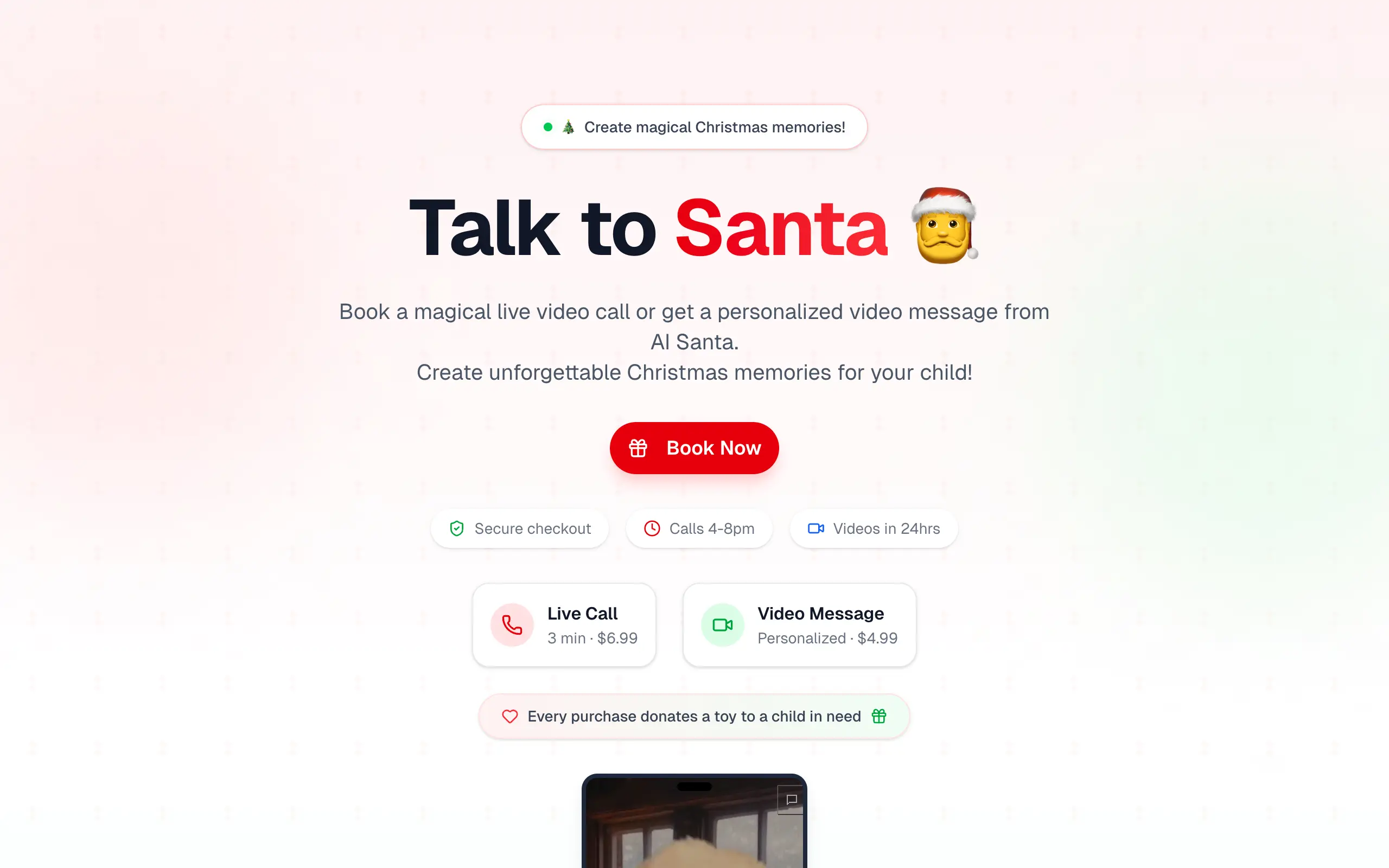
Talk to Santa
Enjoy a magical live video chat or receive a unique AI-generated video greeting from Santa Claus 🎅
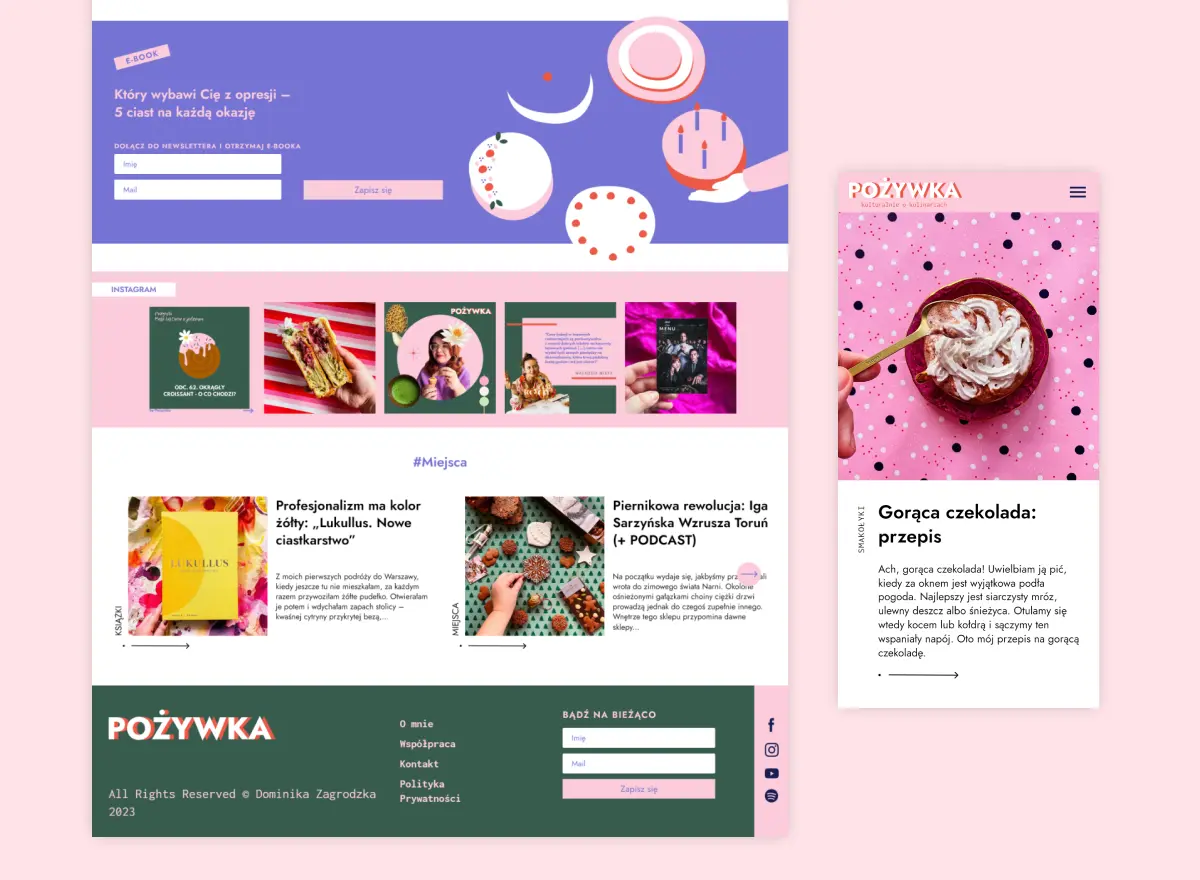
pozywka.pl
Scalable blog for food journalist, focused on performance and user experience 🌭
zagrodzki.me
Personal blog and portfolio of Bart Zagrodzki, where he shares his knowledge and work 💼
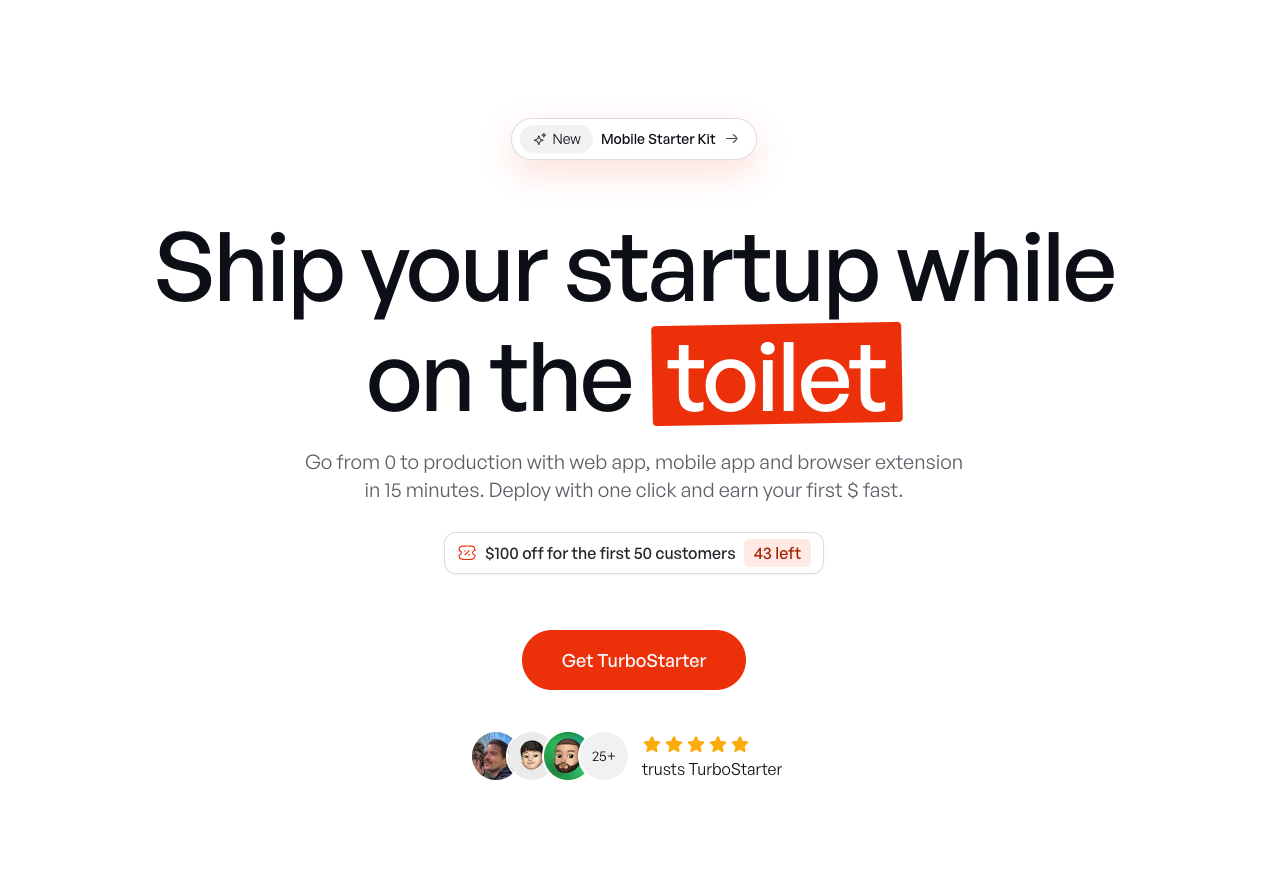
TurboStarter
Ship your startup everywhere. In minutes.
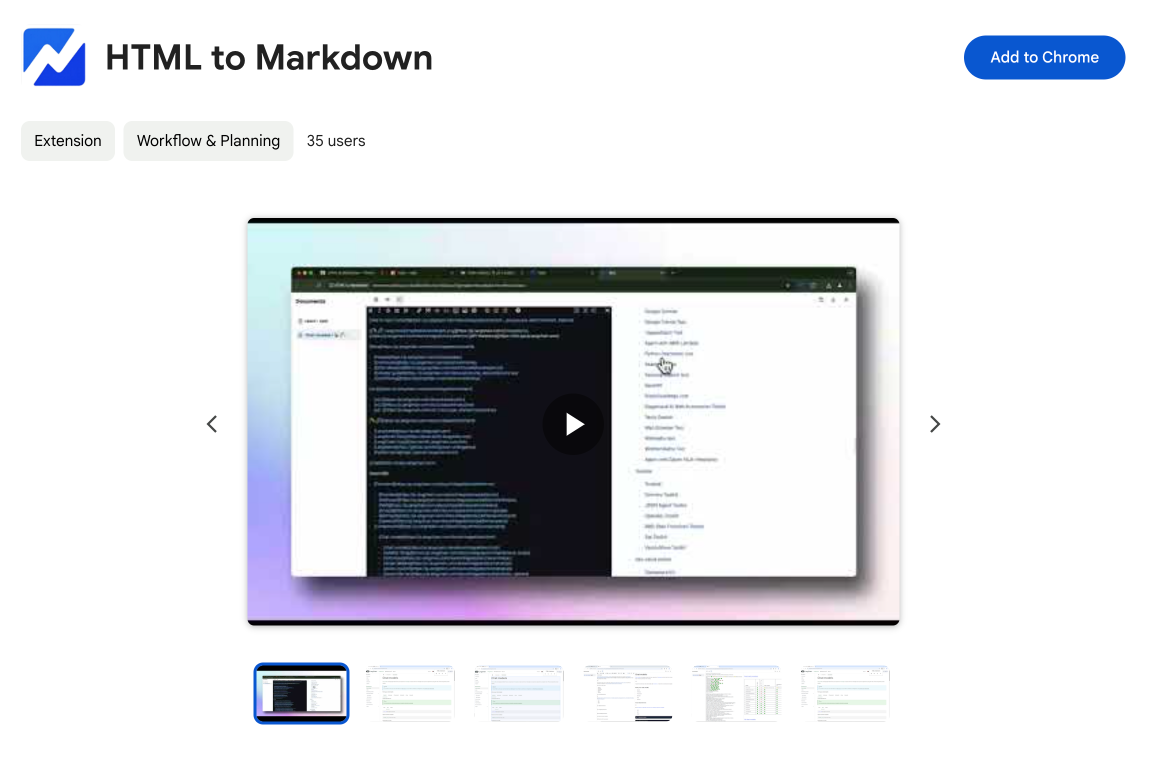
HTML to Markdown
Convert HTML to Markdown with ease, directly in your browser 📄
Dotallio
Personalized AI apps that automate research, data extraction, and content creation without code 🤖
Talk to Santa
Enjoy a magical live video chat or receive a unique AI-generated video greeting from Santa Claus 🎅
pozywka.pl
Scalable blog for food journalist, focused on performance and user experience 🌭
zagrodzki.me
Personal blog and portfolio of Bart Zagrodzki, where he shares his knowledge and work 💼
TurboStarter
Ship your startup everywhere. In minutes.
HTML to Markdown
Convert HTML to Markdown with ease, directly in your browser 📄
Dotallio
Personalized AI apps that automate research, data extraction, and content creation without code 🤖
Talk to Santa
Enjoy a magical live video chat or receive a unique AI-generated video greeting from Santa Claus 🎅
pozywka.pl
Scalable blog for food journalist, focused on performance and user experience 🌭
zagrodzki.me
Personal blog and portfolio of Bart Zagrodzki, where he shares his knowledge and work 💼
TurboStarter
Ship your startup everywhere. In minutes.
HTML to Markdown
Convert HTML to Markdown with ease, directly in your browser 📄
Dotallio
Personalized AI apps that automate research, data extraction, and content creation without code 🤖
Talk to Santa
Enjoy a magical live video chat or receive a unique AI-generated video greeting from Santa Claus 🎅
pozywka.pl
Scalable blog for food journalist, focused on performance and user experience 🌭
zagrodzki.me
Personal blog and portfolio of Bart Zagrodzki, where he shares his knowledge and work 💼
TurboStarter
Ship your startup everywhere. In minutes.
HTML to Markdown
Convert HTML to Markdown with ease, directly in your browser 📄
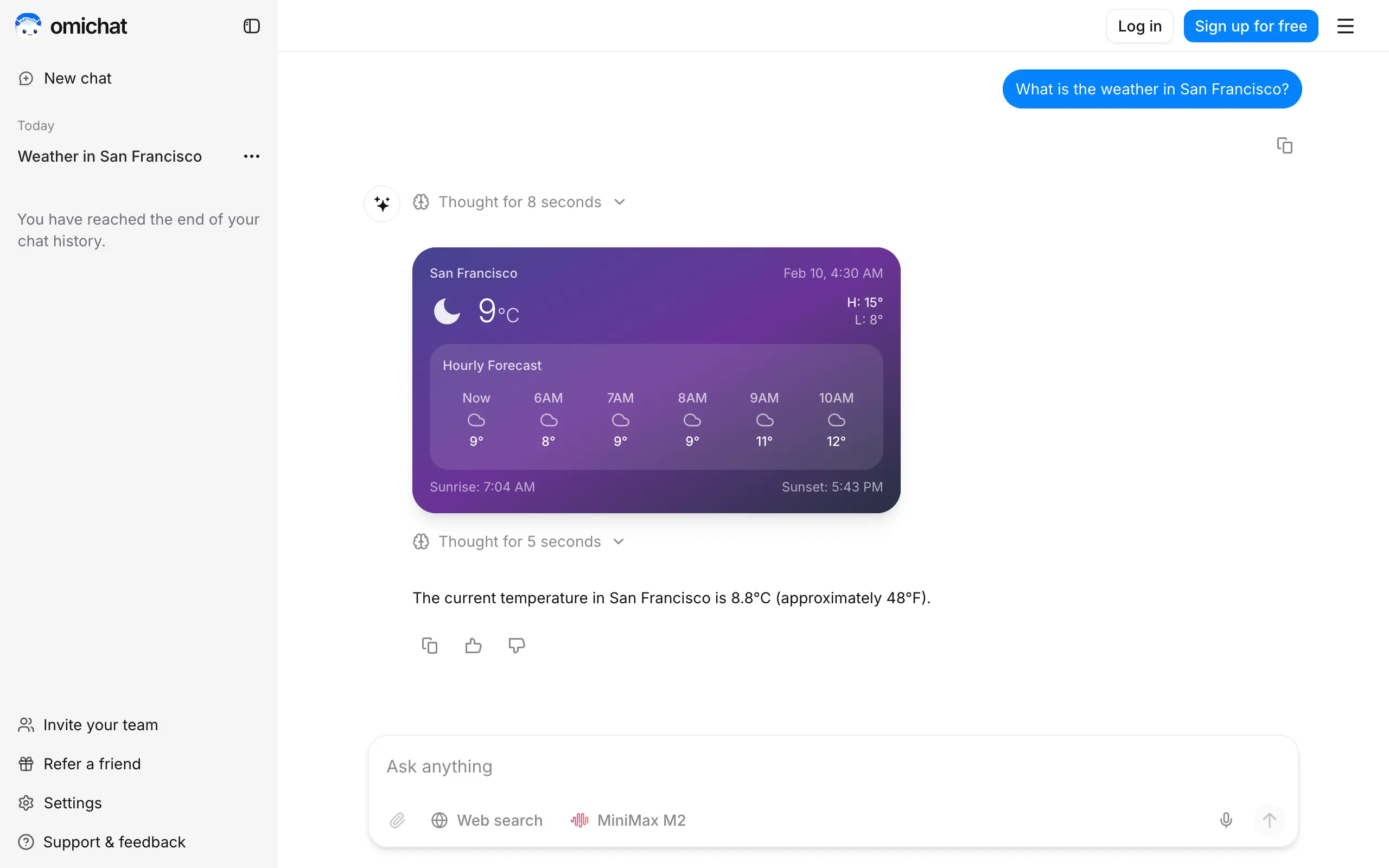
Omichat
Chat with 50+ AI models, including ChatGPT and Claude, in one place - switch models anytime without losing context 🤖
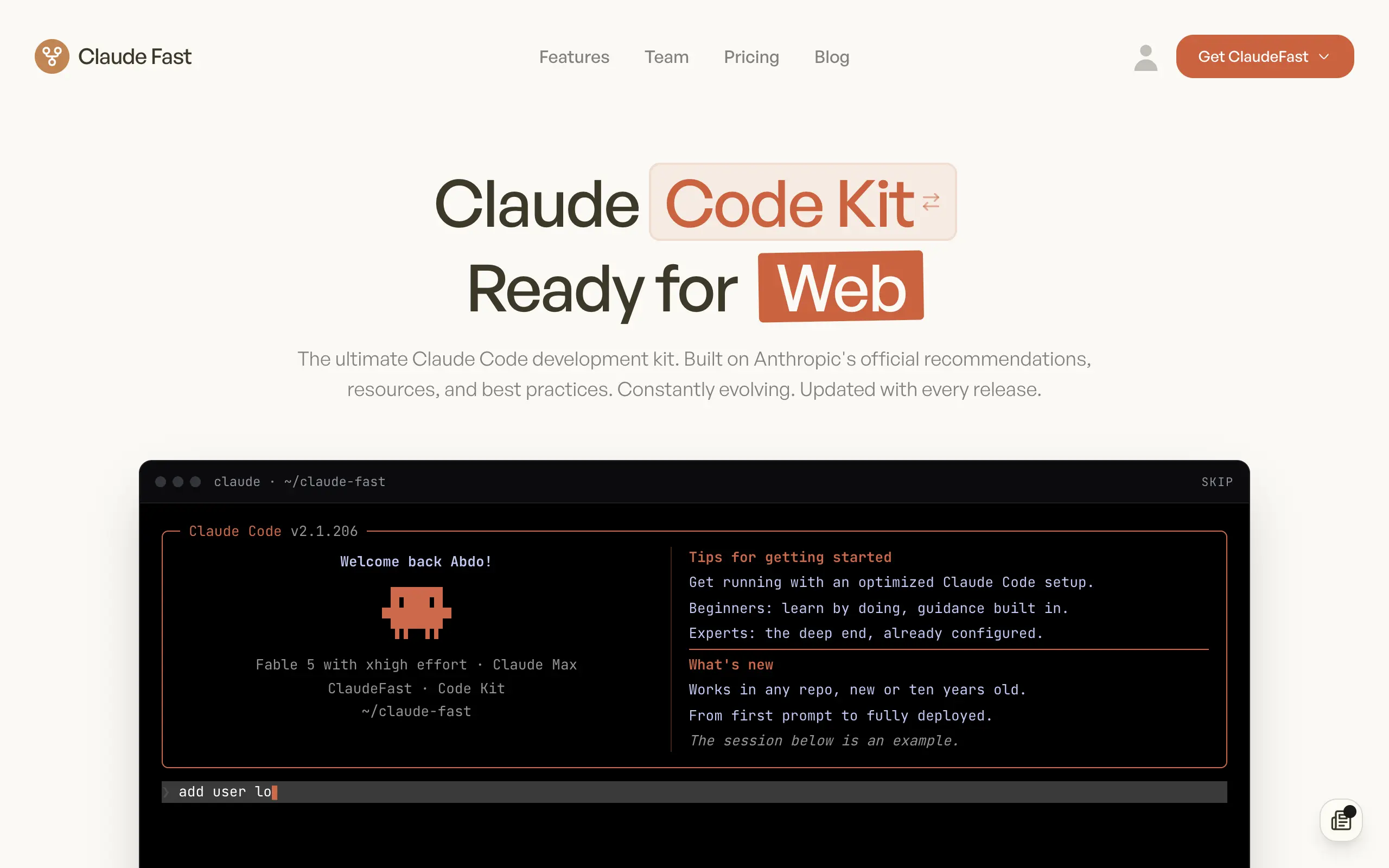
Claude Fast
Supercharge your Claude Code with 6x effective context window and specialized AI agents 🤖
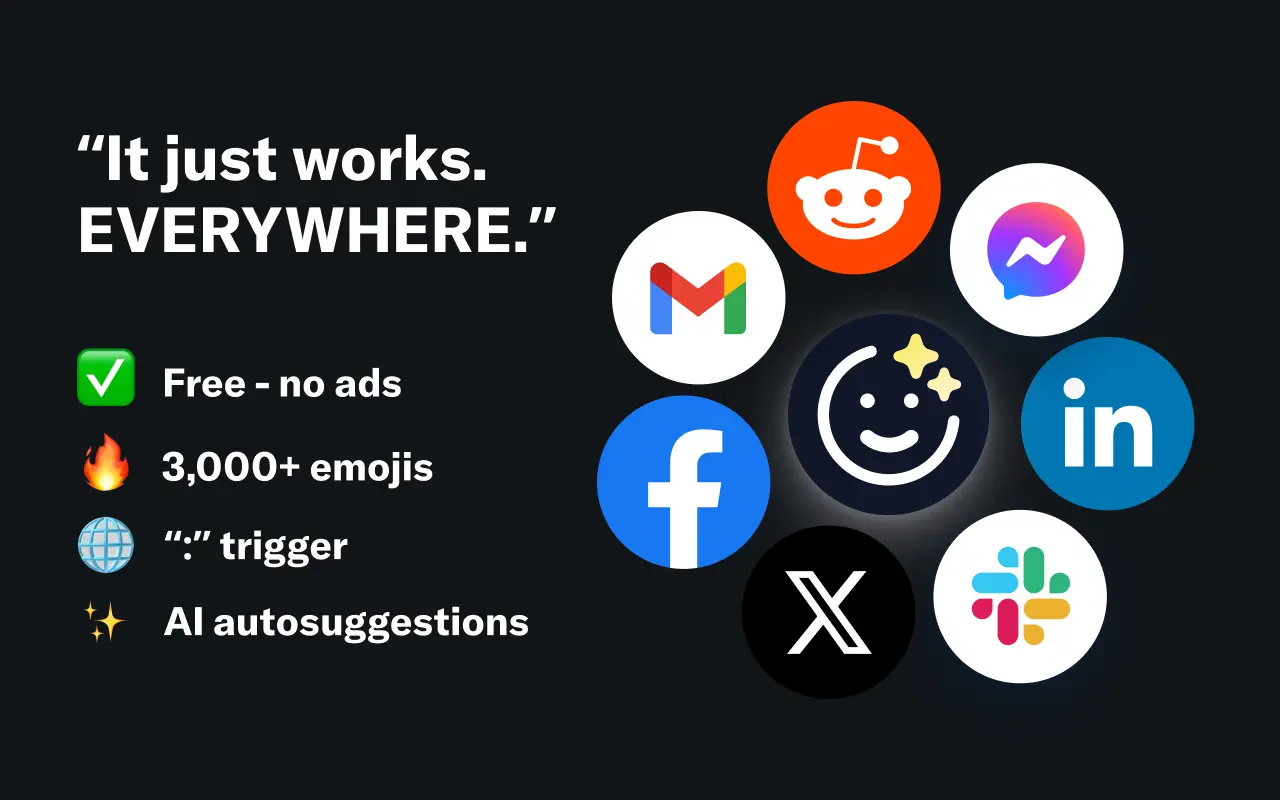
EmojAI
AI-powered emoji picker with smart, context-aware suggestions 🤖
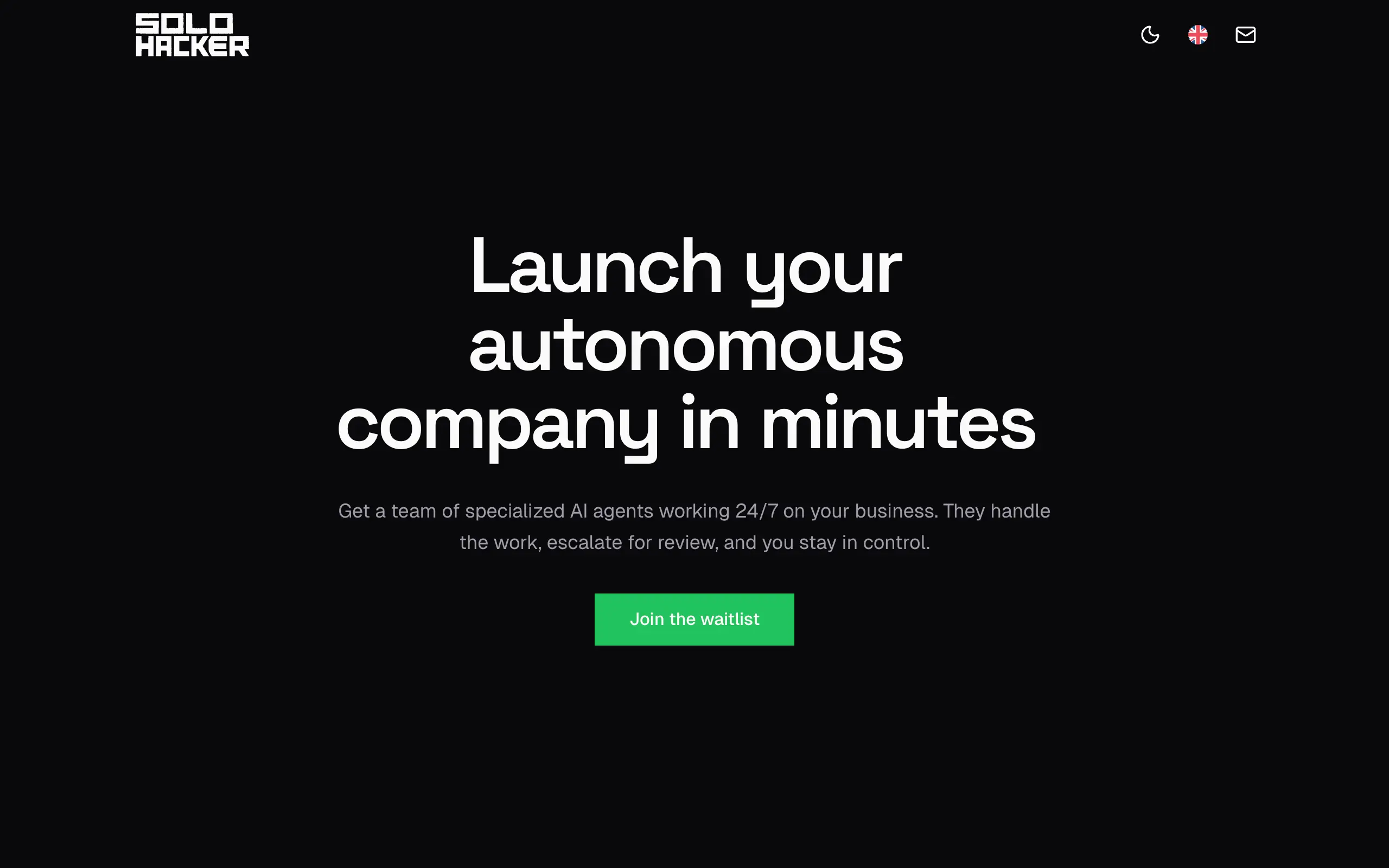
Solohacker
Autonomous company launcher - AI agents work 24/7, escalate what matters, and you stay in control 🤖
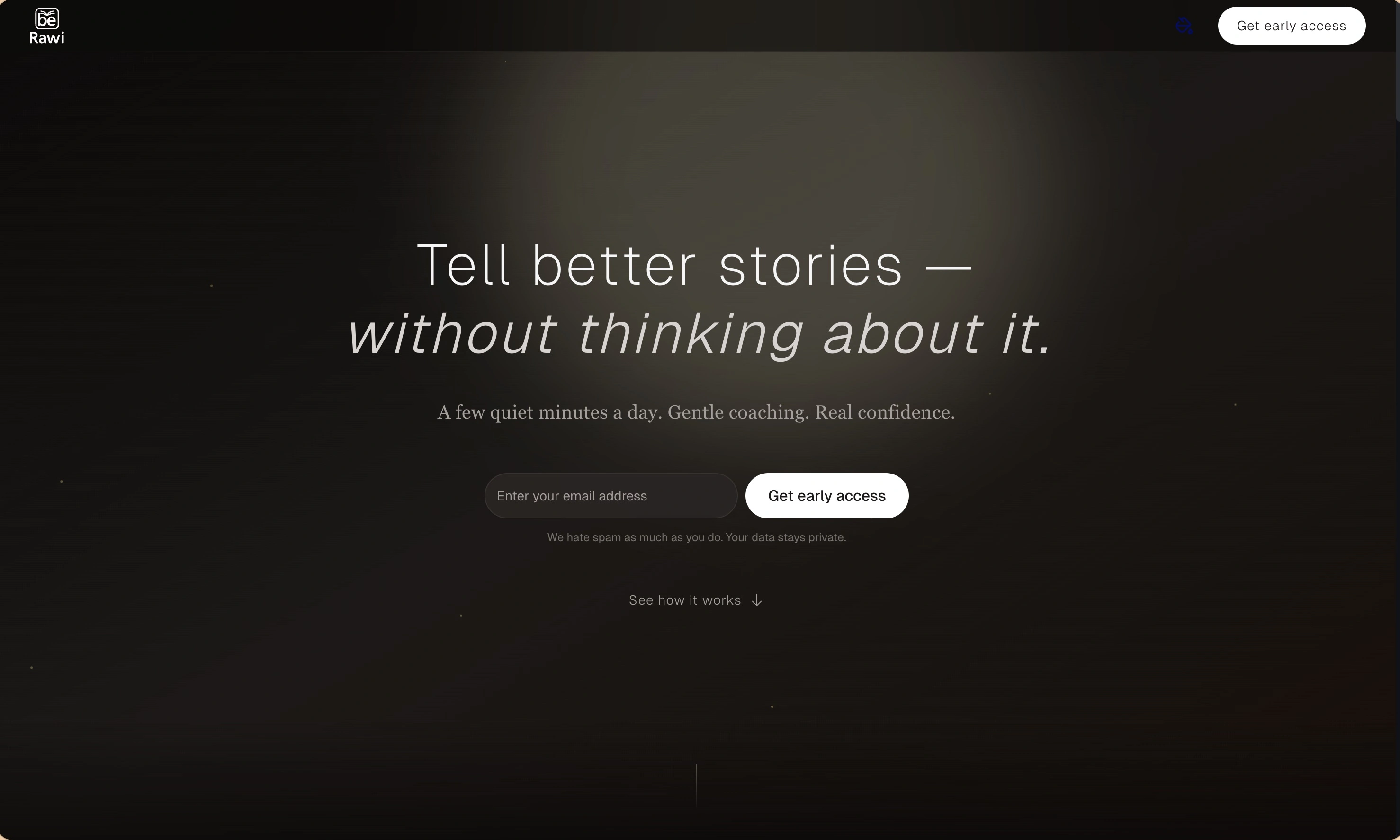
BeRawi: Storytelling Coach
Practice storytelling daily with instant feedback to sound clearer, more engaging, and confident 🎤
Omichat
Chat with 50+ AI models, including ChatGPT and Claude, in one place - switch models anytime without losing context 🤖
Claude Fast
Supercharge your Claude Code with 6x effective context window and specialized AI agents 🤖
EmojAI
AI-powered emoji picker with smart, context-aware suggestions 🤖
Solohacker
Autonomous company launcher - AI agents work 24/7, escalate what matters, and you stay in control 🤖
BeRawi: Storytelling Coach
Practice storytelling daily with instant feedback to sound clearer, more engaging, and confident 🎤
Omichat
Chat with 50+ AI models, including ChatGPT and Claude, in one place - switch models anytime without losing context 🤖
Claude Fast
Supercharge your Claude Code with 6x effective context window and specialized AI agents 🤖
EmojAI
AI-powered emoji picker with smart, context-aware suggestions 🤖
Solohacker
Autonomous company launcher - AI agents work 24/7, escalate what matters, and you stay in control 🤖
BeRawi: Storytelling Coach
Practice storytelling daily with instant feedback to sound clearer, more engaging, and confident 🎤
Omichat
Chat with 50+ AI models, including ChatGPT and Claude, in one place - switch models anytime without losing context 🤖
Claude Fast
Supercharge your Claude Code with 6x effective context window and specialized AI agents 🤖
EmojAI
AI-powered emoji picker with smart, context-aware suggestions 🤖
Solohacker
Autonomous company launcher - AI agents work 24/7, escalate what matters, and you stay in control 🤖
BeRawi: Storytelling Coach
Practice storytelling daily with instant feedback to sound clearer, more engaging, and confident 🎤

Connect with like-minded people
Join our community to get feedback, support, and grow together with 1,000+ builders on board, let's ship it!
Join usShip your startup everywhere. In minutes.
Don't burn tokens on setup and start building features on day one.