StackHarvest
AI research agent that monitors release notes, issue trackers, and security feeds to create tailored engineering change briefings.
What StackHarvest solves for modern engineering teams
Engineering teams are surrounded by change signals, but very few of those signals arrive in a format that supports fast, confident decisions. A single production service may depend on dozens of libraries, cloud services, CI/CD tools, APIs, SDKs, infrastructure providers, and security advisories. Every one of them publishes updates through a different channel.
Release notes describe new capabilities and breaking changes. Issue trackers reveal regressions before they become incidents. CVE databases and vendor advisories flag security exposure. Documentation updates change implementation requirements. Pull requests and internal repositories show whether the organization is actually affected.
StackHarvest is an AI research agent for engineering change briefings. It monitors release notes, issue trackers, security feeds, and selected technical sources, then turns scattered updates into tailored briefings for the engineers, platform teams, security leaders, and product owners who need to act on them.
The core value is not simply collecting technology news. It is answering the questions teams actually ask:
- Which updates affect our stack this week?
- Is this dependency upgrade urgent, optional, or irrelevant?
- Does this security advisory apply to our deployed version?
- Which release changes could break our build, API integration, or production environment?
- What should the platform team prioritize before the next release?
- Which engineering changes need a ticket, an owner, or an escalation?
A generic RSS reader, newsletter, or vulnerability scanner can surface information. AI engineering change briefing software must go further by understanding context, filtering noise, explaining likely impact, and delivering a concise next-step recommendation.
The key positioning
StackHarvest should be positioned as an engineering intelligence layer, not as another news aggregator. Its job is to convert external technical change into internal, actionable engineering decisions.
Why AI engineering change briefings are a growing market opportunity
The market opportunity behind StackHarvest is rooted in a simple operational reality: software supply chains are becoming more complex while engineering teams are expected to ship faster and operate more securely.
Cloud-native architectures increase the number of moving parts. Teams commonly rely on managed databases, observability platforms, API gateways, identity providers, package ecosystems, containers, infrastructure-as-code modules, AI model providers, and open-source dependencies. Each component evolves independently.
The result is a fragmented change-management process.
In many organizations, engineers discover important changes through a mix of Slack messages, GitHub notifications, release-note emails, security dashboards, vendor blogs, and word of mouth. This creates several predictable failures:
- Important breaking changes are noticed too late.
- Security advisories are reviewed without asset context.
- Engineers waste time determining whether an update matters.
- Teams duplicate investigation work across repositories.
- Platform owners lack a single view of ecosystem risk.
- Product roadmaps are disrupted by avoidable dependency work.
- Change decisions are documented inconsistently, if at all.
StackHarvest addresses the gap between external technology monitoring and internal engineering action.
The gap between monitoring tools and actionable intelligence
Existing categories solve parts of the problem, but not the full workflow.
- "Security scanners" identify known vulnerabilities in code, containers, and dependencies.
- "Dependency management tools" propose package upgrades and pull requests.
- "Observability platforms" help teams understand runtime behavior.
- "RSS readers and newsletters" aggregate information from selected sources.
- "Knowledge management tools" store internal technical decisions.
- "AI assistants" can answer questions when someone asks them.
What is still missing is a proactive, contextual system that connects external technical developments with a company’s actual stack, ownership model, deployment footprint, and current priorities.
For example, an important Node.js release note may be relevant to one team but not another. A newly disclosed CVE may sound severe, yet it may only affect a feature that is disabled in production. A framework deprecation may not need an immediate fix, but it may create a six-month migration risk that belongs in platform planning.
That interpretation layer is StackHarvest’s opportunity.
Why timing matters now
Several current technology trends make tailored engineering briefings more valuable:
-
Software supply chain scrutiny is increasing
Security and compliance teams need better visibility into third-party dependencies, transitive packages, and vendor changes. -
AI-assisted development is accelerating change velocity
Teams can adopt new libraries, frameworks, APIs, and model providers faster than before. Faster adoption also means more sources to monitor. -
Platform engineering is becoming operationally important
Internal developer platforms need reliable processes for managing standards, upgrades, and ecosystem changes. -
Tool sprawl is creating alert fatigue
More tools produce more notifications. The winning product is not necessarily the one that generates another alert; it is the one that reduces the need to read alerts. -
Engineering leadership needs defensible prioritization
Leaders need to explain why a migration, security patch, or vendor review is urgent. Structured briefings create a visible decision trail.
For market validation, StackHarvest should reference credible research from organizations such as the CNCF, OWASP, NIST, GitHub, and major cloud providers. When using specific adoption, vulnerability, or developer productivity statistics, cite the original report title, publisher, publication date, and source URL in the published version rather than relying on unsourced figures.
Who should use StackHarvest
StackHarvest is not best sold as a universal tool for every developer on day one. The strongest initial go-to-market strategy focuses on buyers who already feel the pain of fragmented technology change monitoring.
Primary customer profile: platform and DevOps teams
Platform engineering, DevOps, and developer experience teams are natural early adopters because they own shared infrastructure and common developer tooling. They are responsible for maintaining stable, secure workflows across many application teams.
Their monitored ecosystem may include:
- Kubernetes distributions and add-ons
- Terraform providers and infrastructure modules
- CI/CD platforms and GitHub Actions
- container registries and base images
- observability agents and SDKs
- cloud provider services
- authentication and secrets-management tools
- language runtimes and package managers
For this audience, StackHarvest can become a weekly operating system for technical change. It highlights what requires a platform update, a migration plan, a policy change, or communication to application teams.
Security engineering and application security teams
Security teams need to triage advisory volume without making every vulnerability look equally urgent. StackHarvest can combine security feed monitoring with stack-specific context.
The briefing should help answer:
- Is the affected software present in our inventory?
- Which repositories or services may be exposed?
- Is there a known exploit, a public proof of concept, or active exploitation reporting?
- Is a fixed version available?
- Are compensating controls already in place?
- Who owns the affected service?
- What is the recommended remediation deadline?
This does not replace a dedicated software composition analysis or vulnerability management platform. Instead, it adds a prioritization and communication layer that helps security findings reach the right engineering owner with useful context.
Engineering managers and CTOs
Engineering leaders often need a concise view of technical risk and change without reading individual vendor feeds. They do not need every patch note. They need an executive-friendly briefing that explains impact, urgency, ownership, and trade-offs.
A leadership briefing could summarize:
- critical updates requiring a response
- upcoming deprecations with roadmap consequences
- active migration work and blockers
- changes that may affect reliability or cost
- notable adoption opportunities
- unresolved security exposure by business impact
This makes StackHarvest especially useful for teams that lack a dedicated technical program manager or have a small platform organization.
Senior developers and technical leads
Technical leads are often the unofficial owners of dependency health. They track framework changes, validate upgrade paths, manage architecture decisions, and translate technical issues for product teams.
StackHarvest helps them spend less time searching and more time deciding. A well-designed briefing can include links to source material, a short impact assessment, affected repositories, and a suggested implementation sequence.
Best early adopter
A platform or DevOps team supporting 10 to 100 developers with a growing cloud-native stack and recurring dependency maintenance work.
High-value security user
An application security team that receives more vulnerability signals than it can efficiently contextualize for engineering owners.
Executive champion
A CTO or VP of Engineering who wants clearer visibility into ecosystem risk, migration work, and engineering change readiness.
The StackHarvest product concept and unique selling proposition
The unique selling proposition for StackHarvest is straightforward:
StackHarvest transforms external engineering change signals into stack-aware, owner-ready, and action-oriented AI briefings.
That positioning has three important parts.
First, StackHarvest is stack-aware. It should understand the technologies, versions, repositories, environments, and service ownership that matter to each customer.
Second, it is owner-ready. A useful briefing should route information to the team or person most likely to act, rather than broadcasting generic alerts.
Third, it is action-oriented. Every important item should answer what changed, why it matters, who is affected, how urgent it is, and what should happen next.
A useful briefing format
Each engineering change item should include a consistent decision framework:
- "What changed" A plain-language summary of the release, issue, advisory, or policy update.
- "Why it matters" The likely impact on the customer’s architecture, codebase, deployment process, or security posture.
- "Affected assets" Relevant repositories, services, dependencies, environments, teams, or owners.
- "Urgency" A clear classification such as critical, high, medium, low, or watch.
- "Confidence" An explanation of how certain the matching and impact assessment are.
- "Recommended action" A specific next step such as patch, test, review, track, ignore, or escalate.
- "Source evidence" Direct links, quoted excerpts, timestamps, and source provenance.
- "Decision history" The status, owner, notes, and resolution outcome.
The confidence indicator is especially important. AI summaries should not create false certainty. When StackHarvest cannot reliably determine whether a customer is affected, it should say so and explain what evidence is missing.
Core workflow from signal to action
A practical StackHarvest workflow has six stages:
Core StackHarvest features for an effective MVP
A successful minimum viable product should focus on trustworthy briefings rather than attempting to replace every security, observability, and dependency-management tool at once.
Stack profile and source configuration
Customers need a fast way to define what StackHarvest should monitor. The onboarding flow should support both automated discovery and manual curation.
Useful inputs include:
- GitHub organizations and repositories
- package manifests such as
package.json,requirements.txt,go.mod,pom.xml, and lockfiles - container image metadata
- cloud accounts and infrastructure repositories
- owned domains and APIs
- team ownership mappings
- selected vendors and open-source projects
- preferred feeds and release-note URLs
- severity thresholds and notification preferences
A critical product decision is whether StackHarvest reads source code. For an initial version, it can provide meaningful value using dependency manifests, repository metadata, and customer-selected stack inventory data. This reduces security concerns and accelerates procurement.
Source monitoring and normalization
Source quality determines briefing quality. StackHarvest should ingest structured sources whenever possible because structured data is easier to timestamp, deduplicate, and verify.
High-priority source integrations include:
- GitHub releases, issues, security advisories, and Dependabot alerts
- official vendor release-note pages
- Common Vulnerabilities and Exposures data
- GitHub Security Advisories
- OSV vulnerability data
- package registries
- cloud provider service health and release feeds
- internal issue trackers such as Jira or Linear
- internal documentation systems when customers authorize access
The product should preserve original text, author, publication date, source URL, and retrieval timestamp. This provenance is essential for trust and auditability.
AI impact analysis with human-readable evidence
The AI layer is the differentiator, but it should operate as an evidence-driven research system rather than an opaque summarizer.
For each change, StackHarvest should:
- Extract structured entities such as product name, package, version range, CVE identifier, API endpoint, operating system, and release date.
- Match entities against the customer’s inventory.
- Retrieve relevant source excerpts and internal metadata.
- Generate a concise summary grounded in those retrieved sources.
- Classify impact and urgency using explicit rules plus model-assisted reasoning.
- Show the evidence that led to the recommendation.
- Ask for human review when confidence is low or the impact is potentially severe.
A briefing that says “upgrade immediately” without evidence will not earn engineering trust. A briefing that says “version 4.2.1 appears in three production services, the advisory affects a default parser configuration, and a fixed version is available” is much more useful.
Briefing delivery and collaboration
The dashboard should be a workspace, not merely an inbox. Teams need to filter, assign, acknowledge, suppress, and resolve items.
Recommended delivery options:
- daily and weekly digest emails
- Slack or Microsoft Teams summaries
- browser dashboard with saved views
- Jira, Linear, or GitHub Issue creation
- webhook delivery for internal workflows
- leadership-ready PDF or shareable report exports
A practical default is a weekly briefing with separate critical alerts. This respects engineering attention while ensuring urgent issues do not wait for the next digest.
Feedback loops and learning controls
Users should be able to mark an item as relevant, irrelevant, duplicate, already resolved, accepted risk, or incorrect match. This feedback can improve future ranking, but it also serves an immediate operational purpose by keeping the briefing queue clean.
The system should distinguish between:
- relevance feedback
- severity override
- false-positive match
- duplicate source
- action completion
- approved exception
- source trust issue
Those signals are more valuable than a generic thumbs-up or thumbs-down because they improve both the data model and the customer’s audit trail.
Recommended technology stack for StackHarvest
StackHarvest needs a technical architecture that supports secure integrations, recurring ingestion, retrieval-grounded AI generation, fine-grained permissions, and reliable delivery.
A pragmatic SaaS stack can use React with Next.js for the application interface and server-rendered workflows. TypeScript should be used end to end to reduce integration errors and make structured change records easier to maintain.
For styling, Tailwind CSS offers fast UI iteration and a consistent design system. For data persistence, PostgreSQL is a strong default because it handles relational tenancy, workflow states, audit logs, and JSON metadata well.
Suggested architecture
| Layer | Recommended option | Why it fits StackHarvest | Main trade-off | MVP priority |
|---|---|---|---|---|
| Web application | Next.js and React | Supports SaaS UI, server routes, and strong TypeScript workflows | Requires disciplined caching and background-job design | High |
| Primary database | PostgreSQL | Reliable relational data, tenancy, audit records, and structured findings | Semantic retrieval may need extensions or a companion service | High |
| Background processing | Queue and worker service | Handles polling, parsing, enrichment, retries, and scheduled briefings | Adds operational complexity | High |
| AI retrieval | Embeddings plus source-grounded retrieval | Improves matching, deduplication, and explanatory summaries | Requires evaluation and careful access controls | High |
| Observability | Structured logs, traces, and alerting | Essential for debugging failed connectors and AI workflow quality | Must avoid logging sensitive customer content | High |
Retrieval-augmented generation is the right AI pattern
StackHarvest should use retrieval-augmented generation, often called RAG, rather than relying on a model’s general knowledge of software releases or vulnerabilities.
The recommended flow is:
- Store raw source documents and normalized records.
- Extract metadata such as versions, ecosystems, vendors, CVE identifiers, dates, severity, and URLs.
- Retrieve relevant source passages and customer stack context.
- Pass only authorized, relevant context to the model.
- Require structured output with cited evidence references.
- Validate output against schemas and deterministic rules.
- Display the model’s confidence and the original source material.
This approach makes the system more current, more explainable, and less likely to hallucinate technical details.
type ChangeBriefingItem = {
  title: string;
  sourceUrl: string;
  sourcePublishedAt: string;
  affectedAssets: string[];
  urgency: "critical" | "high" | "medium" | "low" | "watch";
  confidence: "high" | "medium" | "low";
  recommendedAction: "patch" | "test" | "review" | "track" | "ignore";
  evidence: Array<{
    quote: string;
    sourceUrl: string;
  }>;
};
Technology trade-offs to consider early
A fully autonomous agent may sound compelling, but autonomous remediation should not be an MVP feature. The cost of an incorrect upgrade recommendation can be high, especially for infrastructure providers, authentication libraries, databases, and production frameworks.
Start with decision support.
- "Safer MVP" Brief, rank, assign, and create tickets.
- "Later capability" Generate upgrade pull requests in a sandboxed workflow.
- "High-risk capability" Automatically merge dependency or infrastructure changes.
Similarly, avoid ingesting every possible source from the start. A smaller set of reliable, high-value connectors is more defensible than a broad but noisy source catalog.
Data security, privacy, and trust requirements
StackHarvest will handle sensitive metadata about customer infrastructure, dependencies, repositories, security findings, and operational ownership. Trust cannot be treated as a future feature.
Key safeguards should include:
- tenant isolation at the application and database layers
- encryption in transit and at rest
- least-privilege OAuth scopes
- short-lived credentials where supported
- encrypted secret storage
- configurable data retention
- audit logs for integrations, access, exports, and workflow actions
- role-based access controls
- no training on customer data without explicit consent
- source-level permissions for private repositories and internal documents
- clear incident response and vulnerability disclosure procedures
Do not overstate AI certainty
A security or breaking-change recommendation should always expose its evidence, matching logic, and uncertainty. StackHarvest earns trust by making it easy to verify the recommendation, not by pretending every prediction is definitive.
For enterprise readiness, the roadmap should include security questionnaires, a documented data-processing agreement, penetration testing, single sign-on, SCIM provisioning, and compliance work appropriate to the target market. A SOC 2 program may become important as StackHarvest moves from startups toward mid-market and enterprise buyers.
Monetization strategy for StackHarvest
A value-based SaaS pricing model is appropriate because StackHarvest saves expensive engineering investigation time and helps reduce avoidable security and reliability risk.
The most understandable pricing metric is a combination of monitored assets and active users. Assets may include repositories, services, cloud accounts, domains, or software components.
Recommended pricing tiers
- "Starter" For small engineering teams monitoring a limited number of repositories and a standard set of public sources.
- "Team" For platform and security teams that need Slack delivery, workflow integrations, custom source rules, and role-based access.
- "Business" For organizations with multiple teams, advanced ownership mapping, broader asset coverage, audit exports, and priority support.
- "Enterprise" For customers requiring SSO, SCIM, custom retention, dedicated environments, security reviews, premium support, and contractual commitments.
A free trial should demonstrate value quickly. The ideal activation moment is not account creation. It is when a user receives a briefing that identifies a relevant change they would otherwise have missed or spent time researching.
Potential paid add-ons include:
- premium connector packs
- higher briefing frequency
- extended data retention
- advanced custom source monitoring
- executive reporting
- AI-generated change-management reports
- implementation support for stack inventory and ownership modeling
Avoid pricing solely per seat if the main value is ecosystem coverage. A platform team with five users may monitor hundreds of critical components and receive significant value.
Competitive advantage and market differentiation
StackHarvest will face indirect competition from vulnerability scanners, dependency bots, release-note tools, AI search products, and internal platform portals. Its competitive advantage depends on owning the workflow between discovery and action.
How StackHarvest can stand out
| Capability | Generic news tools | Security scanners | Dependency bots | StackHarvest | Strategic value |
|---|---|---|---|---|---|
| Release-note monitoring | Often available | Limited | Limited | Core workflow | Earlier awareness of change |
| Security advisory context | Rare | Strong detection | Variable | Detection plus narrative context | Better prioritization |
| Stack-aware AI briefing | Weak | Limited | Limited | Core differentiator | Less investigation work |
| Cross-team ownership routing | Weak | Variable | Repository-focused | Built into the briefing model | Faster accountability |
The strongest moat will not be the language model itself. Foundation models are increasingly accessible. The defensible assets are:
- a high-quality source normalization pipeline
- accurate stack and version matching
- a rich ownership and asset graph
- customer-specific relevance feedback
- trusted workflow integrations
- historical decision outcomes
- evaluation datasets for technical impact classification
Over time, StackHarvest can learn which changes each customer treats as urgent, which systems are business critical, and which engineering teams own specific technology domains. That context makes the product more useful with every resolved briefing item.
Risks and mitigation strategies
Risk: alert fatigue and low relevance
If StackHarvest produces too many low-value items, users will mute it. This is the most important product risk.
Mitigation should include:
- conservative default notification thresholds
- digest-first delivery for noncritical items
- deduplication across sources
- explicit relevance feedback
- team-specific filtering
- transparent suppression rules
- a weekly “what we intentionally ignored” summary for auditability
Risk: hallucinated or incorrect AI conclusions
LLMs can produce plausible but incorrect explanations, especially around version compatibility and vulnerability applicability.
Mitigation should include:
- retrieval-grounded outputs
- visible citations and source excerpts
- structured response schemas
- deterministic version matching where possible
- confidence thresholds
- human review queues for critical findings
- automated evaluation against labeled historical advisories
Risk: connector fragility
Release-note formats, APIs, authentication methods, and vendor pages change frequently.
Mitigation should include:
- structured integrations first
- connector health monitoring
- source freshness status in the product
- retries and dead-letter queues
- clear customer messaging when a source fails
- modular connector architecture
Risk: long enterprise sales cycles
Security and platform tools often require significant review before receiving production access.
Mitigation should include:
- an initial low-permission deployment model
- support for public sources and customer-uploaded inventories
- clear security documentation
- a self-serve pilot for smaller teams
- a design-partner program for larger buyers
Risk: attempting too much too soon
StackHarvest could easily become a vulnerability scanner, a dependency updater, a news reader, an asset inventory tool, and a workflow platform all at once.
Mitigation is disciplined positioning. The first product must excel at tailored engineering change briefings. Every new feature should strengthen that central workflow.
A practical implementation roadmap
The fastest path to validating StackHarvest is to launch a narrow, evidence-driven product with a small number of high-value sources and strong briefing quality.
Phase one: validate the briefing experience
Build the workflow around a focused target customer, such as platform teams using GitHub, JavaScript or TypeScript services, cloud infrastructure, and Slack.
The first release should include:
- GitHub repository connection
- dependency manifest parsing
- selected release-note and advisory feeds
- basic asset and owner mapping
- daily or weekly briefing generation
- dashboard review workflow
- Slack or email delivery
- feedback controls
- source citations and confidence labels
Measure whether users open, save, assign, dismiss, and resolve briefing items. More importantly, interview users after each briefing cycle. Ask which alerts were useful, which were noisy, and what decision they made because of the briefing.
Phase two: improve context and workflow integration
Once briefing relevance is proven, expand the product’s operational value.
Priorities include:
- Jira, Linear, and GitHub Issue integrations
- richer version and dependency graph matching
- team-level briefing preferences
- service catalog integrations
- custom source configuration
- historical change timeline
- analytics for time-to-triage and resolution
- security and compliance controls
Phase three: build an engineering intelligence platform
After StackHarvest has reliable source data, customer context, and workflow history, it can support higher-value capabilities:
- migration planning for upcoming deprecations
- release-risk forecasting
- organization-wide technology radar reports
- vendor and dependency health scoring
- natural-language queries about stack exposure
- change-impact reports for leadership and audit reviews
- guarded pull-request generation for approved upgrade workflows
Interview platform, DevOps, and security teams. Build GitHub ingestion, source normalization, and a manual stack-profile flow. Deliver briefings to a small group of design partners.
Add evidence-backed AI summaries, relevance feedback, Slack delivery, and a triage dashboard. Measure false positives, briefing engagement, and resolved actions.
Add ticketing integrations, ownership routing, reporting, and paid pilot plans. Use customer feedback to define the next connectors and enterprise security requirements.
Final recommendation for launching StackHarvest
StackHarvest has a strong SaaS opportunity because it solves a recurring, expensive problem that becomes more difficult as engineering ecosystems grow. Its most compelling promise is not “AI reads your release notes.” It is:
Know which engineering changes matter to your stack, understand why they matter, and give the right team a credible next action before the change becomes an incident or an emergency migration.
The product should begin with a narrow but deeply useful workflow: trusted sources, stack-aware matching, evidence-backed AI summaries, and clear ownership routing. Prioritize relevance over volume, transparency over autonomous claims, and actionability over generic technical news.
For founders building the initial SaaS application, TurboStarter can accelerate the foundation so more development time goes into StackHarvest’s differentiated ingestion, intelligence, and workflow experience.
More 🤖 AI Startup SaaS ideas
Discover more innovative ai startup SaaS ideas that are trending in 2026. Each idea is AI-generated with market validation and growth potential to help you find your next profitable venture faster than competitors.
Your competitors are building with TurboStarter
Below are some of the SaaS ideas that have been generated and built with our starter kit.
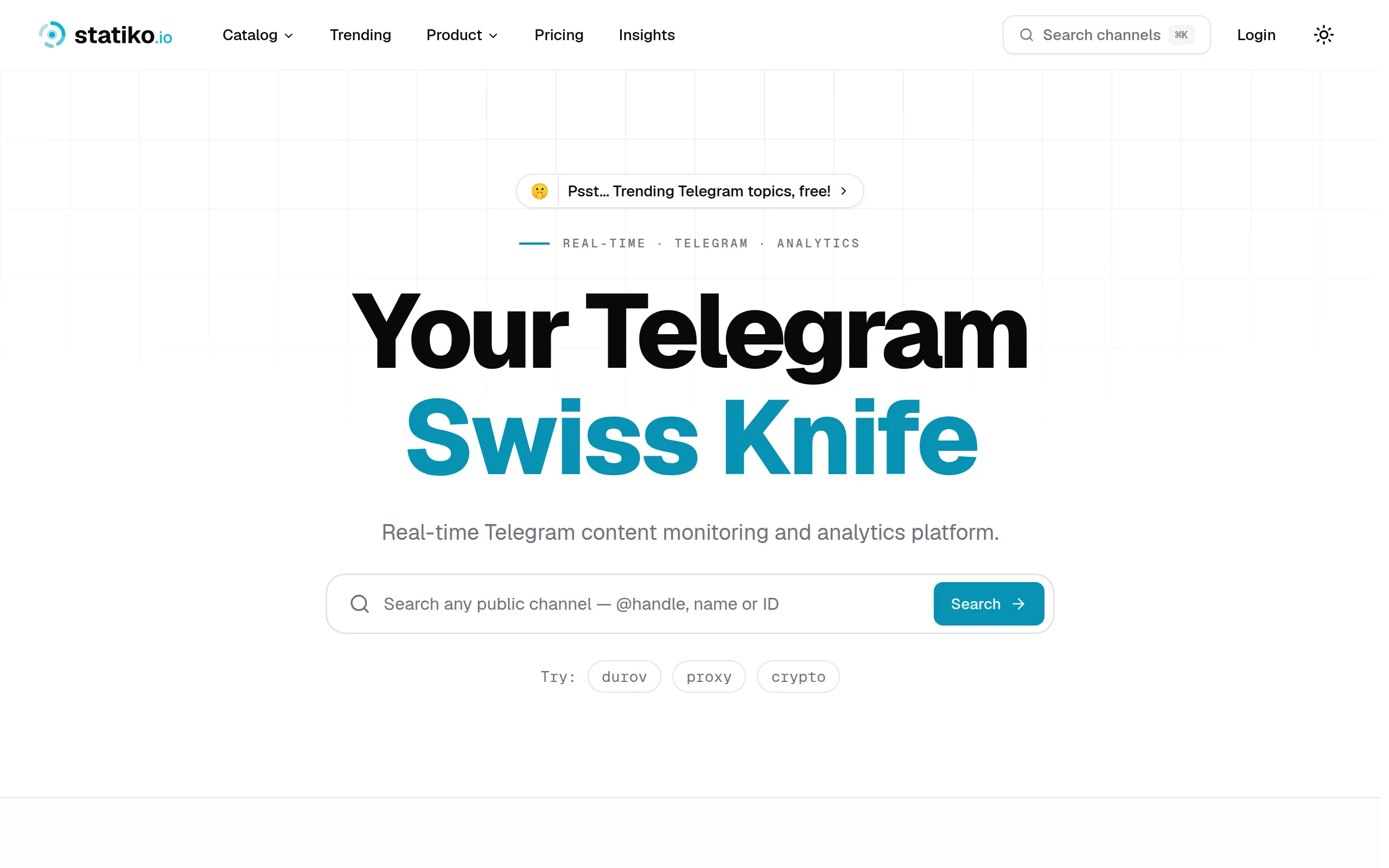
Statiko
Monitor any Telegram channel in real time - track posts, edits, deletions, and growth with AI recaps 📡

Shibui
AI website builder - describe your business, pick a niche template, edit by chatting, and publish instantly ✨

Pro Service
Find verified home service professionals, compare quotes, and pay securely through escrow - built for Brazilians across the US 🏠
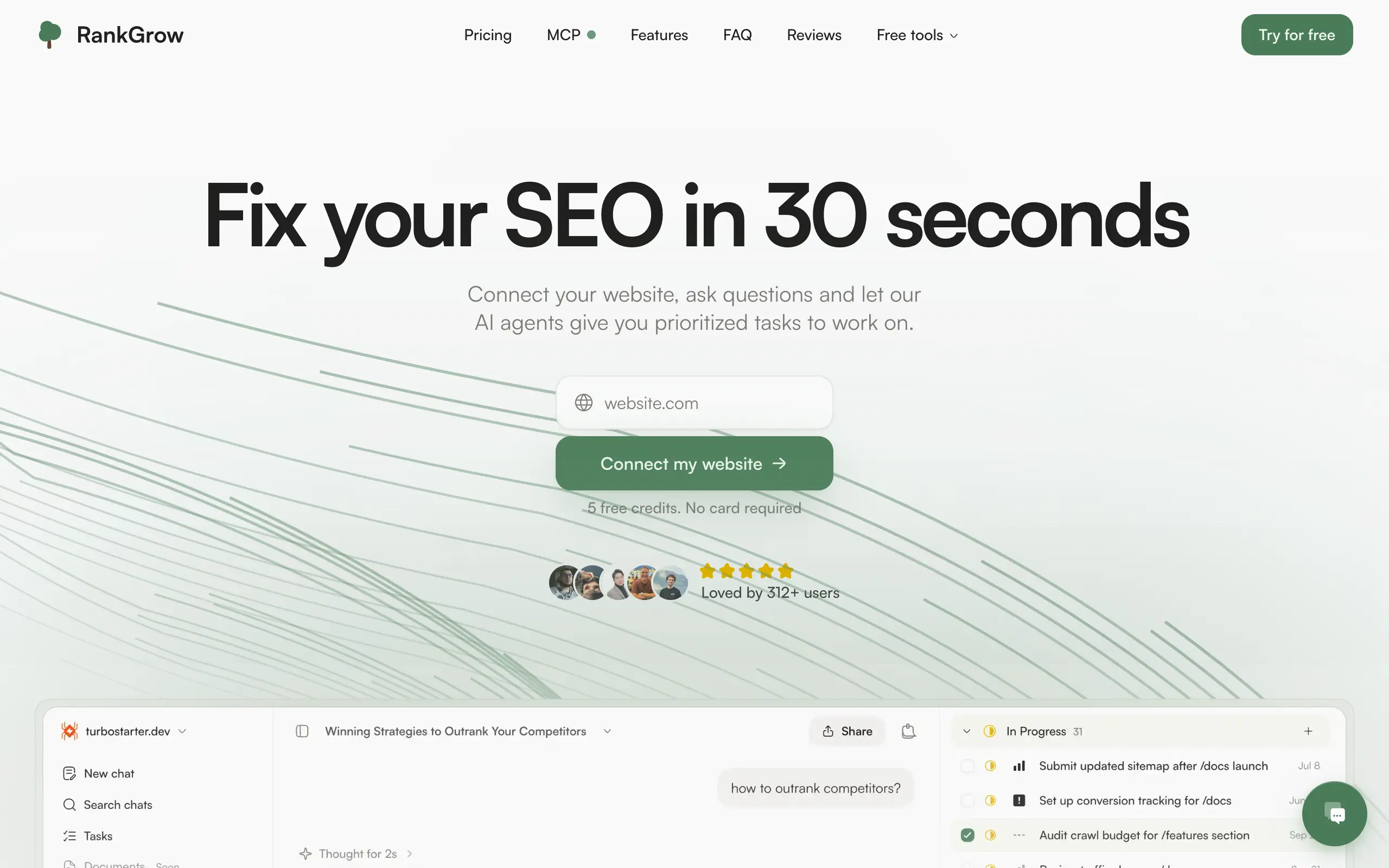
RankGrow
Fix your SEO with AI agents - connect Search Console, get prioritized tasks, and grow organic traffic 📈
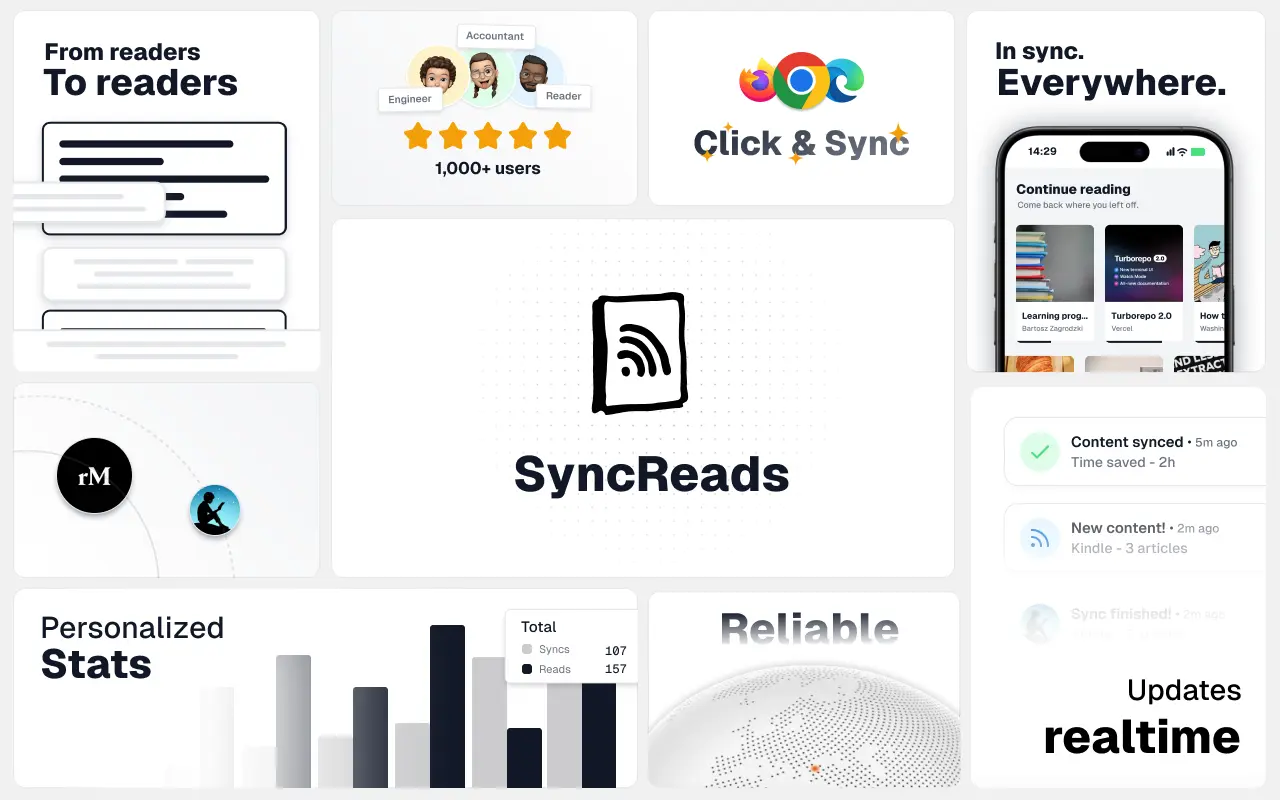
SyncReads
Sync your favorite content for distraction-free reading, save time and replace multiple apps. Anytime, anywhere 🔄
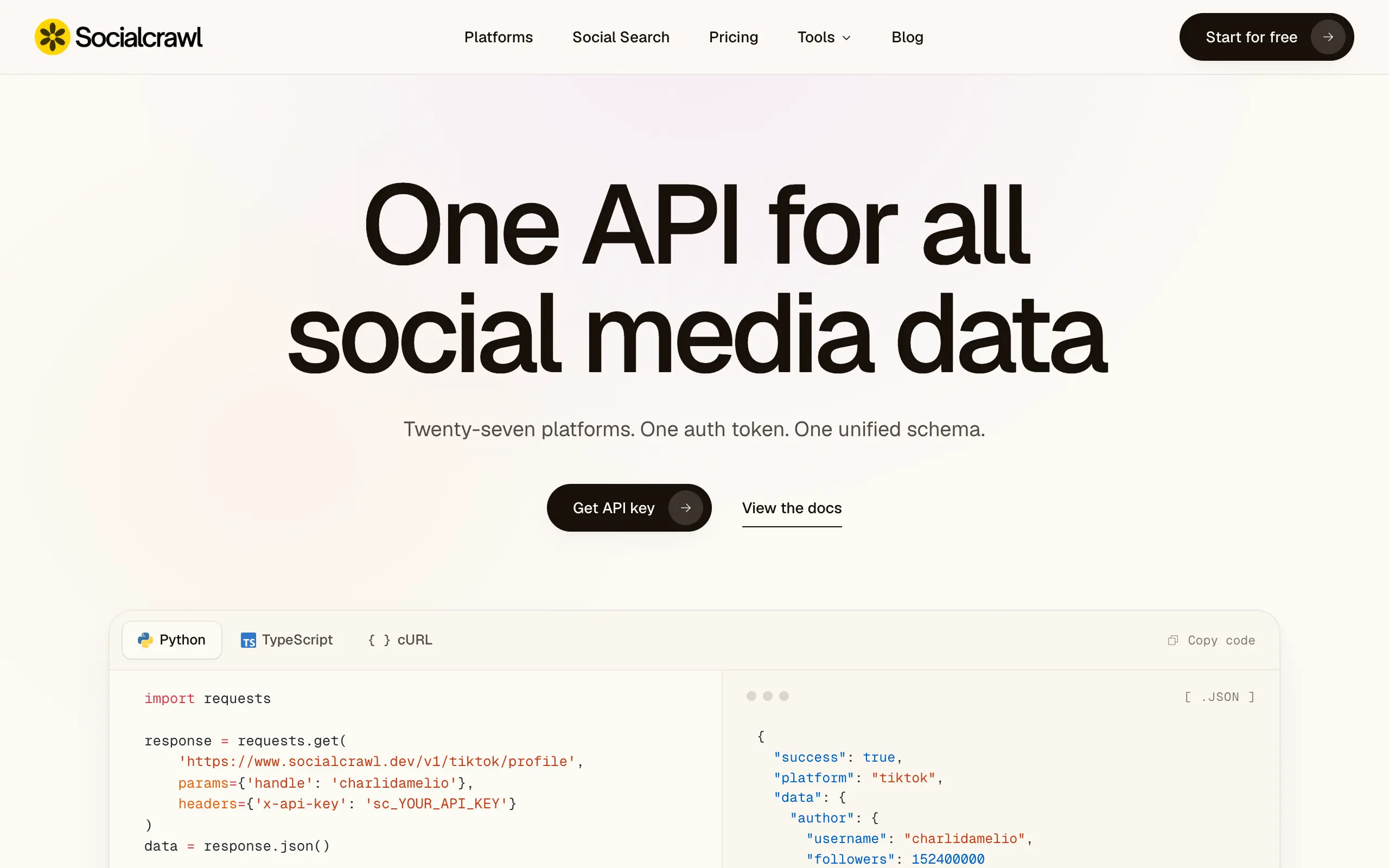
Socialcrawl
Get clean, structured data from 21 platforms like TikTok, Instagram, and YouTube with a single request 📊
Statiko
Monitor any Telegram channel in real time - track posts, edits, deletions, and growth with AI recaps 📡
Shibui
AI website builder - describe your business, pick a niche template, edit by chatting, and publish instantly ✨
Pro Service
Find verified home service professionals, compare quotes, and pay securely through escrow - built for Brazilians across the US 🏠
RankGrow
Fix your SEO with AI agents - connect Search Console, get prioritized tasks, and grow organic traffic 📈
SyncReads
Sync your favorite content for distraction-free reading, save time and replace multiple apps. Anytime, anywhere 🔄
Socialcrawl
Get clean, structured data from 21 platforms like TikTok, Instagram, and YouTube with a single request 📊
Statiko
Monitor any Telegram channel in real time - track posts, edits, deletions, and growth with AI recaps 📡
Shibui
AI website builder - describe your business, pick a niche template, edit by chatting, and publish instantly ✨
Pro Service
Find verified home service professionals, compare quotes, and pay securely through escrow - built for Brazilians across the US 🏠
RankGrow
Fix your SEO with AI agents - connect Search Console, get prioritized tasks, and grow organic traffic 📈
SyncReads
Sync your favorite content for distraction-free reading, save time and replace multiple apps. Anytime, anywhere 🔄
Socialcrawl
Get clean, structured data from 21 platforms like TikTok, Instagram, and YouTube with a single request 📊
Statiko
Monitor any Telegram channel in real time - track posts, edits, deletions, and growth with AI recaps 📡
Shibui
AI website builder - describe your business, pick a niche template, edit by chatting, and publish instantly ✨
Pro Service
Find verified home service professionals, compare quotes, and pay securely through escrow - built for Brazilians across the US 🏠
RankGrow
Fix your SEO with AI agents - connect Search Console, get prioritized tasks, and grow organic traffic 📈
SyncReads
Sync your favorite content for distraction-free reading, save time and replace multiple apps. Anytime, anywhere 🔄
Socialcrawl
Get clean, structured data from 21 platforms like TikTok, Instagram, and YouTube with a single request 📊
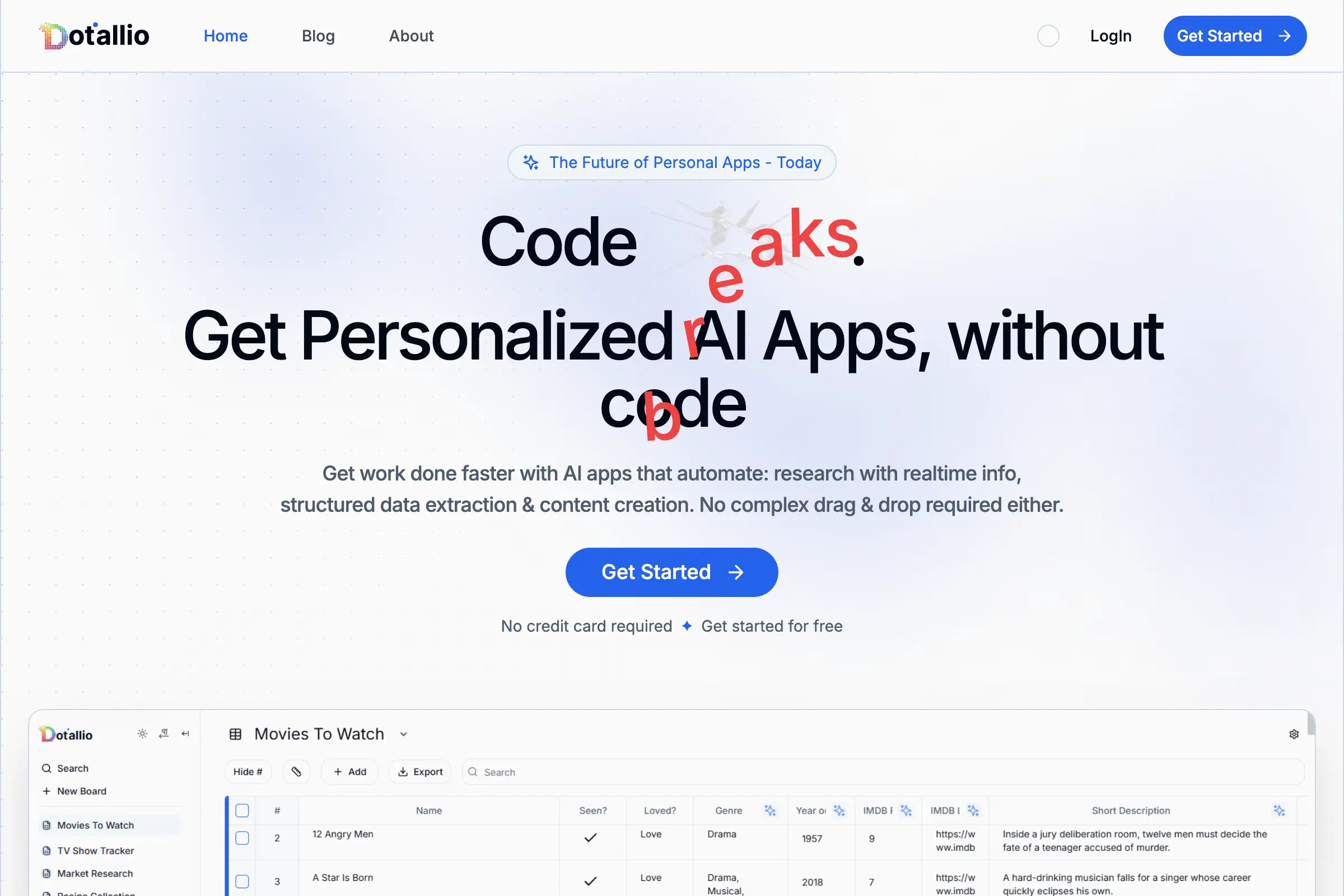
Dotallio
Personalized AI apps that automate research, data extraction, and content creation without code 🤖

Talk to Santa
Enjoy a magical live video chat or receive a unique AI-generated video greeting from Santa Claus 🎅

pozywka.pl
Scalable blog for food journalist, focused on performance and user experience 🌭
zagrodzki.me
Personal blog and portfolio of Bart Zagrodzki, where he shares his knowledge and work 💼
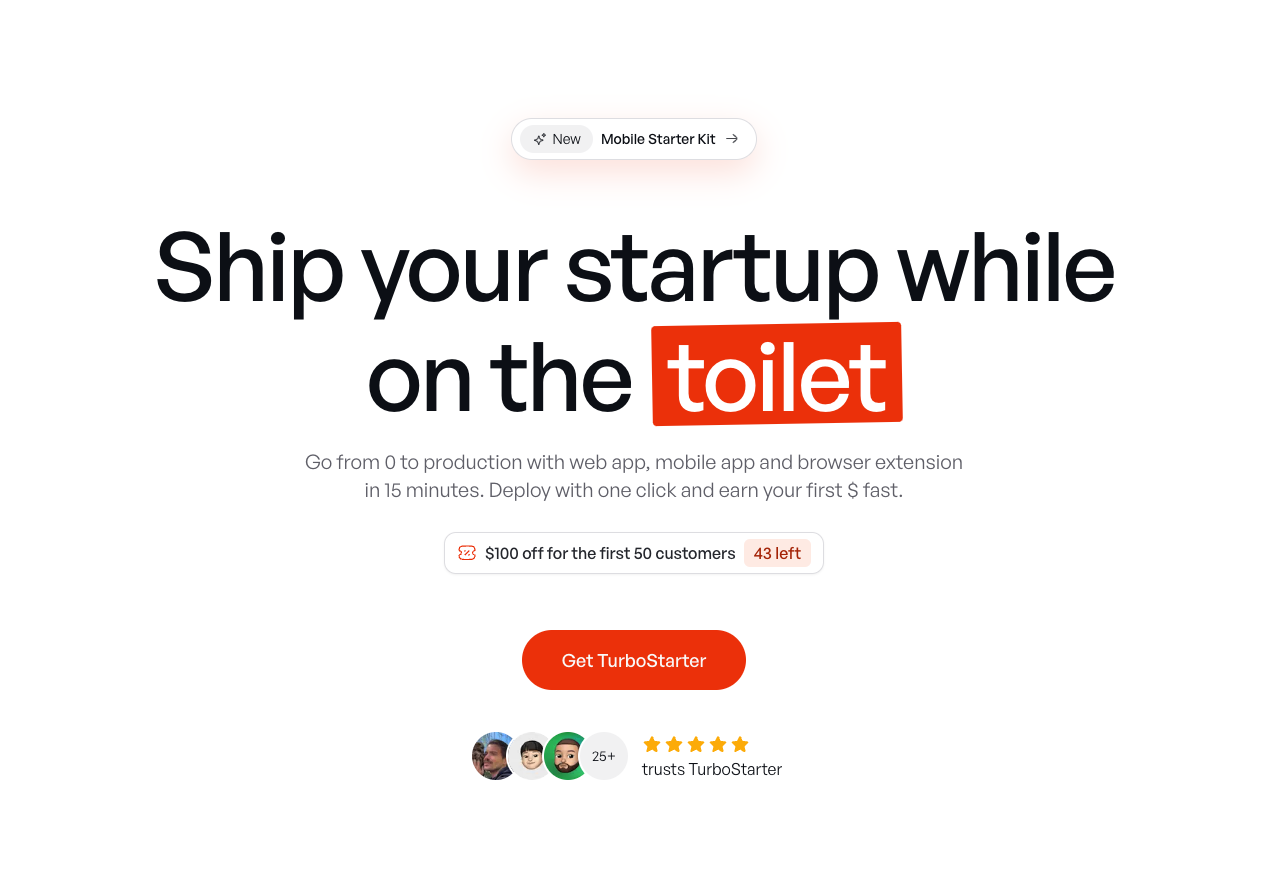
TurboStarter
Ship your startup everywhere. In minutes.
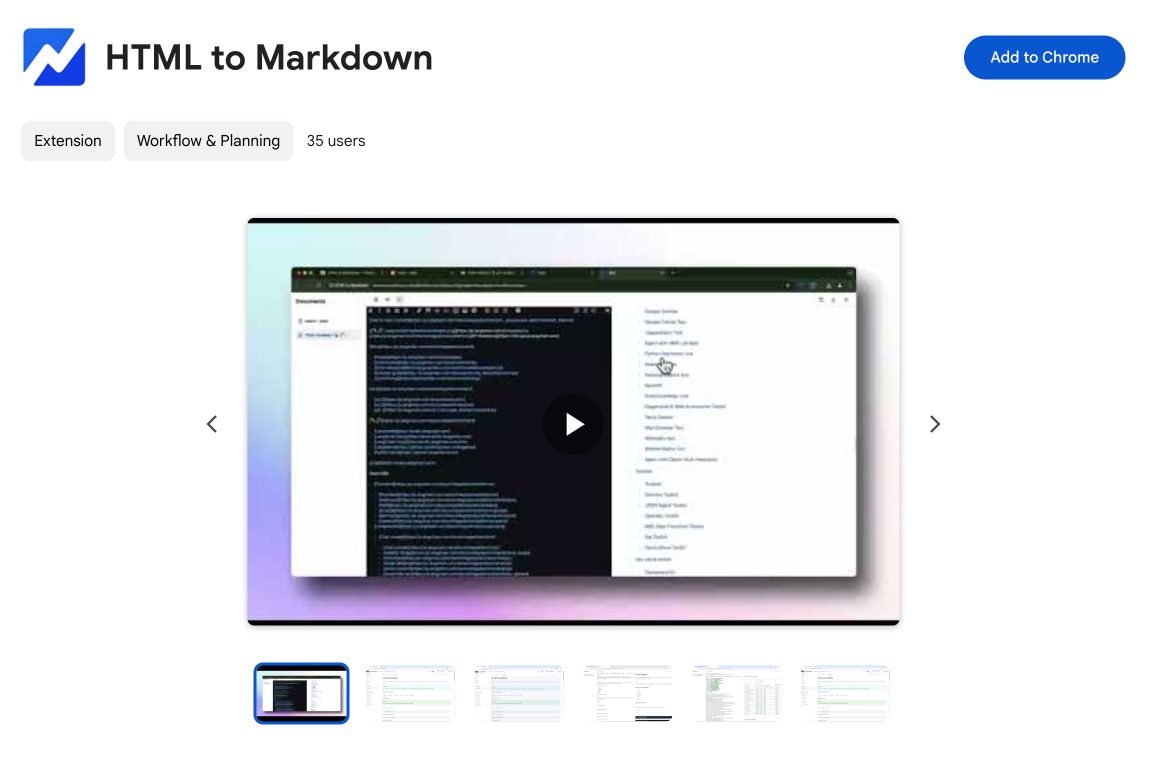
HTML to Markdown
Convert HTML to Markdown with ease, directly in your browser 📄
Dotallio
Personalized AI apps that automate research, data extraction, and content creation without code 🤖
Talk to Santa
Enjoy a magical live video chat or receive a unique AI-generated video greeting from Santa Claus 🎅
pozywka.pl
Scalable blog for food journalist, focused on performance and user experience 🌭
zagrodzki.me
Personal blog and portfolio of Bart Zagrodzki, where he shares his knowledge and work 💼
TurboStarter
Ship your startup everywhere. In minutes.
HTML to Markdown
Convert HTML to Markdown with ease, directly in your browser 📄
Dotallio
Personalized AI apps that automate research, data extraction, and content creation without code 🤖
Talk to Santa
Enjoy a magical live video chat or receive a unique AI-generated video greeting from Santa Claus 🎅
pozywka.pl
Scalable blog for food journalist, focused on performance and user experience 🌭
zagrodzki.me
Personal blog and portfolio of Bart Zagrodzki, where he shares his knowledge and work 💼
TurboStarter
Ship your startup everywhere. In minutes.
HTML to Markdown
Convert HTML to Markdown with ease, directly in your browser 📄
Dotallio
Personalized AI apps that automate research, data extraction, and content creation without code 🤖
Talk to Santa
Enjoy a magical live video chat or receive a unique AI-generated video greeting from Santa Claus 🎅
pozywka.pl
Scalable blog for food journalist, focused on performance and user experience 🌭
zagrodzki.me
Personal blog and portfolio of Bart Zagrodzki, where he shares his knowledge and work 💼
TurboStarter
Ship your startup everywhere. In minutes.
HTML to Markdown
Convert HTML to Markdown with ease, directly in your browser 📄
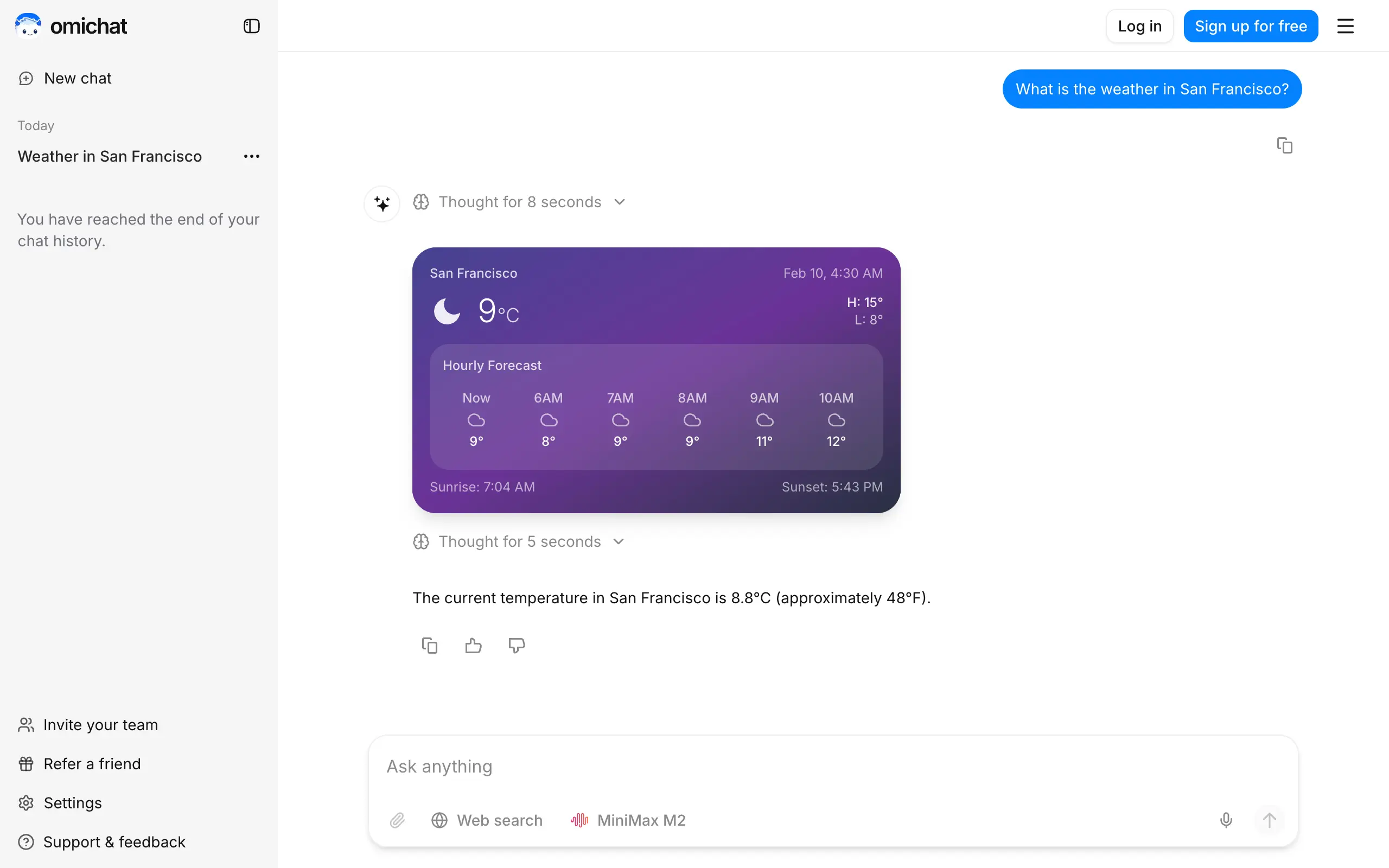
Omichat
Chat with 50+ AI models, including ChatGPT and Claude, in one place - switch models anytime without losing context 🤖
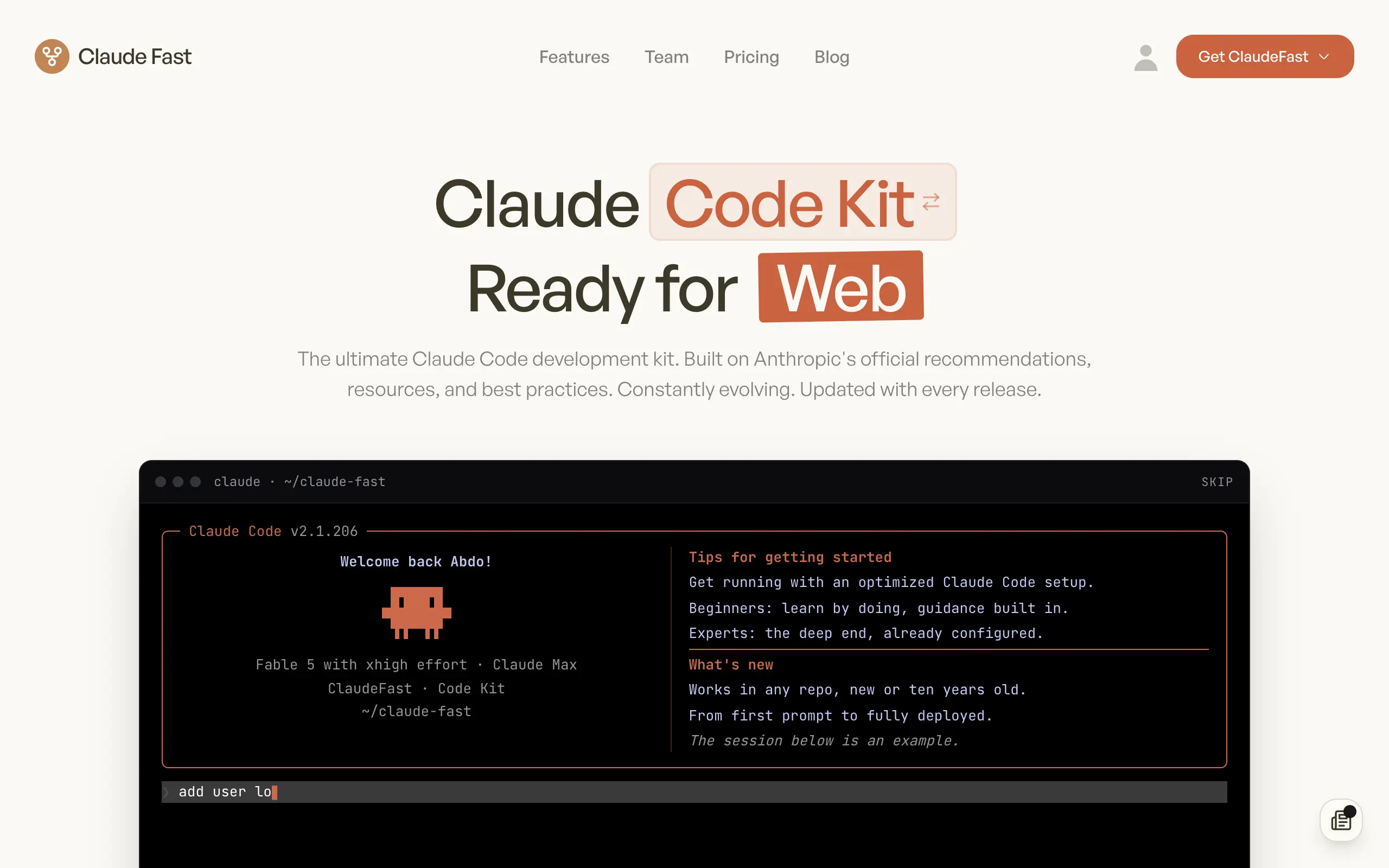
Claude Fast
Supercharge your Claude Code with 6x effective context window and specialized AI agents 🤖
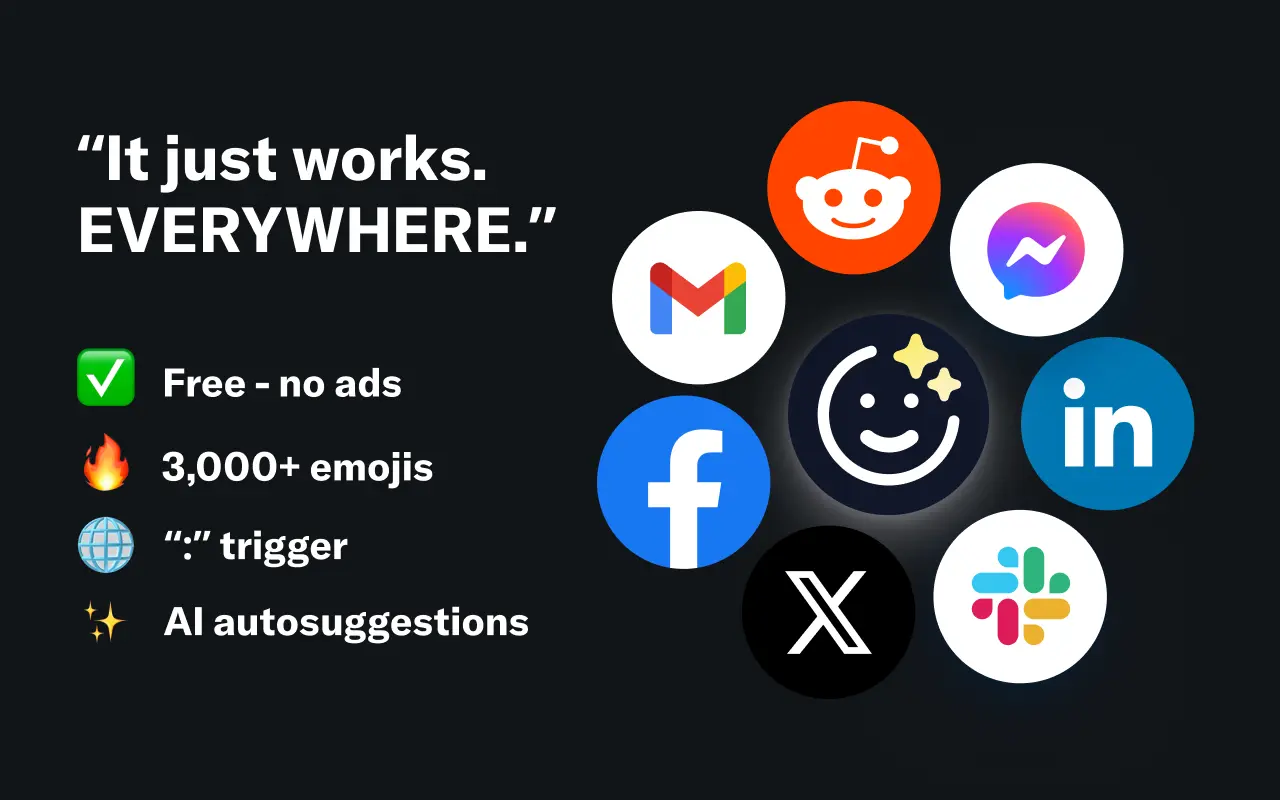
EmojAI
AI-powered emoji picker with smart, context-aware suggestions 🤖
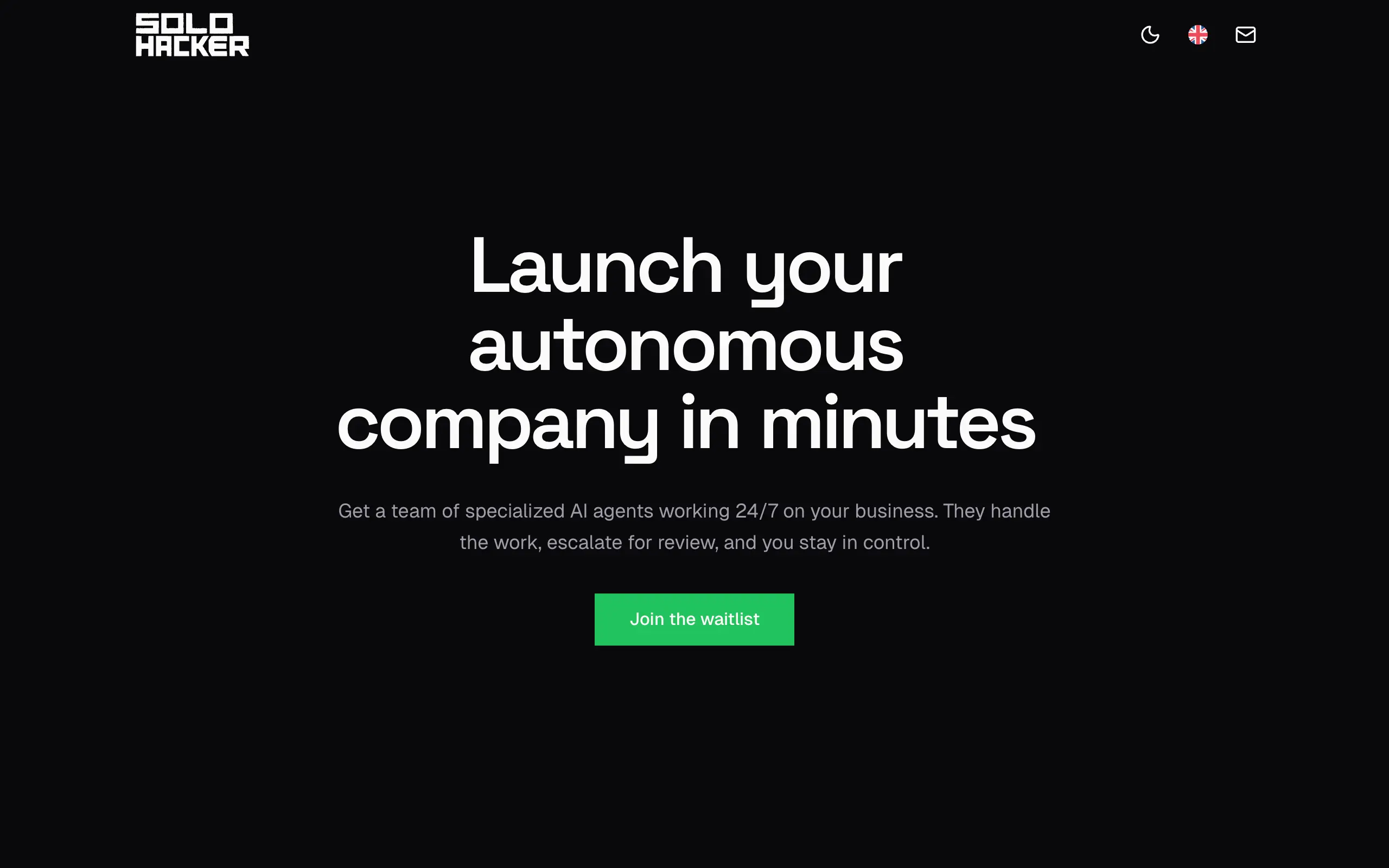
Solohacker
Autonomous company launcher - AI agents work 24/7, escalate what matters, and you stay in control 🤖
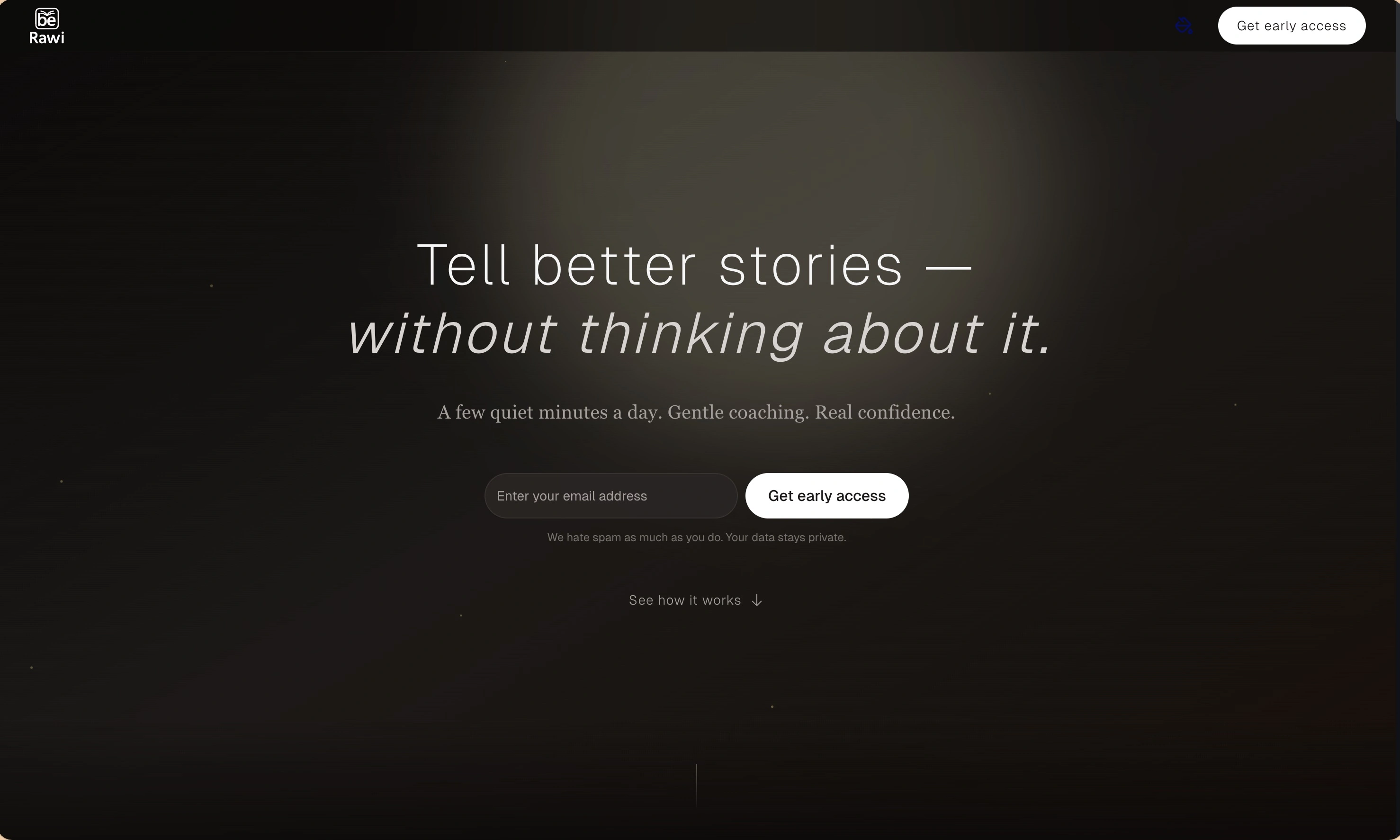
BeRawi: Storytelling Coach
Practice storytelling daily with instant feedback to sound clearer, more engaging, and confident 🎤
Omichat
Chat with 50+ AI models, including ChatGPT and Claude, in one place - switch models anytime without losing context 🤖
Claude Fast
Supercharge your Claude Code with 6x effective context window and specialized AI agents 🤖
EmojAI
AI-powered emoji picker with smart, context-aware suggestions 🤖
Solohacker
Autonomous company launcher - AI agents work 24/7, escalate what matters, and you stay in control 🤖
BeRawi: Storytelling Coach
Practice storytelling daily with instant feedback to sound clearer, more engaging, and confident 🎤
Omichat
Chat with 50+ AI models, including ChatGPT and Claude, in one place - switch models anytime without losing context 🤖
Claude Fast
Supercharge your Claude Code with 6x effective context window and specialized AI agents 🤖
EmojAI
AI-powered emoji picker with smart, context-aware suggestions 🤖
Solohacker
Autonomous company launcher - AI agents work 24/7, escalate what matters, and you stay in control 🤖
BeRawi: Storytelling Coach
Practice storytelling daily with instant feedback to sound clearer, more engaging, and confident 🎤
Omichat
Chat with 50+ AI models, including ChatGPT and Claude, in one place - switch models anytime without losing context 🤖
Claude Fast
Supercharge your Claude Code with 6x effective context window and specialized AI agents 🤖
EmojAI
AI-powered emoji picker with smart, context-aware suggestions 🤖
Solohacker
Autonomous company launcher - AI agents work 24/7, escalate what matters, and you stay in control 🤖
BeRawi: Storytelling Coach
Practice storytelling daily with instant feedback to sound clearer, more engaging, and confident 🎤

Connect with like-minded people
Join our community to get feedback, support, and grow together with 1,000+ builders on board, let's ship it!
Join usShip your startup everywhere. In minutes.
Don't burn tokens on setup and start building features on day one.