StackPilot AI
AI-powered co-pilot that audits your fullstack codebase, suggests architecture improvements, and auto-generates missing APIs or tests in minutes.
what is an AI codebase co-pilot and why it matters now
Modern development has quietly become overwhelming. Even experienced engineers struggle to maintain consistency across frontend frameworks, backend APIs, database schemas, testing coverage, and deployment pipelines. The rise of microservices, TypeScript-heavy stacks, and AI-assisted coding has accelerated development—but also introduced fragmentation, hidden technical debt, and architectural drift.
This is exactly where an AI codebase co-pilot like StackPilot AI fits in.
StackPilot AI is designed to analyze, audit, and actively improve your fullstack codebase. Instead of just generating snippets like traditional AI coding tools, it takes a systems-level view: identifying gaps, recommending architecture improvements, and even generating missing APIs or tests automatically.
The demand for tools like this is growing rapidly as teams shift from “write code faster” to “maintain quality at scale.”
Key insight
The next evolution of developer tools isn’t just code generation—it’s codebase intelligence. Teams don’t just want help writing code; they want help managing complexity.
primary keyword focus: AI codebase co-pilot
Throughout this article, we’ll explore how an AI codebase co-pilot works, why it’s a compelling SaaS opportunity, and how StackPilot AI can position itself as a category leader.
target audience analysis
Understanding the audience is critical for both product design and SEO positioning. StackPilot AI serves multiple high-value segments:
1. startups and indie hackers
- Often lack dedicated DevOps or architecture experts
- Move fast, accumulate technical debt quickly
- Need automated insights to stay scalable
Pain points:
- Inconsistent architecture decisions
- Missing test coverage
- Fragile APIs
2. mid-sized engineering teams
- Managing multiple contributors and services
- Need enforceable standards and observability
Pain points:
- Codebase drift across teams
- Lack of unified architecture documentation
- Slow onboarding for new engineers
3. enterprise engineering orgs
- Large monorepos or distributed systems
- Strong need for compliance, testing, and performance
Pain points:
- Hidden inefficiencies in legacy systems
- Manual code audits are expensive
- Risk of regressions and outages
4. technical founders and CTOs
- Need high-level visibility into code quality
- Want to reduce engineering risk
market opportunity and gap analysis
The AI developer tooling market is exploding, but there’s a clear gap:
current tools focus on code generation, not code understanding
Popular tools like:
…are excellent at writing code, but they lack deep system-level reasoning.
existing gaps in the market
- No holistic codebase audits powered by AI
- Limited architecture-level recommendations
- Poor visibility into missing components (APIs, tests, schemas)
- Lack of automated refactoring suggestions
emerging trend: AI for code quality and maintainability
Recent trends suggest a shift toward:
- AI-driven static analysis
- Continuous code health monitoring
- Autonomous refactoring agents
StackPilot AI sits directly at this intersection.
Market signal
Search trends show increasing demand for terms like “AI code review,” “automated refactoring,” and “codebase analysis tools.” This validates strong SEO potential.
core features of StackPilot AI
To stand out as a true AI codebase co-pilot, StackPilot AI must go beyond surface-level suggestions.
1. fullstack codebase audit
StackPilot analyzes:
- Frontend frameworks (React, Vue, etc.)
- Backend services (Node.js, Python, etc.)
- Database schemas
- API structures
Outputs:
- Architecture diagrams
- Dependency graphs
- Code smell detection
2. AI-powered architecture recommendations
Instead of generic advice, StackPilot provides:
- Suggested design patterns
- Refactoring strategies
- Performance optimizations
Example:
- Detects tightly coupled services → suggests modularization
- Identifies redundant API endpoints → consolidates logic
3. automatic API generation
Missing endpoints? StackPilot can:
- Infer required APIs from frontend usage
- Generate REST or GraphQL endpoints
- Suggest schema definitions
4. test generation and coverage analysis
Testing is often neglected. StackPilot:
- Detects untested code paths
- Generates unit and integration tests
- Provides coverage reports
5. continuous codebase monitoring
- Alerts for architectural drift
- Tracks code quality over time
- Integrates with CI/CD pipelines
6. developer-friendly insights dashboard
A central dashboard that shows:
- Code health score
- Risk areas
- Suggested improvements
how StackPilot AI works (technical overview)
At its core, StackPilot combines several advanced systems:
static analysis + LLM reasoning
- Static code parsing builds a structural map
- LLMs interpret patterns and suggest improvements
embeddings and context mapping
- Codebase is indexed using embeddings
- Enables semantic understanding across files
agent-based workflows
- Agents handle tasks like:
- API generation
- test creation
- refactoring suggestions
recommended tech stack
Choosing the right stack is critical for scalability and performance.
frontend
backend
- Node.js (fast iteration)
- Python (for AI/ML processing)
AI layer
- OpenAI / open-weight LLMs
- Vector database (e.g., Pinecone or Weaviate)
infrastructure
- Docker + Kubernetes
- AWS / GCP for scaling
trade-offs
-
Node.js vs Python:
- Node is faster for APIs
- Python is better for ML workloads
-
hosted vs self-hosted:
- Hosted: easier onboarding
- Self-hosted: enterprise appeal (security)
competitive landscape
Let’s compare StackPilot AI with existing tools:
| Feature | StackPilot AI | GitHub Copilot | Cursor | Static Analysis Tools |
|---|---|---|---|---|
| Full codebase audit | ✅ | ❌ | ❌ | ✅ |
| Architecture suggestions | ✅ | ❌ | ❌ | ❌ |
| API generation | ✅ | ✅ | ✅ | ❌ |
| Test generation | ✅ | ✅ | ✅ | ❌ |
| Continuous monitoring | ✅ | ❌ | ❌ | ✅ |
key differentiation
StackPilot AI is not just a coding assistant—it’s a system-level intelligence layer.
monetization strategy
A strong SaaS business model is essential.
1. subscription tiers
- Free: limited audits
- Pro ($20–$50/month): full audits + suggestions
- Team ($100–$500/month): collaboration + CI integration
- Enterprise: custom pricing
2. usage-based pricing
- Charge per:
- lines of code analyzed
- number of repositories
- AI compute usage
3. add-ons
- advanced security audits
- compliance reports
- performance optimization modules
SEO strategy for StackPilot AI
To rank effectively for AI codebase co-pilot, content should target:
primary keywords
- AI codebase co-pilot
- AI code audit tool
- automated code review AI
secondary keywords
- generate APIs with AI
- AI test generation
- codebase analysis tools
content strategy
- technical blog posts
- case studies
- architecture breakdowns
- developer tutorials
potential risks and mitigation
1. accuracy of AI suggestions
Risk: incorrect recommendations
Mitigation:
- human-in-the-loop validation
- confidence scoring
2. security concerns
Risk: exposing proprietary code
Mitigation:
- end-to-end encryption
- self-hosted options
3. developer trust
Risk: skepticism toward AI
Mitigation:
- transparent explanations
- explainable outputs
unique selling proposition (USP)
StackPilot AI stands out because it:
- Understands entire codebases, not just files
- Provides architectural intelligence, not just code suggestions
- Automates missing components (APIs, tests)
- Continuously monitors code health
System-level intelligence
Analyzes your entire stack, not just snippets.
Autonomous improvements
Generates APIs, tests, and refactors automatically.
Continuous insights
Monitors and improves codebases over time.
implementation roadmap
Building StackPilot AI requires a structured approach.
example: generating an API automatically
// Example: inferred API from frontend usage
app.get('/api/user/:id', async (req, res) => {
  const user = await db.users.findById(req.params.id);
  res.json(user);
});
StackPilot could:
- detect missing endpoint
- generate schema
- add validation
- suggest tests
go-to-market strategy
1. developer communities
- Product Hunt launch
- GitHub integrations
2. content marketing
- “AI code audit” tutorials
- real-world case studies
3. partnerships
- DevOps platforms
- CI/CD tools
future opportunities
StackPilot AI can expand into:
- autonomous refactoring agents
- real-time IDE integration
- AI-powered DevOps optimization
actionable next steps
If you’re building StackPilot AI:
- Validate demand with a landing page
- Build a narrow MVP (audit only)
- Get feedback from real developers
- Iterate quickly
- Scale features gradually
final thoughts
The shift toward AI-powered development is undeniable—but most tools today only scratch the surface. The real opportunity lies in understanding and improving entire systems, not just generating code.
StackPilot AI has the potential to define a new category: the AI codebase co-pilot.
If executed well, it won’t just help developers write code—it will help them build better, more scalable, and more reliable systems.
And that’s a problem worth solving.
More 🤖 AI Startup SaaS ideas
Discover more innovative ai startup SaaS ideas that are trending in 2026. Each idea is AI-generated with market validation and growth potential to help you find your next profitable venture faster than competitors.
Your competitors are building with TurboStarter
Below are some of the SaaS ideas that have been generated and built with our starter kit.

Statiko
Monitor any Telegram channel in real time - track posts, edits, deletions, and growth with AI recaps 📡

Shibui
AI website builder - describe your business, pick a niche template, edit by chatting, and publish instantly ✨

Pro Service
Find verified home service professionals, compare quotes, and pay securely through escrow - built for Brazilians across the US 🏠
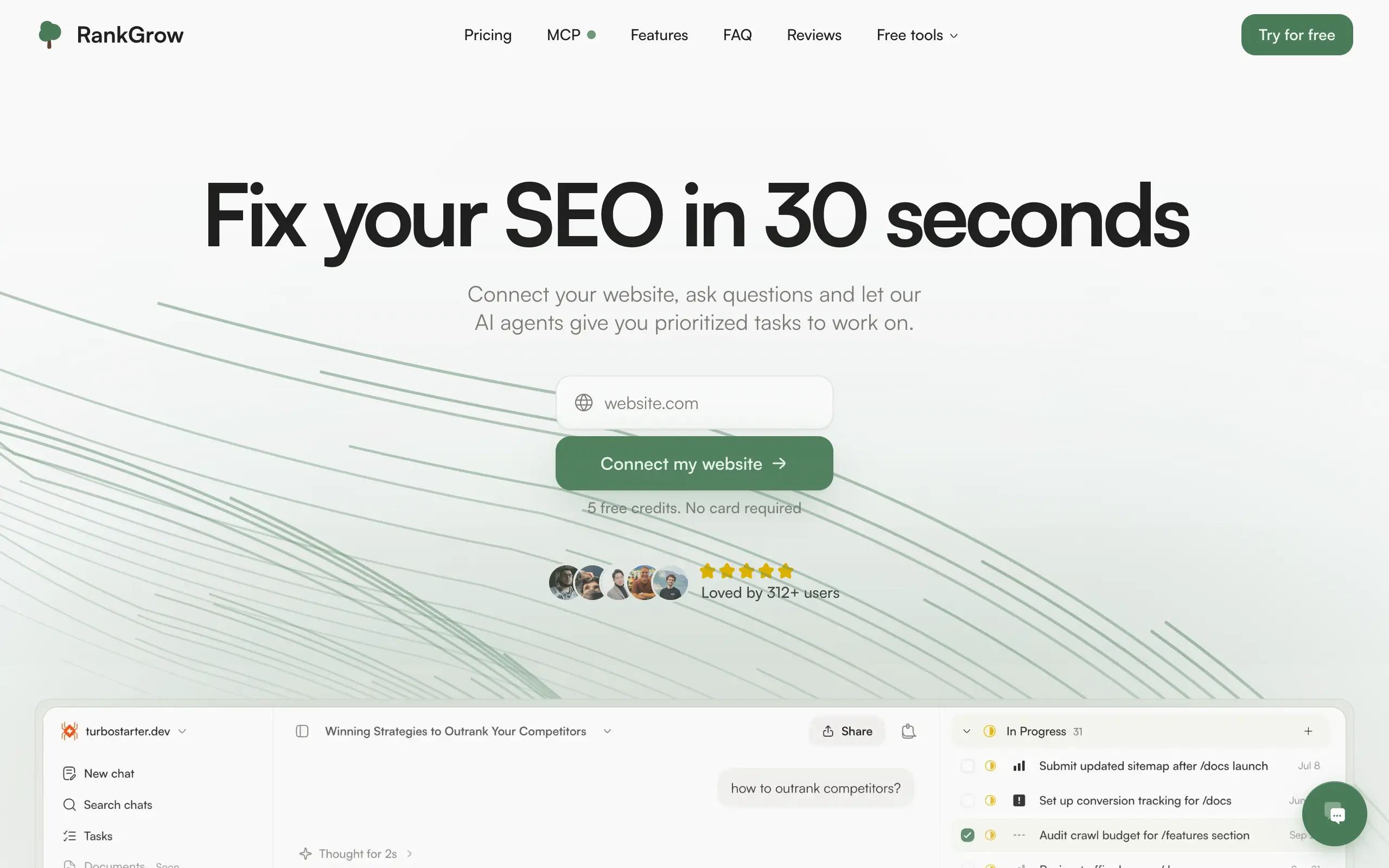
RankGrow
Fix your SEO with AI agents - connect Search Console, get prioritized tasks, and grow organic traffic 📈
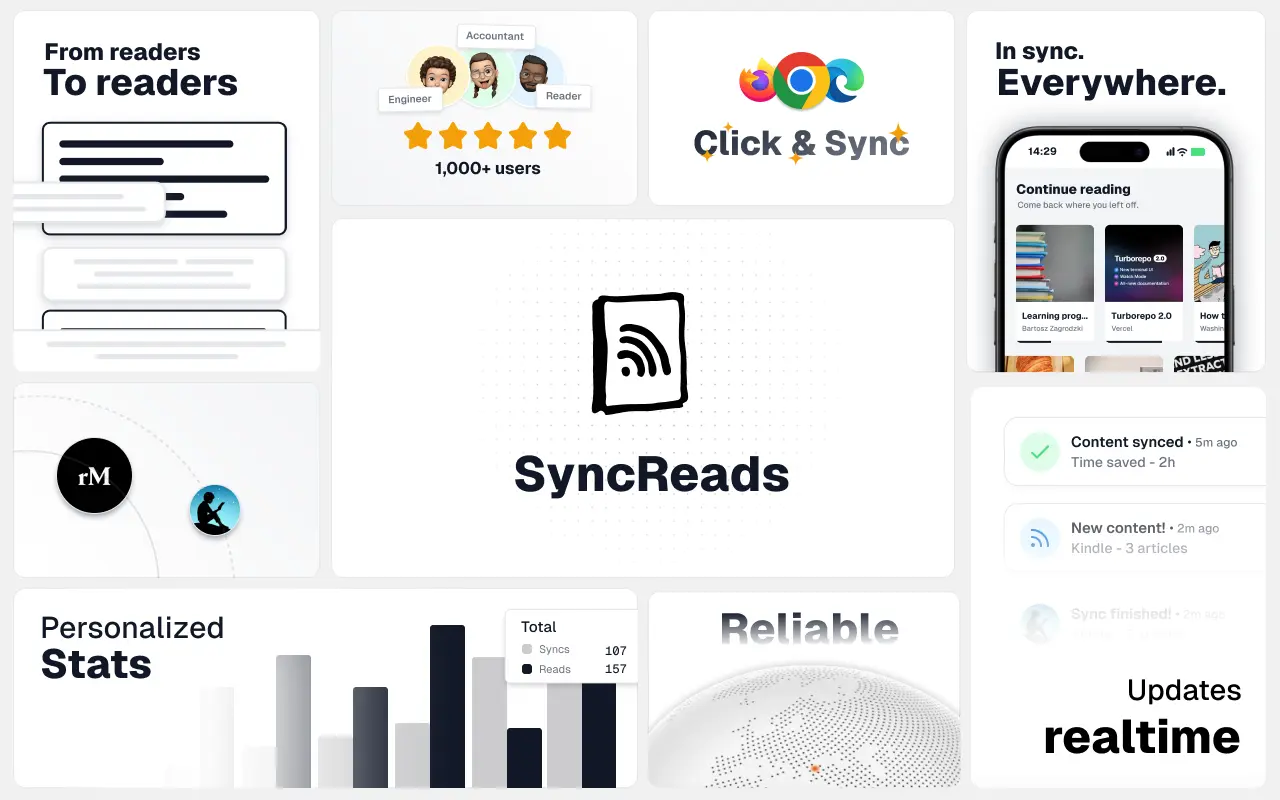
SyncReads
Sync your favorite content for distraction-free reading, save time and replace multiple apps. Anytime, anywhere 🔄
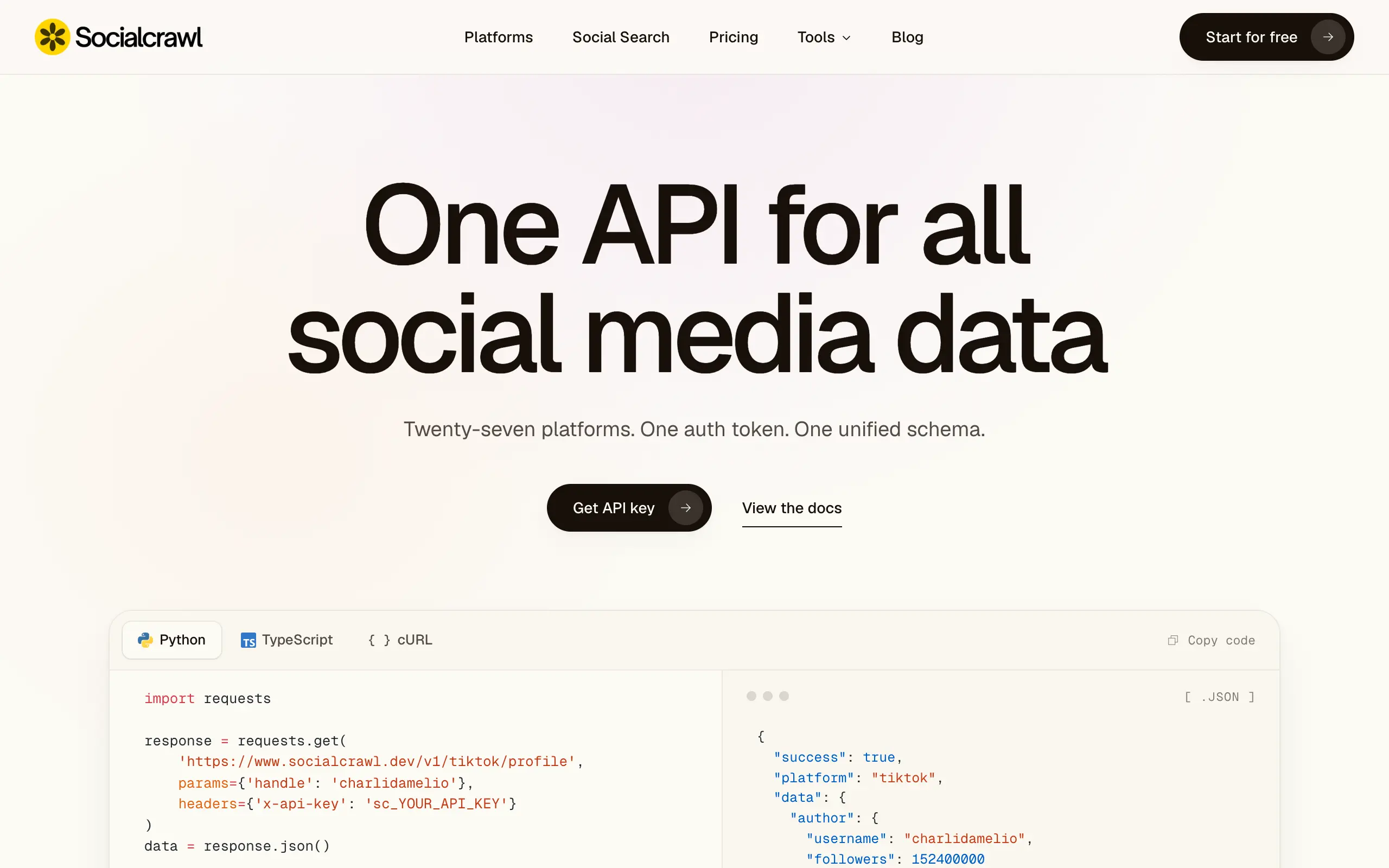
Socialcrawl
Get clean, structured data from 21 platforms like TikTok, Instagram, and YouTube with a single request 📊
Statiko
Monitor any Telegram channel in real time - track posts, edits, deletions, and growth with AI recaps 📡
Shibui
AI website builder - describe your business, pick a niche template, edit by chatting, and publish instantly ✨
Pro Service
Find verified home service professionals, compare quotes, and pay securely through escrow - built for Brazilians across the US 🏠
RankGrow
Fix your SEO with AI agents - connect Search Console, get prioritized tasks, and grow organic traffic 📈
SyncReads
Sync your favorite content for distraction-free reading, save time and replace multiple apps. Anytime, anywhere 🔄
Socialcrawl
Get clean, structured data from 21 platforms like TikTok, Instagram, and YouTube with a single request 📊
Statiko
Monitor any Telegram channel in real time - track posts, edits, deletions, and growth with AI recaps 📡
Shibui
AI website builder - describe your business, pick a niche template, edit by chatting, and publish instantly ✨
Pro Service
Find verified home service professionals, compare quotes, and pay securely through escrow - built for Brazilians across the US 🏠
RankGrow
Fix your SEO with AI agents - connect Search Console, get prioritized tasks, and grow organic traffic 📈
SyncReads
Sync your favorite content for distraction-free reading, save time and replace multiple apps. Anytime, anywhere 🔄
Socialcrawl
Get clean, structured data from 21 platforms like TikTok, Instagram, and YouTube with a single request 📊
Statiko
Monitor any Telegram channel in real time - track posts, edits, deletions, and growth with AI recaps 📡
Shibui
AI website builder - describe your business, pick a niche template, edit by chatting, and publish instantly ✨
Pro Service
Find verified home service professionals, compare quotes, and pay securely through escrow - built for Brazilians across the US 🏠
RankGrow
Fix your SEO with AI agents - connect Search Console, get prioritized tasks, and grow organic traffic 📈
SyncReads
Sync your favorite content for distraction-free reading, save time and replace multiple apps. Anytime, anywhere 🔄
Socialcrawl
Get clean, structured data from 21 platforms like TikTok, Instagram, and YouTube with a single request 📊
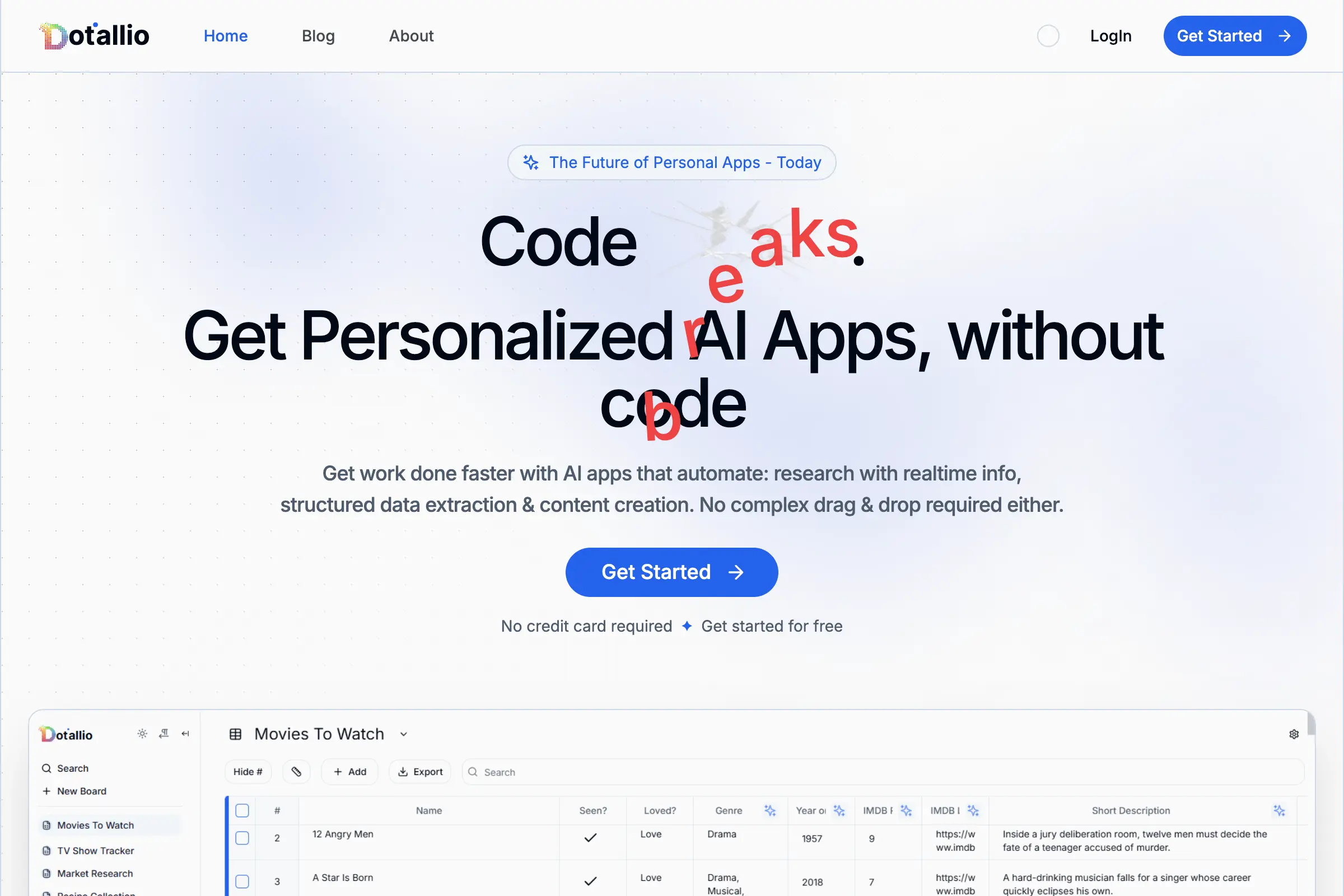
Dotallio
Personalized AI apps that automate research, data extraction, and content creation without code 🤖

Talk to Santa
Enjoy a magical live video chat or receive a unique AI-generated video greeting from Santa Claus 🎅

pozywka.pl
Scalable blog for food journalist, focused on performance and user experience 🌭
zagrodzki.me
Personal blog and portfolio of Bart Zagrodzki, where he shares his knowledge and work 💼
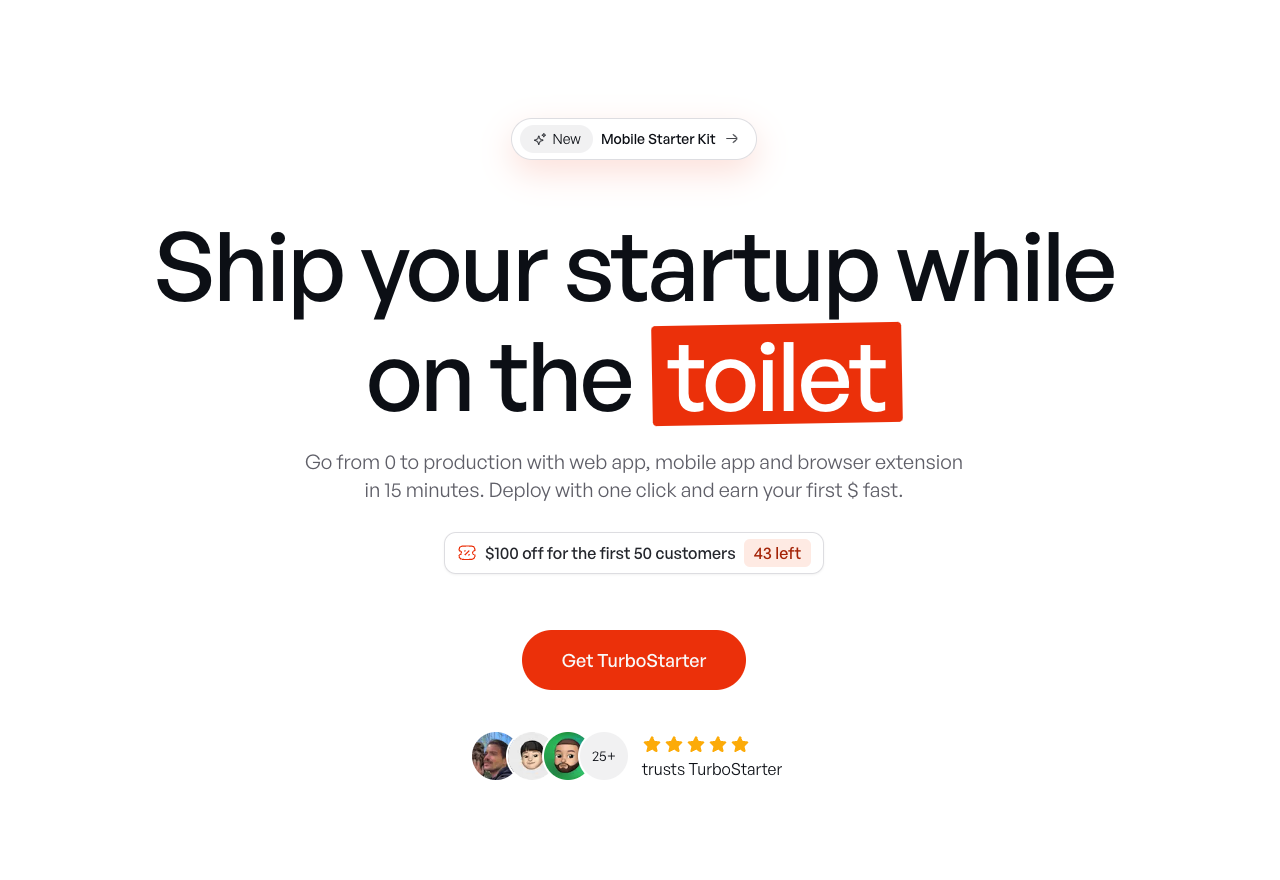
TurboStarter
Ship your startup everywhere. In minutes.
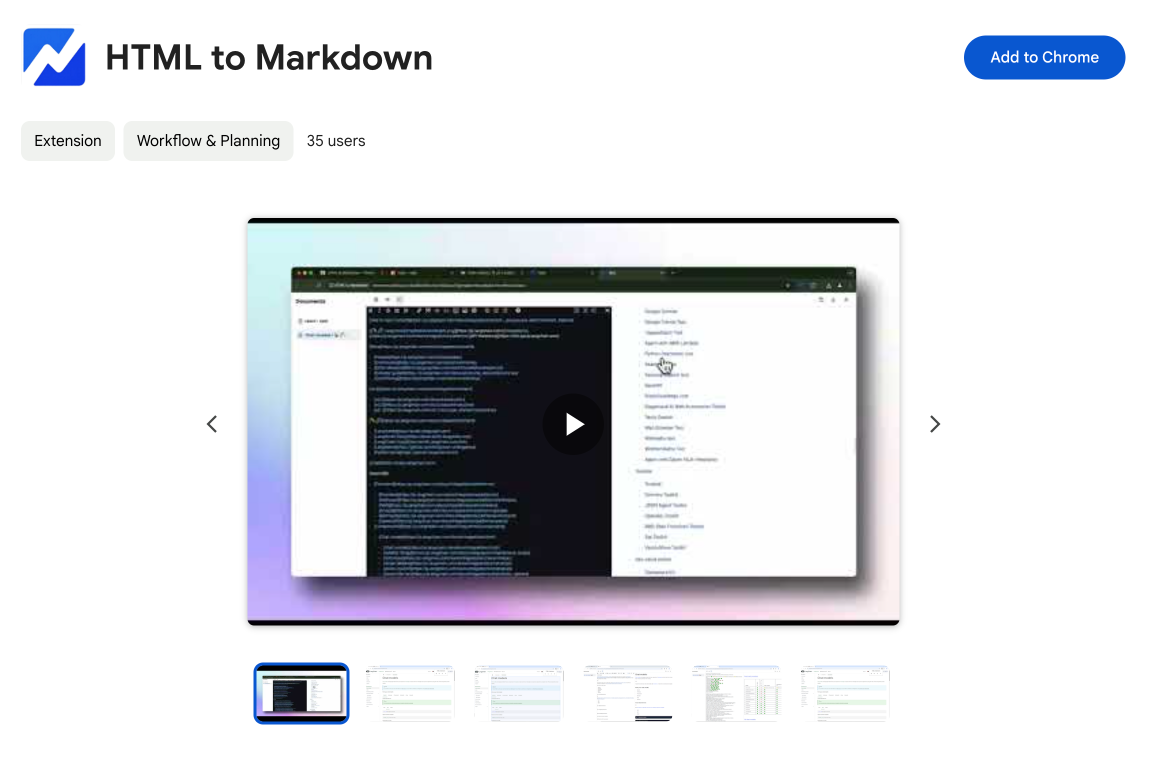
HTML to Markdown
Convert HTML to Markdown with ease, directly in your browser 📄
Dotallio
Personalized AI apps that automate research, data extraction, and content creation without code 🤖
Talk to Santa
Enjoy a magical live video chat or receive a unique AI-generated video greeting from Santa Claus 🎅
pozywka.pl
Scalable blog for food journalist, focused on performance and user experience 🌭
zagrodzki.me
Personal blog and portfolio of Bart Zagrodzki, where he shares his knowledge and work 💼
TurboStarter
Ship your startup everywhere. In minutes.
HTML to Markdown
Convert HTML to Markdown with ease, directly in your browser 📄
Dotallio
Personalized AI apps that automate research, data extraction, and content creation without code 🤖
Talk to Santa
Enjoy a magical live video chat or receive a unique AI-generated video greeting from Santa Claus 🎅
pozywka.pl
Scalable blog for food journalist, focused on performance and user experience 🌭
zagrodzki.me
Personal blog and portfolio of Bart Zagrodzki, where he shares his knowledge and work 💼
TurboStarter
Ship your startup everywhere. In minutes.
HTML to Markdown
Convert HTML to Markdown with ease, directly in your browser 📄
Dotallio
Personalized AI apps that automate research, data extraction, and content creation without code 🤖
Talk to Santa
Enjoy a magical live video chat or receive a unique AI-generated video greeting from Santa Claus 🎅
pozywka.pl
Scalable blog for food journalist, focused on performance and user experience 🌭
zagrodzki.me
Personal blog and portfolio of Bart Zagrodzki, where he shares his knowledge and work 💼
TurboStarter
Ship your startup everywhere. In minutes.
HTML to Markdown
Convert HTML to Markdown with ease, directly in your browser 📄
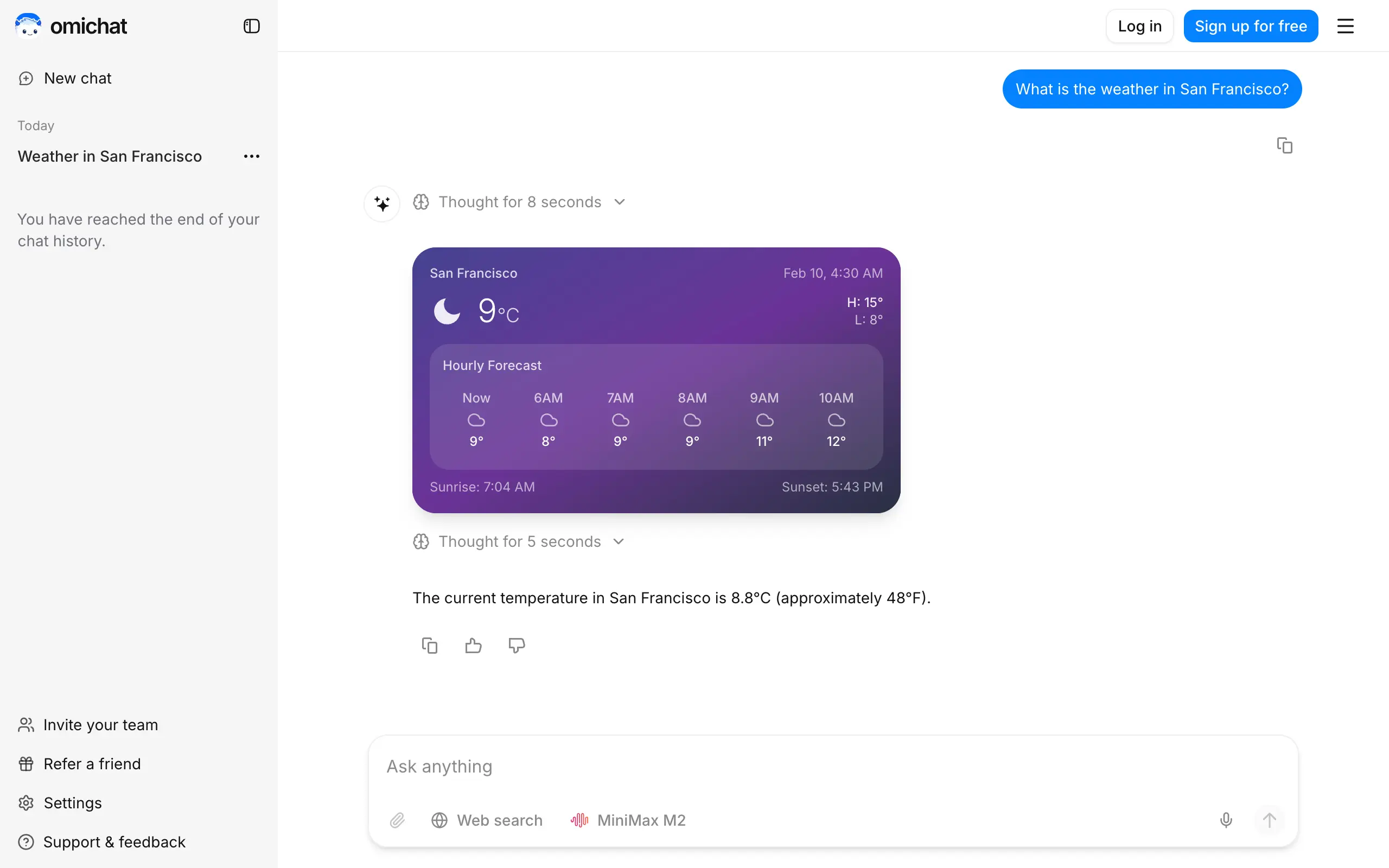
Omichat
Chat with 50+ AI models, including ChatGPT and Claude, in one place - switch models anytime without losing context 🤖
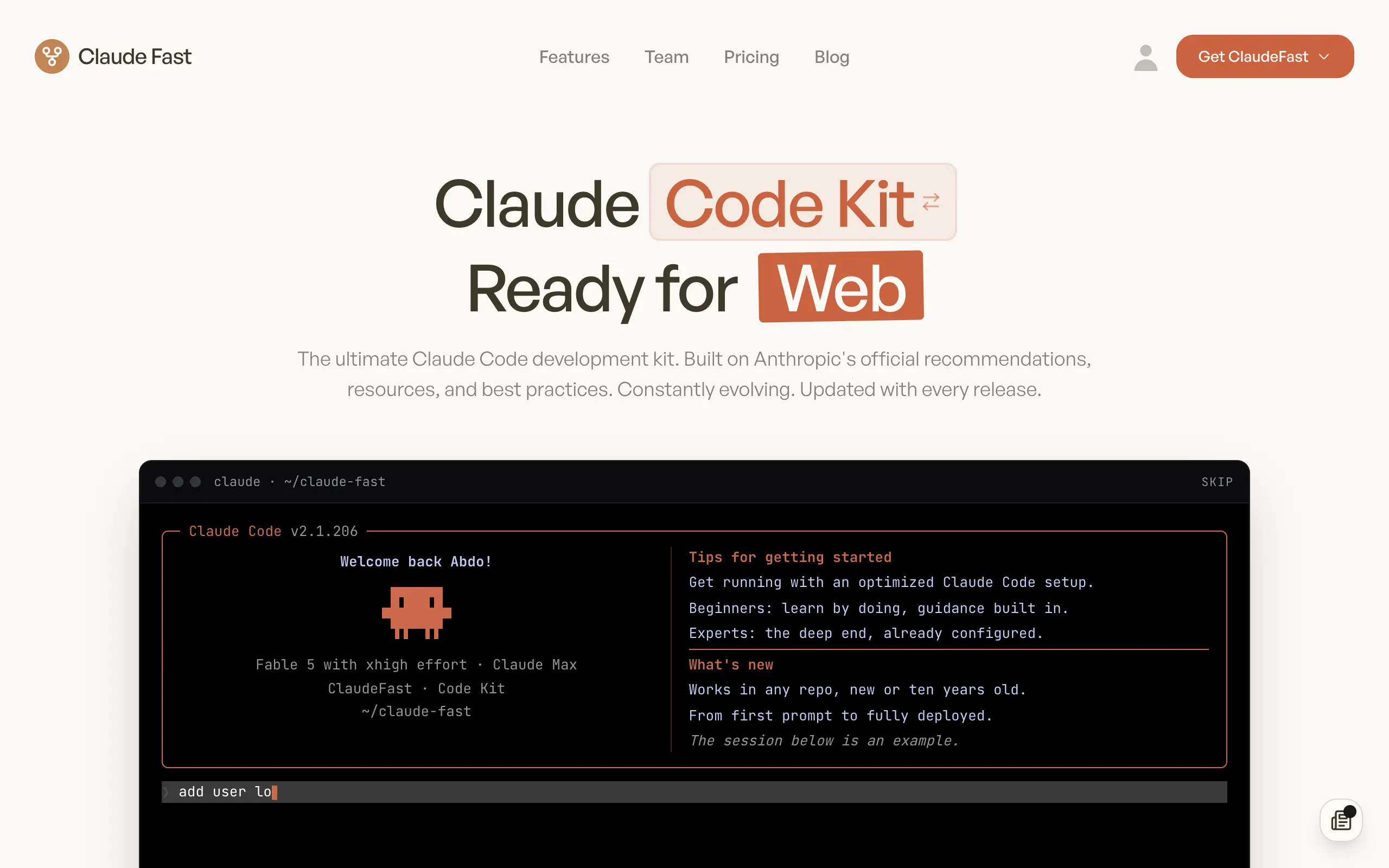
Claude Fast
Supercharge your Claude Code with 6x effective context window and specialized AI agents 🤖
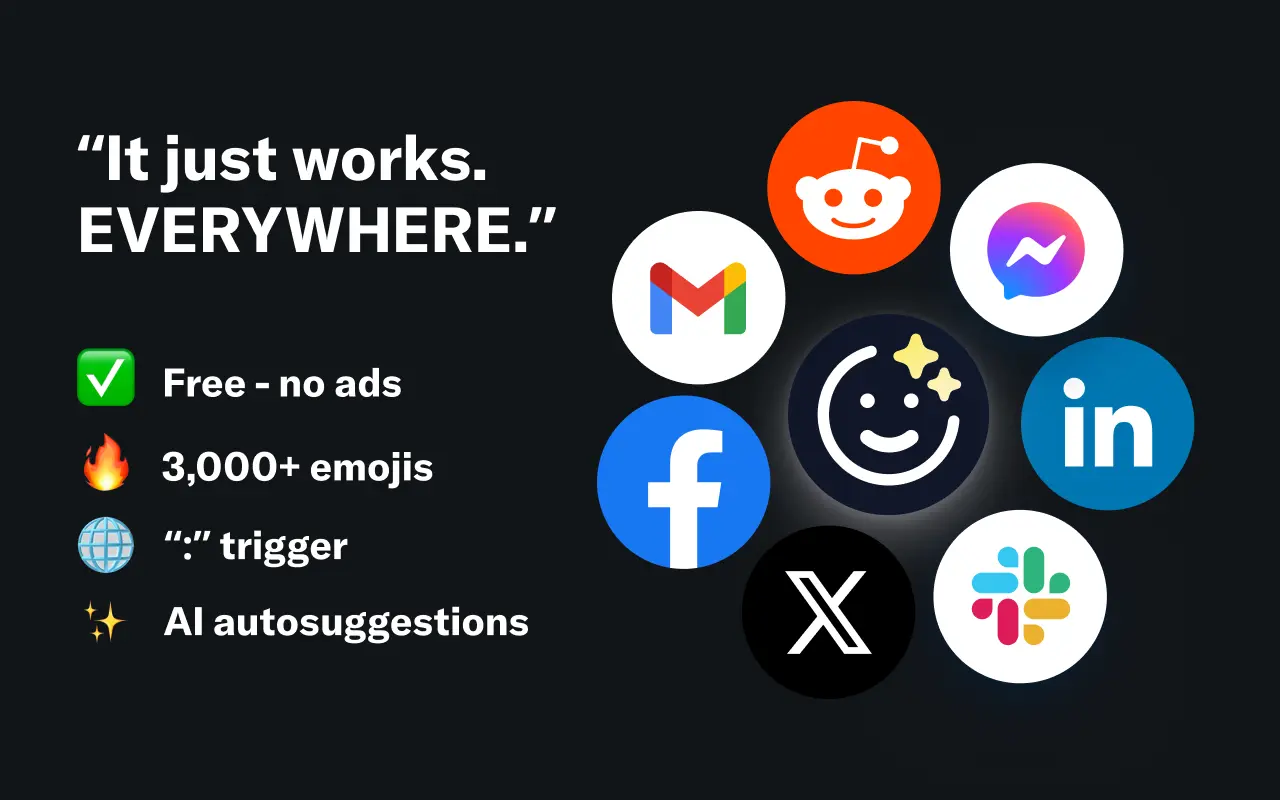
EmojAI
AI-powered emoji picker with smart, context-aware suggestions 🤖

Solohacker
Autonomous company launcher - AI agents work 24/7, escalate what matters, and you stay in control 🤖

BeRawi: Storytelling Coach
Practice storytelling daily with instant feedback to sound clearer, more engaging, and confident 🎤
Omichat
Chat with 50+ AI models, including ChatGPT and Claude, in one place - switch models anytime without losing context 🤖
Claude Fast
Supercharge your Claude Code with 6x effective context window and specialized AI agents 🤖
EmojAI
AI-powered emoji picker with smart, context-aware suggestions 🤖
Solohacker
Autonomous company launcher - AI agents work 24/7, escalate what matters, and you stay in control 🤖
BeRawi: Storytelling Coach
Practice storytelling daily with instant feedback to sound clearer, more engaging, and confident 🎤
Omichat
Chat with 50+ AI models, including ChatGPT and Claude, in one place - switch models anytime without losing context 🤖
Claude Fast
Supercharge your Claude Code with 6x effective context window and specialized AI agents 🤖
EmojAI
AI-powered emoji picker with smart, context-aware suggestions 🤖
Solohacker
Autonomous company launcher - AI agents work 24/7, escalate what matters, and you stay in control 🤖
BeRawi: Storytelling Coach
Practice storytelling daily with instant feedback to sound clearer, more engaging, and confident 🎤
Omichat
Chat with 50+ AI models, including ChatGPT and Claude, in one place - switch models anytime without losing context 🤖
Claude Fast
Supercharge your Claude Code with 6x effective context window and specialized AI agents 🤖
EmojAI
AI-powered emoji picker with smart, context-aware suggestions 🤖
Solohacker
Autonomous company launcher - AI agents work 24/7, escalate what matters, and you stay in control 🤖
BeRawi: Storytelling Coach
Practice storytelling daily with instant feedback to sound clearer, more engaging, and confident 🎤

Connect with like-minded people
Join our community to get feedback, support, and grow together with 1,000+ builders on board, let's ship it!
Join usShip your startup everywhere. In minutes.
Don't burn tokens on setup and start building features on day one.