StackSage AI
AI mentor for junior developers that reviews code, suggests improvements, and explains best practices across React, Node, and cloud workflows.
the rise of AI mentors for developers
The demand for software developers continues to surge globally, but the gap between learning and real-world proficiency remains a persistent challenge. Junior developers often struggle with translating theory into production-ready code, understanding best practices, and navigating complex ecosystems like React, Node.js, and cloud infrastructure.
This is where an AI mentor for junior developers like StackSage AI enters the picture.
StackSage AI is positioned as a real-time, intelligent coding mentor that not only reviews code but also explains why certain improvements matter. It bridges the gap between tutorial-based learning and practical, industry-grade development.
Unlike static documentation or generic AI tools, StackSage AI focuses on:
- Context-aware code reviews
- Personalized feedback loops
- Best practice explanations
- Cross-stack guidance (frontend, backend, cloud)
This article explores the full strategic, technical, and market breakdown of building and scaling a product like StackSage AI.
understanding the target audience
primary audience: junior developers
StackSage AI primarily targets:
- Bootcamp graduates
- Self-taught developers
- Early-career engineers (0–2 years experience)
- Computer science students
These users typically:
- Write functional but inefficient or non-idiomatic code
- Lack confidence in code quality
- Struggle with debugging and architecture decisions
- Depend heavily on tutorials or forums
secondary audience: teams and educators
There is also strong potential among:
- Engineering teams onboarding junior devs
- Coding bootcamps
- Universities
- Developer communities
These groups benefit from scalable mentorship, reducing the burden on senior engineers.
identifying the market gap
Despite the abundance of tools like GitHub Copilot and ChatGPT, there is a clear gap:
Most tools generate code, but few teach developers how to think like engineers.
current limitations in the market
- Code generators: Focus on output, not understanding
- Linters (ESLint, Prettier): Enforce syntax, not reasoning
- Online tutorials: Lack personalization
- Code reviews: Time-consuming and inconsistent
opportunity for StackSage AI
StackSage AI fills this gap by combining:
- Code review automation
- Educational explanations
- Stack-specific expertise
Market insight
According to developer surveys (e.g., Stack Overflow Developer Survey), early-career developers consistently report "lack of mentorship" as a top barrier to growth.
core features of StackSage AI
1. intelligent code review engine
StackSage analyzes code across:
- React (hooks, state management, performance)
- Node.js (API design, async patterns)
- Cloud workflows (deployment, scalability)
It identifies:
- Anti-patterns
- Inefficiencies
- Security risks
- Maintainability issues
2. explainable AI feedback
Unlike generic suggestions, StackSage explains:
- Why a change is recommended
- What best practice it aligns with
- How it impacts performance or scalability
3. personalized learning paths
The system adapts based on:
- User skill level
- Past mistakes
- Preferred stack
4. real-time IDE integration
Integration with tools like:
- VS Code
- WebStorm
Enables:
- Inline feedback
- Live suggestions
- Instant explanations
5. cloud workflow guidance
StackSage goes beyond code:
- CI/CD recommendations
- Deployment strategies
- Infrastructure best practices
6. mentorship simulation
Simulates a senior developer by:
- Asking guiding questions
- Suggesting alternatives
- Encouraging critical thinking
feature comparison with alternatives
| Feature | StackSage AI | GitHub Copilot | ChatGPT | ESLint |
|---|---|---|---|---|
| Code generation | ✅ | ✅ | ✅ | ❌ |
| Code explanations | ✅ | ❌ | ✅ | ❌ |
| Best practice teaching | ✅ | ❌ | ⚠️ | ❌ |
| Personalized mentorship | ✅ | ❌ | ❌ | ❌ |
recommended tech stack
Building StackSage AI requires a thoughtful combination of AI, developer tooling, and scalable infrastructure.
frontend
Benefits:
- Fast UI development
- Component reusability
- Strong developer ecosystem
backend
- Node.js (with frameworks like NestJS or Express)
- GraphQL or REST APIs
AI layer
- LLM APIs (OpenAI, Claude, etc.)
- Fine-tuned models for code analysis
- Embedding-based context retrieval
code analysis engine
- AST parsing (Abstract Syntax Trees)
- Static analysis tools
- Custom rule engines
cloud infrastructure
- AWS / GCP / Azure
- Serverless functions for scalability
- Kubernetes for orchestration (optional)
integrations
- VS Code extension API
- GitHub / GitLab APIs
trade-offs
- LLM cost vs accuracy: More context = better results, but higher cost
- Real-time feedback vs latency: Requires optimization
- Custom models vs APIs: Flexibility vs maintenance overhead
system architecture overview
// simplified architecture flow
User Code Input → AST Parser → Context Builder → AI Model → Feedback Engine → UI Display
Key components:
- Context Builder: Gathers relevant code snippets and history
- Feedback Engine: Converts AI output into actionable insights
- Learning Layer: Tracks user progress
monetization strategy
StackSage AI can adopt a multi-tier SaaS model.
freemium model
- Limited code reviews per month
- Basic feedback
paid tiers
- Unlimited reviews
- Advanced explanations
- Personalized mentorship
- Team dashboards
enterprise offering
- Team analytics
- Integration with internal tools
- Custom rules and policies
pricing examples
- Free: $0/month
- Pro: $12–$25/month
- Team: $49+/month per team
go-to-market strategy
1. developer-first distribution
- Launch on Product Hunt
- Share demos on Twitter/X and LinkedIn
- Engage on Reddit (r/webdev, r/reactjs)
2. content marketing
SEO-driven blog topics:
- "Common React mistakes junior developers make"
- "How to improve Node.js performance"
- "Best practices for cloud deployment"
3. partnerships
- Coding bootcamps
- Developer communities
- Online learning platforms
4. open-source strategy
- Release a lightweight version or plugin
- Build credibility and adoption
competitive advantage
StackSage AI stands out through:
1. education-first approach
Most tools optimize for productivity. StackSage optimizes for learning.
2. contextual intelligence
It understands:
- Project structure
- Developer history
- Stack-specific nuances
3. mentorship simulation
This is the key differentiator:
- Not just answers
- Guided thinking
potential risks and mitigation
risk 1: over-reliance on AI
Developers may blindly trust suggestions.
Mitigation:
- Encourage explanation-first feedback
- Include confidence scores
risk 2: inaccurate suggestions
LLMs can hallucinate or misinterpret code.
Mitigation:
- Combine AI with static analysis
- Allow user feedback loops
risk 3: competition from big players
Companies like GitHub or Google may expand features.
Mitigation:
- Focus on niche (junior dev mentorship)
- Build strong community
risk 4: cost scalability
AI inference can be expensive.
Mitigation:
- Optimize prompts
- Use caching and embeddings
- Tiered pricing
future trends shaping AI developer tools
1. shift from tools to mentors
Developers increasingly want:
- Guidance
- Context
- Learning
Not just automation.
2. multimodal code understanding
Future systems will:
- Analyze diagrams
- Understand architecture visually
- Integrate with design tools
3. personalized developer profiles
AI will:
- Track growth
- Identify weaknesses
- Suggest learning paths
implementation roadmap
MVP feature prioritization
Must-have
Code review, explanations, React support, basic UI
Should-have
Node.js support, VS Code plugin, feedback history
Nice-to-have
Cloud insights, team dashboards, learning paths
building faster with modern tooling
To accelerate development, using a pre-built SaaS starter kit can significantly reduce time-to-market.
TurboStarter provides:
- Authentication
- Billing integration
- Scalable architecture
- Modern frontend setup
This allows you to focus on the core differentiator: AI mentorship rather than reinventing infrastructure.
key metrics to track
- User retention (daily/weekly active users)
- Feedback acceptance rate
- Code improvement score
- Conversion rate (free → paid)
- Average session time
frequently asked questions
StackSage is specialized for developer mentorship, with structured feedback, context awareness, and learning-focused explanations rather than general-purpose responses.
No. It augments learning and reduces repetitive mentorship tasks, but human experience and judgment remain essential.
While optimized for juniors, advanced developers can benefit from quick reviews and alternative perspectives.
final thoughts
StackSage AI represents a powerful shift in how developers learn and grow. By combining AI with mentorship principles, it addresses a critical gap in the developer journey.
The opportunity is substantial:
- Growing global developer population
- Increasing demand for scalable mentorship
- Rapid advancements in AI capabilities
The key to success lies in precision, trust, and education-first design.
If executed well, StackSage AI won’t just be another developer tool—it will become an essential companion for the next generation of engineers.
next steps to build StackSage AI
- Define your MVP scope clearly
- Build a prototype using LLM APIs
- Validate with real junior developers
- Iterate based on feedback
- Scale features and infrastructure
The future of development isn’t just faster coding—it’s smarter learning. StackSage AI sits right at that intersection.
More 🤖 AI Startup SaaS ideas
Discover more innovative ai startup SaaS ideas that are trending in 2026. Each idea is AI-generated with market validation and growth potential to help you find your next profitable venture faster than competitors.
Your competitors are building with TurboStarter
Below are some of the SaaS ideas that have been generated and built with our starter kit.
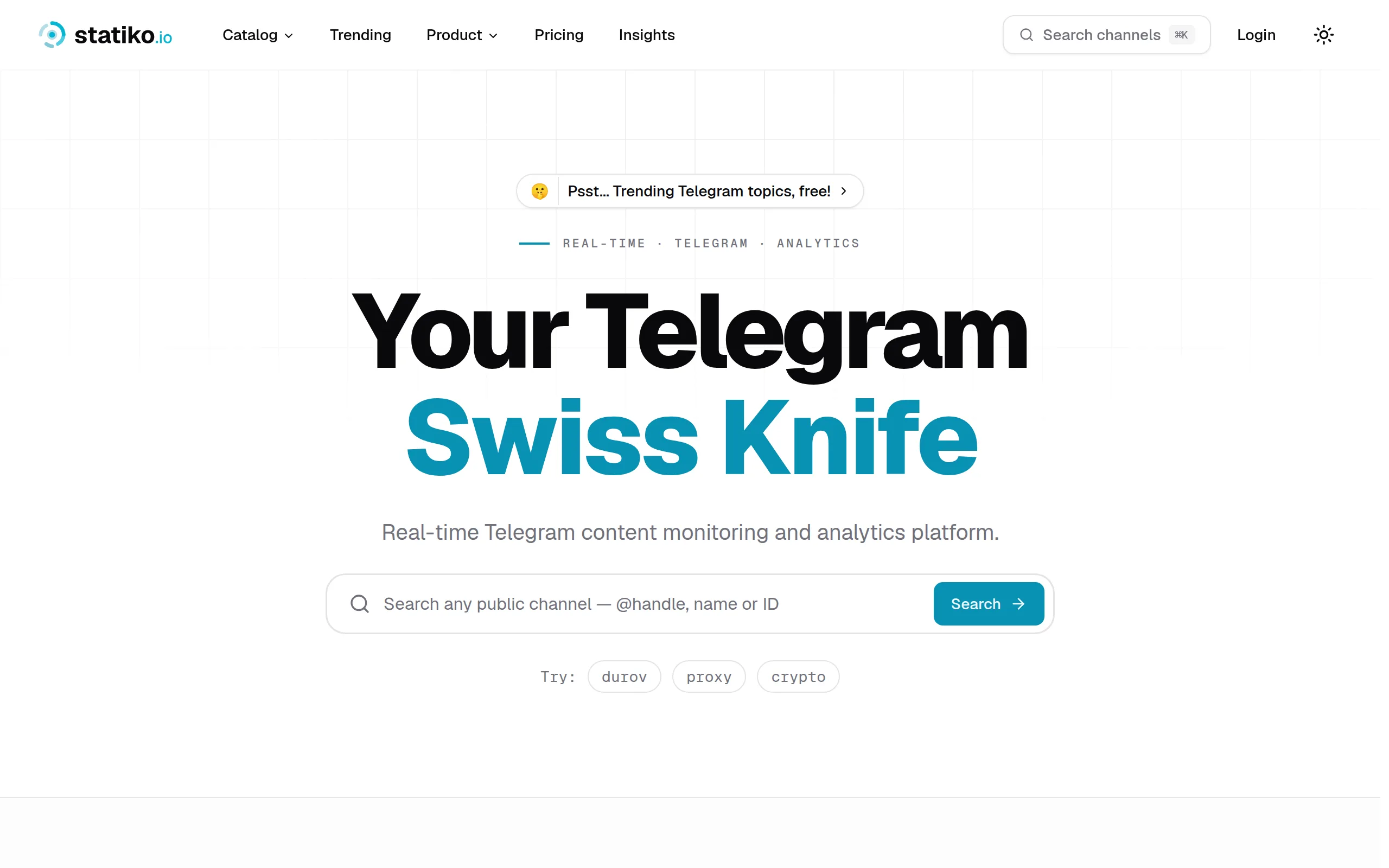
Statiko
Monitor any Telegram channel in real time - track posts, edits, deletions, and growth with AI recaps 📡

Shibui
AI website builder - describe your business, pick a niche template, edit by chatting, and publish instantly ✨

Pro Service
Find verified home service professionals, compare quotes, and pay securely through escrow - built for Brazilians across the US 🏠
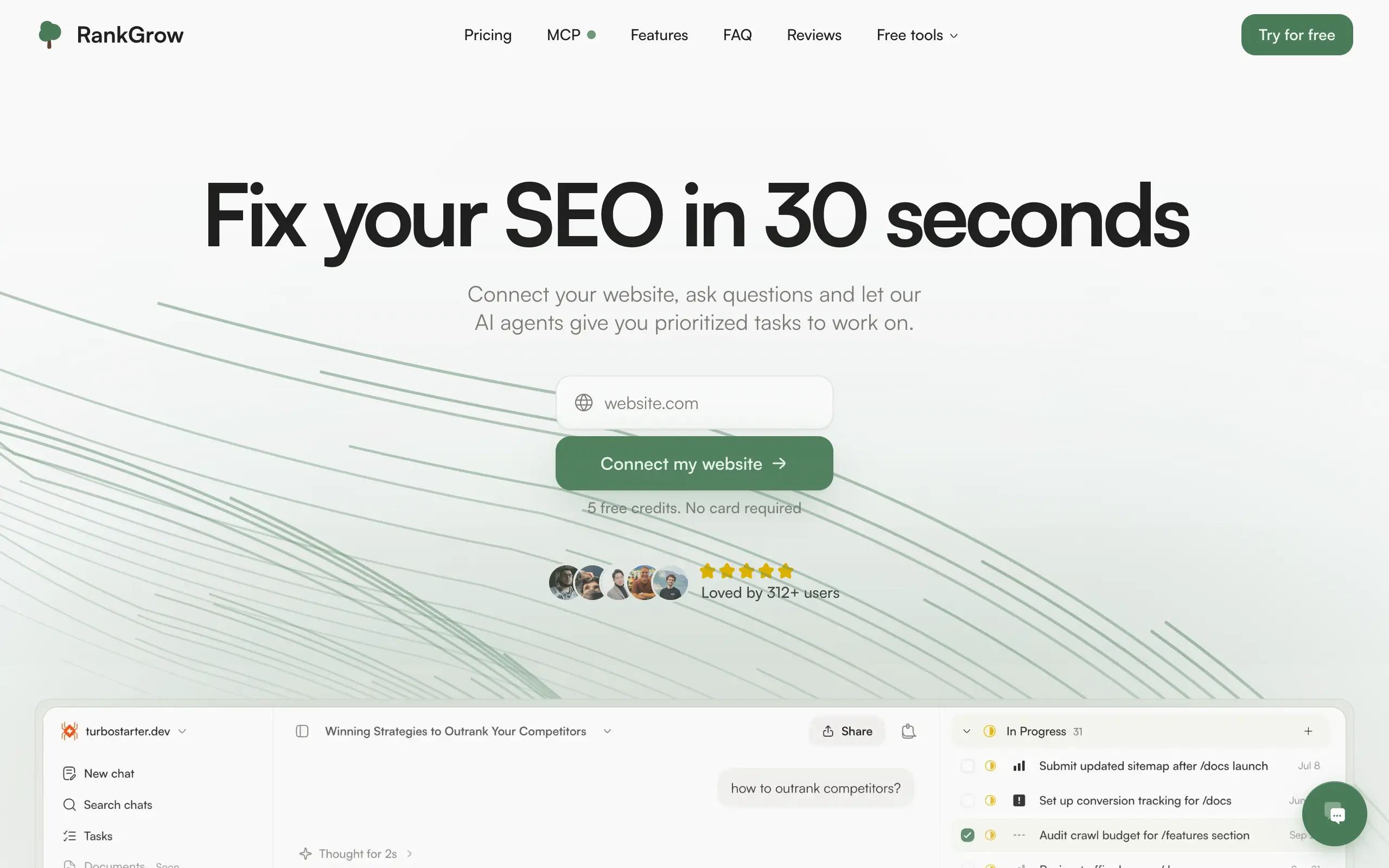
RankGrow
Fix your SEO with AI agents - connect Search Console, get prioritized tasks, and grow organic traffic 📈
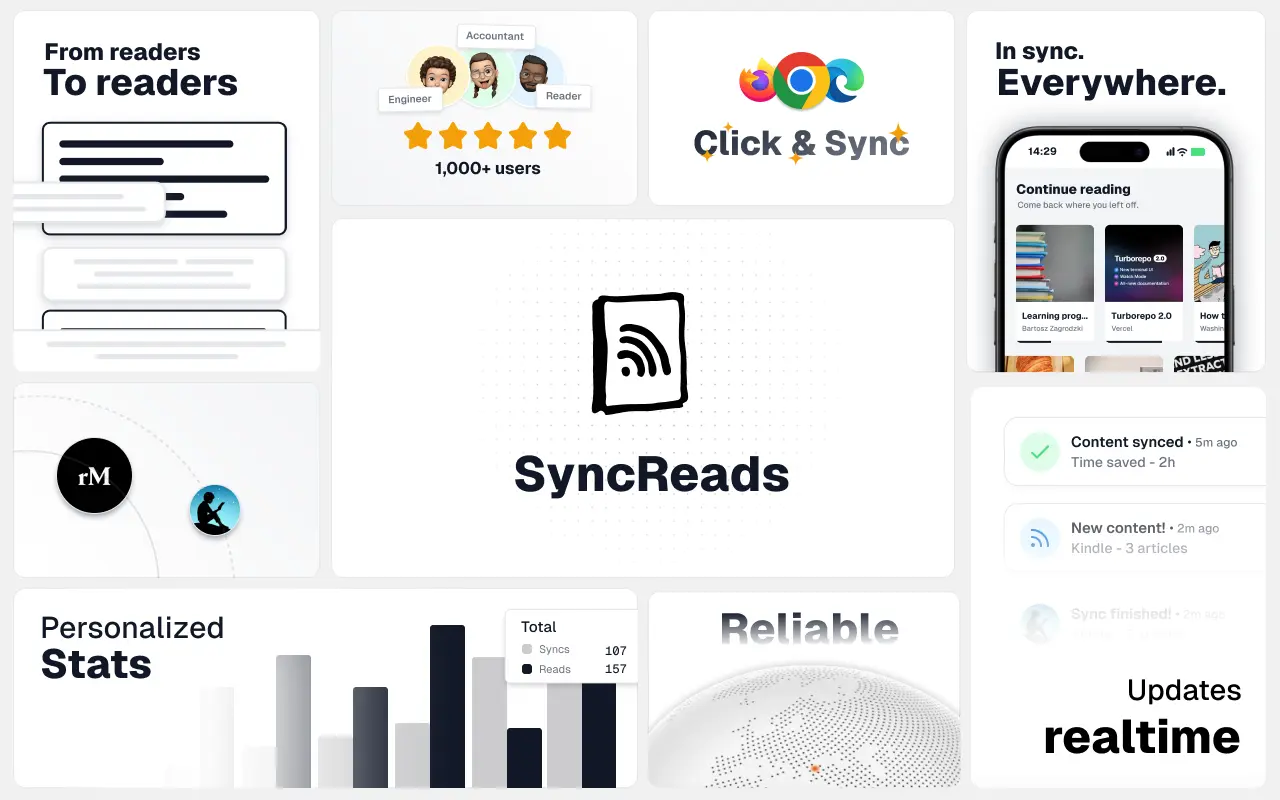
SyncReads
Sync your favorite content for distraction-free reading, save time and replace multiple apps. Anytime, anywhere 🔄
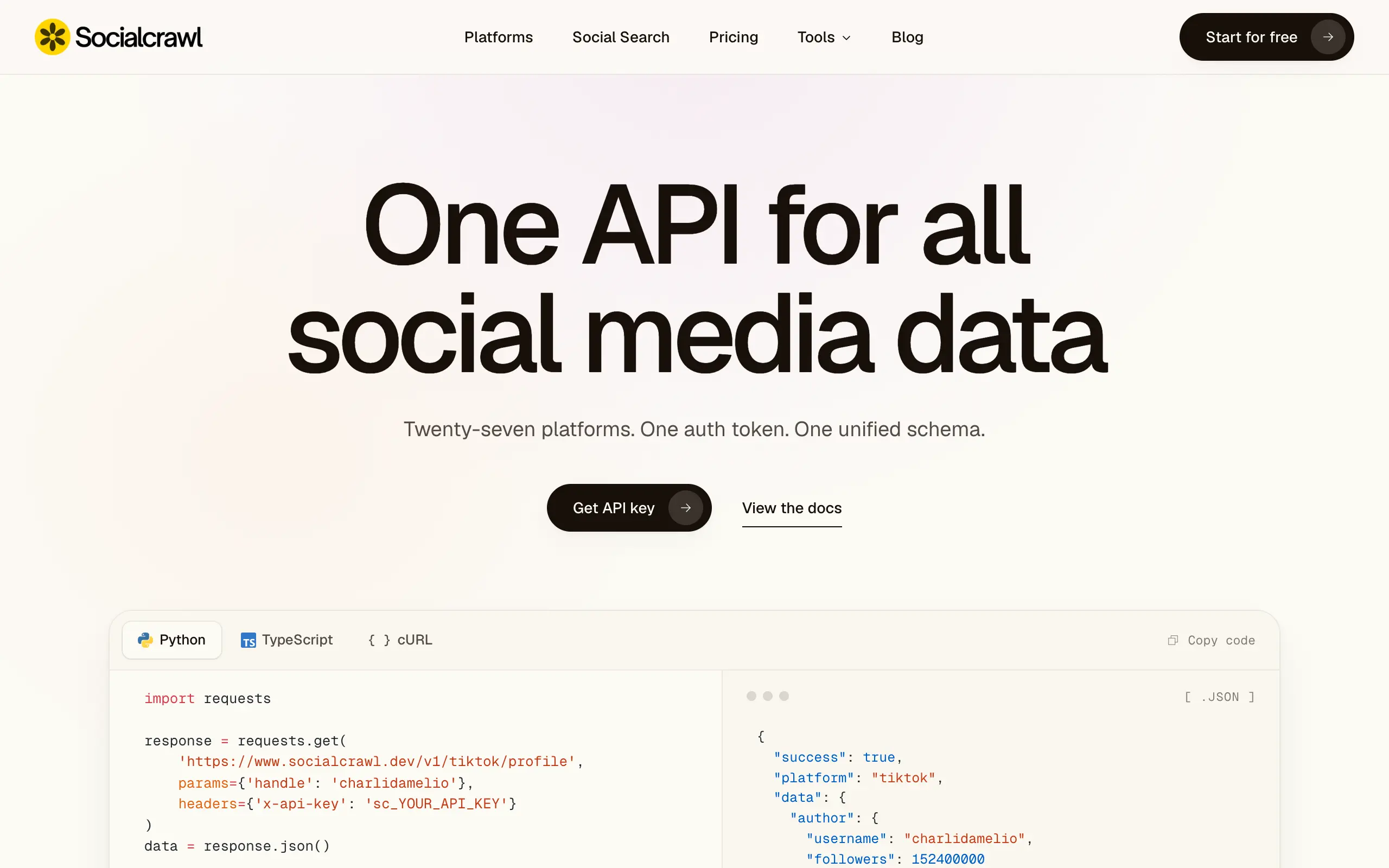
Socialcrawl
Get clean, structured data from 21 platforms like TikTok, Instagram, and YouTube with a single request 📊
Statiko
Monitor any Telegram channel in real time - track posts, edits, deletions, and growth with AI recaps 📡
Shibui
AI website builder - describe your business, pick a niche template, edit by chatting, and publish instantly ✨
Pro Service
Find verified home service professionals, compare quotes, and pay securely through escrow - built for Brazilians across the US 🏠
RankGrow
Fix your SEO with AI agents - connect Search Console, get prioritized tasks, and grow organic traffic 📈
SyncReads
Sync your favorite content for distraction-free reading, save time and replace multiple apps. Anytime, anywhere 🔄
Socialcrawl
Get clean, structured data from 21 platforms like TikTok, Instagram, and YouTube with a single request 📊
Statiko
Monitor any Telegram channel in real time - track posts, edits, deletions, and growth with AI recaps 📡
Shibui
AI website builder - describe your business, pick a niche template, edit by chatting, and publish instantly ✨
Pro Service
Find verified home service professionals, compare quotes, and pay securely through escrow - built for Brazilians across the US 🏠
RankGrow
Fix your SEO with AI agents - connect Search Console, get prioritized tasks, and grow organic traffic 📈
SyncReads
Sync your favorite content for distraction-free reading, save time and replace multiple apps. Anytime, anywhere 🔄
Socialcrawl
Get clean, structured data from 21 platforms like TikTok, Instagram, and YouTube with a single request 📊
Statiko
Monitor any Telegram channel in real time - track posts, edits, deletions, and growth with AI recaps 📡
Shibui
AI website builder - describe your business, pick a niche template, edit by chatting, and publish instantly ✨
Pro Service
Find verified home service professionals, compare quotes, and pay securely through escrow - built for Brazilians across the US 🏠
RankGrow
Fix your SEO with AI agents - connect Search Console, get prioritized tasks, and grow organic traffic 📈
SyncReads
Sync your favorite content for distraction-free reading, save time and replace multiple apps. Anytime, anywhere 🔄
Socialcrawl
Get clean, structured data from 21 platforms like TikTok, Instagram, and YouTube with a single request 📊
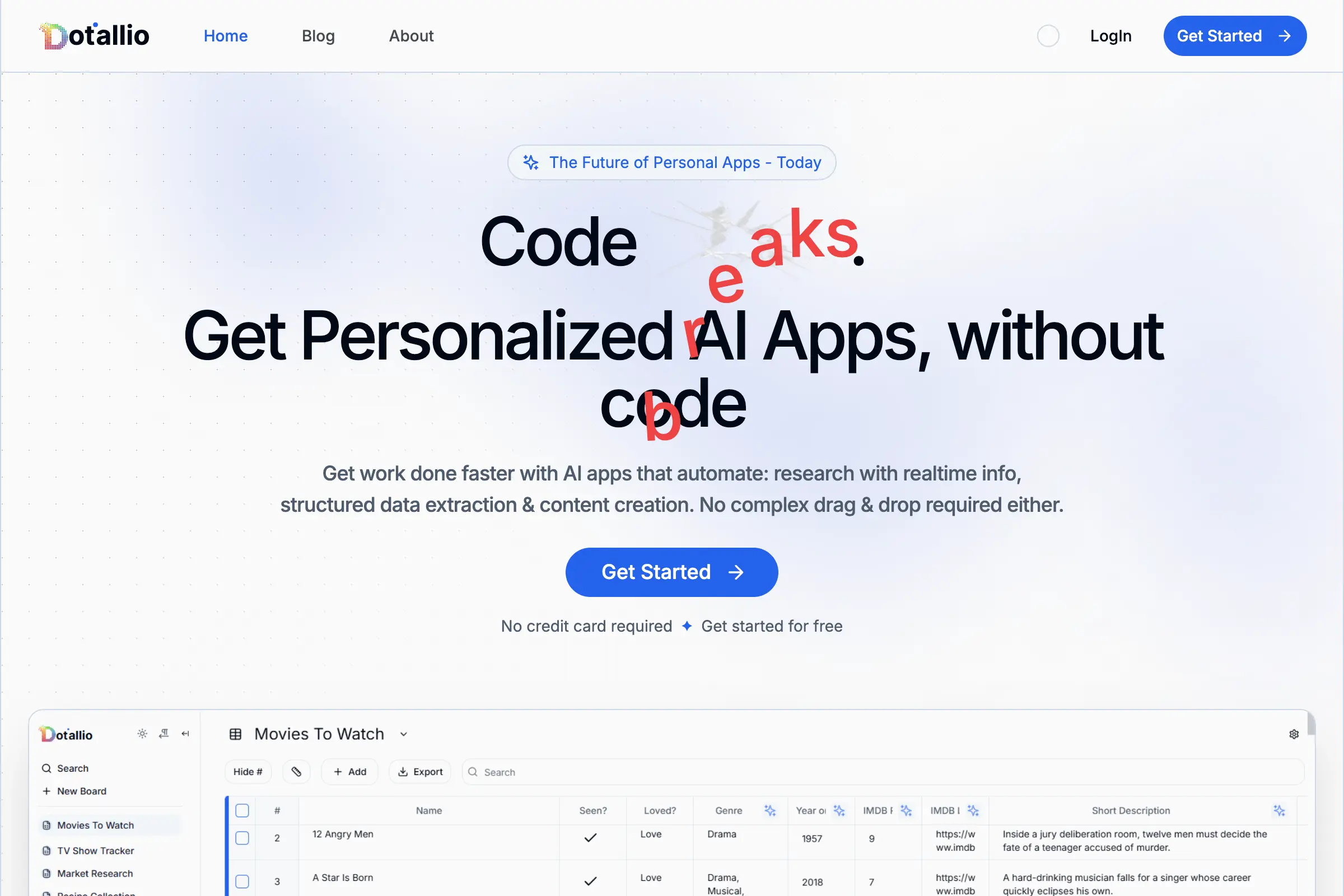
Dotallio
Personalized AI apps that automate research, data extraction, and content creation without code 🤖

Talk to Santa
Enjoy a magical live video chat or receive a unique AI-generated video greeting from Santa Claus 🎅

pozywka.pl
Scalable blog for food journalist, focused on performance and user experience 🌭
zagrodzki.me
Personal blog and portfolio of Bart Zagrodzki, where he shares his knowledge and work 💼
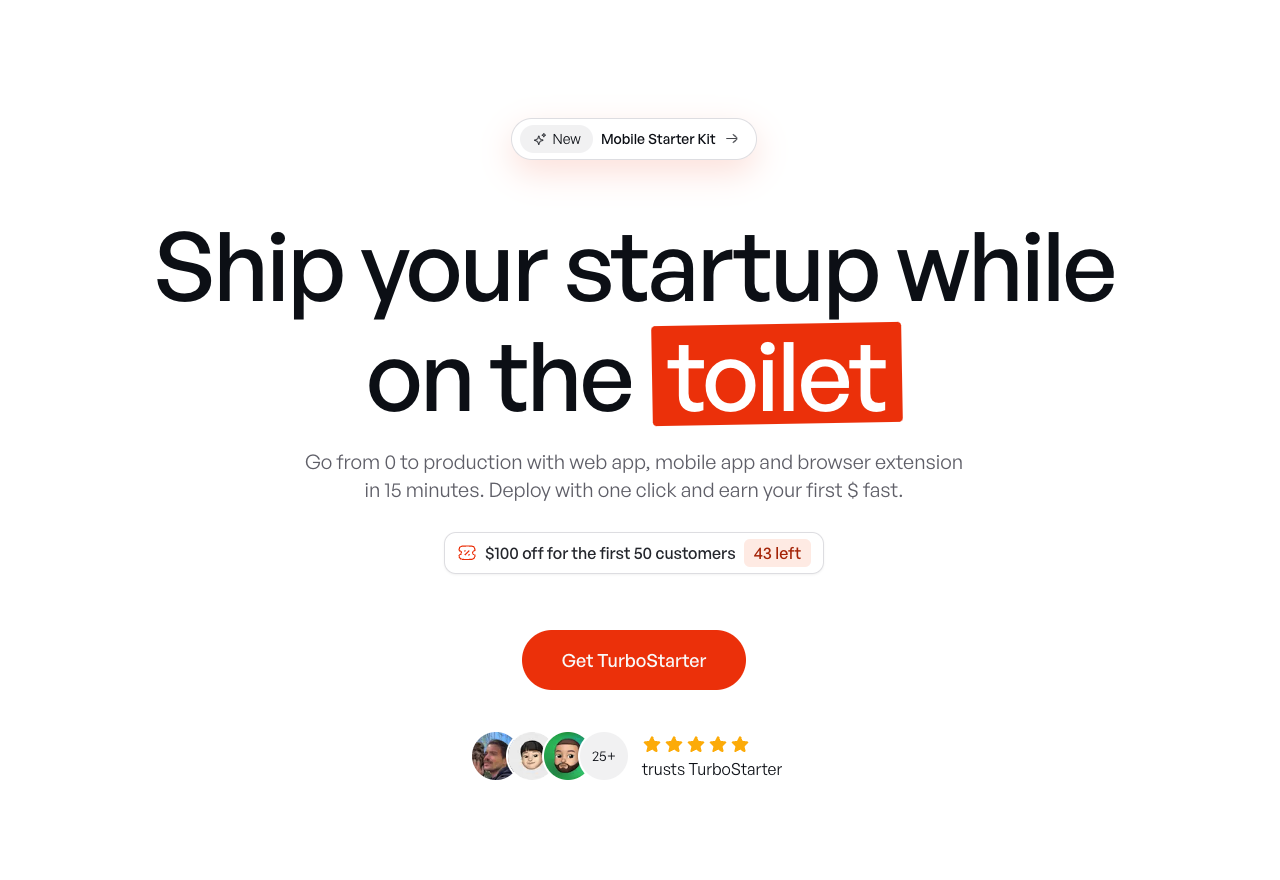
TurboStarter
Ship your startup everywhere. In minutes.
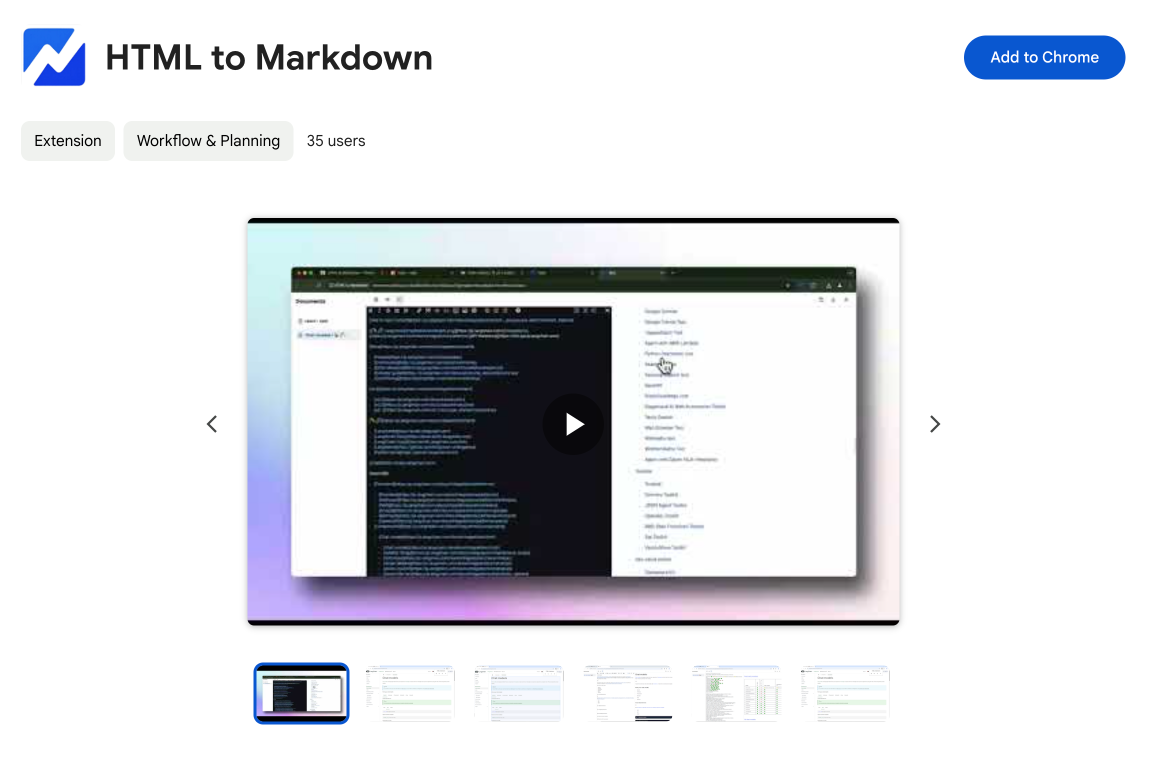
HTML to Markdown
Convert HTML to Markdown with ease, directly in your browser 📄
Dotallio
Personalized AI apps that automate research, data extraction, and content creation without code 🤖
Talk to Santa
Enjoy a magical live video chat or receive a unique AI-generated video greeting from Santa Claus 🎅
pozywka.pl
Scalable blog for food journalist, focused on performance and user experience 🌭
zagrodzki.me
Personal blog and portfolio of Bart Zagrodzki, where he shares his knowledge and work 💼
TurboStarter
Ship your startup everywhere. In minutes.
HTML to Markdown
Convert HTML to Markdown with ease, directly in your browser 📄
Dotallio
Personalized AI apps that automate research, data extraction, and content creation without code 🤖
Talk to Santa
Enjoy a magical live video chat or receive a unique AI-generated video greeting from Santa Claus 🎅
pozywka.pl
Scalable blog for food journalist, focused on performance and user experience 🌭
zagrodzki.me
Personal blog and portfolio of Bart Zagrodzki, where he shares his knowledge and work 💼
TurboStarter
Ship your startup everywhere. In minutes.
HTML to Markdown
Convert HTML to Markdown with ease, directly in your browser 📄
Dotallio
Personalized AI apps that automate research, data extraction, and content creation without code 🤖
Talk to Santa
Enjoy a magical live video chat or receive a unique AI-generated video greeting from Santa Claus 🎅
pozywka.pl
Scalable blog for food journalist, focused on performance and user experience 🌭
zagrodzki.me
Personal blog and portfolio of Bart Zagrodzki, where he shares his knowledge and work 💼
TurboStarter
Ship your startup everywhere. In minutes.
HTML to Markdown
Convert HTML to Markdown with ease, directly in your browser 📄
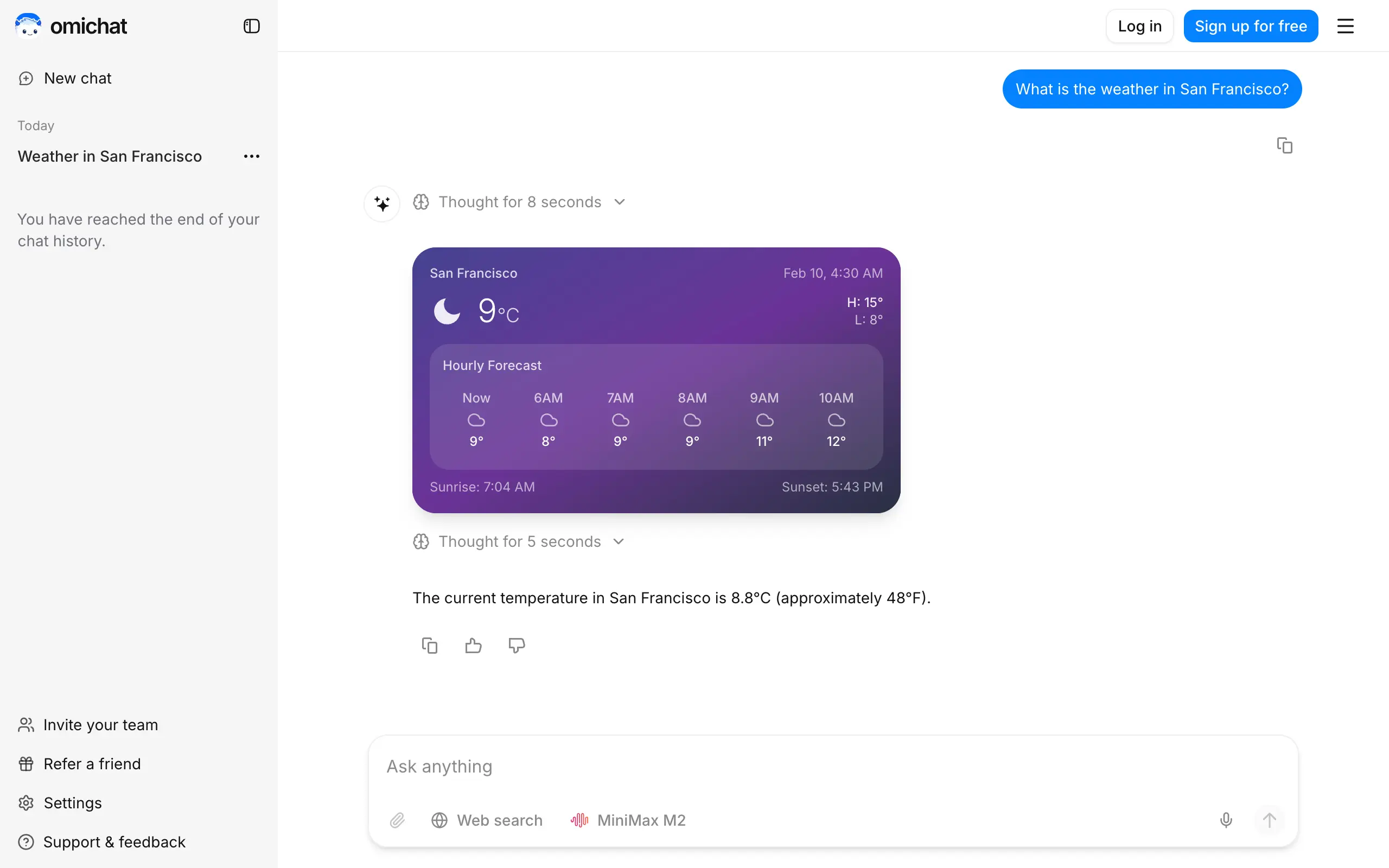
Omichat
Chat with 50+ AI models, including ChatGPT and Claude, in one place - switch models anytime without losing context 🤖
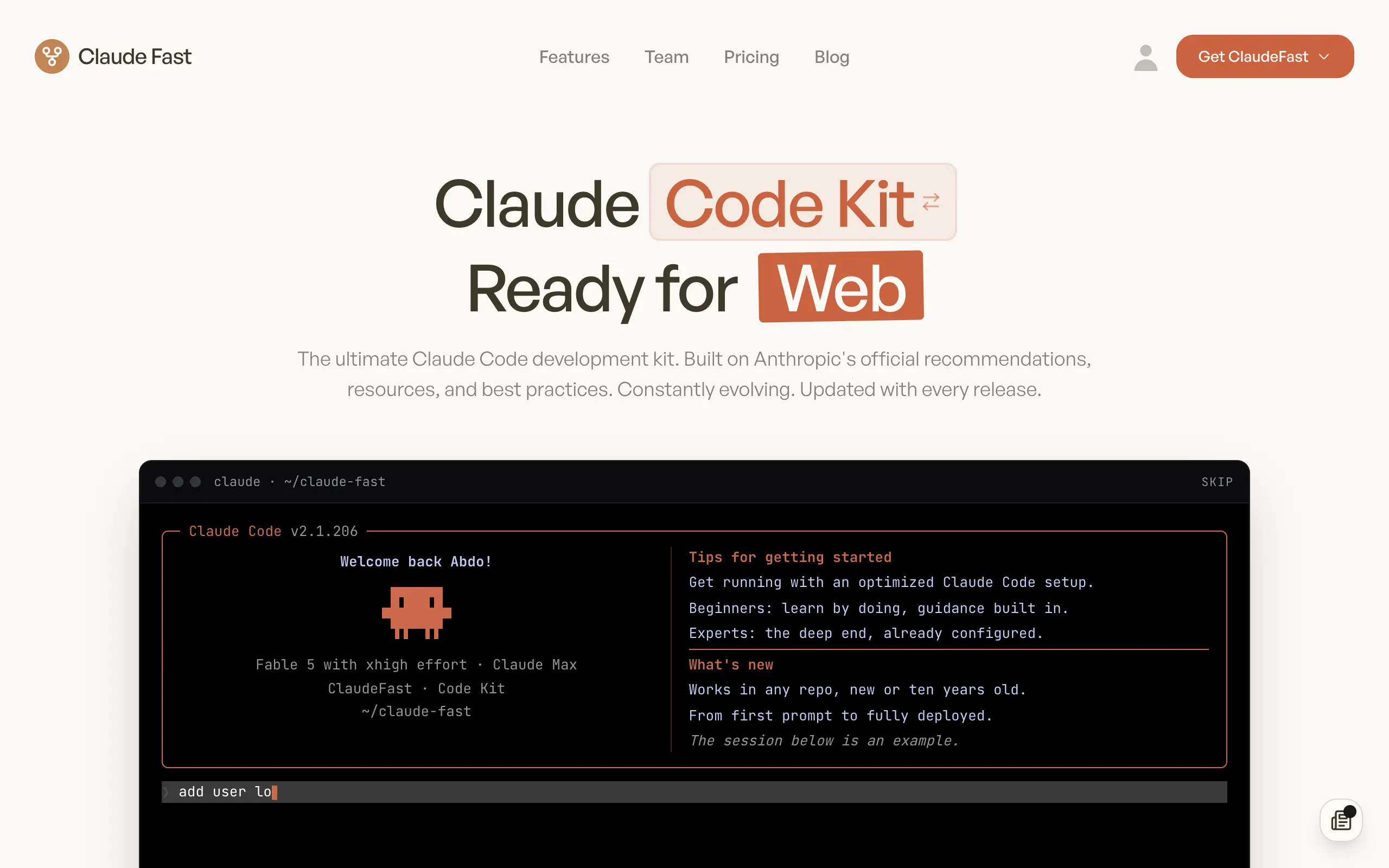
Claude Fast
Supercharge your Claude Code with 6x effective context window and specialized AI agents 🤖
EmojAI
AI-powered emoji picker with smart, context-aware suggestions 🤖
Solohacker
Autonomous company launcher - AI agents work 24/7, escalate what matters, and you stay in control 🤖
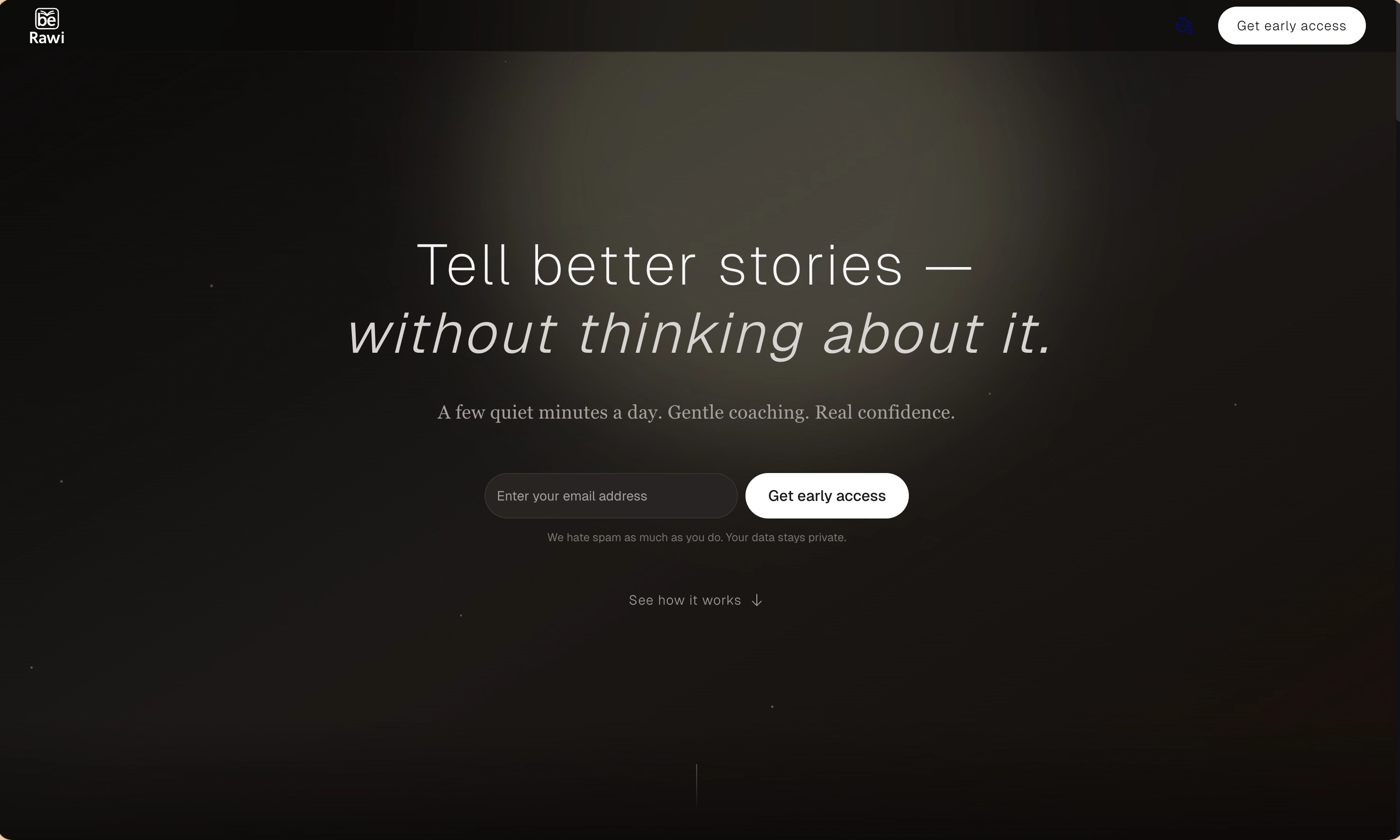
BeRawi: Storytelling Coach
Practice storytelling daily with instant feedback to sound clearer, more engaging, and confident 🎤
Omichat
Chat with 50+ AI models, including ChatGPT and Claude, in one place - switch models anytime without losing context 🤖
Claude Fast
Supercharge your Claude Code with 6x effective context window and specialized AI agents 🤖
EmojAI
AI-powered emoji picker with smart, context-aware suggestions 🤖
Solohacker
Autonomous company launcher - AI agents work 24/7, escalate what matters, and you stay in control 🤖
BeRawi: Storytelling Coach
Practice storytelling daily with instant feedback to sound clearer, more engaging, and confident 🎤
Omichat
Chat with 50+ AI models, including ChatGPT and Claude, in one place - switch models anytime without losing context 🤖
Claude Fast
Supercharge your Claude Code with 6x effective context window and specialized AI agents 🤖
EmojAI
AI-powered emoji picker with smart, context-aware suggestions 🤖
Solohacker
Autonomous company launcher - AI agents work 24/7, escalate what matters, and you stay in control 🤖
BeRawi: Storytelling Coach
Practice storytelling daily with instant feedback to sound clearer, more engaging, and confident 🎤
Omichat
Chat with 50+ AI models, including ChatGPT and Claude, in one place - switch models anytime without losing context 🤖
Claude Fast
Supercharge your Claude Code with 6x effective context window and specialized AI agents 🤖
EmojAI
AI-powered emoji picker with smart, context-aware suggestions 🤖
Solohacker
Autonomous company launcher - AI agents work 24/7, escalate what matters, and you stay in control 🤖
BeRawi: Storytelling Coach
Practice storytelling daily with instant feedback to sound clearer, more engaging, and confident 🎤

Connect with like-minded people
Join our community to get feedback, support, and grow together with 1,000+ builders on board, let's ship it!
Join usShip your startup everywhere. In minutes.
Don't burn tokens on setup and start building features on day one.