StackScout
Discover and compare dev tools with AI-curated recommendations based on your project goals, saving hours of research and trial-and-error.
What is an AI-powered developer stack recommendation platform?
Choosing the right development stack has never been harder. With thousands of frameworks, libraries, infrastructure tools, and SaaS products competing for attention, developers and founders often spend days—or even weeks—researching options before writing a single line of code.
An AI-powered developer stack recommendation platform like StackScout solves this exact problem. It intelligently analyzes your project goals, constraints, and preferences to recommend a tailored set of tools—helping you move from idea to execution faster.
Instead of endless comparison tabs, Reddit threads, and outdated blog posts, developers get context-aware, up-to-date, and practical recommendations in minutes.
This article explores the full opportunity behind building a platform like StackScout—from market demand and feature design to monetization and implementation strategy.
why developers struggle with choosing the right tech stack
Modern software development is incredibly fragmented. While this diversity enables innovation, it also creates decision fatigue.
the core challenges
- Tool overload: There are dozens of options for every layer (frontend, backend, database, hosting, auth, etc.)
- Rapid change: New frameworks and tools emerge constantly
- Context mismatch: Advice online often doesn't match your exact use case
- Hidden trade-offs: Performance, scalability, and cost implications aren't always obvious
- Time cost: Research can take longer than building
Reality check
Even experienced developers frequently revisit stack decisions for each new project. There is no universally “best” stack—only contextually optimal ones.
what developers actually want
- Fast, reliable recommendations
- Context-aware suggestions (project size, team, budget)
- Trade-off explanations
- Real-world validation (what others are using)
- Confidence in decisions
This gap is exactly where StackScout positions itself.
target audience analysis
StackScout serves multiple segments, each with slightly different needs but the same core pain.
primary audiences
Indie hackers & solo founders
Need fast decisions and minimal overhead. Value simplicity, cost-efficiency, and speed to MVP.
Startup engineering teams
Care about scalability, hiring compatibility, and long-term maintainability.
Freelancers & agencies
Want repeatable, reliable stacks tailored to client needs.
secondary audiences
- Junior developers learning best practices
- Product managers exploring technical feasibility
- CTOs evaluating modernization or migration
user intent breakdown
Users searching for a solution like StackScout typically fall into these categories:
- Exploratory: “What stack should I use for X?”
- Comparative: “Next.js vs Remix vs Astro”
- Validation: “Is Supabase good for startups?”
- Execution-focused: “Best stack for SaaS MVP”
StackScout should address all four intents seamlessly.
market opportunity and gap
The developer tooling ecosystem is massive and growing rapidly.
market signals
- The global developer population exceeds 30 million (source: Stack Overflow Developer Survey)
- The SaaS market continues to expand at double-digit growth
- Developer productivity tools are one of the fastest-growing categories
Despite this, stack decision tooling is still primitive.
current alternatives
Time-consuming, inconsistent, often outdated or biased.
Static and generic. Lack personalization.
Helpful but not tailored to specific needs.
Flexible but requires expertise to ask the right questions and interpret answers.
the gap StackScout fills
- Personalized recommendations
- Structured decision-making
- Up-to-date ecosystem awareness
- Clear trade-off explanations
- Fast, actionable outputs
core features of StackScout
To succeed, StackScout needs to go beyond simple recommendations and provide decision intelligence.
1. AI-powered stack recommendation engine
Users input:
- Project type (SaaS, mobile app, API, marketplace, etc.)
- Team size
- Budget constraints
- Performance requirements
- Preferred languages
- Timeline
Output:
- Full stack suggestion (frontend, backend, infra, tooling)
- Reasoning behind each choice
- Alternatives with trade-offs
2. dynamic comparison engine
Instead of static comparisons, StackScout should generate contextual comparisons based on user needs.
Example comparisons:
- Next.js vs Nuxt vs SvelteKit
- Firebase vs Supabase vs custom backend
- Vercel vs AWS vs Cloudflare
3. stack visualization
- Visual architecture diagrams
- Integration flows
- Dependency mapping
4. real-world use case matching
- “Companies/projects using this stack”
- “Best for X scenario”
5. cost estimation
- Monthly infrastructure estimates
- Scaling projections
6. exportable stack blueprint
Users can export:
- Documentation
- Setup instructions
- Starter repo recommendations
example recommendation flow
recommended tech stack for building StackScout
Building StackScout requires balancing performance, scalability, and AI integration.
frontend
Why:
- Fast UI development
- SEO-friendly rendering
- Component scalability
backend
- Node.js (with NestJS or Express)
- API-first architecture
AI layer
- LLM APIs (OpenAI or similar)
- Prompt engineering + structured outputs
- Fine-tuned recommendation logic
database
- PostgreSQL (structured data)
- Redis (caching recommendations)
infrastructure
- Vercel (frontend)
- AWS / Supabase for backend services
trade-offs
Important consideration
Heavy reliance on LLM APIs can increase costs significantly. You’ll need caching, prompt optimization, and possibly hybrid logic to control expenses.
monetization strategies
StackScout has multiple strong revenue paths.
1. freemium model
- Free: limited recommendations
- Paid: advanced insights, comparisons, exports
2. subscription tiers
- Indie ($10–$20/month)
- Pro ($30–$50/month)
- Team plans
3. affiliate partnerships
Recommend tools and earn commissions:
- Hosting providers
- SaaS tools
- APIs
4. sponsored placements
Carefully curated—not spammy.
5. API access
Allow other platforms to embed StackScout recommendations.
competitive advantage analysis
StackScout must differentiate clearly to win.
| Feature | StackScout | Blogs | Forums | Generic AI |
|---|---|---|---|---|
| Personalization | ✅ | ❌ | ❌ | ✅ |
| Structured outputs | ✅ | ❌ | ❌ | ❌ |
| Up-to-date insights | ✅ | ❌ | ✅ | ✅ |
| Decision guidance | ✅ | ❌ | ❌ | ⚠️ |
key differentiators
- Context-aware AI recommendations
- Structured, actionable outputs
- Developer-first UX
- Continuous learning system
potential risks and mitigation strategies
risk 1: inaccurate recommendations
Mitigation:
- Combine AI with rule-based validation
- Allow user feedback loops
- Provide multiple options instead of one
risk 2: rapid tool ecosystem changes
Mitigation:
- Regular data updates
- Community input
- Trend monitoring
risk 3: trust barrier
Developers are skeptical.
Mitigation:
- Transparent reasoning
- Cite sources where possible
- Show real-world examples
risk 4: API cost scaling
Mitigation:
- Cache results
- Precompute common queries
- Optimize prompts
SEO strategy for StackScout
To grow organically, StackScout should target high-intent keywords.
primary keywords
- AI developer tools recommendation
- best tech stack for SaaS
- how to choose tech stack
- developer stack comparison tool
long-tail opportunities
- best stack for startup MVP 2026
- nextjs vs sveltekit for SaaS
- firebase vs supabase cost comparison
content strategy
- Programmatic SEO pages for comparisons
- Use-case-specific guides
- Tool-specific landing pages
future trends to leverage
StackScout aligns well with several emerging trends:
AI-assisted development
Tools like GitHub Copilot are becoming standard. StackScout complements them by guiding what to build with, not just how to code.
composable architectures
Developers increasingly mix and match tools. StackScout thrives in this complexity.
no-code / low-code rise
Even non-developers need stack guidance.
implementation roadmap
phase 1: MVP
- Basic recommendation engine
- Simple UI
- Limited stack categories
phase 2: enhancement
- Comparison engine
- Cost estimation
- Exportable reports
phase 3: scale
- Community input
- API access
- Marketplace integrations
example recommendation output (simplified)
const stackRecommendation = {
  frontend: "Next.js",
  backend: "Supabase",
  auth: "Supabase Auth",
  hosting: "Vercel",
  database: "PostgreSQL",
  reasoning: [
    "Fast MVP development",
    "Minimal backend setup",
    "Scalable for early-stage growth"
  ]
};
how StackScout stands out
StackScout isn’t just another tool directory. It’s a decision engine.
It transforms:
- Confusion → clarity
- Research → action
- Options → decisions
That shift is where real value lies.
actionable steps to build StackScout
final thoughts
The developer ecosystem is only getting more complex. Tools will continue to multiply, and decision fatigue will grow alongside them.
StackScout sits at the intersection of:
- AI
- Developer productivity
- Decision intelligence
That’s a powerful place to be.
If executed well, it can become an essential tool in every developer’s workflow—right alongside code editors and deployment platforms.
If you're serious about building and launching StackScout quickly, leveraging a production-ready foundation like TurboStarter can significantly accelerate your development process while keeping your focus on core differentiation.
More 🤖 AI Startup SaaS ideas
Discover more innovative ai startup SaaS ideas that are trending in 2026. Each idea is AI-generated with market validation and growth potential to help you find your next profitable venture faster than competitors.
Your competitors are building with TurboStarter
Below are some of the SaaS ideas that have been generated and built with our starter kit.
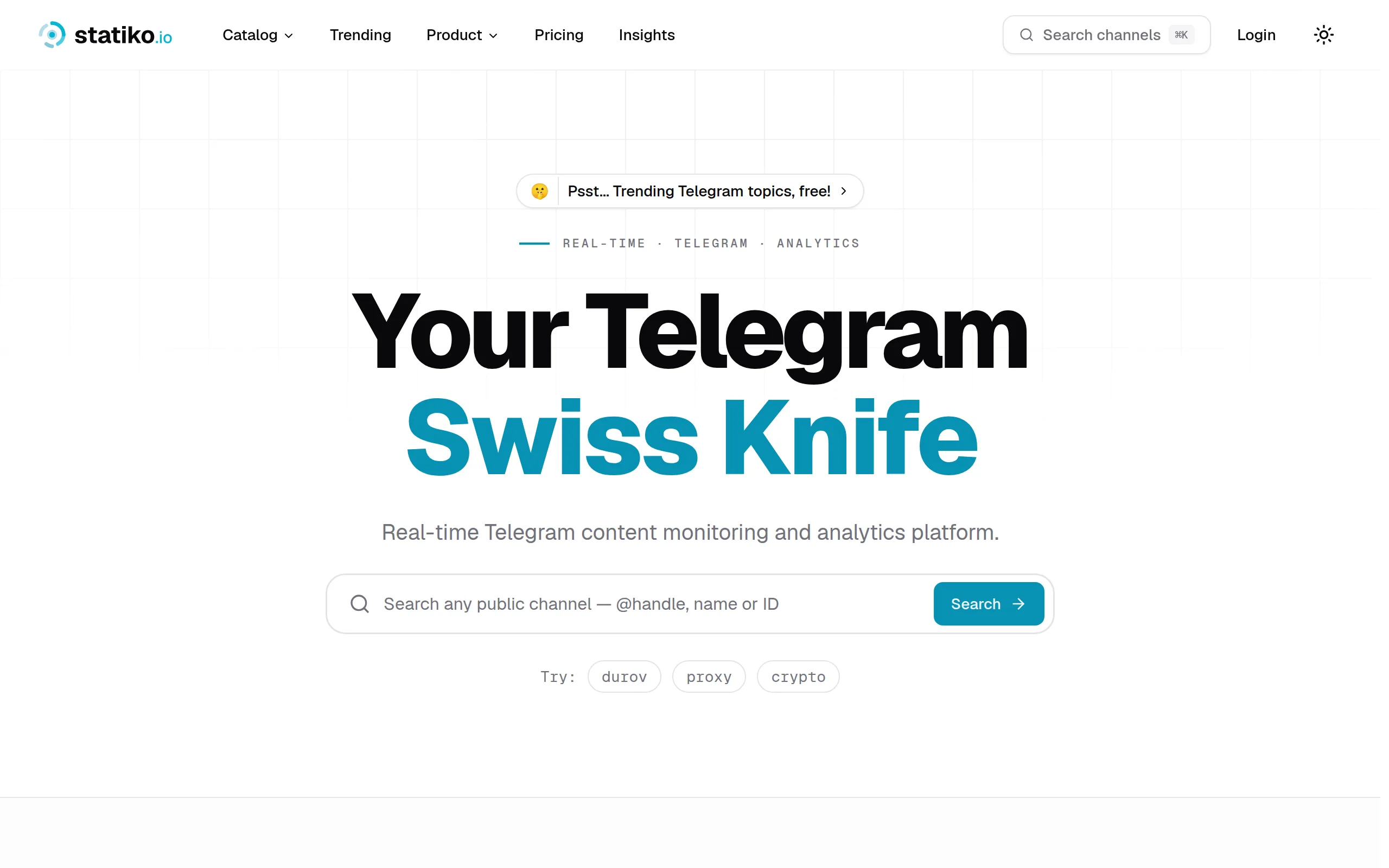
Statiko
Monitor any Telegram channel in real time - track posts, edits, deletions, and growth with AI recaps 📡

Shibui
AI website builder - describe your business, pick a niche template, edit by chatting, and publish instantly ✨

Pro Service
Find verified home service professionals, compare quotes, and pay securely through escrow - built for Brazilians across the US 🏠
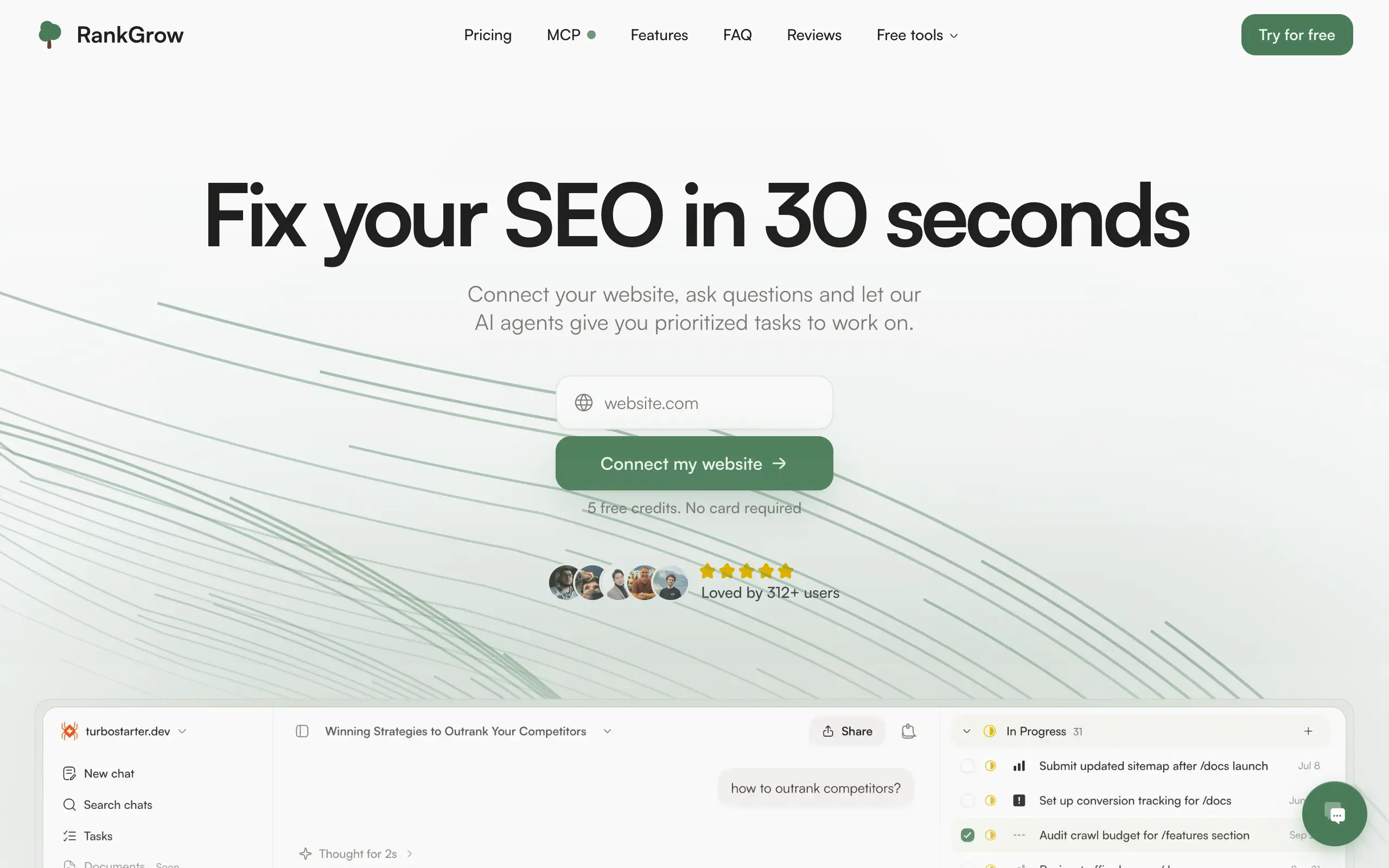
RankGrow
Fix your SEO with AI agents - connect Search Console, get prioritized tasks, and grow organic traffic 📈
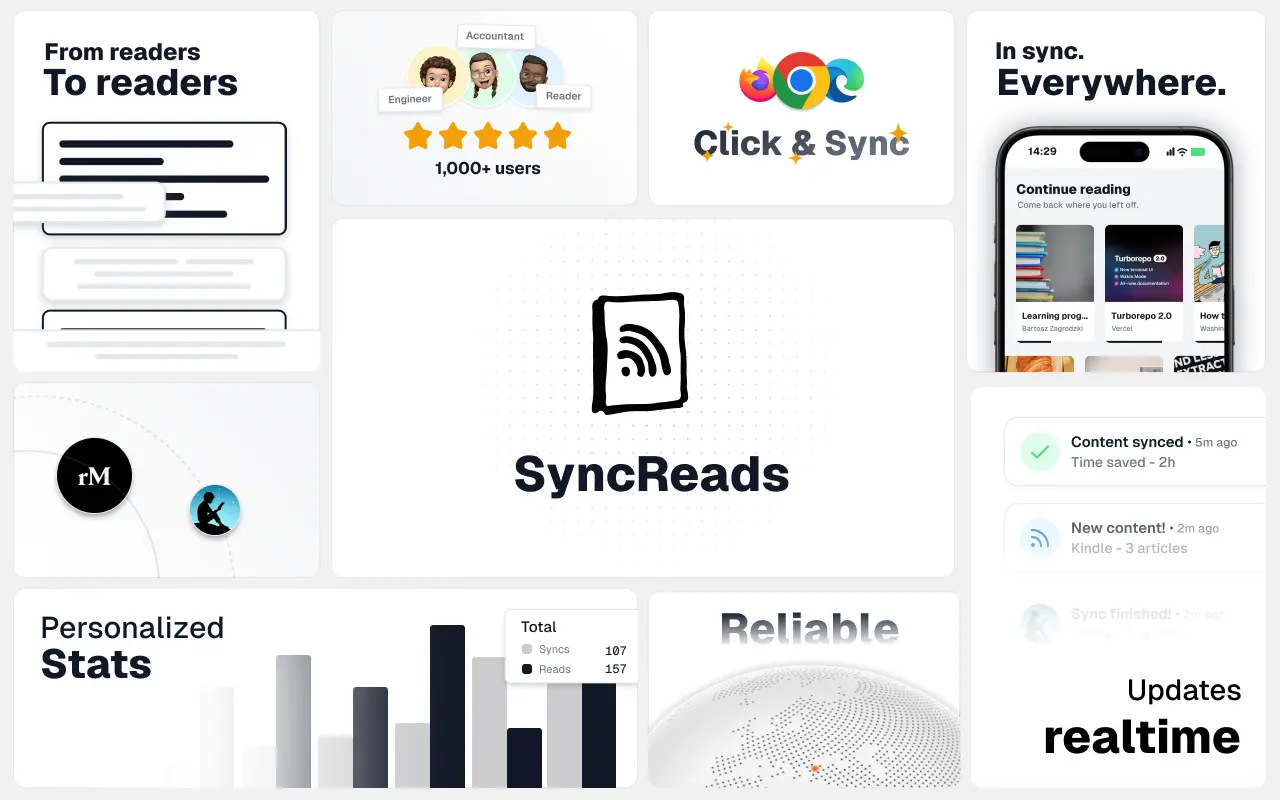
SyncReads
Sync your favorite content for distraction-free reading, save time and replace multiple apps. Anytime, anywhere 🔄
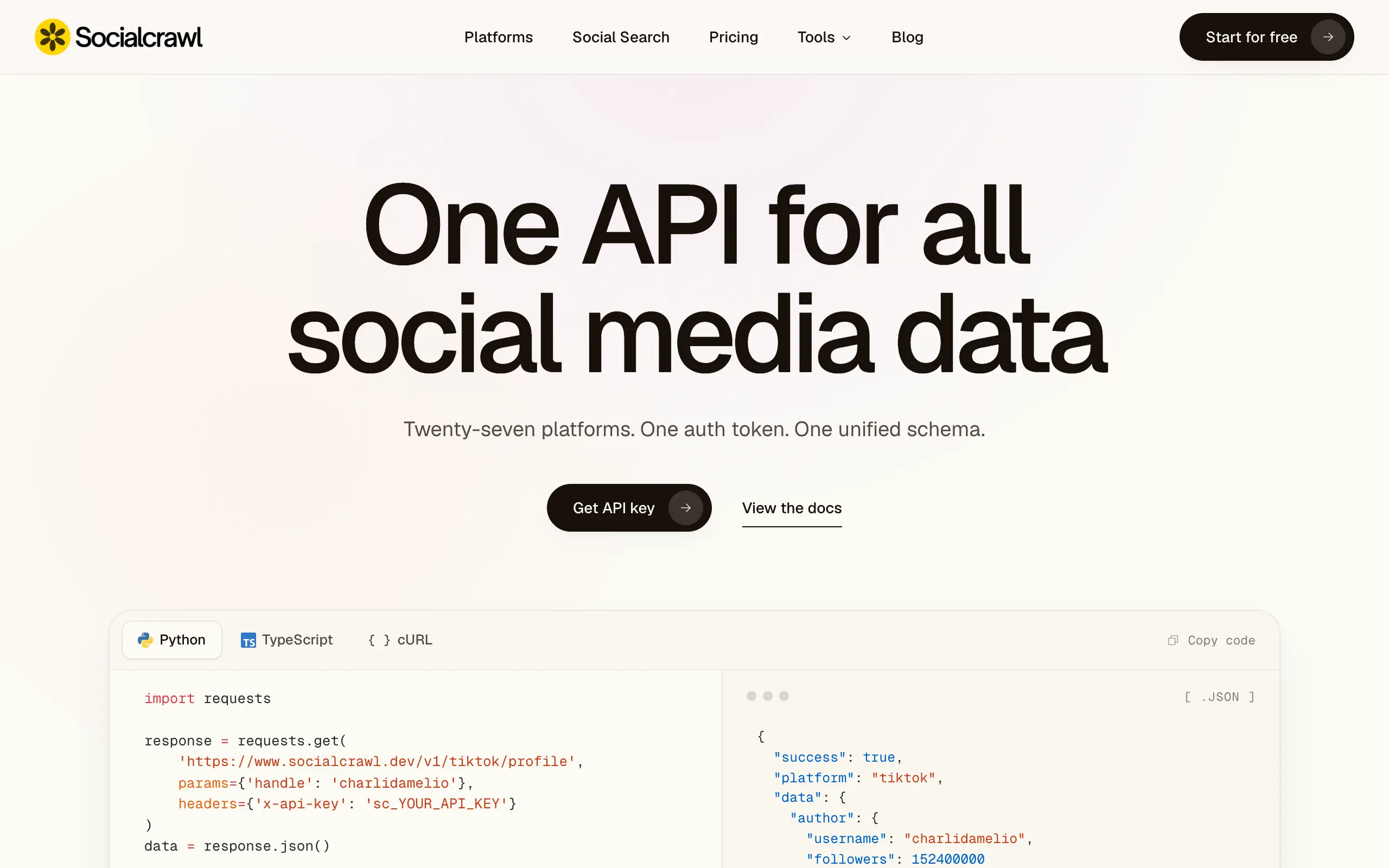
Socialcrawl
Get clean, structured data from 21 platforms like TikTok, Instagram, and YouTube with a single request 📊
Statiko
Monitor any Telegram channel in real time - track posts, edits, deletions, and growth with AI recaps 📡
Shibui
AI website builder - describe your business, pick a niche template, edit by chatting, and publish instantly ✨
Pro Service
Find verified home service professionals, compare quotes, and pay securely through escrow - built for Brazilians across the US 🏠
RankGrow
Fix your SEO with AI agents - connect Search Console, get prioritized tasks, and grow organic traffic 📈
SyncReads
Sync your favorite content for distraction-free reading, save time and replace multiple apps. Anytime, anywhere 🔄
Socialcrawl
Get clean, structured data from 21 platforms like TikTok, Instagram, and YouTube with a single request 📊
Statiko
Monitor any Telegram channel in real time - track posts, edits, deletions, and growth with AI recaps 📡
Shibui
AI website builder - describe your business, pick a niche template, edit by chatting, and publish instantly ✨
Pro Service
Find verified home service professionals, compare quotes, and pay securely through escrow - built for Brazilians across the US 🏠
RankGrow
Fix your SEO with AI agents - connect Search Console, get prioritized tasks, and grow organic traffic 📈
SyncReads
Sync your favorite content for distraction-free reading, save time and replace multiple apps. Anytime, anywhere 🔄
Socialcrawl
Get clean, structured data from 21 platforms like TikTok, Instagram, and YouTube with a single request 📊
Statiko
Monitor any Telegram channel in real time - track posts, edits, deletions, and growth with AI recaps 📡
Shibui
AI website builder - describe your business, pick a niche template, edit by chatting, and publish instantly ✨
Pro Service
Find verified home service professionals, compare quotes, and pay securely through escrow - built for Brazilians across the US 🏠
RankGrow
Fix your SEO with AI agents - connect Search Console, get prioritized tasks, and grow organic traffic 📈
SyncReads
Sync your favorite content for distraction-free reading, save time and replace multiple apps. Anytime, anywhere 🔄
Socialcrawl
Get clean, structured data from 21 platforms like TikTok, Instagram, and YouTube with a single request 📊
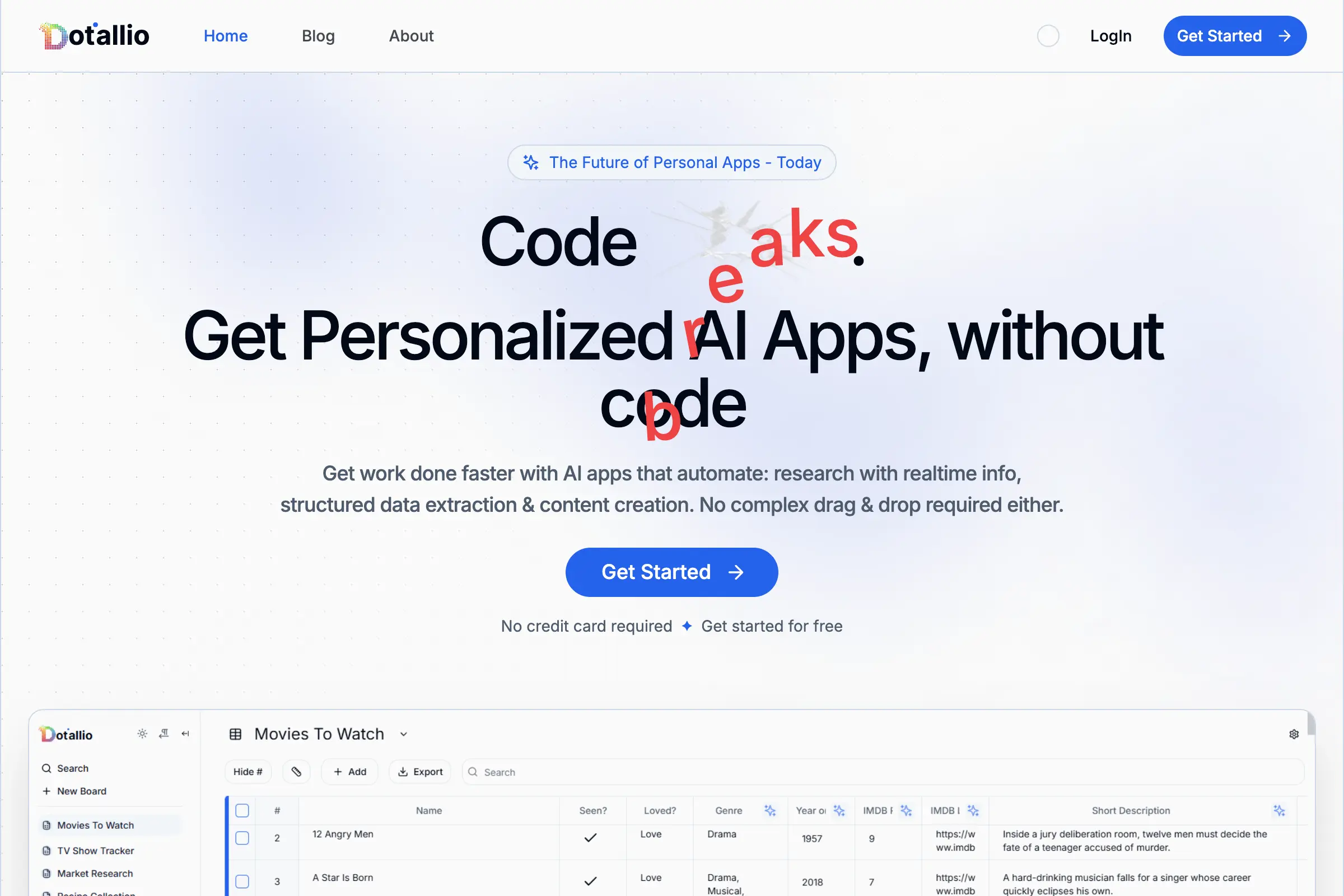
Dotallio
Personalized AI apps that automate research, data extraction, and content creation without code 🤖

Talk to Santa
Enjoy a magical live video chat or receive a unique AI-generated video greeting from Santa Claus 🎅

pozywka.pl
Scalable blog for food journalist, focused on performance and user experience 🌭
zagrodzki.me
Personal blog and portfolio of Bart Zagrodzki, where he shares his knowledge and work 💼
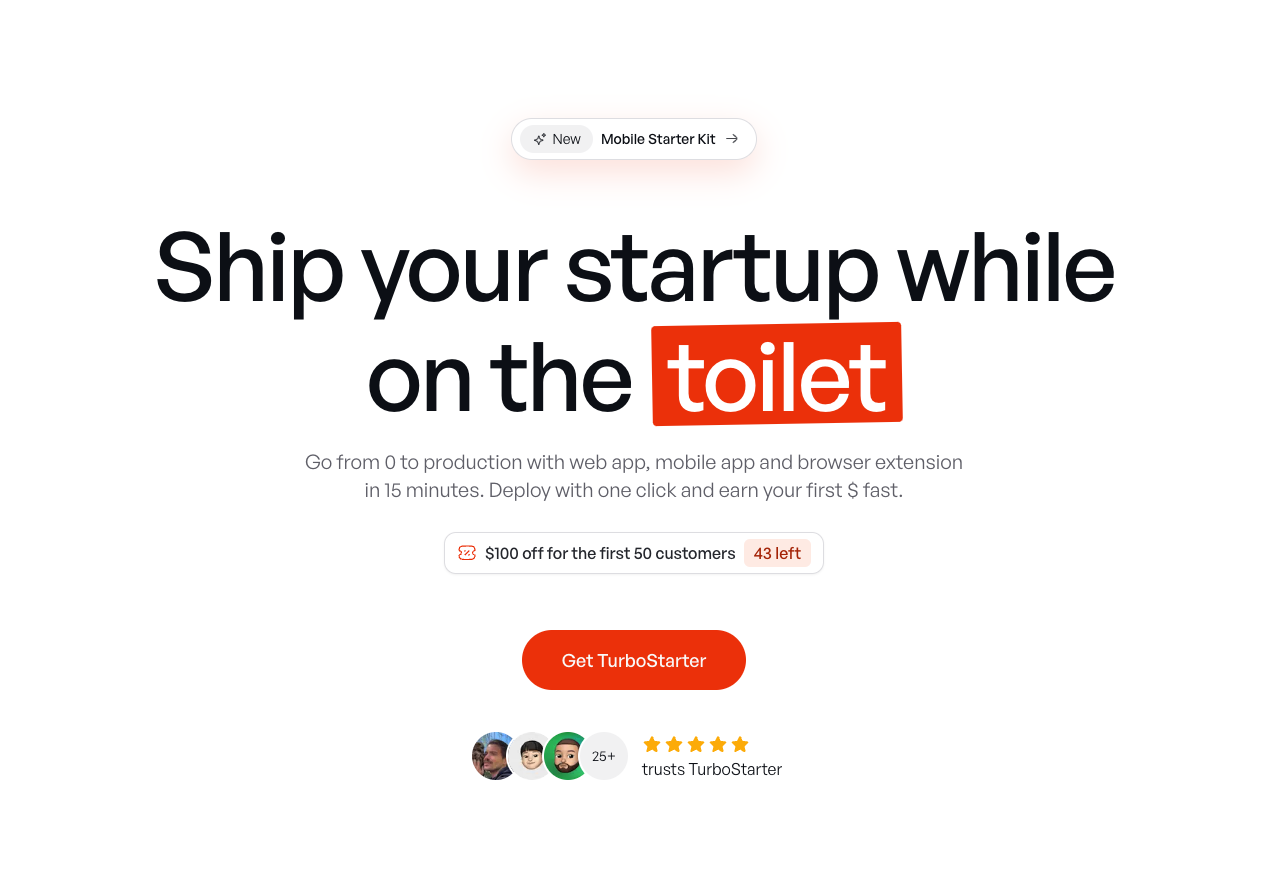
TurboStarter
Ship your startup everywhere. In minutes.
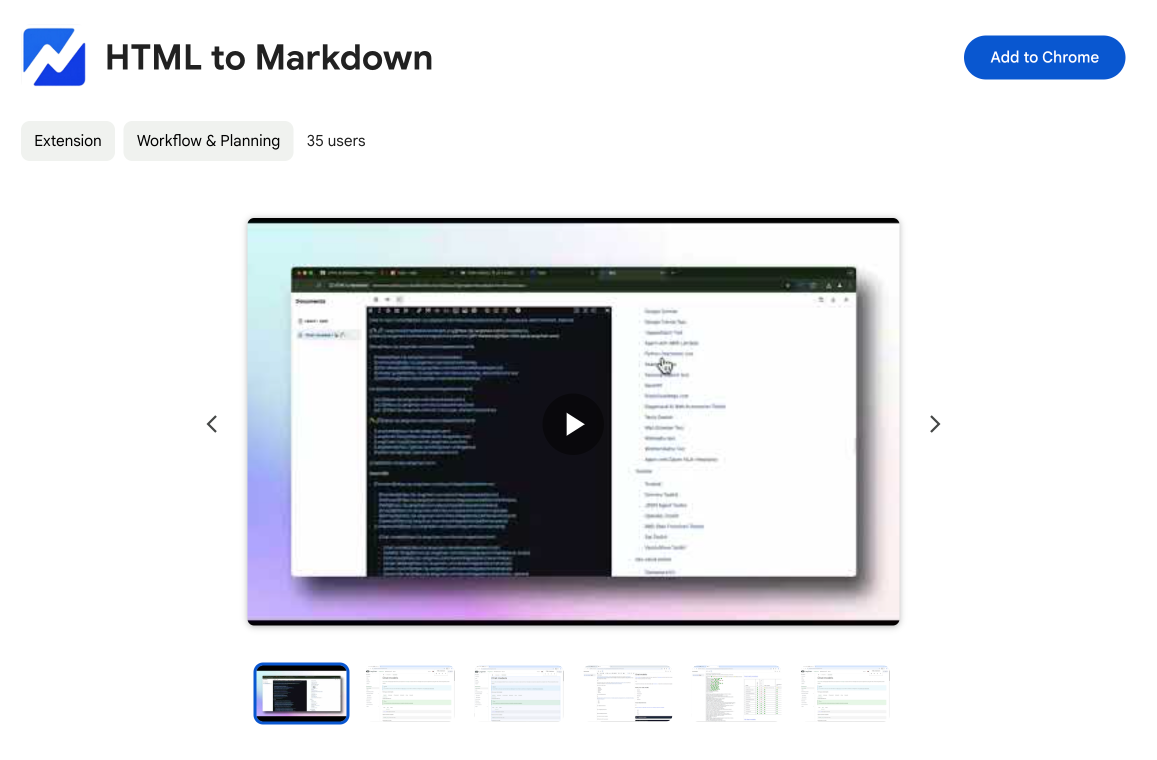
HTML to Markdown
Convert HTML to Markdown with ease, directly in your browser 📄
Dotallio
Personalized AI apps that automate research, data extraction, and content creation without code 🤖
Talk to Santa
Enjoy a magical live video chat or receive a unique AI-generated video greeting from Santa Claus 🎅
pozywka.pl
Scalable blog for food journalist, focused on performance and user experience 🌭
zagrodzki.me
Personal blog and portfolio of Bart Zagrodzki, where he shares his knowledge and work 💼
TurboStarter
Ship your startup everywhere. In minutes.
HTML to Markdown
Convert HTML to Markdown with ease, directly in your browser 📄
Dotallio
Personalized AI apps that automate research, data extraction, and content creation without code 🤖
Talk to Santa
Enjoy a magical live video chat or receive a unique AI-generated video greeting from Santa Claus 🎅
pozywka.pl
Scalable blog for food journalist, focused on performance and user experience 🌭
zagrodzki.me
Personal blog and portfolio of Bart Zagrodzki, where he shares his knowledge and work 💼
TurboStarter
Ship your startup everywhere. In minutes.
HTML to Markdown
Convert HTML to Markdown with ease, directly in your browser 📄
Dotallio
Personalized AI apps that automate research, data extraction, and content creation without code 🤖
Talk to Santa
Enjoy a magical live video chat or receive a unique AI-generated video greeting from Santa Claus 🎅
pozywka.pl
Scalable blog for food journalist, focused on performance and user experience 🌭
zagrodzki.me
Personal blog and portfolio of Bart Zagrodzki, where he shares his knowledge and work 💼
TurboStarter
Ship your startup everywhere. In minutes.
HTML to Markdown
Convert HTML to Markdown with ease, directly in your browser 📄
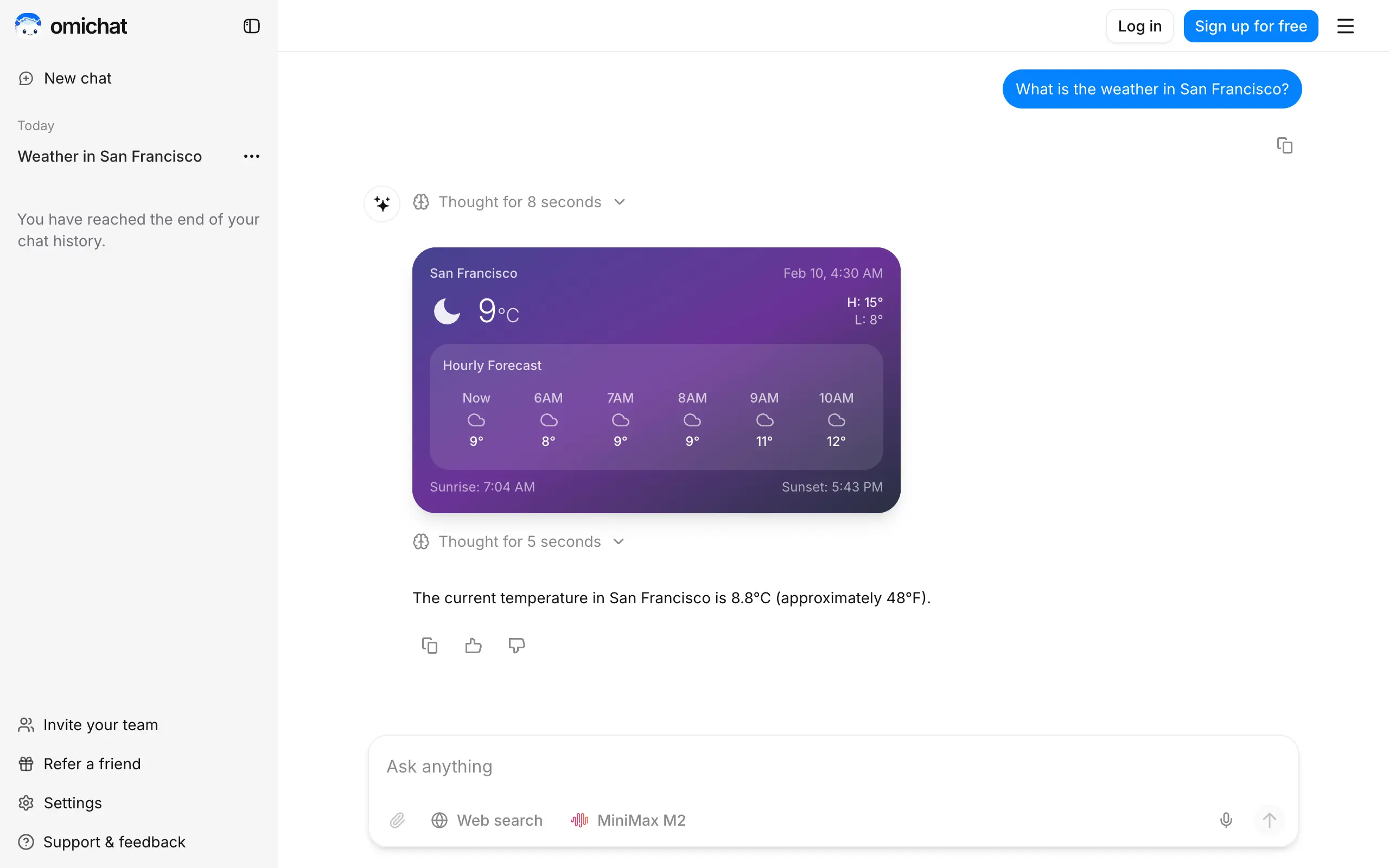
Omichat
Chat with 50+ AI models, including ChatGPT and Claude, in one place - switch models anytime without losing context 🤖
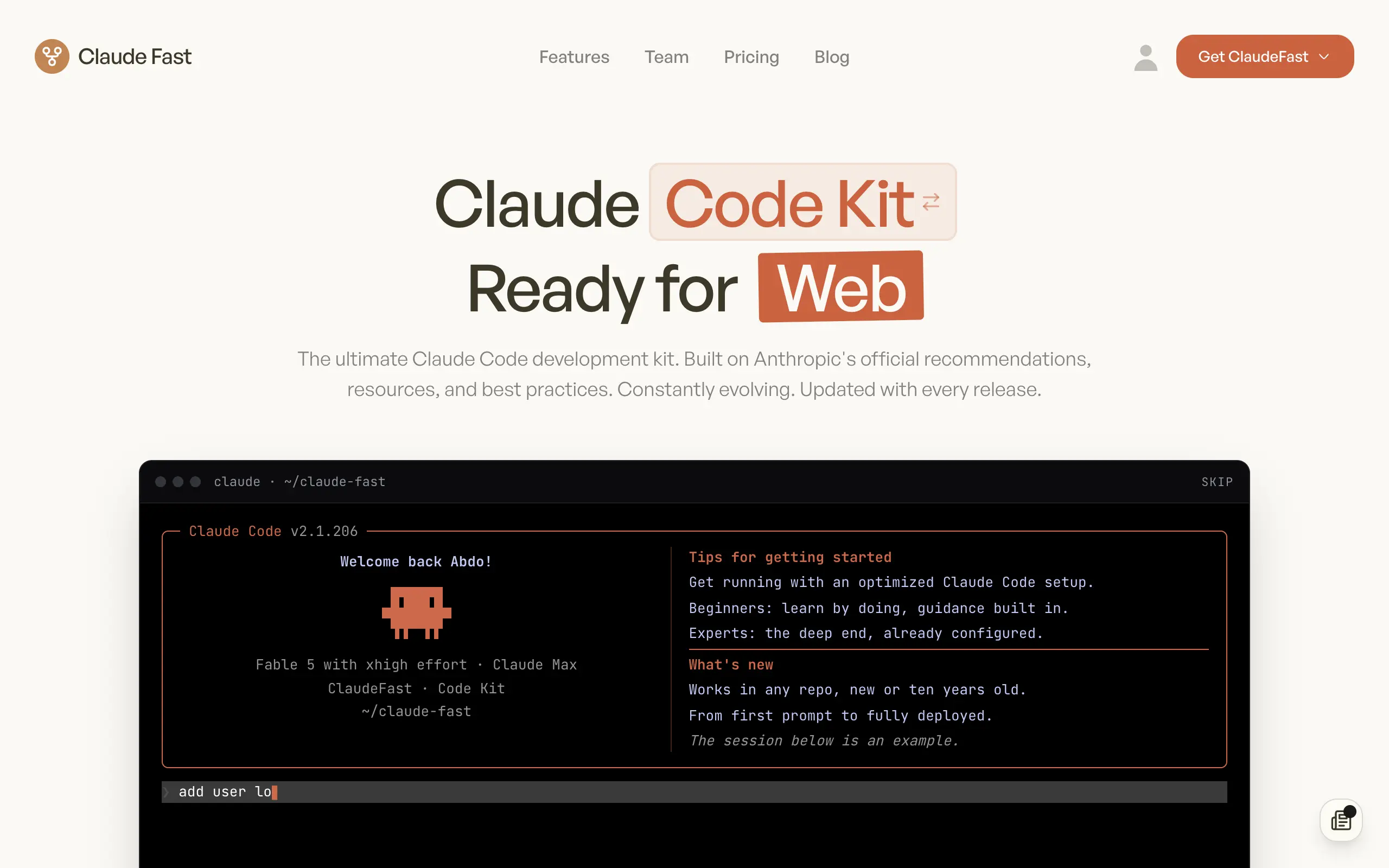
Claude Fast
Supercharge your Claude Code with 6x effective context window and specialized AI agents 🤖
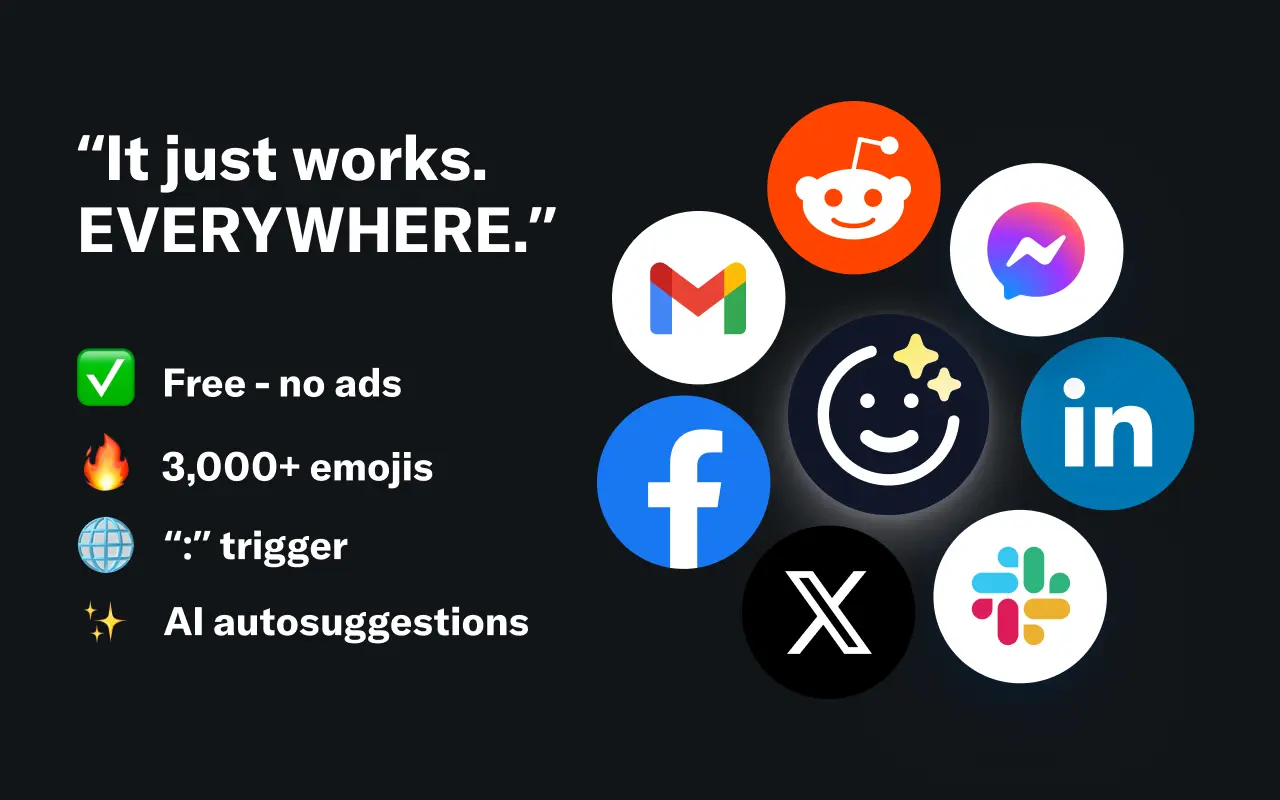
EmojAI
AI-powered emoji picker with smart, context-aware suggestions 🤖
Solohacker
Autonomous company launcher - AI agents work 24/7, escalate what matters, and you stay in control 🤖
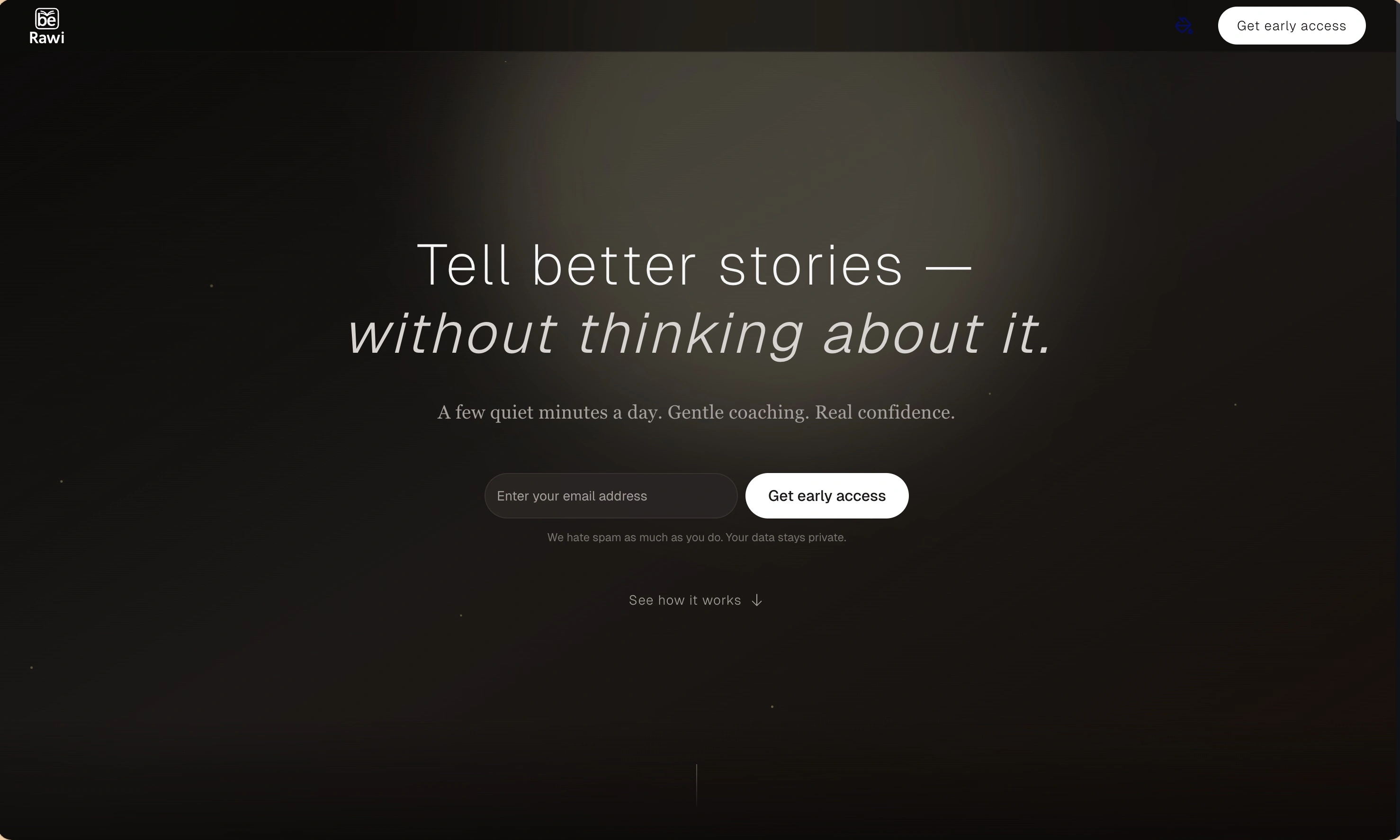
BeRawi: Storytelling Coach
Practice storytelling daily with instant feedback to sound clearer, more engaging, and confident 🎤
Omichat
Chat with 50+ AI models, including ChatGPT and Claude, in one place - switch models anytime without losing context 🤖
Claude Fast
Supercharge your Claude Code with 6x effective context window and specialized AI agents 🤖
EmojAI
AI-powered emoji picker with smart, context-aware suggestions 🤖
Solohacker
Autonomous company launcher - AI agents work 24/7, escalate what matters, and you stay in control 🤖
BeRawi: Storytelling Coach
Practice storytelling daily with instant feedback to sound clearer, more engaging, and confident 🎤
Omichat
Chat with 50+ AI models, including ChatGPT and Claude, in one place - switch models anytime without losing context 🤖
Claude Fast
Supercharge your Claude Code with 6x effective context window and specialized AI agents 🤖
EmojAI
AI-powered emoji picker with smart, context-aware suggestions 🤖
Solohacker
Autonomous company launcher - AI agents work 24/7, escalate what matters, and you stay in control 🤖
BeRawi: Storytelling Coach
Practice storytelling daily with instant feedback to sound clearer, more engaging, and confident 🎤
Omichat
Chat with 50+ AI models, including ChatGPT and Claude, in one place - switch models anytime without losing context 🤖
Claude Fast
Supercharge your Claude Code with 6x effective context window and specialized AI agents 🤖
EmojAI
AI-powered emoji picker with smart, context-aware suggestions 🤖
Solohacker
Autonomous company launcher - AI agents work 24/7, escalate what matters, and you stay in control 🤖
BeRawi: Storytelling Coach
Practice storytelling daily with instant feedback to sound clearer, more engaging, and confident 🎤

Connect with like-minded people
Join our community to get feedback, support, and grow together with 1,000+ builders on board, let's ship it!
Join usShip your startup everywhere. In minutes.
Don't burn tokens on setup and start building features on day one.