Startup Spark AI
AI business ideation and validation tool for students, generating startup ideas, market analysis, and actionable business plans tailored to your interests.
Startups are the engines of innovation, but for students and aspiring entrepreneurs, the journey from idea to execution is often daunting. Startup Spark AI emerges as a transformative AI-powered business ideation and validation tool, designed specifically for students. It generates tailored startup ideas, delivers in-depth market analysis, and crafts actionable business plans based on user interests. In this comprehensive guide, we’ll explore how Startup Spark AI addresses real user needs, its unique features, the market opportunity, and how you can leverage it to launch your entrepreneurial journey.
Understanding the target audience for Startup Spark AI
Startup Spark AI is purpose-built for a specific, yet rapidly growing, segment: students and early-stage entrepreneurs seeking to break into the startup world. Let’s analyze this audience in detail:
Who are the primary users?
- University and college students: Particularly those in business, engineering, or creative fields, looking for inspiration or validation for class projects, hackathons, or real-world ventures.
- Aspiring entrepreneurs: Individuals with limited experience but high motivation, seeking structured guidance to move from idea to execution.
- Student clubs and incubators: Organizations supporting student entrepreneurship, needing scalable tools for ideation workshops and competitions.
- Educators and mentors: Professors, advisors, and startup coaches who want to provide students with actionable, data-driven business insights.
What are their core needs and pain points?
- Lack of experience: Many students struggle to identify viable business ideas or validate them with real market data.
- Limited access to resources: Professional market research and business planning tools are often expensive or too complex.
- Desire for personalization: Students want ideas and plans tailored to their interests, skills, and local context.
- Time constraints: Academic schedules and extracurriculars leave little time for deep research or business planning.
How does Startup Spark AI address these needs?
- AI-driven ideation: Instantly generates startup ideas based on user interests and background.
- Automated market analysis: Provides up-to-date, relevant market data and competitor insights.
- Actionable business plans: Delivers step-by-step plans, financial projections, and go-to-market strategies.
- User-friendly interface: Designed for non-experts, with clear explanations and educational resources.
Identifying the market opportunity and gaps
The intersection of AI, education, and entrepreneurship is ripe for disruption. Let’s examine the current landscape and where Startup Spark AI fits in.
The growing demand for student entrepreneurship tools
- Rising interest in startups: According to the Global Entrepreneurship Monitor, student entrepreneurship is at an all-time high, with universities worldwide launching incubators and accelerators.
- EdTech and AI convergence: The global EdTech market is projected to reach $404 billion by 2025 (reference: HolonIQ), with AI-driven personalization as a key trend.
- Gap in accessible tools: Most business ideation and validation platforms (e.g., Crunchbase, CB Insights) are geared toward professionals and require costly subscriptions.
What’s missing in the current market?
- Personalization for students: Existing tools rarely tailor outputs to a student’s interests, skills, or local context.
- Actionable, not generic, plans: Many platforms offer idea generators, but few provide detailed, step-by-step business plans.
- Affordability and accessibility: There’s a lack of affordable, easy-to-use solutions for students and educators.
Startup Spark AI’s unique market position
Startup Spark AI bridges these gaps by combining advanced AI with a student-centric approach, democratizing access to high-quality business ideation and validation.
Core features and solution details
Startup Spark AI stands out through a suite of features designed to empower students at every stage of the entrepreneurial journey.
AI-powered idea generation
- Interest-based prompts: Users input their interests, skills, and goals; the AI generates relevant startup ideas.
- Trend analysis: Incorporates real-time data on emerging technologies and market trends.
- Diversity of ideas: Offers a range of ideas, from tech startups to social enterprises.
Automated market analysis
- Competitor mapping: Identifies key players, market size, and growth opportunities.
- SWOT analysis: AI generates strengths, weaknesses, opportunities, and threats for each idea.
- Validation metrics: Provides data on market demand, customer segments, and potential revenue streams.
Actionable business plan generation
- Step-by-step plans: Outlines milestones, resource requirements, and timelines.
- Financial projections: Estimates startup costs, revenue, and break-even points.
- Go-to-market strategies: Suggests marketing channels, pricing models, and customer acquisition tactics.
Collaboration and learning tools
- Team collaboration: Enables group ideation and plan development.
- Mentor integration: Allows educators or mentors to review and provide feedback.
- Educational resources: Offers guides, templates, and case studies.
AI-driven ideation
Generates personalized startup ideas based on user interests and skills.
Automated market analysis
Delivers real-time competitor and market insights for validation.
Actionable business plans
Creates step-by-step, data-backed business plans ready for execution.
Collaboration tools
Facilitates teamwork and mentor feedback within the platform.
Recommended tech stack for Startup Spark AI
Choosing the right technology stack is crucial for scalability, performance, and user experience. Here’s a recommended stack, with trade-offs considered:
Frontend
- React: Popular, component-based UI library with a large ecosystem and strong community support.
- TailwindCSS: Utility-first CSS framework for rapid, responsive design.
- TypeScript: Adds type safety and improves code maintainability.
Trade-off: React offers flexibility and scalability, but may require more setup compared to no-code tools. TailwindCSS accelerates development but has a learning curve for those new to utility-first CSS.
Backend
- Node.js: Efficient, event-driven server environment, ideal for real-time applications.
- Express: Minimalist web framework for building APIs.
- PostgreSQL: Robust, open-source relational database for storing user data and business plans.
Trade-off: Node.js and Express are highly scalable, but require careful management of asynchronous code. PostgreSQL is reliable, but may be overkill for very early MVPs.
AI and data processing
- OpenAI API: For natural language processing, idea generation, and market analysis.
- LangChain: Orchestrates complex AI workflows and integrates multiple data sources.
- Pinecone: Vector database for semantic search and recommendation features.
Trade-off: Leveraging third-party AI APIs accelerates development but introduces ongoing costs and dependency risks.
Infrastructure and deployment
- Vercel or Netlify: For seamless frontend deployment.
- AWS or GCP: For scalable backend and database hosting.
Optional integrations
- TurboStarter: For rapid SaaS boilerplate and deployment, reducing time-to-market.
Monetization strategy options
Startup Spark AI can adopt several monetization models, each with its own advantages and considerations:
1. Freemium model
- Free tier: Basic idea generation and limited market analysis.
- Premium tier: Advanced features (full business plans, collaboration, mentor feedback).
- Benefit: Lowers barrier to entry, encourages viral adoption among students.
2. Subscription-based SaaS
- Monthly/annual plans: For individuals, teams, or educational institutions.
- Custom pricing: For universities or incubators needing bulk access.
3. Pay-per-use
- Credits system: Users purchase credits for advanced analyses or additional business plans.
- Advantage: Flexible for users with sporadic needs.
4. Institutional partnerships
- Licensing: Offer platform access to universities, accelerators, or student organizations.
- White-labeling: Custom-branded versions for educational partners.
5. Affiliate and upsell opportunities
- Partner offers: Promote relevant tools (e.g., domain registration, prototyping software) and earn commissions.
The freemium model is often most effective for student-focused SaaS, as it encourages trial and word-of-mouth growth. Premium features can be targeted at more serious users or institutions.
By partnering with universities, incubators, and student organizations, Startup Spark AI can secure bulk licensing deals and expand its reach.
Potential risks and mitigation strategies
Launching an AI-powered SaaS for students comes with unique challenges. Here’s how to anticipate and address them:
1. Data privacy and security
- Risk: Handling sensitive user data (ideas, business plans) requires robust security.
- Mitigation: Implement end-to-end encryption, comply with GDPR/FERPA, and conduct regular security audits.
2. AI accuracy and bias
- Risk: AI-generated ideas or analyses may be inaccurate or biased.
- Mitigation: Use diverse training data, allow user feedback, and provide disclaimers about AI limitations.
3. User engagement and retention
- Risk: Students may try the tool once but not return.
- Mitigation: Gamify the experience, offer progress tracking, and integrate with campus events or competitions.
4. Competition from established platforms
- Risk: Larger platforms may introduce similar features.
- Mitigation: Focus on student-centric features, rapid iteration, and strong community partnerships.
5. Cost of AI infrastructure
- Risk: Ongoing costs for AI APIs and data processing.
- Mitigation: Optimize API usage, explore open-source models, and scale infrastructure with demand.
| Data privacy | AI bias | Retention | Competition | Cost |
|---|---|---|---|---|
| ✅ | ❌ | ❌ | ✅ | ❌ |
| ✅ | ❌ | ✅ | ✅ | ❌ |
Competitive advantage analysis
Startup Spark AI’s unique selling proposition (USP) lies in its student-first, AI-powered approach. Here’s how it stands out:
1. Deep personalization
- Tailored outputs: Unlike generic idea generators, Startup Spark AI crafts ideas and plans based on each user’s interests, skills, and goals.
- Local context: Incorporates regional trends and opportunities, making outputs more actionable.
2. End-to-end solution
- From ideation to execution: Covers the full journey, not just idea generation.
- Integrated learning: Blends business planning with educational resources and mentorship.
3. Accessibility and affordability
- Student-friendly pricing: Freemium and institutional models lower barriers to entry.
- Intuitive UX: Designed for non-experts, with clear explanations and onboarding.
4. Community and collaboration
- Team features: Supports group projects, hackathons, and competitions.
- Mentor integration: Bridges the gap between students and experienced advisors.
5. Rapid iteration and innovation
- AI at the core: Leverages the latest in generative AI and market analysis.
- Agile development: Can quickly adapt to new trends and user feedback.
Actionable implementation steps
Ready to bring Startup Spark AI to life? Here’s a step-by-step roadmap:
Example: AI-powered idea generation code snippet
Here’s a simplified example of how Startup Spark AI might use OpenAI’s API to generate personalized startup ideas:
import { Configuration, OpenAIApi } from "openai";

const configuration = new Configuration({
  apiKey: process.env.OPENAI_API_KEY,
});
const openai = new OpenAIApi(configuration);

async function generateStartupIdea(interests: string, skills: string) {
  const prompt = `Suggest a unique startup idea for a student interested in ${interests} with skills in ${skills}. Provide a brief description and potential market opportunity.`;
  const response = await openai.createCompletion({
    model: "text-davinci-003",
    prompt,
    max_tokens: 200,
  });
  return response.data.choices[0].text.trim();
}
Industry trends and future outlook
- Generative AI in education: Tools like Startup Spark AI are part of a broader trend toward AI-driven personalization in learning and entrepreneurship.
- Remote and hybrid learning: As more students engage in online education, demand for digital entrepreneurship tools is rising.
- Globalization of startup culture: Students worldwide are seeking ways to launch ventures, making localization and language support key differentiators.
Did you know?
According to a 2023 survey by the National Association of Colleges and Employers, over 60% of students expressed interest in starting their own business before graduation. (Reference: NACE 2023 Student Survey)
Conclusion: Why Startup Spark AI is the future of student entrepreneurship
Startup Spark AI is more than just an idea generator—it’s a comprehensive, AI-powered platform that empowers students to turn their passions into viable startups. By combining deep personalization, actionable insights, and collaborative tools, it fills a critical gap in the market. Whether you’re a student, educator, or incubator, Startup Spark AI offers a scalable, affordable, and innovative solution to unlock the next generation of entrepreneurs.
Key takeaways
- Startup Spark AI leverages AI to generate personalized startup ideas, validate them with real market data, and deliver actionable business plans for students.
- The platform addresses a clear market gap by focusing on accessibility, affordability, and student-centric features.
- With a robust tech stack, flexible monetization options, and a strong competitive advantage, Startup Spark AI is well-positioned for rapid adoption and growth.
- By following the outlined implementation steps, founders can bring this vision to life and make a lasting impact on student entrepreneurship.
For rapid SaaS development and deployment, consider leveraging TurboStarter to accelerate your journey.
Frequently asked questions
Startup Spark AI uses advanced AI to tailor ideas and business plans to each user's interests, skills, and local context, going far beyond generic prompts.
Yes, Startup Spark AI includes collaboration and feedback tools for educators, mentors, and student teams.
The freemium model ensures core features are accessible to all, with premium options for advanced users and institutions.
More 🤖 AI Startup SaaS ideas
Discover more innovative ai startup SaaS ideas that are trending in 2026. Each idea is AI-generated with market validation and growth potential to help you find your next profitable venture faster than competitors.
Your competitors are building with TurboStarter
Below are some of the SaaS ideas that have been generated and built with our starter kit.
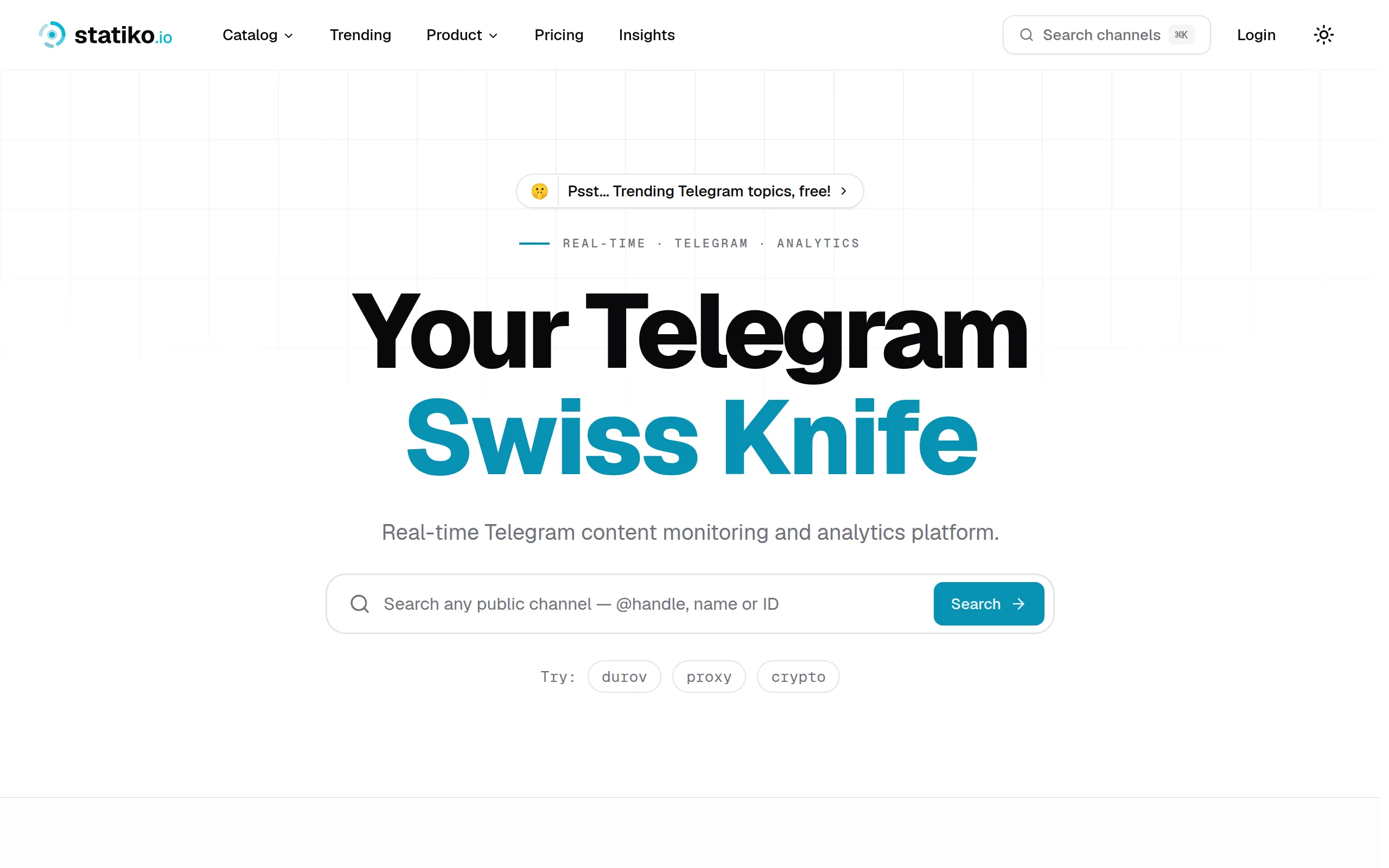
Statiko
Monitor any Telegram channel in real time - track posts, edits, deletions, and growth with AI recaps 📡
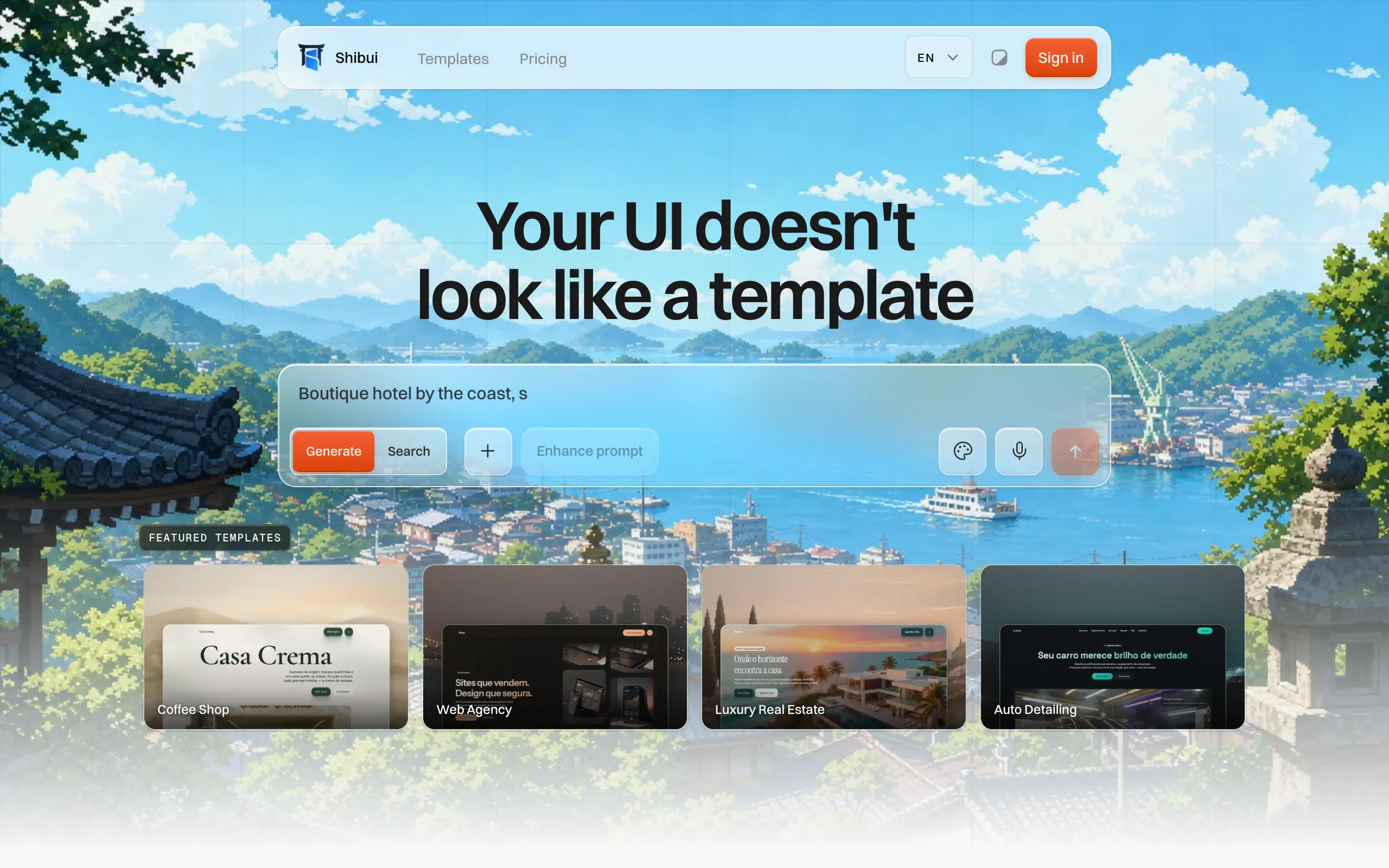
Shibui
AI website builder - describe your business, pick a niche template, edit by chatting, and publish instantly ✨

Pro Service
Find verified home service professionals, compare quotes, and pay securely through escrow - built for Brazilians across the US 🏠
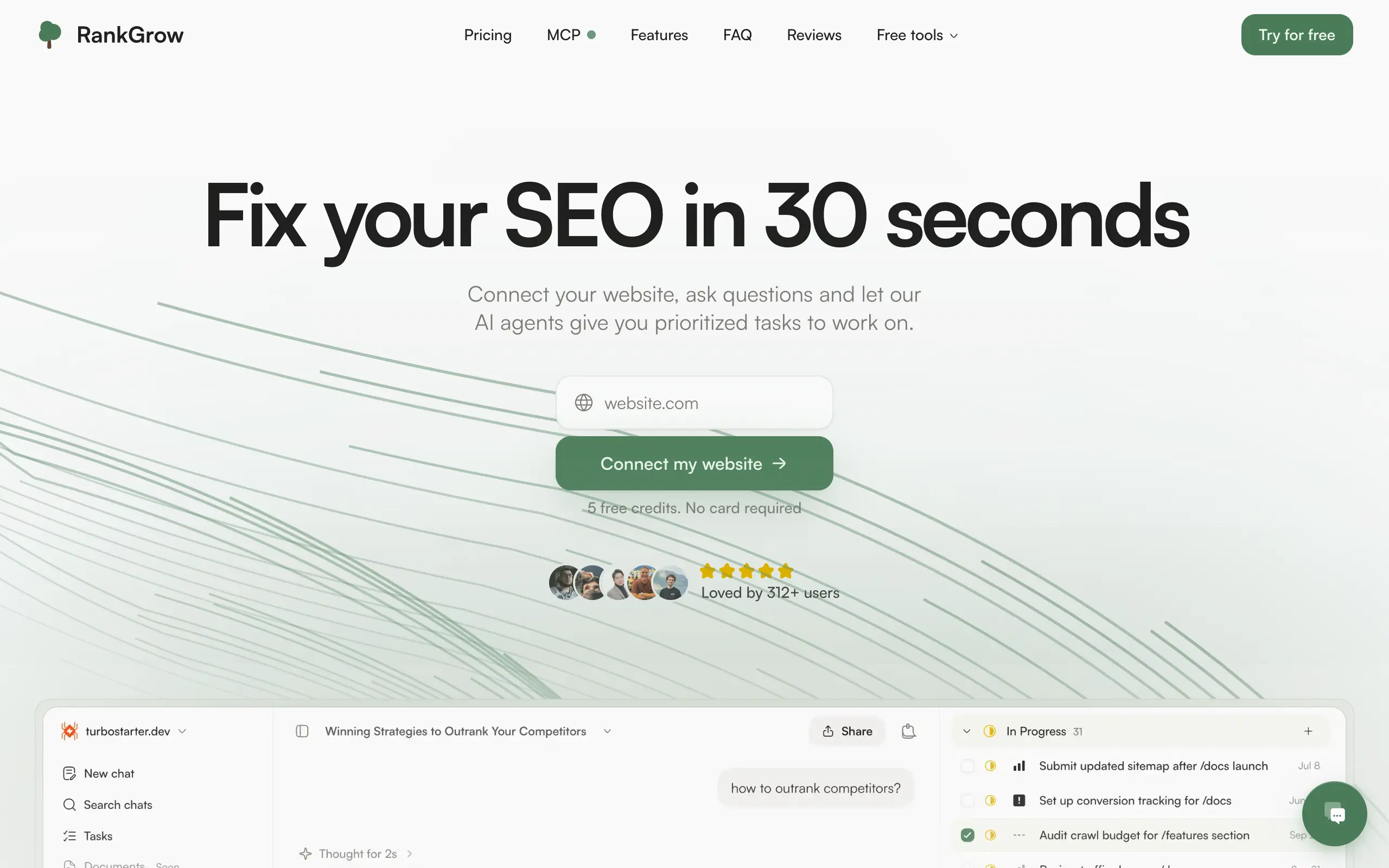
RankGrow
Fix your SEO with AI agents - connect Search Console, get prioritized tasks, and grow organic traffic 📈
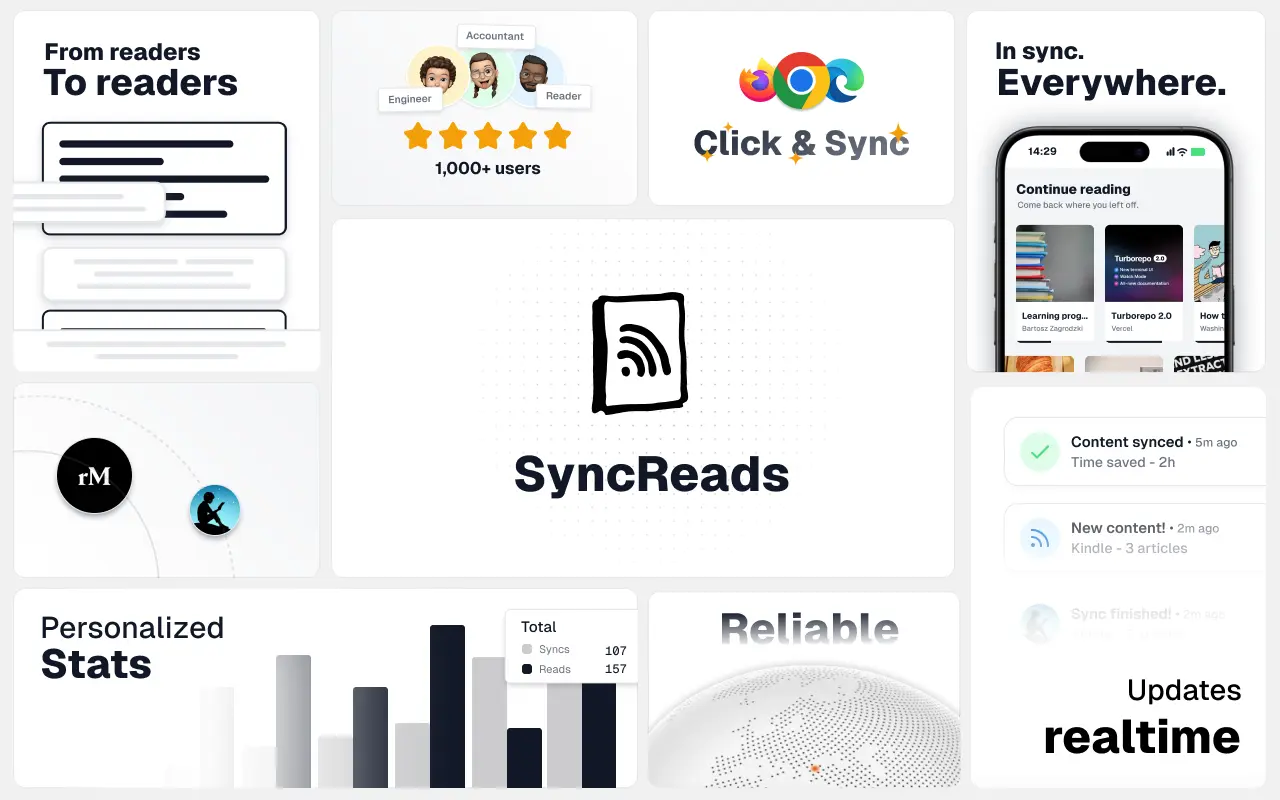
SyncReads
Sync your favorite content for distraction-free reading, save time and replace multiple apps. Anytime, anywhere 🔄
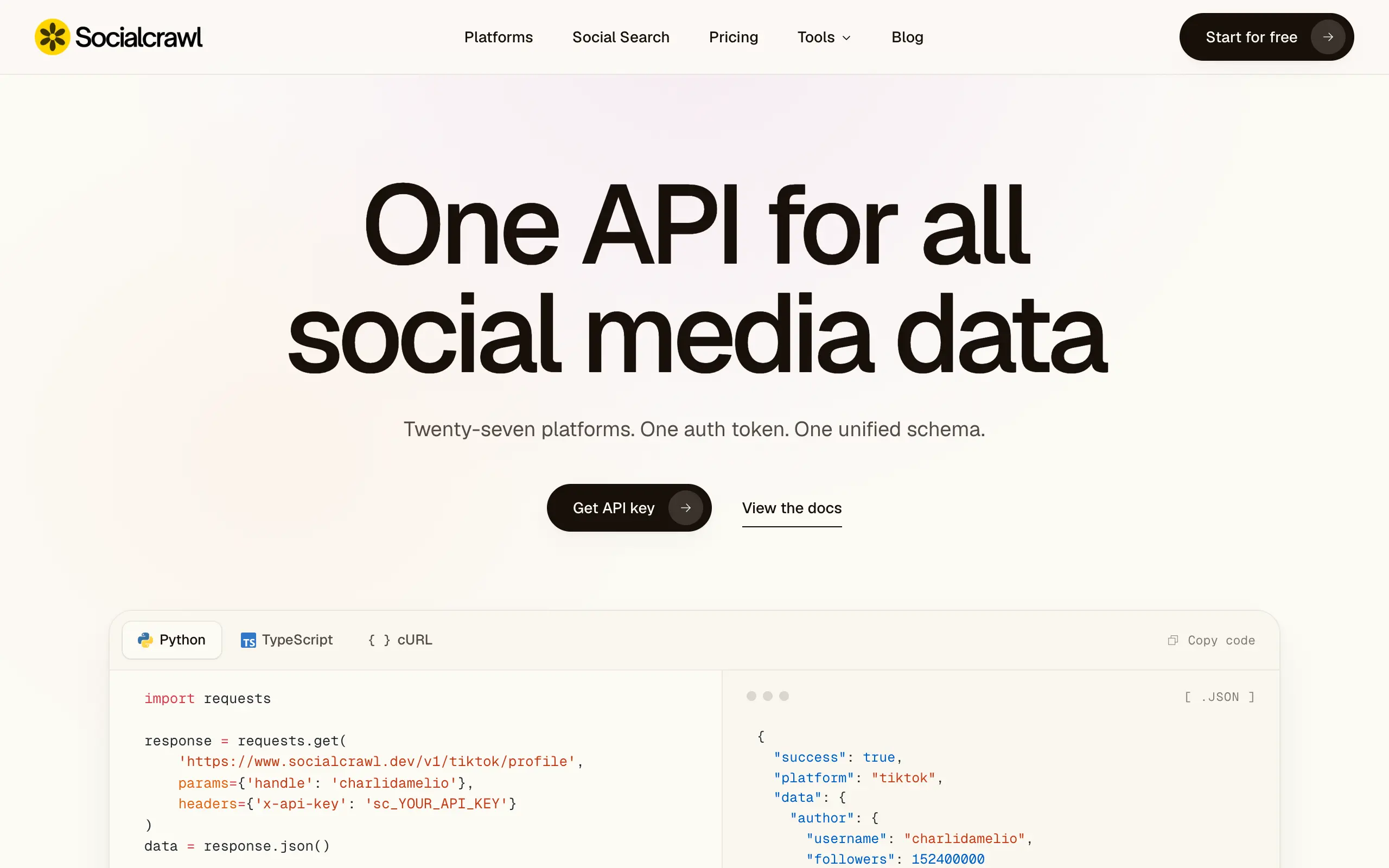
Socialcrawl
Get clean, structured data from 21 platforms like TikTok, Instagram, and YouTube with a single request 📊
Statiko
Monitor any Telegram channel in real time - track posts, edits, deletions, and growth with AI recaps 📡
Shibui
AI website builder - describe your business, pick a niche template, edit by chatting, and publish instantly ✨
Pro Service
Find verified home service professionals, compare quotes, and pay securely through escrow - built for Brazilians across the US 🏠
RankGrow
Fix your SEO with AI agents - connect Search Console, get prioritized tasks, and grow organic traffic 📈
SyncReads
Sync your favorite content for distraction-free reading, save time and replace multiple apps. Anytime, anywhere 🔄
Socialcrawl
Get clean, structured data from 21 platforms like TikTok, Instagram, and YouTube with a single request 📊
Statiko
Monitor any Telegram channel in real time - track posts, edits, deletions, and growth with AI recaps 📡
Shibui
AI website builder - describe your business, pick a niche template, edit by chatting, and publish instantly ✨
Pro Service
Find verified home service professionals, compare quotes, and pay securely through escrow - built for Brazilians across the US 🏠
RankGrow
Fix your SEO with AI agents - connect Search Console, get prioritized tasks, and grow organic traffic 📈
SyncReads
Sync your favorite content for distraction-free reading, save time and replace multiple apps. Anytime, anywhere 🔄
Socialcrawl
Get clean, structured data from 21 platforms like TikTok, Instagram, and YouTube with a single request 📊
Statiko
Monitor any Telegram channel in real time - track posts, edits, deletions, and growth with AI recaps 📡
Shibui
AI website builder - describe your business, pick a niche template, edit by chatting, and publish instantly ✨
Pro Service
Find verified home service professionals, compare quotes, and pay securely through escrow - built for Brazilians across the US 🏠
RankGrow
Fix your SEO with AI agents - connect Search Console, get prioritized tasks, and grow organic traffic 📈
SyncReads
Sync your favorite content for distraction-free reading, save time and replace multiple apps. Anytime, anywhere 🔄
Socialcrawl
Get clean, structured data from 21 platforms like TikTok, Instagram, and YouTube with a single request 📊
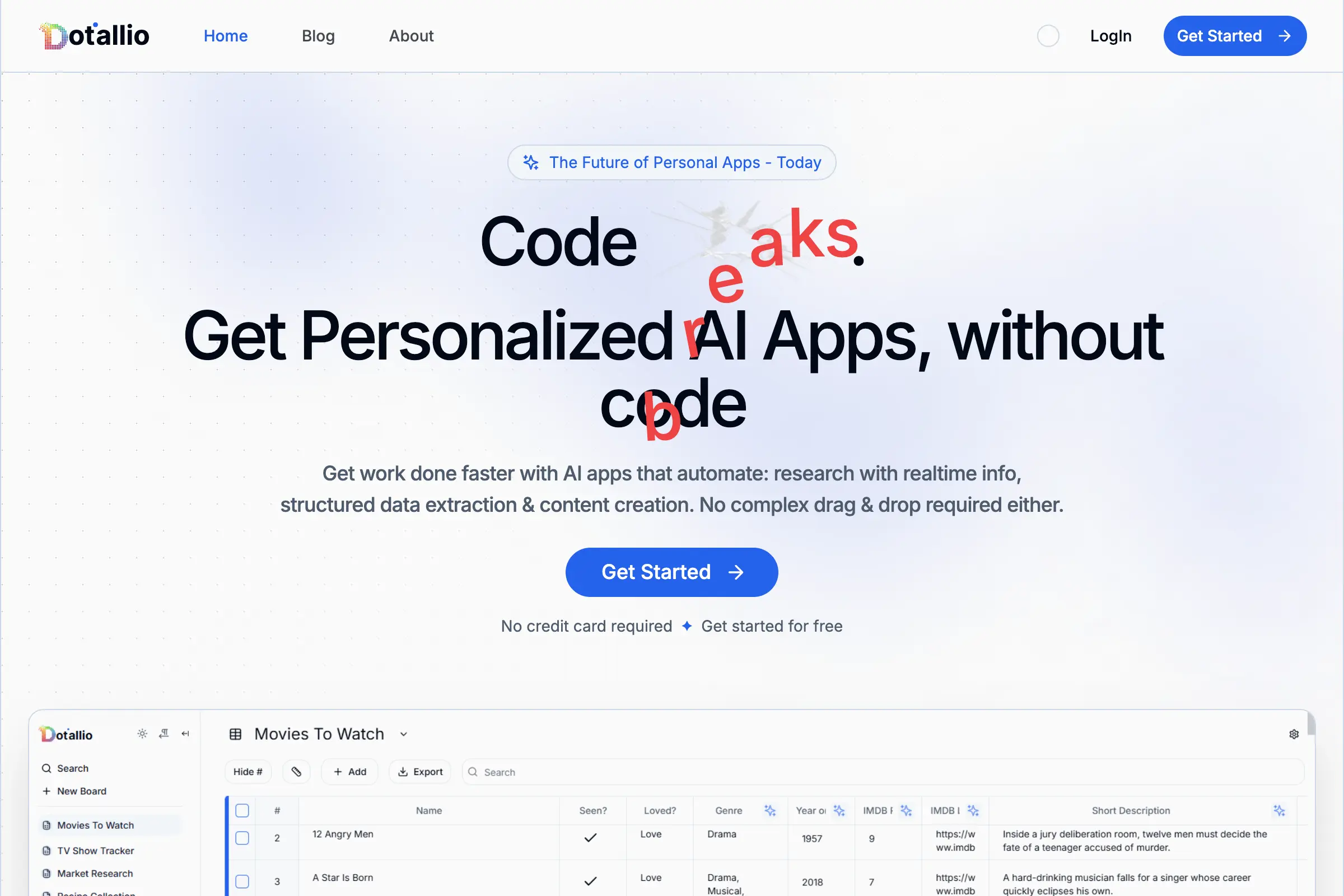
Dotallio
Personalized AI apps that automate research, data extraction, and content creation without code 🤖
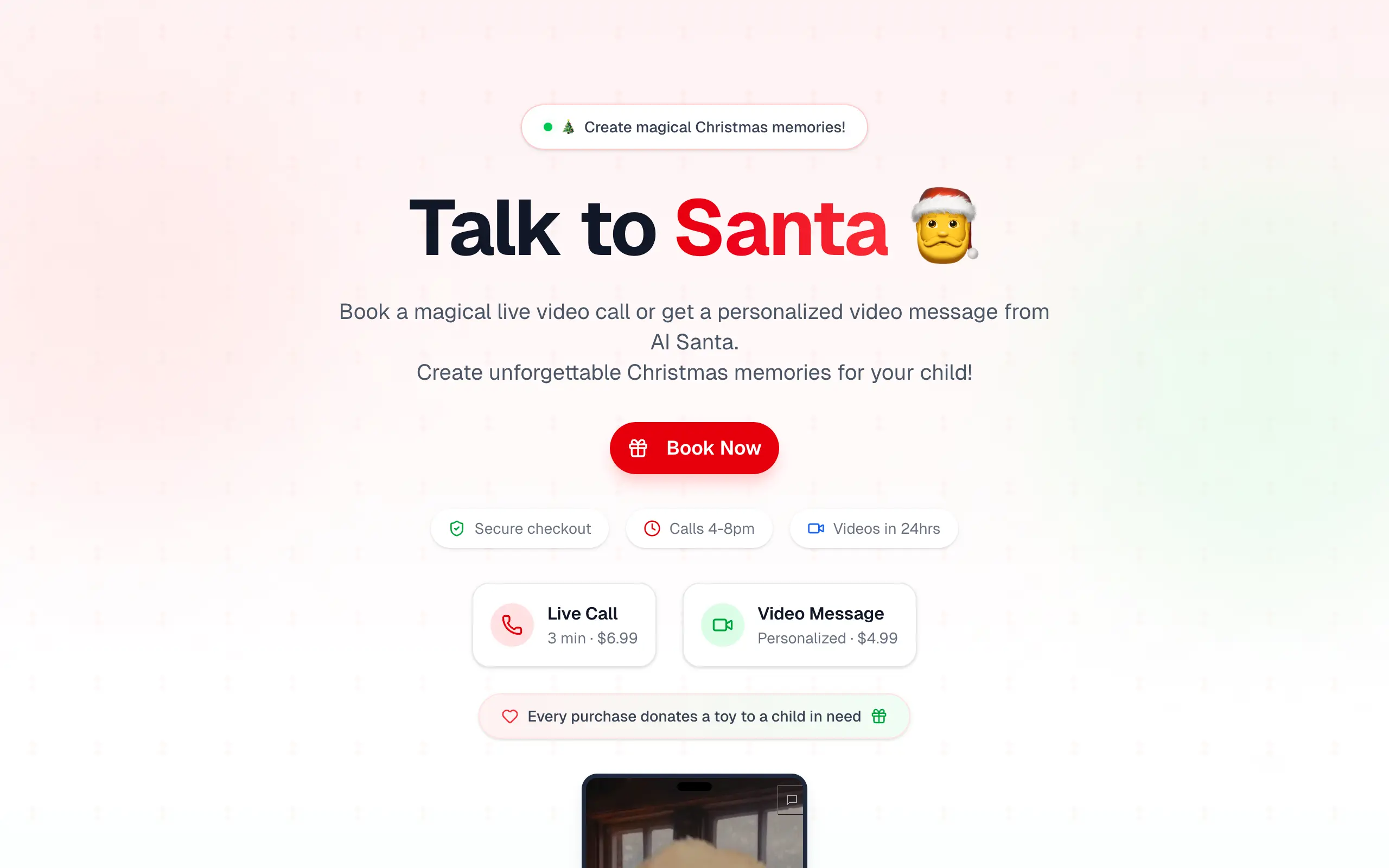
Talk to Santa
Enjoy a magical live video chat or receive a unique AI-generated video greeting from Santa Claus 🎅
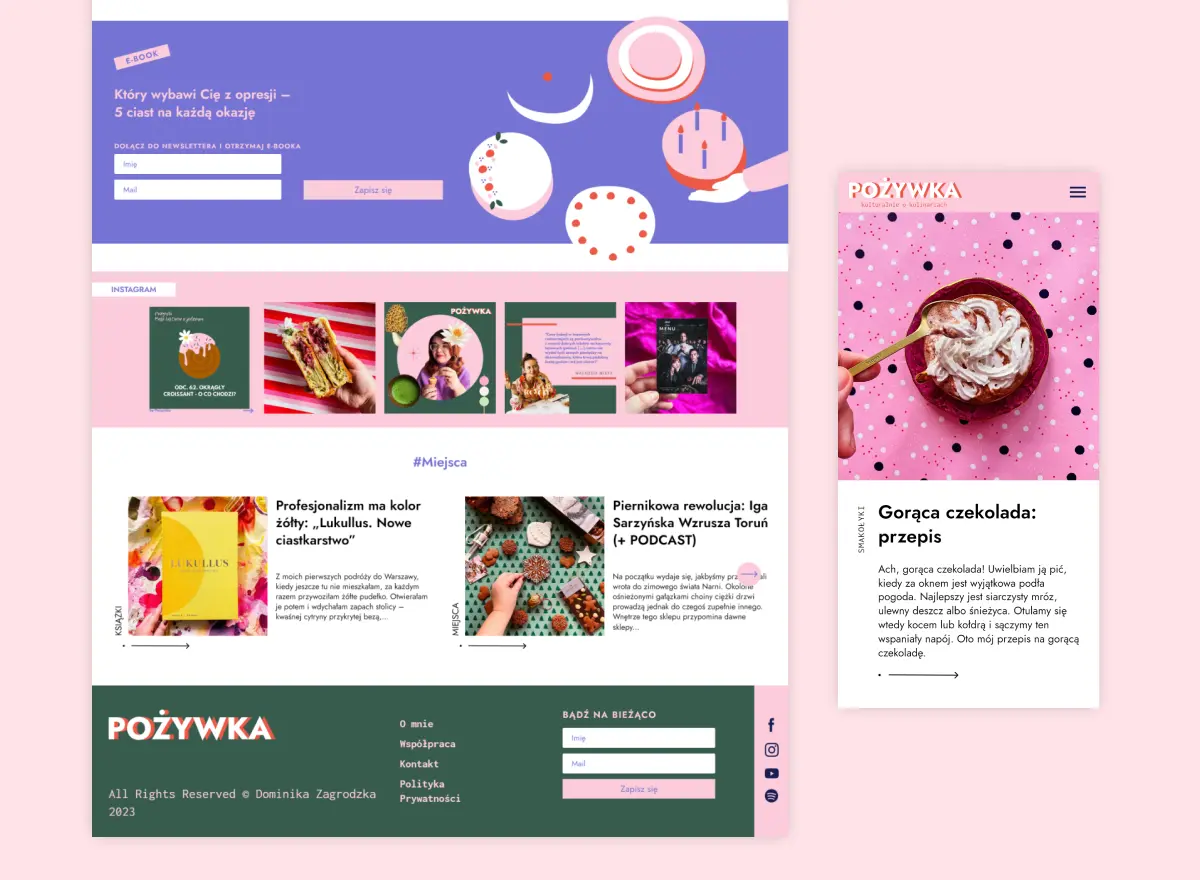
pozywka.pl
Scalable blog for food journalist, focused on performance and user experience 🌭
zagrodzki.me
Personal blog and portfolio of Bart Zagrodzki, where he shares his knowledge and work 💼
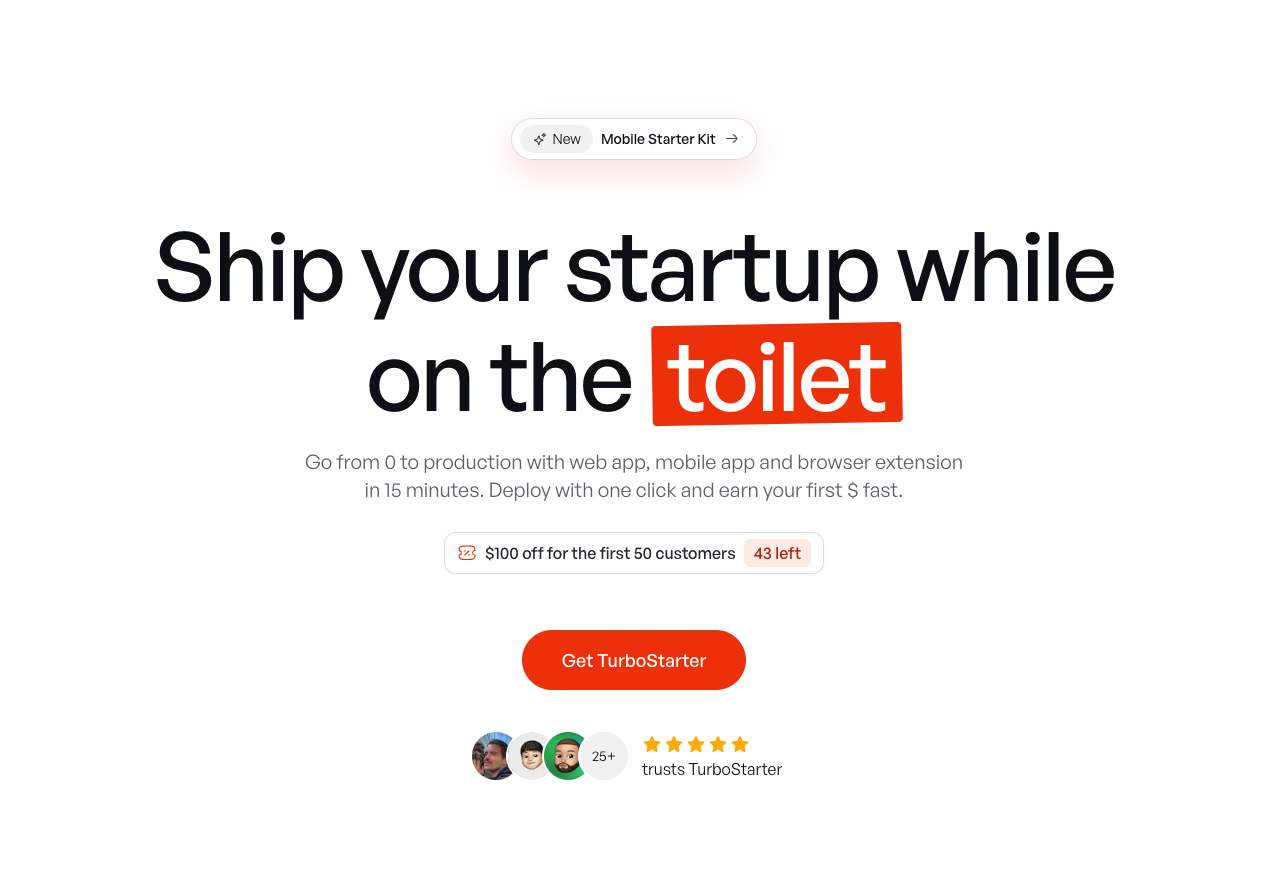
TurboStarter
Ship your startup everywhere. In minutes.
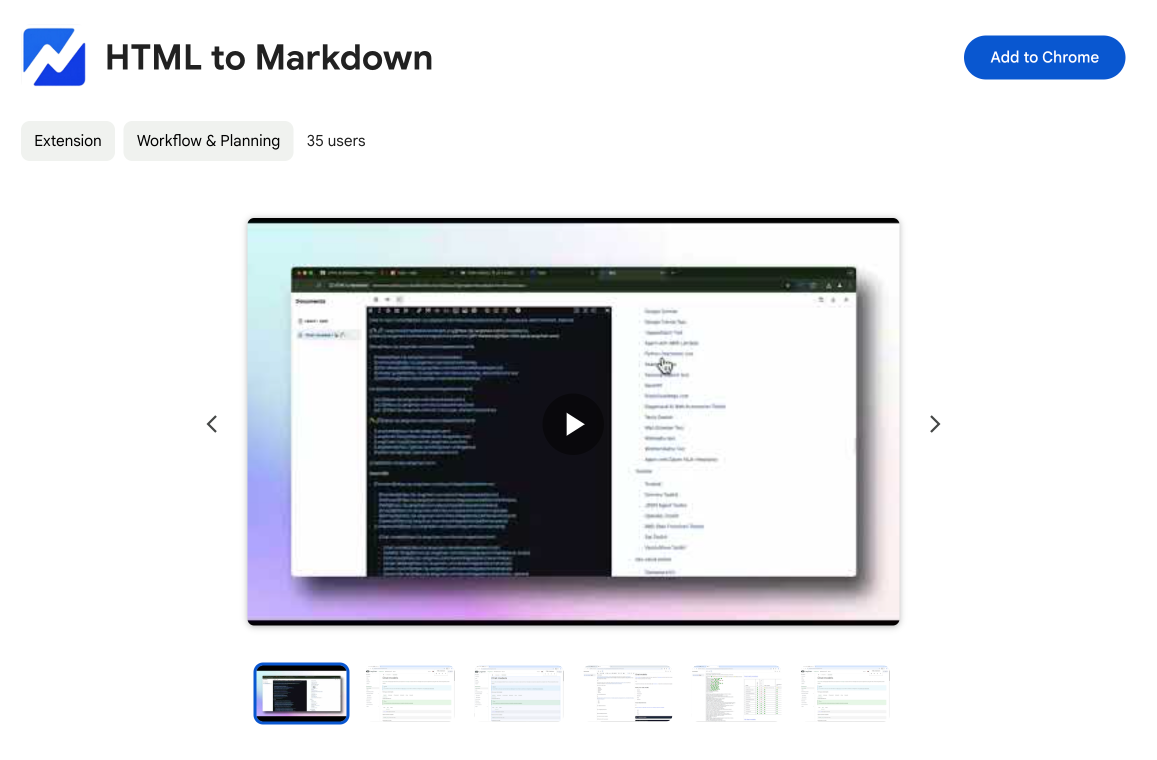
HTML to Markdown
Convert HTML to Markdown with ease, directly in your browser 📄
Dotallio
Personalized AI apps that automate research, data extraction, and content creation without code 🤖
Talk to Santa
Enjoy a magical live video chat or receive a unique AI-generated video greeting from Santa Claus 🎅
pozywka.pl
Scalable blog for food journalist, focused on performance and user experience 🌭
zagrodzki.me
Personal blog and portfolio of Bart Zagrodzki, where he shares his knowledge and work 💼
TurboStarter
Ship your startup everywhere. In minutes.
HTML to Markdown
Convert HTML to Markdown with ease, directly in your browser 📄
Dotallio
Personalized AI apps that automate research, data extraction, and content creation without code 🤖
Talk to Santa
Enjoy a magical live video chat or receive a unique AI-generated video greeting from Santa Claus 🎅
pozywka.pl
Scalable blog for food journalist, focused on performance and user experience 🌭
zagrodzki.me
Personal blog and portfolio of Bart Zagrodzki, where he shares his knowledge and work 💼
TurboStarter
Ship your startup everywhere. In minutes.
HTML to Markdown
Convert HTML to Markdown with ease, directly in your browser 📄
Dotallio
Personalized AI apps that automate research, data extraction, and content creation without code 🤖
Talk to Santa
Enjoy a magical live video chat or receive a unique AI-generated video greeting from Santa Claus 🎅
pozywka.pl
Scalable blog for food journalist, focused on performance and user experience 🌭
zagrodzki.me
Personal blog and portfolio of Bart Zagrodzki, where he shares his knowledge and work 💼
TurboStarter
Ship your startup everywhere. In minutes.
HTML to Markdown
Convert HTML to Markdown with ease, directly in your browser 📄
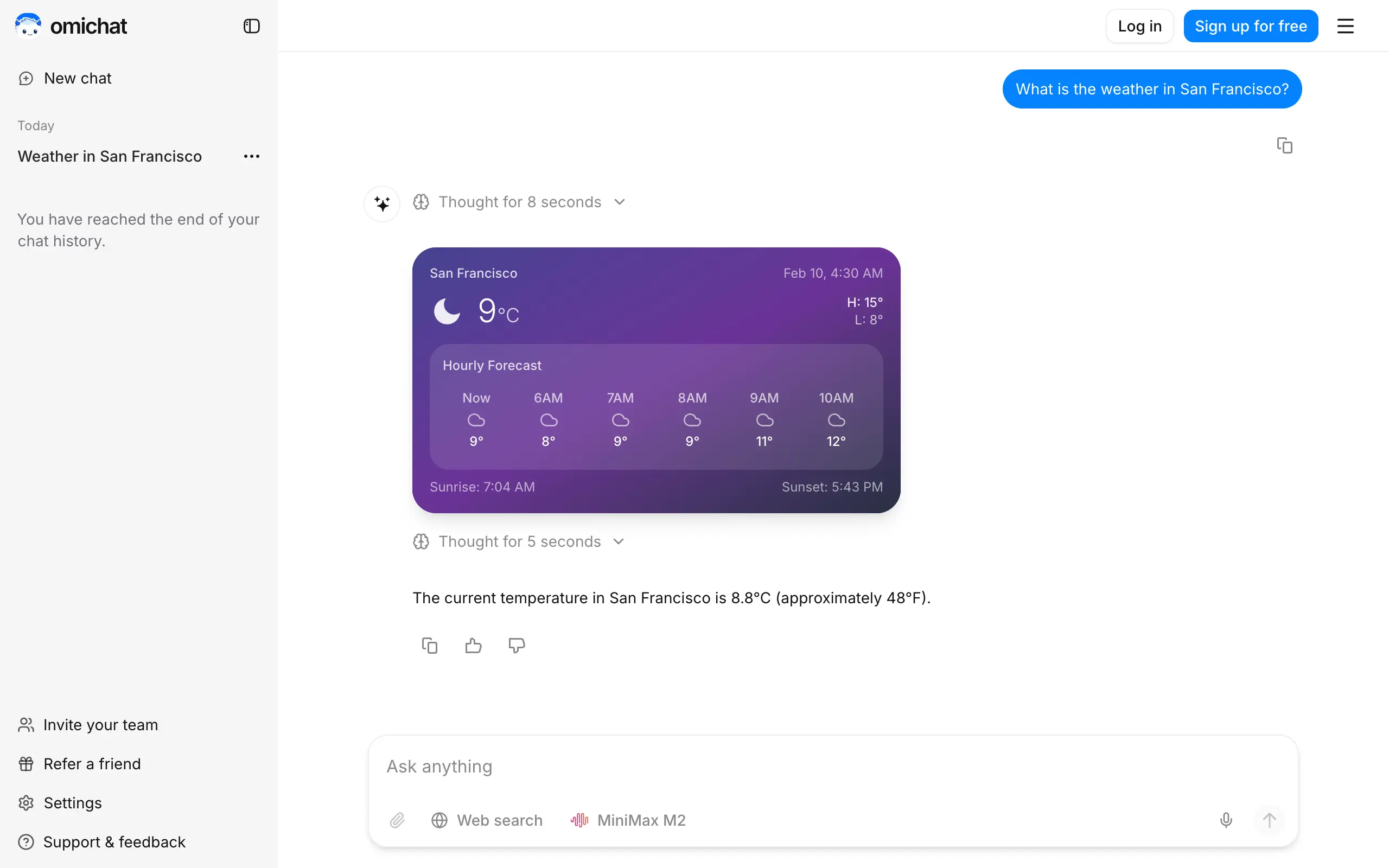
Omichat
Chat with 50+ AI models, including ChatGPT and Claude, in one place - switch models anytime without losing context 🤖
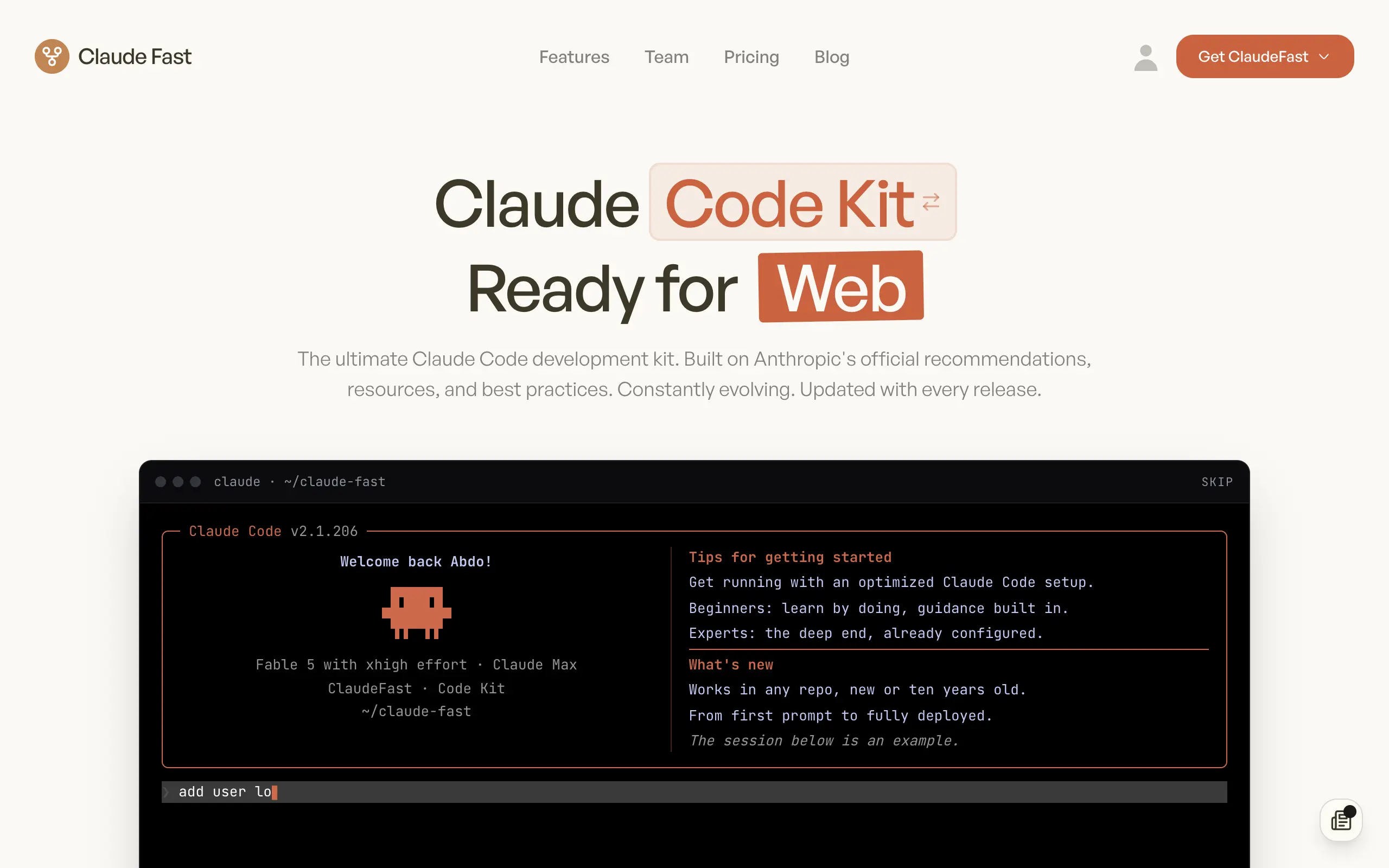
Claude Fast
Supercharge your Claude Code with 6x effective context window and specialized AI agents 🤖
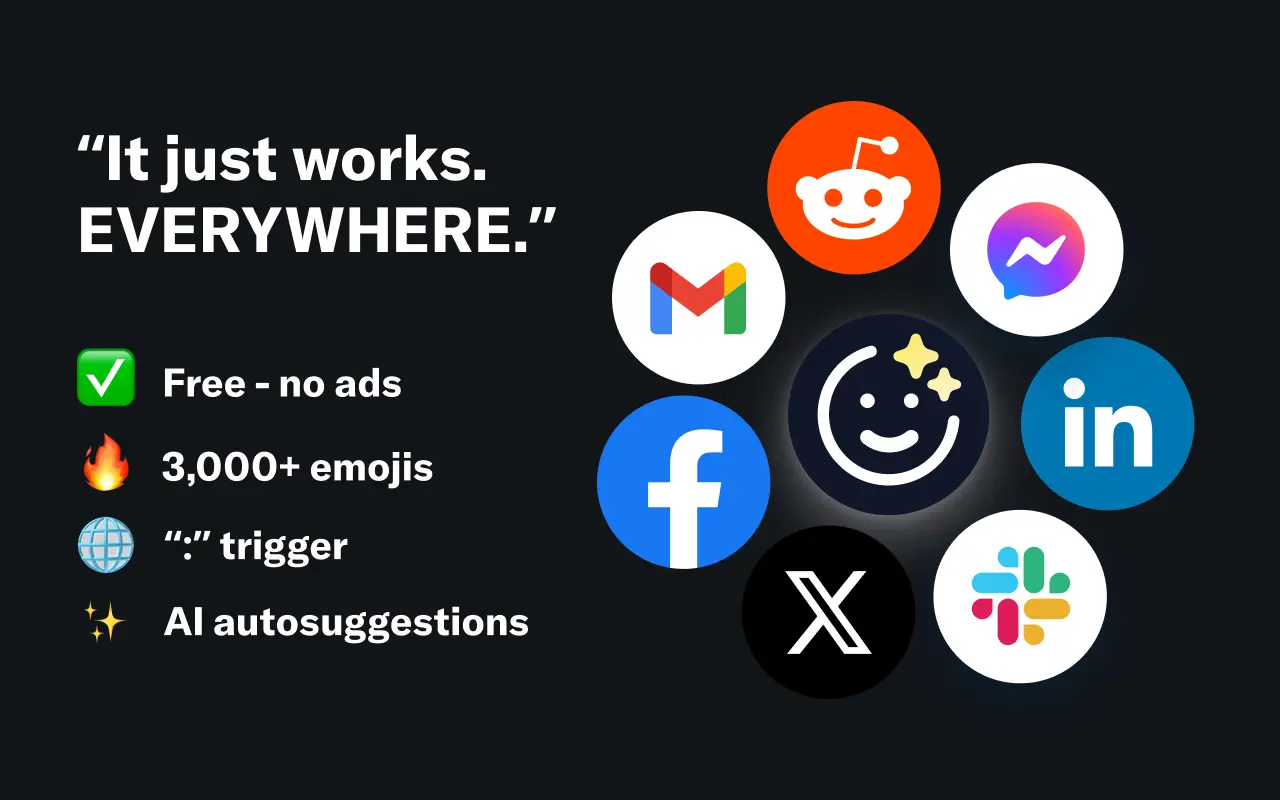
EmojAI
AI-powered emoji picker with smart, context-aware suggestions 🤖
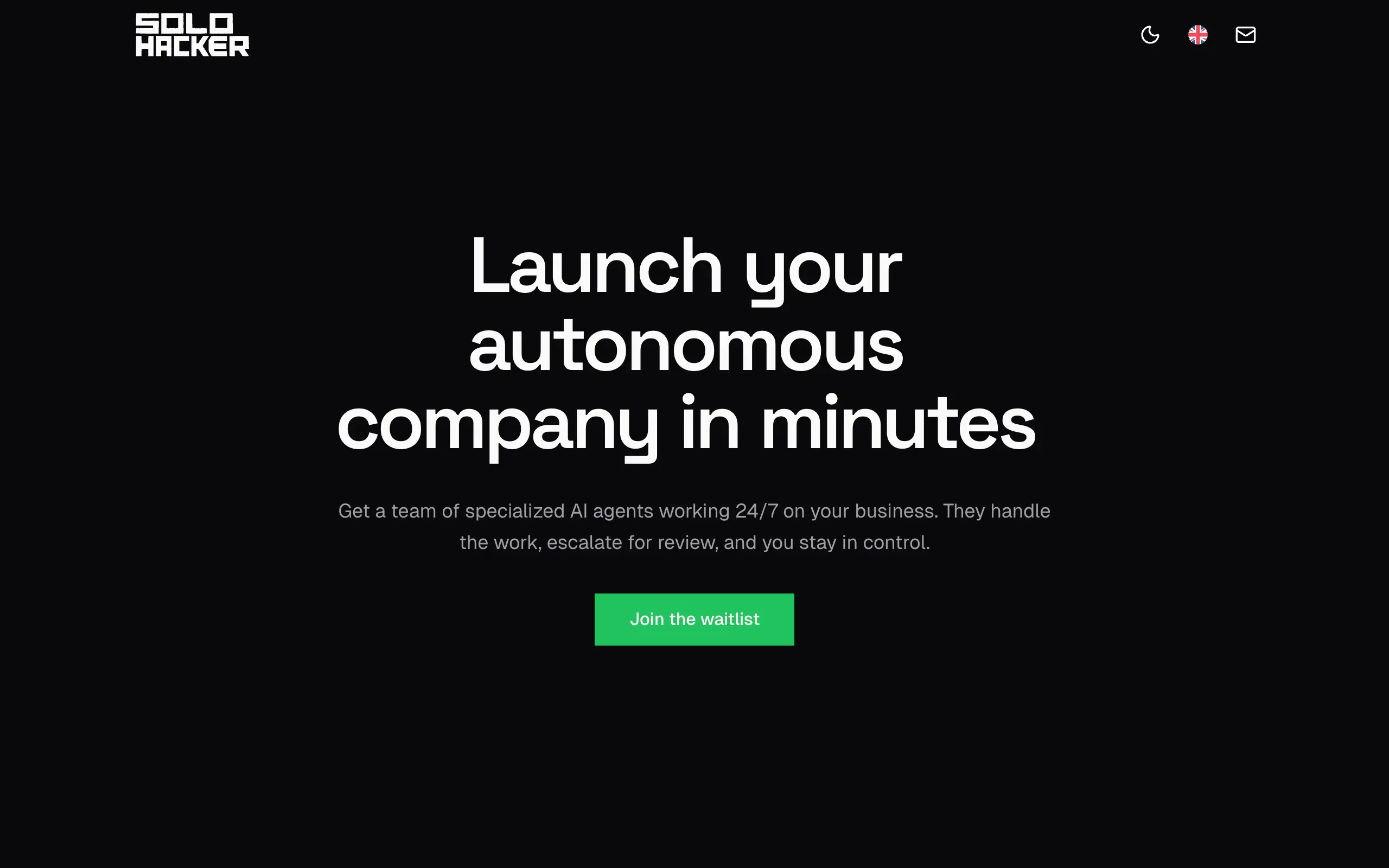
Solohacker
Autonomous company launcher - AI agents work 24/7, escalate what matters, and you stay in control 🤖
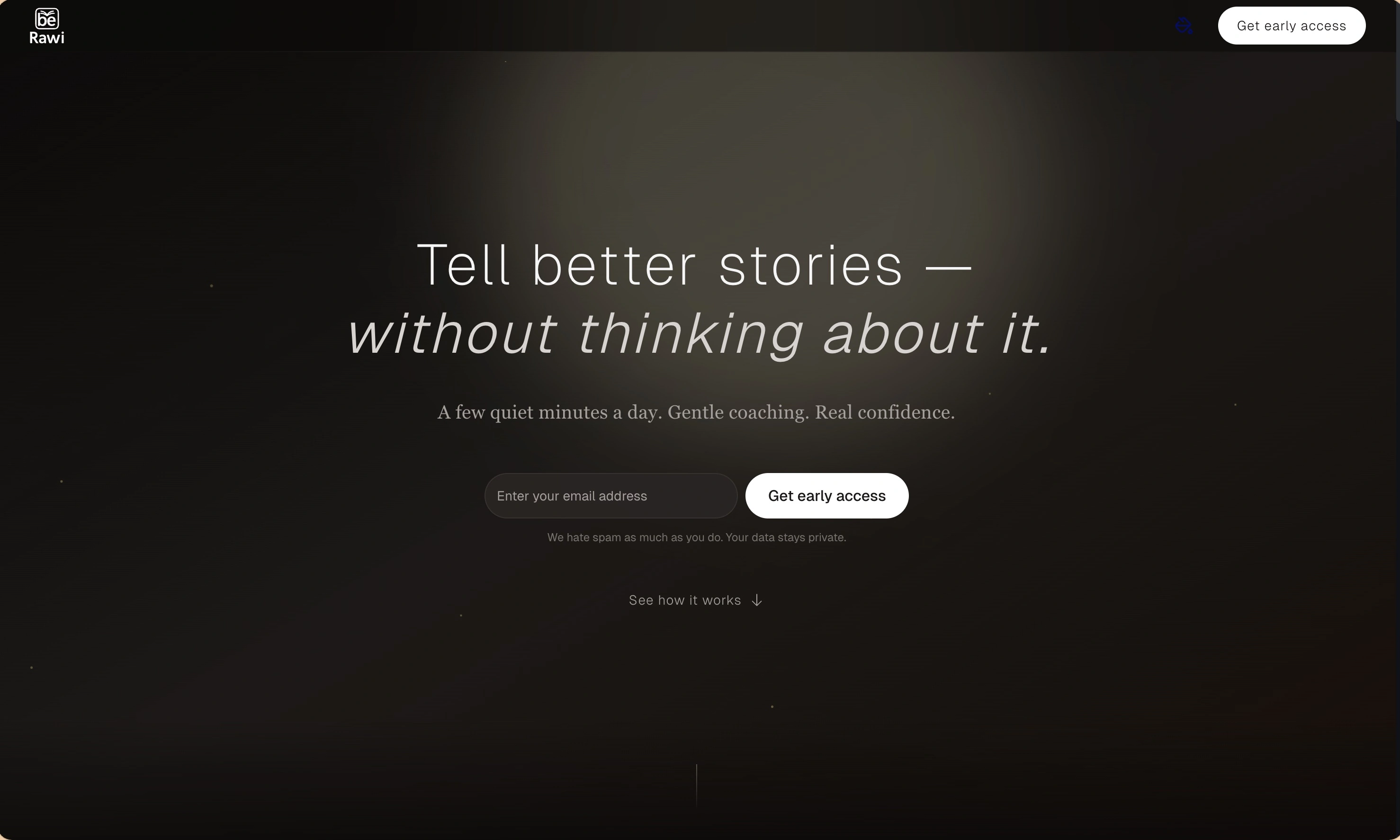
BeRawi: Storytelling Coach
Practice storytelling daily with instant feedback to sound clearer, more engaging, and confident 🎤
Omichat
Chat with 50+ AI models, including ChatGPT and Claude, in one place - switch models anytime without losing context 🤖
Claude Fast
Supercharge your Claude Code with 6x effective context window and specialized AI agents 🤖
EmojAI
AI-powered emoji picker with smart, context-aware suggestions 🤖
Solohacker
Autonomous company launcher - AI agents work 24/7, escalate what matters, and you stay in control 🤖
BeRawi: Storytelling Coach
Practice storytelling daily with instant feedback to sound clearer, more engaging, and confident 🎤
Omichat
Chat with 50+ AI models, including ChatGPT and Claude, in one place - switch models anytime without losing context 🤖
Claude Fast
Supercharge your Claude Code with 6x effective context window and specialized AI agents 🤖
EmojAI
AI-powered emoji picker with smart, context-aware suggestions 🤖
Solohacker
Autonomous company launcher - AI agents work 24/7, escalate what matters, and you stay in control 🤖
BeRawi: Storytelling Coach
Practice storytelling daily with instant feedback to sound clearer, more engaging, and confident 🎤
Omichat
Chat with 50+ AI models, including ChatGPT and Claude, in one place - switch models anytime without losing context 🤖
Claude Fast
Supercharge your Claude Code with 6x effective context window and specialized AI agents 🤖
EmojAI
AI-powered emoji picker with smart, context-aware suggestions 🤖
Solohacker
Autonomous company launcher - AI agents work 24/7, escalate what matters, and you stay in control 🤖
BeRawi: Storytelling Coach
Practice storytelling daily with instant feedback to sound clearer, more engaging, and confident 🎤

Connect with like-minded people
Join our community to get feedback, support, and grow together with 1,000+ builders on board, let's ship it!
Join usShip your startup everywhere. In minutes.
Don't burn tokens on setup and start building features on day one.