StemSmith
AI-powered plugin that turns a guitarist’s rough DAW takes into polished doubles, harmonies, and mix-ready stems for indie producers.
Why an AI guitar stem generator is a timely SaaS opportunity
Indie producers increasingly work like full production teams. They write songs, record artists, comp guitars, program drums, edit vocals, mix, revise client notes, and deliver stems—often from a bedroom studio with limited time and no assistant engineer.
Guitar production is a persistent bottleneck in that workflow.
A single rough guitar take rarely sounds release-ready on its own. Producers commonly need:
- Tight double-tracked rhythm guitars
- Stereo width without phase problems
- Octave layers for bigger choruses
- Supporting harmonies for hooks
- Cleanly edited DI tracks
- Wet and dry stems for mixing flexibility
- Variations that feel human rather than copied and robotic
Today, creating those layers requires either repeated performances, painstaking editing, manual pitch processing, or generic AI music tools that generate complete audio but do not preserve the guitarist’s original tone, phrasing, and musical identity.
StemSmith addresses that gap as an AI-powered guitar production plugin. It transforms a guitarist’s rough DAW takes into polished doubles, harmonies, and mix-ready stems built around the original performance.
The core opportunity is not to replace guitarists. It is to help producers turn imperfect but expressive guitar performances into usable production assets faster.
The product thesis
StemSmith should position itself as a performance-aware guitar production assistant, not a generic AI music generator. Its value is preserving the musician’s character while reducing editing, layering, and delivery time.
This positioning matters. Musicians are often skeptical of tools that erase authorship or make every track sound identical. A successful AI guitar doubling plugin should make the user feel more capable, more productive, and more in control.
The problem StemSmith solves for indie music producers
The average indie producer does not need another broad “make a song with AI” product. They need a dependable tool inside the workflow they already use.
They record guitars in a DAW, clean up timing, create doubles, add harmonies, route effects, print stems, and share versions with artists or mix engineers. Every interruption in that process adds friction.
Rough guitar takes are musically useful but commercially incomplete
A rough take can contain the feel that makes a song special. It may also contain small timing drifts, unstable intonation, inconsistent dynamics, fret noise, incomplete chord voicings, and performance artifacts that make layering difficult.
Manual correction is possible, but it is expensive in time and attention.
For a producer working on several songs per week, even a modest workflow can become repetitive:
- Record or import a guitar take.
- Choose usable sections and create a comp.
- Edit timing around the drum groove.
- Tune notes where needed.
- Record a second performance or build a synthetic double.
- Create harmonies and octave support.
- Render stems for mixing.
- Repeat after song arrangement changes.
The producer is not simply looking for “better audio.” They are looking for faster creative iteration without sacrificing musical credibility.
Traditional doubling plugins only solve part of the job
Conventional doubler effects can create width through short delays, modulation, detune, and stereo spread. Those effects are useful during mixing, but they do not create a genuinely independent second performance.
A copied guitar track with a timing offset may sound wide in isolation, yet it can introduce obvious comb filtering, transient smearing, or artificial phase behavior when summed to mono. It also does not help when the production needs a distinct alternate voicing, an octave part, or a harmonically appropriate response to a lead phrase.
StemSmith’s opportunity is to move beyond a stereo effect into performance-aware stem generation.
| Production need | Manual editing | Classic doubler | StemSmith approach | Expected value |
|---|---|---|---|---|
| Tighter timing | Possible but slow | ❌ | Transient-aware alignment | Faster usable takes |
| Natural double track | Requires another take | Partial illusion | Independent performance variation | Width with character |
| Harmony stem | Requires theory and tracking | ❌ | Key-aware part generation | Quicker arrangement choices |
| Mix handoff | Manual export setup | ❌ | Named dry and processed stems | Cleaner collaboration |
Target audience for StemSmith
StemSmith should start with a focused audience instead of attempting to serve every guitarist, engineer, and composer on day one.
The strongest initial customers are producers who already understand the value of layered guitars but lack time, recording access, or repeatable editing systems.
Primary audience: indie producers and songwriter-producers
The primary user is a producer working in indie rock, pop, alternative, punk, singer-songwriter, emo, folk-pop, modern country, and adjacent guitar-driven genres.
They may work with their own performances, remote collaborators, or artist-submitted tracks. Their sessions often contain imperfect recordings captured at home, in rehearsal spaces, or during fast-moving songwriting sessions.
Their common goals include:
- Finishing more songs per month
- Improving demos before artist or label review
- Creating bigger choruses from limited guitar recordings
- Preparing cleaner sessions for a mix engineer
- Avoiding repetitive editing work
- Delivering more polished production at an accessible budget
This audience is comfortable with plugins, but it is wary of novelty. The product must provide audible results within minutes and make every generated part editable.
Secondary audience: freelance mix engineers and production studios
Mix engineers receive sessions with missing doubles, inconsistent guitar layers, or incomplete arrangements. They may not be hired to rerecord parts, but they still need to improve impact and stereo presentation.
A mix engineer could use StemSmith to create a controlled supporting layer, rebuild a weak chorus, or generate print-ready alternate stems after getting artist approval.
Small studios can also benefit from a tool that expands their service offering. Instead of telling a client to book another tracking session, they can offer a “guitar production enhancement” workflow.
Tertiary audience: independent guitarists and content creators
Solo artists who record their own music are a natural growth segment. They may not know advanced production techniques, yet they want recordings that feel like professional multi-tracked arrangements.
For this group, the interface should prioritize guided presets such as:
- “Wide indie rhythm”
- “Pop chorus doubles”
- “Octave lift”
- “Lead harmony in thirds”
- “Tight modern rock”
- “Lo-fi alternate layer”
The product should explain results in musical terms, not only technical DSP language.
Producer Paula
She has strong song ideas and decent guitar takes, but loses hours comping and recording doubles before a deadline.
Mixer Marcus
He receives an otherwise good session with thin choruses and needs a reversible way to create supportive guitar layers.
Artist Alex
They can write and play, but do not have a second guitarist or the engineering knowledge to build a polished arrangement.
The market gap: AI music tools rarely preserve production control
The broader AI music market has grown quickly, but much of it focuses on text-to-song generation, composition assistance, vocal transformation, or mastering. Those categories are valuable, yet they do not fully solve the practical task of transforming one recorded guitar performance into multiple believable production stems.
This is the market gap StemSmith can own.
Generic generation is not enough for DAW users
DAW users require precise control over arrangement, tempo, key, timing, tone, and export. They also need to know what the software changed.
A producer may be comfortable with an AI-generated harmony, but only if they can:
- Hear it in context before committing
- Adjust the harmony interval
- Exclude notes that conflict with the vocal melody
- Lock a section to the song key
- Reprocess only a selected chorus
- Keep the original DI track untouched
- Export every generated part as a separate stem
A black-box workflow that returns a finished audio file is insufficient. StemSmith should deliver a transparent, non-destructive production workflow.
The defensible wedge is guitar-specific intelligence
A general audio model may identify pitch and timing. A guitar-specific system can go further by recognizing musical details that matter in real sessions:
- Pick attack and palm-muted articulation
- Chord changes versus single-note phrases
- String noise and slides
- Sustain behavior
- Bend and vibrato contours
- Rhythm-guitar chug patterns
- Lead guitar call-and-response phrasing
- Genre-specific arrangement conventions
This specialization creates a more compelling result and a clearer marketing message. “AI for audio” is broad and crowded. “Turn one rough guitar take into believable doubles, harmonies, and mix-ready stems” is specific, understandable, and tied to a concrete outcome.
Core features for an AI guitar doubling plugin
StemSmith should be designed around outcomes rather than a long list of technical toggles. The product experience should answer one question quickly: What additional guitar part does this song need?
Performance analysis and cleanup
The first layer of the product is audio understanding. StemSmith should analyze a selected guitar region or track and identify pitch, note boundaries, timing, articulation, dynamics, and likely playing style.
Useful controls include:
- Timing strength from natural to tight
- Pitch correction amount from transparent to polished
- Transient protection for aggressive rhythm parts
- Noise retention controls for realism
- Section-aware processing for verses, pre-choruses, choruses, and bridges
- A “preserve feel” option that avoids over-quantizing expressive passages
The key product principle is selective correction. Heavy correction may work for tightly produced pop rhythm guitars, while singer-songwriter parts may need nearly all original timing variation preserved.
Natural AI guitar doubles
The flagship feature should create a new supporting performance, not merely duplicate the source.
A convincing double should vary at least four dimensions:
-
Microtiming
The generated performance should not be perfectly aligned with the original. It needs controlled timing variance that supports the groove. -
Pitch behavior
Tiny pitch differences and individual-note tuning variation help prevent the “copied track” sound. -
Dynamics
Pick intensity and note level should differ naturally across the performance. -
Articulation and tone
The double should preserve the player’s broad sound while introducing enough variation to behave like another pass.
A useful UI could offer a simple “double personality” control:
- Tight
- Natural
- Loose
- Aggressive
- Soft
- Wide
Under the hood, those choices can map to timing, tuning, dynamics, transient shaping, and stereo placement behavior.
Key-aware harmonies and octave layers
Harmonies are a major value driver because they offer an immediate arrangement upgrade. However, harmony generation must be musically constrained.
StemSmith should let the producer set or detect:
- Song key
- Scale or mode
- Chord progression where available
- Desired interval
- Maximum harmonic complexity
- Sections where harmonies should enter
- Avoidance rules for rhythm guitar chords
A simple diatonic third can work for a melodic lead but sound cluttered on dense chordal rhythm parts. The software needs part-aware suggestions.
For example:
- Single-note hook guitar can receive thirds, sixths, or call-and-response harmonies.
- Rhythm guitar can receive octave reinforcement, alternate voicings, or simplified fifth-based support.
- Chorus sections can receive a brighter upper-octave stem.
- Verses can remain intentionally sparse.
Mix-ready stem export
The term “mix-ready” should mean something practical, not just “audio that sounds processed.”
StemSmith should export clearly labeled assets such as:
- Original cleaned DI
- Left double DI
- Right double DI
- Harmony DI
- Octave DI
- Processed amp-sim print
- Effects return print
- MIDI or note-event reference where technically feasible
Export should support common sample rates and preserve the exact timeline position so that stems drop into any session without manual alignment.
A producer should also be able to choose between three output modes:
Generate clean, editable DI stems for users who prefer their own amp sims, pedals, and mix chains. This is the best default for experienced producers and mix engineers.
Generate stems using the source tone as a reference, then print complementary processed layers. This helps users who need a fast starting point while retaining control.
Create a polished stereo arrangement quickly with genre-aware presets. This is ideal for songwriting sessions, social content, and demo production.
A/B comparison and confidence indicators
Trust is essential in audio AI. Users need an easy way to compare the original, corrected source, generated double, and full arrangement.
The interface should include:
- Instant bypass
- Level-matched A/B comparison
- Solo and mute controls for each generated layer
- A confidence indicator when note or key detection is uncertain
- A “review these bars” marker for ambiguous regions
- Version history for regenerated takes
Confidence indicators prevent a common AI product failure: pretending uncertainty does not exist. If StemSmith is unsure whether a phrase is in D major or B minor, it should ask the producer for confirmation instead of silently creating a wrong harmony.
Avoid the one-click trap
One-click generation is useful for onboarding, but professional users need editability. Every generated stem should be reversible, replaceable, and traceable back to the original take.
Recommended technical architecture for StemSmith
StemSmith is a demanding product because it combines real-time audio UX, machine learning inference, DSP, DAW integration, and secure licensing. The architecture should prioritize reliability over flashy but fragile demos.
Plugin format and desktop strategy
The ideal initial release is a desktop plugin for common DAWs, with an optional companion application for heavy rendering and account management.
Recommended distribution targets include:
- VST3 for broad desktop DAW compatibility through the VST3 SDK ecosystem
- Audio Unit support for macOS users
- A standalone desktop renderer for batch work and users who prefer offline processing
- A cloud-connected account layer for licensing, model updates, and optional remote rendering
A practical implementation can use JUCE for the audio plugin layer because it supports multi-platform audio application development. The plugin UI can use a native JUCE interface or a carefully integrated web-based UI where performance and host compatibility are validated.
Audio and machine learning pipeline
The processing pipeline should separate analysis, generation, and rendering.
type StemRequest = {
  audioRegion: Float32Array;
  tempoBpm: number;
  keySignature?: string;
  mode: "double" | "harmony" | "octave";
  intensity: number;
  preserveFeel: number;
};

async function generateGuitarStem(request: StemRequest) {
  const performanceMap = await analyzePerformance(request.audioRegion);
  const arrangement = createPartPlan(performanceMap, request);
  const generatedTake = await synthesizePerformance(arrangement);
  return renderStem(generatedTake, performanceMap);
}
The production implementation would be significantly more sophisticated than this example, but the conceptual stages are useful:
- Analyze the source recording.
- Build a structured representation of musical events.
- Select an arrangement plan based on user settings.
- Generate performance variation.
- Render a new audio stem while protecting musical realism.
- Run quality checks before presenting the output.
For source separation or pitch detection components, the team should benchmark several approaches using licensed audio. The winning model should be evaluated not only for transcription accuracy but also for perceived musical quality on guitar-specific material.
Local inference versus cloud rendering
This is one of the most important product decisions.
| Approach | Latency | Privacy | Compute cost | Best use case |
|---|---|---|---|---|
| Local inference | Low after download | High | Paid by customer hardware | Preview and basic cleanup |
| Cloud rendering | Depends on upload | Requires clear policy | Paid by SaaS provider | Complex high-quality generation |
| Hybrid architecture | Balanced | Configurable | More controllable | Most viable commercial path |
A hybrid architecture is likely the strongest choice.
Basic analysis, playback, and lightweight previews can run locally. Higher-quality harmonic generation and final rendering can use cloud GPUs when the user opts in. This balances performance, quality, and operating cost.
The privacy policy should plainly state whether audio leaves the device, how long it is retained, whether it is used for model training, and how users can delete it. For professional creators, those terms are product features—not legal footnotes.
SaaS backend and product operations
The backend needs to handle authentication, subscriptions, entitlements, job queues, render storage, telemetry, and support diagnostics.
A modern stack could include:
- Next.js for the marketing site, docs, account portal, and checkout flows
- React for account and web application interfaces
- PostgreSQL for reliable relational data
- Stripe for subscription billing and tax-aware payment infrastructure
- Object storage for encrypted temporary audio assets
- Queue workers for asynchronous cloud rendering
- A feature flag system for safe model and preset rollouts
- Sentry for error monitoring across the web and desktop ecosystem
For a lean SaaS launch, the team should avoid building a complex social platform, marketplace, or collaboration suite before validating the core transformation quality.
Monetization strategy for StemSmith
StemSmith can monetize through a blended plugin and usage model. This is important because AI inference costs can vary dramatically by stem length, output quality, and demand.
Recommended pricing structure
A three-tier offer is likely easier to understand than a long menu of credits.
- Starter with local tools, limited monthly cloud renders, and core doubling presets
- Producer with more render minutes, harmony generation, batch export, and commercial-use permissions
- Studio with higher render capacity, priority processing, team seats, shared presets, and client delivery workflows
A free trial should demonstrate a complete outcome. Let the user transform a rough guitar chorus into a tight stereo double and octave layer before asking them to pay.
Avoid a trial that only exposes analysis screens or watermarked previews. The user needs to hear the difference in their own session.
Credits can supplement subscriptions
Long high-quality renders may warrant credits, but credits should not become the central product experience. Producers dislike uncertainty when they are working under deadline.
A better approach is:
- Include a predictable amount of rendering capacity in each subscription.
- Show usage transparently in minutes or completed stem sets.
- Offer paid top-ups only for unusually high usage.
- Never consume credits for failed jobs or clearly unusable outputs.
- Let users regenerate low-confidence results without punitive charges.
Additional revenue opportunities
Once the core workflow is proven, StemSmith can expand carefully.
Potential add-ons include:
- Genre-specific performance packs
- Artist tone and arrangement presets
- Studio team management
- API access for production platforms
- White-label processing for education products
- Premium human-reviewed stem enhancement services
- A marketplace for approved producer preset packs
The strongest expansion path is likely preset intelligence, not generic sound packs. Users will pay for presets that encode usable production judgment, such as “stacked pop-punk chorus” or “intimate indie folk double.”
Competitive advantage and product moat
StemSmith’s competitive advantage should not rest solely on having an AI model. Models improve quickly, competitors can access similar infrastructure, and broad audio tools can add features.
The moat comes from workflow fit, guitar-specific data, quality evaluation, and user trust.
StemSmith’s unique selling proposition
StemSmith turns a guitarist’s rough take into multiple believable, controllable, mix-ready guitar stems while preserving the player’s feel and the producer’s creative control.
That statement contains several defensible product commitments:
- It starts from the user’s recording.
- It serves guitar-specific production needs.
- It creates multiple stems rather than one opaque result.
- It aims for believable performance variation.
- It fits inside a DAW workflow.
- It leaves control with the producer.
Build a proprietary quality dataset
The best long-term asset is a consented dataset of paired performances and production decisions.
For example, the team can build training and evaluation material from:
- Original guitarist takes
- Real second-pass doubles
- Manually produced harmony parts
- DI and amped versions
- Expert annotations about timing, feel, articulation, and genre
- Blind listening test scores from producers and engineers
The dataset should be acquired through explicit agreements with musicians. Do not assume that uploaded customer audio can be used for training. Opt-in consent, attribution options, and deletion workflows are essential for trust.
Measure quality by listening, not only model metrics
A low transcription error rate does not prove that a generated double feels convincing in a mix.
StemSmith should establish recurring listening panels with working producers. Test outputs in realistic contexts:
- Mono compatibility
- Vocal masking
- Chorus impact
- Timing against programmed and live drums
- Detection of synthetic artifacts
- Usefulness after amp simulation
- Preference against manual alternatives
For public claims about time savings or quality, use documented internal studies and clearly describe the sample size, genre coverage, and methodology. If publishing market statistics, cite authoritative industry research in the final marketing materials rather than relying on vague claims.
Risks and mitigation for AI-powered guitar stem generation
A credible SaaS strategy should acknowledge the hard parts. Audio AI has technical, legal, and brand risks that must be addressed before scale.
Risk: unnatural or artifact-heavy outputs
Guitar signals contain attacks, bends, overlapping notes, distortion, and non-pitched noise that can expose audio artifacts.
Mitigation should include:
- Restrict early support to well-defined input conditions.
- Provide an input quality meter before rendering.
- Preserve a non-destructive original track at all times.
- Offer short previews before full renders.
- Use confidence scoring and manual correction paths.
- Build genre-specific quality benchmarks instead of one broad score.
Start with monophonic lead guitar and simpler rhythm material if necessary. It is better to solve a narrower job exceptionally well than to claim universal guitar support and disappoint users.
Risk: copyright, consent, and voice-like identity concerns
Musicians may worry that their recordings are being used to train models or imitate a recognizable guitarist’s identity.
Mitigation should include:
- Clear opt-in and opt-out model-training controls.
- Strict ownership language that confirms users retain rights to their uploaded recordings.
- No “sound like a famous guitarist” preset names or marketing.
- Content retention limits and deletion controls.
- Audit logs for cloud processing activity.
- Legal review of training data licenses and user terms.
Risk: latency disrupts the DAW workflow
If the plugin blocks playback, crashes sessions, or takes too long to render a short phrase, users will abandon it.
Mitigation should include:
- Offline rendering for compute-heavy tasks.
- Fast local preview mode.
- Background cloud job processing with notifications.
- Automatic alignment of rendered stems to the session timeline.
- Conservative CPU and memory usage.
- Testing across major hosts before public release.
Risk: users perceive the product as cheating
Some artists value the imperfections of human performance and may resist AI-assisted production.
Mitigation should include positioning that respects musicianship:
- Emphasize enhancement, not replacement.
- Make original performance character a central product promise.
- Include “natural” and “preserve feel” defaults.
- Feature producer case studies that explain creative decisions.
- Show how the tool helps artists finish songs when budgets are limited.
No. Begin with genres where layered electric and acoustic guitars are central to the arrangement and where producers already understand double tracking. Broaden support after collecting reliable quality data.
It should eventually offer useful tone-matched prints, but editable DI stems should remain central. Producers often have established amp sims, pedal chains, and mix templates they want to keep using.
Not for every feature. A hybrid model can keep low-latency tasks local while reserving cloud compute for complex generation and high-quality final exports.
Go-to-market strategy for StemSmith
StemSmith should launch through credibility-heavy channels where producers discover practical tools: YouTube production educators, plugin reviewers, producer communities, guitar-focused creators, and direct relationships with freelance engineers.
The marketing should lead with before-and-after demonstrations, not abstract AI claims.
Content that matches search intent
People searching for an “AI guitar doubling plugin,” “how to double track guitar,” “guitar harmony generator,” or “make guitar tracks sound wider” want practical solutions. StemSmith can capture that demand with educational content such as:
- How to double-track guitar without recording the same part twice
- Why copied guitar tracks sound artificial in stereo
- How to create guitar harmonies that fit a song key
- DI guitar stems versus printed amp tones
- A producer’s workflow for turning a rough chorus into a layered arrangement
- How to avoid phase issues when widening guitars
Each article should demonstrate real knowledge, include audio examples where possible, and avoid unsupported claims. Product pages can link to independent reviews and documented user case studies as those assets become available.
Creator partnerships should focus on proof
Instead of paying creators to read a generic sponsorship script, provide them with raw rough takes and let them evaluate the workflow in their own DAW.
The strongest partnerships will show:
- The original take.
- The generated double and harmony stems.
- The producer’s edits or adjustments.
- The final mix context.
- An honest explanation of where the tool worked and where manual choices were still needed.
That format establishes trust because it treats the audience like experienced musicians rather than passive consumers.
Actionable implementation roadmap
The best StemSmith MVP is not a full AI band-in-a-box system. It is a reliable, narrow solution that turns a selected guitar track into a usable double and an octave layer.
The technical foundation can move faster when the team starts from a production-ready SaaS base rather than assembling billing, authentication, dashboards, and deployment infrastructure from scratch. TurboStarter can help accelerate the account, subscription, and application layers so the core team can focus on the audio workflow and model quality that make StemSmith distinctive.
Final perspective
StemSmith has a strong SaaS opportunity because it addresses a specific, expensive, and emotionally familiar problem for music producers: a guitar take can have the right feeling but still lack the polish, layers, and flexibility needed for a finished record.
The winning product will not be the one that claims to generate the most music. It will be the one that earns a place in real sessions.
That means delivering believable AI guitar doubles, musically appropriate harmonies, dependable stem export, transparent controls, and a clear commitment to creator ownership. If StemSmith can consistently help producers turn one rough take into a larger, more mix-ready arrangement in minutes, it can become an essential part of the modern indie production workflow.
More 🤖 AI Startup SaaS ideas
Discover more innovative ai startup SaaS ideas that are trending in 2026. Each idea is AI-generated with market validation and growth potential to help you find your next profitable venture faster than competitors.
Your competitors are building with TurboStarter
Below are some of the SaaS ideas that have been generated and built with our starter kit.

Statiko
Monitor any Telegram channel in real time - track posts, edits, deletions, and growth with AI recaps 📡
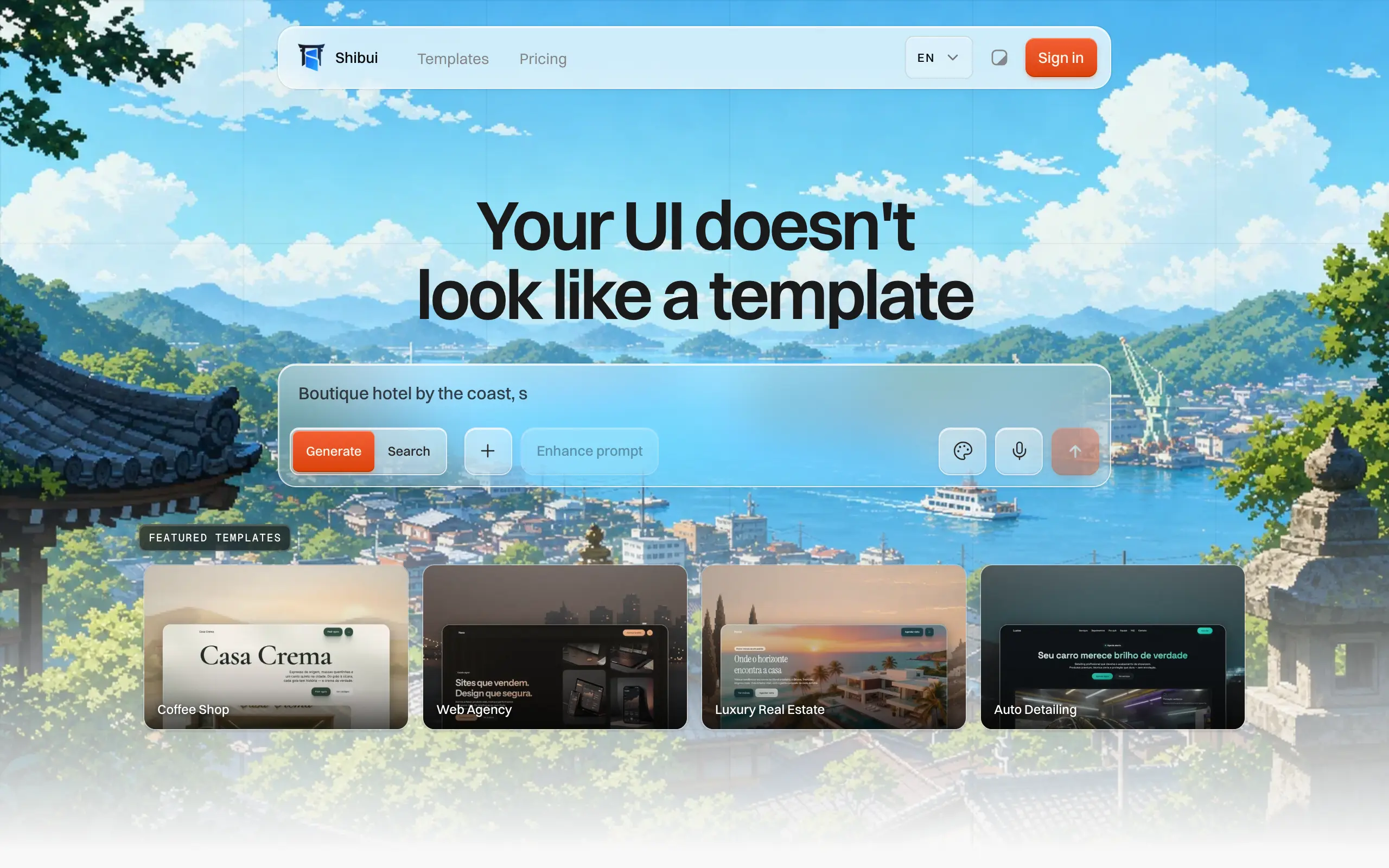
Shibui
AI website builder - describe your business, pick a niche template, edit by chatting, and publish instantly ✨

Pro Service
Find verified home service professionals, compare quotes, and pay securely through escrow - built for Brazilians across the US 🏠
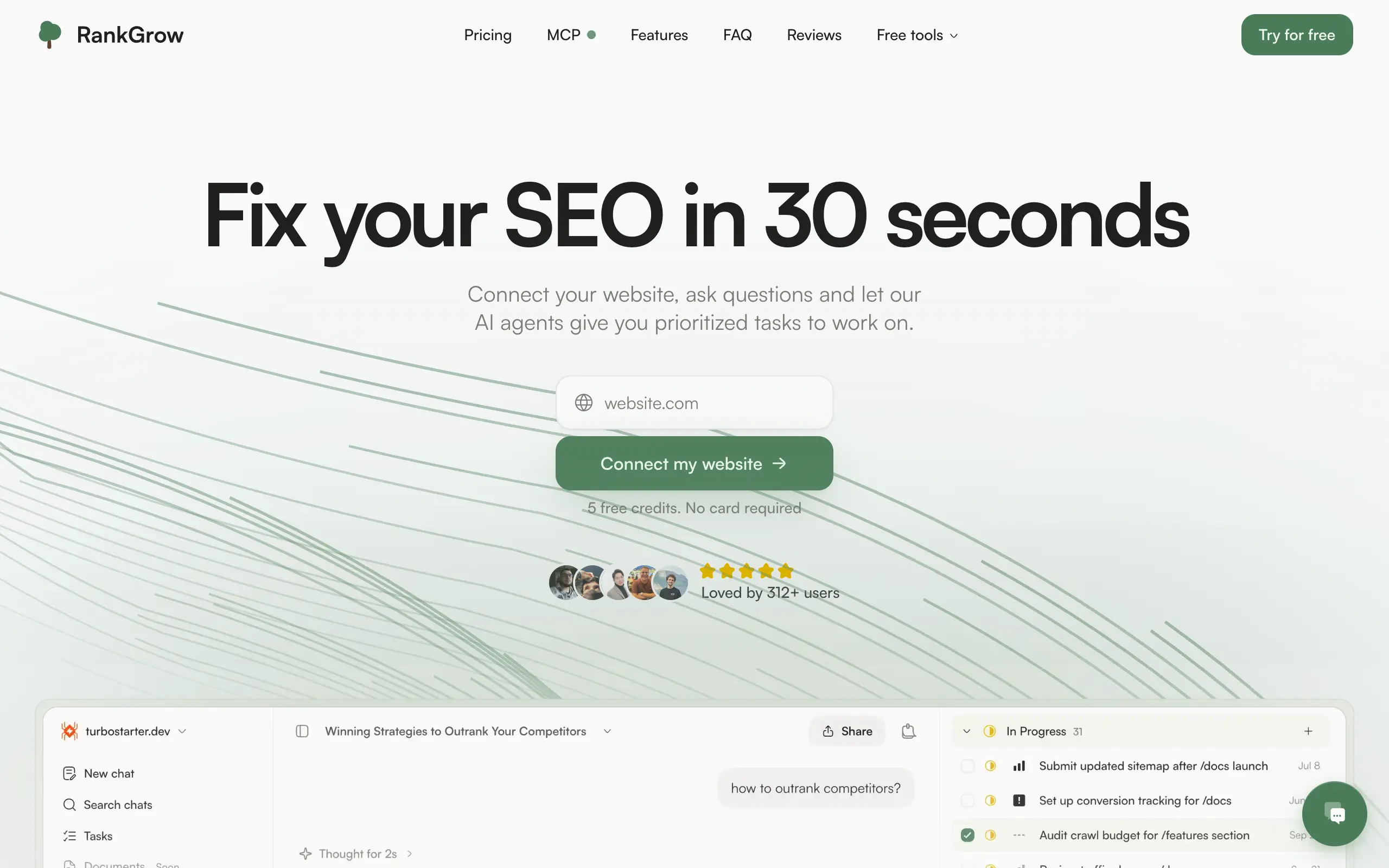
RankGrow
Fix your SEO with AI agents - connect Search Console, get prioritized tasks, and grow organic traffic 📈
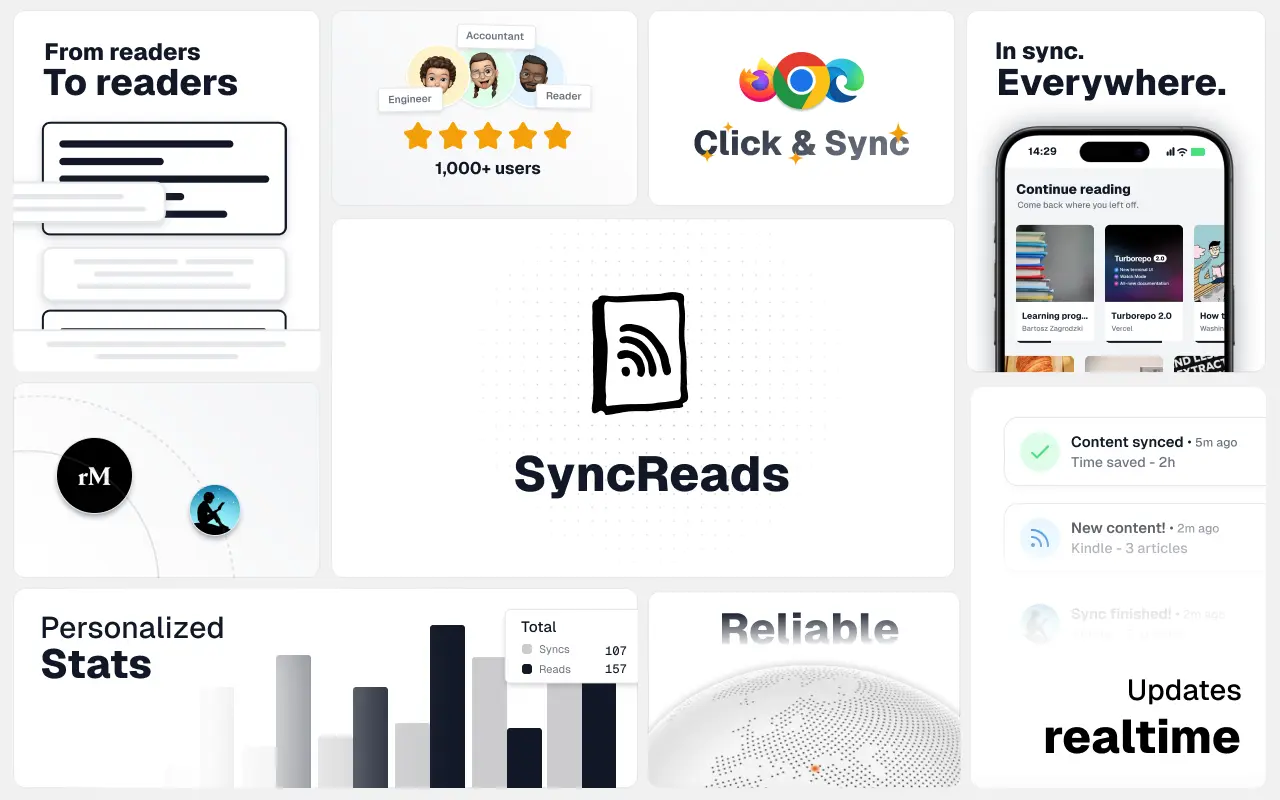
SyncReads
Sync your favorite content for distraction-free reading, save time and replace multiple apps. Anytime, anywhere 🔄
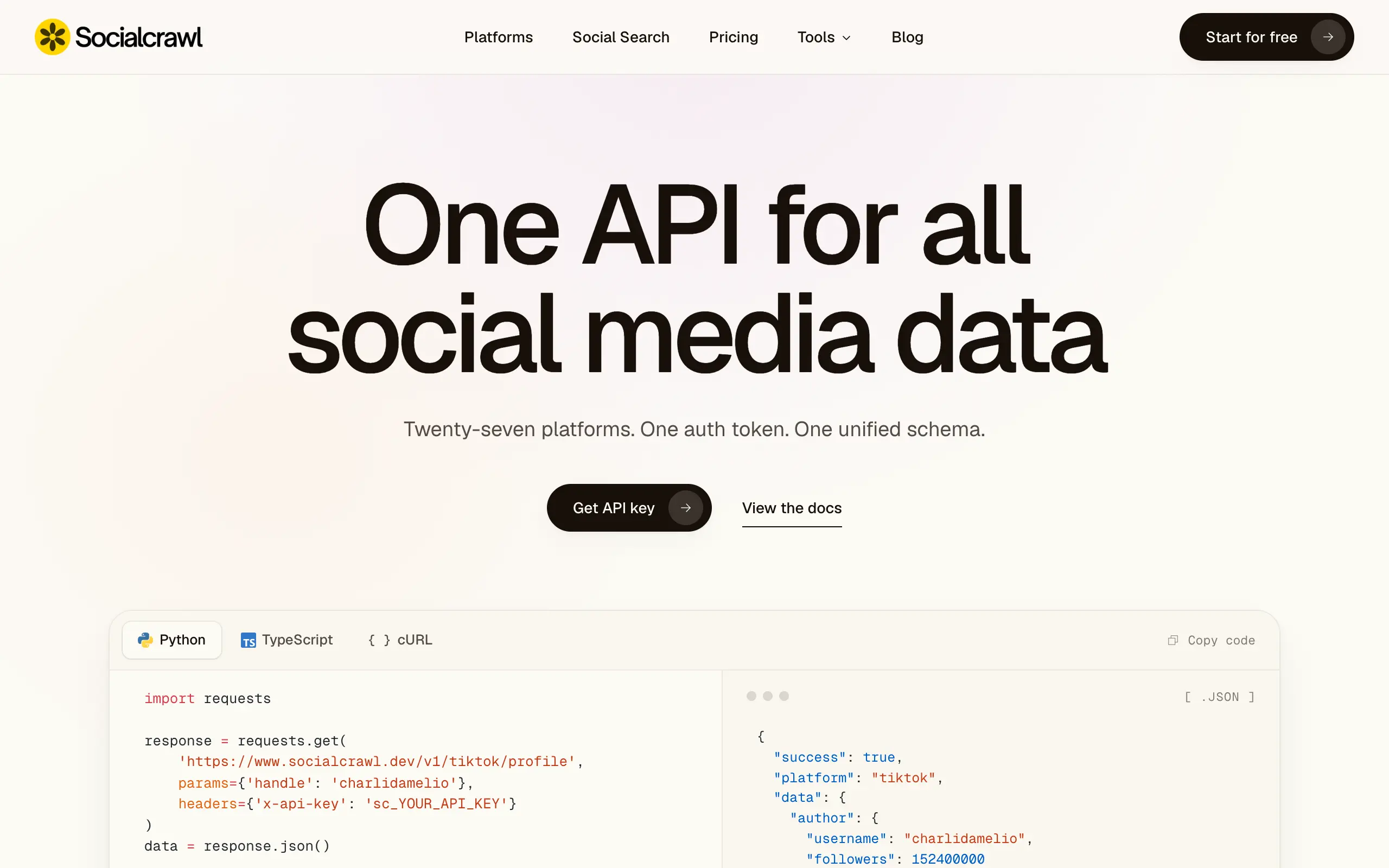
Socialcrawl
Get clean, structured data from 21 platforms like TikTok, Instagram, and YouTube with a single request 📊
Statiko
Monitor any Telegram channel in real time - track posts, edits, deletions, and growth with AI recaps 📡
Shibui
AI website builder - describe your business, pick a niche template, edit by chatting, and publish instantly ✨
Pro Service
Find verified home service professionals, compare quotes, and pay securely through escrow - built for Brazilians across the US 🏠
RankGrow
Fix your SEO with AI agents - connect Search Console, get prioritized tasks, and grow organic traffic 📈
SyncReads
Sync your favorite content for distraction-free reading, save time and replace multiple apps. Anytime, anywhere 🔄
Socialcrawl
Get clean, structured data from 21 platforms like TikTok, Instagram, and YouTube with a single request 📊
Statiko
Monitor any Telegram channel in real time - track posts, edits, deletions, and growth with AI recaps 📡
Shibui
AI website builder - describe your business, pick a niche template, edit by chatting, and publish instantly ✨
Pro Service
Find verified home service professionals, compare quotes, and pay securely through escrow - built for Brazilians across the US 🏠
RankGrow
Fix your SEO with AI agents - connect Search Console, get prioritized tasks, and grow organic traffic 📈
SyncReads
Sync your favorite content for distraction-free reading, save time and replace multiple apps. Anytime, anywhere 🔄
Socialcrawl
Get clean, structured data from 21 platforms like TikTok, Instagram, and YouTube with a single request 📊
Statiko
Monitor any Telegram channel in real time - track posts, edits, deletions, and growth with AI recaps 📡
Shibui
AI website builder - describe your business, pick a niche template, edit by chatting, and publish instantly ✨
Pro Service
Find verified home service professionals, compare quotes, and pay securely through escrow - built for Brazilians across the US 🏠
RankGrow
Fix your SEO with AI agents - connect Search Console, get prioritized tasks, and grow organic traffic 📈
SyncReads
Sync your favorite content for distraction-free reading, save time and replace multiple apps. Anytime, anywhere 🔄
Socialcrawl
Get clean, structured data from 21 platforms like TikTok, Instagram, and YouTube with a single request 📊
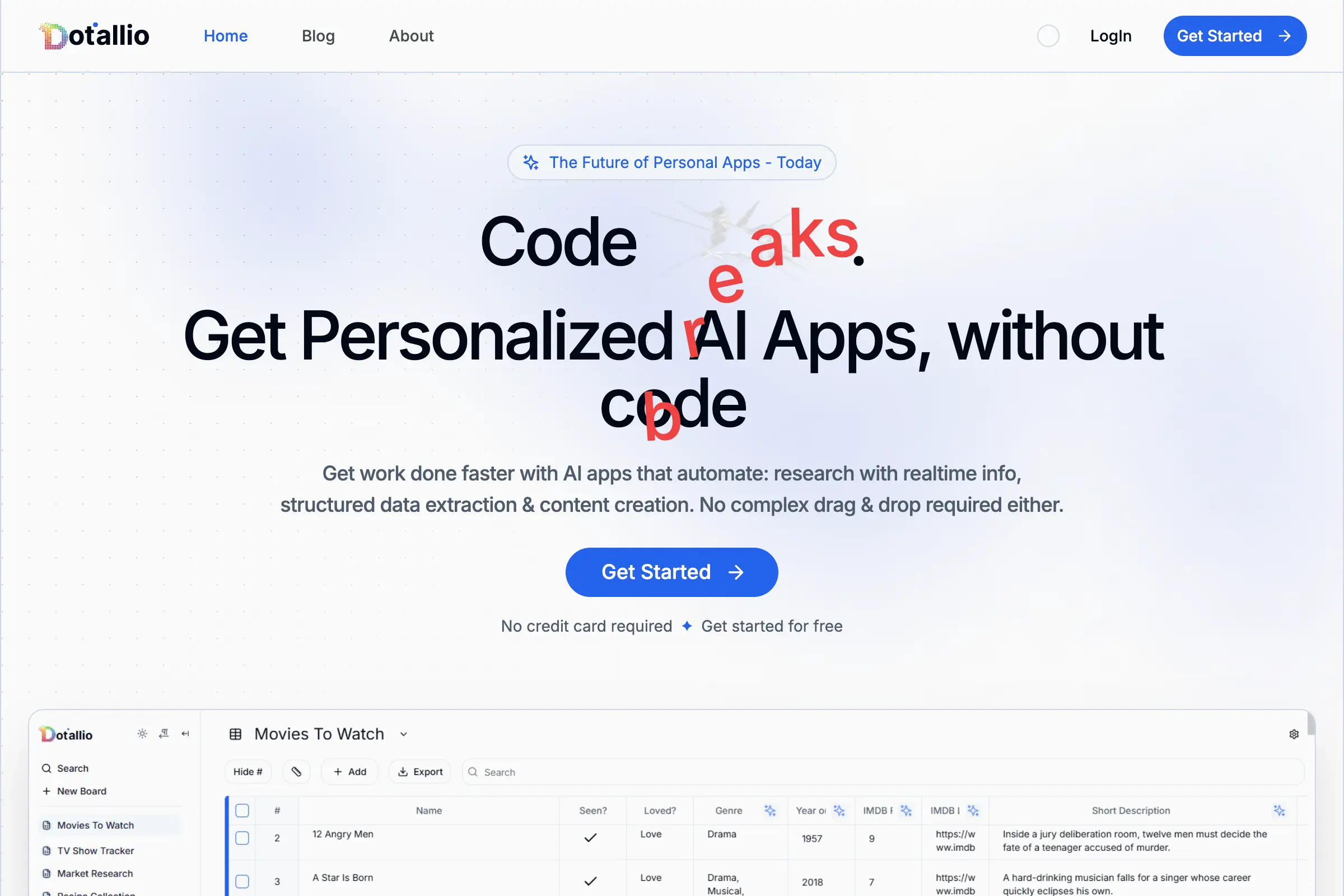
Dotallio
Personalized AI apps that automate research, data extraction, and content creation without code 🤖

Talk to Santa
Enjoy a magical live video chat or receive a unique AI-generated video greeting from Santa Claus 🎅

pozywka.pl
Scalable blog for food journalist, focused on performance and user experience 🌭
zagrodzki.me
Personal blog and portfolio of Bart Zagrodzki, where he shares his knowledge and work 💼
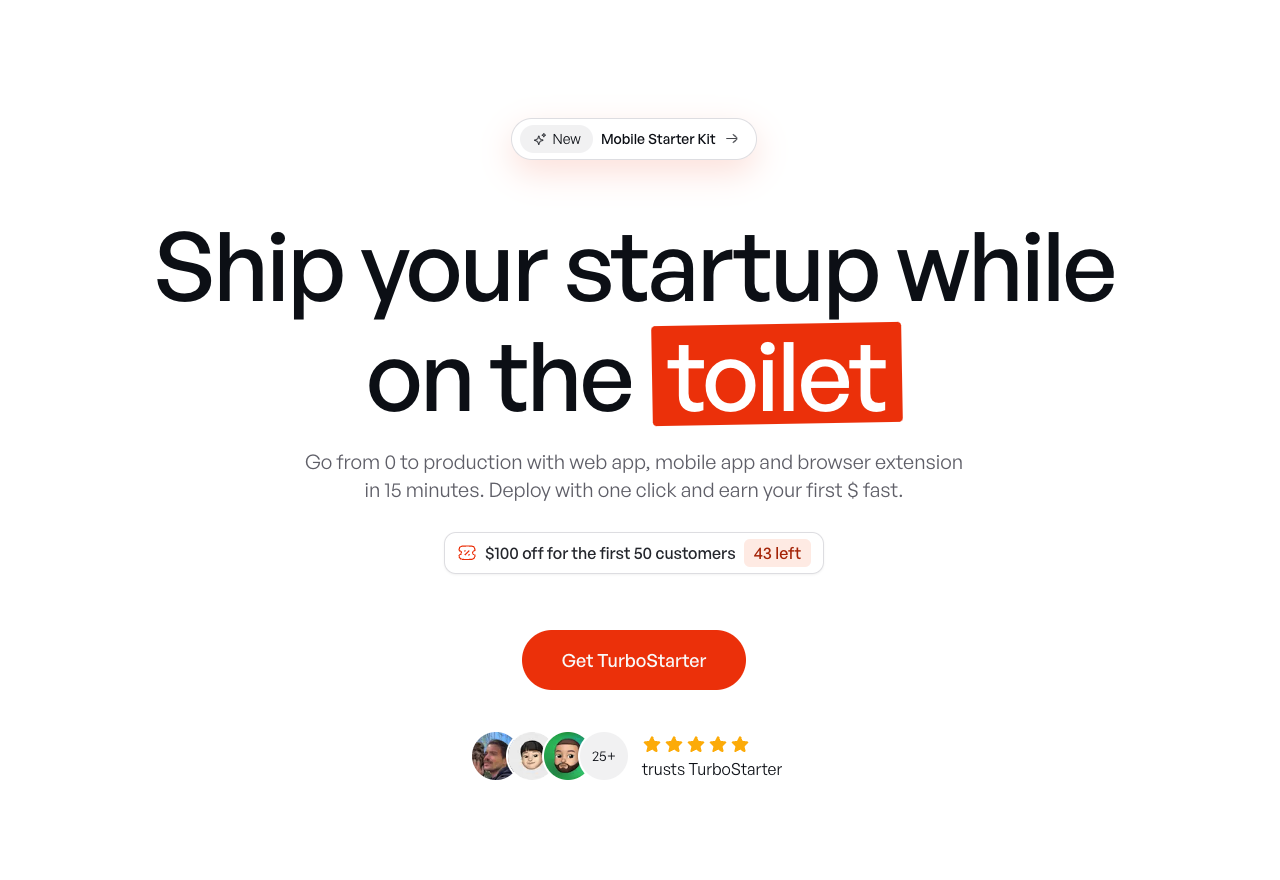
TurboStarter
Ship your startup everywhere. In minutes.
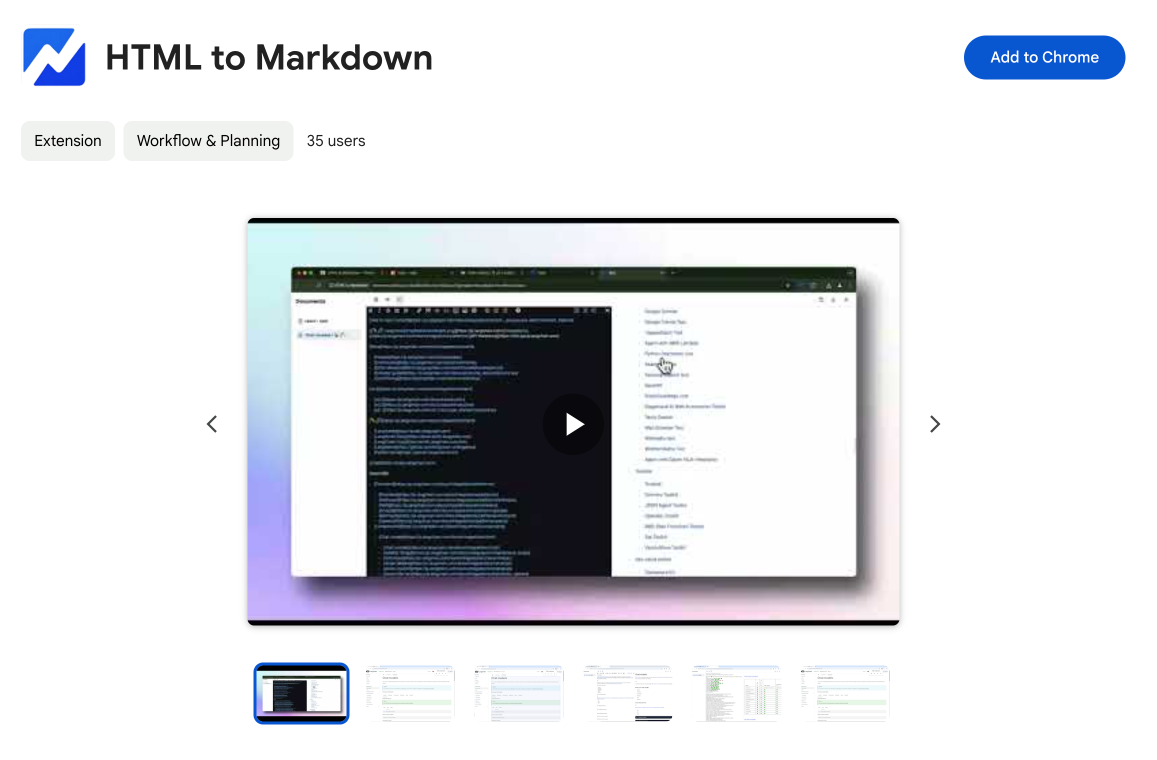
HTML to Markdown
Convert HTML to Markdown with ease, directly in your browser 📄
Dotallio
Personalized AI apps that automate research, data extraction, and content creation without code 🤖
Talk to Santa
Enjoy a magical live video chat or receive a unique AI-generated video greeting from Santa Claus 🎅
pozywka.pl
Scalable blog for food journalist, focused on performance and user experience 🌭
zagrodzki.me
Personal blog and portfolio of Bart Zagrodzki, where he shares his knowledge and work 💼
TurboStarter
Ship your startup everywhere. In minutes.
HTML to Markdown
Convert HTML to Markdown with ease, directly in your browser 📄
Dotallio
Personalized AI apps that automate research, data extraction, and content creation without code 🤖
Talk to Santa
Enjoy a magical live video chat or receive a unique AI-generated video greeting from Santa Claus 🎅
pozywka.pl
Scalable blog for food journalist, focused on performance and user experience 🌭
zagrodzki.me
Personal blog and portfolio of Bart Zagrodzki, where he shares his knowledge and work 💼
TurboStarter
Ship your startup everywhere. In minutes.
HTML to Markdown
Convert HTML to Markdown with ease, directly in your browser 📄
Dotallio
Personalized AI apps that automate research, data extraction, and content creation without code 🤖
Talk to Santa
Enjoy a magical live video chat or receive a unique AI-generated video greeting from Santa Claus 🎅
pozywka.pl
Scalable blog for food journalist, focused on performance and user experience 🌭
zagrodzki.me
Personal blog and portfolio of Bart Zagrodzki, where he shares his knowledge and work 💼
TurboStarter
Ship your startup everywhere. In minutes.
HTML to Markdown
Convert HTML to Markdown with ease, directly in your browser 📄
Omichat
Chat with 50+ AI models, including ChatGPT and Claude, in one place - switch models anytime without losing context 🤖
Claude Fast
Supercharge your Claude Code with 6x effective context window and specialized AI agents 🤖
EmojAI
AI-powered emoji picker with smart, context-aware suggestions 🤖
Solohacker
Autonomous company launcher - AI agents work 24/7, escalate what matters, and you stay in control 🤖
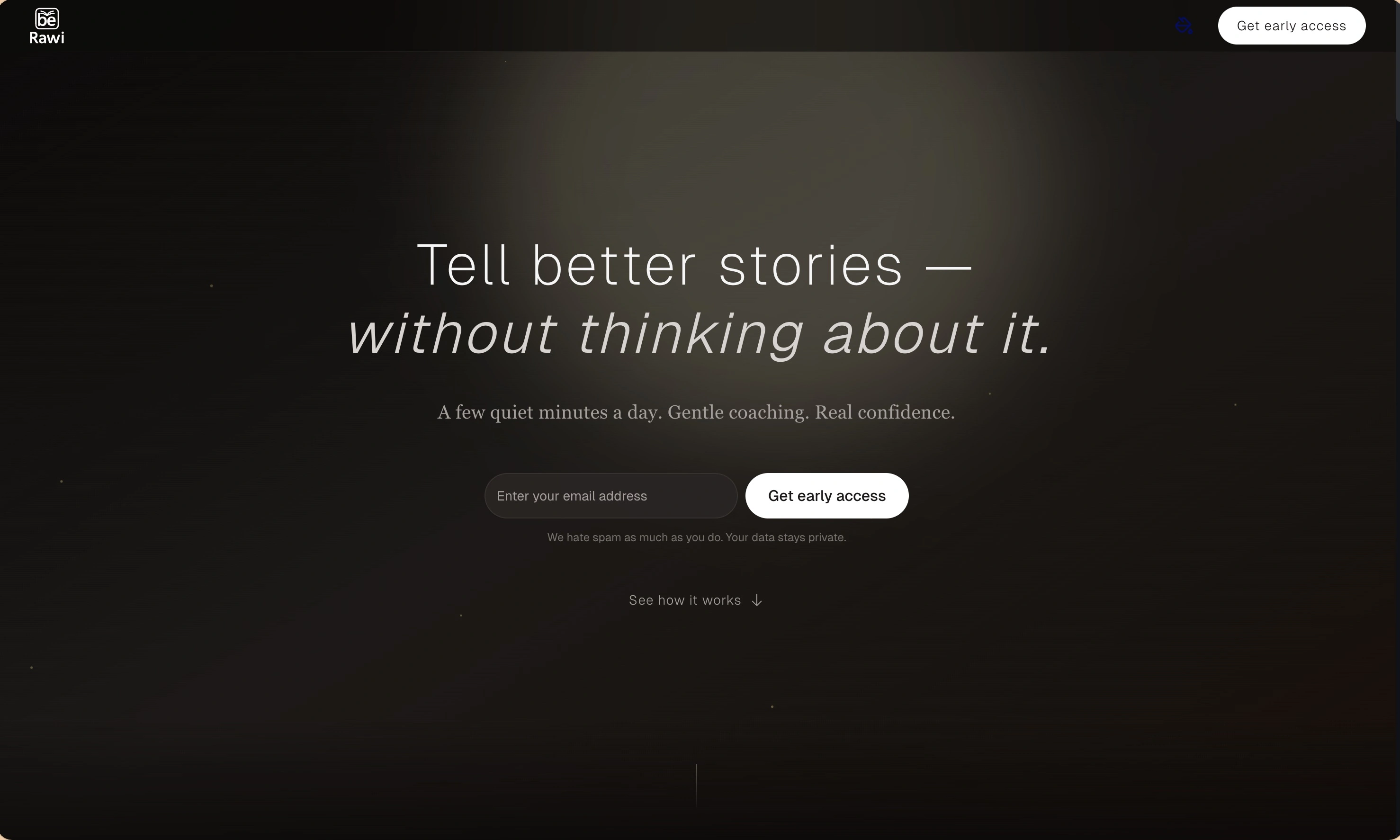
BeRawi: Storytelling Coach
Practice storytelling daily with instant feedback to sound clearer, more engaging, and confident 🎤
Omichat
Chat with 50+ AI models, including ChatGPT and Claude, in one place - switch models anytime without losing context 🤖
Claude Fast
Supercharge your Claude Code with 6x effective context window and specialized AI agents 🤖
EmojAI
AI-powered emoji picker with smart, context-aware suggestions 🤖
Solohacker
Autonomous company launcher - AI agents work 24/7, escalate what matters, and you stay in control 🤖
BeRawi: Storytelling Coach
Practice storytelling daily with instant feedback to sound clearer, more engaging, and confident 🎤
Omichat
Chat with 50+ AI models, including ChatGPT and Claude, in one place - switch models anytime without losing context 🤖
Claude Fast
Supercharge your Claude Code with 6x effective context window and specialized AI agents 🤖
EmojAI
AI-powered emoji picker with smart, context-aware suggestions 🤖
Solohacker
Autonomous company launcher - AI agents work 24/7, escalate what matters, and you stay in control 🤖
BeRawi: Storytelling Coach
Practice storytelling daily with instant feedback to sound clearer, more engaging, and confident 🎤
Omichat
Chat with 50+ AI models, including ChatGPT and Claude, in one place - switch models anytime without losing context 🤖
Claude Fast
Supercharge your Claude Code with 6x effective context window and specialized AI agents 🤖
EmojAI
AI-powered emoji picker with smart, context-aware suggestions 🤖
Solohacker
Autonomous company launcher - AI agents work 24/7, escalate what matters, and you stay in control 🤖
BeRawi: Storytelling Coach
Practice storytelling daily with instant feedback to sound clearer, more engaging, and confident 🎤

Connect with like-minded people
Join our community to get feedback, support, and grow together with 1,000+ builders on board, let's ship it!
Join usShip your startup everywhere. In minutes.
Don't burn tokens on setup and start building features on day one.