StockGuard Vision
Computer vision livestock monitoring that detects illness, injury, and abnormal behavior early. Reduce losses and vet costs with real-time barn and pasture alerts.
Why AI-powered livestock monitoring is becoming mission-critical for modern farms
Livestock farming is undergoing a technological transformation. Rising feed costs, labor shortages, tighter biosecurity regulations, and increasing consumer demand for transparency are reshaping how farms operate. In this environment, AI-powered livestock monitoring is no longer a futuristic concept—it’s becoming an operational necessity.
StockGuard Vision is positioned at the intersection of computer vision, edge AI, and precision agriculture. Its core value proposition is simple but powerful:
Detect illness, injury, and abnormal behavior early using computer vision, reducing livestock losses and veterinary costs through real-time barn and pasture alerts.
This article explores the market opportunity, technical architecture, monetization strategies, competitive landscape, and implementation roadmap for a SaaS platform like StockGuard Vision. Whether you're a founder validating the idea, an investor assessing agtech potential, or a developer building AI livestock solutions, this guide delivers a comprehensive, expert-level breakdown.
The growing problem: livestock losses and undetected health issues
Livestock producers lose billions annually due to:
- Undetected illness
- Injuries in barns or pasture
- Calving complications
- Heat stress
- Reduced feed intake
- Aggression and abnormal behavior
- Delayed intervention during disease outbreaks
Why traditional monitoring fails
Most farms rely on:
- Manual inspections (2–3 times per day)
- Visual checks by staff
- Reactive veterinary visits
- Basic temperature or RFID tracking
These methods are:
- Labor-intensive
- Subjective
- Inconsistent
- Reactive rather than preventive
By the time visible symptoms appear, productivity loss has often already occurred.
Early detection is the real leverage point. Subtle behavioral shifts—reduced movement, isolation from herd, posture changes—can signal illness before clinical signs appear. Computer vision excels at detecting these patterns continuously and objectively.
Target audience analysis: who needs AI livestock monitoring most?
Understanding the user intent behind searches like “AI livestock monitoring system” or “computer vision cattle health detection” reveals several primary audiences.
1. Large commercial livestock operations
- 500+ cattle, pigs, or sheep
- Multi-barn facilities
- Dedicated operations managers
- Budget for operational efficiency tools
Pain points:
- Labor shortages
- High vet costs
- Disease outbreak risk
- Insurance claims from mortality events
Motivation: Reduce operational losses and improve margins through automation.
2. Dairy farms focused on productivity optimization
- Milk yield sensitive to stress and illness
- Calving detection critical
- High per-animal economic value
Pain points:
- Missed estrus detection
- Undetected mastitis
- Lameness
Motivation: Increase milk yield consistency and reproductive success.
3. Livestock integrators and agri-corporations
- Multi-location operations
- Standardized reporting needs
- Centralized oversight
Pain points:
- Lack of visibility across farms
- Compliance and audit complexity
Motivation: Real-time analytics and centralized health dashboards.
4. Insurance providers (secondary customer)
Livestock insurance firms may subsidize or require monitoring systems to reduce claims.
Opportunity: B2B2B model—sell to farms with insurer partnerships.
Market opportunity and gap in AI livestock monitoring
The global smart agriculture market is expanding rapidly, driven by:
- Precision farming adoption
- IoT expansion
- AI-driven farm analytics
- Sustainability mandates
According to industry reports from firms like McKinsey and MarketsandMarkets (recommended citation sources), precision livestock farming is one of the fastest-growing segments within agtech.
Current solutions in the market
Most existing livestock monitoring systems fall into these categories:
- Wearables (RFID collars, ear tags)
- Thermal cameras
- Motion sensors
- Basic CCTV without AI
Each has limitations:
- Wearables require hardware per animal
- Batteries fail
- Tags fall off
- Sensors don’t interpret complex behaviors
- Manual CCTV requires human review
Market gap
There is a clear opportunity for:
✅ Non-invasive monitoring
✅ AI-driven behavior detection
✅ Real-time alerts
✅ Barn + pasture coverage
✅ Edge computing for low-connectivity environments
StockGuard Vision fills this gap with computer vision livestock monitoring that works passively and continuously.
Core solution: how StockGuard Vision works
At its core, StockGuard Vision combines:
- AI-powered video analysis
- Behavior anomaly detection
- Real-time alerting system
- Farm management dashboard
- Edge processing for rural reliability
Core features
Illness detection
Identify reduced mobility, lethargy, isolation, or abnormal posture before visible clinical signs.
Injury alerts
Detect limping, abnormal gait, or collapse events instantly.
Behavior anomaly tracking
Monitor aggression, unusual clustering, or inactivity patterns.
Calving detection
Recognize labor posture and restlessness signals.
Heat stress monitoring
Identify excessive panting and crowding near water.
Real-time notifications
SMS, app, or dashboard alerts with timestamped video evidence.
Technical architecture: building an AI livestock monitoring SaaS
A production-grade system requires careful architectural decisions.
High-level architecture
- Cameras (barn and pasture)
- Edge AI processing device
- Cloud backend
- Web dashboard + mobile interface
- Notification engine
Edge vs cloud processing
Critical design decision
Livestock farms often have unreliable internet connectivity. Edge AI processing is essential to ensure real-time detection even offline.
Edge computing advantages:
- Low latency alerts
- Reduced bandwidth usage
- Operates without constant internet
- Enhanced data privacy
Cloud advantages:
- Centralized analytics
- Model training
- Multi-farm benchmarking
- Long-term data storage
Recommended approach: Hybrid architecture.
Recommended tech stack (with trade-offs)
Frontend
- React – Interactive dashboard
- TailwindCSS – Rapid UI development
- WebSockets for real-time alert streaming
Trade-off: React enables dynamic dashboards but requires careful performance optimization for live video feeds.
Backend
- Node.js (Express or Fastify)
- Python microservices for AI inference
- PostgreSQL for structured farm data
- Redis for real-time alert queues
AI / Computer Vision
- PyTorch or TensorFlow
- YOLOv8-style object detection
- Pose estimation models
- Time-series behavior modeling
- Anomaly detection algorithms
Edge deployment
- NVIDIA Jetson devices
- On-prem mini GPU units
- Containerized deployment via Docker
Example inference pipeline (simplified)
def analyze_frame(frame):
    animals = detect_animals(frame)
    behaviors = analyze_posture_and_motion(animals)
    anomaly_score = compute_anomaly_score(behaviors)

    if anomaly_score > THRESHOLD:
        trigger_alert(frame, behaviors)
AI model considerations: what makes detection accurate?
1. Dataset quality
- Multi-breed datasets
- Different lighting conditions
- Barn + outdoor environments
- Seasonal variations
2. Behavioral baseline modeling
Instead of fixed thresholds, build:
- Per-animal baseline activity profiles
- Herd-wide movement patterns
- Time-of-day behavior models
This improves detection precision and reduces false positives.
3. Continuous learning system
- Upload flagged cases
- Vet-verified labels
- Improve detection models over time
This builds defensible data moat over competitors.
Competitive landscape analysis
Let’s compare StockGuard Vision to common alternatives.
| Feature | Manual checks | Wearables | Basic CCTV | StockGuard Vision |
|---|---|---|---|---|
| Early illness detection | ❌ | ⚠️ Limited | ❌ | ✅ |
| No per-animal hardware | ✅ | ❌ | ✅ | ✅ |
| Behavior anomaly AI | ❌ | ⚠️ | ❌ | ✅ |
| Real-time alerts | ❌ | ✅ | ❌ | ✅ |
Unique selling proposition (USP)
StockGuard Vision differentiates through:
- Non-invasive AI monitoring (no tags required)
- Behavior-based early detection
- Hybrid edge-cloud reliability
- Continuous learning data advantage
- Multi-species adaptability
The biggest moat is proprietary behavioral datasets gathered across farms.
Monetization strategy options
1. SaaS subscription model (primary)
- Tiered pricing based on:
- Number of cameras
- Number of animals
- Features unlocked
Example structure:
- Starter: $299/month
- Pro: $799/month
- Enterprise: Custom pricing
2. Hardware + subscription bundle
- Sell AI edge device
- Recurring monthly platform fee
3. Insurance-backed pricing
- Reduced premiums for monitored farms
- Revenue-sharing with insurers
4. Data insights marketplace (long-term)
Aggregated anonymized insights for:
- Agricultural research
- Policy makers
- Supply chain forecasting
Pricing psychology for livestock operators
Farmers respond best to ROI framing.
Instead of:
“$500 per month”
Position as:
“Prevent just one cow loss per year and the system pays for itself.”
Use real-world cost examples:
- Average dairy cow value
- Vet call-out cost
- Disease outbreak impact
ROI storytelling is essential for sales.
Potential risks and mitigation strategies
Mitigation: Adaptive thresholds, farm-specific tuning, machine learning feedback loop.
Mitigation: Offline-first edge processing with batch cloud sync.
Mitigation: Clear ROI case studies and free trial programs.
Mitigation: On-prem processing and encrypted cloud sync.
Regulatory and ethical considerations
- Animal welfare regulations vary by region
- Data protection compliance (e.g., GDPR if applicable)
- Transparent AI decision-making
- No invasive surveillance beyond livestock monitoring
Implementation roadmap
If launching StockGuard Vision today, here’s a realistic phased plan:
Go-to-market strategy
Phase 1: Direct farm outreach
- Regional agricultural expos
- Livestock associations
- Vet partnerships
Phase 2: Strategic partnerships
- Insurance firms
- Equipment suppliers
- Dairy cooperatives
Phase 3: Enterprise contracts
- Multi-location farm operators
- Agricultural conglomerates
Why timing is ideal for AI livestock monitoring
Several trends align perfectly:
- Rapid improvement in edge AI hardware
- Lower camera costs
- Growing acceptance of AI in agriculture
- Increasing biosecurity requirements
- Labor shortages across farming sectors
The convergence of these trends creates strong tailwinds.
Building the SaaS foundation efficiently
Launching an AI SaaS platform requires:
- Auth system
- Billing integration
- Multi-tenant architecture
- Admin dashboards
- Secure API infrastructure
Instead of building from scratch, founders can accelerate development using production-ready SaaS frameworks like TurboStarter, which significantly reduces time-to-market for complex SaaS applications.
This allows teams to focus on:
- AI model quality
- Data collection
- Farm partnerships
- Competitive differentiation
Long-term vision: beyond monitoring
StockGuard Vision can evolve into:
- Predictive disease outbreak modeling
- Automated compliance reporting
- Feed optimization insights
- Carbon footprint tracking
- ESG reporting dashboards
Eventually becoming a full precision livestock intelligence platform.
Final thoughts: is StockGuard Vision a strong SaaS opportunity?
From an E-E-A-T perspective:
- ✅ Strong technical feasibility
- ✅ Clear economic ROI
- ✅ Growing market demand
- ✅ Defensible AI data moat
- ✅ Scalable SaaS revenue model
Computer vision livestock monitoring solves a real, expensive, and urgent problem.
Early detection saves money.
Prevention increases productivity.
Automation reduces labor dependency.
In high-margin livestock operations, even small improvements compound significantly.
Actionable next steps for founders
- Interview 20 livestock operators.
- Validate top 3 pain points.
- Pilot with low-cost camera setup.
- Train first behavior detection model.
- Launch MVP dashboard.
- Secure first paying customer.
- Document ROI proof.
Once validated, scale aggressively with strategic partnerships.
If executed correctly, StockGuard Vision can become a category leader in AI livestock monitoring—bridging computer vision, agriculture, and real-world economic impact.
The opportunity is real. The technology is ready. The market timing is aligned.
Now it’s about execution.
More 🤖 AI Startup SaaS ideas
Discover more innovative ai startup SaaS ideas that are trending in 2026. Each idea is AI-generated with market validation and growth potential to help you find your next profitable venture faster than competitors.
Your competitors are building with TurboStarter
Below are some of the SaaS ideas that have been generated and built with our starter kit.
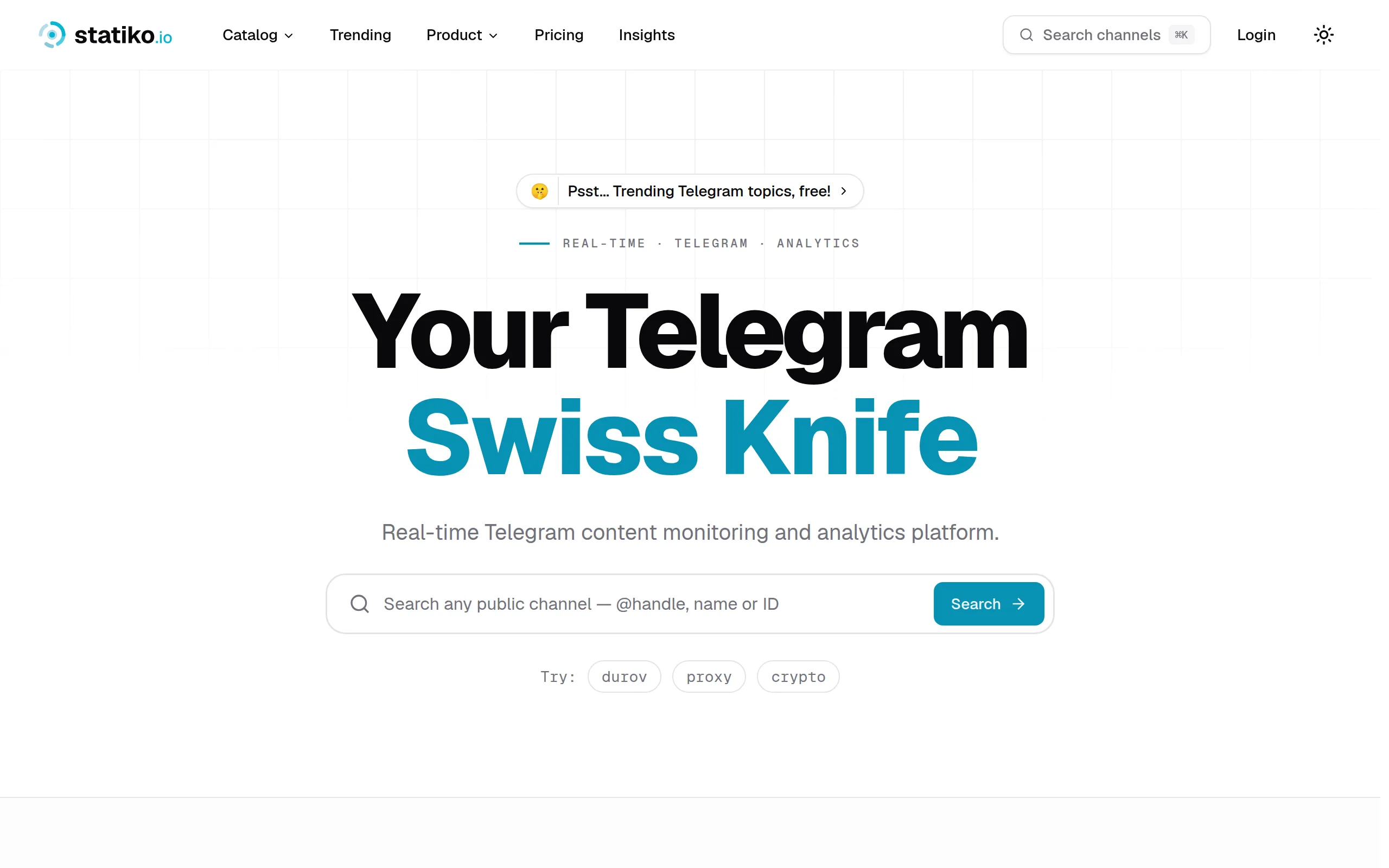
Statiko
Monitor any Telegram channel in real time - track posts, edits, deletions, and growth with AI recaps 📡

Shibui
AI website builder - describe your business, pick a niche template, edit by chatting, and publish instantly ✨

Pro Service
Find verified home service professionals, compare quotes, and pay securely through escrow - built for Brazilians across the US 🏠
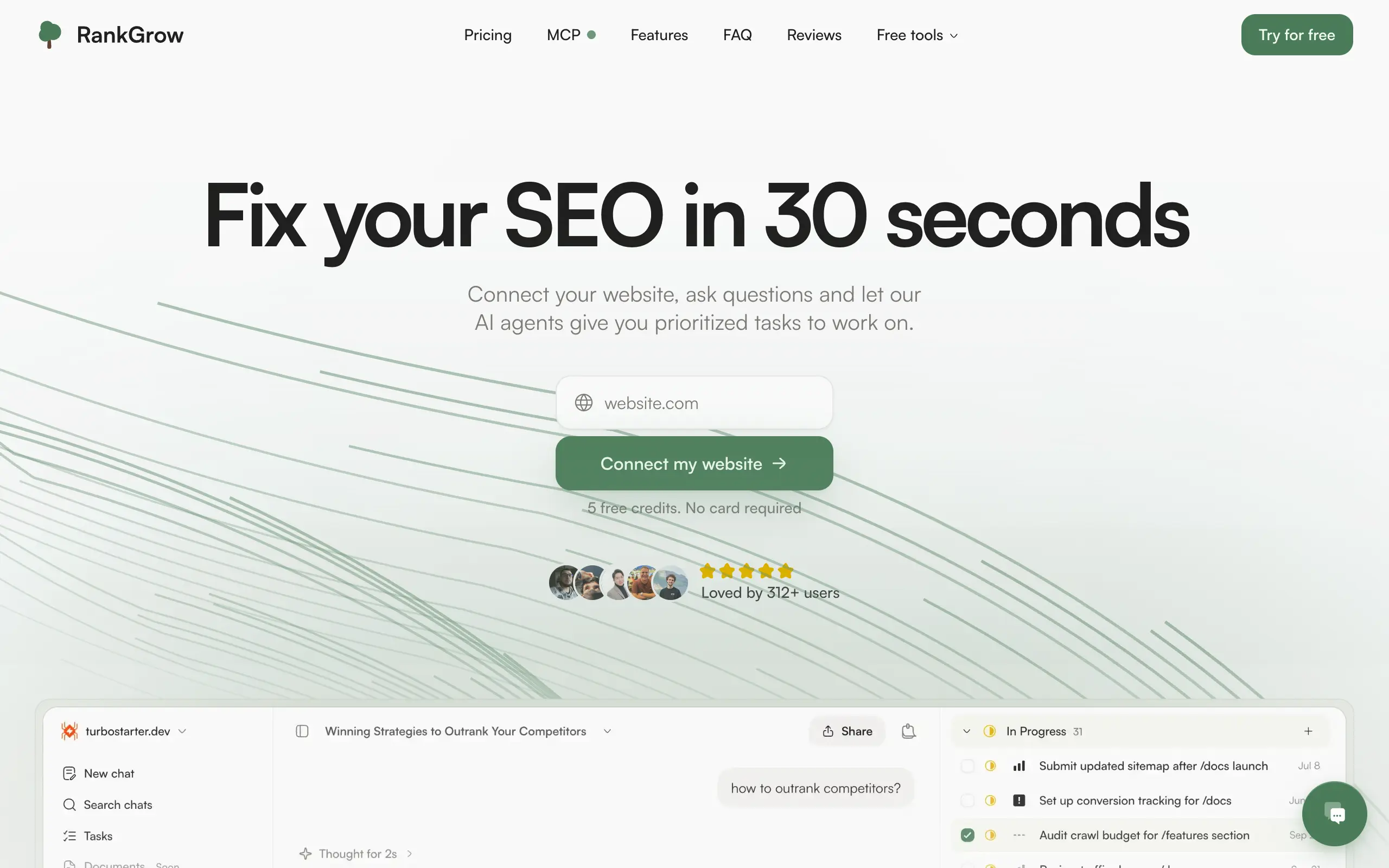
RankGrow
Fix your SEO with AI agents - connect Search Console, get prioritized tasks, and grow organic traffic 📈
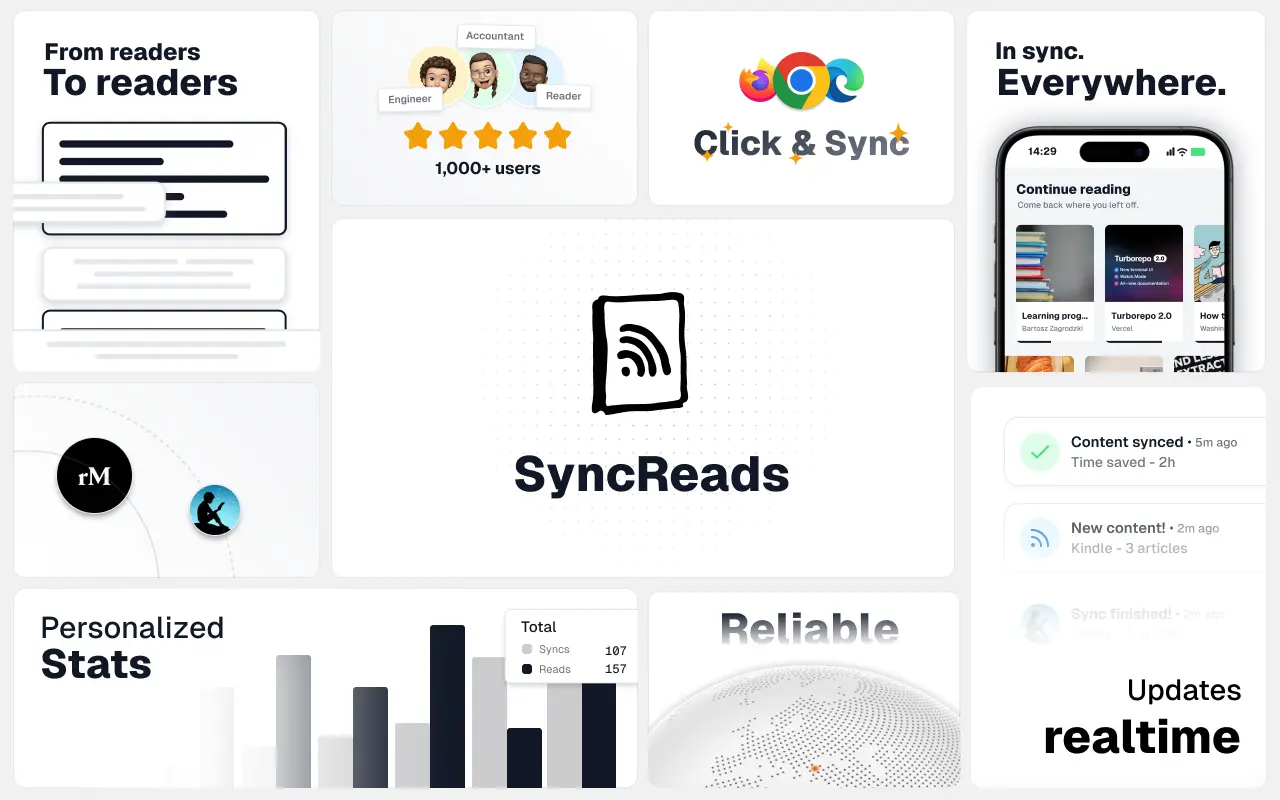
SyncReads
Sync your favorite content for distraction-free reading, save time and replace multiple apps. Anytime, anywhere 🔄
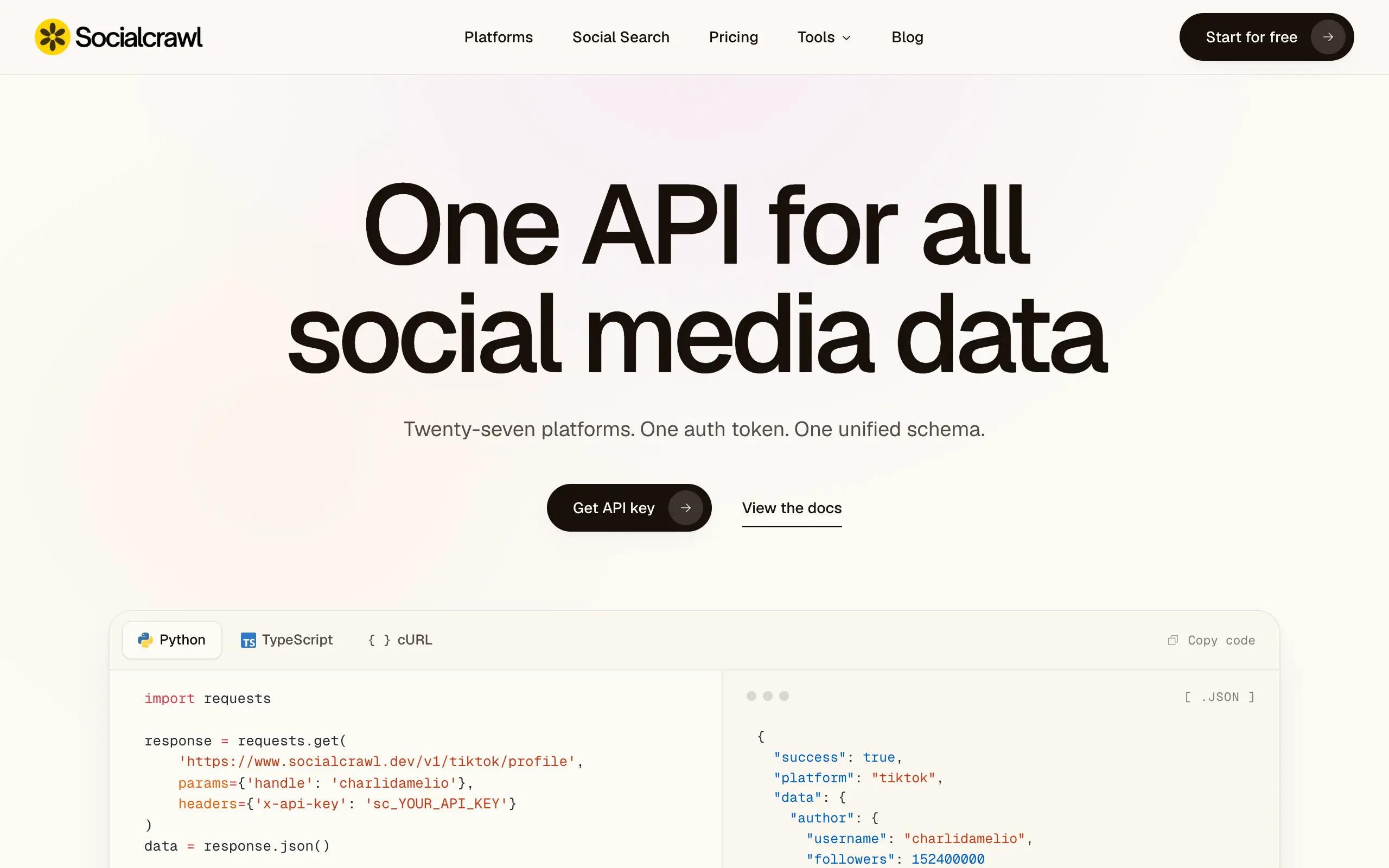
Socialcrawl
Get clean, structured data from 21 platforms like TikTok, Instagram, and YouTube with a single request 📊
Statiko
Monitor any Telegram channel in real time - track posts, edits, deletions, and growth with AI recaps 📡
Shibui
AI website builder - describe your business, pick a niche template, edit by chatting, and publish instantly ✨
Pro Service
Find verified home service professionals, compare quotes, and pay securely through escrow - built for Brazilians across the US 🏠
RankGrow
Fix your SEO with AI agents - connect Search Console, get prioritized tasks, and grow organic traffic 📈
SyncReads
Sync your favorite content for distraction-free reading, save time and replace multiple apps. Anytime, anywhere 🔄
Socialcrawl
Get clean, structured data from 21 platforms like TikTok, Instagram, and YouTube with a single request 📊
Statiko
Monitor any Telegram channel in real time - track posts, edits, deletions, and growth with AI recaps 📡
Shibui
AI website builder - describe your business, pick a niche template, edit by chatting, and publish instantly ✨
Pro Service
Find verified home service professionals, compare quotes, and pay securely through escrow - built for Brazilians across the US 🏠
RankGrow
Fix your SEO with AI agents - connect Search Console, get prioritized tasks, and grow organic traffic 📈
SyncReads
Sync your favorite content for distraction-free reading, save time and replace multiple apps. Anytime, anywhere 🔄
Socialcrawl
Get clean, structured data from 21 platforms like TikTok, Instagram, and YouTube with a single request 📊
Statiko
Monitor any Telegram channel in real time - track posts, edits, deletions, and growth with AI recaps 📡
Shibui
AI website builder - describe your business, pick a niche template, edit by chatting, and publish instantly ✨
Pro Service
Find verified home service professionals, compare quotes, and pay securely through escrow - built for Brazilians across the US 🏠
RankGrow
Fix your SEO with AI agents - connect Search Console, get prioritized tasks, and grow organic traffic 📈
SyncReads
Sync your favorite content for distraction-free reading, save time and replace multiple apps. Anytime, anywhere 🔄
Socialcrawl
Get clean, structured data from 21 platforms like TikTok, Instagram, and YouTube with a single request 📊
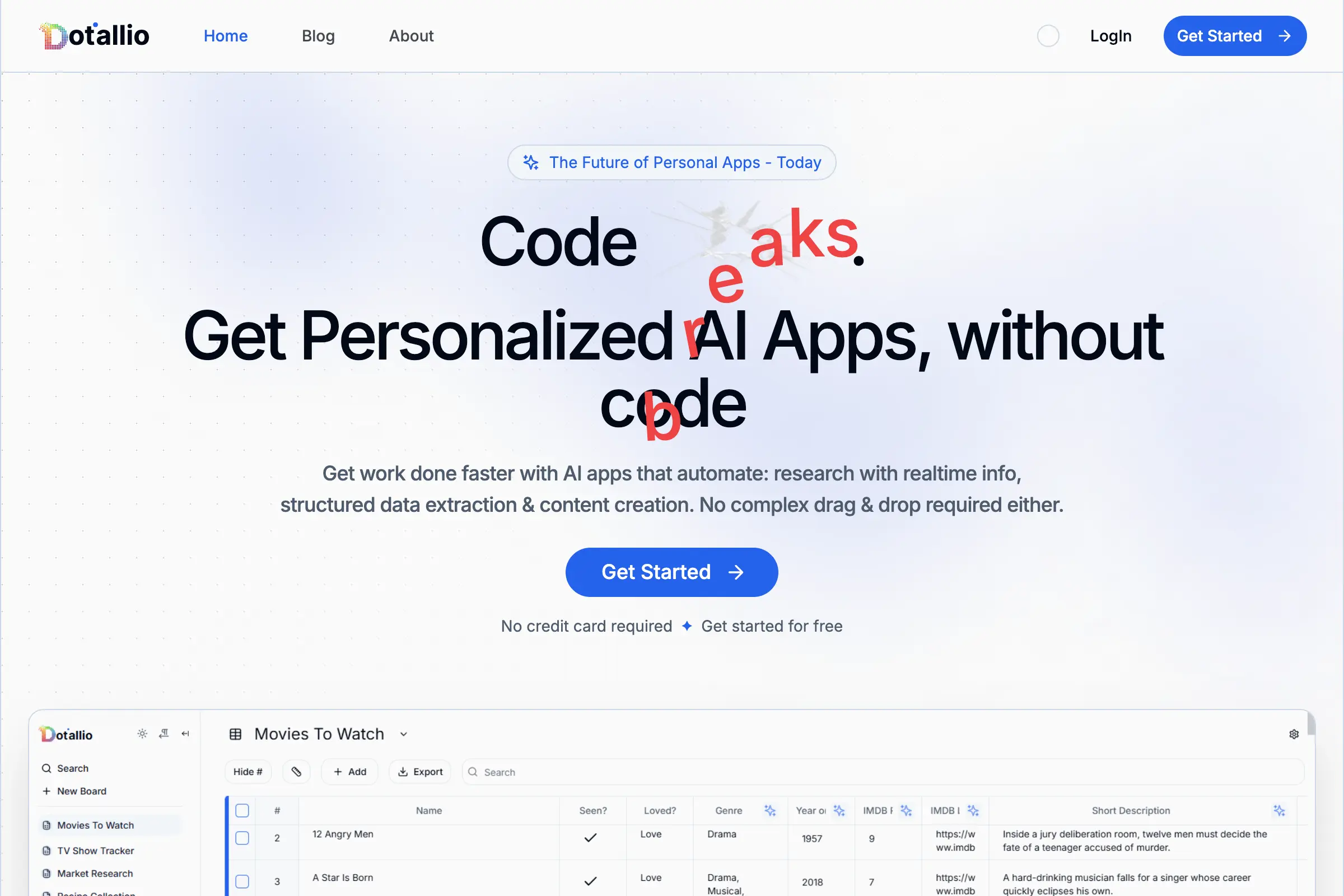
Dotallio
Personalized AI apps that automate research, data extraction, and content creation without code 🤖

Talk to Santa
Enjoy a magical live video chat or receive a unique AI-generated video greeting from Santa Claus 🎅

pozywka.pl
Scalable blog for food journalist, focused on performance and user experience 🌭
zagrodzki.me
Personal blog and portfolio of Bart Zagrodzki, where he shares his knowledge and work 💼
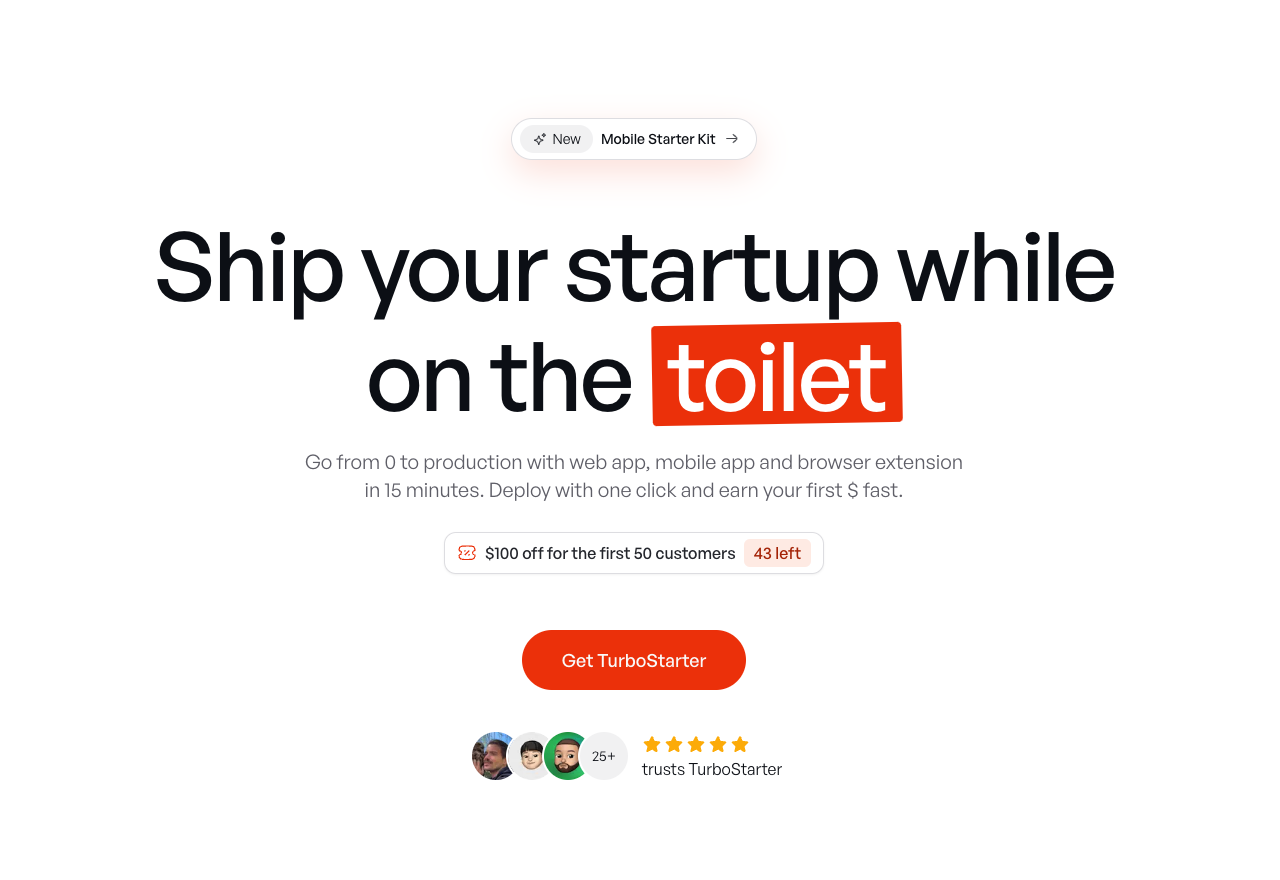
TurboStarter
Ship your startup everywhere. In minutes.
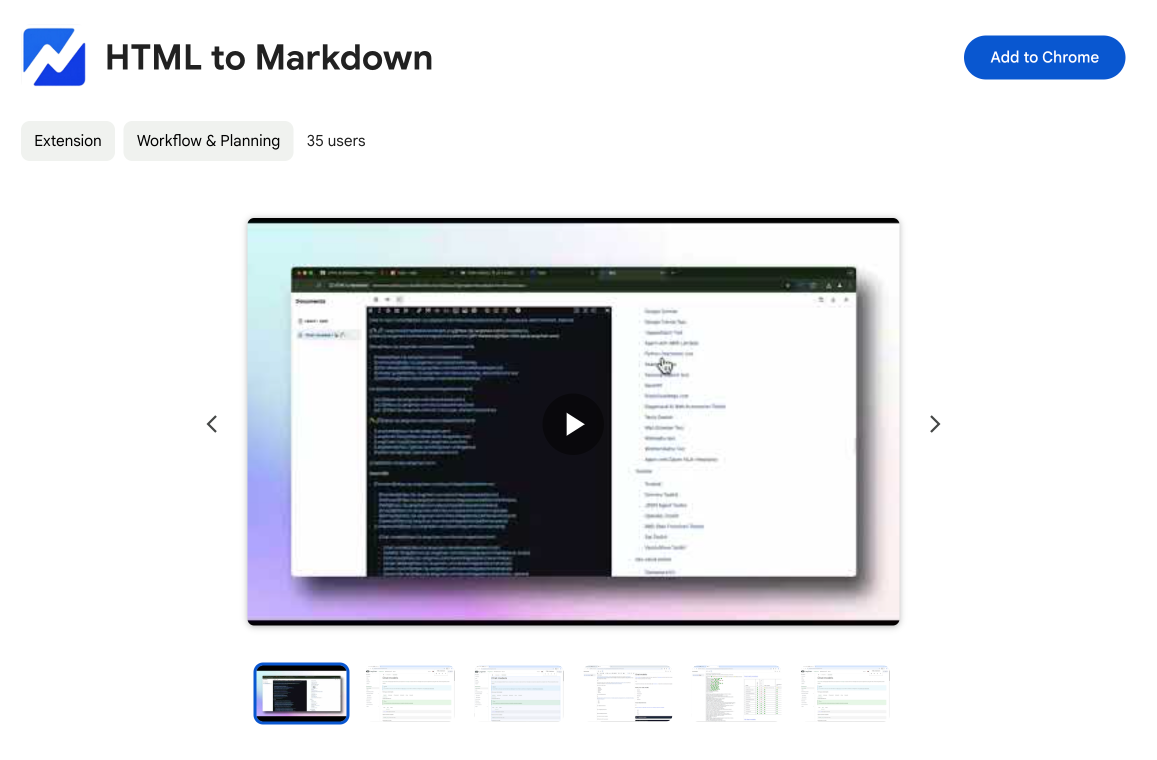
HTML to Markdown
Convert HTML to Markdown with ease, directly in your browser 📄
Dotallio
Personalized AI apps that automate research, data extraction, and content creation without code 🤖
Talk to Santa
Enjoy a magical live video chat or receive a unique AI-generated video greeting from Santa Claus 🎅
pozywka.pl
Scalable blog for food journalist, focused on performance and user experience 🌭
zagrodzki.me
Personal blog and portfolio of Bart Zagrodzki, where he shares his knowledge and work 💼
TurboStarter
Ship your startup everywhere. In minutes.
HTML to Markdown
Convert HTML to Markdown with ease, directly in your browser 📄
Dotallio
Personalized AI apps that automate research, data extraction, and content creation without code 🤖
Talk to Santa
Enjoy a magical live video chat or receive a unique AI-generated video greeting from Santa Claus 🎅
pozywka.pl
Scalable blog for food journalist, focused on performance and user experience 🌭
zagrodzki.me
Personal blog and portfolio of Bart Zagrodzki, where he shares his knowledge and work 💼
TurboStarter
Ship your startup everywhere. In minutes.
HTML to Markdown
Convert HTML to Markdown with ease, directly in your browser 📄
Dotallio
Personalized AI apps that automate research, data extraction, and content creation without code 🤖
Talk to Santa
Enjoy a magical live video chat or receive a unique AI-generated video greeting from Santa Claus 🎅
pozywka.pl
Scalable blog for food journalist, focused on performance and user experience 🌭
zagrodzki.me
Personal blog and portfolio of Bart Zagrodzki, where he shares his knowledge and work 💼
TurboStarter
Ship your startup everywhere. In minutes.
HTML to Markdown
Convert HTML to Markdown with ease, directly in your browser 📄
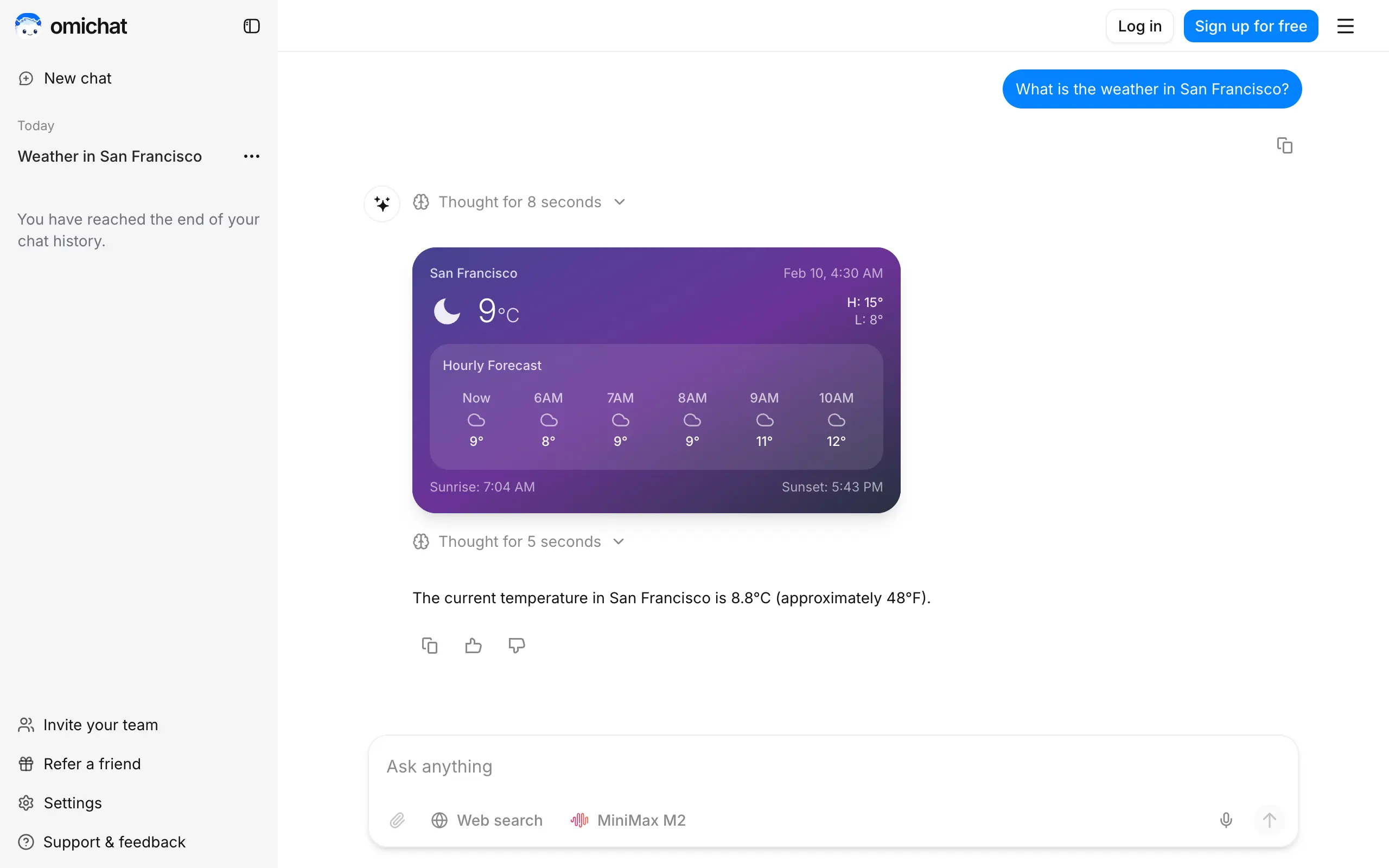
Omichat
Chat with 50+ AI models, including ChatGPT and Claude, in one place - switch models anytime without losing context 🤖
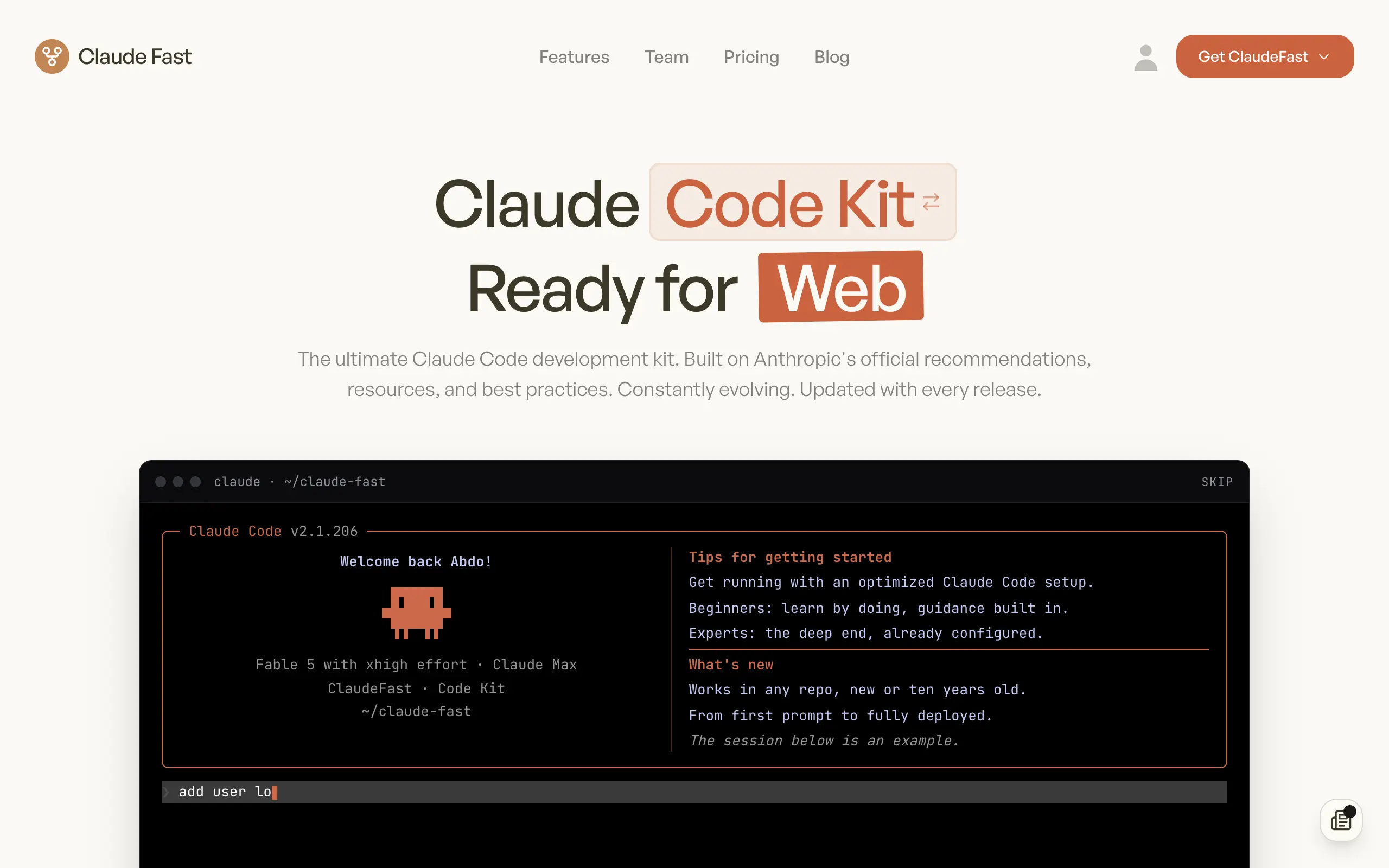
Claude Fast
Supercharge your Claude Code with 6x effective context window and specialized AI agents 🤖
EmojAI
AI-powered emoji picker with smart, context-aware suggestions 🤖
Solohacker
Autonomous company launcher - AI agents work 24/7, escalate what matters, and you stay in control 🤖
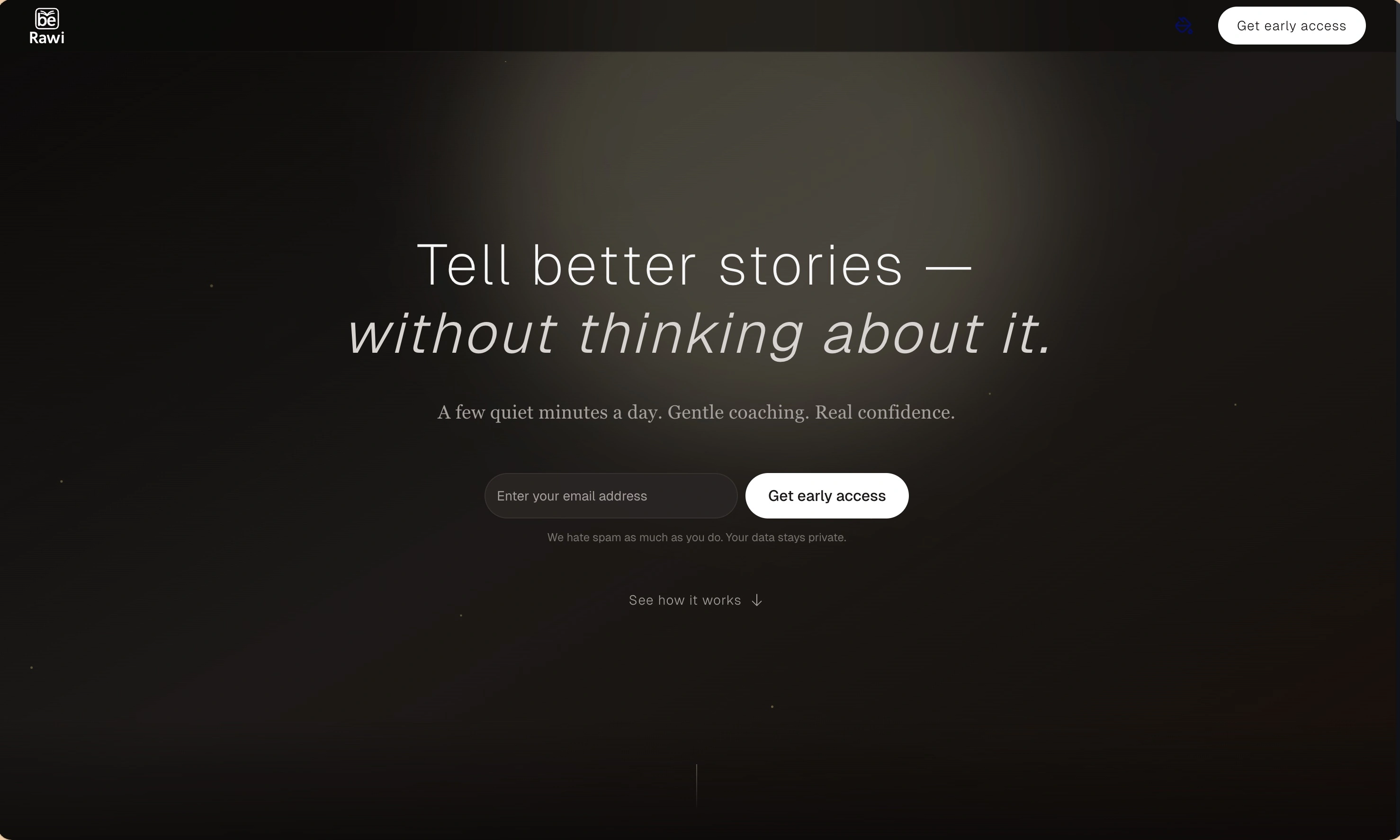
BeRawi: Storytelling Coach
Practice storytelling daily with instant feedback to sound clearer, more engaging, and confident 🎤
Omichat
Chat with 50+ AI models, including ChatGPT and Claude, in one place - switch models anytime without losing context 🤖
Claude Fast
Supercharge your Claude Code with 6x effective context window and specialized AI agents 🤖
EmojAI
AI-powered emoji picker with smart, context-aware suggestions 🤖
Solohacker
Autonomous company launcher - AI agents work 24/7, escalate what matters, and you stay in control 🤖
BeRawi: Storytelling Coach
Practice storytelling daily with instant feedback to sound clearer, more engaging, and confident 🎤
Omichat
Chat with 50+ AI models, including ChatGPT and Claude, in one place - switch models anytime without losing context 🤖
Claude Fast
Supercharge your Claude Code with 6x effective context window and specialized AI agents 🤖
EmojAI
AI-powered emoji picker with smart, context-aware suggestions 🤖
Solohacker
Autonomous company launcher - AI agents work 24/7, escalate what matters, and you stay in control 🤖
BeRawi: Storytelling Coach
Practice storytelling daily with instant feedback to sound clearer, more engaging, and confident 🎤
Omichat
Chat with 50+ AI models, including ChatGPT and Claude, in one place - switch models anytime without losing context 🤖
Claude Fast
Supercharge your Claude Code with 6x effective context window and specialized AI agents 🤖
EmojAI
AI-powered emoji picker with smart, context-aware suggestions 🤖
Solohacker
Autonomous company launcher - AI agents work 24/7, escalate what matters, and you stay in control 🤖
BeRawi: Storytelling Coach
Practice storytelling daily with instant feedback to sound clearer, more engaging, and confident 🎤

Connect with like-minded people
Join our community to get feedback, support, and grow together with 1,000+ builders on board, let's ship it!
Join usShip your startup everywhere. In minutes.
Don't burn tokens on setup and start building features on day one.