StockMirror AI
AI가 사용자의 소비 내역과 자산 흐름을 분석해 최적의 주식 포트폴리오를 자동 제안하는 개인화 투자 코치 앱. 초보 투자자도 데이터 기반 전략으로 안정적 수익을 추구할 수 있습니다.
The rise of AI-powered personalized investing
Retail investing has evolved dramatically over the last decade. Commission-free trading, mobile-first brokerages, and access to global markets have empowered millions of new investors. Yet one fundamental problem remains unsolved for most beginners:
How do you build a portfolio that actually fits your real life—not just your risk tolerance quiz?
This is where an AI-powered personalized investment coach like StockMirror AI creates a compelling market opportunity. Instead of offering generic ETF suggestions or static model portfolios, StockMirror AI analyzes a user’s real consumption patterns, income stability, asset flows, and spending behavior to automatically recommend a tailored stock portfolio.
This article provides a comprehensive, SEO-optimized deep dive into the concept of an AI investment portfolio app, covering:
- Target audience and user intent
- Market opportunity and competitive landscape
- Core features and technical architecture
- AI modeling approach
- Monetization strategies
- Risks and regulatory considerations
- Go-to-market strategy
- Implementation roadmap
The goal: help founders, product leaders, and investors evaluate and execute this idea with clarity and confidence.
Understanding user search intent for AI investment portfolio apps
Users searching for terms like:
- AI investment app
- AI stock portfolio recommendation
- best AI investing app for beginners
- personalized stock portfolio generator
- automated portfolio management AI
are typically seeking one of three things:
- Validation – Does AI investing actually work?
- Practical guidance – How can I build a portfolio tailored to my situation?
- Simplicity – Can I avoid complex financial theory?
StockMirror AI addresses all three by shifting from risk-questionnaire-based investing to behavior-based investing.
Instead of asking:
“What is your risk tolerance?”
It analyzes:
- Monthly discretionary income
- Spending volatility
- Emergency fund stability
- Debt burden
- Income predictability
- Asset accumulation trends
This approach aligns portfolio construction with real financial capacity, not just self-reported risk appetite.
Target audience analysis
1. Beginner retail investors (age 20–35)
Profile:
- First 1–5 years of investing
- Limited financial education
- Heavy mobile usage
- Interested in long-term wealth building
Pain points:
- Overwhelmed by stock choices
- Influenced by social media trends
- Unsure how much risk to take
- Inconsistent investing behavior
Why StockMirror AI fits:
- Converts daily financial data into actionable investing strategy
- Removes guesswork
- Encourages disciplined portfolio allocation
2. Busy professionals
Profile:
- Stable income
- Limited time for research
- Moderate capital available
- Prefer automation
Pain points:
- No time to rebalance
- Difficulty assessing macro risks
- Lack of clarity on diversification
Why StockMirror AI fits:
- Automated portfolio recommendations
- Rebalancing alerts
- Data-driven allocation
3. Financially aware but non-expert users
These users understand ETFs and asset allocation but lack quantitative portfolio optimization skills.
StockMirror AI can bridge the gap between:
- Robo-advisors (too rigid)
- DIY investing (too complex)
Market opportunity and gap analysis
The robo-advisor limitation
Traditional robo-advisors (e.g., Betterment, Wealthfront) rely on:
- Risk tolerance questionnaires
- Age-based allocation
- Static asset models
They rarely analyze:
- Real transaction data
- Behavioral spending trends
- Income volatility patterns
This creates a personalization gap.
The fintech data revolution
Open banking APIs and financial aggregation platforms have made it possible to securely access:
- Transaction histories
- Account balances
- Income patterns
- Debt structure
This enables a new category: behavior-aware portfolio construction.
Industry trends supporting StockMirror AI
-
AI adoption in finance
- AI is increasingly used for credit scoring, fraud detection, and asset management.
- Institutional hedge funds already leverage AI-driven allocation models.
-
Rise of personal finance tracking apps
- Budgeting apps have normalized financial data sharing.
- Users are more comfortable linking bank accounts.
-
Demand for hyper-personalization
- Consumers expect personalized Netflix recommendations.
- Why not personalized stock portfolios?
The core value proposition of StockMirror AI
StockMirror AI acts as:
A personalized investment mirror reflecting your financial behavior into an optimized stock portfolio.
Unique selling proposition (USP)
Unlike generic robo-advisors, StockMirror AI:
- Analyzes real spending behavior
- Evaluates income stability
- Detects liquidity risk
- Adjusts allocation dynamically
- Educates users through transparent AI reasoning
This shifts from:
- Static allocation → Adaptive allocation
- Questionnaire → Behavioral analytics
- One-size-fits-all → Context-aware portfolios
Core features of StockMirror AI
1. Financial data aggregation
Secure connection to:
- Bank accounts
- Brokerage accounts
- Credit cards
- Savings accounts
2. Behavioral cash flow analysis engine
AI models detect:
- Fixed vs variable expenses
- Seasonal income shifts
- Spending volatility index
- Emergency fund coverage ratio
3. Dynamic risk capacity modeling
Instead of subjective risk tolerance, StockMirror AI calculates:
Risk Capacity Score =
(Stable Income Ratio × Savings Rate)
– (Debt Pressure Index + Expense Volatility)
This produces a real-world risk capacity score.
4. Portfolio generation engine
Using:
- Modern Portfolio Theory (MPT)
- Factor-based allocation
- Volatility clustering
- AI-driven scenario simulation
Outputs:
- Recommended asset allocation
- Suggested ETFs or stocks
- Expected drawdown range
- Long-term projection
5. Adaptive rebalancing alerts
When:
- Spending spikes
- Income drops
- Market volatility increases
The AI suggests:
- Reduce equity exposure
- Increase defensive allocation
- Adjust sector weight
6. Explainable AI dashboard
Trust-building feature
Explainability is essential in financial AI. Users must understand why a portfolio is recommended.
StockMirror AI provides:
- Visual breakdown of portfolio reasoning
- Risk score explanation
- Scenario simulations
Feature comparison vs traditional solutions
| Feature | StockMirror AI | Robo-Advisor | DIY Investing | Budget App | Copy Trading |
|---|---|---|---|---|---|
| Behavior-based risk modeling | ✅ | ❌ | ❌ | ❌ | ❌ |
| Dynamic portfolio updates | ✅ | ✅ | ❌ | ✅ | |
| AI explainability | ✅ | Limited | ❌ | ❌ | |
| Personal cash-flow integration | ✅ | ❌ | ✅ | ❌ |
Recommended tech stack for StockMirror AI
Frontend
- React
- TailwindCSS
- Next.js for SSR and SEO
Why?
- High performance
- Strong ecosystem
- Fast iteration
Backend
- Node.js (API layer)
- Python microservices for AI models
- PostgreSQL for structured data
- Redis for caching
AI/ML stack
- Python
- PyTorch or TensorFlow
- Scikit-learn for financial modeling
- XGBoost for risk scoring
Infrastructure
- AWS or GCP
- Docker containers
- CI/CD pipelines
- End-to-end encryption
Trade-offs
| Choice | Advantage | Trade-off |
|---|---|---|
| Python ML | Mature ecosystem | Slower than Rust |
| Serverless | Scalable | Cold starts |
| Monolithic API | Simpler | Harder to scale |
AI modeling architecture overview
// Simplified risk scoring service
function calculateRiskCapacity(incomeStability, savingsRate, debtRatio, expenseVolatility) {
  return (incomeStability * savingsRate) - (debtRatio + expenseVolatility);
}
In production, models would include:
- Time-series forecasting (LSTM)
- Monte Carlo simulation
- Volatility clustering detection
- Regime-switching models
Monetization strategy
1. Freemium model
Free:
- Basic portfolio suggestion
- Monthly update
Premium:
- Real-time updates
- Rebalancing alerts
- Scenario modeling
- Tax optimization insights
2. Subscription tiers
- $9/month basic
- $19/month pro
- $49/month advanced analytics
3. B2B opportunities
- White-label for banks
- API for fintech apps
- Integration into brokerage platforms
4. Affiliate commissions
Referral revenue from brokerages.
Regulatory and risk considerations
Regulatory compliance is critical
Investment recommendation platforms may fall under financial advisory regulations depending on jurisdiction.
Key considerations:
- SEC registration (if operating in US)
- Local financial advisory licenses
- Clear disclaimers
- Suitability documentation
- Data privacy compliance (GDPR, CCPA)
Potential risks and mitigation strategies
Risk 1: Model inaccuracy
Mitigation:
- Continuous backtesting
- Regular retraining
- Human oversight layer
Risk 2: User mistrust of AI
Mitigation:
- Transparent explainability
- Educational content
- Clear performance metrics
Risk 3: Market crashes
Mitigation:
- Stress-tested models
- Conservative default allocations
- Risk warnings
Competitive advantage analysis
StockMirror AI’s durable advantages:
- Behavioral data integration
- Dynamic allocation engine
- Explainable AI UX
- Hybrid financial + behavioral modeling
This combination creates defensibility beyond simple stock-picking AI tools.
Go-to-market strategy
Phase 1: Niche positioning
Target:
- First-time investors
- Personal finance app users
Messaging:
“Invest according to your real financial life.”
Phase 2: Content-driven SEO
Focus keywords:
- AI investment app
- Personalized stock portfolio
- AI stock advisor
- Automated portfolio AI
Publish:
- Educational blog posts
- Portfolio simulation tools
- Risk calculator landing pages
Phase 3: Partnerships
- Fintech aggregators
- Neobanks
- Financial influencers
Implementation roadmap
Building efficiently with modern SaaS infrastructure
Time-to-market is critical. Instead of building everything from scratch, founders can accelerate development using a pre-built SaaS foundation like TurboStarter, which provides:
- Authentication
- Billing integration
- Dashboard scaffolding
- Production-ready architecture
This allows the team to focus on:
- AI modeling
- Financial logic
- UX differentiation
Long-term expansion vision
Future roadmap possibilities:
- Tax-loss harvesting automation
- Retirement planning AI
- ESG-aware portfolios
- Crypto allocation modeling
- Multi-country asset support
Why StockMirror AI can succeed now
The convergence of:
- AI maturity
- Open banking infrastructure
- Retail investor growth
- Demand for personalization
creates a rare timing advantage.
Investors no longer want:
- Blind automation
- Generic ETF bundles
They want:
- Context-aware
- Behavior-informed
- Adaptive investing
StockMirror AI delivers exactly that.
Final thoughts: from idea to execution
StockMirror AI is more than an AI stock recommendation tool. It represents a new category:
Behavior-integrated portfolio intelligence.
If executed correctly—with strong compliance, transparent AI, and real behavioral modeling—it can:
- Democratize data-driven investing
- Reduce emotional trading
- Improve long-term financial stability
The opportunity is significant, but execution quality will determine success.
The next step is clear:
Validate demand.
Build a focused MVP.
Prioritize trust and explainability.
Iterate with real user data.
With disciplined development and strategic positioning, StockMirror AI can become a category-defining AI investment portfolio app in the evolving fintech landscape.
More 🤖 AI Startup SaaS ideas
Discover more innovative ai startup SaaS ideas that are trending in 2026. Each idea is AI-generated with market validation and growth potential to help you find your next profitable venture faster than competitors.
Your competitors are building with TurboStarter
Below are some of the SaaS ideas that have been generated and built with our starter kit.

Statiko
Monitor any Telegram channel in real time - track posts, edits, deletions, and growth with AI recaps 📡

Shibui
AI website builder - describe your business, pick a niche template, edit by chatting, and publish instantly ✨

Pro Service
Find verified home service professionals, compare quotes, and pay securely through escrow - built for Brazilians across the US 🏠
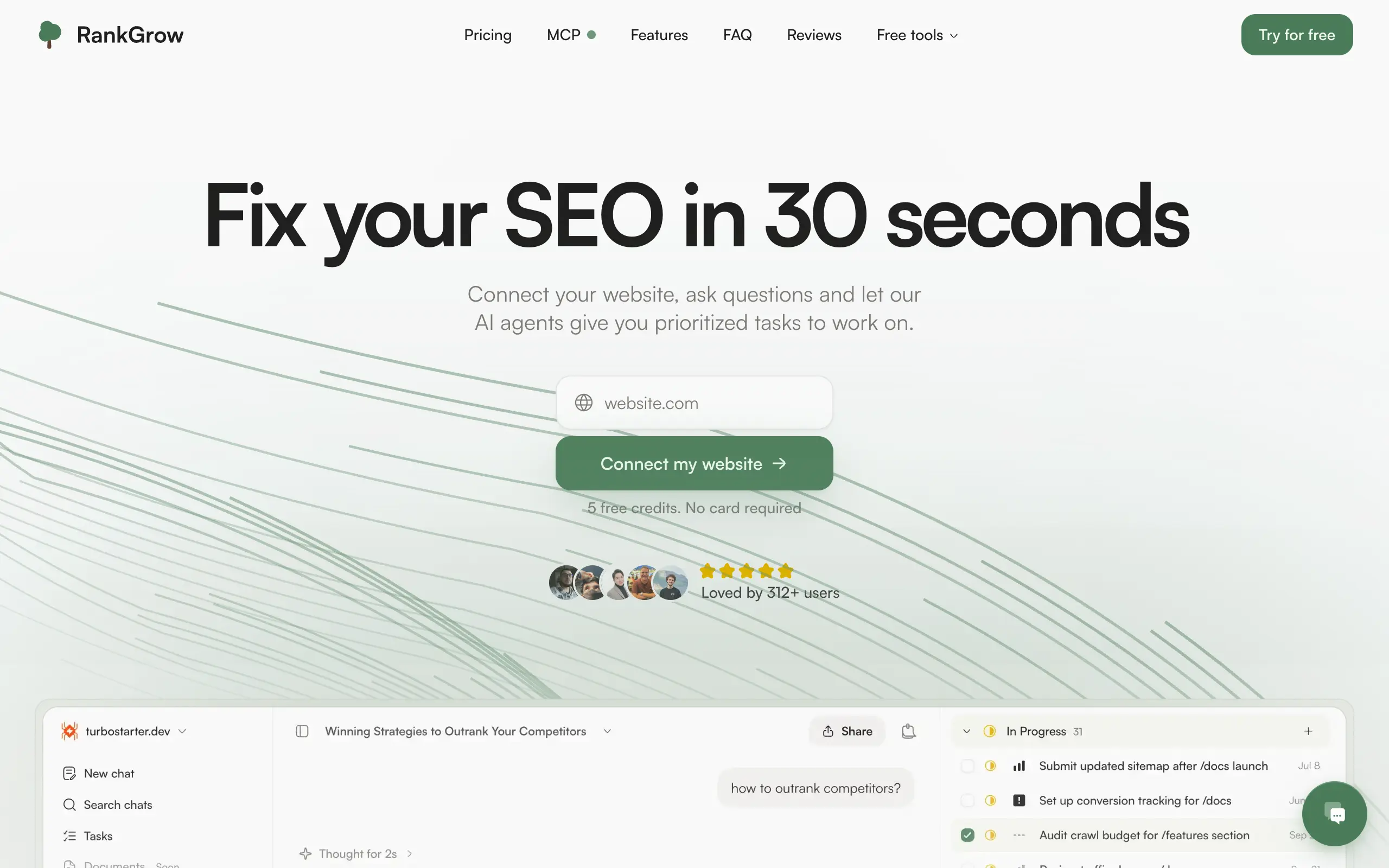
RankGrow
Fix your SEO with AI agents - connect Search Console, get prioritized tasks, and grow organic traffic 📈
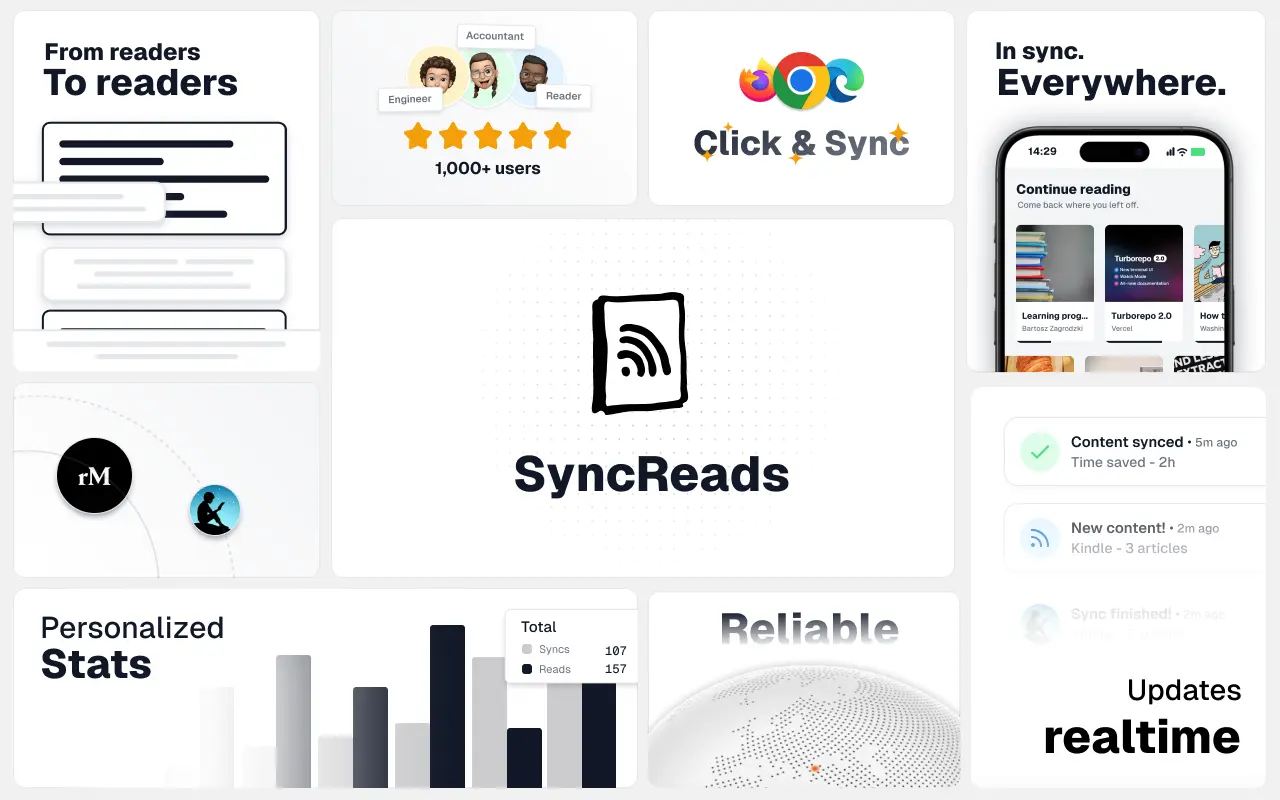
SyncReads
Sync your favorite content for distraction-free reading, save time and replace multiple apps. Anytime, anywhere 🔄
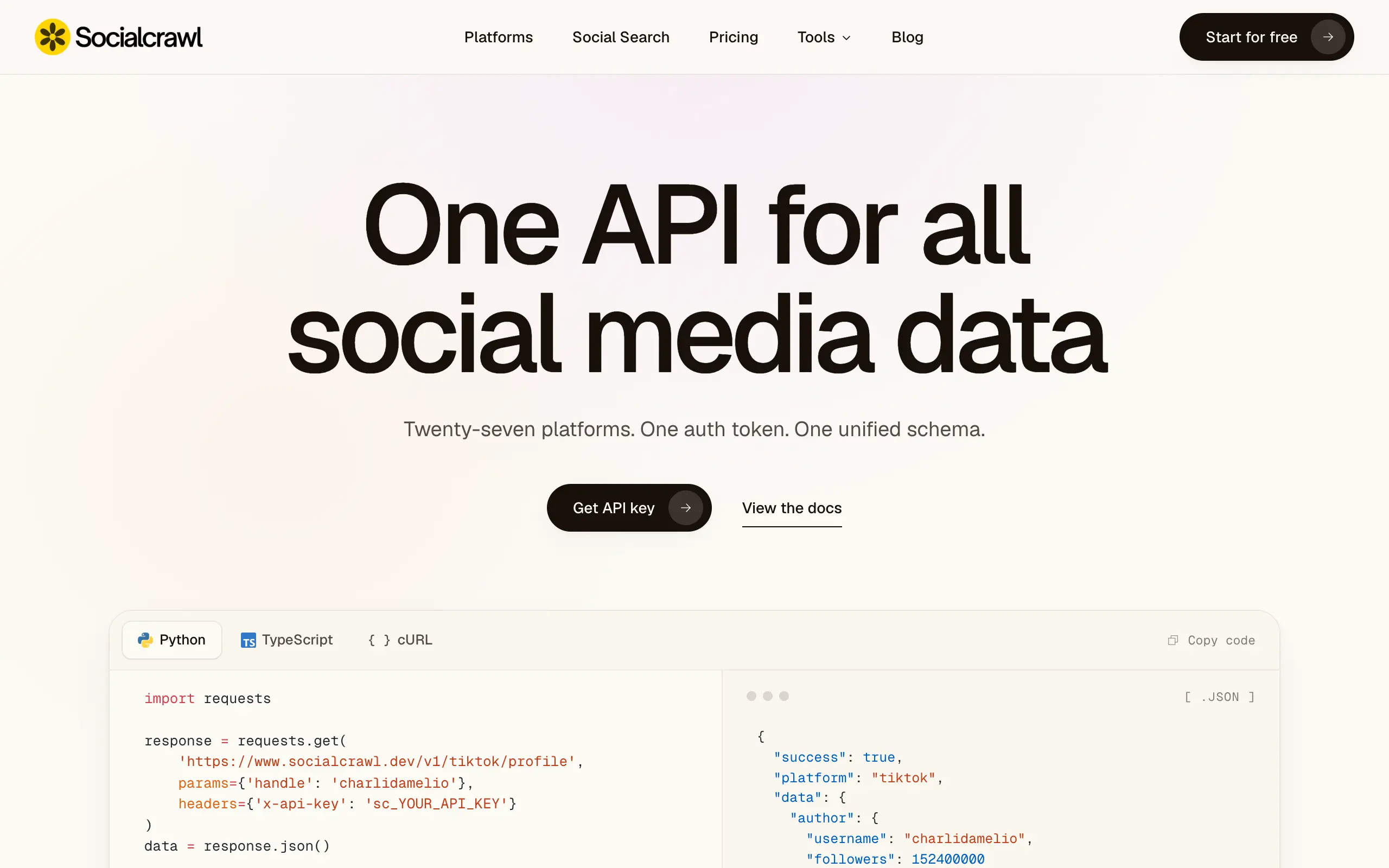
Socialcrawl
Get clean, structured data from 21 platforms like TikTok, Instagram, and YouTube with a single request 📊
Statiko
Monitor any Telegram channel in real time - track posts, edits, deletions, and growth with AI recaps 📡
Shibui
AI website builder - describe your business, pick a niche template, edit by chatting, and publish instantly ✨
Pro Service
Find verified home service professionals, compare quotes, and pay securely through escrow - built for Brazilians across the US 🏠
RankGrow
Fix your SEO with AI agents - connect Search Console, get prioritized tasks, and grow organic traffic 📈
SyncReads
Sync your favorite content for distraction-free reading, save time and replace multiple apps. Anytime, anywhere 🔄
Socialcrawl
Get clean, structured data from 21 platforms like TikTok, Instagram, and YouTube with a single request 📊
Statiko
Monitor any Telegram channel in real time - track posts, edits, deletions, and growth with AI recaps 📡
Shibui
AI website builder - describe your business, pick a niche template, edit by chatting, and publish instantly ✨
Pro Service
Find verified home service professionals, compare quotes, and pay securely through escrow - built for Brazilians across the US 🏠
RankGrow
Fix your SEO with AI agents - connect Search Console, get prioritized tasks, and grow organic traffic 📈
SyncReads
Sync your favorite content for distraction-free reading, save time and replace multiple apps. Anytime, anywhere 🔄
Socialcrawl
Get clean, structured data from 21 platforms like TikTok, Instagram, and YouTube with a single request 📊
Statiko
Monitor any Telegram channel in real time - track posts, edits, deletions, and growth with AI recaps 📡
Shibui
AI website builder - describe your business, pick a niche template, edit by chatting, and publish instantly ✨
Pro Service
Find verified home service professionals, compare quotes, and pay securely through escrow - built for Brazilians across the US 🏠
RankGrow
Fix your SEO with AI agents - connect Search Console, get prioritized tasks, and grow organic traffic 📈
SyncReads
Sync your favorite content for distraction-free reading, save time and replace multiple apps. Anytime, anywhere 🔄
Socialcrawl
Get clean, structured data from 21 platforms like TikTok, Instagram, and YouTube with a single request 📊
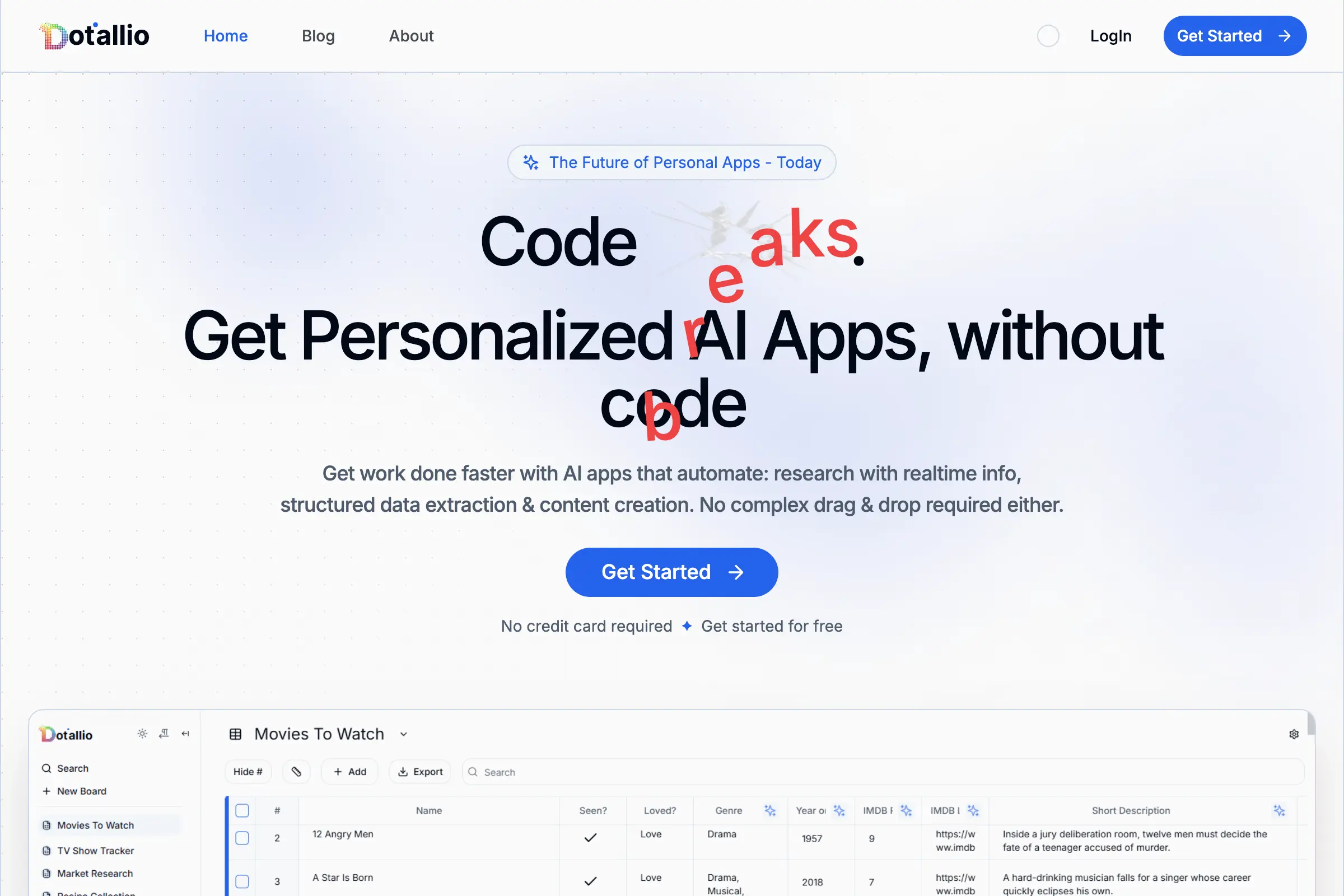
Dotallio
Personalized AI apps that automate research, data extraction, and content creation without code 🤖

Talk to Santa
Enjoy a magical live video chat or receive a unique AI-generated video greeting from Santa Claus 🎅

pozywka.pl
Scalable blog for food journalist, focused on performance and user experience 🌭
zagrodzki.me
Personal blog and portfolio of Bart Zagrodzki, where he shares his knowledge and work 💼
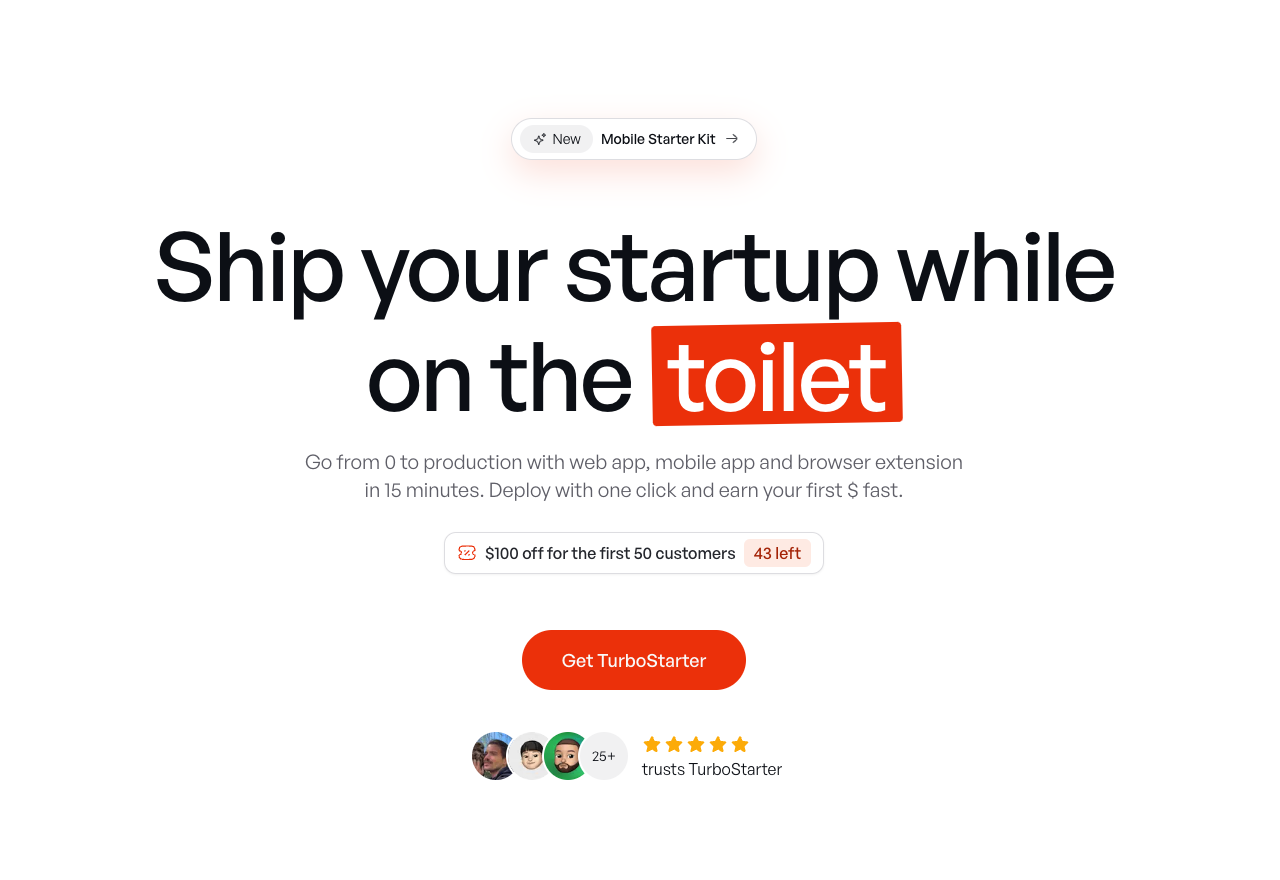
TurboStarter
Ship your startup everywhere. In minutes.
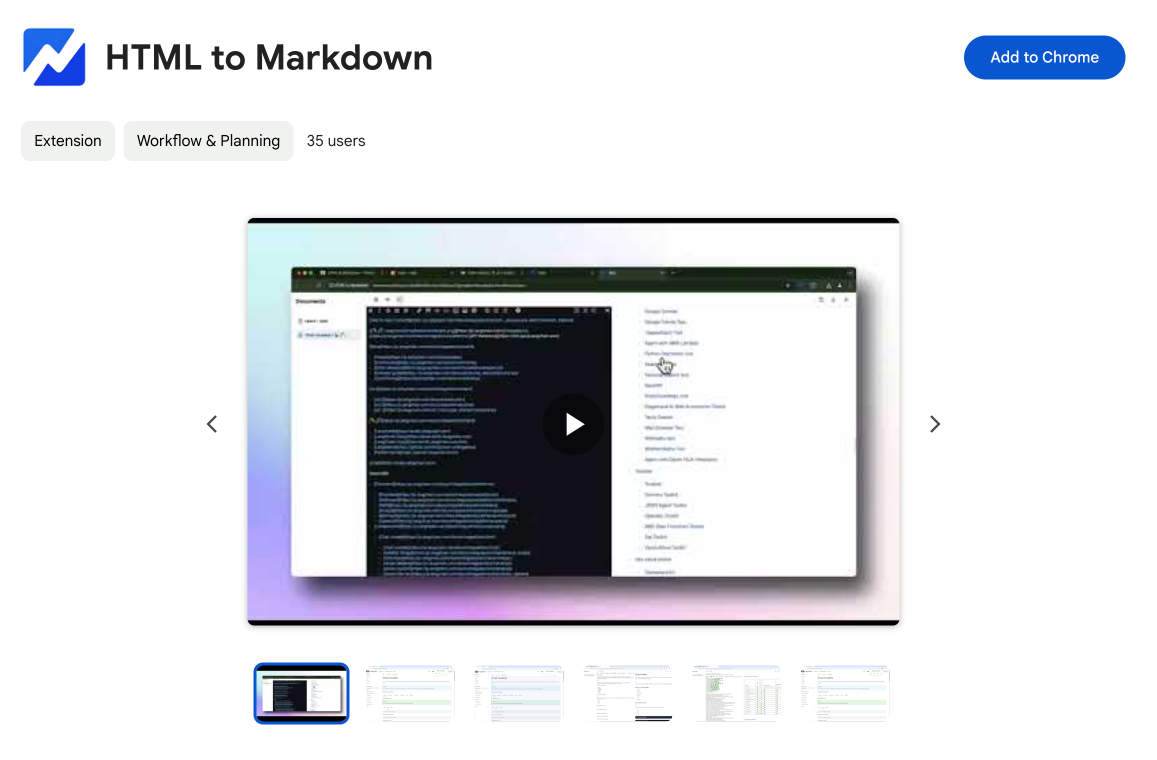
HTML to Markdown
Convert HTML to Markdown with ease, directly in your browser 📄
Dotallio
Personalized AI apps that automate research, data extraction, and content creation without code 🤖
Talk to Santa
Enjoy a magical live video chat or receive a unique AI-generated video greeting from Santa Claus 🎅
pozywka.pl
Scalable blog for food journalist, focused on performance and user experience 🌭
zagrodzki.me
Personal blog and portfolio of Bart Zagrodzki, where he shares his knowledge and work 💼
TurboStarter
Ship your startup everywhere. In minutes.
HTML to Markdown
Convert HTML to Markdown with ease, directly in your browser 📄
Dotallio
Personalized AI apps that automate research, data extraction, and content creation without code 🤖
Talk to Santa
Enjoy a magical live video chat or receive a unique AI-generated video greeting from Santa Claus 🎅
pozywka.pl
Scalable blog for food journalist, focused on performance and user experience 🌭
zagrodzki.me
Personal blog and portfolio of Bart Zagrodzki, where he shares his knowledge and work 💼
TurboStarter
Ship your startup everywhere. In minutes.
HTML to Markdown
Convert HTML to Markdown with ease, directly in your browser 📄
Dotallio
Personalized AI apps that automate research, data extraction, and content creation without code 🤖
Talk to Santa
Enjoy a magical live video chat or receive a unique AI-generated video greeting from Santa Claus 🎅
pozywka.pl
Scalable blog for food journalist, focused on performance and user experience 🌭
zagrodzki.me
Personal blog and portfolio of Bart Zagrodzki, where he shares his knowledge and work 💼
TurboStarter
Ship your startup everywhere. In minutes.
HTML to Markdown
Convert HTML to Markdown with ease, directly in your browser 📄
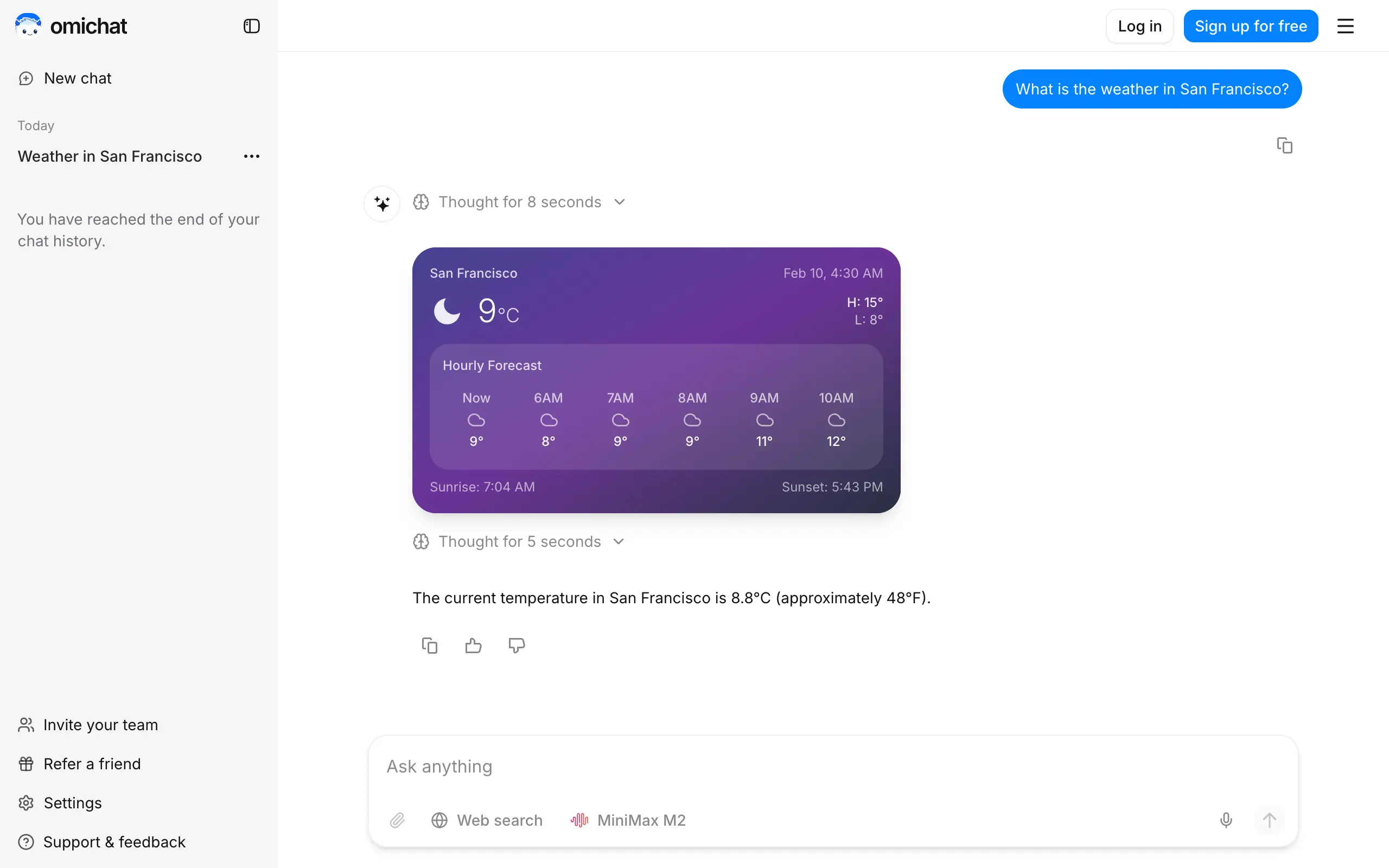
Omichat
Chat with 50+ AI models, including ChatGPT and Claude, in one place - switch models anytime without losing context 🤖
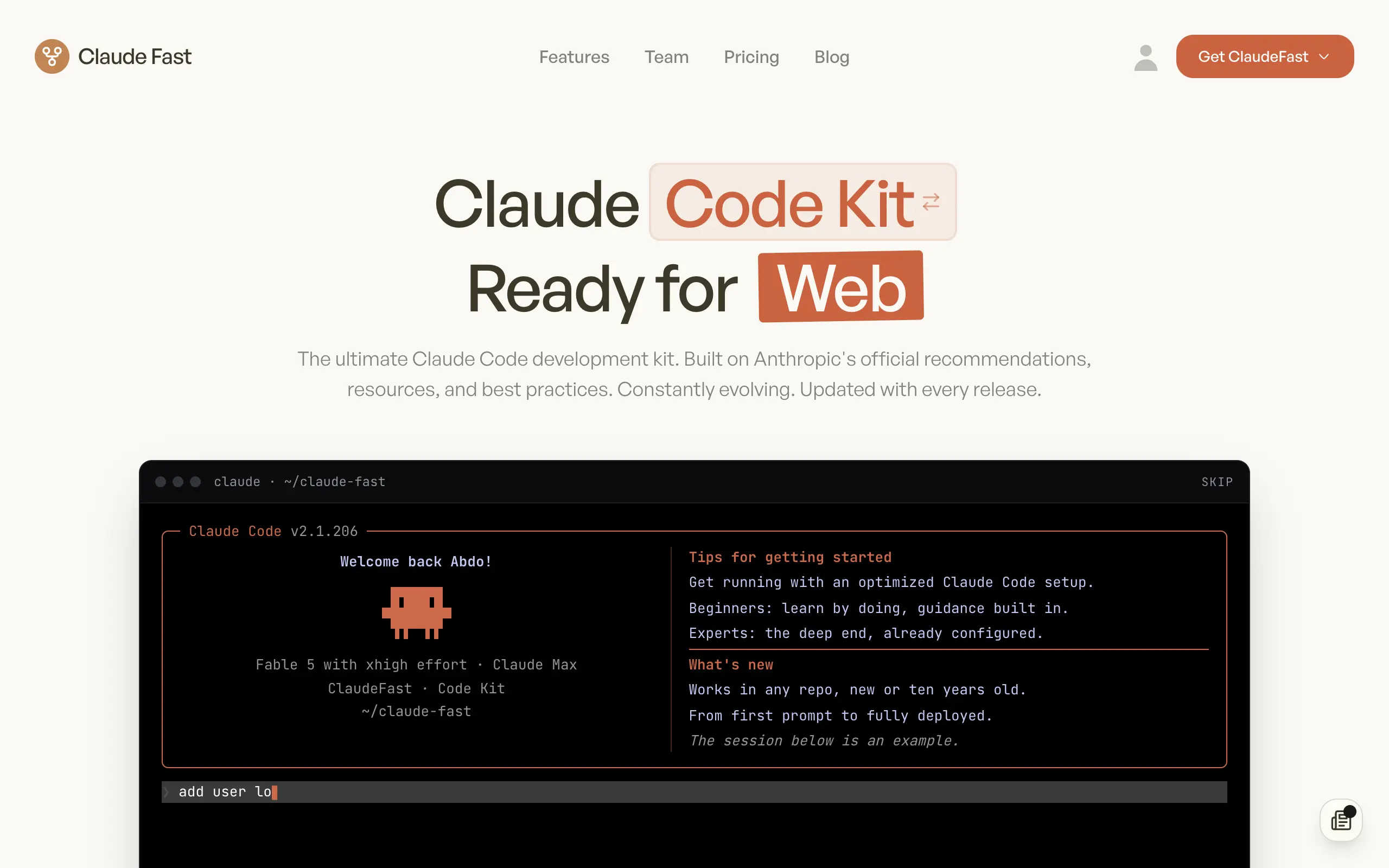
Claude Fast
Supercharge your Claude Code with 6x effective context window and specialized AI agents 🤖
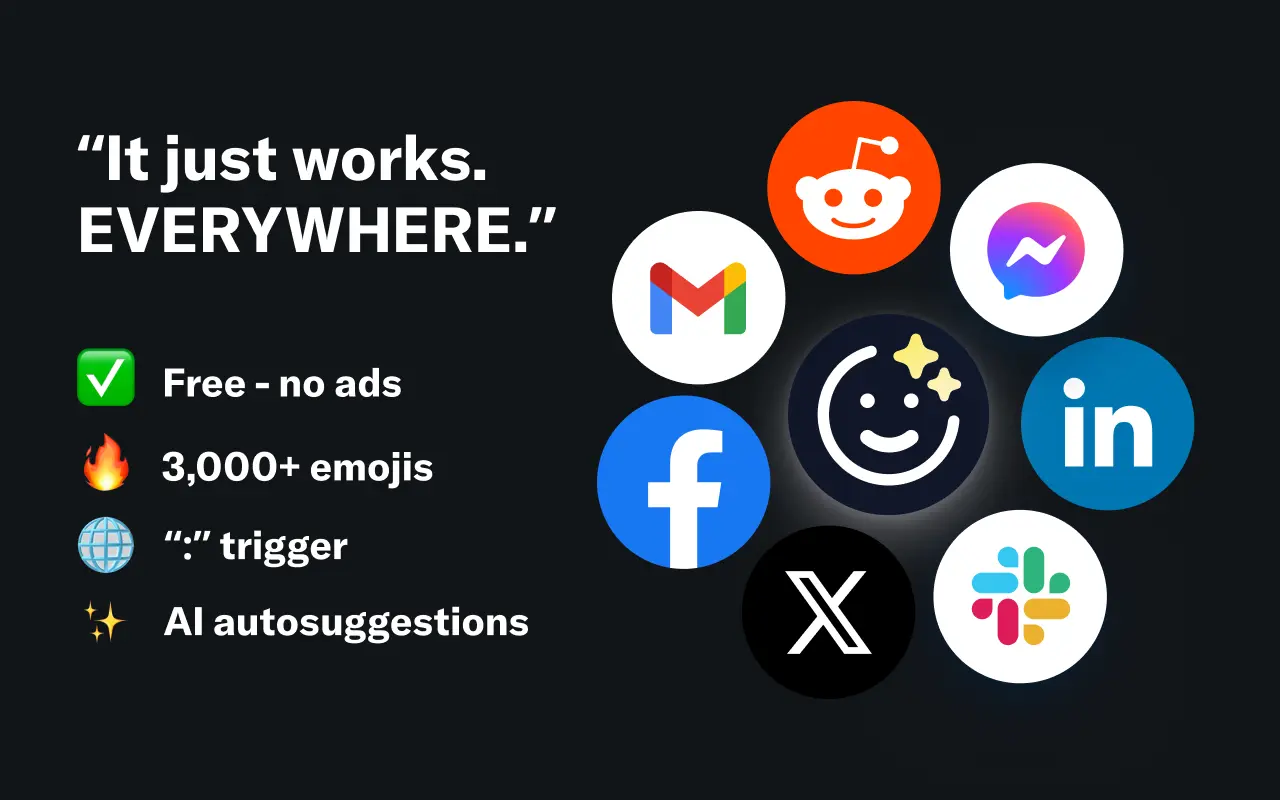
EmojAI
AI-powered emoji picker with smart, context-aware suggestions 🤖

Solohacker
Autonomous company launcher - AI agents work 24/7, escalate what matters, and you stay in control 🤖

BeRawi: Storytelling Coach
Practice storytelling daily with instant feedback to sound clearer, more engaging, and confident 🎤
Omichat
Chat with 50+ AI models, including ChatGPT and Claude, in one place - switch models anytime without losing context 🤖
Claude Fast
Supercharge your Claude Code with 6x effective context window and specialized AI agents 🤖
EmojAI
AI-powered emoji picker with smart, context-aware suggestions 🤖
Solohacker
Autonomous company launcher - AI agents work 24/7, escalate what matters, and you stay in control 🤖
BeRawi: Storytelling Coach
Practice storytelling daily with instant feedback to sound clearer, more engaging, and confident 🎤
Omichat
Chat with 50+ AI models, including ChatGPT and Claude, in one place - switch models anytime without losing context 🤖
Claude Fast
Supercharge your Claude Code with 6x effective context window and specialized AI agents 🤖
EmojAI
AI-powered emoji picker with smart, context-aware suggestions 🤖
Solohacker
Autonomous company launcher - AI agents work 24/7, escalate what matters, and you stay in control 🤖
BeRawi: Storytelling Coach
Practice storytelling daily with instant feedback to sound clearer, more engaging, and confident 🎤
Omichat
Chat with 50+ AI models, including ChatGPT and Claude, in one place - switch models anytime without losing context 🤖
Claude Fast
Supercharge your Claude Code with 6x effective context window and specialized AI agents 🤖
EmojAI
AI-powered emoji picker with smart, context-aware suggestions 🤖
Solohacker
Autonomous company launcher - AI agents work 24/7, escalate what matters, and you stay in control 🤖
BeRawi: Storytelling Coach
Practice storytelling daily with instant feedback to sound clearer, more engaging, and confident 🎤

Connect with like-minded people
Join our community to get feedback, support, and grow together with 1,000+ builders on board, let's ship it!
Join usShip your startup everywhere. In minutes.
Don't burn tokens on setup and start building features on day one.