StockPulse AI
AI-powered stock companion that analyzes your portfolio, news, and macro data to deliver personalized buy/sell signals and risk alerts in real time.
What is StockPulse AI and why it matters now
Retail investing has changed dramatically over the last decade. Zero-commission trading, mobile-first brokerages, social investing communities, and easy access to global markets have empowered millions of new investors. Yet the core problem remains the same:
Most individual investors struggle to process the overwhelming volume of financial data in time to make confident, disciplined decisions.
StockPulse AI is an AI-powered stock companion that analyzes your portfolio, financial news, and macroeconomic data to deliver personalized buy/sell signals and real-time risk alerts. Instead of giving generic market commentary, it focuses on your holdings, your risk profile, and your goals.
In this article, we’ll break down:
- The market opportunity behind an AI stock portfolio analyzer
- Target audience and unmet needs
- Core features and product architecture
- Recommended tech stack and AI approach
- Monetization strategies
- Competitive landscape and differentiation
- Risks and mitigation
- Step-by-step implementation roadmap
This guide is written for founders, product builders, and investors evaluating the viability of an AI stock analysis SaaS.
The market opportunity for an AI stock portfolio analyzer
Retail investing is mainstream
Retail participation in stock markets has surged globally. Trading platforms like Robinhood, eToro, and Webull have lowered barriers to entry. At the same time:
- Exchange-traded funds (ETFs) have made diversification easier.
- Social media and financial influencers amplify stock narratives.
- Real-time news cycles create constant volatility.
However, most retail investors lack:
- Time to monitor macroeconomic shifts
- Structured portfolio risk analysis
- Discipline during market volatility
- Contextual interpretation of financial news
This creates a significant gap for a personalized AI investment assistant.
Why generic financial news isn’t enough
Investors are bombarded with:
- Earnings reports
- Fed rate announcements
- Geopolitical events
- Analyst upgrades/downgrades
- Social media sentiment
But the key question remains unanswered:
“What does this mean for my portfolio?”
StockPulse AI’s opportunity lies in converting raw financial noise into:
- Portfolio-specific insights
- Actionable buy/sell signals
- Risk exposure alerts
- Scenario-based simulations
Macro trends supporting AI-driven investing
Recent advancements make this product more feasible than ever:
- Large language models (LLMs) for financial news summarization
- Real-time data APIs for market feeds
- Sentiment analysis for earnings calls and media
- Vector databases for contextual retrieval
- Cloud-native scalability
AI-driven fintech is rapidly maturing, and user expectations are shifting toward intelligent, proactive tools rather than passive dashboards.
Target audience analysis
Understanding the core users of StockPulse AI is critical for product-market fit.
1. Retail investors (primary segment)
Profile:
- Age 22–45
- Uses mobile brokerage apps
- Invests in stocks and ETFs
- Follows financial news sporadically
Pain points:
- Unsure when to rebalance
- Emotional decision-making
- Difficulty interpreting macro events
- Fear of missing out (FOMO)
What they want:
- Clear, simple signals
- Risk warnings before major losses
- Portfolio health score
- Confidence in decisions
2. Semi-active traders
Profile:
- Trades weekly or monthly
- Follows earnings reports
- Uses technical indicators
Pain points:
- Too many signals from too many tools
- Disconnected analysis tools
- No holistic portfolio risk model
What they want:
- Unified AI dashboard
- News impact analysis
- Trade suggestions with confidence levels
3. Financial advisors (secondary segment)
Profile:
- Manages multiple client portfolios
- Needs scalable analytics
Pain points:
- Manual portfolio monitoring
- Reactive rather than proactive communication
What they want:
- Automated alerts
- White-label reporting
- AI-generated client summaries
The core problem StockPulse AI solves
Let’s distill the core value proposition:
StockPulse AI turns fragmented financial data into personalized, real-time, AI-driven portfolio intelligence.
Traditional investing tools provide:
- Price charts
- Analyst ratings
- Static performance metrics
StockPulse AI adds:
- AI-generated signals
- Portfolio-level risk modeling
- Real-time event impact analysis
- Context-aware macro overlays
Core features of StockPulse AI
To compete effectively in the AI investing SaaS space, the product must go beyond surface-level insights.
1. Portfolio ingestion and synchronization
Users connect brokerage accounts via secure APIs.
Features:
- Automatic holdings sync
- Historical transaction import
- Asset allocation breakdown
- Sector and geography exposure mapping
2. Real-time AI buy/sell signals
Signals should not be generic market calls. Instead, they must consider:
- Individual holdings
- Risk tolerance
- Time horizon
- Correlation exposure
Signals include:
- Buy
- Trim
- Hold
- Reduce exposure
- Hedge
Each signal includes:
- Confidence score
- Risk explanation
- Supporting macro/news context
3. News and sentiment analysis engine
StockPulse AI continuously analyzes:
- Company-specific news
- Earnings transcripts
- Regulatory filings
- Macroeconomic announcements
AI tasks:
- Summarize key developments
- Detect sentiment shifts
- Identify abnormal narrative changes
- Map events to user holdings
4. Real-time risk alerts
Critical for retention and trust.
Examples:
- “Your portfolio has 38% exposure to rate-sensitive tech stocks.”
- “High volatility detected in 3 correlated holdings.”
- “Macro inflation surprise may negatively impact 42% of your positions.”
Alerts must be:
- Actionable
- Explainable
- Time-sensitive
5. Portfolio health score
A simplified AI-generated metric that combines:
- Volatility
- Drawdown risk
- Sector concentration
- Beta to market
- Macro sensitivity
Users get:
- Score from 0–100
- Suggested improvements
- Historical trend graph
6. Scenario simulation engine
“What happens if the Fed raises rates again?”
Users can simulate:
- Recession scenario
- Interest rate spike
- Oil shock
- Tech selloff
The AI estimates portfolio impact and suggests rebalancing strategies.
Feature breakdown table
| Feature | Beginner Value | Advanced Value | Retention Impact | Complexity |
|---|---|---|---|---|
| Portfolio sync | ✅ | ✅ | ✅ | Medium |
| AI signals | ✅ | ✅ | ✅ | High |
| News sentiment AI | ✅ | ✅ | ✅ | High |
| Scenario simulator | ❌ | ✅ | ✅ | High |
Recommended tech stack for StockPulse AI
Building a real-time AI stock analysis SaaS requires scalable, secure infrastructure.
Frontend
- React – Component-based UI
- Next.js – SSR + API routes
- TailwindCSS – Utility-first styling
- Real-time charts (e.g., TradingView widgets or custom D3)
Backend
- Node.js or Python (FastAPI for AI-heavy workloads)
- PostgreSQL for relational data
- Redis for caching live prices
- Background job queues (BullMQ or Celery)
AI and data layer
- LLM API for summarization and explanation
- Financial market data APIs (ensure licensed providers)
- Vector database for contextual memory
- Sentiment models fine-tuned on financial text
Example simplified AI scoring logic:
function generateSignal(stock, macroScore, sentimentScore, volatilityScore) {
  const weightedScore =
    stock.fundamentalScore * 0.4 +
    macroScore * 0.2 +
    sentimentScore * 0.2 -
    volatilityScore * 0.2;

  if (weightedScore > 0.7) return "Buy";
  if (weightedScore < 0.3) return "Reduce";
  return "Hold";
}
Infrastructure
- Vercel (frontend deployment)
- AWS or GCP for backend services
- Managed PostgreSQL (e.g., RDS)
- Secure secrets management
- SOC 2 compliance roadmap
Accelerating development
Using a modern SaaS starter kit like TurboStarter significantly reduces:
- Authentication setup
- Billing integration
- Role-based access
- Production-grade architecture decisions
This allows founders to focus on AI logic and financial modeling rather than boilerplate infrastructure.
Monetization strategy for StockPulse AI
Monetization must align with perceived value and trust.
1. Tiered subscription model (recommended)
Free plan
- Portfolio tracking
- Basic health score
- Limited alerts
Pro ($19–$39/month)
- Real-time AI signals
- Risk alerts
- Sentiment analysis
- Scenario simulations
Elite ($79+/month)
- Advanced analytics
- API access
- Advisor tools
- Custom reports
2. B2B advisor licensing
- White-label dashboards
- Per-seat pricing
- Portfolio monitoring tools
3. Add-on revenue
- Premium macro reports
- Advanced AI strategies
- SMS alert upgrades
Compliance reminder
StockPulse AI must avoid explicitly positioning itself as a licensed financial advisor unless properly regulated. Legal compliance and disclaimers are essential.
Competitive landscape and differentiation
Key competitors include:
- TradingView
- Seeking Alpha
- Morningstar
- Various robo-advisors
Where they fall short
- Generic analysis, not portfolio-specific
- Reactive alerts
- Limited macro-personalization
- No unified AI intelligence layer
StockPulse AI’s competitive advantage
Hyper-personalization
Signals tailored to individual portfolio composition and risk profile.
Real-time macro overlay
Macro events automatically mapped to portfolio exposure.
Explainable AI
Every signal includes a transparent reasoning summary.
The USP is not just AI-generated insights, but context-aware, portfolio-specific intelligence.
Risks and mitigation strategies
1. Regulatory risk
Mitigation:
- Strong legal counsel
- Clear disclaimers
- Positioning as “decision-support tool”
2. Model inaccuracies
Mitigation:
- Continuous backtesting
- Human-reviewed signal calibration
- Confidence scoring
3. Data reliability
Mitigation:
- Redundant data providers
- Data validation layers
- Caching safeguards
4. Trust barrier
Finance is high-stakes. Trust is everything.
Mitigation:
- Transparent methodology
- Historical performance tracking
- Educational content
Implementation roadmap
Go-to-market strategy
Phase 1: Content-driven SEO
Target keywords:
- AI stock analysis
- AI portfolio management tool
- Real-time stock alerts AI
- AI buy sell signals
- Portfolio risk analysis software
Publish:
- Educational investing content
- Macro breakdowns
- Case studies
Phase 2: Fintech influencers
- YouTube investing creators
- Newsletter sponsorships
- Twitter/X finance accounts
Phase 3: Community-led growth
- Discord or Slack investing community
- Weekly AI market briefings
- Live portfolio reviews
Why now is the perfect time
Three forces converge:
- Explosion of retail investing
- Mature AI infrastructure
- Rising market volatility
Investors need smarter tools. Static dashboards are obsolete. The future is:
Proactive, AI-driven, personalized portfolio intelligence.
Final thoughts: building a defensible AI fintech product
StockPulse AI is not just another stock app. It is:
- A real-time AI portfolio analyst
- A macro risk radar
- A personalized decision-support engine
If executed correctly, it can become:
- A daily-use companion
- A trusted decision layer
- A scalable subscription SaaS
The key is trust, transparency, and explainability.
Actionable next steps for founders
- Define your ideal early adopter (retail vs advisor).
- Validate willingness to pay before building full AI complexity.
- Start with portfolio-level insights before predictive signals.
- Prioritize compliance from day one.
- Build transparent AI explanations to earn trust.
Then:
- Launch lean.
- Iterate with real users.
- Focus on retention metrics (DAU/WAU).
- Continuously refine signal quality.
If you combine strong financial modeling, responsible AI usage, and a clean SaaS execution strategy, StockPulse AI has the potential to become a category-defining AI stock companion in a market that is only growing more complex—and more in need of intelligent assistance.
More 🤖 AI Startup SaaS ideas
Discover more innovative ai startup SaaS ideas that are trending in 2026. Each idea is AI-generated with market validation and growth potential to help you find your next profitable venture faster than competitors.
Your competitors are building with TurboStarter
Below are some of the SaaS ideas that have been generated and built with our starter kit.
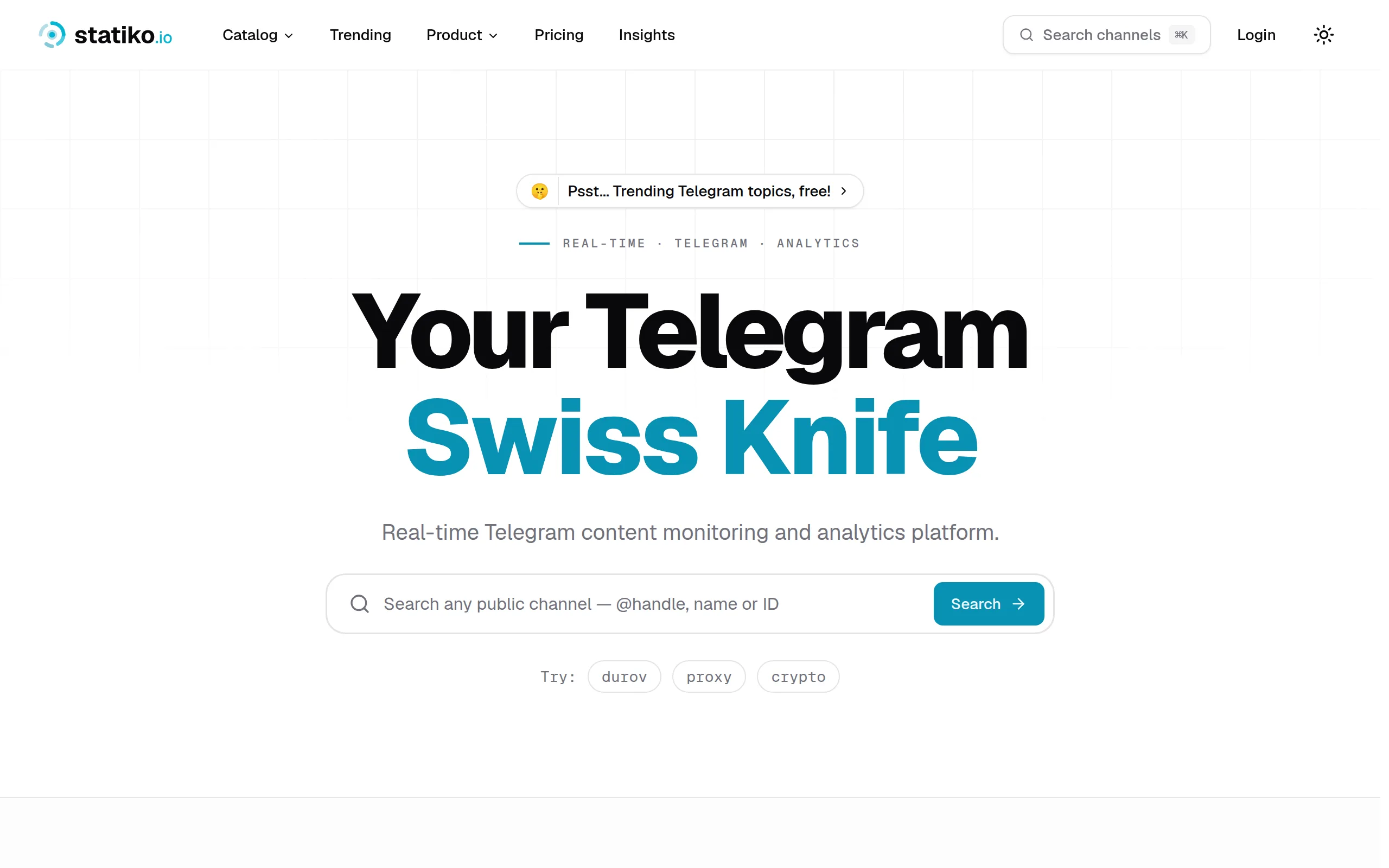
Statiko
Monitor any Telegram channel in real time - track posts, edits, deletions, and growth with AI recaps 📡

Shibui
AI website builder - describe your business, pick a niche template, edit by chatting, and publish instantly ✨

Pro Service
Find verified home service professionals, compare quotes, and pay securely through escrow - built for Brazilians across the US 🏠
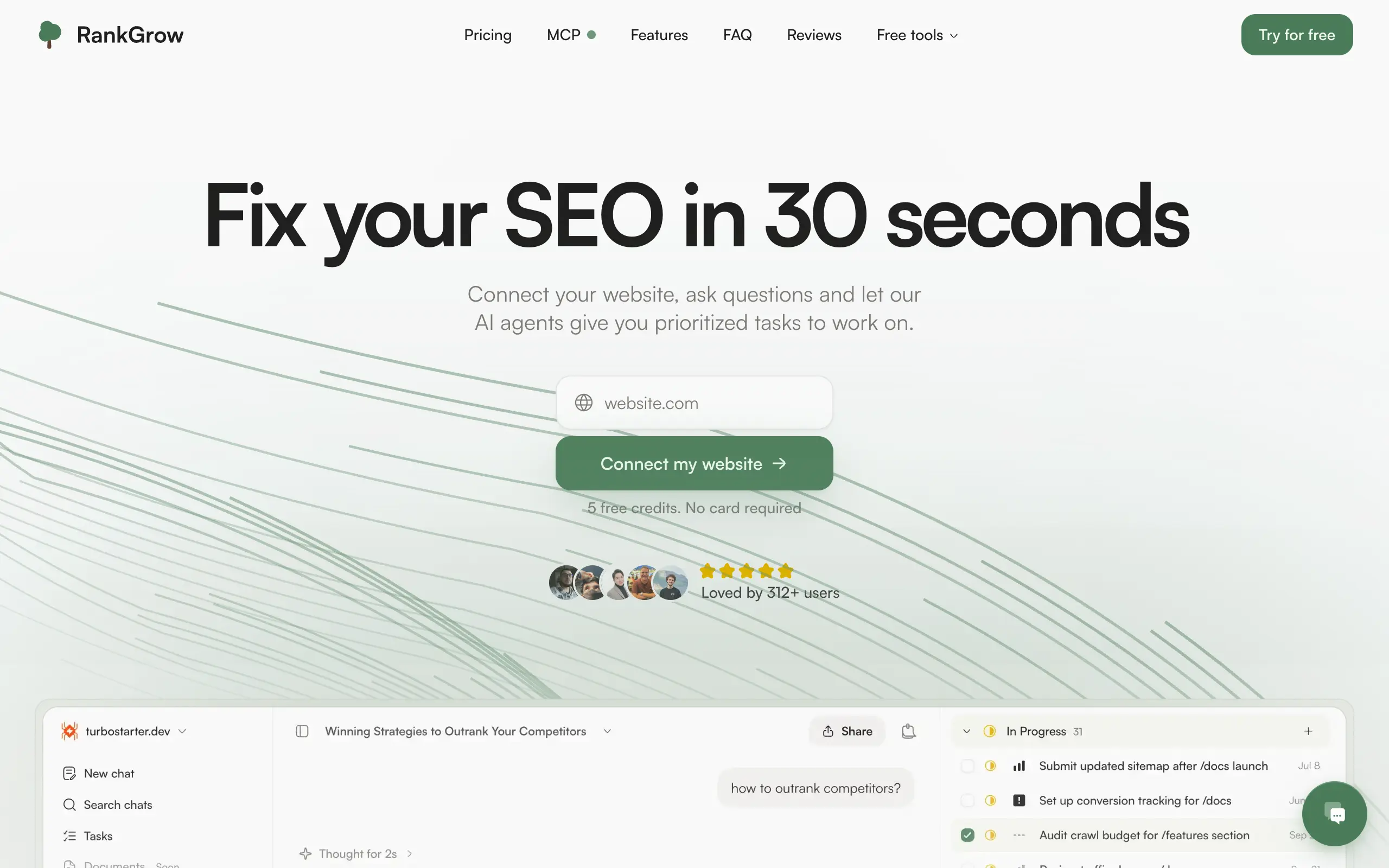
RankGrow
Fix your SEO with AI agents - connect Search Console, get prioritized tasks, and grow organic traffic 📈
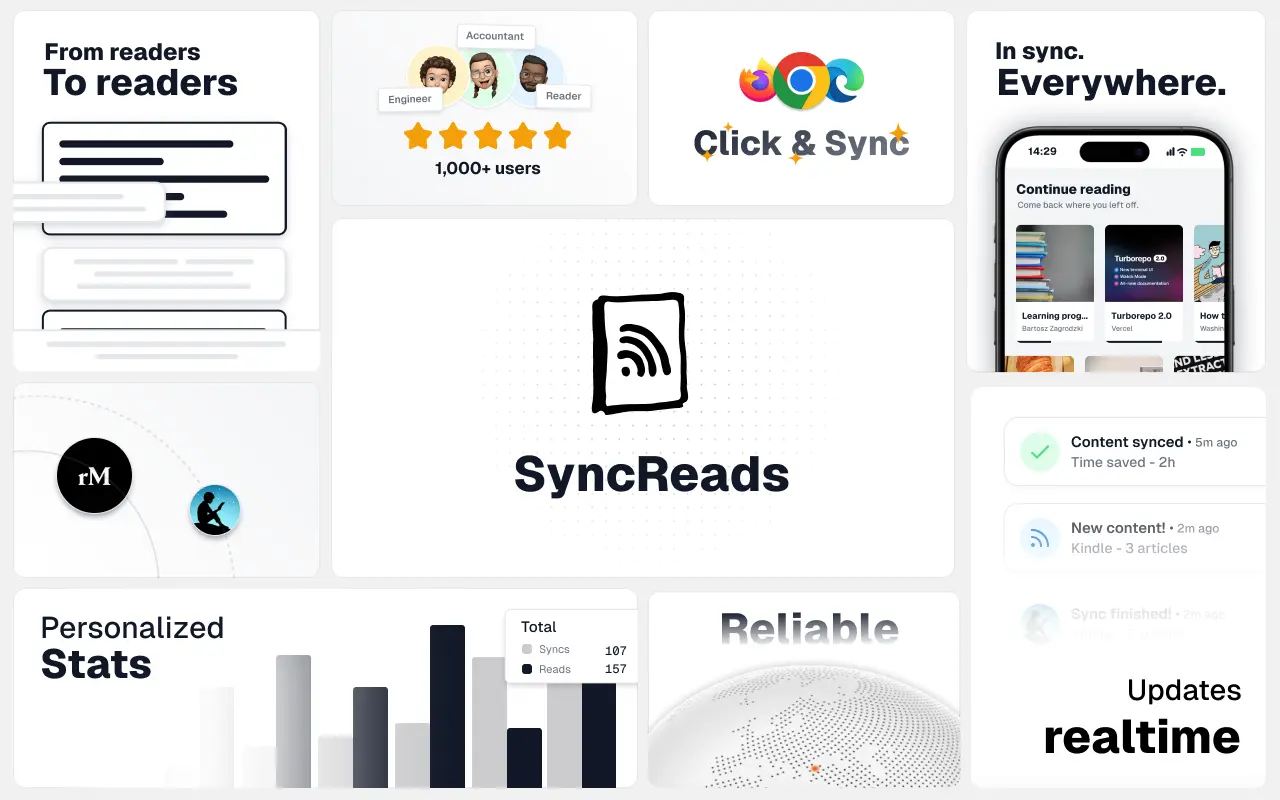
SyncReads
Sync your favorite content for distraction-free reading, save time and replace multiple apps. Anytime, anywhere 🔄
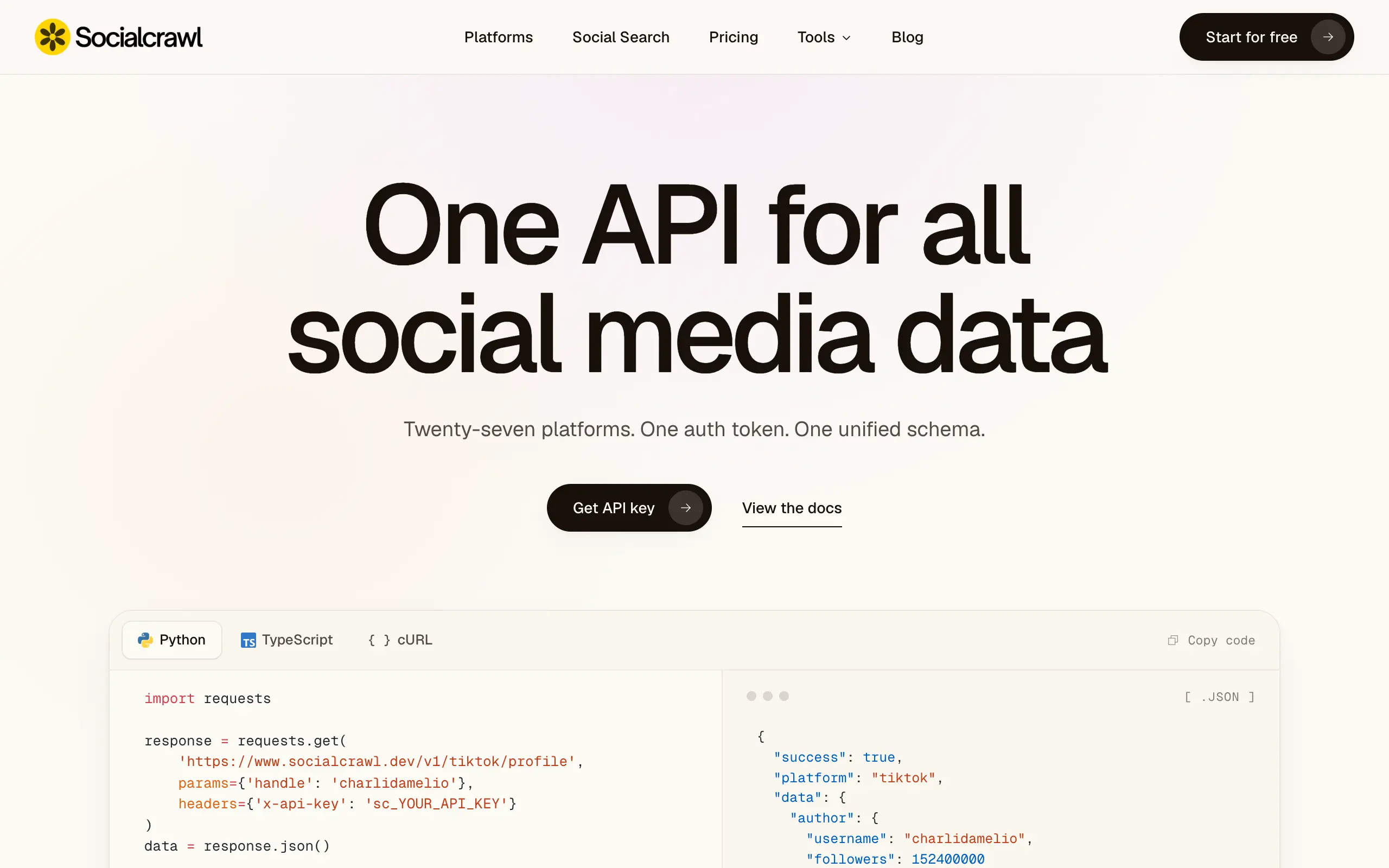
Socialcrawl
Get clean, structured data from 21 platforms like TikTok, Instagram, and YouTube with a single request 📊
Statiko
Monitor any Telegram channel in real time - track posts, edits, deletions, and growth with AI recaps 📡
Shibui
AI website builder - describe your business, pick a niche template, edit by chatting, and publish instantly ✨
Pro Service
Find verified home service professionals, compare quotes, and pay securely through escrow - built for Brazilians across the US 🏠
RankGrow
Fix your SEO with AI agents - connect Search Console, get prioritized tasks, and grow organic traffic 📈
SyncReads
Sync your favorite content for distraction-free reading, save time and replace multiple apps. Anytime, anywhere 🔄
Socialcrawl
Get clean, structured data from 21 platforms like TikTok, Instagram, and YouTube with a single request 📊
Statiko
Monitor any Telegram channel in real time - track posts, edits, deletions, and growth with AI recaps 📡
Shibui
AI website builder - describe your business, pick a niche template, edit by chatting, and publish instantly ✨
Pro Service
Find verified home service professionals, compare quotes, and pay securely through escrow - built for Brazilians across the US 🏠
RankGrow
Fix your SEO with AI agents - connect Search Console, get prioritized tasks, and grow organic traffic 📈
SyncReads
Sync your favorite content for distraction-free reading, save time and replace multiple apps. Anytime, anywhere 🔄
Socialcrawl
Get clean, structured data from 21 platforms like TikTok, Instagram, and YouTube with a single request 📊
Statiko
Monitor any Telegram channel in real time - track posts, edits, deletions, and growth with AI recaps 📡
Shibui
AI website builder - describe your business, pick a niche template, edit by chatting, and publish instantly ✨
Pro Service
Find verified home service professionals, compare quotes, and pay securely through escrow - built for Brazilians across the US 🏠
RankGrow
Fix your SEO with AI agents - connect Search Console, get prioritized tasks, and grow organic traffic 📈
SyncReads
Sync your favorite content for distraction-free reading, save time and replace multiple apps. Anytime, anywhere 🔄
Socialcrawl
Get clean, structured data from 21 platforms like TikTok, Instagram, and YouTube with a single request 📊
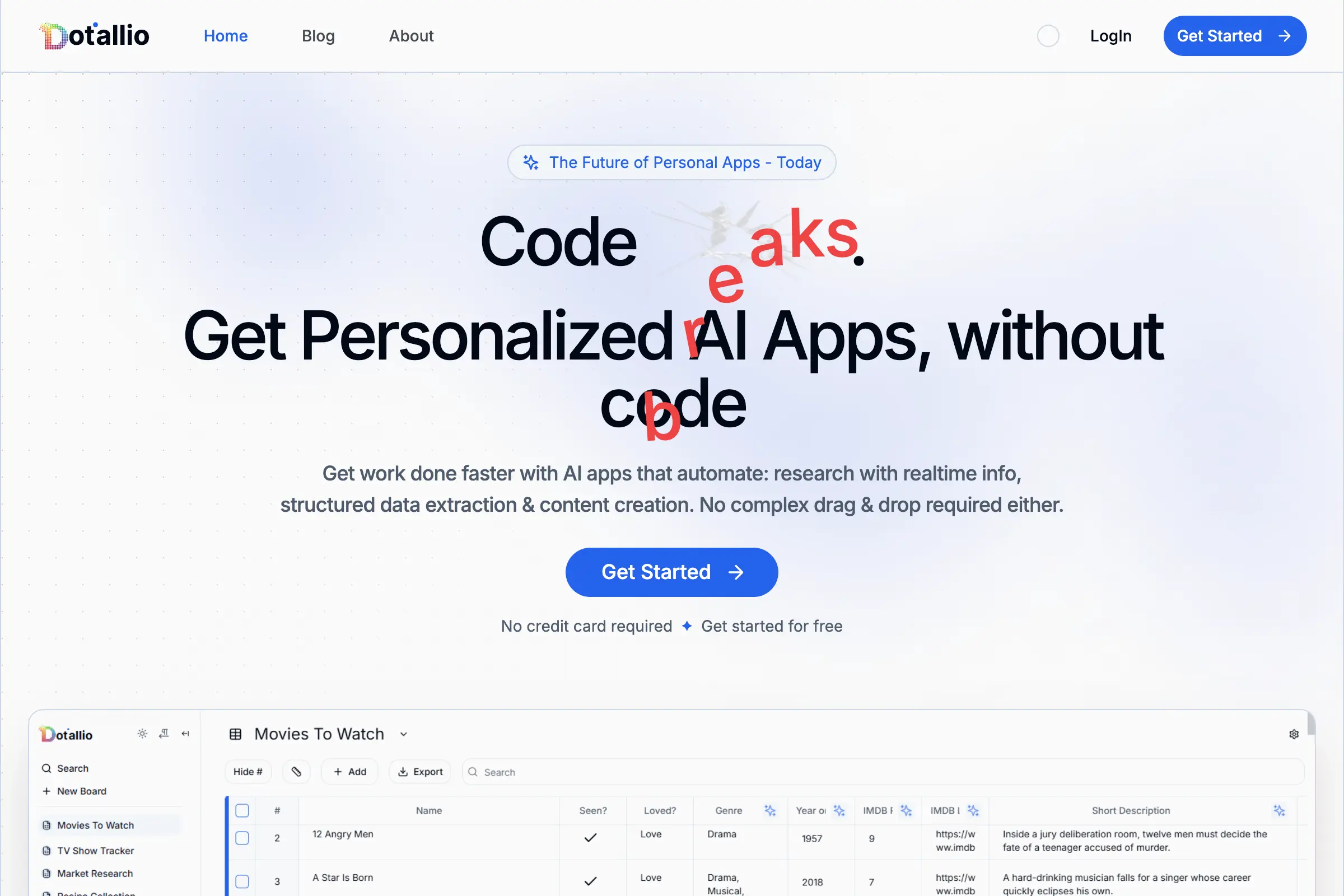
Dotallio
Personalized AI apps that automate research, data extraction, and content creation without code 🤖

Talk to Santa
Enjoy a magical live video chat or receive a unique AI-generated video greeting from Santa Claus 🎅

pozywka.pl
Scalable blog for food journalist, focused on performance and user experience 🌭
zagrodzki.me
Personal blog and portfolio of Bart Zagrodzki, where he shares his knowledge and work 💼
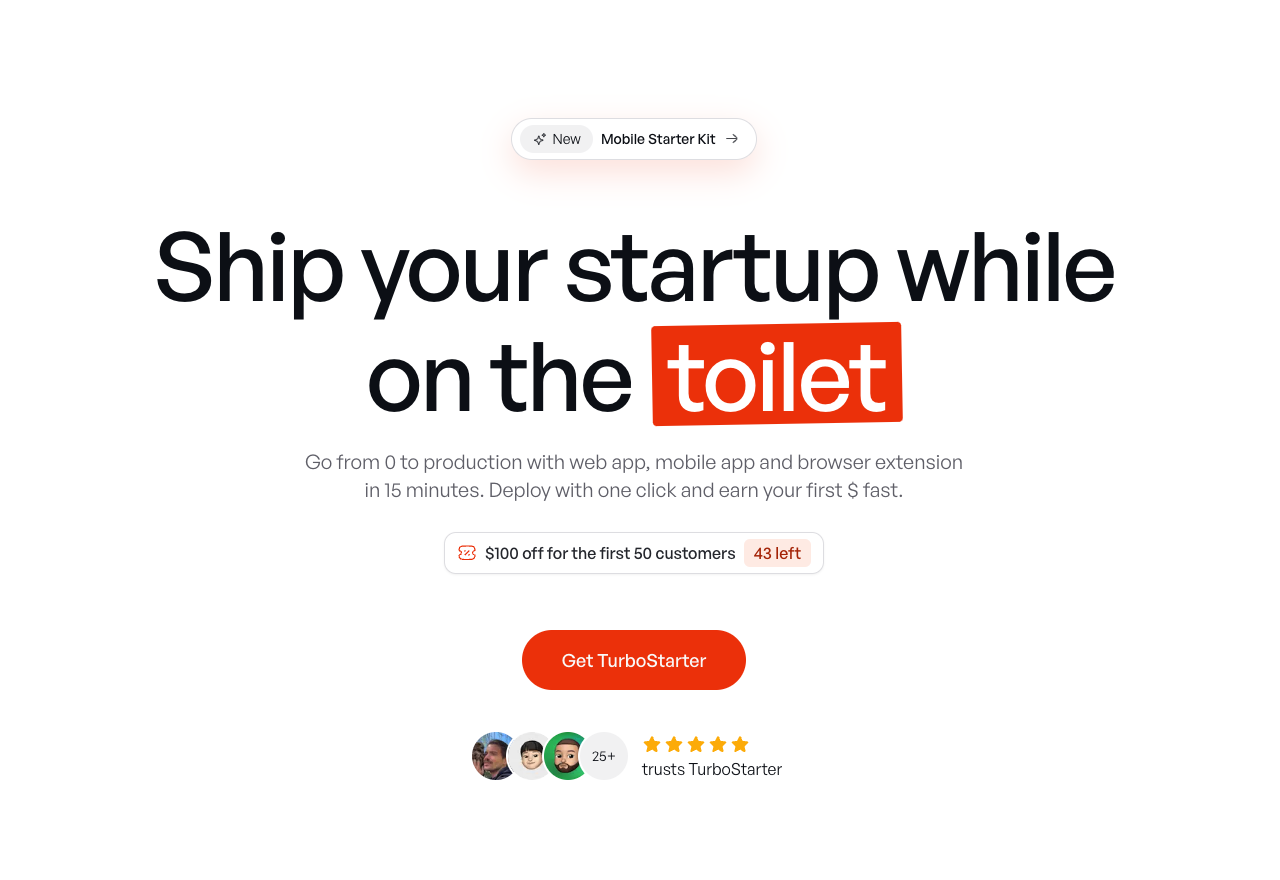
TurboStarter
Ship your startup everywhere. In minutes.
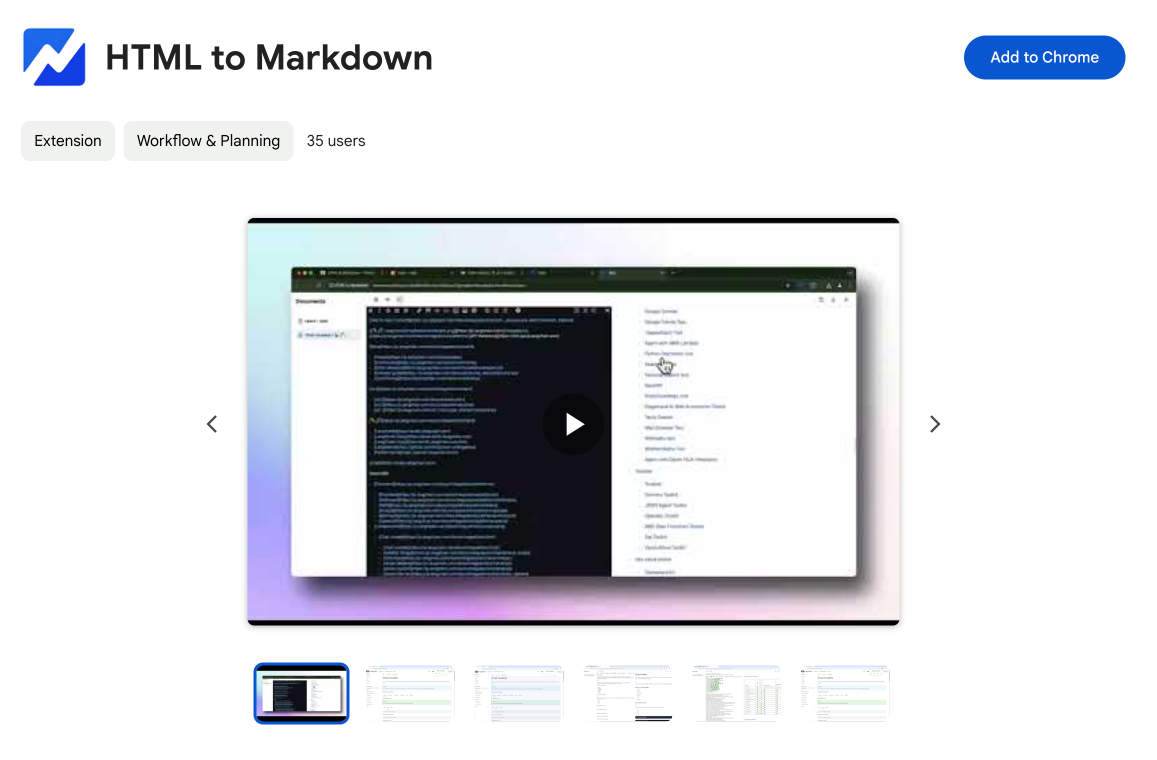
HTML to Markdown
Convert HTML to Markdown with ease, directly in your browser 📄
Dotallio
Personalized AI apps that automate research, data extraction, and content creation without code 🤖
Talk to Santa
Enjoy a magical live video chat or receive a unique AI-generated video greeting from Santa Claus 🎅
pozywka.pl
Scalable blog for food journalist, focused on performance and user experience 🌭
zagrodzki.me
Personal blog and portfolio of Bart Zagrodzki, where he shares his knowledge and work 💼
TurboStarter
Ship your startup everywhere. In minutes.
HTML to Markdown
Convert HTML to Markdown with ease, directly in your browser 📄
Dotallio
Personalized AI apps that automate research, data extraction, and content creation without code 🤖
Talk to Santa
Enjoy a magical live video chat or receive a unique AI-generated video greeting from Santa Claus 🎅
pozywka.pl
Scalable blog for food journalist, focused on performance and user experience 🌭
zagrodzki.me
Personal blog and portfolio of Bart Zagrodzki, where he shares his knowledge and work 💼
TurboStarter
Ship your startup everywhere. In minutes.
HTML to Markdown
Convert HTML to Markdown with ease, directly in your browser 📄
Dotallio
Personalized AI apps that automate research, data extraction, and content creation without code 🤖
Talk to Santa
Enjoy a magical live video chat or receive a unique AI-generated video greeting from Santa Claus 🎅
pozywka.pl
Scalable blog for food journalist, focused on performance and user experience 🌭
zagrodzki.me
Personal blog and portfolio of Bart Zagrodzki, where he shares his knowledge and work 💼
TurboStarter
Ship your startup everywhere. In minutes.
HTML to Markdown
Convert HTML to Markdown with ease, directly in your browser 📄
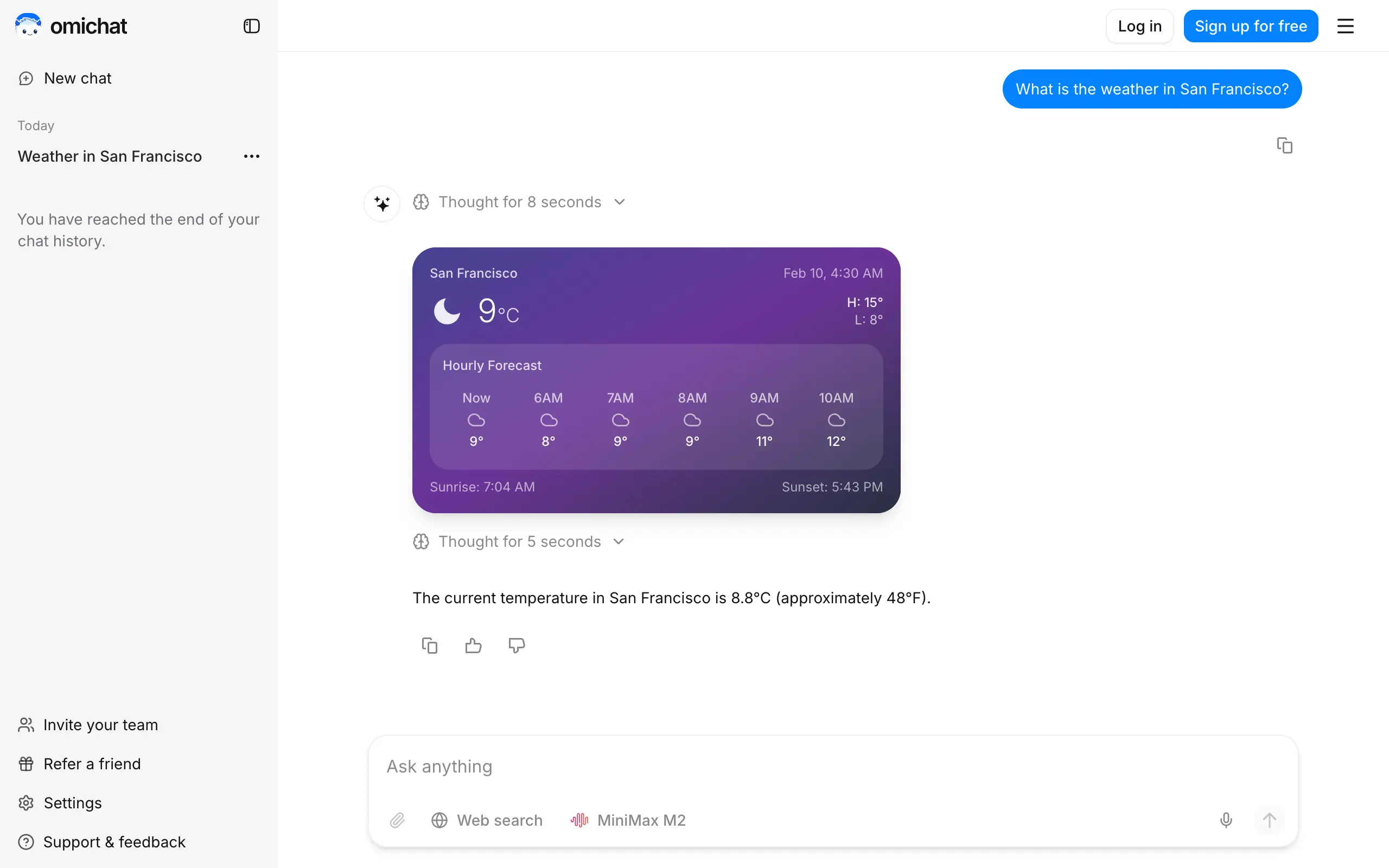
Omichat
Chat with 50+ AI models, including ChatGPT and Claude, in one place - switch models anytime without losing context 🤖
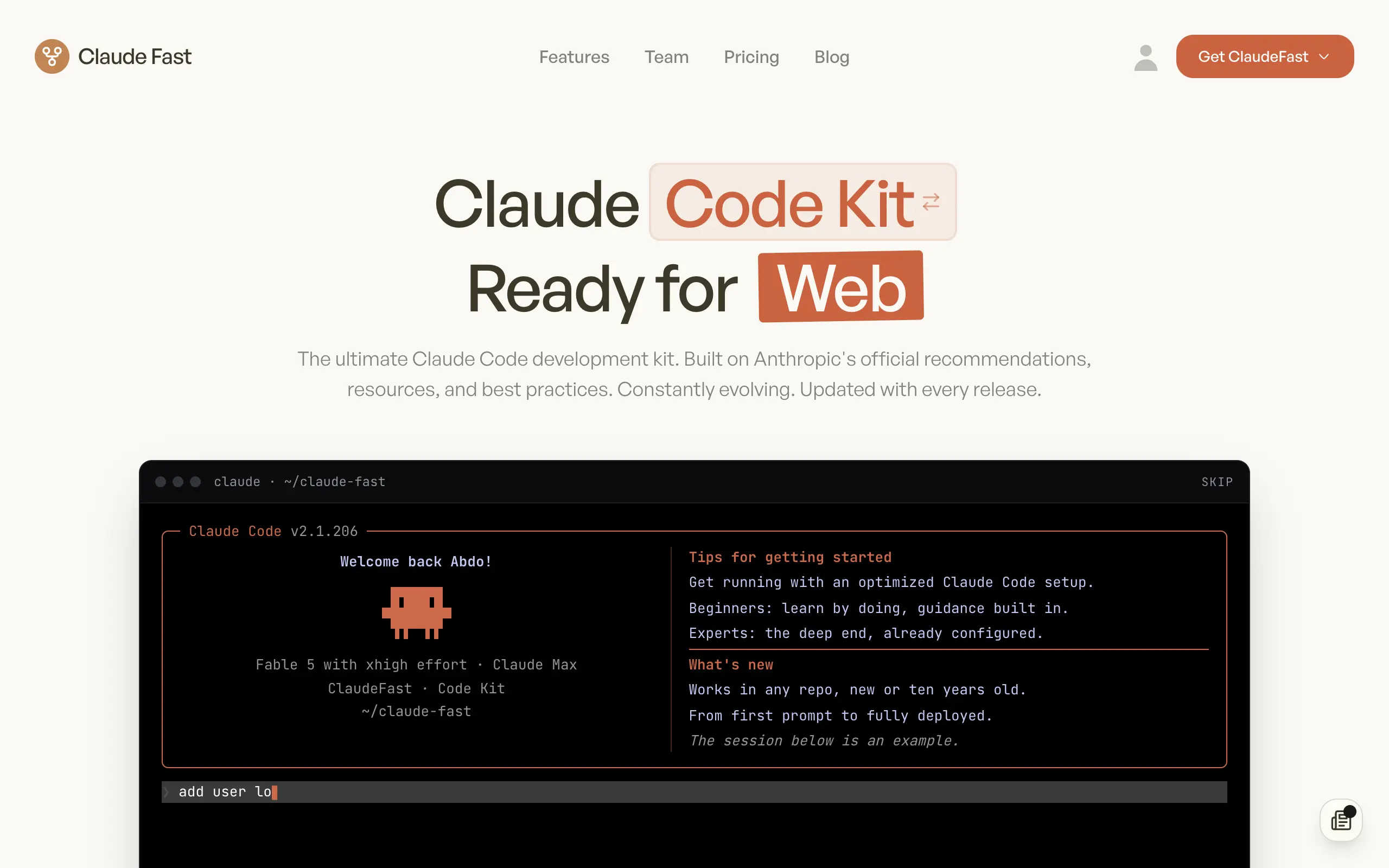
Claude Fast
Supercharge your Claude Code with 6x effective context window and specialized AI agents 🤖
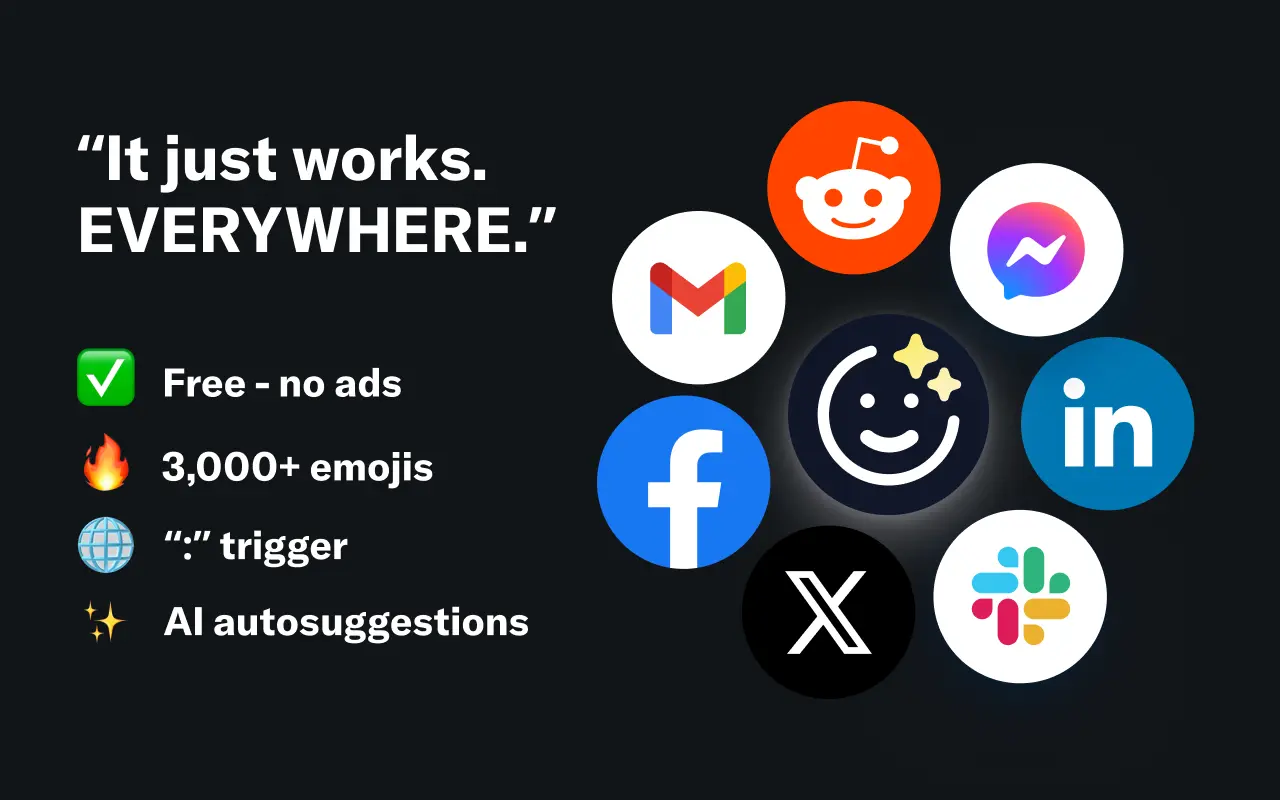
EmojAI
AI-powered emoji picker with smart, context-aware suggestions 🤖

Solohacker
Autonomous company launcher - AI agents work 24/7, escalate what matters, and you stay in control 🤖

BeRawi: Storytelling Coach
Practice storytelling daily with instant feedback to sound clearer, more engaging, and confident 🎤
Omichat
Chat with 50+ AI models, including ChatGPT and Claude, in one place - switch models anytime without losing context 🤖
Claude Fast
Supercharge your Claude Code with 6x effective context window and specialized AI agents 🤖
EmojAI
AI-powered emoji picker with smart, context-aware suggestions 🤖
Solohacker
Autonomous company launcher - AI agents work 24/7, escalate what matters, and you stay in control 🤖
BeRawi: Storytelling Coach
Practice storytelling daily with instant feedback to sound clearer, more engaging, and confident 🎤
Omichat
Chat with 50+ AI models, including ChatGPT and Claude, in one place - switch models anytime without losing context 🤖
Claude Fast
Supercharge your Claude Code with 6x effective context window and specialized AI agents 🤖
EmojAI
AI-powered emoji picker with smart, context-aware suggestions 🤖
Solohacker
Autonomous company launcher - AI agents work 24/7, escalate what matters, and you stay in control 🤖
BeRawi: Storytelling Coach
Practice storytelling daily with instant feedback to sound clearer, more engaging, and confident 🎤
Omichat
Chat with 50+ AI models, including ChatGPT and Claude, in one place - switch models anytime without losing context 🤖
Claude Fast
Supercharge your Claude Code with 6x effective context window and specialized AI agents 🤖
EmojAI
AI-powered emoji picker with smart, context-aware suggestions 🤖
Solohacker
Autonomous company launcher - AI agents work 24/7, escalate what matters, and you stay in control 🤖
BeRawi: Storytelling Coach
Practice storytelling daily with instant feedback to sound clearer, more engaging, and confident 🎤

Connect with like-minded people
Join our community to get feedback, support, and grow together with 1,000+ builders on board, let's ship it!
Join usShip your startup everywhere. In minutes.
Don't burn tokens on setup and start building features on day one.