StorySpark AI
An AI-powered platform that creates personalized, interactive bedtime stories for kids, blending their interests and learning goals for a magical reading experience.
Understanding the user intent behind StorySpark AI
When users search for AI-powered personalized bedtime story platforms like StorySpark AI, their intent typically falls into several categories:
- Parents and caregivers seeking engaging, educational, and safe content for their children.
- Educators looking for innovative tools to foster literacy and creativity.
- Entrepreneurs and developers researching the market potential and technical feasibility of AI-driven storytelling solutions.
- Investors evaluating the competitive landscape and monetization opportunities in the edtech and AI content space.
This article provides a comprehensive, expert-level analysis of StorySpark AI, addressing these user intents by exploring its target audience, market opportunity, core features, technology stack, monetization strategies, risks, competitive advantages, and actionable implementation steps.
Target audience analysis: Who benefits from StorySpark AI?
Understanding the target audience is crucial for the success of any SaaS product, especially in the edtech and AI storytelling space.
Primary audience segments
1. Parents and caregivers
- Looking for safe, personalized, and educational bedtime stories.
- Value convenience, customization, and content that aligns with their child’s interests and learning goals.
- Often concerned about screen time, privacy, and content appropriateness.
2. Children (ages 3-10)
- The end-users who experience the stories.
- Respond positively to interactive, engaging, and visually rich narratives.
- Benefit from stories that adapt to their reading level and interests.
3. Educators and schools
- Interested in tools that support literacy, language development, and creativity.
- Seek platforms that can be integrated into classroom or remote learning environments.
4. Content creators and children’s authors
- May use the platform to co-create or distribute AI-generated stories.
- Interested in new storytelling formats and revenue streams.
Secondary audience segments
- Therapists and child psychologists: Using stories for therapeutic or developmental purposes.
- Libraries and community centers: Offering digital storytime experiences.
- Edtech startups and publishers: Exploring partnerships or white-label solutions.
Parents & caregivers
Seeking safe, personalized, and educational bedtime stories for their children.
Children (3-10 years)
Engaged by interactive, magical stories tailored to their interests and reading level.
Educators & schools
Looking for innovative tools to foster literacy and creativity in the classroom.
Market opportunity and gap analysis
The intersection of AI, edtech, and personalized content is experiencing rapid growth. Let’s examine the market landscape and the unique gap StorySpark AI addresses.
Market trends and data
- The global edtech market is projected to reach $404 billion by 2025, with AI-driven personalization as a key growth driver.
- Children’s digital content consumption has surged, especially post-pandemic, with parents seeking high-quality, screen-based learning alternatives.
- AI storytelling tools are emerging, but most lack deep personalization, interactivity, or educational alignment.
Identified market gaps
- Generic content: Most digital story apps offer static, one-size-fits-all stories.
- Limited interactivity: Few platforms allow children to influence the story or make choices.
- Lack of educational alignment: Rarely do stories adapt to learning goals or reading levels.
- Safety and privacy concerns: Parents are wary of platforms that collect excessive data or expose children to inappropriate content.
StorySpark AI’s unique market position
StorySpark AI fills these gaps by offering:
- Hyper-personalized stories: Tailored to each child’s interests, age, and learning objectives.
- Interactive narratives: Children can make choices, shaping the story’s direction.
- Educational integration: Stories can reinforce vocabulary, emotional intelligence, or STEM concepts.
- Safe, privacy-first design: Built with parental controls and data protection in mind.
Market insight
AI-powered personalization is a top priority for parents and educators, but few solutions deliver truly adaptive, interactive storytelling experiences for children.
Core features and solution details
To stand out in the crowded edtech and children’s content market, StorySpark AI must deliver a magical, safe, and educational experience. Here’s how:
1. Personalized story generation
- AI-driven content creation: Uses advanced language models (e.g., GPT-4, Llama 2) to craft unique stories.
- User profiles: Parents input child’s age, interests (e.g., dinosaurs, space, friendship), and learning goals.
- Adaptive reading level: Stories adjust vocabulary and complexity to match the child’s development.
2. Interactive storytelling
- Branching narratives: Children make choices that influence the plot, characters, and outcomes.
- Gamified elements: Earn badges, unlock new story themes, or collect virtual items.
- Voice narration: Optional AI-powered narration for pre-readers or bedtime listening.
3. Educational alignment
- Learning goal integration: Parents or educators can select focus areas (e.g., empathy, math, vocabulary).
- Progress tracking: Insights on reading time, vocabulary exposure, and story themes.
- Quizzes and discussion prompts: Reinforce comprehension and critical thinking.
4. Safety and parental controls
- Content moderation: AI filters and human review to ensure age-appropriate, safe stories.
- Privacy-first design: Minimal data collection, COPPA/GDPR compliance, and transparent policies.
- Screen time management: Set daily limits or bedtime reminders.
5. Multi-platform access
- Web app: Responsive design for desktop, tablet, and mobile.
- Native apps: iOS and Android for offline access and push notifications.
- Smart speaker integration: Alexa or Google Home for hands-free storytime.
StorySpark AI uses a combination of user input (age, interests, learning goals) and advanced AI models to generate unique, adaptive stories for each child. The platform continuously learns from user feedback to improve personalization.
Yes. All stories are filtered through AI moderation and, optionally, human review. Parents can set content preferences and receive regular safety reports.
Absolutely! Children can make choices at key points, influencing the story’s direction and outcome, making each reading experience unique.
Recommended tech stack for StorySpark AI
Selecting the right technology stack is critical for scalability, performance, and rapid iteration. Here’s a recommended stack, with trade-offs and alternatives:
Frontend
- React (reactjs.org): Modern, component-based UI library with a vast ecosystem.
- Next.js (nextjs.org): Server-side rendering, static site generation, and API routes for optimal performance.
- Tailwind CSS (tailwindcss.com): Utility-first CSS framework for rapid, consistent styling.
- React Native (reactnative.dev): For cross-platform mobile apps (iOS/Android).
Backend
- Node.js (nodejs.org): Scalable, event-driven server environment.
- Express (expressjs.com): Minimalist web framework for building APIs.
- Python (python.org) with FastAPI (fastapi.tiangolo.com): For AI model integration and story generation pipelines.
AI and NLP
- OpenAI GPT-4 (openai.com): For natural language story generation.
- Hugging Face Transformers (huggingface.co): For custom or open-source language models.
- LangChain (langchain.com): For orchestrating complex AI workflows and prompt engineering.
Database and storage
- PostgreSQL (postgresql.org): Robust, scalable relational database.
- Redis (redis.io): For caching and session management.
- Amazon S3 (aws.amazon.com/s3): Secure, scalable storage for media assets.
Authentication and security
- Auth0 (auth0.com): Secure, scalable authentication and parental controls.
- OWASP best practices (owasp.org): For application security and data privacy.
Deployment and scalability
- Vercel (vercel.com): For seamless frontend deployment and serverless functions.
- AWS Lambda (aws.amazon.com/lambda): For scalable backend processing.
- Docker (docker.com): Containerization for consistent environments.
Rapid prototyping and launch
For founders and teams seeking to accelerate development, TurboStarter (TurboStarter) offers a robust boilerplate and SaaS starter kit, integrating many of the above technologies for a faster go-to-market.
Tech stack trade-offs
- React/Next.js offers flexibility and performance, but may require more setup than no-code tools.
- OpenAI GPT-4 provides state-of-the-art language generation, but has usage costs and data privacy considerations.
- TurboStarter can dramatically reduce initial development time, but may require customization for unique features.
Monetization strategy options
A sustainable business model is essential for long-term success. Here are proven monetization strategies for StorySpark AI:
1. Freemium model
- Free tier: Limited number of stories per month, basic personalization.
- Premium subscription: Unlimited stories, advanced personalization, voice narration, and exclusive themes.
2. Family and educator plans
- Family plan: Multiple child profiles, shared progress tracking, and parental controls.
- Educator/school plan: Bulk licenses, classroom management tools, and curriculum integration.
3. In-app purchases
- Story packs: Themed bundles (e.g., “Space Adventures”, “Kindness Quest”).
- Custom illustrations: Personalized artwork for each story.
4. White-label and B2B partnerships
- Licensing: Offer the platform to publishers, libraries, or edtech companies under their own brand.
- APIs: Allow third-party apps to generate stories via StorySpark AI’s engine.
5. Affiliate and content partnerships
- Book recommendations: Curated links to physical books or educational products.
- Sponsored content: Collaborations with children’s brands or educational organizations.
| Freemium | Subscription | In-app purchases | B2B/White-label | Ads |
|---|---|---|---|---|
| ✅ | ❌ | ❌ | ✅ | ❌ |
| ✅ | ❌ | ✅ | ✅ | ❌ |
Avoiding ads
For children’s platforms, avoid intrusive advertising to maintain trust and comply with privacy regulations.
Potential risks and mitigation strategies
Launching an AI-powered children’s platform comes with unique risks. Here’s how to address them:
1. Content safety and appropriateness
- Risk: AI-generated stories may inadvertently include inappropriate or biased content.
- Mitigation: Implement multi-layered moderation (AI + human review), allow parental content filters, and regularly update safety protocols.
2. Data privacy and security
- Risk: Handling children’s data requires strict compliance (COPPA, GDPR).
- Mitigation: Collect minimal data, use secure authentication, and maintain transparent privacy policies.
3. AI model limitations
- Risk: Language models may generate repetitive or low-quality stories.
- Mitigation: Fine-tune models on curated children’s literature, gather user feedback, and continuously improve prompts.
4. Market competition
- Risk: Competing with established children’s content brands and new AI entrants.
- Mitigation: Focus on unique personalization, interactivity, and educational value.
5. Monetization challenges
- Risk: Parents may be reluctant to pay for digital content.
- Mitigation: Offer a compelling free tier, demonstrate educational benefits, and provide flexible pricing.
By combining AI moderation, human review, and customizable parental controls, StorySpark AI minimizes the risk of inappropriate content reaching children.
The platform is designed with privacy by default, collecting only essential data, encrypting sensitive information, and complying with all relevant regulations.
Competitive advantage analysis
To succeed, StorySpark AI must differentiate itself from both traditional children’s story apps and emerging AI competitors.
Key differentiators
- Deep personalization: Stories are uniquely tailored to each child’s interests, age, and learning goals.
- Interactive, choice-driven narratives: Children actively participate, making each story a new adventure.
- Educational focus: Integration of learning objectives, progress tracking, and comprehension tools.
- Safety and trust: Robust content moderation, privacy-first design, and transparent policies.
- Multi-platform experience: Accessible on web, mobile, and smart speakers.
Comparison with competitors
| Feature | StorySpark AI | Traditional Story Apps | AI Story Generators | Edtech Platforms |
|---|---|---|---|---|
| Personalization | ✅ | ❌ | ✅ | ✅ |
| Interactivity | ✅ | ❌ | ❌ | ✅ |
| Educational alignment | ✅ | ❌ | ❌ | ✅ |
| Safety & privacy | ✅ | ✅ | ❌ | ✅ |
| Multi-platform | ✅ | ✅ | ❌ | ✅ |
Why StorySpark AI stands out
By blending AI-powered personalization, interactive storytelling, and educational value, StorySpark AI offers a magical reading experience that’s unmatched in the current market.
Actionable implementation steps
Ready to bring StorySpark AI to life? Here’s a step-by-step roadmap for founders, product teams, or developers:
Conclusion: Why StorySpark AI is the future of bedtime stories
StorySpark AI is more than just another story app—it’s a transformative platform that harnesses the power of AI to create magical, personalized, and educational bedtime experiences for children. By addressing real market gaps, prioritizing safety and privacy, and delivering deep personalization and interactivity, StorySpark AI is poised to become a leader in the next generation of children’s digital content.
Whether you’re a parent seeking better bedtime stories, an educator looking for innovative literacy tools, or a founder ready to build the next big thing in edtech, StorySpark AI offers a compelling, future-proof solution.
Frequently asked questions
The platform uses both AI moderation and human review, along with customizable parental controls, to ensure all content is suitable for the selected age group.
Yes! Educator plans offer classroom management tools, curriculum integration, and bulk licensing for schools.
Absolutely. The platform is designed with privacy by default, complies with COPPA/GDPR, and collects only essential data.
Use a modern tech stack (React, Next.js, GPT-4) and consider leveraging TurboStarter for rapid prototyping and launch.
By combining cutting-edge AI, thoughtful design, and a deep understanding of children’s needs, StorySpark AI is set to redefine bedtime for families everywhere.
More 🤖 AI Startup SaaS ideas
Discover more innovative ai startup SaaS ideas that are trending in 2026. Each idea is AI-generated with market validation and growth potential to help you find your next profitable venture faster than competitors.
Your competitors are building with TurboStarter
Below are some of the SaaS ideas that have been generated and built with our starter kit.
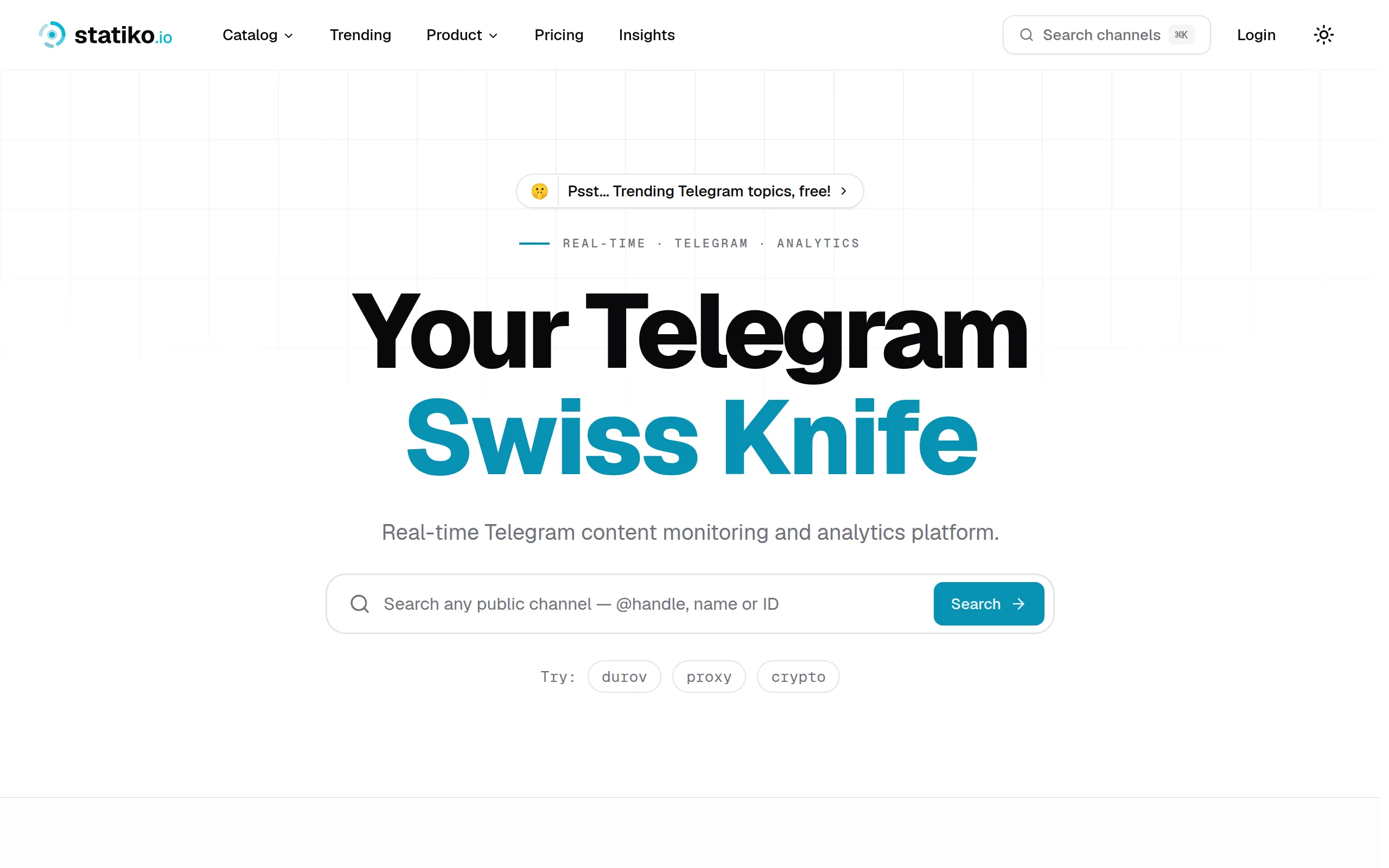
Statiko
Monitor any Telegram channel in real time - track posts, edits, deletions, and growth with AI recaps 📡

Shibui
AI website builder - describe your business, pick a niche template, edit by chatting, and publish instantly ✨

Pro Service
Find verified home service professionals, compare quotes, and pay securely through escrow - built for Brazilians across the US 🏠
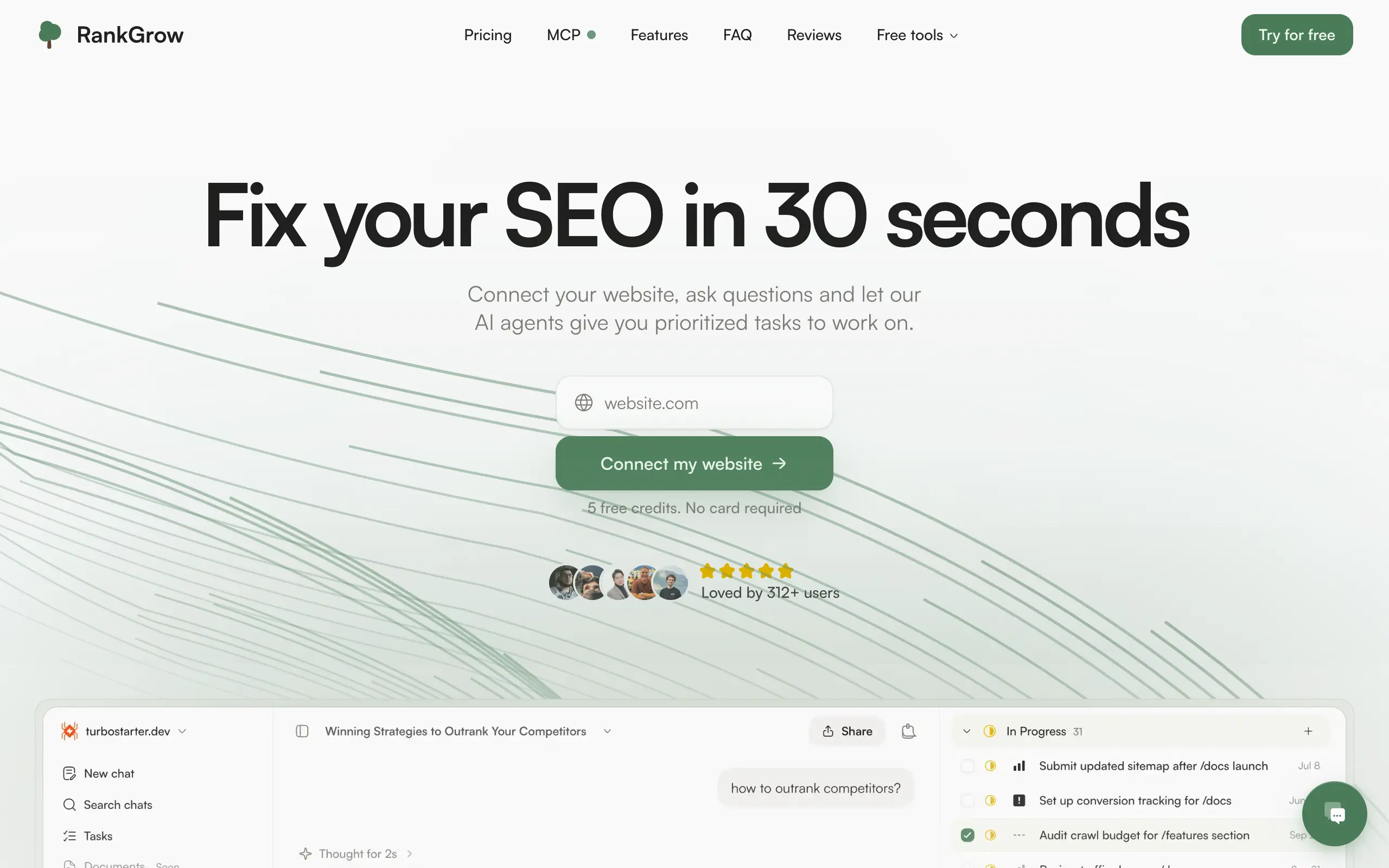
RankGrow
Fix your SEO with AI agents - connect Search Console, get prioritized tasks, and grow organic traffic 📈
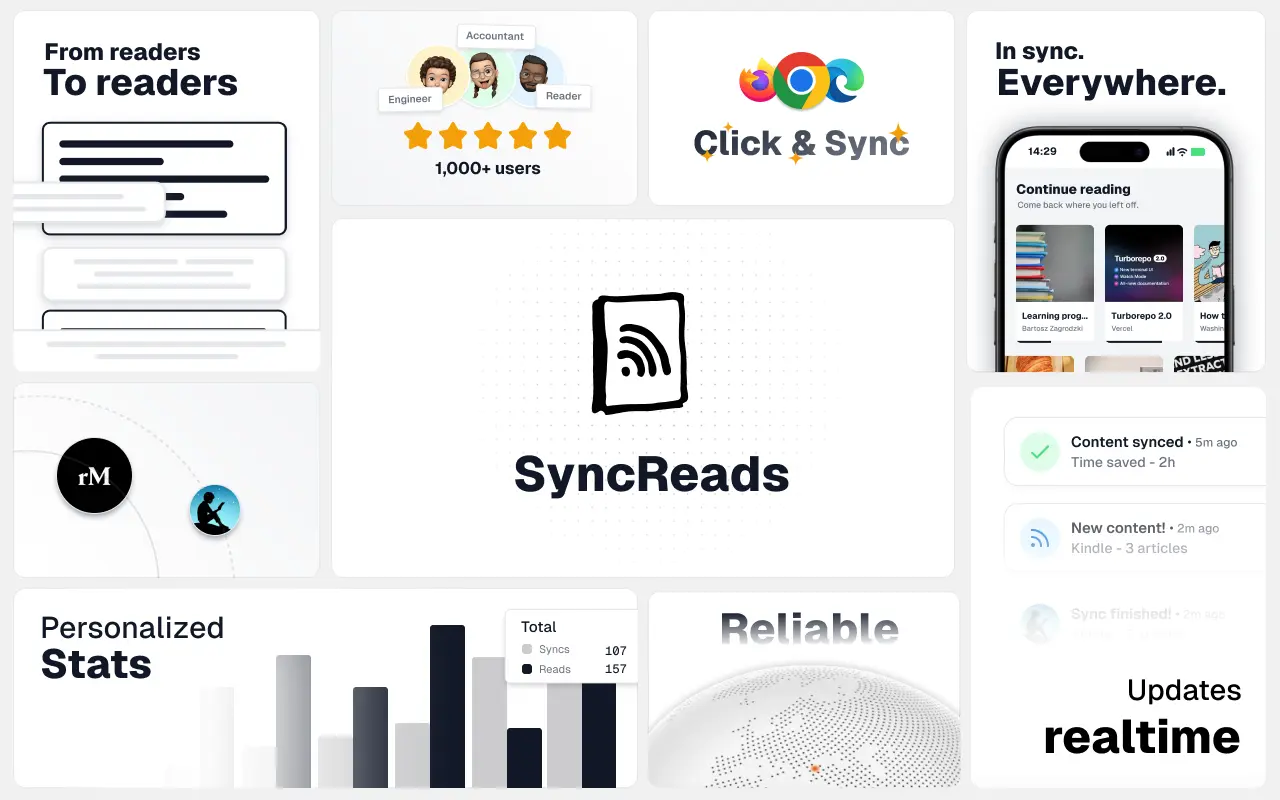
SyncReads
Sync your favorite content for distraction-free reading, save time and replace multiple apps. Anytime, anywhere 🔄
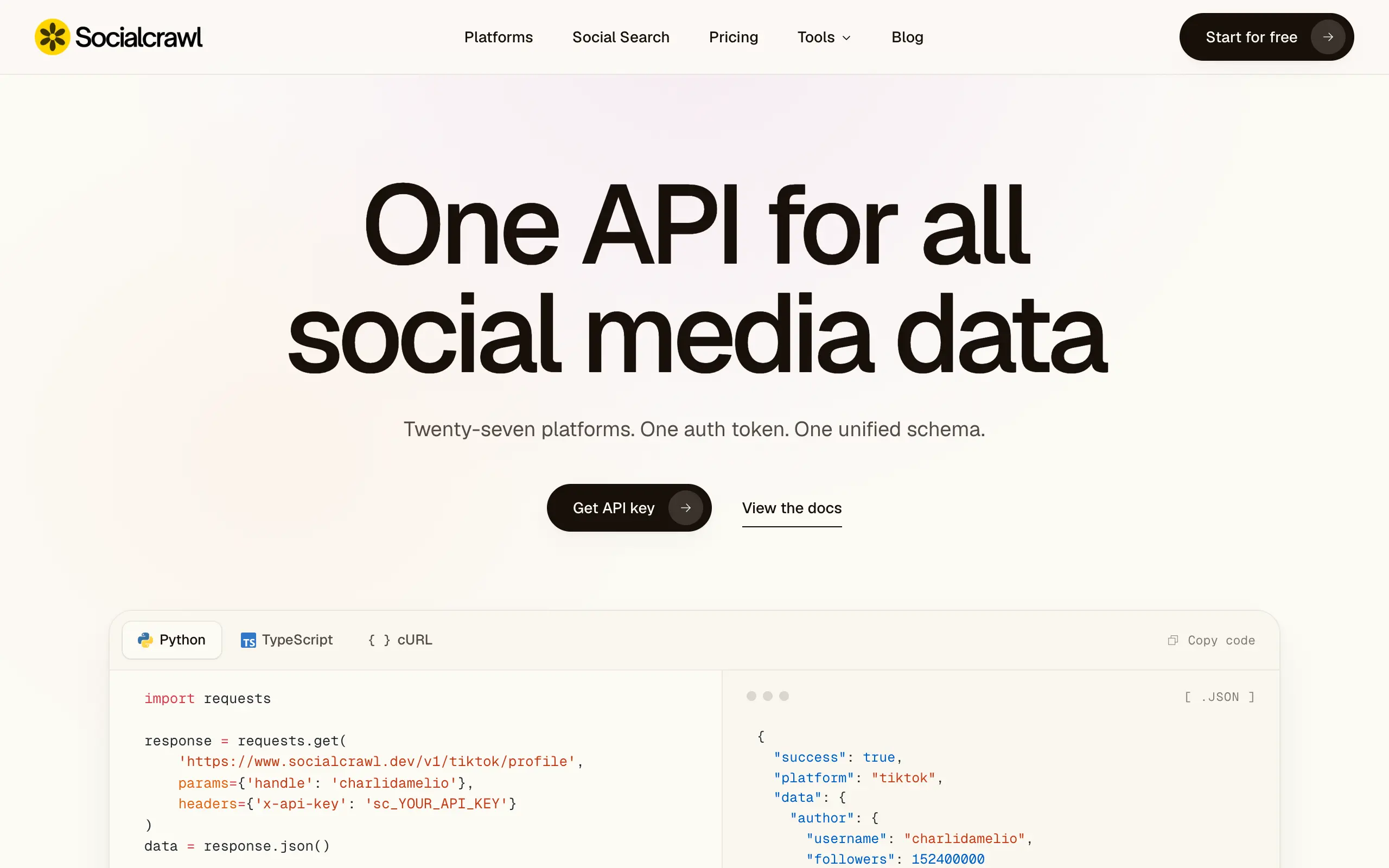
Socialcrawl
Get clean, structured data from 21 platforms like TikTok, Instagram, and YouTube with a single request 📊
Statiko
Monitor any Telegram channel in real time - track posts, edits, deletions, and growth with AI recaps 📡
Shibui
AI website builder - describe your business, pick a niche template, edit by chatting, and publish instantly ✨
Pro Service
Find verified home service professionals, compare quotes, and pay securely through escrow - built for Brazilians across the US 🏠
RankGrow
Fix your SEO with AI agents - connect Search Console, get prioritized tasks, and grow organic traffic 📈
SyncReads
Sync your favorite content for distraction-free reading, save time and replace multiple apps. Anytime, anywhere 🔄
Socialcrawl
Get clean, structured data from 21 platforms like TikTok, Instagram, and YouTube with a single request 📊
Statiko
Monitor any Telegram channel in real time - track posts, edits, deletions, and growth with AI recaps 📡
Shibui
AI website builder - describe your business, pick a niche template, edit by chatting, and publish instantly ✨
Pro Service
Find verified home service professionals, compare quotes, and pay securely through escrow - built for Brazilians across the US 🏠
RankGrow
Fix your SEO with AI agents - connect Search Console, get prioritized tasks, and grow organic traffic 📈
SyncReads
Sync your favorite content for distraction-free reading, save time and replace multiple apps. Anytime, anywhere 🔄
Socialcrawl
Get clean, structured data from 21 platforms like TikTok, Instagram, and YouTube with a single request 📊
Statiko
Monitor any Telegram channel in real time - track posts, edits, deletions, and growth with AI recaps 📡
Shibui
AI website builder - describe your business, pick a niche template, edit by chatting, and publish instantly ✨
Pro Service
Find verified home service professionals, compare quotes, and pay securely through escrow - built for Brazilians across the US 🏠
RankGrow
Fix your SEO with AI agents - connect Search Console, get prioritized tasks, and grow organic traffic 📈
SyncReads
Sync your favorite content for distraction-free reading, save time and replace multiple apps. Anytime, anywhere 🔄
Socialcrawl
Get clean, structured data from 21 platforms like TikTok, Instagram, and YouTube with a single request 📊
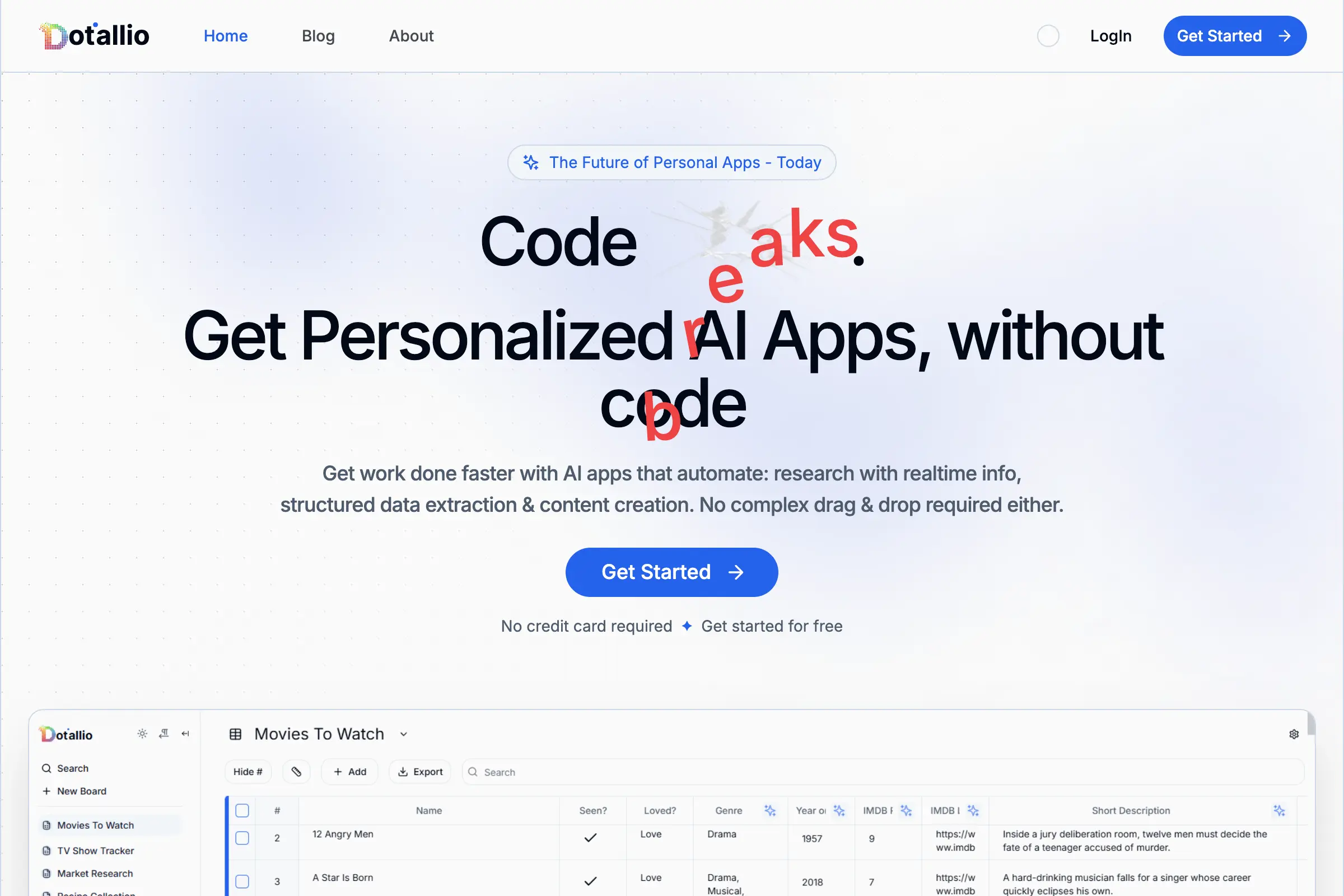
Dotallio
Personalized AI apps that automate research, data extraction, and content creation without code 🤖

Talk to Santa
Enjoy a magical live video chat or receive a unique AI-generated video greeting from Santa Claus 🎅
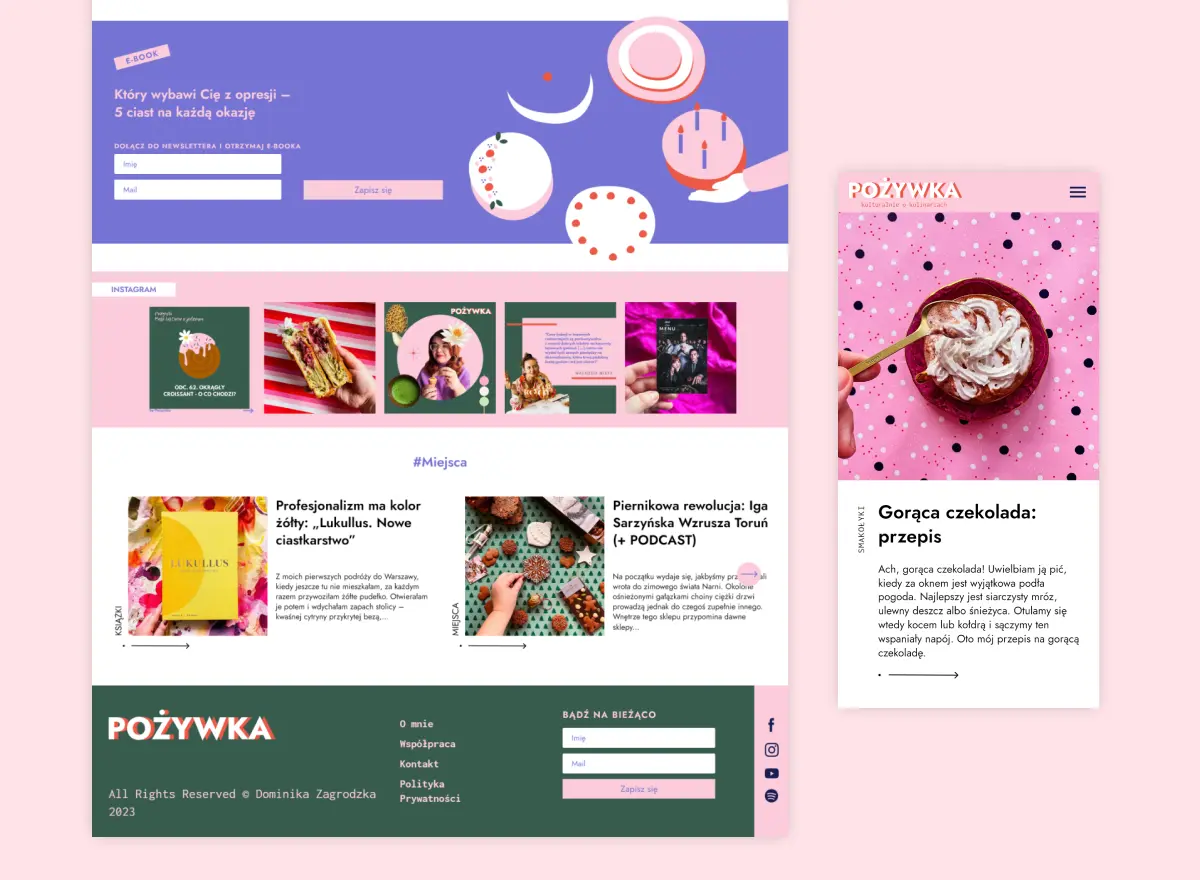
pozywka.pl
Scalable blog for food journalist, focused on performance and user experience 🌭
zagrodzki.me
Personal blog and portfolio of Bart Zagrodzki, where he shares his knowledge and work 💼
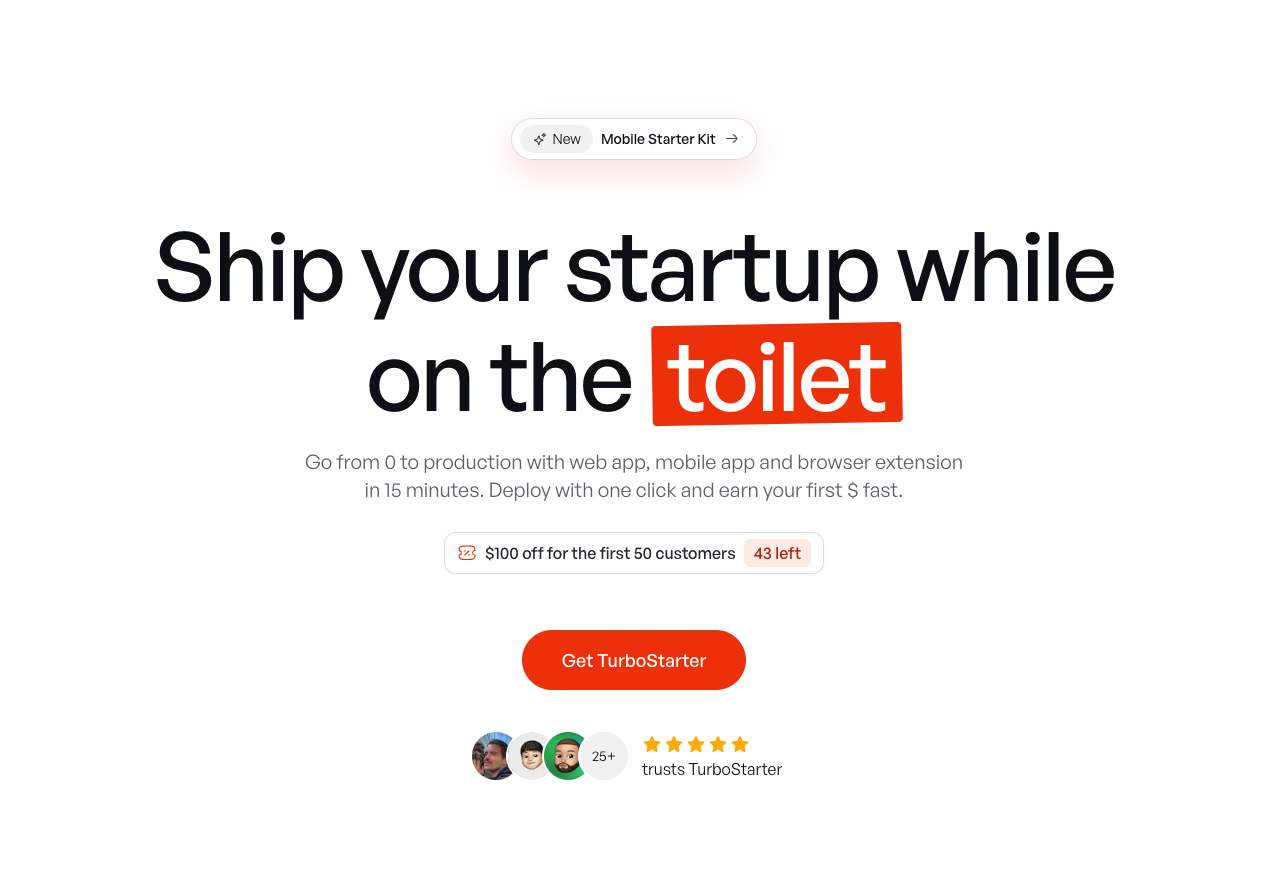
TurboStarter
Ship your startup everywhere. In minutes.
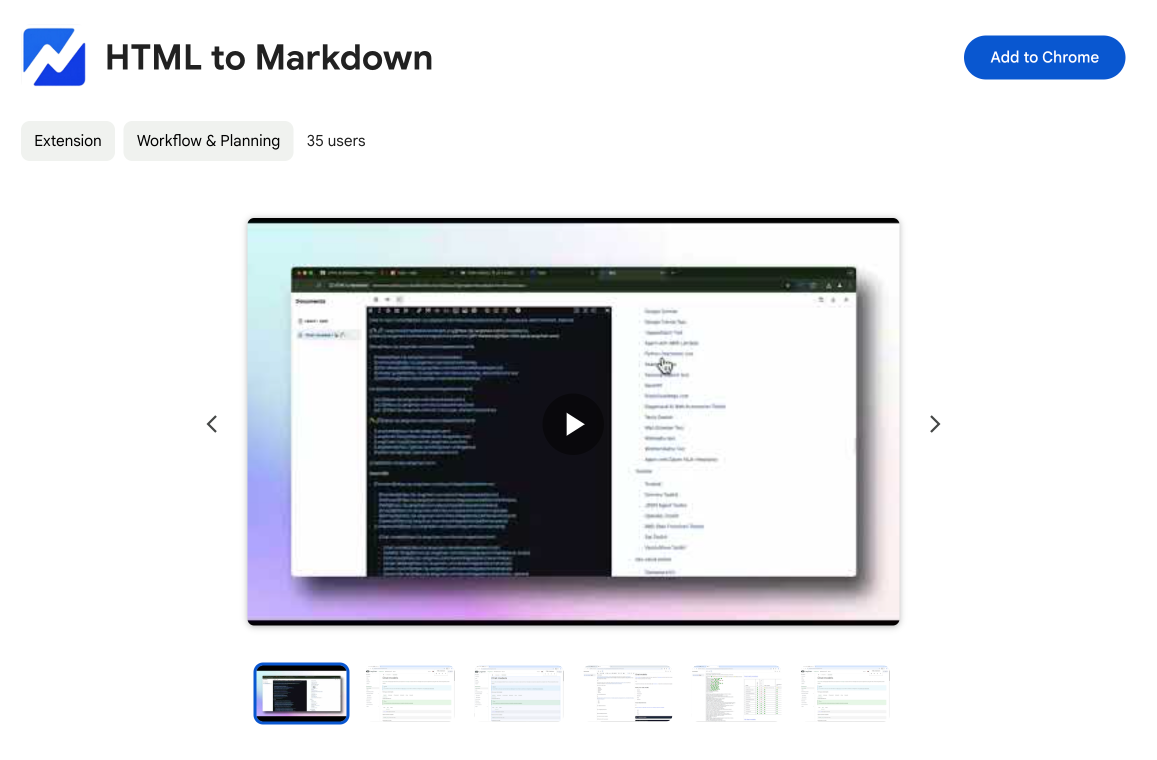
HTML to Markdown
Convert HTML to Markdown with ease, directly in your browser 📄
Dotallio
Personalized AI apps that automate research, data extraction, and content creation without code 🤖
Talk to Santa
Enjoy a magical live video chat or receive a unique AI-generated video greeting from Santa Claus 🎅
pozywka.pl
Scalable blog for food journalist, focused on performance and user experience 🌭
zagrodzki.me
Personal blog and portfolio of Bart Zagrodzki, where he shares his knowledge and work 💼
TurboStarter
Ship your startup everywhere. In minutes.
HTML to Markdown
Convert HTML to Markdown with ease, directly in your browser 📄
Dotallio
Personalized AI apps that automate research, data extraction, and content creation without code 🤖
Talk to Santa
Enjoy a magical live video chat or receive a unique AI-generated video greeting from Santa Claus 🎅
pozywka.pl
Scalable blog for food journalist, focused on performance and user experience 🌭
zagrodzki.me
Personal blog and portfolio of Bart Zagrodzki, where he shares his knowledge and work 💼
TurboStarter
Ship your startup everywhere. In minutes.
HTML to Markdown
Convert HTML to Markdown with ease, directly in your browser 📄
Dotallio
Personalized AI apps that automate research, data extraction, and content creation without code 🤖
Talk to Santa
Enjoy a magical live video chat or receive a unique AI-generated video greeting from Santa Claus 🎅
pozywka.pl
Scalable blog for food journalist, focused on performance and user experience 🌭
zagrodzki.me
Personal blog and portfolio of Bart Zagrodzki, where he shares his knowledge and work 💼
TurboStarter
Ship your startup everywhere. In minutes.
HTML to Markdown
Convert HTML to Markdown with ease, directly in your browser 📄
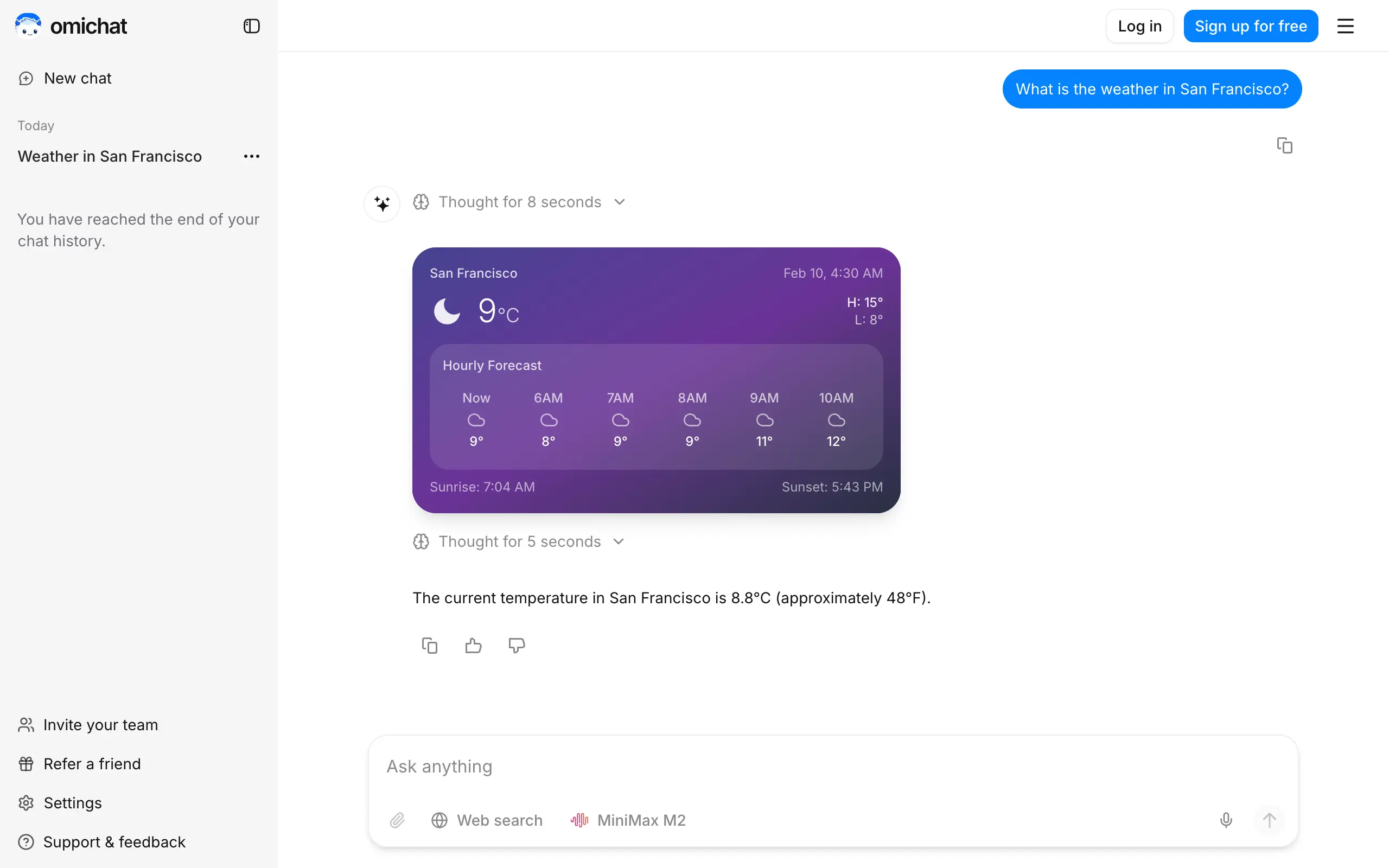
Omichat
Chat with 50+ AI models, including ChatGPT and Claude, in one place - switch models anytime without losing context 🤖
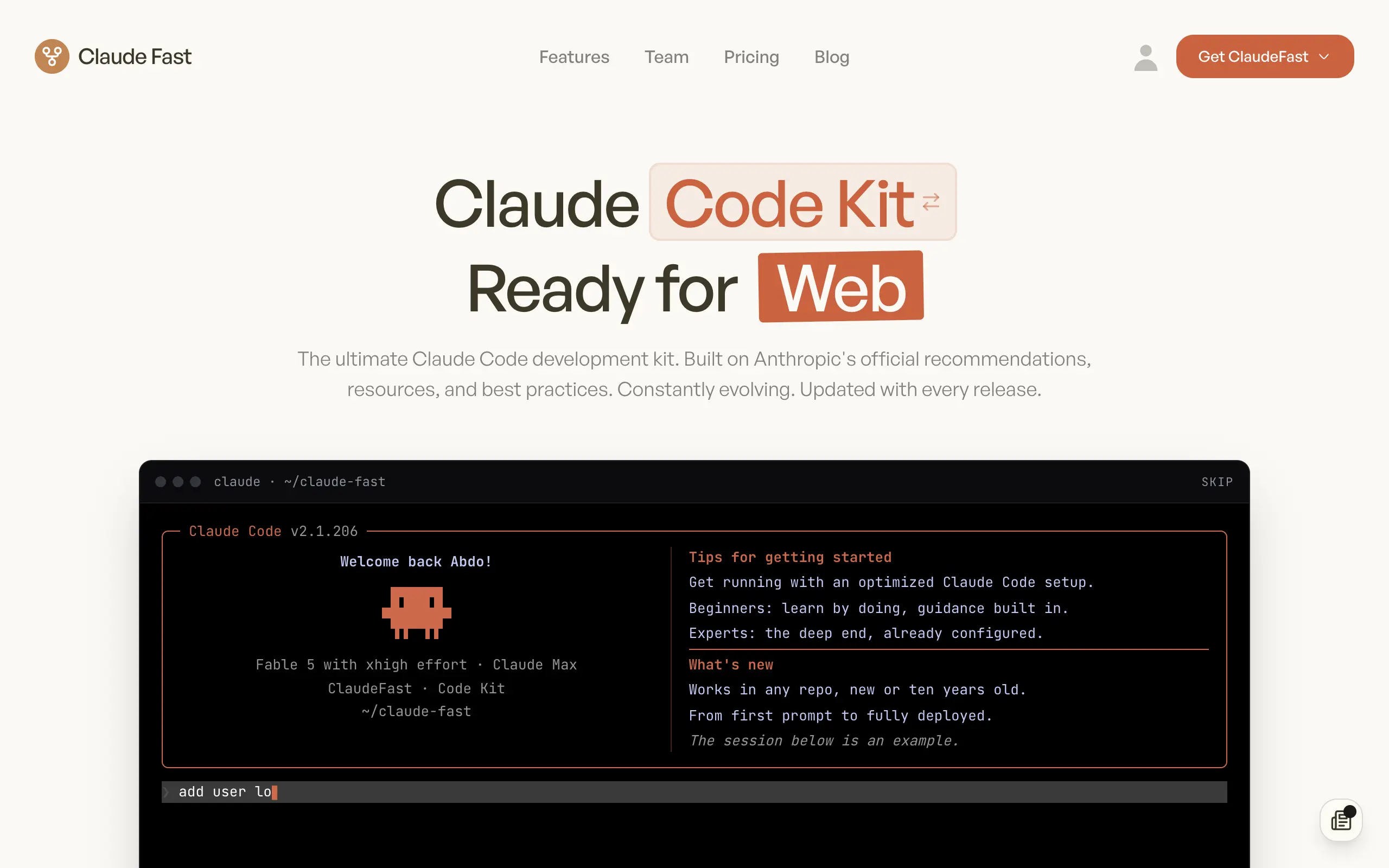
Claude Fast
Supercharge your Claude Code with 6x effective context window and specialized AI agents 🤖
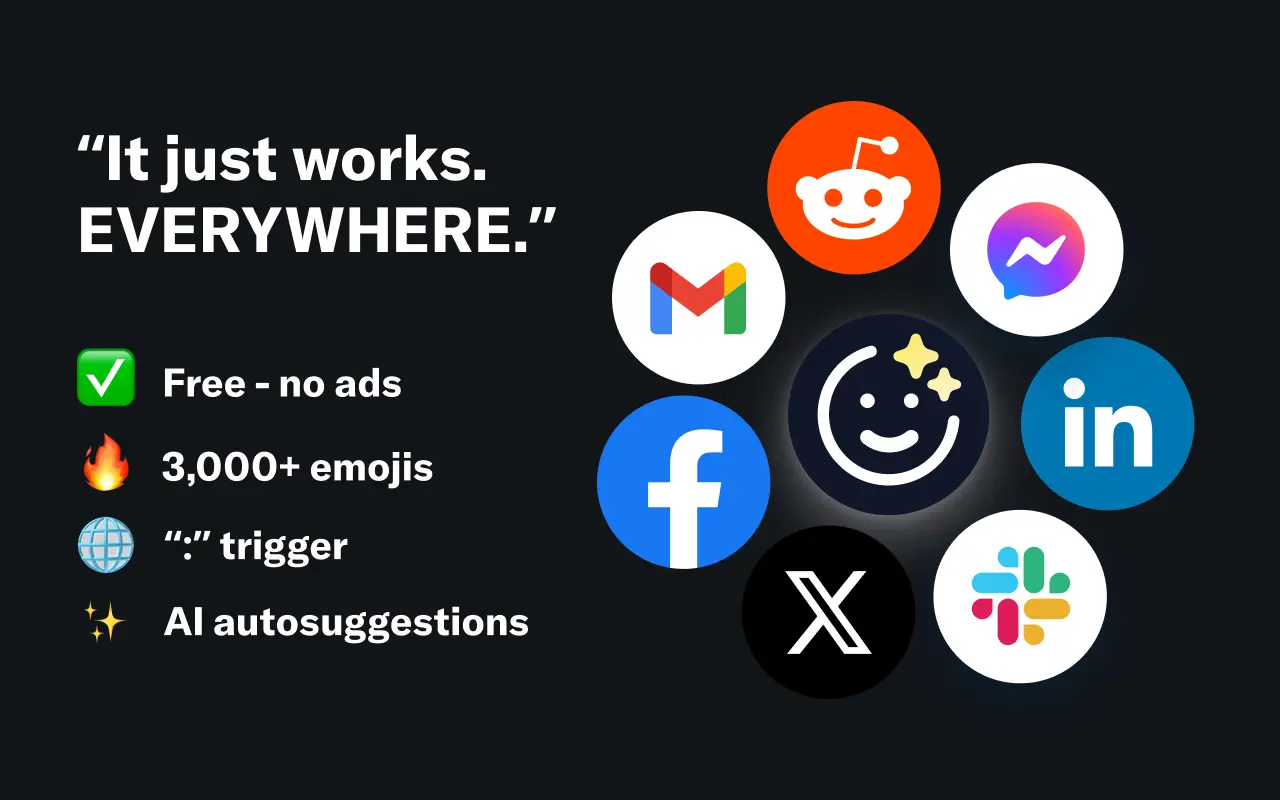
EmojAI
AI-powered emoji picker with smart, context-aware suggestions 🤖
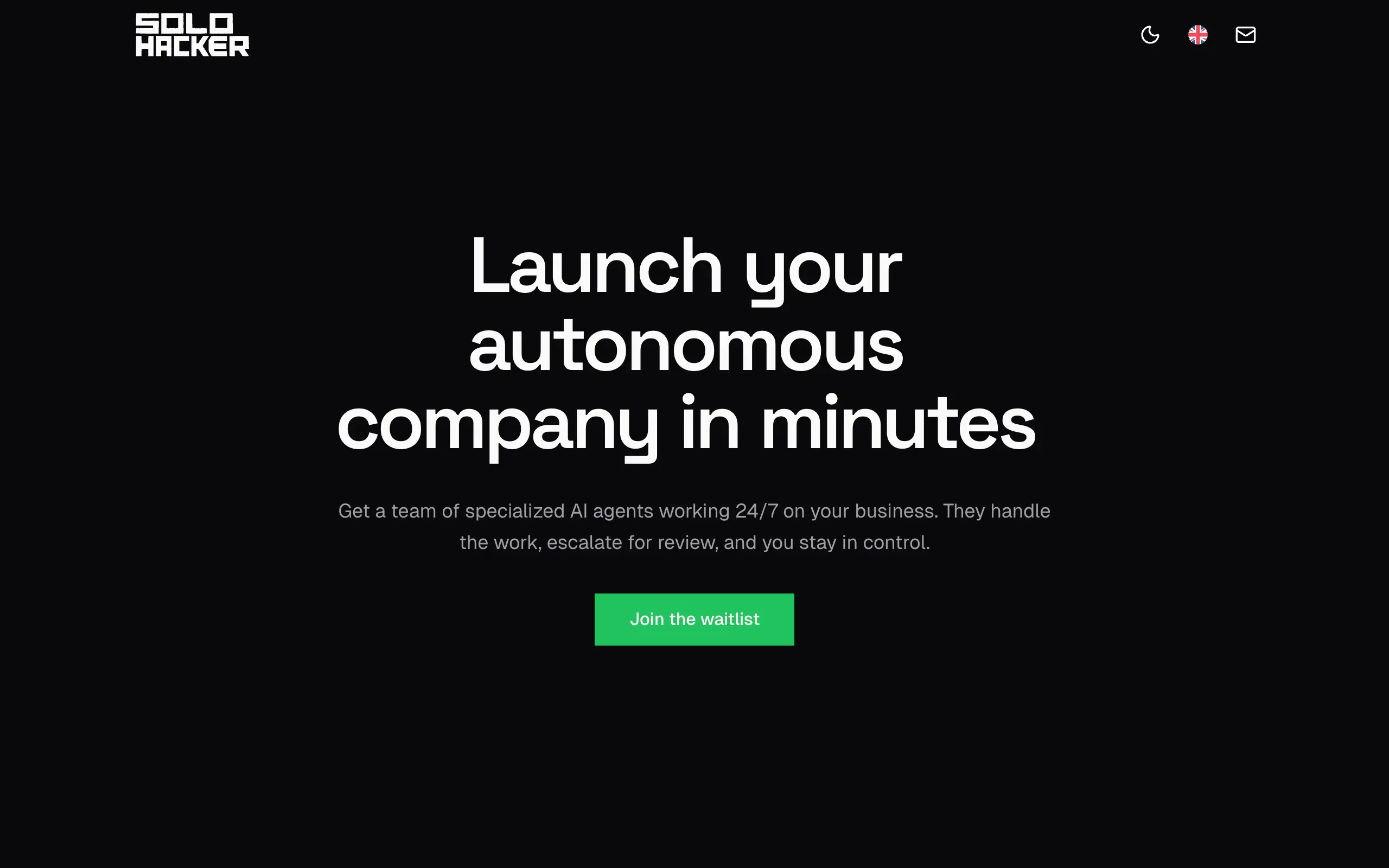
Solohacker
Autonomous company launcher - AI agents work 24/7, escalate what matters, and you stay in control 🤖
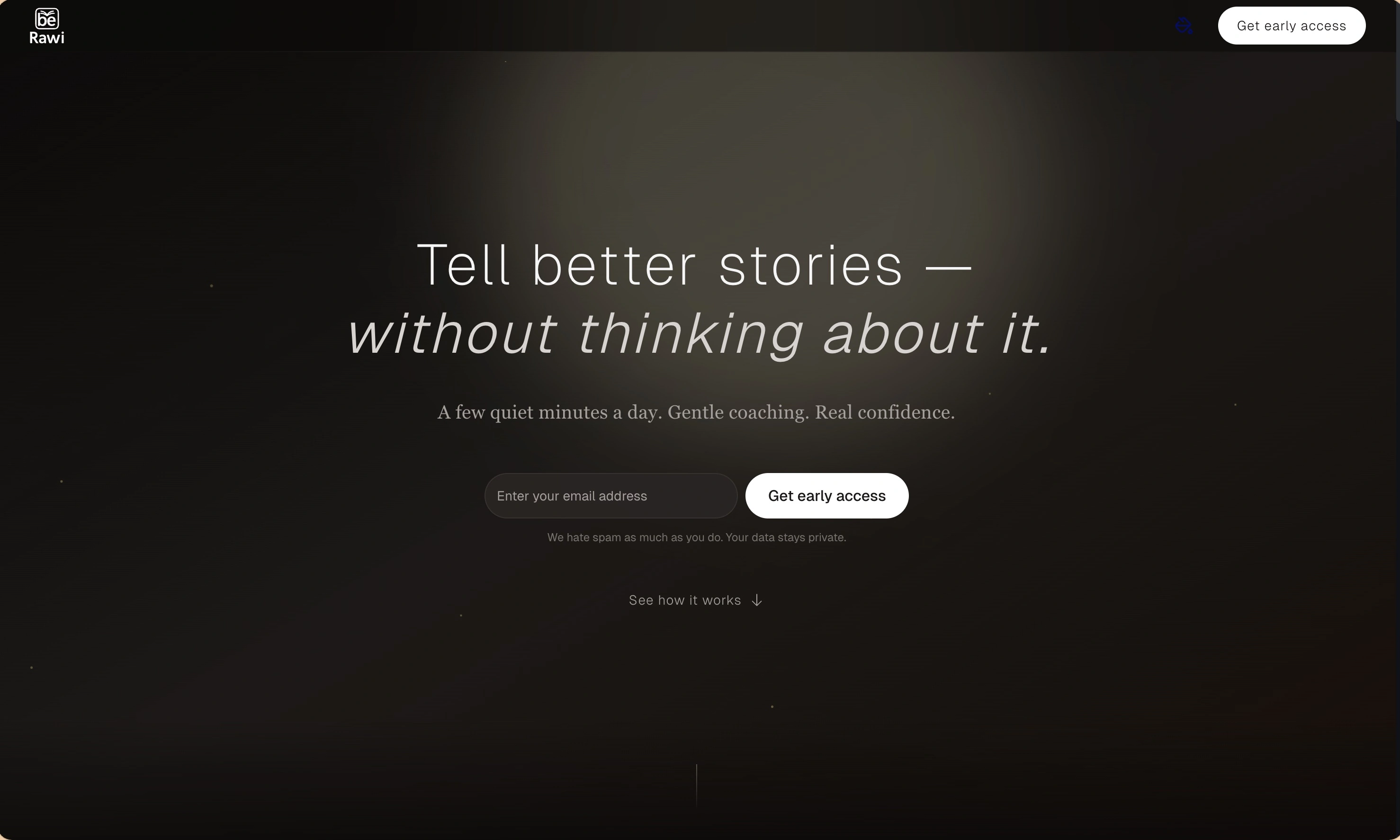
BeRawi: Storytelling Coach
Practice storytelling daily with instant feedback to sound clearer, more engaging, and confident 🎤
Omichat
Chat with 50+ AI models, including ChatGPT and Claude, in one place - switch models anytime without losing context 🤖
Claude Fast
Supercharge your Claude Code with 6x effective context window and specialized AI agents 🤖
EmojAI
AI-powered emoji picker with smart, context-aware suggestions 🤖
Solohacker
Autonomous company launcher - AI agents work 24/7, escalate what matters, and you stay in control 🤖
BeRawi: Storytelling Coach
Practice storytelling daily with instant feedback to sound clearer, more engaging, and confident 🎤
Omichat
Chat with 50+ AI models, including ChatGPT and Claude, in one place - switch models anytime without losing context 🤖
Claude Fast
Supercharge your Claude Code with 6x effective context window and specialized AI agents 🤖
EmojAI
AI-powered emoji picker with smart, context-aware suggestions 🤖
Solohacker
Autonomous company launcher - AI agents work 24/7, escalate what matters, and you stay in control 🤖
BeRawi: Storytelling Coach
Practice storytelling daily with instant feedback to sound clearer, more engaging, and confident 🎤
Omichat
Chat with 50+ AI models, including ChatGPT and Claude, in one place - switch models anytime without losing context 🤖
Claude Fast
Supercharge your Claude Code with 6x effective context window and specialized AI agents 🤖
EmojAI
AI-powered emoji picker with smart, context-aware suggestions 🤖
Solohacker
Autonomous company launcher - AI agents work 24/7, escalate what matters, and you stay in control 🤖
BeRawi: Storytelling Coach
Practice storytelling daily with instant feedback to sound clearer, more engaging, and confident 🎤

Connect with like-minded people
Join our community to get feedback, support, and grow together with 1,000+ builders on board, let's ship it!
Join usShip your startup everywhere. In minutes.
Don't burn tokens on setup and start building features on day one.