StoryTailor
AI that crafts personalized, interactive bedtime stories featuring your child and pet as main characters, fostering creativity and bonding through technology.
Understanding the user intent behind AI-powered personalized bedtime stories
When parents search for solutions like "AI bedtime story generator" or "personalized stories for kids," their intent is clear: they want engaging, unique, and meaningful storytelling experiences for their children. They’re seeking tools that:
- Foster creativity and imagination
- Strengthen parent-child bonds
- Offer convenience and variety in bedtime routines
- Make their child feel special by featuring them (and even their pets!) as story heroes
StoryTailor directly addresses these needs by leveraging AI to craft interactive, personalized bedtime stories. This article explores the market opportunity, target audience, core features, technology stack, monetization strategies, risks, and competitive advantages of StoryTailor, providing a comprehensive guide for founders, product managers, and innovators interested in this space.
Target audience analysis: Who benefits from StoryTailor?
Understanding the target audience is crucial for any SaaS product, especially in the family and edtech sectors. StoryTailor’s primary users and stakeholders include:
1. Parents and caregivers
- Demographics: Parents of children aged 2–10, including single parents, working parents, and caregivers.
- Pain points: Limited time for creative storytelling, desire for educational and bonding activities, need for screen-free bedtime routines.
- Motivations: Want to make bedtime special, foster creativity, and personalize experiences for their children.
2. Children
- Age range: Primarily 2–10 years old.
- Needs: Engaging, age-appropriate stories that feature themselves and their pets, interactive elements, and positive reinforcement.
- Benefits: Boosts self-esteem, imagination, and language skills.
3. Educators and therapists
- Use cases: Storytelling in classrooms, therapy sessions for social-emotional learning, and language development.
- Motivations: Tools for personalized learning, engagement, and emotional support.
4. Gift-givers
- Occasions: Birthdays, holidays, or special milestones.
- Motivations: Unique, memorable, and personalized gifts for children.
Parents & Caregivers
Looking for creative, bonding bedtime routines.
Children
Love being the hero in their own stories.
Educators & Therapists
Use personalized stories for learning and emotional growth.
Gift-Givers
Seeking unique, memorable presents for kids.
Market opportunity and gap analysis
The children’s storytelling and edtech markets are experiencing rapid growth, driven by:
- Increased demand for personalized experiences: Parents want products tailored to their child’s interests and personality.
- Rise of AI in consumer applications: Generative AI is transforming content creation, making it possible to deliver unique stories at scale.
- Screen fatigue: Families are seeking screen-free, interactive alternatives to passive video content.
- Emphasis on emotional intelligence: Storytelling is a proven tool for developing empathy, creativity, and language skills.
Market size and trends
- The global children’s book market is projected to reach $12 billion by 2026 (Statista).
- The edtech sector, including AI-powered learning tools, is expected to surpass $400 billion by 2025 (HolonIQ).
- Personalized content and AI-driven experiences are among the top trends in both publishing and edtech.
Identified gaps
- Lack of true personalization: Most story apps offer limited customization (e.g., choosing a name or avatar), but few can dynamically generate stories featuring a child and their pet as heroes.
- Limited interactivity: Many digital storybooks are static, lacking interactive or adaptive elements.
- Accessibility: High-quality, personalized stories are often expensive or require significant parental effort.
Key insight
StoryTailor fills a unique gap by combining AI-driven personalization, interactive storytelling, and accessibility—making every child the hero of their own bedtime adventure.
Core features and solution details
StoryTailor’s value proposition lies in its ability to deliver deeply personalized, interactive bedtime stories. Here’s how it achieves this:
1. AI-powered story generation
- Personalization: Input your child’s name, age, favorite themes, and pet details. The AI crafts a unique story where the child and pet are central characters.
- Dynamic content: No two stories are the same. The system adapts to preferences, previous stories, and even mood or learning goals.
2. Interactive storytelling sessions
- Branching narratives: Children (or parents) can make choices that influence the story’s direction, fostering engagement and agency.
- Voice narration: Optional AI-generated or parent-recorded narration for an immersive experience.
- Soundscapes and music: Enhance the bedtime atmosphere with gentle background audio.
3. Creativity and learning boosters
- Moral lessons: Stories can be tailored to teach empathy, kindness, or other values.
- Language development: Exposure to rich vocabulary and narrative structures.
- Creative prompts: Encourage children to draw, act out, or continue the story after the session.
4. Parental controls and analytics
- Content filters: Ensure age-appropriate themes and language.
- Progress tracking: See which stories your child enjoys most and track reading habits.
5. Accessibility and inclusivity
- Multiple languages: Support for diverse families and bilingual households.
- Customizable avatars: Represent different backgrounds, abilities, and family structures.
StoryTailor uses a combination of curated prompt engineering, content filters, and ongoing moderation to ensure all generated stories are suitable for children. Parents can set preferences and report any issues for review.
Yes! Parents can save favorite stories, print them, or share them with family members. Some plans may allow for storybook creation or audio downloads.
Recommended tech stack for building StoryTailor
Selecting the right technology stack is critical for delivering a seamless, scalable, and secure AI storytelling experience. Here’s a recommended stack, with trade-offs and alternatives:
1. Frontend
- React (reactjs.org): Modern, component-based UI for web and mobile apps.
- Next.js (nextjs.org): Server-side rendering, SEO optimization, and API routes.
- Tailwind CSS (tailwindcss.com): Utility-first CSS for rapid, responsive design.
2. Backend
- Node.js (nodejs.org): Scalable JavaScript runtime for API and server logic.
- Express (expressjs.com): Lightweight web framework for RESTful APIs.
3. AI and NLP
- OpenAI GPT-4 API (openai.com): For natural language story generation.
- Hugging Face Transformers (huggingface.co): Alternative for custom or on-premise models.
- Whisper API (openai.com/research/whisper): For voice narration and speech-to-text.
4. Database and storage
- PostgreSQL (postgresql.org): Reliable, scalable relational database.
- Firebase (firebase.google.com): Real-time data, authentication, and cloud storage for media files.
5. Hosting and deployment
- Vercel (vercel.com): Optimized for Next.js, global CDN, and serverless functions.
- AWS S3 (aws.amazon.com/s3): Secure storage for audio and image assets.
6. Analytics and monitoring
- Mixpanel (mixpanel.com): User engagement analytics.
- Sentry (sentry.io): Error tracking and performance monitoring.
7. Rapid prototyping and launch
- TurboStarter (TurboStarter): Accelerate MVP development with pre-built SaaS modules, authentication, and payment integration.
Why TurboStarter?
TurboStarter can dramatically reduce time-to-market by providing ready-to-use SaaS infrastructure, allowing you to focus on unique AI and storytelling features.
Trade-offs and considerations
- OpenAI vs. custom models: OpenAI offers state-of-the-art language generation but comes with usage costs and data privacy considerations. Custom models (via Hugging Face) offer more control but require significant ML expertise and resources.
- Firebase vs. traditional backend: Firebase accelerates development but may limit flexibility for complex business logic.
- Serverless vs. traditional hosting: Serverless (Vercel) is cost-effective and scalable for unpredictable workloads, but may introduce cold start latency.
Monetization strategy options
A sustainable business model is essential for long-term success. Here are proven monetization strategies for StoryTailor:
1. Freemium model
- Free tier: Limited number of stories per month, basic personalization.
- Premium subscription: Unlimited stories, advanced customization, audio narration, and storybook downloads.
2. One-time purchases
- Story packs: Themed bundles (e.g., "Space Adventures," "Dinosaur Quests").
- Personalized printed books: Order a physical storybook featuring your child and pet.
3. Gifting and family plans
- Gift subscriptions: Perfect for birthdays or holidays.
- Family accounts: Multiple children, shared story libraries.
4. B2B partnerships
- Schools and therapists: Offer bulk licenses or custom integrations for educational and therapeutic use.
5. In-app purchases
- Custom avatars, soundscapes, or illustrations: Enhance the storytelling experience.
| Freemium | Subscription | One-time | Gifting | B2B |
|---|---|---|---|---|
| ✅ | ❌ | ❌ | ✅ | ❌ |
| ✅ | ❌ | ✅ | ✅ | ❌ |
Potential risks and mitigation strategies
Launching an AI-powered personalized storytelling SaaS comes with unique challenges. Here’s how to address them:
1. Content safety and appropriateness
- Risk: AI-generated stories may inadvertently include inappropriate or sensitive content.
- Mitigation: Implement robust content filters, human moderation, and allow parental reporting.
2. Data privacy and security
- Risk: Handling children’s data requires strict compliance with regulations (e.g., COPPA, GDPR).
- Mitigation: Use secure authentication, data encryption, and transparent privacy policies. Limit data collection to essentials.
3. AI bias and inclusivity
- Risk: AI models may reflect biases or lack diversity in story representation.
- Mitigation: Regularly audit and fine-tune models, involve diverse testers, and offer customizable avatars and story settings.
4. User retention and engagement
- Risk: Novelty may wear off if stories become repetitive or lack depth.
- Mitigation: Continuously update story templates, introduce seasonal content, and gamify the experience with achievements or badges.
5. Technical scalability
- Risk: High demand (e.g., holiday seasons) may strain infrastructure.
- Mitigation: Use scalable cloud services, serverless functions, and proactive monitoring.
Compliance reminder
Always consult legal experts to ensure full compliance with child data protection laws in your target markets.
Competitive advantage analysis: What makes StoryTailor unique?
The personalized children’s story market includes several players, but StoryTailor stands out due to:
1. Deep personalization
- Child and pet as heroes: Most competitors only allow name insertion or basic avatar customization. StoryTailor’s AI crafts stories where the child and their pet are central, making the experience truly unique.
2. Interactive, adaptive storytelling
- Branching narratives: Unlike static storybooks, StoryTailor lets children influence the plot, boosting engagement and agency.
3. Accessibility and inclusivity
- Multi-language support and diverse avatars: Appeals to a global, multicultural audience.
4. AI-driven creativity
- Endless variety: No two stories are the same, reducing content fatigue and increasing long-term value.
5. Parental empowerment
- Controls and analytics: Parents can guide content, track engagement, and ensure a safe experience.
6. Rapid iteration and scalability
- TurboStarter integration: Accelerates development and deployment, allowing for quick adaptation to user feedback and market trends.
Actionable implementation steps
Ready to bring StoryTailor to life? Here’s a step-by-step roadmap:
Conclusion: Why StoryTailor is the future of bedtime storytelling
StoryTailor is more than just an AI story generator—it’s a platform that empowers families to create magical, memorable bedtime experiences. By combining cutting-edge AI, deep personalization, and interactive storytelling, it addresses real needs in the parenting and edtech markets.
Key takeaways:
- Addresses a real gap: True personalization and interactivity are rare in children’s story apps.
- Scalable and future-proof: AI and SaaS infrastructure (with tools like TurboStarter) enable rapid growth and adaptation.
- Safe and inclusive: Prioritizes child safety, privacy, and representation.
If you’re passionate about fostering creativity, bonding, and learning through technology, StoryTailor offers a compelling blueprint for the next generation of family storytelling SaaS.
Frequently asked questions
StoryTailor follows strict data privacy standards, encrypts all personal information, and never shares data with third parties. Parents control what information is provided and can delete accounts at any time.
Yes! The platform is designed to be mobile-friendly, with native apps planned for iOS and Android.
StoryTailor’s AI can accommodate a wide range of preferences, abilities, and interests. Parents can specify details to ensure stories are relevant and inclusive.
Further reading and resources
By thoughtfully addressing user intent, leveraging the latest AI advancements, and prioritizing safety and inclusivity, StoryTailor is poised to redefine bedtime for families everywhere.
More 🤖 AI Startup SaaS ideas
Discover more innovative ai startup SaaS ideas that are trending in 2026. Each idea is AI-generated with market validation and growth potential to help you find your next profitable venture faster than competitors.
Your competitors are building with TurboStarter
Below are some of the SaaS ideas that have been generated and built with our starter kit.

Statiko
Monitor any Telegram channel in real time - track posts, edits, deletions, and growth with AI recaps 📡

Shibui
AI website builder - describe your business, pick a niche template, edit by chatting, and publish instantly ✨

Pro Service
Find verified home service professionals, compare quotes, and pay securely through escrow - built for Brazilians across the US 🏠
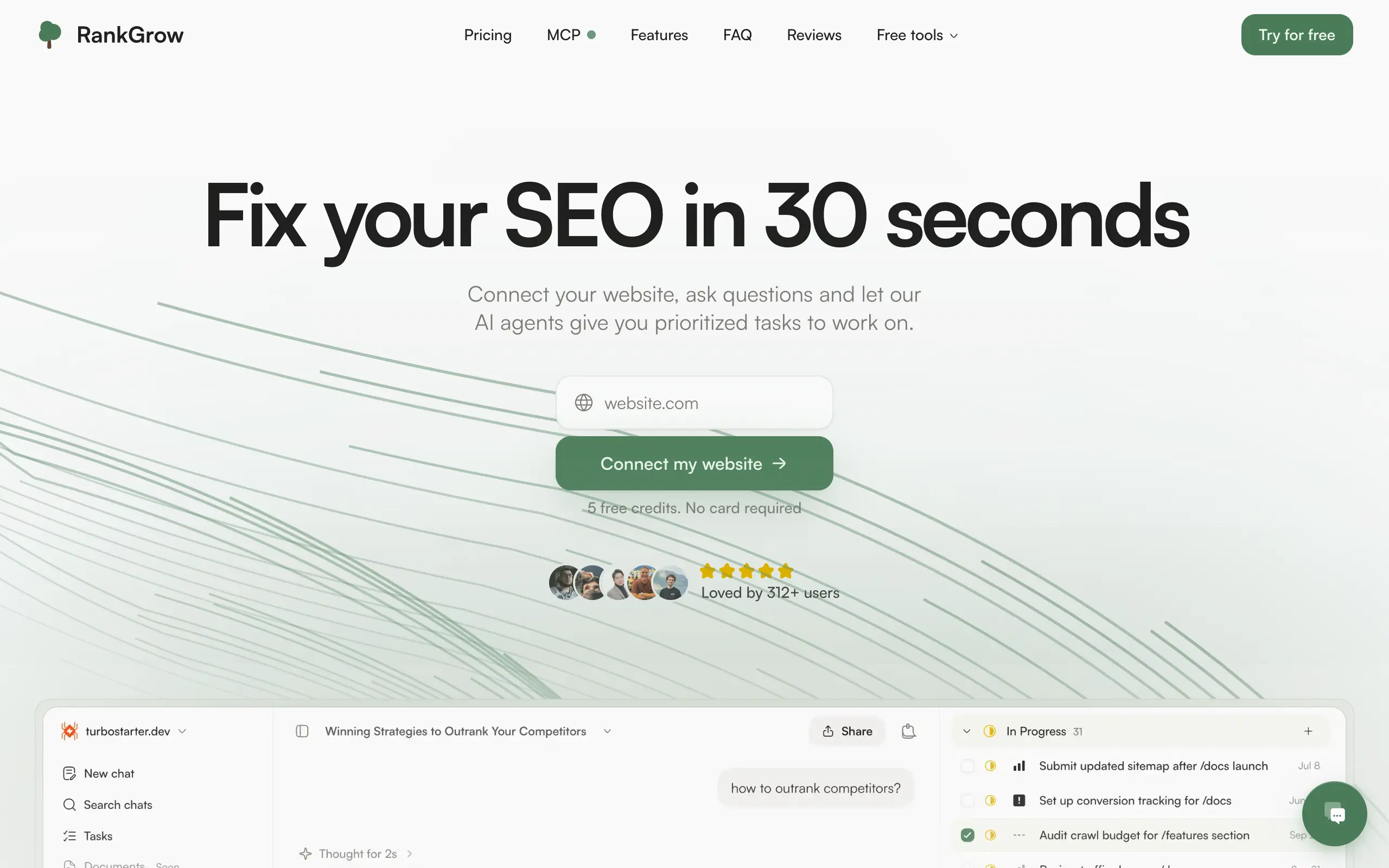
RankGrow
Fix your SEO with AI agents - connect Search Console, get prioritized tasks, and grow organic traffic 📈
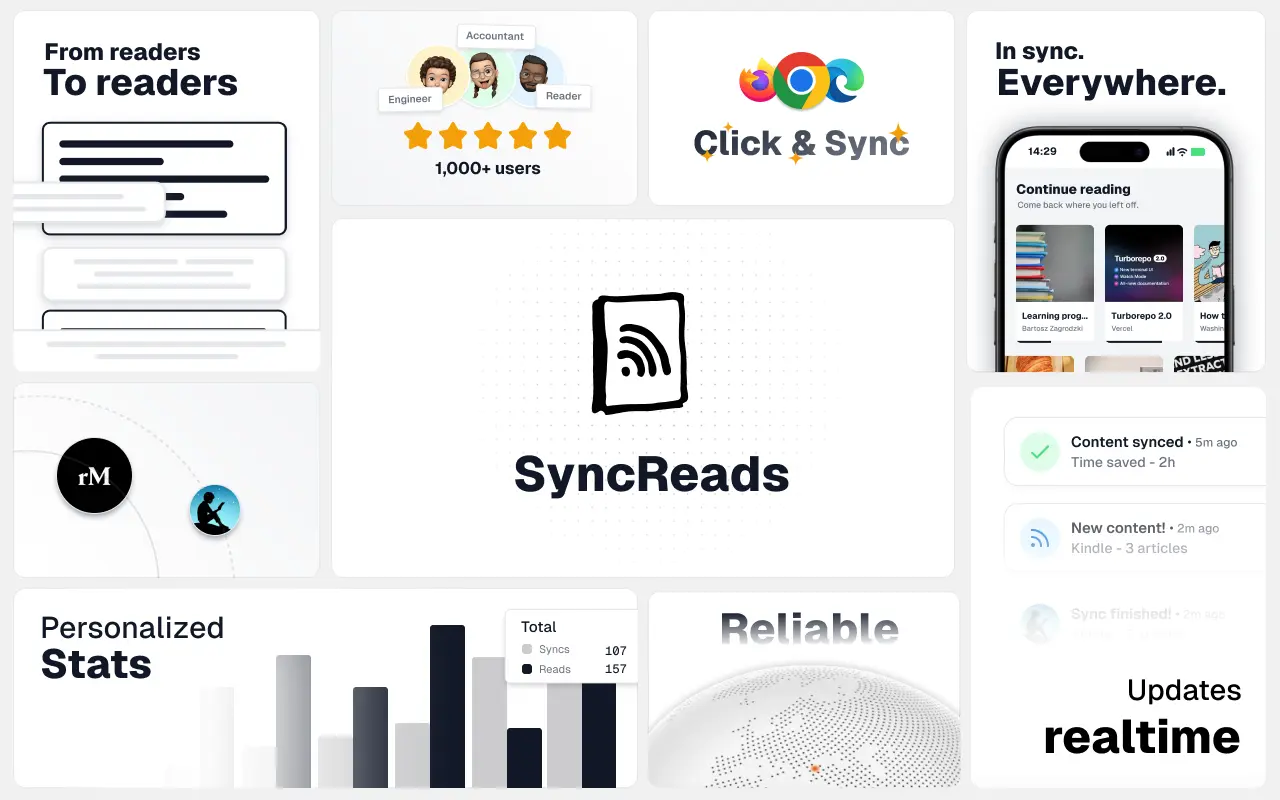
SyncReads
Sync your favorite content for distraction-free reading, save time and replace multiple apps. Anytime, anywhere 🔄
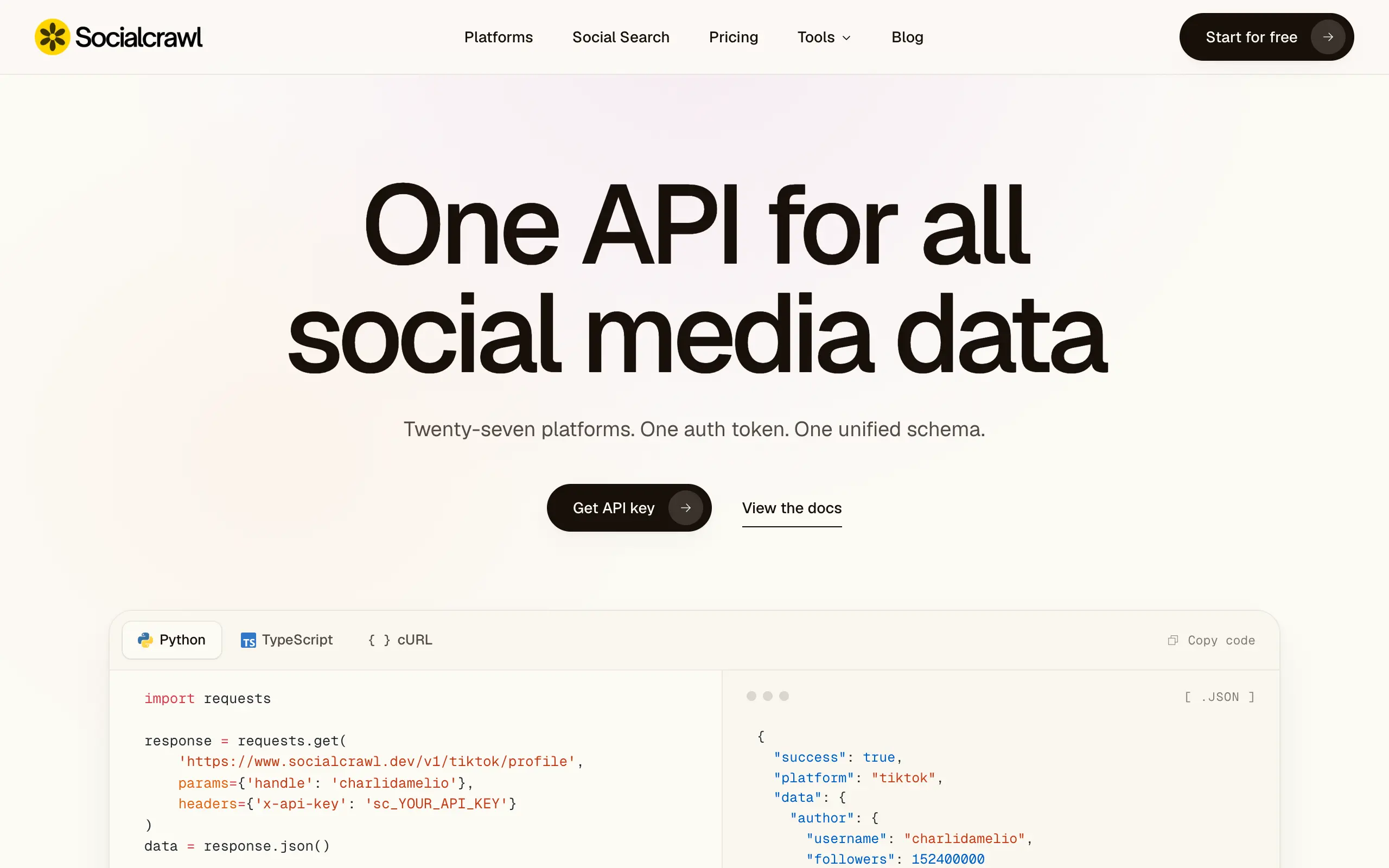
Socialcrawl
Get clean, structured data from 21 platforms like TikTok, Instagram, and YouTube with a single request 📊
Statiko
Monitor any Telegram channel in real time - track posts, edits, deletions, and growth with AI recaps 📡
Shibui
AI website builder - describe your business, pick a niche template, edit by chatting, and publish instantly ✨
Pro Service
Find verified home service professionals, compare quotes, and pay securely through escrow - built for Brazilians across the US 🏠
RankGrow
Fix your SEO with AI agents - connect Search Console, get prioritized tasks, and grow organic traffic 📈
SyncReads
Sync your favorite content for distraction-free reading, save time and replace multiple apps. Anytime, anywhere 🔄
Socialcrawl
Get clean, structured data from 21 platforms like TikTok, Instagram, and YouTube with a single request 📊
Statiko
Monitor any Telegram channel in real time - track posts, edits, deletions, and growth with AI recaps 📡
Shibui
AI website builder - describe your business, pick a niche template, edit by chatting, and publish instantly ✨
Pro Service
Find verified home service professionals, compare quotes, and pay securely through escrow - built for Brazilians across the US 🏠
RankGrow
Fix your SEO with AI agents - connect Search Console, get prioritized tasks, and grow organic traffic 📈
SyncReads
Sync your favorite content for distraction-free reading, save time and replace multiple apps. Anytime, anywhere 🔄
Socialcrawl
Get clean, structured data from 21 platforms like TikTok, Instagram, and YouTube with a single request 📊
Statiko
Monitor any Telegram channel in real time - track posts, edits, deletions, and growth with AI recaps 📡
Shibui
AI website builder - describe your business, pick a niche template, edit by chatting, and publish instantly ✨
Pro Service
Find verified home service professionals, compare quotes, and pay securely through escrow - built for Brazilians across the US 🏠
RankGrow
Fix your SEO with AI agents - connect Search Console, get prioritized tasks, and grow organic traffic 📈
SyncReads
Sync your favorite content for distraction-free reading, save time and replace multiple apps. Anytime, anywhere 🔄
Socialcrawl
Get clean, structured data from 21 platforms like TikTok, Instagram, and YouTube with a single request 📊
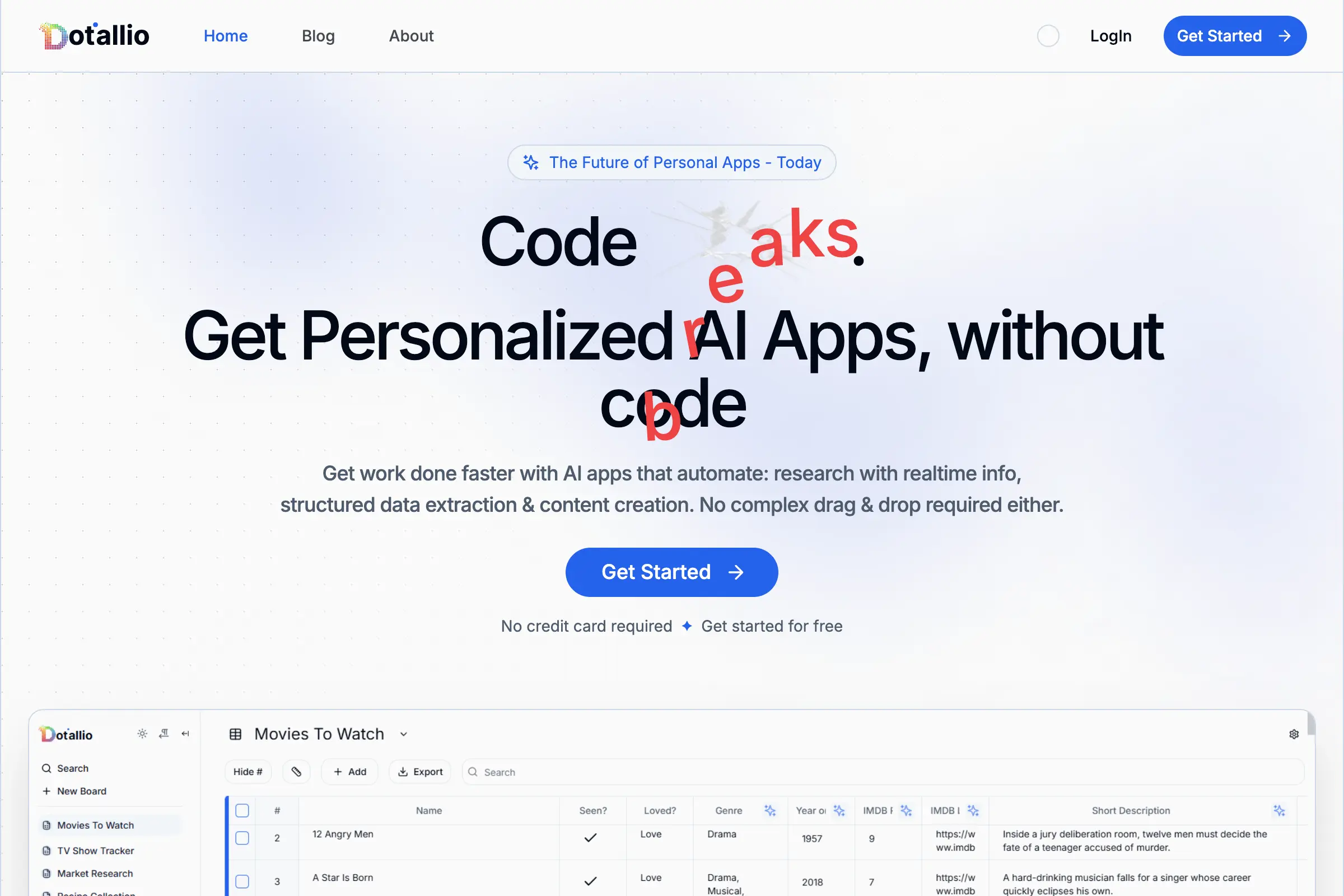
Dotallio
Personalized AI apps that automate research, data extraction, and content creation without code 🤖

Talk to Santa
Enjoy a magical live video chat or receive a unique AI-generated video greeting from Santa Claus 🎅
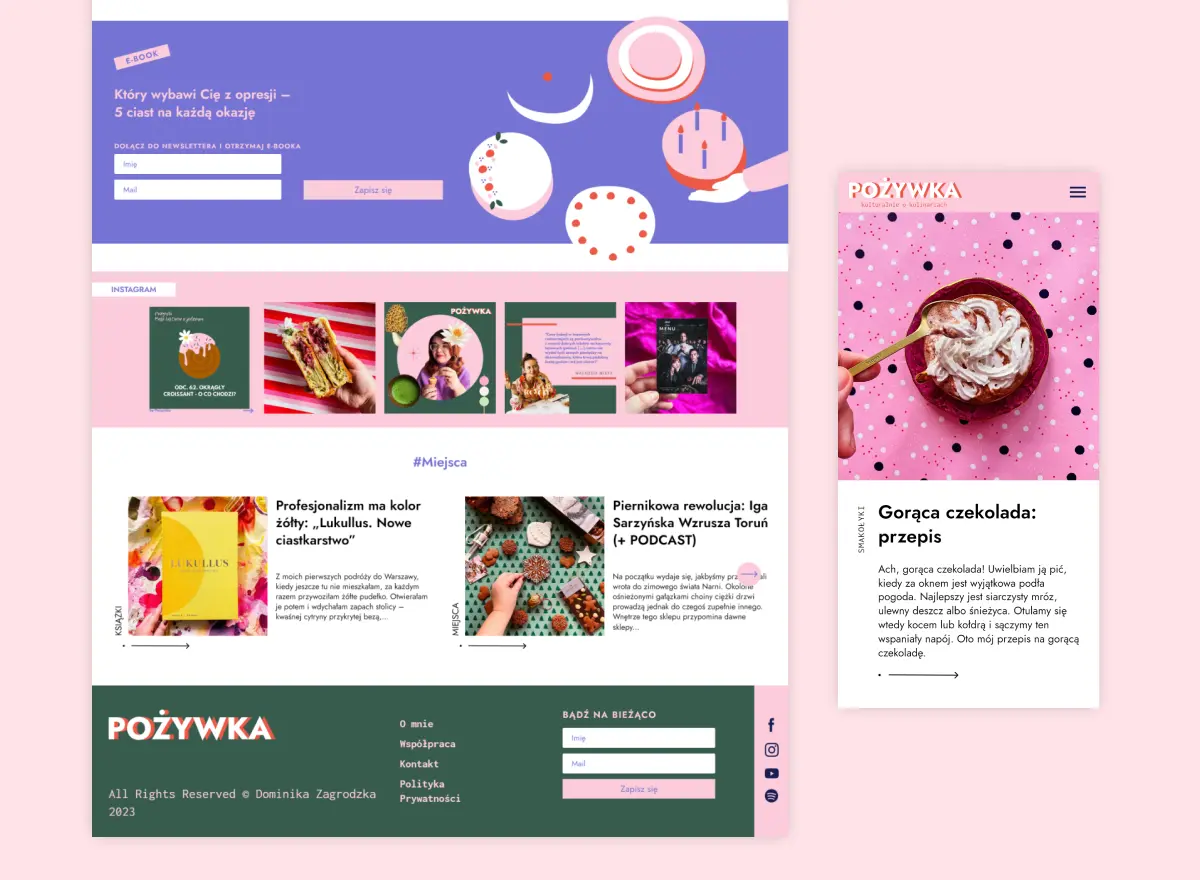
pozywka.pl
Scalable blog for food journalist, focused on performance and user experience 🌭
zagrodzki.me
Personal blog and portfolio of Bart Zagrodzki, where he shares his knowledge and work 💼
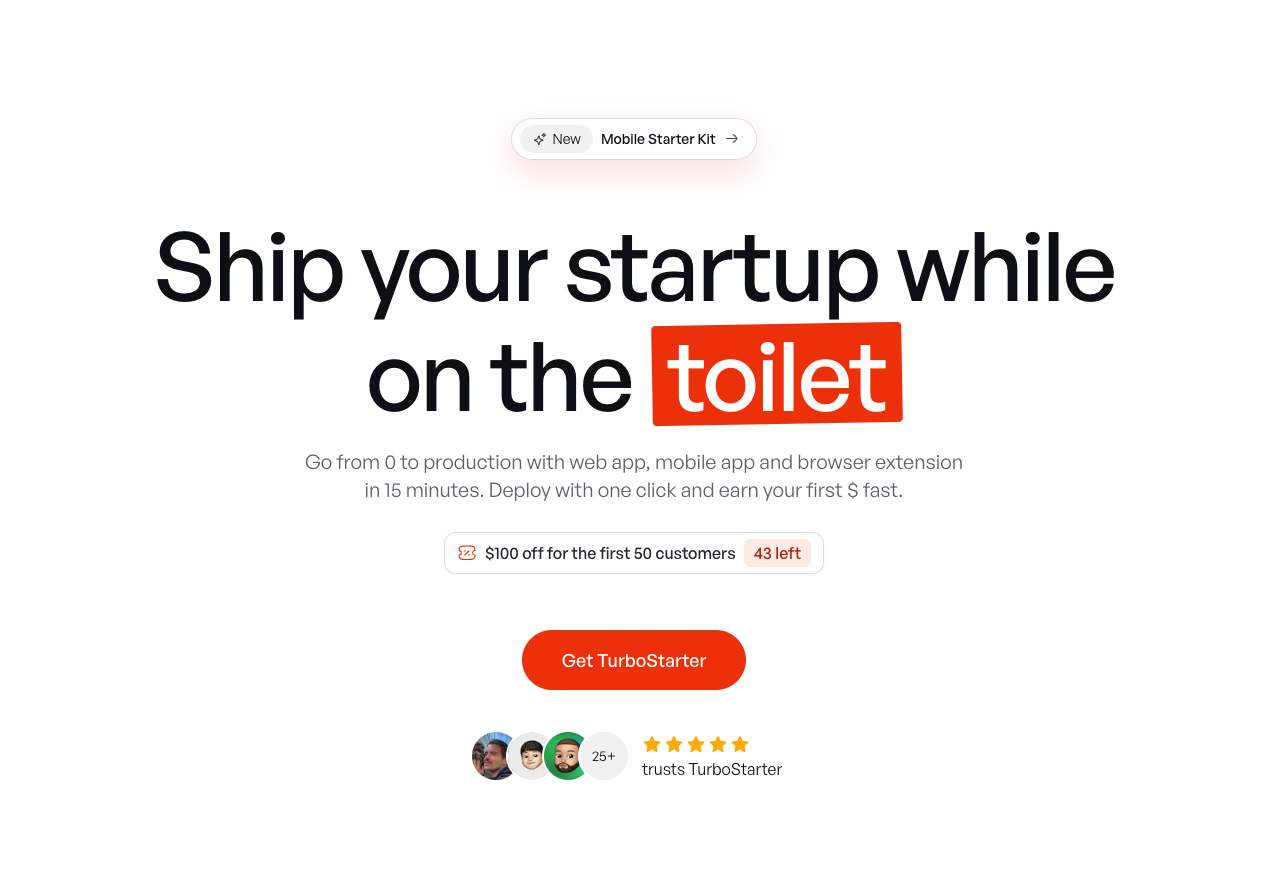
TurboStarter
Ship your startup everywhere. In minutes.
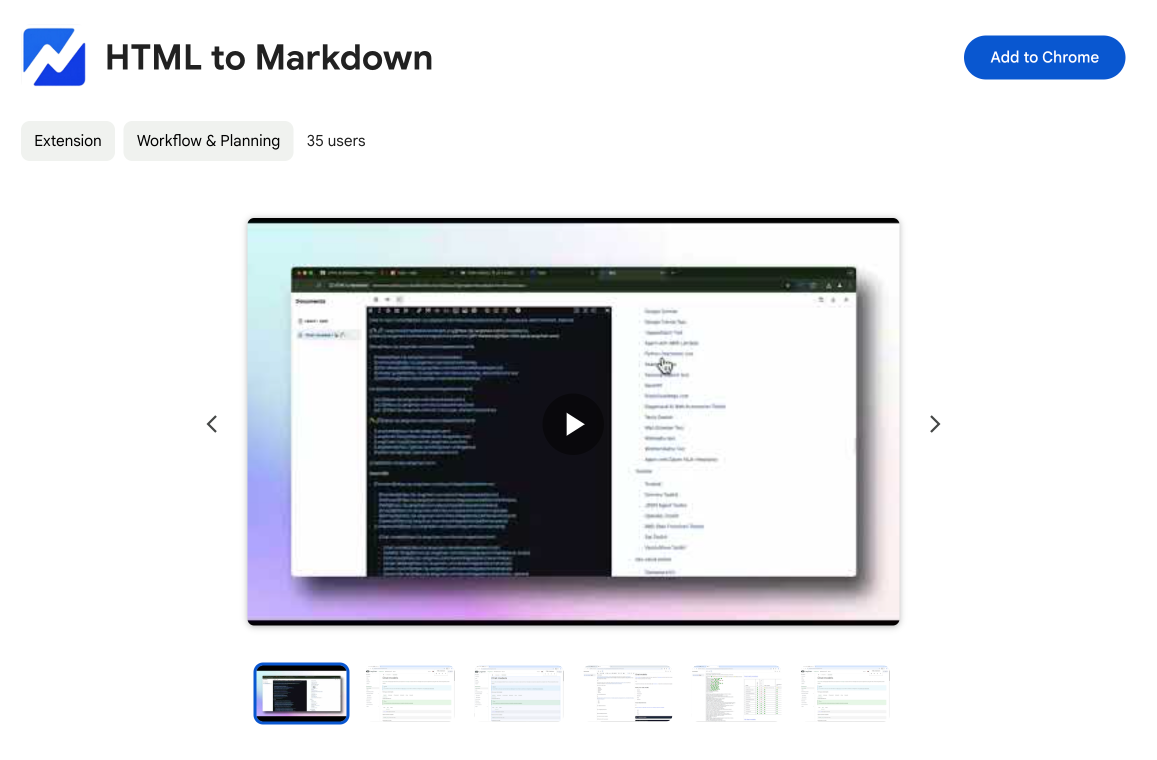
HTML to Markdown
Convert HTML to Markdown with ease, directly in your browser 📄
Dotallio
Personalized AI apps that automate research, data extraction, and content creation without code 🤖
Talk to Santa
Enjoy a magical live video chat or receive a unique AI-generated video greeting from Santa Claus 🎅
pozywka.pl
Scalable blog for food journalist, focused on performance and user experience 🌭
zagrodzki.me
Personal blog and portfolio of Bart Zagrodzki, where he shares his knowledge and work 💼
TurboStarter
Ship your startup everywhere. In minutes.
HTML to Markdown
Convert HTML to Markdown with ease, directly in your browser 📄
Dotallio
Personalized AI apps that automate research, data extraction, and content creation without code 🤖
Talk to Santa
Enjoy a magical live video chat or receive a unique AI-generated video greeting from Santa Claus 🎅
pozywka.pl
Scalable blog for food journalist, focused on performance and user experience 🌭
zagrodzki.me
Personal blog and portfolio of Bart Zagrodzki, where he shares his knowledge and work 💼
TurboStarter
Ship your startup everywhere. In minutes.
HTML to Markdown
Convert HTML to Markdown with ease, directly in your browser 📄
Dotallio
Personalized AI apps that automate research, data extraction, and content creation without code 🤖
Talk to Santa
Enjoy a magical live video chat or receive a unique AI-generated video greeting from Santa Claus 🎅
pozywka.pl
Scalable blog for food journalist, focused on performance and user experience 🌭
zagrodzki.me
Personal blog and portfolio of Bart Zagrodzki, where he shares his knowledge and work 💼
TurboStarter
Ship your startup everywhere. In minutes.
HTML to Markdown
Convert HTML to Markdown with ease, directly in your browser 📄
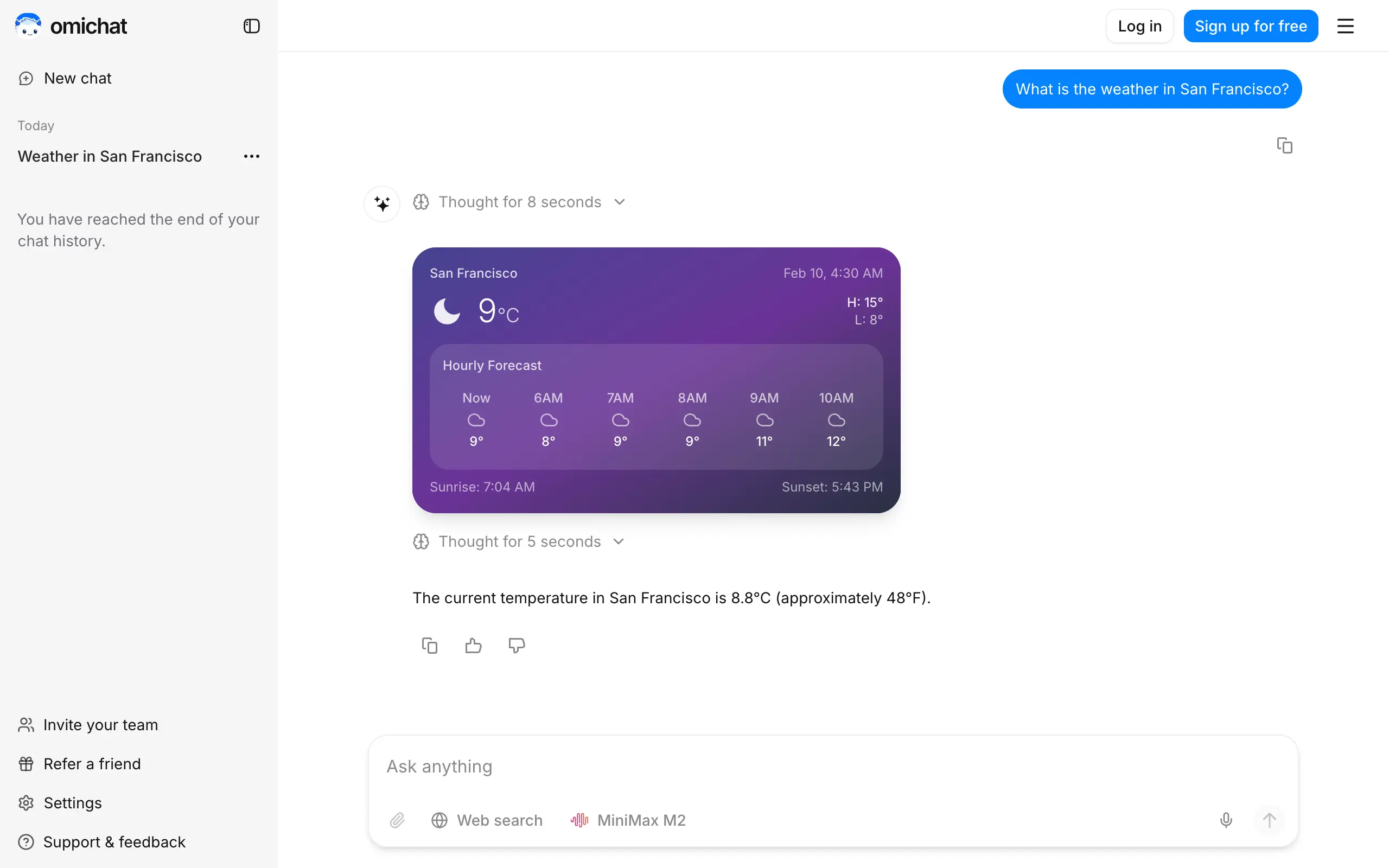
Omichat
Chat with 50+ AI models, including ChatGPT and Claude, in one place - switch models anytime without losing context 🤖
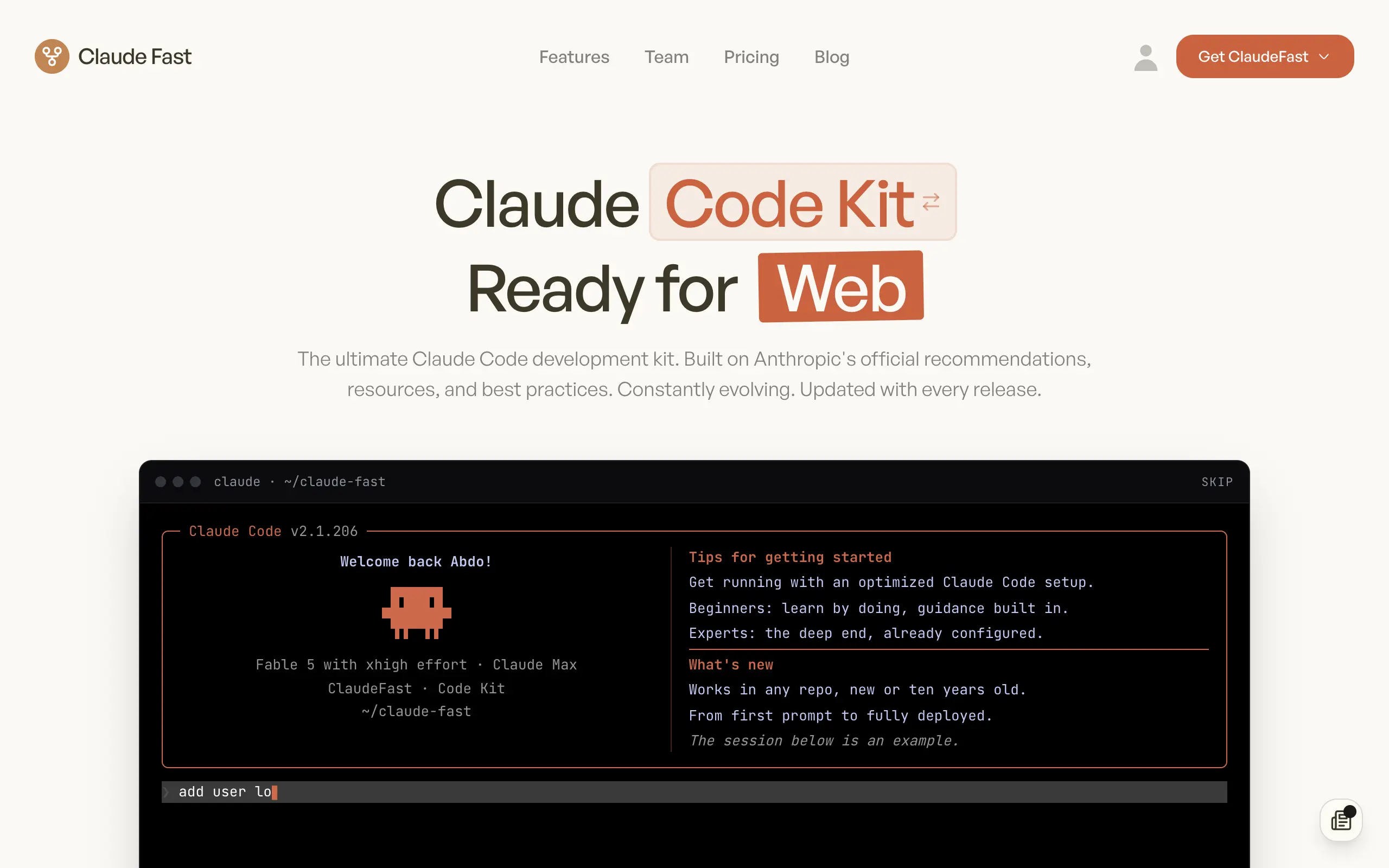
Claude Fast
Supercharge your Claude Code with 6x effective context window and specialized AI agents 🤖
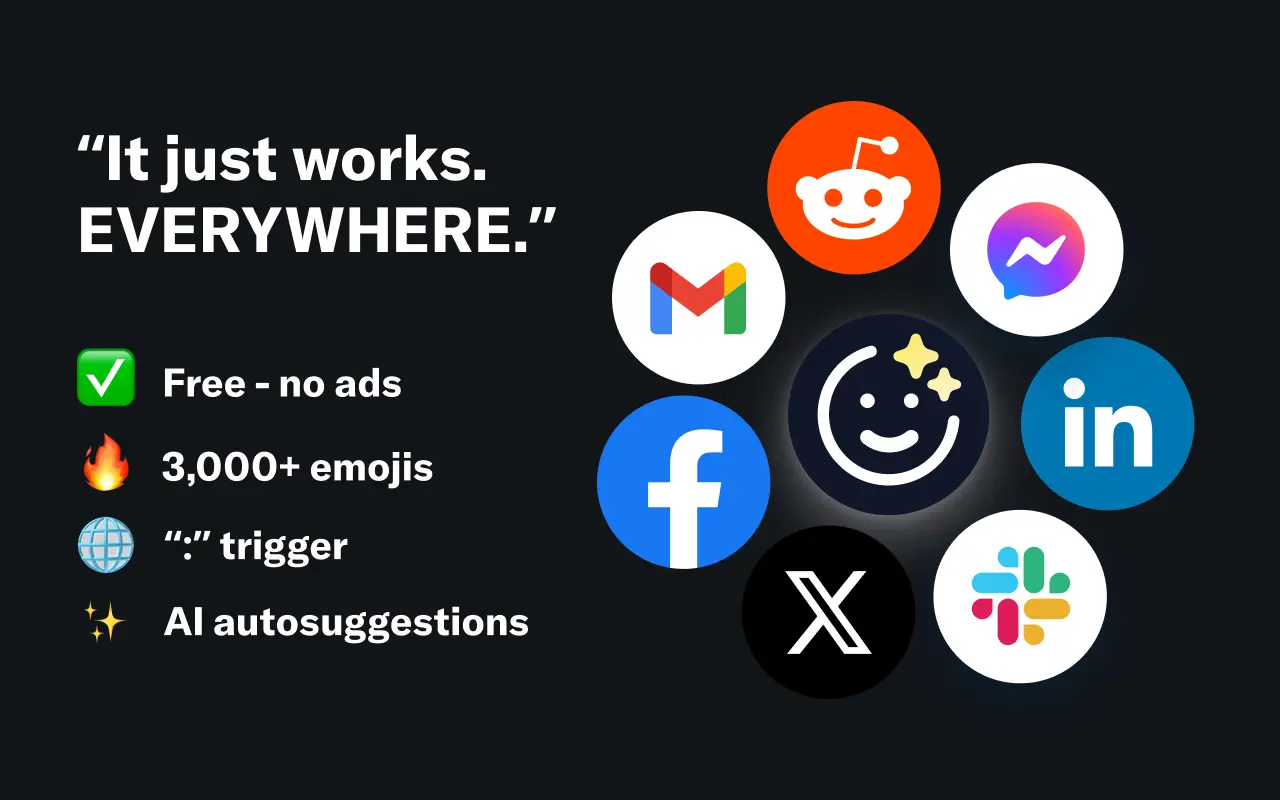
EmojAI
AI-powered emoji picker with smart, context-aware suggestions 🤖

Solohacker
Autonomous company launcher - AI agents work 24/7, escalate what matters, and you stay in control 🤖
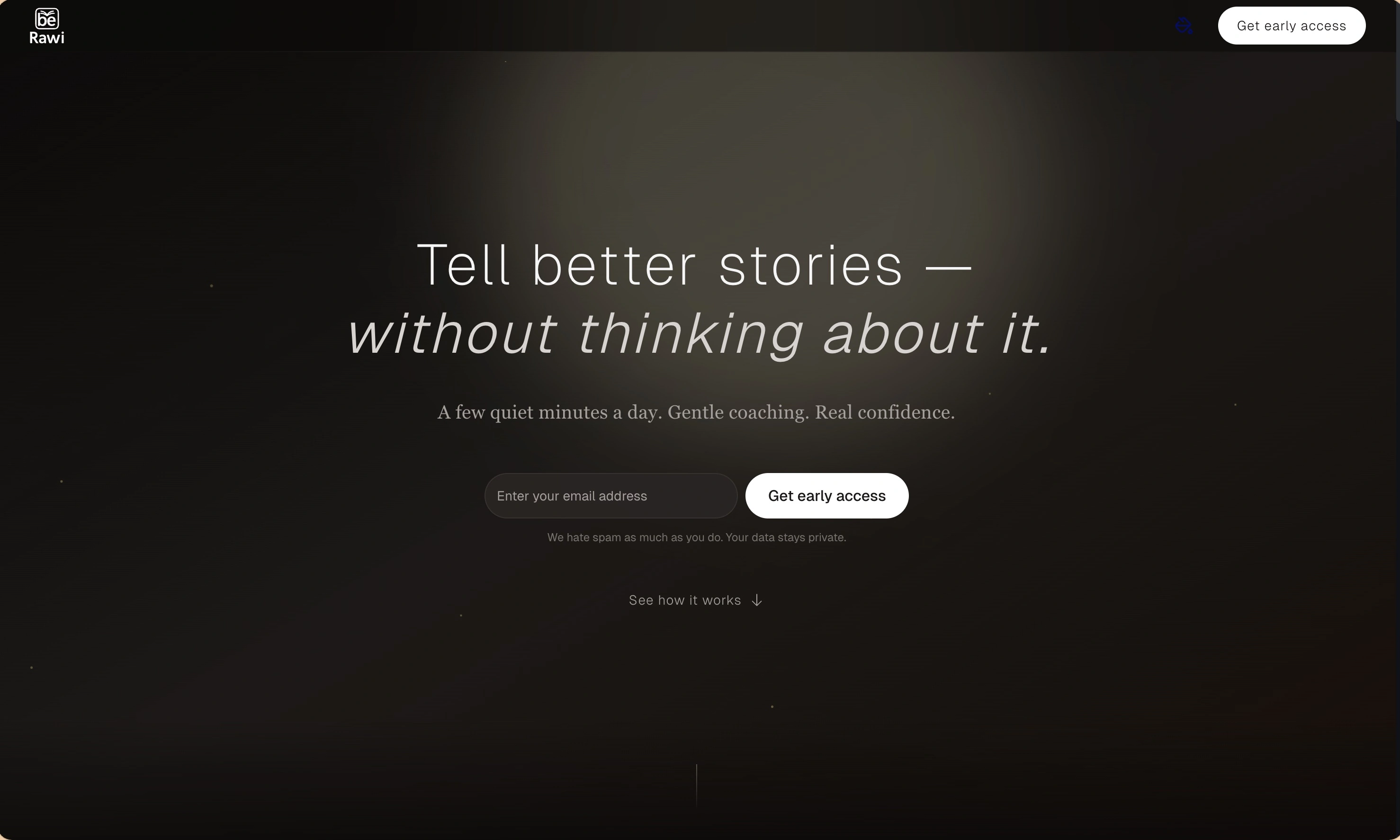
BeRawi: Storytelling Coach
Practice storytelling daily with instant feedback to sound clearer, more engaging, and confident 🎤
Omichat
Chat with 50+ AI models, including ChatGPT and Claude, in one place - switch models anytime without losing context 🤖
Claude Fast
Supercharge your Claude Code with 6x effective context window and specialized AI agents 🤖
EmojAI
AI-powered emoji picker with smart, context-aware suggestions 🤖
Solohacker
Autonomous company launcher - AI agents work 24/7, escalate what matters, and you stay in control 🤖
BeRawi: Storytelling Coach
Practice storytelling daily with instant feedback to sound clearer, more engaging, and confident 🎤
Omichat
Chat with 50+ AI models, including ChatGPT and Claude, in one place - switch models anytime without losing context 🤖
Claude Fast
Supercharge your Claude Code with 6x effective context window and specialized AI agents 🤖
EmojAI
AI-powered emoji picker with smart, context-aware suggestions 🤖
Solohacker
Autonomous company launcher - AI agents work 24/7, escalate what matters, and you stay in control 🤖
BeRawi: Storytelling Coach
Practice storytelling daily with instant feedback to sound clearer, more engaging, and confident 🎤
Omichat
Chat with 50+ AI models, including ChatGPT and Claude, in one place - switch models anytime without losing context 🤖
Claude Fast
Supercharge your Claude Code with 6x effective context window and specialized AI agents 🤖
EmojAI
AI-powered emoji picker with smart, context-aware suggestions 🤖
Solohacker
Autonomous company launcher - AI agents work 24/7, escalate what matters, and you stay in control 🤖
BeRawi: Storytelling Coach
Practice storytelling daily with instant feedback to sound clearer, more engaging, and confident 🎤

Connect with like-minded people
Join our community to get feedback, support, and grow together with 1,000+ builders on board, let's ship it!
Join usShip your startup everywhere. In minutes.
Don't burn tokens on setup and start building features on day one.