StratGPT
StratGPT is an AI-powered mobile coach that analyzes your in-game performance, offers personalized tips, and suggests strategies to help gamers rank up faster.
Understanding StratGPT: The AI-powered mobile coach for smarter, faster gaming improvement
StratGPT is redefining what it means to improve at competitive gaming. As an AI mobile coach, it delivers personalized performance analytics, actionable insights, and tailored strategy suggestions, empowering gamers to rank up efficiently. In this deep dive, we’ll break down everything you need to know about StratGPT—its features, audience, competitive advantages, technologies, monetization models, implementation recommendations, and the rapidly evolving landscape of AI gaming tools.
Who is StratGPT for? Target audience analysis
StratGPT is purpose-built for a wide, but well-defined, set of gaming enthusiasts:
1. Ambitious competitive gamers
- Titles: Players of popular games like League of Legends, Valorant, Fortnite, Apex Legends, Dota 2, and similar competitive titles.
- Motivation: Driven to climb ranked ladders, join eSports competitions, or consistently improve their skill level.
- Pain points: Plateaued progress, lack of tailored feedback, overwhelming generic “tips”.
2. Aspiring eSports professionals
- Profile: High-school, college-level, or self-driven individuals aiming for a professional career in gaming.
- Desire: Structured guidance, data-driven improvement plans, and efficient learning loops.
3. Coaches and team leaders
- Use case: Use StratGPT’s analytics and feedback as a layer of coaching for teams or groups.
- Goal: Implement shared strategies, monitor squad member progress, and tailor training routines.
4. Streamers and creators
- Needs: Performance optimization, content ideas (such as “Learning with StratGPT” sessions), and a unique channel value proposition.
5. Casual but improvement-minded players
- Desire: Practical, actionable advice with minimal jargon, ideally via a mobile interface for on-the-go sessions.
Key demographic highlights
- Age: Predominantly 13-35, skewing towards tech-savvy Gen Z and Millennials.
- Geography: Global focus, with largest early adoption in North America, Europe, and East Asia.
- Platforms: Heavy mobile adoption is expected, with many also active on desktop and console.
Identifying the market gap: Why an AI mobile coach like StratGPT?
Despite massive growth in competitive gaming, high-quality, personalized coaching tools are still relatively rare—especially ones designed as mobile apps for fast, actionable guidance right after a match. Most options fit into a few buckets:
- Manual coaching and VoD reviews: Expensive, schedule-constrained, with variable quality.
- Static tip databases/guides: Often outdated, generic, or not specific to the user’s playstyle.
- Basic stat trackers: Deliver numbers, but don’t contextualize performance or offer actionable feedback.
Expert insight
AI-powered mobile coaches bridge the chasm between basic stat tracking and human coaching—leveraging real data, constant updates, and global scalability, while being affordable and hyper-convenient.
Key pain points StratGPT addresses
- Information overload: Cuts through generic advice with personalized, prioritized feedback.
- Onboarding complexity: Makes in-depth analysis as straightforward as chatting with an AI.
- Motivation gaps: Uses gamification and positive reinforcement to boost user retention and growth.
- Device/setting flexibility: Works across games, on any modern mobile device, syncing with major platforms.
Core features and solution details
StratGPT stands out by combining robust AI analysis with a seamless mobile-first user experience. Here’s how:
Core features
- Automated in-game data capture: Securely pulls match and performance data from game APIs or user uploads.
- Personalized tips & strategies: Uses AI to analyze playstyle, mistakes, and winning patterns, then delivers tailored, digestible advice after each session.
- Session-level performance analytics: Tracks progress, strengths/weaknesses, and compares them to higher skill tiers or personal past bests.
- Game-specific modules: Supports multiple titles, customizing analysis and guidance for each (e.g., champion matchup tips in LoL, map strategies in Valorant).
- Interactive Q&A: Users can chat with their “coach” to get clarifications, mindset advice, or deep dives into tactics.
- Gamified progress tracking: Badges, streaks, and milestones to increase motivation and provide a sense of tangible improvement.
- Video highlights synthesis: (Advanced) Optionally creates highlight reels/summaries of key plays and learning moments.
Semantic-related features for SEO
- AI gaming coach
- Performance analytics for gamers
- Esports strategy assistant
- Game improvement tips app
- Gamification for player growth
- Personalized gaming advice
How StratGPT works (simple breakdown)
Choosing the right tech stack for StratGPT
An AI-powered, mobile-first SaaS like StratGPT needs a robust, scalable, and secure foundation. Here’s a recommended tech stack and the trade-offs involved:
Recommended technologies
- Mobile frontend: React Native for cross-platform iOS and Android deployment, or Flutter as an alternative for superior UI performance.
- Backend/API: Node.js for high-concurrency event-driven processing, or Python (e.g., FastAPI) if leveraging heavy AI/ML workloads.
- AI/ML platform: OpenAI, HuggingFace Transformers, or self-hosted models for game data analysis and natural language coaching.
- Data storage: Firebase for real-time sync and authentication, or AWS DynamoDB for scalable NoSQL storage.
- Game data integration: Official game APIs (e.g., Riot Games API), web scraping (where terms allow), and support for user-uploaded match files.
- Video processing: FFmpeg, integrated with cloud storage for highlight generation.
- Analytics: Amplitude or Mixpanel for user flow/tracking.
- Security: OAuth for account linking, end-to-end encryption for sensitive data, GDPR compliance out of the box.
- Deployment: Docker containers on AWS, Google Cloud, or Azure for scalability.
Trade-offs and considerations
- React Native vs. Flutter: React Native has a broader talent pool and JavaScript ecosystem. Flutter is more performant and flexible if beautiful UIs are essential.
- OpenAI vs. custom models: OpenAI APIs are easy to start but costly at scale; self-hosted models are cheaper long-term but require more engineering.
- Game API limitations: Reliance on game publishers for APIs; where not available, user-uploaded data is fallback but less seamless.
- Video processing: Increases server costs and complexity but is a standout feature for higher pricing tiers.
StratGPT monetization strategies
A successful SaaS in gaming requires aligning value with player willingness-to-pay. Here are optimal monetization models for StratGPT:
1. Freemium (core value, paid advanced features)
- Free: Basic analytics, limited daily tips, ad-supported.
- Premium (monthly/yearly): Unlimited feedback, advanced strategy plans, video highlights, integration with multiple games.
- Pricing model: $7-15/month or $60-120/year.
2. Usage-based pricing
- Pay-per-analysis: Micro-payments for deep-dive sessions or personalized coaching reports.
- Ideal for: Players who don’t want long-term subscriptions.
3. Team/coach plans
- B2B: Dashboard for coaches/teams to monitor multiple users, onboard squads, or provide AI-powered feedback loops.
- Higher price point; potential for eSports organizations adoption.
4. Affiliations and sponsorships
- Game peripherals, eSports events, training services: Carefully curated advertising or affiliate offers relevant to gaming improvement.
5. Marketplace integration (advanced/future)
- Skins, custom overlays, or add-on modules: Optional, unlockable with premium plans to drive additional revenue streams.
Analyzing the competition: Where StratGPT stands out
The competitive landscape for gaming improvement tools has matured, but several gaps remain.
Current competitors
- Stat trackers: OP.GG, Blitz.gg, Mobalytics; focus heavily on data, less on actionable, personalized insights.
- Human coaching platforms: ProGuides, GamerzClass; offer direct coaching—high touch, but pricey and hard to scale for every player.
- Generic guide platforms: Game-specific wikis, Reddit; crowd-sourced and uneven in quality.
Strategic differentiation: StratGPT’s competitive edge
Always-on, personalized AI feedback
StratGPT delivers tailored feedback instantly, anytime, at a fraction of the cost of human coaches.
Mobile-first experience
Optimized for mobile, putting performance reviews and learning tools in your pocket.
Integrated gamification
Achievement badges, streaks, and motivational nudges to keep improvement engaging.
Multigame adaptability
Easily expand support to new popular titles as APIs and user demand evolve.
Scalable pricing
Offers real value from free to premium tiers with flexible upgrades.
| AI feedback | Human coaching | Mobile-first | Multigame support | Affordable |
|---|---|---|---|---|
| ✅ | ❌ | ❌ | ✅ | ❌ |
| ✅ | ❌ | ✅ | ✅ | ❌ |
Potential risks and how to mitigate them
No innovation is risk-free. Here are the primary risks for an AI gaming coach like StratGPT and recommended mitigation tactics.
Risk: If a game publisher changes, limits, or revokes access, StragGPT’s data pipeline could break.
Mitigation: Diversify supported games, prioritize official partnerships, and design fallback user-upload/upload systems.
Risk: Handling of sensitive gaming and chat data could lead to trust or compliance issues.
Mitigation: Use industry-standard encryption, provide transparent privacy controls, and pursue third-party security audits for credibility.
Risk: AI processing, especially at scale, can erode margins or create pricing pressures.
Mitigation: Optimize model inference, pursue hybrid (local/cloud) models, and gradually transition to self-hosted AI to control costs.
Risk: New users may not see value fast enough or disengage after initial sessions.
Mitigation: Focus on rapid onboarding, “aha!” moments with instant results, and strong gamification loops.
Risk: Potential backlash if “AI coaching” is perceived as unfair or intrusive.
Mitigation: Consult with eSports organizations, abide by fair play policies, and emphasize AI as a learning—not cheating—aide.
Market opportunity and industry trends
Why now? The accelerating opportunity for StratGPT
- eSports and online gaming explode: The global eSports market exceeded $1.4B in 2023 (source: Newzoo); millions actively seek ways to improve and stand out.
- Mobile-first learning: Over 60% of gamers use mobile devices for game analysis, chat, and learning—a trend expected to grow.
- AI acceptance is mainstream: Generative AI tools (like ChatGPT) have millions of users; gaming audiences are primed for similar experiences.
- Coaching revenue is rising: Platforms offering premium analytics/content (e.g., Blitz.gg, Mobalytics) report double-digit YoY growth.
For up-to-date stats and industry data, refer to TurboStarter for SaaS market analysis and validation tools.
Actionable steps: Launching StratGPT
Developing and scaling a SaaS like StratGPT requires both strategic vision and tactical execution. Here is a concrete, step-by-step approach:
Unique selling proposition for StratGPT
StratGPT isn’t just another stat tracker or generic tip app. It’s a personalized, always-available AI coach that fits in your pocket—empowering gaming improvement through:
- Instant, actionable, tailored feedback, not just numbers.
- Fun, motivating gamification to keep users progressing.
- Coverage of multiple games, with deep adaptation for each.
- Accessibility and value for both casual gamers and aspirant professionals.
- Continuous learning—AI becomes more insightful as it sees more playstyles.
- Mobile-first, seamless onboarding and always-on support.
Why StratGPT will lead the next wave of AI-powered gaming coaching
The convergence of mobile-first design, breakthrough AI, and the surging demand for personalized improvement tools creates a unique opportunity. StratGPT’s ability to analyze, contextualize, and motivate, delivered in a frictionless UX, places it at the forefront of gaming SaaS innovation.
Next steps and further resources
If you’re inspired to take StratGPT from idea to impactful SaaS, here’s what to do next:
- Deep-dive into your target audience: Join gaming communities, watch streamers, learn common improvement pain points.
- Build or assemble your tech team: Seek experience with React Native, AI/ML APIs, and mobile UX.
- Prototype, test, and iterate fast: Launch early, gather feedback, and rapidly refine your AI models and gamification features.
- Consider using TurboStarter: Great for accelerating SaaS validation, funding, and go-to-market strategy.
Frequently asked questions about StratGPT
Most games allow AI coaching and analytics, as long as they do not modify gameplay or provide real-time, in-game overlays that provide unfair advantages. StratGPT analyzes post-match data to help with learning and improvement. Always check the policies of each specific game.
StratGPT’s feedback is based on deep learning models trained on thousands of matches and expert coaching input. While not infallible, its personalized tips are continuously refined with user feedback and new game data.
Yes! Multigame support is a core feature. New games are prioritized based on user demand and API availability.
User data is encrypted, never sold, and users have full control over data deletion and sharing.
By closing the loop between data, insights, and in-game results, StratGPT is poised to transform how the world’s gamers achieve their best. Whether you’re exploring the idea as a founder, user, or investor, now’s the time to shape the next generation of AI-driven gaming improvement tools.
More 🤖 AI Startup SaaS ideas
Discover more innovative ai startup SaaS ideas that are trending in 2026. Each idea is AI-generated with market validation and growth potential to help you find your next profitable venture faster than competitors.
Your competitors are building with TurboStarter
Below are some of the SaaS ideas that have been generated and built with our starter kit.
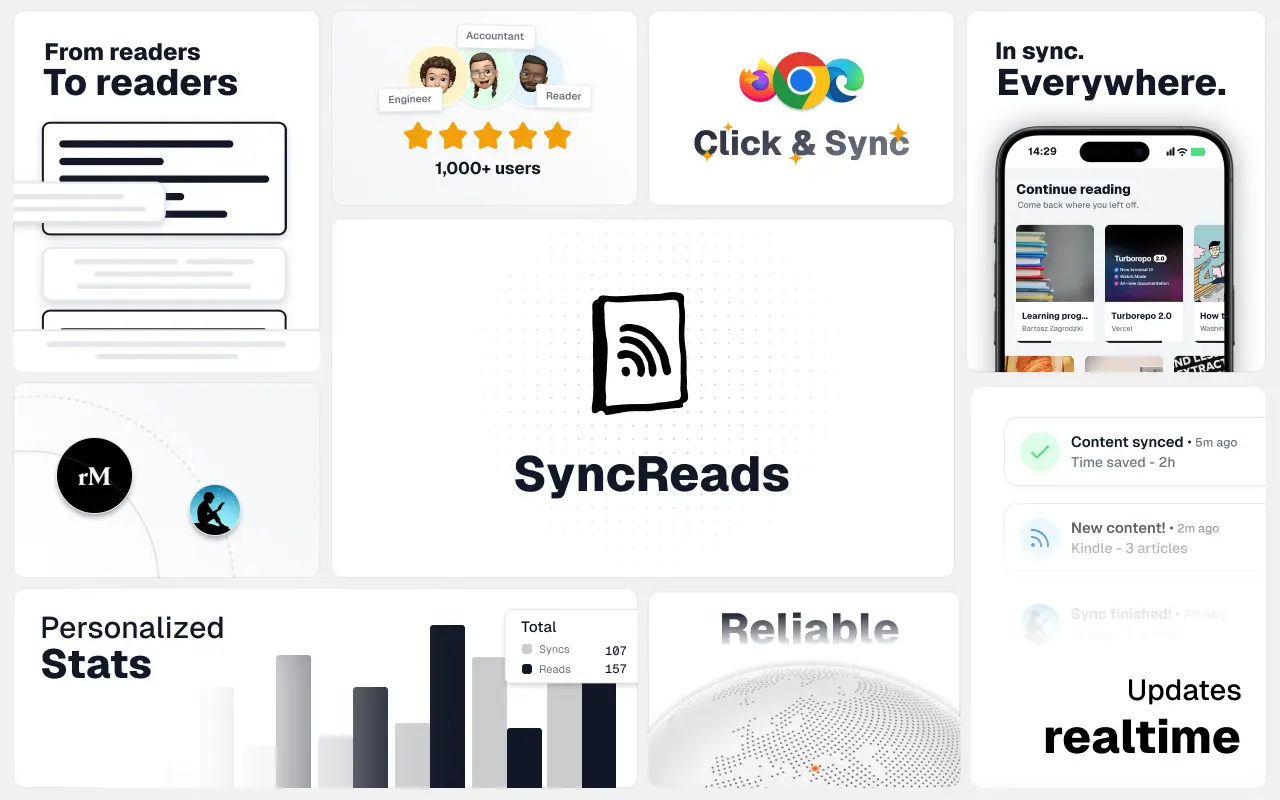
SyncReads
Sync your favorite content for distraction-free reading, save time and replace multiple apps. Anytime, anywhere 🔄
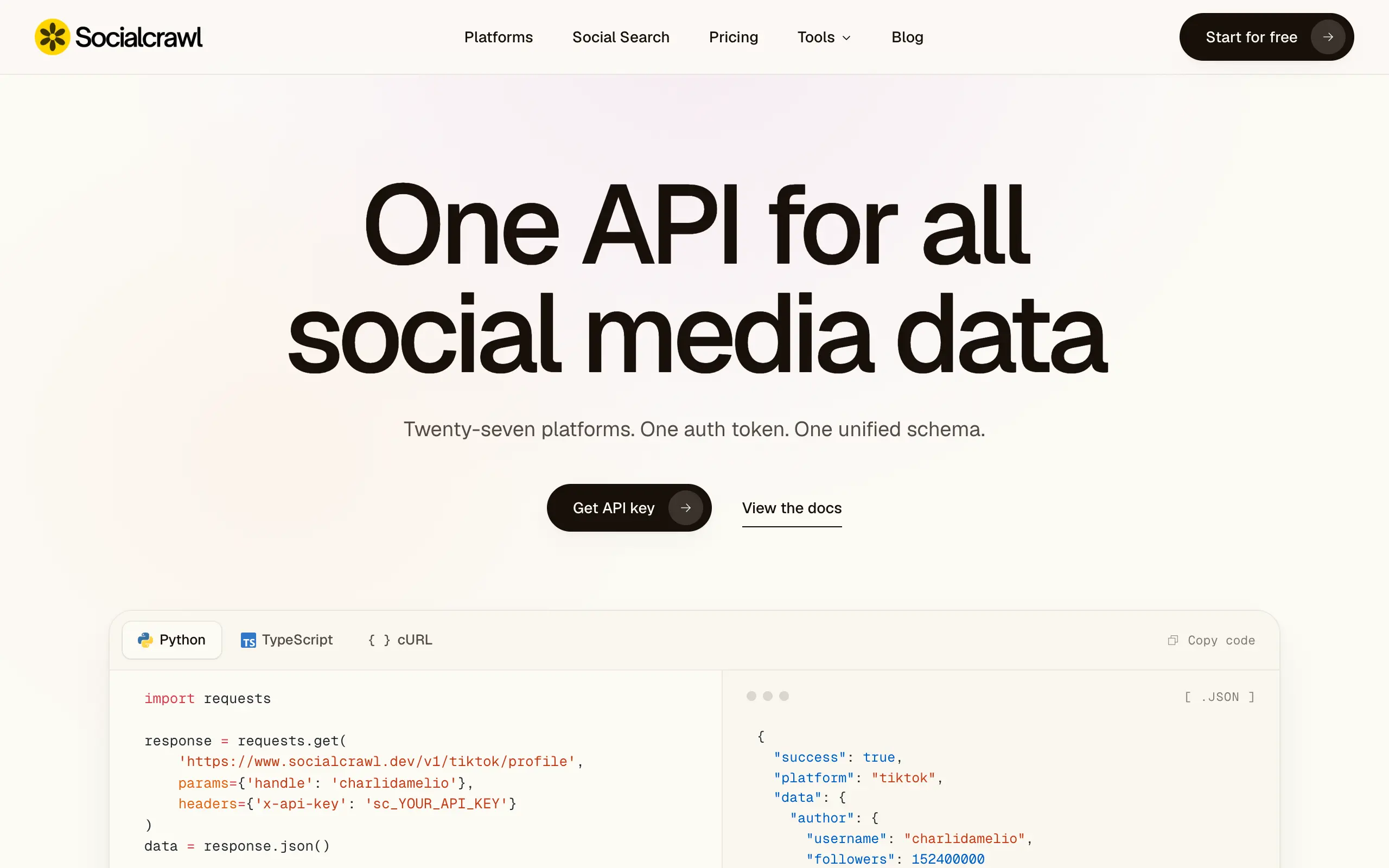
Socialcrawl
Get clean, structured data from 21 platforms like TikTok, Instagram, and YouTube with a single request 📊
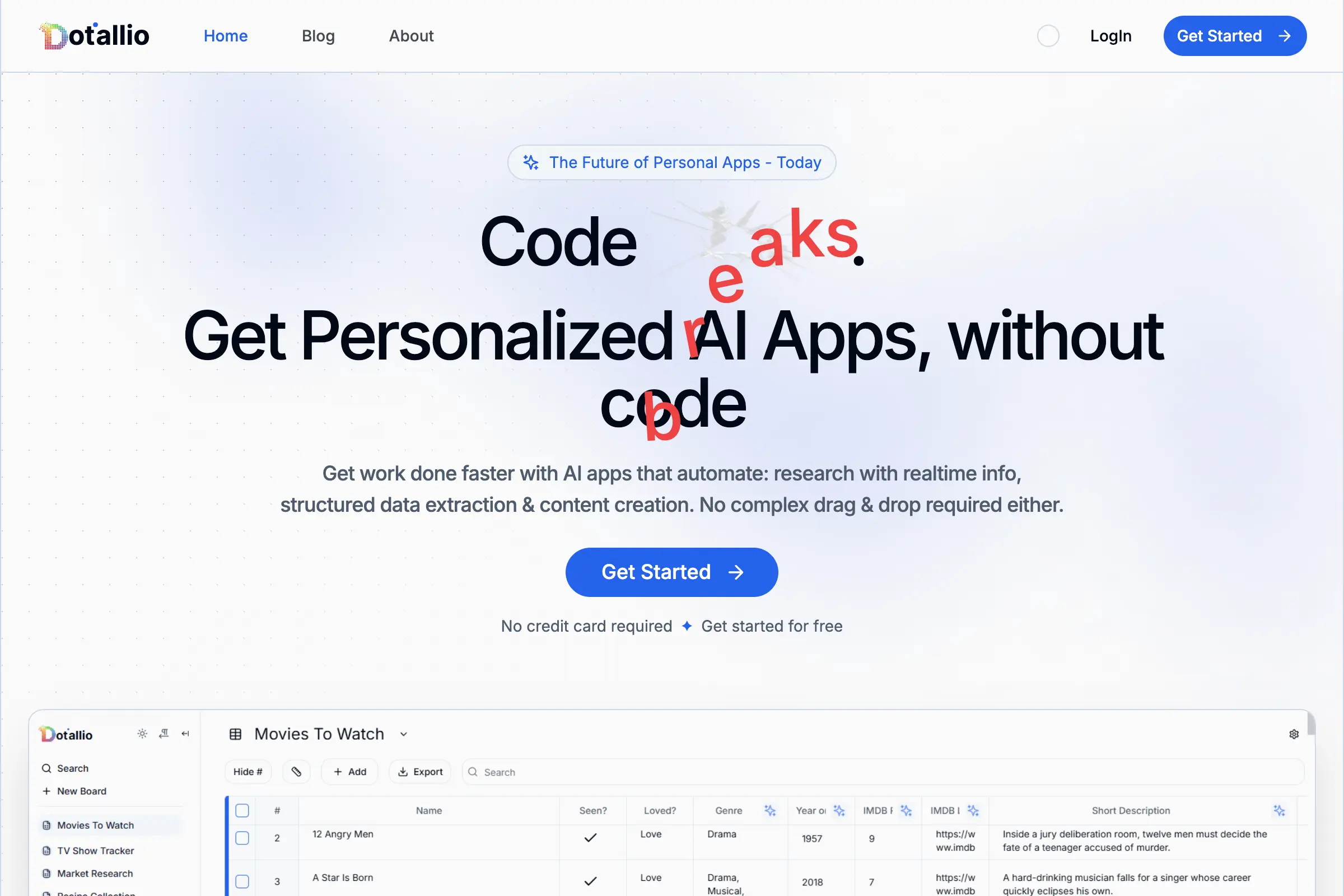
Dotallio
Personalized AI apps that automate research, data extraction, and content creation without code 🤖
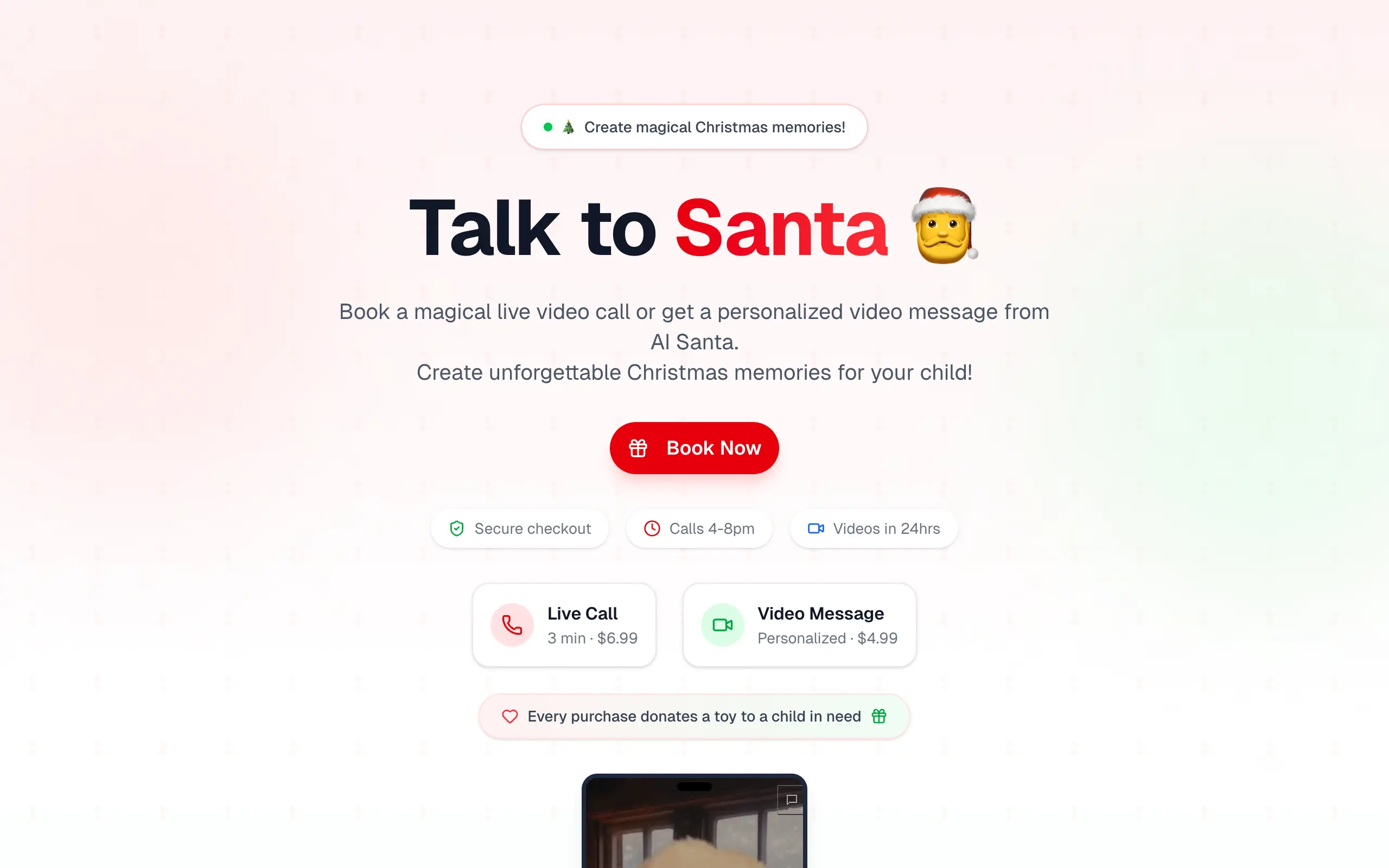
Talk to Santa
Enjoy a magical live video chat or receive a unique AI-generated video greeting from Santa Claus 🎅
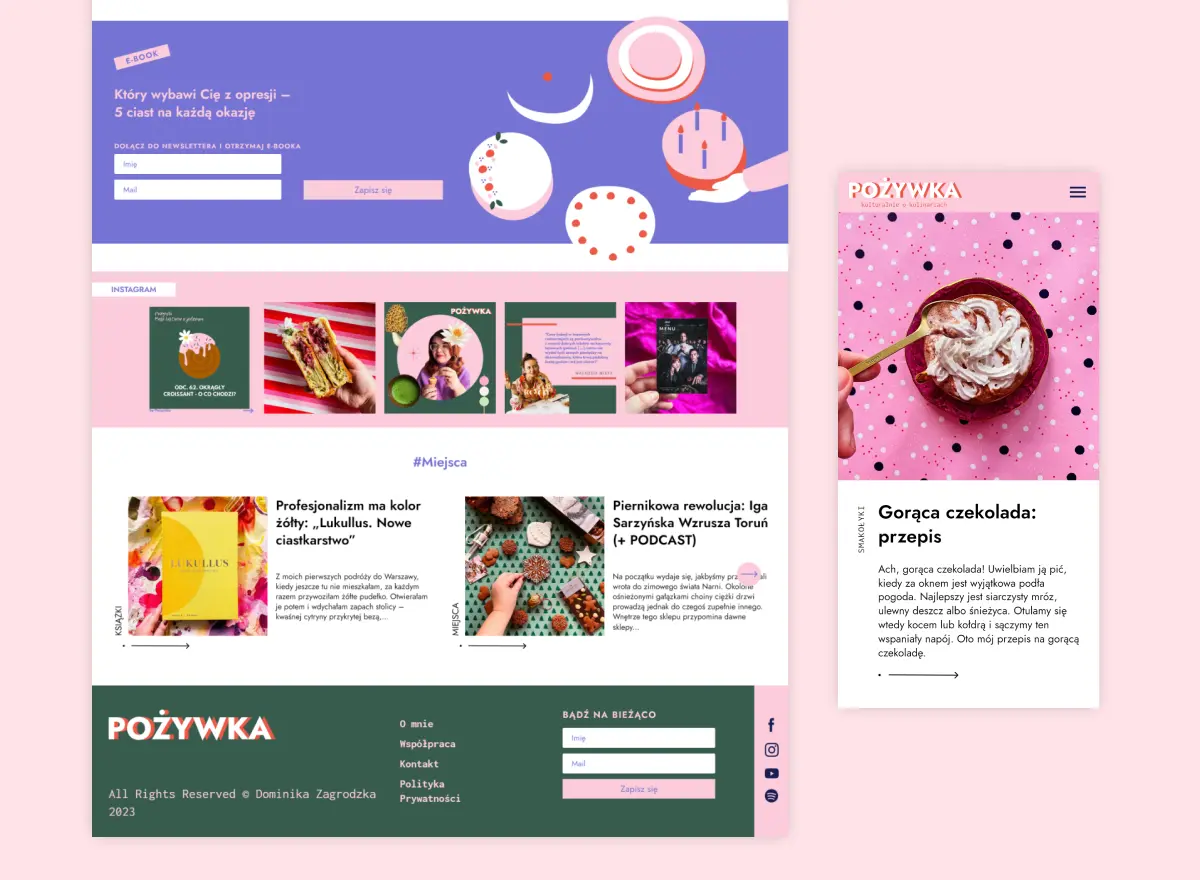
pozywka.pl
Scalable blog for food journalist, focused on performance and user experience 🌭
SyncReads
Sync your favorite content for distraction-free reading, save time and replace multiple apps. Anytime, anywhere 🔄
Socialcrawl
Get clean, structured data from 21 platforms like TikTok, Instagram, and YouTube with a single request 📊
Dotallio
Personalized AI apps that automate research, data extraction, and content creation without code 🤖
Talk to Santa
Enjoy a magical live video chat or receive a unique AI-generated video greeting from Santa Claus 🎅
pozywka.pl
Scalable blog for food journalist, focused on performance and user experience 🌭
SyncReads
Sync your favorite content for distraction-free reading, save time and replace multiple apps. Anytime, anywhere 🔄
Socialcrawl
Get clean, structured data from 21 platforms like TikTok, Instagram, and YouTube with a single request 📊
Dotallio
Personalized AI apps that automate research, data extraction, and content creation without code 🤖
Talk to Santa
Enjoy a magical live video chat or receive a unique AI-generated video greeting from Santa Claus 🎅
pozywka.pl
Scalable blog for food journalist, focused on performance and user experience 🌭
SyncReads
Sync your favorite content for distraction-free reading, save time and replace multiple apps. Anytime, anywhere 🔄
Socialcrawl
Get clean, structured data from 21 platforms like TikTok, Instagram, and YouTube with a single request 📊
Dotallio
Personalized AI apps that automate research, data extraction, and content creation without code 🤖
Talk to Santa
Enjoy a magical live video chat or receive a unique AI-generated video greeting from Santa Claus 🎅
pozywka.pl
Scalable blog for food journalist, focused on performance and user experience 🌭
zagrodzki.me
Personal blog and portfolio of Bart Zagrodzki, where he share his knowledge and work 💼
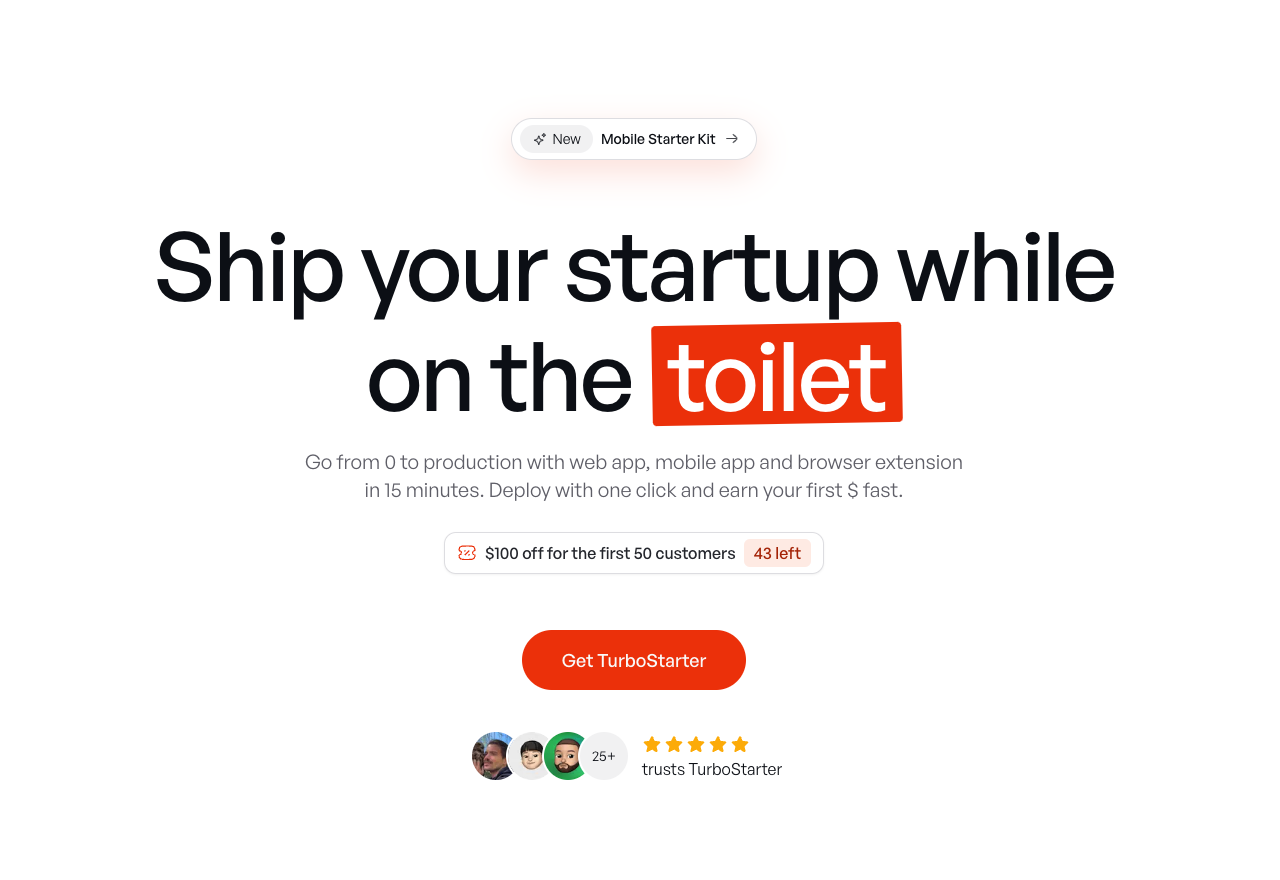
TurboStarter
Ship your startup everywhere. In minutes.
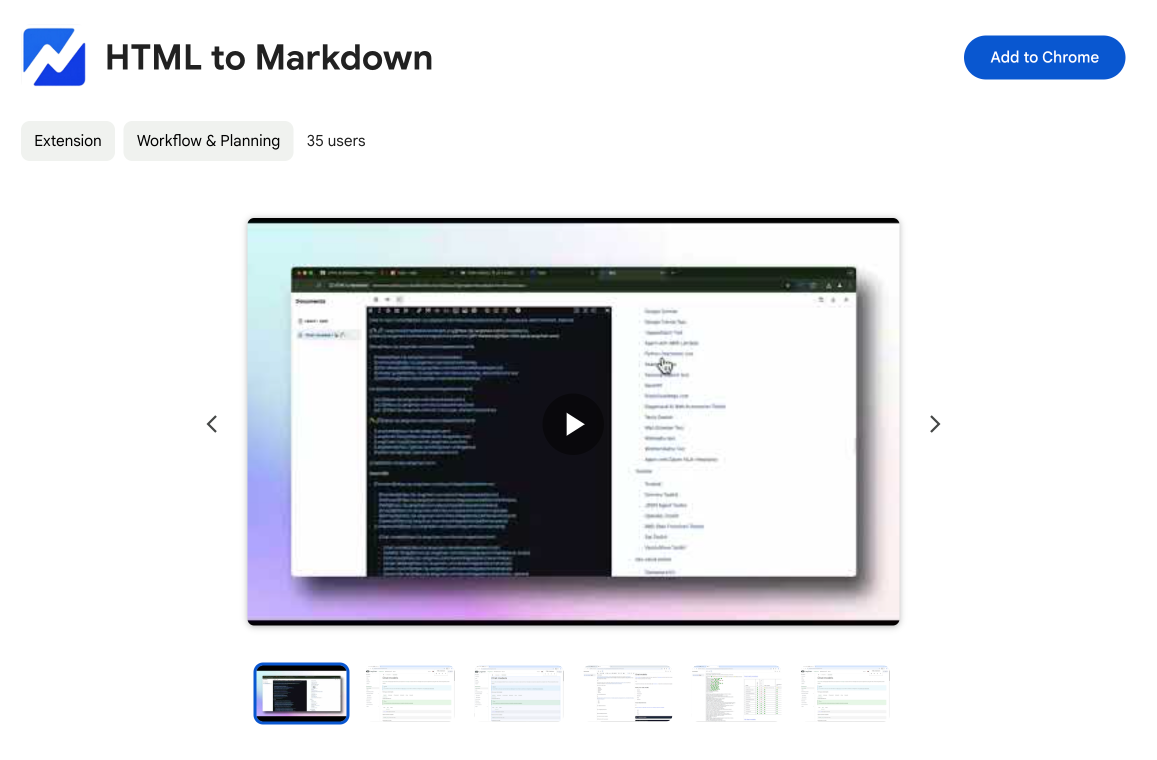
HTML to Markdown
Convert HTML to Markdown with ease, directly in your browser 📄
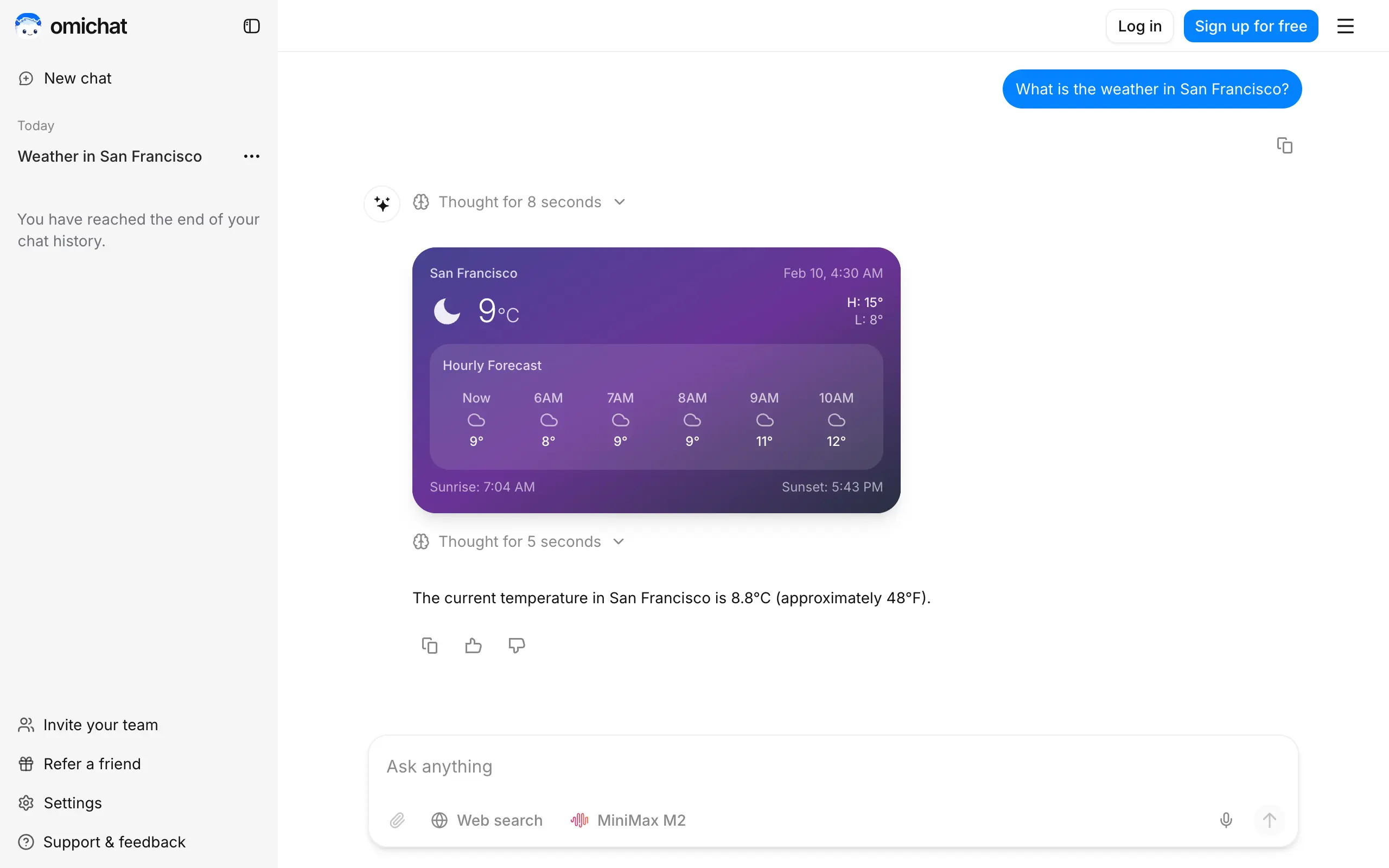
Omichat
Chat with 50+ AI models, including ChatGPT and Claude, in one place - switch models anytime without losing context 🤖
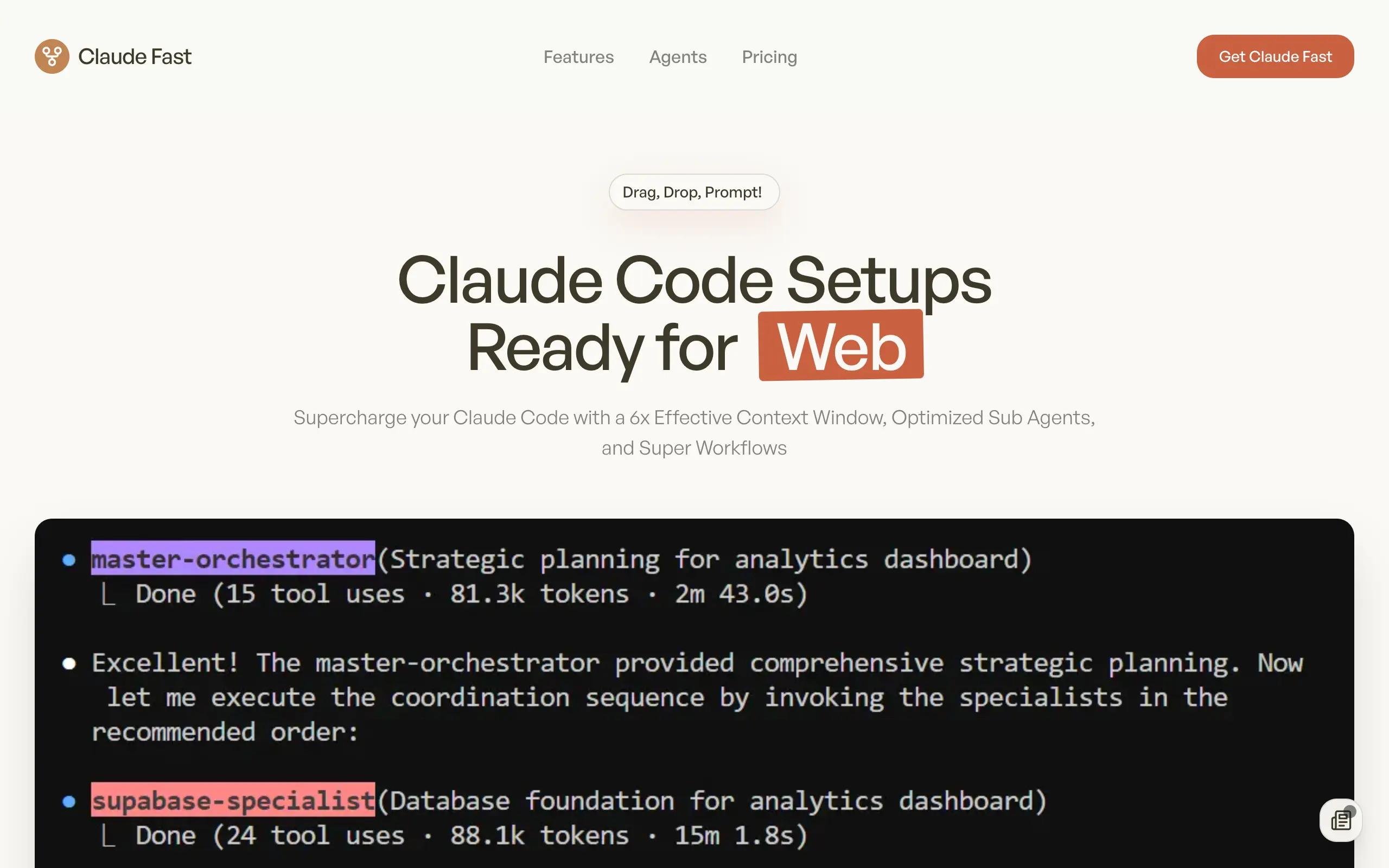
Claude Fast
Supercharge your Claude Code with 6x effective context window and specialized AI agents 🤖
zagrodzki.me
Personal blog and portfolio of Bart Zagrodzki, where he share his knowledge and work 💼
TurboStarter
Ship your startup everywhere. In minutes.
HTML to Markdown
Convert HTML to Markdown with ease, directly in your browser 📄
Omichat
Chat with 50+ AI models, including ChatGPT and Claude, in one place - switch models anytime without losing context 🤖
Claude Fast
Supercharge your Claude Code with 6x effective context window and specialized AI agents 🤖
zagrodzki.me
Personal blog and portfolio of Bart Zagrodzki, where he share his knowledge and work 💼
TurboStarter
Ship your startup everywhere. In minutes.
HTML to Markdown
Convert HTML to Markdown with ease, directly in your browser 📄
Omichat
Chat with 50+ AI models, including ChatGPT and Claude, in one place - switch models anytime without losing context 🤖
Claude Fast
Supercharge your Claude Code with 6x effective context window and specialized AI agents 🤖
zagrodzki.me
Personal blog and portfolio of Bart Zagrodzki, where he share his knowledge and work 💼
TurboStarter
Ship your startup everywhere. In minutes.
HTML to Markdown
Convert HTML to Markdown with ease, directly in your browser 📄
Omichat
Chat with 50+ AI models, including ChatGPT and Claude, in one place - switch models anytime without losing context 🤖
Claude Fast
Supercharge your Claude Code with 6x effective context window and specialized AI agents 🤖
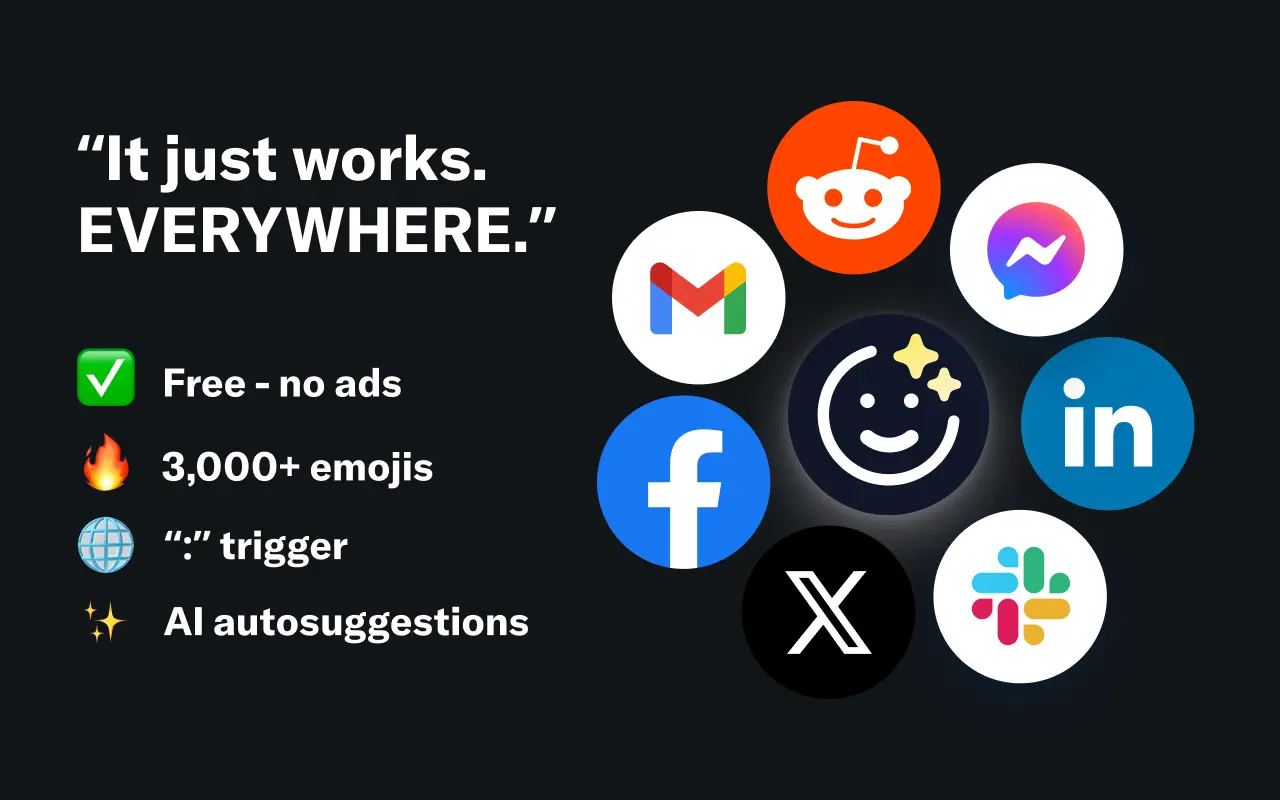
EmojAI
AI-powered emoji picker with smart, context-aware suggestions 🤖
Solohacker
Autonomous company launcher—AI agents work 24/7, escalate what matters, and you stay in control 🤖
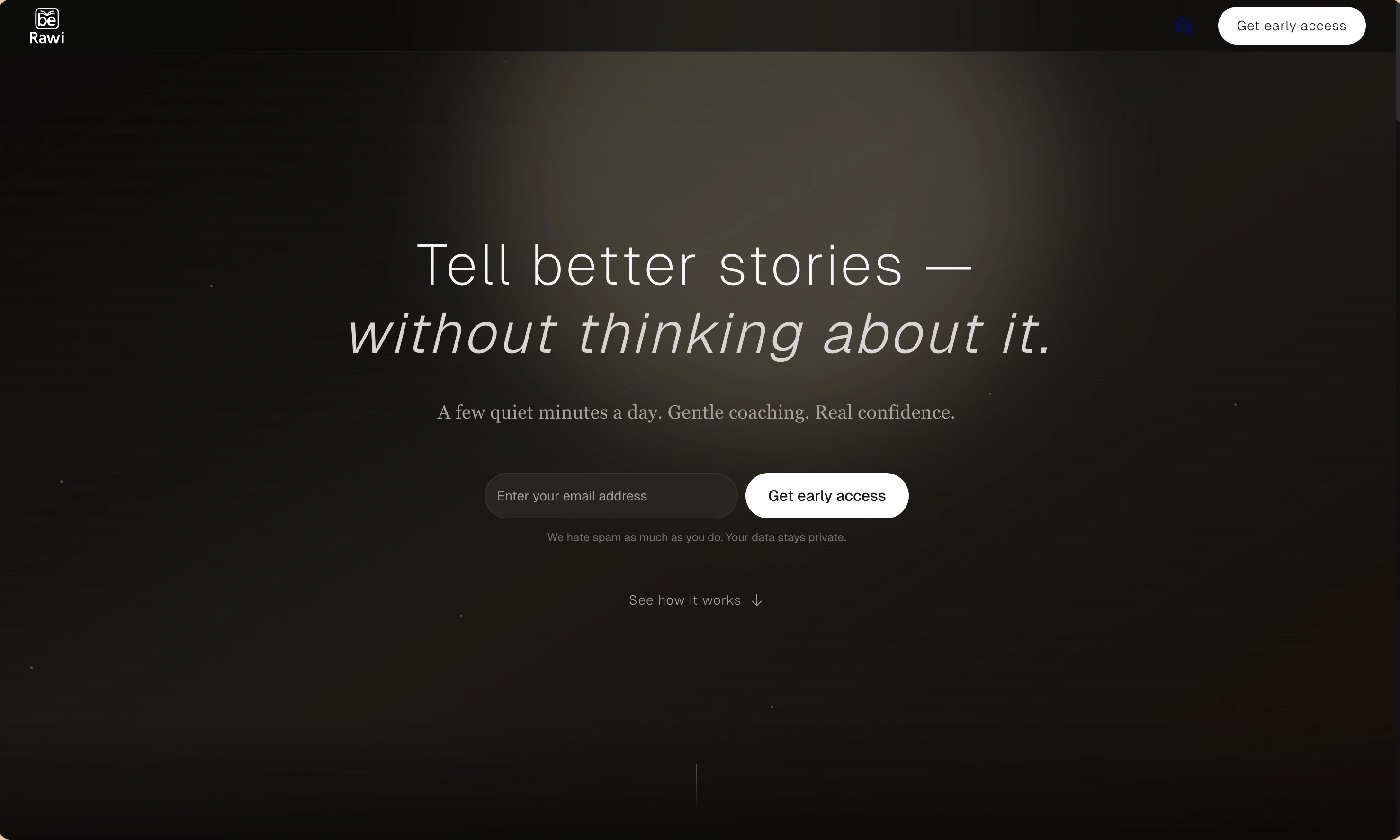
BeRawi: Storytelling Coach
Practice storytelling daily with instant feedback to sound clearer, more engaging, and confident 🎤
EmojAI
AI-powered emoji picker with smart, context-aware suggestions 🤖
Solohacker
Autonomous company launcher—AI agents work 24/7, escalate what matters, and you stay in control 🤖
BeRawi: Storytelling Coach
Practice storytelling daily with instant feedback to sound clearer, more engaging, and confident 🎤
EmojAI
AI-powered emoji picker with smart, context-aware suggestions 🤖
Solohacker
Autonomous company launcher—AI agents work 24/7, escalate what matters, and you stay in control 🤖
BeRawi: Storytelling Coach
Practice storytelling daily with instant feedback to sound clearer, more engaging, and confident 🎤
EmojAI
AI-powered emoji picker with smart, context-aware suggestions 🤖
Solohacker
Autonomous company launcher—AI agents work 24/7, escalate what matters, and you stay in control 🤖
BeRawi: Storytelling Coach
Practice storytelling daily with instant feedback to sound clearer, more engaging, and confident 🎤

Connect with like-minded people
Join our community to get feedback, support, and grow together with 600+ builders on board, let's ship it!
Join usShip your startup everywhere. In minutes.
Skip the complex setups and start building features on day one.