StudyCircle
AI-powered study group matcher for Banasthali hostellers, pairing students by subjects, schedules, goals, and preferred study styles.
StudyCircle is an AI study group matcher for Banasthali hostellers designed to solve a familiar academic problem: students may live close to hundreds of capable peers, yet still struggle to find reliable people with the same subject needs, schedule, goals, and study style.
Unlike a generic group-chat directory, StudyCircle can create compatible, accountable micro-groups. A student preparing for engineering mathematics, competitive exams, coding assessments, language coursework, or semester finals should be able to find the right study partners without sending messages to large WhatsApp groups and hoping for responses.
The strongest version of this product is not simply a “find friends to study with” platform. It is a structured peer-learning and study accountability system built around compatibility, safety, and measurable academic progress.
Primary opportunity
StudyCircle can position itself as a private campus productivity network for hostellers who want focused study companionship, recurring accountability, and better use of shared academic resources.
Why an AI study group matcher matters for hostellers
Hostel life creates an unusual learning environment. Students are surrounded by peers, common rooms, libraries, and informal study spaces, but physical proximity does not automatically lead to productive collaboration.
A hosteller may face several common obstacles:
- Difficulty finding peers enrolled in the same course or preparing for the same examination
- Different daily schedules due to classes, clubs, labs, internships, and personal responsibilities
- Uncertainty about whether a group wants serious revision, casual discussion, doubt solving, or silent co-working
- Anxiety about joining unfamiliar groups through public social media posts
- Group chats that become noisy, inactive, or unrelated to academic goals
- Accountability gaps when students plan to study but do not follow through alone
An AI-powered study group matcher can reduce this friction. Instead of asking students to manually search through broad communities, StudyCircle collects a small set of meaningful preferences and recommends high-fit groups or study partners.
For example, a first-year student who prefers quiet, two-hour evening sessions for calculus revision should not be matched with a six-person late-night group focused on general exam motivation. The quality of the match matters more than the number of available users.
This is where an intelligent matching system becomes valuable. It can balance hard constraints such as subjects, availability, hostel zones, and group capacity with softer preferences such as preferred pace, accountability style, language comfort, and session format.
Target audience for StudyCircle
The initial product should remain focused. A narrow launch audience improves trust, simplifies moderation, and produces cleaner matching data.
Primary users: Banasthali hostellers
The core audience is students living in hostels who need a more consistent and structured way to study with peers.
These students are likely to include:
- Undergraduate students preparing for internal assessments and semester examinations
- Students in technical, science, humanities, management, and language-focused programs
- Competitive exam aspirants balancing college coursework with external preparation
- Students who want a recurring study routine rather than one-off doubt solving
- Students who feel isolated, distracted, or less productive while studying alone
- New hostellers who have not yet built an academic support network
StudyCircle should address both high-performing students and students who need support. Framing the product only for “top students” would reduce adoption. The product is more inclusive when it focuses on study compatibility, commitment, and goals rather than rank or perceived academic status.
Secondary users: peer mentors and student communities
Once the core matching workflow is useful, StudyCircle can serve adjacent user segments.
- "Peer mentors" can host subject-specific revision circles, orientation sessions, or doubt-solving hours.
- "Student clubs" can organize structured preparation cohorts for coding, aptitude, language, or entrance examinations.
- "Class representatives" can create verified course-based groups for revision and resource sharing.
- "Academic support teams" can potentially use aggregated, privacy-preserving insights to identify demand for particular subjects or sessions.
The product should not begin by trying to serve every stakeholder. Student adoption and recurring study sessions are the first proof points.
User jobs to be done
The most useful product strategy starts with the practical job users are hiring StudyCircle to perform.
| User situation | Underlying need | StudyCircle response |
|---|---|---|
| “I need to revise but cannot stay consistent alone.” | Accountability and routine | Recurring matched sessions with attendance commitments |
| “My friends do not study the same subjects.” | Academic relevance | Subject, course, and exam-based matching |
| “I do not know whom to approach.” | Low-friction discovery and trust | Verified profiles, introductions, and mutual opt-in matching |
| “I want focused sessions, not another distracting chat group.” | Clear norms and structure | Study-style filters, session agendas, and lightweight check-ins |
The market gap in campus study collaboration
Existing student communication tools are usually not built for compatibility-based academic collaboration.
WhatsApp, Telegram, Discord, and class groups are effective broadcasting channels. However, they are poor at answering questions such as:
- Who is available for a 90-minute organic chemistry revision session tomorrow evening?
- Which hostellers are preparing for the same aptitude test this month?
- Who prefers Pomodoro-based silent co-working rather than continuous discussion?
- Which group has room for one more committed member?
- Which nearby peers have matching goals without exposing personal details publicly?
Most generic matching apps also optimize for social connection, professional networking, or broad communities. StudyCircle’s opportunity is to optimize specifically for productive academic interaction.
The gap becomes especially clear during high-pressure academic periods. Students may need short-term revision groups, but existing channels create too much discovery overhead. A student posts a message, receives vague replies, manually creates a group, and often sees participation disappear after one session.
StudyCircle can offer a more reliable alternative by making group formation intentional. The platform should ask what the student is studying, when they can meet, what outcome they want, and how they prefer to work. This turns an unstructured social request into a repeatable matching workflow.
Why AI is useful, but not the product by itself
AI should support better decisions rather than act as an opaque novelty layer.
A basic filtering system can match students by subject and time overlap. AI becomes useful when the platform needs to interpret flexible inputs and create sensible recommendations from incomplete or nuanced preferences.
For instance, students may write:
“I need serious people for data structures, preferably three evenings a week. I understand concepts but need practice and accountability.”
A language model can extract likely signals such as subject, skill need, preferred cadence, seriousness level, and desired group dynamic. The system can then recommend a relevant group while showing the reasons for the match.
The most trustworthy approach combines:
- Deterministic rules for safety, eligibility, capacity, and availability.
- Weighted compatibility scoring for subjects, goals, study styles, and preferred session length.
- AI-assisted profile interpretation for natural-language onboarding and recommendation explanations.
- User feedback loops that improve future suggestions based on accepted matches, attendance, ratings, and group longevity.
This approach avoids overpromising. StudyCircle should never claim that AI can predict academic performance or personal compatibility with certainty. It should present recommendations as useful starting points that users can accept, ignore, or refine.
StudyCircle’s unique value proposition
The central USP is simple:
StudyCircle helps Banasthali hostellers find safe, compatible, and goal-aligned study groups through AI-assisted matching instead of unstructured group chats.
The differentiation comes from combining four elements that are rarely delivered together.
Academic compatibility
Matches account for subjects, exam goals, study level, and desired outcomes instead of generic interests alone.
Schedule intelligence
Recommendations prioritize real overlap in free time, session length, and recurring availability.
Study-style fit
Students can choose silent co-working, active discussion, doubt solving, Pomodoro sessions, or accountability check-ins.
Campus trust layer
Verified access, reporting controls, mutual consent, and limited profile exposure make matching safer than public groups.
A strong positioning statement could be:
StudyCircle is the private AI study group matcher that helps hostellers turn shared academic goals into consistent, focused study sessions.
Core features for an AI study group matcher
The first release should solve matching and follow-through exceptionally well. Feature overload is a common SaaS mistake, especially for campus products where onboarding must feel effortless.
Verified student onboarding
Trust begins at registration. StudyCircle should support a campus-specific verification process, ideally through an institutional email address or an approved invitation workflow.
The profile should request only information needed for matching:
- Academic program and year
- Subjects or topics currently being studied
- Upcoming goals such as internals, semester exams, projects, or competitive tests
- Available time blocks
- Preferred study locations or modes
- Study style preferences
- Ideal group size
- Languages comfortable for discussion
- Commitment level and desired weekly frequency
Avoid collecting unnecessary personal information. Students do not need to reveal a room number, personal phone number, or detailed location to receive a good match.
Smart profile and goal setup
Onboarding should feel like setting up a study plan, not filling out a lengthy social profile.
Use guided prompts such as:
- “What are you working on this week?”
- “When do you usually study best?”
- “Do you prefer solving problems together or quiet focus sessions?”
- “What would make a study group successful for you?”
- “How many sessions per week can you realistically attend?”
Students should also be able to write a short natural-language request. The AI can transform it into editable tags. This keeps users in control and reduces incorrect assumptions.
Compatibility-based study group matching
The matching engine is the heart of StudyCircle. It should offer both recommended groups and new group formation.
A useful compatibility score could include:
- Subject or topic similarity
- Course and academic-level relevance
- Time overlap
- Shared goal deadlines
- Preferred session length
- Study style alignment
- Group-size preference
- Language preference
- Historical reliability signals, used carefully and transparently
- Physical meeting preference, if users opt in
The score should not be shown as a mysterious number alone. Explain why a match appeared.
For example:
Recommended because you are both preparing for the same subject, prefer evening sessions, and selected problem-solving as your main study format.
This explanation improves user confidence and makes the algorithm easier to audit.
Study circles with clear group agreements
After a match is accepted, users can form a study circle with a lightweight agreement.
The group setup can include:
- A group name and specific objective
- A start and review date
- Recommended session schedule
- Maximum member count
- Agreed study format
- Shared attendance expectations
- Optional session location or online meeting link
- Simple rules for respectful participation
A group should feel more purposeful than an open chat room. For instance, “Discrete mathematics revision until the midterm” is more actionable than “Math friends.”
Session planning and accountability
Matching alone is not enough. Many student groups fail because no one converts intent into a calendar commitment.
StudyCircle can support:
- Recurring session scheduling
- Optional reminders before a session
- RSVP and attendance tracking
- Session goal prompts
- Pomodoro or focus timer integration
- Post-session reflections
- A simple “I completed my goal” check-in
- Missed-session recovery prompts
The platform should keep accountability supportive, not punitive. A student who misses one meeting should be encouraged to reschedule, not publicly ranked or shamed.
Group health signals
Group quality can be monitored without becoming intrusive. Useful signals include whether sessions are happening, whether most members RSVP, whether students report usefulness, and whether the group still has open seats.
A group health indicator might label a circle as:
- Active and consistent
- Needs a new session time
- Looking for members
- Paused after exams
- Ready to wrap up
This feature prevents abandoned groups from cluttering discovery and gives students a reason to return.
Safety, moderation, and reporting
A campus-focused study group platform must be designed for safety from day one.
Essential controls include:
- Mutual opt-in before direct messaging
- Profile visibility settings
- Block and report workflows
- Clear community guidelines
- Moderation tools for abusive content or spam
- Rate limits on invitations and messages
- Audit logs for moderation actions
- Restricted sharing of sensitive location information
Safety is a product requirement
Do not treat moderation as a later-stage feature. For student communities, trust and personal safety directly determine whether users invite friends and use the app repeatedly.
How the StudyCircle matching engine should work
The best matching engine starts transparent and practical. A complicated machine learning model is not necessary for the first version.
Start with a weighted rules-based score
At launch, calculate compatibility through normalized scores. This makes the logic easier to test and explain.
type MatchInput = {
  subjectScore: number;
  scheduleOverlapScore: number;
  goalScore: number;
  studyStyleScore: number;
  groupSizeScore: number;
  languageScore: number;
};

export function calculateCompatibility(input: MatchInput) {
  return (
    input.subjectScore * 0.3 +
    input.scheduleOverlapScore * 0.25 +
    input.goalScore * 0.2 +
    input.studyStyleScore * 0.15 +
    input.groupSizeScore * 0.05 +
    input.languageScore * 0.05
  );
}
The exact weights should be tested with real users. For example, schedule overlap may matter more than language preference for a particular cohort. Do not assume the first weighting system is correct.
Add AI where it improves the experience
AI can add value in several targeted places:
- Extracting structured preferences from open-text goals
- Suggesting appropriate tags during onboarding
- Generating a concise group description
- Creating a study-session agenda from group goals
- Summarizing voluntary session reflections
- Explaining match relevance in plain language
- Detecting duplicate or vague group requests for moderation review
Use retrieval and structured outputs rather than allowing a general-purpose model to make unbounded decisions. The AI should not independently decide who can access the platform, determine a student’s ability level, or make sensitive inferences.
Improve recommendations through feedback
After each study circle interaction, request minimal feedback:
- Was this group relevant?
- Did the schedule work?
- Would you study with this group again?
- Did the session support your stated goal?
Feedback can tune recommendations over time. However, it should be optional and private. Public ratings of individual students can create unhealthy social dynamics and should be avoided in an early student product.
Recommended tech stack for StudyCircle
A modern TypeScript-based stack gives a small founding team speed while retaining room for growth.
Product application stack
Next.js is a strong choice for the web application because it supports server rendering, route handlers, authentication patterns, and a single full-stack codebase. Pair it with React for the interface and Tailwind CSS for fast, consistent UI implementation.
A practical stack could include:
- "Frontend": Next.js, React, TypeScript, and Tailwind CSS
- "Database": PostgreSQL for relational data such as users, schedules, groups, memberships, and reports
- "ORM": Prisma for type-safe database access and migrations
- "Authentication": A secure email-based authentication system with institution-aware verification
- "Background jobs": A queue for notifications, scheduled matching refreshes, and moderation workflows
- "Realtime updates": WebSockets or a managed realtime provider for RSVP changes and group activity
- "File storage": Object storage for optional study resources, with strict file-size and access controls
- "Analytics": Privacy-conscious product analytics focused on activation and retention events
- "AI layer": A model API with strict prompt templates, JSON schema validation, logging, and rate limits
For a faster launch, TurboStarter can reduce setup work by providing a production-oriented SaaS foundation. This is particularly useful when the team needs to focus on the matching experience instead of repeatedly rebuilding common account, billing, dashboard, and application infrastructure.
Database design considerations
PostgreSQL is particularly suitable because StudyCircle has highly relational data.
Core entities may include:
- Users
- Verification records
- Academic profiles
- Subjects and topic tags
- Availability slots
- Study preferences
- Goals
- Study circles
- Circle memberships
- Sessions
- RSVPs
- Feedback records
- Reports and moderation cases
- Recommendation events
For availability matching, store time blocks in a normalized format and calculate overlap in the user’s configured timezone. Even in a single-campus launch, building timezone-aware scheduling prevents technical debt if the product later expands.
Trade-offs to consider
A managed backend can accelerate the MVP, but it may limit flexibility for complex matching queries or detailed data governance. A fully custom backend provides more control, but it increases initial engineering time.
Similarly, a native mobile app may eventually improve notifications and daily engagement, but a responsive web app or progressive web app is usually the better first release. Students can access it quickly without an app-store installation step.
The most important technical principle is not choosing the trendiest stack. It is ensuring the team can ship, measure, and improve the matching workflow quickly.
Monetization options for StudyCircle
A campus study group matcher should be careful with monetization. The core experience should remain accessible because network effects depend on broad student participation.
Freemium student plan
A free plan can include profile creation, basic matching, joining a limited number of active circles, and basic scheduling.
Premium features may include:
- Advanced study analytics
- Unlimited goal-based circles
- Enhanced calendar integration
- AI-generated revision plans
- Focus-session history and productivity insights
- Priority access to specialized exam cohorts
- Custom recurring accountability workflows
The pricing must be affordable for students. The premium tier should feel optional rather than required for basic collaboration.
Campus or institutional licensing
A more sustainable long-term model may be a business-to-institution offering.
Institutions could pay for:
- A branded and verified campus environment
- Administrative moderation controls
- Aggregate, anonymized engagement dashboards
- Support for academic success programs
- Department-specific learning communities
- Orientation and peer mentoring workflows
This model requires strong privacy practices. Institutions should never receive private student messages or identifiable personal behavior data without a clear, lawful basis and explicit consent where required.
Partnerships and sponsored cohorts
StudyCircle could partner with coaching providers, student clubs, or education organizations to run opt-in cohorts for specific academic goals.
Examples include coding practice circles, placement-preparation groups, language-learning cohorts, and entrance-exam accountability groups. Sponsorship should be clearly disclosed, and promotional content should never compromise the quality of matching.
Competitive advantage and defensibility
A generic community product can copy basic groups and chat features. StudyCircle becomes harder to replace when it develops a trusted campus-specific system that consistently produces useful study relationships.
Its defensibility can come from:
- Localized matching data that learns which study preferences lead to active, successful circles.
- Campus trust created through verification, thoughtful moderation, and student-led community norms.
- Workflow depth through recurring sessions, goal tracking, group health, and accountability rather than simple discovery.
- Network density because each active student makes the matching pool more valuable for others.
- Institutional relationships that support safer onboarding and long-term distribution.
The goal is not to lock students into an app. The goal is to become the easiest and most trusted place to create productive academic communities.
Risks and practical mitigation strategies
Every education SaaS product has execution risks. Addressing them early is a sign of product maturity.
A matching product is less useful when too few students have joined. Launch with a focused cohort, such as one hostel area, one academic year, or a small number of high-demand subjects. Seed the network with study circles before opening broad access.
Require every group to define a goal and next session. Use group health signals to archive inactive circles and recommend schedule adjustments when attendance drops.
Collect minimal data, provide visibility controls, require mutual consent for direct contact, and implement clear reporting and response procedures. Consult qualified legal counsel on applicable privacy obligations, including India’s evolving data protection requirements.
Show recommendation reasons, let users modify preferences, collect lightweight feedback, and retain a manual search option. AI recommendations should assist users, not trap them in opaque decisions.
Publish clear rules that prohibit cheating, unauthorized sharing of assessment materials, and impersonation. Build reporting pathways and moderation escalation for violations.
Metrics that validate the product
Vanity metrics such as total sign-ups are not enough. StudyCircle should measure whether students actually form and maintain useful study relationships.
Track metrics across the full funnel:
- "Activation rate": Percentage of verified users who complete their profile and receive recommendations
- "First-match acceptance": Percentage of users who accept or join a suggested circle
- "Time to first session": How quickly a new user attends a scheduled session
- "Weekly active study circles": Groups with meaningful activity or scheduled sessions
- "Session completion rate": Scheduled sessions that are attended by at least two members
- "Four-week retention": Students who return after their first month
- "Match satisfaction": Private feedback on recommendation relevance
- "Group survival rate": Circles that remain active through a defined goal period
- "Safety resolution time": How quickly reported issues receive review and action
The north-star metric could be weekly completed study sessions per active student. It reflects real value more directly than messages sent or profiles created.
A practical implementation roadmap
The best way to build StudyCircle is to validate behavior before investing heavily in advanced AI or complex social features.
Define a narrow pilot audience, such as a small set of hostellers preparing for the same set of upcoming assessments. Conduct short interviews to understand their schedules, current group-finding methods, and reasons previous study groups failed.
Create an MVP with verified onboarding, academic profiles, availability selection, study-style preferences, group recommendations, and an RSVP-based session scheduler.
Use a transparent rules-based compatibility model first. Add clear recommendation explanations and collect feedback after matches and sessions.
Recruit student ambassadors or peer mentors to seed high-quality circles. Give them templates for group norms, session planning, and welcoming new members.
Measure completed sessions, repeat attendance, match satisfaction, and safety reports. Use these findings to improve weights, onboarding prompts, and group formats.
Introduce AI-assisted natural-language onboarding, study agendas, and personalized recommendation explanations only after the basic matching loop is demonstrably useful.
Expand carefully to additional departments, hostels, and academic use cases while maintaining verification, moderation capacity, and product performance.
A pilot should aim to answer a few decisive questions:
- Do students complete a detailed enough profile to support quality matching?
- Can the product create a first useful study connection within a short time?
- Do matched groups meet more consistently than self-organized chat groups?
- Which compatibility factors matter most in real usage?
- Do students feel safe recommending the platform to friends?
If the answer to these questions is positive, StudyCircle has the foundation for a compelling campus SaaS product.
Final perspective
StudyCircle addresses a real student need: academic success is often social, but forming the right study community is unnecessarily difficult. Banasthali hostellers may have access to capable peers all around them, yet still lack a structured way to find people with aligned subjects, schedules, and expectations.
An AI study group matcher can close that gap when it prioritizes trust, transparent compatibility, real session planning, and consistent feedback loops. The winning product will not be the one with the most AI-generated text. It will be the one that helps students reliably sit down, study with the right people, and make progress toward meaningful goals.
Start narrow, build for safe recurring behavior, and let successful study circles become the engine of organic growth.
More 🤖 AI Startup SaaS ideas
Discover more innovative ai startup SaaS ideas that are trending in 2026. Each idea is AI-generated with market validation and growth potential to help you find your next profitable venture faster than competitors.
Your competitors are building with TurboStarter
Below are some of the SaaS ideas that have been generated and built with our starter kit.
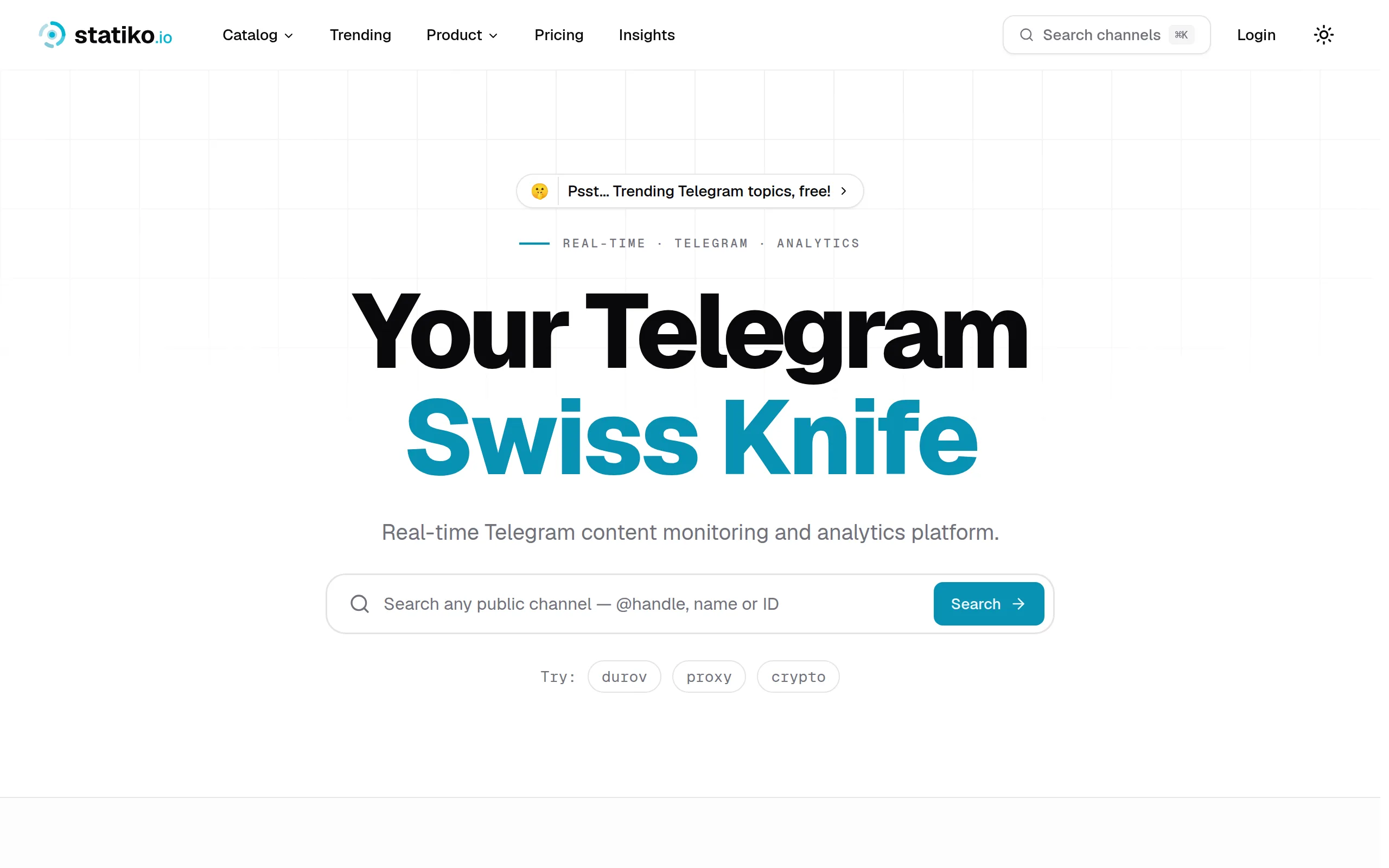
Statiko
Monitor any Telegram channel in real time - track posts, edits, deletions, and growth with AI recaps 📡

Shibui
AI website builder - describe your business, pick a niche template, edit by chatting, and publish instantly ✨

Pro Service
Find verified home service professionals, compare quotes, and pay securely through escrow - built for Brazilians across the US 🏠
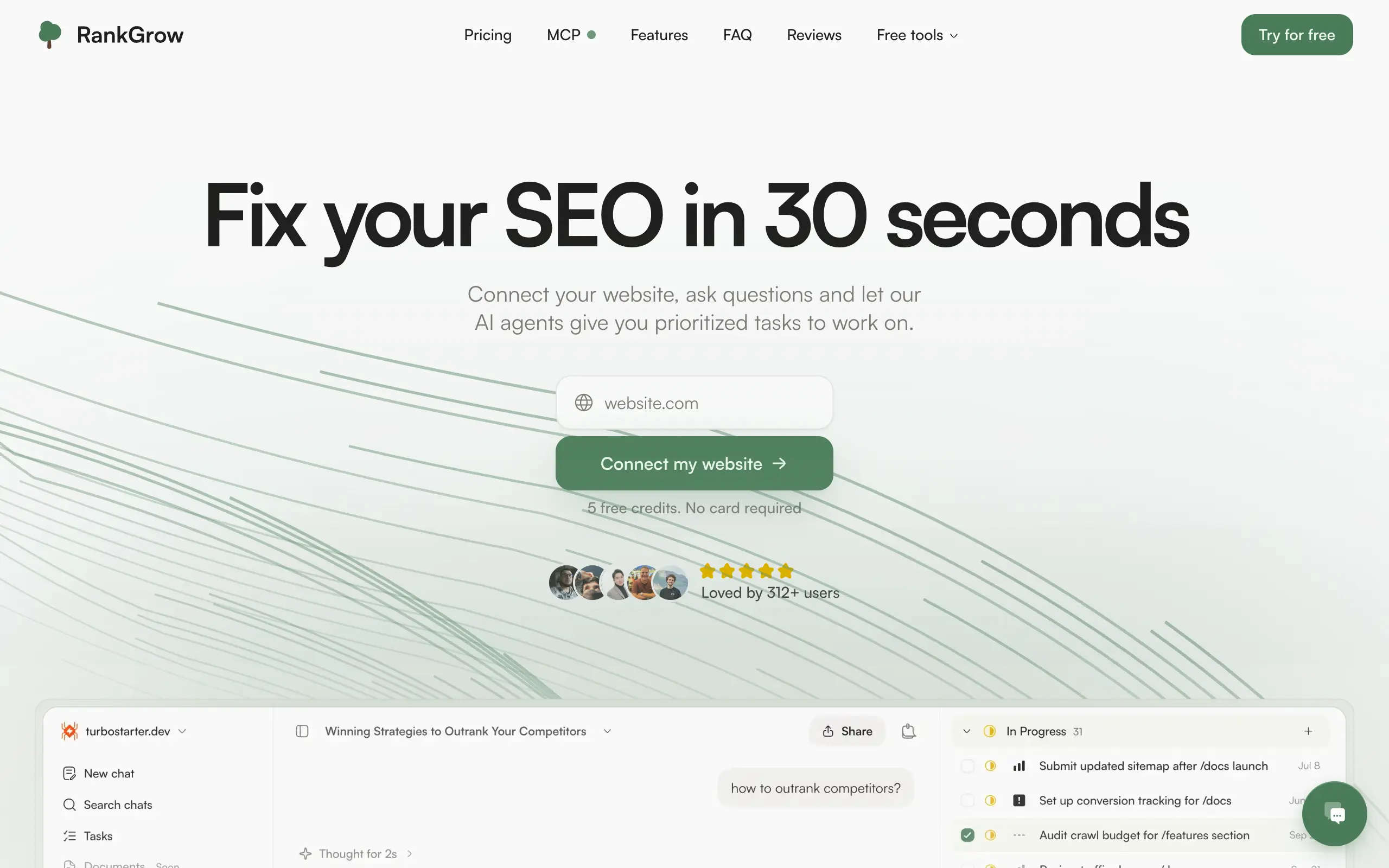
RankGrow
Fix your SEO with AI agents - connect Search Console, get prioritized tasks, and grow organic traffic 📈
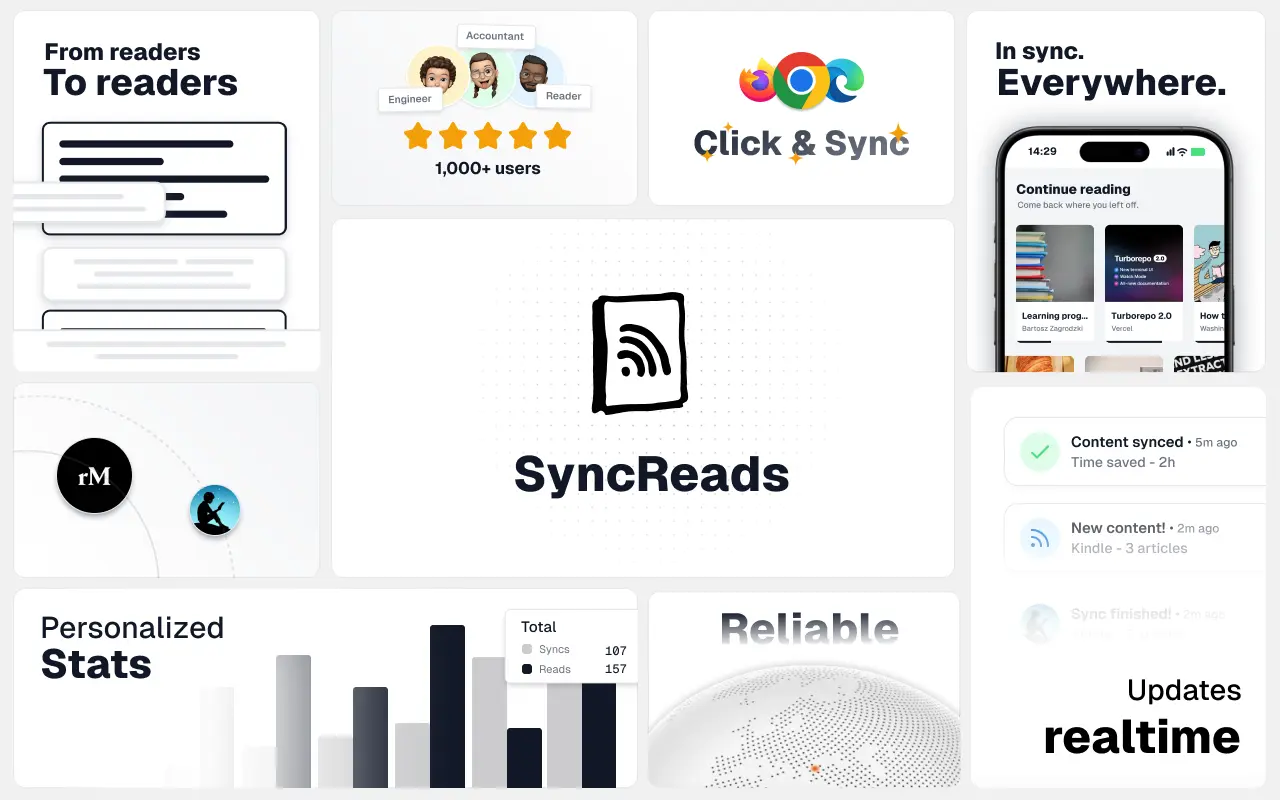
SyncReads
Sync your favorite content for distraction-free reading, save time and replace multiple apps. Anytime, anywhere 🔄
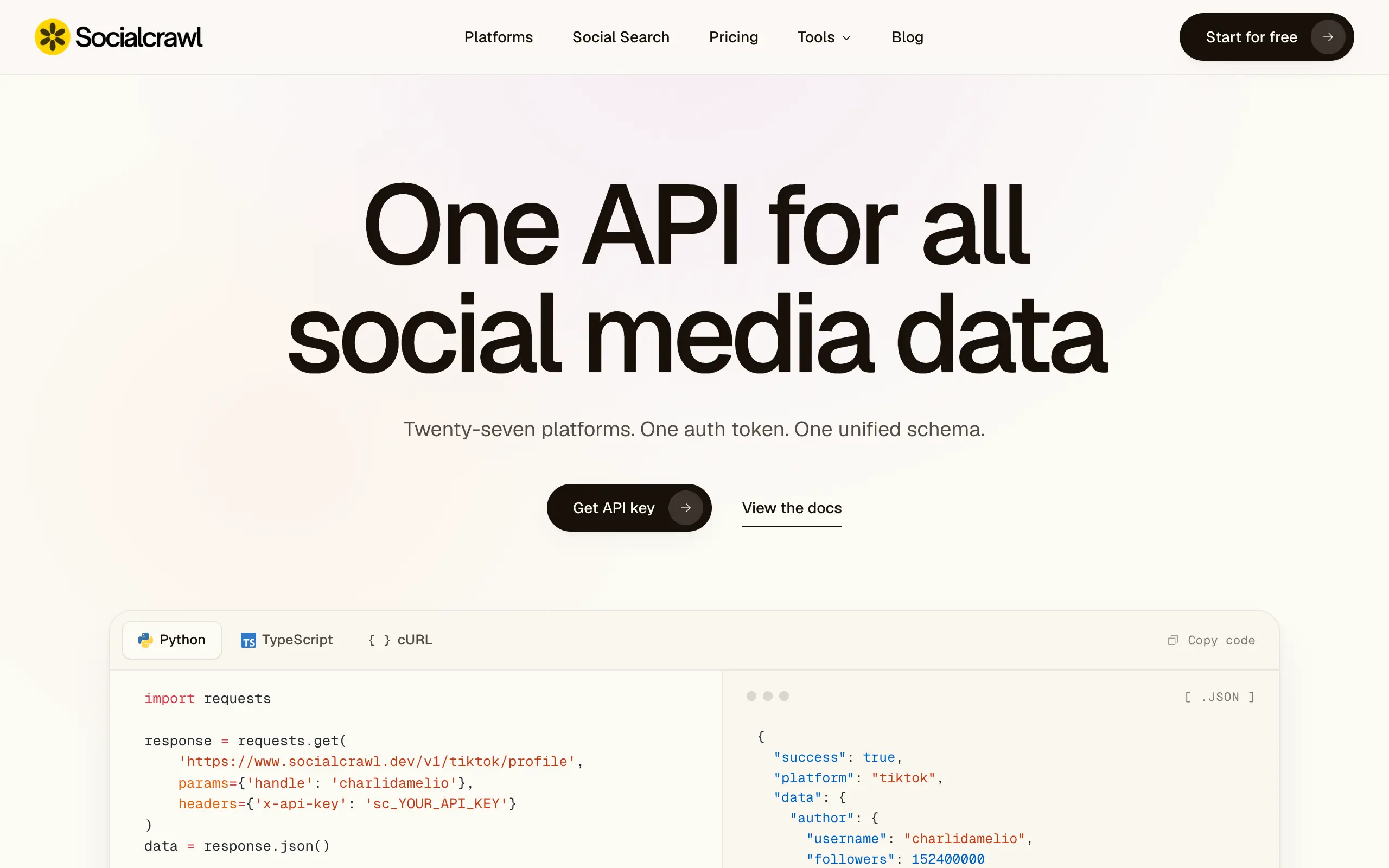
Socialcrawl
Get clean, structured data from 21 platforms like TikTok, Instagram, and YouTube with a single request 📊
Statiko
Monitor any Telegram channel in real time - track posts, edits, deletions, and growth with AI recaps 📡
Shibui
AI website builder - describe your business, pick a niche template, edit by chatting, and publish instantly ✨
Pro Service
Find verified home service professionals, compare quotes, and pay securely through escrow - built for Brazilians across the US 🏠
RankGrow
Fix your SEO with AI agents - connect Search Console, get prioritized tasks, and grow organic traffic 📈
SyncReads
Sync your favorite content for distraction-free reading, save time and replace multiple apps. Anytime, anywhere 🔄
Socialcrawl
Get clean, structured data from 21 platforms like TikTok, Instagram, and YouTube with a single request 📊
Statiko
Monitor any Telegram channel in real time - track posts, edits, deletions, and growth with AI recaps 📡
Shibui
AI website builder - describe your business, pick a niche template, edit by chatting, and publish instantly ✨
Pro Service
Find verified home service professionals, compare quotes, and pay securely through escrow - built for Brazilians across the US 🏠
RankGrow
Fix your SEO with AI agents - connect Search Console, get prioritized tasks, and grow organic traffic 📈
SyncReads
Sync your favorite content for distraction-free reading, save time and replace multiple apps. Anytime, anywhere 🔄
Socialcrawl
Get clean, structured data from 21 platforms like TikTok, Instagram, and YouTube with a single request 📊
Statiko
Monitor any Telegram channel in real time - track posts, edits, deletions, and growth with AI recaps 📡
Shibui
AI website builder - describe your business, pick a niche template, edit by chatting, and publish instantly ✨
Pro Service
Find verified home service professionals, compare quotes, and pay securely through escrow - built for Brazilians across the US 🏠
RankGrow
Fix your SEO with AI agents - connect Search Console, get prioritized tasks, and grow organic traffic 📈
SyncReads
Sync your favorite content for distraction-free reading, save time and replace multiple apps. Anytime, anywhere 🔄
Socialcrawl
Get clean, structured data from 21 platforms like TikTok, Instagram, and YouTube with a single request 📊
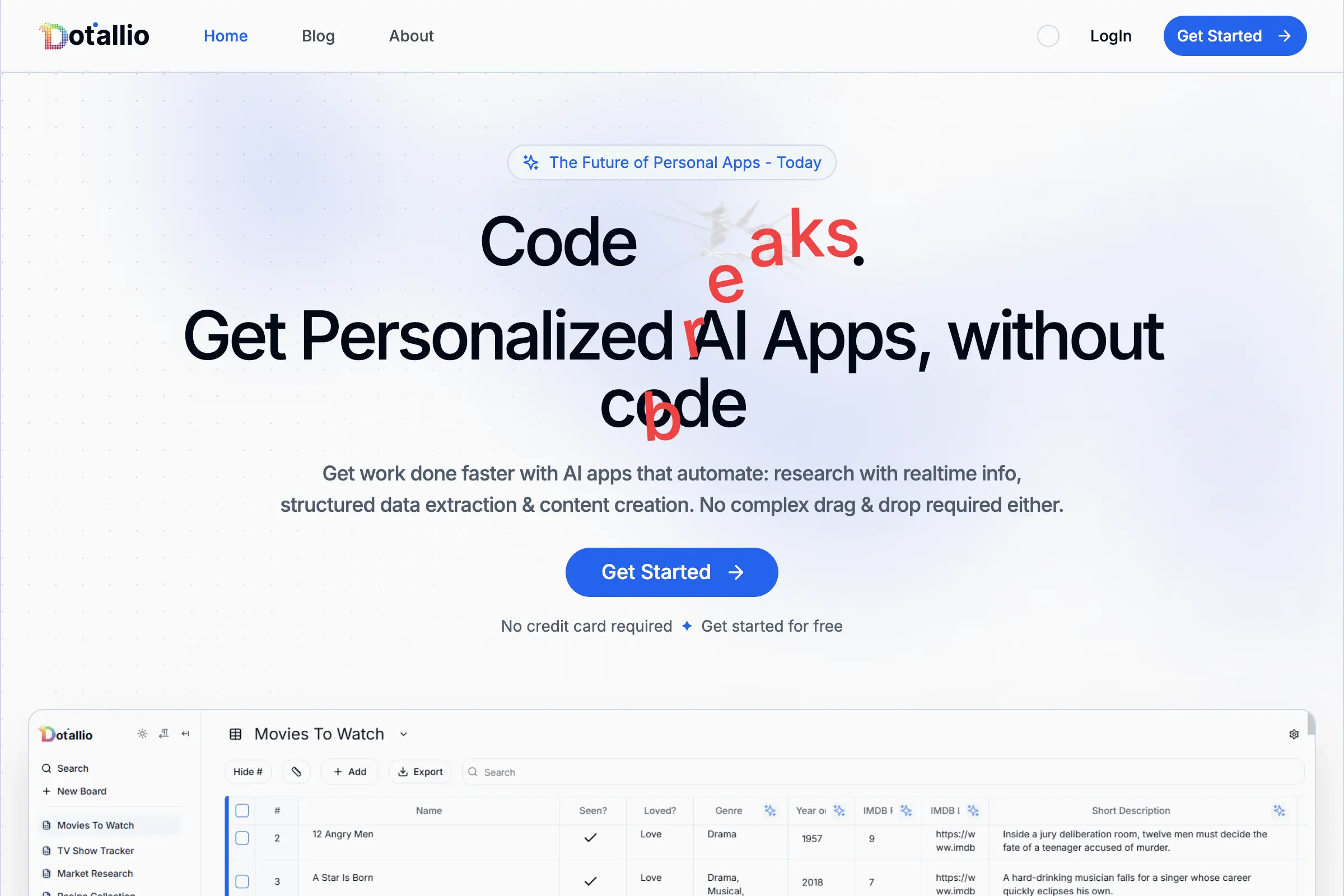
Dotallio
Personalized AI apps that automate research, data extraction, and content creation without code 🤖
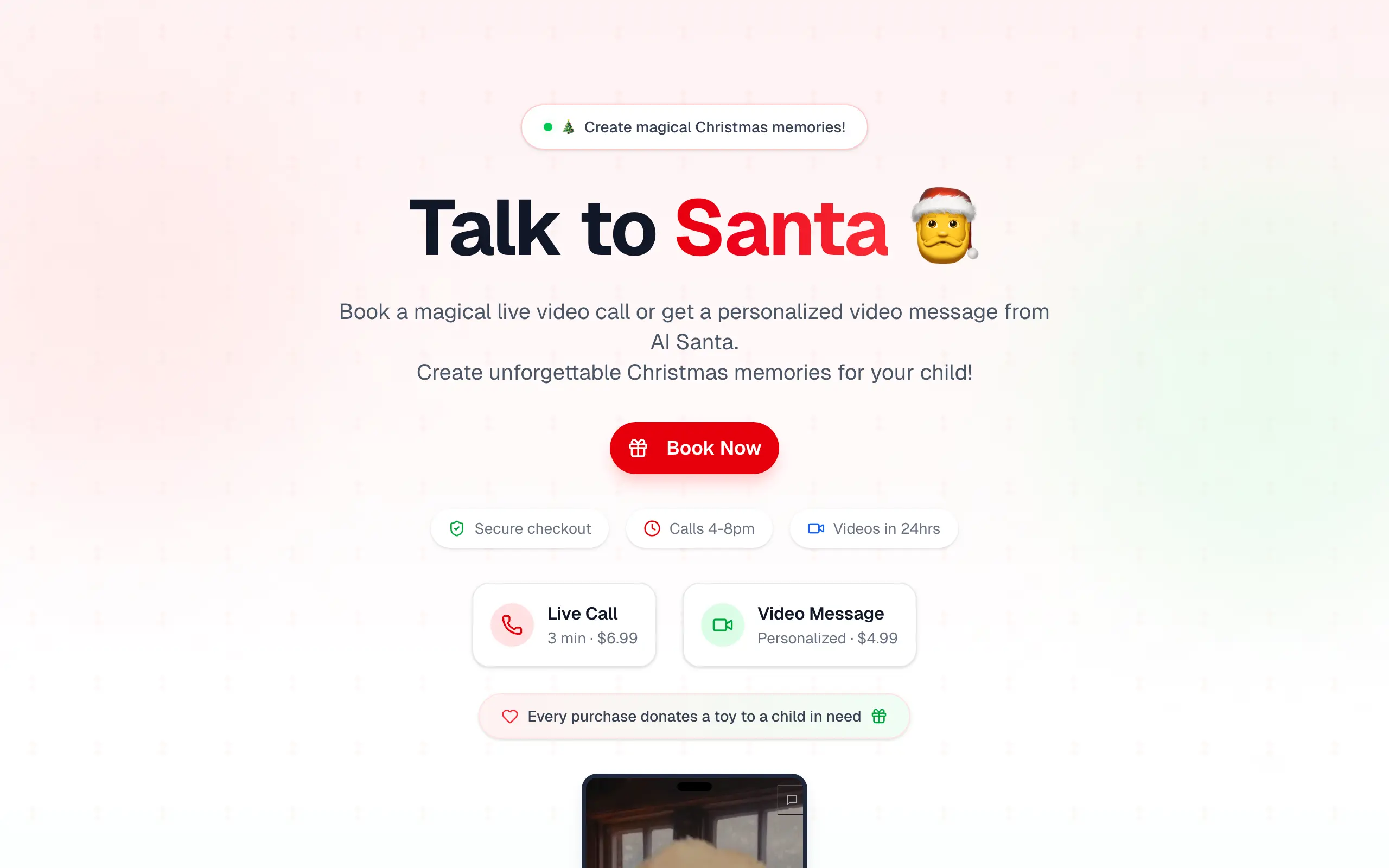
Talk to Santa
Enjoy a magical live video chat or receive a unique AI-generated video greeting from Santa Claus 🎅
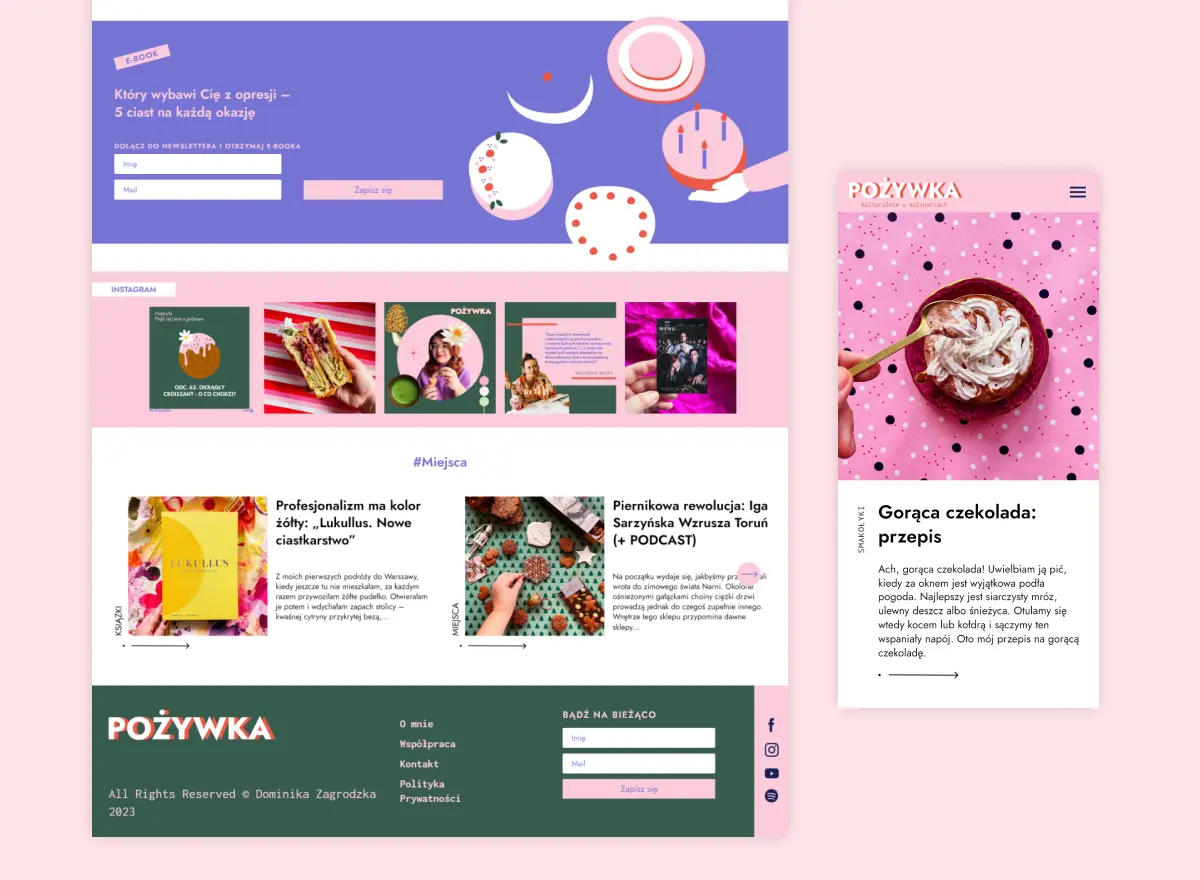
pozywka.pl
Scalable blog for food journalist, focused on performance and user experience 🌭
zagrodzki.me
Personal blog and portfolio of Bart Zagrodzki, where he shares his knowledge and work 💼
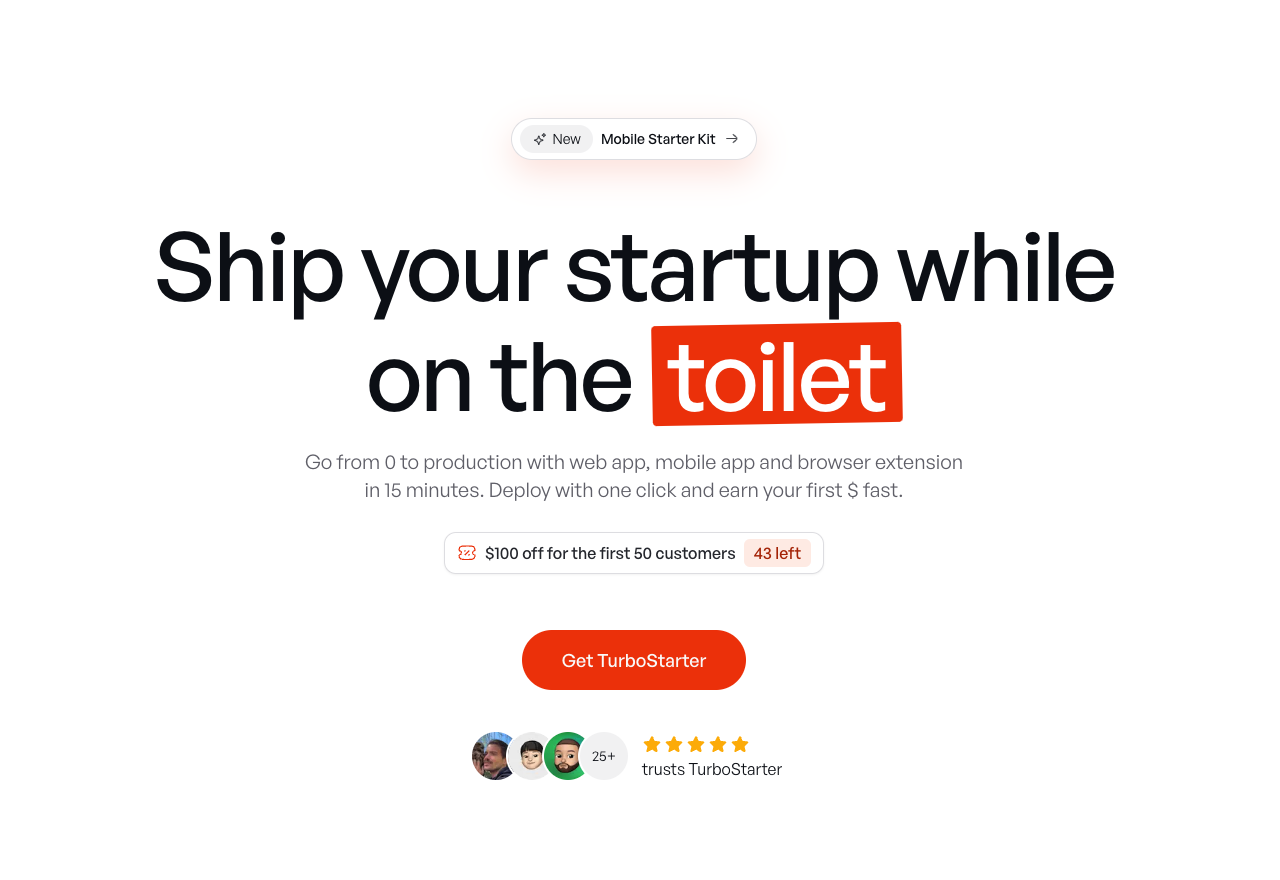
TurboStarter
Ship your startup everywhere. In minutes.
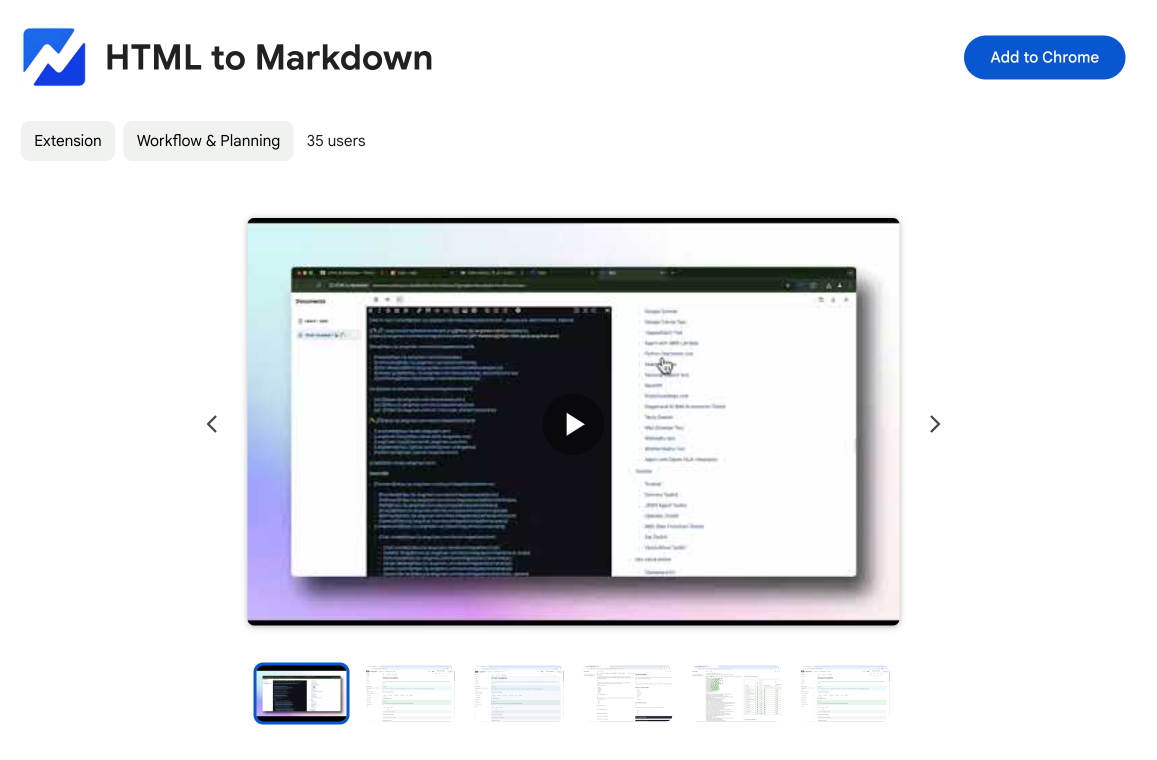
HTML to Markdown
Convert HTML to Markdown with ease, directly in your browser 📄
Dotallio
Personalized AI apps that automate research, data extraction, and content creation without code 🤖
Talk to Santa
Enjoy a magical live video chat or receive a unique AI-generated video greeting from Santa Claus 🎅
pozywka.pl
Scalable blog for food journalist, focused on performance and user experience 🌭
zagrodzki.me
Personal blog and portfolio of Bart Zagrodzki, where he shares his knowledge and work 💼
TurboStarter
Ship your startup everywhere. In minutes.
HTML to Markdown
Convert HTML to Markdown with ease, directly in your browser 📄
Dotallio
Personalized AI apps that automate research, data extraction, and content creation without code 🤖
Talk to Santa
Enjoy a magical live video chat or receive a unique AI-generated video greeting from Santa Claus 🎅
pozywka.pl
Scalable blog for food journalist, focused on performance and user experience 🌭
zagrodzki.me
Personal blog and portfolio of Bart Zagrodzki, where he shares his knowledge and work 💼
TurboStarter
Ship your startup everywhere. In minutes.
HTML to Markdown
Convert HTML to Markdown with ease, directly in your browser 📄
Dotallio
Personalized AI apps that automate research, data extraction, and content creation without code 🤖
Talk to Santa
Enjoy a magical live video chat or receive a unique AI-generated video greeting from Santa Claus 🎅
pozywka.pl
Scalable blog for food journalist, focused on performance and user experience 🌭
zagrodzki.me
Personal blog and portfolio of Bart Zagrodzki, where he shares his knowledge and work 💼
TurboStarter
Ship your startup everywhere. In minutes.
HTML to Markdown
Convert HTML to Markdown with ease, directly in your browser 📄
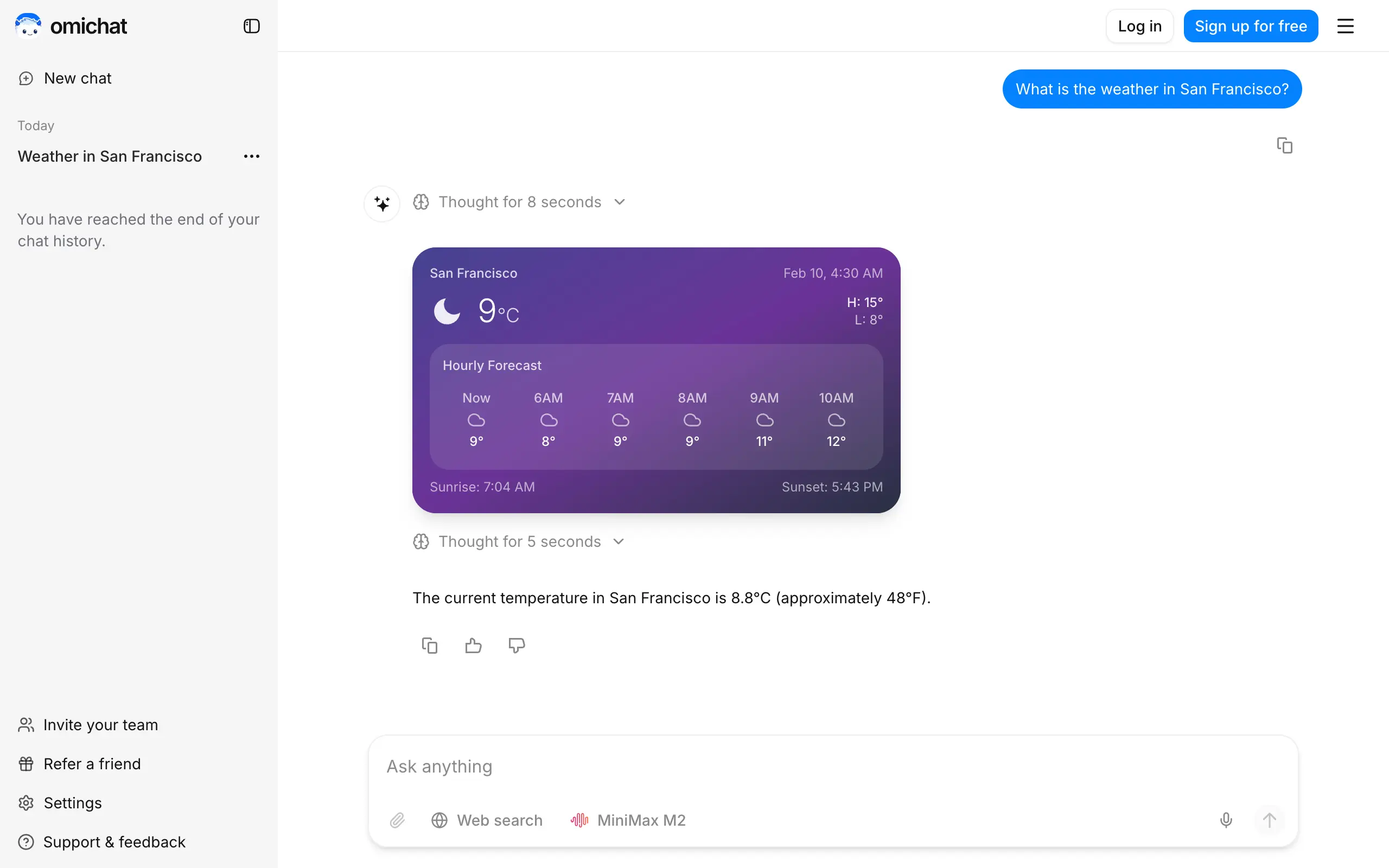
Omichat
Chat with 50+ AI models, including ChatGPT and Claude, in one place - switch models anytime without losing context 🤖
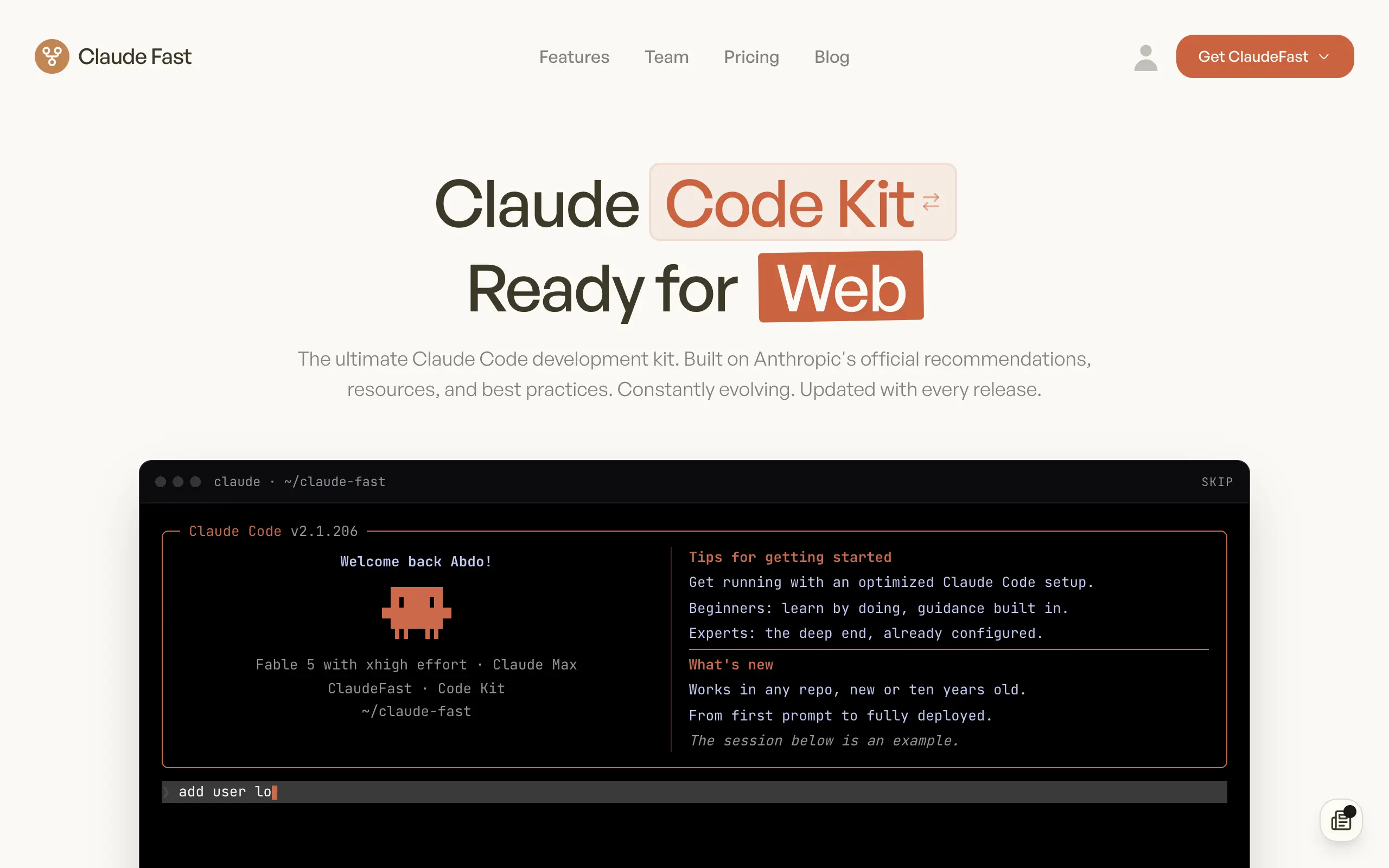
Claude Fast
Supercharge your Claude Code with 6x effective context window and specialized AI agents 🤖
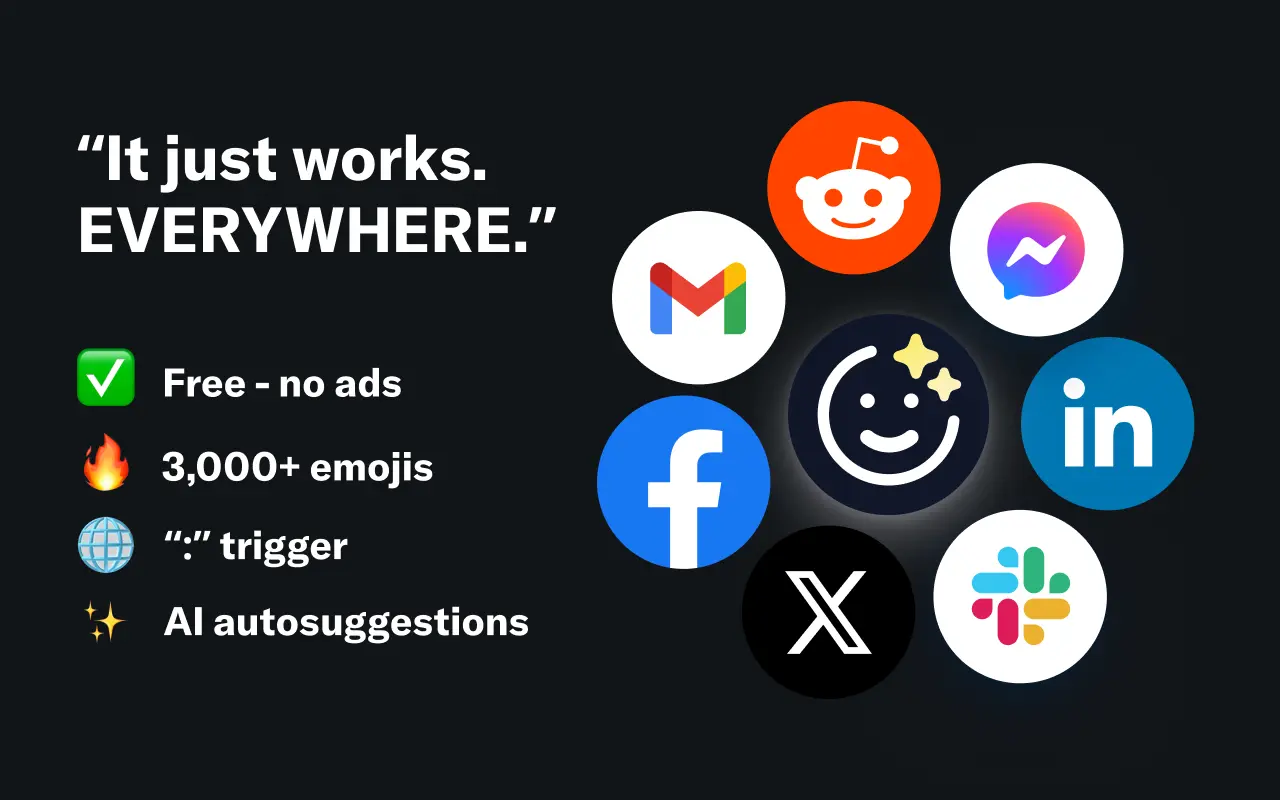
EmojAI
AI-powered emoji picker with smart, context-aware suggestions 🤖
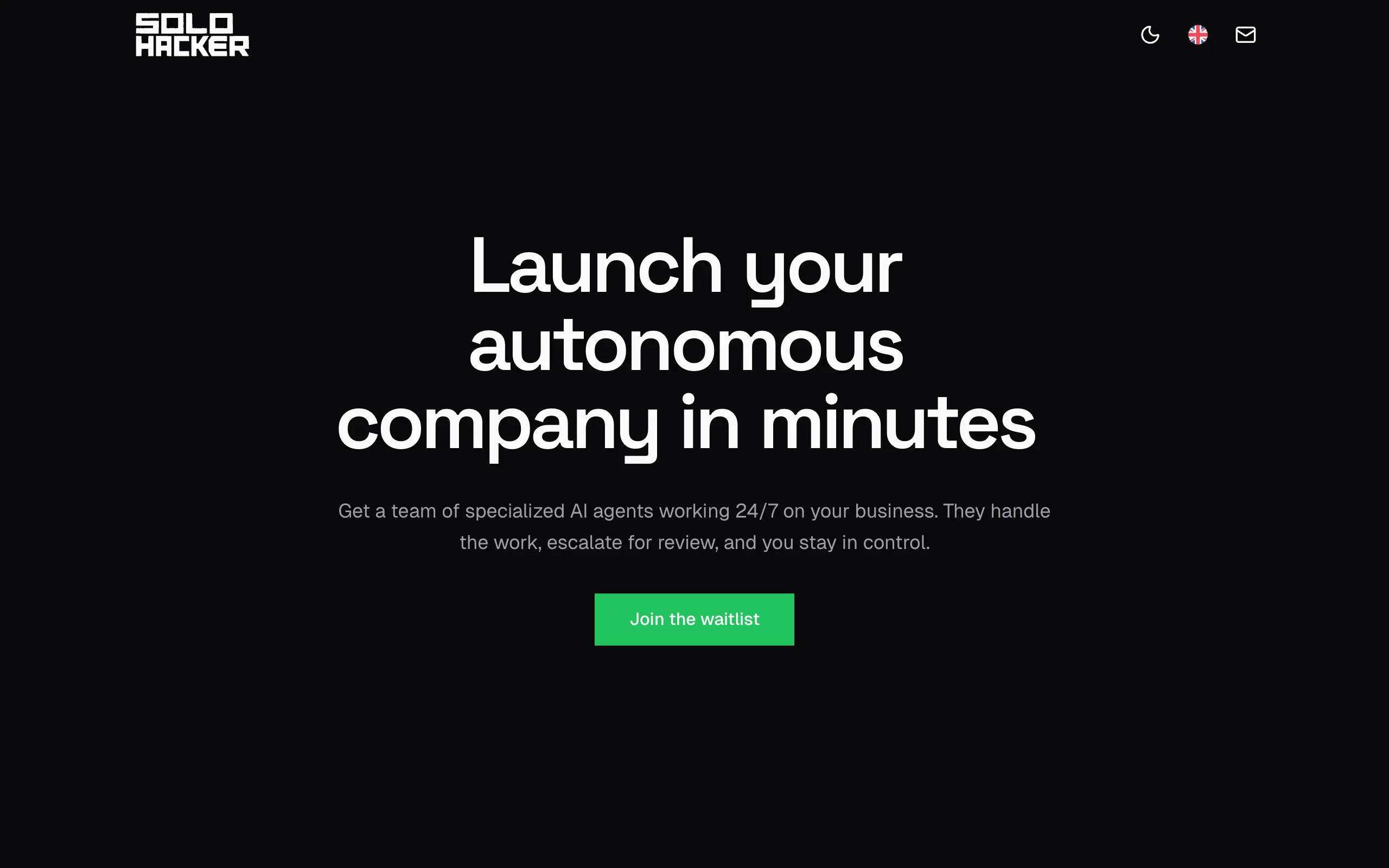
Solohacker
Autonomous company launcher - AI agents work 24/7, escalate what matters, and you stay in control 🤖
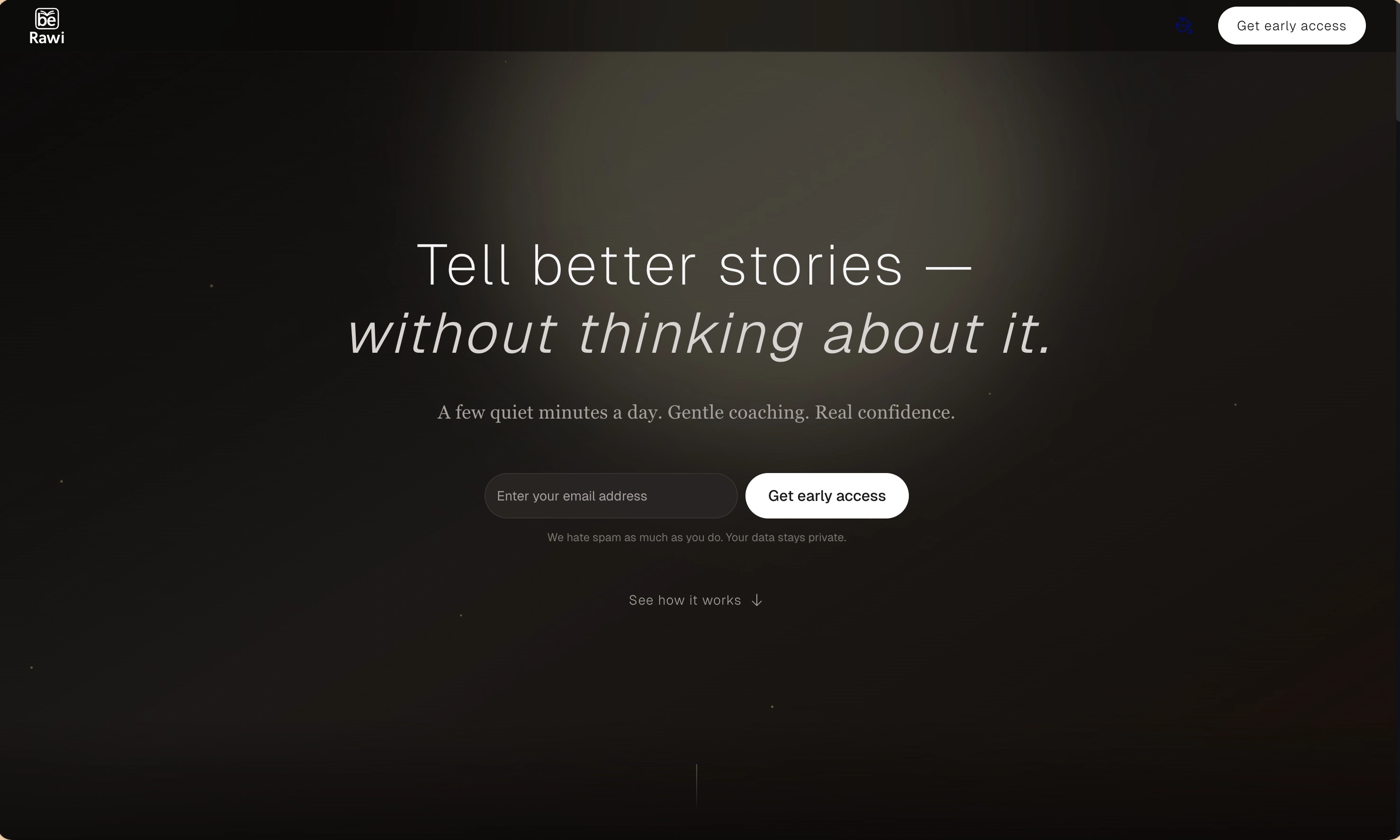
BeRawi: Storytelling Coach
Practice storytelling daily with instant feedback to sound clearer, more engaging, and confident 🎤
Omichat
Chat with 50+ AI models, including ChatGPT and Claude, in one place - switch models anytime without losing context 🤖
Claude Fast
Supercharge your Claude Code with 6x effective context window and specialized AI agents 🤖
EmojAI
AI-powered emoji picker with smart, context-aware suggestions 🤖
Solohacker
Autonomous company launcher - AI agents work 24/7, escalate what matters, and you stay in control 🤖
BeRawi: Storytelling Coach
Practice storytelling daily with instant feedback to sound clearer, more engaging, and confident 🎤
Omichat
Chat with 50+ AI models, including ChatGPT and Claude, in one place - switch models anytime without losing context 🤖
Claude Fast
Supercharge your Claude Code with 6x effective context window and specialized AI agents 🤖
EmojAI
AI-powered emoji picker with smart, context-aware suggestions 🤖
Solohacker
Autonomous company launcher - AI agents work 24/7, escalate what matters, and you stay in control 🤖
BeRawi: Storytelling Coach
Practice storytelling daily with instant feedback to sound clearer, more engaging, and confident 🎤
Omichat
Chat with 50+ AI models, including ChatGPT and Claude, in one place - switch models anytime without losing context 🤖
Claude Fast
Supercharge your Claude Code with 6x effective context window and specialized AI agents 🤖
EmojAI
AI-powered emoji picker with smart, context-aware suggestions 🤖
Solohacker
Autonomous company launcher - AI agents work 24/7, escalate what matters, and you stay in control 🤖
BeRawi: Storytelling Coach
Practice storytelling daily with instant feedback to sound clearer, more engaging, and confident 🎤

Connect with like-minded people
Join our community to get feedback, support, and grow together with 1,000+ builders on board, let's ship it!
Join usShip your startup everywhere. In minutes.
Don't burn tokens on setup and start building features on day one.